Posted on Leave a comment

Vitamins in Mango: Unlocking the Nutritional Powerhouse of the King of Fruits!

Homemade Aampapad Roll Gift Box

Title: The Nutritional Powerhouse: Unveiling the Vitamins in Mangoes


Introduction:

Mangoes, often referred to as the “king of fruits,” are not only delicious but also packed with a plethora of vitamins and nutrients. This tropical delight offers more than just a sweet taste; it’s a vitamin-packed powerhouse that can boost your health in various ways. In this article, we’ll delve deep into the vitamins present in mangoes and their associated health benefits.


1. The Vitamin Profile of Mangoes:

a. Vitamin A: The Vision Booster

  • Role: Essential for vision, immune function, and skin health.
  • Mangoes Contribution: Mangoes are a significant source of Vitamin A, which comes from its vibrant orange color indicating the presence of beta-carotene.
  • Addressing the Query: Mangoes are among the top fruits that provide a substantial amount of Vitamin A.

b. Vitamin K: The Blood Clotting Master

  • Role: Crucial for blood clotting and bone health.
  • Mangoes Contribution: While not the highest, mangoes do contain a decent amount of Vitamin K.
  • Addressing the Query: Mangoes have Vitamin K, but if you’re on medications like warfarin, it’s essential to monitor your Vitamin K intake.

c. Vitamin C: The Immunity Booster

  • Role: Vital for immune function, skin health, and antioxidant properties.
  • Mangoes Contribution: Mangoes are a good source of Vitamin C, making them great for boosting immunity.
  • Addressing the Query: Yes, mangoes are a delightful way to get your daily dose of Vitamin C.

2. Mangoes: Beyond Just Vitamins

a. Mangoes and Weight Management

  • Mangoes, when consumed in moderation, can be a part of a healthy diet. They provide dietary fiber, which can help in feeling full and aid in digestion.

b. Mangoes and Medications

  • Mango and Warfarin: Due to its Vitamin K content, those on blood thinners like warfarin should consume mangoes in moderation and under guidance.

c. The Versatility of Mangoes

  • Whether you’re enjoying them raw, in a smoothie, or as a tropical salad, mangoes are versatile and can be incorporated into various dishes.

3. Comparing Mangoes with Other Fruits:

a. Mango vs. Jackfruit

  • While both are tropical fruits, their nutritional profiles differ. Jackfruit is also nutritious but has its unique set of vitamins and benefits.

b. Mango vs. Pears

  • Pears are another fruit rich in dietary fiber and certain vitamins. However, when it comes to Vitamin A content, mangoes take the lead.

4. Mangoes: A Vitamin-Packed Powerhouse

Mangoes are not just about taste; they’re a treasure trove of vitamins. From Vitamin A to Vitamin K and Vitamin C, they offer a range of nutrients beneficial for our health. So, the next time you relish a juicy mango, remember you’re also giving your body a vitamin boost!


5. Mangoes for Skin: A Natural Glow Enhancer

a. Vitamin A for Skin Health

  • Role: Vitamin A promotes healthy skin by producing and repairing skin cells. It also helps reduce wrinkles and combat acne.
  • Mango’s Contribution: The significant amount of Vitamin A in mangoes can enhance skin health, giving it a natural glow and reducing skin issues.
  • Tip: Applying mango pulp to the skin can act as a natural moisturizer.

b. Vitamin C: The Collagen Booster

  • Role: Vitamin C aids in the production of collagen, a protein that helps keep our skin firm and youthful.
  • Mango’s Contribution: With its rich Vitamin C content, mangoes can help in maintaining skin’s elasticity.
  • DIY: A mango and honey face mask can rejuvenate and hydrate the skin.

6. Mangoes as an Antioxidant Powerhouse

a. Fighting Free Radicals

  • Role: Antioxidants combat free radicals in the body, which can cause cellular damage leading to various diseases.
  • Mango’s Contribution: Mangoes are rich in antioxidants like quercetin, isoquercitrin, and astragalin, which help in neutralizing free radicals.
  • Health Tip: Consuming mangoes regularly can reduce oxidative stress and lower the risk of chronic diseases.

b. Mangoes and Heart Health

  • Mangoes have a mix of potassium, Vitamin C, and fiber, which collectively support heart health. They can help in reducing LDL (bad cholesterol) levels, thus promoting a healthy heart.

7. Debunking Common Mango Myths

a. Mangoes and Weight Gain

  • Myth: Eating mangoes leads to weight gain.
  • Reality: While mangoes are calorie-dense, consuming them in moderation won’t lead to weight gain. It’s all about balance.

b. Mangoes and Diabetes

  • Myth: Mangoes are not suitable for diabetics.
  • Reality: Mangoes have a moderate glycemic index and can be consumed by diabetics in moderation. However, it’s always best to consult with a healthcare professional.

8. The Global Love for Mangoes: Different Varieties

Mangoes are not just an Asian delight. They’re loved globally and come in various varieties. From the sweet Alphonso in India to the tangy Ataulfo in Mexico, the world of mangoes is vast and flavorful.


9. Conclusion:

Mangoes are more than just a summer fruit. They’re a nutritional powerhouse, offering a range of vitamins and health benefits. Whether you’re looking to boost your skin health, get your dose of essential vitamins, or simply enjoy a delicious fruit, mangoes have got you covered. Embrace the king of fruits and let it work its magic on your health!

FAQs:

  1. What vitamins are predominantly found in mangoes?
    • Mangoes are a rich source of vitamins, especially Vitamin A, C, and E. They also contain a modest amount of Vitamin K and several B vitamins.
  2. Is the Vitamin K content in mangoes high enough to affect blood-thinning medications?
    • While mangoes contain Vitamin K, the amount is not significantly high. However, if you’re on blood-thinning medications, it’s always best to consult with your healthcare provider.
  3. How does the Vitamin A in mangoes benefit the body?
    • Vitamin A, primarily present in mangoes as beta-carotene, is essential for vision, growth, and immune function. Regular consumption can help maintain good eyesight and boost immunity.
  4. Are mangoes a good source of Vitamin C?
    • Absolutely! Mangoes provide a significant portion of the daily Vitamin C requirement, ensuring healthy immune function and aiding in iron absorption.
  5. Can eating mangoes help improve skin health?
    • Yes, thanks to the Vitamin E content in mangoes, which acts as an antioxidant, helping combat UV damage and aiding in skin repair.
  6. I’ve heard mangoes can aid in weight loss. Is this true?
    • Mangoes, when consumed in moderation, can be part of a healthy diet. They are rich in fiber, which can help you feel full. However, like any fruit, it’s essential to consume them as part of a balanced diet.
  7. What are the benefits of consuming mangoes regularly?
    • Regular consumption of mangoes can boost immunity, improve digestive health, enhance skin quality, and provide essential vitamins and minerals to the body.
  8. Is the sugar content in mangoes a concern for diabetics?
    • Mangoes have natural sugars. While they have a moderate glycemic index, it’s always best for diabetics to consume them in moderation and monitor their blood sugar levels.
  9. How do mangoes compare to other fruits in terms of vitamin content?
    • Mangoes stand out particularly for their Vitamin A and C content. While other fruits also offer these vitamins, mangoes provide them in significant amounts, making them a top choice for these nutrients.
  10. Are there any risks associated with consuming too many mangoes?
  • While mangoes are nutritious, consuming them in excess can lead to too much sugar intake. It’s always best to enjoy them as part of a balanced diet.

Blog Tags:

mango nutrition, vitamin content, Vitamin A, Vitamin C, Vitamin K, Vitamin E, mango benefits, skin health, immune boost, bone health, dietary fiber, mangoes and diabetes, natural sugars, king of fruits, mango varieties.
Posted on Leave a comment

Pistachio Perfection: 5 Keto Dinner Meal Replacement Shakes for a Nutty Twist

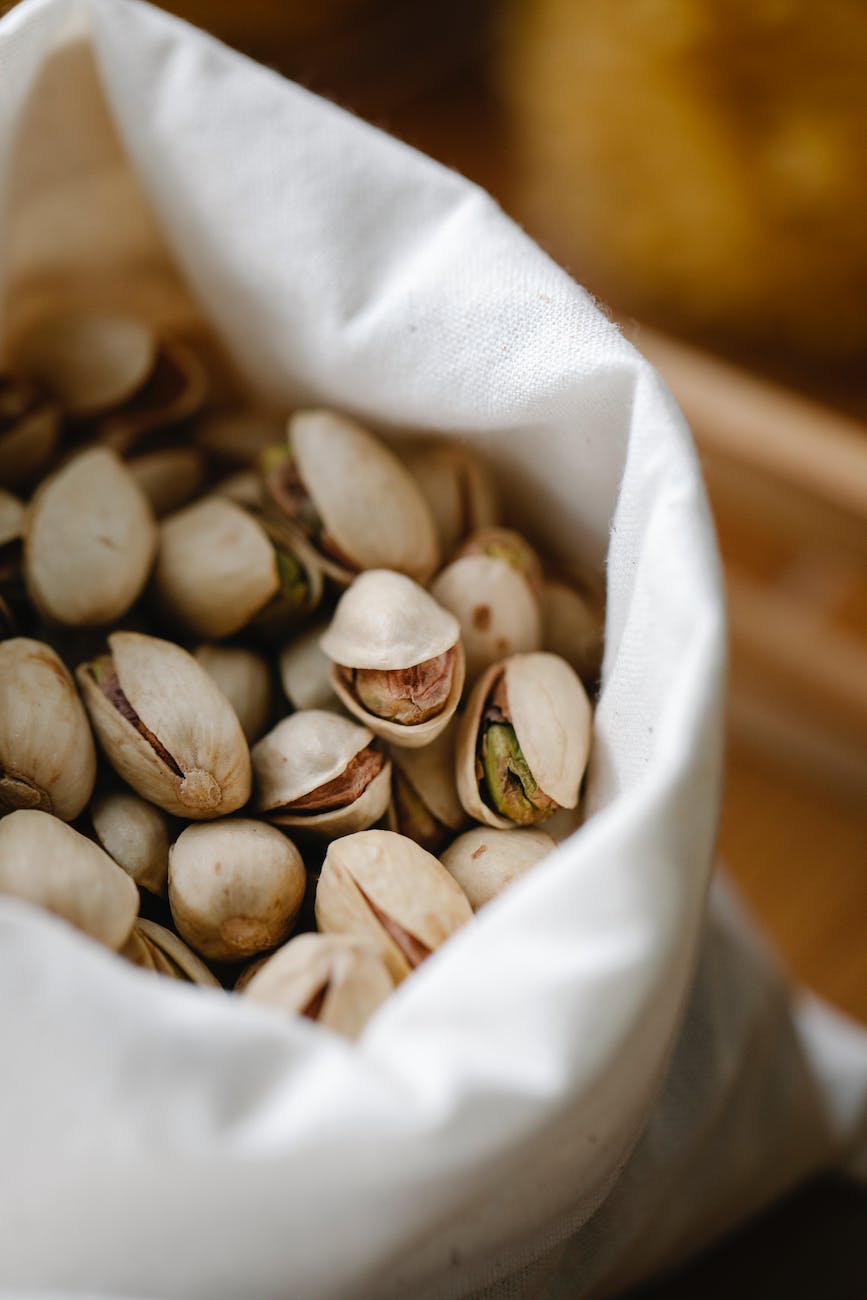
heap of pistachios in bag

The ketogenic diet, or keto for short, has taken the world by storm. This low-carb, high-fat diet is known for its ability to help people lose weight and improve their health. But, as with any diet, it’s essential to know what foods you can and cannot eat. One food that often comes up in the keto conversation is pistachios. Are they keto-friendly? Can they be included in a keto diet? Let’s dive in and find out! 🏊‍♀️

Are Pistachios Keto-Friendly? 🤔

Pistachios, like other nuts, are packed with healthy fats and protein, making them a great snack option. But when it comes to the keto diet, it’s not just about the fats and protein; it’s about the carbs. And this is where things can get a bit tricky with pistachios.

According to Wholesome Yum, an ounce of pistachios has a net carb count of 4.7 grams. While this might seem low, it can quickly add up if you’re aiming for an average of 20 net carbs per day on a keto diet. So, while pistachios aren’t exactly keto-unfriendly, they’re not the lowest carb nut out there.

However, Keto Pots suggests that appearances can be deceiving. A significant portion of the carbs in pistachios comes from dietary fiber, which reduces the total net carbs. So, if you’re a fan of pistachios and want to include them in your keto diet, moderation is key.

Pistachios and Keto Meal Replacement Shakes 🥤

Now, let’s talk about keto meal replacement shakes. These shakes are an excellent tool for anyone following a low-carb diet but doesn’t always have time to prepare high-fat, low-carb meals from scratch. They provide all the nutrients you need per meal in one convenient package.

But can you add pistachios to your keto meal replacement shakes? Absolutely! Adding a handful of pistachios to your shake can not only enhance the flavor but also provide a healthy dose of fats and protein. Just remember to keep an eye on the carb count.

5 Meal Replacement Shake Ideas with Pistachios 🥤

Pistachios, with their rich, slightly sweet flavor, are not just a tasty snack. They’re also packed with nutrients and can be a fantastic addition to your ketogenic diet. They provide a good source of healthy fats, are low in carbs, and offer a decent amount of protein, making them a great choice for keto dieters.

Now, let’s dive into some delicious and nutritious shake ideas that incorporate pistachios. These meal replacement shakes are designed to be keto-friendly, providing you with the nutrients you need while helping you stay within your daily carb limit.

1. Classic Pistachio Shake 🥤

For a simple yet tasty shake, the Classic Pistachio Shake is your go-to. Here’s what you need:

  • A handful of pistachios
  • Unsweetened almond milk
  • A scoop of keto-friendly protein powder
  • A tablespoon of MCT oil
  • A few ice cubes

Blend all these ingredients together, and you’ve got a delicious, keto-friendly shake that’s packed with protein and healthy fats.

2. Pistachio and Spinach Shake 🥬

If you’re looking to incorporate more greens into your diet, the Pistachio and Spinach Shake is a fantastic choice. Here’s how to make it:

  • A handful of pistachios
  • A handful of fresh spinach
  • Unsweetened almond milk
  • A scoop of vanilla protein powder
  • A tablespoon of flaxseeds

This shake is packed with vitamins and minerals from the spinach and flaxseeds, making it a nutrient-dense choice that’s still low in carbs.

3. Pistachio and Berry Delight 🍓

For a fruity shake that’s high in antioxidants, try the Pistachio and Berry Delight. Here’s what you need:

  • A handful of pistachios
  • A mix of low-carb berries like raspberries and blueberries
  • Unsweetened almond milk
  • A scoop of protein powder
  • A tablespoon of chia seeds

This shake is a delightful mix of fruity flavors and the rich taste of pistachios, all while being keto-friendly.

4. Chocolate Pistachio Shake 🍫

If you have a sweet tooth, the Chocolate Pistachio Shake is a delicious treat that won’t derail your diet. Here’s how to make it:

  • A handful of pistachios
  • Unsweetened almond milk
  • A scoop of chocolate protein powder
  • A tablespoon of cocoa powder
  • A dash of stevia

This shake is like a dessert in a glass, satisfying your sweet cravings while keeping you on track with your keto diet.

5. Pistachio and Avocado Shake 🥑

For a creamy and satisfying shake, try the Pistachio and Avocado Shake. Here’s what you need:

  • A handful of pistachios
  • Half an avocado
  • Unsweetened almond milk
  • A scoop of vanilla protein powder
  • A few ice cubes

This shake is incredibly satisfying, thanks to the creaminess of the avocado. Plus, you’ll get all the added benefits of the healthy fats from the avocado.

Remember, while these shakes are designed to be keto-friendly, it’s essential to keep an eye on the carb count, especially when adding fruits. Enjoy these shakes as part of your balanced keto diet and reap the benefits of the mighty pistachio! 🎉🥑🍓🍫🌱

Frequently Asked Questions (FAQs) 🤔

1. Are pistachios keto-friendly?

Yes, pistachios are keto-friendly. They are low in carbs and high in healthy fats, making them a great choice for those following a ketogenic diet.

2. Can I use pistachios in my meal replacement shakes?

Absolutely! Pistachios can add a delicious flavor and a boost of nutrients to your meal replacement shakes. They’re a great source of protein, healthy fats, and fiber.

3. What are some keto-friendly meal replacement shake ideas with pistachios?

There are many ways to incorporate pistachios into your meal replacement shakes. Some ideas include a Classic Pistachio Shake, a Pistachio and Spinach Shake, a Pistachio and Berry Delight, a Chocolate Pistachio Shake, and a Pistachio and Avocado Shake.

4. Can I have a Chocolate Pistachio Shake on a keto diet?

Yes, you can have a Chocolate Pistachio Shake on a keto diet. Just make sure to use unsweetened cocoa powder and a keto-friendly sweetener like stevia to keep it low in carbs.

5. Is the Pistachio and Avocado Shake good for a keto diet?

Yes, the Pistachio and Avocado Shake is excellent for a keto diet. Avocados are high in healthy fats and fiber, making them a great choice for those following a ketogenic diet. Plus, they add a creamy texture to your shake.

6. Can I add fruits to my keto-friendly pistachio shake?

Yes, you can add fruits to your keto-friendly pistachio shake, but you should choose low-carb fruits like berries. Remember to keep an eye on the carb count to stay within your daily limit.

7. Can I use other nuts instead of pistachios in my keto shake?

Yes, you can use other nuts like almonds or walnuts in your keto shake. However, each type of nut has a different nutrient profile and carb count, so make sure to adjust your portions accordingly.

The Verdict: Pistachios and the Keto Diet 🏛️

So, are pistachios keto-friendly? The answer is yes, but with a caveat. While pistachios are not the lowest carb nut out there, they can still be included in a keto diet in moderation. They’re packed with healthy fats and protein, and their net carb count is lower than it first appears thanks to their high fiber content.

As for keto meal replacement shakes, pistachios can be a great addition. They can enhance the flavor of your shake and provide a healthy dose of fats and protein. Just remember to keep an eye on the carb count.

In conclusion, while pistachios may not be the first food that comes to mind when you think of keto, they can certainly find a place in a well-planned keto diet. So go ahead and enjoy that handful of pistachios — your keto diet can handle it! 🎉

Blog Tags: Keto Diet, Pistachios, Low-Carb Diet, High-Fat Diet, Keto Meal Replacement Shakes, Healthy Snacks, Dietary Fiber, Net Carbs.

Posted on Leave a comment

Seaweed Snacks: A Keto-Friendly Powerhouse of Nutrition, Flavor, and Versatility

scrabble tiles surrounded by white flowers on a marbled surface

The ketogenic diet, or keto for short, has taken the world by storm. This low-carb, high-fat diet is renowned for its potential to promote weight loss and improve overall health. However, one of the challenges that keto followers often face is finding satisfying snacks that align with their dietary requirements. This is where seaweed snacks come into play. 🌿🌊

What Exactly are Seaweed Snacks?

Seaweed snacks are a type of food made from different varieties of marine algae. These algae are harvested, dried, and seasoned to create a snack that is not only tasty but also packed with nutrients. They are often packaged in small, portable packs, making them a convenient snack option for those on the go. But the burning question is, are they keto-friendly? The answer is a resounding yes! 🎉

The Keto-Friendly Nature of Seaweed Snacks

Seaweed snacks are a natural fit for the keto diet, and here’s why:

  1. Low in Carbs: One of the key principles of the keto diet is low carbohydrate intake. Seaweed snacks excel in this aspect. A typical 10g pack of roasted seaweed snacks provides only 25 calories and 0g net carbs, making them an excellent choice for those following a keto diet. 📉
  2. Nutrient-Dense: Seaweed is a powerhouse of essential nutrients. It’s rich in iodine, which is crucial for healthy thyroid function. It also provides vitamin K, B vitamins, iron, and zinc. Moreover, seaweed is a great source of antioxidants, which can help protect your body against oxidative stress. 🌟
  3. Satisfying and Delicious: The salty, umami flavor of seaweed snacks can help satisfy your cravings without knocking you out of ketosis. Plus, their crunchy texture can be a welcome change from other keto-friendly snacks. 😋

Incorporating Seaweed Snacks into Your Keto Diet: Some Creative Ideas

Seaweed snacks are versatile and can be enjoyed in numerous ways. Here are a few creative ideas:

  1. As a Salad Topping: Crumble some seaweed snacks over your salad for a crunchy, nutrient-rich topping. This can add a unique flavor and texture to your salads. 🥗
  2. In Soups: You can add seaweed snacks to your soups for a boost of flavor and nutrients. They can complement a variety of soups, from clear broths to creamy concoctions. 🍲
  3. As a Side Dish: Enjoy seaweed snacks as a side dish with your main meal. They pair well with a variety of dishes, including grilled meats and fish. This can add a new dimension to your meals. 🍽️
  4. As a Snack on its Own: Of course, you can always enjoy seaweed snacks straight from the pack. They’re perfect for those times when you need a quick, satisfying snack. 🎒

Remember, while seaweed snacks are keto-friendly, they should be consumed as part of a balanced diet. Always pay attention to portion sizes and listen to your body’s hunger and fullness cues.

The Bottom Line: Seaweed Snacks and Keto

Seaweed snacks are a fantastic, keto-friendly snack option. They are low in carbs, high in nutrients, and can help satisfy your cravings on a keto diet. So next time you’re looking for a keto-friendly snack, why not give seaweed snacks a try? You might just find your new favorite snack! 🎉👍

Blog Tags: Seaweed Snacks, Keto Diet, Low Carb Snacks, Healthy Snacks, Nutrient-Rich Foods, Seaweed Benefits, Keto-Friendly Foods, Keto Snacking, Seaweed Nutrition, Keto Lifestyle, Seaweed on Keto, Keto Seaweed Snacks, Seaweed and Keto Diet, Seaweed Snacks on Keto Diet, Keto Seaweed Benefits.

Posted on 2 Comments

5 Edible Seeds that are good for Weight Loss

blue tape measuring on clear glass square weighing scale

Seeds are the unsung heroes of the nutritional world. Packed with a potent mix of essential nutrients, these tiny powerhouses are a must-have in your daily diet. From flaxseeds to chia, sunflower to pumpkin, each seed brings its unique blend of health benefits to the table. In this blog post, we’ll delve into the world of edible seeds, their health benefits, and how they can aid in weight loss and muscle growth.

🌾 Types of Edible Seeds 🌾

There are numerous types of edible seeds that you can incorporate into your diet. Here are five popular ones:

  1. Chia Seeds: These tiny black seeds are rich in fiber, protein, and omega-3 fatty acids. They also contain a good amount of minerals like calcium and magnesium. Chia seeds are also known for their ability to absorb water, which can help you feel fuller for longer.
  2. Flaxseeds: Known for their high omega-3 fatty acids content, flaxseeds are also a great source of dietary fiber. They’re also packed with lignans, which have antioxidant properties. Ground flaxseeds can be easily added to your diet and are a great source of plant-based protein.
  3. Pumpkin Seeds: These are loaded with antioxidants and a rich source of magnesium, iron, zinc, and protein. Pumpkin seeds also contain high levels of essential fatty acids that help maintain healthy blood vessels and lower unhealthy cholesterol in the blood.
  4. Sunflower Seeds: High in vitamin E and selenium, sunflower seeds are excellent for your heart health. They also provide a good amount of dietary fiber. Sunflower seeds are also rich in B vitamins, which are necessary for a healthy metabolism.
  5. Hemp Seeds: These seeds are a great source of protein and contain all nine essential amino acids. They’re also packed with omega-3 and omega-6 fatty acids. Hemp seeds are also known for their high levels of gamma-linolenic acid (GLA), a type of omega-6 fatty acid that has several health benefits.

🏋️‍♀️ Seeds for Weight Loss 🏋️‍♀️

Seeds can be a great addition to your diet if you’re trying to lose weight. They’re high in fiber and protein, which can help you feel fuller for longer, reducing the likelihood of overeating. Here are some of the best seeds for weight loss:

  1. Chia Seeds: The high fiber content in chia seeds can help you feel full and satisfied, reducing your calorie intake. They also expand in your stomach, which can help reduce hunger.
  2. Flaxseeds: Flaxseeds are packed with dietary fiber, which aids in weight loss by promoting a feeling of fullness. They also contain protein, which can help maintain muscle mass while you’re losing weight.
  3. Pumpkin Seeds: These seeds are a good source of protein, which can help curb your appetite and keep you from overeating. They’re also low in calories, making them a healthy snack choice.
  4. Sunflower Seeds: Sunflower seeds are high in healthy fats and fiber, which can help you feel full and satisfied. They’re also packed with protein, which can help maintain muscle mass during weight loss.

💪 Seeds for Muscle Growth 💪

Seeds are not just for weight loss; they can also support muscle growth. They are a good source of protein, a key nutrient for muscle development. Hemp seeds, for instance, are a complete protein, meaning they contain all nine essential amino acids necessary for muscle growth and repair. Incorporating seeds into your post-workout meal can provide your body with the protein it needs to repair and build new muscle tissue.

🍽️ How to Eat Seeds 🍽️

Seeds are incredibly versatile and can be incorporated into your diet in various ways. You can sprinkle them on your salads, yogurt, or cereal. They can also be blended into smoothies or used as a topping for your toast. Some people prefer to eat seeds like pumpkin and sunflower seeds on their own as a snack.

🤔 Addressing Common Questions about Seeds 🤔

  • Can thyroid patients eat chia seeds? Yes, chia seeds are safe for thyroid patients to consume. They are a good source of essential nutrients like fiber and omega-3 fatty acids.
  • Are hemp seeds good for weight loss? Yes, hemp seeds can support weight loss as they are high in protein and fiber, which can help you feel full and satisfied.
  • Which seeds should you eat for weight loss? Chia seeds, flaxseeds, pumpkin seeds, and sunflower seeds are all excellent choices for weight loss due to their high fiber and protein content.
  • Are pumpkin seeds good for weight loss? Yes, pumpkin seeds can be a great addition to a weight loss diet. They are high in fiber and protein, which can help keep you feeling full.
  • Is sunflower seeds good for weight loss? Yes, sunflower seeds can be beneficial for weight loss. They are high in fiber and healthy fats, which can help you feel satisfied.

🌈 Conclusion 🌈

Seeds are a nutritional powerhouse that can provide a host of health benefits. Whether you’re looking to lose weight, build muscle, or simply improve your overall health, incorporating seeds into your diet can be a great step towards achieving your health goals. So, why not start sprinkling some into your meals today? 🌱💪🥗

Posted on 1 Comment

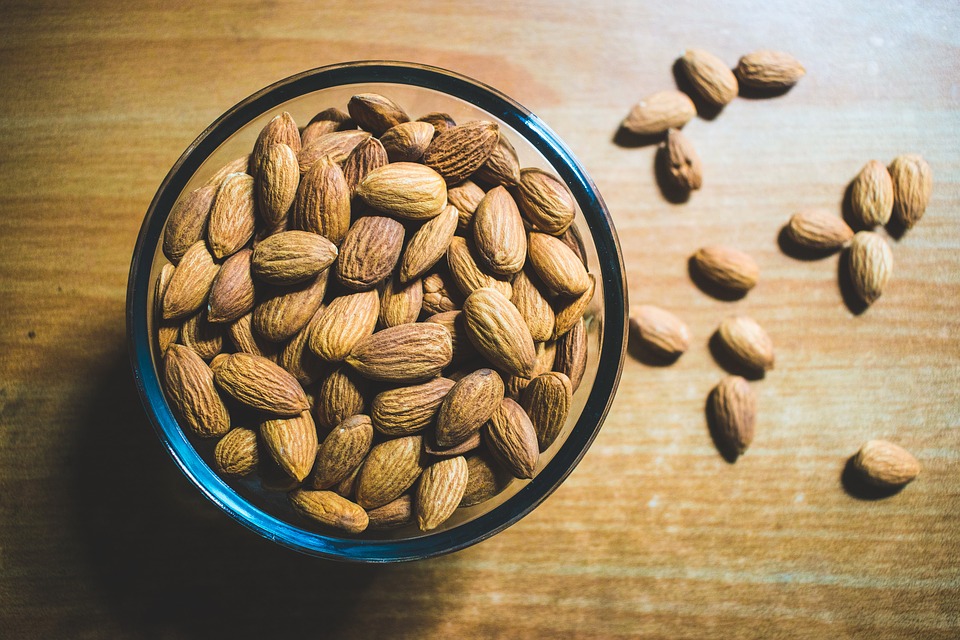
How to eat Almonds for weight loss?

Types of Almonds You Should Know About — And How Each Boosts Your Health Differently

Hello, health enthusiasts! 🙋‍♀️🙋‍♂️ Today, we’re going to explore the amazing world of almonds and their incredible health benefits. So, buckle up and get ready to discover why almonds are the secret weapon you need in your health and weight loss journey. 🌰

🏋️‍♀️🏋️‍♂️ Almonds and Weight Loss: A Winning Combination

Almonds are not just tasty snacks. They are nutritional powerhouses that can play a significant role in weight loss. But how exactly do almonds contribute to weight loss? Let’s dive in. 🕵️‍♀️🕵️‍♂️

  • Packed with Protein: Almonds are a great source of protein. According to the USDA, a single ounce of almonds (approximately 22 nuts) contains 6 grams of protein. Foods rich in protein are known to increase feelings of fullness, which can help control your appetite and reduce overall calorie intake. This can be particularly beneficial if you’re trying to lose weight.
  • Backed by Science: The connection between almonds and weight loss is not just anecdotal. It’s backed by science. A study published in BMJ Nutrition, Prevention & Health found that replacing certain foods with nuts, including almonds, can lead to more successful weight loss. The study suggests that eating at least half an ounce of nuts each day can lower your risk of gaining 11 or more pounds. So, almonds can indeed be your weight loss superheroes! 🦸‍♀️🦸‍♂️

🌟 Beyond Weight Loss: The Health Benefits of Almonds

1. Boost Your Heart Health ❤️: Almonds are rich in monounsaturated fats, the same type of health-promoting fats found in olive oil, which have been associated with reduced risk of heart disease. In fact, a study titled “Effects of Daily Almond Consumption on Cardiometabolic Risk and Abdominal Adiposity in Healthy Adults With Elevated LDL-Cholesterol: A Randomized Controlled Trial” found that daily almond consumption may be a simple dietary strategy to prevent the onset of heart-related diseases. 🏥

2. Manage Your Weight ⚖️: Struggling with hunger pangs when trying to lose weight? Almonds to the rescue! A study titled “Appetitive, dietary and health effects of almonds consumed with meals or as snacks: a randomized, controlled trial” found that almonds reduced hunger and desire to eat, making them a perfect snack for weight management. 🥊 For more insights on how almonds can aid in weight loss, check out this Masala Monk blog post.

3. Control Blood Sugar Levels 🩸: Almonds have a low glycemic index, meaning they’re less likely to spike your blood sugar levels. Plus, they’re rich in magnesium, a mineral involved in blood sugar control. So, if you’re watching your sugar, don’t forget to include almonds in your diet. 🎯

4. Promote Digestive Health 🦠: The fiber in almonds isn’t just good for keeping you full. It also aids in digestion and promotes gut health. So, munching on almonds can keep your digestive system running smoothly. 🚂

5. Improve Skin Health 🌞: Almonds are rich in vitamin E and antioxidants, which are beneficial for skin health. They can help combat the effects of aging and may even have a positive impact on acne management. For more on this, read this Masala Monk blog post.

6. Enhance Brain Health 🧠: Almonds contain riboflavin and L-carnitine, nutrients that can boost brain activity and may also reduce the risk of Alzheimer’s disease. For a deep dive into how almonds can benefit your brain, memory, and concentration, check out this Masala Monk blog post.

7. Support Pregnancy Health 🤰: Almonds are a good source of folic acid, which is crucial for the healthy development of the fetus. They can also help manage blood sugar levels and prevent gestational diabetes. For more on this, read this Masala Monk blog post.

8. Aid in Intermittent Fasting ⏱️: While almonds do contain calories and technically break a fast, they can be a great inclusion during the eating window of intermittent fasting due to their high fiber and protein content. For more insights on this, check out this Masala Monk blog post.

🍴 How to Incorporate Almonds into Your Weight Loss Diet:

Adding almonds to your diet is easy-peasy! 🍋 Here are some delicious ways to enjoy almonds:

  • Snack on Them: A handful of raw or roasted almonds makes a perfect snack. They’re portable and non-perishable, making them a great on-the-go option.
  • Sprinkle Them: Add a crunch to your salads, yogurt, or oatmeal by sprinkling some chopped almonds on top.
  • Blend Them: Add a scoop of almond butter to your morning smoothie for a protein boost.
  • Bake with Them: Use almond flour in your baking for a nutritious twist. It’s a great way to make your favorite baked goods gluten-free!
  • Cook with Them: Almonds can be used in a variety of dishes, from chicken almondine to almond-crusted fish. They add a nice crunch and flavor to your meals.

Remember, almonds are versatile and delicious, making them easy to incorporate into your diet. 🌈

🍽️ The Art of Consuming Almonds for Weight Loss

Knowing the benefits of almonds is one thing, but how should you incorporate them into your diet for maximum weight loss benefits? Here are some tips:

  • Mindful of Portions: While almonds are high in fat and calories (161 calories and 14 grams of fat per ounce), these fats are mostly healthy monounsaturated fats. However, consuming too many almonds can lead to a calorie surplus, which can hinder your weight loss efforts. So, it’s best to stick to a serving size of about 22 almonds.
  • Versatility is Key: Almonds are incredibly versatile. You can enjoy them in various ways – as a snack, added to your salads, or included in your breakfast cereals or yogurt. The key is to enjoy them in moderation. 🥗🥣

🎯 In Conclusion: Almonds – A Superfood Worth Incorporating

Almonds are a fantastic addition to a balanced diet. Whether you’re trying to lose weight or just aiming for a healthier lifestyle, almonds can be your go-to snack. Remember, moderation is key. Enjoy your almonds, and here’s to a healthier you! 🥂🎉

Remember, Masala Monk has a treasure trove of blog posts dedicated to almonds and their incredible benefits. If you want to dive deeper into the topics we discussed, check out these relevant blog posts:

Explore these blog posts to discover more ways to infuse love and care into your family’s wellness journey. Together, let’s nurture and uplift one another, creating a legacy of health, happiness, and togetherness.

With almonds in our hands and love in our hearts, let’s celebrate the power of family and the joy of nourishing those we hold dear.

Cheers to a healthier, happier, and more connected family! 🌟✨

Stay tuned for more health and wellness tips. Until then, stay healthy, stay happy! 😊👋

Disclaimer: This blog post is for informational purposes only and should not be taken as medical advice. Always consult with a healthcare professional before making any changes to your diet or exercise routine.