Posted on 1 Comment

Protein Rich Cherry Pancakes Recipe

Summer is here and cherries are in season. You have got to try this recipe before the cherry season runs out. These healthy fats pancakes are fluffy, delicious and a little addictive. Made with whole grains, milk and egg these come together in just 10 minutes. 

I normally make pancakes with different fruits like banana, apple, strawberries but never tried it with cherries. It was only when I had 2 boxes of cherries that I decided to give it a shot. I think this is the first time I have ever made anything with cherries. I just don’t eat it with anything else. Cherries are pretty perfect on their own. Also, cherries are super healthy too. They are loaded with antioxidants which have anti-inflammatory properties. If you have been exercising and have sore muscles have cherries daily. They are excellent to soothe sore muscles. 

With all the goodness of cherries, these pancakes are packed with protein too. Just 4 pancakes have approx. 25 grams of protein. So, it’s a win-win situation wherein cherries are helping to heal your sore muscles and you are getting quality protein from these pancakes.

  • 1/2 cup Buttermilk: 6 gms Protein
  • 1 egg: 6 gms Protein: 3/4th Wholewheat flour: 10-12 gms Protein
  • 1/2 cup rolled Oats: 5-6 gms Protein

I served this to my little one yesterday and guess what, he gave me 83,000 crore likes for these pancakes. That’s how he described it when I asked him how was the taste 😁

Main Ingredients you need and their Substitutes

Wholewheat Flour: I have made these pancakes using wholewheat flour. You can make this gluten free by using gluten free flour like millet flour. Buckwheat, barnyard millet, pearl millet or finger millet flour, they all go well.

Rolled Oats: I have also added rolled oats in combination to wholewheat flour. It gives a nice bite and texture to the pancakes. You can skip it if you like and just use wholewheat flour.

Jaggery Powder: Some form of sweetness helps to enhance the taste. Jaggery has its own distinct flavour and I think goes very well with earthy and nutty flavour of wholewheat flour. You can use any unprocessed sugar like palm sugar or coconut sugar.

Buttermilk: Buttermilk is an excellent ingredient in baked goods and pancakes because it helps create light and fluffy foods by encouraging carbon dioxide bubbles to form in the batter. Also, it gives a slightly tangy flavour which I love. If you don’t have buttermilk, you can use yogurt or milk. You can also make these vegan by using  Almond milk or Coconut milk. 

Eggs: Eggs are helpful in adding volume to the pancakes. They also provide moisture along with the oil. However, if you want to make these eggless, just take 1 tbsp of chia seeds or flaxseeds (coarsely ground), mix 4 tbsps of water. Keep aside for 15 minutes. The mixture will get a gel like texture. Use this in place of 1 egg. 

Coconut Oil: Coconut oil not only adds flavor but also nutrition. Pure coconut oil is anti-inflammatory and antioxidant in nature, that helps maintain heart health. Thanks to the good fats. You can substitute coconut oil with either butter or olive oil.

Now on to the process of making these cherry pancakes

Recipe: makes 4-5 pancakes

Ingredients:-

  1. Deseeded Cherries: 10-12
  2. Buttermilk: 1 cup
  3. Egg: 1 large
  4. Wholewheat Flour: 3/4th cup
  5. Rolled Oats: 1/2 cup
  6. Pure Vanilla extract: 1/2 tsp
  7. Jaggery Powder: 2 tsps
  8. Baking Soda: 1/2 tsp
  9. Salt: a generous pinch
  10. Coconut Oil: 1 tbsp
  11. Oil/Butter for cooking 

Instructions 

  • In a blender, add 8-9 deseeded cherries, buttermilk, egg, pure vanilla extract, coconut oil & jaggery powder. Blend till everything comes together. 
  • In a bowl, sieve wholewheat flour, baking soda and salt. Mix well. Now add rolled oats and mix again. 
  • Gradually add the wet ingredients to dry ingredients and make a thick flowing consistency batter. Gently mix till everything incorporates well but do not over mix the batter 
  • Now grease a non-stick pan with some butter or oil. When the pan is medium hot, add 1/3rd cup of batter or according to the size you prefer. Once the bubbles form and top sets, flip and cook both the sides till golden brown. 
  • Enjoy it as it is or serve with maple syrup or honey or toppings of your choice. 

If you are looking for more pancake recipes, then you must check out these recipes below-

Do let me know if you try out this recipe. If you try this recipe, you can also click a picture and tag us on @masala.monk or use the hashtag #MasalaMonkRecipe and share on Instagram or Facebook. We would love to hear from you. 🙂

Posted on 1 Comment

Indian Cottage Cheese Jaffles- Vegetarian Protein Rich- Ultimate Comfort Food

Did you know, a Jaffle is an Australian name for closed toasted sandwich? It’s an Aussie invention. The first electric jaffle maker was released in 1974 that seal and cut a sandwich. When it comes to the iconic jaffle, there is something about the crispy sealed edges and perfectly cut triangular chambers of gooey goodness that makes them simply irresistible. This ultimate comfort food makes the perfect anytime meal or snack, and takes the humble sandwich to the next level.

I have sweet childhood memories attached to jaffles. My mother would often fix us quick breakfast with leftover sabji from last night, add her own touch of masalas to make it even more flavourful and turn it into delicious jaffles. As a child this used to be one of favourite breakfast options.

These paneer jaffles are my 10 year old and family’s favourite. I am sure every one of you have had jaffles atleast once. Every household has its own recipe. So sharing one out of many of my jaffle recipes with you. These are different, tastes very fresh, summery and of course it’s super healthy. I can bet you are going to love it. Do try!

Recipe: makes 6 jaffles

Ingredients 

  • Indian Cottage Cheese/Paneer: 250 grams
  • Capsicum: 1/2 cup, finely chopped
  • Minced ginger and garlic: 1 tsp
  • Fresh Mint Leaves: Handful
  • Fresh Sweet Basil Leaves: Handful
  • Salt and pepper to taste
  • Italian Seasoning to taste
  • Red pepper flakes to taste
  • Cream Cheese: 2 tbsps (optional)
  • Bread Slice: 12

Instructions 

  • Crumble cottage cheese. To it, add capsicum, minced garlic & ginger, chopped fresh mint leaves, chopped fresh sweet basil leaves and cream cheese. Cream cheese will bring it all together and will also add creaminess. 
  • Now add Italian seasoning, freshly ground pepper, red pepper flakes & salt. 
  • Mix it all well. Apply it on a slice of bread, top it with another slice. Apply butter on both sides and toast it in jaffle iron.
  • Serve hot with ketchup or dip of your choice. 
  • Note: You can store the leftover filling in the refrigerator and use within 3 days.

Substitutes: 

  1. For Vegan option substitute paneer with tofu.
  2. If cream cheese is not available, you can add hung curd/Greek yogurt. 
  3. You can also add vegetables of your choice like bell peppers, shredded carrots or cabbage.

Do try out this simple recipe. I am sure you guys will love it. Let me know what other kind of jaffles you make at home and what is your comfort filling in the comments section. It will be great to know. Stay Healthy! 🙂

Posted on Leave a comment

Benefits of Chia Seeds & How to use then in Indian Diet?

Introduction
Welcome to the world of chia seeds, a superfood that’s stealthily making its way into the heart of Indian kitchens. Once unknown, these tiny seeds have now become a staple for those looking to add a nutritious punch to their diet. This post isn’t just about what chia seeds are; it’s an exploration of how they seamlessly blend with Indian cuisine, enhancing both the flavor and the nutritional value of traditional dishes.

What Are Chia Seeds?
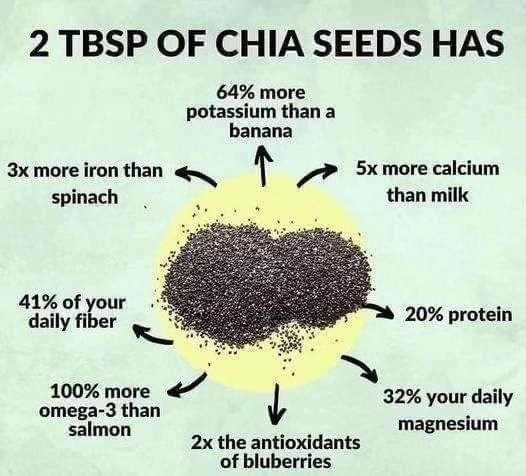
Chia seeds, small and unassuming, are native to Central America but have found a global audience due to their impressive nutritional profile. Rich in omega-3 fatty acids, fiber, protein, and a host of vitamins and minerals, they are a powerhouse of health benefits. But how do they fit into the Indian diet, known for its diverse flavors and textures? Let’s dive in.

Health Benefits: More Than Just a Seed

  1. Heart Health: These seeds are a boon for cardiovascular health, thanks to their high omega-3 content.
  2. Weight Management: The fiber in chia seeds keeps you full for longer, aiding in weight control.
  3. Bone Strength: Rich in calcium, magnesium, and phosphorus, chia seeds are great for bone health.
  4. Blood Sugar Regulation: Their ability to slow down digestion helps in stabilizing blood sugar levels.

Incorporating Chia Seeds into Indian Cuisine
The versatility of chia seeds means they can be included in any meal, adding a nutritional kick without compromising on taste.

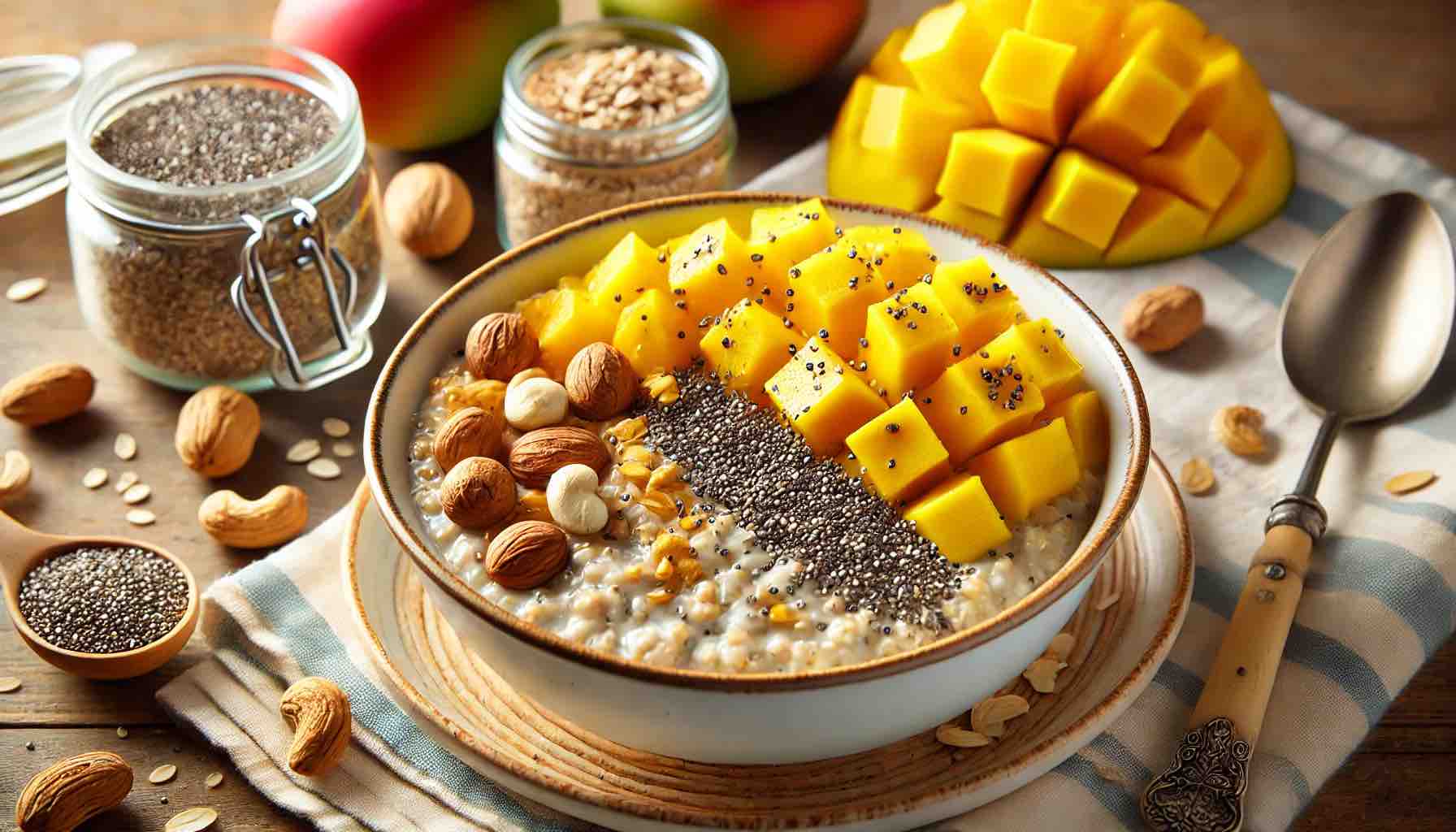
  1. Chia Seed Parfait: Start your day with layers of chia pudding, fruits, yogurt, and granola. A delightful and nutritious breakfast option.
  2. Energy Bars: Combine chia seeds with dates, nuts, and dried fruits for a homemade energy bar – perfect for those mid-day hunger pangs.
  3. Chia Seed Upma: Give your regular upma a nutritious twist by adding chia seeds to the mix.
  4. Chia Seed Raita: Enhance this cooling side dish with a sprinkle of chia seeds for added texture and health benefits.
  5. Chia Seed Chapati: Integrate chia seeds into your chapati dough to make this staple more nutritious.
  6. Chia Seed Lassi: A refreshing drink made more healthful with the addition of chia seeds.

Chia Seeds: Beyond the Kitchen
Apart from their culinary uses, chia seeds also offer benefits for skin hydration and protection against oxidative stress. They’re a multi-faceted ingredient that transcends the boundaries of cooking.

Conclusion
The integration of chia seeds into Indian cuisine is not just a trend, but a testament to their versatility and health benefits. Whether you’re sprinkling them over your breakfast or mixing them into your dough, these tiny seeds can make a big impact on your health. So, next time you’re whipping up an Indian dish, remember to add a sprinkle of chia seeds for that extra nutritional punch!

Experiment and Share
We encourage you to experiment with chia seeds in your cooking and share your creations with us. Whether it’s a traditional dish with a chia twist or something entirely new, let’s celebrate the fusion of good health and great taste. Share your recipes and experiences in the comments below or on social media using #ChiaInIndianCuisine.

Remember, with chia seeds, a little goes a long way in making your meals healthier and more flavorful. Happy cooking!

10 FAQs About Chia Seeds in Indian Cuisine

1. What are chia seeds and where do they come from?

  • Chia seeds are tiny, nutrient-dense seeds from the Salvia hispanica plant, native to Central America. They’ve gained global popularity for their health benefits.

2. Can chia seeds be used in traditional Indian cooking?

  • Absolutely! Chia seeds can be incorporated into various Indian dishes like parfaits, upma, chapatis, and lassi, enhancing their nutritional value without altering their traditional flavors.

3. How do chia seeds benefit health?

  • Chia seeds are a rich source of omega-3 fatty acids, dietary fiber, protein, and essential minerals, contributing to improved heart health, digestion, bone strength, and blood sugar regulation.

4. Are chia seeds suitable for weight loss diets?

  • Yes, their high fiber content helps in feeling full for longer periods, aiding in weight management.

5. How can I add chia seeds to my breakfast?

  • Chia seeds can be added to breakfast dishes like smoothies, parfaits, and oatmeal, or used to make energy bars for a nutritious start to the day.

6. Do chia seeds have any side effects?

  • In general, chia seeds are safe for most people, but overconsumption can lead to gastrointestinal issues. It’s always best to consume them in moderation.

7. Can chia seeds be cooked, or are they eaten raw?

  • Chia seeds can be eaten raw or added to cooked dishes. They can be soaked in liquids like milk or water, which makes them swell and attain a gel-like consistency.

8. Are chia seeds gluten-free?

  • Yes, chia seeds are naturally gluten-free, making them a great option for those with gluten sensitivities or celiac disease.

9. How do I store chia seeds, and how long do they last?

  • Store chia seeds in an airtight container in a cool, dry place. They can last up to two years if stored properly.

10. Can chia seeds be used in desserts?

  • Definitely! They can be used in puddings, as a topping for desserts, or incorporated into baked goods like cakes and cookies for added nutrition.

Blog Tags

Chia Seeds, Indian Cuisine, Healthy Eating, Superfoods, Nutritional Cooking, Heart Health, Weight Management, Gluten-Free, Vegetarian Recipes, Breakfast Ideas

Posted on Leave a comment

Cheese and Chive Scones Recipe

woman in apron preparing food against light background

Welcome back, baking enthusiasts! Today, we’re exploring a bit off the beaten path, leaving behind the realm of sweet and venturing into the savory with an enticing twist on a classic English recipe: Cheese and Chive Scones. These scones are the perfect addition to a hearty breakfast, an ideal snack for a quick pick-me-up, or a tasty accompaniment to your favorite soup or salad. They’re also the perfect solution for those with a less sweet tooth but who still crave a satisfying treat with their afternoon tea.

What Makes Cheese and Chive Scones Special?

Unlike traditional scones, which are often sweet and served with clotted cream and jam, these savory scones are studded with sharp cheddar cheese and fresh chives. This combination offers an irresistible balance, with the rich, tangy cheese complementing the mild, onion-like taste of chives.

Cheese and Chive Scones are not just delectable, but also surprisingly easy to make, requiring only a handful of ingredients and a little time. They’re fantastic served warm, straight from the oven, but they cool well for later enjoyment too.

One of the best things about this recipe is its versatility. If you’re feeling adventurous or want a different flavor profile, the recipe is flexible. Add some cooked, crumbled bacon for Bacon Cheddar Chive Scones or swap the chives for chopped scallions for Cheddar Scallion Scones. The possibilities are endless!

Let’s Get Baking!

Without further ado, let’s get started on our Cheese and Chive Scones!

Ingredients

  • 3 cups (375g) self-rising flour
  • 1 cup (225g) cold butter, cut into small cubes
  • 1 cup (115g) cheddar cheese, grated
  • 3 tablespoons fresh chives, chopped
  • 1 cup (240ml) milk
  • 1 egg, for egg wash

Instructions

  1. Preparation: Preheat your oven to 220C/200C Fan/Gas 7 (425F) and line a baking sheet with parchment paper.
  2. Mix the Dough: In a large mixing bowl, combine the self-rising flour and cold butter. Use your fingers to rub the butter into the flour until the mixture resembles fine breadcrumbs.
  3. Add the Flavor: Stir in the grated cheddar cheese and chopped fresh chives.
  4. Form the Dough: Gradually add the milk, stirring with a fork until a dough starts to form. You might not need all the milk, so add it slowly to avoid making the dough too wet.
  5. Knead and Cut: Turn the dough out onto a lightly floured surface and knead it gently just a few times to bring it together. Roll out the dough to about 2cm thick and use a round cutter to cut out the scones. Arrange the scones on your prepared baking sheet.
  6. Final Touches: Beat the egg and use it to brush the tops of the scones. This will give them a beautiful, golden color as they bake.
  7. Bake: Bake the scones in your preheated oven for about 12-15 minutes, or until they’re golden brown and well risen.
  8. Cool and Serve: Allow the scones to cool on a wire rack for a few minutes before serving.

And there you have it, homemade Cheese and Chive Scones! A delicious alternative to sweet scone recipes. Whether you serve them for breakfast or enjoy them as a snack, they’re sure to be a hit!

Share your baking adventures with us using the hashtags #CheeseChiveScones, #Baking, #EnglishScones, and #HomemadeScones. We can’t wait to see your creations!

Stay tuned for more delectable recipes, and happy baking!

Blog Tags: Cheese and Chive Scones, Baking, English Scones, Homemade Scones, Savory Scones, Cheddar Cheese, Chives, Quick and Easy Recipes, Breakfast Ideas, Snack Recipes, Versatile Baking, Cheddar and Chive Scones, Cheddar Scallion Scones, Bacon Cheddar Chive Scones

Posted on Leave a comment

Easy English Scone Recipe

food man people woman

The humble scone: a basic yet versatile bakery delight that’s been a cherished part of British culinary tradition since its Scottish birth. Now a centerpiece in the beloved English afternoon tea, this simple pastry has won hearts globally with its tender, crumbly texture and perfect balance of flavors.

What Makes English Scones Special?

Distinct from the sweet, varied-flavor scones of America, the traditional English scone is typically plain or dotted with currants. The scone’s charm lies in its modesty – a circular, slightly sweet delight baked to golden perfection. Its tender, crumbly texture makes it an ideal companion for clotted cream and strawberry jam, in a combo popularly known as a “cream tea”. English scones serve as a neutral, yet satisfying canvas allowing the harmonious marriage of cream and jam to take center stage.

The Tradition of English Scones

The custom of baking and relishing scones is entwined with the English tradition of afternoon tea, dating back to the 1840s. The habit, initiated by Anna, the Duchess of Bedford, intended to bridge the hunger gap between lunch and a late dinner. Now, it’s an integral part of British culture, replete with finger sandwiches, a variety of cakes, pastries, and, of course, scones served with clotted cream and jam.

Let’s dive into the recipe of a traditional English scone and explore its delectable variations, accommodating varied dietary needs and preferences.

1. Traditional English Scone Recipe

Whip up a classic English scone with these simple ingredients and steps:

Ingredients:

  • 3 cups all-purpose flour
  • 1/2 cup sugar
  • 5 teaspoons baking powder
  • 1/2 teaspoon salt
  • 3/4 cup (1 1/2 sticks) unsalted butter, chilled and cut into small cubes
  • 1 cup whole milk
  • 1 egg
  • 1 teaspoon pure vanilla extract

For the egg wash:

  • 1 egg beaten with a splash of milk

Instructions:

  1. Preheat your oven to 200°C (approximately 392°F) and line a baking tray with parchment paper.
  2. In a large bowl, combine the flour, sugar, baking powder, and salt.
  3. Add the cold, cubed butter to the flour mixture. Use your fingers, a pastry cutter or a food processor to work the butter into the flour until the mixture resembles coarse crumbs.
  4. In a separate bowl, whisk together the milk, egg, and vanilla extract. Gradually add this to the flour mixture, stirring until just combined. Remember, overmixing can lead to tough scones.
  5. Turn the dough out onto a lightly floured surface and knead it gently a few times to bring it together.
  6. Pat the dough into a rectangle about 1 inch thick. Using a round biscuit cutter (or a glass), cut out scones from the dough and place them on the prepared baking tray. You can re-roll the scraps to cut out more scones.
  7. Brush the tops of the scones with the egg wash.
  8. Bake in the preheated oven for 15-20 minutes or until the scones are golden brown.
  9. Allow the scones to cool on the tray for a few minutes, then transfer them to a wire rack to cool further.
  10. Serve warm with clotted cream and strawberry jam, or simply butter.

Enjoy your homemade traditional English scones with this Easy Recipe!

Variations

2. Vegan Scones – In a compassionate twist on the classic, replace butter with coconut oil and use plant-based milk. You can even replace the traditional egg wash with a simple brush of almond milk for a golden finish.

3. Gluten-Free Scones – Perfect for those with dietary restrictions. Replace regular flour with a mix of almond and coconut flour. A hint of xanthan gum will keep your gluten-free scones springy and delicious.

4. Cheese and Chive Scones – Transform the humble scone into a savory delight. Add grated sharp cheddar and finely chopped chives to your basic scone mixture. Serve warm with butter for a satisfying snack or as a side to a hearty soup.

5. Blueberry Scones – Introduce a fruity twist to the classic scone. Fold in fresh blueberries to your scone dough for a burst of sweet and tart flavors with every bite.

6. Lemonade Scones – Intriguing and surprisingly delightful, lemonade scones are exceptionally light and fluffy. The lemonade offers a subtle sweetness and hint of citrus to these novel scones.

Frequently Asked Questions

  1. What are English Scones?
    • English scones are a type of baked goods that originated in the United Kingdom. They are often lightly sweetened and typically served with clotted cream and jam.
  2. How are English Scones different from other types of scones?
    • English scones are generally less sweet and more dense than American scones. They are usually plain or have currants or raisins added in, while American scones often come in a variety of flavors and can be packed with mix-ins like berries or chocolate chips.
  3. When are English Scones traditionally made and served?
    • English scones are traditionally made and served for afternoon tea, a British custom that usually takes place around 4pm. However, they can also be enjoyed for breakfast or brunch.
  4. Can I make English Scones vegan?
    • Yes, it’s possible to make vegan English Scones by replacing the dairy milk with a plant-based milk and using a vegan butter substitute or coconut oil instead of traditional butter.
  5. Can I add fruits to my English Scones?
    • Absolutely! You can customize your English Scones with a variety of fruits such as blueberries, strawberries, or apples. You can also add dried fruits like raisins or currants.
  6. What is the best way to serve English Scones?
    • English Scones are best served warm with clotted cream and strawberry jam. You can also serve them with butter or whipped cream.
  7. Can I make these scones gluten-free?
    • Yes, you can make gluten-free scones by using a gluten-free flour blend. Just make sure to blend is meant for baking and that it contains xanthan gum, which helps with texture and rise.
  8. How long do homemade English Scones last?
    • Homemade English Scones can last for up to two days when stored in an airtight container at room temperature. For longer storage, you can freeze them for up to three months.
  9. Can I reheat my English Scones?
    • Yes, to reheat English Scones, warm them in a preheated 350°F oven for about 10 minutes.
  10. I’m following a keto diet. Can I still make English Scones?
    • Yes, to make keto-friendly English Scones, you can substitute regular flour with almond flour or coconut flour and replace the sugar with a low-carb sweetener.

From vegan to gluten-free, fruity to savory, scones offer endless possibilities. Their versatility ensures there’s a variant to satisfy every palate and dietary preference. Whether it’s a soft, fluffy scone to accompany your afternoon tea, a healthy oatmeal scone for a quick breakfast, or a savory cheese scone to serve with a winter soup, mastering the art of scone-making offers a world of culinary delights.

Embrace the tradition, master the basic recipe, and let your imagination guide your scone variations. Happy baking!