Posted on Leave a comment

The Soothing Touch: 5 Benefits of Sandalwood for Skin Care

Sandalwood for Skin Care

If you’re a skincare enthusiast—or even just someone who wants to take better care of their skin—you’ve likely heard the buzz about sandalwood. This age-old ingredient is more than just a fragrant wood: it’s a skincare powerhouse backed by centuries of traditional use and, increasingly, modern clinical research.

But what makes sandalwood truly special? How can you use it in your routine, and what does the latest science say about its effectiveness?

Let’s take a deep dive into the proven benefits of sandalwood for skin, along with practical ways to incorporate it into your daily routine.


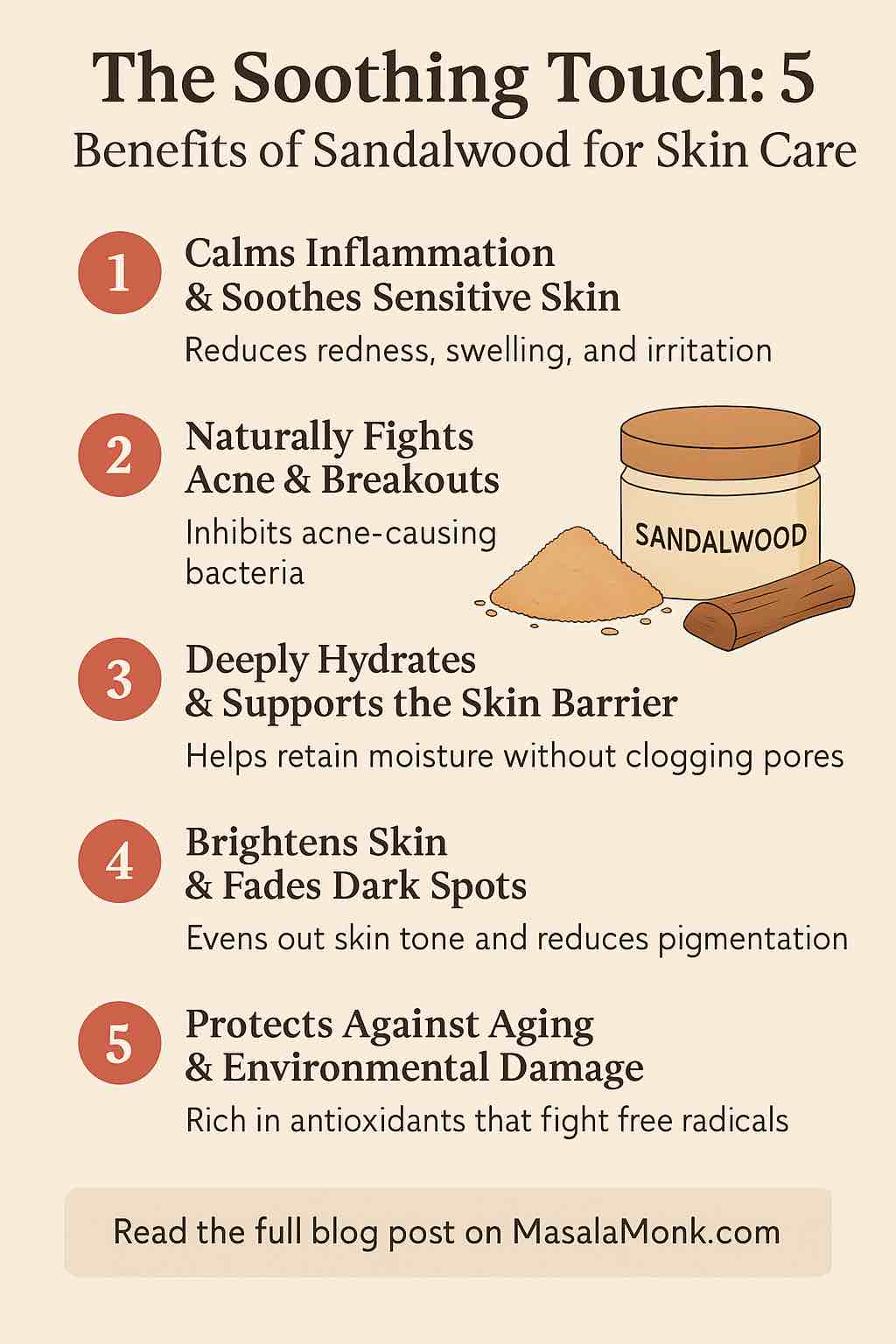
1. Calms Inflammation & Soothes Sensitive Skin

Why It Works:

Sandalwood contains natural compounds—like α-santalol and β-santalol—that have potent anti-inflammatory effects. Research shows that sandalwood oil can reduce redness, swelling, and irritation by blocking the same inflammatory pathways targeted by some prescription treatments. It’s especially helpful for conditions like acne, eczema, and sunburn【1】【2】.

Practical Use:

  • DIY Mask for Redness: Mix 1 tsp sandalwood powder with rose water to form a paste. Apply to clean skin, leave for 15–20 minutes, and rinse off.
  • Spot Treatment: Dab a drop of diluted sandalwood oil (always use a carrier oil) onto irritated spots to quickly calm inflammation.

Pro Tip:

Always patch-test sandalwood oil on your wrist or behind your ear before applying to your face, especially if you have sensitive skin.


2. Naturally Fights Acne & Breakouts

Why It Works:

Sandalwood isn’t just soothing—it’s a natural antimicrobial agent. Clinical studies show that sandalwood oil can inhibit the growth of acne-causing bacteria (Cutibacterium acnes and Staphylococcus aureus), making it an excellent addition to acne-prone skin routines【3】【4】.

Practical Use:

  • Overnight Pimple Paste: Combine a pinch of sandalwood powder with a drop of honey and a drop of lemon juice. Dab onto blemishes and rinse off in the morning.
  • Gentle Cleanser: Add a few drops of sandalwood oil to your regular face wash for a purifying boost.

Pro Tip:

For best results, use sandalwood formulations at 1–10% concentration, as proven in clinical studies. Too much can irritate; too little may not be effective.


3. Deeply Hydrates & Supports the Skin Barrier

Why It Works:

Unlike many essential oils, sandalwood is hydrating and non-comedogenic (it won’t clog pores). It helps your skin retain moisture and strengthens the skin barrier, making it ideal for dry or combination skin types【5】.

Practical Use:

  • Moisturizing Mask: Mix 1 tsp sandalwood powder with 1 tsp milk or yogurt. Apply for 10–15 minutes, then rinse.
  • Hydration Booster: Add 1–2 drops of sandalwood oil to your regular moisturizer.

Pro Tip:

Layer sandalwood under a ceramide-rich moisturizer at night for maximum barrier repair, especially in dry or harsh climates.


4. Brightens Skin & Fades Dark Spots

Why It Works:

Sandalwood’s compounds help inhibit the enzyme tyrosinase, which drives melanin production (the cause of dark spots and hyperpigmentation). Used regularly, sandalwood can even out your complexion and brighten dull skin【6】.

Practical Use:

  • Brightening Mask: Mix sandalwood powder with turmeric and a bit of milk. Apply to areas of pigmentation twice weekly.
  • Night Spot Serum: Blend a few drops of sandalwood oil with a carrier like jojoba oil and apply to dark spots at night.

Pro Tip:

Consistency is key. Natural skin brightening takes weeks to show results, so use sandalwood masks or oils regularly.


5. Protects Against Aging & Environmental Damage

Why It Works:

Sandalwood is loaded with antioxidants—even outperforming vitamin E in recent lab studies for fighting blue light and pollution-induced skin damage. It helps neutralize free radicals, reduce fine lines, and preserve skin’s youthful glow【7】【8】.

Practical Use:

  • Sunscreen Companion: Mix 1–2 drops of sandalwood oil into your daily sunscreen or moisturizer.
  • After-Sun Mask: Mix sandalwood powder with aloe vera gel for a soothing, reparative treatment after sun exposure.

Pro Tip:

Look for products or DIY blends with other antioxidant-rich ingredients (like vitamin C or niacinamide) to boost anti-aging effects.


Latest Innovations: Sandalwood in 2025

  • Sunshield Creams: New clinical trials show sandalwood oil–infused sunscreens offer broad-spectrum UV protection with added soothing and hydrating benefits【9】.
  • Luxury Blends: Brands now combine sandalwood with sustainable carrier oils and even tallow for high-performance, eco-conscious creams.
  • Blue Light Defense: Sandalwood’s ability to counteract pollution and digital stress is making it a top pick for modern, urban skincare routines.

How to Choose & Use Sandalwood Safely

  • Source Matters: Look for ethically sourced, GC/MS-tested sandalwood (preferably Santalum album from plantations) to avoid adulteration.
  • Essential Oil Safety: Always dilute sandalwood oil before applying to skin. Use carrier oils like jojoba, almond, or grapeseed.
  • Patch Test: Even natural ingredients can cause reactions. Always patch-test new products.

Final Thoughts: Is Sandalwood Worth the Hype?

Science and tradition agree: sandalwood is more than just a fragrant luxury—it’s a practical, multi-purpose ingredient that fits beautifully into modern skincare. Whether you’re fighting acne, calming inflammation, fading spots, or simply seeking a more radiant complexion, sandalwood is a gentle yet effective solution.

So why not add a little sandalwood to your routine and see what the “soothing touch” can do for you?


References

  1. Planta Medica Journal
  2. Frontiers in Pharmacology, 2018
  3. Anokha Skincare, Sandalwood Research
  4. Journal of Clinical and Aesthetic Dermatology, 2018
  5. MDPI Cosmetics, 2022
  6. Lelior, Aromatherapy Blog, 2025
  7. Verywell Health: Essential Oils for Inflammation
  8. MDPI Cosmetics, 2021
  9. Journal of Neonatal Surgery, 2025

10 FAQs About Sandalwood for Skin Care

1. What is the best way to use sandalwood for acne?
Answer:
Mix sandalwood powder with rose water to make a thick paste and apply it directly to affected areas. Leave it on for 15–20 minutes and rinse. Alternatively, use a drop of diluted sandalwood essential oil as a spot treatment. Always patch-test before full use.


2. Can sandalwood help with sensitive or eczema-prone skin?
Answer:
Yes! Sandalwood’s anti-inflammatory properties can soothe itching, redness, and irritation. Use a mild paste (sandalwood powder + aloe vera gel) or look for creams with 1–10% sandalwood oil concentration, proven safe in clinical studies.


3. Is sandalwood safe for daily use on the face?
Answer:
Generally, yes, especially when diluted. Avoid applying undiluted essential oil directly to skin. If you use masks or serums with sandalwood, 2–3 times per week is ideal; moisturizers or cleansers can be used daily if tolerated.


4. Can sandalwood help fade dark spots or pigmentation?
Answer:
Regular use can gradually lighten dark spots thanks to sandalwood’s ability to inhibit melanin production. Consistent application (2–3 times per week) is key for visible results over 4–8 weeks.


5. Are there any side effects of using sandalwood oil?
Answer:
Some people may experience allergic reactions or skin sensitivity. Always dilute sandalwood oil with a carrier and do a patch test. If irritation occurs, discontinue use and consult a dermatologist.


6. What’s the difference between sandalwood powder and sandalwood essential oil?
Answer:
Sandalwood powder is made from finely ground sandalwood and is used for masks and pastes. Essential oil is highly concentrated, steam-distilled from the heartwood, and is best for serums or diluted spot treatments. Both are effective but have different applications.


7. How do I know if my sandalwood product is authentic?
Answer:
Check for “Santalum album” as the ingredient, certification of ethical or plantation sourcing, and GC/MS (gas chromatography/mass spectrometry) purity testing. Authentic sandalwood is often more expensive and has a sweet, woody scent.


8. Can sandalwood be used on all skin types?
Answer:
Yes, but with adjustments. Oily/acne-prone skin may benefit from powder masks, while dry or sensitive skin can use hydrating sandalwood creams. Always monitor your skin’s response.


9. Does sandalwood protect against pollution and blue light?
Answer:
Recent research confirms sandalwood’s antioxidant effects help neutralize oxidative stress caused by pollution and blue light, making it ideal for urban or digital lifestyles.


10. Is sandalwood oil safe during pregnancy?
Answer:
Topical use in low concentrations is generally considered safe, but consult with your healthcare provider before using any essential oils during pregnancy or breastfeeding.

Posted on Leave a comment

Ayurvedic Electrolyte Elixir: Harness the Power of Cloves, Turmeric, and Chia Seeds

CLOVES, TURMERIC, AND CHIA SEEDS for Electrolytes

Tired of reaching for artificial sports drinks every time you feel dehydrated or drained? There’s a better way—a recipe that blends the wisdom of Ayurveda with modern science, featuring the remarkable trio of cloves, turmeric, and chia seeds.

Whether you’re sweating it out at the gym, recovering from an illness, or just looking to supercharge your daily hydration, this elixir offers more than just a thirst-quencher. Let’s dive deep into how these ingredients work together, why science backs their synergy, and how you can start sipping today.


What’s an Electrolyte Elixir—And Why Ayurveda?

Electrolytes—like sodium, potassium, magnesium, and calcium—are vital minerals that maintain your body’s fluid balance, nerve function, and muscle health. Lose too many through sweat, exercise, illness, or heat, and you’ll feel the difference: think headaches, cramps, fatigue, or even dizziness.

Modern sports drinks try to replace these, but often contain artificial colors, flavors, and loads of sugar. Ayurveda, India’s ancient system of medicine, offers natural alternatives using kitchen spices and seeds. An elixir in Ayurveda isn’t just about hydration; it’s about balance—nourishing your body, mind, and even your mood.


Meet the Power Trio

1. Chia Seeds: Nature’s Hydration Hack

Chia seeds might not be traditional to Ayurveda, but they fit right in with its principles of holistic hydration:

  • Electrolyte-rich: Chia is high in magnesium, calcium, and potassium.
  • Gel-forming: Soaked chia swells to form a gel that releases water slowly, keeping you hydrated longer.
  • Fiber & Omega-3s: These promote gut health and stable energy.
  • Modern science: Studies show chia seeds support sustained hydration and electrolyte balance (PubMed).

2. Turmeric: The Golden Healer

Turmeric (Haridra in Ayurveda) is famed for:

  • Anti-inflammatory & antioxidant power (thanks to curcumin)
  • Support for liver and digestive health
  • Tridoshic action: Suitable for all body types, balances excess heat and toxins
  • Immunity boost: Recent studies (2024–2025) reinforce turmeric’s immune-modulating effects and support for gut health

3. Cloves: Digestive Dynamo

Cloves (Lavanga) aren’t just for chai! They offer:

  • Warming and digestive properties: Stimulate the “agni” or digestive fire
  • Antimicrobial and antioxidant activity (due to eugenol)
  • Relief from bloating and nausea
  • Science-backed: Modern research validates cloves for gut comfort and immune support

Why This Combo Works: The Science of Synergy

  • Electrolyte Restoration: Chia delivers minerals; a pinch of Himalayan salt adds sodium for full-spectrum balance.
  • Digestive Harmony: Turmeric and cloves prevent digestive heaviness or discomfort often caused by regular electrolyte drinks.
  • Sustained Hydration: The gel from soaked chia means your cells get water slowly and steadily—ideal after a workout, in hot weather, or even during fasting.
  • Anti-inflammatory & Antioxidant Shield: Turmeric and cloves guard against inflammation, support recovery, and help your immune system function optimally.
  • Improved Nutrient Absorption: Black pepper (optional) can be added to boost curcumin absorption; a little fat (like coconut oil or ghee) increases bioavailability even more.

How to Make Your Ayurvedic Electrolyte Elixir

You’ll need:

  • 1 cup filtered or coconut water (for extra potassium)
  • 1 tablespoon chia seeds (soaked 10–15 minutes)
  • 1/4 teaspoon turmeric powder (organic preferred)
  • 1–2 whole cloves (lightly crushed) or 1/8 teaspoon clove powder
  • Pinch of black pepper (optional)
  • Pinch of Himalayan pink salt or rock salt
  • 1 teaspoon raw honey or jaggery (optional, to taste)
  • Juice of half a lemon (for vitamin C and flavor)

Instructions:

  1. Soak the chia seeds in water (or coconut water) for at least 10 minutes, until a gel forms.
  2. Add the turmeric, cloves, black pepper, salt, and sweetener. Mix thoroughly.
  3. Squeeze in fresh lemon juice just before drinking.
  4. Stir well and enjoy—preferably at room temperature or slightly warm (especially good for Vata types).

Dosha-Friendly Customizations

  • Vata (dry/cold): Use warm water, add a touch of ghee or coconut oil for grounding.
  • Pitta (hot/intense): Use more coconut water and less black pepper; focus on the cooling effects of chia.
  • Kapha (slow/damp): Amp up the cloves and turmeric, minimize the sweetener.

When & How to Use

  • Post-workout: Rehydrate and restore lost minerals.
  • Hot days: Keep your system cool and balanced.
  • During illness: Especially if you have fever, diarrhea, or dehydration—sip slowly for maximum absorption.
  • As a daily ritual: Start your morning or break your fast with this elixir for sustained energy and hydration.

Pro Tips for the Best Results

  • Always soak chia before consuming to avoid digestive discomfort.
  • Go easy on the cloves—a little goes a long way!
  • Choose organic turmeric for better taste and potency.
  • Use honey/jaggery only if needed—don’t over-sweeten; let the spices shine.
  • Batch prep: Soak chia ahead of time and keep it in the fridge for a few days’ worth of drinks.

What Does the Latest Science Say?

Turmeric: Bibliometric reviews from 2024–25 show explosive growth in studies confirming curcumin’s role in reducing inflammation, improving immunity, and supporting gut health.
Chia Seeds: 2025 wellness guides (and even TikTok trends) recognize chia’s role in electrolyte balance and long-lasting hydration for athletes, office workers, and everyone in between.
Cloves: Modern analyses reaffirm clove’s ancient reputation for supporting digestion, fighting bacteria, and providing antioxidants.

While there’s still a need for large-scale clinical trials on this exact combination, the science behind each ingredient is strong and continues to grow.


Frequently Asked Questions

1. Can I prepare the Ayurvedic Electrolyte Elixir in advance?
Yes, you can soak chia seeds in advance and refrigerate the gel for up to 3 days. For the freshest flavor and maximum potency, add turmeric, cloves, lemon, and salt just before drinking.


2. Is this elixir safe for people with medical conditions?
Generally, it’s safe for most, but if you have allergies, take blood thinners (due to turmeric), or have kidney issues (because of minerals), consult your healthcare provider first.


3. Can I substitute ingredients if I don’t have all three?
Yes! You can use just one or two of the core ingredients. For example, swap chia for soaked basil seeds (sabja) or use ginger instead of cloves if you prefer.


4. Does this drink actually replenish electrolytes like commercial sports drinks?
It provides magnesium, potassium, calcium (from chia), sodium (from salt), and trace minerals. For extreme fluid loss (e.g., heavy sweating, illness), you may need to increase the salt slightly for adequate sodium.


5. Is the elixir suitable for children and seniors?
Yes, but use mild amounts of turmeric and cloves for kids. Skip honey for children under 1 year. For seniors, this elixir is gentle and hydrating, but always check for potential interactions with medications.


6. Can I drink it during fasting or intermittent fasting?
Absolutely. It’s low in calories, supports hydration, and won’t break a fast if you skip sweeteners. The electrolytes and fiber also help prevent dehydration and energy dips.


7. Does it have to be served warm or cold?
Either works! Ayurveda often recommends room temperature or slightly warm drinks for digestion, but on hot days, cold (not iced) is refreshing and effective.


8. What’s the best time to consume this elixir?
Morning is ideal for starting your hydration, after workouts for recovery, or anytime you feel depleted or overheated. It can also help after mild illness.


9. Will turmeric stain my teeth or containers?
Turmeric can stain plastic and some porous surfaces, so use glass containers and rinse promptly. For teeth, regular brushing prevents noticeable staining.


10. Can I add other flavors or herbs?
Definitely! Mint, ginger, cardamom, or rosewater can be added for flavor and extra benefits. Just keep the base ingredients to maintain electrolyte balance.


Final Thoughts

This Ayurvedic Electrolyte Elixir is more than a drink—it’s a ritual of nourishment and self-care. It bridges the wisdom of the ancients with the discoveries of modern wellness science. Next time you’re tempted by a bottle of neon-colored sports drink, try this instead. Your body—and your taste buds—will thank you.


Ready to try it? Share your variations, tips, or experiences in the comments below!
Curious about the science? Check the references for the latest research and deep dives on each ingredient.

Stay hydrated, stay balanced, and embrace the best of both worlds—naturally.

Posted on Leave a comment

Nettle Tea for Radiant Skin and Luscious Hair

NETTLE TEA FOR RADIANT SKIN AND LUSCIOUS HAIR

When you think of glowing skin and luxurious hair, stinging nettle (Urtica dioica) might not be the first plant that comes to mind. But this prickly wild herb—once notorious for its painful sting—has quietly earned superstar status among herbalists, beauty experts, and wellness enthusiasts. In this post, we’ll explore why nettle tea is having a major moment, what the latest science says, and how to make this ancient tonic work for you—inside and out.


Why Nettle? A Quick Introduction

Nettle is not a new trend. It’s been used for centuries as a healing tonic across Europe, Asia, and North America. What’s changed? Modern research is now catching up to folk wisdom, revealing how nettle supports healthy skin, robust hair, and overall wellbeing.

Key nutrients in nettle leaves:

  • Vitamins A, C, D, E, and several B vitamins
  • Iron, magnesium, silica, calcium, potassium
  • Polyphenols and antioxidants

Nettle delivers a rare combination: deep nourishment, anti-inflammatory action, hormone-balancing effects, and gentle detox—all in a single cup of tea.


How Nettle Tea Benefits Skin and Hair (with Latest Evidence)

1. Nutrient-Rich for Cellular Repair

Your skin and hair are some of the first places to show nutrient imbalances or oxidative stress. Nettle tea provides bioavailable vitamins and minerals critical for:

  • Collagen synthesis (vitamin C, silica)
  • Wound healing (vitamin K, magnesium)
  • Strong, shiny hair shafts (iron, folate, biotin)

2. Anti-Inflammatory and Antioxidant Effects

Nettle contains carotenoids, polyphenols, and flavonoids that help calm chronic inflammation—a root cause of acne, eczema, redness, and even scalp irritation. By fighting free radicals, nettle may help prevent premature aging and dullness.

2025 Research Spotlight:
In silico studies confirm nettle’s antioxidants effectively neutralize skin-damaging free radicals and reduce inflammatory markers in both scalp and dermal cells.

3. DHT Blocking for Hair Growth

One of nettle’s standout benefits: it inhibits 5α‑reductase, the enzyme that converts testosterone to DHT—a key player in pattern hair loss. While more research is needed on nettle tea specifically, clinical trials with nettle-based shampoos and serums found:

  • Up to 90% reduction in hair loss after 6 months (compared to ~40% in placebo group)
  • Increased hair density and reduced shedding

4. Improves Scalp and Skin Circulation

Compounds like beta-sitosterol in nettle help enhance microcirculation. This means more oxygen and nutrients reach your scalp and skin, supporting growth and repair.

5. Sebum Regulation

Nettle has a natural balancing effect on oil production, making it a smart addition for both oily and combination skin types, as well as greasy scalp and hair.


How to Use Nettle for Beauty: Tea, Topical, and More

Here’s how to make nettle part of your beauty routine for maximum benefit:

1. Drink It: Daily Nettle Tea Ritual

  • How: Steep 1-2 teaspoons of dried nettle leaf in hot water for 5–10 minutes. Strain and enjoy 1–2 cups per day.
  • Flavor tip: Add a squeeze of lemon, honey, or mint to offset the earthy taste.
  • What to expect: Gradual, steady improvements. Most people report brighter skin and thicker hair after 2–3 months of regular use.

Pro Tip:
Nettle’s natural diuretic effect helps flush toxins, but be sure to stay hydrated!

2. Apply Topically: Rinses, Oils, and Masks

DIY Nettle Hair Rinse:

  • Steep 1–2 tablespoons dried nettle in 2 cups boiling water.
  • Cool, strain, and pour over clean, damp hair as a final rinse.
  • Massage gently into scalp; do not rinse out immediately.

Nettle-Infused Face Mist:

  • Brew strong nettle tea, allow to cool, and pour into a spray bottle.
  • Mist onto cleansed skin as a natural toner to soothe inflammation and balance oil.

Nettle Oil for Scalp:

  • Blend nettle-infused oil (or purchase pre-made) with a few drops of rosemary or peppermint oil.
  • Massage into scalp weekly to stimulate follicles and ease dryness or dandruff.

3. Supplements and Serums

  • Capsules or tinctures: Consider 500–1000 mg/day, but check with your doctor, especially if you take medication.
  • Serums and shampoos: Look for high-quality, standardized nettle extract near the top of ingredient lists.

Real-World Stories

“I started using nettle tea as a last resort for postpartum hair shedding. Three months in, my hair feels stronger and I have fewer breakouts. The results are real!”
— Jane D., London

“Nettle rinses brought shine back to my curls and calmed my itchy scalp. I wish I’d known about this years ago!”
— Tyler S., NYC


What Science Still Can’t Prove (Yet)

While early results and centuries of folk wisdom are promising, large-scale clinical trials on nettle tea for skin and hair are limited. Most studies focus on topical extracts, not tea. Individual response can vary based on genetics, hormones, and overall lifestyle.


Are There Any Side Effects?

  • Nettle is safe for most adults when used appropriately.
  • If you are pregnant, breastfeeding, or on blood thinners or diuretics, consult your healthcare provider first.
  • Some people report mild digestive upset or allergic reactions—start with a small amount and monitor your response.

Making Nettle Tea a Ritual (That Sticks)

  • Start a 30-day nettle challenge: Take a selfie before, and again at 4 and 8 weeks to track progress.
  • Pair with mindful moments—use tea time as a reset from your daily hustle.
  • Invite a friend to join—rituals are easier (and more fun) together!

Final Take: Should You Try Nettle Tea?

If you’re seeking a simple, holistic way to support radiant skin and healthy hair, nettle tea is an easy, affordable, and evidence-backed place to start. While it’s not a miracle cure, it’s a powerful ally—especially when combined with good sleep, a balanced diet, and gentle self-care.

Ready to get started?
Brew a cup, embrace the ritual, and let nature’s pharmacy nourish you from root to tip.

FAQs: Nettle Tea for Skin and Hair

1. Can anyone drink nettle tea, or are there people who should avoid it?
Most healthy adults can safely enjoy nettle tea. However, pregnant or breastfeeding individuals, and those taking blood thinners, blood pressure medications, or diuretics should consult their healthcare provider before starting nettle due to possible interactions.

2. How quickly can I expect to see results in my skin or hair after starting nettle tea?
Most people notice subtle improvements in 4–8 weeks of consistent use, but individual response varies based on lifestyle, diet, and genetics. For some, hair shedding decreases after a month; for others, it may take longer.

3. Does nettle tea taste good? Can I improve the flavor?
Nettle tea has an earthy, grassy flavor. To make it tastier, add lemon, honey, fresh mint, or blend it with green or herbal teas.

4. Is there a difference between using nettle tea and nettle extract for hair and skin?
Nettle extract (used in serums or shampoos) is more concentrated for topical benefits and often used in clinical studies. Nettle tea offers systemic support and nutrient intake, best for overall health and gentle, ongoing benefits.

5. Can I use nettle tea directly on my hair and skin?
Yes! Use cooled, strained nettle tea as a hair rinse, facial mist, or gentle toner. Always patch-test before widespread use, especially if you have sensitive skin.

6. Where can I buy high-quality nettle tea?
Look for organic dried nettle leaves from health food stores, reputable online herbal retailers, or specialty tea shops. Avoid products with fillers or artificial flavors.

7. Can I make nettle tea from fresh nettle leaves?
Yes, but always wear gloves to avoid stings before steeping. Rinse thoroughly and steep as you would dried nettle (using a bit more volume for fresh leaves).

8. Are there any side effects of drinking too much nettle tea?
Overconsumption may cause upset stomach, mild diuretic effects (increased urination), or rare allergic reactions. Stick to 1–2 cups daily unless otherwise advised by your doctor.

9. Will nettle tea interfere with other supplements or medications?
It may interact with blood pressure drugs, blood thinners, and diuretics. Always check with your healthcare provider if you are on regular medication.

10. Can I combine nettle tea with other natural remedies for better results?
Absolutely! Many people pair nettle with herbs like horsetail, rosemary, or saw palmetto for enhanced hair benefits. For skin, pair with chamomile or calendula. Always introduce new botanicals one at a time to monitor effects.

Posted on Leave a comment

Cardamom: Unlocking the Aromatic Allure and Health Benefits of this Exquisite Spice

CARDAMOM AND HEALTH BENEFITS

A deep dive into the Queen of Spices, from ancient traditions to cutting-edge science—and how to make it part of your everyday life.


🌿 A Whiff of Wonder: What Makes Cardamom So Special?

Take a deep breath. That sharp, sweet, floral aroma you just imagined? That’s cardamom.

Often referred to as the Queen of Spices, cardamom is a tiny pod that packs a powerful punch. Known for its unique fragrance—a blend of mint, citrus, and warm spice—it’s been cherished for thousands of years, not only in the kitchens of India and the Middle East but also in ancient medical systems like Ayurveda and Traditional Chinese Medicine.

But what makes this small pod so intriguing is that it’s more than just flavor. Modern science is finally catching up with traditional wisdom, revealing cardamom’s impressive range of health-supporting benefits—from metabolic support to antimicrobial action.


🧭 A Journey Through Time: Cardamom’s Storied Past

Cardamom’s origin traces back to the lush rainforests of the Western Ghats in southern India, where wild varieties still grow today. It was a prized commodity in ancient Greek and Roman trade routes, and later became a mainstay of Arabian perfumery and Indian medicine.

By the 20th century, cardamom cultivation had spread to Guatemala, now the largest exporter globally. Yet it’s still Alleppey Green Cardamom, grown in Kerala, India, that holds Geographical Indication (GI) status for its quality and aroma.


🔬 The Science Behind the Spice: Health Benefits of Cardamom

Cardamom isn’t just delicious—it’s a phytochemical powerhouse. Let’s break down the research by benefit area:

1. ❤️ Cardiovascular and Metabolic Health

Recent trials show:

  • Improved lipid profiles – Lower triglycerides, higher HDL cholesterol
  • Inflammation reduction – Decreased CRP and IL-6 levels, especially in individuals with metabolic syndrome and PCOS
  • Possible blood pressure-lowering effects, though evidence is mixed

Tip: In studies, doses of 1.5–3g/day of cardamom powder showed the most benefits. That’s roughly 1 teaspoon.

2. 🧘 Digestive & Gut Health

Traditional use meets science here:

  • Stimulates bile production, aiding digestion
  • Reduces bloating, gas, and indigestion
  • Its essential oils (e.g., cineole) exhibit antimicrobial effects against common gut pathogens

Practical Use: Steep a few crushed pods in hot water after a meal for a calming digestive tea.

3. 🦷 Oral & Respiratory Health

Chewing cardamom pods isn’t just an old habit—it’s effective:

  • Fights oral bacteria, improves breath
  • Soothes the throat and respiratory tract
  • Used in traditional remedies for cough and congestion

Try This: Add cardamom to warm water with honey for sore throat relief.

4. 🧠 Mental Clarity & Emotional Balance

Cardamom is used in aromatherapy for:

  • Mood enhancement and stress relief
  • Mild anxiolytic effects in herbal preparations
  • Its aroma may stimulate dopaminergic pathways (still under study)

Use It Like This: Add 1 drop of cardamom essential oil to a diffuser, or mix with a carrier oil for calming massage.

5. ⚖️ Weight and Metabolic Regulation

Animal studies (2023) suggest:

  • Cardamom increases energy expenditure
  • Reduces fat accumulation
  • May modulate neuroendocrine metabolism

🚨 But: Human trials are early-stage and inconclusive. Think of cardamom as a supportive agent, not a miracle fix.


🍽️ How to Use Cardamom in Everyday Life

FormUses
Whole podsInfuse in rice, tea, stews, or desserts (crack before using)
Ground powderSprinkle into oatmeal, coffee, smoothies, or baking mixes
Essential oilUse in aromatherapy or dilute for skin application
Tinctures/CapsulesUsed in clinical settings or herbal protocols (consult a professional)

🔄 Easy Ways to Add It to Your Day

  • Add a pinch to your morning coffee or chai
  • Mix into granola or yogurt for a warm, spicy note
  • Include it in homemade spice blends (garam masala, pumpkin spice)
  • Brew cardamom tea with ginger and cinnamon

🛑 Safety and Side Notes

  • Safe in culinary amounts – Few side effects unless consumed in high doses
  • Pregnancy caution – Avoid therapeutic doses unless advised
  • Drug interaction – May interact with anticoagulants; check with your doctor if on medications

📚 Final Thoughts: Cardamom as a Daily Ally

Cardamom is a beautiful example of a spice that bridges pleasure and wellness. Whether you’re savoring its scent in Nordic pastries, its zing in Middle Eastern coffee, or its comforting hug in a cup of chai, you’re also receiving a bouquet of plant-based wellness compounds.

While modern medicine continues to explore its depths, cardamom remains a trusted favorite in kitchens and medicine cabinets alike.


💡 Want to Try? Start Here:

3-Day Cardamom Ritual Challenge:

  • Day 1: Add it to your tea or coffee
  • Day 2: Use it in your cooking (e.g., rice, lentils, or soup)
  • Day 3: Try it as a digestive tea after dinner

Let your senses lead the way—this spice is as healing to the spirit as it is to the body.

📘 Frequently Asked Questions (FAQs)

1. What is the difference between green and black cardamom?

Green cardamom (Elettaria cardamomum) has a sweet, floral, and citrusy flavor, ideal for desserts and drinks.
Black cardamom (Amomum subulatum) has a smoky, earthy flavor, used in savory dishes like curries and stews.


2. How much cardamom should I consume daily for health benefits?

Most clinical studies used 1.5–3 grams/day of ground cardamom (roughly ½–1 teaspoon). This is safe for most people when consumed as part of food.


3. Can cardamom help with weight loss?

Animal studies suggest that cardamom may increase fat metabolism and energy expenditure, but human studies are still early. It may support weight goals when combined with diet and exercise.


4. Is cardamom safe during pregnancy?

Yes, in culinary amounts. However, avoid concentrated extracts or supplements unless prescribed, as safety data is limited.


5. Can I chew cardamom pods directly?

Yes. Chewing cardamom pods freshens breath, supports digestion, and may help oral health due to its antibacterial compounds.


6. How do I store cardamom to preserve its aroma and potency?

Keep it in an airtight container in a cool, dark, dry place. Whole pods last longer than ground powder.


7. Does cardamom interact with medications?

Possibly. Cardamom may enhance blood-thinning effects or interfere with certain medications. Consult a healthcare provider if you’re on prescription drugs.


8. Can I use cardamom in coffee or smoothies?

Absolutely! Add a pinch of cardamom powder to coffee, lattes, or smoothies for a flavorful and healthful twist.


9. Are there any side effects of eating too much cardamom?

High doses (above 5g/day) may cause mild nausea, dry mouth, or allergic reactions in sensitive individuals. Stick to culinary or moderate therapeutic amounts.


10. Is there scientific proof that cardamom helps with inflammation or cholesterol?

Yes—multiple human trials have shown that cardamom reduces inflammatory markers and improves HDL/triglyceride ratios, especially in those with metabolic disorders.


Posted on Leave a comment

Elevate Your Afternoon with These 5 Unique Blends of Black Cumin and White Pepper Iced Tea

BLACK CUMIN AND WHITE PEPPER ICED TEA

In a world where every sip counts, why settle for plain iced tea when you can invigorate your senses and support your health with bold, spice-infused blends? Welcome to a new wave of wellness beverages: Black Cumin and White Pepper Iced Teas. Drawing on the latest research and traditional wisdom, these drinks don’t just refresh — they rejuvenate, offering a rich interplay of flavor and function.

Why Black Cumin and White Pepper?

Black cumin (Nigella sativa) has been used in traditional medicine for centuries. Recent studies (2023-2025) have shown that black cumin seeds are packed with bioactive peptides, antioxidants, and anti-inflammatory compounds such as thymoquinone, which support immune function, glucose control, and stress management.

White pepper, on the other hand, contains piperine, a compound that boosts absorption of nutrients and enhances digestion, blood sugar regulation, and circulation. Together, these spices form a potent base for an energizing, functional iced tea.

Here are five unique and practical blends to spice up your afternoons while boosting your well-being.


1. Classic Black Cumin & White Pepper Iced Tea

Ingredients:

  • 2 cups of brewed black tea (cooled)
  • 1/2 tsp toasted and crushed black cumin seeds
  • 1/4 tsp ground white pepper
  • Lemon slice and mint for garnish
  • Optional: 1 tsp honey or jaggery syrup

Method:

  1. Brew black tea and allow it to cool.
  2. Toast cumin seeds lightly, then crush.
  3. Mix cumin and white pepper into the tea.
  4. Strain the mixture to remove solids.
  5. Serve over ice with lemon and mint.

Flavor Profile: Earthy, peppery, slightly citrusy. Perfect for a mid-day pick-me-up.


2. Herbal Tranquility Infusion

Ingredients:

  • 2 cups chamomile or hibiscus tea (cooled)
  • 1/4 tsp ground black cumin
  • A pinch of ground white pepper
  • 1 small sprig of lavender or orange peel

Method:

  1. Brew herbal tea and cool.
  2. Stir in the spices.
  3. Add lavender or orange peel for a soothing aroma.
  4. Strain and pour over ice.

Health Benefit: A stress-reducing, gut-soothing blend ideal for late afternoons.


3. Citrus Zest Refresher

Ingredients:

  • 2 cups brewed green or black tea
  • Juice of half a lime or grapefruit
  • 1/4 tsp ground black cumin
  • 1/4 tsp white pepper
  • Orange or lime slices

Method:

  1. Mix citrus juice with brewed tea.
  2. Stir in the spices.
  3. Strain and chill.
  4. Garnish with citrus slices.

Perfect For: Hot summer days when you need something zesty with a functional twist.


4. Minted Spice Cooler

Ingredients:

  • 2 cups black or green tea
  • 10 fresh mint leaves
  • 1/2 tsp crushed cumin seeds
  • 1/4 tsp white pepper
  • Cucumber slice (optional)

Method:

  1. Muddle mint with cumin and pepper.
  2. Add to brewed tea.
  3. Steep 10 mins, then strain.
  4. Chill and serve with cucumber garnish.

Flavor Note: Refreshing and cool with a hint of heat.


5. Ginger-Pepper Reviver

Ingredients:

  • 2 cups brewed black tea
  • 1 tsp fresh grated ginger
  • 1/4 tsp black cumin
  • 1/4 tsp white pepper
  • 1 tsp honey (optional)

Method:

  1. Infuse ginger in hot tea, let cool.
  2. Stir in cumin and white pepper.
  3. Strain, chill, and add honey if desired.

Best For: Mornings-after or when your energy dips mid-afternoon.


Research-Inspired Tips

  • Cold Brew Base: For a smoother, less bitter flavor, cold-brew your tea overnight.
  • Spice Balance: Start with small spice amounts, then adjust based on your taste tolerance.
  • Health Boost: Piperine from white pepper enhances the absorption of thymoquinone and other antioxidants in black cumin.
  • Functional Sweeteners: Use jaggery, agave, or stevia for added health benefits.

Final Thoughts

These five blends showcase the versatility and power of spice-infused iced teas. With the latest scientific validation supporting their health claims, black cumin and white pepper are more than just pantry staples — they are wellness allies. Try these combinations to elevate your afternoon, one delicious, rejuvenating sip at a time.

Frequently Asked Questions (FAQs)

1. What is the difference between black cumin and regular cumin?
Black cumin (Nigella sativa) is a different species from regular cumin (Cuminum cyminum). It has a more bitter, pungent taste and is known for its medicinal properties like thymoquinone content, while regular cumin is warmer and nuttier.

2. Can I use black pepper instead of white pepper in these recipes?
Yes, but white pepper has a more delicate heat and slightly fermented flavor that works better in cold infusions. Black pepper is stronger and more pungent, which may overpower subtle tea notes.

3. Is it safe to consume black cumin and white pepper daily?
In moderate amounts, both are safe for most people and have been used traditionally. If you’re pregnant, breastfeeding, or on medications (especially blood thinners or diabetes meds), consult your doctor before frequent use.

4. Where can I buy high-quality black cumin and white pepper?
Look for organic, whole-seed options from trusted spice suppliers. For black cumin, confirm it’s Nigella sativa and not Bunium bulbocastanum (which is sometimes sold under the same name).

5. How long can I store these iced tea blends?
These iced teas can be stored in a sealed container in the refrigerator for up to 3 days. Always shake before serving as spices may settle.

6. Can I sweeten the tea without affecting the health benefits?
Yes. Use natural sweeteners like honey, jaggery, or stevia. Avoid refined sugars to maintain the tea’s functional benefits.

7. Can I use these blends for detox or digestion support?
Absolutely. Black cumin supports liver health and digestion, while white pepper enhances nutrient absorption. Many people use these teas post-meal or as a gentle digestive.

8. What’s the best time of day to drink these teas?
Mid-morning to mid-afternoon is ideal. Avoid drinking spicy blends late at night if you’re sensitive to heat or have acid reflux issues.

9. Can I make a large batch for a party or gathering?
Yes. Multiply ingredients accordingly and strain well. Serve in a glass dispenser with ice and fresh garnishes like citrus or mint.

10. Are these blends caffeine-free?
Only the herbal blends (like those made with chamomile or hibiscus) are caffeine-free. Black and green tea bases contain moderate caffeine.