Have you ever wondered what powers your every step, fuels your day, and rebuilds your muscles after a strenuous workout? The answer lies in a powerful, yet often misunderstood nutrient: protein.
Picture protein as the unsung hero of our bodies, working tirelessly behind the scenes. It’s more than just a buzzword tossed around by athletes or a mere component of a healthy diet. Protein is the building block of life, the architect of our cells, and the fuel that ignites our energy.
But here’s where it gets really interesting: despite its crucial role, protein is shrouded in myths and misconceptions. Is it only for bodybuilders? Can you only get it from meat? Does more protein equal more strength? This blog post is on a mission to demystify protein, breaking down its complex science into bite-sized, digestible facts.
Join me on this culinary and biological journey as we explore the multifaceted world of protein. From its impact on our daily health to the surprising sources you might be overlooking, we’re about to uncover the true power of protein in a way you’ve never seen before. Get ready to have your mind (and taste buds) enlightened!
Section 1: Protein Simplified – The Essential Nutrient
Protein is more than just a key player in muscle building and gym routines; it’s a fundamental component of every cell in our bodies, vital for life itself. Let’s dive deeper into what protein is, its various forms, and its indispensable roles in our bodies.
Unraveling the Amino Acid Tapestry
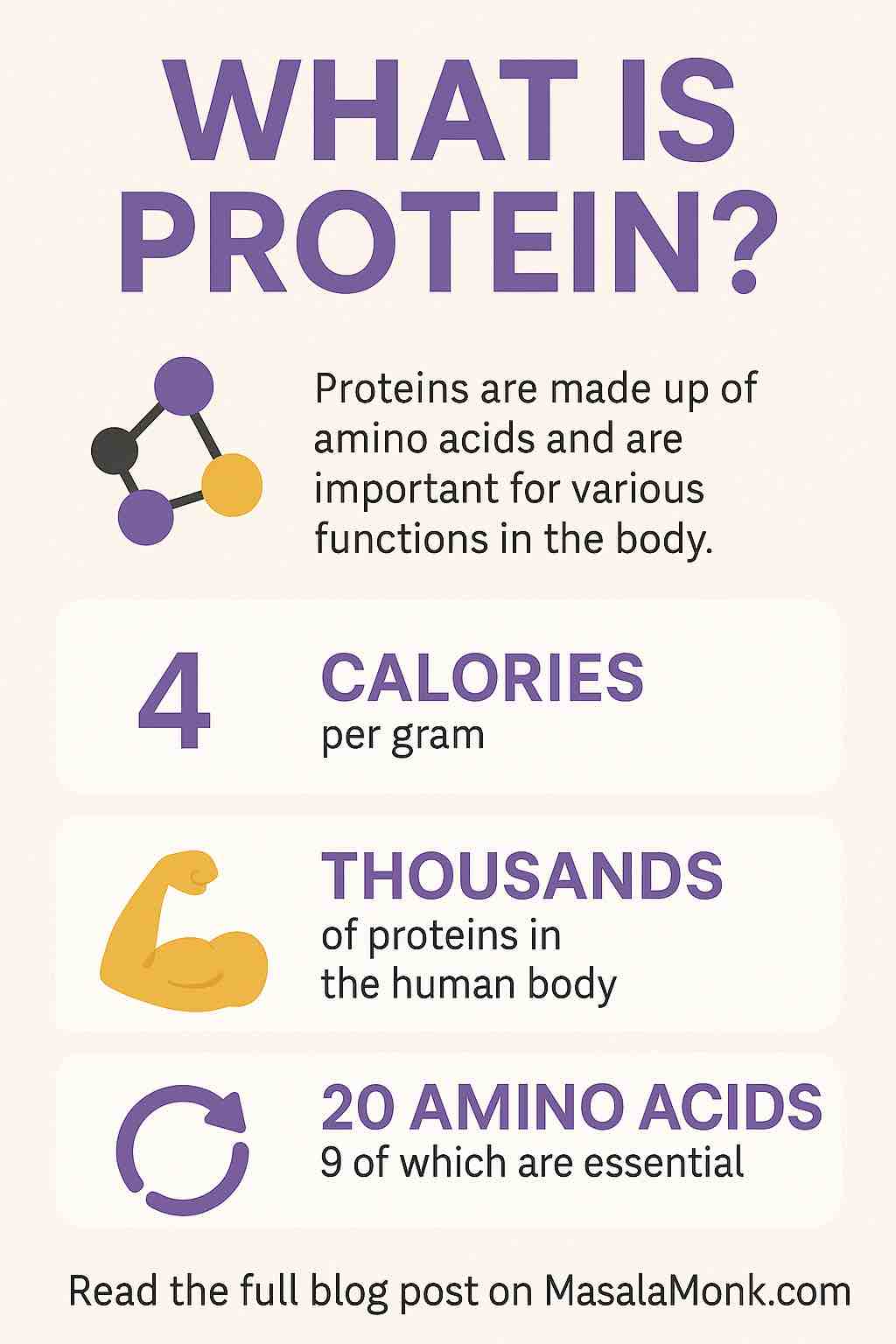
Proteins are composed of amino acids, often described as the building blocks of life. There are 20 different amino acids, each with a unique structure and function. Of these, 11 are ‘non-essential’ amino acids, meaning our bodies can produce them on their own. The remaining nine are ‘essential’ amino acids, which we must obtain through our diet, as our bodies cannot synthesize them.
These amino acids link together in diverse sequences and structures to form proteins. The sequence in which amino acids are arranged determines the protein’s shape and function. This specificity means that even a slight change in the sequence can lead to a completely different protein, each meticulously designed for a specific role in the body.
The Multifaceted Roles of Protein
Proteins play several critical roles in the body, far beyond muscle repair and growth:
- Structural Components: Proteins like collagen, keratin, and elastin provide structure and support to our skin, hair, nails, and connective tissues, contributing to their strength and elasticity.
- Enzymes: Many proteins act as enzymes, facilitating countless biochemical reactions in the body. Enzymes are crucial for digestion, energy production, blood clotting, and muscle contraction, among other functions.
- Hormones: Some hormones, which act as chemical messengers in the body, are proteins. Insulin, for example, is a protein hormone that regulates blood sugar levels.
- Immune Response: Antibodies, a type of protein, are essential in the immune system’s defense against pathogens like bacteria and viruses.
- Transport and Storage: Proteins also transport and store nutrients. Hemoglobin, a protein in red blood cells, transports oxygen throughout the body. Other proteins bind and carry atoms and small molecules within cells and throughout the body.
Protein in Diet: A Balancing Act
Our daily protein needs vary based on factors like age, sex, weight, and physical activity level. The Recommended Dietary Allowance (RDA) for protein is about 0.8 grams per kilogram of body weight per day for the average adult. However, this is just a baseline, and specific needs may be higher, especially for athletes, pregnant women, and those in certain stages of healing or growth.
Proteins can be found in both animal and plant sources. Animal proteins, such as meat, poultry, fish, eggs, and dairy, are considered ‘complete proteins’ because they contain all nine essential amino acids in sufficient quantities. Plant-based proteins, found in foods like beans, lentils, nuts, and whole grains, often lack one or more of the essential amino acids but can form complete proteins when combined correctly.
Embracing Protein Diversity in Your Diet
In recognizing the extensive roles of protein in the body, it becomes clear how essential a balanced and varied protein intake is for our overall health. While animal sources provide complete proteins, plant-based sources are equally valuable, especially when combined to form a complete amino acid profile. It’s not just about quantity but also the quality and variety of the proteins we consume. By thoughtfully incorporating different protein sources into our diet, we not only cater to our body’s structural and functional needs but also embrace a holistic approach to health and nutrition.
Section 2: The Protein Pantry – Exploring Diverse Sources
Protein is found in a myriad of sources, each bringing its own unique blend of amino acids and nutritional benefits. In this section, we’ll embark on a culinary exploration of these diverse protein sources, covering both well-known and unexpected protein-rich foods.
Animal-Based Proteins: Beyond Just Meat
- Meat: A well-known source of high-quality protein, meat (including beef, pork, and lamb) offers complete proteins. It’s also rich in essential nutrients like iron, zinc, and B vitamins. However, it’s important to choose lean cuts to balance fat intake.
- Poultry: Chicken and turkey are excellent sources of lean protein. They are lower in fat compared to red meat and provide essential nutrients such as niacin and selenium.
- Fish and Seafood: Beyond being a great source of protein, fish like salmon, tuna, and mackerel are rich in omega-3 fatty acids, crucial for heart health. Shellfish, including shrimp and oysters, are also protein-packed options.
- Eggs: Often referred to as a ‘complete protein’, eggs contain all nine essential amino acids. They’re versatile, economical, and also provide vitamins D and B12, along with choline.
- Dairy Products: Milk, cheese, and yogurt not only offer protein but are also excellent calcium sources for bone health. Greek yogurt, in particular, is a protein powerhouse.
Plant-Based Proteins: A World of Options
- Legumes: Beans, lentils, and chickpeas are not only high in protein but also fiber, making them great for digestive health. While they are ‘incomplete’ proteins, combining them with grains can provide all essential amino acids.
- Nuts and Seeds: Almonds, walnuts, chia seeds, and flaxseeds are not just protein-rich; they also contain healthy fats and fiber. They’re great in salads, yogurts, or as snacks.
- Whole Grains: Often overlooked as a protein source, grains like quinoa, barley, and oats offer protein and are also rich in fiber and B vitamins.
- Tofu and Tempeh: Made from soybeans, they are complete protein sources and versatile in cooking, catering to a variety of dishes from stir-fries to grills.
- Green Vegetables: Surprisingly, vegetables like broccoli, spinach, and kale have protein. They’re also packed with vitamins, minerals, and antioxidants.
Protein Powders and Supplements: A Convenient Boost
- Whey Protein: Derived from dairy, it’s a complete protein and popular among athletes for muscle recovery.
- Plant-Based Powders: Options like pea, hemp, and rice protein powders are great for those on a vegan diet.
- Collagen Supplements: Gaining popularity, collagen supplements can benefit skin health and provide protein.
The Art of Combining Proteins
For those following a plant-based diet or looking to reduce meat intake, understanding how to combine different protein sources is key to ensuring a complete amino acid profile. For example, rice and beans, hummus with whole grain bread, and peanut butter on whole wheat are classic combinations that ensure you’re getting all the essential amino acids.
The world of protein is vast and varied. From the animal-based staples to the plant-powered wonders, each source offers unique nutritional benefits. Understanding these options allows us to make informed choices about our protein intake, ensuring we meet our body’s needs in a way that aligns with our health goals and dietary preferences.
Section 3: Protein’s Superpowers – Beyond Muscle Building
Often associated primarily with muscle growth, protein’s impact on the body extends far beyond the gym. This nutrient plays several critical roles, influencing everything from metabolic health to mental well-being. Let’s explore these lesser-known but equally vital benefits of protein.
Enhancing Metabolic Health
Protein has a thermogenic effect, meaning its digestion burns more calories compared to fats or carbohydrates. This increased metabolic rate can aid in weight management. Moreover, protein helps stabilize blood sugar levels by slowing the absorption of sugar during meals. This regulation can be particularly beneficial for those managing diabetes or metabolic syndrome.
Boosting Brain Function and Mood
Amino acids in protein are precursors to neurotransmitters, the chemical messengers in the brain. For instance, tryptophan is used to produce serotonin, a neurotransmitter that regulates mood, sleep, and appetite. Adequate protein intake can, therefore, have a significant impact on mental health, influencing everything from mood to cognitive function.
Supporting Immune Health
Proteins form the building blocks of antibodies, which are essential in the body’s immune response to pathogens. A well-nourished immune system, supported by adequate protein, is better equipped to ward off infections and illnesses.
Healthy Aging and Longevity
As we age, maintaining muscle mass becomes increasingly important to preserve strength and prevent falls. Protein plays a crucial role in this aspect of aging. Additionally, some research suggests that a higher protein intake can contribute to longer life expectancy, primarily when combined with other healthy lifestyle choices.
Repair and Recovery
Protein’s role in repairing tissues extends beyond muscles to include skin, hair, nails, and internal organs. After injury or surgery, the body’s demand for protein increases to aid in the healing process. Ensuring adequate protein intake can speed up recovery and improve wound healing.
Nutrient Absorption and Balance
Proteins transport various nutrients, like vitamins and minerals, throughout the body, facilitating their absorption and use. For instance, the protein transferrin transports iron in the bloodstream, playing a critical role in preventing anemia.
The multifaceted roles of protein underscore its significance in our diet. It’s not just about building strength but also about maintaining overall health and well-being. By understanding and leveraging protein’s superpowers, we can support our bodies in more ways than we might have imagined, from boosting our brain function and mood to enhancing our immune system and aiding in healthy aging.
Section 4: Protein Myths Debunked – Separating Fact from Fiction
Protein, despite being a fundamental nutrient, is often surrounded by myths and misconceptions. This section aims to clarify these misunderstandings, providing accurate information to help readers make informed dietary choices.
Myth 1: More Protein Means More Muscles
Fact Check: While protein is essential for muscle growth, consuming it in excess doesn’t necessarily lead to bigger muscles. Muscle growth depends on a combination of factors, including consistent strength training and overall nutrition. Excessive protein intake, especially without adequate exercise, may not contribute to muscle growth and can strain the kidneys over time.
Myth 2: Plant-Based Proteins are Inferior to Animal Proteins
Fact Check: Plant-based proteins can be just as effective as animal-based proteins when consumed in a well-planned diet. While it’s true that most plant proteins are ‘incomplete’ proteins (lacking one or more essential amino acids), combining different plant sources can provide all the essential amino acids the body needs. Foods like quinoa and soy are exceptions, offering complete protein profiles on their own.
Myth 3: High-Protein Diets are Harmful to Kidneys
Fact Check: For individuals with healthy kidneys, a high-protein diet typically does not pose a risk. The concern for kidney damage from protein consumption is more relevant for people with pre-existing kidney conditions. Those with kidney disease should consult healthcare professionals for tailored dietary advice.
Myth 4: Protein Supplements are Essential for Fitness Enthusiasts
Fact Check: While protein supplements can be convenient, especially for athletes and bodybuilders, they are not a necessity for everyone engaging in regular exercise. Many can meet their protein needs through a balanced diet. Supplements should be considered an addition, not a replacement, for a healthy diet.
Myth 5: Too Much Protein Leads to Weight Gain
Fact Check: Protein can actually aid in weight loss due to its satiating effect, which can lead to reduced calorie intake. However, like any nutrient, consuming protein in excessive amounts can contribute to weight gain, as excess calories are stored as fat.
Myth 6: Only Bodybuilders Need to Focus on Protein Intake
Fact Check: Adequate protein intake is important for everyone, not just bodybuilders or athletes. It plays a crucial role in various bodily functions, including cell repair, immune function, and the production of hormones and enzymes. Everyone, regardless of their level of physical activity, requires a certain amount of protein for overall health.
Myth 7: Eating Protein Causes Bone Loss
Fact Check: This myth stems from the belief that protein increases acid load in the body, leading to calcium being leached from bones. However, studies have shown that protein, including animal protein, can actually have a positive effect on bone health. It supports bone density and reduces the risk of fractures.
Section 5: Protein in Your Day – Global Meal Ideas
Incorporating protein into your daily meals is essential for a balanced and nutritious diet, regardless of where you are in the world. This section offers a wide array of meal ideas that cater to global tastes, including Indian, American, and other international cuisines. These suggestions are designed to infuse protein into your diet while accommodating various dietary preferences.
Breakfast: A Wholesome Start
- Indian Delight: Kickstart your day with a hearty serving of Poha, a flattened rice dish cooked with peas, peanuts, and turmeric. It’s a delightful blend of flavors and textures that’s both satisfying and nutritious.
- American Classic: Enjoy a traditional American breakfast of scrambled eggs or an omelet loaded with spinach, mushrooms, and a sprinkle of cheese. Pair it with whole-grain toast or a bagel for a wholesome morning meal.
- Global Fusion: Opt for a global twist with a Middle Eastern-inspired breakfast. Prepare a Shakshuka, a flavorful dish of poached eggs in a spicy tomato and pepper sauce. It’s typically served with crusty bread for dipping.
- Asian Influence: Try a Japanese breakfast with a bowl of miso soup, a serving of grilled fish, and a side of steamed rice. This combination provides protein and umami flavors to jumpstart your day.
Lunch: Midday Sustenance
- Indian Spice: Savor a classic Indian meal with Tandoori chicken or paneer served alongside fragrant Basmati rice and a cooling cucumber raita. It’s a balance of flavors and textures that’s both filling and nutritious.
- American Staple: Enjoy a typical American lunch by preparing a turkey or chicken breast sandwich. Layer it with fresh lettuce, tomato, and mustard on whole-grain bread. Pair it with a side salad for added greens.
- Global Medley: Explore international flavors with a Mexican-inspired lunch. Make a protein-packed burrito bowl featuring grilled chicken, black beans, brown rice, salsa, and a sprinkle of cheese. Top it with avocado for creaminess.
- Mediterranean Touch: Embrace the Mediterranean diet with a Greek salad topped with grilled shrimp or falafel. Include a side of whole wheat pita bread and hummus for a satisfying and healthy lunch.
Snacks: Protein on the Go
- Indian Snack: For a quick and protein-rich Indian snack, roast chickpeas (chana) with spices or enjoy a handful of spiced nuts and seeds. These snacks offer a satisfying crunch and a dose of protein.
- American Quick Bite: Opt for string cheese or a handful of almonds for a convenient and portable protein-packed snack. You can also grab a protein bar when you’re on the move.
- Global Choice: Enjoy hummus with carrot and cucumber sticks for a Middle Eastern-inspired snack. Another international option is a small serving of edamame seasoned with sea salt for a delightful and nutritious bite.
Dinner: A Nutrient-Rich Farewell
- Indian Dinner: Create a flavorful Indian dinner with grilled fish or shrimp curry. Pair it with a side of sautéed vegetables and your choice of brown rice or roti for a satisfying and protein-rich meal.
- American Comfort: Indulge in American comfort food with baked or grilled salmon or steak. Serve it alongside a sweet potato and steamed broccoli for a wholesome and balanced dinner.
- Worldly Cuisine: Embark on a culinary journey with a global dinner option. Try a stir-fried tofu dish with mixed vegetables in a soy-ginger sauce, served over your choice of whole-grain noodles or rice. Alternatively, savor a Moroccan-inspired chickpea and vegetable stew served with couscous for a hearty and satisfying meal.
Dessert: A Sweet Protein Treat
- Indian Dessert: Conclude your meal with a protein-rich Indian dessert like a Lassi, which can be made with yogurt and fresh fruit like mango. Add a pinch of cardamom for extra flavor.
- American Indulgence: Enjoy a delightful protein-packed dessert with options like chocolate or vanilla pudding enriched with protein. You can also savor a scoop of protein ice cream for a sweet treat.
- Global Delicacy: Explore a global dessert by baking apples or pears with cinnamon and a sprinkling of nuts. Top it with a dollop of ricotta or a non-dairy yogurt for a wholesome and delicious ending to your meal.
Section 6: Protein-Rich Vegetarian Alternatives for Global Palates
Protein-rich vegetarian alternatives offer a versatile and nutritious choice for people around the world. This section explores a variety of plant-based protein sources that cater to both Indian and global tastes, providing options for vegetarians, vegans, and those seeking to diversify their protein intake.
Legumes: A Worldwide Protein Staple
- Lentils (Dal): Lentils are a global protein powerhouse. In India, they form the basis of comforting dal dishes, while in the Middle East, they are used in hearty soups like lentil soup (lentil shorba).
- Chickpeas (Chana): Chickpeas are celebrated worldwide. In India, they shine in chana masala, while in the Mediterranean, they are transformed into creamy hummus.
- Black Beans: Popular in Latin American cuisine, black beans are used in dishes like Brazilian feijoada and Cuban black bean soup. They offer a hearty dose of protein.
Paneer: A Versatile Dairy Delight
- Paneer: Paneer is cherished in India and used in dishes like paneer tikka and paneer butter masala. It’s also versatile enough for global adaptations, such as paneer stir-fry or paneer kebabs.
Nuts and Seeds: Nutrient-Rich and Universal
- Almonds: Almonds are a worldwide favorite. In India, they star in badam halwa, while in Western cuisines, they appear in almond butter and almond-crusted dishes.
- Cashews: Cashews are enjoyed globally. In India, they are prominent in rich gravies, and in Asian cuisine, they are featured in various stir-fries.
Dairy and Dairy Alternatives
- Curd (Dahi): Curd or yogurt is consumed globally. It’s central to Indian cuisine and appears in dishes like raita. In Western diets, yogurt is a staple for breakfast and snacks.
- Soy Curd (Tofu or Soya Dahi): Soy curd (tofu or soya dahi) is a versatile dairy alternative that’s embraced worldwide. It’s used in Asian stir-fries, vegan scrambles, and more.
Quinoa: A Globally Recognized Superfood
- Quinoa: Quinoa’s global popularity has soared due to its protein content. It’s used as a base for salads, grain bowls, and pilafs, making it a versatile option worldwide.
Plant-Based Protein Powders
- Pea Protein: Pea protein powder is gaining recognition globally as a plant-based protein source. It’s used in protein shakes, smoothies, and protein bars.
Seitan: An International Protein Option
- Seitan (Wheat Gluten): Seitan, also known as “wheat meat,” is used worldwide to create vegan meat substitutes. It’s versatile and can be found in Asian stir-fries and Western vegan dishes.
Eggs and Egg Alternatives
- Eggs: Eggs are consumed globally and prepared in diverse ways. From American breakfast omelets to Japanese tamago sushi, they offer a versatile protein source.
- Besan (Chickpea Flour): Besan, or chickpea flour, is used worldwide in various cuisines. In India, it’s the base for besan chilla, while in the Middle East, it’s used in falafel.
Section 7: Protein-Rich Recipes – Cooking with Creativity
Now that you’re familiar with a variety of protein sources, it’s time to put your culinary skills to use. This section provides a selection of protein-rich recipes that are not only delicious but also easy to prepare at home. Whether you’re a novice cook or a seasoned chef, these recipes offer something for everyone.
Recipe 1: Chickpea and Spinach Curry
Ingredients:
- 1 can of chickpeas (15 oz), drained and rinsed
- 2 cups fresh spinach leaves
- 1 onion, finely chopped
- 2 cloves garlic, minced
- 1-inch piece of ginger, grated
- 1 can of diced tomatoes (14 oz)
- 1 tablespoon curry powder
- 1 teaspoon ground cumin
- 1 teaspoon ground coriander
- 1/2 teaspoon turmeric
- Salt and pepper to taste
- 2 tablespoons cooking oil
- Fresh cilantro leaves for garnish
- Cooked rice or naan bread for serving
Instructions:
- Heat the cooking oil in a pan over medium heat. Add the chopped onion and sauté until translucent.
- Add the minced garlic and grated ginger. Sauté for another minute until fragrant.
- Stir in the curry powder, ground cumin, ground coriander, turmeric, salt, and pepper. Cook for a minute to toast the spices.
- Add the diced tomatoes and cook for a few minutes until they start to break down.
- Add the chickpeas and spinach. Simmer for about 10 minutes until the spinach wilts and the flavors meld together.
- Serve the chickpea and spinach curry over cooked rice or with naan bread. Garnish with fresh cilantro leaves.
Recipe 2: Quinoa and Black Bean Salad
Ingredients:
- 1 cup quinoa, rinsed and cooked
- 1 can of black beans (15 oz), drained and rinsed
- 1 red bell pepper, diced
- 1 cup corn kernels (fresh, frozen, or canned)
- 1/4 cup red onion, finely chopped
- 1/4 cup fresh cilantro, chopped
- Juice of 2 limes
- 2 tablespoons olive oil
- 1 teaspoon ground cumin
- Salt and pepper to taste
- Avocado slices for garnish (optional)
Instructions:
- In a large bowl, combine the cooked quinoa, black beans, diced red bell pepper, corn kernels, and finely chopped red onion.
- In a separate small bowl, whisk together the lime juice, olive oil, ground cumin, salt, and pepper.
- Pour the dressing over the quinoa mixture and toss to combine.
- Fold in the fresh cilantro.
- Serve the quinoa and black bean salad chilled. Garnish with avocado slices if desired.
Recipe 3: Tofu Stir-Fry with Vegetables
Ingredients:
- 1 block of extra-firm tofu, pressed and cubed
- 2 cups mixed vegetables (broccoli florets, bell peppers, snap peas, carrots, etc.)
- 3 cloves garlic, minced
- 1-inch piece of ginger, grated
- 3 tablespoons soy sauce
- 2 tablespoons hoisin sauce
- 1 tablespoon rice vinegar
- 1 tablespoon sesame oil
- 2 tablespoons cooking oil
- Cooked rice or noodles for serving
Instructions:
- Heat 1 tablespoon of cooking oil in a large skillet or wok over medium-high heat. Add the cubed tofu and cook until golden brown on all sides. Remove from the skillet and set aside.
- In the same skillet, add the remaining cooking oil. Add the minced garlic and grated ginger. Sauté for a minute until fragrant.
- Add the mixed vegetables and stir-fry for about 5-7 minutes until they become tender-crisp.
- Return the cooked tofu to the skillet.
- In a small bowl, whisk together the soy sauce, hoisin sauce, rice vinegar, and sesame oil. Pour this sauce over the tofu and vegetables.
- Stir-fry for a few more minutes until everything is well coated and heated through.
- Serve the tofu stir-fry over cooked rice or noodles.
These recipes offer a taste of creativity in the kitchen while ensuring you get your daily dose of protein. Feel free to customize them with your favorite ingredients and flavors to make them your own. Enjoy exploring the world of protein-rich cuisine!
Section 8: Protein Supplements – A Convenient Option
While whole foods are the ideal source of protein, protein supplements can be a convenient way to meet your daily protein requirements, especially for those with busy lifestyles or specific dietary needs. This section explores protein supplements, their types, and when they can be a helpful addition to your diet.
Types of Protein Supplements
- Whey Protein: Whey protein is one of the most popular protein supplements. It is derived from milk and is a complete protein source, containing all essential amino acids. Whey protein is quickly absorbed by the body, making it an excellent choice for post-workout recovery.
- Casein Protein: Like whey, casein protein is derived from milk. However, it is absorbed more slowly by the body, providing a steady release of amino acids. This makes it a good option for a nighttime protein source.
- Plant-Based Protein: Plant-based protein supplements are suitable for vegetarians and vegans. They are often made from sources like pea protein, rice protein, or hemp protein. These supplements provide a complete amino acid profile and can be used as a protein source in smoothies and recipes.
- Collagen Protein: Collagen protein is known for its benefits for skin, hair, and joint health. It is sourced from animal connective tissues and can be added to beverages or recipes for a protein boost.
- Egg White Protein: Egg white protein is a convenient way to get the protein benefits of eggs without the yolks. It is low in fat and carbohydrates and is suitable for those who may be allergic to whey or soy.
When to Consider Protein Supplements
- Meeting Daily Protein Goals: If you struggle to meet your daily protein goals through whole foods alone, protein supplements can help you bridge the gap.
- Post-Workout Recovery: Protein supplements like whey are often consumed after exercise to support muscle recovery and growth.
- Convenience: Protein shakes and bars are portable and easy to consume on the go, making them a convenient option for busy individuals.
- Specific Dietary Needs: Plant-based, lactose-free, and allergen-friendly protein supplements cater to specific dietary preferences and restrictions.
- Meal Replacement: Protein shakes can serve as meal replacements when you’re short on time or need a quick and nutritious option.
How to Choose a Protein Supplement
- Consider Your Dietary Preferences: Choose a protein supplement that aligns with your dietary preferences, whether it’s plant-based, dairy-free, or animal-derived.
- Check Ingredients: Read the ingredient list to ensure the supplement meets your nutritional needs and doesn’t contain unnecessary additives.
- Look for Third-Party Testing: Some supplements undergo third-party testing for quality and purity. Choosing such products can provide confidence in their safety and effectiveness.
- Consult a Healthcare Professional: If you have specific dietary concerns or health conditions, consult a healthcare professional or registered dietitian before adding protein supplements to your diet.
Remember that while protein supplements can be beneficial, they should complement, not replace, a balanced diet rich in whole foods. It’s essential to prioritize whole food sources of protein for their additional nutrients and health benefits.
Section 9: Protein-Packed Tips for a Healthy Lifestyle
Achieving a protein-rich diet is just one part of a healthy lifestyle. This section offers valuable tips and insights to help you make the most of your protein intake and maintain overall well-being.
Balanced Meals and Portion Control
- Balanced Plate: Aim for balanced meals that include protein, vegetables, whole grains, and healthy fats. This combination ensures you get a variety of nutrients.
- Portion Control: Be mindful of portion sizes to avoid overeating. Use smaller plates and listen to your body’s hunger cues.
Hydration Matters
- Stay Hydrated: Proper hydration is essential for overall health. Water supports digestion and helps transport nutrients, including protein, throughout your body.
- Limit Sugary Drinks: Avoid sugary beverages that can add unnecessary calories and disrupt your body’s hydration balance.
Active Lifestyle
- Regular Exercise: Combine a protein-rich diet with regular physical activity for optimal health. Exercise helps build and maintain muscle mass.
- Mix It Up: Include a variety of physical activities, from strength training to cardio, to keep your workouts engaging and effective.
Mindful Eating
- Mindful Eating: Pay attention to what you eat, savor each bite, and eat without distractions. Mindful eating can help prevent overeating.
- Listen to Your Body: Eat when you’re hungry and stop when you’re satisfied. Don’t feel pressured to finish every bite if you’re full.
Meal Planning
- Meal Prep: Plan your meals in advance to ensure you have protein-rich options readily available. This reduces the temptation to opt for less nutritious choices when you’re busy.
- Variety is Key: Incorporate a variety of protein sources into your meal plan to keep your diet interesting and ensure you receive a wide range of nutrients.
Consult a Healthcare Professional
- Individualized Guidance: If you have specific dietary goals or health concerns, consider consulting a registered dietitian or healthcare professional for personalized guidance.
- Supplements: If you’re considering protein supplements, seek advice from a healthcare professional to determine the right type and dosage for your needs.
Lifestyle Balance
- Sleep Well: Quality sleep is crucial for overall health and muscle recovery. Aim for 7-9 hours of sleep per night.
- Stress Management: Chronic stress can affect your eating habits and overall health. Practice stress management techniques like meditation, yoga, or deep breathing.
Long-Term Perspective
- Consistency: Focus on long-term consistency rather than quick fixes. Sustainable dietary and lifestyle changes lead to lasting benefits.
- Celebrate Progress: Celebrate your achievements, no matter how small. Positive reinforcement can motivate you to maintain a healthy lifestyle.
A protein-rich diet is a valuable component of a healthy lifestyle. By incorporating these tips into your daily routine, you can enjoy the benefits of a balanced diet, regular exercise, and mindful choices for long-lasting well-being.
Section 10: Protein Myths Debunked
In the world of nutrition, myths and misconceptions often abound. This section aims to debunk common myths surrounding protein and provide evidence-based information to help you make informed dietary choices.
Myth 1: “More Protein Equals More Muscle”
Fact: While protein is essential for muscle growth and repair, consuming excessive amounts won’t lead to significantly more muscle. Your body has a limit to how much protein it can use effectively. Aim for an adequate protein intake based on your body weight and activity level.
Myth 2: “Protein Only Comes from Animal Sources”
Fact: Plant-based sources like beans, lentils, tofu, and quinoa are rich in protein. You can meet your protein needs without consuming animal products. A well-balanced vegetarian or vegan diet can provide all essential amino acids.
Myth 3: “Protein Supplements Are Necessary for Fitness”
Fact: While protein supplements can be convenient, they are not essential for fitness. Most people can meet their protein needs through whole foods. Supplements are useful when it’s challenging to get enough protein from meals alone.
Myth 4: “Eating Protein Before Bed Causes Weight Gain”
Fact: Consuming protein before bed can be beneficial, especially if you’re active. Protein helps repair and build muscle during sleep. It doesn’t cause weight gain unless it leads to an overall calorie surplus.
Myth 5: “High-Protein Diets Harm Kidneys”
Fact: High-protein diets are not harmful to healthy kidneys. However, individuals with kidney disease should limit protein intake. If you have kidney concerns, consult a healthcare professional for guidance.
Myth 6: “All Protein Sources Are Equally Healthy”
Fact: Not all protein sources are equal in terms of health. Choose lean proteins like poultry, fish, legumes, and tofu over processed and red meats, which may increase the risk of certain health issues.
Myth 7: “You Can’t Get Enough Protein on a Plant-Based Diet”
Fact: Plant-based diets can provide sufficient protein when well-planned. Incorporate a variety of plant protein sources to ensure you receive all essential amino acids.
Myth 8: “Protein Bars and Shakes Are Always Healthy”
Fact: Protein bars and shakes vary in quality. Some are highly processed and loaded with added sugars and artificial ingredients. Choose options with minimal ingredients and added sugars.
Myth 9: “Protein Will Make You Bulky (Especially for Women)”
Fact: Building bulky muscles requires specific training and often additional calorie intake. Most people, including women, won’t become overly muscular from a protein-rich diet alone.
Myth 10: “You Can’t Overeat Protein”
Fact: Excessive protein intake can lead to excess calorie consumption, which may result in weight gain. It’s important to balance protein with overall calorie needs.
Understanding the facts about protein can help you make informed dietary choices. By dispelling these common myths, you can approach your protein intake with clarity and a focus on a balanced and healthy diet.
Section 11: Conclusion – Protein in Perspective
As we conclude this comprehensive guide to protein, let’s reflect on the significance of protein in our lives and its role in maintaining overall health and well-being.
The Building Blocks of Life
Proteins are aptly called the “building blocks of life” for a reason. They play a fundamental role in the growth, repair, and maintenance of tissues and organs in our bodies. From the muscles that power our movements to the enzymes that facilitate essential chemical reactions, proteins are indispensable.
Protein’s Role in Nutrition
Protein is one of the three macronutrients, alongside carbohydrates and fats. It provides our bodies with amino acids, which are the building blocks of proteins. Amino acids serve as the raw material for various cellular processes, including the synthesis of new proteins and enzymes.
Balancing Act
While protein is vital, it’s important to strike a balance in our diets. Consuming too little protein can lead to muscle loss, impaired immune function, and a range of health issues. Conversely, excessive protein intake can strain the kidneys and may not yield additional benefits for muscle growth.
A Diverse World of Protein
Protein sources are incredibly diverse, catering to a wide range of dietary preferences. Whether you’re a carnivore, vegetarian, vegan, or follow a specialized diet like paleo, there are ample protein sources available to you.
The Power of Choice
Ultimately, the power to make informed dietary choices lies in your hands. This guide has equipped you with knowledge about protein sources, meal plans, and even protein-rich desserts. It’s up to you to create a diet that suits your tastes, preferences, and health goals.
Continual Learning
The world of nutrition is dynamic and ever-evolving. As new research emerges and dietary trends shift, staying informed is essential. Consider consulting a registered dietitian or healthcare professional for personalized guidance on your protein intake and overall nutrition.
In closing, remember that protein is not just a nutrient; it’s a vital element that contributes to the strength, vitality, and longevity of our bodies. With the right knowledge and choices, you can harness the power of protein to lead a healthier and more fulfilling life.
Section 12: Your Protein Journey Begins
Now that you’ve embarked on your protein-rich journey, it’s time to put your knowledge into action. Here are some actionable steps to kickstart your protein journey and make lasting changes to your diet and lifestyle:
1. Calculate Your Protein Needs
Determine your daily protein requirements based on factors like your age, gender, activity level, and fitness goals. This personalized approach ensures you’re getting the right amount of protein for your body.
2. Plan Balanced Meals
Create meal plans that include a variety of protein sources, such as lean meats, fish, poultry, dairy, legumes, and plant-based options. Balance your plate with vegetables, whole grains, and healthy fats for complete nutrition.
3. Experiment with New Recipes
Explore protein-rich recipes that excite your taste buds. Try cooking methods you haven’t used before, and experiment with spices and flavors to keep your meals enjoyable.
4. Keep Healthy Snacks Handy
Stock your pantry and fridge with protein-rich snacks like Greek yogurt, nuts, and hummus. Having healthy options readily available makes it easier to resist less nutritious choices when hunger strikes.
5. Stay Hydrated
Remember that proper hydration supports protein metabolism and overall health. Aim to drink enough water throughout the day.
6. Monitor Your Progress
Keep a food diary or use a nutrition-tracking app to monitor your protein intake. Tracking your meals helps you stay accountable and make adjustments as needed.
7. Prioritize Whole Foods
While protein supplements can be convenient, prioritize whole food sources of protein for their additional nutrients and health benefits. Supplements should complement, not replace, your diet.
8. Listen to Your Body
Pay attention to hunger and fullness cues. Eat when you’re hungry, and stop when you’re satisfied. Avoid mindless eating and emotional eating.
9. Seek Support
Consider joining a community or support group focused on nutrition and health. Sharing your journey with others can provide motivation and accountability.
10. Embrace Sustainability
Remember that long-term consistency is key to achieving and maintaining a protein-rich diet and a healthy lifestyle. Celebrate your progress along the way.
Your protein journey is a personal and ongoing commitment to your health and well-being. By taking these steps and staying mindful of your choices, you’re well on your way to experiencing the benefits of a protein-rich diet.
Happy Eating and Thriving!
This marks the beginning of your protein-rich journey. Embrace the knowledge, enjoy the delicious meals, and savor the positive changes in your health and vitality. Your journey to a healthier you has just begun, and the possibilities are endless. Bon appétit!
FAQ 1: What Are the Best Sources of Protein?
Answer: Protein can be found in various sources, including lean meats like chicken and turkey, fish, dairy products such as Greek yogurt and cottage cheese, plant-based options like beans, lentils, tofu, and even nuts and seeds. Choosing a variety of protein sources ensures a diverse nutrient intake.
FAQ 2: How Much Protein Do I Need Daily?
Answer: Protein needs vary based on factors like age, gender, and activity level. As a general guideline, aim for about 0.8 grams of protein per kilogram of body weight. However, athletes and individuals with specific fitness goals may require more.
FAQ 3: Can I Get Enough Protein on a Vegetarian or Vegan Diet?
Answer: Yes, it’s entirely possible to meet your protein needs on a vegetarian or vegan diet. Incorporate plant-based protein sources like legumes, tofu, tempeh, quinoa, and nuts into your meals to ensure a balanced intake of essential amino acids.
FAQ 4: Are Protein Supplements Necessary?
Answer: Protein supplements are not essential for most people who have a balanced diet. They can be convenient for athletes and those with high protein needs. It’s best to consult a healthcare professional before incorporating supplements into your routine.
FAQ 5: What Is the Role of Protein in Weight Management?
Answer: Protein helps with weight management by promoting a feeling of fullness and aiding in muscle preservation. Including protein in your meals can help you control your appetite and maintain lean body mass.
FAQ 6: Are There Risks to Consuming Too Much Protein?
Answer: Excessive protein intake can strain the kidneys and lead to dehydration. It’s important to balance protein with overall calorie needs. If you have kidney concerns, consult a healthcare professional.
FAQ 7: Can I Build Muscle with a High-Protein Diet?
Answer: Yes, a high-protein diet is beneficial for muscle building and repair, especially when combined with resistance training. Protein provides the essential amino acids needed for muscle growth and recovery.
FAQ 8: Is Protein Good for Hair and Skin?
Answer: Protein plays a role in the health of your hair, skin, and nails. A diet rich in protein provides essential nutrients that support the growth and maintenance of these tissues, contributing to a healthy appearance.
FAQ 9: What Are the Benefits of Protein for Aging Adults?
Answer: Protein is crucial for maintaining muscle mass and bone health as we age. Adequate protein intake can help prevent muscle loss and frailty in older adults, contributing to a higher quality of life.
FAQ 10: Can Protein Help with Exercise Recovery?
Answer: Protein is essential for exercise recovery. Consuming protein after a workout provides the necessary amino acids to repair and rebuild muscle tissue. Including a source of protein in your post-exercise meal or snack is beneficial.