Posted on Leave a comment

How to Make Banana Pudding? 5 Healthy Breakfast Twists

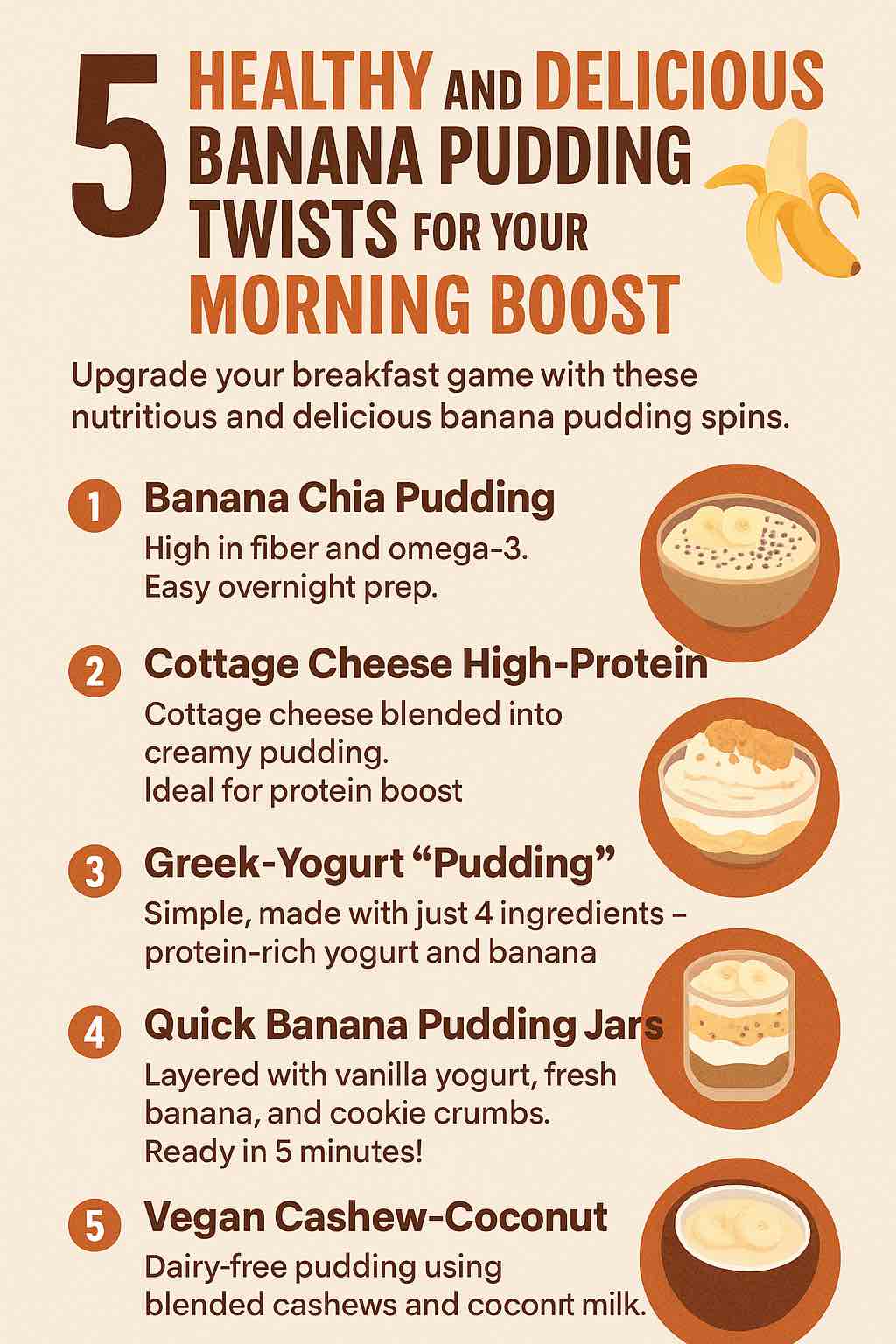
BANANA PUDDING TWISTS FOR YOUR MORNING BOOST

Banana pudding is more than just a Southern dessert classic. With the right ingredients and a little creativity, it can be transformed into a nourishing, energy-packed breakfast. Whether you’re rushing out the door or looking for a slow, satisfying morning, these five healthy twists on banana pudding bring all the comfort and sweetness you crave without the sugar crash.


1. Banana-Chia Power Pudding

Why it works: Packed with fiber, omega-3s, and antioxidants, chia seeds pair beautifully with bananas to create a naturally sweet, pudding-like breakfast that feels indulgent but is totally guilt-free.

Ingredients:

  • 2 ripe bananas (mashed)
  • 2 cups unsweetened almond or oat milk
  • 6 tbsp chia seeds
  • 1 tsp vanilla extract
  • Optional: pinch of cinnamon or nutmeg

Instructions:

  1. Mash bananas in a bowl until smooth.
  2. Stir in milk, chia seeds, and vanilla extract.
  3. Let sit for 15 minutes, stir again to prevent clumps.
  4. Cover and refrigerate overnight.
  5. Serve with berries or crushed nuts in the morning.

Prep Tip: Stir again after 30 minutes to help the chia gel evenly.

Nutrition Per Serving: Approx. 180 calories, 6g protein, 9g fiber


2. Banana Pudding Overnight Oats

Why it works: Oats make this a hearty, slow-digesting option that keeps you full all morning. The banana and vanilla combo adds natural sweetness, and layering gives it that pudding parfait feel.

Ingredients:

  • 1 ripe banana (mashed)
  • 1/2 cup rolled oats
  • 1/2 cup Greek yogurt or plant-based yogurt
  • 1/2 cup almond milk
  • 1 tsp vanilla extract
  • Optional: chopped walnuts, honey, or cinnamon

Instructions:

  1. Mix all ingredients together in a mason jar or container.
  2. Refrigerate overnight.
  3. In the morning, stir and add desired toppings.

Meal Prep Friendly: Make 2–3 jars ahead for the week.

Nutrition Per Serving: Approx. 250 calories, 10g protein, 5g fiber


3. High-Protein Cottage Cheese Banana Pudding

Why it works: This twist brings a creamy texture and a big protein punch. Perfect post-workout or when you’re craving something richer without being heavy.

Ingredients:

  • 1 cup low-fat cottage cheese
  • 1 ripe banana
  • 1/2 tsp vanilla extract
  • 1 scoop vanilla protein powder (optional)
  • Optional: sweetener of choice (e.g. maple syrup, stevia)

Instructions:

  1. Blend all ingredients until smooth.
  2. Chill for 30 minutes for a thicker consistency.
  3. Top with crushed whole-grain wafers, sliced bananas, or nuts.

Quick Hack: No blender? Just mash banana and stir in the rest.

Nutrition Per Serving: Approx. 300 calories, 20–25g protein


4. Vegan Cashew-Coconut Banana Pudding

Why it works: This creamy, dairy-free version uses healthy fats from cashews and coconut milk for richness and a subtle tropical flavor.

Ingredients:

  • 1/2 cup soaked cashews (4–6 hours)
  • 1 ripe banana
  • 1/2 cup coconut milk
  • 1 tbsp maple syrup
  • 1/2 tsp vanilla extract
  • 1 tsp lemon juice

Instructions:

  1. Blend all ingredients until creamy.
  2. Chill for 1 hour or overnight.
  3. Top with toasted coconut flakes or berries.

Vegan Delight: A crowd-pleaser for plant-based diets.

Nutrition Per Serving: Approx. 290 calories, 4g protein, healthy fats


5. Banana Pudding Breakfast Jars (5-Minute Meal Prep)

Why it works: The fastest, most customizable version. Use Greek yogurt or Skyr, banana, and crunchy toppings for a pudding-meets-parfait hybrid.

Ingredients:

  • 1/2 cup Greek yogurt or Skyr
  • 1 ripe banana (sliced or mashed)
  • 1 tbsp nut butter (optional)
  • Crushed whole-grain crackers, seeds, or granola

Instructions:

  1. Layer yogurt, banana, and crunch toppings in a jar.
  2. Eat immediately or refrigerate for up to 2 days.

On-the-Go Bonus: Great for kids and adults alike.

Nutrition Per Serving: Approx. 250–300 calories, depending on toppings


Final Thoughts

Banana pudding doesn’t need to be a sugar-laden dessert. With these five variations, you can turn this comforting favorite into a nutritious, protein-rich, and fiber-packed breakfast. From overnight oats to vegan delights, there’s a banana pudding twist for every palate and dietary need.

Tip: Always use ripe bananas—they’re sweeter and easier to digest. Add texture with nuts, seeds, and spices like cinnamon or cardamom.

Let breakfast be something you look forward to, not just another task. Try one of these banana pudding twists tomorrow morning—and fuel your day with something as good for your body as it is for your taste buds.


Have a favorite banana pudding recipe or twist? Share it in the comments below or tag us with your creations! #BananaPuddingBreakfast

FAQs

  1. Can I make these banana pudding breakfasts ahead of time?
    Yes! Most of these recipes (especially chia pudding and overnight oats) are ideal for meal prep. They stay fresh in the fridge for 3–5 days.
  2. Are these recipes suitable for kids?
    Absolutely. Kids love the natural sweetness of bananas. Just skip added sweeteners if desired and use nut-free toppings for school safety.
  3. Can I use frozen bananas?
    Yes, thaw them first. Frozen bananas work great for blended recipes like the cottage cheese or vegan cashew pudding.
  4. How ripe should the bananas be?
    Use ripe bananas with brown spots—they’re sweeter, easier to mash/blend, and better for digestion.
  5. What can I substitute for chia seeds if I don’t have them?
    You can use ground flaxseed or just skip them and increase oats or thick yogurt depending on the recipe.
  6. Are these recipes gluten-free?
    Most are naturally gluten-free—just ensure toppings (like granola or wafers) are certified gluten-free if needed.
  7. Which recipe is highest in protein?
    The Cottage Cheese Banana Pudding (with optional protein powder) and Greek Yogurt Jars offer 20g+ protein per serving.
  8. What non-dairy milk works best?
    Unsweetened almond, oat, or coconut milk are great options depending on your flavor preference.
  9. Can I use these recipes for weight loss?
    Yes. They are high in fiber, protein, and healthy fats—great for satiety. Portion control and balanced toppings help optimize them for weight goals.
  10. How can I add crunch or texture to these puddings?
    Add nuts, seeds (like pumpkin or sunflower), toasted coconut, granola, or crushed crackers for contrast and extra nutrients.
Posted on 1 Comment

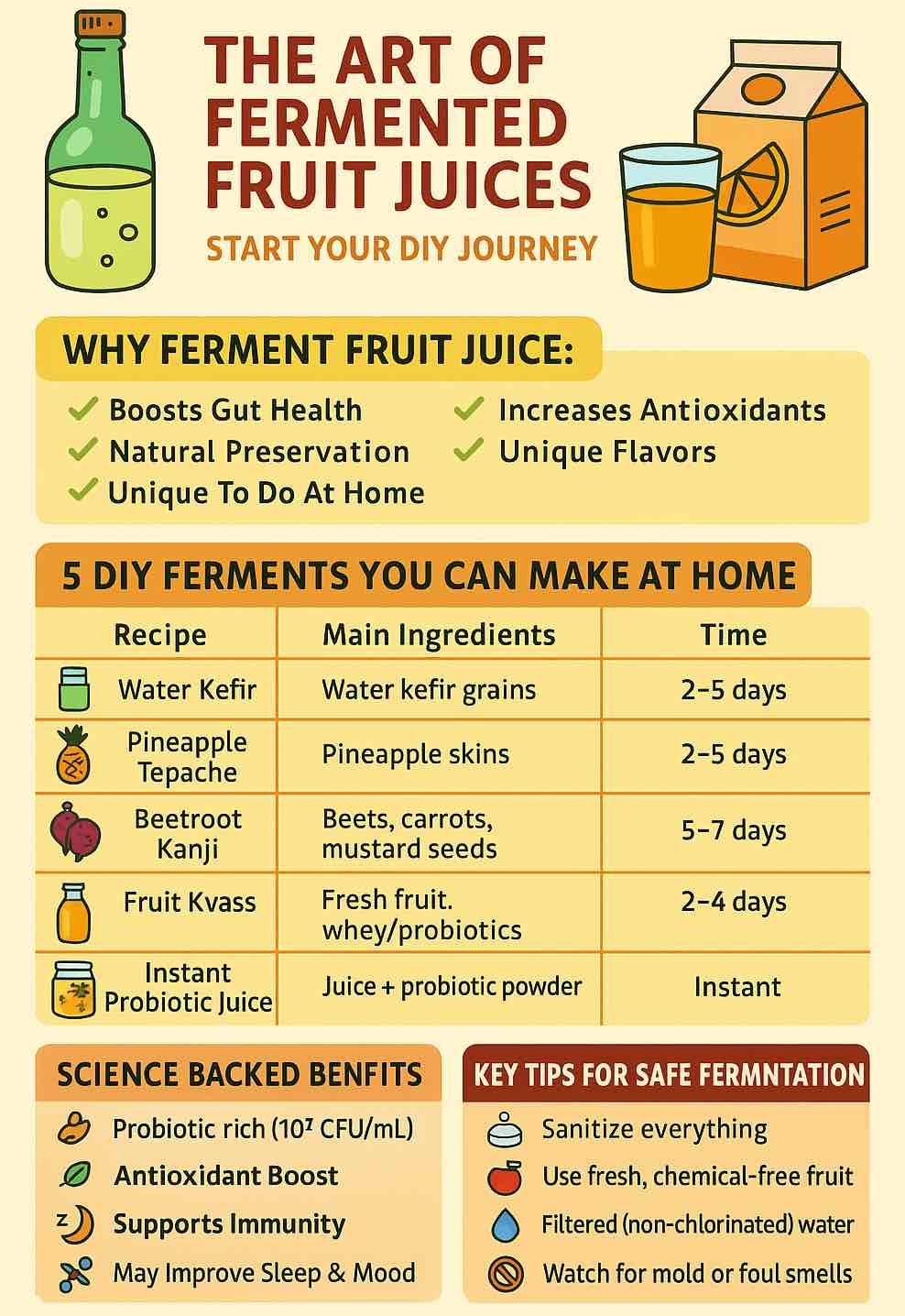
The Art of Fermented Fruit Juices: 5 DIY Recipes to Try at Home

fermented fruit juices, home fermentation, probiotic drinks, lactic acid bacteria, water kefir, tepache, kanji, fruit kvass, gut health, DIY fermentation, fermented beverages, kombucha alternatives, natural probiotics, food preservation, fermentation recipes

Fermenting fruit juices is both an ancient craft and a modern wellness trend. By harnessing the natural power of beneficial microbes, you can create flavorful, probiotic-rich beverages right in your kitchen. These fermented drinks are not only delicious but also offer numerous health benefits — from improved digestion to a stronger immune system. In this guide, we’ll explore the science behind fermentation and share 5 detailed, practical recipes you can start today.


🧬 The Science of Fermentation — Simplified

At its core, fermentation is a natural process where microorganisms such as bacteria and yeast consume sugars and convert them into acids, gases, and sometimes alcohol.

  • Lactic Acid Bacteria (LAB) – produce lactic acid, enhancing the sour taste and providing probiotics.
  • Yeasts – produce alcohol and carbonation, adding complexity to the flavor.
  • Wild Microbes – naturally present on fruits and in the environment, contribute unique flavors and textures.

Key benefits of fermented fruit juices:

  • Increased bioavailability of nutrients
  • Enhanced antioxidant levels
  • Gut-friendly probiotics
  • Natural preservation
  • Unique and complex flavors

⚠️ Basic Safety Rules for Home Fermentation

Before we dive into recipes, remember these crucial safety tips:

  • Sanitize all jars, utensils, and surfaces.
  • Use clean, fresh produce — preferably organic.
  • Always use non-chlorinated, filtered water.
  • Ferment at room temperature (68–75°F / 20–24°C).
  • Monitor for off-smells or visible mold; discard if found.
  • If in doubt, trust your senses — fermented juices should smell pleasantly sour or fruity, never rotten or foul.

🧪 5 DIY Fermented Fruit Juice Recipes to Try at Home


1️⃣ Water Kefir with Fruit Juice — Dairy-Free Probiotic Delight

Why this works:
Water kefir grains (Tibicos) contain a symbiotic culture of bacteria and yeast that ferment sugars into a lightly fizzy, probiotic-rich beverage.

You’ll need:

  • ¼ cup water kefir grains
  • ¼ cup organic sugar (cane or raw sugar works best)
  • 1 quart filtered water
  • 1–2 cups fruit juice (apple, grape, pomegranate, or orange)

Instructions:

First Ferment:

  1. Dissolve sugar in filtered water.
  2. Add water kefir grains to the sugar water.
  3. Cover with a breathable cloth and ferment for 24–48 hours at room temperature.

Second Ferment (Flavoring Stage):
4. Strain out kefir grains (reuse for next batch).
5. Add your choice of fruit juice to the strained liquid.
6. Pour into bottles with tight-fitting lids.
7. Ferment an additional 24 hours at room temperature for carbonation.
8. Refrigerate and enjoy chilled.

Tip:
Always open bottles carefully — pressure can build up!


2️⃣ Pineapple Tepache — Wild Ferment with Tropical Vibes

Why this works:
Pineapple skin naturally hosts wild yeasts and LAB, making tepache one of the easiest ferments for beginners.

You’ll need:

  • 1 ripe pineapple (peels and core)
  • ¾ to 1 cup brown sugar or piloncillo
  • 6–8 cups filtered water
  • Optional: 1 cinnamon stick, 3–4 cloves

Instructions:

  1. Rinse pineapple gently to remove dirt but keep natural microbes intact.
  2. Slice off skin and core, place in large glass jar.
  3. Dissolve sugar in water, pour over pineapple.
  4. Add spices if desired.
  5. Cover jar with cloth or coffee filter secured with rubber band.
  6. Ferment for 2–5 days at room temperature.
  7. Taste daily: when tangy with light fizz, strain and refrigerate.

Tip:
The longer you ferment, the tangier and slightly more alcoholic (~1-2% ABV) it becomes.


3️⃣ Indian Beetroot Kanji — Fermented Root Juice

Why this works:
Beets and carrots naturally ferment with salt and mustard seeds, producing a vibrant probiotic drink loaded with antioxidants.

You’ll need:

  • 3 medium beets, peeled and chopped
  • 2 carrots, peeled and chopped
  • 1 tbsp black mustard seeds
  • 1½ tbsp sea salt
  • 8 cups filtered water

Instructions:

  1. Combine all ingredients in a large glass jar.
  2. Stir until salt dissolves.
  3. Cover with cloth, ferment at room temperature for 5–7 days.
  4. Stir daily and taste; once pleasantly tangy, strain and refrigerate.

Tip:
Serve chilled with meals to aid digestion.


4️⃣ Fruit Kvass — Quick Lactic Acid Ferment

Why this works:
Using whey or probiotic capsules introduces LAB directly into the juice, speeding up fermentation.

You’ll need:

  • 2 cups chopped fruit (berries, apples, mango, etc.)
  • 2 tbsp sugar (optional)
  • 1 quart filtered water
  • 2 tbsp whey (from yogurt) or 1 probiotic capsule (Lactobacillus strains)

Instructions:

  1. Place fruit in a sanitized jar.
  2. Add sugar and water, stir to dissolve.
  3. Add whey or probiotic powder.
  4. Cover loosely with lid or cloth.
  5. Ferment 2–4 days at room temp.
  6. Taste daily; once tart and slightly fizzy, refrigerate.

Tip:
Kvass is very forgiving and can be flavored endlessly.


5️⃣ Instant Probiotic Fruit Juice — No Fermentation Needed

Why this works:
Scientific studies show that adding probiotic powder to fresh juice can deliver immediate benefits without waiting for fermentation.

You’ll need:

  • 1 cup fresh fruit juice (orange, pomegranate, or berry mix)
  • 1 probiotic capsule (10+ billion CFUs, Lactobacillus and Bifidobacteria)
  • Optional: 1 tsp inulin or fiber powder

Instructions:

  1. Mix juice, probiotic powder, and fiber thoroughly.
  2. Consume immediately or refrigerate for up to 24 hours.

Tip:
Perfect for those new to fermentation who want quick probiotic benefits.


🏅 Health Benefits Backed by Science

  • Digestive support: Probiotics balance gut flora.
  • Antioxidant boost: Fermentation enhances bioactive compounds.
  • Immune modulation: LAB strains can support immune function.
  • Mood improvement: Emerging studies link gut health to better mood and sleep.

Studies from 2024 confirm that fermented juices deliver live probiotic counts above 10⁷ CFU/mL and increase antioxidant activity dramatically.


🧭 Troubleshooting Common Fermentation Issues

ProblemCauseSolution
MoldContaminationSanitize equipment; discard batch
Rotten smellUndesirable bacteriaUse fresher produce, better sanitation
No bubblesToo cold, no sugarMove to warmer area, add more sugar
Too sourOverfermentedShorten fermentation time

🧰 Basic Fermentation Gear for Home

  • Glass jars (32 oz or larger)
  • Plastic or wooden stirring spoons
  • Coffee filters or cloth for covers
  • Rubber bands
  • Fine mesh strainer
  • pH strips (optional for safety)

🌎 Why Ferment at Home?

Home fermentation is empowering. You:

  • Control ingredients (no preservatives or additives)
  • Customize flavors
  • Save money compared to store-bought probiotics
  • Connect to ancient culinary traditions

🎯 In Conclusion

Fermenting fruit juices at home is accessible, rewarding, and deeply rooted in both tradition and modern science. Whether you prefer wild ferments like tepache, controlled probiotic kvass, or the instant convenience of probiotic powders, you’re unlocking a world of flavor and wellness with every batch.

🔎 FAQs: The Art of Fermented Fruit Juices


1️⃣ Is it safe to ferment fruit juices at home?

Yes, if you follow proper sanitation and use clean equipment, fresh ingredients, and non-chlorinated water. Monitor your ferment daily, and if you see mold, smell rot, or notice unusual colors (besides the natural changes), discard the batch.


2️⃣ Can fermented fruit juices turn alcoholic?

Mild fermentation (2–5 days) produces very low alcohol (typically <0.5–2% ABV). Longer ferments or wild ferments (like tepache) may develop slightly higher alcohol but are still far below traditional wine or cider levels.


3️⃣ How long do fermented fruit juices last in the fridge?

Properly fermented and refrigerated juices last about 2–3 weeks. Always smell and taste before drinking. Over time, flavors may become more sour or fizzy.


4️⃣ Do I need special equipment to start?

No. Basic home fermentation needs only sanitized glass jars, clean utensils, breathable covers (cloth or coffee filters), and sometimes bottles for second fermentation. Optional: pH strips for extra safety.


5️⃣ Which fruits are best for fermentation?

Fruits with moderate sugar content work best: apples, grapes, berries, mangoes, pineapples, and pomegranates. Avoid citrus as the acidity can inhibit some microbes unless using specialized cultures.


6️⃣ What starter cultures can I use?

  • Water kefir grains (for kefir-style ferment)
  • SCOBY (for kombucha-style ferment)
  • Whey or probiotic capsules (for kvass-style ferment)
  • Wild fermentation (no starter needed for tepache, kanji)

7️⃣ Can I use store-bought juice?

Yes, but choose 100% pure juice without preservatives like potassium sorbate or sodium benzoate, as these inhibit fermentation. Fresh-pressed juice is ideal.


8️⃣ How do I know if fermentation is working?

You’ll see small bubbles, light fizz, or slight cloudiness as microbial activity increases. The taste becomes tangy or lightly sour, and the aroma is pleasantly fruity or yeasty.


9️⃣ Can children drink fermented fruit juices?

Yes, most short ferments (2–3 days) are suitable for kids as alcohol levels remain very low. However, monitor batches carefully and consult a healthcare professional if in doubt, especially for very young children.


🔟 Can I flavor fermented juices after fermentation?

Absolutely. After primary fermentation, you can infuse with herbs, spices, or extra fruit during a second ferment for added complexity and carbonation.

Posted on Leave a comment

Understanding the Impact of Sugar on Your Weight: What Happens When You Cut It Out?

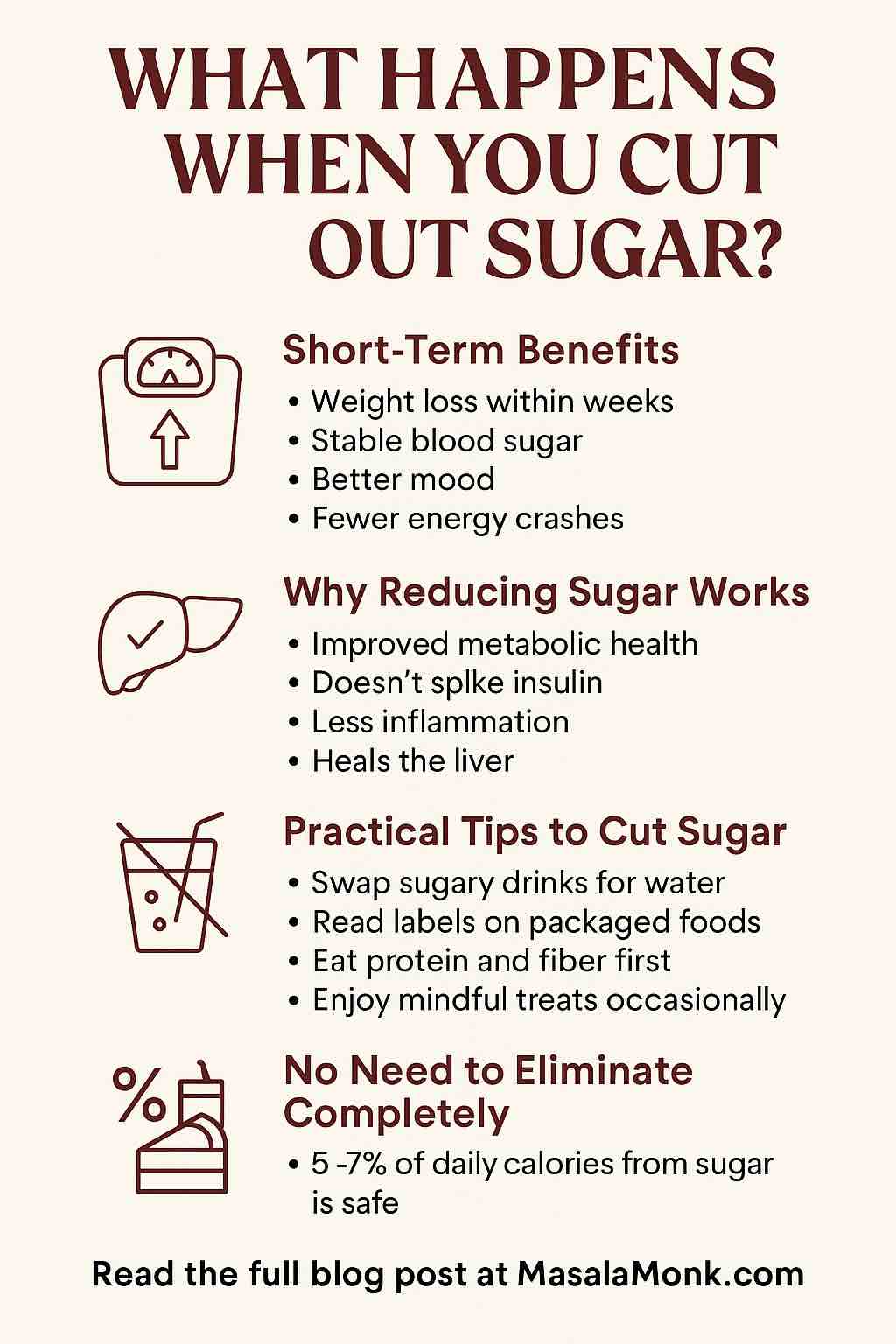
WHAT HAPPENS WHEN YOU CUT OUT SUGAR?

“Sugar is the new smoking.”
We’ve all heard variations of this phrase thrown around. But is it sensationalism or science? And what really happens to your body, your mind, and your daily life when you reduce or eliminate added sugar? Today, let’s take a full journey—science-backed, but deeply practical—on what to expect when you cut out sugar, how to do it sustainably, and how to actually enjoy the process.


🍭 Why Is Sugar Such a Problem?

Added sugar—especially the refined kind found in packaged foods, desserts, sugary drinks, and processed snacks—doesn’t just add empty calories. It hijacks your metabolism, gut health, hormones, skin, brain chemistry, and more.

Some hard-hitting facts:

  • Even one sugary drink a day increases your risk of type 2 diabetes by 25–30%.
  • Liquid sugars (soda, juices, sugary teas) are absorbed rapidly, causing insulin spikes, weight gain, and visceral fat accumulation.
  • Sugar contributes to fatty liver disease, heart disease, metabolic syndrome, premature aging, and cognitive issues.
  • The more sugar you eat, the more your brain craves it due to dopamine reward cycles.

🚩 Short-Term Benefits of Cutting Out Sugar

The changes happen surprisingly fast. Here’s a rough timeline of what your body experiences after you stop eating added sugar:

Time FrameWhat Happens
Day 1-3Cravings peak. You may feel irritable, tired, even “foggy.” Your body is adjusting.
Day 4-7Energy levels start stabilizing. Less bloating. Blood sugar becomes more stable.
Week 2Cravings subside. Skin starts clearing. Mood improves. Brain fog lifts.
Week 3-4Noticeable fat loss, especially around the belly. Energy is consistent throughout the day. Sleep may improve.
Month 2+Blood pressure improves, triglycerides lower, and inflammation decreases. Long-term metabolic benefits kick in.

🧪 The Science: Why Sugar Reduction Works

  • Weight loss: Without added sugar, you naturally cut down on hundreds of empty calories daily. Studies show that replacing sugary drinks with water can lead to 2–5 kg weight loss over several months—even without formal dieting.
  • Metabolic reset: Blood glucose stabilizes, insulin sensitivity improves, and your pancreas gets a break.
  • Reduced inflammation: Sugar increases inflammatory markers like CRP; reducing it lowers your chronic inflammation load.
  • Liver healing: Cutting sugar helps reduce liver fat—a major driver of metabolic dysfunction.
  • Skin and aging: Lower sugar means fewer advanced glycation end-products (AGEs), resulting in better skin elasticity and slower aging.

🧠 What About Your Brain and Mood?

Many worry about the mental effects of reducing sugar, and it’s true: initially, your mood may take a hit as your brain resets dopamine receptors that have been overstimulated by sugar.

However, after the adjustment phase:

  • You experience fewer energy crashes.
  • Mood becomes more stable.
  • Mental clarity improves.
  • Emotional resilience increases.

🛠 Practical, Real-Life Strategies for Cutting Sugar

Let’s get beyond theory. Here’s how you can practically cut sugar without losing your sanity (or social life):

1️⃣ Don’t go cold turkey — start gradual

  • Halve the sugar in your coffee or tea first.
  • If you’re used to two spoons, reduce to one for a week, then to half.
  • Allow your taste buds to adapt.

2️⃣ Target your biggest sugar bombs first

  • Sweetened beverages (soda, packaged fruit juices, sugary lattes, sweetened yogurts).
  • Packaged snacks (breakfast cereals, protein bars, sauces, ketchup).

Pro tip: Simply cutting out sugary drinks can eliminate 30–50% of your added sugar intake.

3️⃣ Swap with smart alternatives

  • Use spices like cinnamon, cardamom, and nutmeg to enhance sweetness naturally.
  • Replace sugary drinks with infused water (mint, lemon, cucumber).
  • Snack on nuts, seeds, or Greek yogurt with a drizzle of honey (sparingly).

4️⃣ Read labels carefully

  • “No sugar added” doesn’t mean sugar-free.
  • Watch for hidden sugars: glucose, fructose, dextrose, maltose, corn syrup, agave.
  • If sugar is one of the first three ingredients, avoid it.

5️⃣ Use sweeteners strategically (but sparingly)

  • Stevia, monk fruit, erythritol can help during transition.
  • Avoid overconsumption of artificial sweeteners like aspartame, which may affect gut health long-term.

6️⃣ Stabilize blood sugar with meal order hacks

  • Eat fiber-rich veggies and protein before carbs.
  • This slows digestion and reduces glucose spikes.

7️⃣ Harness traditional tools (especially for Indian households)

  • Methi (fenugreek) water: helps stabilize fasting blood sugar.
  • Jamun seed powder: supports insulin function.
  • Gymnema sylvestre (gurmar): can suppress sweet cravings.

8️⃣ Stay socially flexible

  • If you’re at a family function or festival, enjoy small portions mindfully.
  • Eating a sweet along with a meal is metabolically better than having it alone on an empty stomach.

🧩 The Middle Path: You Don’t Need to Eliminate Sugar Completely

Recent studies suggest that consuming 5–7% of your daily calories from sugar may actually strike a safe balance for most people.

  • For a 2000 calorie diet, that’s about 25–35g of added sugar daily.
  • This allows for occasional treats while still getting most of the metabolic benefits.

The key: avoid habitual, mindless sugar consumption.


🚀 A 30-Day Sugar Reduction Challenge

WeekFocusKey Actions
Week 1AwarenessTrack sugar sources; cut beverage sugars; halve tea/coffee sugar
Week 2Liquid DetoxFully eliminate sugary drinks; start infused waters
Week 3Processed FoodsRead labels; eliminate packaged snacks
Week 4MaintenanceBuild sustainable habits; add fiber/protein; allow occasional mindful treats

📊 Track Your Progress

  • Monitor weight, waist circumference, and how your clothes fit.
  • Keep a cravings journal.
  • Reflect weekly on mood, sleep, energy, skin changes.
  • If possible, check HbA1c or fasting glucose every 3 months.

🌟 What You Gain is Far Bigger Than What You Give Up

By cutting back added sugar, you’re not just preventing disease—you’re improving:

  • Energy
  • Skin
  • Mood
  • Focus
  • Sleep
  • Immunity
  • Longevity

And yes — you will enjoy your food even more.


🔑 Closing Thought

You don’t need to fear sugar — you need to respect it.

A balanced, mindful approach—grounded in science and real-life practicality—gives you all the benefits without feeling restricted. Start with small changes, be patient, and watch your body transform itself.

Frequently Asked Questions (FAQs)

1️⃣ How much sugar is safe to consume daily?

For most adults, limiting added sugar to 25–35 grams per day (5–7.5% of daily calories) is both safe and sustainable. The World Health Organization recommends keeping it under 10% of daily calories, ideally aiming for 5% for maximum health benefits.


2️⃣ What are hidden sources of sugar I should watch out for?

Watch out for sugar in:

  • Sauces (ketchup, salad dressings)
  • Flavored yogurt
  • Breakfast cereals
  • Packaged snacks and energy bars
  • Fruit juices and smoothies
  • Breads and bakery items
    Always read ingredient labels carefully.

3️⃣ Is jaggery or honey healthier than white sugar?

While jaggery and honey contain trace minerals and have a slightly lower glycemic load, they are still forms of added sugar. Use them sparingly and don’t assume they’re automatically healthy when overconsumed.


4️⃣ Can I completely eliminate sugar from my diet?

Technically yes, but it’s not necessary. Moderate, mindful consumption of natural sugars, occasional treats, and fruits is perfectly fine for most people. Extreme elimination may be unsustainable long-term.


5️⃣ What happens if I suddenly stop eating sugar?

You may experience withdrawal symptoms for 3–7 days: headaches, irritability, fatigue, and cravings. After this period, most people report better energy, clearer thinking, and reduced cravings.


6️⃣ Are artificial sweeteners safe?

Low-calorie sweeteners like stevia and monk fruit are generally safe in moderation. However, artificial sweeteners like aspartame or sucralose may have mixed effects on gut health and long-term metabolic markers. Use them as transitional tools, not lifelong crutches.


7️⃣ Does eating fruit count as sugar intake?

No, whole fruits are not part of added sugar limits. Fruits contain fiber, vitamins, and antioxidants that slow sugar absorption. Fruit juice, however, is more concentrated and should be limited.


8️⃣ How long does it take to see weight loss after cutting sugar?

Many people notice initial weight loss within 2–4 weeks, especially if liquid sugars are eliminated. Sustained fat loss continues as your insulin sensitivity improves and cravings decrease.


9️⃣ Is sugar the only thing I need to cut for better metabolic health?

No. Reducing sugar is one powerful step, but overall metabolic health also depends on:

  • Eating whole foods
  • Balancing protein, fiber, and healthy fats
  • Regular physical activity
  • Managing stress and sleep

🔟 Can I enjoy sweets at festivals or social gatherings?

Yes — but be mindful. Enjoy small portions, preferably after a meal (not on an empty stomach). Occasional indulgence is sustainable and helps avoid binge-restrict cycles.


Posted on 3 Comments

Eggless French Toast Recipe – Crispy, Fluffy & Totally Irresistible!

Who says French toast needs eggs? This eggless version is just as rich and satisfying golden, crisp on the outside, soft inside, with warm cinnamon and melty Nutella goodness! Perfect for breakfast, brunch, or anytime you crave a cozy treat.

This is a perfect recipe for little tummies! Soft, sweet, and mildly spiced with cinnamon it’s a flavor kids instantly love. You can even get creative and cut the toast into fun shapes or drizzle with chocolate syrup for extra smiles. The Nutella center adds a gooey surprise they’ll keep asking for! It’s not just easy to eat it’s also easy to make, so your little ones can help out in the kitchen too. Ideal for lunchboxes, Sunday brunch, or a fuss-free evening snack.

Ingredients:

  • 4–6 slices of bread (any kind you love – white, brown, or brioche)
  • 1 cup milk
  • 1 tbsp maple syrup or sweetener of your choice (honey, sugar, jaggery, etc.)
  • 1 tbsp melted butter (plus extra for toasting)
  • 1 tbsp cornflour (helps bind everything in place)
  • ½ tsp cinnamon powder
  • Nutella – for stuffing or topping
  • Butter – for toasting

Instructions:

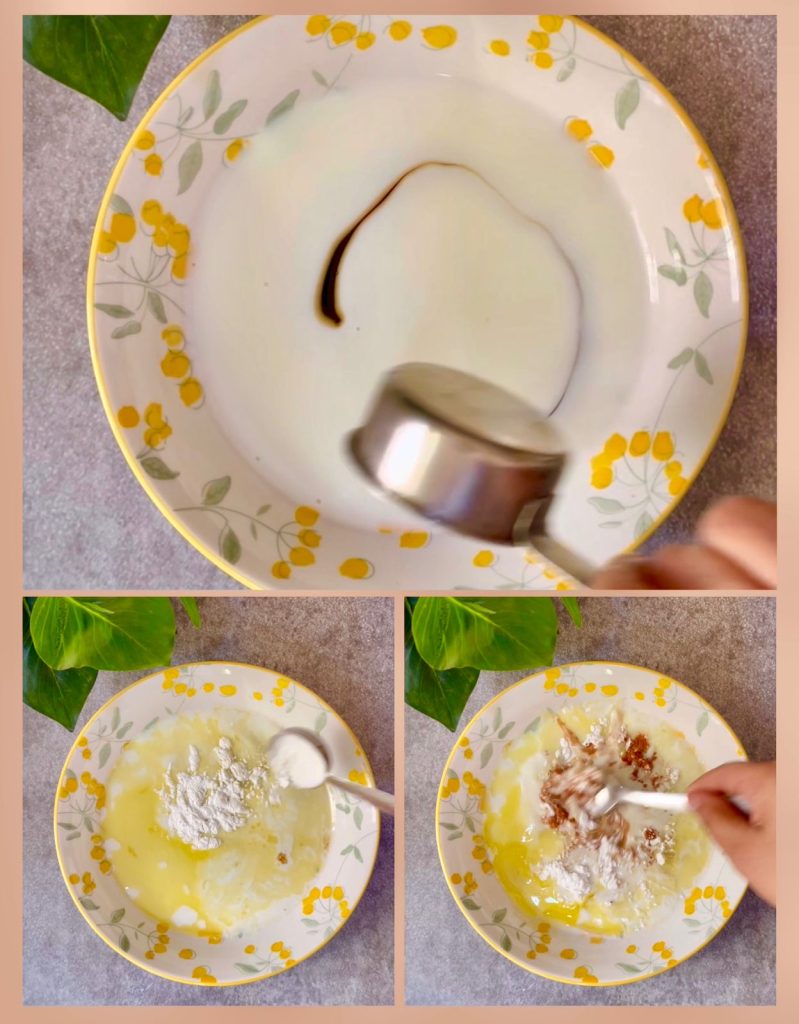
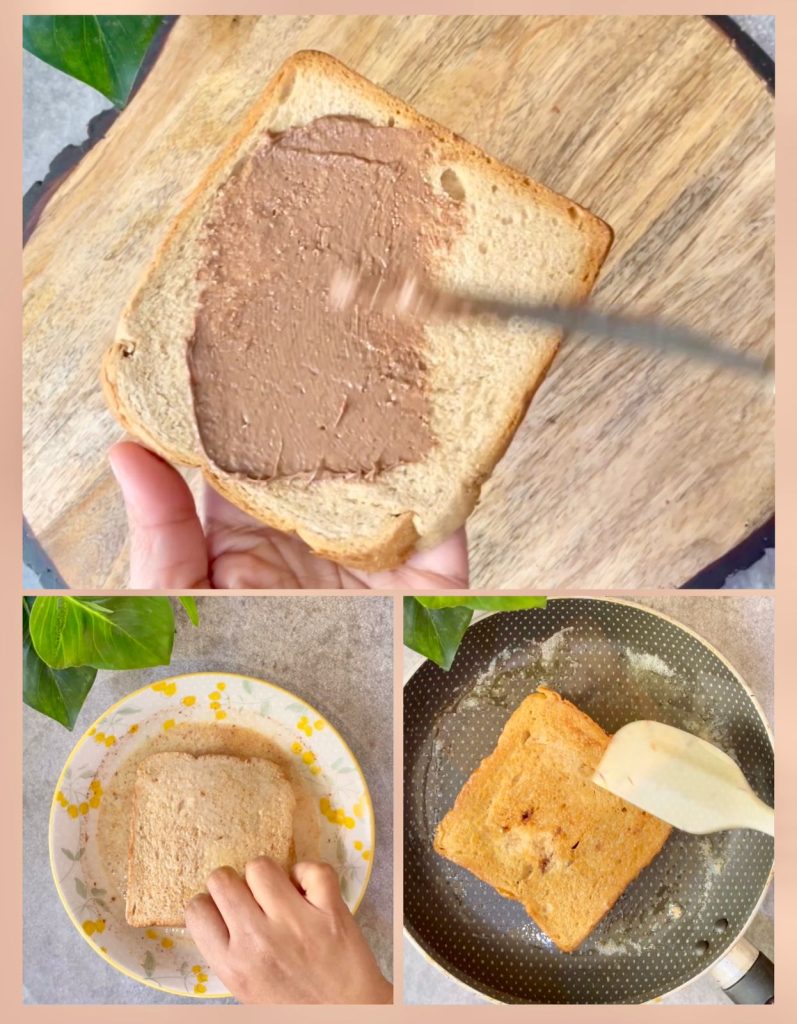
In a shallow bowl, whisk together milk, maple syrup (or sweetener), melted butter, cornflour, and cinnamon powder until smooth. Dip each slice (or sandwich) into the milk mixture for a few seconds on each side. Don’t soak too long or the bread might fall apart.

Heat a pan over medium heat and add a little butter. Cook the soaked bread slices until both sides are golden brown and crispy about 2–3 minutes per side.

Serve warm with a drizzle of maple syrup, a dollop of Nutella, fresh fruits, or a dusting of powdered sugar.

Tips & Tricks:

  • Day-old bread works best it holds up better when soaked.
  • Use plant-based milk and vegan butter for a completely vegan version.
  • Add a splash of vanilla essence for extra flavor.
  • Want it crispier? Toast a bit longer with slightly more butter!

This Eggless French Toast is more than just a recipe it’s comfort food with a kid-friendly twist! Whether you’re whipping it up for a lazy Sunday brunch, a quick after-school snack, or a sweet surprise in your child’s lunchbox, it’s sure to be a hit.

With simple ingredients and no eggs, it’s light, easy, and completely customizable from cinnamon and maple syrup to a Nutella surprise that little ones absolutely adore.

So go ahead, try it out, and let your kitchen be filled with the sweet aroma of golden toast and happy giggles.

If you try this recipe, do give us a shout out. Just click a picture and tag us on @masala.monk or use the hashtag #MasalaMonkRecipe and share on Instagram and Facebook. We would love to hear from you. 🙂Happy cooking!

Posted on 1 Comment

Ginger, Garlic, and Lemon: A Powerful Trio for Boosting Immunity and Enhancing Overall Well-Being

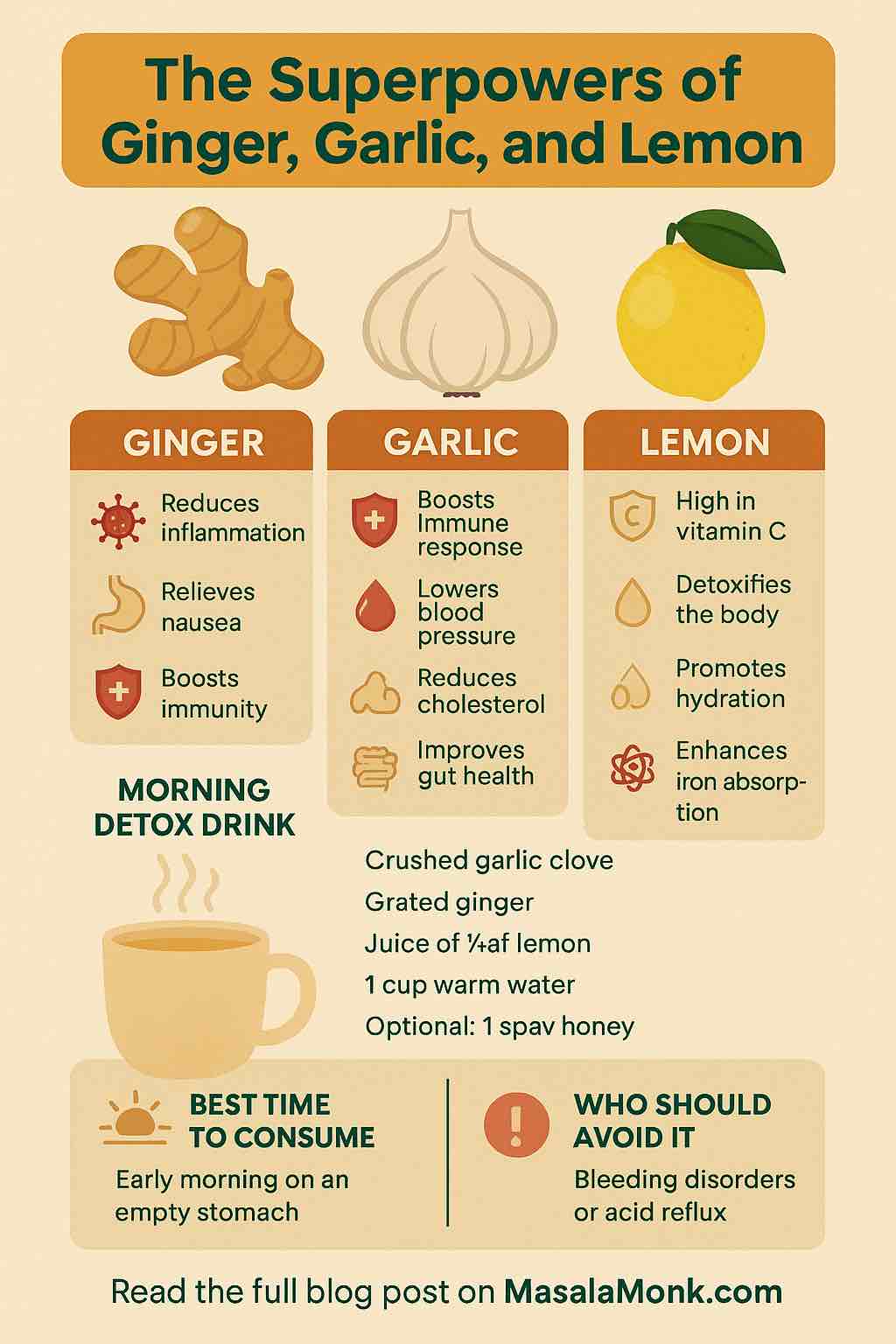
Superpowers of Ginger, Garlic, and Lemon

In the world of natural wellness, few combinations are as revered and time-tested as ginger, garlic, and lemon. These three powerhouse ingredients are more than just kitchen staples—they’re natural allies in supporting immunity, improving digestion, combating inflammation, and promoting overall health.

From Ayurvedic medicine to modern clinical studies, the benefits of this trio continue to be validated by science. In this blog post, we explore how each ingredient contributes to your health, the synergy they create when combined, and how to integrate them easily into your daily life.


🧄 The Immunity Boosting Power of Garlic

Garlic has long been known as nature’s antibiotic. Its active compound, allicin, is responsible for much of its medicinal power.

✅ Health Benefits of Garlic:

  • Boosts immune response: Studies show that garlic may reduce the severity and duration of common colds and infections.
  • Lowers blood pressure: Garlic supplements can help reduce systolic and diastolic blood pressure, especially in hypertensive individuals.
  • Reduces cholesterol: Garlic may help reduce LDL (bad) cholesterol while maintaining HDL (good) cholesterol.
  • Anti-cancer potential: Some studies have linked garlic consumption with a reduced risk of certain cancers, including colorectal and stomach cancers.
  • Improves gut health: Its antimicrobial properties help in maintaining a balanced gut microbiome.

🔍 Recent Study: A 2024 review published in Frontiers in Nutrition confirmed garlic’s immune-boosting properties and potential role in metabolic health.


🌿 Ginger: Nature’s Anti-Inflammatory and Digestive Aid

Ginger, with its sharp flavor and warmth, is a versatile root that has been used for centuries in both Eastern and Western natural medicine.

✅ Health Benefits of Ginger:

  • Reduces inflammation: Its bioactive compound gingerol has powerful anti-inflammatory and antioxidant effects.
  • Relieves nausea and indigestion: Ginger is well-known for reducing nausea—especially during pregnancy and chemotherapy—and improving digestion.
  • Boosts immunity: Ginger helps modulate immune responses and combat oxidative stress.
  • Supports metabolic health: Ginger may help lower blood sugar and improve markers of metabolic syndrome.
  • Improves circulation: Its warming properties promote better blood flow and cardiovascular health.

💡 Fun Fact: Ginger shots have become trendy in wellness circles, offering concentrated doses of antioxidants and immune-enhancing compounds.


🍋 Lemon: A Citrus Superfood for Detox and Immunity

Lemon, rich in vitamin C and flavonoids, is an essential immune-supporting fruit. Its tangy juice not only enhances flavor but also offers numerous health benefits.

✅ Health Benefits of Lemon:

  • Vitamin C powerhouse: Essential for white blood cell function and collagen production.
  • Detoxifies the body: Lemon water may help support liver function and detoxification.
  • Promotes hydration: Adding lemon to water makes it more palatable and encourages better hydration.
  • Alkalizing effect: Despite its acidity, lemon has an alkalizing effect on the body once metabolized.
  • Enhances iron absorption: Consuming lemon with iron-rich foods improves iron bioavailability.

🧬 Clinical Insight: A 2022 study found that lemon-ginger extracts suppressed cancer cell growth and oxidative stress markers in lab conditions.


🧪 The Synergistic Power of the Trio

When ginger, garlic, and lemon are combined, their benefits amplify. Together, they form a potent natural remedy for immune defense, inflammation reduction, and general vitality.

🌟 Key Synergistic Benefits:

  • Stronger immune defense: Each ingredient boosts immune function, but together, they can help strengthen your body’s resistance to viruses and bacteria.
  • Antioxidant overload: Rich in compounds that fight oxidative stress and neutralize free radicals.
  • Anti-inflammatory blend: Helps alleviate chronic inflammation—a root cause of many modern diseases.
  • Digestive aid: Promotes gut health, reduces bloating, and enhances nutrient absorption.
  • Cardiovascular support: Helps regulate blood pressure, cholesterol, and blood sugar levels.

🧉 Traditional Wisdom Meets Science: In folk medicine, this trio has been used for centuries to make healing tonics. Science now confirms many of these age-old practices.


🍹 How to Use Ginger, Garlic, and Lemon

🌞 1. Morning Detox Drink

Ingredients:

  • 1 garlic clove (crushed)
  • 1 tsp grated ginger
  • Juice of 1/2 lemon
  • 1 cup warm water
  • Optional: 1 tsp raw honey

How to make:
Crush garlic and let it sit for 5–10 minutes to activate allicin. Mix with ginger and lemon juice in warm water. Stir and drink on an empty stomach.

🍯 2. Ginger-Garlic-Lemon Immunity Shot

Ingredients:

  • 2-inch ginger piece
  • 2 garlic cloves
  • Juice of 1 lemon
  • Dash of turmeric
  • Optional: black pepper for absorption

Instructions:
Blend all ingredients with a little water. Strain and drink in small quantities. Store in the fridge for up to 3 days.

🫖 3. Soothing Herbal Tea

Simmer ginger slices and crushed garlic in water for 10 minutes. Add lemon juice and honey before drinking. Great for colds and sore throats.


⚠️ Precautions and Who Should Avoid This Trio

While these ingredients are generally safe, there are a few cautions:

  • Pregnancy: High doses of garlic or ginger should be avoided.
  • Bleeding disorders: All three can thin the blood—consult your doctor if you’re on anticoagulants.
  • Acid reflux: Lemon and ginger may aggravate symptoms in some people.
  • Medication interaction: Garlic and ginger may interfere with blood pressure, diabetes, or anticoagulant medications.

💬 Final Thoughts

The combination of ginger, garlic, and lemon isn’t just a folk remedy—it’s a scientifically supported wellness booster. Whether you want to strengthen your immunity, improve digestion, or simply add more nutrient-dense foods to your routine, this trio can be a powerful addition to your daily habits.

🌱 Try incorporating them in your morning routine, soups, teas, or salad dressings. Your body—and your taste buds—will thank you!


🙋‍♀️ 10 Frequently Asked Questions

1. Can I take ginger, garlic, and lemon every day?
Yes, in moderate amounts. Daily use supports immunity and digestion, but listen to your body and consult your doctor if on medications.

2. What’s the best time to drink the detox drink?
Early morning on an empty stomach helps maximize its effects on metabolism and immunity.

3. Does this trio help with weight loss?
It can support metabolism, reduce bloating, and curb appetite, but it’s not a magic bullet. Pair with healthy habits.

4. Can it cure colds or infections?
It can reduce severity and duration, but it’s not a substitute for medical treatment or antibiotics when necessary.

5. Can I use powdered versions instead of fresh?
Fresh is always better, but high-quality powders can work if fresh ingredients are unavailable.

6. Is it safe during pregnancy?
Consult your healthcare provider. Small culinary amounts are generally safe; supplements or high doses should be avoided.

7. How long should I take this mix?
It can be used daily for general wellness or in short cycles (2–4 weeks) for seasonal immunity boosts.

8. Does it help with cholesterol and blood pressure?
Yes, especially garlic. Multiple studies confirm its benefits for heart health markers.

9. Can I give it to children?
In diluted forms like teas, yes. Avoid strong concentrations or raw garlic for young children.

10. What other ingredients go well with this mix?
Honey, turmeric, black pepper, and cinnamon enhance both taste and health benefits.