Posted on 5 Comments

Diet Strategies to Lower Cortisol Levels

NATURAL WAYS TO LOWER CORTISOL THROUGH DIET

What Is Cortisol and How Diet Affects It

Cortisol is the body’s main stress hormone, released by the adrenal glands in response to physical or psychological stress. It helps mobilize energy (raising blood sugar) during “fight-or-flight” situations. While short-term spikes in cortisol are helpful, chronically elevated levels can promote weight gain, high blood pressure, blood sugar imbalances, and other health issues.

Diet significantly influences cortisol levels. Diets high in added sugar, refined grains, and unhealthy fats tend to increase cortisol, whereas nutrient-rich, whole-food diets help regulate and lower it.

Foods That Help Reduce Cortisol

Including whole, nutrient-dense foods can help regulate stress hormones and support a calmer, more balanced body. Here are some of the top cortisol-lowering foods:

  • Fatty fish and omega-3 sources: Salmon, mackerel, sardines, flaxseeds, and walnuts provide anti-inflammatory omega-3 fatty acids that reduce cortisol and promote brain health.
  • Nuts, seeds, and healthy oils: Almonds, chia seeds, flaxseeds, and olive oil provide magnesium and unsaturated fats that help buffer stress.
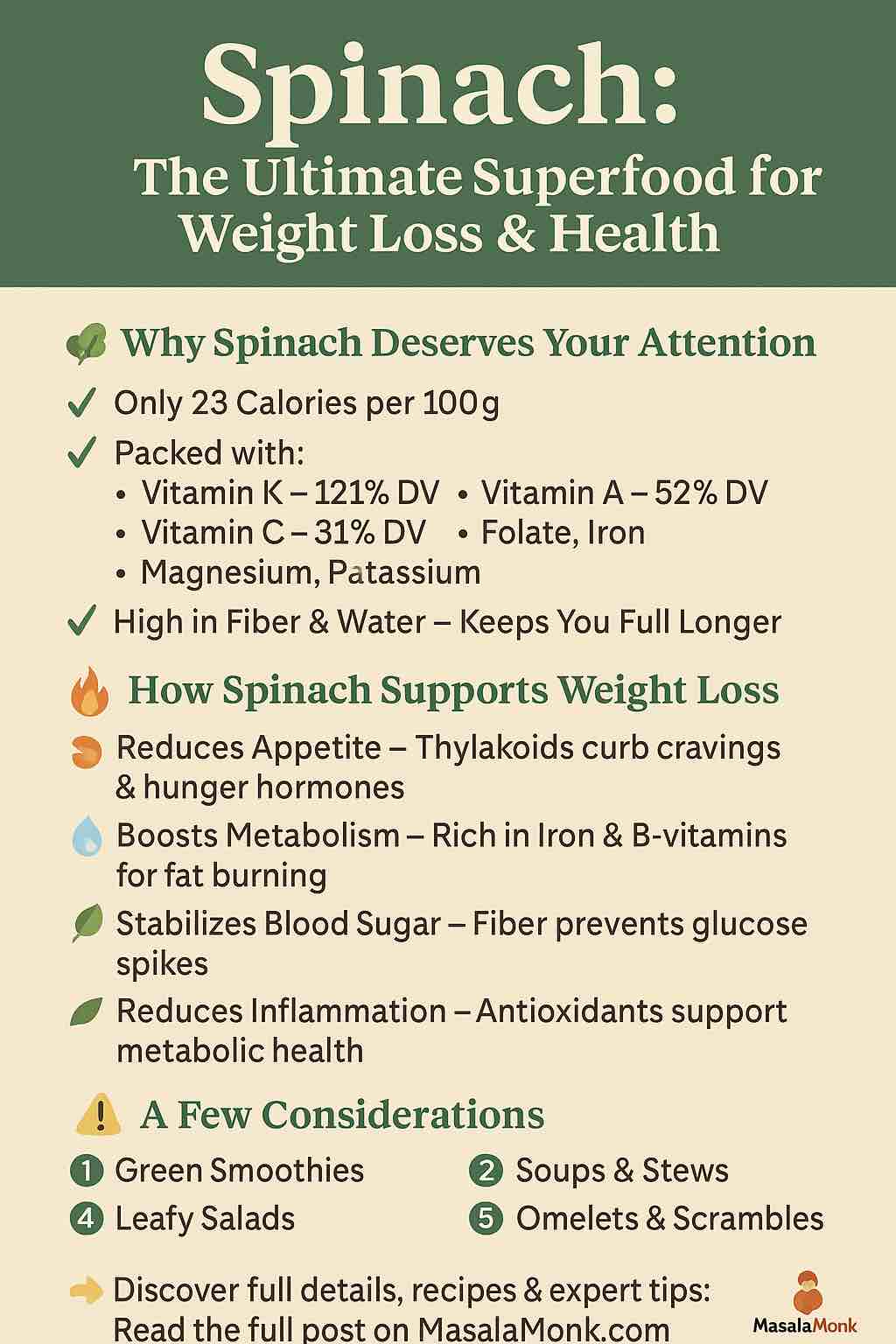
  • Leafy greens: Spinach, kale, and Swiss chard are high in magnesium and folate, which support adrenal function and help reduce cortisol.
  • Whole grains and legumes: Brown rice, oats, lentils, and quinoa help stabilize blood sugar and nourish the gut, which supports better stress regulation.
  • Fruits and vegetables: Berries, citrus fruits, bell peppers, broccoli, and carrots are rich in vitamin C and antioxidants that help control cortisol.
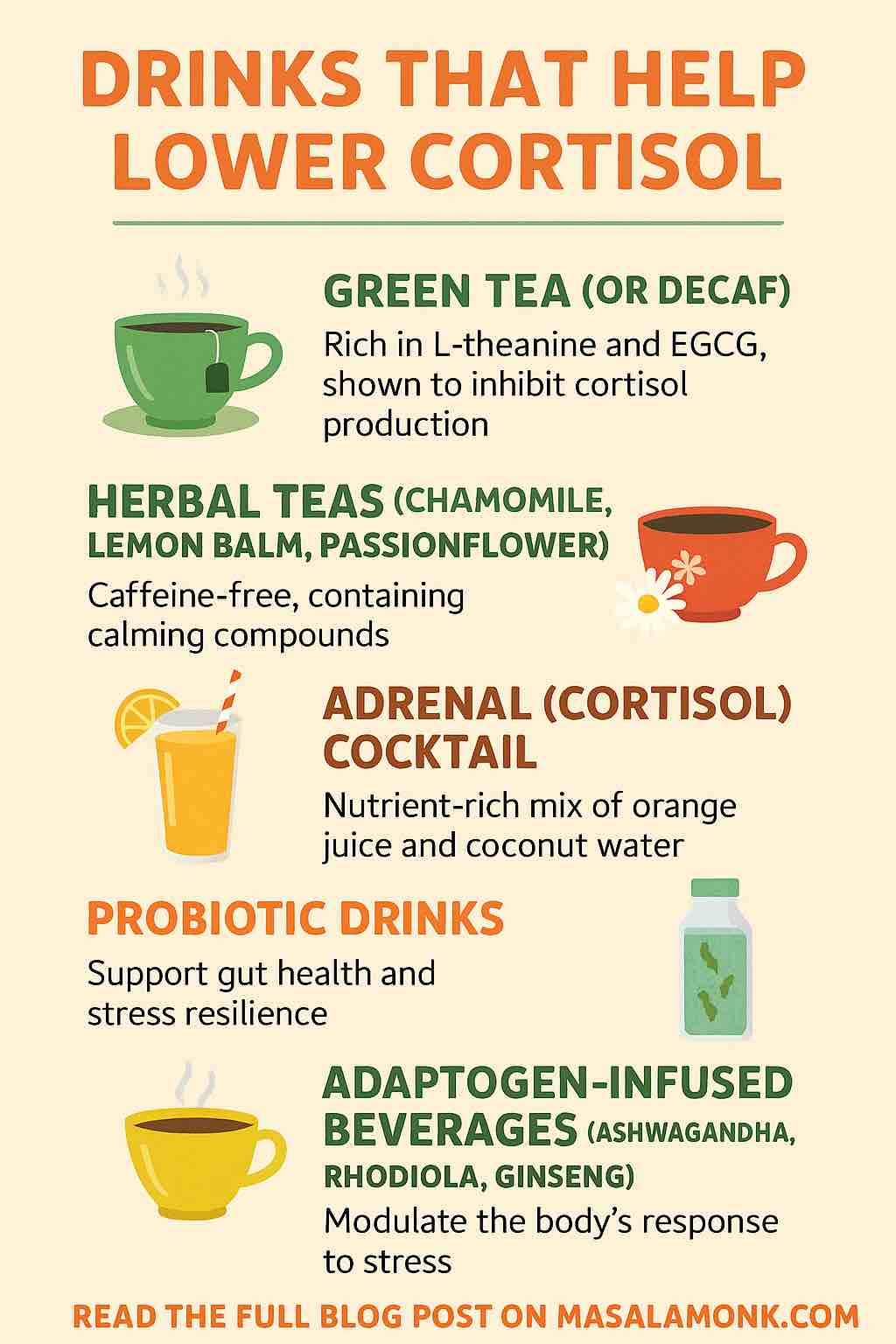
  • Green tea and herbal teas: Green tea provides L-theanine and catechins with calming effects, while chamomile and peppermint support relaxation.
  • Fermented foods: Yogurt, kefir, kimchi, sauerkraut, and kombucha promote gut health, which is closely linked to stress resilience.
  • Dark chocolate (70%+ cocoa): In moderation, dark chocolate can reduce cortisol and improve mood due to its flavonoid content.
  • Avocados: Rich in potassium, folate, and healthy fats, avocados help regulate blood pressure and stress.
  • Bananas and pears: Provide quick energy and potassium to help buffer stress responses.

Foods and Ingredients to Limit

To keep cortisol levels balanced, avoid or limit these foods:

  • Added sugars and refined carbs: Candy, soda, white bread, and pastries can spike blood sugar and lead to increased cortisol.
  • Fried and processed fats: Trans fats and excessive saturated fats promote inflammation and higher cortisol.
  • Caffeine and energy drinks: Too much caffeine can spike cortisol, especially when you’re already stressed.
  • Alcohol: Regular or heavy alcohol use increases cortisol levels and disrupts hormone balance.
  • Ultra-processed foods: Packaged snacks and fast foods are high in additives and sugar, promoting inflammation and higher cortisol.
  • High sodium foods: Excessive salt intake can elevate blood pressure and cortisol.
  • Artificial sweeteners: May negatively affect the gut microbiome and stress response.

Key Nutrients for Cortisol Control

  • Magnesium: Found in leafy greens, nuts, and whole grains; helps regulate the stress response.
  • Omega-3 fatty acids: Reduce inflammation and lower cortisol; found in fatty fish and some seeds.
  • Vitamin C: Crucial for adrenal health; abundant in citrus fruits, bell peppers, and berries.
  • B Vitamins: Help in energy metabolism and hormone regulation; found in greens, legumes, and whole grains.
  • Potassium: Helps balance sodium levels and supports adrenal function.
  • Zinc: Found in pumpkin seeds, legumes, and seafood; supports immune and hormone function.

Sample 1-Day Cortisol-Lowering Meal Plan

Breakfast: Scrambled eggs with spinach and onions, oatmeal or whole-grain toast, and a spoonful of kimchi or yogurt. Herbal tea or water.

Mid-Morning Snack: Greek yogurt topped with berries and nuts/seeds.

Lunch: Grilled chicken or tofu salad with leafy greens, quinoa or brown rice, vegetables, avocado, and olive oil dressing. Side of sauerkraut.

Afternoon Snack: Carrot and celery sticks with hummus or a small apple with almonds.

Dinner: Baked salmon or lentil stew with vegetables and roasted sweet potato.

Evening: Herbal tea and, if needed, a light snack of nuts or berries.

Additional Cortisol-Lowering Meal Tips

  • Start meals with fiber and healthy fats to avoid blood sugar spikes.
  • Include a variety of colorful fruits and vegetables to cover a broad range of antioxidants.
  • Cook with anti-inflammatory herbs like turmeric, ginger, garlic, basil, and rosemary.
  • Limit high-heat cooking methods like deep-frying; opt for steaming, baking, or grilling.

Healthy Eating Habits for Cortisol Control

  • Eat breakfast within 1 hour of waking.
  • Balance meals with protein, fat, and fiber.
  • Eat regularly every 3–4 hours to avoid blood sugar dips.
  • Focus on low-glycemic foods to stabilize blood sugar.
  • Avoid late-night eating.
  • Practice mindful eating to promote digestion and calm.
  • Stay hydrated: Dehydration can elevate cortisol.
  • Limit caffeine: Especially during stress or in the afternoon.
  • Avoid stimulants like nicotine.
  • Moderate alcohol intake.

Lifestyle Tips to Support Lower Cortisol

  • Prioritize quality sleep: Aim for 7–9 hours per night.
  • Incorporate light exercise: Walking, yoga, or swimming helps regulate cortisol.
  • Manage stress: Through meditation, breathing exercises, hobbies, and social interaction.
  • Spend time in nature or sunlight: Helps regulate the circadian rhythm and mood.
  • Use adaptogens (with medical advice): Ashwagandha, Rhodiola, and holy basil may help reduce cortisol.
  • Avoid multitasking: It can increase stress and mental fatigue.

Conclusion

A balanced, whole-food diet rich in fiber, healthy fats, and plant-based nutrients is one of the most effective ways to support cortisol balance. Combine smart food choices with good sleep, stress management, and hydration for a holistic approach to lowering cortisol and enhancing well-being.

By implementing these changes, you’ll not only reduce your cortisol levels but also boost your overall energy, mental clarity, and emotional resilience.

🍽️ Top Cortisol-Lowering Foods

🥑 Healthy Fats (Avocados, Olive Oil, Nuts)
✔ Rich in magnesium & antioxidants
✔ Protect cells from stress

🐟 Omega-3s (Salmon, Mackerel, Flaxseeds)
✔ Reduce inflammation
✔ Clinical trials show ~19% drop in cortisol

🌿 Leafy Greens (Spinach, Kale, Swiss Chard)
✔ Magnesium + B-vitamins
✔ Essential for adrenal support

🌾 Whole Grains & Legumes (Quinoa, Lentils, Brown Rice)
✔ Balance blood sugar
✔ Feed gut bacteria → improves stress resilience

🍓 Fruits & Veggies (Berries, Citrus, Bell Peppers)
✔ Vitamin C + antioxidants
✔ Support cortisol metabolism

🍵 Green Tea & Herbal Teas
✔ L-theanine + catechins = calming effect
✔ Great caffeine alternative

🧘 Fermented Foods (Yogurt, Kimchi, Kombucha)
✔ Strengthen gut-brain connection
✔ Linked to lower anxiety & cortisol

🍫 Dark Chocolate (70%+ cocoa)
✔ Rich in flavonoids
✔ Small doses shown to reduce cortisol


🚫 Foods That Spike Cortisol

⚠️ Refined Sugars & Carbs
→ Blood sugar crashes → cortisol spikes

🍟 Fried & Processed Foods
→ Inflammation triggers stress hormones

☕ Excess Caffeine & Energy Drinks
→ Overstimulates adrenal response

🍷 Alcohol (esp. at night)
→ Disrupts blood sugar and sleep → cortisol surges


🧪 Key Nutrients for Cortisol Balance

NutrientFound InProven Benefit
MagnesiumGreens, seedsLowers stress hormone output
Omega-3sFatty fish, flaxReduces cortisol in studies
Vitamin CBerries, peppersSupports adrenal health
B-VitaminsLegumes, eggsImprove mood & stress response

🔗 Related Reads on Cortisol, Stress Management, and Hormonal Health

Explore more in-depth insights on how cortisol impacts your stress levels, metabolism, mood, and overall well-being:

✅ 10 FAQs on Diet to Lower Cortisol

1. What is cortisol and why should I care about lowering it?
Cortisol is a stress hormone produced by the adrenal glands. While it’s essential for managing stress and metabolism, consistently high levels can lead to fatigue, weight gain, anxiety, and weakened immunity.

2. What foods help reduce cortisol levels naturally?
Foods rich in magnesium, vitamin C, omega-3 fatty acids, and antioxidants help lower cortisol. Examples include leafy greens, fatty fish, citrus fruits, nuts, seeds, yogurt, and dark chocolate.

3. What should I avoid eating to lower cortisol?
Avoid or limit sugar, refined carbs, alcohol, caffeine (especially in excess), ultra-processed foods, trans fats, and high-sodium items — all of which can trigger cortisol spikes.

4. Can skipping meals increase cortisol levels?
Yes. Skipping meals can lead to low blood sugar, prompting the body to release more cortisol as a stress response. Regular, balanced meals help maintain hormonal balance.

5. How does hydration affect cortisol levels?
Even mild dehydration can increase cortisol levels. Drinking enough water throughout the day helps your body manage stress more effectively.

6. Is caffeine bad for cortisol levels?
In high amounts, especially during stressful periods, caffeine can increase cortisol levels. Limiting intake to 1–2 cups of coffee early in the day is generally safer.

7. Are there specific nutrients I should focus on to lower cortisol?
Yes. Focus on magnesium, vitamin C, B vitamins, potassium, zinc, and omega-3s. These nutrients support adrenal health and reduce oxidative stress.

8. Do fermented foods help with cortisol reduction?
Absolutely. Fermented foods like yogurt, kimchi, and sauerkraut support gut health, which is directly linked to reduced stress and cortisol balance.

9. Can eating before bed affect cortisol levels?
Late-night eating, especially of high-sugar or high-fat foods, can disrupt sleep and elevate cortisol. Light, balanced meals earlier in the evening are better.

10. How quickly can diet changes lower cortisol?
Some improvements can be seen in a few weeks with consistent dietary changes, but full hormonal balance may take several months, depending on lifestyle and stress levels.

Posted on 2 Comments

5 Foods That Increase Cortisol

Foods That Increase Cortisol

When it comes to stress, most of us look at our busy schedules, toxic work environments, or lack of sleep. But what if your diet is also playing a sneaky role in spiking your stress hormone—cortisol?

Recent research reveals that what you eat can significantly impact your cortisol levels, affecting everything from your mood and sleep to weight gain and immune function.

In this article, we dive deep into the latest studies and nutritional science to uncover which foods and eating habits raise cortisol levels—and what you can do to balance your hormones naturally.


🌪️ What Is Cortisol and Why Should You Care?

Cortisol is your body’s primary stress hormone, released by the adrenal glands in response to physical, emotional, or mental stress. While it plays a vital role in regulating metabolism, inflammation, and even blood sugar, chronically high cortisol levels can lead to:

  • Weight gain (especially belly fat)
  • Fatigue and poor sleep
  • Hormonal imbalances
  • Anxiety and irritability
  • Weakened immunity

And yes—your diet can either help stabilize cortisol… or throw it into chaos.


⚠️ Top Foods and Dietary Patterns That May Increase Cortisol

1. 🍰 Refined Carbohydrates and Sugary Foods

  • Think: White bread, cakes, soda, breakfast cereals, and pastries.
  • These cause quick spikes in blood sugar, leading to insulin surges and a stress-like response that activates cortisol.
  • Studies show that simple carb meals can trigger acute cortisol elevations, especially when consumed without protein or fat.

🔍 Interesting Fact: While sugary foods might “blunt” your stress response temporarily, they often increase baseline cortisol levels over time due to poor metabolic control.


2. ☕ High Caffeine Intake

  • Coffee, energy drinks, and even black tea in excess can cause cortisol to rise—especially when consumed on an empty stomach.
  • Caffeine stimulates the adrenal glands, leading to increased cortisol secretion within minutes.

✅ Moderate caffeine is okay, but if you’re battling chronic stress, limit intake to 1–2 cups daily, preferably after a meal.


3. 🍗 Very High-Protein Meals

  • Surprising? Research shows that extremely high-protein meals (especially animal protein-heavy) can spike cortisol levels, at least temporarily.
  • In a study, protein-dense shakes led to greater post-meal cortisol than those balanced with fat or carbs.

🔍 Note: Balanced protein is essential for cortisol buffering, but massive protein loads (like bodybuilder diets) may overstimulate stress pathways.


4. 🍟 Highly Processed & Ultra-Processed Foods

  • These include fast food, frozen meals, chips, and sugary snacks.
  • They’re typically high in trans fats, sugar, sodium, and additives, which are metabolically stressful and may indirectly raise cortisol via inflammation and poor gut health.

5. 🍷 Alcohol

  • Initially calming, alcohol later acts as a physiological stressor, raising cortisol levels—especially in binge drinking or heavy long-term consumption.

6. 🕐 Calorie Restriction, Fasting, and Skipping Meals

  • Dieting may feel like a good idea, but very low-calorie diets (e.g., under 1,200 kcal/day) and prolonged fasting have been shown to chronically elevate cortisol.
  • The body perceives starvation as stress, keeping you in a prolonged fight-or-flight mode.

✅ Gentle intermittent fasting or time-restricted eating (TRE) may be cortisol-friendly if done properly (like eating between 10 am to 6 pm) and with nutrient-dense meals.


🧠 Meal Timing, Macronutrients & Cortisol: The Science

FactorCortisol EffectResearch Insight
High-carb (refined)↑ Acute spikesEspecially in sugary drinks or snacks
High-protein meals↑ Short-term spikeMore so in large or isolated protein intake
High-fat meals↔ Stable or ↓Fat alone doesn’t spike cortisol
Mixed large meals↑ CortisolHigh total calories increase post-meal cortisol
Time-restricted eating↔/↓Supports circadian alignment and cortisol balance
Chronic low-cal diets↑ Baseline cortisolProlonged restriction triggers stress hormone release

✅ How to Eat Smarter: Tips to Keep Cortisol in Check

  1. Eat Balanced Meals: Combine lean protein, healthy fats, and fiber-rich carbs to stabilize blood sugar and prevent cortisol spikes.
  2. Go Whole-Food: Choose unprocessed grains, fruits, vegetables, and lean proteins.
  3. Time It Right: Eat most of your calories earlier in the day. Avoid late-night snacking, which can interfere with cortisol’s natural rhythm.
  4. Watch Your Caffeine: Don’t overdo coffee—especially on an empty stomach.
  5. Don’t Skip Meals: Eat regularly to avoid triggering a stress response.
  6. Hydrate Well: Dehydration raises cortisol—drink enough water daily.

🧘‍♀️ Lifestyle Add-Ons for Better Cortisol Control

  • Sleep 7–9 hours: Poor sleep = higher cortisol.
  • Practice deep breathing or yoga: Lowers stress hormones in minutes.
  • Daily movement: Walking or light cardio helps reduce chronic cortisol levels.

🧬 The Role of Meal Timing and Calorie Balance

🥗 Overeating and High-Calorie Meals

  • Studies show that very large meals—regardless of what they contain—can trigger a cortisol rise.
  • High-calorie intakes overstimulate the hypothalamus-pituitary-adrenal (HPA) axis.

🚫 Undereating and Dieting

  • Very low-calorie diets (e.g., 1,200 kcal/day) increase cortisol, especially in the evenings.
  • This can worsen fatigue, mood, and weight loss plateaus.

Solution: Eat regular, balanced meals. Don’t fear food—fear imbalances.


🎯 Final Thoughts

While you can’t eliminate stress completely, you can manage your cortisol through smarter food choices. By avoiding or moderating the foods that trigger cortisol—and choosing those that support your body’s stress response—you empower your health, hormones, and happiness.

👉 Curious about the best foods to lower cortisol naturally? Check out our post here: 5 Foods That Naturally Decrease Cortisol


🔗 Related Reads on Cortisol, Stress Management, and Hormonal Health

Explore more in-depth insights on how cortisol impacts your stress levels, metabolism, mood, and overall well-being:


Stay calm. Stay nourished. Stay fabulous.

~ Masala Monk

🌿 Bonus: What Helps Lower Cortisol Naturally?

  • Magnesium-rich foods: Leafy greens, pumpkin seeds, bananas
  • Vitamin C foods: Amla, oranges, kiwi
  • Healthy carbs: Sweet potatoes, quinoa, fruits
  • Omega-3 fats: Walnuts, flaxseeds, salmon
  • Herbs and spices: Ashwagandha, turmeric, ginger

Also don’t underestimate hydration, deep sleep, light exercise, and mindful eating in helping restore cortisol balance.

FAQs: Foods That Increase Cortisol

1. What is cortisol and why does it matter?
Cortisol is a hormone released by your adrenal glands in response to stress. While it’s essential for survival, chronically high cortisol levels can lead to anxiety, weight gain, poor sleep, and weakened immunity.


2. Can certain foods actually raise cortisol levels?
Yes, studies confirm that refined carbs, high sugar intake, excessive protein, caffeine, and alcohol can all raise cortisol—either directly or by triggering a stress response in the body.


3. Are high-protein diets bad for cortisol?
Not entirely. While moderate protein helps balance hormones, excessively high-protein meals, especially without carbs or fat, can spike cortisol levels temporarily. Balance is key.


4. How does skipping meals or fasting affect cortisol?
Skipping meals, especially breakfast, and extreme fasting may increase cortisol, as your body perceives the lack of food as a threat. However, gentle intermittent fasting (like early time-restricted eating) may help some people stabilize hormones.


5. Is caffeine a major cortisol trigger?
Yes. Caffeine stimulates cortisol release, particularly when consumed in large amounts or on an empty stomach. Limit to 1–2 cups of coffee per day and avoid late-day caffeine.


6. Can sugar and processed foods cause stress?
Absolutely. Refined sugar and ultra-processed foods cause blood sugar spikes, metabolic stress, and inflammation, all of which can raise cortisol levels over time.


7. What’s the impact of alcohol on cortisol?
Alcohol may feel relaxing initially, but it disrupts hormone balance and raises cortisol levels, especially during withdrawal or in heavy drinkers.


8. Does overeating or undereating affect cortisol?
Yes. Both extremes are problematic. Overeating triggers stress through excess calorie load, while undereating or extreme calorie restriction increases cortisol due to perceived starvation.


9. Can I still eat carbs without spiking cortisol?
Yes! Whole carbs like sweet potatoes, oats, quinoa, fruits, and legumes are rich in fiber and nutrients that can actually help reduce cortisol, unlike refined carbs or sugary snacks.


10. How can I naturally lower my cortisol through diet?
Focus on balanced meals with lean protein, healthy fats, and whole carbs. Include magnesium, vitamin C, omega-3s, and calming herbs like ashwagandha. Stay hydrated, avoid processed foods, and eat mindfully.

Posted on 1 Comment

Ginger, Garlic, and Lemon: A Powerful Trio for Boosting Immunity and Enhancing Overall Well-Being

Superpowers of Ginger, Garlic, and Lemon

In the world of natural wellness, few combinations are as revered and time-tested as ginger, garlic, and lemon. These three powerhouse ingredients are more than just kitchen staples—they’re natural allies in supporting immunity, improving digestion, combating inflammation, and promoting overall health.

From Ayurvedic medicine to modern clinical studies, the benefits of this trio continue to be validated by science. In this blog post, we explore how each ingredient contributes to your health, the synergy they create when combined, and how to integrate them easily into your daily life.


🧄 The Immunity Boosting Power of Garlic

Garlic has long been known as nature’s antibiotic. Its active compound, allicin, is responsible for much of its medicinal power.

✅ Health Benefits of Garlic:

  • Boosts immune response: Studies show that garlic may reduce the severity and duration of common colds and infections.
  • Lowers blood pressure: Garlic supplements can help reduce systolic and diastolic blood pressure, especially in hypertensive individuals.
  • Reduces cholesterol: Garlic may help reduce LDL (bad) cholesterol while maintaining HDL (good) cholesterol.
  • Anti-cancer potential: Some studies have linked garlic consumption with a reduced risk of certain cancers, including colorectal and stomach cancers.
  • Improves gut health: Its antimicrobial properties help in maintaining a balanced gut microbiome.

🔍 Recent Study: A 2024 review published in Frontiers in Nutrition confirmed garlic’s immune-boosting properties and potential role in metabolic health.


🌿 Ginger: Nature’s Anti-Inflammatory and Digestive Aid

Ginger, with its sharp flavor and warmth, is a versatile root that has been used for centuries in both Eastern and Western natural medicine.

✅ Health Benefits of Ginger:

  • Reduces inflammation: Its bioactive compound gingerol has powerful anti-inflammatory and antioxidant effects.
  • Relieves nausea and indigestion: Ginger is well-known for reducing nausea—especially during pregnancy and chemotherapy—and improving digestion.
  • Boosts immunity: Ginger helps modulate immune responses and combat oxidative stress.
  • Supports metabolic health: Ginger may help lower blood sugar and improve markers of metabolic syndrome.
  • Improves circulation: Its warming properties promote better blood flow and cardiovascular health.

💡 Fun Fact: Ginger shots have become trendy in wellness circles, offering concentrated doses of antioxidants and immune-enhancing compounds.


🍋 Lemon: A Citrus Superfood for Detox and Immunity

Lemon, rich in vitamin C and flavonoids, is an essential immune-supporting fruit. Its tangy juice not only enhances flavor but also offers numerous health benefits.

✅ Health Benefits of Lemon:

  • Vitamin C powerhouse: Essential for white blood cell function and collagen production.
  • Detoxifies the body: Lemon water may help support liver function and detoxification.
  • Promotes hydration: Adding lemon to water makes it more palatable and encourages better hydration.
  • Alkalizing effect: Despite its acidity, lemon has an alkalizing effect on the body once metabolized.
  • Enhances iron absorption: Consuming lemon with iron-rich foods improves iron bioavailability.

🧬 Clinical Insight: A 2022 study found that lemon-ginger extracts suppressed cancer cell growth and oxidative stress markers in lab conditions.


🧪 The Synergistic Power of the Trio

When ginger, garlic, and lemon are combined, their benefits amplify. Together, they form a potent natural remedy for immune defense, inflammation reduction, and general vitality.

🌟 Key Synergistic Benefits:

  • Stronger immune defense: Each ingredient boosts immune function, but together, they can help strengthen your body’s resistance to viruses and bacteria.
  • Antioxidant overload: Rich in compounds that fight oxidative stress and neutralize free radicals.
  • Anti-inflammatory blend: Helps alleviate chronic inflammation—a root cause of many modern diseases.
  • Digestive aid: Promotes gut health, reduces bloating, and enhances nutrient absorption.
  • Cardiovascular support: Helps regulate blood pressure, cholesterol, and blood sugar levels.

🧉 Traditional Wisdom Meets Science: In folk medicine, this trio has been used for centuries to make healing tonics. Science now confirms many of these age-old practices.


🍹 How to Use Ginger, Garlic, and Lemon

🌞 1. Morning Detox Drink

Ingredients:

  • 1 garlic clove (crushed)
  • 1 tsp grated ginger
  • Juice of 1/2 lemon
  • 1 cup warm water
  • Optional: 1 tsp raw honey

How to make:
Crush garlic and let it sit for 5–10 minutes to activate allicin. Mix with ginger and lemon juice in warm water. Stir and drink on an empty stomach.

🍯 2. Ginger-Garlic-Lemon Immunity Shot

Ingredients:

  • 2-inch ginger piece
  • 2 garlic cloves
  • Juice of 1 lemon
  • Dash of turmeric
  • Optional: black pepper for absorption

Instructions:
Blend all ingredients with a little water. Strain and drink in small quantities. Store in the fridge for up to 3 days.

🫖 3. Soothing Herbal Tea

Simmer ginger slices and crushed garlic in water for 10 minutes. Add lemon juice and honey before drinking. Great for colds and sore throats.


⚠️ Precautions and Who Should Avoid This Trio

While these ingredients are generally safe, there are a few cautions:

  • Pregnancy: High doses of garlic or ginger should be avoided.
  • Bleeding disorders: All three can thin the blood—consult your doctor if you’re on anticoagulants.
  • Acid reflux: Lemon and ginger may aggravate symptoms in some people.
  • Medication interaction: Garlic and ginger may interfere with blood pressure, diabetes, or anticoagulant medications.

💬 Final Thoughts

The combination of ginger, garlic, and lemon isn’t just a folk remedy—it’s a scientifically supported wellness booster. Whether you want to strengthen your immunity, improve digestion, or simply add more nutrient-dense foods to your routine, this trio can be a powerful addition to your daily habits.

🌱 Try incorporating them in your morning routine, soups, teas, or salad dressings. Your body—and your taste buds—will thank you!


🙋‍♀️ 10 Frequently Asked Questions

1. Can I take ginger, garlic, and lemon every day?
Yes, in moderate amounts. Daily use supports immunity and digestion, but listen to your body and consult your doctor if on medications.

2. What’s the best time to drink the detox drink?
Early morning on an empty stomach helps maximize its effects on metabolism and immunity.

3. Does this trio help with weight loss?
It can support metabolism, reduce bloating, and curb appetite, but it’s not a magic bullet. Pair with healthy habits.

4. Can it cure colds or infections?
It can reduce severity and duration, but it’s not a substitute for medical treatment or antibiotics when necessary.

5. Can I use powdered versions instead of fresh?
Fresh is always better, but high-quality powders can work if fresh ingredients are unavailable.

6. Is it safe during pregnancy?
Consult your healthcare provider. Small culinary amounts are generally safe; supplements or high doses should be avoided.

7. How long should I take this mix?
It can be used daily for general wellness or in short cycles (2–4 weeks) for seasonal immunity boosts.

8. Does it help with cholesterol and blood pressure?
Yes, especially garlic. Multiple studies confirm its benefits for heart health markers.

9. Can I give it to children?
In diluted forms like teas, yes. Avoid strong concentrations or raw garlic for young children.

10. What other ingredients go well with this mix?
Honey, turmeric, black pepper, and cinnamon enhance both taste and health benefits.


Posted on Leave a comment

Collagen-Rich Foods: Top Choices for Glowing Skin

COLLAGEN-RICH FOODS Top Choices for Glowing Skin

Do you want youthful, glowing skin without relying solely on pricey skincare products?
The secret might just lie on your plate. Collagen – the most abundant protein in your body – plays a crucial role in maintaining skin elasticity, hydration, and firmness. But did you know you can naturally boost your body’s collagen levels through food?

In this post, we’ll explore the best collagen-rich and collagen-boosting foods, how they benefit your skin, and how to incorporate them into your daily diet for radiant results.


✨ What Is Collagen and Why Is It Important for Skin?

Collagen is a structural protein that acts like the “glue” holding your skin, joints, and tissues together. As we age, collagen production naturally declines — leading to wrinkles, sagging, and dullness. Factors like sun exposure, sugar, stress, and smoking can further speed up this process.

That’s why eating collagen-rich and collagen-supportive foods is vital for maintaining skin health from the inside out.


🥣 Top Collagen-Rich Foods for Glowing Skin

1. Bone Broth

Rich in collagen, gelatin, glycine, and proline, bone broth is a skin superfood.

  • Why it works: The simmering process extracts collagen from bones and connective tissues.
  • How to use: Sip as a warm drink or use it as a base for soups and stews.

2. Chicken Skin and Meat with Connective Tissue

These parts of the chicken contain natural collagen.

  • Why it works: Contains Type I and III collagen, essential for skin and elasticity.
  • Tip: Roast chicken with the skin on for maximum benefit.

3. Fish Skin and Scales

Often overlooked, fish skin (especially salmon) is loaded with marine collagen.

  • Why it works: Marine collagen is more bioavailable and easily absorbed.
  • Pro tip: Enjoy grilled salmon with crispy skin or fish soups.

4. Egg Whites

Though they don’t contain collagen directly, they’re rich in proline — a key amino acid for collagen synthesis.

  • Bonus: Also high in albumin, which supports skin tone and texture.

🥬 Foods That Boost Collagen Production

5. Citrus Fruits (Oranges, Lemons, Limes, Grapefruit)

High in vitamin C, which is essential for collagen synthesis.

  • Why it works: Vitamin C acts as a co-factor in converting proline and lysine into collagen.

6. Berries (Strawberries, Blueberries, Raspberries)

Packed with antioxidants and vitamin C.

  • Skin benefit: Protects collagen from free radical damage and supports new production.

7. Leafy Greens (Spinach, Kale, Swiss Chard)

Contain chlorophyll and antioxidants that protect against collagen degradation.

  • Plus: High in vitamin C, iron, and magnesium.

8. Nuts and Seeds (Pumpkin Seeds, Sunflower Seeds, Walnuts)

Rich in zinc, copper, and healthy fats, all of which aid in collagen formation.

  • Bonus: Improve skin barrier and hydration.

9. Tomatoes & Red Vegetables

Loaded with lycopene, a powerful antioxidant that supports collagen and protects against UV damage.

10. Garlic

Contains sulfur, which helps in collagen synthesis and prevents its breakdown.

  • Tip: Use fresh garlic in your cooking, salads, and marinades.

☕ Trending Functional Foods for Collagen Boost

  • Matcha Green Tea – Contains catechins that protect collagen from sun damage.
  • Turmeric – Curcumin reduces inflammation and supports collagen stability.
  • Dark Chocolate – Antioxidants improve circulation and hydration.

🧃 What About Collagen Supplements and Beauty Drinks?

Hydrolyzed collagen peptides, found in powders and drinks, have gained popularity. While studies show benefits for skin elasticity and hydration, they work best when combined with a nutrient-rich diet.

Avoid collagen supplements high in sugar or artificial additives – they can negate the benefits by increasing glycation, which damages collagen.


🍽️ Sample Day of Collagen-Friendly Eating

MealWhat to EatCollagen Benefit
BreakfastBerry smoothie with Greek yogurt & chia seedsVitamin C, protein, omega-3s
LunchGrilled salmon with quinoa and spinach saladMarine collagen, zinc, antioxidants
SnackCitrus fruit with a handful of almondsVitamin C + healthy fats
DinnerChicken bone broth soup with garlic and kaleCollagen, sulfur, vitamin C
NightcapGreen tea or turmeric milkAntioxidants and anti-inflammatory agents

💡 Pro Tips to Protect Your Skin’s Collagen

  • Hydrate generously – Water is vital for skin elasticity.
  • Sleep well – Most collagen repair happens during deep sleep.
  • Avoid smoking and limit alcohol – Both deplete collagen stores.
  • Use sunscreen – UV rays are the #1 cause of collagen breakdown.

📌 Final Thoughts: Nourish Your Skin From Within

Collagen isn’t just a buzzword — it’s the foundation of youthful, glowing skin. While creams and serums can help, true skin transformation happens from within.
By embracing collagen-rich foods and adopting skin-supportive habits, you can boost your body’s natural glow — beautifully and sustainably.

FAQs

1. What is collagen, and why does my skin need it?

Answer: Collagen is a structural protein that gives your skin strength, elasticity, and hydration. As we age, collagen levels drop, leading to wrinkles and sagging. Consuming collagen-rich and collagen-boosting foods helps your body rebuild and maintain healthy, glowing skin.


2. Can I get enough collagen from food alone, or do I need supplements?

Answer: Many people can support healthy collagen levels through a balanced diet rich in bone broth, fish skin, and vitamin C-rich foods. Supplements can be helpful but should complement — not replace — whole foods.


3. Which foods naturally contain collagen?

Answer: Bone broth, chicken skin, fish skin, and animal connective tissues are top natural sources of collagen. These provide collagen types I, II, and III, which benefit skin, joints, and bones.


4. What vitamins and nutrients help your body produce collagen?

Answer: Vitamin C (from citrus and berries), zinc (from nuts and seeds), copper (from legumes and shellfish), and sulfur (from garlic and onions) are essential for collagen synthesis.


5. Are there vegetarian or vegan sources of collagen?

Answer: Collagen itself is animal-based, but vegans can boost collagen production with vitamin C-rich fruits, leafy greens, legumes, nuts, and seeds that provide the building blocks for natural collagen production.


6. How does sugar affect collagen levels?

Answer: Excess sugar leads to glycation, a process that damages collagen and elastin fibers, accelerating skin aging. Limiting sugar is key to preserving collagen and maintaining youthful skin.


7. Is marine collagen better than bovine collagen?

Answer: Marine collagen is more bioavailable and may be absorbed faster by the body, making it a good choice for skin health. However, both types offer skin benefits depending on individual preferences and dietary needs.


8. How long does it take to see results from eating collagen-rich foods?

Answer: Visible skin improvements may take 4–8 weeks of consistent intake. Collagen turnover is gradual, so maintaining a collagen-rich diet over time is essential for lasting results.


9. Are there any risks to consuming collagen daily?

Answer: Generally, collagen-rich foods are safe when consumed as part of a balanced diet. Those with allergies to fish or eggs should avoid certain sources. Always consult a healthcare provider before starting high-dose supplements.


10. What’s the best time of day to consume collagen for skin benefits?

Answer: There’s no “perfect” time, but many prefer taking collagen in the morning or before bed. Consistency matters more than timing — regular daily intake is key to seeing skin benefits.

Posted on 1 Comment

28 Days AI-Powered Wall Pilates Challenge

Are you ready to embark on a transformative journey that will strengthen your body and invigorate your mind? Look no further! We are thrilled to introduce the FREE 28-Day Wall Pilates Challenge – a comprehensive program designed to help you achieve your fitness goals and unleash your full potential.

Powered by AI, this unique challenge is meticulously crafted to provide you with a holistic Pilates experience. Whether you’re a beginner or a seasoned practitioner, our challenge offers something for everyone. From core strengthening to flexibility enhancement, each day is tailored to target different aspects of your fitness journey.

28-Day Wall Pilates Challenge

28-Day Wall Pilates Challenge

Select the Week to see Day Wise Guides to this AI Designed Challenge.

WEEK WORKOUT DETAILS
Week 1
Week 2
Week 3
Week 4

Why Pilates, you may ask? Pilates is renowned for its ability to improve strength, flexibility, and posture while promoting a sense of balance and well-being. By incorporating Pilates into your daily routine, you'll not only see physical changes but also experience mental clarity and inner harmony.

What sets our challenge apart is its adaptability and accessibility. With just a wall and a few minutes of your time each day, you can participate in the challenge from the comfort of your own home. No fancy equipment or gym membership is required – just a willingness to commit to your health and wellness. This challenge is completely free, so share the love with family and friends without any worry in the world.

Join Our 28-Day Wall Pilates Challenge

Are you ready to embark on a transformative journey to strengthen your body, mind, and spirit through Pilates? Welcome to our 28-day Wall Pilates Challenge, designed to ignite your passion for Pilates and unlock your full potential!

Overview:

  • Duration: 28 days
  • Focus: Core strength, flexibility, balance, endurance, and overall well-being
  • Structure: Each week focuses on specific themes and goals, with daily workouts to guide you through the challenge.

Week 1: Core Foundations

Day 1: Core Foundations - Ignite Your Pilates Journey
Start your journey with foundational Pilates exercises to build a strong core and establish proper alignment.

Day 2: Balance and Alignment - Strengthen Your Core Connection
Focus on improving balance and alignment to enhance core stability and connection.

Day 3: Flexibility Flow - Unlock Your Body's Potential
Enhance flexibility and fluidity in movements to unlock your body's full potential.

Day 4: Power and Stability - Strengthen Your Pilates Foundation
Build power and stability for a solid Pilates foundation with challenging exercises.

Day 5: Endurance Elevation - Embrace the Power Within
Increase endurance and stamina through dynamic Pilates workouts.

Day 6: Harmony in Motion - Cultivating Balance and Coordination
Cultivate balance and coordination for graceful and harmonious movement.

Day 7: Rest and Rejuvenate - Nourishing Your Pilates Journey
Take a day to rest and rejuvenate your body and mind, allowing for optimal recovery.

Week 2: Mindful Movement

Day 8: Mindful Movement - Deepening Your Pilates Practice
Deepen your Pilates practice through mindfulness and focused movement techniques.

Day 9: Strengthen and Lengthen - Unleash Your Inner Warrior
Strengthen muscles while promoting lengthening and flexibility for a balanced body.

Day 10: Core Stability and Balance - Finding Your Center of Strength
Enhance core stability and find your center of strength through targeted exercises.

Day 11: Mobility and Flexibility - Embrace Fluid Movement
Embrace fluid movement by improving mobility and flexibility in your Pilates practice.

Day 12: Alignment and Posture - Discover Your Perfect Balance
Focus on proper alignment and posture to achieve balance and prevent injuries.

Day 13: Strength and Endurance - Building Resilience Within
Build strength and endurance to overcome challenges and build resilience.

Day 14: Rest and Recovery - Nourish Your Body and Mind
Take a well-deserved day of rest and recovery to rejuvenate your body and mind.

Week 3: Full Body Flow

Day 15: Balance and Coordination - Find Your Center of Gravity
Explore balance and coordination exercises to find your center of gravity and enhance stability.

Day 16: Flexibility and Mobility - Embrace Fluidity in Motion
Improve flexibility and mobility to move with grace and ease through dynamic movements.

Day 17: Core Strength and Stability - Ignite Your Power Center
Ignite your power center with core-strengthening exercises for stability and strength.

Day 18: Upper Body Strength and Toning - Sculpt Your Pilates Powerhouse
Sculpt and tone your upper body muscles for improved strength and definition.

Day 19: Balance and Coordination - Find Your Center of Gravity
Continue refining balance and coordination skills to enhance your Pilates practice.

Day 20: Flexibility and Mobility - Unlock Your Body's Potential
Unlock your body's full potential by increasing flexibility and mobility for greater range of motion.

Day 21: Rest and Reflect - Nourish Your Body and Mind
Reflect on your progress and take time to nourish your body and mind with rest and relaxation.

Week 4: Lower Body Strength

Day 22: Lower Body Strength - Building Foundations
Focus on building a strong foundation for lower body strength through targeted exercises.

Day 23: Core Power - Ignite Your Center
Ignite your core power with exercises designed to strengthen and stabilize your center.

Day 24: Full Body Flow - Harmony in Motion
Experience the harmony of full-body movement with flowing Pilates sequences.

Day 25: Lower Body Burn - Sculpt and Strengthen
Sculpt and strengthen your lower body muscles with targeted exercises to feel the burn.

Day 26: Core Strength - Ignite Your Powerhouse
Ignite your powerhouse with core-strengthening workouts for a strong and stable center.

Day 27: Flexibility and Mobility - Embrace Fluidity
Embrace fluidity in movement by enhancing flexibility and mobility in every workout.

Day 28: Final Challenge and Celebration - Embrace Your Triumph
Celebrate your achievements and embrace the final challenge as you complete the 28-Day Wall Pilates Challenge.

We invite you to join us on this exciting journey and share your experiences and feedback. Together, let's fine-tune and improve this challenge to help others achieve their fitness goals. Are you ready to embrace the 28 Days Wall Pilates Challenge? Let's get started!

Don't forget to check out our interactive navigation app above to easily access each day's workout details. Let the challenge begin!

Best regards,

MasalaMonk.com

❓ Frequently Asked Questions (FAQ)

1. What is the 28-Day Wall Pilates Challenge?

The challenge is a free, AI-designed Pilates program tailored for all fitness levels. Over 28 days, you'll engage in targeted workouts that focus on core strength, flexibility, balance, endurance, and overall well-being — all from the comfort of your home using just a wall.


2. Who can join this challenge?

Anyone! Whether you're a complete beginner or a seasoned Pilates enthusiast, the program is designed to adapt to your skill level. The AI recommendations offer helpful tips to modify or intensify exercises as needed.


3. What equipment do I need?

All you need is a stable wall and some open space. No expensive gear, resistance bands, or gym membership is required. Just your body and commitment.


4. How does AI enhance this challenge?

AI personalizes your journey by offering smart recommendations based on exercise flow and intended goals for each week. It ensures a balanced progression, integrates recovery days, and emphasizes proper form and breathwork.


5. How long are the daily workouts?

Most daily sessions are short and efficient — around 15 to 25 minutes — ideal for fitting into your daily schedule without feeling overwhelmed.


6. Is the challenge really free?

Yes! There’s absolutely no cost involved. The full challenge, including access to all guided workouts and AI tips, is completely free to use and share.


7. Can I start anytime?

Yes. Although it's structured over 28 consecutive days, you're free to begin whenever you're ready. You can also pause and resume based on your personal schedule.


8. Where can I find the daily workout links?

Each week on the main challenge page includes a dropdown ("accordion") containing daily workout links. Simply click on a week to expand the list and access individual day-specific guides.


9. How do rest days work?

Rest days (typically Day 7, 14, 21, and 28) are built in to allow your body and mind to recover. These are essential for avoiding burnout and maximizing results.


10. Can I repeat the challenge?

Absolutely! Many users find value in repeating the challenge multiple times to reinforce form, build strength, and progress toward their goals.