Posted on — 2 Comments

Cardamom Benefits for Men: Enhancing Vitality and Well-being

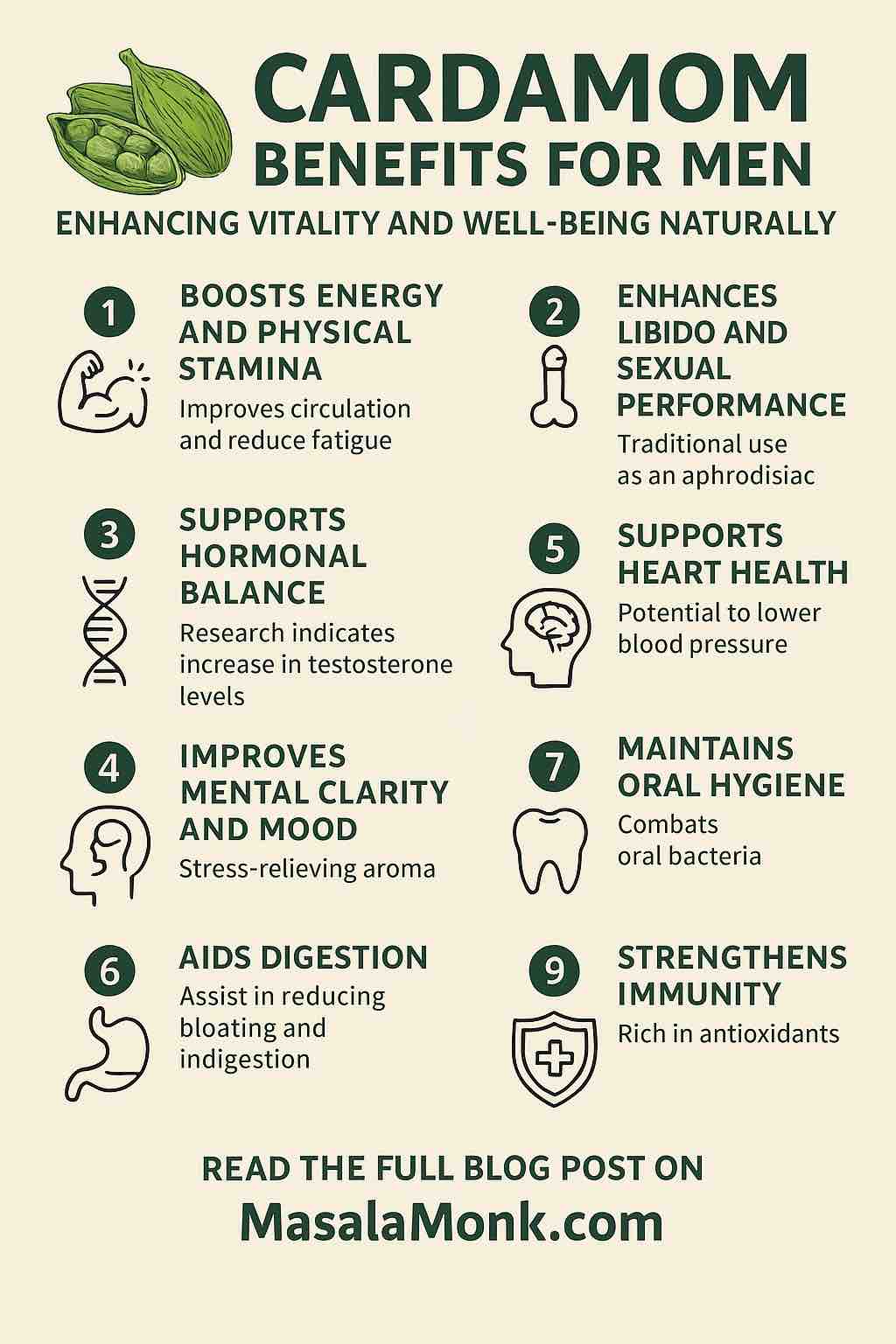
CARDAMOM BENEFITS FOR male ENHANCING VITALITY AND WELL-BEING NATURALLY

In the world of natural wellness, few spices are as revered and versatile as cardamom—a small green pod packed with powerful properties. Often called the “Queen of Spices,” cardamom (Elettaria cardamomum) has been a cornerstone of Ayurvedic and Unani medicine for centuries. While it’s a flavor-enhancer in many culinary traditions, its true power lies in its therapeutic benefits, particularly for men’s health and vitality.

In this comprehensive blog post, we’ll explore how cardamom can support men’s physical stamina, sexual health, hormonal balance, and overall well-being, with evidence from both traditional use and modern research.


🔬 What Makes Cardamom So Powerful?

Cardamom is rich in:

  • Antioxidants (e.g., flavonoids, polyphenols)
  • Essential oils (such as cineole, limonene)
  • Minerals like potassium, magnesium, and zinc
  • Anti-inflammatory compounds

These compounds give cardamom a wide range of pharmacological actions including antibacterial, anti-inflammatory, diuretic, digestive, and adaptogenic properties—all of which make it an ideal addition to men’s wellness routines.


💪 1. Boosts Energy and Physical Stamina

Fatigue and low energy are common issues for many men, especially those leading high-stress, sedentary lifestyles. Cardamom acts as a natural energizer due to its ability to:

  • Enhance blood circulation
  • Improve oxygen delivery to muscles
  • Reduce oxidative stress, which is a major cause of fatigue

A cup of cardamom tea or simply adding a pinch to your morning smoothie can offer a natural energy lift without the crash associated with caffeine.


🍆 2. Enhances Libido and Sexual Performance

Cardamom has been traditionally used as an aphrodisiac in various ancient medical systems.

  • The essential oil cineole may stimulate nerve pathways involved in sexual arousal.
  • It improves blood circulation, supporting erectile function and stamina.
  • Studies on rodents have shown that cardamom extract may increase testosterone levels and sperm count, possibly by supporting the thyroid gland and improving antioxidant activity in reproductive tissues.

Combine cardamom with warm milk and a pinch of saffron for a libido-boosting nightcap.


🧬 3. Supports Hormonal Balance & Testosterone Levels

Hormonal imbalance can manifest in fatigue, mood swings, low libido, and weight gain. Research suggests that the antioxidants in cardamom can influence endocrine function by:

  • Reducing oxidative stress in the hypothalamus and pituitary glands, which regulate testosterone production
  • Enhancing the activity of free testosterone, improving reproductive and metabolic health

Animal studies have demonstrated improved thyroid function and increased sperm health with cardamom supplementation.


🧠 4. Improves Mental Clarity, Mood, and Focus

In our always-on digital world, cognitive fatigue is real. Cardamom can help sharpen mental performance and reduce stress due to:

  • Adaptogenic effects that regulate cortisol levels
  • Aromatic oils like cineole that promote mental alertness
  • Flavonoids that protect brain cells from oxidative damage

Inhaling cardamom essential oil or sipping cardamom-infused tea can help clear the mind, especially during mentally demanding tasks.


🩺 5. Supports Heart and Metabolic Health

Men are statistically more prone to cardiovascular disease, especially with poor lifestyle habits. Cardamom may offer cardioprotective benefits such as:

  • Lowering blood pressure due to its potassium and diuretic effects
  • Improving lipid profiles, i.e., reducing LDL (bad cholesterol) and raising HDL
  • Reducing blood sugar spikes and improving insulin sensitivity, important for pre-diabetic men

A randomized trial published in the Indian Journal of Biochemistry found significant reductions in systolic and diastolic blood pressure in adults consuming cardamom daily for 12 weeks.


🍽️ 6. Aids Digestion and Gut Health

Digestion is foundational to vitality. Cardamom stimulates the secretion of digestive enzymes, helping:

  • Alleviate bloating, gas, and acidity
  • Relieve nausea and indigestion
  • Improve gut motility and nutrient absorption

It also helps maintain microbial balance by acting as a natural antimicrobial, reducing the growth of harmful gut bacteria.


🦷 7. Maintains Oral Hygiene

Bad breath and oral infections are often signs of systemic inflammation or poor gut health. Cardamom helps by:

  • Neutralizing oral bacteria
  • Refreshing the breath naturally
  • Supporting healthy gums through its anti-inflammatory effects

Chewing on cardamom pods after meals is a simple yet effective oral hygiene practice in many cultures.


⚖️ 8. Aids Weight Management and Fat Loss

Cardamom may assist in managing body fat by:

  • Increasing metabolic rate
  • Reducing visceral fat accumulation
  • Enhancing fat oxidation during exercise

In a 2023 study published on News Medical Life Sciences, researchers found cardamom intake associated with reduced inflammation and improved energy expenditure, which supports fat loss.


🛡️ 9. Strengthens Immunity

A robust immune system is essential for longevity and vitality. Cardamom’s high antioxidant content helps by:

  • Reducing chronic inflammation
  • Enhancing the activity of natural killer cells and macrophages
  • Preventing respiratory infections

Adding cardamom to soups, teas, or warm water during colder months can help ward off illness.


☕ How to Use Cardamom in Daily Life

Incorporating cardamom into your routine is both easy and delicious:

  • Cardamom Tea: Boil crushed pods in water, add honey and lemon.
  • Golden Milk: Combine cardamom, turmeric, and black pepper with warm milk.
  • Smoothies: Add 1/4 tsp cardamom powder to fruit blends.
  • Oats or Chia Pudding: Add a pinch of cardamom for a fragrant, healthy twist.
  • Spiced Coffee: Brew coffee with a pod or two for an exotic flavor and boost.

⚠️ Precautions and Considerations

While cardamom is generally safe for most individuals, a few notes of caution:

  • Avoid excessive intake (more than 6g per day) as it may cause nausea or allergic reactions in rare cases.
  • If you’re on blood pressure or anticoagulant medication, consult your doctor before high intake.
  • Pregnant individuals should also limit cardamom supplementation.

🧭 Final Thoughts: Nature’s Ally for Male Wellness

In a world of synthetic supplements and quick fixes, cardamom offers a time-tested, natural alternative to support men’s health across the board—from hormones and libido to heart health and immunity. Its unique blend of aromatic oils, antioxidants, and minerals makes it a spice worth embracing daily.

Whether you’re aiming to elevate your physical performance, sharpen mental focus, or simply support healthy aging, cardamom is more than just a spice—it’s a potent tool for enhancing male vitality in a sustainable, holistic way.

🔍 Frequently Asked Questions (FAQs)

1. Can cardamom really boost testosterone levels in men?

Yes, preliminary animal studies suggest cardamom may support testosterone production by enhancing thyroid function and reducing oxidative stress. While more human research is needed, its hormonal balancing effects are promising.


2. How much cardamom should men consume daily for health benefits?

A general recommendation is 1 to 3 grams (about 1/4 to 1/2 teaspoon) of cardamom powder daily. For whole pods, 2–3 crushed pods per day is sufficient. Always start small and observe how your body responds.


3. Is cardamom effective for erectile dysfunction or low libido?

Yes, cardamom has traditionally been used as an aphrodisiac. Its ability to enhance blood circulation and stimulate the nervous system may help with erectile function and sexual performance.


4. Does cardamom help with weight loss or belly fat?

Cardamom may support weight loss by boosting metabolism, reducing inflammation, and enhancing fat oxidation. Combined with exercise and a healthy diet, it can be a useful addition to fat-loss efforts.


5. Can cardamom improve mood or reduce stress?

Yes. Cardamom contains compounds that have adaptogenic and antidepressant effects, helping reduce cortisol levels and improve mental clarity. Its aroma alone may reduce anxiety in some individuals.


6. Are there any side effects of cardamom for men?

Cardamom is generally safe. However, excessive intake may cause nausea or allergic reactions in rare cases. People with gallstones or those on blood-thinning medications should consult a doctor before using it regularly.


7. How does cardamom benefit heart health in men?

Cardamom contains potassium and antioxidant compounds that help lower blood pressure, improve lipid profiles, and reduce oxidative stress, all of which are vital for cardiovascular health.


8. Can cardamom improve digestion and gut health?

Yes. Cardamom has carminative and antimicrobial properties that help relieve bloating, gas, indigestion, and promote a healthy balance of gut bacteria.


9. Is it better to use green cardamom pods or ground cardamom?

Both forms are beneficial. Whole pods retain their oils longer and are great for infusions, while ground cardamom is more convenient for smoothies or baking. Choose based on your usage and freshness preference.


10. Can cardamom be used with other herbs or superfoods for men’s health?

Absolutely. Cardamom pairs well with ashwagandha, turmeric, black pepper, and ginger—all of which can complement its effects on vitality, digestion, and hormone balance.
Posted on — Leave a comment

5 Potential Side Effects of Onion Juice and Honey

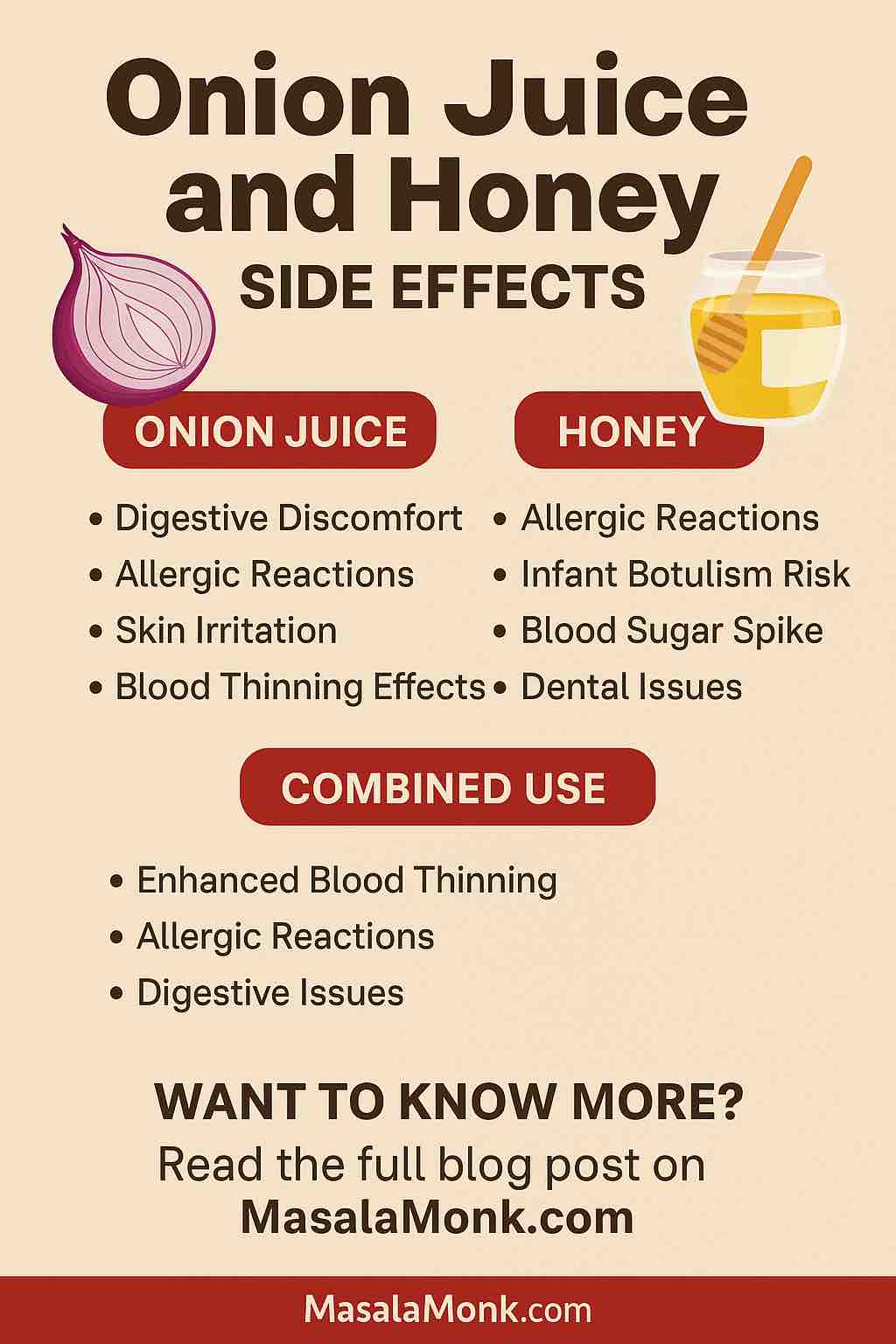
Onion Juice and Honey SIDE EFFECTS

From ancient Ayurvedic remedies to viral social media trends, the combination of onion juice and honey has been hailed as a miracle cure for everything from coughs to hair loss. But how much do we really know about this potent home remedy? While the benefits may sound promising, the side effects are often overlooked. In this comprehensive guide, we dive deep into the surprising science behind onion juice and honey, uncover their individual and combined effects, and help you decide whether this natural duo is truly safe for you.


Section 1: Why People Use Onion Juice and Honey

Before we look at the downsides, let’s understand the hype:

  • For Cough and Cold: The antibacterial properties of onion combined with the soothing and antimicrobial action of honey make it a popular remedy.
  • For Skin and Hair: Onion juice is believed to promote hair growth and treat acne. Honey is a known moisturizer and antibacterial agent.
  • As an Immunity Booster: Together, they’re thought to enhance the immune system thanks to their natural bioactive compounds.

Section 2: The Hidden Side Effects of Onion Juice

  1. Digestive Troubles:
    • Onions are rich in fructans, which can cause bloating, gas, and abdominal discomfort, especially in those with IBS.
  2. Allergic Reactions:
    • Some people experience hives, nasal congestion, or skin rashes upon contact or ingestion.
  3. Skin Irritation:
    • Applying onion juice directly to the skin can cause redness, burning, or dermatitis, particularly in sensitive individuals.
  4. Blood Thinning Risk:
    • Onion contains sulfur compounds that may have anticoagulant effects, increasing the risk of bleeding if you’re on blood-thinning medications.

Section 3: The Not-So-Sweet Side of Honey

  1. Allergy Risk:
    • Honey can cause allergic reactions in people sensitive to pollen, bees, or specific plant sources.
  2. Botulism Danger in Infants:
    • Honey should never be given to babies under one year due to the risk of infant botulism.
  3. Sugar Overload:
    • Despite its natural label, honey is still high in sugars and can spike blood glucose levels, making it a concern for diabetics.
  4. Dental Problems:
    • Regular use without proper oral hygiene may contribute to cavities and tooth decay.

Section 4: Side Effects When Combined

When you mix onion juice and honey, the side effects may be amplified:

  • Increased Risk of Allergic Reactions: If you’re sensitive to either component, the combination can be doubly problematic.
  • Enhanced Blood-Thinning Effect: This can be particularly dangerous for those on anticoagulants or preparing for surgery.
  • Worsening of Digestive Issues: The high fructan content of onions and sugar load of honey can irritate the gut.

Section 5: Safe Use and Recommendations

  • Consult Your Doctor: Especially important if you have underlying health conditions.
  • Start Small: If you’re new to the remedy, begin with a small dose to test tolerance.
  • Topical Use: Always do a patch test before applying to skin or scalp.
  • Don’t Use on Infants: Absolutely avoid giving this mixture to children under one.
  • Mind the Timing: Avoid taking the mixture close to the time of surgery or when on anticoagulants.

Conclusion: Miracle or Myth?

The onion juice and honey combo is not without its merits. However, the risks and side effects cannot be ignored. Natural doesn’t always mean safe, and it’s vital to be informed before jumping on the wellness bandwagon. As with all remedies, the key is moderation, awareness, and personalized care.

If you found this post helpful, share it with someone who needs to read this before trying another “miracle” home remedy. Your health deserves nothing less than the truth.

FAQs: Onion Juice and Honey Remedy

1. Can I take onion juice and honey daily?
While some use it daily for short periods, long-term use may cause digestive issues or allergic reactions. It’s best to consult your doctor and use it in moderation.

2. Is onion juice and honey safe for kids?
This remedy is not recommended for infants under one year due to the risk of botulism from honey. For older children, use only after pediatric consultation.

3. Does this mixture really cure coughs?
There is anecdotal and some scientific evidence that it can soothe mild coughs due to antibacterial and soothing properties, but it’s not a replacement for medical treatment in persistent or severe cases.

4. Can I apply the mixture on my scalp for hair growth?
Yes, many use onion juice (sometimes with honey) for promoting hair growth. Always do a patch test first to check for skin irritation.

5. What are the signs of an allergic reaction to this remedy?
Symptoms include itching, hives, swelling, nausea, or difficulty breathing. Discontinue use and seek medical attention if you experience any of these.

6. Is it effective for boosting immunity?
Onion and honey contain antioxidants and antimicrobial compounds, which may support immune health, but they are not substitutes for a balanced diet or medical care.

7. Can diabetics use honey and onion juice?
Caution is advised, especially for honey due to its high sugar content. Always consult a healthcare provider before use.

8. How long can I store the mixture?
It’s best used fresh. However, if refrigerated in an airtight container, it may last up to 2–3 days. Discard if it changes smell or color.

9. Can I use the remedy if I’m on blood thinners?
Avoid using onion juice regularly if you’re on anticoagulant medication, as it may increase bleeding risk.

10. What’s the best time to take the mixture?
Most people take it in the morning on an empty stomach or before bedtime for cough relief. However, timing can vary based on the purpose and your body’s reaction.

Posted on — 2 Comments

What Foods Neutralize Stomach Acid Immediately?

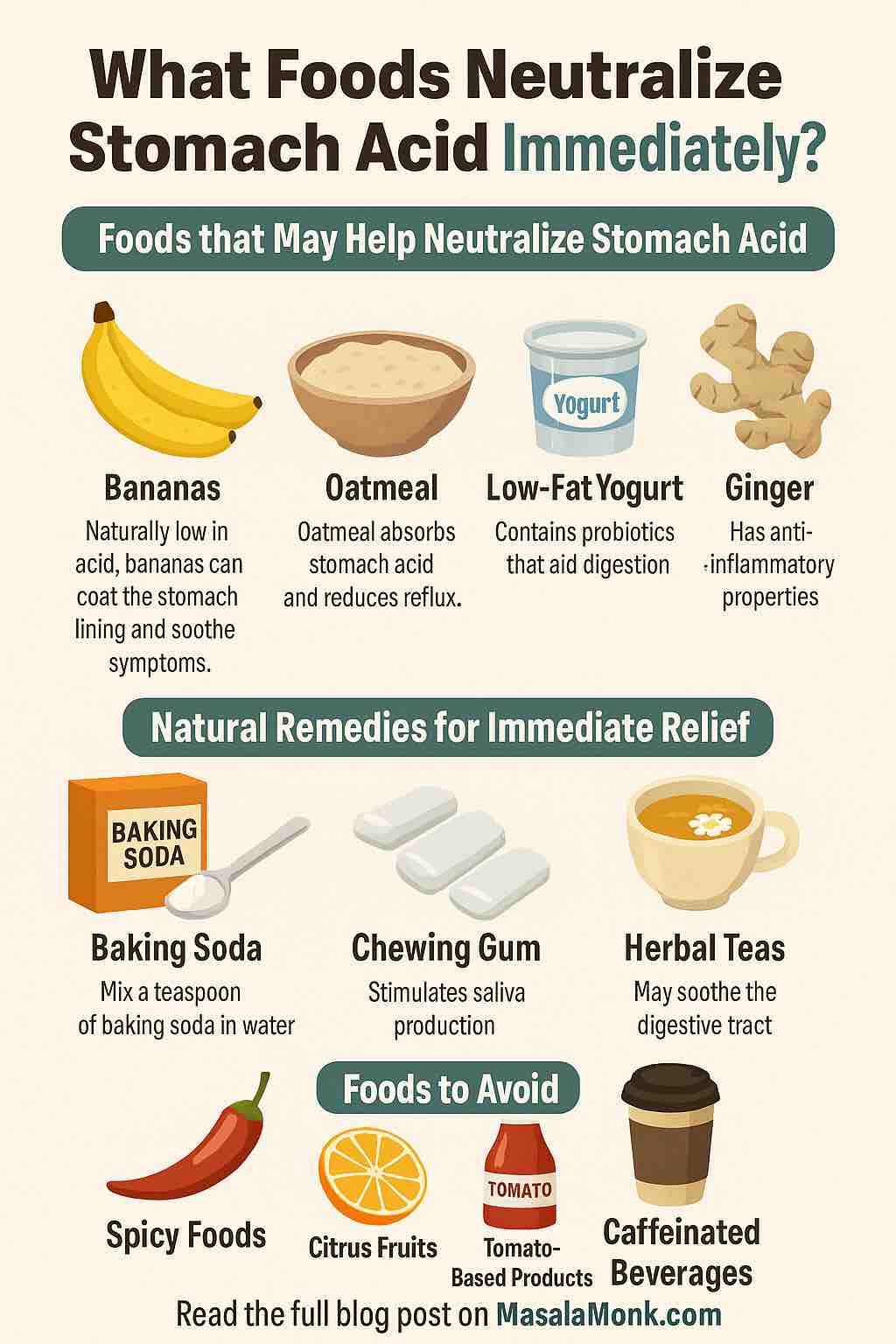
What Foods Neutralize Stomach Acid Immediately?

If you’ve ever experienced the burning discomfort of acid reflux or heartburn, you’re not alone. Millions of people worldwide suffer from these digestive disturbances. The good news? Relief may be closer than you think—right in your kitchen! Certain foods can help neutralize stomach acid almost immediately, soothing the esophagus and calming the digestive tract. In this blog post, we explore what foods can help, why they work, and how to incorporate them into your diet.


Understanding Stomach Acid and Its Role

Before we dive into the foods that can offer fast relief, it’s important to understand what stomach acid is and why your body produces it. Stomach acid, primarily hydrochloric acid (HCl), is essential for digestion. It helps break down food, activates digestive enzymes, and protects against harmful bacteria. However, when the acid level becomes excessive or backs up into the esophagus, it can cause discomfort, burning sensations, and even damage to the esophageal lining.


The Fast-Acting Food Heroes

Here are some scientifically backed and widely recommended foods that can neutralize stomach acid quickly:

1. Bananas

Bananas are naturally low in acid and rich in pectin, a soluble fiber that helps food move smoothly through the digestive tract. Their soft texture and soothing effect make them one of the best go-to snacks when acid reflux strikes. They also help coat the lining of the stomach, offering a protective barrier against acid.

2. Oatmeal

A staple breakfast food, oatmeal is not only filling and nutritious but also incredibly gentle on the stomach. Its high fiber content absorbs stomach acid and reduces reflux symptoms. Plus, it doesn’t trigger acid production, making it ideal for those prone to heartburn.

3. Low-Fat Yogurt

Yogurt contains probiotics, the ‘good’ bacteria that support digestive health. Low-fat or fat-free varieties are preferable since high-fat dairy can aggravate symptoms. Yogurt’s cooling texture can also provide an immediate soothing effect on the esophagus.

4. Ginger

Used for centuries in traditional medicine, ginger has powerful anti-inflammatory properties. It can help reduce nausea, stimulate digestion, and lessen acid production. Try sipping ginger tea or chewing on a small piece of fresh ginger for quick relief.

5. Leafy Green Vegetables

Vegetables like spinach, kale, and lettuce are naturally alkaline, helping to balance out stomach acid levels. They are low in fat and sugar, which makes them less likely to trigger reflux symptoms.

6. Aloe Vera Juice

Often used to soothe skin, aloe vera can also calm the digestive system. Food-grade aloe vera juice can reduce inflammation in the stomach and esophagus, offering a cooling effect and neutralizing acid.

7. Almonds

These small nuts are packed with healthy fats, fiber, and protein. Almonds may help neutralize stomach acid and support a balanced pH level in the stomach. They also make for a convenient, on-the-go snack.

8. Deglycyrrhizinated Licorice (DGL)

A form of licorice that has had the glycyrrhizin removed (to avoid side effects like high blood pressure), DGL is known to increase mucus production in the stomach lining, protecting it from acid damage.


Quick Natural Remedies

Aside from specific foods, there are a few quick and simple remedies that can offer immediate relief:

  • Baking Soda and Water: A teaspoon of baking soda mixed in a glass of water can neutralize acid almost instantly. However, use this remedy sparingly due to its high sodium content.
  • Chewing Gum: Chewing stimulates saliva production, which helps wash away acid in the esophagus.
  • Herbal Teas: Chamomile or ginger teas can calm the stomach and reduce inflammation. Avoid peppermint tea, which can worsen symptoms in some people.

Foods and Habits to Avoid

Knowing what to avoid is just as important as knowing what to eat. Common acid reflux triggers include:

  • Spicy foods
  • Fatty or fried foods
  • Chocolate
  • Citrus fruits and juices
  • Tomato-based products
  • Caffeinated beverages
  • Alcohol
  • Eating large meals or lying down right after eating

Avoiding these can prevent the onset of symptoms and help maintain a healthier digestive tract.


Long-Term Tips for Managing Acid Reflux

While these foods can provide immediate relief, consistent dietary habits play a major role in long-term digestive health. Here are some tips:

  • Eat smaller, more frequent meals.
  • Maintain a healthy weight.
  • Avoid eating 2-3 hours before bedtime.
  • Elevate your head while sleeping.
  • Stay hydrated throughout the day.

Final Thoughts

Acid reflux and heartburn can disrupt your daily life, but you don’t always need medication to find relief. From bananas to ginger tea, nature offers a variety of solutions that can neutralize stomach acid quickly and safely. Incorporating these foods into your diet not only soothes immediate symptoms but also supports overall digestive health. As always, consult a healthcare provider if symptoms persist or worsen.

Stay informed, eat smart, and treat your gut with care!

✅ FAQs: What Foods Neutralize Stomach Acid Immediately?

1. What causes excess stomach acid or acid reflux?
Excess stomach acid or reflux can be caused by poor diet, overeating, stress, obesity, pregnancy, smoking, or conditions like GERD (Gastroesophageal Reflux Disease). Certain medications can also contribute.

2. How fast do these foods work to neutralize stomach acid?
Many of the recommended foods, like bananas or oatmeal, can begin soothing symptoms within 15–30 minutes, depending on the individual’s digestion and severity of symptoms.

3. Are there any risks to using baking soda for acid relief?
Yes, while effective in small amounts, baking soda is high in sodium and can cause side effects like gas, bloating, and high blood pressure if overused. It’s best used occasionally.

4. Can I drink milk to neutralize stomach acid?
Low-fat or skim milk might provide temporary relief, but full-fat milk can actually worsen symptoms. It’s best to try alternatives like low-fat yogurt.

5. Is ginger safe to consume daily for acid reflux?
Yes, in moderate amounts (1–2 grams per day), ginger is generally safe and beneficial. It can be used in teas, smoothies, or meals.

6. What is the best time to eat these acid-neutralizing foods?
Eat them as part of breakfast, snacks, or shortly after symptoms begin. Avoid eating heavy meals or acidic foods late at night to prevent overnight reflux.

7. Can children eat these foods for acid reflux?
Most listed foods, such as bananas, oatmeal, and yogurt, are safe and healthy for children. However, consult a pediatrician for persistent symptoms.

8. How do I know if my symptoms are due to acid reflux or something more serious?
If you have frequent heartburn, difficulty swallowing, chronic cough, or symptoms not relieved by diet changes, consult a doctor. These could be signs of GERD or other digestive issues.

9. Do spicy foods always trigger acid reflux?
Not for everyone. While many people find spicy foods to be a trigger, others can tolerate them. It depends on your personal sensitivity and digestive health.

10. Can lifestyle changes help more than food alone?
Absolutely. Managing stress, maintaining a healthy weight, avoiding late meals, quitting smoking, and elevating your head during sleep are all proven to reduce acid reflux symptoms.

Posted on — Leave a comment

Collagen Supplements: Science, Myths, and Realities

COLLAGEN SUPPLEMENTS: SCIENCE, MYTHS, AND REALITIES

Unlocking the truth behind the beauty buzzword of the decade


Introduction: The Rise of the Collagen Craze

Walk into any health store, scroll through wellness influencers’ Instagram feeds, or browse your local café menu, and chances are you’ll find collagen everywhere — in smoothies, powders, gummies, capsules, and even cappuccinos.

Touted as a miracle fix for youthful skin, joint health, and glossy hair, collagen supplements have exploded into a multibillion-dollar industry. But behind the marketing glitz and celebrity endorsements, what does the science actually say? Are collagen supplements a fountain of youth or just another passing wellness fad?

Let’s dive into the facts, debunk the hype, and uncover the true potential of collagen supplementation.


What Exactly Is Collagen?

Collagen is the most abundant protein in your body. Think of it as the scaffolding that holds you together — it provides structure to your skin, bones, muscles, tendons, and ligaments. It’s what keeps your skin firm, your joints supple, and your bones strong.

There are at least 28 types of collagen, but the majority of the body’s collagen belongs to Types I, II, and III:

  • Type I: Found in skin, bones, tendons; most abundant.
  • Type II: Main component in cartilage.
  • Type III: Supports the structure of organs and arteries.

But here’s the catch — collagen production naturally declines with age. Starting in your 20s, your body begins to produce less of it. The result? Wrinkles, sagging skin, joint pain, and brittle hair and nails.


Do Collagen Supplements Actually Work?

Let’s be clear: collagen supplements aren’t the same as the collagen in your body. What you’re taking is typically hydrolyzed collagen (also called collagen peptides), which has been broken down into smaller amino acid chains so it’s easier for your body to absorb.

Once ingested, your digestive system breaks those peptides down even further into individual amino acids, which your body can use to build proteins — not just collagen, but any protein it needs.

So, do those collagen peptides actually help your body make more collagen?

✅ What the Science Says

1. Skin Health

Several clinical trials suggest collagen supplementation can:

  • Improve skin elasticity
  • Enhance hydration
  • Reduce wrinkle depth

A 2019 review published in the Journal of Drugs in Dermatology found that oral collagen supplements increased skin elasticity, hydration, and dermal collagen density. But most of these studies were small and funded by supplement companies — so while the early data is promising, it’s not bulletproof.

2. Joint and Bone Health

Some studies show that collagen can:

  • Reduce joint pain in athletes
  • Improve symptoms of osteoarthritis
  • Increase bone mineral density in postmenopausal women

A 12-month study found that daily collagen peptide intake led to increased bone density in the spine and femur, suggesting long-term benefits for bone health. However, researchers still debate whether this is collagen’s doing or simply due to the high amino acid content.

3. Hair and Nails

This is where the evidence gets fuzzy. Many people swear collagen makes their hair shinier and nails stronger, but there’s little high-quality scientific research to support this. Anecdotal? Yes. Scientifically proven? Not yet.


Myths That Deserve a Collagen Comedown

Let’s bust a few myths while we’re at it.

❌ Myth 1: Collagen creams work just like supplements.

Not quite. Collagen molecules are too large to penetrate the skin’s surface. Most topical collagen products simply sit on your skin and provide hydration — they don’t boost collagen production.

❌ Myth 2: All collagen supplements are the same.

Nope. Collagen comes in different types (I, II, III), from different sources (bovine, marine, chicken, porcine), and in different forms (hydrolyzed, gelatin, undenatured). Your intended benefit — skin, joints, or bones — should dictate which you choose.

❌ Myth 3: Taking collagen guarantees visible results.

Your body decides how to use those amino acids — and it may prioritize repairing muscles or supporting organ function over making your skin glow.


Safety, Purity, and the Supplement Wild West

One major concern with collagen supplements is quality control. In the U.S., supplements aren’t regulated like pharmaceuticals — meaning what’s on the label isn’t always what’s in the bottle.

Independent lab tests have found:

  • Heavy metal contamination (cadmium, lead)
  • Low levels of actual collagen content
  • Mislabeling of collagen types

If you choose to supplement, look for:

  • Third-party tested products (e.g., NSF, USP, Informed Choice)
  • Hydrolyzed collagen peptides for better absorption
  • Transparency about sourcing (marine vs. bovine, etc.)

Should You Take Collagen?

The answer depends on your goals, expectations, and lifestyle.

✅ You might benefit if:

  • You’re concerned about skin aging or joint stiffness.
  • You struggle to get enough protein in your diet.
  • You’re recovering from an injury or intense physical training.

❌ You probably won’t see results if:

  • You expect overnight miracles.
  • You’re already consuming enough high-quality protein.
  • You ignore the basics: sleep, hydration, sun protection, and stress.

Natural Ways to Support Collagen Production

You don’t have to rely on supplements. Your body makes collagen — if you give it the right ingredients.

🥦 Nutrients that help:

  • Vitamin C (citrus, bell peppers, kiwi)
  • Zinc (pumpkin seeds, meat)
  • Copper (nuts, shellfish)
  • Proline and glycine (bone broth, egg whites, chicken skin)

🧬 Lifestyle habits that protect collagen:

  • Wear SPF daily
  • Avoid smoking
  • Minimize sugar and alcohol
  • Stay hydrated
  • Get enough sleep

Conclusion: The Bottom Line on Collagen

Collagen supplements aren’t magic, but they’re not snake oil either. The science, while still evolving, does point to modest benefits — especially for skin and joint health. But results vary widely based on your age, health status, diet, and the quality of the product.

Think of collagen as one piece of a larger wellness puzzle. It might help — but it’s no replacement for healthy living.


Further Reading and Resources


🔍 Frequently Asked Questions (FAQs)

1. What are collagen supplements made from?

Most collagen supplements are derived from animal sources like bovine (cow), marine (fish), chicken, or porcine (pig). The collagen is hydrolyzed into peptides to improve absorption. Always check the label for the source — marine collagen is popular for skin health, while bovine is typically used for joint and general support.


2. How long does it take to see results from collagen supplements?

Results vary, but most clinical studies report noticeable changes after 8 to 12 weeks of consistent use. Skin hydration and elasticity improvements are usually seen first, followed by potential joint and bone health benefits.


3. Is it safe to take collagen every day?

Yes, collagen supplements are generally considered safe for daily use. Most studies use doses ranging from 2.5 to 10 grams per day. However, if you have allergies (especially to fish or eggs), consult your doctor before starting.


4. Can collagen supplements help with joint pain?

Some evidence suggests collagen may reduce joint pain, particularly in individuals with osteoarthritis or athletes with overuse injuries. Type II collagen is typically used for joint-specific benefits.


5. Are collagen supplements suitable for vegetarians or vegans?

No, natural collagen is derived from animals. There are vegan “collagen boosters” made from plant-based ingredients that help stimulate the body’s own collagen production (e.g., vitamin C, silica, amino acids), but they do not contain collagen.


6. What time of day should I take collagen?

There’s no “best” time — collagen can be taken any time of day, with or without food. Many people add it to morning coffee, smoothies, or post-workout shakes for convenience.


7. Can I take collagen with other supplements?

Yes, collagen is often combined with vitamin C, which enhances collagen synthesis. It’s also commonly paired with hyaluronic acid, biotin, and zinc in beauty supplements. Always avoid redundant combinations that could lead to excess intake.


8. Does collagen help with weight loss or muscle gain?

Collagen is a protein and may support muscle recovery when used alongside resistance training. However, it’s not a weight-loss supplement and should not replace complete proteins like whey or plant-based blends if muscle building is the goal.


9. What’s the difference between collagen, gelatin, and collagen peptides?

  • Gelatin is cooked collagen and gels in liquids (used in cooking).
  • Collagen peptides (aka hydrolyzed collagen) are broken-down forms that dissolve in hot/cold liquids and are better absorbed.
  • Both come from the same source but differ in structure and usability.

10. Can collagen supplements replace a healthy diet?

No. Collagen is a complement, not a substitute. A diet rich in protein, vitamin C, and other micronutrients is still essential for optimal collagen production and overall health.

Posted on — 6 Comments

Castor Oil in the Belly Button

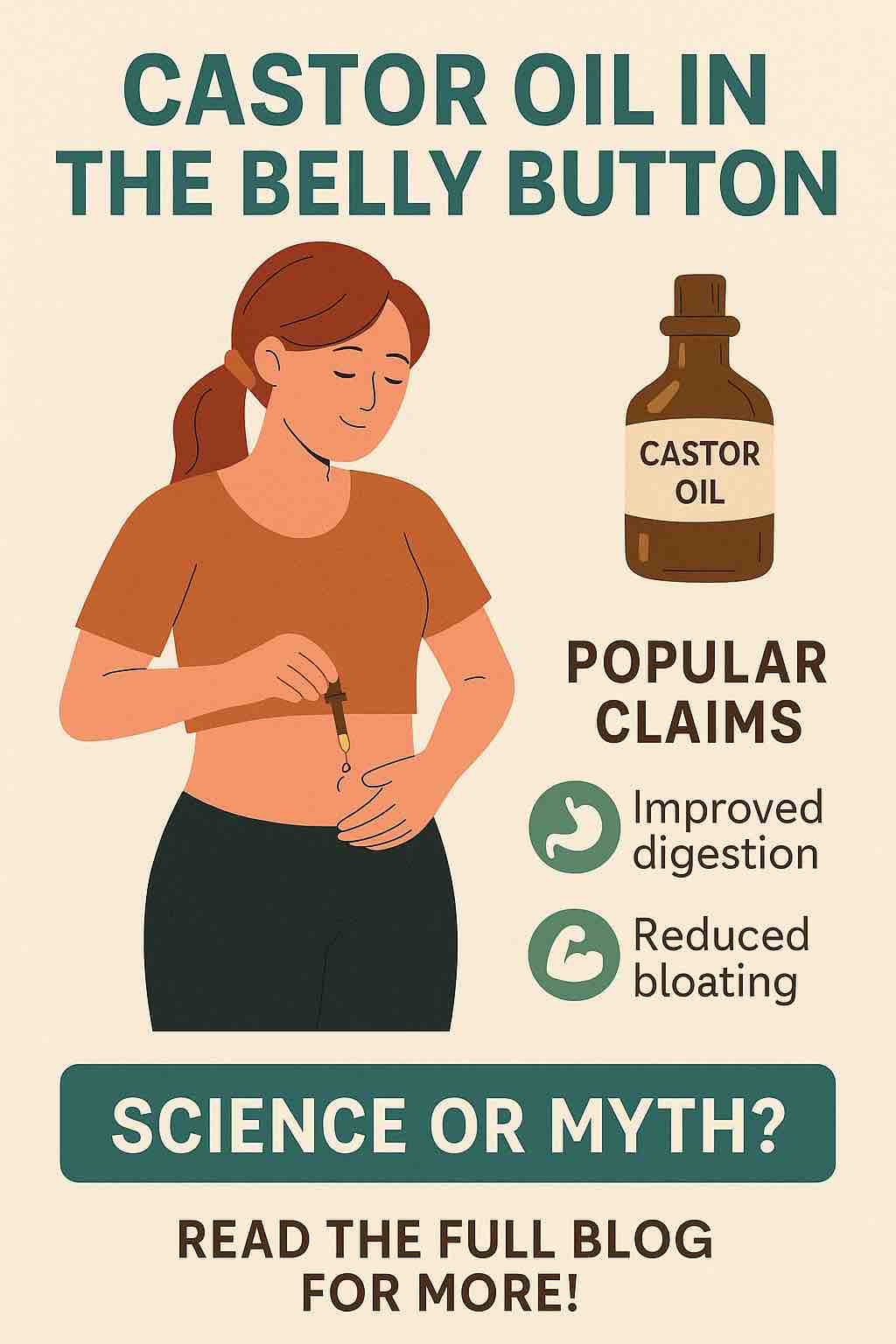
CASTOR OIL IN THE BELLY BUTTON SCIENCE OR MYTH?

In recent years, wellness trends have exploded across social media platforms, often blending ancient traditions with modern curiosity. Among the more intriguing practices to emerge is the application of castor oil to the belly button—a technique touted by influencers and wellness enthusiasts as a solution for everything from bloating to anxiety. But does this age-old Ayurvedic-inspired ritual hold any scientific water, or is it simply another wellness myth repackaged for the TikTok age?

Let’s explore the origins, claims, science, and safety of this trending practice in depth.


🌿 The Origins: Ancient Roots in Ayurvedic Practice

The practice of applying oils to the navel is deeply rooted in Ayurveda, a 5,000-year-old system of natural healing from India. In Ayurveda, the navel (nabhi) is believed to be a powerful energy and healing center. It’s considered the original point of nourishment via the umbilical cord and is seen as a vital location for balancing the body’s doshas (vital energies).

Practitioners of Ayurveda have long applied medicated oils to the belly button as a way to deliver therapeutic effects to the internal organs, improve digestion, and balance emotions. Castor oil, in particular, has been a favored medium due to its viscosity and potent anti-inflammatory, antimicrobial, and cleansing properties.


🎯 The Claims: What Social Media and Advocates Say

Across TikTok and Instagram, you’ll find countless users swearing by the results of applying castor oil to the belly button—a technique sometimes referred to as “navel pulling.”

Here are some of the most common claims:

  • 🌟 Improved digestion
  • 🔥 Reduced bloating and abdominal fat
  • 💧 Hormonal balance and fertility support
  • 🧠 Better sleep and reduced anxiety
  • 😌 Detoxification of internal organs
  • 💪 Pain relief, especially in the abdomen and lower back
  • 💅 Healthier skin, lips, and even clearer eyes

At first glance, these benefits sound almost too good to be true. And that leads us to an important question…


🧪 The Science: What Does the Research Say?

Despite the buzz, there’s very limited scientific evidence to support the idea that applying castor oil to the belly button can produce the systemic effects that proponents claim.

❌ The “Pechoti Gland” Myth

Many supporters of this practice reference something called the Pechoti gland, supposedly located behind the navel and said to absorb substances directly into the body. However, medical science does not recognize the existence of this gland. There is no anatomical structure in modern medicine that performs this function.

According to Dr. Lisa Ganjhu, a gastroenterologist at NYU Grossman School of Medicine, “there’s no direct connection between the skin on your belly and your digestive organs.” While the skin can absorb certain compounds, it’s generally a slow and limited process.

✅ What Castor Oil Can Do (Topically)

While the navel doesn’t function as a superhighway for absorption, castor oil itself has scientifically backed topical benefits:

  • Anti-inflammatory properties: Ricinoleic acid, the main fatty acid in castor oil, has been shown to reduce inflammation.
  • Antimicrobial action: Castor oil can inhibit bacterial and fungal growth, which makes it useful for skin conditions.
  • Laxative effects (when ingested): It’s FDA-approved as an oral stimulant laxative.

🤔 So Why Do Some People Feel Better?

There’s a possibility that the ritual of applying castor oil—a gentle, intentional act—helps reduce stress and encourages mindfulness. Additionally, massaging the oil around the navel can stimulate the vagus nerve, which plays a key role in the parasympathetic nervous system (the body’s “rest and digest” mode).


🧴 How to Try It Safely

If you’re curious and want to experiment with this practice, here’s how to do it safely and mindfully:

🌙 Step-by-Step Guide:

  1. Choose a high-quality castor oil: Look for cold-pressed, hexane-free, organic options.
  2. Clean your navel area: Ensure the area is free from dirt and moisture.
  3. Warm the oil (optional): Slightly warming the oil may enhance absorption and feel more soothing.
  4. Apply 1–2 drops directly into the belly button.
  5. Gently massage in a circular motion around the abdomen for 5–10 minutes.
  6. Leave overnight or for at least 30 minutes. Covering the area with a cotton pad or small towel can prevent staining.

🛑 Precautions:

  • Patch test first: Castor oil can cause allergic reactions in sensitive skin.
  • Avoid during pregnancy unless advised by a healthcare professional (castor oil can stimulate uterine contractions).
  • Don’t ingest unless under medical supervision.
  • Don’t rely on this method for serious medical conditions—it’s not a substitute for evidence-based treatment.

🔍 Bottom Line: Worth a Try?

Applying castor oil to the belly button is unlikely to hurt—and may indeed offer benefits like relaxation, skin hydration, and placebo-driven wellness—but it shouldn’t be seen as a miracle solution. The science doesn’t support the bolder health claims, and the “Pechoti gland” theory is anatomically unproven.

That said, if this ritual brings you a sense of calm, comfort, or connection to your body, it might still be worth incorporating into your self-care routine—just don’t ditch your doctor.


🧘 Final Thoughts: Embracing Ritual Without Losing Reason

Wellness trends can sometimes blur the line between healing and hype. The key is to stay informed, skeptical, and open-minded. Our bodies and minds are incredibly interconnected, and sometimes even symbolic gestures—like caring for your navel with oil—can have a tangible impact on how we feel.

So, if the idea of castor oil in the belly button intrigues you, go ahead and explore it as a wellness ritual, but keep your expectations grounded in reality.


💬 Have You Tried It?

We’d love to hear your experience. Has castor oil in the belly button worked for you? Drop your thoughts in the comments and join the conversation.

Frequently Asked Questions (FAQs) about Castor Oil in the Belly Button


1. Does putting castor oil in the belly button really work?
While many people report benefits such as reduced bloating or better sleep, there’s no scientific evidence that applying castor oil to the belly button has systemic health effects. Benefits are likely due to the oil’s natural properties, massage stimulation, and the placebo effect.


2. What exactly is the Pechoti gland, and is it real?
The “Pechoti gland” is often mentioned in Ayurvedic and holistic circles as a gland behind the belly button that absorbs substances into the body. However, no such gland exists according to modern medical anatomy or physiology.


3. Is castor oil safe to apply to the skin or belly button?
Yes, castor oil is generally safe for topical use. However, perform a patch test before use to avoid allergic reactions or skin irritation.


4. Can castor oil in the navel help with constipation?
Only when ingested orally as a stimulant laxative (and under medical guidance) can castor oil relieve constipation. Topical application to the belly button does not have the same laxative effect.


5. How often should I apply castor oil to my belly button?
You can apply it 2–3 times a week or nightly, depending on your comfort. There’s no clinical guideline, so it’s based on personal preference and skin tolerance.


6. Can pregnant or breastfeeding women use this method?
Pregnant women should avoid using castor oil, even topically, without medical consultation. Castor oil can stimulate uterine contractions if absorbed or ingested.


7. Will castor oil help me lose belly fat if applied to the navel?
There is no evidence that applying castor oil to the belly button reduces belly fat. Weight loss requires a combination of diet, exercise, and lifestyle changes.


8. Can I leave castor oil on my belly button overnight?
Yes, you can leave it overnight, especially if you cover the area with a cotton pad or old cloth to avoid staining sheets. Make sure your skin tolerates it well.


9. Is there a specific type of castor oil I should use?
Use organic, cold-pressed, hexane-free castor oil for best results. Avoid oils with synthetic additives, fragrances, or preservatives.


10. Does massaging the belly with castor oil have benefits on its own?
Yes, abdominal massage can stimulate blood flow, reduce tension, and help relax the nervous system—regardless of the oil used. Castor oil may enhance the soothing effect thanks to its rich texture and anti-inflammatory properties.