Posted on Leave a comment

Side Effects of Xifaxan

a doctor with stethoscope wearing pink face mask while looking at the camera

Xifaxan, known generically as rifaximin, is a specialized antibiotic designed primarily to combat bacterial infections within the intestines. As with any medication, understanding its potential side effects is crucial for those considering or currently undergoing treatment. This guide delves deep into the world of Xifaxan, offering insights into its common and rare side effects, user experiences, and expert recommendations.

Common Side Effects of Xifaxan:

  • Headache: A frequent side effect, especially among those using Xifaxan to treat traveler’s diarrhea. Staying hydrated and considering mild pain relievers can help, but always consult a healthcare provider before combining medications.
  • Flatulence: A natural but sometimes inconvenient result of the body’s adjustment to the medication. Consuming a diet low in gas-producing foods and considering over-the-counter remedies can help alleviate this symptom.
  • Abdominal Pain: This discomfort in the stomach area can be mitigated by warm compresses and a balanced diet.
  • Bowel Urgency: A sudden need to evacuate the bowels. Monitoring your diet and being aware of potential trigger foods can help manage this symptom.
  • Nausea: Eating smaller, more frequent meals and avoiding overly spicy or greasy foods can help counteract feelings of nausea.
  • Rectal Tenesmus: Increasing water and fiber intake can assist those experiencing this sensation of incomplete bowel evacuation.
  • Stomach Bloating and Gas: Probiotics and dietary adjustments can often help reduce these symptoms.

Specific Conditions and Xifaxan:
Xifaxan stands out in the world of antibiotics due to its targeted action. It remains within the gastrointestinal tract, ensuring a focused treatment without significant absorption into the bloodstream. This unique mechanism makes it particularly effective for conditions like traveler’s diarrhea and irritable bowel syndrome (IBS).

Less Common and Severe Side Effects:
While many patients experience the more common side effects listed above, there are rarer side effects that can be more severe. These include:

  • Severe Allergic Reactions: Symptoms might include hives, difficulty breathing, and swelling of the face, lips, tongue, or throat.
  • Persistent Diarrhea: Especially if accompanied by blood or mucus in the stool.
  • Signs of Dehydration: Including dark urine, severe dizziness, and extreme thirst.

If any of these symptoms manifest, it’s imperative to seek medical attention immediately.

Xifaxan and Other Conditions:
For those taking Xifaxan for conditions like overt hepatic encephalopathy, side effects can vary. Reports have included dizziness, fatigue, and swelling in the legs or arms. Additionally, combining Xifaxan with other medications, such as neomycin, may result in additional side effects. Always consult with a healthcare provider when considering combining treatments.

User Reviews and Experiences:
The digital age has ushered in a new era of shared medical experiences. Platforms like Reddit are rife with personal anecdotes about Xifaxan, discussing everything from weight gain and liver effects to interactions with alcohol. While these stories provide a rich tapestry of user experiences, it’s essential to approach them as individual narratives that may not reflect the broader population’s experience.

Recommendations and Precautions:

  • Adhere strictly to the prescribed dosage and duration.
  • Seek medical advice immediately if a side effect becomes persistent or severe.
  • Consider dietary and lifestyle changes to manage mild side effects.
  • Always consult with a healthcare provider before combining Xifaxan with other medications or supplements.

FAQ Section for Understanding the Side Effects of Xifaxan

  1. What is Xifaxan primarily used for?
    Xifaxan, or rifaximin, is an antibiotic specifically designed to treat bacterial infections within the intestines. It’s particularly effective for conditions like traveler’s diarrhea and irritable bowel syndrome (IBS).
  2. How does Xifaxan differ from other antibiotics?
    Unlike many antibiotics that get absorbed into the bloodstream, Xifaxan remains within the gastrointestinal tract. This targeted action ensures that the medication directly combats intestinal bacterial infections without significant systemic absorption.
  3. Are headaches a common side effect of Xifaxan?
    Yes, headaches are among the frequently reported side effects, especially for those taking the medication for traveler’s diarrhea. It’s recommended to stay hydrated and consult a healthcare provider if the headache persists.
  4. Can Xifaxan cause stomach discomfort?
    Some users have reported symptoms like abdominal pain, bloating, and gas. These symptoms can often be managed with dietary adjustments, probiotics, and over-the-counter remedies.
  5. Is it safe to combine Xifaxan with other medications?
    While Xifaxan can be taken with many other medications, it’s essential to consult with a healthcare provider before combining treatments. Some combinations, like Xifaxan and neomycin, may lead to additional side effects.
  6. What should I do if I experience severe side effects?
    If you encounter severe allergic reactions, persistent diarrhea with blood/mucus, or signs of dehydration, it’s imperative to seek medical attention immediately.
  7. Are there any dietary recommendations while taking Xifaxan?
    While there’s no strict dietary regimen to follow, it’s beneficial to monitor your diet, especially if you experience side effects like gas, bloating, or bowel urgency. Consuming a balanced diet and avoiding gas-producing foods can help manage these symptoms.
  8. How have other users reacted to Xifaxan?
    User experiences vary, but online platforms like Reddit offer a plethora of personal anecdotes. These range from discussions about weight gain and liver effects to interactions with alcohol. Remember, individual experiences can differ, so it’s essential to consult a healthcare provider with any concerns.
  9. Is it possible to experience side effects after stopping Xifaxan?
    Some patients have reported symptoms after discontinuing the medication. It’s crucial to taper off under a doctor’s guidance and be vigilant about any changes in health.

Conclusion:
Knowledge is power, especially when it comes to our health. By understanding the potential side effects of Xifaxan, patients can make informed decisions and navigate their treatment journey with confidence.

References:

Posted on 1 Comment

Coconut Oil for Hair: Frequently Asked Questions

Coconut oil, a golden elixir extracted from the kernel of mature coconuts, boasts a rich history that spans millennia. In tropical regions, from the sun-kissed shores of Polynesia to the aromatic spice lands of the Indian subcontinent, the coconut tree has been revered as the ‘Tree of Life.’ These ancient civilizations recognized the multifaceted benefits of coconut oil. Beyond its culinary uses, it was a secret beauty potion, especially for hair care. Historical texts, ancient manuscripts, and oral traditions are replete with tales of women who relied on coconut oil to maintain their hair’s lustrous sheen, strength, and beauty.

Benefits of Coconut Oil for Hair

  • Deep Conditioning: Coconut oil’s richness in fatty acids allows it to penetrate the hair shaft more effectively than other oils. This deep penetration nourishes the hair from within, providing unparalleled conditioning and preventing dryness and breakage.
  • Protein Retention: Hair is primarily made up of protein. Coconut oil has a unique ability to help retain the hair’s natural protein content, ensuring it remains robust, resilient, and less prone to breakage.
  • Scalp Health: The antimicrobial properties of coconut oil make it a formidable foe against common scalp issues. Regular application can ensure a dandruff-free, itch-free, and healthy scalp environment.
  • Natural Shine: The regular use of coconut oil doesn’t just nourish the hair; it imparts a natural, radiant shine, making strands look vibrant and full of life.
  • Protection Against Damage: Our hair faces daily challenges – from the sun’s harsh UV rays, environmental pollutants, to the heat from styling tools. Coconut oil acts as a protective barrier, shielding hair from these potential sources of damage.

Incorporating Coconut Oil: Modern-Day Practices

Frequency of Application: Finding the Right Balance

The beauty of coconut oil is its versatility, but how often should you use it? The answer lies in understanding your hair type:

  • Dry Hair: Those with dry, brittle hair can benefit from 2-3 applications a week. This helps in restoring the hair’s natural moisture balance.
  • Oily Hair: For individuals with naturally oily hair, once-a-week or bi-weekly applications might be ideal to prevent over-moisturizing.
  • Normal Hair: For those blessed with balanced hair, a weekly deep conditioning treatment can maintain its health and vibrancy.

Overnight Deep Conditioning

For those seeking intensive treatment, leaving coconut oil in your hair overnight is a fantastic option. This extended period allows for deeper penetration of the oil, offering enhanced conditioning and nourishment. To avoid any mess, it’s a good idea to wrap your hair in a silk scarf or use a shower cap.

Swimming and Coconut Oil

If you’re a swimmer, coconut oil can be your hair’s best friend. Applying it before taking a dip can act as a protective layer against the drying effects of chlorine in pools and the salt in seawater. It preserves your hair’s natural oils, preventing it from becoming dry and brittle.

Safety with Color-Treated Hair

For those who love to experiment with hair colors, there’s good news. Coconut oil is not only safe for color-treated hair, but it can also enhance the vibrancy of the color and prolong its life. By providing added moisture and protection, it ensures that your color looks fresh and radiant for longer.

Heat Protection

While coconut oil can offer some level of protection against heat damage, especially from sun exposure, it’s essential to note that for high-heat styling tools like straighteners or curling irons, a dedicated heat protectant spray is recommended. However, applying a small amount of coconut oil can still provide a basic protective layer.

FAQs: Delving Deeper into Coconut Oil Queries

1. How long should I leave coconut oil in my hair?

The duration for leaving coconut oil in your hair depends on your hair type and desired results. For a deep conditioning treatment, you can apply coconut oil to your hair, leave it on for 30 minutes to a few hours, or even overnight. This allows the oil to deeply penetrate the hair shaft and provide maximum nourishment. However, those with fine or oily hair may prefer a shorter duration to prevent a greasy feel.

2. Can coconut oil prevent split ends?

While coconut oil cannot magically mend split ends, it can help moisturize and nourish the hair, reducing the likelihood of split ends occurring. Regular use of coconut oil as a part of your hair care routine can help maintain the health and integrity of your hair strands, potentially minimizing split ends.

3. Does coconut oil help with dandruff?

Coconut oil’s antimicrobial properties, specifically its lauric acid content, can help combat dandruff-causing fungi or yeast on the scalp. Additionally, its moisturizing qualities can alleviate dryness and flakiness associated with dandruff. For dandruff relief, gently massage a small amount of coconut oil onto your scalp, leave it on for a few hours, or overnight, and then wash it out thoroughly.

4. Can coconut oil promote hair growth in bald spots?

Coconut oil alone may not be a cure for bald spots or significant hair regrowth. However, its moisturizing and nourishing properties can help create a healthy scalp environment, which is essential for optimal hair growth. To address hair loss concerns or bald spots, it’s advisable to consult with a healthcare professional or dermatologist for a comprehensive evaluation and appropriate treatment options.

5. How often should I use coconut oil for hair conditioning?

The frequency of using coconut oil for hair conditioning depends on your hair’s specific needs and characteristics. For most individuals, applying coconut oil once a week or every two weeks as a deep conditioning treatment can be beneficial. However, it’s important to assess your hair’s response and adjust the frequency accordingly.

6. Can coconut oil repair damaged hair?

Coconut oil’s unique composition allows it to penetrate the hair shaft, helping to nourish and strengthen the strands from within. While coconut oil cannot magically repair damaged hair, it can help restore moisture, reduce protein loss, and improve hair’s overall appearance and manageability. Regular use of coconut oil as a part of a holistic hair care routine can contribute to healthier-looking hair over time.

7. Does coconut oil protect hair from heat damage?

Coconut oil’s high smoke point and protective properties can act as a natural heat protectant for the hair. Applying a small amount of coconut oil to the hair before using heat styling tools can help create a barrier between the hair and the heat, reducing the risk of damage. However, it’s important to note that coconut oil alone may not provide complete protection, and additional heat protectant products are recommended for optimal safeguarding against heat damage.

8. Can coconut oil be used as a leave-in conditioner?

Coconut oil can be used as a leave-in conditioner for some individuals, especially those with dry or coarse hair textures. Applying a small amount of melted coconut oil to the ends of damp or dry hair can help smooth frizz, add moisture, and enhance shine. However, those with fine or oily hair may find coconut oil too heavy as a leave-in conditioner. It’s essential to find the right balance for your hair type and experiment with different amounts to avoid greasiness.

9. Is coconut oil beneficial for curly hair?

Yes, coconut oil can be highly beneficial for curly hair. Its moisturizing properties help combat frizz and provide much-needed hydration to dry, curly strands. Coconut oil can also help enhance curl definition and promote overall hair health. However, as with any hair product, it’s important to find the right balance and adjust the quantity based on your curl pattern and preferences.

10. Can coconut oil reduce frizz in hair?

Coconut oil’s ability to penetrate the hair shaft and moisturize the strands can help reduce frizz and improve overall hair manageability. Applying a small amount of coconut oil to the ends of damp or dry hair can help smooth flyaways, control frizz, and provide a natural shine. Remember, a little goes a long way, so start with a small amount and adjust as needed.

11. Does coconut oil help with scalp itchiness?

Coconut oil’s moisturizing and soothing properties can provide relief from scalp itchiness. Its antimicrobial properties may also help alleviate itchiness caused by fungal or bacterial imbalances. To address scalp itchiness, gently massage a small amount of coconut oil onto the scalp, leave it on for a few hours, or overnight, and then wash it out thoroughly. If scalp itchiness persists or worsens, it’s recommended to consult with a healthcare professional or dermatologist for further evaluation.

12. Can coconut oil be used as a pre-shampoo treatment?

Coconut oil can be used as a pre-shampoo treatment, often referred to as “oil pre-poo.” Applying coconut oil to the hair before shampooing can help protect the strands from excessive moisture loss and minimize damage during the washing process. Massage a small amount of coconut oil onto the hair, focusing on the ends and more damaged areas, and allow it to sit for at least 30 minutes before shampooing as usual.

13. Does coconut oil prevent hair breakage?

Coconut oil’s moisturizing properties can help strengthen the hair shaft, reduce protein loss, and minimize hair breakage. Regular use of coconut oil can contribute to healthier, more resilient hair strands. However, it’s important to note that individual hair characteristics and practices, such as excessive heat styling or chemical treatments, can also impact hair breakage. A holistic approach to hair care, including proper nutrition and gentle handling, is key to preventing hair breakage.

14. Can coconut oil be used for hot oil treatments?

Yes, coconut oil is commonly used for hot oil treatments to nourish and condition the hair. To perform a hot oil treatment, warm a small amount of coconut oil and apply it to the hair, focusing on the ends and more damaged areas. Cover the hair with a shower cap or towel and allow the oil to penetrate for 15-30 minutes. Rinse thoroughly and follow with your regular hair care routine.

15. Is coconut oil safe for colored or chemically treated hair?

Coconut oil is generally considered safe for colored or chemically treated hair. Its moisturizing properties can help restore moisture and improve the overall appearance of chemically treated hair. However, it’s advisable to perform a patch test and consult with a hairstylist or colorist before using coconut oil if you have concerns about its potential impact on your specific hair color or treatment.

16. Can coconut oil help with hair loss due to hormonal changes?

While coconut oil cannot reverse hair loss caused by hormonal changes, it can contribute to maintaining a healthy scalp environment and supporting overall hair health. Coconut oil’s moisturizing properties and potential antimicrobial effects can help create an optimal environment for hair growth. However, for hair loss concerns related to hormonal changes, it’s important to consult with a healthcare professional for proper diagnosis and targeted treatment options.

17. Does coconut oil improve hair shine and luster?

Yes, coconut oil can help improve hair shine and luster. Its ability to moisturize the hair shaft and smooth the cuticles can enhance light reflection, resulting in shinier and more lustrous hair. Regular use of coconut oil as a part of your hair care routine can contribute to vibrant and healthy-looking locks.

18. Can coconut oil be used to define and enhance natural curls?

Coconut oil can be used to define and enhance natural curls. Its moisturizing properties help combat frizz, add moisture, and improve curl definition. To use coconut oil for enhancing curls, apply a small amount to damp hair, scrunching it upwards from the ends to the roots. Avoid using excessive amounts to prevent weighed-down or greasy-looking curls.

19. Does coconut oil protect hair from chlorine damage?

Coconut oil can provide a protective barrier for the hair when exposed to chlorine. Before swimming, apply a small amount of coconut oil to the hair to create a barrier that helps minimize chlorine absorption and potential damage. After swimming, make sure to rinse the hair thoroughly and follow up with your regular hair care routine.

20. Can coconut oil be used to treat an itchy or irritated scalp?

Coconut oil’s soothing and moisturizing properties can help alleviate itchiness and irritation on the scalp. Gently massage a small amount of coconut oil onto the scalp to soothe the irritation and provide relief. However, if scalp issues persist or worsen, it’s important to seek professional advice from a healthcare professional or dermatologist for proper diagnosis and treatment.

Conclusion

Coconut oil offers a range of benefits for hair, from nourishing and moisturizing to protecting and enhancing its natural beauty. Incorporating coconut oil into your hair care routine can contribute to healthier-looking strands, improved manageability, and overall hair health. Remember to consider your hair type, specific concerns, and individual preferences when using coconut oil, and adjust the quantity and frequency to suit your needs. Embrace the power of coconut oil and unlock the full potential of your hair!

Blog Tags: Coconut Oil, Hair Care, Natural Hair Care, Hair Health, Hair Conditioning, Hair Growth, Scalp Care, Hair Beauty

Posted on 1 Comment

What are the 10 foods to avoid with Diverticulitis?

a healthcare worker measuring a patient s blood pressure using a sphygmomanometer

Diverticulitis—an increasingly common digestive condition characterized by inflammation or infection of the small pouches (diverticula) that can form in your digestive tract—has a significant relationship with the food we consume. As such, understanding how your diet influences this condition is vital in managing it effectively and maintaining overall digestive health. This comprehensive article delves into the top ten foods you should consider avoiding when dealing with diverticulitis. It not only provides valuable insights into why these foods can potentially trigger diverticulitis symptoms but also suggests alternatives to help you achieve a balanced and gut-friendly diet.

Fruits and Vegetables: The Hidden Perils Within🍅🥒

Fruits and vegetables, typically the cornerstones of a balanced and healthy diet, can be a bit more complicated when it comes to diverticulitis. While their nutrient-rich profiles are generally beneficial, certain types contain small, hard particles like seeds, skins, and hulls, which can irritate the diverticula, potentially causing a flare-up. Here are some examples:

  1. Tomatoes: While rich in vitamins and antioxidants, tomatoes contain small seeds that can irritate a diverticulitis-prone digestive tract.
  2. Cucumbers: As refreshing as they are, cucumbers can be problematic due to their seeds. Opting for seedless variants, or removing the seeds before consumption, could be a good workaround.
  3. Zucchini: This versatile vegetable also houses seeds that could potentially lead to diverticulitis discomfort.
  4. Strawberries: Delicious and antioxidant-rich, strawberries, unfortunately, contain numerous tiny seeds, which might not be friendly to your gut if you’re living with diverticulitis.
  5. Raspberries: Like strawberries, raspberries have numerous small seeds that can be challenging for diverticulitis sufferers.

Popcorn: A Snack That May Not Pop Well With Your Gut🍿

As innocuous and fun as popcorn may seem, it can be a disguised foe for those with diverticulitis. The popcorn hulls, the hard, shell-like remnants often left behind after the popcorn has been eaten, could potentially get trapped in the diverticula, leading to irritation and potentially a flare-up.

Nuts and Seeds: Size Doesn’t Reflect Impact🥜

Despite their nutritious profile, nuts and seeds—such as sunflower seeds, pumpkin seeds, and all types of nuts—can be tricky for individuals with diverticulitis. Their small size and hard texture may lead to them lodging within the diverticula, causing inflammation and discomfort.

Whole Grains: The Delicate Balancing Act🌾

Whole grains are typically celebrated for their high fiber content, essential for gut health. However, for those with diverticulitis, whole grains can sometimes contribute to symptoms during a flare-up. Here’s a breakdown of a few common whole-grain foods:

  1. Whole grain bread: While whole grain bread provides an excellent source of fiber, it can be tough on a sensitive gut during a diverticulitis episode due to the small grain pieces.
  2. Brown rice: As a complex carbohydrate, brown rice can support long-lasting energy, but its high fiber content can exacerbate symptoms during a flare-up.
  3. Oatmeal: Oatmeal, despite being a fantastic breakfast choice, can sometimes aggravate symptoms during a diverticulitis episode due to its fiber content.
  4. Whole grain pasta: Much like its bread and rice counterparts, the fiber content in whole grain pasta can pose problems during a flare-up.

The Red Meat Reduction: Embracing Leaner Proteins🍗

A diet high in red meat can lead to constipation, a condition that can exacerbate the discomfort of diverticulitis. By reducing your intake of red meat and leaning towards proteins such as poultry, fish, or plant-based options like lentils and tofu, you can help manage your symptoms more effectively.

Processed Foods: Navigating the Landmine of Low Fiber and High Fat Content🥓

Processed foods, often loaded with unhealthy fats and minimal dietary fiber, can be detrimental to those with diverticulitis. Foods like bacon, sausages, ham, and ready-made frozen meals may lack the fiber necessary to support a healthy gut, thereby potentially increasing the risk of a diverticulitis flare-up.

Fried Foods: Trading Unhealthy Fats for Healthier Cooking Methods🍟

Fried foods, laden with unhealthy fats and sparse in fiber, can contribute to diverticulitis discomfort. The high fat content in these foods can lead to constipation, a condition that can exacerbate the symptoms of diverticulitis. Instead, it would be beneficial to embrace cooking methods like grilling, baking, or steaming.

Dairy and Diverticulitis: The High-Fat Conundrum🧀

Not all dairy products are problematic for diverticulitis, but those high in fat might not be the most beneficial. High-fat cheese and full-fat milk could potentially trigger symptoms. Consider opting for low-fat or non-fat alternatives, which can be gentler on your gut.

Alcohol: The Dehydration Link and Diverticulitis🍷

Alcohol, especially in large amounts, can lead to dehydration, a condition that can cause constipation and subsequently exacerbate diverticulitis symptoms. Reducing your intake of alcohol, or avoiding it altogether, can be helpful in managing this condition.

Refined Carbohydrates: The Low-Fiber Culprit🍞

Refined carbohydrates, including white bread, pastries, and sugary drinks, often lack the dietary fiber necessary for a healthy gut. This lack of fiber can potentially increase your risk of a diverticulitis flare-up.

It’s crucial to keep in mind that everyone’s experience with diverticulitis is unique—what triggers a flare-up in one person might not in another. Therefore, maintaining a food diary to track your diet and its correlation with your symptoms can be a valuable tool in identifying your personal triggers. Furthermore, consulting with a healthcare professional or a dietitian can help create a customized dietary plan that considers your preferences, tolerances, and nutritional needs.

Top 10 Foods You Should Avoid If You Suffer From Diverticulitis

Here are the top ten foods you should avoid if you suffer from diverticulitis.

  1. Certain Fruits and Vegetables: If you have diverticulitis, it’s important to be cautious about your intake of certain types of fruits and vegetables. Foods with small, hard particles such as seeds, skins, and hulls can aggravate diverticulitis. Examples include tomatoes, cucumbers, zucchini, strawberries, and raspberries.
  2. Popcorn: The small, hard, and often sharp hulls of popcorn can potentially irritate diverticula and lead to a flare-up.
  3. Nuts and Seeds: Foods like sunflower seeds, pumpkin seeds, and all types of nuts are generally discouraged. These small, hard foods can lodge within the diverticula, causing irritation and inflammation.
  4. Whole Grains: While whole grains are typically beneficial for their high fiber content, during a diverticulitis flare-up, they can worsen symptoms. Foods like whole-grain bread, brown rice, oatmeal, and whole-grain pasta should be avoided.
  5. Red Meat: High intake of red meat can contribute to constipation, thereby aggravating diverticulitis. Opt for lean proteins such as poultry, fish, or plant-based proteins instead.
  6. Processed Foods: Processed foods are often high in unhealthy fats and lack dietary fiber, which is crucial for maintaining digestive health. Foods such as bacon, sausages, ham, and frozen meals can increase the risk of a diverticulitis flare-up.
  7. Fried Foods: Fried foods are high in unhealthy fats and low in fiber. The fat content in these foods can lead to constipation, which may worsen the symptoms of diverticulitis.
  8. Certain Dairy Products: While not all dairy products are off the table, those high in fat can increase the risk of a flare-up. This includes high-fat cheese and full-fat milk.
  9. Alcohol: Alcohol can cause dehydration, which may lead to constipation and exacerbate diverticulitis symptoms. It’s best to limit your intake of alcohol if you have diverticulitis.
  10. Refined Carbohydrates: Foods such as white bread, pastries, and sugary drinks lack the necessary fiber content for a healthy digestive system and may increase your risk of a diverticulitis flare-up.

When it comes to diverticulitis, everyone is different, and what triggers a flare-up in one person might not do the same in another. This is why it’s important to keep a food diary and track your symptoms to identify potential triggers. You should also work closely with your healthcare provider or a dietitian to develop a diet plan that works for you.

Ultimately, maintaining a healthy, balanced diet that’s high in fiber from a variety of sources, combined with regular physical activity, can go a long way in managing diverticulitis and promoting overall digestive health.

Frequently Asked Questions about Diverticulitis and Diet

1. Can I eat strawberries if I have diverticulitis? While strawberries are rich in antioxidants, their tiny seeds can potentially irritate the diverticula in your digestive tract. Monitor your symptoms when consuming strawberries. If you find they don’t aggravate your condition, you can enjoy them in moderation, possibly in smoothies where the seeds are well-blended.

2. Are tomatoes safe to eat with diverticulitis? Tomatoes are packed with vitamins, but their small seeds can potentially irritate a diverticulitis-prone digestive tract. Consider consuming seedless varieties or removing the seeds before eating. You could also try tomato-based sauces where the seeds have been strained out.

3. How does red meat affect diverticulitis? A diet high in red meat can lead to constipation, which can exacerbate the discomfort of diverticulitis. Balance your intake of red meat with other protein sources such as poultry, fish, or plant-based options like lentils and tofu. Also, ensure you’re drinking plenty of water and consuming enough fiber from other sources to promote regular bowel movements.

4. Can I eat oatmeal if I have diverticulitis? Oatmeal is a fantastic breakfast choice, but its fiber content can sometimes aggravate symptoms during a diverticulitis episode. Consume oatmeal in moderation and monitor your symptoms. You could also try eating oatmeal with a good amount of liquid, like milk or water, to help soften the fiber.

5. What vitamins should I avoid with diverticulitis? While vitamins are essential for overall health, some may not be suitable for those with diverticulitis. Always consult with a healthcare professional before starting any new vitamin regimen. They can provide guidance on which vitamins to avoid and which ones may help support your digestive health.

6. How does dairy affect diverticulitis? Not all dairy products are problematic for diverticulitis, but those high in fat might not be the most beneficial. High-fat cheese and full-fat milk could potentially trigger symptoms. Consider opting for low-fat or non-fat alternatives, which can be gentler on your gut.

7. Can I eat pickles if I have diverticulitis? Pickles, due to their high sodium content, can potentially exacerbate symptoms of diverticulitis. Consume them in moderation and monitor your symptoms. If you enjoy the tangy taste of pickles, consider trying other fermented foods like sauerkraut or kimchi, which can be beneficial for gut health.

8. Is watermelon safe to eat with diverticulitis? Watermelon is a hydrating and nutritious fruit, but its seeds can potentially irritate the diverticula. Consider consuming seedless varieties or removing the seeds before eating. Watermelon can be a great addition to a diverticulitis-friendly diet when consumed properly due to its high water content.

9. What foods should I avoid if I have diverticulitis? Foods that can potentially irritate the diverticula and trigger diverticulitis symptoms include those with small, hard particles like seeds, skins, and hulls, as well as high-fat, low-fiber foods. These can include certain fruits and vegetables, popcorn, nuts and seeds, whole grains, red meat, processed foods, fried foods, high-fat dairy products, alcohol, and refined carbohydrates. Always listen to your body and monitor your symptoms after eating these foods.

10. Can I eat cucumbers with diverticulitis? Cucumbers can be problematic due to their seeds. Opting for seedless variants or removing the seeds before consumption could be a good workaround. Cucumbers are hydrating and can be a great addition to salads or as a crunchy snack with hummus.

11. Are zucchinis safe for diverticulitis sufferers? Zucchinis house seeds that could potentially lead to diverticulitis discomfort. Consider consuming them in moderation and monitor your symptoms. You could also try cooking zucchini thoroughly to soften the seeds or scoop them out before cooking.

12. How does popcorn affect diverticulitis? The popcorn hulls could potentially get trapped in the diverticula, leading to irritation and potentially a flare-up. If you miss the crunch of popcorn, consider trying other crunchy snacks like carrot sticks or bell pepper slices that are less likely to irritate your diverticula.

13. Can I consume nuts and seeds if I have diverticulitis? Nuts and seeds can lodge within the diverticula, causing inflammation and discomfort. Consume them in moderation and monitor your symptoms. If you find they don’t aggravate your condition, you can enjoy them as a healthy source of fats and proteins. Alternatively, try nut butters, which offer the same nutritional benefits without the hard, potentially irritating pieces.

14. How do whole grains affect diverticulitis? Whole grains can sometimes contribute to symptoms during a diverticulitis flare-up due to their high fiber content. If you find whole grains problematic, consider consuming them in moderation and balance your diet with other sources of fiber that are gentler on your gut.

15. Can I eat brown rice with diverticulitis? Brown rice’s high fiber content can exacerbate symptoms during a flare-up. Consume it in moderation and monitor your symptoms. You could also try pairing brown rice with plenty of liquids and softer foods to help ease digestion.

16. Is whole grain pasta safe for diverticulitis sufferers? The fiber content in whole grain pasta can pose problems during a flare-up. Consume it in moderation and monitor your symptoms. Consider pairing whole grain pasta with a smooth, seedless sauce to make it easier on your digestive tract.

17. How does processed food affect diverticulitis? Processed foods may lack the fiber necessary to support a healthy gut, thereby potentially increasing the risk of a diverticulitis flare-up. Try to limit your intake of processed foods and opt for fresh, whole foods whenever possible.

18. Can I eat bacon if I have diverticulitis? Bacon, being a processed food, may lack the fiber necessary to support a healthy gut, thereby potentially increasing the risk of a diverticulitis flare-up. If you enjoy the flavor of bacon, consider using it sparingly as a flavoring agent rather than a main component of your meals.

19. Are sausages safe for diverticulitis sufferers? Sausages, being processed foods, may lack the fiber necessary to support a healthy gut, thereby potentially increasing the risk of a diverticulitis flare-up. Consider choosing leaner meats or plant-based protein sources for your meals.

20. How does fried food affect diverticulitis? Fried foods, laden with unhealthy fats and sparse in fiber, can contribute to diverticulitis discomfort. Instead of frying, try healthier cooking methods like grilling, baking, or steaming.

21. Can I drink alcohol if I have diverticulitis? Alcohol, especially in large amounts, can lead to dehydration, a condition that can cause constipation and subsequently exacerbate diverticulitis symptoms. Consider limiting your alcohol intake and always drink plenty of water to stay hydrated.

22. How do refined carbohydrates affect diverticulitis? Refined carbohydrates often lack the dietary fiber necessary for a healthy gut. This lack of fiber can potentially increase your risk of a diverticulitis flare-up. Try to choose whole grain options when possible, and balance your intake of refined carbohydrates with plenty of fruits, vegetables, and lean proteins.

23. Can I eat white bread if I have diverticulitis? White bread, a refined carbohydrate, often lacks the dietary fiber necessary for a healthy gut. This lack of fiber can potentially increase your risk of a diverticulitis flare-up. Consider choosing whole grain breads instead, and always pair them with a good source of protein and healthy fats to balance your meal.

24. Are pastries safe for diverticulitis sufferers? Pastries, being refined carbohydrates, often lack the dietary fiber necessary for a healthy gut. This lack of fiber can potentially increase your risk of a diverticulitis flare-up. If you enjoy pastries, consider enjoying them as an occasional treat rather than a regular part of your diet, and balance them with other, more nutritious foods.

25. How do sugary drinks affect diverticulitis? Sugary drinks, being refined carbohydrates, often lack the dietary fiber necessary for a healthy gut. This lack of fiber can potentially increase your risk of a diverticulitis flare-up. Consider choosing water, herbal teas, or other low-sugar beverages to stay hydrated.

26. Can I eat raspberries if I have diverticulitis? Raspberries have numerous small seeds that can be challenging for diverticulitis sufferers. Consume them in moderation and monitor your symptoms. If you find they don’t aggravate your condition, you can enjoy them in moderation, possibly in smoothies where the seeds are well-blended.

27. Are sunflower seeds safe for diverticulitis sufferers? Sunflower seeds can lodge within the diverticula, causing inflammation and discomfort. Consume them in moderation and monitor your symptoms. If you find they don’t aggravate your condition, you can enjoy them as a healthy source of fats and proteins. Alternatively, try sunflower seed butter, which offers the same nutritional benefits without the hard, potentially irritating pieces.

28. How does pumpkin seeds affect diverticulitis? Pumpkin seeds can lodge within the diverticula, causing inflammation and discomfort. Consume them in moderation and monitor your symptoms. If you find they don’t aggravate your condition, you can enjoy them as a healthy source of fats and proteins. Alternatively, try pumpkin seed butter, which offers the same nutritional benefits without the hard, potentially irritating pieces.

29. Can I eat ham if I have diverticulitis? Ham, being a processed food, may lack the fiber necessary to support a healthy gut, thereby potentially increasing the risk of a diverticulitis flare-up. If you enjoy the flavor of ham, consider using it sparingly as a flavoring agent rather than a main component of your meals.

30. Are ready-made frozen meals safe for diverticulitis sufferers? Ready-made frozen meals often contain high levels of sodium and may lack the fiber necessary to support a healthy gut, thereby potentially increasing the risk of a diverticulitis flare-up. Consider preparing your meals from fresh, whole foods whenever possible, and choose frozen meals that are low in sodium and high in fiber when necessary.

31. How does high-fat cheese affect diverticulitis? High-fat cheese could potentially trigger diverticulitis symptoms. Consider opting for low-fat or non-fat alternatives, which can be gentler on your gut. If you enjoy the flavor of high-fat cheese, consider using it sparingly as a flavoring agent rather than a main component of your meals.

32. Can I drink full-fat milk if I have diverticulitis? Full-fat milk could potentially trigger diverticulitis symptoms. Consider opting for low-fat or non-fat alternatives, which can be gentler on your gut. If you enjoy the flavor of full-fat milk, consider using it sparingly and always pair it with a good source of fiber to balance your meal.

33. Are low-fat dairy products safe for diverticulitis sufferers? Low-fat dairy products can be a good source of protein and calcium for diverticulitis sufferers. They are typically gentler on the gut than their full-fat counterparts. Always monitor your symptoms when introducing new foods into your diet.

34. How does tofu affect diverticulitis? Tofu is a plant-based protein that is typically easy to digest and unlikely to irritate the diverticula. It can be a good protein option for those with diverticulitis, especially when cooked in a gentle method like steaming or baking.

35. Can I eat lentils if I have diverticulitis? Lentils are a high-fiber food that can potentially exacerbate symptoms during a diverticulitis flare-up. However, they are also a good source of protein and other nutrients. Consume them in moderation and monitor your symptoms. You could also try cooking lentils thoroughly to soften the fiber and make them easier to digest.

36. Is fish safe for diverticulitis sufferers? Fish is a lean protein that is typically easy to digest and unlikely to irritate the diverticula. It can be a good protein option for those with diverticulitis, especially when cooked in a gentle method like steaming or baking.

37. How does poultry affect diverticulitis? Poultry is a lean protein that is typically easy to digest and unlikely to irritate the diverticula. It can be a good protein option for those with diverticulitis, especially when cooked in a gentle method like steaming or baking.

38. Can I eat plant-based proteins if I have diverticulitis? Plant-based proteins like tofu, lentils, and beans can be a good option for those with diverticulitis. However, they are also high in fiber and can potentially exacerbate symptoms during a flare-up. Consume them in moderation and monitor your symptoms. You could also try cooking these foods thoroughly to soften the fiber and make them easier to digest.

39. Are grilled foods safe for diverticulitis sufferers? Grilled foods can be a good option for those with diverticulitis, as long as they are not high in fat or covered in spicy or irritating sauces. Choose lean proteins and vegetables for grilling, and always monitor your symptoms when introducing new foods into your diet.

40. How does baking affect diverticulitis? Baking is a gentle cooking method that can be a good option for those with diverticulitis. It allows for the preparation of a wide variety of foods without adding extra fat or irritating spices. Choose lean proteins and vegetables for baking, and always monitor your symptoms when introducing new foods into your diet.

41. Can I eat steamed foods if I have diverticulitis? Steamed foods are typically easy to digest and unlikely to irritate the diverticula. They can be a good option for those with diverticulitis, especially when choosing foods that are low in fiber and unlikely to get lodged in the diverticula.

42. Is non-fat dairy safe for diverticulitis sufferers? Non-fat dairy products can be a good source of protein and calcium for diverticulitis sufferers. They are typically gentler on the gut than their full-fat counterparts. Always monitor your symptoms when introducing new foods into your diet.

43. How does dehydration affect diverticulitis? Dehydration can lead to constipation, a condition that can exacerbate diverticulitis symptoms. Always drink plenty of water to stay hydrated, especially when consuming high-fiber foods.

44. Can I eat high-fiber foods if I have diverticulitis? High-fiber foods can potentially exacerbate symptoms during a diverticulitis flare-up. However, they are also important for overall gut health. Consume them in moderation and monitor your symptoms. You could also try cooking high-fiber foods thoroughly to soften the fiber and make them easier to digest.

45. Are seedless fruits safe for diverticulitis sufferers? Seedless fruits can be a good option for those with diverticulitis, as they are unlikely to irritate the diverticula. They can be enjoyed in moderation as part of a balanced diet. Always monitor your symptoms when introducing new foods into your diet.

46. How does constipation affect diverticulitis? Constipation can exacerbate diverticulitis symptoms, as it can lead to increased pressure in the colon and potentially cause the diverticula to become inflamed. To prevent constipation, drink plenty of water, consume a balanced diet with adequate fiber, and engage in regular physical activity.

47. Can I eat high-fat foods if I have diverticulitis? High-fat foods can potentially trigger diverticulitis symptoms. Consider opting for foods that are low in fat and high in other nutrients, like lean proteins, fruits, vegetables, and whole grains.

48. Are low-fiber foods safe for diverticulitis sufferers? Low-fiber foods can be easier to digest and less likely to irritate the diverticula, making them a good option during a diverticulitis flare-up. However, a long-term low-fiber diet is not recommended as it can lead to constipation and other digestive issues.

49. How does a balanced diet affect diverticulitis? A balanced diet can support overall gut health and potentially prevent diverticulitis flare-ups. This includes a variety of fruits, vegetables, lean proteins, and whole grains, as well as plenty of water.

50. Can I maintain a food diary if I have diverticulitis? Maintaining a food diary can be a helpful tool for managing diverticulitis. It can help you identify any foods that trigger your symptoms, allowing you to make informed decisions about your diet.

Remember, everyone’s experience with diverticulitis is unique—what triggers a flare-up in one person might not in another. Always consult with a healthcare professional before making significant changes to your diet.


Posted on 3 Comments

Masala Martinis: 5 Spiced Espresso Martini Recipe Ideas

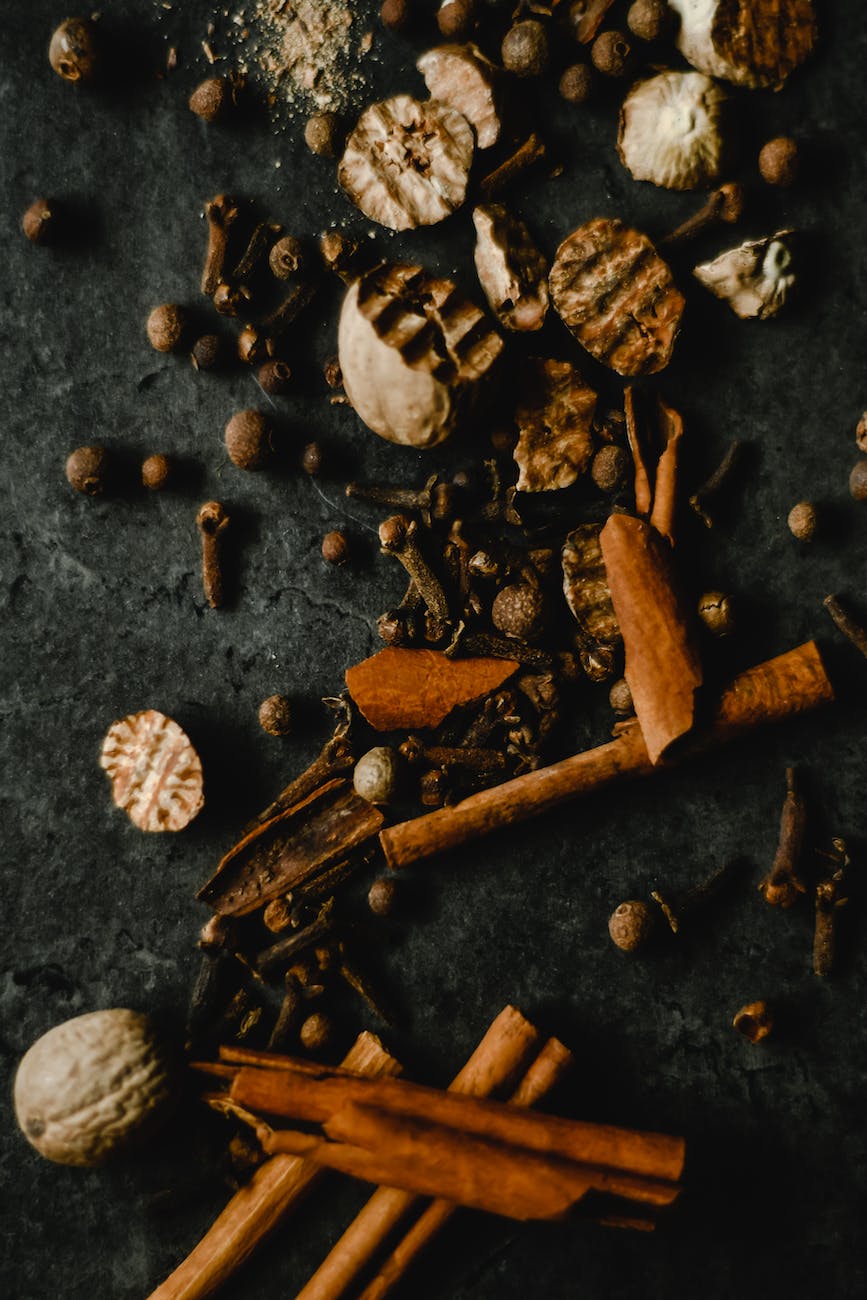
dried herbs and spices on black surface

Welcome to the world of Masala Monk, where we believe in adding a touch of spice to everything we do. Our love for cocktails is no exception. We’ve taken the classic Espresso Martini and given it a unique, spicy twist.

At Masala Monk, we believe in the power of creativity and experimentation. We’ve crafted these recipes with a lot of love and a dash of daring, and we can’t wait for you to try them. Each recipe is a fusion of the traditional Espresso Martini with a hint of exotic spices, creating a cocktail experience like no other.

We invite you to step into your home bar, shake up these cocktails, and share your experiences with us. We’re sure you’ll love these Masala Martinis as much as we do. So, without further ado, here are five of our exclusive Masala Martini recipes that you can try at home.

1. Creamy Cinnamon Masala Martini

The Creamy Cinnamon Masala Martini is a warm, aromatic variant of the classic Espresso Martini. The addition of cinnamon adds a sweet and spicy flavor that perfectly complements the robustness of the espresso. The cream gives it a luxurious texture that makes this cocktail a real treat. This unique recipe by Masala Monk is sure to be a hit at your next gathering.

Ingredients:

  • 50ml of premium vodka
  • 35ml of coffee liqueur
  • A shot of freshly brewed espresso
  • A pinch of ground cinnamon
  • 25ml of cream

Preparation:

  • Combine the vodka, coffee liqueur, espresso, cinnamon, and cream in a shaker filled with ice.
  • Shake well until the mixture is well combined and chilled.
  • Strain into a chilled martini glass.

Garnish:

  • A cinnamon stick for a festive touch.

This cocktail is perfect for a cozy evening at home or a festive gathering. The warmth of the cinnamon adds a comforting touch to the robust espresso, making it a delightful cocktail to enjoy on a cold evening.

2. Cardamom Cold Brew Masala Martini

The Cardamom Cold Brew Masala Martini is a refreshing and aromatic variant of the classic Espresso Martini. The cardamom adds a unique flavor that complements the coffee and adds a touch of exoticism. The cold brew coffee gives it a smooth and refreshing twist. This unique recipe by Masala Monk is a refreshing take on the classic cocktail.

Ingredients:

  • 50ml of premium vodka
  • 35ml of coffee liqueur
  • A shot of cold brew coffee
  • A pinch of ground cardamom

Preparation:

  • Combine the vodka, coffee liqueur, cold brew coffee, and cardamom in a shaker filled with ice.
  • Shake well until the mixture is well combined and chilled.
  • Strain into a chilled martini glass.

Garnish:

  • A cardamom pod on top for a beautiful and aromatic touch.

This cocktail is perfect for a hot summer day or a festive gathering. The refreshing cold brew coffee and the exotic cardamom make it a delightful cocktail to enjoy on a warm evening.

3. Nutmeg Irish Masala Martini

The Nutmeg Irish Masala Martini is a warm and spicy variant of the classic Espresso Martini. The nutmeg adds a sweet and spicy flavor that pairs perfectly with the robustness of the coffee. The addition of Irish cream gives it a rich and creamy texture. This unique recipe by Masala Monk is a delightful fusion of flavors.

Ingredients:

  • 50ml of premium vodka
  • 35ml of coffee liqueur
  • A shot of freshly brewed espresso
  • A pinch of ground nutmeg
  • 25ml of Irish cream

Preparation:

  • Combine the vodka, coffee liqueur, espresso, nutmeg, and Irish cream in a shaker filled with ice.
  • Shake well until the mixture is well combined and chilled.
  • Strain into a chilled martini glass.

Garnish:

  • A sprinkle of nutmeg on top for a festive touch.

This cocktail is perfect for a cozy evening at home or a festive gathering. The warmth of the nutmeg and the richness of the Irish cream make it a delightful cocktail to enjoy on a cold evening.

4. Clove Creamy Espresso Masala Martini

The Clove Creamy Espresso Masala Martini is a rich and aromatic variant that adds a touch of warmth to the classic Espresso Martini. The clove adds a depth of flavor that pairs beautifully with the coffee. The cream gives it a luxurious texture that makes this cocktail a real treat. This unique recipe by Masala Monk is a rich and indulgent treat.

Ingredients:

  • 50ml of premium vodka
  • 35ml of coffee liqueur
  • A shot of freshly brewed espresso
  • A pinch of ground cloves
  • 25ml of cream

Preparation:

  • Combine the vodka, coffee liqueur, espresso, cloves, and cream in a shaker filled with ice.
  • Shake well until the mixture is well combined and chilled.
  • Strain into a chilled martini glass.

Garnish:

  • A whole clove on top for an elegant touch.

This cocktail is perfect for a cozy evening at home or a festive gathering. The warmth of the clove and the creaminess of the cream make it a delightful cocktail to enjoy on a cold evening.

5. Star Anise Frozen Masala Martini

The Star Anise Frozen Masala Martini is a unique and aromatic variant of the classic Espresso Martini. The star anise adds a licorice-like flavor that adds depth and complexity to the cocktail. The frozen texture gives it a refreshing twist that’s perfect for a hot day. This unique recipe by Masala Monk is a refreshing and exotic twist on the classic cocktail.

Ingredients:

  • 50ml of premium vodka
  • 35ml of coffee liqueur
  • A shot of freshly brewed espresso
  • A pinch of ground star anise
  • Crushed ice

Preparation:

  • Combine the vodka, coffee liqueur, espresso, star anise, and crushed ice in a blender.
  • Blend until the mixture is smooth and frothy.
  • Pour into a chilled martini glass.

Garnish:

  • A whole star anise on top for an elegant and aromatic touch.

This cocktail is perfect for a hot summer day or a festive gathering. The refreshing frozen texture and the exotic star anise make it a delightful cocktail to enjoy on a warm evening.

Frequently Asked Questions

  1. What is a Masala Martini? A Masala Martini is a unique twist on the classic Espresso Martini, where traditional spices are added to the cocktail to give it an exotic flavor. At Masala Monk, we’ve created a range of Masala Martinis, each with a unique spice blend.
  2. How do I make a Creamy Cinnamon Masala Martini? To make a Creamy Cinnamon Masala Martini, you’ll need vodka, coffee liqueur, freshly brewed espresso, ground cinnamon, and cream. Combine these ingredients in a shaker filled with ice, shake well, and strain into a chilled martini glass. Garnish with a cinnamon stick.
  3. What spices can I use in a Masala Martini? You can use a variety of spices in a Masala Martini. Some of our favorites include cinnamon, cardamom, nutmeg, cloves, and star anise. Feel free to experiment with other spices to create your own unique Masala Martini.
  4. Can I make a Masala Martini with cold brew coffee? Yes, you can make a Masala Martini with cold brew coffee. Our Cardamom Cold Brew Masala Martini is a refreshing and aromatic variant of the classic Espresso Martini, made with cold brew coffee and a pinch of ground cardamom.
  5. What is the best way to serve a Masala Martini? A Masala Martini is best served in a chilled martini glass. Depending on the recipe, you can garnish it with a whole spice, such as a cinnamon stick, cardamom pod, or star anise, for an elegant and aromatic touch.
  6. Can I make a Masala Martini without espresso? While espresso is a key ingredient in a traditional Espresso Martini, you can experiment with other types of coffee, such as cold brew or strong brewed coffee, in a Masala Martini. The important thing is to ensure the coffee flavor is strong enough to stand up to the other ingredients.
  7. What food pairs well with a Masala Martini? A Masala Martini pairs well with a variety of foods. Its robust coffee and spice flavors complement sweet desserts like chocolate cake or tiramisu, as well as savory appetizers like cheese platters or spicy finger foods.

Remember, the best part of making cocktails at home is the ability to experiment and customize to your taste. So, don’t be afraid to try different spice combinations or garnishes. Enjoy the process and have fun!

Conclusion

These Masala Martinis by Masala Monk are perfect for those who love a touch of spice in their cocktails. They’re a great choice for a cozy evening at home, a festive gathering, or even a casual get-together with friends. Each cocktail brings a unique flavor profile that is sure to impress your guests and tantalize your taste buds.

As you embark on this cocktail-making journey, remember that the key to a great cocktail is quality ingredients. Use the best quality coffee and spirits you can find, and don’t forget the spices. The spices are what make these cocktails truly unique and give them their ‘Masala Monk’ touch.

Tips for Making the Perfect Masala Martini

Here are a few tips to help you make the perfect Masala Martini:

  1. Use Freshly Brewed Espresso: The coffee is a key ingredient in these cocktails, so use freshly brewed espresso for the best flavor.
  2. Shake Well: Make sure to shake your cocktail well to ensure all the ingredients are well combined and the cocktail is chilled.
  3. Use Quality Spices: The spices are what give these cocktails their unique flavor, so use the best quality spices you can find.
  4. Experiment: Don’t be afraid to experiment with different spices and flavors. The beauty of these cocktails is that they can be customized to your taste.
  5. Enjoy: Most importantly, enjoy the process of making these cocktails and sharing them with your friends and family.

We hope you enjoy making and drinking these Masala Martinis as much as we do. Remember, the best part about making cocktails at home is the ability to customize them to your taste. So, feel free to experiment with these recipes and make them your own.

We can’t wait to hear how you enjoyed these cocktails! Share your experiences with us and let us know which Masala Martini was your favorite. Happy shaking!

Posted on Leave a comment

Guide to Espresso Martinis

a man holding a cocktail drink

Imagine the rich, bold flavors of your favorite espresso, seamlessly blended with the smooth, potent kick of premium vodka, and the sweet, deep notes of a top-tier coffee liqueur. Now, imagine enjoying this luxurious experience not in a high-end bar, but in the comfort of your own home. Welcome to the world of Espresso Martinis, a cocktail that’s as sophisticated as it is indulgent.

In this comprehensive guide, we’re going to take you on a journey through the captivating realm of Espresso Martinis. From exploring a variety of creative recipes and top-quality ingredients to introducing you to a game-changing Espresso Martini machine that brings bar-quality cocktails right into your living room, we’ve got you covered.

Whether you’re a seasoned cocktail connoisseur looking to elevate your mixology game or a cocktail enthusiast seeking to recreate that perfect Espresso Martini you had at your favorite bar, this guide is your passport to mastering this classic cocktail. So, let’s dive in and shake things up!

Espresso Martini Recipes

The Espresso Martini is a cocktail that has stood the test of time. Its classic combination of vodka, coffee liqueur, and espresso is a testament to the fact that sometimes, simplicity is the key to sophistication. But the beauty of this cocktail is its versatility. You can experiment with a variety of ingredients to create your unique version. Here are some variants to try:

1. Classic Espresso Martini

The Classic Espresso Martini is the cocktail that started it all. Its elegant simplicity and robust flavor profile have made it a favorite among cocktail enthusiasts worldwide.

Ingredients:

  • 50ml of premium vodka
  • 35ml of coffee liqueur
  • A shot of freshly brewed espresso

Preparation:

  • Add the vodka, coffee liqueur, and espresso to a shaker filled with ice.
  • Shake well for about 10-15 seconds, or until the outside of the shaker becomes frosty.
  • Strain into a chilled martini glass.

Garnish:

  • Three coffee beans placed in the center of the glass. The three beans are said to represent health, wealth, and happiness.

The Classic Espresso Martini is a versatile cocktail that fits any occasion. It’s the perfect pick-me-up after a long day, a sophisticated choice for dinner parties, or a luxurious treat to enjoy on a quiet evening at home. Pair it with dark chocolate for a delightful flavor combination.

2. Creamy Espresso Martini

The Creamy Espresso Martini is a decadent twist on the classic. The addition of cream or Baileys Irish Cream gives this cocktail a velvety smooth texture and a rich, indulgent flavor profile.

Ingredients:

  • 50ml of vodka
  • 35ml of coffee liqueur
  • A shot of espresso
  • 20ml of cream or Baileys

Preparation:

  • Add the vodka, coffee liqueur, espresso, and cream or Baileys to a shaker filled with ice.
  • Shake well until the mixture is well combined and chilled.
  • Strain into a chilled martini glass.

Garnish:

  • A sprinkle of cocoa powder for an extra touch of indulgence.

The Creamy Espresso Martini is perfect for dessert or a cozy night in. It pairs beautifully with sweet treats like tiramisu or cream puffs. Enjoy it on a cold winter night by the fireplace, or serve it at a brunch party for a touch of sophistication.

3. Baileys Espresso Martini

The Baileys Espresso Martini is a rich and creamy delight. The combination of Baileys, vodka, and espresso creates an indulgent cocktail that’s perfect for those special occasions when you want to treat yourself.

Ingredients:

  • 50ml of Baileys
  • 25ml of vodka
  • A shot of espresso

Preparation:

  • Add the Baileys, vodka, and espresso to a shaker filled with ice.
  • Shake well until the mixture is well combined and chilled.
  • Strain into a chilled martini glass.

Garnish:

  • A few coffee beans for a classic touch.

The Baileys Espresso Martini is perfect for celebrating a special occasion or as a luxurious after-dinner treat. It’s a great choice for holiday gatherings or romantic dinners. Pair it with a slice of cheesecake or a plate of assorted chocolates for a truly indulgent experience.

4. Kahlua Espresso Martini

The Kahlua Espresso Martini is a classic recipe that uses Kahlua as the coffee liqueur, adding a sweet coffee kick. It’s a great choice for those who prefer their cocktails on the sweeter side.

Ingredients:

  • 50ml of vodka
  • 35ml of Kahlua
  • A shot of espresso

Preparation:

  • Add the vodka, Kahlua, and espresso to a shaker filled with ice.
  • Shake well until the mixture is well combined and chilled.
  • Strain into a chilled martini glass.

Garnish:

  • A few coffee beans for a classic touch.

The Kahlua Espresso Martini is a great choice for any occasion and is particularly popular as an after-dinner drink. It’s a wonderful way to end a meal, especially when paired with desserts like chocolate mousse or vanilla panna cotta. Enjoy it under the stars on a warm summer night, or serve it at a cocktail party for a touch of elegance.

5. Irish Espresso Martini

The Irish Espresso Martini is a variant that uses Irish whiskey instead of vodka for a deeper, more complex flavor. It’s a great choice for those who love the flavors of Irish coffee.

Ingredients:

  • 50ml of Irish whiskey
  • 35ml of coffee liqueur
  • A shot of espresso

Preparation:

  • Add the Irish whiskey, coffee liqueur, and espresso to a shaker filled with ice.
  • Shake well until the mixture is well combined and chilled.
  • Strain into a chilled martini glass.

Garnish:

  • A few coffee beans and a sprinkle of brown sugar.

The Irish Espresso Martini is perfect for those who love the flavors of Irish coffee. It’s a great choice for St. Patrick’s Day celebrations, or any time you want to add a touch of Irish charm to your evening. Pair it with a hearty stew or a plate of cheese and crackers for a satisfying meal.

6. Gin Espresso Martini

The Gin Espresso Martini is a botanical twist on the classic. The herbal notes of gin add a unique dimension to the cocktail, making it a great choice for those who enjoy experimenting with flavors.

Ingredients:

  • 50ml of gin
  • 35ml of coffee liqueur
  • A shot of espresso

Preparation:

  • Add the gin, coffee liqueur, and espresso to a shaker filled with ice.
  • Shake well until the mixture is well combined and chilled.
  • Strain into a chilled martini glass.

Garnish:

  • A twist of lemon peel.

The Gin Espresso Martini is perfect for those who enjoy experimenting with flavors. It’s a great choice for spring or summer gatherings, or any time you want to try something a little different. Pair it with a light salad or a seafood dish for a refreshing meal.

7. No-Espresso Martini

The No-Espresso Martini is a great choice for those who don’t have an espresso machine at home but still want to enjoy a delicious Espresso Martini. It uses strong cold brew coffee instead of espresso, giving the cocktail a slightly different flavor profile.

Ingredients:

  • 50ml of vodka
  • 35ml of coffee liqueur
  • A shot of strong cold brew coffee

Preparation:

  • Add the vodka, coffee liqueur, and cold brew coffee to a shaker filled with ice.
  • Shake well until the mixture is well combined and chilled.
  • Strain into a chilled martini glass.

Garnish:

  • A few coffee beans for a classic touch.

The No-Espresso Martini is perfect for those who don’t have an espresso machine at home but still want to enjoy a delicious Espresso Martini. It’s a great choice for brunch or a late-night treat. Pair it with a plate of pancakes or a bowl of ice cream for a delightful experience.

8. Chai Espresso Martini

The Chai Espresso Martini is an exotic twist on the classic. Instead of using chai syrup, this recipe infuses the vodka with chai tea, giving the cocktail a spiced, aromatic flavor profile.

Ingredients:

  • 50ml of chai-infused vodka (see preparation)
  • 35ml of coffee liqueur
  • A shot of espresso

Chai-Infused Vodka Preparation:

  • Steep a bag of chai tea in 50ml of vodka for about 2 hours. This will infuse the vodka with the flavors of chai. Remove the tea bag and store the vodka in a cool, dark place until you’re ready to use it.

Preparation:

  • Add the chai-infused vodka, coffee liqueur, and espresso to a shaker filled with ice.
  • Shake well until the mixture is well combined and chilled.
  • Strain into a chilled martini glass.

Garnish:

  • A star anise or a cinnamon stick for a festive touch.

The Chai Espresso Martini is perfect for those who enjoy the flavors of chai tea. It’s a great choice for holiday gatherings or when you’re in the mood for something a bit different. Pair it with a slice of gingerbread or a plate of spiced cookies for a cozy, festive experience.

Choosing the Best Ingredients

The key to a great Espresso Martini lies in the quality of its ingredients. Here are some top picks:

1. Vodka

Brands like Absolut and Ketel One are popular choices. These vodkas are known for their smoothness and versatility, making them excellent bases for an Espresso Martini.

2. Coffee Liqueur

Kahlua is a classic, but Mr. Black Coffee Liqueur offers a unique, craft alternative. The coffee liqueur you choose can significantly influence the flavor profile of your cocktail, so don’t be afraid to experiment.

3. Espresso

Freshly brewed espresso is ideal. However, for those without an espresso machine, strong cold brew can be a good substitute. The quality of your coffee can make or break your Espresso Martini, so choose wisely.

Ready-to-Drink Espresso Martinis

If you’re looking for convenience without compromising on taste, consider ready-to-drink Espresso Martinis. Brands like Mr. Black, On The Rocks Effen, and Cutwater offer pre-made Espresso Martinis that you can enjoy straight from the can.

Espresso Martini Machine

The art of crafting the perfect Espresso Martini is a skill that cocktail enthusiasts take pride in. But what if you could achieve the same bar-quality cocktail at home, with the push of a button? Enter the Espresso Martini Machine, a game-changer for cocktail lovers.

What is an Espresso Martini Machine?

An Espresso Martini Machine is a specialized device designed to simplify the process of making the perfect Espresso Martini. It combines the key ingredients – vodka, coffee liqueur, and espresso – in precise proportions, ensuring a consistently delicious cocktail every time.

The Ketel One Espresso Martini Machine

Among the various Espresso Martini Machines available, the Ketel One Espresso Martini Machine stands out for its efficiency and ease of use. This state-of-the-art machine is a combination of a coffee machine and a cocktail shaker, designed to make the process of crafting an Espresso Martini as simple as possible.

The Ketel One Espresso Martini Machine is known for its sleek design and high-quality materials. It features a built-in shaker and can create a perfect Espresso Martini in just 20 seconds. It’s a fantastic addition to any home bar, promising to elevate your cocktail game to new heights.

Why Use an Espresso Martini Machine?

Using an Espresso Martini Machine comes with several benefits:

  • Consistency: The machine ensures every cocktail is made with the exact proportions, resulting in a consistently delicious Espresso Martini every time.
  • Efficiency: It saves time, especially when making multiple cocktails, as it automates the process.
  • Ease of Use: Most machines are user-friendly and require minimal effort to operate.

Making the Most of Your Espresso Martini Machine

To get the most out of your Espresso Martini Machine, consider the following tips:

  • Quality Ingredients: Even with a machine, the quality of your Espresso Martini will depend on the quality of your ingredients. Use a premium vodka, a high-quality coffee liqueur, and fresh espresso for the best results.
  • Maintenance: Regularly clean and maintain your machine according to the manufacturer’s instructions to ensure it continues to function well.
  • Experiment: Don’t be afraid to experiment with different flavors and variations. Many machines allow you to adjust the proportions of the ingredients, so you can create your perfect Espresso Martini.

Whether you’re a cocktail enthusiast or simply enjoy the occasional Espresso Martini, an Espresso Martini Machine can be a great addition to your home bar. It simplifies the cocktail-making process and ensures a perfect Espresso Martini every time.

Frequently Asked Questions

1. What is an Espresso Martini?

An Espresso Martini is a popular cocktail that combines vodka, coffee liqueur, and espresso. It’s known for its robust coffee flavor and elegant presentation. It’s often garnished with coffee beans and served in a martini glass.

2. How do I make a Classic Espresso Martini?

To make a Classic Espresso Martini, you’ll need vodka, coffee liqueur, and freshly brewed espresso. Combine these ingredients in a shaker filled with ice, shake well, and strain into a chilled martini glass. Garnish with three coffee beans.

3. Can I make an Espresso Martini without an espresso machine?

Yes, you can make an Espresso Martini without an espresso machine by using strong cold brew coffee instead of espresso. The No-Espresso Martini recipe in this post provides detailed instructions.

4. What are some variations of the Espresso Martini?

There are many variations of the Espresso Martini. Some popular ones include the Creamy Espresso Martini, which adds cream or Baileys for a rich, velvety texture, and the Chai Espresso Martini, which infuses the vodka with chai tea for a spiced, aromatic flavor.

5. What food pairs well with an Espresso Martini?

An Espresso Martini pairs well with a variety of foods. It’s a great match for sweet treats like dark chocolate, tiramisu, or cheesecake. It can also complement savory dishes like a hearty stew or a plate of cheese and crackers.

6. When is the best time to serve an Espresso Martini?

An Espresso Martini is a versatile cocktail that fits any occasion. It’s a great pick-me-up after a long day, a sophisticated choice for dinner parties, or a luxurious treat to enjoy on a quiet evening at home.

7. Can I make a non-alcoholic version of an Espresso Martini?

Yes, you can make a non-alcoholic version of an Espresso Martini by replacing the vodka and coffee liqueur with non-alcoholic substitutes. There are many non-alcoholic spirits and coffee-flavored syrups available on the market that can be used to create a delicious non-alcoholic Espresso Martini.

Conclusion

The Espresso Martini is more than just a cocktail; it’s a canvas for creativity. By exploring different recipes, choosing quality ingredients, and even investing in an Espresso Martini machine, you can enjoy this classic cocktail on a whole new level. Whether you’re a cocktail connoisseur or a beginner mixologist, this guide is your ticket to mastering the art of the Espresso Martini.

Blog tags: Espresso Martini, Cocktail Recipes, Classic Espresso Martini, Creamy Espresso Martini, Baileys Espresso Martini, Kahlua Espresso Martini, Irish Espresso Martini, Gin Espresso Martini, No-Espresso Martini, Chai Espresso Martini, Martini Variations, Cocktail Pairings, Homemade Cocktails, DIY Cocktails, Martini Guide.