Posted on 1 Comment

Potential Side Effects of Lion’s Mane Mushroom

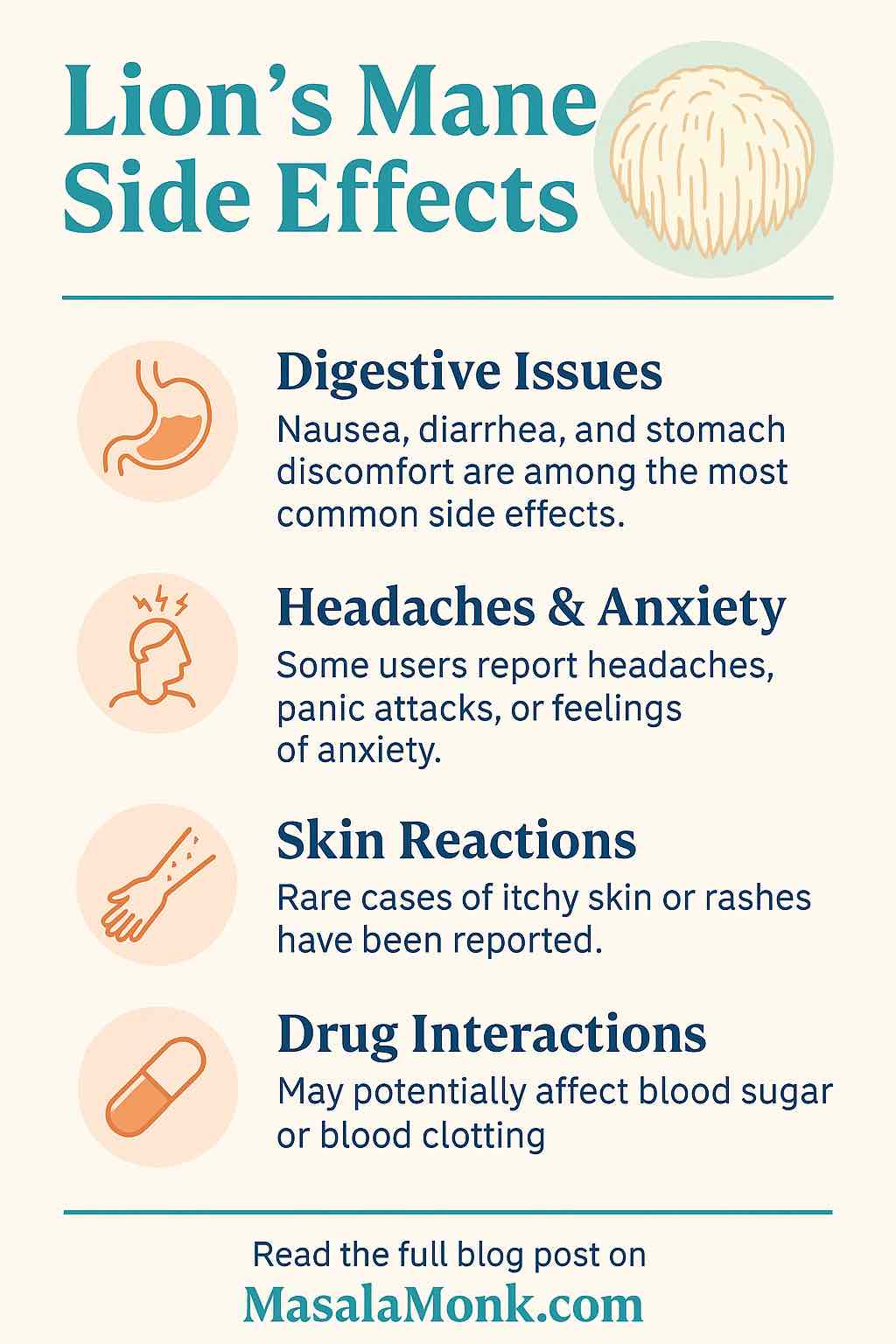
Lion's Mane Side Effects

Lion’s Mane (Hericium erinaceus) has rapidly gained popularity for its reputed benefits on brain health, cognition, mood, and even nerve regeneration. But as interest surges, so do questions about its safety profile: Does Lion’s Mane have side effects? Are Lion’s Mane supplements safe? Can Lion’s Mane cause digestive issues, headaches, or anxiety? In this comprehensive guide, we’ll explore what both science and real users report about Lion’s Mane side effects.


What Is Lion’s Mane?

Lion’s Mane is a medicinal mushroom traditionally used in East Asian medicine. Its active compounds—including hericenones and erinacines—are believed to stimulate the growth of nerve growth factor (NGF), which plays a vital role in maintaining neurons. Modern research is investigating its potential for neuroprotection, cognitive enhancement, and mood stabilization.


Documented Side Effects in Scientific Studies

1. Gastrointestinal Disturbances

Clinical trials show that mild gastrointestinal issues are the most commonly reported side effects of Lion’s Mane supplementation. Symptoms may include:

  • Nausea
  • Diarrhea
  • Abdominal discomfort
  • Bloating

These effects typically occur in less than 10% of users and often resolve without discontinuation.

2. Allergic Reactions

Though rare, some individuals report allergic responses including:

  • Skin rashes
  • Itchy skin
  • Respiratory distress (extremely rare)

These symptoms may result from mushroom sensitivities and should prompt immediate medical attention if severe.

3. Metabolic Considerations

Lion’s Mane has been shown to potentially lower blood sugar levels, making it necessary for diabetics or individuals on glucose-lowering medications to monitor their blood sugar closely.

4. Blood Clotting and Coagulation

Some animal studies suggest that Lion’s Mane may have mild anticoagulant properties. If you’re taking blood thinners or have clotting disorders, consult your healthcare provider before starting supplementation.

5. Pregnancy and Breastfeeding

Currently, there is insufficient research to guarantee safety for pregnant or breastfeeding individuals. Avoid use unless advised by a qualified healthcare professional.


Real User Experiences: Insights from the Community

While clinical studies offer controlled data, anecdotal reports provide a window into how Lion’s Mane affects people in everyday life. Let’s examine what users are saying on forums like Reddit, WebMD, and other platforms.

1. Digestive Issues: Beyond the Clinical Data

One WebMD user shared:

“After a few days, my mom puked and was bleeding from her colon while my sister had diarrhea.”

While severe digestive issues are rare, some individuals may experience significant GI upset, especially if starting at high doses or if sensitive to mushrooms.

2. Anxiety and Mood Changes

In forums like r/mycology, multiple users reported heightened anxiety and even panic attacks:

“Many users have been experiencing negative side effects such as panic attacks, severe anxiety, and depression after starting Lion’s Mane.”

These effects seem to be highly individual. Some users experience improved mood and reduced anxiety, while others report worsening symptoms.

3. Headaches and Cognitive Symptoms

On r/ADHDUK, one user noted:

“Upon taking it, I had a massive headache. Then one day I forgot to take it, and it was an absolutely awful day.”

Headaches may occur initially, possibly related to neurochemical changes. Some users also report withdrawal-like symptoms upon discontinuation.

4. Skin Reactions and Itchiness

A contributor to Gene Food shared:

“I experienced a brief racing feeling and itchy skin after a small dose via tincture.”

This suggests a possible histamine reaction in sensitive individuals.

5. Skeptical Perspectives

Not all users are convinced of Lion’s Mane’s benefits:

“Lion’s Mane supplementation is not going to give you any noticeable benefits outside of a lighter wallet.”

While some report transformative cognitive improvements, others experience no noticeable benefits.


The Science Behind the Side Effects

Lion’s Mane contains several bioactive compounds that influence the nervous system and immune function:

  • Hericenones and Erinacines: Promote NGF production, potentially influencing mood, cognition, and neuroplasticity.
  • Beta-glucans: Support immune modulation, but may also trigger allergic responses in sensitive individuals.
  • Polysaccharides: Could influence gut flora and digestive processes, sometimes causing GI disturbances.

Who Should Be Cautious?

GroupReason for Caution
Pregnant/BreastfeedingInsufficient research
DiabeticsPotential blood sugar effects
Blood Thinner UsersPossible anticoagulant effect
Allergy-Prone IndividualsRisk of allergic reaction
Individuals with Anxiety DisordersPotential for mood disturbances

🧩 Patterns & Considerations

Side EffectNatureFrequency
GI upset (nausea, diarrhea)Mild to severe (rare)<10%, anecdotal outliers
Headaches/migrainesOccasionally reportedSingle case in ADHD context
Anxiety/panicRare but possibleReddit anecdotes
Skin itch/rash, histamineMild allergic reactionsRare, environment-linked
Mood disturbancesConflicting—both worsening and improvingAnecdotal

How to Safely Use Lion’s Mane

1. Start Low and Go Slow

Begin with a small dose (e.g., 250-500 mg per day) and monitor how your body reacts. Gradually increase if well-tolerated.

2. Choose Reputable Brands

Select high-quality supplements that use fruiting body extracts rather than mycelium grown on grain. Look for third-party testing and transparent sourcing.

3. Monitor Symptoms

Keep a journal to track any side effects, mood changes, or digestive symptoms, especially during the first few weeks.

4. Consult a Healthcare Provider

If you have existing health conditions or take medications, always consult a healthcare professional before starting Lion’s Mane.


The Bottom Line

Lion’s Mane (Hericium erinaceus) is generally well-tolerated by most individuals and offers promising benefits for cognitive and neurological health. However, side effects can occur, ranging from mild digestive discomfort to rare allergic or mood-related issues.

The key is personalization: monitor your body’s responses, start with a low dose, and always prioritize quality when selecting a supplement. With informed use, many people find Lion’s Mane to be a valuable addition to their wellness regimen.


Disclaimer: This article is for informational purposes only and does not substitute for medical advice. Always consult a qualified healthcare professional before starting any new supplement.

Frequently Asked Questions (FAQs)

1. Does Lion’s Mane have side effects?

Yes, while generally well-tolerated, some users experience mild side effects like digestive upset (nausea, diarrhea, bloating), headaches, skin itchiness, and rarely, mood changes such as anxiety or panic. Severe reactions are uncommon but possible.

2. Can Lion’s Mane cause digestive issues?

Digestive disturbances are among the most frequently reported side effects. Symptoms may include stomach cramps, nausea, bloating, and diarrhea, especially when starting at high doses.

3. Can Lion’s Mane cause anxiety or panic attacks?

Although many people report improved mood and reduced anxiety, some users have experienced heightened anxiety, panic attacks, or mood disturbances. These effects seem highly individual and may depend on dosage and personal sensitivity.

4. Does Lion’s Mane cause headaches?

Some users report headaches, especially during the initial days of supplementation. This may be due to changes in neurochemical activity related to nerve growth factor stimulation.

5. Is Lion’s Mane safe during pregnancy or breastfeeding?

There is not enough scientific data to confirm its safety for pregnant or breastfeeding individuals. It’s best to avoid use during these periods unless approved by a healthcare professional.

6. Can Lion’s Mane affect blood sugar levels?

Yes. Lion’s Mane may lower blood sugar, so individuals on diabetes medication or those prone to hypoglycemia should monitor their blood sugar closely and consult a healthcare provider before use.

7. Does Lion’s Mane interact with medications?

Potential interactions exist with medications affecting blood sugar, blood clotting, or the immune system. Always consult a healthcare provider if you’re on prescription medications before starting Lion’s Mane.

8. How long does it take to see benefits from Lion’s Mane?

Some users report cognitive or mood benefits within days, while others may require several weeks of consistent use. Response time varies greatly between individuals.

9. What is the safest Lion’s Mane dosage to start with?

Begin with 250–500 mg daily to assess tolerance. If well-tolerated, the dose can be gradually increased based on product guidelines and individual goals.

10. How do I choose a high-quality Lion’s Mane supplement?

Look for products using fruiting body extracts (not just mycelium), with clear labeling, third-party testing, and certifications for purity and potency. Avoid unverified brands or products with proprietary blends lacking transparency.
Posted on 1 Comment

5 benefits of Black Pepper and How to Use It

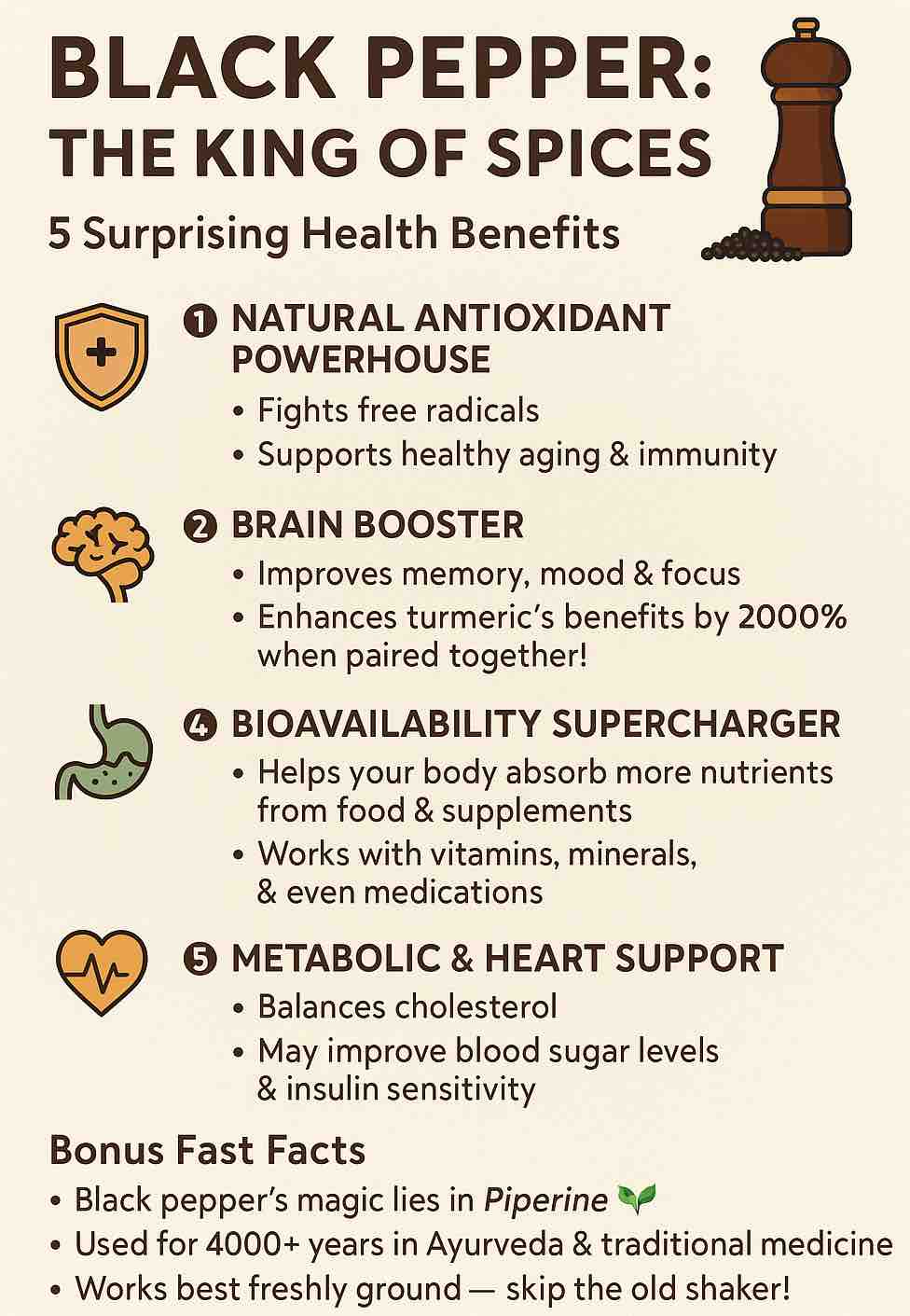
Benefits of Black Pepper

When you think of spices, few can rival the humble black pepper. Sitting proudly on kitchen tables across the globe, black pepper is so common that we often forget it’s much more than just a seasoning. Known as the “King of Spices,” black pepper (Piper nigrum) has been treasured for thousands of years not only for its bold flavor but also for its remarkable health benefits.

In this article, we’ll dive deep into the science-backed benefits of black pepper and explore how you can easily incorporate this powerhouse spice into your daily routine.


A Brief History: The King of Spices

Before we get into the health benefits, let’s set the stage. Black pepper has a rich and storied history:

  • Ancient Trade: Originating from the Malabar Coast of India, black pepper was once so valuable that it was called “black gold.” It drove trade routes between Europe and Asia for centuries.
  • Ayurveda & Traditional Medicine: In Indian Ayurveda and traditional Chinese medicine, black pepper has long been used to treat digestive issues, respiratory problems, and even as an energizing tonic.
  • Modern Popularity: Today, black pepper remains a staple in nearly every cuisine worldwide.

What makes black pepper so potent? The answer lies in a bioactive compound called piperine, responsible for its pungent taste and most of its health benefits.


The 5 Major Health Benefits of Black Pepper

1️⃣ Powerful Antioxidant and Anti-Inflammatory Properties

Modern lifestyles expose us to oxidative stress from pollution, processed foods, and chronic stress. Over time, oxidative damage can contribute to aging, inflammation, and numerous chronic diseases.

  • Piperine acts as a potent antioxidant, neutralizing free radicals and protecting our cells from damage.
  • Studies show that piperine helps reduce markers of inflammation, potentially benefiting conditions such as arthritis, metabolic syndrome, and even certain cancers.
  • A 2024 review highlighted that piperine, along with black pepper essential oils, can modulate inflammatory cytokines and support overall immune function.

💡 Takeaway: Adding black pepper to your meals regularly may provide your body with additional protection against oxidative stress and chronic inflammation.


2️⃣ Supports Brain Health and Cognitive Function

Emerging research suggests black pepper may offer neuroprotective effects:

  • Piperine has been shown to enhance cognitive function, improve memory, and potentially slow down age-related cognitive decline.
  • Animal studies indicate that piperine may increase levels of neurotransmitters like serotonin and dopamine, which regulate mood, memory, and focus.
  • A particularly exciting benefit: when combined with turmeric, piperine enhances the absorption of curcumin (turmeric’s active compound) by up to 2000% — a synergy that many brain-health supplements now leverage.

💡 Takeaway: Regular consumption may support memory, focus, and even help reduce the risk of neurodegenerative diseases when used alongside other brain-healthy foods.


3️⃣ Aids Digestion and Supports Gut Health

In many traditional medicine systems, black pepper is valued for its digestive properties — and modern science agrees:

  • Black pepper stimulates the release of hydrochloric acid in the stomach, which aids in digestion, improves nutrient absorption, and prevents gas and bloating.
  • It promotes bile acid secretion, helping break down fats more effectively.
  • Piperine has mild antimicrobial properties, which may help balance gut flora and combat harmful pathogens like H. pylori.

💡 Takeaway: A pinch of black pepper before meals may assist digestion and promote a healthy gut microbiome.


4️⃣ Enhances Nutrient Absorption (Natural Bioenhancer)

Perhaps one of black pepper’s most unique features is its ability to boost the bioavailability of other nutrients and drugs:

  • Piperine slows down the breakdown of compounds in the liver and intestines, allowing for greater absorption into the bloodstream.
  • This property has led to piperine being combined with nutrients like curcumin, beta-carotene, selenium, CoQ10, and certain B vitamins to maximize their benefits.
  • In India, piperine has even been included in formulations to enhance the absorption of anti-tuberculosis medications.

💡 Takeaway: Adding black pepper to nutrient-rich meals can amplify your body’s ability to absorb vital nutrients.


5️⃣ Supports Heart Health and Blood Sugar Control

Emerging evidence points to black pepper’s potential role in metabolic and cardiovascular health:

  • Animal studies suggest piperine may help lower LDL cholesterol, increase HDL cholesterol, and reduce triglycerides.
  • It may also improve insulin sensitivity and help regulate blood sugar levels.
  • By reducing oxidative stress and inflammation, black pepper may contribute to overall cardiovascular protection.

💡 Takeaway: While more human studies are needed, black pepper may offer supplementary support for heart health and metabolic function.


Other Potential Benefits Under Investigation

  • Anti-cancer properties: Early lab studies suggest piperine may slow the growth of some cancer cells, though human research is still in early stages.
  • Weight management: Piperine may help inhibit the formation of new fat cells (adipogenesis).
  • Antimicrobial effects: May help combat certain bacteria and fungi.
  • Respiratory support: Used traditionally for coughs, colds, and sinus relief.

How to Use Black Pepper for Maximum Benefit

Use Freshly Ground Pepper

  • Pre-ground black pepper loses its potency quickly as volatile oils evaporate.
  • Invest in a good pepper mill and grind whole peppercorns directly onto your food for maximum flavor and benefits.

Pair with Turmeric

  • The piperine-curcumin synergy is well-documented.
  • Try adding both spices to dishes like curries, soups, and golden milk.

Incorporate into a Variety of Meals

  • Sprinkle on salads, eggs, avocado toast, pasta, grilled vegetables, or even fruit for a surprising flavor twist.
  • Add to marinades, rubs, or salad dressings.

Supplements (With Caution)

  • Piperine supplements exist but should be used cautiously:
    • Typical supplemental doses range from 5–20 mg/day.
    • May interact with medications due to its effect on drug metabolism enzymes.
    • Pregnant or breastfeeding women should avoid high doses.
  • Always consult a healthcare provider before starting supplements.

Safety and Precautions

While black pepper is generally safe in culinary amounts, excessive consumption or concentrated supplements may cause:

  • Gastrointestinal upset
  • Drug interactions (due to enzyme inhibition)
  • Irritation for those with GERD, ulcers, or certain gut sensitivities

As with any health intervention, moderation and professional guidance are key.


Final Thoughts

Black pepper is a prime example of how nature packs powerful health benefits into even the smallest of packages. Its versatility, affordability, and science-backed effects make it a worthy addition to nearly every diet.

By simply adding a few fresh grinds of black pepper to your meals, you not only elevate the flavor but also invite a host of protective, nourishing benefits for your brain, heart, gut, and beyond.

Remember: it’s not about mega-dosing, but about consistent, thoughtful use as part of a balanced, nutrient-rich lifestyle.


Quick Summary Table

BenefitKey Effect
AntioxidantFights free radicals, reduces inflammation
Brain HealthSupports cognition, boosts neurotransmitters
DigestionImproves enzyme secretion, reduces bloating
Nutrient AbsorptionEnhances bioavailability of nutrients
Heart & MetabolicSupports cholesterol, blood sugar balance

📌 10 FAQs About Black Pepper

1️⃣ Is black pepper good for you?

Yes! Black pepper is rich in piperine, a compound with antioxidant, anti-inflammatory, digestive, cognitive, and metabolic health benefits. When used moderately as part of a balanced diet, it can support overall well-being.

2️⃣ How much black pepper should I consume daily?

For most people, 1/4 to 1 teaspoon (1–3 grams) of freshly ground black pepper daily is safe and beneficial. Higher amounts or supplements should only be taken under professional supervision, as piperine may affect medication metabolism.

3️⃣ Does black pepper help with weight loss?

While not a weight-loss miracle, piperine may help suppress the formation of new fat cells and improve metabolism modestly. Combined with a healthy diet and exercise, it may offer some supportive effects.

4️⃣ Can black pepper improve digestion?

Yes. Black pepper stimulates digestive enzymes and stomach acid, helping break down food efficiently, reduce bloating, and improve nutrient absorption. Many traditional systems like Ayurveda have used it for digestive support for centuries.

5️⃣ Is it safe to take black pepper with medications?

Piperine can affect drug metabolism by inhibiting certain liver enzymes (CYP3A4, CYP2D6). This may alter the effectiveness or toxicity of medications. Always consult your doctor if you’re on prescription meds and planning to take large amounts of black pepper or piperine supplements.

6️⃣ Does black pepper help absorb turmeric better?

Absolutely. Piperine increases curcumin (the active compound in turmeric) absorption by up to 2000%. Many turmeric supplements now include black pepper extract for this reason.

7️⃣ Can black pepper prevent cancer?

Preliminary lab studies suggest piperine may have anticancer properties, but current evidence is limited to animal and cell studies. More human research is needed before any firm conclusions can be made.

8️⃣ Is black pepper safe during pregnancy?

Culinary amounts are generally safe. However, pregnant or breastfeeding women should avoid high doses or supplements due to potential hormonal effects and limited safety data.

9️⃣ Can black pepper cause side effects?

Excessive intake may cause digestive discomfort, heartburn, or gastrointestinal irritation, especially in people with GERD, ulcers, or sensitive stomachs. Stick to moderate, food-based amounts unless advised otherwise.

🔟 What’s the best way to consume black pepper?

Use freshly ground black pepper directly on food to preserve its volatile oils and maximize benefits. Pairing it with nutrient-dense meals, turmeric, or healthy fats can further enhance absorption of beneficial compounds.

Posted on 2 Comments

Side Effects of Creatine: What You Need to Know

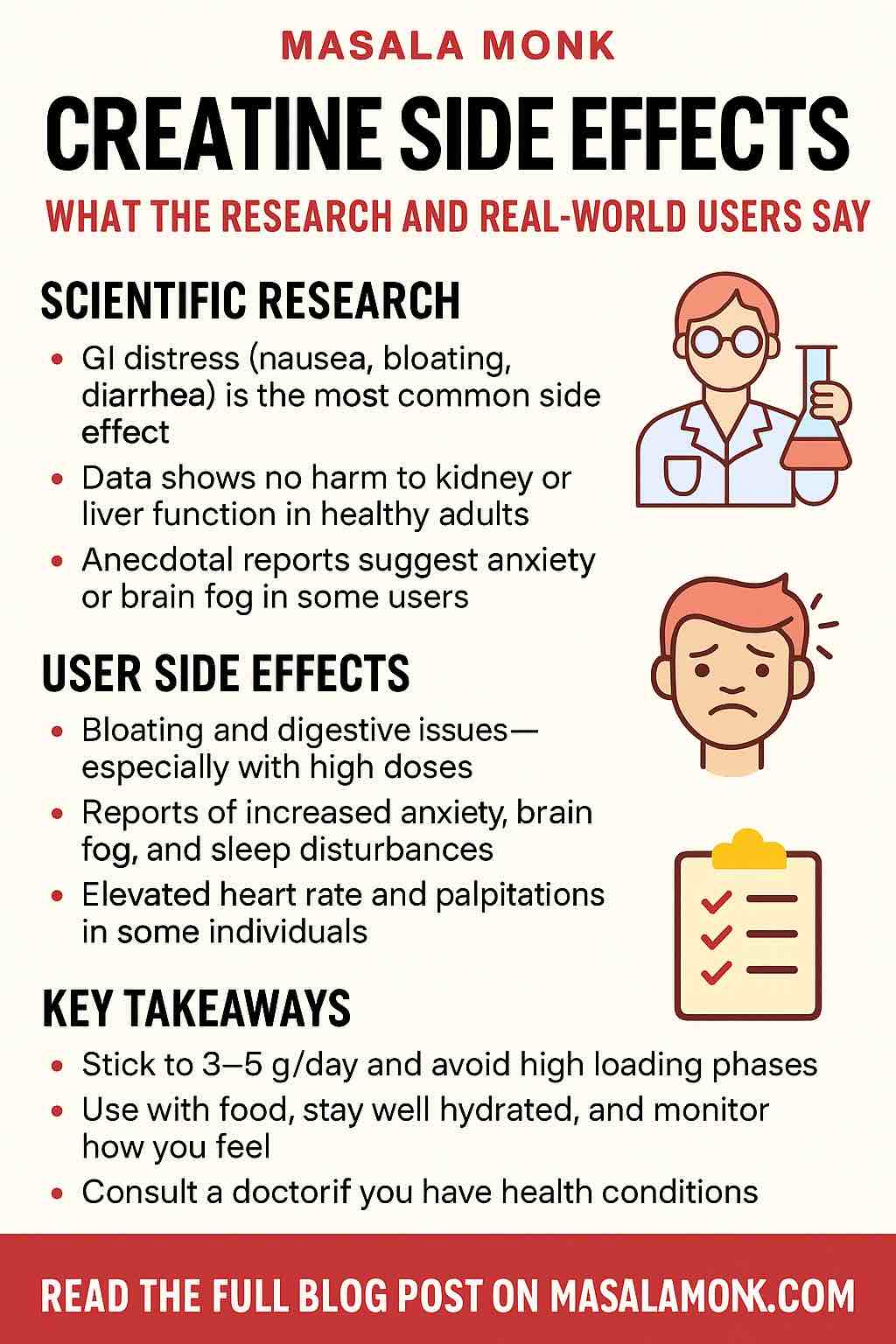
CREATINE SIDE EFFECTS

Creatine has long held the spotlight in the fitness and sports nutrition world, hailed for its ability to enhance muscle mass, strength, and performance. But as its popularity has surged among both athletes and everyday fitness enthusiasts, so too have concerns about its potential side effects. Is creatine really as safe as claimed? Or are there hidden downsides masked by its benefits?

In this detailed blog post, we’ll examine the most up-to-date clinical research as of 2025, compare that with real user experiences, and offer practical strategies to safely supplement creatine while minimizing risks. Whether you’re already taking creatine or just considering it, this guide will give you the nuanced understanding you need.


🔬 The Scientific Verdict: Creatine Is Largely Safe

A sweeping 2025 meta-analysis encompassing 685 clinical trials and over 25,000 participants has added significant weight to the scientific consensus: creatine is safe for healthy adults when used at recommended doses. In this landmark review, the incidence of side effects among creatine users (13.7%) was nearly identical to that of placebo users (13.2%).

This mirrors decades of smaller studies and expert opinions, such as those from the International Society of Sports Nutrition (ISSN), which affirm creatine’s safety profile across multiple health markers—especially when consumed as creatine monohydrate at 3–5 g/day.

However, “safe” doesn’t mean free from all side effects—particularly in individuals with certain sensitivities or preexisting health conditions. Let’s break this down in more detail.


🫰 Commonly Reported Side Effects (and What Science Says)

1. Gastrointestinal Discomfort

Clinical finding: Mild bloating, cramping, or diarrhea is the most frequently reported side effect, especially during high-dose loading phases (20 g/day).

User experience: Many Reddit and forum users report upset stomachs, gas, and nausea—particularly when taking creatine on an empty stomach.

Prevention tips:

  • Stick to 3–5 g/day; skip the loading phase.
  • Take with meals to improve tolerance.
  • Use micronized creatine monohydrate for better solubility.

2. Water Retention and Temporary Weight Gain

Clinical finding: Creatine draws water into muscle cells, leading to an initial weight increase of 1–2 kg. Long-term studies find no impact on total body water balance.

User experience: Many users report feeling “puffy” or bloated early in supplementation, but often note this dissipates over time.

Reality check: This is intramuscular water, not fat gain, and often enhances muscle fullness.

3. Sleep Disturbances and Night Sweats

Clinical finding: Largely anecdotal, with no confirmed link in clinical trials.

User experience: A noticeable subset report insomnia, vivid dreams, or night sweats—especially when dosing late in the day.

Prevention tips:

  • Take creatine earlier in the day.
  • Stay well hydrated.

4. Mood Effects, Anxiety, and Brain Fog

Clinical finding: Some evidence suggests creatine may help with cognitive function and mood in depression, but there are mixed reports in otherwise healthy users.

User experience: Some users describe brain fog, emotional dullness, or worsened anxiety—potentially linked to creatine’s role in brain energy metabolism or methylation pathways.

Caution: Those with a history of anxiety or bipolar disorder should consider starting with lower doses and consulting a healthcare provider.

5. Heart Rate & Palpitations

Clinical finding: No reliable evidence of cardiovascular stimulation.

User experience: A few individuals report increased heart rate or mild palpitations, which may be secondary to dehydration or anxiety rather than creatine itself.

Tip: Ensure proper hydration and evaluate for other confounding factors like caffeine intake.


🧬 The Most Debunked Myths About Creatine

  • Kidney Damage: No evidence supports kidney damage in healthy users at standard doses—even in long-term studies up to 5 years.
  • Liver Damage: Similarly, liver enzymes remain stable in clinical evaluations.
  • Hair Loss & Acne: No direct mechanistic link exists, though speculation around increased DHT remains unproven.
  • Cramping & Dehydration: In fact, some studies show fewer cramps due to enhanced muscle hydration.
  • Rhabdomyolysis: Creatine is not linked to rhabdomyolysis in healthy users; risk is more associated with extreme training or other medications.

🧰 Who Should Be Cautious?

  1. Individuals with Preexisting Kidney Conditions: Always consult a physician.
  2. Those with Bipolar Disorder or Mood Instability: Some case studies link creatine to manic episodes.
  3. Adolescents: Safe use is possible, but long-term data is still emerging.
  4. Pregnant or Breastfeeding Individuals: Insufficient evidence for safety.

⚡ Best Practices to Minimize Side Effects

  • Use a pure, micronized creatine monohydrate with third-party certification (e.g., NSF, Informed Sport).
  • Stick to 3–5 g/day—no need to load unless under guidance.
  • Take with a carb-rich meal to aid absorption and minimize GI issues.
  • Hydrate consistently, especially during workouts.
  • Avoid combining with stimulants if you’re sensitive to heart rate changes.

📊 Summary: Creatine Is Effective and Mostly Safe, But Not for Everyone

Creatine remains one of the most well-researched and effective supplements available—offering real benefits for muscle growth, performance, and even cognitive health. The risks? Generally mild and avoidable for most people, particularly when used responsibly. But it’s clear from both research and user reports that some individuals may experience side effects—especially when underlying health issues or poor supplementation practices are at play.

As with any supplement, personalization is key. Start low, monitor how you feel, and adjust as needed.


Have you experienced side effects from creatine, or found a strategy that worked for you? Share your insights in the comments—we’d love to hear from real users and keep the conversation evidence-informed and grounded in real-world use.

🔍 10 Frequently Asked Questions (FAQs)

1. Is creatine safe for long-term use?
Yes, long-term studies (up to 5 years) show no adverse effects in healthy individuals when taking recommended doses (3–5 g/day). Kidney and liver function remain unaffected.

2. What are the most common side effects of creatine?
The most frequently reported side effects are bloating, mild stomach discomfort, and temporary water retention—mostly during loading phases or when taken without food.

3. Can creatine cause anxiety or brain fog?
While rare, some users report increased anxiety or mental cloudiness. There’s limited scientific evidence, but people with anxiety disorders should start with lower doses and monitor their response.

4. Does creatine affect sleep or cause night sweats?
Clinical data doesn’t support a link, but anecdotal reports suggest it might in some individuals. Taking it earlier in the day and staying hydrated may help.

5. Is creatine bad for your kidneys?
No. Numerous studies confirm that creatine does not harm kidney function in healthy users. Those with pre-existing kidney issues should consult a healthcare provider first.

6. Can creatine worsen acid reflux or heartburn?
There’s no strong evidence, but a few users report increased reflux. Taking creatine with food and avoiding high doses may reduce this possibility.

7. Is it necessary to do a loading phase with creatine?
No. While loading (20 g/day for 5–7 days) saturates muscles faster, daily intake of 3–5 g reaches the same levels within 3–4 weeks and has fewer side effects.

8. Will creatine make me gain fat or look bloated?
Creatine increases water content in muscle cells, not fat. Some early bloating may occur, but it typically subsides and muscle definition often improves.

9. Are there differences in side effects between creatine monohydrate and other forms?
Creatine monohydrate is the most studied and generally best tolerated. Other forms (e.g., HCL, ethyl ester) claim better absorption but lack robust data and may not reduce side effects.

10. Can teenagers safely use creatine?
Some research supports safe use in adolescents involved in supervised athletic programs, but long-term safety data is limited. Parental guidance and medical consultation are advised.

Posted on 1 Comment

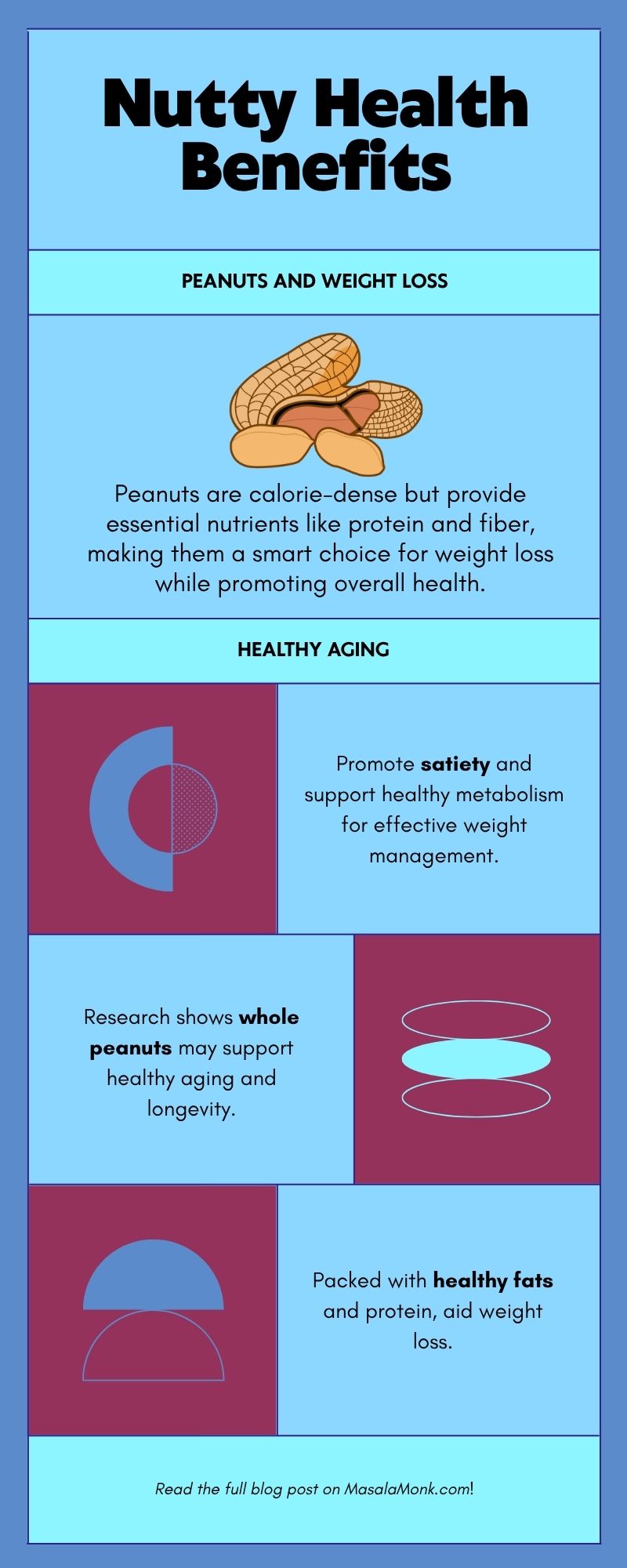
Peanuts and Weight Loss: Separating Fact from Fiction

Peanuts and Weight Loss: Separating Fact from Fiction

When it comes to weight loss, few foods spark as much debate as peanuts. Are they a friend or foe on the journey to a healthier body? Packed with calories and fats, peanuts often get a bad rap, but recent research suggests a far more nuanced picture — one where peanuts may actually support weight management and overall health.

In this post, we’ll dive deep into the science of peanuts and weight loss, explore exciting new findings from 2025 research, debunk common myths, and offer practical guidance on how to enjoy peanuts as part of a balanced, calorie-conscious diet. Let’s crack the code!


Why Peanuts Have a Reputation in Weight Loss Circles

Peanuts are energy-dense: a single handful (about 28 grams) contains roughly 160–180 calories, mostly from fat. For many, that immediately triggers a red flag — fat and calories are “bad” for weight loss, right?

Well, it’s not that simple.

Peanuts are rich in monounsaturated and polyunsaturated fats — the kind of fats linked to heart health, unlike saturated fats. They’re also a solid source of plant-based protein, fiber, vitamins, and minerals such as magnesium, which play roles in metabolism and satiety.

Despite their caloric density, peanuts have several properties that might help control weight rather than contribute to gain. Let’s unpack how.


How Peanuts Can Help with Weight Loss: The Science

1. Satiety and Reduced Appetite

One of the most compelling reasons peanuts may support weight management is their ability to help you feel full. Their combination of protein, fiber, and healthy fats slows digestion and helps regulate hunger hormones. This means eating peanuts can reduce cravings and lower your total calorie intake across the day.

Studies consistently show that including peanuts or other nuts in snacks or meals helps reduce hunger better than many processed alternatives.

2. Reduced Calorie Absorption

Surprisingly, not all the calories in peanuts are absorbed. Because of the way peanut fat is trapped within the nut’s structure, some fat passes through the digestive system unabsorbed.

Research estimates that about 5–15% fewer calories are absorbed from whole peanuts compared to what’s calculated on nutrition labels. This is an important nuance: while peanuts are calorie-dense on paper, the net calorie impact might be lower.

3. Supporting Metabolic Health

Regular peanut consumption has been linked to improvements in cholesterol levels (especially lowering LDL), blood pressure, and blood sugar control. All of these factors contribute indirectly to healthier body composition and easier weight management.


What’s New in 2025? The Cutting-Edge Telomere Study

Beyond weight control, recent science is shedding light on peanuts’ potential anti-aging benefits at the cellular level.

A Spanish study published in early 2025 (the ARISTOTLE trial) investigated how different forms of peanuts impact telomere length—a biomarker of cellular aging. Telomeres are protective caps on the ends of chromosomes that naturally shorten as we age; preserving their length is linked to longevity and reduced chronic disease risk.

Key findings:

  • Participants consuming 25 grams per day of skin-roasted whole peanuts experienced no telomere shortening over 6 months.
  • In contrast, 22% of those eating peanut butter and 38% of control subjects (no peanuts) showed telomere shortening.
  • This suggests whole, unprocessed peanuts may offer unique cellular benefits that peanut butter doesn’t.

The takeaway? Whole peanuts might be more than a weight-loss aid—they could contribute to healthier aging.


Busting Common Myths About Peanuts and Weight Gain

Myth #1: Peanuts cause weight gain because they’re high in fat.
Fact: Fat isn’t inherently fattening. Peanuts’ fat content, combined with fiber and protein, promotes fullness and a healthy metabolism.

Myth #2: Peanut butter is just as good as whole peanuts for weight loss.
Fact: Peanut butter often lacks the fiber and intact cell structure of whole peanuts, which can reduce satiety and calorie digestion benefits. Many commercial peanut butters also contain added sugar and oils.

Myth #3: Eating peanuts means you’ll eat more calories overall.
Fact: When eaten as part of a balanced diet and replacing less healthy snacks, peanuts tend not to increase overall calorie intake and may improve diet quality.


How to Incorporate Peanuts into a Weight Loss Plan

To enjoy peanuts’ benefits without tipping the calorie scale, follow these tips:

1. Watch Portion Size

Aim for 1–2 handfuls (28–56 grams) daily. This moderate amount offers nutritional benefits without excessive calories.

2. Choose Whole, Skin-On Peanuts

Opt for raw or dry-roasted peanuts with skins intact. Skins add antioxidants and fiber, while whole nuts maximize calorie absorption benefits.

3. Limit Peanut Butter to Natural Versions

If you prefer peanut butter, pick natural options without added sugar or hydrogenated fats, and be mindful of portion size.

4. Use Peanuts as a Snack Substitute

Replace processed snacks or sweets with peanuts to improve satiety and nutrition quality.

5. Balance Your Daily Calories

Integrate peanuts as a substitution rather than an addition to avoid excess energy intake.


Peanuts and Broader Health Benefits

Weight loss is just part of peanuts’ story. Their regular consumption is associated with:

  • Heart health: Lower LDL cholesterol and blood pressure
  • Blood sugar regulation: Stabilizes glucose and insulin responses
  • Brain health: Rich in antioxidants like resveratrol
  • Environmental benefits: Peanuts are more water-efficient and environmentally sustainable compared to many tree nuts

What About Allergies and Safety?

If you have a peanut allergy, these benefits obviously don’t apply and exposure can be dangerous. For everyone else, proper storage is key to avoid aflatoxin contamination, a natural mold toxin sometimes found in peanuts.


Final Thoughts

Peanuts are often misunderstood in the context of weight loss. Far from being a dietary enemy, they can be a powerful ally when enjoyed wisely. Their unique combination of protein, fiber, healthy fats, and now, emerging evidence on cellular aging, paints a compelling picture of peanuts as a nutrient-dense, satiating, and metabolically beneficial snack.

So next time you reach for a handful of peanuts, you’re not just indulging a craving — you’re making a smart choice for your waistline and your health.

FAQs

1. Are peanuts good for weight loss?
Yes. Peanuts promote satiety through their protein, fiber, and healthy fats, helping reduce overall calorie intake. Studies show that moderate peanut consumption fits well within calorie-controlled weight loss diets.

2. Won’t the high fat content in peanuts cause weight gain?
Not necessarily. The fats in peanuts are mostly heart-healthy unsaturated fats. Plus, some of the fat in whole peanuts is not fully absorbed during digestion, which can reduce net calorie intake.

3. Is peanut butter as beneficial as whole peanuts for weight loss?
Peanut butter provides many nutrients but often lacks the fiber and intact cell structure of whole peanuts, reducing some satiety and digestion benefits. Natural peanut butter without added sugars or oils is preferable.

4. How many peanuts should I eat daily to support weight loss?
Aim for 1 to 2 handfuls (28–56 grams) per day. This amount balances nutritional benefits without excessive calories.

5. Can eating peanuts help slow aging?
Emerging research from 2025 suggests that consuming whole skin-on peanuts may help preserve telomere length, a marker linked to slower cellular aging and longevity.

6. Do peanuts affect blood sugar levels?
Yes. Peanuts have a low glycemic index and their protein and fat content help stabilize blood sugar, which supports metabolic health.

7. Are roasted peanuts as healthy as raw peanuts?
Dry-roasted peanuts with skins on retain most of their nutritional benefits, including fiber and antioxidants. Avoid peanuts roasted in unhealthy oils or with excessive salt.

8. Can peanuts replace other snacks for better health?
Absolutely. Swapping processed snacks or sugary treats for peanuts can improve satiety, nutrition quality, and support weight management.

9. Are there any risks with eating peanuts?
Peanut allergies can be severe and life-threatening for some individuals. Also, improper storage can lead to aflatoxin contamination, so buy from reputable sources and store peanuts in a cool, dry place.

10. Do peanuts fit into all types of diets?
Yes. Peanuts are plant-based and fit well in vegetarian, vegan, low-carb, and Mediterranean diets, among others, as long as calorie intake is balanced.


Posted on 5 Comments

5 Soothing Drinks to Help Lower Cortisol and Calm Your Mind

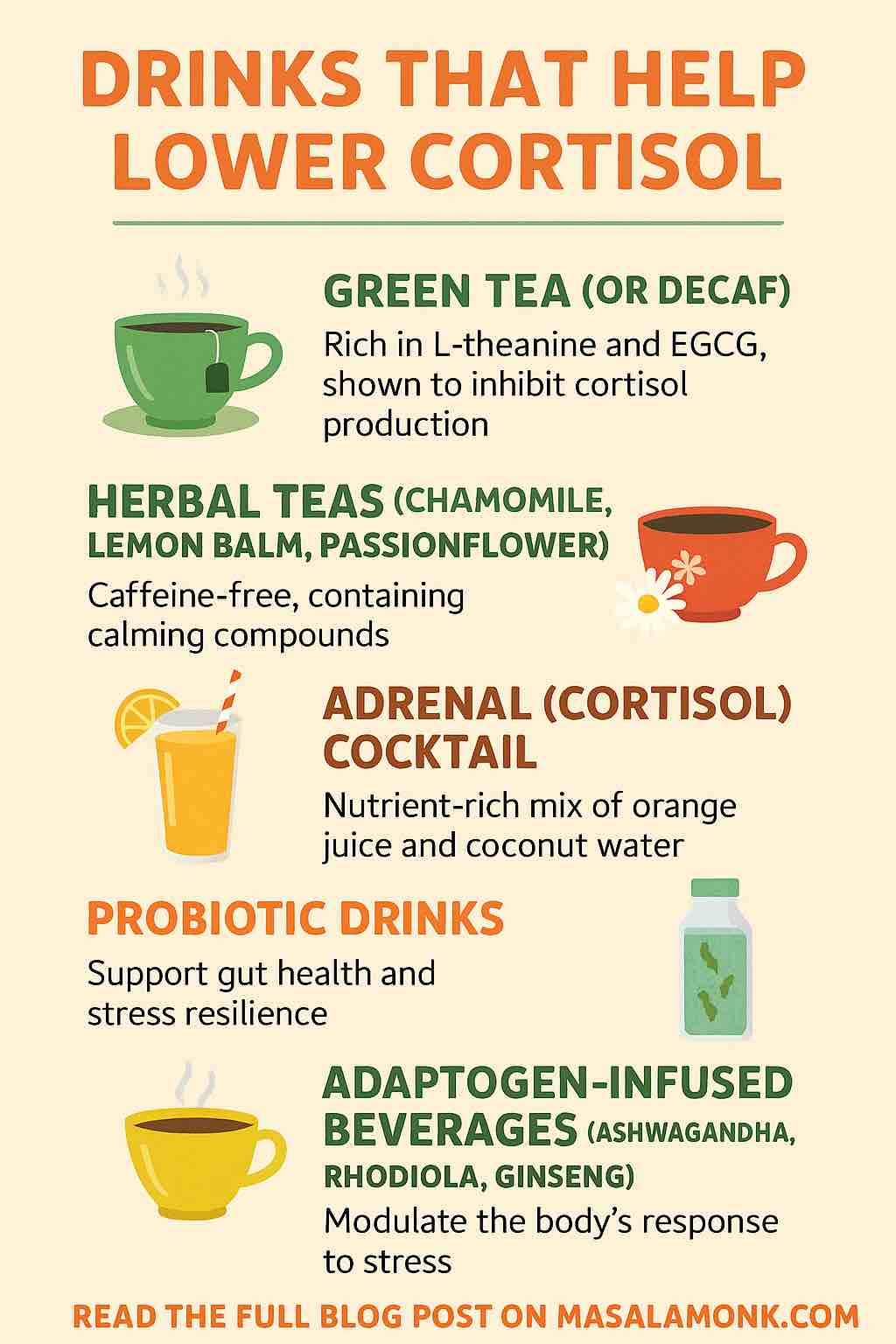
DRINKS THAT HELP LOWER CORTISOL

In today’s fast-paced world, stress is practically unavoidable. From work deadlines to social obligations, our bodies are constantly navigating a sea of stressors. And behind the scenes? A hormone called cortisol is often steering the ship. Produced by your adrenal glands, cortisol plays a crucial role in the “fight-or-flight” response. While helpful in acute situations, chronically high cortisol levels can lead to weight gain, sleep problems, anxiety, and even cardiovascular issues.

But here’s the good news: You can influence your cortisol levels naturally, and one of the simplest ways to do that is through what you drink. Yes, your daily beverages can either fuel the fire or help put it out. In this post, we dive deep into five evidence-backed drinks that help lower cortisol, support mental clarity, and bring your body back to balance.


What is Cortisol?

Cortisol is your body’s main stress hormone, produced by the adrenal glands. It helps regulate blood sugar, metabolism, blood pressure, and your “fight-or-flight” response. But when cortisol levels remain high for too long, it can cause issues like weight gain (especially belly fat), anxiety, sleep problems, and hormonal imbalances. That’s why learning how to balance cortisol naturally is so important.


How to Lower Cortisol Naturally and Quickly

If you’re wondering how to lower cortisol levels naturally, here are simple science-backed strategies you can try today:

  • Sip calming teas like green tea, chamomile, or lemon balm.
  • Eat cortisol-lowering foods such as leafy greens, berries, and omega-3-rich fish.
  • Avoid cortisol-triggering foods like sugar, alcohol, and processed snacks.
  • Practice deep breathing or meditation for just 5 minutes a day.
  • Stay hydrated, as even mild dehydration raises cortisol.
  • Prioritize good sleep, since lack of rest is one of the biggest cortisol triggers.

👉 Consistency is key — small daily habits add up to lower stress and better hormonal balance.

Here you might want to read How to Naturally Lower Cortisol Levels?


Symptoms of High Cortisol in Women

High cortisol affects women differently than men. Common symptoms of elevated cortisol in females include:

  • Irregular or missed periods
  • Weight gain, especially belly fat (“cortisol belly”)
  • Fatigue, even after sleeping
  • Mood swings, anxiety, or irritability
  • Thinning hair or increased facial hair
  • Acne or skin problems
  • Poor sleep quality or insomnia

If you notice several of these signs, it may be worth checking your cortisol levels with a healthcare provider.

For deeper insights into this, please refer to 10 Symptoms of High Cortisol Levels in Females


Foods That Trigger Cortisol (to Avoid!)

Some foods make cortisol spike, adding more stress to your system. To naturally lower cortisol, limit or avoid:

  • ❌ Sugary drinks & desserts
  • ❌ Refined carbs like white bread and pastries
  • ❌ Too much caffeine (especially on an empty stomach)
  • ❌ Alcohol
  • ❌ Fried or processed fast foods
  • ❌ Energy drinks

👉 Instead, swap in cortisol-friendly foods: whole grains, fatty fish, probiotic yogurt, herbal teas, and plenty of fruits and veggies.

Read More about 5 Foods That Increase Cortisol

Best Drinks to Lower Cortisol

Now coming to the main point of this post, if you’re searching for the best drinks that lower cortisol, here are top picks:

  • 🍵 Green tea (L-theanine calms while antioxidants fight stress)
  • 🌿 Chamomile or lemon balm tea (soothes the nervous system)
  • 🥥 Adrenal cocktail (orange juice + coconut water + sea salt)
  • 🧉 Probiotic drinks (kefir, kombucha, yogurt drinks)
  • 🌱 Adaptogen elixirs (ashwagandha, rhodiola teas or lattes)

👉 These drinks don’t just hydrate — they actively support your body’s stress response and help balance cortisol levels naturally. Lets dig deeper into each one of them below.

1. 🍵 Green Tea: Calm in a Cup

Green tea isn’t just a morning ritual; it’s a scientifically supported stress soother. It contains two star compounds:

  • L-theanine: An amino acid that promotes relaxation without sedation. It balances the stimulating effect of caffeine and may reduce cortisol responses in stressful situations.
  • EGCG (Epigallocatechin gallate): A potent antioxidant known to reduce inflammation and modulate hormone balance.

Studies show that drinking several cups of green tea per day can significantly reduce cortisol levels and improve mood. One trial even observed a reduction in ACTH and corticosterone (both stress markers) after 6 weeks of daily green tea consumption.

How to enjoy it: Aim for 2–4 cups daily. Opt for decaf green tea in the evening to maintain cortisol-lowering benefits without interfering with sleep.


2. 🌿 Herbal Teas: Nature’s Tranquilizers

When it comes to non-caffeinated, stress-reducing beverages, herbal teas shine. Popular options include:

  • Chamomile: Rich in apigenin, a flavonoid with calming effects.
  • Lemon balm: Supports sleep and reduces nervousness.
  • Passionflower: Traditionally used for anxiety and insomnia.

While herbal teas may not directly lower cortisol in all cases, they contribute to overall nervous system calm, indirectly reducing cortisol levels by improving sleep and lowering anxiety.

How to enjoy it: Brew a strong cup (or two) in the evening. Sip slowly and make it a mindful ritual.


3. 🥥 Adrenal Cocktail: A Trend Worth Trying

Popular on wellness blogs, the “Adrenal Cocktail” isn’t a medical treatment but a nutrient-packed drink designed to support adrenal function and energy regulation.

Typical ingredients:

  • 1/2 cup fresh orange juice (vitamin C)
  • 1/2 cup coconut water (potassium and electrolytes)
  • A pinch of sea salt (sodium for adrenal support)

Vitamin C is crucial for adrenal gland function and helps regulate cortisol output. Electrolytes help maintain hydration, a key factor in stress resilience.

How to enjoy it: Drink mid-morning or mid-afternoon when cortisol naturally dips. It can also be a great post-workout replenisher.


4. 🫲 Probiotic Drinks: Gut-Driven Stress Relief

The gut-brain axis is a major player in stress regulation, and your gut microbiome directly affects cortisol levels. Enter probiotic-rich drinks like:

  • Kefir
  • Probiotic yogurt drinks
  • Kombucha (low sugar, non-caffeinated varieties)

A 12-week study among students showed that daily intake of probiotic beverages significantly lowered cortisol and improved stress perception.

How to enjoy it: Include one probiotic drink in your daily routine, ideally with meals. Choose high-quality products with live cultures and low added sugar.


5. 🌿 Adaptogenic Elixirs: Ancient Herbs, Modern Calm

Adaptogens are natural substances that help the body adapt to stress and normalize physiological functions. Popular adaptogenic herbs used in drinks include:

  • Ashwagandha: Shown in multiple studies to lower cortisol and improve sleep and mood.
  • Rhodiola Rosea: Enhances stress resilience and reduces fatigue.
  • Panax Ginseng: Balances the HPA axis and reduces anxiety.

You can find these herbs in ready-made adaptogenic drinks or add powders/tinctures to smoothies, lattes, or herbal teas.

How to enjoy it: Start with one adaptogenic drink per day. Use under supervision if you’re pregnant, breastfeeding, or taking medication.


Quick Tips for Cortisol-Calming Drinks

  • Consistency matters: Benefits build over time.
  • Watch the sugar: High sugar can spike cortisol.
  • Stay hydrated: Even mild dehydration increases cortisol.
  • Avoid late-night caffeine: Choose calming herbal blends instead.

Do Read 5 Herbal Teas & Brews That Help Lower Cortisol Naturally

Cortisol Detox: Reset Your Stress Hormones Naturally

You don’t need a harsh cleanse — a simple “cortisol detox” means resetting your lifestyle with stress-lowering choices:

  • Drink plenty of water (add electrolytes if needed).
  • Focus on anti-inflammatory foods like turmeric, ginger, and omega-3s.
  • Try adaptogens like ashwagandha or rhodiola for stress resilience.
  • Reduce alcohol, caffeine, and processed foods.
  • Prioritize rest and recovery with 7–8 hours of sleep.

💡 Cortisol Belly Explained: Chronic high cortisol pushes your body to store fat in the abdominal area, even if the rest of your body is lean. Managing stress, diet, and sleep can help reverse this effect.

You might like to read: Fasting and Cortisol: Is Intermittent Fasting Stressing Your Hormones?


Final Sip: Nourish to Flourish

Stress may be unavoidable, but being chronically overwhelmed doesn’t have to be your normal. Choosing beverages that support your body’s stress response is a small, daily act of self-care that adds up. Whether it’s a warm mug of green tea, a fizzy probiotic shot, or a soothing cup of chamomile before bed, your drink choices can help you lower cortisol and lift your mood.

🌟 Want more practical tips, research-backed strategies, and delicious recipes to support your well-being?

Read the full guide on cortisol-lowering nutrition here: masalamonk.com/diet-strategies-to-lower-cortisol-levels

🔗 Related Reads on Cortisol, Stress Management, and Hormonal Health

Explore more in-depth insights on how cortisol impacts your stress levels, metabolism, mood, and overall well-being:

✅ Frequently Asked Questions (FAQs)

1. What is cortisol, and why should I be concerned about it?
Cortisol is the body’s primary stress hormone, released by the adrenal glands. While it’s vital for managing acute stress and energy, chronically high cortisol levels can contribute to weight gain, poor sleep, anxiety, high blood sugar, and immune dysfunction.

2. Can drinks really help lower cortisol levels naturally?
Yes. Certain beverages—especially those rich in antioxidants, adaptogens, L-theanine, and other calming compounds—can support cortisol regulation by reducing inflammation, improving mood, and promoting relaxation.

3. How often should I drink these cortisol-lowering beverages?
Incorporating 1–2 of these drinks into your daily routine can be beneficial. For best results, pair them with a healthy diet, stress-management techniques, and good sleep hygiene.

4. Is green tea better than coffee for managing cortisol?
Yes. While coffee can spike cortisol (especially in large amounts or when consumed on an empty stomach), green tea contains L-theanine, which has calming effects and may help blunt cortisol release—even with its small caffeine content.

5. Can I drink these beverages at any time of the day?
Most of these drinks can be consumed throughout the day, but herbal teas (like chamomile or ashwagandha) are best taken in the evening to promote relaxation and better sleep.

6. Are there any side effects to these natural drinks?
Generally, no. However, some adaptogens like ashwagandha may interact with medications or hormonal conditions, and green tea contains caffeine, which may not suit everyone. Always consult a healthcare professional if unsure.

7. What foods should I avoid if I’m trying to lower cortisol?
Avoid or limit sugary drinks, refined carbs, energy drinks, alcohol, and processed or deep-fried foods. These can spike cortisol or disrupt blood sugar, worsening stress responses.

8. Are store-bought “stress relief” drinks effective?
Some may help if they contain science-backed ingredients like L-theanine, magnesium, or herbal adaptogens. But always read labels carefully—many are high in sugar or contain stimulants that do the opposite of what you want.

9. Can I mix ingredients like ashwagandha or turmeric into my regular drinks?
Absolutely. You can add powdered ashwagandha to smoothies or golden milk, or use turmeric with black pepper and a healthy fat in warm plant-based milk for enhanced absorption and anti-inflammatory effects.

10. Is hydration important for managing cortisol?
Yes. Even mild dehydration increases cortisol levels. Alongside these cortisol-lowering drinks, make sure you’re drinking enough plain water throughout the day to support optimal hormonal balance.