Posted on 2 Comments

5 Foods That Increase Cortisol

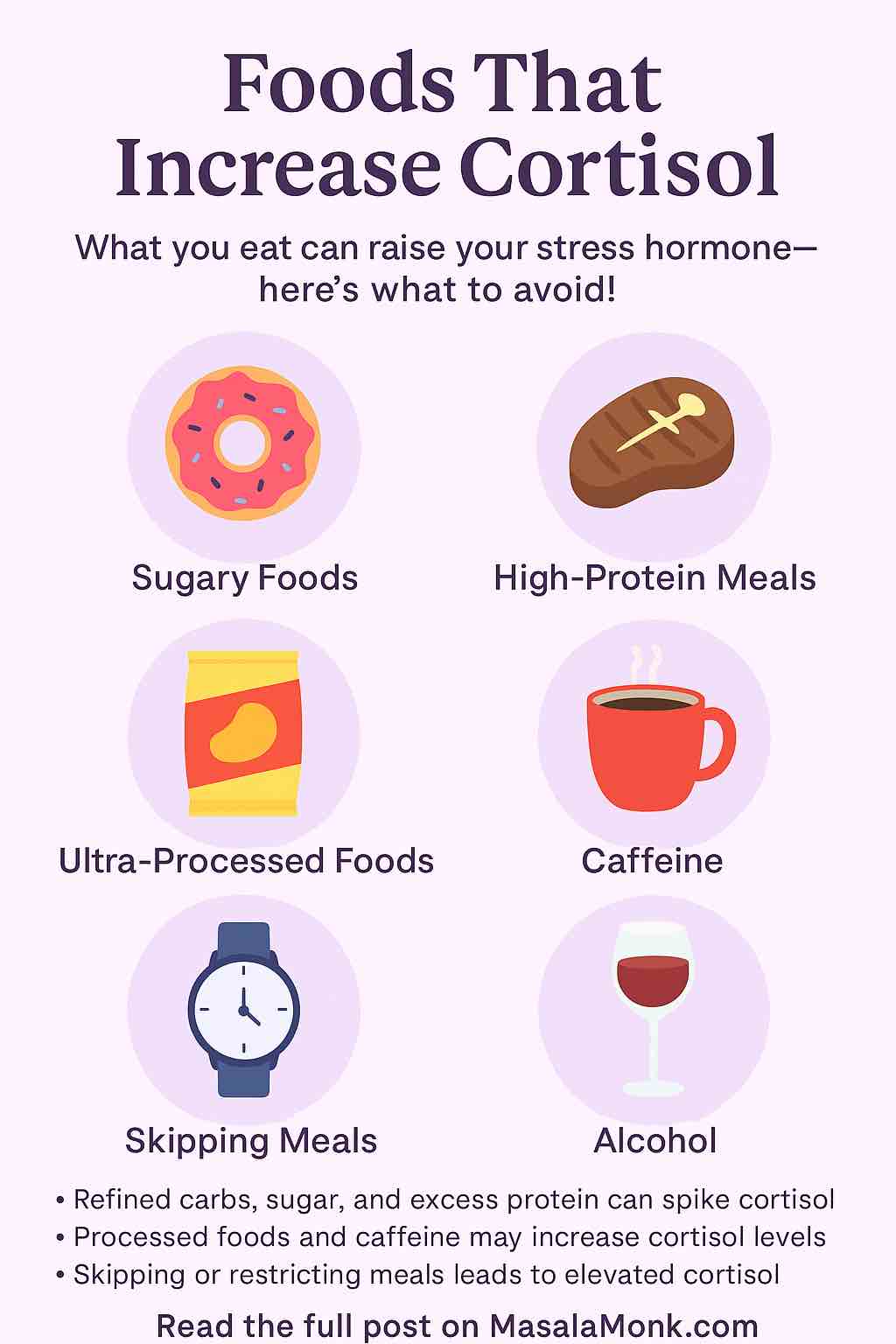
Foods That Increase Cortisol

When it comes to stress, most of us look at our busy schedules, toxic work environments, or lack of sleep. But what if your diet is also playing a sneaky role in spiking your stress hormone—cortisol?

Recent research reveals that what you eat can significantly impact your cortisol levels, affecting everything from your mood and sleep to weight gain and immune function.

In this article, we dive deep into the latest studies and nutritional science to uncover which foods and eating habits raise cortisol levels—and what you can do to balance your hormones naturally.


🌪️ What Is Cortisol and Why Should You Care?

Cortisol is your body’s primary stress hormone, released by the adrenal glands in response to physical, emotional, or mental stress. While it plays a vital role in regulating metabolism, inflammation, and even blood sugar, chronically high cortisol levels can lead to:

  • Weight gain (especially belly fat)
  • Fatigue and poor sleep
  • Hormonal imbalances
  • Anxiety and irritability
  • Weakened immunity

And yes—your diet can either help stabilize cortisol… or throw it into chaos.


⚠️ Top Foods and Dietary Patterns That May Increase Cortisol

1. 🍰 Refined Carbohydrates and Sugary Foods

  • Think: White bread, cakes, soda, breakfast cereals, and pastries.
  • These cause quick spikes in blood sugar, leading to insulin surges and a stress-like response that activates cortisol.
  • Studies show that simple carb meals can trigger acute cortisol elevations, especially when consumed without protein or fat.

🔍 Interesting Fact: While sugary foods might “blunt” your stress response temporarily, they often increase baseline cortisol levels over time due to poor metabolic control.


2. ☕ High Caffeine Intake

  • Coffee, energy drinks, and even black tea in excess can cause cortisol to rise—especially when consumed on an empty stomach.
  • Caffeine stimulates the adrenal glands, leading to increased cortisol secretion within minutes.

✅ Moderate caffeine is okay, but if you’re battling chronic stress, limit intake to 1–2 cups daily, preferably after a meal.


3. 🍗 Very High-Protein Meals

  • Surprising? Research shows that extremely high-protein meals (especially animal protein-heavy) can spike cortisol levels, at least temporarily.
  • In a study, protein-dense shakes led to greater post-meal cortisol than those balanced with fat or carbs.

🔍 Note: Balanced protein is essential for cortisol buffering, but massive protein loads (like bodybuilder diets) may overstimulate stress pathways.


4. 🍟 Highly Processed & Ultra-Processed Foods

  • These include fast food, frozen meals, chips, and sugary snacks.
  • They’re typically high in trans fats, sugar, sodium, and additives, which are metabolically stressful and may indirectly raise cortisol via inflammation and poor gut health.

5. 🍷 Alcohol

  • Initially calming, alcohol later acts as a physiological stressor, raising cortisol levels—especially in binge drinking or heavy long-term consumption.

6. 🕐 Calorie Restriction, Fasting, and Skipping Meals

  • Dieting may feel like a good idea, but very low-calorie diets (e.g., under 1,200 kcal/day) and prolonged fasting have been shown to chronically elevate cortisol.
  • The body perceives starvation as stress, keeping you in a prolonged fight-or-flight mode.

✅ Gentle intermittent fasting or time-restricted eating (TRE) may be cortisol-friendly if done properly (like eating between 10 am to 6 pm) and with nutrient-dense meals.


🧠 Meal Timing, Macronutrients & Cortisol: The Science

FactorCortisol EffectResearch Insight
High-carb (refined)↑ Acute spikesEspecially in sugary drinks or snacks
High-protein meals↑ Short-term spikeMore so in large or isolated protein intake
High-fat meals↔ Stable or ↓Fat alone doesn’t spike cortisol
Mixed large meals↑ CortisolHigh total calories increase post-meal cortisol
Time-restricted eating↔/↓Supports circadian alignment and cortisol balance
Chronic low-cal diets↑ Baseline cortisolProlonged restriction triggers stress hormone release

✅ How to Eat Smarter: Tips to Keep Cortisol in Check

  1. Eat Balanced Meals: Combine lean protein, healthy fats, and fiber-rich carbs to stabilize blood sugar and prevent cortisol spikes.
  2. Go Whole-Food: Choose unprocessed grains, fruits, vegetables, and lean proteins.
  3. Time It Right: Eat most of your calories earlier in the day. Avoid late-night snacking, which can interfere with cortisol’s natural rhythm.
  4. Watch Your Caffeine: Don’t overdo coffee—especially on an empty stomach.
  5. Don’t Skip Meals: Eat regularly to avoid triggering a stress response.
  6. Hydrate Well: Dehydration raises cortisol—drink enough water daily.

🧘‍♀️ Lifestyle Add-Ons for Better Cortisol Control

  • Sleep 7–9 hours: Poor sleep = higher cortisol.
  • Practice deep breathing or yoga: Lowers stress hormones in minutes.
  • Daily movement: Walking or light cardio helps reduce chronic cortisol levels.

🧬 The Role of Meal Timing and Calorie Balance

🥗 Overeating and High-Calorie Meals

  • Studies show that very large meals—regardless of what they contain—can trigger a cortisol rise.
  • High-calorie intakes overstimulate the hypothalamus-pituitary-adrenal (HPA) axis.

🚫 Undereating and Dieting

  • Very low-calorie diets (e.g., 1,200 kcal/day) increase cortisol, especially in the evenings.
  • This can worsen fatigue, mood, and weight loss plateaus.

Solution: Eat regular, balanced meals. Don’t fear food—fear imbalances.


🎯 Final Thoughts

While you can’t eliminate stress completely, you can manage your cortisol through smarter food choices. By avoiding or moderating the foods that trigger cortisol—and choosing those that support your body’s stress response—you empower your health, hormones, and happiness.

👉 Curious about the best foods to lower cortisol naturally? Check out our post here: 5 Foods That Naturally Decrease Cortisol


🔗 Related Reads on Cortisol, Stress Management, and Hormonal Health

Explore more in-depth insights on how cortisol impacts your stress levels, metabolism, mood, and overall well-being:


Stay calm. Stay nourished. Stay fabulous.

~ Masala Monk

🌿 Bonus: What Helps Lower Cortisol Naturally?

  • Magnesium-rich foods: Leafy greens, pumpkin seeds, bananas
  • Vitamin C foods: Amla, oranges, kiwi
  • Healthy carbs: Sweet potatoes, quinoa, fruits
  • Omega-3 fats: Walnuts, flaxseeds, salmon
  • Herbs and spices: Ashwagandha, turmeric, ginger

Also don’t underestimate hydration, deep sleep, light exercise, and mindful eating in helping restore cortisol balance.

FAQs: Foods That Increase Cortisol

1. What is cortisol and why does it matter?
Cortisol is a hormone released by your adrenal glands in response to stress. While it’s essential for survival, chronically high cortisol levels can lead to anxiety, weight gain, poor sleep, and weakened immunity.


2. Can certain foods actually raise cortisol levels?
Yes, studies confirm that refined carbs, high sugar intake, excessive protein, caffeine, and alcohol can all raise cortisol—either directly or by triggering a stress response in the body.


3. Are high-protein diets bad for cortisol?
Not entirely. While moderate protein helps balance hormones, excessively high-protein meals, especially without carbs or fat, can spike cortisol levels temporarily. Balance is key.


4. How does skipping meals or fasting affect cortisol?
Skipping meals, especially breakfast, and extreme fasting may increase cortisol, as your body perceives the lack of food as a threat. However, gentle intermittent fasting (like early time-restricted eating) may help some people stabilize hormones.


5. Is caffeine a major cortisol trigger?
Yes. Caffeine stimulates cortisol release, particularly when consumed in large amounts or on an empty stomach. Limit to 1–2 cups of coffee per day and avoid late-day caffeine.


6. Can sugar and processed foods cause stress?
Absolutely. Refined sugar and ultra-processed foods cause blood sugar spikes, metabolic stress, and inflammation, all of which can raise cortisol levels over time.


7. What’s the impact of alcohol on cortisol?
Alcohol may feel relaxing initially, but it disrupts hormone balance and raises cortisol levels, especially during withdrawal or in heavy drinkers.


8. Does overeating or undereating affect cortisol?
Yes. Both extremes are problematic. Overeating triggers stress through excess calorie load, while undereating or extreme calorie restriction increases cortisol due to perceived starvation.


9. Can I still eat carbs without spiking cortisol?
Yes! Whole carbs like sweet potatoes, oats, quinoa, fruits, and legumes are rich in fiber and nutrients that can actually help reduce cortisol, unlike refined carbs or sugary snacks.


10. How can I naturally lower my cortisol through diet?
Focus on balanced meals with lean protein, healthy fats, and whole carbs. Include magnesium, vitamin C, omega-3s, and calming herbs like ashwagandha. Stay hydrated, avoid processed foods, and eat mindfully.
Posted on 1 Comment

Ginger, Garlic, and Lemon: A Powerful Trio for Boosting Immunity and Enhancing Overall Well-Being

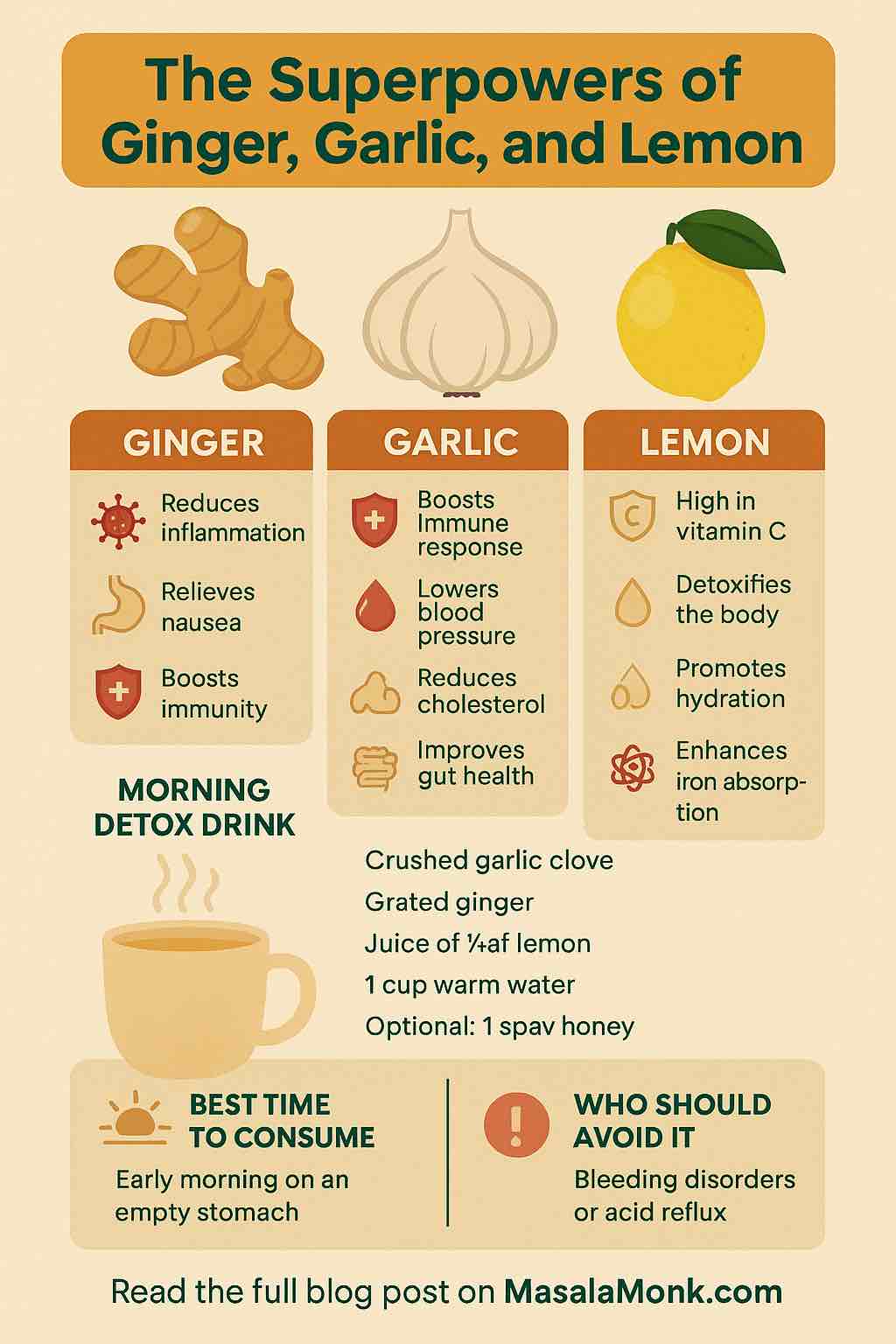
Superpowers of Ginger, Garlic, and Lemon

In the world of natural wellness, few combinations are as revered and time-tested as ginger, garlic, and lemon. These three powerhouse ingredients are more than just kitchen staples—they’re natural allies in supporting immunity, improving digestion, combating inflammation, and promoting overall health.

From Ayurvedic medicine to modern clinical studies, the benefits of this trio continue to be validated by science. In this blog post, we explore how each ingredient contributes to your health, the synergy they create when combined, and how to integrate them easily into your daily life.


🧄 The Immunity Boosting Power of Garlic

Garlic has long been known as nature’s antibiotic. Its active compound, allicin, is responsible for much of its medicinal power.

✅ Health Benefits of Garlic:

  • Boosts immune response: Studies show that garlic may reduce the severity and duration of common colds and infections.
  • Lowers blood pressure: Garlic supplements can help reduce systolic and diastolic blood pressure, especially in hypertensive individuals.
  • Reduces cholesterol: Garlic may help reduce LDL (bad) cholesterol while maintaining HDL (good) cholesterol.
  • Anti-cancer potential: Some studies have linked garlic consumption with a reduced risk of certain cancers, including colorectal and stomach cancers.
  • Improves gut health: Its antimicrobial properties help in maintaining a balanced gut microbiome.

🔍 Recent Study: A 2024 review published in Frontiers in Nutrition confirmed garlic’s immune-boosting properties and potential role in metabolic health.


🌿 Ginger: Nature’s Anti-Inflammatory and Digestive Aid

Ginger, with its sharp flavor and warmth, is a versatile root that has been used for centuries in both Eastern and Western natural medicine.

✅ Health Benefits of Ginger:

  • Reduces inflammation: Its bioactive compound gingerol has powerful anti-inflammatory and antioxidant effects.
  • Relieves nausea and indigestion: Ginger is well-known for reducing nausea—especially during pregnancy and chemotherapy—and improving digestion.
  • Boosts immunity: Ginger helps modulate immune responses and combat oxidative stress.
  • Supports metabolic health: Ginger may help lower blood sugar and improve markers of metabolic syndrome.
  • Improves circulation: Its warming properties promote better blood flow and cardiovascular health.

💡 Fun Fact: Ginger shots have become trendy in wellness circles, offering concentrated doses of antioxidants and immune-enhancing compounds.


🍋 Lemon: A Citrus Superfood for Detox and Immunity

Lemon, rich in vitamin C and flavonoids, is an essential immune-supporting fruit. Its tangy juice not only enhances flavor but also offers numerous health benefits.

✅ Health Benefits of Lemon:

  • Vitamin C powerhouse: Essential for white blood cell function and collagen production.
  • Detoxifies the body: Lemon water may help support liver function and detoxification.
  • Promotes hydration: Adding lemon to water makes it more palatable and encourages better hydration.
  • Alkalizing effect: Despite its acidity, lemon has an alkalizing effect on the body once metabolized.
  • Enhances iron absorption: Consuming lemon with iron-rich foods improves iron bioavailability.

🧬 Clinical Insight: A 2022 study found that lemon-ginger extracts suppressed cancer cell growth and oxidative stress markers in lab conditions.


🧪 The Synergistic Power of the Trio

When ginger, garlic, and lemon are combined, their benefits amplify. Together, they form a potent natural remedy for immune defense, inflammation reduction, and general vitality.

🌟 Key Synergistic Benefits:

  • Stronger immune defense: Each ingredient boosts immune function, but together, they can help strengthen your body’s resistance to viruses and bacteria.
  • Antioxidant overload: Rich in compounds that fight oxidative stress and neutralize free radicals.
  • Anti-inflammatory blend: Helps alleviate chronic inflammation—a root cause of many modern diseases.
  • Digestive aid: Promotes gut health, reduces bloating, and enhances nutrient absorption.
  • Cardiovascular support: Helps regulate blood pressure, cholesterol, and blood sugar levels.

🧉 Traditional Wisdom Meets Science: In folk medicine, this trio has been used for centuries to make healing tonics. Science now confirms many of these age-old practices.


🍹 How to Use Ginger, Garlic, and Lemon

🌞 1. Morning Detox Drink

Ingredients:

  • 1 garlic clove (crushed)
  • 1 tsp grated ginger
  • Juice of 1/2 lemon
  • 1 cup warm water
  • Optional: 1 tsp raw honey

How to make:
Crush garlic and let it sit for 5–10 minutes to activate allicin. Mix with ginger and lemon juice in warm water. Stir and drink on an empty stomach.

🍯 2. Ginger-Garlic-Lemon Immunity Shot

Ingredients:

  • 2-inch ginger piece
  • 2 garlic cloves
  • Juice of 1 lemon
  • Dash of turmeric
  • Optional: black pepper for absorption

Instructions:
Blend all ingredients with a little water. Strain and drink in small quantities. Store in the fridge for up to 3 days.

🫖 3. Soothing Herbal Tea

Simmer ginger slices and crushed garlic in water for 10 minutes. Add lemon juice and honey before drinking. Great for colds and sore throats.


⚠️ Precautions and Who Should Avoid This Trio

While these ingredients are generally safe, there are a few cautions:

  • Pregnancy: High doses of garlic or ginger should be avoided.
  • Bleeding disorders: All three can thin the blood—consult your doctor if you’re on anticoagulants.
  • Acid reflux: Lemon and ginger may aggravate symptoms in some people.
  • Medication interaction: Garlic and ginger may interfere with blood pressure, diabetes, or anticoagulant medications.

💬 Final Thoughts

The combination of ginger, garlic, and lemon isn’t just a folk remedy—it’s a scientifically supported wellness booster. Whether you want to strengthen your immunity, improve digestion, or simply add more nutrient-dense foods to your routine, this trio can be a powerful addition to your daily habits.

🌱 Try incorporating them in your morning routine, soups, teas, or salad dressings. Your body—and your taste buds—will thank you!


🙋‍♀️ 10 Frequently Asked Questions

1. Can I take ginger, garlic, and lemon every day?
Yes, in moderate amounts. Daily use supports immunity and digestion, but listen to your body and consult your doctor if on medications.

2. What’s the best time to drink the detox drink?
Early morning on an empty stomach helps maximize its effects on metabolism and immunity.

3. Does this trio help with weight loss?
It can support metabolism, reduce bloating, and curb appetite, but it’s not a magic bullet. Pair with healthy habits.

4. Can it cure colds or infections?
It can reduce severity and duration, but it’s not a substitute for medical treatment or antibiotics when necessary.

5. Can I use powdered versions instead of fresh?
Fresh is always better, but high-quality powders can work if fresh ingredients are unavailable.

6. Is it safe during pregnancy?
Consult your healthcare provider. Small culinary amounts are generally safe; supplements or high doses should be avoided.

7. How long should I take this mix?
It can be used daily for general wellness or in short cycles (2–4 weeks) for seasonal immunity boosts.

8. Does it help with cholesterol and blood pressure?
Yes, especially garlic. Multiple studies confirm its benefits for heart health markers.

9. Can I give it to children?
In diluted forms like teas, yes. Avoid strong concentrations or raw garlic for young children.

10. What other ingredients go well with this mix?
Honey, turmeric, black pepper, and cinnamon enhance both taste and health benefits.


Posted on Leave a comment

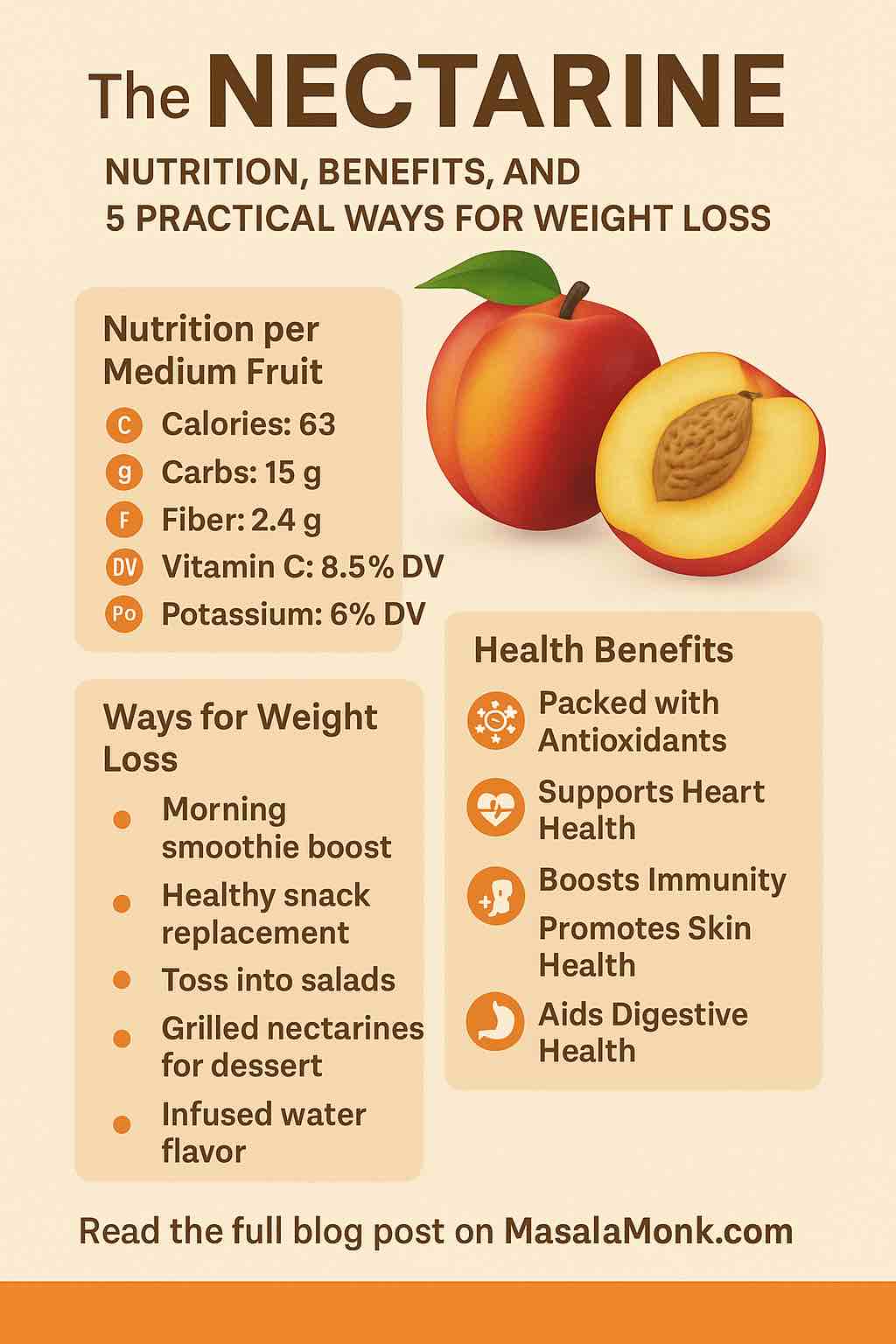
The Nectarine – Nutrition, Benefits, and 5 Practical Ways for Weight Loss

NECTARINE NUTRITION, BENEFITS, AND 5 PRACTICAL WAYS FOR WEIGHT LOSS

When it comes to delicious stone fruits that combine a juicy sweetness with a subtle tang, nectarines stand out as a favorite. Beyond their delightful taste, nectarines pack an impressive nutritional punch and offer multiple health benefits, especially when it comes to weight management.

In this blog post, we’ll dive deep into the nutrition of nectarines, explore their numerous health benefits, and uncover five practical, actionable ways you can incorporate nectarines into your diet to support your weight loss journey.


What is a Nectarine?

Nectarines are a close relative of peaches, belonging to the same genus Prunus. The primary difference is that nectarines have smooth skin compared to the fuzzy skin of peaches. They come in vibrant shades of orange, red, and yellow and are enjoyed fresh, in desserts, salads, or smoothies.


Nutritional Breakdown of Nectarines

Understanding what’s inside this fruit helps appreciate its benefits.

NutrientAmount per Medium Nectarine (142g)% Daily Value (DV)
Calories633%
Carbohydrates15g5%
Sugars11.2g
Dietary Fiber2.4g9%
Protein1.5g3%
Fat0.5g<1%
Potassium285mg6%
Vitamin C5.4mg8.5%
Niacin (Vitamin B3)1.3mg10%
Copper0.3mg13.6%
Vitamin A489 IU10%

Nectarines are low in calories but rich in dietary fiber, vitamins, and minerals — especially vitamin C, potassium, and antioxidants such as beta-carotene and polyphenols.


7 Science-Backed Health Benefits of Nectarines

1. Packed with Antioxidants

Nectarines are loaded with antioxidants like vitamin C, vitamin A (in the form of beta-carotene), and flavonoids including anthocyanins and lutein. These help neutralize harmful free radicals in the body, protecting cells from damage and lowering the risk of chronic diseases such as heart disease and cancer.

2. Supports Heart Health

Potassium in nectarines helps regulate blood pressure by balancing sodium levels in the body. Antioxidants reduce inflammation and oxidative stress, which protects blood vessels and improves cardiovascular function.

3. Boosts Immunity

Vitamin C is crucial for a strong immune system. Regular consumption of nectarines can enhance your body’s ability to fight infections and heal wounds.

4. Promotes Skin Health

Nectarines provide copper, which aids collagen formation, essential for maintaining skin elasticity and preventing premature aging. Vitamin C also helps with collagen synthesis and protects skin from UV damage.

5. Aids Digestive Health

The dietary fiber in nectarines improves digestion by promoting regular bowel movements, preventing constipation, and fostering a healthy gut microbiome.

6. Supports Eye Health

Beta-carotene and lutein in nectarines convert to vitamin A, vital for good vision, reducing the risk of age-related macular degeneration.

7. May Help Regulate Blood Sugar

Though nectarines contain natural sugars, their fiber content slows digestion, helping to prevent blood sugar spikes — beneficial for people managing diabetes.


Are Nectarines Good for Weight Loss?

Absolutely! Here’s why nectarines fit perfectly into a weight loss plan:

  • Low Calorie, Nutrient Dense: At just 63 calories per medium fruit, nectarines provide essential vitamins and minerals without adding excessive calories.
  • High Fiber Content: Fiber promotes satiety, making you feel full longer and reducing overall calorie intake.
  • Natural Sugars for Energy: Nectarines offer a natural source of sugar, which can satisfy sweet cravings more healthfully than processed desserts.
  • Hydrating: With a high water content, nectarines help keep you hydrated, which is crucial for metabolism and overall health.

How Many Nectarines Can You Eat Daily?

Moderation is key. One to two medium nectarines daily is generally considered safe and effective for health benefits without excessive sugar intake. If you have diabetes or specific health conditions, consult your healthcare provider.


5 Practical Ways to Use Nectarines for Weight Loss

1. Morning Smoothie Boost

Blend one nectarine with spinach, Greek yogurt, a tablespoon of chia seeds, and unsweetened almond milk. This fiber- and protein-rich smoothie keeps you full through the morning.

2. Healthy Snack Replacement

Swap out calorie-dense snacks like chips or cookies with fresh nectarines. Their natural sweetness satisfies cravings and adds fiber to your diet.

3. Toss Into Salads

Add sliced nectarines to salads for a sweet and tangy flavor. Combine with leafy greens, nuts, and a light vinaigrette for a refreshing, nutrient-dense meal.

4. Grilled Nectarines for Dessert

Grill nectarine halves lightly and sprinkle with cinnamon or a tiny drizzle of honey for a low-calorie dessert that feels indulgent but supports your weight goals.

5. Infused Water Flavor

Add nectarine slices to your water bottle for a subtle fruity flavor. Staying hydrated can reduce hunger and promote metabolism.


Final Thoughts

Nectarines are more than just a tasty summer fruit. Their rich nutritional profile and antioxidant content make them an excellent addition to any health-conscious diet, particularly for weight loss. By incorporating nectarines into your meals and snacks in practical ways, you not only enjoy their sweet and juicy flavor but also harness their health-promoting powers.

Always remember: balance and variety are the keys to sustainable health and weight management. So go ahead, indulge in nectarines mindfully and relish the natural goodness they bring to your plate.

FAQs

1. Are nectarines good for weight loss?
Yes, nectarines are low in calories and high in fiber, which helps promote fullness and reduce overall calorie intake, making them a great fruit to include in a weight loss diet.

2. How many nectarines can I safely eat per day?
Eating one to two medium nectarines daily is generally safe and provides health benefits without excess sugar intake. Consult your doctor if you have specific health conditions.

3. Are nectarines high in sugar?
Nectarines contain natural sugars (~11 grams per medium fruit), which are healthier than processed sugars. Their fiber content helps slow sugar absorption, minimizing blood sugar spikes.

4. What vitamins and minerals do nectarines provide?
Nectarines are rich in vitamin C, vitamin A, potassium, niacin (vitamin B3), and copper, along with antioxidants that support immune function, skin health, and heart health.

5. Can nectarines help improve skin health?
Yes, the vitamin C and copper in nectarines aid collagen production, which supports skin elasticity and reduces signs of aging, while antioxidants protect skin from damage.

6. Are nectarines good for digestion?
The dietary fiber in nectarines promotes healthy digestion by supporting regular bowel movements and maintaining gut health.

7. Can nectarines cause allergic reactions?
Some people sensitive to stone fruits might experience allergic reactions. If you notice itching, swelling, or digestive discomfort after eating nectarines, consult a healthcare provider.

8. Do nectarines have calories?
Yes, a medium nectarine contains about 63 calories, making it a low-calorie option for a healthy snack or part of a meal.

9. How can I incorporate nectarines into my diet?
Nectarines can be eaten fresh, added to smoothies, salads, grilled for dessert, or infused in water for flavor, offering versatile and delicious ways to enjoy them.

10. Are nectarines suitable for people with diabetes?
Nectarines can be included in a diabetic diet in moderation due to their natural sugars, but their fiber helps regulate blood sugar. Always consult a healthcare provider for personalized advice.

Posted on 1 Comment

The Low-GI Wonder: Millets and Their Benefits for Blood Sugar Control

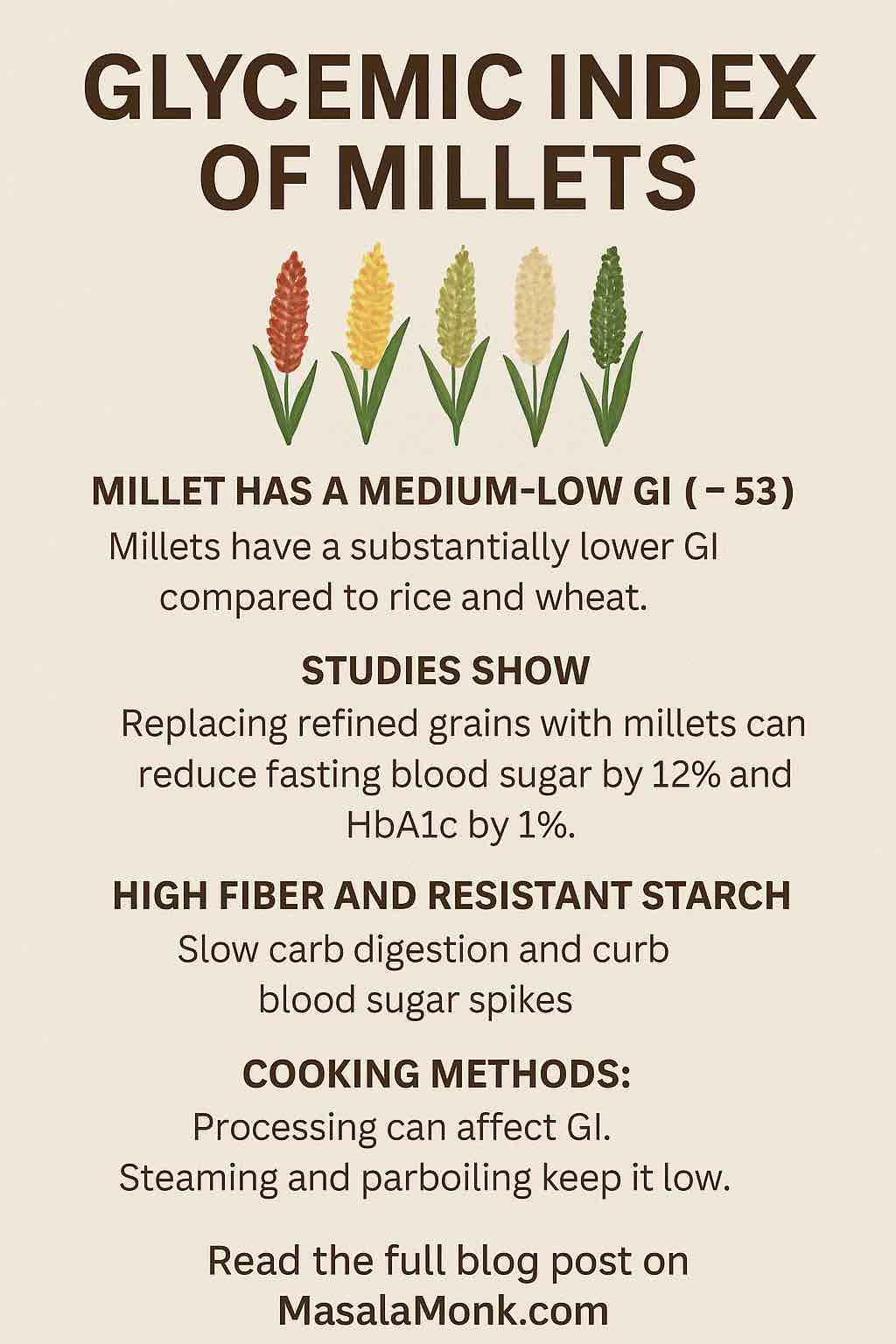
GLYCEMIC INDEX OF MILLETS

Millets have made a roaring comeback in recent years, gaining popularity for their impressive nutrition profile and eco-friendly cultivation. Among the many health benefits attributed to millets, one that stands out is their impact on blood sugar levels. In this comprehensive guide, we dive deep into the glycemic index (GI) of millets, why it matters, and how they can be a game-changer for people managing diabetes or aiming for better metabolic health.

What is Glycemic Index (GI)?

The Glycemic Index is a numerical scale (0 to 100) that ranks foods based on how quickly they raise blood sugar levels after eating. Foods are categorized as:

  • Low GI (55 or less): Slower increase in blood sugar
  • Medium GI (56 to 69): Moderate increase
  • High GI (70 or more): Rapid spike in blood sugar

Lower GI foods are generally better for people with diabetes and those looking to maintain steady energy levels.

Why Focus on Millets?

Millets are small-seeded grasses that are naturally gluten-free and highly nutritious. They are rich in fiber, protein, essential minerals, and antioxidants. Their carbohydrate quality is superior due to slower digestibility and a lower glycemic response compared to refined grains like rice or wheat.

Modern research has confirmed what traditional wisdom long suggested—millets are excellent for blood sugar regulation.

Glycemic Index of Common Millets

Here’s a GI comparison of various commonly consumed millets:

MilletGlycemic Index (GI)Classification
Barnyard Millet41Low GI
Foxtail Millet50–54Low GI
Little Millet52Low GI
Kodo Millet49Low GI
Pearl Millet (Bajra)55–69Medium GI
Finger Millet (Ragi)65–84Medium–High GI
Sorghum (Jowar)62–70Medium–High GI

These values may vary depending on how the millet is processed and cooked. Whole millets tend to have a lower GI than their floured or puffed counterparts.

Backed by Research: What Science Says

Recent meta-analyses and clinical trials support millets’ role in glycemic control:

  • A 2021 systematic review analyzing over 65 studies found the average GI of millets to be 52.7, significantly lower than rice or refined wheat.
  • Long-term millet consumption reduced fasting blood glucose by ~12% and post-prandial glucose by ~15%.
  • Studies also noted improvements in HbA1c, a marker for long-term blood sugar control.

Additional Benefits

  • Rich in dietary fiber: Slows digestion and glucose absorption
  • High in polyphenols and antioxidants: Help improve insulin sensitivity
  • Contains resistant starch: Ferments in the gut, promoting better gut health and lower inflammation

How Processing Affects GI

Processing has a notable effect on the glycemic index of millets. For instance:

  • Whole grain millets retain fiber and structure, resulting in a lower GI
  • Milled flour or puffed millets tend to have a higher GI due to faster digestibility
  • Parboiling has been shown in recent studies to reduce the GI further by altering starch structure

Cooking methods such as boiling, steaming, and pressure cooking with minimal water can also help retain a lower GI profile.

Incorporating Millets in Your Diet

Here are some ways to enjoy millets without spiking your blood sugar:

  • Use whole millets like foxtail or barnyard in place of rice
  • Mix millet flours with high-fiber flours like besan or soy flour for chapatis
  • Combine millets with legumes to lower the overall glycemic load of a meal
  • Add healthy fats and proteins (e.g., nuts, seeds, paneer) to balance glycemic impact

Who Can Benefit Most?

Millets are ideal for:

  • People with Type 2 Diabetes: Consistent use has shown improved blood glucose and insulin levels
  • Pre-diabetics: Can help delay or prevent progression to diabetes
  • Weight Watchers: Low GI helps control hunger and energy levels
  • Fitness Enthusiasts: Great for sustained energy during workouts

Conclusion: A Smart Carb Choice

The resurgence of millets is not just a health trend—it’s a nutritional renaissance. With their low to moderate glycemic index, high fiber content, and myriad health benefits, millets stand out as an excellent grain choice for anyone looking to improve or maintain healthy blood sugar levels.

Choosing millets means opting for a smarter carbohydrate source that nourishes your body without sending your blood sugar on a roller coaster. When prepared right and paired with balanced meals, millets can be a staple in any health-conscious diet.


Have questions about how to include millets in your specific diet plan? Let us know in the comments or reach out for a personalized guide.

🔍 FAQs

1. What makes millets a good option for people with diabetes?
Millets have a low to medium glycemic index, high fiber, and slow-digesting carbs, which help prevent blood sugar spikes and improve insulin sensitivity.

2. Which millet has the lowest glycemic index?
Barnyard millet has one of the lowest GIs, around 41, making it an excellent choice for blood sugar control.

3. Are all millets low in GI?
Not all. While many millets like foxtail and little millet are low GI, others like ragi (finger millet) can range higher, especially when processed.

4. Does cooking method affect the glycemic index of millets?
Yes. Whole grain millets cooked with minimal water (steamed, boiled) retain a lower GI. Overcooking or milling into flour raises the GI.

5. Can I eat millet every day?
Yes, when balanced with other food groups. Daily consumption of millets can improve blood sugar control, especially when replacing refined grains.

6. How do millets compare to rice or wheat in terms of GI?
Millets typically have a lower GI (around 50–55) than white rice (~73) or refined wheat (~74), making them a healthier alternative.

7. Is millet flour as good as whole millet for blood sugar control?
Whole millets are better. Millet flours tend to digest faster, raising their GI. Pairing with fiber-rich or protein-rich foods can help balance this.

8. Are millets safe for pre-diabetics?
Yes. Studies show millets can help reduce blood sugar and HbA1c levels in pre-diabetics, potentially delaying diabetes onset.

9. What’s the best way to include millets in a diabetic diet?
Use whole millets in porridge, khichdi, or salads. Pair with legumes, vegetables, and healthy fats for a balanced, low-GI meal.

10. Are processed millet products like flakes or puffs good for blood sugar?
Processed forms tend to have higher GI. Choose minimally processed or whole grain versions whenever possible.

Posted on Leave a comment

Cordyceps Side Effects and Dangers

Hidden Risks of Cordyceps - What You Need to Know!

Cordyceps, a unique genus of fungi with a fascinating history in traditional Chinese medicine, has soared in popularity worldwide as a natural supplement touted for its wide range of health benefits. From boosting energy and enhancing athletic performance to supporting immune function, cordyceps are often hailed as a powerful “super mushroom.” However, like any supplement, cordyceps come with their own set of potential side effects and risks that every user should be aware of before diving in.

In this detailed guide, we’ll explore the latest research on cordyceps side effects and dangers, who should avoid them, and how to use them safely.


What Are Cordyceps?

Cordyceps are parasitic fungi that grow on the larvae of insects in high-altitude regions such as the Tibetan Plateau. The most commonly used species in supplements are Cordyceps sinensis and Cordyceps militaris. Traditional medicine has used cordyceps for centuries to improve vitality, stamina, and longevity.

Modern science confirms some of these benefits, showing antioxidant, anti-inflammatory, and immune-boosting properties. Yet, as research grows, so does the understanding that cordyceps are not free from potential adverse effects.


Common Benefits of Cordyceps

Before diving into risks, here’s a quick overview of why many people take cordyceps:

  • Boost Energy & Athletic Performance: May improve oxygen utilization and reduce fatigue.
  • Support Immune Health: Stimulates immune response, potentially helping fight infections.
  • Anti-Aging Properties: Rich in antioxidants that combat oxidative stress.
  • Manage Blood Sugar: Some evidence suggests they help regulate glucose levels.
  • Support Respiratory Health: Used traditionally for asthma and bronchitis relief.

While promising, these benefits come with caveats—especially regarding safety.


Cordyceps Side Effects and Dangers

Though generally considered safe for many, cordyceps supplements can cause side effects ranging from mild discomfort to serious health risks.

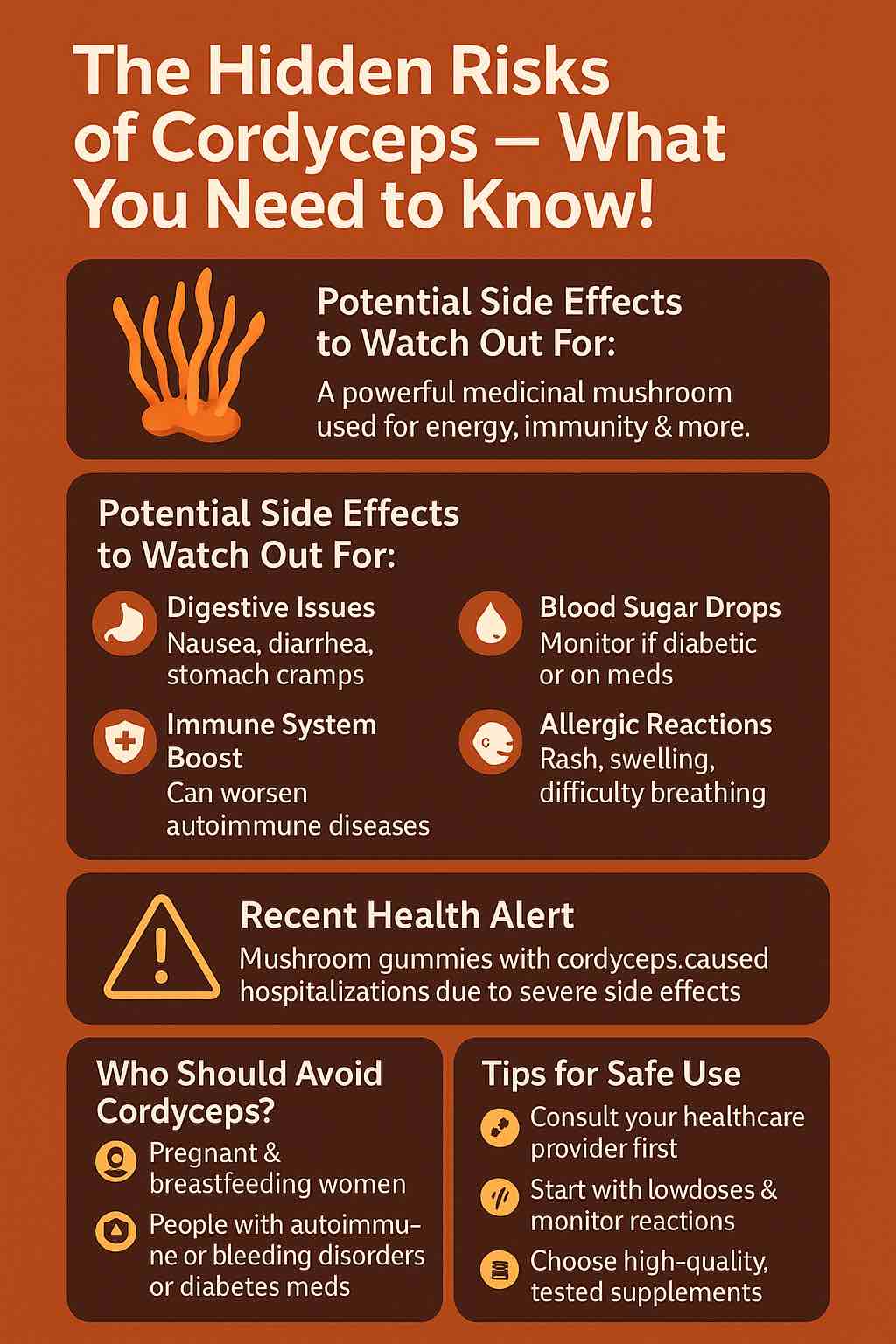
1. Gastrointestinal Issues

One of the most commonly reported side effects involves the digestive system:

  • Symptoms: Nausea, diarrhea, stomach cramps, and abdominal discomfort.
  • Why: Cordyceps may irritate the stomach lining or alter gut flora.
  • Advice: Start with low doses and take with food to reduce gastrointestinal upset.

2. Increased Bleeding Risk

Cordyceps have natural blood-thinning effects, which may increase bleeding risk.

  • Who’s at risk? People with bleeding disorders, on blood thinners (like warfarin), or scheduled for surgery.
  • What to do: Avoid cordyceps at least two weeks before surgery and consult a doctor if you’re on anticoagulants.
  • Potential Consequence: Excessive bleeding or bruising.

3. Immune System Overstimulation

Cordyceps stimulate the immune system, but this may backfire in some cases:

  • Who’s at risk? Individuals with autoimmune diseases (e.g., lupus, multiple sclerosis, rheumatoid arthritis).
  • Why: Enhanced immune activity could exacerbate autoimmune symptoms.
  • Additional risk: May interfere with immunosuppressive drugs after organ transplants.
  • Recommendation: Avoid or consult your healthcare provider if you have an autoimmune condition.

4. Blood Sugar Effects

Cordyceps may lower blood sugar levels, which could be dangerous for some:

  • Who’s at risk? People with diabetes or hypoglycemia, especially those on glucose-lowering medications.
  • What happens: Risk of blood sugar dropping too low (hypoglycemia).
  • Advice: Monitor blood glucose carefully and discuss with your healthcare provider.

5. Potential Liver Concerns

Although rare, some reports suggest cordyceps could impact liver health:

  • Symptoms: Elevated liver enzymes detected during blood tests, which might indicate inflammation or damage.
  • Risk: May worsen pre-existing liver conditions.
  • Advice: Have liver function monitored if you use cordyceps regularly or have liver disease.

6. Allergic Reactions

Some people may be allergic to cordyceps or experience hypersensitivity:

  • Symptoms: Itching, rash, swelling, breathing difficulties.
  • Seriousness: Allergic reactions can be severe; seek immediate medical help if symptoms occur.

Recent Health Alerts Related to Cordyceps

In 2024, health authorities in Australia issued warnings after multiple hospitalizations linked to mushroom gummies containing cordyceps and lion’s mane. Users experienced severe symptoms such as hallucinations, seizures, dizziness, and loss of consciousness. The product was recalled, highlighting the dangers of unregulated supplements and recreational misuse.

This incident underscores the importance of sourcing cordyceps products from reputable manufacturers and avoiding unverified formulations.


Who Should Avoid Cordyceps?

  • Pregnant or breastfeeding women: Safety is not well established.
  • People with bleeding disorders or on blood thinners.
  • Individuals with autoimmune diseases or on immunosuppressants.
  • Those with diabetes or hypoglycemia without medical supervision.
  • Anyone with known allergies to fungi or mushrooms.
  • Patients with liver disease or impaired liver function.

Tips for Safe Cordyceps Use

  • Consult Your Doctor: Especially if you have underlying conditions or take medications.
  • Start Low, Go Slow: Begin with the lowest recommended dose to test tolerance.
  • Purchase Quality Products: Look for third-party tested supplements to avoid contamination.
  • Avoid Before Surgery: Stop use at least two weeks prior to any planned operations.
  • Monitor for Side Effects: Watch for digestive issues, allergic symptoms, or unusual fatigue.
  • Don’t Mix Recklessly: Avoid combining with blood thinners or immunosuppressants without advice.

Final Thoughts

Cordyceps offer exciting health benefits supported by centuries of traditional use and growing scientific interest. However, they are not a cure-all and must be used thoughtfully.

Potential side effects—especially involving the digestive system, blood thinning, immune modulation, blood sugar, and liver health—warrant caution. The risks become more significant in vulnerable populations, including those with autoimmune diseases, bleeding disorders, or on certain medications.

As with any supplement, informed decisions and professional guidance are key to safely unlocking the benefits of cordyceps.


If you found this post helpful, dive deeper into medicinal mushrooms and wellness on MasalaMonk.com. Stay informed, stay healthy!

FAQs: Cordyceps Side Effects and Dangers

1. What are the most common side effects of taking cordyceps?
Common side effects include gastrointestinal issues like nausea, diarrhea, and abdominal discomfort. Some users may also experience mild allergic reactions such as itching or rash.

2. Can cordyceps cause bleeding problems?
Yes, cordyceps have blood-thinning properties that may increase bleeding risk, especially in people with bleeding disorders or those taking anticoagulant medications. It’s important to stop use before surgery.

3. Who should avoid using cordyceps supplements?
People with autoimmune diseases, bleeding disorders, diabetes, liver problems, pregnant or breastfeeding women, and those on blood thinners or immunosuppressants should avoid or consult their healthcare provider before using cordyceps.

4. Can cordyceps affect blood sugar levels?
Cordyceps may lower blood sugar, which can be risky for diabetics or people on blood sugar-lowering medications. Blood glucose levels should be monitored closely.

5. Are allergic reactions to cordyceps common?
Allergic reactions are rare but possible. Symptoms include itching, swelling, rash, and difficulty breathing. Seek immediate medical help if you experience any of these.

6. Can cordyceps cause liver damage?
There have been rare cases of elevated liver enzymes indicating possible liver inflammation. People with liver disease should use cordyceps cautiously and under medical supervision.

7. Is it safe to use cordyceps before surgery?
No, it is recommended to discontinue cordyceps at least two weeks before any surgical procedure to reduce bleeding risk.

8. Can cordyceps interfere with medications?
Yes, cordyceps may interact with blood thinners, immunosuppressants, and diabetes medications. Always consult your doctor before combining supplements with prescription drugs.

9. Are all cordyceps supplements safe to use?
Not all products are created equal. Quality varies widely, so choose supplements from reputable manufacturers that provide third-party testing for purity and safety.

10. What should I do if I experience side effects from cordyceps?
If you notice any adverse symptoms like digestive upset, allergic reactions, or unusual fatigue, stop taking cordyceps immediately and consult a healthcare professional.