Posted on Leave a comment

Cold Press Juicers vs Centrifugal Juicers: Which is Best?

Cold Press vs Centrifugal Juicers

Juicing is no longer just a wellness trend—it’s a kitchen staple for many health-focused homes. But if you’re just getting started or looking to upgrade your juicer, you’ve probably faced the classic dilemma:
Should you get a Cold Press (Masticating) Juicer or a Centrifugal Juicer?

This isn’t just a tech comparison—it’s about what’s best for your lifestyle, health goals, and taste buds. In this guide, I’ll break down the differences, bust a few myths, and help you choose with confidence.


What’s the Difference, Really?

Centrifugal juicers are the “classic” juicers you see in most stores. They’re fast, loud, and use a rapidly spinning blade to pulverize fruits and veggies, extracting juice via centrifugal force.

Cold Press (Masticating) juicers work differently. They “chew” produce at a low speed with an auger, gently crushing and pressing out juice. This slow process creates little heat, hence the term “cold press.”


How Does This Affect Your Juice?

Let’s get practical. Here’s how these two styles shape your daily juice routine:

1. Juice Quality & Nutrition

  • Cold Press Juicers
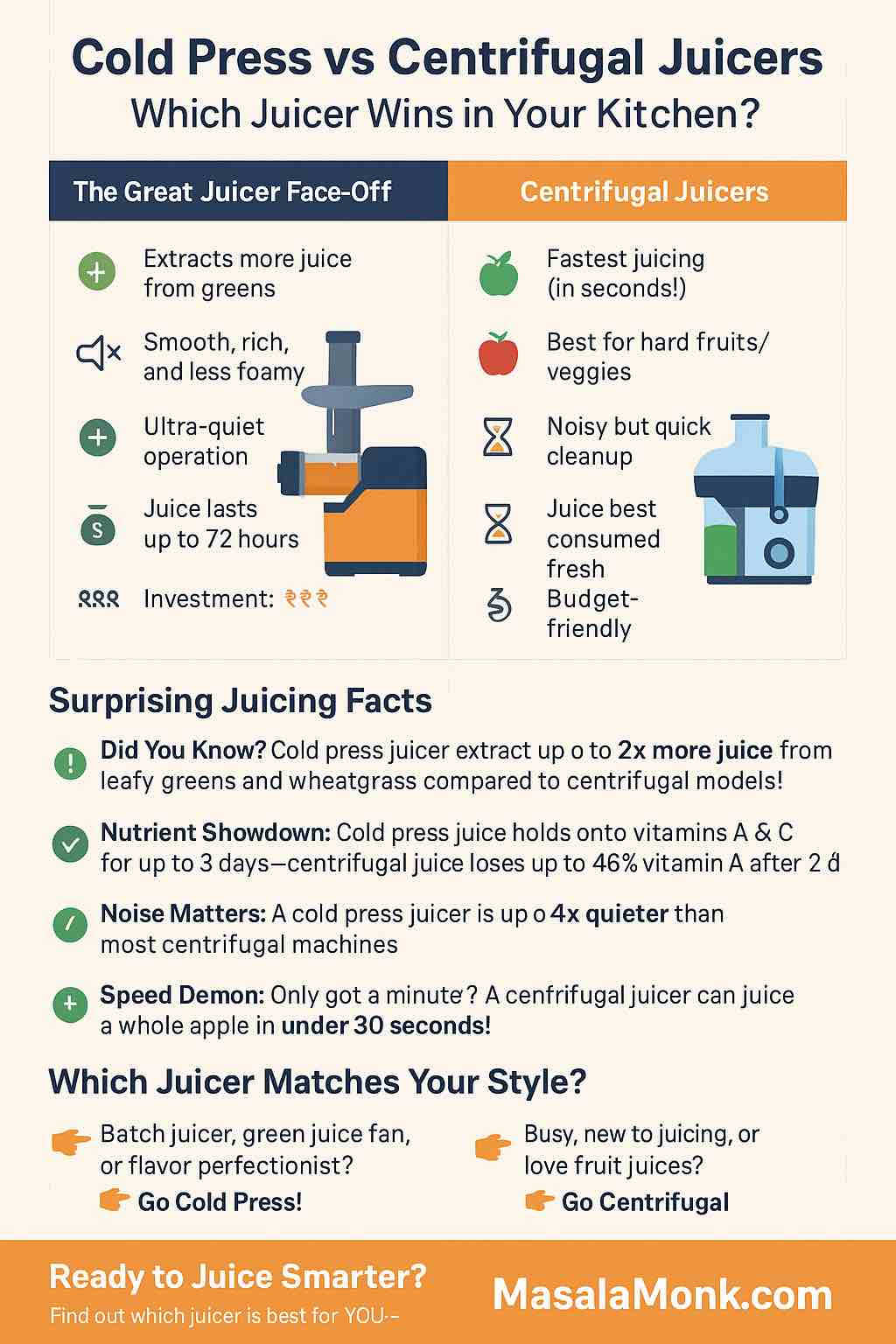
    • Higher juice yield. Get more juice (especially from leafy greens, wheatgrass, and soft fruits).
    • Richer flavor. Juice is smoother, less foamy, and has deeper color.
    • More nutrients—especially over time. Scientific studies show cold press juice retains more vitamins (notably A and C) after 48–72 hours. If you like to batch juice, this matters!
    • Minimal oxidation. Juice stays fresh longer (up to 3 days refrigerated) and separates less.
  • Centrifugal Juicers
    • Fast, fresh juice in seconds. Best for “drink it now” types.
    • Slightly less nutrient retention. Lab studies show only ~10–15% difference at the moment of juicing, but nutrients degrade much faster in storage.
    • More foam, faster separation. Texture can be frothier, and you’ll see layers form in your glass if you wait.

Bottom line: For best flavor and nutrition—especially with leafy greens or if you batch juice—cold press wins. If you drink juice immediately and don’t mind a little foam, centrifugal works just fine.


2. Speed & Convenience

  • Centrifugal Juicers
    • Fastest option by far!
      Whole apple? No problem—done in under a minute.
    • Large feeding chute. Minimal chopping needed.
    • Ideal for busy mornings or families on the go.
  • Cold Press Juicers
    • Slower extraction—usually 2–5 minutes for a glass.
    • Smaller feeding chute. Chopping is often required.
    • More parts to assemble/disassemble.

Bottom line: If you want juice NOW and minimal prep, centrifugal is hard to beat.


3. Noise Level

  • Centrifugal Juicers: Like a blender. Loud.
  • Cold Press Juicers: Whisper-quiet. Perfect for early risers or shared homes.

4. Cleaning

  • Centrifugal:
    • Fewer parts, wide openings—quick rinse and done.
  • Cold Press:
    • More components (auger, mesh, chute). Takes a few extra minutes and a brush to keep clean.

TIP: If you dread cleaning, check reviews—some newer cold press models have improved, but centrifugal remains the simplest.


5. Cost

  • Centrifugal Juicers:
    • Great entry models for $40–$150.
  • Cold Press Juicers:
    • Usually $150–$500+. High-end models can reach $700+.

Pro tip: Don’t just buy the cheapest! A sturdy $120 centrifugal or a $250–$350 cold press will outlast and outperform bargain-bin options.


6. Produce Types

  • Leafy Greens, Herbs, Wheatgrass:
    • Cold press is far superior. Centrifugal juicers struggle and waste produce.
  • Hard Fruits (apples, carrots, beets):
    • Both work well, but centrifugal is faster.
  • Soft Fruits (berries, tomatoes, kiwi):
    • Cold press gives higher yield and less mess.

Myths & Misconceptions: What Science Says

  • “Centrifugal juicers destroy nutrients!”
    Not exactly. The heat is modest (juice rarely gets above 50°C/122°F). Studies show a slight difference (10–15%) in vitamin retention at extraction, but the real gap is in storage: cold press juice stays nutritious much longer.
  • “Cold press juice is always healthier.”
    Not always. For some nutrients (like lycopene in tomatoes), gentle heat from centrifugal juicers can actually improve absorption. The overall difference for most people is modest if you drink the juice immediately.
  • “Cold press is only for the obsessed.”
    Nope! If you love greens, want to prep juice ahead, or value taste/texture, you’ll love cold press. But centrifugal makes great juice too—especially for fruit-focused recipes.

Which Should You Choose? A Practical Guide

Get a Cold Press Juicer if:

  • You juice leafy greens, herbs, or wheatgrass often.
  • You want to batch juice for 2–3 days.
  • Taste, texture, and nutrient retention matter to you.
  • You don’t mind a slower, quieter process (and a bit more cleanup).
  • Budget isn’t your biggest concern.

Get a Centrifugal Juicer if:

  • You’re new to juicing and want something quick, easy, and affordable.
  • You mainly juice hard fruits and veggies.
  • You’ll drink juice right away.
  • Speed and simplicity matter most.
  • You want less cleanup.

Real-World Examples

  • Busy Parent:
    You want fresh apple-carrot juice every morning, with minimal hassle. A good centrifugal juicer lets you prep, juice, and clean in 5 minutes.
  • Wellness Enthusiast:
    You juice kale, ginger, celery, and batch prep for the week. A cold press model gives you better taste, higher yield, and juice that lasts up to 72 hours in the fridge.
  • On a Budget:
    Start with a solid centrifugal juicer. If you fall in love with juicing, upgrade later!

Popular Models (2025 Recommendations)

Best Centrifugal Juicers

  • Breville Juice Fountain Plus: Fast, reliable, wide chute.
  • Hamilton Beach Big Mouth: Budget pick, easy cleanup.

Best Cold Press (Masticating) Juicers

  • Omega NC900HDC: High yield, superb for greens.
  • Nama J2: Newer, auto-feeding, minimal prep.
  • Hurom H-AA: Compact, very quiet.

Final Thoughts: What’s Right for You?

The “best” juicer is the one that fits your habits, kitchen, and goals. Both types can deliver delicious, healthful juice at home.

If you want the most juice from every spinach leaf and care about longevity—go cold press. If you crave convenience, drink juice right away, and want a smaller upfront investment—centrifugal is perfect.

Remember:
The healthiest juice is the one you’ll actually make and drink!


Practical Tips for Better Juicing (No Matter the Juicer)

  • Prep produce ahead: Chop, wash, and bag portions for the week.
  • Alternate soft and hard produce: This helps both juicer types avoid clogs.
  • Clean immediately: Rinse parts right after use for easy cleanup.
  • Drink soon: Even cold press juice is best within 48 hours for flavor and nutrients.
  • Experiment: Try both methods at a juice bar before you buy—or borrow a friend’s machine.

Have Questions or a Juicer Story?

Drop a comment below! Which juicer do you use? What surprised you about your first juicing experience? Let’s share real-world tips and favorite recipes!


Happy juicing—whatever you choose!

10 Frequently Asked Questions (FAQs) About Cold Press vs Centrifugal Juicers

1. Which juicer is better for leafy greens and wheatgrass?
Cold press (masticating) juicers are far superior for leafy greens, wheatgrass, and herbs. They extract significantly more juice and nutrients, whereas centrifugal juicers often leave these types of produce almost dry and wasteful.


2. Can I store juice from both juicers, and for how long?
Cold press juice can be stored in the refrigerator for up to 72 hours with minimal loss of nutrients and flavor. Juice from centrifugal juicers should ideally be consumed within 24 hours due to faster nutrient degradation and oxidation.


3. Is there a big difference in nutrition between the two types?
There is a modest difference—cold press juicers retain about 10–15% more vitamins and antioxidants, especially after storing. For immediate drinking, the nutritional gap is small, but it widens if you batch juice.


4. Are cold press juicers really that much quieter?
Yes, cold press juicers operate at low speeds and are much quieter than centrifugal juicers, which are about as loud as a blender. This makes cold press ideal for early mornings or shared spaces.


5. What are the main cleaning differences?
Centrifugal juicers usually have fewer parts and are quicker to clean, often taking just a couple of minutes. Cold press juicers have more components, including a mesh screen and auger, and can take a few extra minutes and a brush to clean thoroughly.


6. Why are cold press juicers so much more expensive?
Cold press juicers use more complex, durable mechanisms and often yield more juice per produce—saving money in the long run if you juice regularly. You’re paying for higher juice quality, better yield, and longer juice shelf life.


7. Do centrifugal juicers work with soft fruits?
They can, but you’ll often get a thinner, more separated juice and less yield. Cold press juicers are much better for soft fruits like berries, tomatoes, and kiwi.


8. Is it true centrifugal juicers destroy enzymes and nutrients with heat?
Not really. The heat generated is minimal and doesn’t destroy nutrients outright. However, the oxidation from the fast spinning can reduce some sensitive nutrients and shortens shelf life, especially for vitamins A and C.


9. Which type of juicer is best for beginners?
Centrifugal juicers are best for beginners—they’re affordable, fast, and easy to use. They’re great for occasional or fruit-focused juicing. If you become a regular juicer or want to maximize yield from greens, you can upgrade to cold press later.


10. Can I use both types of juicers together?
While not necessary for most people, some serious juicers do use both: centrifugal for fast, everyday fruit juices and cold press for batch-prepped or green juices. If budget and space allow, having both gives ultimate flexibility.
Posted on 2 Comments

Benefits of Flax Seeds and How to Incorporate Them into the Indian Diet

FLAX SEEDS in INDIAN DIET

There’s a reason ancient civilizations revered flax seeds (“Alsi” in Hindi)—and modern science is only adding to the hype! From boosting heart health to improving hormonal balance, flax seeds have quietly become a nutrition superstar. Yet, most Indian kitchens haven’t unlocked their full potential.

If you’re curious about easy, Indian-friendly ways to add this powerhouse seed to your meals, or just want the latest scientific scoop, you’re in the right place. Let’s dive in!


Section 1: What Are Flax Seeds and Why All the Buzz?

Flax seeds are tiny, flat, brown or golden seeds harvested from the flax plant (Linum usitatissimum). They’ve been consumed for thousands of years but have only recently hit the mainstream thanks to new research revealing their wide-ranging health benefits.

So what makes flax seeds so special?

  • Loaded with Omega-3 (ALA) – Rare for plant foods, this fatty acid supports heart, brain, and joint health.
  • Fiber Powerhouse – Both soluble and insoluble fiber for better gut, lower cholesterol, and stable blood sugar.
  • Lignan Rich – Plant antioxidants with unique hormone-balancing and anti-cancer potential.
  • Quality Plant Protein – Perfect for vegetarians/vegans.
  • Versatile in the Kitchen – Easily added to Indian meals without compromising on taste.

Section 2: Science-Backed Benefits of Flax Seeds

1. Heart Health & Cholesterol

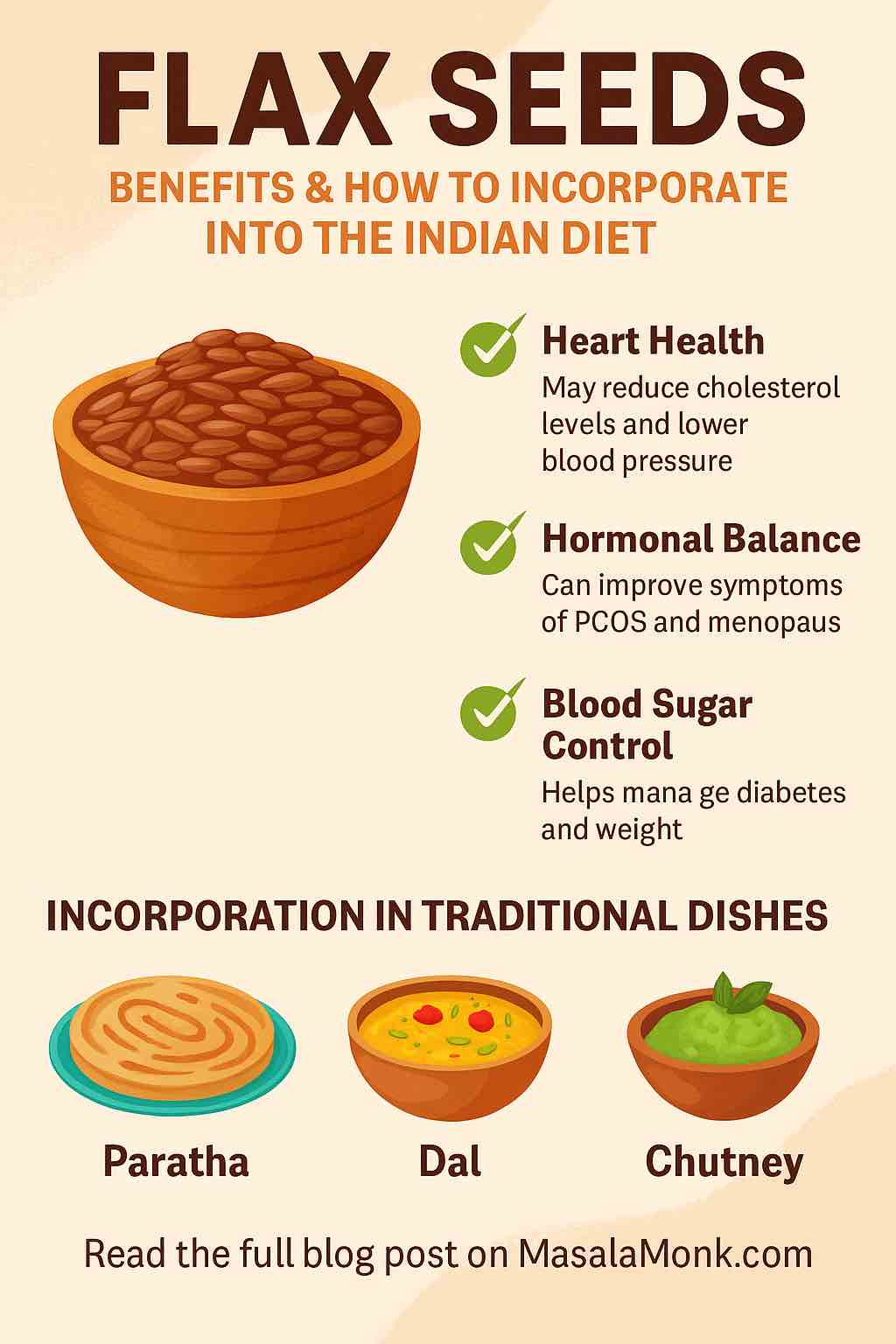
Numerous clinical trials and meta-analyses now confirm: flax seeds lower total and LDL (bad) cholesterol, modestly lower blood pressure, and improve overall cardiovascular health. This is largely thanks to their combination of ALA, fiber, and lignans.

2. Blood Sugar Control

Regular flax seed intake helps manage blood glucose and insulin resistance, especially helpful for people with type 2 diabetes or those at risk.

3. Weight Management

Fiber and healthy fats keep you fuller for longer, curb cravings, and support healthy weight loss—supported by several randomized trials.

4. Hormonal Balance (PCOS, Menopause, PMS)

Recent studies (2024–2025) show daily flax can:

  • Reduce PCOS-related hormonal imbalances (normalizing FSH, LH ratios).
  • Ease perimenopausal and menopausal symptoms such as hot flashes and mood swings.
  • Provide gentle support for menstrual regularity.

5. Gut Health & Immunity

Flax seeds act as prebiotics, supporting a diverse gut microbiome and lowering inflammation markers like CRP and IL-6.

6. Liver Health (NAFLD/MASLD)

Flax seed supplementation improves liver enzymes, reduces fatty deposits, and boosts beneficial gut bacteria, especially in people with fatty liver disease.

7. Cancer Prevention

While evidence is still emerging, high lignan content is linked to lower risk of hormone-related cancers (breast, prostate).


Section 3: The Indian Dilemma—How to Eat Flax Seeds Without Compromising Taste

Here’s the real challenge: How do you add flax seeds to your daily Indian meals without feeling like you’re swallowing sawdust?

Key Tips for Maximum Nutrition

  1. Always Use Ground Flax Seeds
    Whole flax seeds often pass undigested. Buy whole, lightly roast, and grind in small batches. Store in an airtight container in the fridge.
  2. Start Small
    Begin with 1 teaspoon daily, and work up to 1–2 tablespoons (about 10–30 g), adjusting based on your gut tolerance.
  3. Hydrate
    Fiber needs water! Drink plenty throughout the day.
  4. Be Consistent
    Benefits come with regular use over 8–12+ weeks.

Section 4: 10 Easy Indian Ways to Use Flax Seeds (With Practical Recipes)

1. Paratha/Chapati Dough

Add 1–2 tbsp ground flax seeds to your daily dough for rotis, parathas, or theplas. You won’t even notice the difference in taste!

2. Dals and Curries

Finish your dal, sambhar, or sabzi with 1 tbsp of ground flax. Add at the end—don’t cook for too long to preserve nutrients.

3. Chutneys and Podis

  • Flax Seed Chutney:
    Roast 2 tbsp flax, blend with coconut, mint, chilies, and salt for a nutrient-packed side.
  • Flax Podi:
    Dry roast flax with sesame, cumin, and chilies. Grind to a coarse powder. Sprinkle on rice, idlis, or dosa.

4. Flax Laddoos

Mix ground flax with dates, nuts, and a bit of ghee or nut butter. Shape into energy balls for a portable, healthy snack—especially for kids and elders.

5. Breakfast Boosters

  • Poha/Upma: Add 1 tbsp flax at the end of cooking.
  • Porridge: Stir flax into oats or daliya.
  • Curd/Yogurt: Mix flax, fruit, and a touch of honey.

6. Beverages

Add ground flax to buttermilk, lassi, or smoothies.
Pro tip: It adds creaminess without altering taste.

7. Egg Substitute in Baking

Mix 1 tbsp flax meal with 3 tbsp water, let sit for 5 min—replaces one egg in cakes, muffins, or pancakes.

8. Healthy Toppings

Sprinkle on salads, fruit chaat, bhel, or even on raita for an omega-3 punch.

9. Soups & Stews

Stir in towards the end for thickening and nutritional boost.

10. Namkeen and Snack Mixes

Roast flax seeds with peanuts, curry leaves, and mild spices for a crunchy, fiber-rich snack.


Section 5: Who Should Be Careful?

  • People with bowel disorders: Start with a small amount, as too much fiber too quickly can cause bloating or discomfort.
  • Pregnant/breastfeeding women: Stick to food-level (culinary) use; consult your doctor for large, regular doses.
  • People on blood thinners: Flax can mildly impact clotting.

Section 6: Frequently Asked Questions

1. How much flax seed should I eat daily for health benefits?
The ideal amount is 1–2 tablespoons (10–20 grams) of ground flax seeds per day for most adults. Start with a teaspoon and increase gradually to avoid digestive discomfort.

2. Should I eat flax seeds whole or ground?
Always consume flax seeds ground or as a powder. Whole seeds may pass through your digestive tract undigested, so you’ll miss out on their nutrients.

3. Can I cook flax seeds? Will heating destroy the nutrients?
Light roasting is fine and even enhances flavor. Avoid prolonged, high-heat cooking, but adding ground flax to warm food or during final cooking is perfectly safe and effective.

4. Are there any side effects of eating flax seeds?
Some people experience gas or bloating if they eat too much too quickly. Increase your intake gradually and drink plenty of water. Rarely, allergic reactions or digestive discomfort can occur.

5. Can children and elderly people eat flax seeds?
Yes. For young children, start with ¼–½ teaspoon a day; for elders, start with ½–1 teaspoon. Adjust amounts based on tolerance and consult a doctor for any health conditions.

6. Is there a difference between brown and golden flax seeds?
Both are nutritionally very similar and can be used interchangeably. Choose whichever is easily available or affordable.

7. How do I store flax seeds to keep them fresh?
Store whole seeds in a cool, dry place for up to a year. Ground flax should be kept in an airtight container in the refrigerator and used within 2–4 weeks for best freshness and nutrition.

8. Can flax seeds be eaten during pregnancy or breastfeeding?
Flax seeds are safe in food amounts, but large medicinal doses should be avoided unless prescribed by a doctor. Always consult your healthcare provider before making dietary changes during pregnancy or lactation.

9. Do flax seeds interact with any medicines?
Flax seeds may slightly affect blood clotting and blood sugar, so if you’re on anticoagulants or diabetes medication, consult your doctor before regular, large consumption.

10. What are some quick Indian recipes to use flax seeds daily?
Mix ground flax into roti dough, sprinkle on dal or sabzi, stir into chutneys or curd, add to smoothies, or make flax seed ladoos for a healthy snack. See the blog above for more ideas!


Section 7: Sample 1-Day Indian Meal Plan with Flax Seeds

Breakfast:
Poha with 1 tbsp ground flax stirred in before serving + curd

Lunch:
Chapati with 1 tbsp flax in dough + palak dal (add 1 tbsp flax meal while tempering) + salad sprinkled with flax

Snack:
Flax seed laddoo + tea

Dinner:
Brown rice, vegetable curry with flax meal + flax podi on the side

Beverages:
Buttermilk or smoothie with 1 tsp flax


Conclusion: Small Seed, Big Impact

Flax seeds may be tiny, but their health punch is huge. They’re affordable, versatile, and easy to add to your favorite Indian meals without changing your family’s tastes or traditions. Science shows that regular, moderate intake (1–2 tbsp/day) can help with heart, hormone, gut, and liver health—sometimes within just weeks.

Start today—roast, grind, sprinkle, and enjoy!


Want more?
Let me know if you’d like downloadable recipe cards, weekly meal plans, or the latest scientific studies for a particular health issue.


Your health journey can start with just one tiny seed—give flax a place in your Indian kitchen today!

Posted on 3 Comments

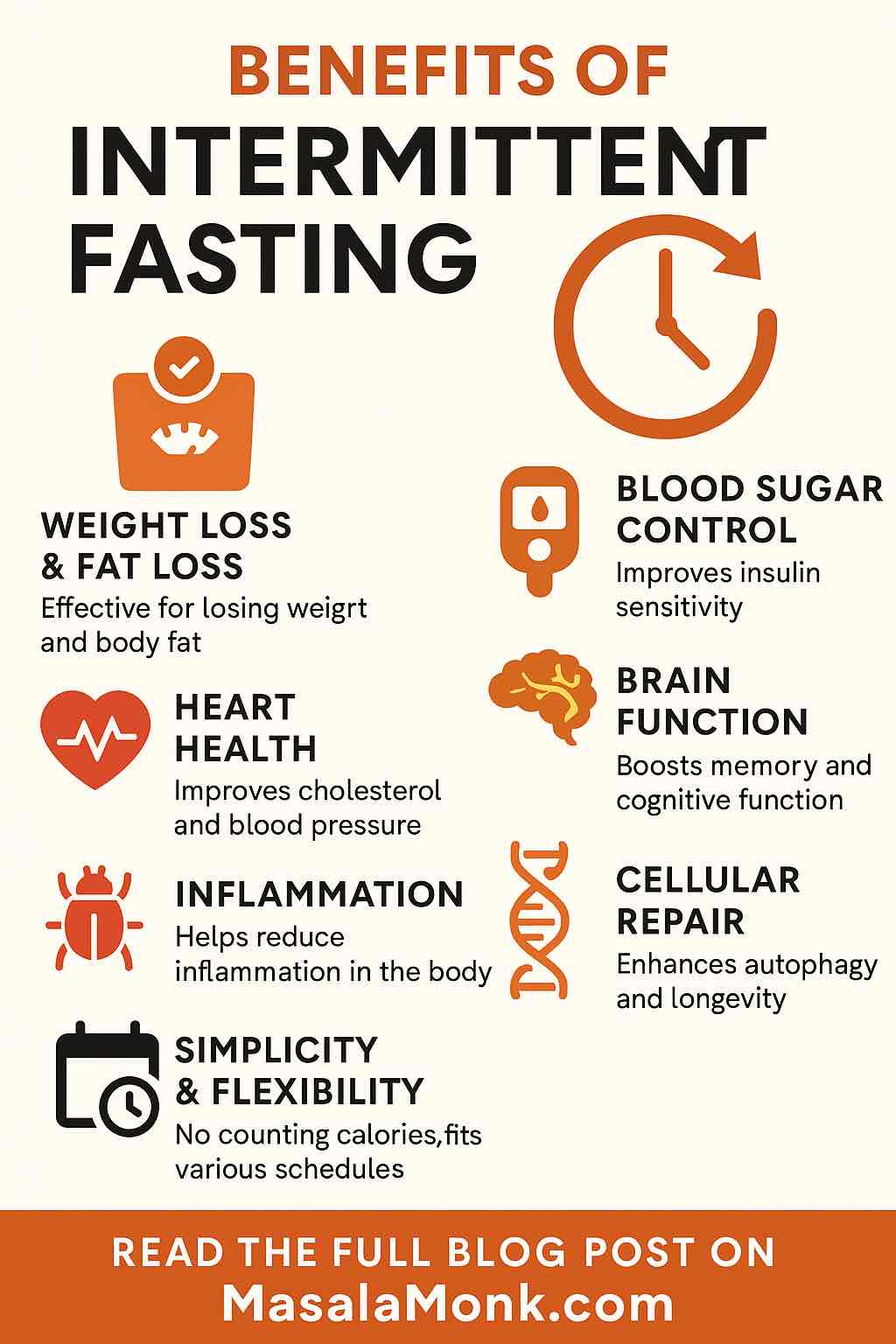
Benefits of Intermittent Fasting

BENEFITS OF INTERMITTENT FASTING

Intermittent fasting (IF) isn’t just a diet trend—it’s a revolution in how we think about eating, health, and even longevity. But behind the headlines and celebrity endorsements, what does the science actually say? Can skipping meals really help you lose weight, prevent diabetes, or even slow aging? What’s the best way to do IF for your lifestyle—and is it right for everyone?

Whether you’re IF-curious, a seasoned faster, or just want real answers, this post will cut through the noise with evidence-based benefits, risks, and practical tips for success.


What is Intermittent Fasting?

Intermittent fasting is not a diet—it’s an eating pattern. You cycle between periods of eating and fasting, with no strict rules about what you eat, but rather when you eat.

Popular IF Methods:

  • 16:8: Fast for 16 hours, eat in an 8-hour window daily.
  • 5:2: Eat normally for 5 days, restrict calories (500–600) for 2 non-consecutive days.
  • 4:3: Eat 4 days, fast or restrict 3 days per week.
  • Alternate-Day Fasting (ADF): Alternate fasting and regular eating every other day.
  • OMAD: “One Meal A Day” fasting for 23 hours, one big meal.

Why is IF different from traditional dieting?
It focuses on when you eat, not just calories. Yet, research shows that total calorie intake still matters—IF is a framework to make calorie reduction easier and more sustainable.


1. Weight Loss and Fat Loss: The Evidence

If you’re after sustainable weight loss, the evidence for IF is solid:

  • A 2025 Harvard meta-analysis (99 trials, 6,500+ participants) found IF to be as effective as standard calorie counting for weight loss, but alternate-day fasting (ADF) led to slightly more weight lost (~1.3 kg more), and also improved cholesterol, triglycerides, and inflammation .
  • The “4:3” method outperformed classic calorie restriction for weight loss in a year-long University of Colorado study (7.6% lost vs. 5%), likely due to better adherence—people just found it easier to stick to .
  • Fat loss, not muscle loss: IF, especially when paired with exercise, targets body fat while sparing lean muscle .

Why does it work?
During fasting, insulin drops, fat-burning ramps up, and human growth hormone increases—making it easier to tap into fat stores.


2. Blood Sugar, Insulin, and Diabetes

  • Improved insulin sensitivity: IF has consistently shown to lower fasting insulin, reduce blood sugar, and enhance insulin sensitivity—even in people with prediabetes and Type 2 diabetes .
  • 5:2 diet leads the pack: In a recent RCT (2021–2024), people with Type 2 diabetes on a 5:2 plan saw better fasting glucose, triglycerides, and insulin sensitivity than those on daily restriction or 10-hour eating windows .
  • Caution: If you’re on blood sugar meds or insulin, always consult your doctor before trying IF!

3. Heart and Metabolic Health

  • Better heart markers: IF reliably reduces blood pressure, LDL (bad) cholesterol, triglycerides, and markers of inflammation like CRP .
  • Long-term benefits? While short-term studies are promising, some experts caution that the advantages may be similar to simply eating fewer calories. For heart patients, when you eat may matter too—some studies suggest longer eating windows might benefit certain heart conditions .

4. Cellular Repair, Autophagy, and Longevity

Here’s where IF gets really interesting:

  • Cellular cleanup: Fasting switches the body into repair mode—cells remove waste (autophagy), DNA gets repaired, and longevity genes (like sirtuins) are activated .
  • Animal studies: In mice and monkeys, IF extends lifespan and delays age-related diseases.
  • Humans: The “fasting-mimicking diet” (a modified IF) has shown reductions in biological age (~2.5 years younger!) and improvements in metabolism and immune function .

The real magic of autophagy kicks in after ~36–72 hours of fasting, but long fasts should only be done under medical supervision .


5. Brain and Gut Health

  • Brain boost: IF increases brain-derived neurotrophic factor (BDNF), enhances learning, memory, and may protect against neurodegenerative diseases like Alzheimer’s and Parkinson’s .
  • Mood & focus: Many fasters report increased clarity and energy—some studies confirm improved mood and cognitive performance.
  • Gut repair: IF can restore the gut lining, improve the microbiome, and reduce “leaky gut” in animal studies .

6. Inflammation and Immune System

  • IF lowers levels of inflammatory cytokines (like IL-6, TNF-alpha, CRP), and even rejuvenates immune cell production in some fasting-mimicking diet trials .

7. Practical Benefits: Simplicity, Adherence, and Lifestyle

  • No calorie counting: IF is simpler than traditional diets—just follow the clock.
  • Easier to stick to: Studies show adherence rates are higher for IF than daily restriction, possibly due to reduced decision fatigue and more flexible eating on “feast” days .
  • Works with most lifestyles: You can adjust fasting windows to fit shift work, social life, or cultural eating patterns.

Potential Risks and Who Should Avoid IF

Intermittent fasting isn’t a magic bullet—and it’s not for everyone.

Not recommended for:

  • Pregnant or breastfeeding women
  • Children and teenagers
  • Anyone with a history of eating disorders
  • Frail elderly or underweight individuals
  • People with certain chronic conditions—always consult your doctor first

Possible side effects (usually fade in weeks):
Hunger, headaches, low energy, irritability, sleep disturbances, bad breath.

Special caution:
Some evidence (still debated) suggests that strict IF (especially 8-hour eating windows) might increase long-term cardiovascular mortality in certain groups. Balance is key; more research is needed .


How to Start Intermittent Fasting: A Practical Guide

1. Pick a method that fits your lifestyle

  • New to IF? Start with 12:12 (12 hours fasting overnight) or 14:10 and work up.
  • Prefer fewer fasts, but longer? Try 5:2 or 4:3.
  • Social life matters? Use fasting windows that skip breakfast or dinner based on your schedule.

2. Ease in gradually

  • Start with shorter fasts and increase fasting duration weekly.
  • Stay hydrated—water, black coffee, and tea are your friends.

3. Prioritize protein and whole foods

  • To minimize muscle loss, eat plenty of protein and vegetables when you do eat.
  • Pair IF with resistance exercise for best results .

4. Listen to your body

  • Adjust fasting windows if you feel lightheaded, overly fatigued, or unwell.
  • IF is flexible: skip a fast for big events, holidays, or when you need extra energy.

5. Track your progress

  • Measure weight, waist circumference, blood sugar, or energy levels—not just pounds lost.
  • Take “before and after” photos or keep a journal to stay motivated.

6. Get medical support if needed

  • If you have any medical condition, or plan prolonged (24–72hr) fasts, work with your doctor or a dietitian.

The Bottom Line: Should You Try Intermittent Fasting?

Intermittent fasting offers more than just weight loss—it’s a powerful tool for metabolic health, cellular repair, brain function, and maybe even longevity. It’s flexible, practical, and can fit most lifestyles. But it’s not a magic fix: the quality of your diet, exercise, sleep, and stress management still matter. And it’s not for everyone.

If you’re interested, start slow, listen to your body, and aim for consistency over perfection. Pair IF with healthy habits, and you might be surprised at the benefits—not just on your waistline, but for your overall health.


References

  1. Harvard T.H. Chan School of Public Health. “Intermittent fasting may be effective for weight loss, cardiometabolic health.” (2025)
  2. The Times. “Intermittent fasting more effective than calorie counting for weight loss, study finds.” (2025)
  3. University of Mississippi meta-analysis on IF and muscle mass. (2025)
  4. Frontiers in Nutrition. “Intermittent Fasting: Mechanisms and Clinical Use.” (2025)
  5. Science Daily. “Intermittent energy restriction and diabetes: Latest RCT.” (2025)
  6. Washington Post. “Intermittent fasting for weight loss: New findings and long-term safety.” (2025)
  7. Nature. “The role of fasting-induced autophagy in health and disease.” (2024)
  8. USC Leonard Davis School. “Fasting-mimicking diet reduces biological age.” (2024)
  9. NY Post. “Extreme intermittent fasting: When does autophagy start?” (2025)
  10. Arxiv preprint. “Intermittent fasting and the brain.” (2024)
  11. NAD News. “Intermittent fasting and gut aging: New research.” (2025)

Ready to try intermittent fasting?
Share your thoughts or questions in the comments—and let’s learn from each other’s experience!

Frequently Asked Questions (FAQs)

1. What is the best intermittent fasting method for beginners?
Answer:
The 16:8 method is widely recommended for beginners: fast for 16 hours (including overnight), and eat within an 8-hour window. It’s simple to start, flexible, and fits most lifestyles.


2. Will intermittent fasting slow my metabolism?
Answer:
No, studies show that short-term intermittent fasting may actually boost metabolism slightly. Metabolic slowdown is only a risk with extreme, prolonged calorie restriction over months, not with standard IF protocols.


3. Can I drink coffee or tea during fasting?
Answer:
Yes! Black coffee, unsweetened tea, and water are all allowed during fasting periods. Avoid sugar, milk, and cream, as these can break your fast.


4. How long does it take to see results with intermittent fasting?
Answer:
Many people notice changes in hunger, energy, and even some weight loss within the first 2–4 weeks. For more significant weight or health improvements, give it at least 8–12 weeks and track your progress.


5. Will I lose muscle with intermittent fasting?
Answer:
Not if you eat enough protein and incorporate resistance training. IF paired with strength training can preserve, or even increase, lean muscle while reducing body fat.


6. Is intermittent fasting safe for women?
Answer:
Most women can safely practice IF, but some may experience changes in menstrual cycles or hormone balance. Pregnant, breastfeeding women, or those with a history of eating disorders should avoid IF unless supervised by a doctor.


7. Can I exercise while fasting?
Answer:
Yes! Light to moderate exercise is safe for most people during a fast. Many report better fat burning. Listen to your body, and schedule more intense workouts during your eating window if needed.


8. What should I eat during my eating window?
Answer:
Focus on whole, nutrient-dense foods: lean protein, healthy fats, whole grains, fruits, and plenty of vegetables. Avoid binging on junk food during eating windows—quality still matters.


9. Are there any side effects of intermittent fasting?
Answer:
Common side effects at the start include hunger, headaches, irritability, and fatigue. These usually subside after 1–2 weeks as your body adapts. Staying hydrated and getting enough electrolytes can help.


10. Who should not try intermittent fasting?
Answer:
IF is not recommended for children, pregnant or breastfeeding women, people with a history of eating disorders, the frail elderly, or anyone with certain chronic medical conditions (like advanced diabetes on insulin) unless supervised by a healthcare professional.

Posted on 1 Comment

Can I Eat Walnuts During Pregnancy?

Can I Eat Walnuts During Pregnancy?

Pregnancy is a time of excitement, anticipation—and endless questions about what you should (or shouldn’t) eat. If you’re wondering about walnuts, you’re not alone. Walnuts are celebrated for their nutrition, but are they safe for moms-to-be? Can they really boost your baby’s brain? And how much is too much?

Here’s the truth, straight from the latest research (including new studies published in 2025): Walnuts are not only safe but can be a powerful ally in supporting your baby’s long-term brain and emotional development—if eaten in the right way and right amount. Let’s dive in!


What Makes Walnuts a Superfood for Pregnancy?

Walnuts stand out among nuts for several reasons:

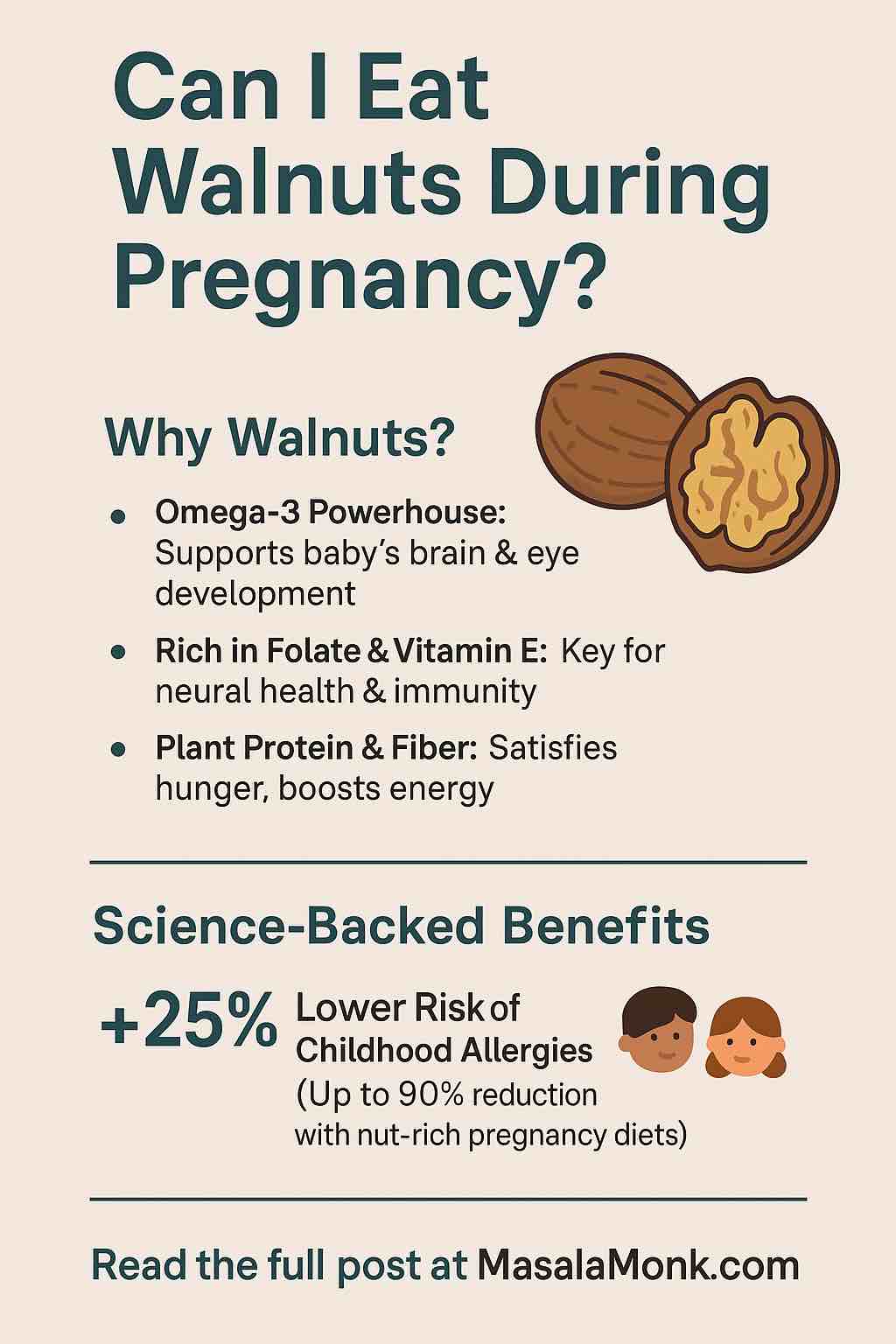
  • Omega-3 Alpha-Linolenic Acid (ALA): Essential for brain and eye development, especially in the early stages of pregnancy.
  • Plant Protein & Fiber: Keeps you feeling full and supports steady energy—vital when growing a baby.
  • Vitamins & Minerals: Folate (for neural tube health), vitamin E (antioxidant power), magnesium, copper, and more.
  • Antioxidants & Polyphenols: Help reduce inflammation and boost your immune system.

What Does the Latest Research Say?

1. Cognitive and Behavioral Benefits for Children

  • Landmark Spanish and Japanese cohort studies (2023–2025) found that moms who ate walnuts or mixed nuts during pregnancy had children with:
    • Better attention, working memory, and IQ—lasting up to 15 years old.
    • Fewer risky decisions and impulsive behaviors by age 11.
    • Reduced social and peer problems by age 5.
  • A 2023 clinical trial (IMPACT-BCN, Spain): Moms on a Mediterranean diet rich in walnuts (about 15 whole walnuts per week) had children with significantly higher cognitive and emotional scores at age 2.

2. Allergy Prevention and Immune Support

  • Iranian and international studies suggest that regular nut consumption during pregnancy may lower the risk of allergies in babies—possibly cutting the odds by as much as 90% compared to women who avoid nuts.

3. Metabolic Health for Mom

  • Eating nuts, including walnuts, is linked with a lower risk of gestational diabetes and healthier weight management during pregnancy.

How Much Should You Eat? Practical Dosage & Timing

  • Best timing: The first trimester (first 12–14 weeks) seems most critical for your baby’s brain and behavioral development, but benefits continue throughout pregnancy.
  • How much: A small handful per day is ideal—about 30–35 grams (7–10 whole walnuts). Research studies typically used 30–75 grams per week.
  • Don’t overdo it: Walnuts are healthy but calorie-dense. Stick to recommended portions to avoid excessive weight gain.

Myths & Common Questions: Fact-Checked

Q: Can eating walnuts cause allergies in my baby?

A: No! The latest research shows no link between eating nuts during pregnancy and a higher risk of allergies—in fact, moderate intake may reduce allergy risk.

Q: Should I avoid nuts if I have a family history of allergies?

A: If you are not allergic to nuts, research says you don’t need to avoid them, but always consult your doctor if you’re unsure.

Q: Are walnuts better than other nuts?

A: Walnuts are especially high in omega-3s, but almonds, hazelnuts, and pistachios also offer benefits. Mixing it up is a good strategy!


How to Add Walnuts to Your Pregnancy Diet (Tasty & Easy Ideas)

  • Sprinkle on breakfast: Add chopped walnuts to oatmeal, Greek yogurt, or smoothie bowls.
  • Boost your salad: Toss a handful on top for crunch and nutrition.
  • Bake into snacks: Mix into banana bread, muffins, or homemade granola bars.
  • Quick snack: Pair with fresh fruit, dark chocolate, or a small piece of cheese.
  • Blend into sauces: Walnuts add creaminess and nutrition to pesto or pasta sauce.

Safety First: Who Should Be Careful?

  • If you have a nut allergy: Avoid walnuts entirely and consult your healthcare provider.
  • Digestive sensitivities: Walnuts are high in fiber; introduce them slowly if you’re not used to eating many nuts.
  • Caloric balance: Walnuts are dense in calories. A small portion goes a long way.

The Bottom Line: Walnuts & Pregnancy

Walnuts are safe—and highly beneficial—during pregnancy for most women. They can support your baby’s cognitive, behavioral, and emotional development, as well as your own health and wellbeing. The key is moderation, variety, and starting early (ideally in the first trimester).

As always, check with your healthcare provider about your individual situation, especially if you have allergies or unique dietary needs.


Want More? Real-Life Tips & Encouragement

  • Plan ahead: Keep a jar of walnuts in your kitchen for easy snacking.
  • Meal prep: Batch-bake healthy walnut snacks or toss in salads for the week ahead.
  • Share with your partner: The same healthy habits support everyone in the family!

Congratulations on your pregnancy! Eating well now is a gift to both you and your baby—for life.

Frequently Asked Questions (FAQs)

1. Can I eat walnuts in the first trimester of pregnancy?
Yes. Research suggests eating walnuts in the first trimester offers the greatest benefits for your baby’s brain and cognitive development.

2. How many walnuts should I eat per day during pregnancy?
About 7–10 whole walnuts (30–35 grams) per day is a safe and beneficial amount for most pregnant women.

3. Are walnuts safe if I have a family history of nut allergies?
If you are not personally allergic, you can usually eat walnuts safely. However, consult your doctor before including them in your diet.

4. Can eating walnuts during pregnancy cause my baby to have a nut allergy?
No. Current research indicates eating nuts does not increase allergy risk in your baby; it may even help reduce it.

5. Are walnuts better than other nuts in pregnancy?
Walnuts are especially high in omega-3s, which are important for fetal brain development. Including a mix of nuts is also healthy.

6. What are the main benefits of walnuts in pregnancy?
Walnuts support fetal brain development, reduce inflammation, may lower allergy risk, and provide key nutrients for mother and baby.

7. Can walnuts help prevent gestational diabetes?
Walnuts, as part of a healthy diet, may help support normal blood sugar levels and reduce the risk of gestational diabetes.

8. How can I add walnuts to my pregnancy diet?
Try walnuts in oatmeal, yogurt, salads, baked goods, smoothies, or as a simple snack.

9. Are there any side effects of eating too many walnuts during pregnancy?
Walnuts are high in calories and fiber. Overeating may cause digestive discomfort or unwanted weight gain. Stick to a moderate handful daily.

10. Should I stop eating walnuts in late pregnancy?
No need to stop. While the first trimester is key for cognitive benefits, walnuts are nutritious throughout pregnancy.

Posted on Leave a comment

The Surprising Link Between Popcorn and Weight Loss

popcorn & weight loss

Popcorn: Just hearing the word might conjure up the smell of movie theaters, the sound of kernels bursting in a pot, or memories of late-night snacks with friends. But for many, popcorn is still stuck in the “junk food” category—something indulgent rather than nutritious. It’s time to set the record straight. New research reveals that, when prepared right, popcorn isn’t just a low-calorie snack—it could be a powerful ally in your weight loss journey and metabolic health.

Popcorn: Not Just Empty Calories

Let’s get this out of the way: not all popcorn is created equal. Microwave bags loaded with butter, caramel corn, and movie theater tubs dripping with oil are not the popcorn that’s impressing nutritionists and scientists. The real hero here is air-popped, unprocessed popcorn—just simple whole kernels, popped with air or a hint of healthy oil, and seasoned with spices rather than fat.

Why does this matter? Unlike processed snacks, air-popped popcorn is:

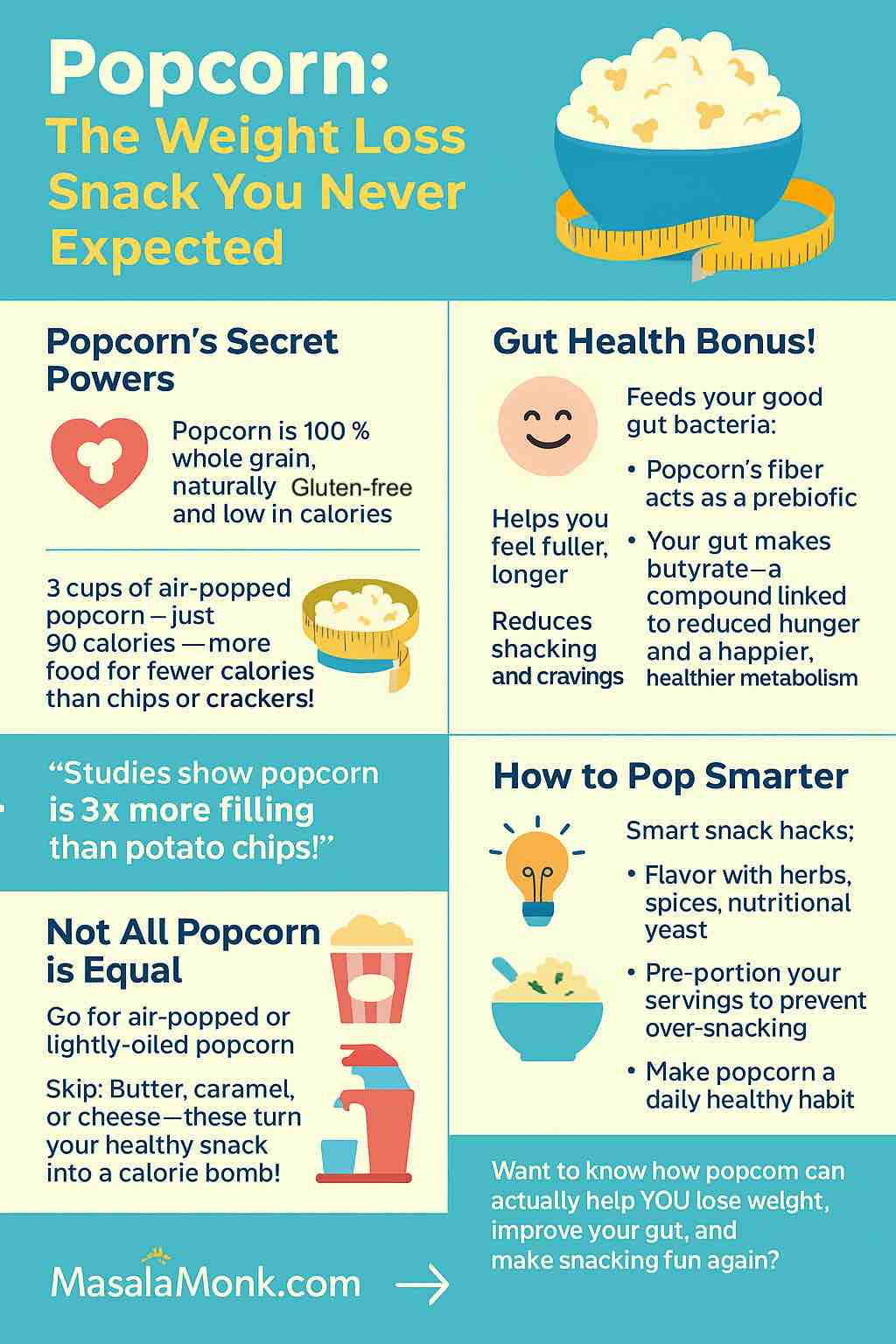
  • A 100% whole grain—retaining all the bran and germ, packed with nutrients.
  • Low in calories, high in volume—1 cup has just 31 calories, and three full cups are under 100!
  • Rich in fiber—about 3 grams per serving, which supports fullness and gut health.
  • Loaded with polyphenols—plant compounds that protect against inflammation and may improve metabolism.

This combination is rare in the snack world. Most “crunchy snacks” are either high-calorie, low-volume (chips), or stripped of nutrients (rice cakes, crackers). Popcorn breaks that mold.

How Popcorn Supports Weight Loss

The Science of Satiety

Satiety—the sense of fullness after eating—is crucial for any successful weight loss effort. The research is clear: foods that are high in fiber, low in calories, and take up a lot of space in your stomach keep you feeling fuller, longer. Popcorn nails all three.

Several clinical studies have compared popcorn to chips and pretzels. Participants who ate the same calorie amount of popcorn reported feeling significantly more satisfied, were less likely to reach for more food later, and consumed fewer calories overall in the hours that followed. The magic is in popcorn’s volume and fiber: you eat more, chew longer, and your stomach sends a stronger “I’m full!” signal to your brain.

Volume Eating and Mindful Snacking

“Volume eating” is a growing trend in weight management. The idea: choose foods that fill your plate and your stomach, but not your calorie budget. Three cups of air-popped popcorn looks—and feels—like a real snack, while a handful of chips barely registers. This visual and physical fullness is a psychological advantage. Popcorn also encourages slower, more mindful eating. Unlike chips or candies that can be shoveled in by the handful, popcorn’s shape means you typically eat one or two pieces at a time, giving your body more time to register fullness.

Fiber and the Gut–Brain Connection

Perhaps the most exciting new research on popcorn isn’t about calories, but about what happens after you eat it. The type of fiber in popcorn acts as a prebiotic—it feeds the beneficial bacteria in your gut. These bacteria ferment the fiber, producing short-chain fatty acids like butyrate. Butyrate is now known to play a key role in gut health, inflammation control, and even the regulation of appetite hormones like GLP-1 and PYY.

Cutting-edge studies have found that butyrate may actually help lower appetite, support metabolic flexibility (how efficiently your body burns fat for energy), and strengthen the gut barrier—helping you absorb nutrients better and reduce inflammation throughout the body.

Scientists are even breeding new popcorn varieties, such as Quality Protein Popcorn (QPP), to enhance these effects by boosting protein content and fiber quality, further increasing butyrate production in the gut. This opens the door to a future where popcorn is a functional food: a snack that isn’t just “not bad,” but actively supports health and weight loss.

Popcorn for Real Life: How to Get the Benefits

Here’s how you can make popcorn work for your goals:

Choose the Right Popcorn

  • Air-popped kernels are best: Use a hot air popper or pop in a covered pot with just a teaspoon of healthy oil (like olive or avocado oil).
  • Skip the microwave bags: Most are loaded with processed fats, sugar, and preservatives that can undo all the benefits.
  • Buy kernels in bulk: Not only is this more cost-effective, but you avoid additives and can control every ingredient.

Healthy Ways to Flavor Popcorn

Popcorn’s neutral flavor is a blank canvas. Instead of reaching for butter or caramel, experiment with:

  • Nutritional yeast for a cheesy, savory kick plus a boost of B vitamins.
  • Smoked paprika, chili powder, or curry powder for an exotic twist.
  • Cinnamon and a dusting of cocoa for a slightly sweet snack without added sugar.
  • Dried herbs like rosemary, thyme, or Italian seasoning for Mediterranean flair.
  • A sprinkle of sea salt and vinegar powder for a “salt and vinegar” flavor.

Lightly misting popcorn with olive oil spray before tossing with seasoning helps everything stick without adding much fat.

Smart Snacking Strategies

  • Portion ahead: Pop a large batch and divide it into single-serving containers or bags to grab and go, avoiding overeating.
  • Pair with protein: Add a handful of roasted chickpeas or a few nuts for a more balanced snack that’s extra filling.
  • Eat mindfully: Serve your portion in a bowl, sit down, and enjoy the experience. Avoid eating from the pot or bag, especially while distracted by screens.

The Role of Popcorn in Meal Planning

Popcorn isn’t just for snacking! Try:

  • Using popcorn as a salad topper in place of croutons for crunch and fiber.
  • Mixing it with air-popped chickpeas or baked beans for a crunchy, savory mix.
  • Making your own healthy “party mix” with whole-grain cereal, popcorn, seeds, and a dash of spices.

Social & Psychological Benefits

There’s another reason popcorn is a weight-loss ally: it’s a social food. Sharing a bowl of popcorn at home or at gatherings can help you stick to healthy habits while still being part of the fun. You’re less likely to feel deprived compared to skipping snacks altogether, which supports a more sustainable, balanced approach to eating.

What to Watch Out For

Of course, popcorn’s benefits only apply when you avoid certain traps:

  • Butter and cheese coatings can turn popcorn into a calorie bomb.
  • Sweet flavors like caramel and kettle corn are high in sugar.
  • Excessive oil or store-bought toppings can add hundreds of extra calories.

Aim for less is more when it comes to toppings, and be wary of “gourmet” popcorns that often contain even more sugar and fat than chips.

The Future of Popcorn

With the rise of food innovation, popcorn is stepping into the spotlight as more than just a snack. Scientists are working to enhance its protein and fiber content even further. In a few years, you may see “gut-friendly” or “protein-fortified” popcorn on shelves, designed specifically to amplify its benefits for weight loss and wellness.

Meanwhile, the latest diet trends—from “fiber-maxxing” to gut health-focused eating—are all finding a place for popcorn as a natural, affordable, and enjoyable staple.

Final Thoughts: Embrace the Pop!

If you’re on a weight loss journey, looking for gut health support, or simply searching for snacks that satisfy, it might be time to rethink popcorn. When prepared simply—without excess fat, sugar, or salt—popcorn delivers on all fronts: high in fiber, filling, affordable, and versatile. It’s a rare case of a comfort food that actually deserves a place in your healthy lifestyle.

So the next time you crave something crunchy, think beyond the usual chips and cookies. A big, fluffy bowl of air-popped popcorn could be the secret weapon you never knew you needed—for your waistline, your microbiome, and your peace of mind.


Ready to pop? Try making your own air-popped creation and share your favorite healthy popcorn toppings!

10 Popcorn & Weight Loss FAQs

1. Is all popcorn good for weight loss?
No, only air-popped or minimally-oiled popcorn is supportive for weight loss. Avoid buttered, caramel, cheese-coated, and most microwave varieties, as these can be high in calories, sugar, and unhealthy fats.

2. How much popcorn can I eat if I’m watching my weight?
A standard serving is about 3 cups of air-popped popcorn, which contains roughly 90–100 calories. This is a satisfying snack size for most people.

3. Does popcorn really help you feel full?
Yes! Popcorn is high in fiber and volume, which helps fill your stomach and promotes a lasting feeling of fullness compared to other snacks.

4. Can I eat popcorn every day?
Absolutely, as long as you prepare it healthily and stick to moderate portions. Daily popcorn can support fiber intake and healthy snacking habits.

5. Does popcorn spike blood sugar?
Plain air-popped popcorn has a low glycemic load and generally does not cause rapid blood sugar spikes when eaten in moderation.

6. What are the healthiest ways to flavor popcorn?
Use herbs, spices, nutritional yeast, or a sprinkle of sea salt. Avoid heavy oils, cheese powders, and sugary toppings.

7. Is popcorn suitable for people with gluten intolerance or celiac disease?
Yes, popcorn is naturally gluten-free. Always check flavorings for added gluten, especially in commercial popcorn.

8. Can popcorn really improve gut health?
Yes. Popcorn’s fiber acts as a prebiotic, feeding beneficial gut bacteria that produce butyrate—a compound linked to appetite control, gut health, and reduced inflammation.

9. Are there any risks to eating popcorn?
Popcorn is safe for most people, but be mindful of portion sizes and toppings. Small children and those with swallowing difficulties should avoid whole popcorn to prevent choking.

10. How can I keep from overeating popcorn?
Portion out your snack before eating, use smaller bowls, and avoid distracted eating (like in front of screens). Mindful eating helps prevent overindulgence.