Posted on Leave a comment

Papaya Seeds for Weight Loss

blue tape measuring on clear glass square weighing scale

In the quest for weight loss, many individuals turn to a variety of diet plans, exercise regimens, and natural remedies. Among the plethora of natural solutions, one that has been quietly gaining attention is the use of papaya seeds. But can these tiny, often discarded seeds truly aid in weight loss? This comprehensive guide will delve into the potential of papaya seeds as a weight loss aid, exploring their nutritional profile, scientific evidence, and ways to incorporate them into your diet.

Understanding the Nutritional Profile of Papaya Seeds

Unveiling the Nutritional Powerhouse: Papaya Seeds

Often overlooked and discarded, papaya seeds are a nutritional powerhouse. They are rich in fiber, a nutrient known for promoting feelings of fullness and aiding in digestion. Additionally, they contain a decent amount of protein, a macronutrient essential for muscle building and repair. But perhaps the most unique component of papaya seeds is the enzyme papain.

Papain: The Unique Enzyme

Papain is a proteolytic enzyme, meaning it aids in the digestion of proteins. It works by breaking down protein fibers, making them easier for the body to digest. This not only improves overall digestion but also helps ensure that the body is absorbing and utilizing nutrients efficiently, which can indirectly contribute to weight loss.

The Role of Fiber and Protein in Weight Loss

Both fiber and protein play crucial roles in weight management. Fiber, by slowing digestion, helps promote feelings of fullness, reducing the likelihood of overeating. Protein, on the other hand, not only aids in muscle building and repair but also contributes to satiety. Consuming a diet high in protein can help prevent overeating and keep hunger pangs at bay.

Papaya Seeds and Weight Loss: What Does the Science Say?

Scientific Evidence on Papaya Seeds and Weight Loss

While there’s ample evidence supporting the benefits of fiber and protein for weight loss, specific research on papaya seeds for weight loss is limited. However, given their nutritional profile, it’s plausible that they could contribute to weight loss as part of a balanced diet and healthy lifestyle.

Understanding the Role of Papain in Weight Loss

Papain, the unique enzyme found in papaya seeds, aids in digestion by breaking down proteins. Improved digestion can contribute to weight loss by ensuring that nutrients are properly absorbed and utilized by the body. Moreover, efficient digestion can help prevent issues like bloating and constipation, which can make one feel lighter and more comfortable.

Incorporating Papaya Seeds into Your Diet

How to Consume Papaya Seeds for Weight Loss

Papaya seeds can be consumed in several ways. They can be eaten raw, though their slightly bitter and peppery flavor might be an acquired taste for some. Drying the seeds can mellow out their flavor, and they can be ground into a powder and used as a seasoning in a variety of dishes. They can also be added to smoothies or juices. Remember, moderation is key as papaya seeds can be quite potent.

Recipes with Papaya Seeds

There are various ways to incorporate papaya seeds into your diet. Here are a few ideas:

  • Papaya Seed Smoothie: Blend papaya seeds with a mix of fruits like bananas, berries, and leafy greens for a nutrient-packed smoothie.
  • Papaya Seed Salad Dressing: Grind dried papaya seeds and mix with olive oil, vinegar, honey, and a squeeze of lemon for a unique salad dressing.
  • Papaya Seed Tea: Boil papaya seeds in water, strain, and drink the water as a tea.

Precautions and Considerations

Potential Side Effects of Papaya Seeds

While papaya seeds have potential benefits, they should be consumed in moderation. Overconsumption can lead to stomach discomfort. Also, pregnant and breastfeeding women should avoid consuming papaya seeds as they can potentially affect pregnancy outcomes.

Consulting a Healthcare Professional

Before starting any new diet regimen, including consuming papaya seeds for weight loss, it’s important to consult with a healthcare professional. They can provide personalized advice based on your health history and current condition.

Conclusion

While papaya seeds hold promise as a natural aid for weight loss, they are not a magic solution. Successful weight loss involves a balanced diet, regular physical activity, and a healthy lifestyle. Papaya seeds can be a part of this equation, contributing their unique nutritional benefits to your weight loss journey.

Call to Action

If you found this article helpful, please share it with others who might benefit from this information. We also invite you to comment below with your experiences or questions about using papaya seeds for weight loss. Your insights could help others in their journey towards better health.

FAQs

  1. Can papaya seeds help with weight loss? While specific research on papaya seeds for weight loss is limited, their high fiber and protein content, along with the presence of the enzyme papain, suggest they could contribute to weight loss as part of a balanced diet and healthy lifestyle.
  2. How can I incorporate papaya seeds into my diet? Papaya seeds can be consumed raw, dried, or ground into a powder. They can be added to salads, smoothies, or used as a seasoning in dishes.
  3. Are there any side effects of consuming papaya seeds? Overconsumption of papaya seeds can lead to stomach discomfort. Pregnant and breastfeeding women should avoid consuming papaya seeds.

Blog Tags Papaya Seeds, Weight Loss, Natural Remedies, Health and Wellness, Nutrition, Diet, Healthy Eating, Digestive Health, Papain, Dietary Fiber, Protein

Posted on Leave a comment

Benefits of Papaya Seeds and Nutritional Value

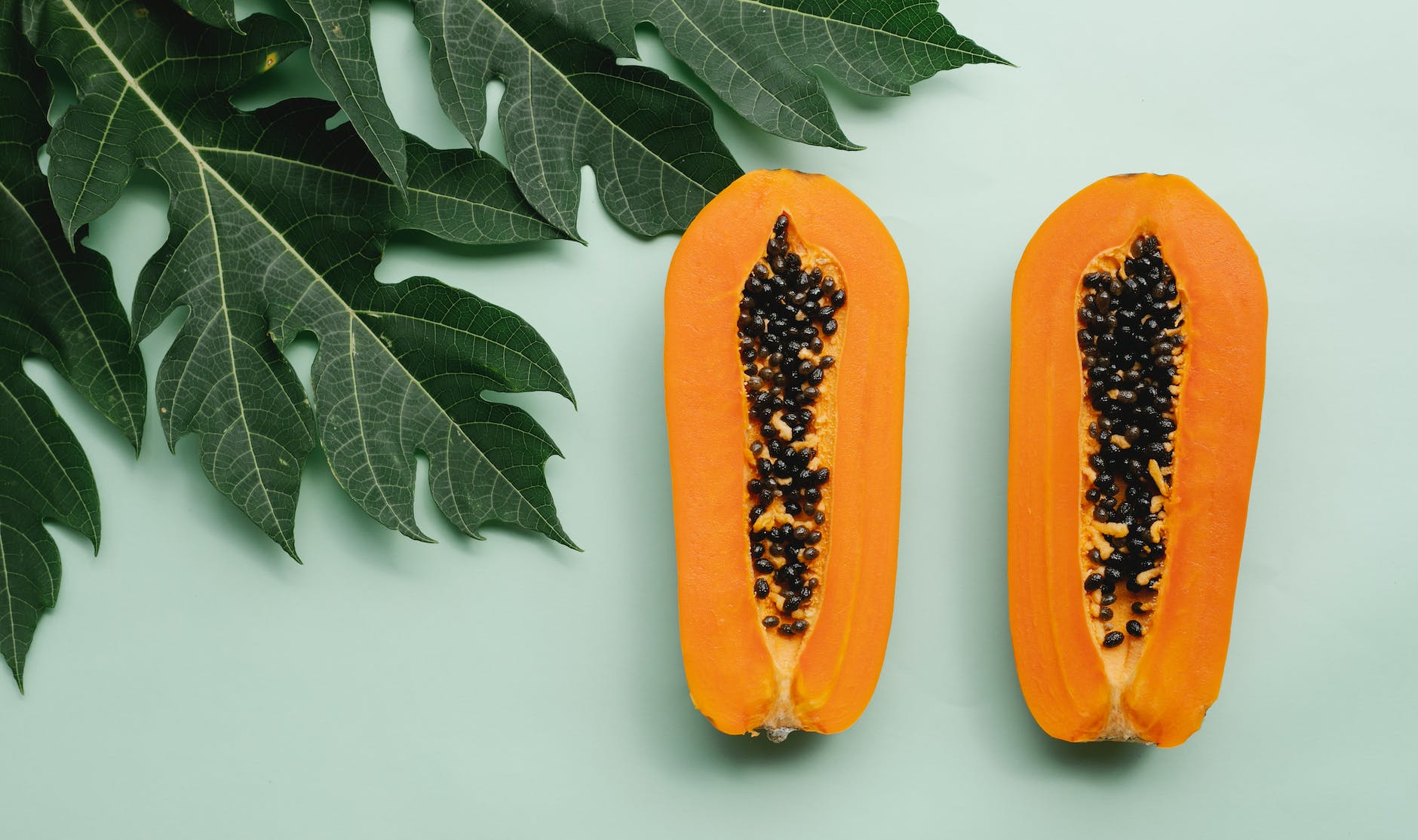
halves of papaya on green background

Papaya, a tropical fruit known for its sweet taste and vibrant color, is a treasure trove of health benefits. But did you know that the seeds of this fruit, often discarded, are just as beneficial? In this comprehensive guide, we’ll explore the benefits of eating papaya seeds, provide a simple papaya seed cleanse recipe, and answer some common questions about this underrated superfood. We’ll also delve into the nutritional value of a popular dish made from this fruit – the papaya salad.

The Benefits of Eating Papaya Seeds:

Papaya seeds are packed with nutrients and offer several health benefits:

  1. Digestive Health: Papaya seeds contain an enzyme called papain, which aids in digestion. It helps break down proteins and can alleviate symptoms of indigestion.
  2. Liver Health: Traditional practices often use papaya seeds as a remedy for liver ailments. They are believed to have a detoxifying effect on the liver.
  3. Anti-Inflammatory Properties: The seeds have anti-inflammatory properties that can help reduce inflammation in the body.
  4. Antibacterial and Antiviral Properties: Some studies suggest that papaya seeds have antibacterial and antiviral properties, which can help fight infections.

Papaya Seed Cleanse Recipe:

A papaya seed cleanse can help detoxify your body. Here’s a simple recipe:

Ingredients:

  • 1 ripe papaya
  • 1 tablespoon of honey
  • A squeeze of lemon

Instructions:

  1. Cut the papaya in half and scoop out the seeds.
  2. Rinse the seeds under cold water and pat dry.
  3. Blend the seeds until they form a coarse powder.
  4. Mix the papaya seed powder with honey and lemon.
  5. Consume this mixture daily for a week.

Are Papaya Seeds Edible?

Yes, papaya seeds are edible. They have a slightly bitter and peppery flavor. They can be eaten raw, dried, or ground into a powder.

Papaya Salad Nutrition:

Papaya salad is a popular dish in Southeast Asian cuisine. It’s not only delicious but also packed with nutrients. A serving of papaya salad can provide:

  • Vitamins: High in vitamin C and a good source of vitamin A.
  • Minerals: Contains potassium, magnesium, and calcium.
  • Fiber: Aids in digestion and promotes satiety.

Papaya Seed Cleanse: How To?

A papaya seed cleanse involves consuming papaya seeds regularly to detoxify the body. The seeds can be eaten raw, ground into a powder, or mixed with other ingredients like honey and lemon, as in the recipe provided above.

Conclusion:

Papaya and its seeds are a powerhouse of nutrients and health benefits. Incorporating them into your diet can promote digestive health, detoxify the liver, and provide a host of other benefits. So next time you enjoy a papaya, think twice before discarding the seeds!

Disclaimer: This content is for informational purposes only and does not substitute for professional medical advice. Always consult your healthcare provider before starting any new supplement regimen.

Blog Tags:

Papaya, Papaya Seeds, Natural Remedies, Detox, Cleanse, Nutrition, Healthy Recipes, Tropical Fruits, Digestive Health, Liver Health.

Posted on Leave a comment

Food and Gout Management

woman having a dental check up

Gout is a form of inflammatory arthritis caused by the buildup of uric acid crystals in the joints. Managing gout effectively involves a combination of medication, lifestyle adjustments, and making wise food choices. In this comprehensive guide, we will delve into various food items and their impact on gout, helping you create a gout-friendly diet that promotes better management and reduces the risk of painful flare-ups.

Understanding Gout and Dietary Considerations

  1. What is Gout? Gout is a type of arthritis characterized by sudden and severe attacks of joint pain, usually affecting the big toe. It results from the accumulation of uric acid in the bloodstream, leading to the formation of sharp crystals in the joints.
  2. The Role of Diet in Gout Management Diet plays a crucial role in managing gout, as certain foods can either trigger or alleviate gout symptoms. The primary dietary concern is purine-rich foods, as they contribute to elevated uric acid levels in the body.

Gout-Friendly Foods:

  1. Onions and Gout: Onions are low in purines and possess anti-inflammatory properties. They can be a safe and flavorful addition to your gout-friendly meals. Onions are also rich in quercetin, a natural compound known for its potential to reduce inflammation and inhibit xanthine oxidase, an enzyme involved in uric acid production.
  2. Rice and Gout: Rice is considered a low-purine food, making it a suitable carbohydrate source for gout sufferers. Brown rice, in particular, provides added nutritional benefits with its fiber content. Whole grains like brown rice are beneficial for gout management as they help regulate blood sugar levels and may reduce the risk of insulin resistance, a contributing factor to gout.
  3. Legumes and Gout: Legumes, such as lentils, beans, and chickpeas, are plant-based sources of protein. While they contain some purines, they can be enjoyed in moderation as part of a balanced diet. The fiber content in legumes helps promote satiety and supports healthy digestion, both of which are essential for overall health and weight management.
  4. Peas and Gout: Peas fall under the legume category and, like other legumes, have a moderate purine content. Including peas in your meals in controlled portions may not pose a significant risk for gout. Additionally, peas are rich in vitamins and minerals, including vitamin C, which may help reduce inflammation and boost the immune system.
  5. Milk and Gout: Dairy products, including milk, are generally safe for gout sufferers. Low-fat or skim milk is recommended to limit saturated fat intake, which can help manage gout symptoms. Moreover, milk is a good source of calcium, which is vital for maintaining strong bones and reducing the risk of osteoporosis, a condition that individuals with gout may be prone to.
  6. Nuts and Gout: Nuts are a healthy snack option but vary in their purine content. Opt for low-purine nuts like almonds and walnuts and consume them in moderation. Nuts are rich in healthy fats, such as monounsaturated and polyunsaturated fats, which have been associated with reduced inflammation and improved heart health.
  7. Fish and Gout: Fatty fish rich in omega-3 fatty acids, such as salmon, mackerel, and sardines, have anti-inflammatory properties and can be beneficial for gout management. Omega-3 fatty acids have been shown to reduce inflammation and may help alleviate gout symptoms. However, it’s essential to consume fish in moderation and be mindful of the overall purine intake from various food sources.

Foods to Limit or Avoid:

  1. Pork and Gout: Pork is considered a high-purine meat and may trigger gout attacks in some individuals. Reducing or eliminating pork from your diet is advisable. Instead, opt for leaner protein sources like poultry, fish, and tofu.
  2. Shrimp and Gout: Shrimp, like other shellfish, is relatively high in purines. While occasional consumption may be acceptable for some, it is best to limit intake. If you enjoy seafood, choose low-purine options like fish or scallops.
  3. Alcohol and Gout: Alcohol, especially beer, can elevate uric acid levels and increase the risk of gout flare-ups. Reducing alcohol consumption is crucial for managing gout effectively. Instead, hydrate with plenty of water and herbal teas to help flush out uric acid from the body.

Tips for Gout-Friendly Eating:

  1. Stay Hydrated: Drink plenty of water throughout the day to help flush out uric acid from your system.
  2. Maintain a Healthy Weight: Obesity is associated with an increased risk of gout. Achieving and maintaining a healthy weight can reduce the frequency and severity of gout attacks.
  3. Practice Portion Control: Even low-purine foods can become problematic if consumed in large quantities. Moderation is key.
  4. Opt for Whole Grains: Whole grains like brown rice, quinoa, and barley offer added nutrients and fiber compared to refined grains.
  5. Consult a Healthcare Professional: If you have gout or suspect you might seek advice from a healthcare professional or a registered dietitian to create a personalized gout management plan.

FAQs About Gout and Food

  1. Is rice suitable for gout management?
    • Yes, rice is considered a low-purine food and can be included in a gout-friendly diet. Opt for whole grains like brown rice for added nutritional benefits.
  2. Can I eat nuts if I have gout?
    • Yes, you can enjoy nuts like almonds and walnuts in moderation as they are low-purine and rich in healthy fats.
  3. Should I avoid pork if I have gout?
    • It is advisable to limit or avoid pork as it is considered a high-purine meat, which may trigger gout attacks.
  4. Are onions beneficial for gout sufferers?
    • Yes, onions are low in purines and have anti-inflammatory properties, making them a safe addition to gout-friendly meals.
  5. Can I consume dairy products like milk if I have gout?
    • Yes, dairy products like milk are generally safe for gout management. Opt for low-fat or skim milk for better results.
  6. Is fish recommended for gout sufferers?
    • Fatty fish rich in omega-3 fatty acids, such as salmon, can be beneficial for gout management due to their anti-inflammatory properties.
  7. Are shrimp and other shellfish safe for individuals with gout?
    • Shrimp and shellfish are relatively high in purines. It’s best to limit their consumption and opt for low-purine seafood alternatives.
  8. Can alcohol worsen gout symptoms?
    • Yes, alcohol, especially beer, can elevate uric acid levels and increase the risk of gout flare-ups. It’s better to reduce alcohol consumption.
  9. What other lifestyle changes can help manage gout?
    • Staying hydrated, maintaining a healthy weight, and practicing portion control are essential lifestyle factors for gout management.
  10. Should I consult a healthcare professional for gout management?
    • Yes, it’s recommended to seek advice from a healthcare professional or a registered dietitian for a personalized gout management plan.

Gout management is individualized, and different foods may affect people differently. Always consult with a healthcare professional to tailor a diet that suits your specific needs and health condition. By being proactive and informed, you can successfully manage gout and improve your quality of life.

By making informed food choices and adopting a gout-friendly lifestyle, you can take control of your gout and improve your overall well-being. Remember that individual responses to foods may vary, so it’s essential to pay attention to your body and make adjustments as needed. Empower yourself with knowledge and take proactive steps to manage gout effectively.

Blog Tags: Gout, Gout Management, Gout Diet, Gout-Friendly Foods, Uric Acid, Purine, Arthritis, Joint Health, Inflammatory Arthritis, Nutrition, Lifestyle, Healthy Eating, Omega-3 Fatty Acids, Weight Management, Onions, Rice, Legumes, Peas, Milk, Nuts, Fish, Pork, Shrimp, Alcohol, Gout-Friendly Tips.

Posted on Leave a comment

Soybean Oil: Good or Bad for Your Health?

a doctor with stethoscope wearing pink face mask while looking at the camera

As one of the most commonly consumed oils, soybean oil is found in a wide range of foods and products—from cooking oil and processed foods to certain vitamins. Despite its ubiquity, soybean oil has become the subject of a significant health debate. So, is soybean oil harmful? How much of it is too much? Let’s delve deeper to answer these questions.

Unraveling Soybean Oil

Derived from the seeds of the soybean plant, soybean oil is a type of vegetable oil. It is available in several varieties, each with its unique nutritional profile and potential health impacts—these include hydrogenated soybean oil, organic soybean oil, and high oleic soybean oil.

Why is Soybean Oil Criticized?

Several reasons have led to concerns about soybean oil’s impact on health:

  1. High in Omega-6 Fatty Acids: Although omega-6 fatty acids are essential for health, soybean oil contains them in such high amounts that it can disturb the ideal omega-6 to omega-3 balance in our diets, potentially promoting inflammation and contributing to heart disease and other health problems.
  2. Hydrogenated Soybean Oil: This variety of soybean oil undergoes a process called hydrogenation to increase its shelf-life. However, this results in the formation of trans fats, widely recognized as harmful to heart health because they can elevate bad cholesterol (LDL) and reduce good cholesterol (HDL).
  3. Genetically Modified: Much like the soybeans themselves, most soybean oil comes from genetically modified (GM) plants. The health impacts of GM foods remain a matter of ongoing debate.

What About Organic and High Oleic Soybean Oil?

While organic soybean oil alleviates concerns about GM ingredients, it still has a skewed omega-6 to omega-3 ratio. On the other hand, high oleic soybean oil is a specially bred variety that contains a higher proportion of monounsaturated fats (oleic acid) and less polyunsaturated fats (omega-6). This composition potentially makes it a healthier choice than regular soybean oil.

How Much Soybean Oil is Too Much?

Moderation is the mantra when it comes to dietary intake, and soybean oil is no exception. Consuming any oil in large amounts can contribute to weight gain and other health issues.

FAQs About Soybean Oil

Q1: Why is soybean oil bad for you? While not intrinsically “bad,” regular consumption of soybean oil could lead to an imbalance in the omega-6 to omega-3 ratio in our diets. Also, hydrogenated soybean oil contains unhealthy trans fats.

Q2: Is soybean oil in vitamins bad for you? As a carrier oil in vitamins, the amount of soybean oil is typically small and unlikely to cause harm. However, if you’re sensitive to soy, it might be best to choose vitamins without soybean oil.

Q3: Is organic soybean oil bad for you? Organic soybean oil does not involve GM concerns, but it still has a high omega-6 content. Consumed in moderation, it is not considered bad for your health.

Q4: Is high oleic soybean oil bad for you? High oleic soybean oil, with its higher monounsaturated fat content, is generally considered a healthier choice than regular or hydrogenated soybean oil.

Conclusion: Is Soybean Oil Really Bad for Health?

The answer to “Is soybean oil bad for you?” is more complex than a simple yes or no. It largely hinges on the type of soybean oil and the quantity consumed. Balancing soybean oil intake with other healthier oils like olive oil and choosing organic or high oleic versions can help mitigate some risks. As always, it’s advised to consult with a healthcare professional before making significant changes to your diet.

Tags: soybean oil, nutrition, health, diet, genetically modified foods, trans fats, omega-6 fatty acids, hydrogenated soybean oil, high oleic soybean oil, organic soybean oil.

Posted on Leave a comment

Soybean Debate: Are They Really Bad for You?

a healthcare worker measuring a patient s blood pressure using a sphygmomanometer

Soybeans have long been a staple in many diets around the world, particularly in Asia. Known for their high protein content, they serve as a prime source of nutrition for vegetarians and vegans. However, in recent years, they’ve been the subject of debate. Are they beneficial or detrimental to our health?

The Health Benefits of Soybeans

Before diving into the controversy, let’s first understand why soybeans have earned a reputation as a health food.

  1. High in Protein: Soybeans are an excellent source of plant-based protein. They contain all the essential amino acids your body needs, which is rare for plant foods.
  2. Rich in Vitamins and Minerals: They provide an abundance of vitamins and minerals, including folate, potassium, and vitamin K.
  3. Beneficial Isoflavones: Soybeans contain isoflavones, a type of plant estrogen that may help reduce the risk of certain diseases, such as heart disease and osteoporosis.

Why Are Soybeans Considered Bad by Some?

Despite their nutritional profile, some argue that soybeans can harm your health. Here are the common concerns:

  1. Phytoestrogens: Phytoestrogens in soy can mimic estrogen in the body, potentially leading to hormonal imbalances. However, research is inconclusive, and moderate consumption of soy doesn’t seem to have significant effects on hormone levels in men or women.
  2. Antinutrients: Like many plants, soybeans contain natural compounds called antinutrients, such as phytates and lectins. These compounds can interfere with nutrient absorption. Cooking, soaking, and fermenting can reduce these antinutrients.
  3. Genetically Modified (GM) Soy: Most soy grown in the U.S. is genetically modified to resist pests and certain herbicides. The health effects of GM foods are still under debate.

Frequently Asked Questions

1. Are Soybeans Good for You?

Yes, soybeans can be good for you when consumed as part of a balanced diet. They are high in protein, rich in vitamins and minerals, and contain beneficial isoflavones. However, as with all foods, they should be consumed in moderation.

2. Why Are Soybeans Considered Bad?

Some argue that soybeans can be harmful due to the presence of phytoestrogens that can mimic estrogen in the body, antinutrients which can interfere with nutrient absorption, and the fact that most soy grown in the U.S. is genetically modified. However, the effects of these factors are often mitigated by proper preparation or moderate consumption.

3. Can Eating Soy Affect My Hormone Levels?

While soy does contain phytoestrogens that can mimic estrogen, studies show that moderate consumption doesn’t significantly affect hormone levels in men or women. Always consult your healthcare professional if you have concerns.

4. Are All Soybeans Genetically Modified?

No, not all soybeans are genetically modified. However, a large portion of soybeans grown in the U.S. is genetically modified to resist pests and certain herbicides. If you’re concerned, look for products labeled non-GMO or organic.

5. Is Soy Bad for Men’s Health?

Contrary to popular belief, research indicates that soy doesn’t reduce testosterone levels in men or negatively impact their reproductive health. As always, moderation is key.

6. How Can I Reduce the Antinutrients in Soybeans?

Soaking, cooking, and fermenting soybeans can significantly reduce their antinutrient content, making the nutrients more available for your body to absorb.

Conclusion: Are Soybeans Good or Bad for You?

It seems the answer to “Are soybeans bad for you?” isn’t as simple as yes or no. Like most foods, they come with their pros and cons.

Soybeans, when eaten in moderation and properly prepared, can be part of a balanced diet. If you’re concerned about GM soy, opt for organic or non-GM products. If you have a soy allergy or thyroid issues, you should avoid soy or consult with a healthcare professional.

So the next time someone asks you, “Is soybean bad?” or “Why is soybean bad for you?” – you now have a nuanced answer at your disposal. Stay informed, choose wisely, and eat healthily!

Tags: soybeans, nutrition, health, diet, genetically modified foods, phytoestrogens, antinutrients.