Posted on Leave a comment

The Vibrant Goodness: Exploring the Benefits of Purple Carrots

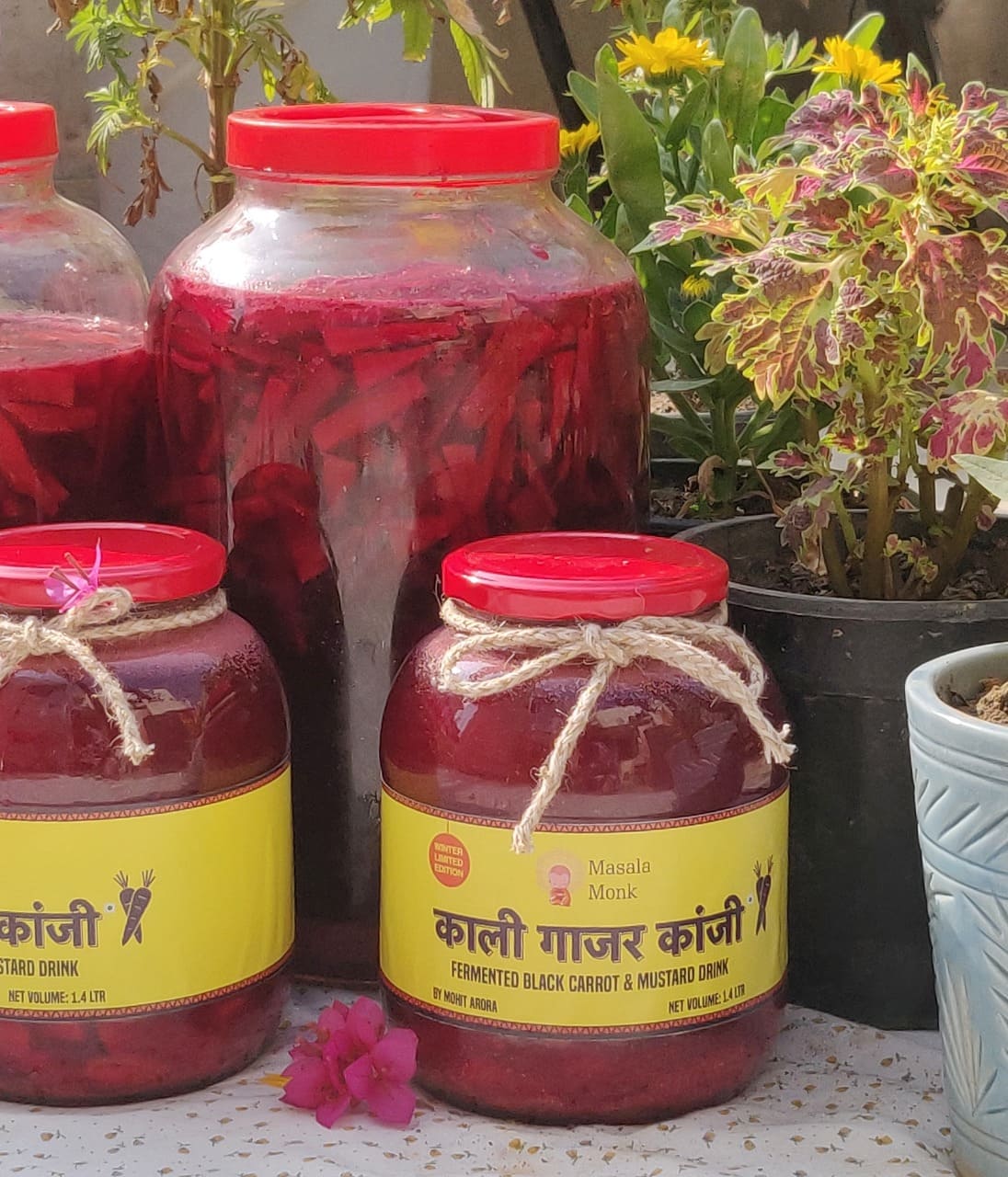
Black carrot Kanji

Carrots are a beloved vegetable known for their vibrant orange color, but did you know that there is a lesser-known variety called purple carrots? These visually stunning vegetables not only add a pop of color to your plate but also offer a unique array of health benefits. In this in-depth blog post, we’ll dive deeper into the world of purple carrots, exploring their nutritional composition, potential health advantages, and creative ways to incorporate them into your diet. Get ready to discover the vibrant goodness and hidden treasures of purple carrots! 🥕🌈

🌈 Understanding Purple Carrots Purple carrots, also known as black carrots or purple haze carrots, are an heirloom variety that dates back thousands of years. Unlike their orange counterparts, purple carrots are distinguished by their deep purple, almost black, color. This striking hue is due to the presence of pigments called anthocyanins, powerful antioxidants that provide numerous health benefits.

🥕 Rich in Antioxidants Purple carrots are packed with antioxidants, particularly anthocyanins. These natural plant compounds help protect the body against free radicals, unstable molecules that can cause oxidative stress and damage cells. Anthocyanins have been linked to various health benefits, including reduced inflammation, improved heart health, and potential anticancer properties.

🌈 Supports Eye Health Purple carrots, like orange carrots, contain beta-carotene, a precursor to vitamin A. Beta-carotene is essential for maintaining healthy vision and supporting overall eye health. The body converts beta-carotene into vitamin A, which is necessary for proper eye function, including the production of rhodopsin, a pigment that helps with low-light vision.

🥕 Promotes Heart Health The anthocyanins found in purple carrots have been associated with heart-healthy benefits. These antioxidants may help reduce the risk of cardiovascular disease by protecting against oxidative stress, reducing inflammation, and improving blood vessel health. Including purple carrots in your diet can be a flavorful way to support your heart health.

🌈 Anti-Inflammatory Properties Anthocyanins in purple carrots have been studied for their anti-inflammatory properties. Chronic inflammation is linked to various health conditions, including heart disease, arthritis, and certain types of cancer. The anti-inflammatory compounds in purple carrots may help reduce inflammation in the body and contribute to overall well-being.

🥕 Digestive Health Purple carrots, like other carrot varieties, are a good source of dietary fiber. Fiber is essential for maintaining a healthy digestive system, promoting regular bowel movements, and supporting gut health. Consuming purple carrots can contribute to a well-balanced diet and assist in maintaining proper digestion.

🌈 Enhanced Nutrient Profile Purple carrots boast an impressive nutritional profile, similar to orange carrots. They are a good source of essential nutrients such as vitamin C, vitamin K, potassium, and dietary fiber. These nutrients play important roles in supporting immune function, bone health, and overall well-being.

🥕 Ways to Enjoy Purple Carrots Incorporating purple carrots into your diet is both fun and nutritious. Here are a few creative ways to enjoy them:

  1. Raw Snacking: Slice purple carrots into sticks and enjoy them raw as a healthy and colorful snack. Pair them with your favorite dip or hummus for added flavor.
  2. Roasted Delight: Toss purple carrot slices or wedges in olive oil, sprinkle with your choice of herbs and spices, and roast them in the oven until tender. This method enhances their natural sweetness and brings out their rich flavor.
  3. Stir-Fried Goodness: Add purple carrot slices to stir-fries or sauté them with other vegetables for a vibrant and nutritious side dish.
  4. Colorful Salads: Shave or grate purple carrots into salads for an eye-catching element. Their beautiful purple hue adds visual appeal and a subtle earthy flavor.
  5. Juices and Smoothies: Incorporate purple carrots into your homemade juices or smoothies for a nutritious boost. Their vibrant color and mild sweetness blend well with other fruits and vegetables.
  6. Creative Culinary Delights: Use purple carrots in unique recipes such as purple carrot hummus, purple carrot soup, or even purple carrot cake. Let your culinary imagination run wild!

🌈🥕 Purple carrots not only add a splash of color to your meals but also offer a wide array of health benefits. With their antioxidant-rich nature and distinctive flavor, they are a valuable addition to a balanced diet. So, embrace the vibrancy and nutritional power of purple carrots, and let them bring a new dimension of flavor and health to your culinary adventures!

Posted on Leave a comment

Black Garlic: Unveiling Its Unique Benefits for Weight Loss and Heart Health

Welcome back, health enthusiasts! Today, we’re diving into the world of black garlic, an intriguing ingredient with numerous potential benefits for weight loss and heart health. While black garlic may be less familiar than its white counterpart, its distinct flavor and powerful properties make it worth exploring. Join us as we uncover the secrets of black garlic and its positive impact on your well-being! 🖤🧄

1. What is Black Garlic? Black garlic is a fermented form of regular garlic. Through a natural aging process, garlic bulbs are transformed into dark, soft cloves with a sweet, umami-like taste. This unique fermentation process, often lasting several weeks, results in changes in taste, texture, and nutritional composition, enhancing its potential health benefits. Black garlic is commonly used in Asian cuisine and has gained popularity worldwide due to its complex flavor profile.

2. Weight Loss Support If you’re on a weight loss journey, black garlic might become your new best friend. This superfood is low in calories and fat while packing a powerful nutritional punch. Its natural sweetness can add depth of flavor to dishes without relying on calorie-dense ingredients. By incorporating black garlic into your meals, you can enjoy the taste and satisfaction of flavorful food while keeping your calorie intake in check. It can be used in stir-fries, dressings, marinades, or simply enjoyed as a tasty snack.

3. Metabolism Booster A sluggish metabolism can make weight loss more challenging. Fortunately, black garlic offers potential metabolic benefits. Similar to its white counterpart, black garlic contains allicin, a compound known for its thermogenic properties. Allicin may support thermogenesis, which is the process of heat production in the body that can enhance fat burning. Additionally, black garlic is rich in antioxidants, which can help combat oxidative stress and support a healthy metabolic rate.

4. Heart Health Promoter Black garlic has been celebrated for its potential cardiovascular benefits. It is rich in antioxidants, including S-allyl cysteine, which may help reduce the risk of heart disease. The antioxidants in black garlic can help prevent the oxidation of LDL (bad) cholesterol, reduce inflammation, and promote a healthy cardiovascular system. Additionally, black garlic has been shown to promote healthy blood vessel function and improve blood flow, which are vital for heart health.

5. Immune System Support Maintaining a healthy immune system is essential for overall well-being. Black garlic contains a wide array of antioxidants, vitamins, and minerals that can support immune function. These compounds help protect the body against oxidative stress, strengthen the immune response, and promote a healthy inflammatory balance. By incorporating black garlic into your diet, you can give your immune system a natural boost and enhance your body’s defense mechanisms.

6. Gut Health Booster A healthy gut is vital for overall health, including weight management. Black garlic contains prebiotics, which are beneficial for nourishing and supporting the growth of healthy gut bacteria. A well-balanced gut microbiome has been linked to improved digestion, enhanced nutrient absorption, and even weight regulation. By incorporating black garlic into your meals, you can promote a healthy gut environment and support your digestive health.

7. Versatile Culinary Delight In addition to its potential health benefits, black garlic is a culinary delight that can add a unique twist to your dishes. Its flavor is often described as sweet, tangy, and slightly caramelized, making it a versatile ingredient in both savory and sweet recipes. From dressings and sauces to roasted vegetables and desserts, black garlic can elevate the taste profile of your favorite meals. Its complex flavor adds depth and richness, creating a culinary experience that is both satisfying and memorable.

Incorporating black garlic into your diet can be a flavorful and health-conscious choice. Whether you’re aiming to support weight loss, boost heart health, enhance your immune system, promote gut health, or simply explore new flavors, black garlic offers a world of possibilities. It’s time to embark on a culinary adventure and discover the wonders of black garlic!

So, head to your local grocery store or farmers’ market, grab a few bulbs of black garlic, and get creative in the kitchen! Experiment with new recipes, add a touch of black garlic to your favorite dishes, and enjoy the journey of discovering the unique benefits of this remarkable ingredient. Your taste buds, waistline, and heart will thank you for it. Enjoy the rich flavors and health-promoting properties of black garlic! 🖤🧄

Posted on Leave a comment

7 Surprising Ways Ginseng Can Support Healthy Blood Pressure

bonsai on white background

Introduction: 👋 Hello there, health enthusiasts! Are you curious about the potential benefits of ginseng for maintaining healthy blood pressure levels? Look no further! In this comprehensive and detailed blog post, we will delve into seven surprising and evidence-backed ways in which ginseng, a remarkable herb with a long history of traditional use, can offer valuable support for your cardiovascular health. Let’s embark on this exciting journey together and uncover the incredible wonders of ginseng! 🚀💚

1. Natural Blood Pressure Regulation: Ginseng has been the subject of numerous scientific studies investigating its effects on blood pressure. The research suggests that regular consumption of ginseng may help regulate blood pressure, promoting cardiovascular well-being. The active components in ginseng, such as ginsenosides, are believed to have a positive impact on blood pressure regulation. These bioactive compounds may help relax blood vessels, leading to improved blood flow and reduced blood pressure. 😌❤️

2. Antioxidant Powerhouse: Ginseng is renowned for its potent antioxidant properties. Antioxidants play a crucial role in neutralizing harmful free radicals, which can cause oxidative stress and damage cells, including those lining the blood vessels. By combatting oxidative stress, ginseng may assist in protecting blood vessels from damage and potentially contribute to healthy blood pressure. The antioxidant compounds in ginseng, such as ginsenosides and flavonoids, help scavenge free radicals, reducing the risk of cardiovascular issues. 🛡️💪

3. Vasodilation Support: One of the key mechanisms through which ginseng may influence blood pressure is by promoting vasodilation. Vasodilation refers to the widening and relaxation of blood vessels, allowing for increased blood flow. Ginsenosides present in ginseng are believed to enhance the production of nitric oxide, a compound that signals blood vessels to relax. This relaxation of blood vessels can lead to improved circulation and reduced blood pressure. By supporting vasodilation, ginseng offers potential benefits for maintaining healthy blood pressure levels. 🌬️💨

4. Heart Health Protector: The health of your heart is paramount for overall well-being, and ginseng has been the subject of research focusing on its potential cardioprotective effects. Studies suggest that ginseng may help support heart function and maintain a healthy cardiovascular system. By indirectly contributing to heart health, ginseng can have a positive influence on blood pressure levels. Ginseng’s ability to regulate cholesterol levels, improve blood lipid profile, and reduce inflammation may contribute to its cardioprotective effects. ❤️🏥

5. Stress Management: Chronic stress is known to have detrimental effects on blood pressure. Ginseng has been studied for its potential stress-reducing properties. Consuming ginseng may help mitigate the impact of stress on your body, indirectly assisting in maintaining healthy blood pressure levels. The adaptogenic properties of ginseng enable it to modulate the body’s stress response, helping to normalize stress hormone levels and reduce the physiological effects of stress on the cardiovascular system. By promoting stress management, ginseng offers potential benefits for maintaining healthy blood pressure. 😌🧘‍♂️

6. Blood Sugar Balance: Maintaining healthy blood sugar levels is crucial for overall cardiovascular health. Research suggests that ginseng may help regulate blood sugar levels, potentially contributing to healthy blood pressure in the long run. By supporting balanced blood sugar, ginseng can indirectly promote cardiovascular well-being and help maintain healthy blood pressure. Ginsenosides present in ginseng have been shown to enhance insulin sensitivity, improve glucose metabolism, and reduce insulin resistance, all of which can have positive effects on blood sugar balance and blood pressure. 🍚🩸

7. Overall Well-being: In addition to its potential effects on blood pressure, ginseng has been traditionally used to support general well-being and vitality. By promoting overall health, ginseng can indirectly contribute to maintaining healthy blood pressure levels. Ginseng’s adaptogenic properties, immune-boosting effects, and ability to enhance energy levels can positively influence cardiovascular health. By supporting optimal well-being, ginseng plays a holistic role in maintaining healthy blood pressure. 💪✨

Conclusion: Incorporating ginseng into your daily routine may offer surprising benefits for maintaining healthy blood pressure levels. From its potential role in natural blood pressure regulation and its antioxidant and vasodilation properties to its support for heart health, stress management, blood sugar balance, and overall well-being, ginseng is truly a remarkable herb with multifaceted effects on cardiovascular health. However, it is important to consult with your healthcare professional before adding any new supplements to your regimen, especially if you have underlying health conditions or are taking medications. They can provide personalized guidance based on your specific needs and circumstances. By harnessing the power of ginseng, you can take proactive steps towards supporting your cardiovascular health and maintaining healthy blood pressure. Remember, small changes can make a big difference in your journey towards a healthier you! 🌱💓

Posted on Leave a comment

Why Cabbage is a Staple in the Keto Kitchen: Exploring Its Nutritional Value and Health Benefits

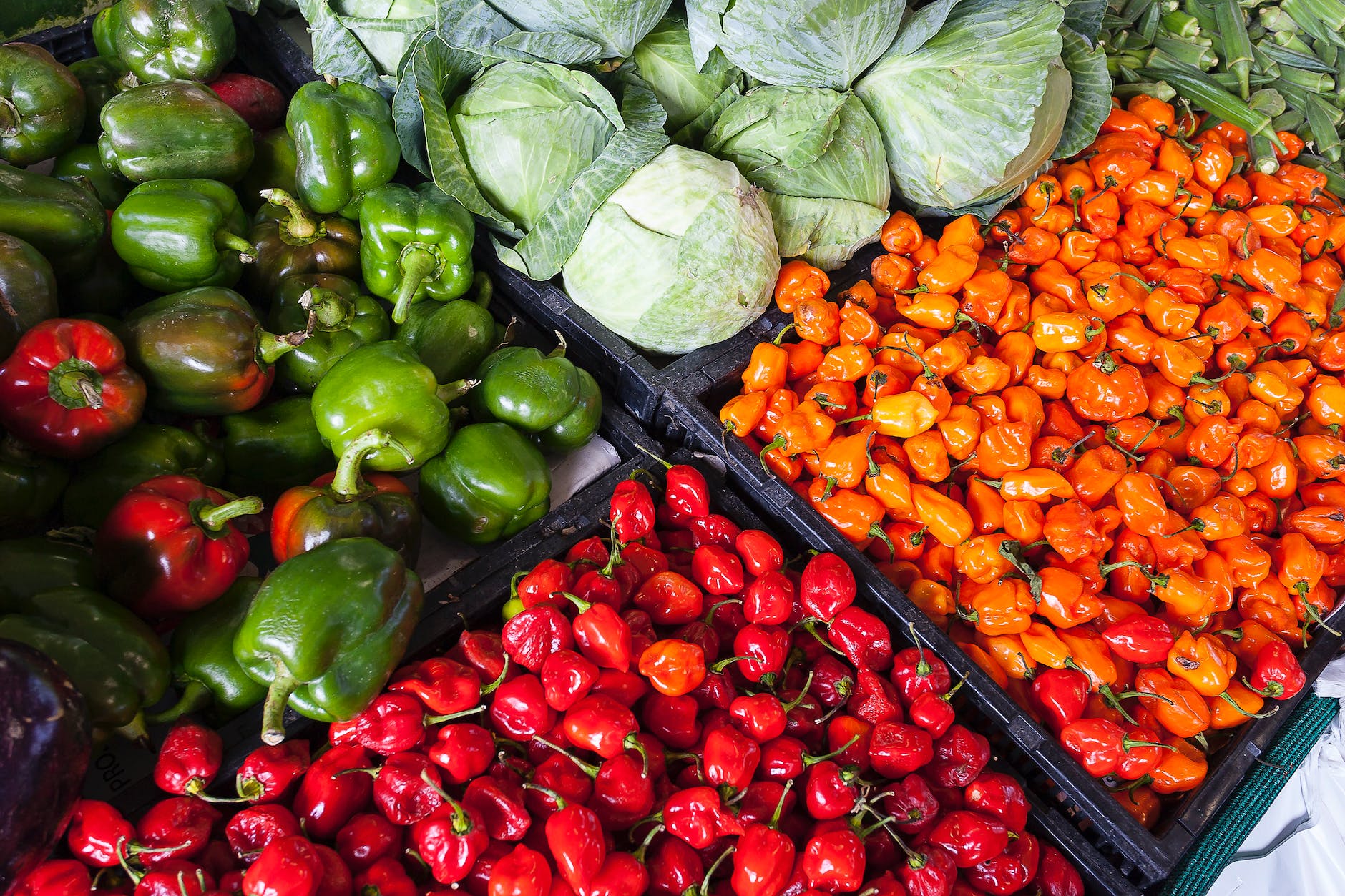
assorted vegetable store displays

Introduction:

Cabbage is a versatile and nutrient-dense vegetable that has become a staple in the keto kitchen. Not only is it low in carbohydrates and calories, but it also offers a plethora of health benefits. In this post, we’ll delve into the nutritional value of cabbage, its remarkable health benefits, and provide tips on incorporating it into your keto meal plan. Get ready to discover why cabbage deserves a prominent place in your keto culinary repertoire! 🥬🍽️


Nutritional Value of Cabbage:

Cabbage is not only low in carbohydrates but also rich in essential vitamins, minerals, and antioxidants. Let’s explore the nutritional breakdown of cabbage per 100 grams:

  • Calories: 25
  • Carbohydrates: 5.8 grams
  • Fiber: 2.5 grams
  • Protein: 1.3 grams
  • Fat: 0.1 grams
  • Vitamin C: 36.6 milligrams (61% of the daily recommended intake)
  • Vitamin K: 76 micrograms (95% of the daily recommended intake)
  • Folate: 43 micrograms (11% of the daily recommended intake)
  • Calcium: 40 milligrams (4% of the daily recommended intake)
  • Potassium: 170 milligrams (5% of the daily recommended intake)

Health Benefits of Cabbage:

  1. Rich in Antioxidants: Cabbage boasts an impressive array of antioxidants, including vitamin C and various phytonutrients. These antioxidants help combat oxidative stress and inflammation in the body, reducing the risk of chronic diseases and promoting overall well-being. 🌟🔥
  2. Supports Digestive Health: With its notable fiber content, cabbage supports a healthy digestive system. The fiber aids in maintaining regular bowel movements, promotes satiety, and assists in weight management. Additionally, cabbage contains sulfur compounds that may promote gut health and reduce the risk of certain digestive disorders. 🌱💪
  3. Anti-Inflammatory Properties: Cabbage contains compounds, such as sulforaphane and anthocyanins, known for their anti-inflammatory properties. These compounds help mitigate inflammation in the body, potentially reducing the risk of chronic conditions like arthritis, heart disease, and certain cancers. 🌿🌺
  4. Heart-Healthy Nutrients: Cabbage is an excellent source of potassium, a mineral crucial for maintaining healthy blood pressure levels. Additionally, the presence of anthocyanins in red cabbage may contribute to a lower risk of cardiovascular diseases. By incorporating cabbage into your keto diet, you can support your heart health and overall cardiovascular well-being. ❤️🫀
  5. Weight Management Support: As a low-calorie and low-carb vegetable, cabbage is a valuable addition to a keto diet focused on weight management. The high fiber content promotes satiety, helping you feel fuller for longer periods and potentially reducing overall calorie intake. Cabbage’s hydrating properties and abundance of nutrients make it an ideal choice for those striving to shed pounds while maintaining a nutritious and satisfying eating plan. 🌿⚖️

Incorporating Cabbage into Your Keto Meal Plan:

  1. Cabbage Stir-Fry: Sauté shredded cabbage with garlic, ginger, and your choice of protein in a keto-friendly oil, such as avocado or coconut oil. Add additional low-carb vegetables like bell peppers, mushrooms, or broccoli for extra flavor and nutrients. Serve it as a side dish or pair it with your preferred keto protein source for a well-rounded meal. 🍲🥦
  2. Cabbage Wraps: Use cabbage leaves as a replacement for tortillas or bread when creating keto-friendly wraps. Fill the cabbage leaves with grilled chicken, avocado, bacon, and a keto-friendly sauce for a satisfying and low-carb meal option. These wraps are not only delicious but also provide an extra crunch and freshness to your culinary experience. 🌯🥬
  3. Cabbage Slaw: Create a refreshing and tangy cabbage slaw by combining shredded cabbage with a keto-friendly dressing made from olive oil, vinegar (such as apple cider vinegar or white wine vinegar), lemon juice, and spices like black pepper and sea salt. Add in some chopped herbs like cilantro or parsley to enhance the flavor profile. This slaw pairs well with grilled meats or fish. 🥗🍋
  4. Stuffed Cabbage Rolls: Prepare flavorful and keto-friendly stuffed cabbage rolls by blanching cabbage leaves and then filling them with a mixture of seasoned ground meat, cauliflower rice, and diced vegetables. Bake the rolls in a keto-friendly tomato sauce for a comforting and satisfying meal that captures the essence of home-cooked goodness. 🌮🍅
  5. Cabbage Soup: Craft a nourishing and comforting cabbage soup by combining broth, cabbage, low-carb vegetables like carrots and celery, and aromatic herbs and spices. Simmer the ingredients together until the flavors meld, creating a delightful and wholesome soup that is perfect for colder days or as a light meal option. 🍵🥕

Conclusion:

Cabbage’s impressive nutritional value and numerous health benefits make it an invaluable addition to the keto kitchen. Incorporating cabbage into your keto meal plan not only provides essential nutrients but also contributes to overall well-being and supports your weight management goals. From stir-fries and wraps to slaws and soups, there are endless possibilities to explore with cabbage. So, embrace the versatility and healthful properties of cabbage and elevate your keto culinary journey to new heights! 🥬🌟

Posted on Leave a comment

Unveiling the Impressive Benefits of Fenugreek for Health and Wellness

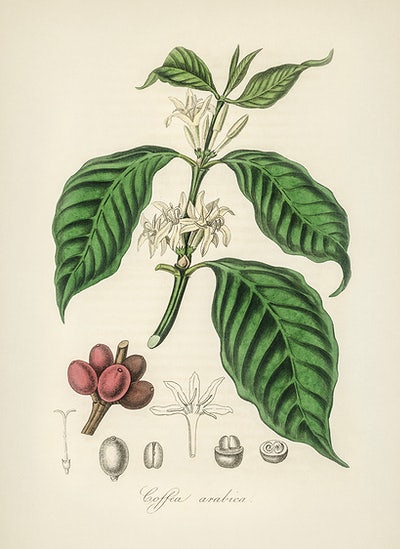
Introduction: 🌿🌾 Welcome to our informative blog post! In this edition, we will explore the remarkable benefits of fenugreek, a versatile herb with a rich history of traditional use. Fenugreek, scientifically known as Trigonella foenum-graecum, offers an array of health benefits that have been recognized for centuries. Join us as we uncover the potential advantages of fenugreek and how it can contribute to your overall health and wellness.

Understanding Fenugreek: 🌿 Fenugreek is an herbaceous plant native to the Mediterranean region, India, and Western Asia. It has been used in traditional medicine and culinary practices for its numerous health-promoting properties. Fenugreek seeds, leaves, and extracts are commonly utilized for their medicinal and nutritional benefits.

The Benefits of Fenugreek:

  1. Regulating Blood Sugar Levels: 🌿🩸 Fenugreek may help regulate blood sugar levels. It contains compounds such as galactomannan, which slows down the absorption of carbohydrates and sugars. This can assist in managing diabetes and maintaining stable blood glucose levels. However, it’s essential to consult with a healthcare professional if you have diabetes or are on medication.
  2. Aiding Digestive Health: 🌿💚 Fenugreek has been traditionally used to promote digestive health. It contains soluble fiber, which can help alleviate constipation and support regular bowel movements. Fenugreek may also aid in reducing symptoms of indigestion, heartburn, and stomach inflammation. Additionally, fenugreek seeds possess mucilage properties that can soothe and protect the lining of the digestive tract.
  3. Supporting Healthy Lactation in Nursing Mothers: 🌿🤱 Fenugreek has long been used to promote milk production in breastfeeding mothers. It contains phytoestrogens, plant compounds that are structurally similar to estrogen. These compounds may stimulate milk production and enhance lactation. However, it’s important to consult with a lactation consultant or healthcare provider for guidance on fenugreek supplementation during breastfeeding.
  4. Managing Menopause Symptoms: 🌿🌡️ Fenugreek may help alleviate symptoms associated with menopause, such as hot flashes, mood swings, and hormonal imbalances. The phytoestrogens present in fenugreek can mimic the effects of estrogen in the body and provide relief from menopausal discomfort. However, individual experiences may vary, and it’s advisable to consult with a healthcare professional for personalized guidance.
  5. Promoting Weight Management: 🌿⚖️ Fenugreek may support weight management efforts. Its high fiber content helps create a feeling of fullness, reducing appetite and aiding in portion control. Fenugreek seeds may also enhance fat breakdown and support metabolic processes, potentially assisting in weight loss goals. However, it’s important to adopt a balanced diet and engage in regular physical activity for optimal weight management.
  6. Boosting Immune Function: 🌿🛡️ Fenugreek contains antioxidants and compounds that have potential immune-boosting properties. These antioxidants help neutralize harmful free radicals, reducing oxidative stress and supporting a healthy immune system. Including fenugreek in your diet may help strengthen your body’s defense mechanisms against infections and diseases.
  7. Supporting Heart Health: 🌿❤️ Fenugreek may contribute to heart health by helping to regulate cholesterol levels. It has been shown to reduce total cholesterol, LDL cholesterol (the “bad” cholesterol), and triglyceride levels, while increasing HDL cholesterol (the “good” cholesterol). This combination of effects can help maintain a healthy lipid profile and reduce the risk of heart disease.

Incorporating Fenugreek into Your Routine:

  1. Fenugreek Tea: 🌿☕️ Prepare fenugreek tea by steeping fenugreek seeds in hot water for about 10-15 minutes. Strain the seeds and enjoy the tea. You can add honey or lemon for flavor, if desired. Fenugreek tea can be consumed daily as part of a balanced diet.
  2. Fenugreek Powder in Cooking: 🌿🍲 Fenugreek powder is a popular spice used in Indian and Middle Eastern cuisine. It adds a unique flavor to dishes and can be incorporated into curries, stews, lentil soups, and spice blends. Use it sparingly as it has a slightly bitter taste.
  3. Fenugreek Capsules or Supplements: 🌿💊 Fenugreek is available in capsule or supplement form, which allows for easy and convenient consumption. When considering fenugreek supplements, consult with a healthcare professional for appropriate dosage and suitability.

Precautions and Considerations: 🌿⚠️ While fenugreek offers several potential benefits, it’s important to keep the following points in mind:

  • Allergies and Sensitivities: Some individuals may be allergic to fenugreek or experience adverse reactions. If you have known allergies or sensitivities, it’s advisable to avoid fenugreek or consult with a healthcare professional before using it.
  • Medication Interactions: Fenugreek may interact with certain medications, such as blood-thinners or diabetes medications. Consult with a healthcare professional before using fenugreek supplements, particularly if you have underlying health conditions or are taking medications.
  • Pregnancy Considerations: Pregnant women should exercise caution when using fenugreek. While it has been traditionally used to support lactation, its safety during pregnancy has not been extensively studied. It’s recommended to consult with a healthcare professional before using fenugreek supplements during pregnancy.

Conclusion: 🌿✨ Fenugreek, with its multitude of health benefits, holds great potential for promoting overall well-being. From regulating blood sugar levels and supporting digestive health to aiding lactation and managing menopause symptoms, fenugreek can be a valuable addition to your health and wellness routine.

Remember to incorporate fenugreek into your routine in moderation, consult with a healthcare professional if you have underlying health conditions or are taking medications, and be mindful of any allergies or sensitivities.

Unlock the impressive benefits of fenugreek and embrace its natural goodness for a healthier and more vibrant life.