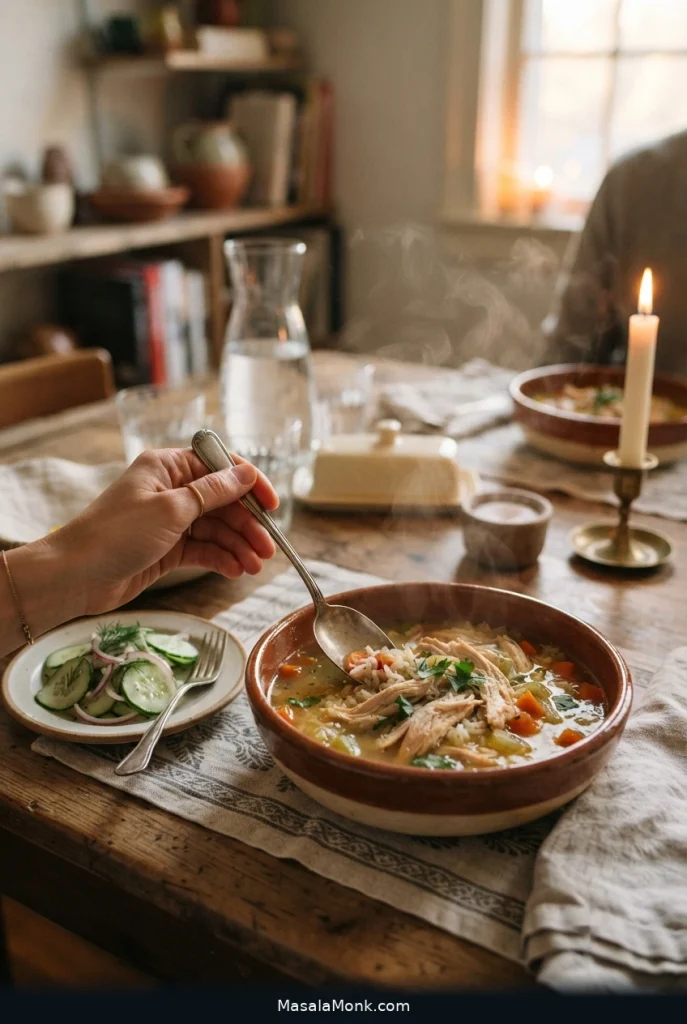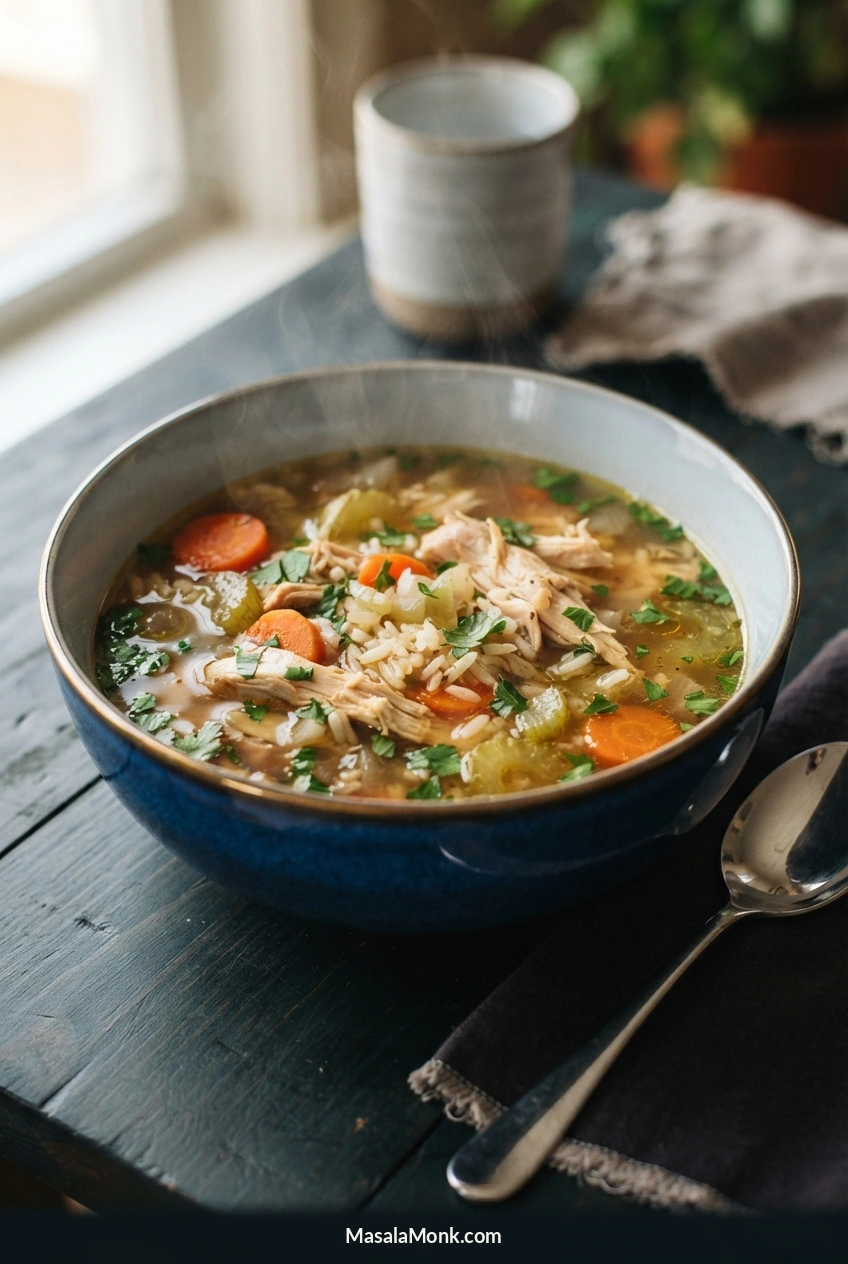
Rice gives chicken and rice soup its substance, but it also changes the broth as it cooks and sits. The grains swell, absorb liquid and can turn a light soup into a much thicker one. This version uses just enough rice to make the bowl satisfying, with tender chicken, carrots and celery and plenty of golden broth.
The important details are practical: lightly brown the chicken, keep the broth at a gentle simmer and stop when the rice is tender rather than mushy. These checks matter more than rigid cooking times.
Chicken, vegetables and rice may finish at different times. This easy homemade chicken and rice soup recipe shows how to manage them in one pot. It makes a generous dinner, and a little planning with the rice keeps tomorrow’s bowl just as inviting.
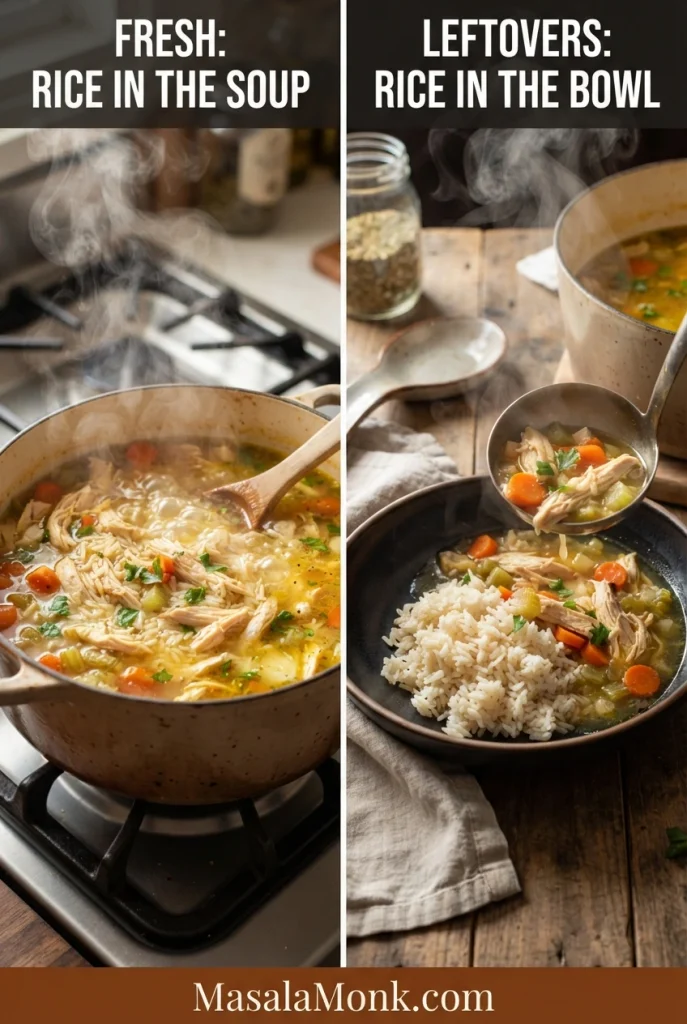
Fresh Tonight or Leftovers Tomorrow?
Eating most of the soup straight away? Cook the rice directly in the broth. Planning leftovers, freezing portions or keeping the soup warm for a gathering? Use the separate-rice method and add rice to individual bowls when serving. The grains won’t spend hours soaking up the broth.
Fresh tonight: rice in the pot. Leftovers tomorrow: rice in the bowl.
Chicken and Rice Soup Recipe
This brothy stovetop recipe starts with browned chicken, onion, carrots and celery, then builds a gently seasoned broth with garlic, thyme and bay leaves. Long-grain white rice cooks in the same pot for the fresh version.
Makes about 6 moderate bowls · Prep about 15–20 minutes · Cook about 40–55 minutes · Total about 55–75 minutes
These times are approximate. Browning in batches, heating the broth and the strength of your stove can all affect the total.
You’ll need: a heavy soup pot or Dutch oven holding at least 5 liters / about 5¼ US quarts, a cutting board, sharp knife, wooden spoon or spatula and an instant-read thermometer. Add a small saucepan if you’re cooking the rice separately.
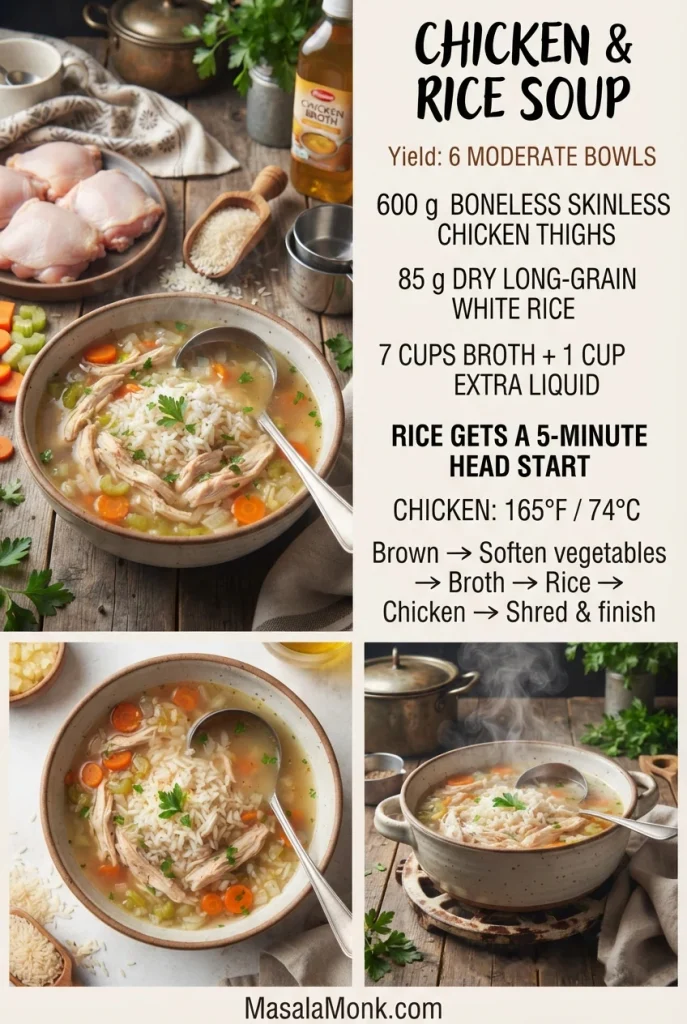
Ingredients for Brothy Chicken and Rice Soup
Before heating the pot, dice the onion, slice the carrots and celery about 5–7 mm thick, mince the garlic and rinse and drain the rice. Keep the raw chicken on a separate tray, away from the prepared vegetables and parsley. Having everything ready now makes the stovetop stages much easier.
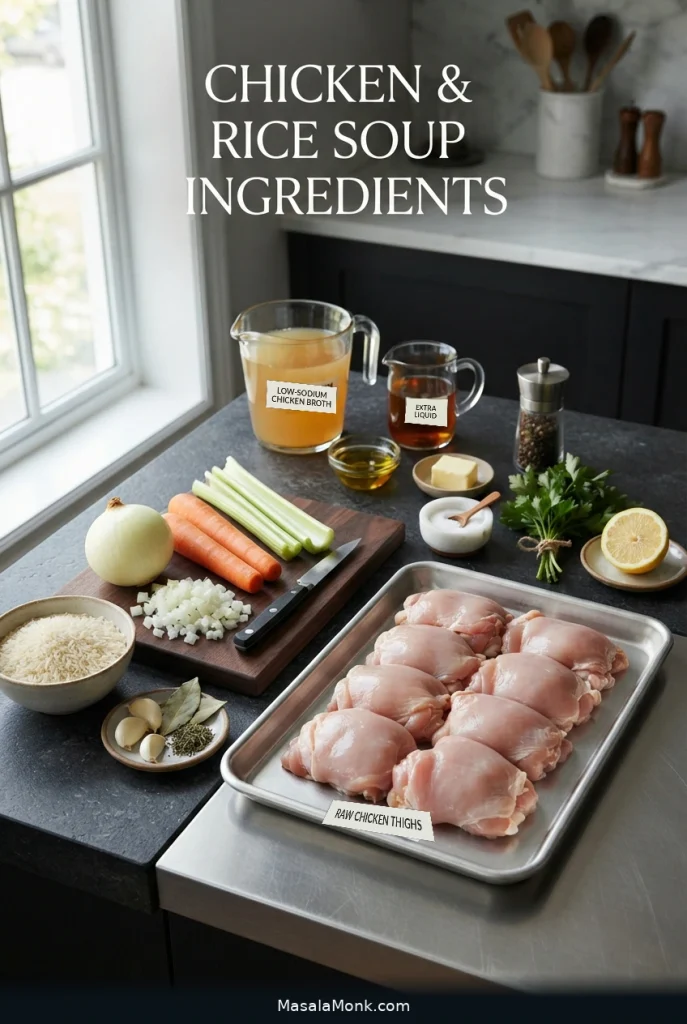
Chicken
- 600 g / 1 lb 5 oz boneless skinless chicken thighs
- 1 teaspoon fine sea salt or table salt, about 5–6 g, divided, plus more to taste
- ½ teaspoon freshly ground black pepper, plus more to finish
Boneless skinless chicken breast can replace the thighs by weight. Start checking it earlier because it dries out more readily. Using kosher salt? Measure by weight when possible; brands vary considerably by volume.
Soup
- 1 tablespoon / 15 ml olive oil
- 1 tablespoon / 14 g butter, or another tablespoon of olive oil for a dairy-free version
- 1 medium onion, about 150 g / 5 oz, diced
- 2 medium-large carrots, about 180 g / 6 oz, sliced about 5–7 mm / ¼ inch thick
- 2–3 celery ribs, about 110–120 g / 4 oz, sliced about 5–7 mm / ¼ inch thick
- 3 garlic cloves, finely chopped or minced
- 1 teaspoon dried thyme
- 2 bay leaves
- 1.65 liters / 7 US cups low-sodium chicken broth or stock
- 240 ml / 1 US cup water or additional low-sodium chicken broth, for the one-pot rice method only
If your broth already tastes rich and chickeny, use water for that extra cup. If it’s particularly light, more broth makes better sense.
Rice and Finish
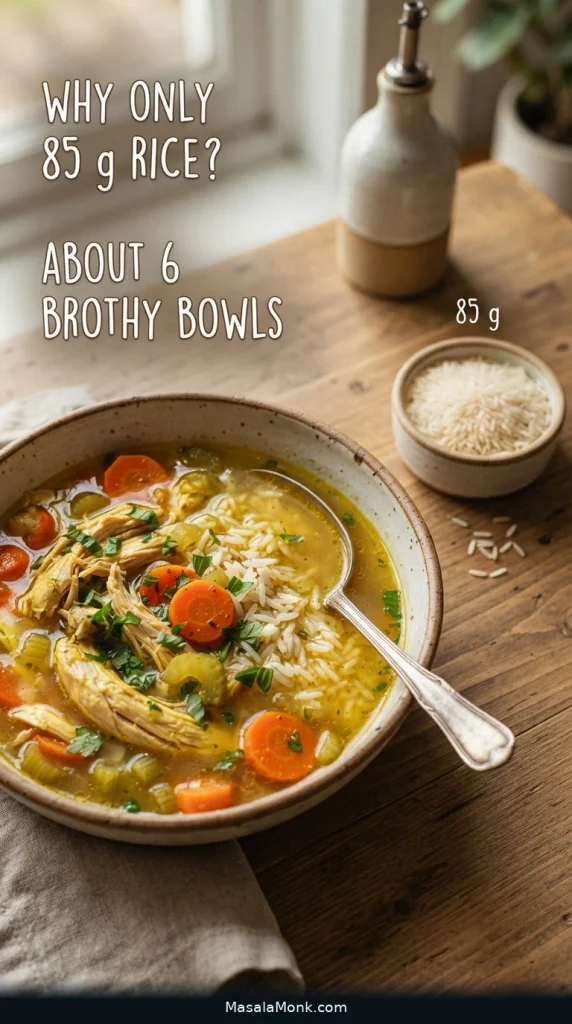
- 85 g / a scant ½ US cup uncooked long-grain white rice, rinsed and drained
- 15 g / about ¼ cup chopped fresh parsley
- 1 tablespoon / 15 ml fresh lemon juice, optional
The rice may look surprisingly sparse when dry, but it expands considerably during cooking. Adding more makes a thicker, rice-heavy soup, which is fine if that’s your preference. This version is deliberately brothy. Considering basmati, jasmine or brown rice? Check which rice works here before adjusting the timing.
Method
1. Give the Chicken Some Color
Pat the chicken dry and season it with about half the measured salt and some black pepper. Heat the olive oil over medium-high heat, add the thighs in a single layer and brown for about 2–3 minutes per side.
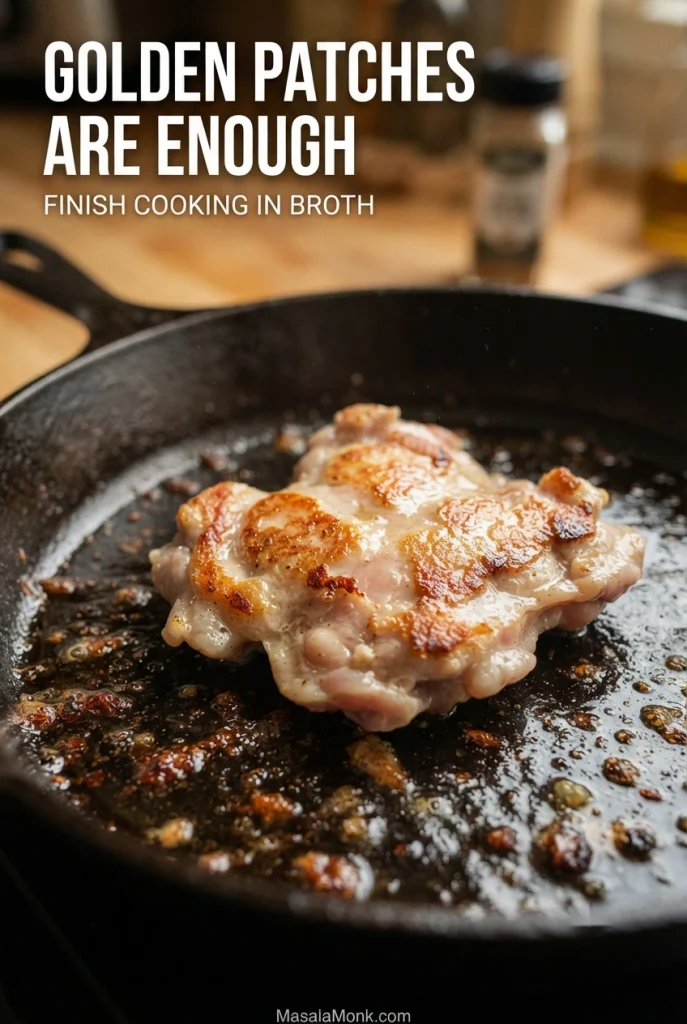
You’re looking for some golden-brown patches, not a deep crust on every surface. Pale patches are fine; the chicken will finish cooking in the broth.
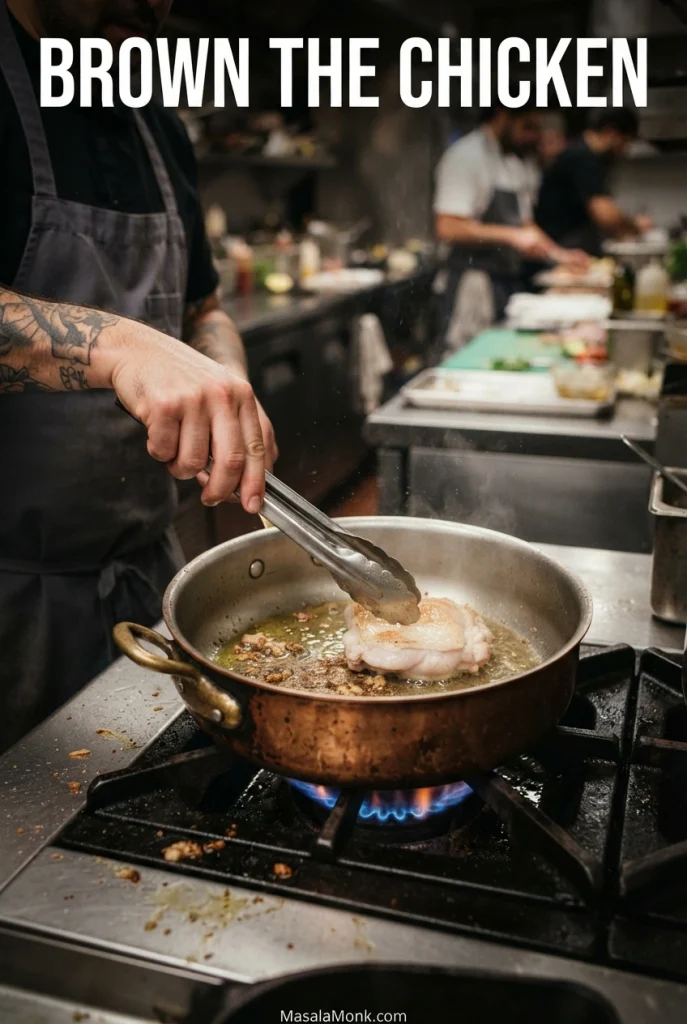
Brown the chicken in two batches if the pot is crowded. Transfer it to a plate, leaving the browned bits behind. They’ll give the broth more savory depth.
2. Soften the Vegetables
With the vegetables already cut, you can move straight from browning the chicken to softening the onion, carrots and celery. The image below shows the slice thickness to aim for.

Lower the heat to medium. Add the butter, onion, carrots and celery. Cook for about 6–8 minutes, stirring occasionally, until the onion softens and begins to smell sweet rather than sharp. The carrots and celery should start losing their raw firmness.
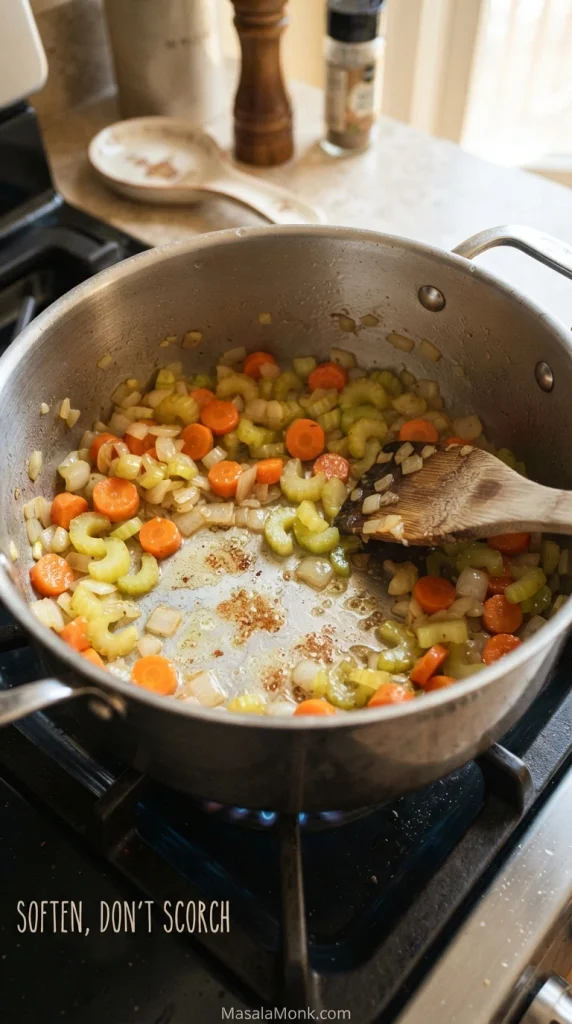
Add the garlic and thyme. Stir for about 30 seconds, just until fragrant.
3. Build the Broth
Pour in the chicken broth and the extra 1 cup / 240 ml water or broth. Scrape the bottom of the pot, loosening the browned bits into the liquid.
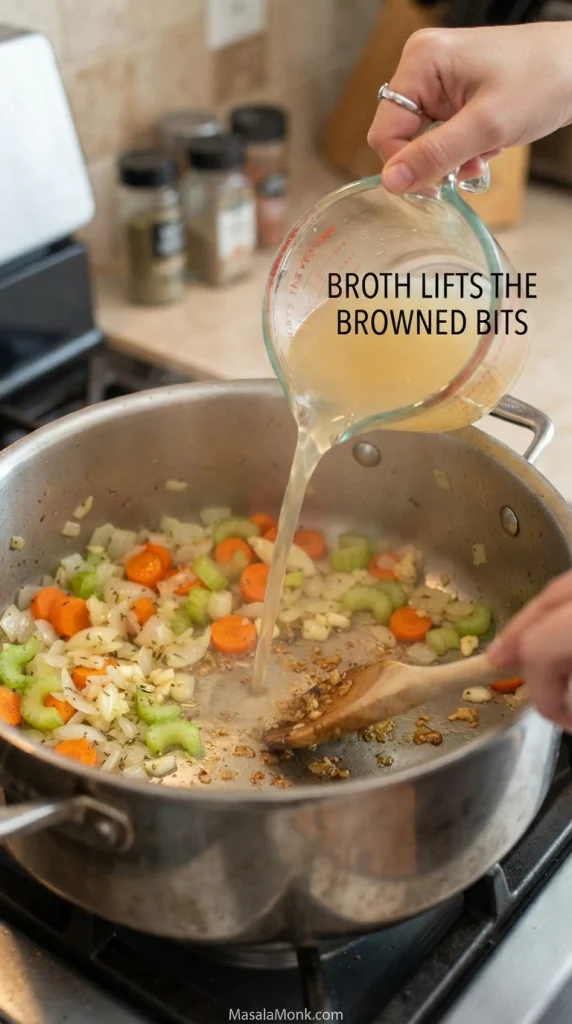
Add the bay leaves and the remaining starting salt. Bring to a boil, then lower the heat to a gentle simmer.
4. Give the Rice a Head Start
Stir in the rinsed rice once so it spreads evenly through the hot broth. From here, keep the pot uncovered and maintain a gentle simmer.
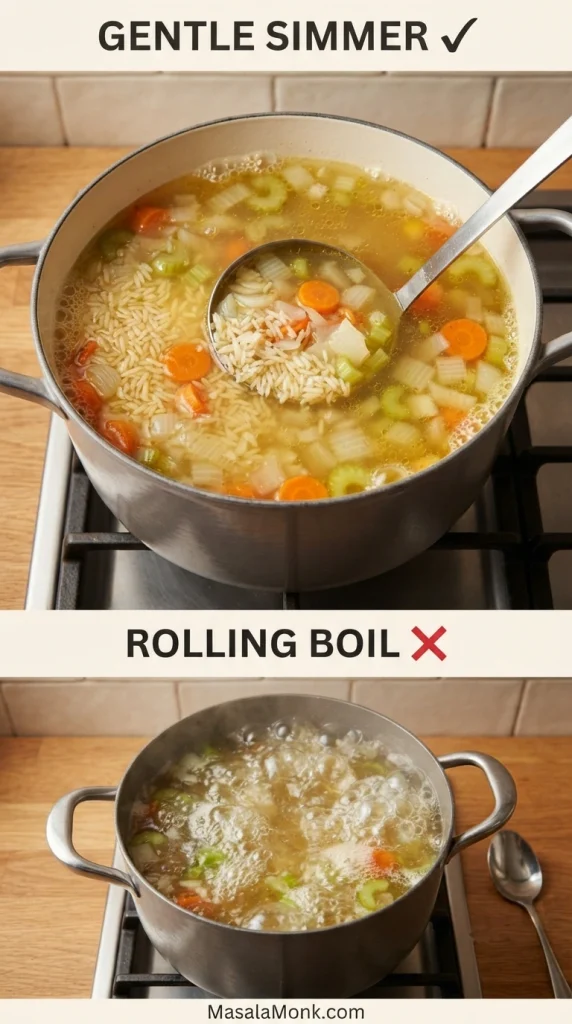
Give standard long-grain white rice about a 5-minute head start before returning the chicken. Check the packet, though; faster-cooking rice may need less time.
Leave the rice mostly alone after the first stir. Give it an occasional gentle stir if needed to prevent sticking. The five minutes are a guide; the aim is to bring the chicken and rice close to doneness at the same time.
5. Return the Chicken and Check for Doneness
Return the browned chicken and any juices from its plate to the pot. Simmer gently, uncovered, for roughly 10–15 minutes, checking toward the earlier end of that range.
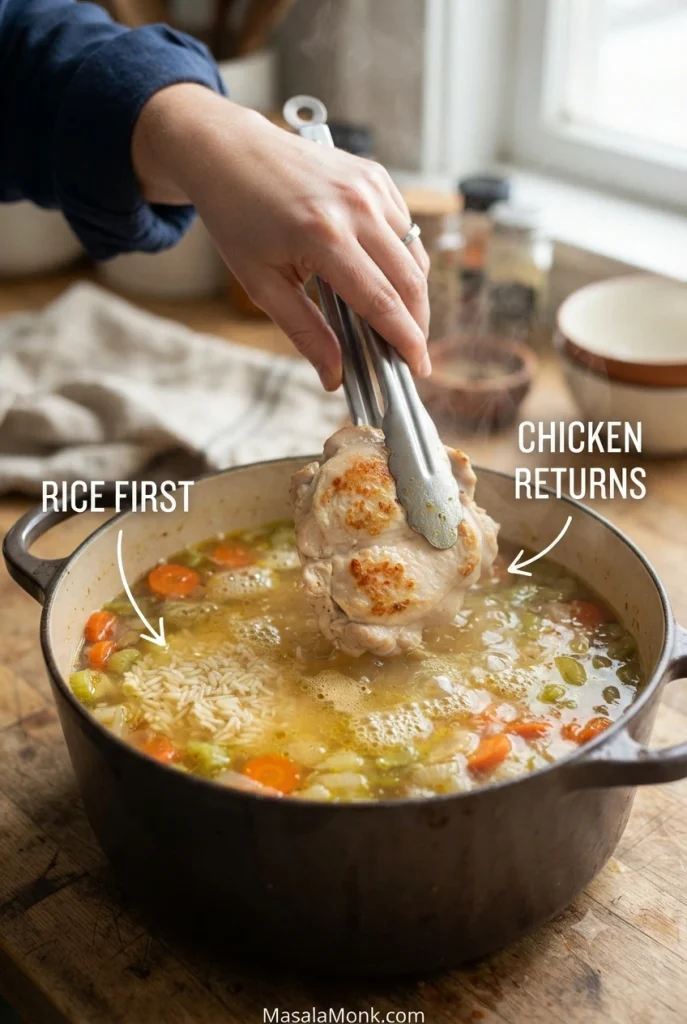
Check the chicken first. Insert an instant-read thermometer into the thickest part. Poultry must reach at least 165°F / 74°C. Remove chicken breast promptly once safely cooked; thighs may benefit from additional gentle cooking until tender enough to shred.
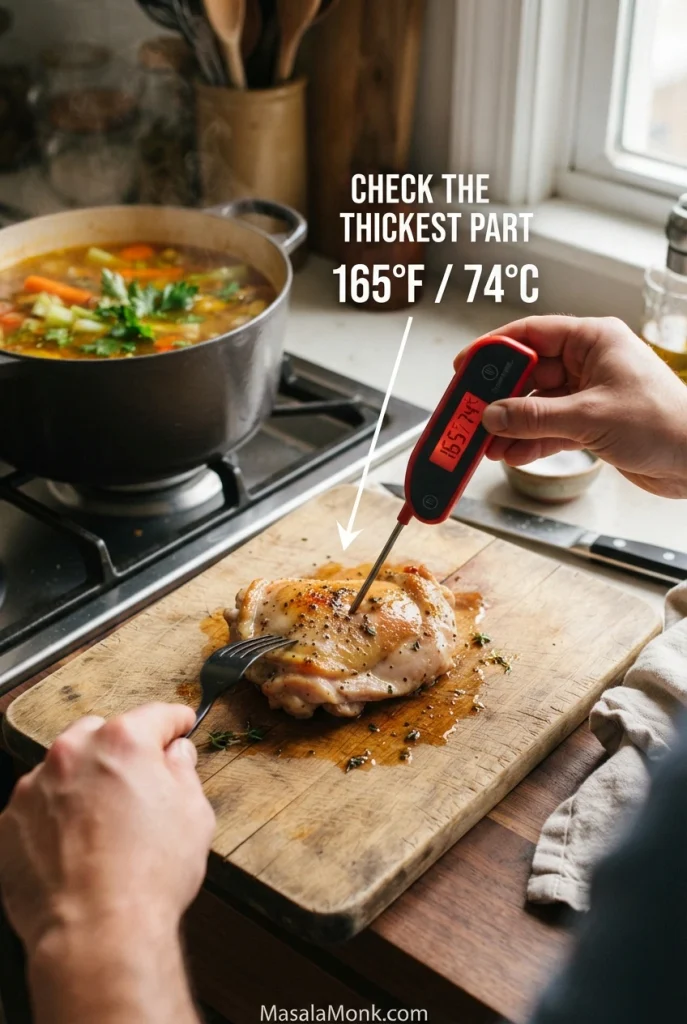
Now check the rice and vegetables. Taste a grain of rice. It should be tender throughout, with no hard or chalky center, while still holding its shape. Test a carrot with a fork; it should be tender without falling apart.
If the timings don’t match: When the chicken is safely cooked and tender but the rice or carrots still need time, lift the chicken onto a clean plate and let the pot simmer gently until they are ready. If the rice is done but the chicken is undercooked, keep cooking the chicken until it reaches at least 165°F / 74°C, even if the rice softens further.
When everything is cooked, turn off the heat. The rice will keep softening in the hot broth, so there’s no reason to leave the pot simmering while you finish the chicken.
6. Shred, Season and Serve
Transfer any chicken still in the pot to a clean cutting board. Let it rest briefly, then shred or cut it into bite-size pieces. Remove the bay leaves and return the chicken to the soup.
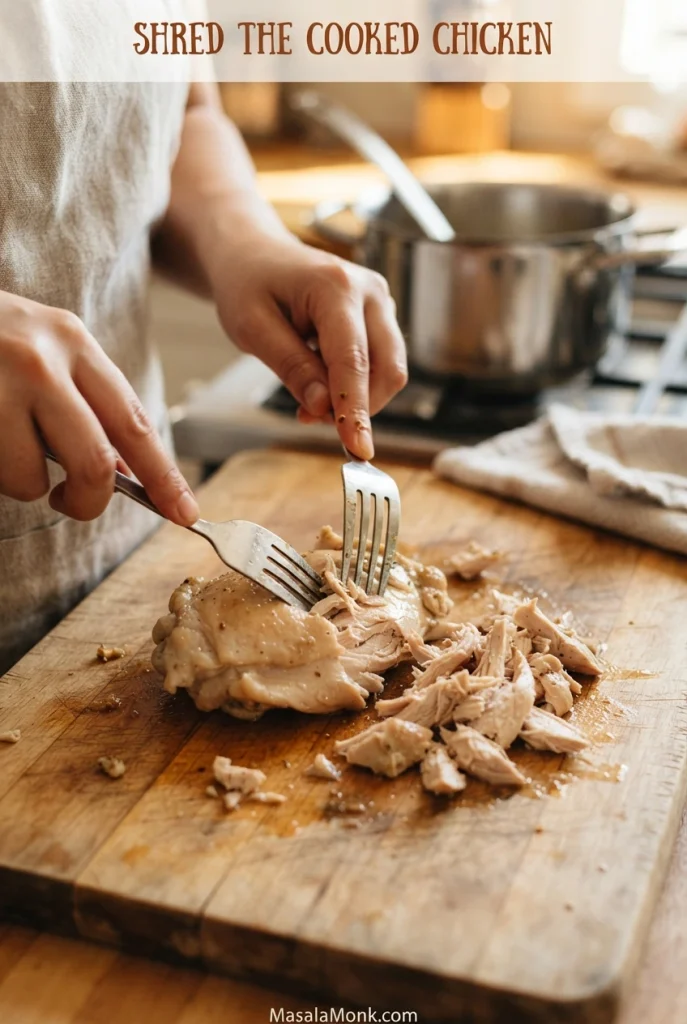
Stir in the parsley just before serving so its fresh flavor stays noticeable. Taste the broth and adjust the salt and pepper.
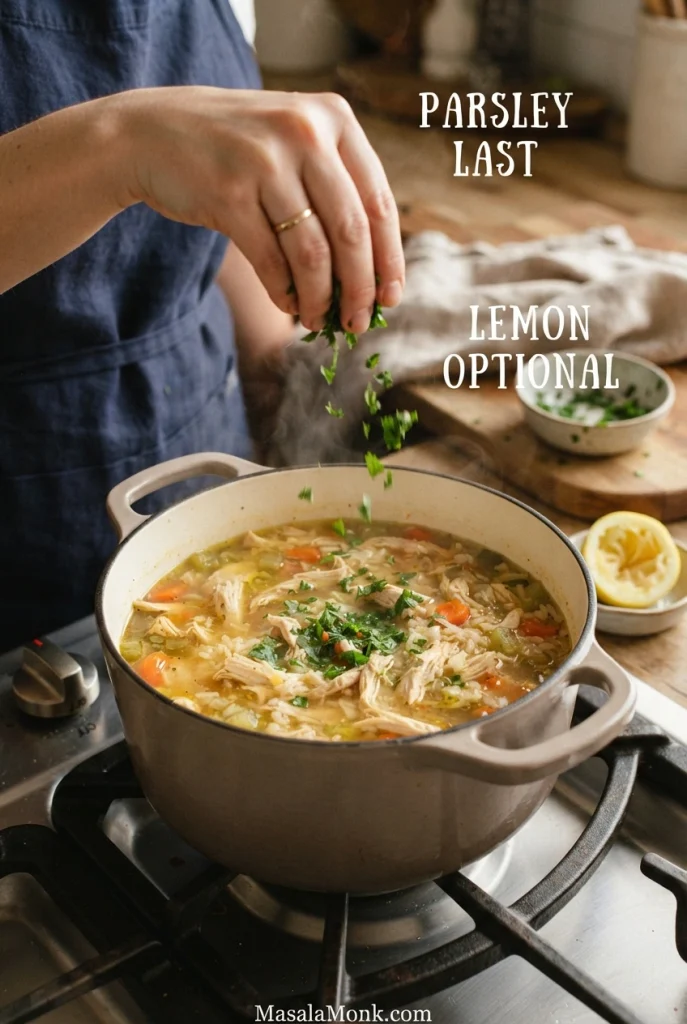
A tablespoon of lemon juice is optional, but useful when the broth tastes rich yet slightly flat. The lemon should make the chicken broth taste brighter, not turn it into lemon soup.
What the Finished Soup Should Look Like
Ladle the soup while there’s still broth around the rice. If it has thickened while you’ve been getting dinner onto the table, check whether the grains are still intact. A splash of hot broth may be all it needs.
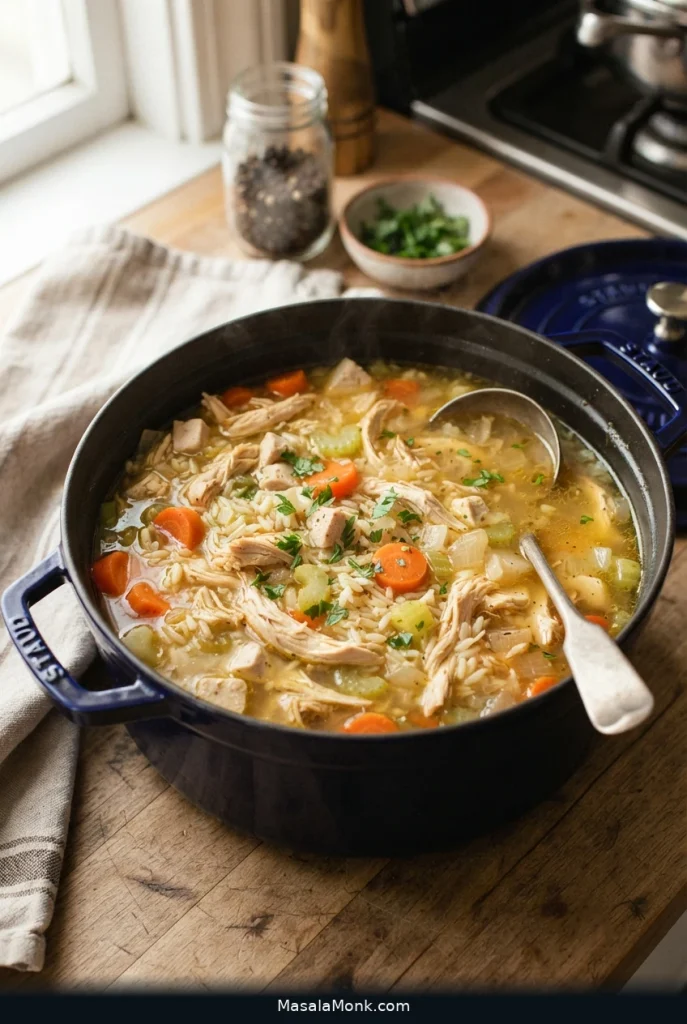
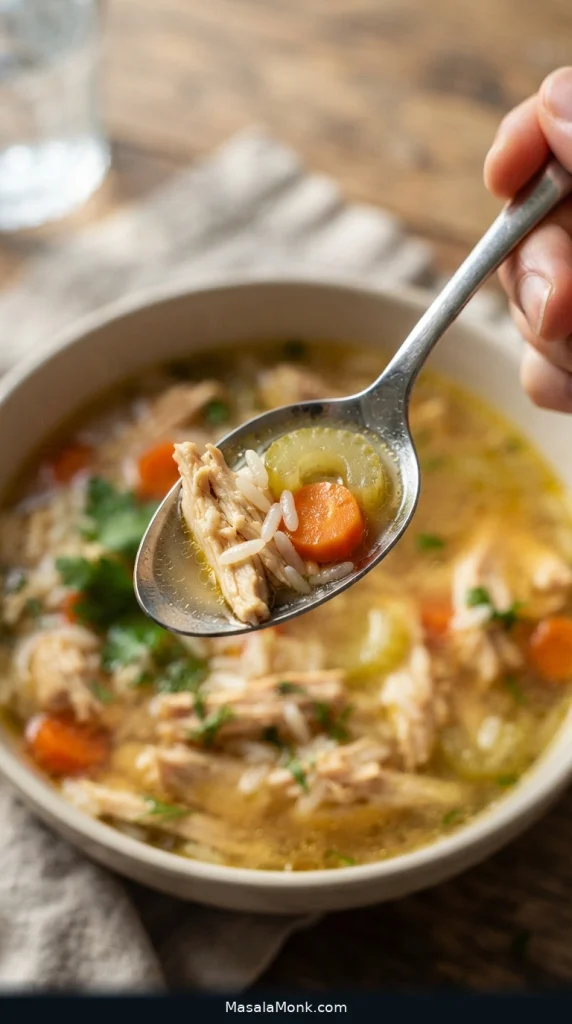
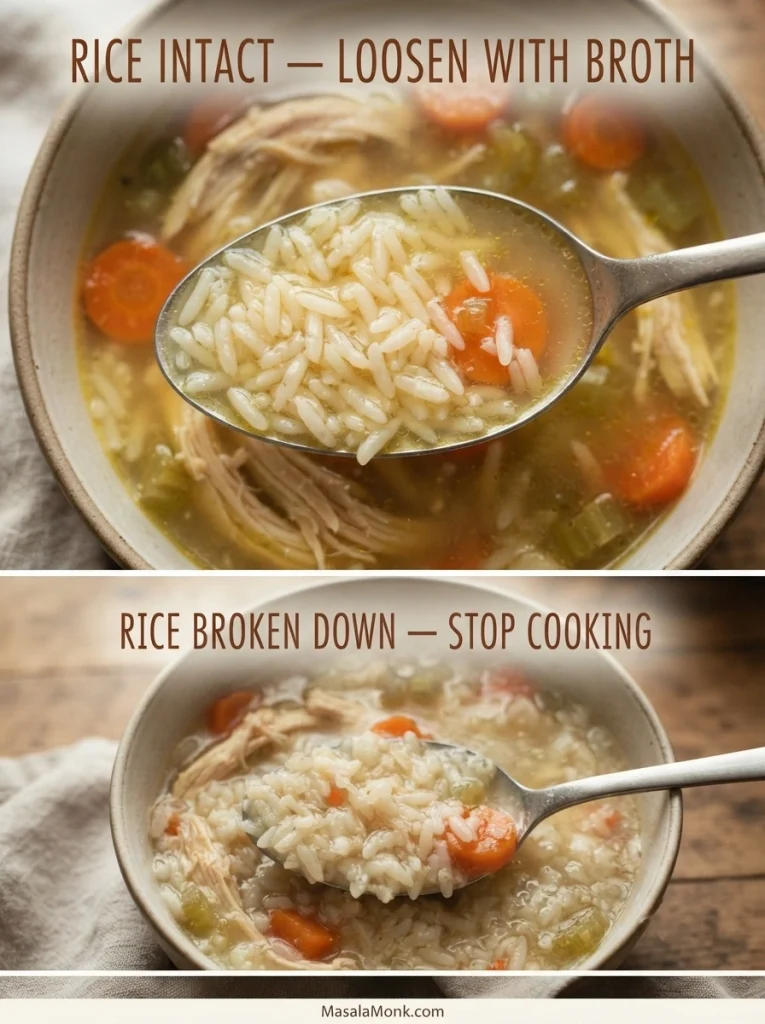
A useful final texture check is the spoonful itself: tender rice should remain in separate grains, with broth moving between the chicken and vegetables rather than clinging like a thick sauce.
Where next? Recipe at a glance · Make it ahead · Fix a problem
The Pot Has Three Clocks
The advantage of thinking in three clocks is knowing what to do when the timings don’t line up. Some ingredients can wait for the others; some are much harder to rescue once they’ve gone too far.

Vegetables need the early start. Carrots and celery take time to soften, particularly when cut thickly. Starting them before adding the broth reduces the chance of hard carrots alongside tender rice.
Chicken can leave the pot. Once it is safely cooked and tender, lift it out if the rice still needs time. The same approach helps with Chicken Noodle Soup, where the noodles and meat may reach their ideal texture at different moments.
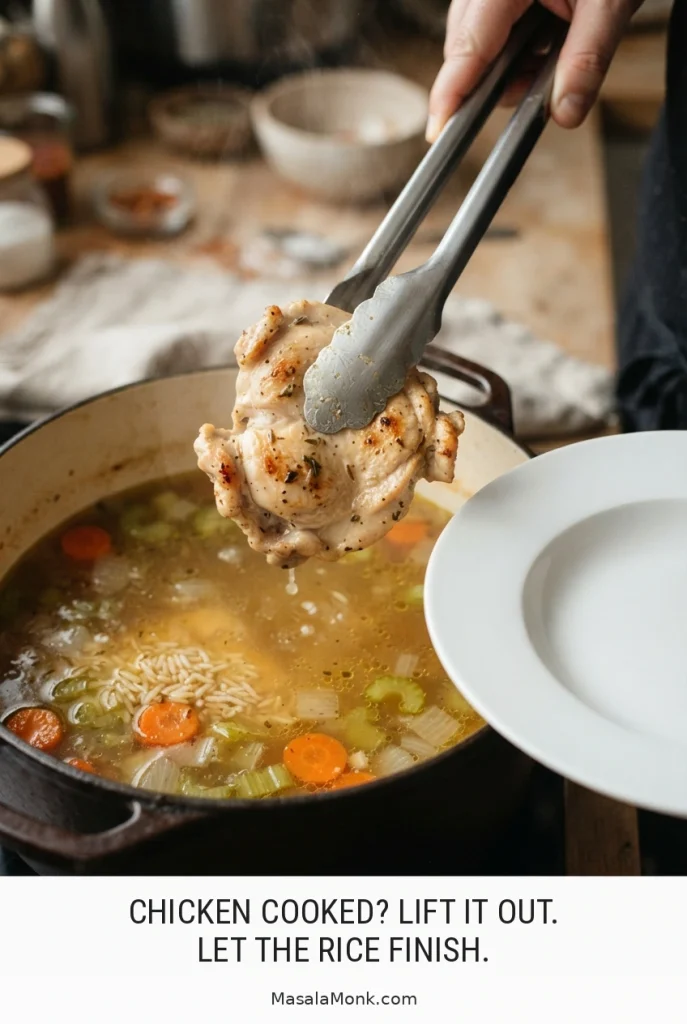
Rice is harder to rescue. Once the grains are scattered through the broth, you can’t easily remove them without taking much of the soup along. That’s why measuring the rice, keeping a gentle simmer and checking the grains before they become too soft are important.
When a component is already overdone, use the troubleshooting guide instead of simmering everything longer.
Which Rice Belongs in Chicken and Rice Soup?
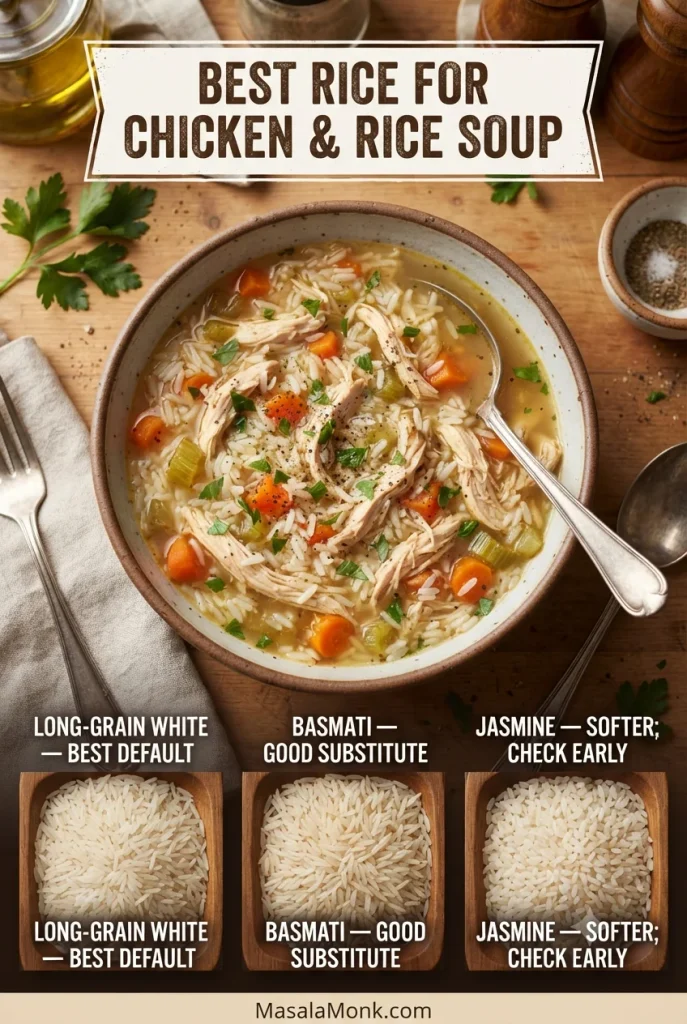
Long-grain white rice is the best all-purpose choice for this brothy chicken and rice soup. It cooks within a manageable window and generally stays distinct enough that the broth remains the main event.
| Rice | How It Works in This Soup |
|---|---|
| Long-grain white | Tender, separate grains; best choice for the main one-pot method. |
| Basmati | Aromatic and generally distinct; a good substitute. Start checking a little early. |
| Jasmine | Fragrant and often softer; works, but needs closer attention to timing. |
| Brown rice | Chewier and slower to cook; best prepared separately. |
| Wild rice | Firm and nutty, with a much longer cooking time; cook separately. |
| Converted or parboiled rice | Often holds its shape well; follow the cooking time on the packet. |
| Instant or minute rice | Cooks very quickly; add near the end or prepare separately. |
| Arborio | Releases more starch and makes the broth creamier; not ideal for this brothy version. |
Rinsing long-grain white rice removes some loose surface starch, helping the broth stay clearer. If you’re cooking the grains separately, How to Cook Rice covers stovetop methods and timings for several common varieties.
Where Did the Broth Go?
Chicken and rice soup gets thicker because the rice continues absorbing broth while released starch thickens the liquid around it. This can happen even when the rice is fully cooked and the grains still look intact.
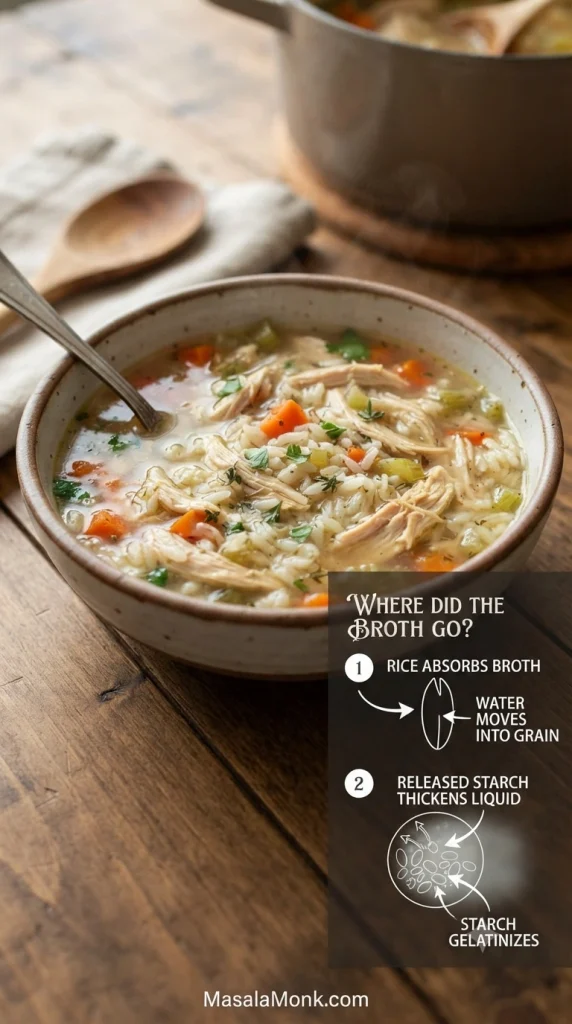
If the rice is still in separate grains, adding a little hot broth can loosen the soup again. Once the grains have broken down into mush, extra broth can thin the mixture but won’t bring back their original texture. Unsure which you have? Compare intact and mushy rice before making changes.
Cooking the Rice Separately for Leftovers
For make-ahead chicken and rice soup, cook and store the rice separately. It’s a small change that leaves tomorrow’s bowl with more broth and rice that hasn’t spent the night swelling in it.
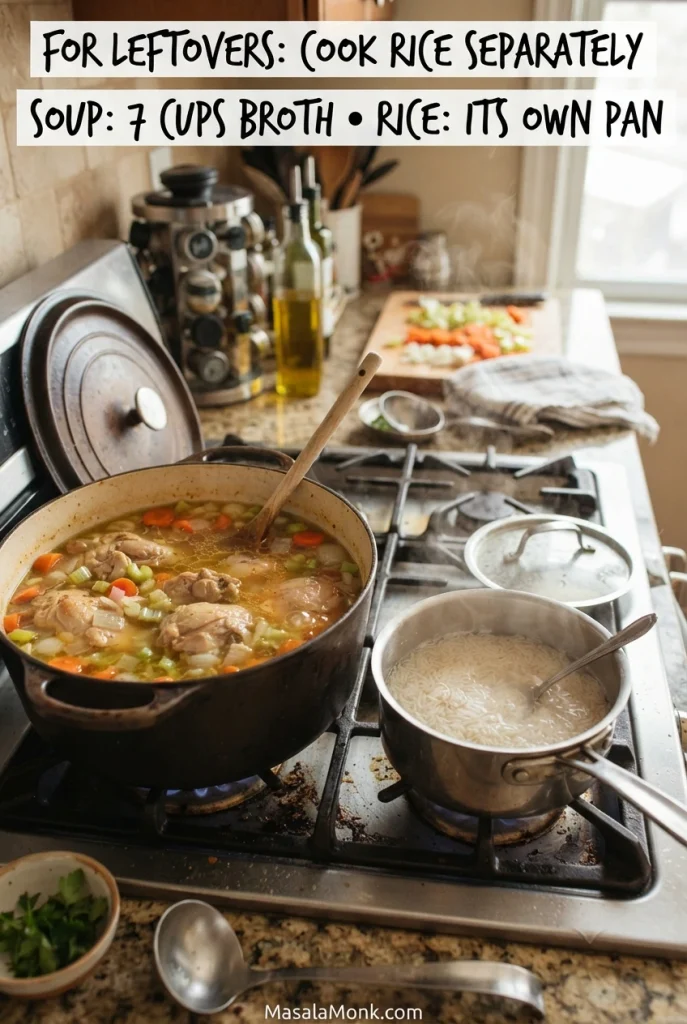
Cook the Soup Without Rice
- Brown the chicken and soften the vegetables as in Steps 1–2. For Step 3, add only the 7 cups / 1.65 liters broth, bay leaves and remaining starting salt; omit the extra 1 cup / 240 ml water or broth. Do not add the rice to the soup.
- Once the broth reaches a gentle simmer, return the browned chicken and its juices. Cook until the chicken reaches at least 165°F / 74°C and the vegetables are tender. Take the chicken out when ready rather than letting it overcook.
- Shred or chop the cooked chicken. Remove the bay leaves, return the chicken to the soup and stir in the parsley. Taste, then finish with salt, pepper and optional lemon as in Step 6 of the main recipe.
- Meanwhile, cook the 85 g dry rice separately according to its package directions. For more flavor, replace some of the cooking water with chicken broth.
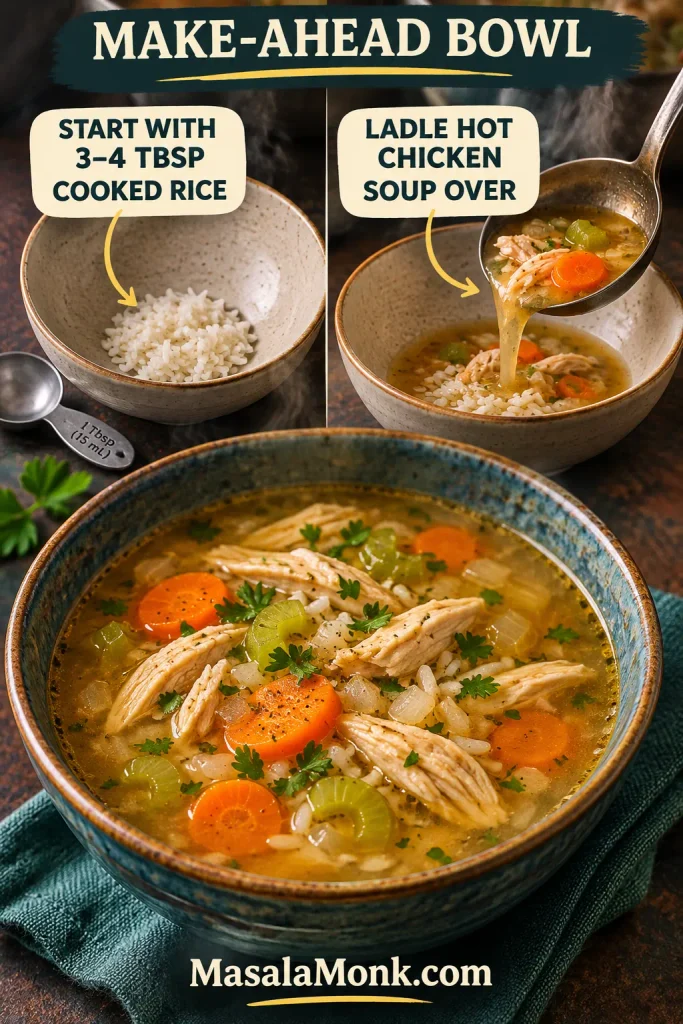
- For serving right away, spoon some freshly cooked rice into each bowl—about 3–4 tablespoons per bowl is a starting point, depending on the cooked yield—and ladle the hot soup over it. Reheat previously refrigerated rice thoroughly before adding it to the bowls.
- For leftovers, divide the soup and rice into separate shallow containers. Cool them promptly and refrigerate or freeze according to the storage guidance below.
Assemble Each Bowl at Serving Time
Let everyone choose how much hot, cooked rice they want in their bowl, then ladle over the chicken-and-vegetable soup. The rest of the pot stays beautifully brothy.
Preparing meals for several days? Make fresh rice for later bowls or freeze the cooked rice promptly in individual portions. Extra rice that’s been cooled and stored properly can also become fried rice tomorrow. For cooling limits and safe reheating, jump to storage and reheating.
Rotisserie Chicken Version
Use 400–450 g / 14–16 oz cooked shredded chicken, roughly 3 loosely filled cups. It replaces the raw thighs, so skip the chicken-browning step and add the meat near the end.
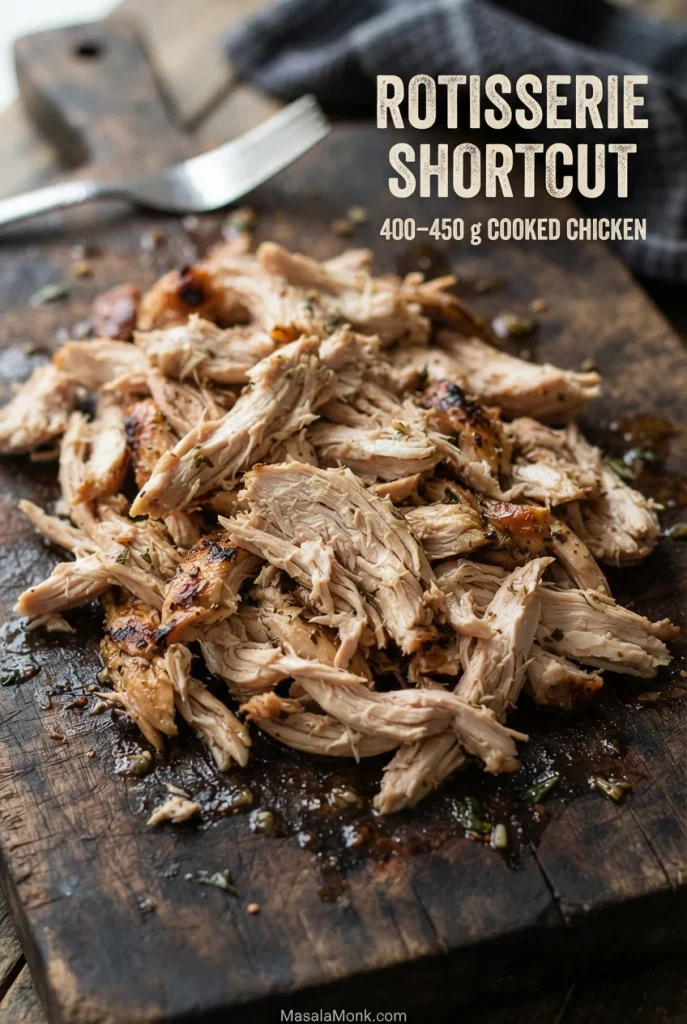
Making this version for leftovers? Omit both the rice and the extra 240 ml liquid from the soup, as in the separate-rice method. Let the vegetables cook until tender, and add the already-cooked chicken only near the end.
Make Soup With Already-Cooked Chicken
- Heat the olive oil and butter over medium heat. Add the onion, carrots and celery and cook for 6–8 minutes. Stir in the garlic and thyme for another 30 seconds.
- Add the 7 cups / 1.65 liters chicken broth and bay leaves. For the fresh one-pot version, also add the extra 1 cup / 240 ml water or broth. Bring to a boil, then reduce to a gentle simmer. For fresh soup, add the rinsed rice and cook uncovered until the grains and vegetables are nearly tender, using the packet timing as a guide. For leftovers, skip the rice and simmer until the vegetables are tender.
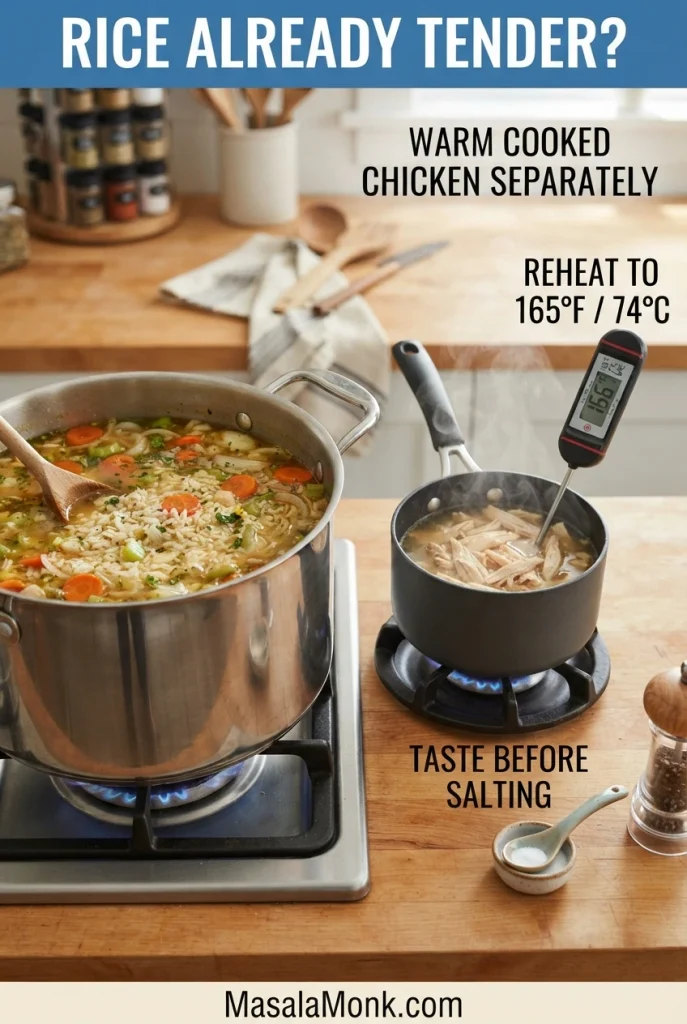
- Add the cooked shredded chicken near the end. If it has been refrigerated, reheat it thoroughly to 165°F / 74°C throughout. If the rice is already tender, warm the chicken separately in a small saucepan with enough broth to heat it to that temperature, then combine just before serving.
- Remove the bay leaves. Stir in parsley and finish with black pepper and optional lemon. Taste before adding salt: rotisserie chicken is already seasoned, sometimes quite heavily.
If the Rice Is Ready Before the Chicken
Don’t keep simmering already-tender rice while chilled rotisserie chicken warms through. The small saucepan shown below lets you bring the chicken to a safe reheating temperature without sacrificing the rice.
This shortcut depends more on the quality of the chicken broth because you’re not getting the browned chicken bits from the main method.
Building Better Chicken Flavor
Soup tastes flat? Don’t reach for the thyme yet. Taste the broth first and work out what’s actually missing.
The broth tastes weak. Start with the seasoning. If it’s properly salted but still lacks depth, the broth may simply be too mild. The bone-in method in Chicken Soup builds more chicken flavor directly from the meat.
The broth tastes good but the chicken doesn’t. Shred the cooked chicken into smaller pieces and toss it with a few tablespoons of well-seasoned hot broth before serving. That can improve each bite, even if it won’t season the inside as effectively. Next time, season the raw chicken before cooking.
You thinned the soup and lost some flavor. Extra liquid dilutes seasoning along with the starch. Taste again after adding broth and adjust if needed.
The broth is rich but dull. A little fresh parsley or lemon may help more than another pinch of salt.
Vegetables That Fit the Pot
Onion, carrot and celery are enough for the base. If you want to use what you already have, a few other vegetables fit easily into this soup.
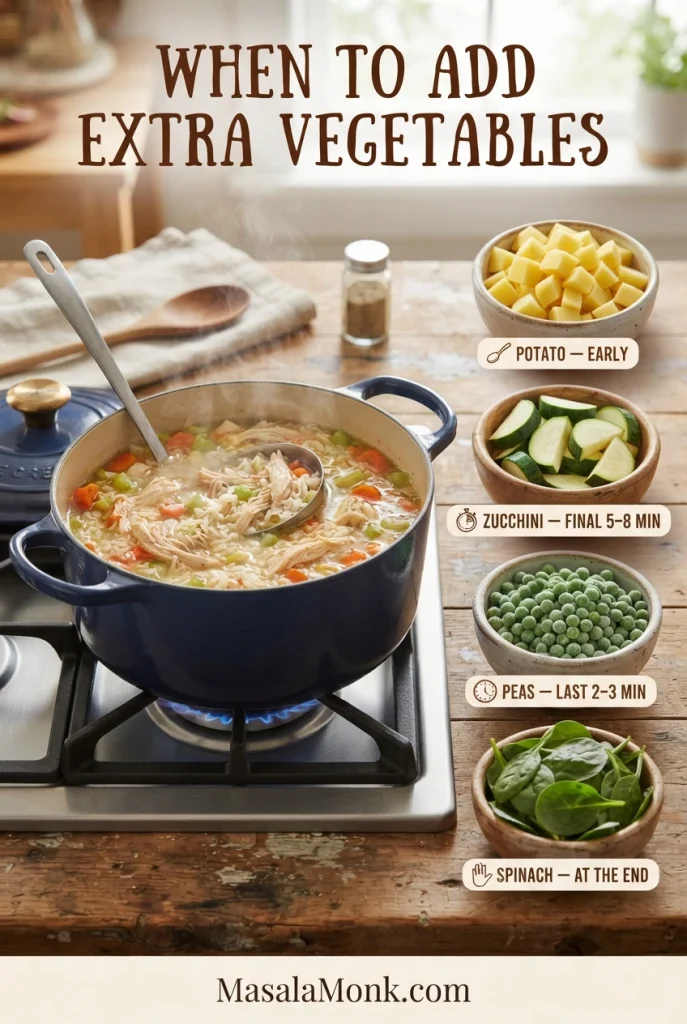
- Zucchini: add during the final 5–8 minutes so it stays tender rather than falling apart.
- Frozen peas: add for the last 2–3 minutes, just long enough to heat through.
- Spinach: stir in at the end and let the hot broth wilt it.
- Potato: cut into small cubes and add early enough to become tender before the rice finishes.
No celery? Leave it out and add a little more carrot if you like. The flavor changes slightly, but the soup still works.
Want a more vegetable-heavy dish? Minestrone Soup takes things in another direction.
When the Pot Goes Wrong
If the soup looks different from what you expected, check the rice and chicken before changing anything. A thicker pot doesn’t automatically mean the rice has overcooked, and problems that look similar can need different fixes.
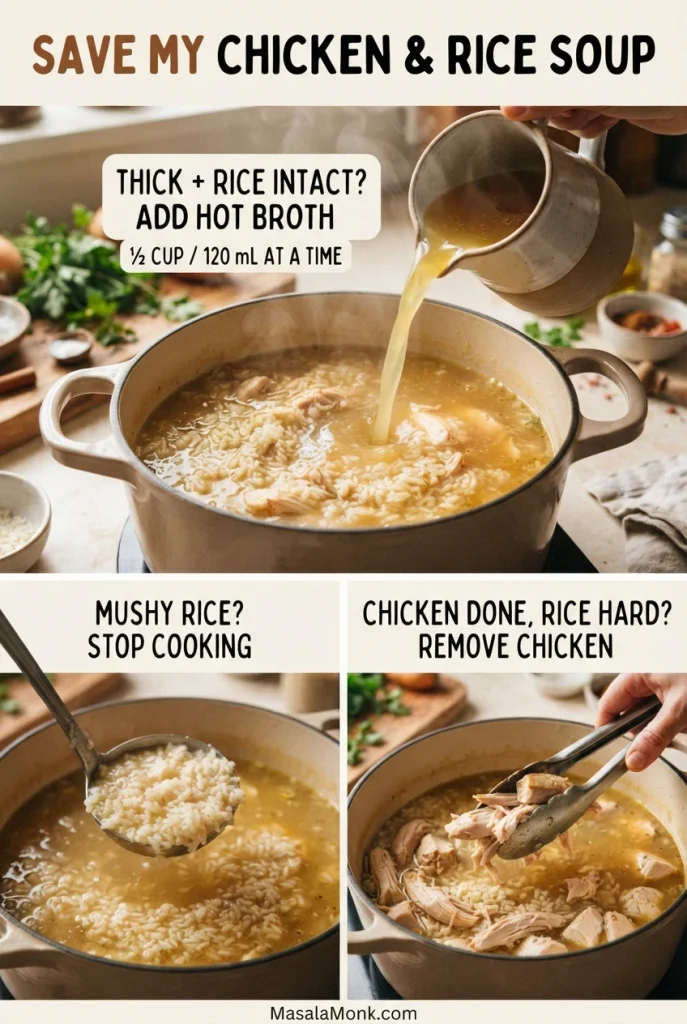
Match the Symptom to the Fix
| What Happened | What to Do |
|---|---|
| Soup is too thick, but rice grains are intact | Add hot broth about ½ cup / 120 ml at a time. Taste again afterward. |
| Rice has broken down and become mushy | Stop cooking. More broth may loosen the soup but cannot restore the grains. |
| Rice is hard, but chicken is cooked | Remove the chicken and continue simmering until the rice is tender. |
| Rice is ready, but chicken is undercooked | Continue cooking until the chicken reaches 165°F / 74°C. The rice may soften further; shorten its head start next time. |
| Rice is ready, but carrots are still hard | Remove the chicken and simmer gently until carrots soften. Rice may become softer than intended. Cut carrots smaller next time. |
| Chicken is dry | It probably cooked too long. Check earlier next time, especially with breast. |
| Soup is much thicker the next day | Add broth while reheating. For future batches, cook and store the rice separately. |
| Broth is too thin, but the solids are perfectly cooked | Remove some broth and reduce it separately rather than boiling the chicken and rice longer. |
How to Tell Whether Rice Is Actually Mushy
Before adding more broth, inspect a spoonful of rice. Separate grains can be loosened without losing their shape; broken-down rice cannot become distinct grains again.
Prevent the same problem next time: Review the gentle simmer. If leftovers are the problem, the separate-rice method is usually the easier solution.
Variations
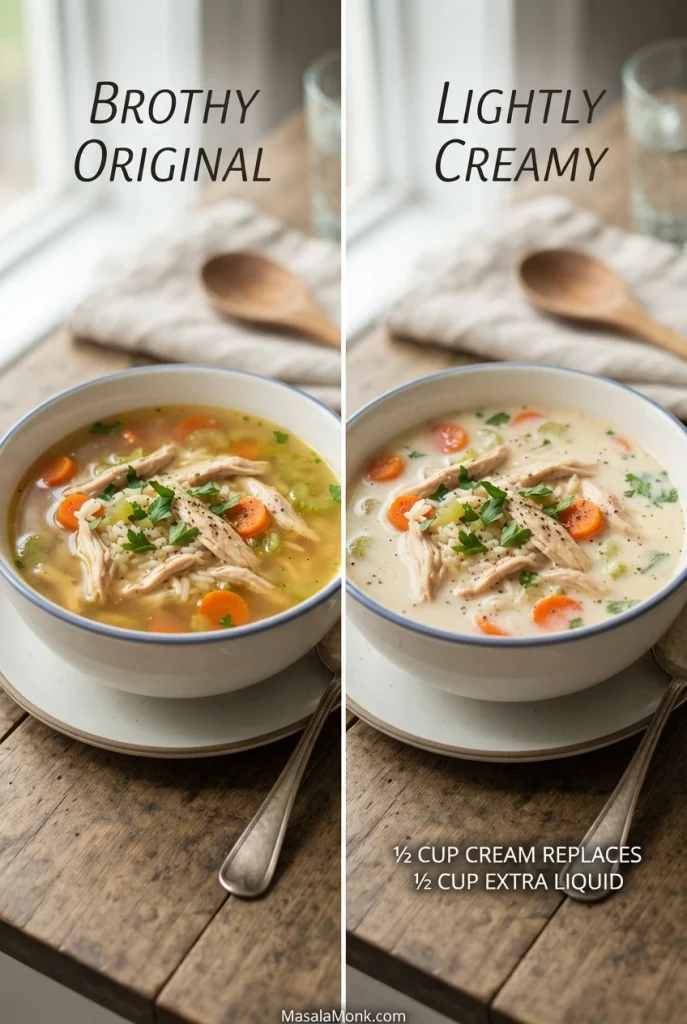
A creamier bowl. Use ½ cup / 120 ml less of the extra water or broth in the main recipe, then stir in ½ cup / 120 ml heavy cream at the end over low heat. Warm gently without returning the soup to a hard boil.
More lemon and herbs. Add extra parsley and a squeeze of lemon to individual bowls. For a different silky egg-and-lemon chicken and rice soup, try Avgolemono Soup, which uses a different finishing technique.
Gluten-free. Rice is naturally gluten-free, but check packaged broth, bouillon and seasoning blends because ingredients vary.
Storage, Freezing and Reheating
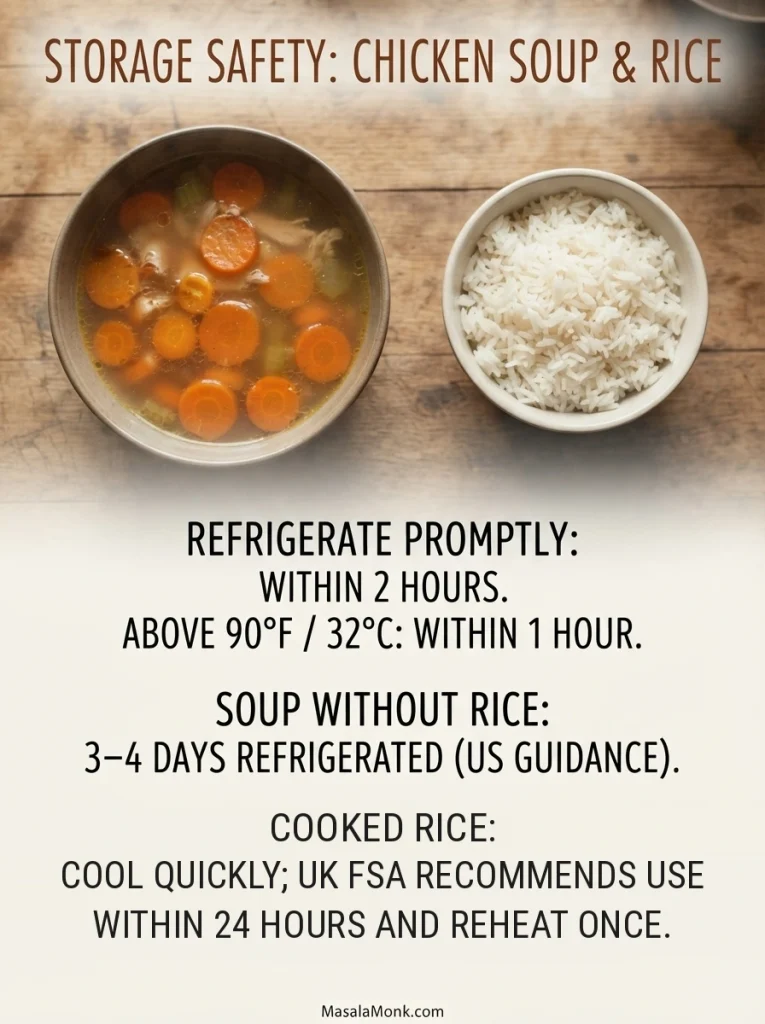
Cool and refrigerate promptly. Divide leftover soup into shallow containers and refrigerate within 2 hours of cooking, or within 1 hour if exposed to temperatures above 90°F / 32°C. Cooked rice needs particularly quick cooling, ideally within 1 hour; don’t leave it in a warm pot.
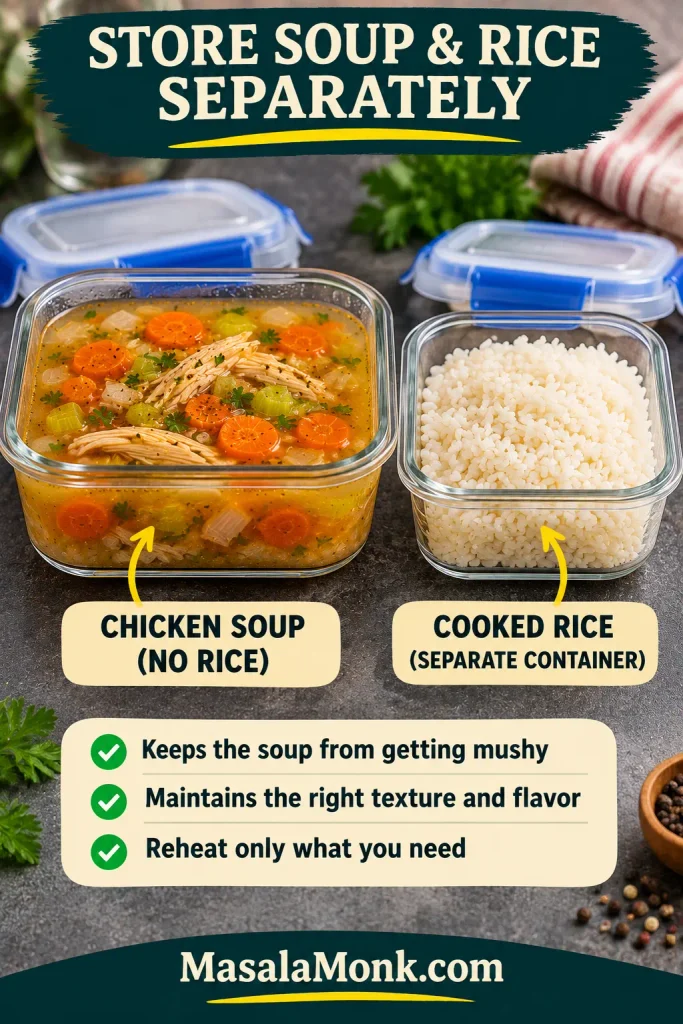
Soup without rice: Under US food-storage guidance, properly refrigerated meat-and-vegetable soup generally keeps for 3–4 days.
Cooked rice: The UK’s Food Standards Agency recommends refrigerating cooked rice promptly, using it within 24 hours and reheating it only once. If rice has already been mixed into the soup, following that shorter storage window is a cautious choice. For several days of meal prep, keep the rice-free soup separate and cook fresh rice or freeze rice portions promptly.
Uncooked rice can contain spores of Bacillus cereus that survive cooking. If cooked rice sits warm for too long, bacteria can grow and produce toxins that reheating may not remove. Rapid cooling matters just as much as getting leftovers hot again.
Freezing
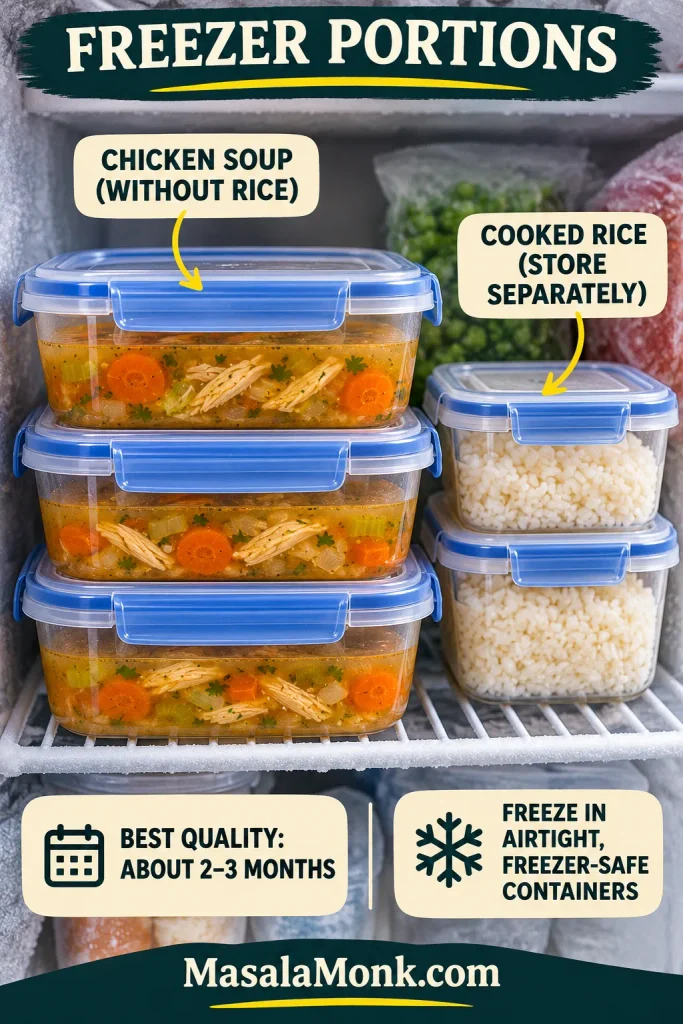
Freeze the chicken-and-vegetable soup without rice when possible. Cook fresh rice when you reheat the soup, or freeze cooked rice separately after cooling it quickly. For best quality, use frozen soup within about 2–3 months.
Reheating
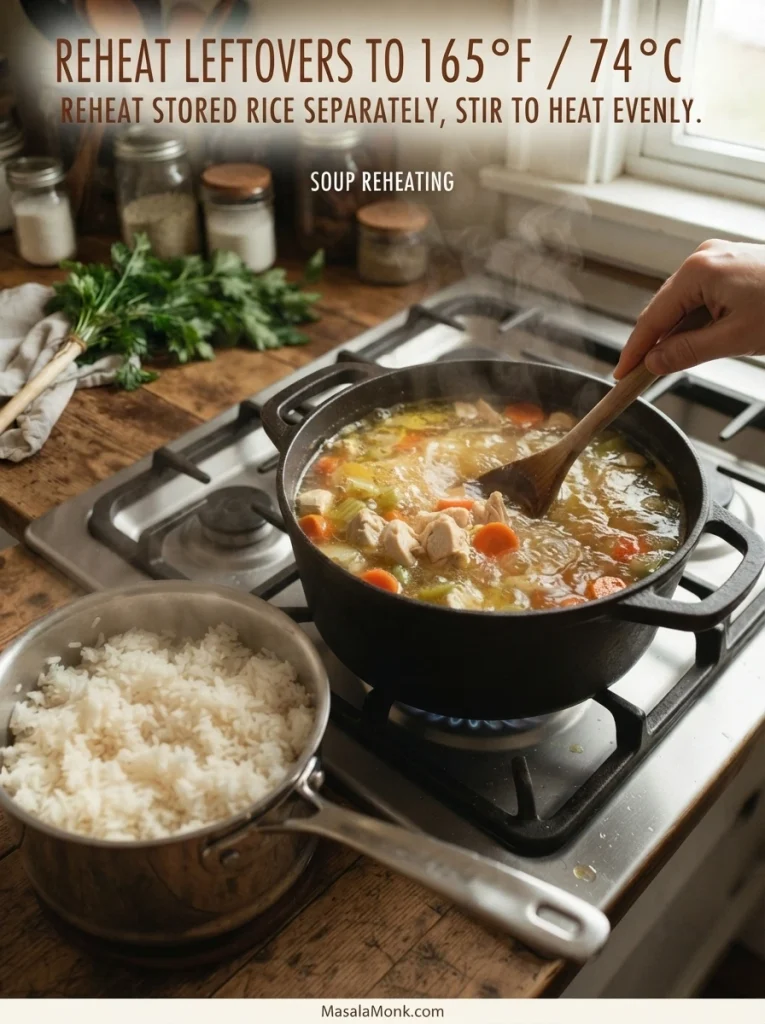
Stovetop. Bring refrigerated soup to a boil, stirring so it heats evenly. If it has thickened, add broth as needed and taste again. When rice has been refrigerated separately, reheat it thoroughly before combining with the soup.
Microwave. Reheat individual portions in a microwave-safe bowl, loosely covered, stirring between intervals to eliminate cold spots. Let the food stand briefly, then check that it’s heated throughout.
Under US guidance, reheated leftovers should reach 165°F / 74°C throughout. Reheat only the portions you intend to eat, especially when cooked rice is involved. Freshly cooked rice can go straight into serving bowls; chilled rice should be reheated thoroughly before serving.
Ready for another bowl? Assemble stored soup and rice · Back to the recipe · Back to the beginning
Frequently Asked Questions
Can I put uncooked rice directly into chicken soup?
Yes. That’s the one-pot method used here. Keep the rice quantity modest, check it for tenderness and stop simmering once everything is cooked. For soup you plan to store, cooking rice separately gives you a better texture later.
Can I use cooked rice?
Yes. Add freshly cooked rice to individual bowls and ladle the hot soup over it. Previously refrigerated rice should be reheated thoroughly before combining; see the make-ahead bowl assembly for portioning and the storage guidance for safety.
How much rice should I use?
This recipe uses 85 g / a scant ½ US cup dry long-grain white rice for the whole pot. That’s intentionally modest for approximately six bowls. More rice makes a thicker soup and may require additional broth.
Can I double the recipe?
Yes. Use a pot holding at least 8 US quarts / about 7.5 liters, and allow more time to heat the larger quantity of broth. Double the main ingredients but increase salt cautiously because broth brands vary. Check chicken, rice and vegetables for doneness independently.
What to Serve With Chicken and Rice Soup
The bowl already has chicken, rice and vegetables, so it doesn’t need much beside it. A piece of homemade focaccia to drag through the last inch of broth is usually enough.
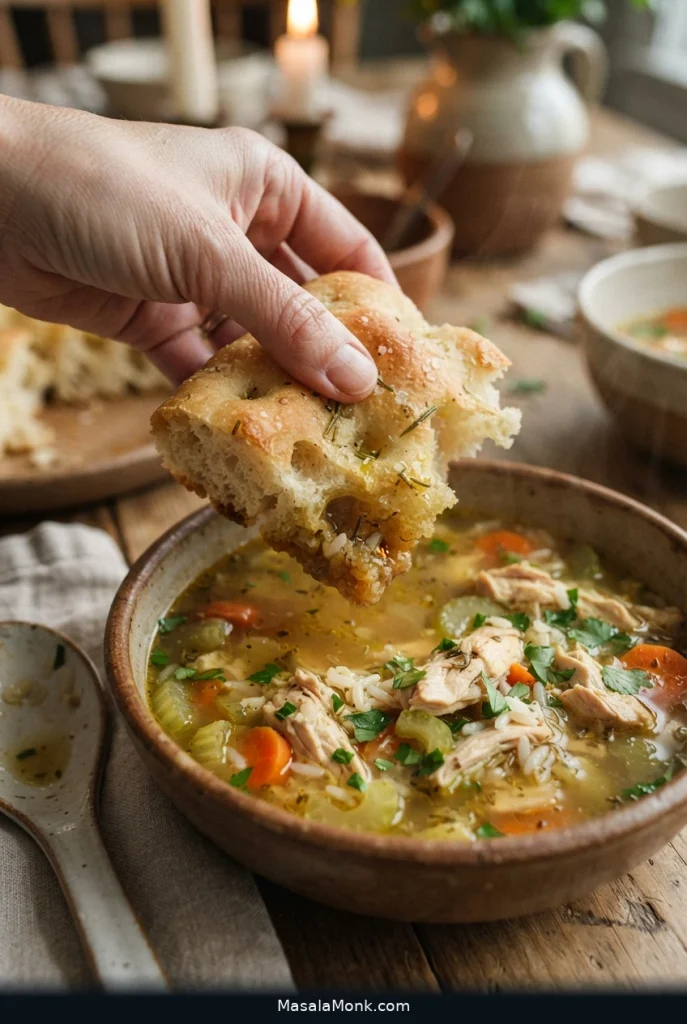
If you want something crisp alongside it, try a cucumber salad with a little vinegar, dill and onion. A grilled cheese sandwich makes the meal more substantial when you’re especially hungry.
Ladle the soup into deep bowls, add black pepper or a squeeze of lemon if you like, and bring it to the table while the broth is hot.