
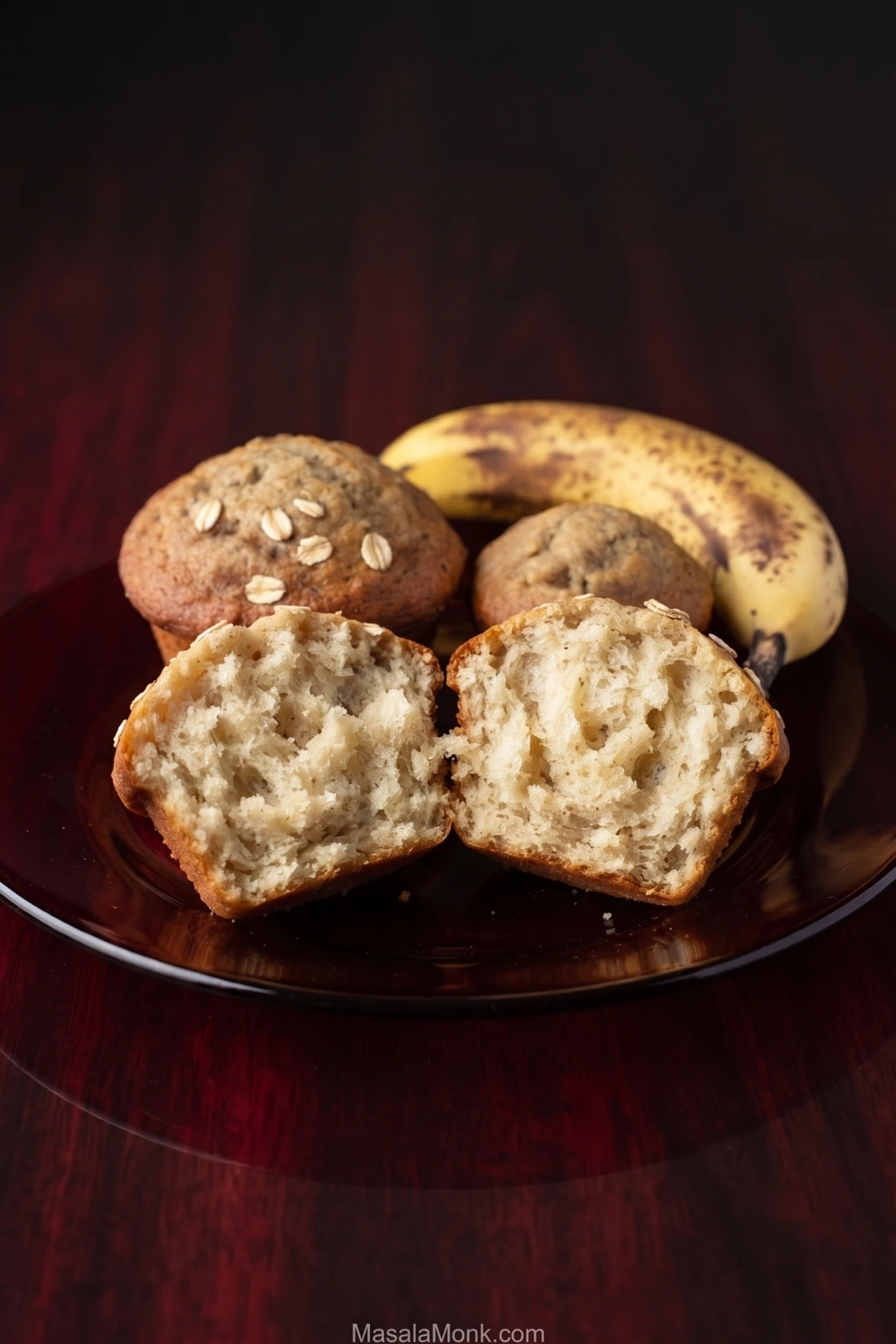
Those spotty bananas on the counter are exactly what you want for a batch of banana oatmeal muffins. These are soft, gently sweet breakfast muffins with a familiar muffin texture and little flakes of rolled oats throughout. Flour gives them structure and lift, while the oats bring a little chew.
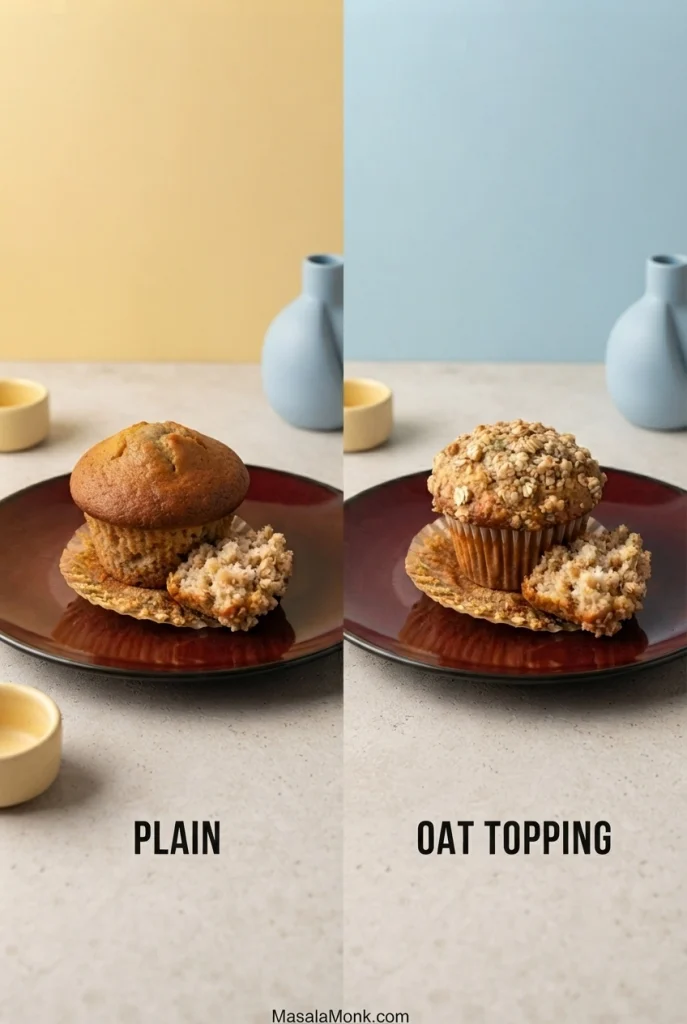
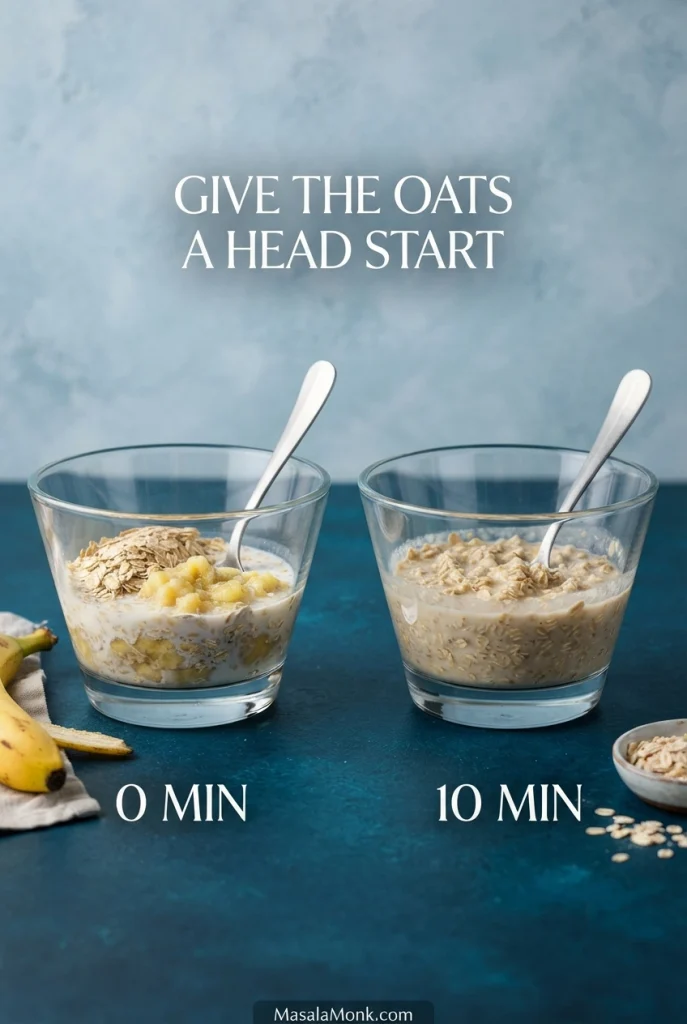
Give the rolled oats 10 minutes to soften in the banana and milk while you prepare everything else. That short rest gives the oats a head start on hydration without making them disappear into the muffin. Leave the tops plain, or add the buttery oat topping for a lightly crisp finish with the warm banana and cinnamon underneath. Chocolate chips, blueberries and nuts all work too.
Before You Mix
Banana: 250 g mashed ripe banana
Oats: old-fashioned rolled oats
Oat rest: 10 minutes while you prep
Oven: 375°F (190°C), conventional oven
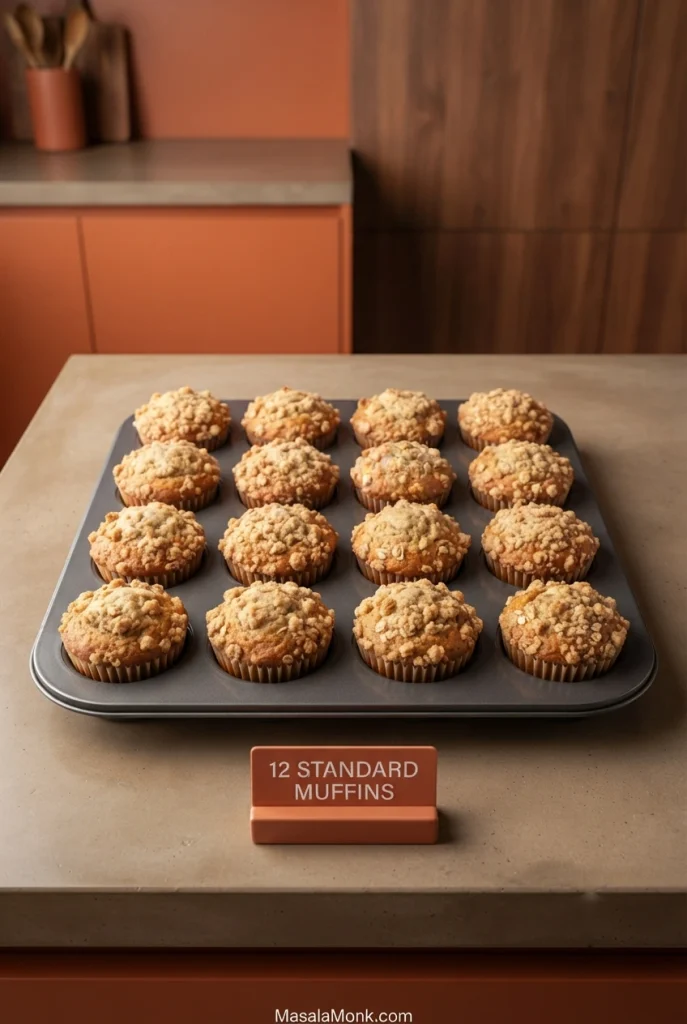
Yield: 12 standard muffins
Banana Oatmeal Muffins
Soft banana muffins with rolled oats, a touch of cinnamon and an optional buttery oat topping. They’re gently sweet and tender inside, with a little extra crunch on top if you use the topping.
Equipment
- Standard 12-cup muffin pan
- Paper liners or nonstick baking spray
- Mixing bowls
- Whisk and flexible spatula
- Kitchen scale or measuring cups and spoons
Ingredients
- 1½ cups (180 g) all-purpose flour
- 1½ cups (150 g) old-fashioned rolled oats
- ½ cup (100 g) packed light brown sugar
- 1½ teaspoons baking powder
- ½ teaspoon baking soda
- ½ teaspoon ground cinnamon
- ½ teaspoon fine salt
- 250 g mashed very ripe banana (about 1 generous cup)
- 2 large eggs
- ¼ cup (60 ml) neutral oil
- ½ cup (120 ml) milk
- 1 teaspoon vanilla extract
Optional Oat Topping — for 12 Muffins
- ¼ cup (25 g) old-fashioned rolled oats
- 1 tablespoon (12 g) packed light brown sugar
- 1 tablespoon (14 g) melted butter
- Small pinch of ground cinnamon
Instructions
- Heat the oven. Preheat to 375°F (190°C). Line a standard 12-cup muffin pan or grease the cups well.
- Soften the oats. Mash the ripe bananas and weigh out 250 g. Stir the banana, rolled oats and milk together and leave for 10 minutes. While they rest, measure the remaining ingredients and prepare the dry mixture.
- Mix the dry ingredients. In a large bowl, whisk together the flour, baking powder, baking soda, cinnamon and salt.
- Finish the banana mixture. Whisk the brown sugar, eggs, oil and vanilla into the rested banana and oats.
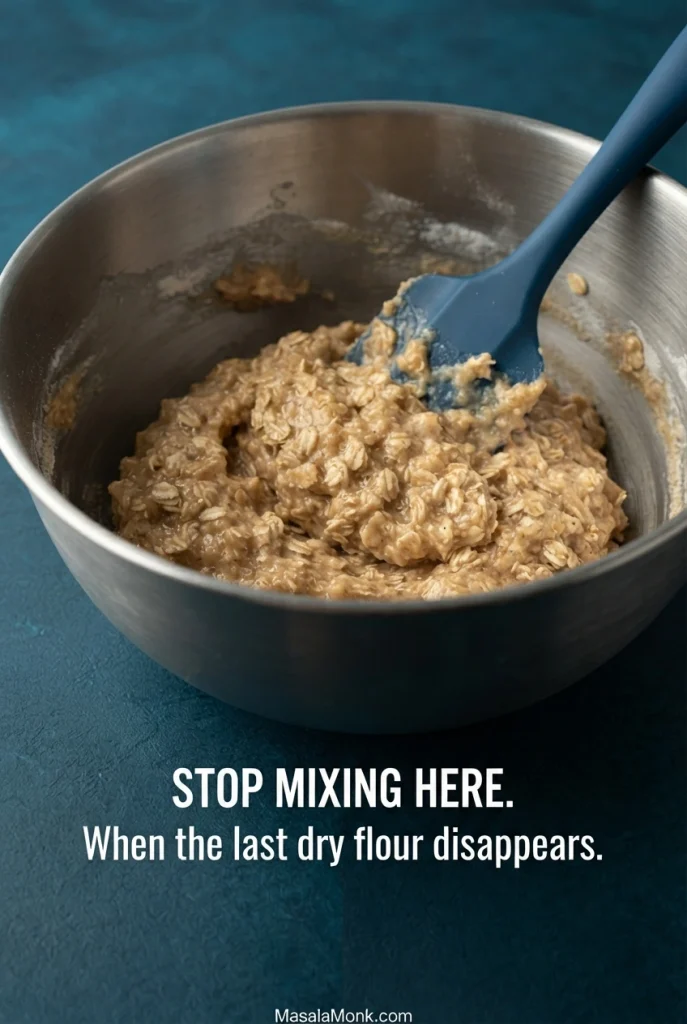
- Bring the batter together. Pour the wet mixture into the dry ingredients. Fold gently until no dry flour remains. A few small lumps are fine; don’t keep stirring in search of a perfectly smooth batter.
- Prepare the topping, if using. Stir the oats, brown sugar, melted butter and cinnamon together until lightly coated.
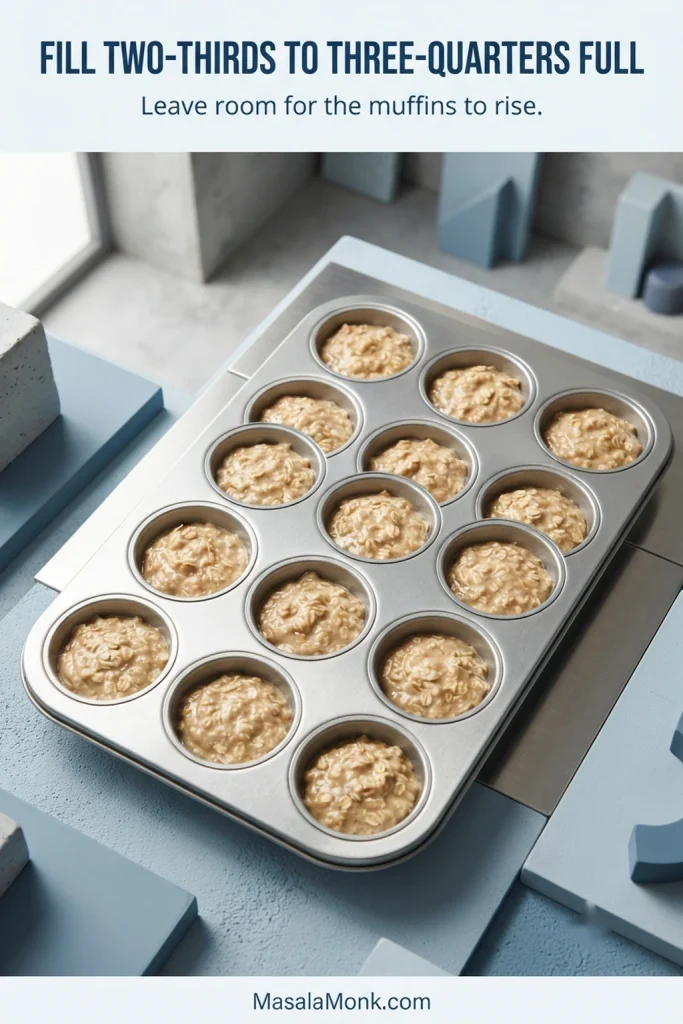
- Fill the pan. Divide the batter evenly among all 12 muffin cups. They should be roughly two-thirds to three-quarters full.
- Add the topping, if using. Divide it among the muffins and press it lightly onto the batter. Otherwise, leave the tops plain.
- Bake. Slide the pan into the oven for 18–22 minutes, beginning to check at 18 minutes.
- Check the center. The tops should look set, the middle should spring back gently when touched, and a toothpick inserted into the center should come out without wet batter. A few moist crumbs are fine.
- Cool. Leave the muffins in the pan for 5–10 minutes, then transfer them to a wire rack. Give them a little more time before peeling away paper liners or judging the texture; banana muffins stay especially soft while they’re hot.
Recipe Notes
- Banana: Weigh the mashed fruit if you can. Individual bananas vary enough in size to affect the moisture in the batter.
- Oats: Old-fashioned rolled oats give the texture this recipe is designed for.
- Flour: If measuring by cups, spoon the flour into the cup and level it without packing.
This recipe is sized for a standard 12-cup muffin pan. You should finish with 12 standard muffins rather than a smaller batch of oversized ones.
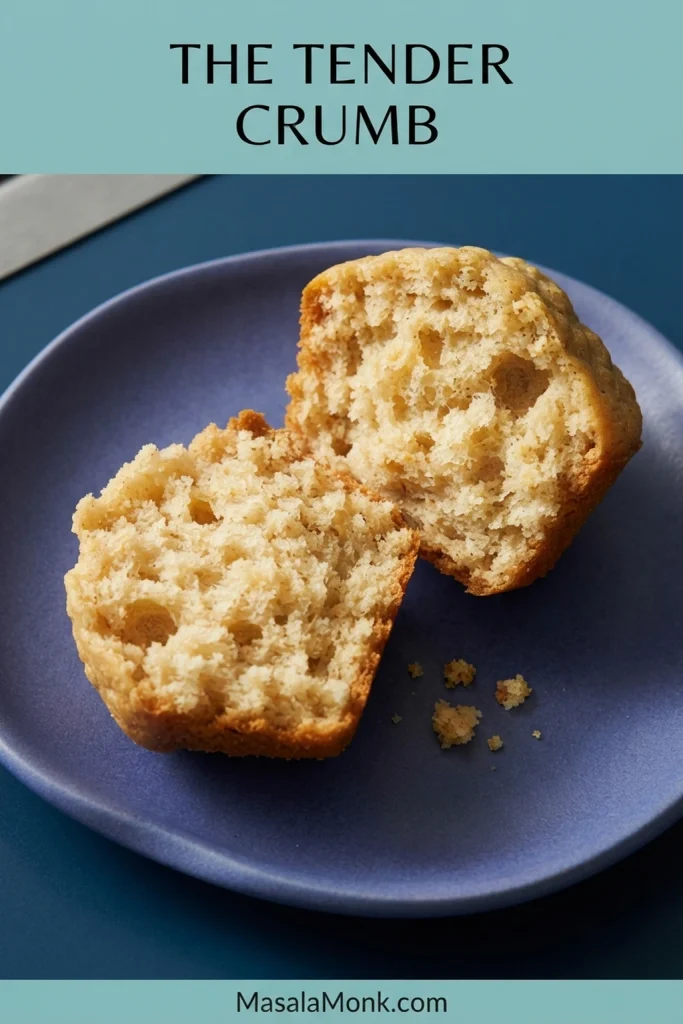
Don’t judge the crumb straight from the oven. Give the muffins a few minutes to cool and let the centers settle before deciding whether the texture is right.
Need Help With This Batch?
Choosing a different oat, using frozen bananas or troubleshooting a batch? Jump straight to the answer you need.
Measure the Banana
Use 250 g of mashed ripe banana. Counting bananas is less reliable because two pieces of fruit can be surprisingly different in size.
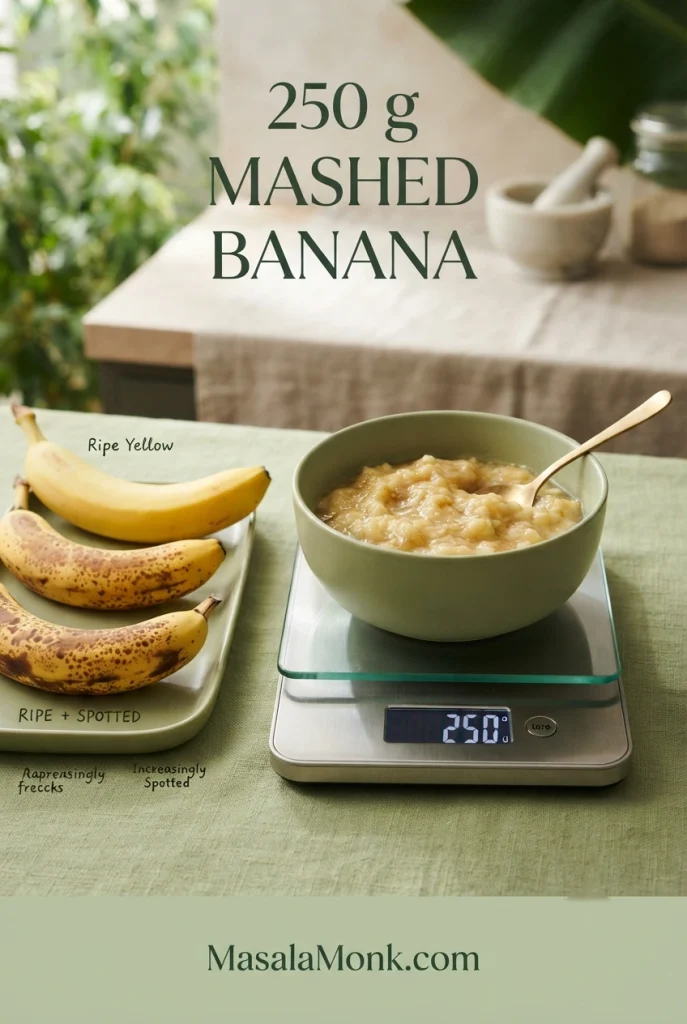
Look for bananas with plenty of brown spots. They’ll mash easily and bring fuller banana flavor and sweetness to the muffins.
Using frozen bananas? Thaw them completely, mash the fruit and include the liquid they release when weighing what you need.
Which Oats Work Best?
Old-fashioned rolled oats work best here. The short rest softens them while preserving some texture. Quick oats work too, but give you a finer, softer result.
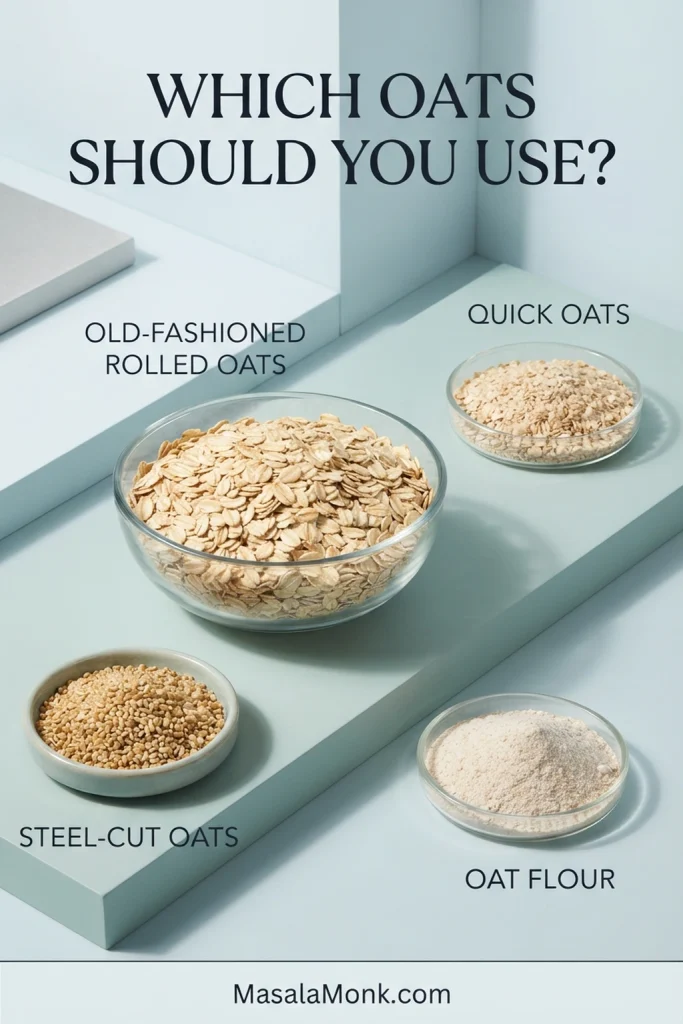
If the packets in your pantry are getting confusing, our guide to rolled, quick, instant and steel-cut oats explains the differences. Here’s how the common choices behave in this recipe:
| Oats | What to expect |
|---|---|
| Old-fashioned rolled oats | The intended choice; they soften while retaining more texture. |
| Quick oats | Usable; less distinct oat texture. |
| Steel-cut oats | They stay much firmer and need longer hydration, so they aren’t suitable here. |
| Oat flour | Not a direct substitute for the wheat flour in this recipe. |
| Flavored instant oatmeal | Not reliable here because added sugar, salt and flavorings vary. |
What the Batter Should Look Like
The batter should be thick and scoopable but still soft, with rolled oats visible throughout. It should fall from the spatula in a soft mound rather than run like pancake batter.
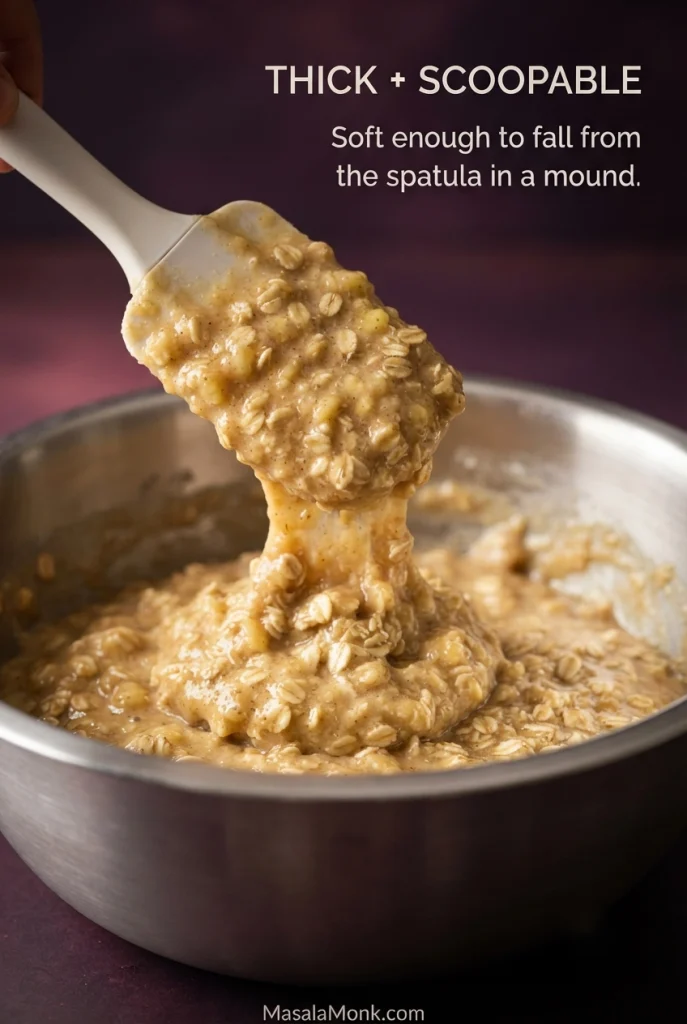
It won’t look like smooth cake batter, and that’s fine. Small lumps are normal, but there shouldn’t be pockets of dry flour. If yours looks unusually loose or stiff, check the measurements before trying to correct it with extra flour or milk.
If you’re measuring flour by volume, King Arthur Baking’s flour-measuring guide is useful for avoiding an accidentally heavy scoop.
Fill the Muffin Cups Evenly
How to Tell They’re Done
Start checking around 18 minutes. The muffins are done when the tops are set, the centers spring back gently, and a toothpick comes out without wet batter. A few moist crumbs are fine.
- Look: the top is set and lightly golden.
- Touch: the middle springs back instead of staying indented.
- Test: the toothpick has no wet batter clinging to it.

If the center needs more time, bake for another 2–3 minutes and check again. Ovens and pans can shift the timing, so use those cues alongside the clock.
Moist vs. Gummy: What’s the Difference?
A moist banana oatmeal muffin feels soft and tender but still breaks into a recognizable crumb. By contrast, a gummy muffin feels tacky or paste-like in the middle, sometimes with a damp-looking seam running through it.

If the center still feels gummy after that short cooling period, look first at the ingredient measurements, then consider whether the middle had actually finished baking.
If Your Muffins Didn’t Turn Out as Expected
Most problems leave a useful clue. Start with what you can see or feel in the finished batch.
| What happened? | What to do |
|---|---|
| The center is wet | If the muffins are still baking and the tops aren’t getting too dark, give them another 2–3 minutes. For repeated batches that stay wet in the middle, recheck the ingredient amounts and verify that your oven is reaching the set temperature. |
| The muffins are dry | Warm them briefly for serving. Next time, check for too much flour or oats and start testing sooner; a few extra minutes in the oven can make a noticeable difference. |
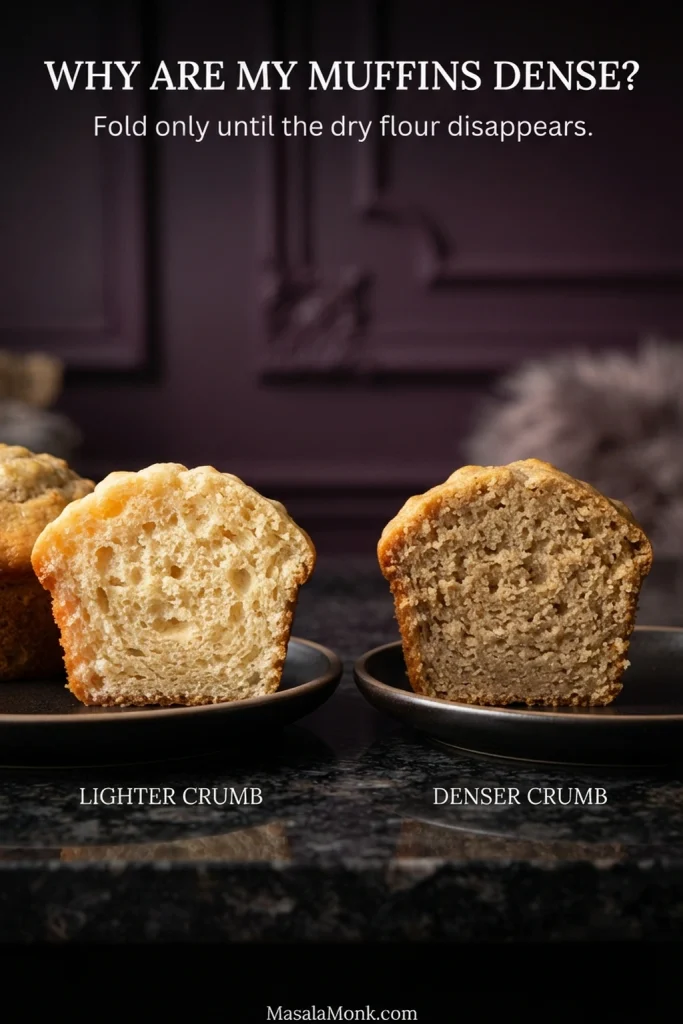
| They’re dense or tough | Check that the leaveners are fresh and stop mixing once no dry flour remains. |
| The liners are sticking | Let the muffins cool longer before peeling. Next time, lightly grease the liners or the pan. |
| They didn’t rise much | Make sure the oven is fully preheated and the baking powder and baking soda are fresh. |
| You wanted them sweeter | Nothing necessarily went wrong—you may simply prefer a sweeter muffin. Very ripe bananas help, or add chocolate chips to the next batch. |
Ingredient Swaps
Reducing the Sugar
Yes, you can reduce the sugar if you prefer a less-sweet muffin. Keep the reduction modest because sugar also helps with browning and tenderness. Very ripe bananas bring more sweetness, but they don’t do quite the same job in the batter.
Using Oat Flour
Don’t replace all the wheat flour with oat flour in this recipe. The muffins won’t rise or hold together in quite the same way. For an oat-flour version, use a formula developed for it from the start.
Adding Protein Powder
Protein powder isn’t a simple stir-in here. Powders vary in how much liquid they absorb and can leave muffins dry or rubbery without other adjustments. If extra protein is the goal, our high-protein muffins are a better starting point.
Three Easy Ways to Change the Batch

Chocolate Chip Banana Oatmeal Muffins
Fold in up to ½ cup (about 85–90 g) semisweet or dark chocolate chips for little pockets of melted chocolate through the muffins.
Banana Blueberry Oatmeal Muffins
Use about ¾ cup blueberries. Fresh berries can go straight in. If using frozen, keep them frozen until the last moment, knock away any heavy coating of loose ice, and fold gently to limit streaking. Our blueberry muffin recipe has more guidance on baking with fresh and frozen blueberries.
Banana Walnut or Pecan Muffins
Fold in ½ cup chopped walnuts or pecans. Their crunch works especially well if you leave off the oat topping, though you can use both.
What About Flourless or 3-Ingredient Banana Oat Muffins?
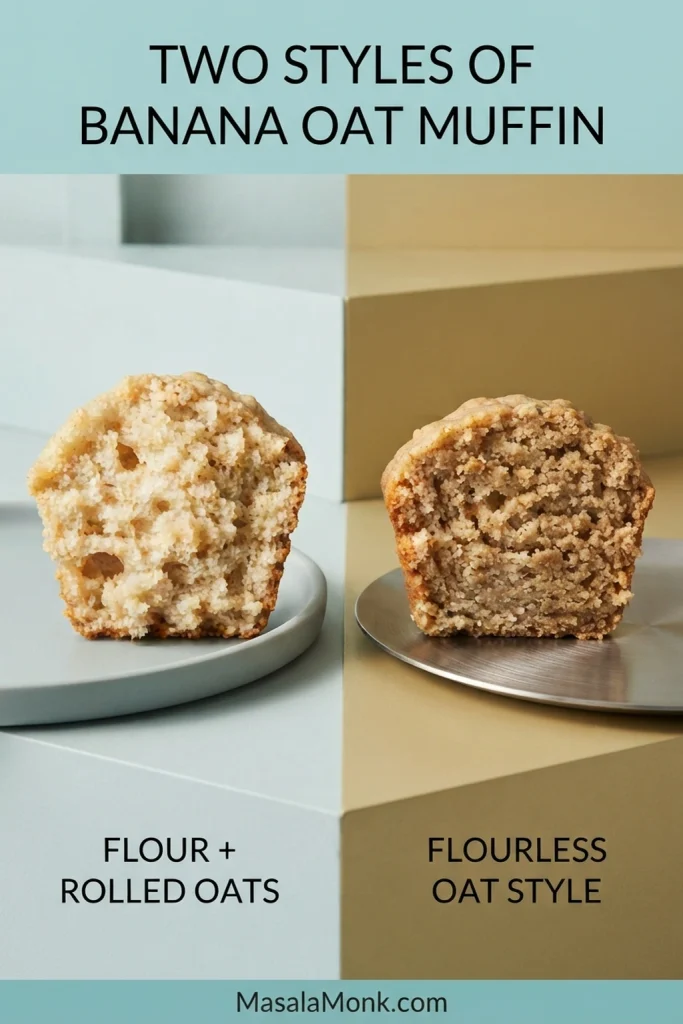
Flourless banana-oat muffins rely on oats for most or all of their structure. That includes many simplified, short-ingredient-list versions. Some use whole oats, some blend them into flour, and many have a softer, denser texture that sits somewhere between a conventional muffin and baked oatmeal.
This recipe uses wheat flour as the framework, with whole rolled oats added for texture. Removing that flour or replacing it with extra oats changes how the muffins rise and hold together, so it isn’t a direct substitution.
If you need gluten-free banana oatmeal muffins, use a recipe developed around a gluten-free flour system rather than removing the wheat flour from this one.
Choose oats labeled or certified gluten-free, check the remaining ingredients, and avoid cross-contact during preparation. The FDA explains the US requirements for gluten-free food labeling.
Store Some for Tomorrow—or Freeze Them for Later
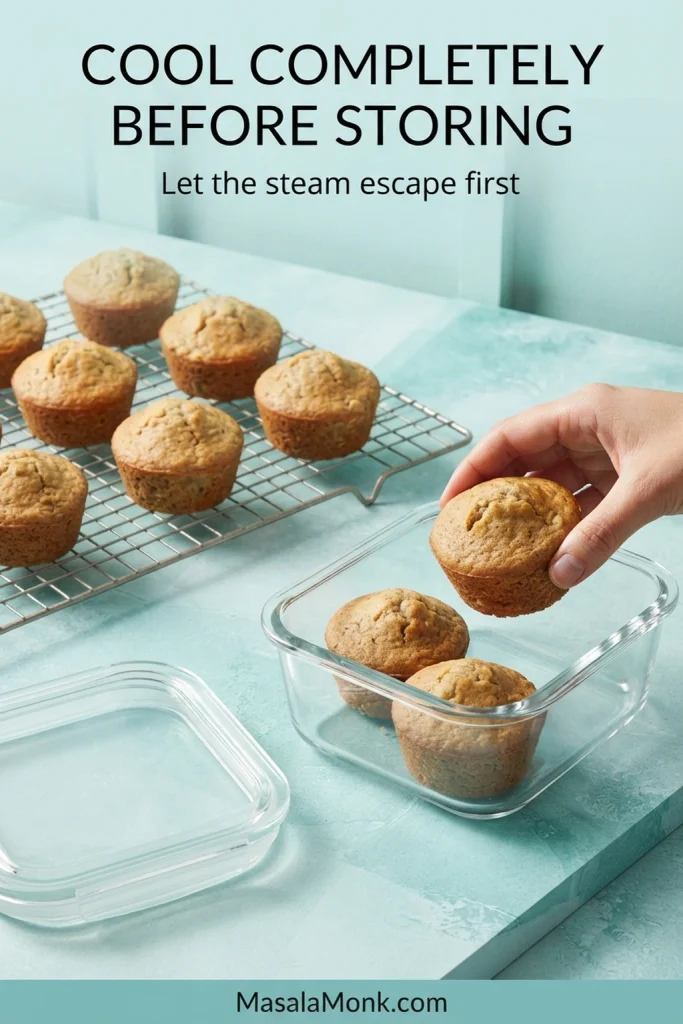
Let the muffins cool completely before storing them. Sealing them while they’re still warm traps steam and can leave the tops damp, particularly if you used the oat topping.
Room Temperature
Keep completely cooled muffins in a well-sealed container in a cool room for about 2–3 days. In a particularly warm or humid kitchen, refrigerate them instead.
Freezer
Freeze cooled muffins in a freezer-safe container or bag. For easy single servings, freeze them separately until firm before packing them together. Aim to use them within about 3 months for best quality.
Thawing and Warming
Let a muffin thaw at room temperature for a few hours or in the refrigerator overnight. Warm it briefly in the microwave, checking in short bursts, or use a low oven if you’d like to perk up the oat topping.
If make-ahead breakfasts are the goal, our overnight oats are another easy option to prepare ahead—without turning on the oven.
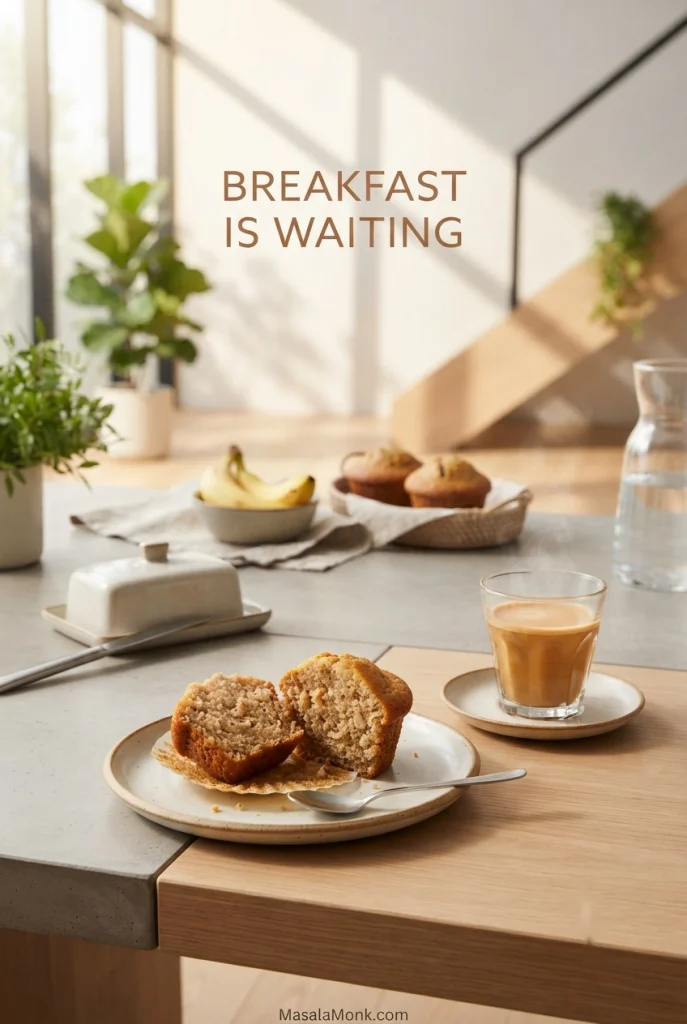
The best part of baking a dozen is knowing breakfast is already waiting for tomorrow. Keep a few on the counter, freeze the extras, and warm one when you want it.
If you make these, tell us how your batch turned out—and whether you went with rolled or quick oats, plain tops or the oat topping, blueberries, chocolate or nuts.








