Posted on Leave a comment

Natural Oils for Beard, Moustache, and Facial Hair

close up photo of man smoking cigar

In the realm of men’s grooming, facial hair has made a significant comeback. Beards, moustaches, and other forms of facial hair are no longer just a trend but a lifestyle choice for many men. This resurgence has led to a boom in the market for facial hair care products, with a wide range of options available to help men keep their facial hair looking its best.

The Rise of Facial Hair

The last decade has seen a significant shift in men’s grooming trends, with a marked increase in the popularity of facial hair. From the rugged allure of a full beard to the classic charm of a well-groomed moustache, facial hair has become a key aspect of men’s style. This shift has been driven by a variety of factors, including changing fashion trends, a growing appreciation for traditional masculinity, and the influence of celebrity style icons.

The Market for Facial Hair Care Products

As facial hair has grown in popularity, so too has the market for facial hair care products. Today, men have a wide range of products to choose from, including:

  1. Beard oils and balms: These products help to moisturize the beard and the skin underneath, reducing dryness and itchiness.
  2. Moustache waxes: These products help to shape and style the moustache, keeping it looking its best.
  3. Beard shampoos and conditioners: These products help to clean the beard and keep it soft and manageable.
  4. Beard brushes and combs: These tools help to detangle the beard and distribute oils evenly throughout the hair.
  5. Beard trimmers and scissors: These tools help to maintain the shape and length of the beard.

While these products can certainly be effective, many of them contain synthetic ingredients and chemicals that some people prefer to avoid. As a result, there has been a growing interest in using traditional, natural oils for facial hair care.

[ez-toc]

The Benefits of Natural Oils

Natural oils offer a range of benefits for both facial hair and the skin underneath. They are rich in nutrients that nourish the hair and skin, promote healthy hair growth, and provide natural moisture. Additionally, many natural oils have anti-inflammatory and antimicrobial properties, which can help to soothe the skin and prevent issues like dandruff and itchiness.

Rosemary Oil for Beard Growth

Rosemary oil, derived from the aromatic herb, is a popular choice for beard care. It’s known for its ability to stimulate hair follicles, promoting hair growth and thickness. It also has anti-inflammatory properties, which can help soothe the skin under your beard, reducing itchiness and flakiness.

Nutrients for Hair and Skin: Rosemary oil is rich in antioxidants, which can help protect your hair and skin from damage. It also contains ursolic acid, a compound that can help stimulate hair growth.

How to use: Mix a few drops of rosemary oil with a carrier oil like jojoba or coconut oil. Apply the mixture to your beard and massage it into your skin. Leave it on for at least 30 minutes before washing it off.

Jojoba Oil for Beard

Jojoba oil is a liquid wax extracted from the nut of an indigenous American shrub. It closely resembles the natural oil (sebum) produced by our skin and can act as a natural skin conditioner.

Nutrients for Hair and Skin: Jojoba oil is rich in vitamins and minerals that nourish hair, including vitamin C, B vitamins, vitamin E, copper, and zinc.

How to use: Apply a few drops of jojoba oil to your palms, rub them together and then apply evenly throughout your beard. It’s best to apply after a shower when your beard is damp and pores are open to absorb the oil better.

Castor Oil for Beard

Castor oil is a vegetable oil pressed from castor beans. It’s a common ingredient in cosmetics and is known for its high ricinoleic acid content, which can balance the skin’s pH and promote healthy hair growth.

Nutrients for Hair and Skin: Castor oil is rich in ricinoleic acid, a type of fatty acid found to fight inflammation. It also has moisturizing properties, making it great for dry or coarse beard hair.

How to use: Mix equal parts of castor oil and a carrier oil like coconut or jojoba oil. Apply it to the beard and leave it on for 20-30 minutes before rinsing.

Coconut Oil for Beard

Coconut oil is a highly versatile oil that’s great for beard care. It’s an excellent conditioner and can help reduce protein loss in hair, leading to stronger, healthier beard hair.

Nutrients for Hair and Skin: Coconut oil is rich in lauric acid, which can penetrate the hair shaft to nourish the hair with vitamins, minerals, and fatty acids.

How to use: Warm a small amount of coconut oil in your hands and then apply it to your beard, making sure to massage it into the skin underneath. Leave it on for at least 30 minutes before washing it off.

Tea Tree Oil for Beard

Tea tree oil, derived from the leaves of the Melaleuca alternifolia plant, is known for its powerful antiseptic properties and ability to treat wounds, which is why it’s a common ingredient in many skin care products.

Nutrients for Hair and Skin: Tea tree oil is packed with powerful antimicrobial and antifungal properties that can help keep your skin healthy and fight off potential infections that could inhibit beard growth.

How to use: Mix a few drops of tea tree oil with a carrier oil like jojoba or coconut oil. Apply the mixture to your beard and skin underneath. Leave it on for about 15-20 minutes and then rinse it off. Be careful not to use too much as it can dry out your skin and hair.

Sandalwood Beard Oil

Sandalwood oil is extracted from the woods for use. It is known for its aromatic scent and is often used in aromatherapy. It’s also beneficial for beard care due to its moisturizing properties.

Nutrients for Hair and Skin: Sandalwood oil can help soothe dry skin under your beard and reduce inflammation. It also has a calming effect, which can reduce stress and promote healthier hair growth.

How to use: Mix a few drops of sandalwood oil with a carrier oil and apply it to your beard. Massage it into your skin and leave it on for about 20-30 minutes before washing it off.

Almond Oil for Beard

Almond oil is a mild, hypoallergenic oil that’s perfect for sensitive skin. It’s lightweight and easily absorbed, making it great for moisturizing both your beard and the skin underneath.

Nutrients for Hair and Skin: Almond oil is rich in vitamin E, a potent antioxidant that can help protect your skin and hair from oxidative stress. It also contains fatty acids that can help moisturize and soften your beard.

How to use: Apply a few drops of almond oil to your beard and massage it into your skin. You can leave it on as it’s light and doesn’t leave a greasy residue.

Peppermint Oil for Beard

Peppermint oil is known for its cooling effect and invigorating scent. It can help stimulate blood circulation to the skin, which can promote healthier beard growth.

Nutrients for Hair and Skin: Peppermint oil has antiseptic and antimicrobial properties, which can help cleanse the skin and prevent acne outbreaks.

How to use: Mix a few drops of peppermint oil with a carrier oil and apply it to your beard. Leave it on for about 15-20 minutes and then rinse it off.

Argan Oil for Beard Growth

Argan oil, often called ‘liquid gold’, is a luxurious oil known for its moisturizing properties. It’s great for taming and conditioning beard hair, leaving it soft and shiny.

Nutrients for Hair and Skin: Argan oil is rich in vitamin E and fatty acids that can nourish the hair and skin. It also has antioxidant properties that can protect the skin from damage.

How to use: Apply a few drops of argan oil to your beard and massage it into your skin. You can leave it on as it’s light and non-greasy.

Amla Oil for Beard

Amla oil, derived from the Indian gooseberry, is often used in Ayurvedic medicine. It’s known for its ability to strengthen and condition hair.

Nutrients for Hair and Skin: Amla oil is rich in vitamin C and antioxidants, which can help protect the skin and hair from environmental damage. It also has anti-inflammatory and antimicrobial properties.

How to use: Apply a few drops of amla oil to your beard and massage it into your skin. Leave it on for about 15-20 minutes and then rinse it off.

[ez-toc]

Herbs, Spices, and Natural Remedies for Beard & Facial Hair

The trend of sporting a well-groomed beard or facial hair is not just about style, but also about personal care. While there are numerous commercial products available in the market, many men are turning towards natural remedies to enhance their beard growth and maintain its health. These remedies include a variety of herbs, spices, and other natural ingredients that have been used for centuries in traditional medicine for their beneficial properties. Let’s delve deeper into some of these ingredients and understand how they can contribute to beard and facial hair growth.

Herbs and Spices

1. Fenugreek: Known for its rich protein content and nicotinic acid, fenugreek seeds are beneficial against hair fall and dandruff. They help in treating various scalp issues like dryness of hair, baldness, and hair thinning. The presence of lecithin, an emulsifying substance, nourishes and strengthens the hair follicles, stimulating hair growth.

2. Amla: Amla, or Indian gooseberry, is a vitamin C and antioxidant-rich fruit. It improves hair health and boosts its growth while preventing premature greying.

3. Ginseng: A staple in traditional Chinese medicine, ginseng stimulates blood circulation and boosts hair growth. It strengthens hair follicles and roots, leading to a fuller, healthier beard.

4. Eucalyptus: Eucalyptus is recognized for its ability to stimulate hair follicles, improve hair health, and promote hair growth. It’s a common ingredient in hair care products like shampoos and conditioners.

5. Peppermint: Known for its cooling effect and ability to improve blood circulation, peppermint can stimulate hair growth and thickness by increasing the number of follicles, depth of follicles, and overall hair growth.

6. Rosemary: Often used in hair care products, rosemary stimulates hair growth by improving circulation to the scalp.

7. Cinnamon: Cinnamon stimulates circulation to the skin, which can encourage hair growth. It also has antimicrobial properties, which can help keep your skin healthy.

8. Thyme: Thyme promotes hair growth by stimulating the scalp and actively preventing hair loss. Like cedarwood oil, thyme oil was also found to be helpful in treating alopecia areata.

Other Natural Remedies

1. Biotin: Biotin, also known as vitamin B7, is a water-soluble vitamin that’s a part of the vitamin B complex. It’s a crucial nutrient that helps to maintain healthy hair, skin, and nails. Biotin deficiency can lead to thinning of the hair.

2. Omega-3 Fatty Acids: These essential fats, which are found in flaxseeds, chia seeds, fish, and walnuts, are known to improve hair density and increase the diameter of hair strands.

3. Green Tea: Green tea is rich in antioxidants, which can help to promote hair growth and prevent hair loss.

4. Pumpkin Seed Oil: Pumpkin seed oil is believed to inhibit the enzyme that causes hair loss, making it a natural remedy for baldness.

5. Onion Juice: While it may not sound appealing, onion juice is an effective home remedy for hair growth. It provides extra sulfur to support strong and thick hair, thus preventing hair loss and promoting hair growth.

6. Aloe Vera: Aloe Vera is packed with proteolytic enzymes, which help to repair dead skin cells on the scalp. It also acts as a great conditioner and leaves your hair smooth and shiny.

Remember, while these herbs, spices, and other natural ingredients have properties that can support hair growth, they should not replace a balanced diet and good hair care habits. Always do a patch test when trying a new ingredient to ensure you don’t have an adverse reaction. If you have any concerns about your beard or skin health, consult with a dermatologist or a professional barber.

Frequently Asked Questions

1. What are the benefits of rosemary oil for beard growth? Rosemary oil is known to stimulate blood circulation to the scalp, which can promote hair growth. It’s also beneficial in treating dryness and dandruff, making it a great choice for maintaining a healthy beard.

2. How does jojoba oil help in beard care? Jojoba oil is rich in vitamins and minerals that nourish hair, including vitamin C, B vitamins, vitamin E, copper, and zinc. It moisturizes the hair without leaving any residues and helps hair cells to reproduce themselves.

3. Can castor oil promote beard growth? Yes, castor oil is known for its ability to stimulate hair growth. It penetrates deep into the skin and helps to cleanse the pores, promoting the growth of a healthy beard.

4. Is coconut oil good for beard care? Coconut oil is beneficial for beard care as it moisturizes and conditions the beard, preventing dryness and frizziness. It also helps in healthy growth of facial hair.

5. How does tea tree oil benefit the beard? Tea tree oil is known for its antiseptic properties, which can help in treating itchy skin beneath the beard. It also helps in preventing beard dandruff and promotes healthier beard growth.

6. Can almond oil be used for beard care? Almond oil is rich in Vitamin E, monounsaturated fatty acids, proteins, potassium, and zinc, all of which are beneficial for hair health. It can help in making the beard soft, shiny, and hydrated.

7. How does peppermint oil contribute to beard growth? Peppermint oil improves blood circulation, which can stimulate hair growth. It also helps in awakening hair follicles and promoting overall hair health.

8. Can argan oil promote beard growth? Argan oil is rich in essential nutrients like omega 6 fatty acids and linoleic acid which promote skin health and, in turn, can help in beard growth. It also moisturizes the beard and gives it a shiny appearance.

Conclusion

Embracing natural remedies for beard care is not just about following a trend, but about understanding the benefits of nature’s bounty. The oils and ingredients discussed in this post are packed with nutrients that can nourish your beard and skin, promoting healthier and fuller growth. Experimenting with these natural oils can help you find the perfect fit for your beard care routine.

A well-groomed beard is a reflection of your personal care and style. So, take the time to nourish it and keep it healthy. And if you know someone who loves their beard and cares for it, do share this post with them. They might find a new favorite oil or ingredient for their beard care routine.

Blog Tags: Beard Care, Natural Oils, Rosemary Oil, Jojoba Oil, Castor Oil, Coconut Oil, Tea Tree Oil, Almond Oil, Peppermint Oil, Argan Oil, Beard Growth, Natural Remedies, Beard Health, Skin Care, Hair Care.


Posted on Leave a comment

6 Impressive Health Benefits of Saffron

Saffron, often referred to as the “Golden Spice,” is not only a culinary delight but also a treasure trove of health benefits. This post will delve into the myriad of health benefits that this precious spice has to offer.

Introduction to Saffron

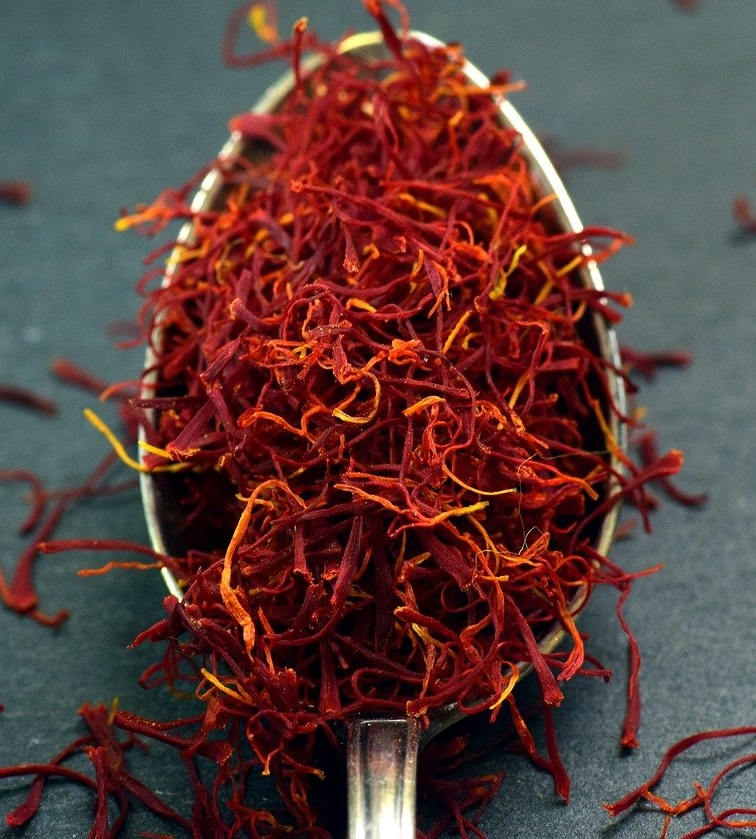
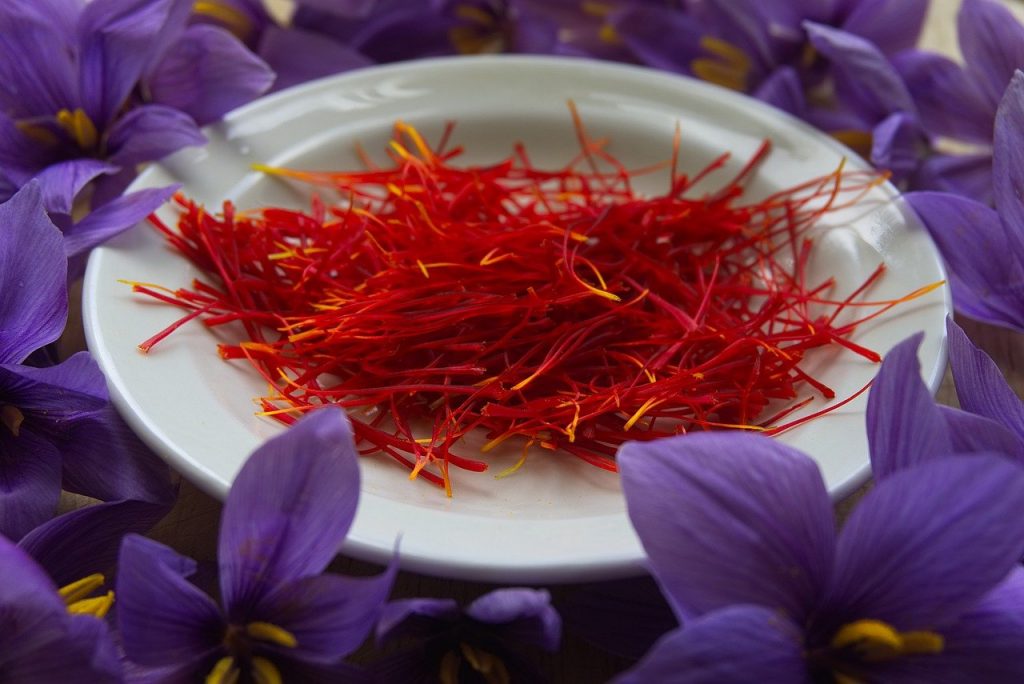
Saffron is derived from the flower of Crocus sativus, commonly known as the “saffron crocus”. Each flower has three vivid crimson stigmas, which are collected and dried to be used mainly as a seasoning and coloring agent in food. Saffron has been long used in traditional medicine for its therapeutic properties. It is rich in antioxidants and possesses anti-inflammatory properties.

The Health Benefits of Saffron

1. Rich in Antioxidants

Saffron is packed with an impressive variety of plant compounds that act as antioxidants — molecules that protect your cells against free radicals and oxidative stress. Notable saffron antioxidants include crocin, crocetin, safranal, and kaempferol. These antioxidants have been linked to several health benefits, including reduced inflammation, cancer prevention, and antidepressant properties.

2. May Improve Mood and Treat Depressive Symptoms

Saffron is known as the “sunshine spice” not just because of its vibrant color, but also due to its potential effects on mood disorders. Several studies suggest that saffron may help treat symptoms of mild-to-moderate depression. The active compounds in saffron interact with the biochemical pathways in the brain, leading to improved mood and emotional well-being.

3. May Have Cancer-Fighting Properties

Saffron is high in antioxidants, which help neutralize harmful free radicals. Test-tube studies have shown that saffron compounds can selectively kill cancer cells or suppress their growth. While more research is needed, these findings suggest that saffron may be a promising natural treatment for various types of cancer.

4. May Reduce PMS Symptoms

Saffron may help treat symptoms of premenstrual syndrome (PMS). In women 20–45 years of age, taking 30 mg of saffron daily was more effective than a placebo at treating PMS symptoms. These symptoms include mood swings, irritability, food cravings, and pain.

5. May Act as an Aphrodisiac

Saffron has been reputed to be an aphrodisiac for centuries. Modern tests support saffron’s potential to enhance sexual behavior in both men and women. The active compounds in saffron can stimulate libido and improve erectile function.

6. May Reduce Appetite and Aid Weight Loss

Snacking is a common habit that may put you on the path to weight gain. According to research, saffron may help prevent snacking by curbing your appetite. This can lead to a reduction in calorie intake and ultimately weight loss.

Saffron in Different Forms

Saffron Milk Benefits

Saffron milk is a popular drink made from milk and saffron strands. It is rich in antioxidants and is known to promote sound sleep, enhance mood, improve digestion, and boost immunity. Drinking saffron milk regularly can also improve skin complexion due to its antioxidant properties.

Saffron Tea Benefits

Saffron tea, a herbal infusion made with saffron strands, is packed with health-promoting compounds. It is known to improve mood, enhance memory, and protect brain cells from oxidative stress. Regular consumption of saffron tea can also aid in digestion and weight loss.

Saffron in Cooking

Saffron is extensively used in Persian, Indian, European, and Arab cuisines. Its unique flavor, aroma, and color make it a valuable ingredient in many dishes. Saffron can be used in rice dishes, stews, soups, and even desserts. It not only enhances the taste and appearance of the dish but also adds nutritional value.

Saffron

Frequently Asked Questions about Saffron

1. What are the health benefits of saffron?

Saffron offers a multitude of health benefits. It is rich in antioxidants, can improve mood and treat depressive symptoms, has potential cancer-fighting properties, can reduce PMS symptoms, acts as an aphrodisiac, and can reduce appetite and aid in weight loss.

2. How does saffron improve mood and treat depressive symptoms?

Saffron contains active compounds that interact with the biochemical pathways in the brain, leading to improved mood and emotional well-being. Several studies suggest that saffron may help treat symptoms of mild-to-moderate depression.

3. Can saffron help in cancer prevention?

While more research is needed, test-tube studies have shown that saffron compounds can selectively kill cancer cells or suppress their growth. This suggests that saffron may be a promising natural treatment for various types of cancer.

4. How does saffron help in weight loss?

Saffron may help prevent snacking by curbing your appetite. This can lead to a reduction in calorie intake and ultimately weight loss.

5. What are the benefits of saffron milk and saffron tea?

Saffron milk is known to promote sound sleep, enhance mood, improve digestion, and boost immunity. Saffron tea, on the other hand, can improve mood, enhance memory, protect brain cells from oxidative stress, aid in digestion, and promote weight loss.

6. Can saffron be used in cooking?

Yes, saffron is extensively used in various cuisines around the world. Its unique flavor, aroma, and color make it a valuable ingredient in many dishes, including rice dishes, stews, soups, and desserts.

7. Is saffron good for skin?

Yes, saffron is known to improve skin complexion due to its antioxidant properties. Regular consumption of saffron milk can lead to healthier, glowing skin.

8. Is saffron safe to consume during pregnancy?

While saffron has many health benefits, it’s always best to consult with a healthcare provider before consuming saffron or any other supplements during pregnancy.

Conclusion

Saffron is a powerful spice high in antioxidants. It has been linked to health benefits, such as improved mood, libido, and sexual function, as well as reduced PMS symptoms and enhanced weight loss. Best of all, it’s easy to add to your diet. Try adding it to soups, stews, risotto, or other dishes to reap its benefits.

Blog Tags

Saffron, Health Benefits, Antioxidants, Mood Enhancer, Aphrodisiac, Weight Loss, Saffron Milk, Saffron Tea, Cooking with Saffron

Continue reading 6 Impressive Health Benefits of Saffron
Posted on Leave a comment

Millet and Weight Loss: A Tiny Grain with Big Potential?

great millet grains close up photo

Introduction: 🌾🌟 Welcome to another enlightening blog post in our series on seeds and nuts and their impact on weight loss! In this edition, we will uncover the potential of millet—a tiny yet mighty grain—in helping you achieve your weight loss goals. Millet, often considered a staple in many cuisines, is packed with essential nutrients and offers unique properties that may support weight management. Join us as we explore the benefits and possibilities of millet as a key player in your weight loss journey.

Macros per 100g of Cooked Millet:

NutrientAmount
Calories119
Carbohydrates25g
Protein3.5g
Fat1.2g
Fiber1.3g
Sugars0.1g

is millet good for weight loss?

🌾🔍 Millet, a gluten-free grain, has a rich history of cultivation and consumption dating back thousands of years. It has been a dietary staple in many regions, including Africa, Asia, and parts of Europe. Millet comes in various varieties, such as pearl millet, foxtail millet, and finger millet, each with its own unique nutritional profile. Let’s explore the various ways in which millet may contribute to your weight loss efforts:

  1. Complex Carbohydrates for Sustained Energy: 🌾⚡ Millet is predominantly composed of complex carbohydrates, which are slowly digested and provide a sustained release of energy. Unlike simple carbohydrates that cause blood sugar spikes and crashes, complex carbohydrates provide a steady supply of glucose to the body, promoting stable energy levels and preventing cravings and overeating. By incorporating millet into your diet, you can enjoy sustained energy levels and a reduced likelihood of consuming excess calories.
  2. Low in Fat and Calories: 🌾💧 Millet is naturally low in fat and calories, making it a suitable choice for those seeking weight loss. With only 119 calories per 100g of cooked millet, it can help create a calorie deficit when incorporated into a balanced diet. This calorie moderation, combined with its nutrient density, allows you to enjoy a satisfying meal while supporting your weight management goals.
  3. Dietary Fiber for Satiety and Digestive Health: 🌾🌾 Millet contains a modest amount of dietary fiber, which plays a vital role in weight management. Fiber adds bulk to the diet, promotes feelings of fullness, and aids in healthy digestion. While millet’s fiber content is relatively lower than some other grains, it still contributes to overall satiety and supports a well-functioning digestive system.
  4. Rich in Essential Nutrients: 🌾🌿 Millet is a nutrient-dense grain, providing various essential vitamins and minerals. It is particularly rich in magnesium, phosphorus, manganese, and B vitamins. Magnesium is involved in energy metabolism, while phosphorus and manganese contribute to bone health. B vitamins, such as niacin and thiamine, are important for energy production and overall well-being. By incorporating millet into your diet, you can support your body’s nutrient needs while pursuing your weight loss goals.
  5. Gluten-Free Option for Gluten Sensitivities: 🌾🚫 Millet is naturally gluten-free, making it an excellent choice for individuals with gluten sensitivities or those following a gluten-free diet. It can provide a nutritious alternative to gluten-containing grains while still offering a satisfying and versatile culinary experience.

Which Millet is Good for Weight Loss?

Among the different types of millets, pearl millet (bajra) is often considered to be best for weight loss. Pearl millet is a nutrient-rich grain that is low in calories and has a low glycemic index. Here’s why pearl millet can be a good choice for weight loss:

  1. Low in Calories: Pearl millet is relatively low in calories compared to other grains like rice and wheat. Consuming fewer calories can help create a calorie deficit, which is essential for weight loss.
  2. Rich in Fiber: Pearl millet is a good source of dietary fiber, which aids in digestion and helps keep you feeling full for longer. It can reduce hunger pangs and prevent overeating, thus promoting weight loss.
  3. Low Glycemic Index: Foods with a low glycemic index (GI) cause a slower rise in blood sugar levels. Pearl millet has a lower GI compared to refined grains, which helps control blood sugar levels and reduces the likelihood of insulin spikes and fat storage.
  4. High Nutrient Content: Pearl millet is rich in essential nutrients such as iron, magnesium, phosphorus, and B vitamins. These nutrients support overall health and can be beneficial during weight loss when combined with a balanced diet.
  5. Gluten-Free: For individuals with gluten sensitivity or celiac disease, pearl millet provides a gluten-free alternative to wheat-based products, which can support weight loss efforts in those with gluten-related issues.
  6. Versatility in Cooking: Pearl millet can be used in various dishes, including porridge, roti (flatbread), upma, and even as a rice substitute. Its versatility allows you to include it in your meals easily.

⚠️ Warnings and Considerations: 🚫 While millet offers numerous benefits for weight management, it’s important to keep the following points in mind:

  1. Portion Control and Caloric Awareness: 🚫 Although millet is low in calories, portion control is still crucial for effective weight management. It’s important to be mindful of serving sizes and balance your overall calorie intake with other nutrient-dense foods to achieve a balanced diet.
  2. Anti-Nutrients and Digestibility: 🚫 Millet contains anti-nutrients, such as phytic acid and tannins, which can reduce nutrient absorption and potentially affect digestibility. These compounds can be minimized by soaking or fermenting millet before cooking, which helps neutralize the anti-nutrients and improve the grain’s digestibility.
  3. Individual Sensitivities and Allergies: 🚫 While millet is generally well-tolerated, individuals with specific allergies or sensitivities should exercise caution. If you have known allergies to grains or any symptoms of intolerance, consult with a healthcare professional before incorporating millet into your diet.

💡 Recipe Ideas: Now, let’s explore some delicious and nutritious ways to incorporate millet into your weight loss journey:

  1. Millet Breakfast Porridge: 🍚🌾 Cook millet with your choice of milk (dairy or plant-based) and a pinch of cinnamon. Top with fresh berries, a sprinkle of nuts or seeds, and a drizzle of honey or maple syrup for a wholesome and satisfying breakfast option.
  2. Millet Salad Bowl: 🥗🌾 Combine cooked and cooled millet with a variety of colorful vegetables, such as cherry tomatoes, cucumber, bell peppers, and fresh herbs. Toss with a light vinaigrette made from olive oil, lemon juice, and Dijon mustard. Add a protein source of your choice, such as grilled chicken or chickpeas, for a complete and filling meal.
  3. Millet-Stuffed Bell Peppers: 🌶🌾 Cut the tops off bell peppers and remove the seeds. Fill each pepper with a mixture of cooked millet, sautéed vegetables, and herbs. Bake in the oven until the peppers are tender and the filling is heated through. Serve as a flavorful and nutritious main course.
  4. Millet Veggie Stir-Fry: 🍲🌾 In a pan, stir-fry a medley of your favorite vegetables, such as broccoli, carrots, snow peas, and mushrooms. Add cooked millet and season with soy sauce or tamari, garlic, and ginger. Sauté until the vegetables are tender-crisp. Enjoy as a satisfying and wholesome stir-fry dish.
  5. Millet Energy Bars: 🍫🌾 In a food processor, blend cooked millet, dates, nut butter, honey, and a sprinkle of cocoa powder. Process until the mixture comes together and forms a sticky dough. Press the mixture into a lined baking dish and refrigerate until firm. Cut into bars for a nourishing and convenient snack option.

🌟 Conclusion: 🌾✨ Millet, with its complex carbohydrates, low calorie content, and nutrient profile, can be a valuable addition to your weight loss journey. By incorporating millet into your diet, you can enjoy sustained energy, promote satiety, and support your body’s nutrient needs. However, it’s important to practice portion control, be aware of individual sensitivities, and ensure you maintain a balanced diet by incorporating a variety of nutrient-dense foods alongside millet.

Posted on Leave a comment

Morning Herbs, Infusions, & Drinks: For Your Zodiac Sign

woman sitting on a bed holding a card

🌿🍵 Embark on a celestial journey with us as we explore the cosmos through the lens of herbal wisdom. Each zodiac sign resonates with a unique set of herbs that can enhance your well-being and align with your astrological energy. Whether you’re a fiery Aries or a tranquil Pisces, we’ve got a constellation of herbs waiting to illuminate your morning. Let’s traverse the zodiac, one sign at a time!

Aries (March 21 – April 19): Ignite Your Inner Fire 🔥

Aries, the first sign of the zodiac, you are a beacon of passion, courage, and energy. Your fiery spirit is complemented by invigorating herbs like Rosemary, Ginger, Basil, Cinnamon, and Cardamom. These herbs fuel your spirit and keep you motivated throughout the day, just like the first rays of the morning sun. Dive into the world of Aries and its resonating herbs here.

Taurus (April 20 – May 20): Embrace Morning Tranquility 🌾

Taurus, the sign of the Bull, you are grounded, practical, and stable. Your earthy nature is reflected in the soothing and comforting energy of herbs like Chamomile, Mint, Thyme, Licorice, and Cinnamon. These herbs promote calmness and stability, aligning perfectly with your nature. Unearth the secrets of Taurus and its harmonizing herbs here.

Gemini (May 21 – June 20): Harness Your Morning Energy ⚡

Gemini, the sign of the Twins, you are dynamic, versatile, and energetic. Your dual nature is mirrored in the stimulating properties of herbs like Peppermint, Lavender, Rosemary, Thyme, and Ginger. These herbs energize your body and stimulate your mind, reflecting your dynamic nature. Discover the dynamic world of Gemini and its energizing herbs here.

Cancer (June 21 – July 22): Nourish Your Soul 🌊

Cancer, the sign of the Crab, you are intuitive, emotional, and nurturing. Your nature is all about feelings and emotional connection. The nurturing properties of Chamomile, Mint, Fennel, Thyme, and Cardamom are designed to nourish your soul and promote emotional balance. Immerse yourself in the world of Cancer and its nurturing herbs here.

Leo (July 23 – August 22): Ignite Your Inner Morning Fire 🔥

Leo, the sign of the Lion, your bold, ambitious, and passionate nature is a roaring flame of leadership. To ignite your inner fire, herbs like Ginger, Basil, Rosemary, Cinnamon, and Cardamom can boost your self-confidence and keep you motivated. Unleash the Leo in you with these powerful herbs.

Virgo (August 23 – September 22): Embrace Inner Morning Harmony 🌿

Virgo, the sign of the Maiden, you are known for your meticulous attention to detail and your practical and analytical nature. To harmonize with your serene energy, infusions like Chamomile, Mint, Thyme, Licorice, and Cinnamon can promote inner harmony and tranquility. Find your inner harmony with these calming infusions.

Libra (September 23 – October 22): Embrace Morning Balance ⚖️

Libra, the sign of the Scales, you are known for your love of balance, harmony, and peace. To harmonize with your serene energy, tea blends like Chamomile, Lavender, Rosemary, Thyme, and Licorice can promote balance and harmony. Find your morning balance with these harmonizing tea blends.

Scorpio (October 23 – November 21): Harness Inner Strength 🦂

Scorpio, the sign of the Scorpion, your passionate, resourceful, and determined nature is a testament to your inner strength. To harness your power, spice blends like Ginger, Basil, Rosemary, Cinnamon, and Cardamom can boost your inner strength and keep you motivated. Harness your inner strength with these powerful spice blends.

Sagittarius (November 22 – December 21): Find Adventure in Balance 🏹

Sagittarius, the sign of the Archer, your optimistic, adventurous, and enthusiastic nature is a testament to your love for exploration. To match your vibrant energy, herb blends like Peppermint, Lavender, Rosemary, Thyme, and Ginger can stimulate your adventurous spirit and promote balance. Find adventure in balance with these stimulating herb blends.

Capricorn (December 22 – January 19): Cultivate Inner Peace 🌲

Capricorn, the sign of the Goat, your disciplined, responsible, and self-controlled nature is a testament to your structured approach to life. To harmonize with your serene energy, tea infusions like Chamomile, Mint, Thyme, Licorice, and Cinnamon can promote inner peace and tranquility. Cultivate inner peace with these calming tea infusions.

Aquarius (January 20 – February 18): Embrace the Unexpected 🌬️

Aquarius, the sign of the Water Bearer, your independent, original, and intellectual nature is a testament to your innovative approach to life. To match your vibrant energy, herb infusions like Peppermint, Lavender, Rosemary, Thyme, and Ginger can stimulate your mind and embrace the unexpected. Embrace the unexpected with these stimulating herb infusions.

Pisces (February 19 – March 20): Dive into Tranquility 🐠

Pisces, the sign of the Fish, your compassionate, intuitive, and gentle nature is a testament to your emotional depth. To harmonize with your serene energy, tea blends like Chamomile, Mint, Fennel, Thyme, and Cardamom can promote emotional balance and tranquility. Dive into tranquility with these soothing tea blends.

Frequently Asked Questions (FAQs)

1. What are the best morning herbal infusions for my zodiac sign?

Each zodiac sign resonates with a unique set of herbs that can enhance your well-being and align with your astrological energy. We’ve curated a list of herbal infusions for each zodiac sign in our blog posts. You can find the best morning herbal infusions for your zodiac sign by clicking on the respective links in the blog post.

2. How can Ayurveda help balance my zodiac energy in the morning?

Ayurveda, the ancient system of holistic healing, uses herbs and spices to balance the energies within us. Each zodiac sign has dominant elements and ruling planets, and incorporating herbs and spices that align with these can help support your overall wellbeing and enhance your sense of inner tranquility.

3. What are some healing herbs recommended for my zodiac sign?

The healing herbs recommended for each zodiac sign are detailed in our blog posts. These herbs are chosen based on their properties and how they align with the characteristics of each zodiac sign. For example, Aries resonates with invigorating herbs like Rosemary, Ginger, Basil, Cinnamon, and Cardamom, while Taurus aligns with soothing herbs like Chamomile, Mint, Thyme, Licorice, and Cinnamon.

4. How can I incorporate zodiac-based herbal infusions into my morning routine?

Incorporating zodiac-based herbal infusions into your morning routine is simple. You can prepare these infusions by steeping the recommended herbs in hot water. Enjoy these infusions as a part of your morning routine to start your day with a touch of celestial magic.

5. What are the benefits of zodiac-based herbal infusions?

Zodiac-based herbal infusions can enhance your well-being by aligning with your astrological energy. They can help promote calmness, stimulate your mind, energize your body, support emotional balance, and much more. By starting your day with these infusions, you can embrace the day with a sense of balance and tranquility.

Conclusion

As we journey through the zodiac, it’s clear that each sign has a unique relationship with different herbs, teas, and infusions. By aligning these elements with your astrological sign, you can enhance your well-being and start your morning with a touch of celestial magic. So, why not explore these herbal wonders and discover the magic that awaits you? 🌿🍵🌞

Posted on 3 Comments

Mocktails for Digestion and Gut: Top 10 ACV & Cranberry Juice Drink Ideas

friends making a toast for their friendship

A healthy digestive system is the cornerstone of overall well-being. It can be heavily influenced by what we consume. Imagine if the very beverages you sip on could contribute to your digestive health. Enter the world of mocktails – drinks brimming with the benefits of apple cider vinegar (ACV), cranberry juice, and a host of other digestive-friendly ingredients. Drawing inspiration from classic cocktails, these mocktails are not just a flavor fiesta but a boon for your gut health. Let’s dive in:

1. ACV & Cranberry Moscow Mule:

Add a digestive twist to the classic Moscow Mule with ACV and cranberry juice, enhanced with a punch of ginger.

Picture yourself sipping on this fizzy delight that combines the tangy cranberry juice with the robust, gut-friendly ACV, all spiced up with a hint of ginger. Ginger is renowned for its anti-inflammatory properties and its ability to alleviate digestive discomfort. If you fancy a spirited version, just add a shot of vodka!

2. Digestive Health Screwdriver:

Transform the Screwdriver into a healthful concoction with apple juice, ACV, and a dash of turmeric.

Reinvent your regular Screwdriver with a digestive health spin. The golden glow of turmeric, known for its potent anti-inflammatory and digestion-aiding properties, pairs harmoniously with the ACV and apple juice. This refreshing mix can be elevated with a shot of vodka for a spirited twist.

3. Gut-Friendly Sangria:

Mix up a gut-friendly Sangria with mixed berry juice, ACV, and warming cinnamon.

Our version of the classic Sangria is a blend of mixed berry juice, ACV, and a sprinkle of cinnamon. Toss in some slices of fiber-rich fruits to further aid bowel movements. To take this mocktail up a notch, just add a dash of red wine.

4. ACV Cranberry Mojito:

Recharge your senses with a digestive-friendly Mojito starring cranberries, mint, and ACV.

This vibrant mix of refreshing mint leaves, tangy cranberries, and raw ACV brings the classic Mojito to life while catering to your gut health. Mint is known to soothe digestive troubles and freshen breath. To elevate this mocktail to a cocktail, a splash of white rum is all you need.

5. Gut-Boosting Apple Martini:

Bring a new twist to the Martini with apple juice, ACV, and grated ginger.

The combination of apple juice, ACV, and ginger not only creates an intriguing flavor profile but also contributes to better digestion. Fancy transforming this healthy mocktail into a potent cocktail? Just add a shot of gin or vodka.

6. Bowel-Healthy Old Fashioned:

Craft a bowel-healthy Old Fashioned with cranberry juice, ACV, and a dash of orange bitters.

With cranberry juice, ACV, orange bitters, and a cherry garnish, this mocktail is an interesting take on the classic Old Fashioned. The citrus from the orange contributes additional fiber, enhancing the bowel-healthy benefits of this drink. If you prefer your drink with a little spirit, a dash of good quality bourbon would be perfect.

7. Digestive Delight Margarita:

Replace the citrus base of a Margarita with apple juice, ACV, and a sprinkle of cinnamon for a digestive-friendly version.

Reimagine the traditional Margarita with apple juice, ACV, and a dash of cinnamon. This unique blend provides both a delightful flavor and digestive benefits. To convert this into a cocktail, serve it with a salt-rimmed glass and a shot of tequila.

8. Berry Daiquiri for Digestion:

Create a digestion-friendly Daiquiri with mixed berry juice, ACV, and a dash of turmeric.

The Berry Daiquiri offers a delightful balance of sweet, sour, and spicy notes while promising a boost for your gut health. A bit of light rum can turn this mocktail into a fruity and potent cocktail.

9. Ginger-Ale Highball for Digestion:

Combine ginger ale, cranberry juice, and ACV for a digestive-friendly version of the classic Highball.

This Highball-inspired mocktail is not just a treat for your taste buds but also your gut. The soothing properties of ginger ale blend perfectly with the tart cranberry juice and robust ACV. If you’re looking to add some spirit, a bit of whiskey would be an excellent choice.

10. ACV & Cranberry Cosmopolitan:

Innovate the classic Cosmopolitan with cranberry juice, ACV, and fresh lime juice.

The ACV & Cranberry Cosmopolitan is a citrusy, tangy mocktail that not only tastes incredible but also aids digestion. If you want to add some spirit to the mix, a dash of vodka would be a perfect match.

Remember, moderation is key when consuming these drinks due to their high acidity. They are meant to complement a balanced diet and regular exercise routine, not replace them. So why not add a dash of fun to your daily routine with these delectable, health-boosting mocktails? Here’s to a happy gut!

FAQs:

1. What kind of ingredients promote better digestion?

Ingredients such as apple cider vinegar, cranberry juice, ginger, turmeric, and mint have been traditionally used to promote better digestion. Consuming these ingredients in moderation as part of a balanced diet may support digestive health.

2. Why should I choose mocktails for digestive health?

Mocktails allow you to enjoy the fun and flavor of traditional cocktails while incorporating ingredients beneficial for digestion. They can be a creative way to consume health-boosting ingredients.

3. Can these mocktails also be made into cocktails?

Absolutely! In our blog, we suggest suitable alcoholic pairings for each mocktail. Remember, though, that alcohol should be consumed in moderation.

4. How can these mocktails complement a healthy lifestyle?

These mocktails are crafted with ingredients known for their digestive benefits. They can be a part of a healthy lifestyle when consumed in moderation, alongside regular exercise and a balanced diet.