Posted on Leave a comment

Guide to Espresso Martinis

a man holding a cocktail drink

Imagine the rich, bold flavors of your favorite espresso, seamlessly blended with the smooth, potent kick of premium vodka, and the sweet, deep notes of a top-tier coffee liqueur. Now, imagine enjoying this luxurious experience not in a high-end bar, but in the comfort of your own home. Welcome to the world of Espresso Martinis, a cocktail that’s as sophisticated as it is indulgent.

In this comprehensive guide, we’re going to take you on a journey through the captivating realm of Espresso Martinis. From exploring a variety of creative recipes and top-quality ingredients to introducing you to a game-changing Espresso Martini machine that brings bar-quality cocktails right into your living room, we’ve got you covered.

Whether you’re a seasoned cocktail connoisseur looking to elevate your mixology game or a cocktail enthusiast seeking to recreate that perfect Espresso Martini you had at your favorite bar, this guide is your passport to mastering this classic cocktail. So, let’s dive in and shake things up!

Espresso Martini Recipes

The Espresso Martini is a cocktail that has stood the test of time. Its classic combination of vodka, coffee liqueur, and espresso is a testament to the fact that sometimes, simplicity is the key to sophistication. But the beauty of this cocktail is its versatility. You can experiment with a variety of ingredients to create your unique version. Here are some variants to try:

1. Classic Espresso Martini

The Classic Espresso Martini is the cocktail that started it all. Its elegant simplicity and robust flavor profile have made it a favorite among cocktail enthusiasts worldwide.

Ingredients:

  • 50ml of premium vodka
  • 35ml of coffee liqueur
  • A shot of freshly brewed espresso

Preparation:

  • Add the vodka, coffee liqueur, and espresso to a shaker filled with ice.
  • Shake well for about 10-15 seconds, or until the outside of the shaker becomes frosty.
  • Strain into a chilled martini glass.

Garnish:

  • Three coffee beans placed in the center of the glass. The three beans are said to represent health, wealth, and happiness.

The Classic Espresso Martini is a versatile cocktail that fits any occasion. It’s the perfect pick-me-up after a long day, a sophisticated choice for dinner parties, or a luxurious treat to enjoy on a quiet evening at home. Pair it with dark chocolate for a delightful flavor combination.

2. Creamy Espresso Martini

The Creamy Espresso Martini is a decadent twist on the classic. The addition of cream or Baileys Irish Cream gives this cocktail a velvety smooth texture and a rich, indulgent flavor profile.

Ingredients:

  • 50ml of vodka
  • 35ml of coffee liqueur
  • A shot of espresso
  • 20ml of cream or Baileys

Preparation:

  • Add the vodka, coffee liqueur, espresso, and cream or Baileys to a shaker filled with ice.
  • Shake well until the mixture is well combined and chilled.
  • Strain into a chilled martini glass.

Garnish:

  • A sprinkle of cocoa powder for an extra touch of indulgence.

The Creamy Espresso Martini is perfect for dessert or a cozy night in. It pairs beautifully with sweet treats like tiramisu or cream puffs. Enjoy it on a cold winter night by the fireplace, or serve it at a brunch party for a touch of sophistication.

3. Baileys Espresso Martini

The Baileys Espresso Martini is a rich and creamy delight. The combination of Baileys, vodka, and espresso creates an indulgent cocktail that’s perfect for those special occasions when you want to treat yourself.

Ingredients:

  • 50ml of Baileys
  • 25ml of vodka
  • A shot of espresso

Preparation:

  • Add the Baileys, vodka, and espresso to a shaker filled with ice.
  • Shake well until the mixture is well combined and chilled.
  • Strain into a chilled martini glass.

Garnish:

  • A few coffee beans for a classic touch.

The Baileys Espresso Martini is perfect for celebrating a special occasion or as a luxurious after-dinner treat. It’s a great choice for holiday gatherings or romantic dinners. Pair it with a slice of cheesecake or a plate of assorted chocolates for a truly indulgent experience.

4. Kahlua Espresso Martini

The Kahlua Espresso Martini is a classic recipe that uses Kahlua as the coffee liqueur, adding a sweet coffee kick. It’s a great choice for those who prefer their cocktails on the sweeter side.

Ingredients:

  • 50ml of vodka
  • 35ml of Kahlua
  • A shot of espresso

Preparation:

  • Add the vodka, Kahlua, and espresso to a shaker filled with ice.
  • Shake well until the mixture is well combined and chilled.
  • Strain into a chilled martini glass.

Garnish:

  • A few coffee beans for a classic touch.

The Kahlua Espresso Martini is a great choice for any occasion and is particularly popular as an after-dinner drink. It’s a wonderful way to end a meal, especially when paired with desserts like chocolate mousse or vanilla panna cotta. Enjoy it under the stars on a warm summer night, or serve it at a cocktail party for a touch of elegance.

5. Irish Espresso Martini

The Irish Espresso Martini is a variant that uses Irish whiskey instead of vodka for a deeper, more complex flavor. It’s a great choice for those who love the flavors of Irish coffee.

Ingredients:

  • 50ml of Irish whiskey
  • 35ml of coffee liqueur
  • A shot of espresso

Preparation:

  • Add the Irish whiskey, coffee liqueur, and espresso to a shaker filled with ice.
  • Shake well until the mixture is well combined and chilled.
  • Strain into a chilled martini glass.

Garnish:

  • A few coffee beans and a sprinkle of brown sugar.

The Irish Espresso Martini is perfect for those who love the flavors of Irish coffee. It’s a great choice for St. Patrick’s Day celebrations, or any time you want to add a touch of Irish charm to your evening. Pair it with a hearty stew or a plate of cheese and crackers for a satisfying meal.

6. Gin Espresso Martini

The Gin Espresso Martini is a botanical twist on the classic. The herbal notes of gin add a unique dimension to the cocktail, making it a great choice for those who enjoy experimenting with flavors.

Ingredients:

  • 50ml of gin
  • 35ml of coffee liqueur
  • A shot of espresso

Preparation:

  • Add the gin, coffee liqueur, and espresso to a shaker filled with ice.
  • Shake well until the mixture is well combined and chilled.
  • Strain into a chilled martini glass.

Garnish:

  • A twist of lemon peel.

The Gin Espresso Martini is perfect for those who enjoy experimenting with flavors. It’s a great choice for spring or summer gatherings, or any time you want to try something a little different. Pair it with a light salad or a seafood dish for a refreshing meal.

7. No-Espresso Martini

The No-Espresso Martini is a great choice for those who don’t have an espresso machine at home but still want to enjoy a delicious Espresso Martini. It uses strong cold brew coffee instead of espresso, giving the cocktail a slightly different flavor profile.

Ingredients:

  • 50ml of vodka
  • 35ml of coffee liqueur
  • A shot of strong cold brew coffee

Preparation:

  • Add the vodka, coffee liqueur, and cold brew coffee to a shaker filled with ice.
  • Shake well until the mixture is well combined and chilled.
  • Strain into a chilled martini glass.

Garnish:

  • A few coffee beans for a classic touch.

The No-Espresso Martini is perfect for those who don’t have an espresso machine at home but still want to enjoy a delicious Espresso Martini. It’s a great choice for brunch or a late-night treat. Pair it with a plate of pancakes or a bowl of ice cream for a delightful experience.

8. Chai Espresso Martini

The Chai Espresso Martini is an exotic twist on the classic. Instead of using chai syrup, this recipe infuses the vodka with chai tea, giving the cocktail a spiced, aromatic flavor profile.

Ingredients:

  • 50ml of chai-infused vodka (see preparation)
  • 35ml of coffee liqueur
  • A shot of espresso

Chai-Infused Vodka Preparation:

  • Steep a bag of chai tea in 50ml of vodka for about 2 hours. This will infuse the vodka with the flavors of chai. Remove the tea bag and store the vodka in a cool, dark place until you’re ready to use it.

Preparation:

  • Add the chai-infused vodka, coffee liqueur, and espresso to a shaker filled with ice.
  • Shake well until the mixture is well combined and chilled.
  • Strain into a chilled martini glass.

Garnish:

  • A star anise or a cinnamon stick for a festive touch.

The Chai Espresso Martini is perfect for those who enjoy the flavors of chai tea. It’s a great choice for holiday gatherings or when you’re in the mood for something a bit different. Pair it with a slice of gingerbread or a plate of spiced cookies for a cozy, festive experience.

Choosing the Best Ingredients

The key to a great Espresso Martini lies in the quality of its ingredients. Here are some top picks:

1. Vodka

Brands like Absolut and Ketel One are popular choices. These vodkas are known for their smoothness and versatility, making them excellent bases for an Espresso Martini.

2. Coffee Liqueur

Kahlua is a classic, but Mr. Black Coffee Liqueur offers a unique, craft alternative. The coffee liqueur you choose can significantly influence the flavor profile of your cocktail, so don’t be afraid to experiment.

3. Espresso

Freshly brewed espresso is ideal. However, for those without an espresso machine, strong cold brew can be a good substitute. The quality of your coffee can make or break your Espresso Martini, so choose wisely.

Ready-to-Drink Espresso Martinis

If you’re looking for convenience without compromising on taste, consider ready-to-drink Espresso Martinis. Brands like Mr. Black, On The Rocks Effen, and Cutwater offer pre-made Espresso Martinis that you can enjoy straight from the can.

Espresso Martini Machine

The art of crafting the perfect Espresso Martini is a skill that cocktail enthusiasts take pride in. But what if you could achieve the same bar-quality cocktail at home, with the push of a button? Enter the Espresso Martini Machine, a game-changer for cocktail lovers.

What is an Espresso Martini Machine?

An Espresso Martini Machine is a specialized device designed to simplify the process of making the perfect Espresso Martini. It combines the key ingredients – vodka, coffee liqueur, and espresso – in precise proportions, ensuring a consistently delicious cocktail every time.

The Ketel One Espresso Martini Machine

Among the various Espresso Martini Machines available, the Ketel One Espresso Martini Machine stands out for its efficiency and ease of use. This state-of-the-art machine is a combination of a coffee machine and a cocktail shaker, designed to make the process of crafting an Espresso Martini as simple as possible.

The Ketel One Espresso Martini Machine is known for its sleek design and high-quality materials. It features a built-in shaker and can create a perfect Espresso Martini in just 20 seconds. It’s a fantastic addition to any home bar, promising to elevate your cocktail game to new heights.

Why Use an Espresso Martini Machine?

Using an Espresso Martini Machine comes with several benefits:

  • Consistency: The machine ensures every cocktail is made with the exact proportions, resulting in a consistently delicious Espresso Martini every time.
  • Efficiency: It saves time, especially when making multiple cocktails, as it automates the process.
  • Ease of Use: Most machines are user-friendly and require minimal effort to operate.

Making the Most of Your Espresso Martini Machine

To get the most out of your Espresso Martini Machine, consider the following tips:

  • Quality Ingredients: Even with a machine, the quality of your Espresso Martini will depend on the quality of your ingredients. Use a premium vodka, a high-quality coffee liqueur, and fresh espresso for the best results.
  • Maintenance: Regularly clean and maintain your machine according to the manufacturer’s instructions to ensure it continues to function well.
  • Experiment: Don’t be afraid to experiment with different flavors and variations. Many machines allow you to adjust the proportions of the ingredients, so you can create your perfect Espresso Martini.

Whether you’re a cocktail enthusiast or simply enjoy the occasional Espresso Martini, an Espresso Martini Machine can be a great addition to your home bar. It simplifies the cocktail-making process and ensures a perfect Espresso Martini every time.

Frequently Asked Questions

1. What is an Espresso Martini?

An Espresso Martini is a popular cocktail that combines vodka, coffee liqueur, and espresso. It’s known for its robust coffee flavor and elegant presentation. It’s often garnished with coffee beans and served in a martini glass.

2. How do I make a Classic Espresso Martini?

To make a Classic Espresso Martini, you’ll need vodka, coffee liqueur, and freshly brewed espresso. Combine these ingredients in a shaker filled with ice, shake well, and strain into a chilled martini glass. Garnish with three coffee beans.

3. Can I make an Espresso Martini without an espresso machine?

Yes, you can make an Espresso Martini without an espresso machine by using strong cold brew coffee instead of espresso. The No-Espresso Martini recipe in this post provides detailed instructions.

4. What are some variations of the Espresso Martini?

There are many variations of the Espresso Martini. Some popular ones include the Creamy Espresso Martini, which adds cream or Baileys for a rich, velvety texture, and the Chai Espresso Martini, which infuses the vodka with chai tea for a spiced, aromatic flavor.

5. What food pairs well with an Espresso Martini?

An Espresso Martini pairs well with a variety of foods. It’s a great match for sweet treats like dark chocolate, tiramisu, or cheesecake. It can also complement savory dishes like a hearty stew or a plate of cheese and crackers.

6. When is the best time to serve an Espresso Martini?

An Espresso Martini is a versatile cocktail that fits any occasion. It’s a great pick-me-up after a long day, a sophisticated choice for dinner parties, or a luxurious treat to enjoy on a quiet evening at home.

7. Can I make a non-alcoholic version of an Espresso Martini?

Yes, you can make a non-alcoholic version of an Espresso Martini by replacing the vodka and coffee liqueur with non-alcoholic substitutes. There are many non-alcoholic spirits and coffee-flavored syrups available on the market that can be used to create a delicious non-alcoholic Espresso Martini.

Conclusion

The Espresso Martini is more than just a cocktail; it’s a canvas for creativity. By exploring different recipes, choosing quality ingredients, and even investing in an Espresso Martini machine, you can enjoy this classic cocktail on a whole new level. Whether you’re a cocktail connoisseur or a beginner mixologist, this guide is your ticket to mastering the art of the Espresso Martini.

Blog tags: Espresso Martini, Cocktail Recipes, Classic Espresso Martini, Creamy Espresso Martini, Baileys Espresso Martini, Kahlua Espresso Martini, Irish Espresso Martini, Gin Espresso Martini, No-Espresso Martini, Chai Espresso Martini, Martini Variations, Cocktail Pairings, Homemade Cocktails, DIY Cocktails, Martini Guide.

Posted on 2 Comments

Mocktails with Grenadine

friends making a toast for their friendship

Let’s dive into the vibrant world of mocktails, with a special focus on grenadine – a non-alcoholic syrup cherished for its rich, sweet, and fruity flavor. This delightful concoction, characterized by its deep red hue, has been a staple in the mixology world for years, lending its unique flavor profile to countless beverages, both alcoholic and non-alcoholic.

Grenadine: A Flavorful Journey

Derived from the French word ‘grenade’ which means pomegranate, grenadine originated as a pomegranate syrup. The origins of this syrup can be traced back to 19th-century France, where it was commonly used to sweeten dishes.

Grenadine, in its traditional form, is a perfect blend of pomegranate juice and sugar. It’s worth noting that some modern variants of grenadine use blackcurrant juice or other fruit flavors instead of pomegranate. Despite these variations, grenadine remains an enchanting elixir, known for its rich sweetness and slightly tart undertones.

How to Use Grenadine in Mocktails

It’s clear that grenadine brings a world of possibilities to the mocktail-making scene. But you might be wondering, how exactly do you incorporate it? Here are the steps you should follow:

Step 1: Understand the Flavor Profile

The first thing to know about grenadine is its flavor profile. This syrup is made from pomegranate juice, sugar, and water, providing a sweet, slightly tart flavor that can add a burst of vibrancy to beverages. Recognizing the essence of grenadine is crucial to know how best to use it.

Step 2: Choose Complementary Ingredients

Next, you need to pick ingredients that go well with grenadine. Given its sweet-tart flavor, grenadine complements a range of flavors, particularly those found in citrus juices. It also works well with soda water, ginger ale, and a variety of other non-alcoholic beverages.

Step 3: Measure Correctly

A little grenadine goes a long way, so you don’t need a lot to make an impact. Use measuring spoons to add grenadine, usually, a dash or two is sufficient for a single serving of a mocktail. Remember, you can always add more, but you can’t take it out once it’s in the mix.

Step 4: Mix or Layer the Drink

Depending on the effect you want to achieve, you have a couple of options here. If you want the grenadine fully integrated into the drink, you can mix it with the other ingredients using a cocktail shaker. Alternatively, if you want a gradient effect in the drink (known as a ‘sunset’ or ‘sunrise’ effect), you can layer the grenadine after pouring the other ingredients.

Step 5: Taste and Adjust

This might be the most important step – taste your mocktail! If it’s too sweet, you can add more of the other beverage ingredients to balance it out. If it’s not sweet enough, a little more grenadine can do the trick.

Step 6: Serve Chilled and Garnished

Finally, pour your grenadine mocktail into a glass. If you want it chilled, add some ice. And for an extra touch of elegance, garnish it. A slice of fruit or a sprig of mint can make your mocktail look as delightful as it tastes.

And that’s it! Now you’re ready to take on the world of grenadine mocktails. Remember, the best part of creating mocktails is experimenting with flavors, so don’t be afraid to mix it up and try new combinations.

10 Mocktail Ideas with Grenadine

Grenadine, with its ruby-red allure, is a dynamic ingredient that can transform any mocktail into a visually stunning, tastebud-tickling delight. Let’s embark on a vibrant journey that introduces the stunning range of mocktails you can create with grenadine and other splendid ingredients.

1. Sunset Paradise – A Mocktail with Grenadine, Pineapple and Orange Juice

Imagine a tropical sunset in a glass. That’s exactly what Sunset Paradise captures. This mocktail layers orange juice over pineapple juice and tops it with a dreamy drizzle of grenadine, creating a stunning gradient of tropical hues.

Ingredients:

  • 1 part Pineapple juice
  • 1 part Orange juice
  • A dash of grenadine

Serving Suggestion: Serve chilled in a tall glass with a pineapple wedge and cherry for garnish.

Variation: Want a citrusy twist? Add a dash of lemon juice.

2. Ginger Grenadine Fizz – A Sparkling Fusion of Grenadine and Ginger Ale

As the name suggests, Ginger Grenadine Fizz offers a refreshing mix of spicy ginger ale with a dash of grenadine. Its effervescence tingles your senses while the hint of grenadine weaves in a sweet note, making it an invigorating drink.

Ingredients:

  • 2 parts Ginger ale
  • A dash of grenadine
  • A squeeze of lime

Serving Suggestion: Serve chilled in a highball glass. Garnish with a lime wheel.

Variation: Swap ginger ale with ginger beer for a more robust flavor.

3. Minty Sunrise – A Minty Fresh Mocktail with Grenadine and Club Soda

Minty Sunrise is a mocktail that strikes a fine balance between the invigorating freshness of mint and the sweet charm of grenadine. The addition of club soda introduces a subtle, bubbly texture, making it a perfect mocktail for warm, sunny days.

Ingredients:

  • Fresh mint leaves
  • A dash of lime juice
  • A dash of grenadine
  • Club soda to top

Serving Suggestion: Serve chilled in a Collins glass. Garnish with a sprig of fresh mint and a lime wheel.

Variation: Add a few slices of cucumber for a more refreshing twist.

4. Pink Grapefruit Sparkler – A Tangy-Sweet Mocktail with Grenadine and Grapefruit Juice

Pink Grapefruit Sparkler is an elegant mocktail that marries the tang of grapefruit juice with the sweet allure of grenadine. The result is a gorgeous pink beverage that is as delightful to look at as it is to drink.

Ingredients:

  • 2 parts Grapefruit juice
  • 1 part Club soda
  • A dash of grenadine

Serving Suggestion: Serve chilled in a champagne flute. Garnish with a grapefruit slice.

Variation: Add a pinch of sea salt to enhance the grapefruit’s tanginess.

5. Passion Spritzer – A Tropical Mocktail with Grenadine, Sprite, and Passion Fruit Juice

Passion Spritzer brings the tropical flavor of passion fruit juice into a light, bubbly, and refreshingly sweet drink. It’s a perfect mocktail to bring a slice of the tropics into your home.

Ingredients:

  • 1 part Passion fruit juice
  • 2 parts Sprite
  • A dash of grenadine

Serving Suggestion: Serve chilled in a mason jar. Garnish with a slice of passion fruit.

Variation: Swap Sprite with soda water for a less sweet option.

6. Tropical Cream – A Dreamy Mocktail with Grenadine, Coconut Milk, and Pineapple Juice

Tropical Cream is a dreamy, sweet mocktail that transports you straight to a sandy beach under a palm tree. It combines the creaminess of coconut milk with the tanginess of pineapple juice and the sweetness of grenadine.

Ingredients:

  • 1 part Coconut milk
  • 1 part Pineapple juice
  • A dash of grenadine

Serving Suggestion: Serve chilled in a coconut shell. Garnish with a pineapple slice and a cherry.

Variation: Add a scoop of coconut sorbet for a more indulgent twist.

7. Mango Basil Cooler – A Refreshing Mocktail with Grenadine, Basil, and Mango Juice

Mango Basil Cooler is a refreshing mocktail that combines the sweet, tropical taste of mango with the herbal hint of basil. Topped off with a splash of grenadine and club soda, it’s the perfect drink to keep you refreshed on hot summer days.

Ingredients:

  • Fresh basil leaves
  • 2 parts Mango juice
  • A dash of grenadine
  • Club soda to top

Serving Suggestion: Serve chilled in a tall glass. Garnish with a sprig of basil and a slice of mango.

Variation: Add a dash of lime juice for a citrusy touch.

8. Ginger Grenadine Punch – A Spicy-Sweet Mocktail with Grenadine and Ginger Beer

Ginger Grenadine Punch is a zesty, spicy-sweet mocktail that combines the punchy flavor of ginger beer with the sweetness of grenadine. It’s a delightful concoction that tickles your senses and leaves a warming aftertaste.

Ingredients:

  • 2 parts Ginger beer
  • A dash of lime juice
  • A dash of grenadine

Serving Suggestion: Serve chilled in a mule mug. Garnish with a lime wheel and a cherry.

Variation: Add a few slices of jalapeño for an extra kick.

9. Cranberry Blush – A Fruity Mocktail with Grenadine, Cranberry, and Orange Juice

Cranberry Blush is a vibrant, fruity mocktail that’s perfect for a festive celebration. The sweetness of grenadine perfectly complements the tartness of cranberry and the zesty flavor of orange juice.

Ingredients:

  • 1 part Cranberry juice
  • 1 part Orange juice
  • A dash of grenadine

Serving Suggestion: Serve chilled in a wine glass. Garnish with an orange wheel and a cranberry skewer.

Variation: Add a cinnamon stick for a touch of spice.

10. Sunrise Soda – A Citrusy Mocktail with Grenadine, Orange Juice, and Club Soda

Sunrise Soda is a simple yet flavorful mocktail that features the refreshing taste of orange juice, the sparkle of club soda, and the sweet depth of grenadine. It’s the perfect drink to enjoy a sunrise or a lazy afternoon.

Ingredients:

  • 1 part Orange juice
  • 2 parts Club soda
  • A dash of grenadine

Serving Suggestion: Serve chilled in a tall glass. Garnish with an orange wheel and a cherry.

Variation: Muddle in some fresh mint leaves for a refreshing twist.

Enjoy these wonderful mocktails with grenadine and dive into a world of refreshing, non-alcoholic delights. Each drink, with its unique flavor profile and stunning visual appeal, is sure to impress your guests and brighten your day. Cheers to good health and great taste!


Remember, the secret to a great mocktail lies in the balance of flavors. Whether you like your drink sweet, tangy, or somewhere in between, grenadine is a versatile addition that can help you achieve the perfect balance.

Experience the delight of these wonderful mocktails with grenadine, and bring an element of playfulness and versatility to your non-alcoholic beverage game. Whether you’re a mixology novice or a cocktail connoisseur, these grenadine-infused mocktails are sure to impress.

Happy mixing!


Blog tags: Mocktails, Grenadine, Non-Alcoholic Drinks, Mixology, Beverage Recipes, Healthy Drinks, Pomegranate Syrup, Antioxidants, Vitamin C.

Posted on Leave a comment

Herbs and Spices for Brain Health

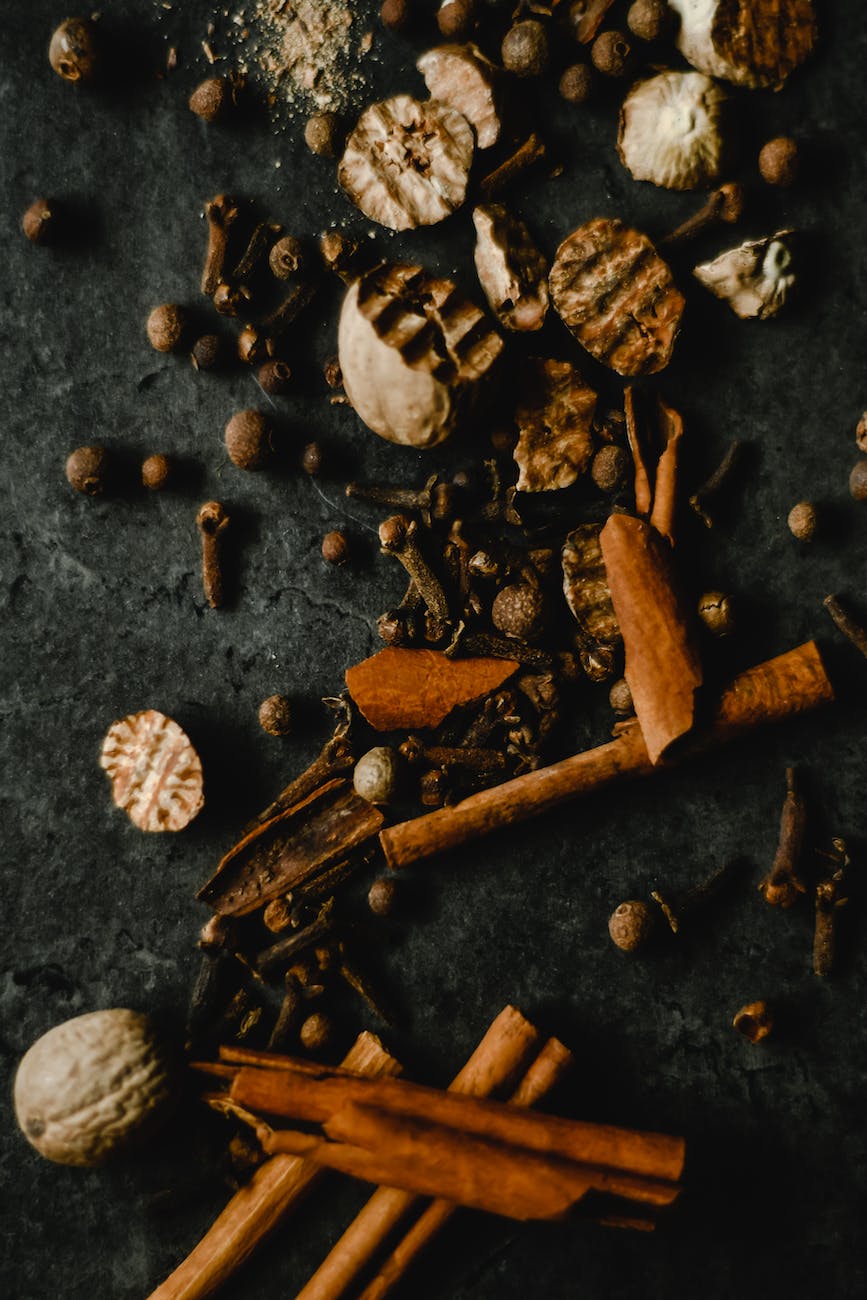
dried herbs and spices on black surface

Our brain is a complex organ responsible for governing our actions, emotions, and overall health. In this ever-evolving, fast-paced world, it’s critical to maintain a sharp mind. Surprisingly, Mother Nature has already provided us with potent remedies: herbs and spices. So, how can they bolster our brain health? Let’s embark on a botanical journey to enhance our cognitive function.

How Herbs and Spices Support Brain Health

A healthy brain is fundamental to our overall well-being, playing a pivotal role in every aspect of our lives. From controlling our body to defining our personality, our brain is in command. However, with aging and several lifestyle factors, our cognitive abilities may start to decline. While these challenges seem inevitable, nature provides us with a bounty of herbs and spices, serving as our allies in maintaining and improving brain health.

Benefits of Herbs and Spices for Brain and Memory

The brain’s complex processes involve numerous interactions between neurons, the specialized cells responsible for transmitting nerve impulses. Compounds found within certain herbs and spices have the ability to support these processes, fostering brain health on multiple levels.

Neuroprotection

Herbs and spices are rich in antioxidants—compounds that help protect our cells from damage caused by free radicals. When these antioxidants interact with the brain, they offer a neuroprotective effect, shielding brain cells from damage and supporting overall brain function. For instance, turmeric, a vibrant yellow spice, contains curcumin, which is known for its potent antioxidant properties.

Anti-Inflammation

Chronic inflammation is often linked to cognitive decline, memory loss, and brain fog. Several herbs and spices, such as ginger and turmeric, possess strong anti-inflammatory properties. By reducing inflammation, these can help protect the brain and maintain cognitive function.

Enhancing Neurotransmitter Activity

Some herbs and spices have the potential to influence neurotransmitter activity in the brain. Neurotransmitters are the body’s chemical messengers, transmitting signals across a synapse from one neuron to another. They play a crucial role in everything from muscle contraction to mood regulation. For instance, sage and rosemary are believed to inhibit the breakdown of acetylcholine, a neurotransmitter important for memory and learning.

Promoting Brain Plasticity

Brain plasticity, or neuroplasticity, refers to the brain’s ability to change and adapt as a result of experience. Some herbs, like Bacopa Monnieri and Lion’s Mane mushroom, are known to promote neuroplasticity, potentially improving learning and memory while also helping the brain recover from injuries.

The interaction of herbs and spices with our brains is a testament to their potential in maintaining and improving cognitive health. By incorporating these natural wonders into our daily diet, we can support our brain health and pave the way for a robust cognitive future.

Top Herbs for Brain Health and Their Benefits

Nature provides a bounty of herbs that possess potential cognitive-enhancing properties. Let’s explore some of the most powerful:

Bacopa Monnieri

Bacopa Monnieri, known as Brahmi, is a staple in Ayurvedic medicine. This plant, native to India, has a long history of use as a cognitive enhancer.

  • Nootropic Benefits: Bacopa is often considered a natural nootropic due to its potential ability to improve various aspects of cognitive function, including memory, concentration, and learning speed.
  • Dementia and Alzheimer’s: Studies suggest that Bacopa may protect against neuron damage, reduce beta-amyloid deposits, and reverse memory loss associated with Alzheimer’s disease.
  • Anxiety: Bacopa Monnieri has adaptogenic properties, meaning it might help your body manage stress better, potentially reducing anxiety and boosting mood.

Ashwagandha

Ashwagandha, or Withania somnifera, is an ancient medicinal herb prominent in Ayurvedic and indigenous medicine.

  • Brain Health: This adaptogenic herb may boost brain function, fight symptoms of anxiety and depression, and promote neuroprotection.
  • Memory Enhancement: Ashwagandha has been shown in studies to promote antioxidant activity that protects nerve cells from harmful free radicals.
  • Brain Damage: Preliminary research suggests that the antioxidant properties of Ashwagandha may help protect against brain damage and improve memory and cognitive function.

Ginkgo Biloba

Ginkgo Biloba, a tree native to China, is one of the oldest living species on Earth and is a popular herbal supplement.

  • Memory and Concentration: Ginkgo Biloba has been reported in some studies to improve brain function and well-being in elderly individuals, aiding in memory and concentration.
  • Alzheimer’s and Dementia: Some research suggests that Ginkgo Biloba may help manage symptoms of Alzheimer’s disease and vascular or mixed dementia.
  • Brain Fog: This ancient herb might help combat brain fog and improve mental clarity, potentially due to its influence on increased blood flow to the brain.

Brahmi (Gotu Kola)

Brahmi, or Gotu Kola, is a perennial plant native to the wetlands of Asia and often confused with Bacopa Monnieri.

  • Brain Function: Traditionally used in Ayurvedic medicine, Brahmi is believed to strengthen memory and improve cognition.
  • Neuroprotection: Some research indicates that Brahmi may offer neuroprotective effects, helping to maintain the health and function of nerve cells in the brain.

Rosemary

Rosemary is a fragrant herb native to the Mediterranean, known not only for its culinary applications but also for its medicinal properties.

  • Memory Improvement: Several studies suggest that Rosemary may enhance memory and concentration, largely due to its antioxidant content.
  • Mood Enhancement: The aroma of rosemary has been associated with improving mood, clearing the mind, and relieving stress in those with chronic anxiety or stress hormone imbalances.

Ginseng

Ginseng, both American and Asian varieties, is one of the most popular herbal remedies in the world.

  • Memory: Ginseng may improve mental performance, reduce brain cell damage, and provide antioxidant benefits.
  • Brain Function: Some studies suggest that Ginseng may enhance brain functions such as memory, behavior, and mood.

Lion’s Mane

Lion’s Mane is a mushroom known for its potential neuroprotective effects.

  • Nerve Growth Factor: Studies suggest that Lion’s Mane stimulates the production of Nerve Growth Factor, contributing to neuronal health and potentially slowing or reversing cell degeneration in the brain.
  • Cognitive Function: Some evidence suggests that Lion’s Mane may improve mild cognitive impairment, especially when consumed regularly.

Sage

Sage, Salvia officinalis, is a member of the mint family and has a long history of medicinal use for ailments ranging from mental disorders to gastrointestinal discomfort.

  • Memory: A review of studies on sage found that it might have a significant impact on cognitive skills, particularly memory recall.
  • Alzheimer’s: Some studies suggest that compounds in sage could offer benefits for Alzheimer’s disease due to its antioxidant and anti-inflammatory properties.

Turmeric

Turmeric is a golden spice often used in cooking but also has potent medicinal properties.

  • Brain Fog: The active ingredient in turmeric, curcumin, may help improve memory and attention in healthy seniors, possibly by increasing blood flow and reducing brain inflammation.
  • Neuroprotection: Curcumin has also shown potential as a neuroprotective agent and has been found to improve symptoms in rodent models of Alzheimer’s, depression, epilepsy, schizophrenia, and traumatic brain injury.

Remember, while herbs may contribute to overall health, they are not a substitute for a balanced diet and lifestyle. Always consult with a healthcare professional before adding any new herbs to your regimen.

Additional Herbs

In addition to the herbs mentioned above, there are others that may address specific brain-related concerns. For instance, Black Cohosh and Dong Quai could potentially alleviate menopause-related brain fog. Herbs like Green Tea and Rhodiola Rosea have anti-inflammatory properties that could benefit those with brain inflammation. Herbs like Gotu Kola and Blueberries are speculated to aid brain cell regeneration, potentially improving memory and overall brain function.

Spices and their Benefits for Brain & Memory

Spices have been used for thousands of years not only for their culinary properties but also for their medicinal benefits. Many of them contain bioactive compounds that can enhance brain health and cognitive function. Here are some less commonly discussed but potent brain-healthy spices:

Cinnamon

This warming spice, well-known for its sweet and savory applications, is rich in antioxidants. Research suggests that cinnamon can have a host of neuroprotective and cognitive benefits. The potential benefits include:

  • Enhancing Motor Function: Studies have shown that consuming cinnamon can improve motor function, particularly in those dealing with age-related motor problems.
  • Improving Memory and Cognitive Processing: Cinnamon has been linked to improved memory and quicker cognitive processing, aiding learning and memory retention.
  • Neuroprotective Effects: Cinnamon may help protect neurons against damage from oxidative stress and inflammation, possibly reducing the risk of neurodegenerative diseases such as Parkinson’s and Alzheimer’s.

Black Pepper

This spice, which gives a spicy kick to any meal, is more than just a seasoning. Black pepper contains a compound called piperine, known for its antioxidant and anti-inflammatory properties. Here’s what black pepper could potentially do for your brain:

  • Enhancing Brain Function: The piperine in black pepper has been found to improve brain function in animal studies. While more research is needed, these results are promising.
  • Boosting Mood: Black pepper can improve the production of serotonin and beta-endorphins, brain chemicals that regulate mood. This could potentially have a positive effect on your emotional well-being.

Ginger

This zesty spice, often used in Asian cuisine and desserts, is loaded with beneficial compounds. Ginger has potent medicinal properties that can impact brain health:

  • Protecting Brain Function: Ginger contains antioxidants and bioactive compounds that can inhibit inflammatory responses in the brain. This could potentially protect against age-related decline in brain function.
  • Enhancing Memory and Cognitive Processing: Some studies have shown that ginger can improve various types of memory, including working memory and recognition memory. It also might help enhance cognitive processing speed.

Cloves

These aromatic flower buds are a staple in many sweet and savory dishes. Cloves have potent antioxidant properties and may have potential benefits for brain health:

  • Protecting Against Neurodegenerative Diseases: The eugenol in cloves has been shown to have neuroprotective properties that could potentially slow the progression of neurodegenerative diseases like Alzheimer’s and Parkinson’s.
  • Boosting Memory: Some animal studies suggest that clove extract can improve learning and memory. More research is needed to understand how cloves could potentially benefit human cognition.

Fennel

Fennel is a flavorful spice that’s used in a variety of cuisines. It’s rich in antioxidants and has several potential cognitive benefits:

  • Neuroprotective Effects: Fennel contains anethole, a compound that may help protect neurons from oxidative stress, potentially slowing the progression of diseases like Alzheimer’s.
  • Improved Memory and Learning: Animal studies suggest that fennel can enhance memory and learning, potentially making it beneficial for cognitive health.

These spices may offer cognitive benefits when incorporated into a balanced diet. However, it’s always best to consult a healthcare professional before making any significant changes to your diet. The above information provides a guide and should not replace medical advice.

How to Use These Herbs and Spices

Incorporating these herbs and spices into your daily life can be as easy as brewing a tea, taking a supplement, or adding them to your meals. However, always remember to consult your healthcare provider before starting any new regimen, as some herbs and spices can interact with medications or have side effects.

Bacopa Monnieri

  • Tea: Boil the leaves for 5 minutes and let it steep. Drink it once it’s cooled down.
  • Supplements: Bacopa is available in tablet and liquid form, consult with a healthcare provider for the correct dosage.

Ashwagandha

  • Tea: Ashwagandha root can be steeped in hot water for a relaxing tea.
  • Smoothies: Blend ashwagandha powder into your morning smoothie.
  • Supplements: As with bacopa, ashwagandha is available in tablet form and should be taken under professional supervision.

Ginkgo Biloba

  • Tea: Ginkgo leaves can be steeped to make tea. You can also find pre-packaged ginkgo tea in health stores.
  • Supplements: Many people choose to take ginkgo in capsule or tablet form.

Brahmi

  • Tea: Brahmi leaves can be brewed into a calming tea.
  • Cooking: Brahmi leaves can be sautéed in a bit of oil and added to various dishes.
  • Supplements: Brahmi is also available in capsule or tablet form.

Ginseng

  • Tea: Ginseng can be simmered in water for several minutes to make a hearty tea.
  • Soup: You can also slice the root and add it to soup for a health-boosting meal.
  • Supplements: Ginseng capsules are a convenient way to consume this herb.

Lion’s Mane

  • Cooking: Lion’s mane has a seafood-like flavor and can be cooked like most other mushrooms.
  • Tea: You can find lion’s mane tea at many health food stores.
  • Supplements: Lion’s mane is also available as a supplement in various forms.

Cinnamon

  • Sprinkle cinnamon on your oatmeal or yogurt to add flavor and health benefits.
  • Add it to your coffee or tea for a warm, spicy kick.
  • Use it in savory dishes like soups, stews, and chili for added depth of flavor.

Black Pepper

  • Use black pepper as a finishing spice on eggs, salads, pasta, or roasted vegetables.
  • Add it to marinades or rubs for meats or tofu.
  • Grind fresh black pepper over warm soups for a flavor and health boost.

Ginger

  • Brew fresh ginger in hot water for a soothing, brain-healthy tea.
  • Use ginger in your cooking, especially in stir-fries and soups.
  • Add ginger to your smoothies or juices for a zesty kick.

Cloves

  • Brew a warm cup of clove tea for a soothing, aromatic drink.
  • Use cloves in your baking – they pair well with fruits like apples and pears.
  • Add a pinch of ground cloves to curries or meat marinades for a flavor boost.

Fennel

  • Use fennel seeds to flavor breads, cakes, and cookies.
  • Add them to your salads or coleslaw for a refreshing, licorice-like flavor.
  • Sprinkle ground fennel seeds onto your roasted vegetables or soups.

Natural Herbal Supplements for Brain Health

Harnessing the power of these herbs, many natural supplements have been developed. Some noteworthy ones include:

  1. Herbal Nootropics: Supplements like Lion’s Mane mushroom, Rhodiola Rosea, and Panax Ginseng are believed to improve cognition and focus.
  2. Brain Herbal Supplements: Products containing herbs like Ginkgo Biloba, Brahmi, and Bacopa Monnieri have potential brain-boosting properties.
  3. Herbal Memory Boosters: Supplements containing Phosphatidylserine, a compound derived from soy lecithin, may support memory.
  4. Herbal Supplements for Focus: Herbs like Rhodiola Rosea and Bacopa Monnieri are common ingredients in supplements designed to improve focus and reduce anxiety.

Ayurvedic Herbs and Supplements for Brain Health

Ayurveda, an ancient Indian system of medicine, offers a range of herbs and supplements to enhance brain health:

  • Thorne Bacopa and Gaia Herbs Bacopa: These supplements leverage the cognitive-enhancing power of Bacopa Monnieri.
  • Gaia Herbs Mental Alertness: This blend includes Ginkgo Biloba, Gotu Kola, and other herbs known for promoting mental clarity and focus.

Frequently Asked Questions

1. What are the best herbs for brain health?

Bacopa Monnieri, Ashwagandha, Ginkgo Biloba, Brahmi, Ginseng, and Lion’s Mane are some of the herbs known for their potential brain health benefits.

2. Can herbs and spices improve memory?

While more research is needed, several studies suggest that certain herbs and spices, such as Bacopa Monnieri and Ginkgo Biloba, may help improve memory and cognitive function.

3. What are the potential benefits of Bacopa Monnieri?

Bacopa Monnieri is often used as a natural nootropic and may help improve focus, memory, and concentration. It’s also being studied for its potential effects on dementia and anxiety.

4. Can Ashwagandha help with brain health?

Ashwagandha has been used in traditional medicine to potentially improve memory and cognitive function. It may also help with brain fog and brain damage.

5. How does Ginkgo Biloba affect brain health?

Ginkgo Biloba is often taken to potentially improve memory and concentration. It’s also being studied for its potential in preventing Alzheimer’s and dementia.

6. How can I include these herbs in my diet?

Many of these herbs can be consumed as tea, added to your food while cooking, or taken as supplements. However, the best way to consume them would depend on your individual needs and preferences.

7. Can spices like cinnamon, black pepper, and ginger boost brain health?

While more research is needed, preliminary studies suggest that these spices may have anti-inflammatory and antioxidant properties that could potentially support brain health.

8. Are there any side effects of consuming these herbs?

While generally considered safe for most people, potential side effects can occur, especially with excessive use or in certain individuals. Always consult with a healthcare professional before starting any new supplement regimen.

9. Can I consume these herbs if I am on medication?

It’s crucial to consult with a healthcare professional before starting any new supplement regimen, especially if you are currently on medication, as some herbs can interact with certain medications.

10. Are these herbs and spices safe for everyone?

While these herbs and spices are generally safe for most people, certain individuals, such as those with specific allergies, pregnant or nursing women, or those with specific medical conditions, may need to avoid some of them. Always consult with a healthcare professional before making significant dietary changes.

11. Can these herbs cure diseases like Alzheimer’s or dementia?

While these herbs may support brain health and cognitive function, they are not a cure for neurological diseases like Alzheimer’s or dementia. Always consult with a healthcare professional for proper diagnosis and treatment.

12. How long does it take to see the effects of these herbs?

The effects of these herbs vary from person to person and depend on several factors including the method of consumption, dosage, individual health status, and more. Consistency is key when incorporating these herbs into your routine.

13. Where can I buy these herbs?

Many health food stores and online platforms sell these herbs in various forms including fresh, dried, or as supplements.

14. Can I grow these herbs at home?

Some of these herbs, such as rosemary and sage, can be easily grown at home in pots or in your garden, depending on your local climate and conditions.

15. Can I take multiple of these herbs at the same time?

While it’s generally safe to consume multiple herbs, it’s always best to consult with a healthcare professional, as certain herbs may interact with each other or with medications you’re taking.

16. Can I give these herbs to my children?

Before giving any herbal supplements to children, it’s crucial to consult with a healthcare professional.

17. What is the best time to consume these herbs?

The best time to consume these herbs depends on their effects and your individual needs. For instance, calming herbs like Ashwagandha might be best consumed in the evening.

18. Can these herbs help with brain fog?

Certain herbs like Ashwagandha and Ginkgo Biloba are believed to potentially help with brain fog. However, it’s important to consult with a healthcare professional for personalized advice.

19. Can these herbs replace a balanced diet and regular exercise?

While these herbs can supplement a healthy lifestyle, they shouldn’t replace a balanced diet and regular physical activity.

20. How can I know if these herbs are working?

Keeping a journal of your daily activities, diet, and feelings can help you track any changes that may occur after incorporating these herbs into your routine. However, it’s important to remember that these herbs are not a quick fix and may take time to show noticeable effects.

Conclusion

In the intricate world of herbs and spices, we are surrounded by nature’s pharmacy. Many common and lesser-known herbs possess remarkable properties that could potentially aid in enhancing our brain health, improving memory, focus, and cognitive function.

The list we explored in this blog post, including Bacopa Monnieri, Ashwagandha, Ginkgo Biloba, Brahmi, Ginseng, Lion’s Mane, Cinnamon, Black Pepper, Ginger, Cloves, and Fennel, offers a broad spectrum of benefits and uses, both in culinary and medicinal terms. Remember to incorporate these herbs and spices gradually and mindfully into your diet, paying attention to your body’s reactions.

However, these herbs and spices are not magical cures. They are to be considered as part of a balanced diet and a healthy lifestyle that includes regular physical and mental exercises. Always consult with a healthcare professional before starting any new supplement or making substantial changes to your diet.

Nature has so much to offer for our well-being. It’s up to us to explore, learn, and use these gifts wisely for our health and vitality. The journey towards brain health is not a sprint, but a marathon, and every small step counts. Be patient, stay consistent, and enjoy the process of nurturing your mind with nature’s best!

Call to Action

What are your experiences with these herbs and spices? Have they made a difference in your cognitive function? Share your thoughts and experiences in the comments below. And don’t forget to share this article with anyone who might be interested in enhancing their brain health naturally!

Posted on 1 Comment

Foods for Memory and Brain Health

Our brain, an energy-intensive organ, uses up to 20% of the body’s calories. Therefore, the foods we eat significantly impact our brain function, influencing our memory, mood, concentration, and other cognitive abilities. This comprehensive guide discusses numerous foods that can bolster your memory and enhance brain health. Let’s delve into this enlightening journey of discovering your brain’s best friends.

Understanding the Connection between Diet and Brain Health

The food we consume can either be the most potent form of medicine or the slowest form of poison for our body, including our brain. Nutrients derived from food serve as fuel for brain function, playing a vital role in influencing the structure and nature of brain cells. The right food choices can improve specific mental tasks such as memory and concentration, while poor dietary patterns may increase the risk of various psychiatric and neurologic disorders.

The Pantheon of Brain-Boosting Foods

Omega-3-Rich Foods for Brain Cell Health

Approximately 60% of our brains are made of fat, and half of that fat is the omega-3 kind. Our bodies use these fatty acids to build brain and nerve cells, and they are crucial for learning and memory.

There are several types of omega-3 fatty acids, but the most important ones are eicosapentaenoic acid (EPA) and docosahexaenoic acid (DHA). DHA helps maintain the structure and function of your brain. In fact, low levels of DHA are linked to brain disorders like Alzheimer’s disease and depression.

  1. Fatty Fish: Tuna, herring, and mackerel are rich in Omega-3 fatty acids that help slow mental decline.
  2. Seeds: Flaxseeds, chia seeds, and hemp seeds are plant-based sources of Omega-3s.
  3. Nuts: Walnuts and pecans contain high levels of DHA, a type of Omega-3 that improves brain health.

Antioxidant-Rich Dark Green Leafy Vegetables

From spinach to kale, leafy green vegetables pack a nutritional punch unlike any other. They’re not just good for your body; they’re a boon to your brain health too. Here’s a quick rundown of why leafy green vegetables are so beneficial for cognitive function:

  1. Rich in Antioxidants: Leafy greens like spinach, kale, and collards are loaded with antioxidants such as vitamin E and flavonoids. These substances combat oxidative stress in the brain and body, keeping your cells functioning at their peak.
  2. High in Folate: Many leafy greens are an excellent source of folate, a type of B-vitamin crucial for brain function. Folate aids in the production of serotonin, dopamine, and norepinephrine—neurotransmitters that manage mood, memory, and cognitive function.
  3. Abundance of Vitamin K: Studies have suggested that Vitamin K, found abundantly in leafy greens, can delay cognitive decline. It’s believed to support brain health through its role in sphingolipid metabolism—an essential fat present in high concentrations in brain cell membranes.
  4. Loaded with Beta Carotene: Nutrients like beta carotene, found in spinach and kale, are known to support brain health. They’ve been linked to improved cognition and a lower risk of mental decline.
  5. Good Source of Lutein: This nutrient, found in leafy greens such as spinach and kale, has been associated with cognitive preservation in older adults.

Incorporating more leafy green vegetables into your diet is easy. You can add them to smoothies, toss them in salads, steam them as a side dish, or include them in stews and soups. However you choose to consume them, your brain will thank you for the nutritional boost!

Berries: Nature’s Memory-Boosting Sweets

What makes berries so special for our brains? The answer lies in their high antioxidant content. Antioxidants are powerful compounds that protect our cells from damage. They neutralize harmful substances known as free radicals, which can cause oxidative stress and inflammation in our bodies. When left unchecked, these conditions can lead to age-related memory loss and brain diseases.

Berries are filled with different types of antioxidants, but the ones that stand out the most for brain health are flavonoids, specifically anthocyanins. Studies suggest that these substances can delay brain aging and improve memory.

  • Blueberries: Known to delay brain aging and improve memory.
  • Strawberries: These fruits are rich in antioxidants and vitamin C.
  • Mulberries: These berries are high in iron and vitamin C.
  • Blackberries: They are high in antioxidants like anthocyanins, which are good for the brain.

Nuts and Seeds: Small Snacks, Big Benefits

When it comes to brain health, it’s hard to beat the benefits of nuts and seeds. Packed with protein, healthy fats, and essential vitamins and minerals, these small yet mighty snacks can have a big impact on our cognitive function.

The Nutty Brain-Boosters

Nuts, particularly walnuts, are high in DHA, a type of Omega-3 fatty acid, which has been linked to improved cognitive performance. Almonds and hazelnuts are rich in vitamin E, a nutrient known to aid in preventing cognitive decline as we age.

Seeds of Thought

Seeds like flaxseeds and chia seeds also carry a big punch for brain health, thanks to their high content of Omega-3 fatty acids. Meanwhile, sunflower seeds and pumpkin seeds are rich sources of antioxidants and a wealth of essential vitamins and minerals that can enhance brain function.

Let’s dive deeper into a list of specific nuts and seeds that are beneficial for the brain and why:

  1. Walnuts: Walnuts are one of the highest plant-based sources of Omega-3 fatty acids, which have been linked to better brain health. They also have high levels of DHA, a type of Omega-3 that has been shown to improve cognitive performance in adults and prevent age-related cognitive decline.
  2. Almonds: Rich in protein and essential fatty acids, almonds help to repair brain cells, thus improving cognitive functions. They also have high levels of vitamin E, which is known to aid in preventing cognitive decline.
  3. Hazelnuts: Similar to almonds, hazelnuts are also high in vitamin E, an antioxidant that can help protect the brain against oxidative stress and aging.
  4. Flaxseeds: These are excellent sources of Omega-3 fatty acids that contribute to brain health. Regular intake of flaxseeds can help improve cognition and potentially delay the onset of brain-related diseases.
  5. Chia Seeds: Chia seeds are loaded with antioxidants, proteins, Omega-3 fatty acids, and various micronutrients, all of which contribute to optimal brain function.
  6. Sunflower Seeds: These seeds are high in vitamin E, an antioxidant that can help protect the brain’s cells from damage. They also contain a rich variety of other brain-supporting nutrients, such as magnesium and Omega-3 and Omega-6 fatty acids.
  7. Pumpkin Seeds: Pumpkin seeds are packed with antioxidants and a rich source of magnesium, iron, zinc, and copper. Magnesium is essential for learning and memory, while iron deficiency is often associated with impaired brain function.

Remember, eating a mixture of these nuts and seeds will provide the broadest range of nutrients for overall brain health.

Cognition-Boosting Foods: What to Include in Your Diet?

Our brain thrives on nutrients. Here, we highlight the star players, foods packed with necessary vitamins, antioxidants, and healthy fats that our brain loves.

1. Fatty Fish: A Treasure Trove of Omega-3 Fatty Acids

Among all the brain-friendly foods, fatty fish like salmon, trout, and sardines top the list. They are a rich source of Omega-3 fatty acids, crucial elements for brain health, which aid in building brain and nerve cells, enhancing learning, and improving memory.

Consider these as your brain’s best friends:

  • Salmon: Known for its high Omega-3 fatty acid content, which is beneficial for brain health.
  • Trout: Rich in brain-boosting nutrients like Omega-3.
  • Sardines: A small fish with a significant Omega-3 content.

2. Blueberries: The Antioxidant Powerhouse

Blueberries are potent memory-boosters loaded with antioxidants. These tiny fruits delay brain aging, mitigate neurodegenerative diseases, and counter oxidative stress and inflammation, promoting brain health.

3. Turmeric: The Golden Spice for Your Brain

Turmeric, a staple ingredient in many cuisines, offers excellent cognitive benefits. Curcumin, its active compound, can cross the blood-brain barrier, clear amyloid plaques (hallmark of Alzheimer’s), mitigate symptoms of depression, and stimulate the growth of new brain cells.

Spices not only add flavor to your meals but also boast several brain-boosting properties:

  • Turmeric: Its active ingredient curcumin boosts brain-derived neurotrophic factor, a type of growth hormone that helps brain cells grow.
  • Sage: Known for its anti-inflammatory and antioxidant properties.
  • Cinnamon: Can help improve motor function and brain health.

4. Pumpkin Seeds: The Brain’s Nutrient-Filled Delight

Packed with a wealth of antioxidants, pumpkin seeds are a substantial source of magnesium, iron, zinc, and copper. These nutrients enhance brain health, improve memory, increase mental speed, and combat neurodegenerative diseases.

5. Dark Chocolate: A Sweet Delight for Brain Health

Dark chocolate, along with cocoa powder, is filled with brain-boosting compounds, including flavonoids, caffeine, and antioxidants. Its inclusion in our brain-healthy food list certainly makes the prospect of improving brain health delightful!

6. Oranges: The Vitamin C Champions

One medium orange provides all the vitamin C you need in a day. This vital nutrient is a potent antioxidant that helps prevent mental decline by fighting free radicals that could damage brain cells.

7. Eggs: An Essential Start to Your Day

Eggs are good sources of several nutrients tied to brain health, including vitamins B6 and B12, folate, and choline. Choline aids in the production of acetylcholine, a neurotransmitter crucial for regulating mood and memory.

8. Green Tea: An Excellent Brain-Boosting Beverage

Green tea not only refreshes but also enhances brain function. It is loaded with antioxidants and brain-enhancing compounds that improve mood, boost brain function, and reduce the risk of dementia.

9. Broccoli: A Green Powerhouse for the Brain

Broccoli, with its high levels of antioxidants and vitamin K, supports brain health. Vitamin K is essential for forming sphingolipids, a type of fat densely packed into brain cells.

10. Avocados: The Brain’s Favorite Fruit

Avocados, full of healthy unsaturated fats, maintain brain cell flexibility, and are associated with a lower risk of Alzheimer’s disease.

11. Peanuts: A Protein-Rich Brain Boost

Peanuts, a legume with a robust nutritional profile, carry healthy fats, proteins, and essential vitamins and minerals that your brain needs to function optimally.

12. Red Wine: An Unexpected Brain-Boosting Beverage

In moderation, red wine can be a great brain booster. It’s rich in resveratrol, a compound that may boost brain health and reduce the risk of mental decline.

13. Soy: The Plant Protein for Your Brain

Soy products like tofu and edamame have powerful antioxidants that could protect the brain from damage and enhance overall brain health.

14. Green Leafy Vegetables: A Must-Have for Cognitive Health

Kale, spinach, collards, and broccoli are rich in brain-healthy nutrients like vitamin K, lutein, folate, and beta carotene. These nutrients slow cognitive decline, helping you stay sharp.

15. Coffee: A Daily Brain Boost

Your morning cup of coffee does more than wake you up. It also contains antioxidants and caffeine, which stimulate the brain, enhancing concentration, mood, and brain function.

16. Walnuts: The Brain-Shaped Superfood

Walnuts are packed with antioxidants, high levels of DHA, a type of Omega-3 fatty acid, and other nutrients that protect your brain health and enhance its function.

17. Berries: Brain-Healthy Fruits

Berries, including strawberries, mulberries, and blackberries, are rich in flavonoid antioxidants. Research suggests these compounds may delay brain aging and improve memory.

Berries are known for their antioxidant-rich properties. Include these in your diet:

  • Blueberries: Known to delay brain aging and improve memory.
  • Strawberries: These fruits are rich in antioxidants and vitamin C.
  • Mulberries: These berries are high in iron and vitamin C.
  • Blackberries: They are high in antioxidants like anthocyanins, which are good for the brain.

18. Sunflower Seeds: Tiny Seeds, Huge Benefits

These small seeds have big nutritional value. They are rich in vitamin E, which protects neurons or nerve cells from oxidative stress caused by free radicals.

Brain Supplements: A Beneficial Addition or Not?

Brain supplements, often referred to as nootropics, have taken the health and wellness world by storm. These supplements tout various benefits—from improved memory and focus to enhanced mental agility and cognitive longevity. But the question is, are they as beneficial as they’re marketed to be?

  1. The Role of Brain Supplements: The primary aim of brain supplements is to improve cognitive functions including memory, creativity, and even motivation in healthy individuals. They are often composed of ingredients like omega-3 fatty acids, B vitamins, antioxidants, and herbal extracts.
  2. The Potential Benefits: Some brain supplements may indeed have potential benefits. For instance, omega-3 fatty acids are known to support brain health. B vitamins have been found to aid with brain function, and antioxidants like resveratrol can help protect the brain.
  3. The Limitations and Concerns: However, the efficacy of brain supplements is not without its critics and limitations. Some argue that the evidence supporting their use isn’t robust enough, while others express concerns about quality control in supplement production. In addition, some ingredients in brain supplements could interact with certain medications or have side effects.
  4. A Balanced Perspective: It’s crucial to remember that supplements are just that—supplementary. They are not a replacement for a healthy lifestyle. Regular exercise, a balanced diet, adequate sleep, and stress management all play a more definitive role in cognitive health and function.
  5. Professional Guidance is Essential: If you’re considering incorporating brain supplements into your routine, consult with a healthcare provider. They can help determine if these supplements are right for you based on your unique health history and lifestyle.

In conclusion, while brain supplements might provide a cognitive boost, they’re not a magic bullet for brain health. A balanced, nutritious diet, coupled with a healthy lifestyle, will always be the best bet for maintaining and enhancing cognitive function.

FAQs on Foods for Brain and Memory Health

What Foods Can Help Boost My Memory?

Diet plays a crucial role in boosting your memory. Foods like fatty fish, berries, turmeric, broccoli, pumpkin seeds, dark chocolate, oranges, and green tea are all excellent for enhancing memory and brain function.

How Does Sleep Benefit My Brain?

Sleep is essential for improving memory and brain function. It’s during sleep that your brain consolidates new information and cements it into memory. A good night’s sleep also ensures your cognitive abilities, such as problem-solving and creativity, are at their peak.

Are Brain Supplements Effective Against Memory Loss?

Certain brain supplements, especially those rich in omega-3 fatty acids and antioxidants, might help to prevent cognitive decline and memory loss. However, it’s always recommended to consult with a healthcare provider before starting any supplement regimen.

What Type of Diet Supports Brain Health?

A diet that’s good for the brain is typically rich in fruits, vegetables, lean protein, healthy fats, and whole grains. The Mediterranean diet, which includes plenty of fish, various vegetables, and an abundance of olive oil, is often recommended for supporting brain health.

Can Physical Exercise Improve Brain Function?

Absolutely! Regular physical activity increases blood flow to your brain and encourages the growth of new brain cells. It also boosts cognitive abilities like problem-solving, attention, and memory.

Which Activities Are Most Beneficial for the Brain?

Activities that challenge your brain are the most beneficial. This could include puzzles, reading, writing, playing a musical instrument, or even certain video games. Engaging in these activities stimulates new neural connections and improves overall cognitive health.

Why Is Hydration Important for the Brain?

Hydration is critical for optimal brain function. Considering that the brain is about 75% water, even mild dehydration can impair cognitive performance, including memory and attention.

How Can I Prevent Memory Loss?

Preventing or slowing down memory loss can be achieved by maintaining a healthy lifestyle. This involves eating a balanced diet, getting regular physical and mental exercise, ensuring adequate sleep, and managing stress effectively.

Are There Any Natural Remedies to Improve Memory?

Yes, certain natural remedies are believed to help improve memory. These include herbs like ginkgo biloba, gotu kola, Bacopa monnieri, and Rhodiola rosea. However, always consult a healthcare provider before starting any natural regimen.

How Do Antioxidants Contribute to Brain Health?

Antioxidants play a key role in maintaining brain health as they protect against oxidative stress, a harmful process that can negatively affect brain cells. Foods rich in antioxidants include berries, citrus fruits, dark chocolate, and green tea.

Concluding Thoughts on Feeding Your Brain

The saying “you are what you eat” carries profound truth when it comes to brain health. A well-balanced diet that includes brain-boosting foods can improve your cognitive function and memory, alleviate symptoms of brain fog, and even support your brain health during the recovery period following brain injuries such as concussions. The next time you’re planning a meal, remember that you’re not only feeding your body — you’re also nourishing your brain.

The path to better brain health and improved memory starts at your dining table. Make every bite count for a healthier mind!

Tags: brain health, memory-boosting foods, cognitive function, antioxidants, Omega-3 fatty acids, concussion recovery, brain fog, brain supplements, healthy diet, brain-boosting diet.

Posted on Leave a comment

Cashews and Weight Loss: Unveiling the Nutritional Gems

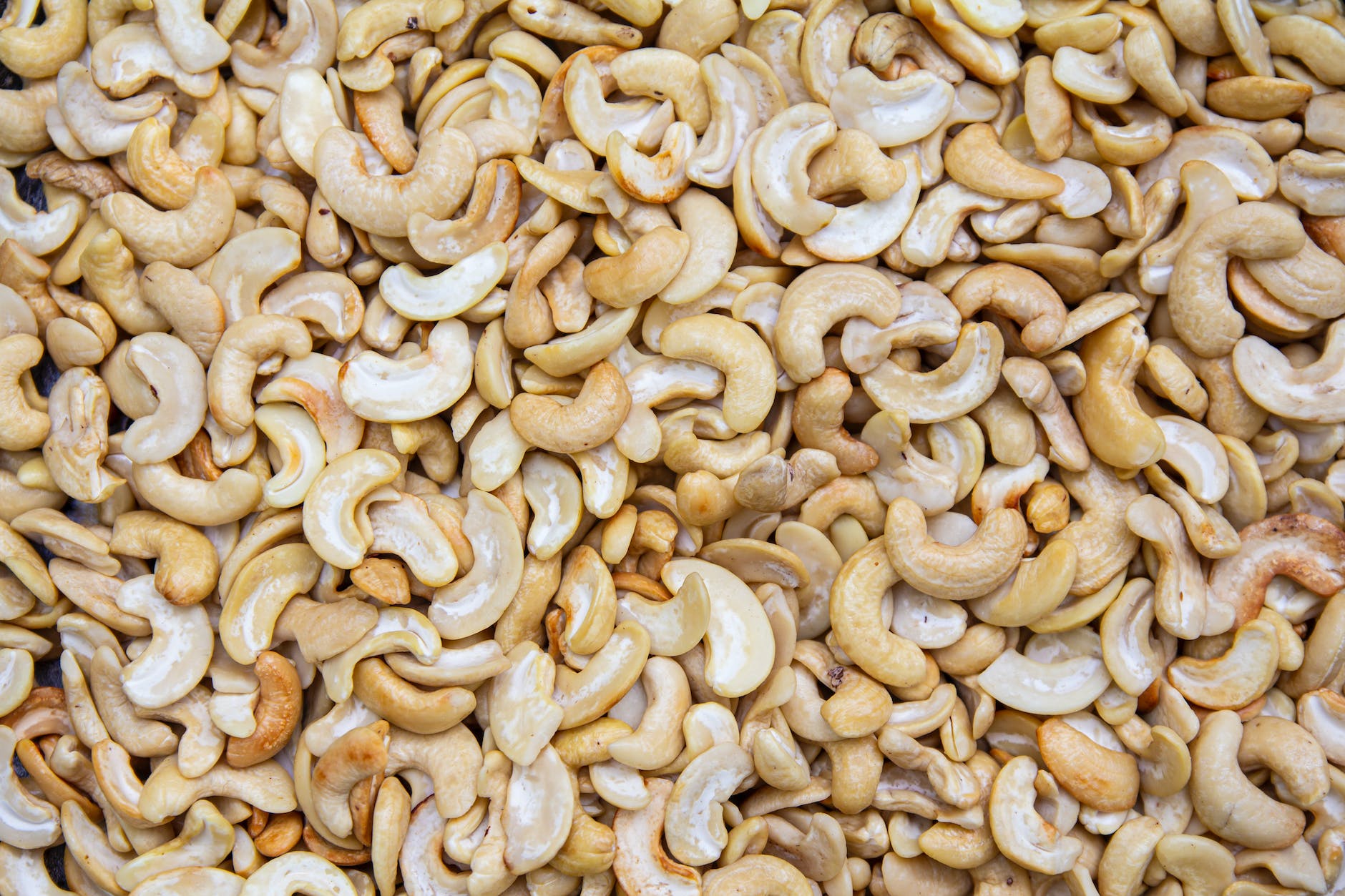
photo of cashew nuts

Cashews, with their creamy texture and rich flavor, have captured the hearts of many as a delightful and nutritious snack. But did you know that these nutty wonders offer far more than just taste? In this comprehensive guide, we’ll take a closer look at the numerous benefits of cashews, including their impact on weight management, their impressive nutritional value, and practical ways to incorporate them into your daily diet. Let’s uncover the secrets of these nutrient-packed nuts and discover how they can be a valuable addition to your life.

Nutrition Powerhouse: Cashews for Your Well-being

Before we dive into the specifics, let’s explore the nutritional profile of cashews and their significant role in promoting overall well-being:

1. Protein, Healthy Fats, and More

Cashews are a nutritional powerhouse, providing a rich source of protein, healthy monounsaturated fats, essential minerals like zinc and magnesium, and vitamin E. These nutrients play vital roles in supporting various bodily functions, from boosting the immune system to promoting healthy skin and hair.

Cashews for Weight Loss: A Nutrient-Packed Snack

Looking to shed a few pounds? Cashews can be a great ally in your weight loss journey. Here’s how they can help:

1. Satiety and Portion Control

The combination of protein and healthy fats in cashews can help keep you feeling full and satisfied, reducing the chances of overeating and aiding in portion control.

2. Healthy Snack Ideas

Swap calorie-laden snacks with a handful of cashews to curb your cravings while providing your body with essential nutrients. Add them to salads, yogurt, or simply enjoy them on their own for a satisfying treat.

Unveiling Zinc in Cashews: Immune Support and More

Cashews are a treasure trove of zinc, a mineral that plays a crucial role in maintaining a robust immune system and supporting overall health:

1. Strengthening Immunity

Zinc is renowned for its immune-boosting properties, helping your body fight off infections and illnesses more effectively.

2. Promoting Well-being

Beyond immune support, zinc is involved in essential processes like wound healing, cell growth, and enzymatic functions, contributing to your overall well-being.

Low Carbohydrate Delight: Cashews and Blood Sugar

Are you conscious about carb intake? Cashews can be a smart choice for carb-conscious individuals. Here’s how they impact blood sugar levels:

1. Stabilizing Blood Sugar

With their combination of protein and healthy fats, cashews can help stabilize blood sugar levels, preventing significant spikes that can lead to energy crashes and cravings.

2. Enjoy in Moderation

While cashews are a healthy option, remember to enjoy them in moderation to maintain balanced blood sugar levels as part of a well-rounded diet.

Masala Cashews: A Flavorful and Healthy Twist

Who said healthy snacks have to be boring? Enter masala cashews, a flavorful and nutritious twist to traditional snacking. Here’s how to enjoy them guilt-free:

1. Custom Spice Blends

Prepare your own masala cashews using custom spice blends that suit your taste preferences and dietary needs. Get creative with a mix of aromatic spices like cumin, turmeric, and paprika.

2. Nutritious Alternative

Opt for masala cashews as a flavorful and nutritious alternative to store-bought snacks laden with unhealthy additives and excessive sodium.

Cashews on Keto: Navigating the Nutty Terrain

If you’re following a ketogenic (keto) diet, you may wonder if cashews fit into your low-carb lifestyle. Let’s explore the compatibility of cashews with the keto diet and their impact on your ketosis journey.

Are Cashew Nuts Keto friendly?

Moderation is Key: Cashews can be enjoyed on a keto diet, but moderation is essential. While they are a nutritious nut option, they do contain some carbohydrates, so it’s crucial to keep track of your carb intake.

Watch Portion Sizes: Cashews are deliciously addictive, but be mindful of portion sizes to avoid exceeding your daily carb allowance. A small serving can still provide the rich taste and texture you crave.

Maintaining Ketosis with Cashews

Mind Your Macros: To stay in ketosis, track your daily macronutrient intake, ensuring that your carb consumption remains within the keto-friendly range. Balance your cashew indulgence with other low-carb options throughout the day.

Prioritize Whole Foods: Choose whole foods like cashews over processed snacks that may contain hidden sugars and additives. Opt for plain, unsalted cashews to keep your snack choices clean and keto-friendly.

Creative Keto Cashew Recipes

Nutty Trail Mix: Create a keto-friendly trail mix by combining cashews with other low-carb nuts and seeds. Add unsweetened coconut flakes and a sprinkle of cinnamon for extra flavor.

Creamy Cashew Sauce: Whip up a creamy and keto-friendly cashew sauce by blending soaked cashews with almond milk, garlic, and nutritional yeast. Use it as a delicious dairy-free alternative for various dishes.

Masala Cashew: A Flavorful and Nutritious Low-Carb Snack for Weight Loss

When you’re on a weight loss journey, finding the right snacks that align with your goals can be a game-changer. Masala cashews, with their delectable blend of spices and satisfying crunch, can be your go-to snack for a guilt-free indulgence on a low-carb or keto diet. Let’s delve into why masala cashews make a perfect companion for your weight loss efforts.

Cashews and the Keto Diet

Masala cashews are naturally low in carbohydrates, making them a smart choice for those following low-carb or ketogenic diets. Their carb content is significantly lower than traditional carb-heavy snacks, such as chips and pretzels, making them a preferable option to maintain ketosis or reduce overall carb intake for weight loss.

Rich in Protein and Satiating Fats

Protein and healthy fats play a vital role in curbing hunger and keeping you feeling full for longer. Cashews are a great source of plant-based protein and heart-healthy fats, which can help you stay satiated between meals and reduce the temptation to reach for unhealthy snacks.

Nutrient-Packed Powerhouse

In addition to protein and fats, masala cashews offer an array of essential nutrients. They are a good source of vitamins and minerals, including magnesium, zinc, and copper. These nutrients play a crucial role in various bodily functions and contribute to overall health and well-being.

Mindful Portion Control

While masala cashews are a nutritious snack, it’s essential to practice mindful portion control, especially when aiming for weight loss. Nuts, including cashews, are energy-dense, so enjoying them in moderation is key to avoid overconsuming calories.

Homemade Masala Cashews: A Healthier Option

Store-bought masala cashews may contain added sugars, unhealthy oils, or excessive salt. Consider making your own batch of masala cashews at home to have better control over the ingredients. You can use a variety of spices like turmeric, cumin, and paprika to create a flavorful blend without compromising on health.

Incorporating Masala Cashews in Your Diet

  1. On-the-Go Snack: Keep a small portion of masala cashews in a resealable container for a convenient and satisfying on-the-go snack.
  2. Salad Toppers: Sprinkle some masala cashews on top of your salads to add texture and a burst of flavor.
  3. Trail Mix Creation: Mix masala cashews with other low-carb nuts, seeds, and dried fruits for a wholesome and filling trail mix.
  4. Stir-Fry Enhancer: Toss a handful of masala cashews into vegetable stir-fries to elevate the taste and make your meal more enjoyable.

Remember, while masala cashews can be a fantastic addition to your weight loss journey, it’s essential to strike a balance and incorporate them as part of a well-rounded, nutritious diet. Pair them with a variety of whole foods, such as vegetables, lean proteins, and healthy fats, to support your overall health and weight management goals.

Conclusion: Embrace Cashews as a Nutritious Ally

Now armed with the knowledge of cashews’ remarkable benefits, you can confidently embrace these little gems as a nutritious ally in your journey towards a healthier and happier lifestyle. Remember, a balanced diet that includes a variety of nutrient-dense foods, along with regular physical activity, is key to overall well-being. So, the next time you reach for a handful of cashews, savor the nutty goodness and relish the positive impact they bring to your life.

Whether you’re aiming for weight loss, seeking immune support, or simply looking for a delectable snack, cashews have got you covered. So, go ahead and enjoy this delightful nut in all its glory, knowing that you’re nourishing your body with goodness, one cashew at a time.