In every leaf, root, and flower, there’s a story of healing waiting to be told. From the lush rainforests of the Amazon to the arid deserts of Africa, nature has crafted remedies for almost every ailment. As the world tilts towards organic and natural solutions, the wisdom of our ancestors who relied on these plants beckons us. Whether you have a sprawling garden, a tiny balcony, or just a sunny windowsill, this guide will introduce you to 20 medicinal plants, focusing on their uses and the ideal conditions for their growth.
Introduction
The bond between humans and medicinal plants is timeless. Before the age of modern medicine, these green allies were our primary healers. Today, as we navigate the challenges of modern life, the therapeutic potential of these plants offers a bridge to holistic well-being. But the key lies in understanding not just their uses, but also the conditions they thrive in.
Let’s embark on a journey, discovering the healing potential of each plant and the perfect environment for its growth.
1. Aloe Vera: Nature’s Soothing Elixir
Origin and History: Hailing from the sun-drenched landscapes of the Arabian Peninsula, Aloe Vera has been a cherished healer for millennia. Esteemed by ancient Egyptian royalty like Cleopatra for its beauty benefits, this plant’s legacy as a natural remedy is deeply etched in historical annals.
What Aloe Vera Looks Like: A perennial succulent, Aloe Vera boasts lance-shaped, fleshy green leaves. These leaves conceal a treasure: a clear, viscous gel that’s the source of the plant’s myriad benefits. Mature plants might surprise you with a stalk of yellow tubular flowers, adding to their charm.
Ideal Growing Conditions:
- Climate: Primarily a tropical plant, Aloe Vera can adapt to temperate zones if protected from frost.
- Location: Whether it’s an outdoor garden, a sun-soaked balcony, or an indoor pot beside a window, Aloe Vera is versatile in its habitat needs.
- Weather: Its desert lineage means it’s resilient to drought, but occasional deep watering keeps it happy. In chilly climates, ensure it’s safe from frost.
What Aloe Vera is Good For:
- Skin Care: Aloe Vera’s gel is a natural remedy for a spectrum of skin concerns. From sunburns and cuts to insect bites and rashes, its soothing properties offer quick relief.
- Digestive Health: A sip of Aloe Vera juice can ease digestive discomfort, making it a natural ally for a happy gut.
- Boosting Immunity: Packed with antioxidants and vital enzymes, Aloe Vera fortifies the body’s defenses against illnesses.
Benefits of Aloe Vera:
- Natural Moisturizer: The gel hydrates the skin without making it greasy, making it a favorite for many skincare enthusiasts.
- Anti-inflammatory: Its anti-inflammatory properties can reduce skin redness and swelling.
- Rich in Nutrients: Aloe Vera gel contains vitamins A, C, E, and B12, as well as minerals like potassium and zinc.
How to Use Aloe Vera:
- Topical Application: For skin issues, cut a leaf open, scoop out the gel, and apply directly. Its healing touch is almost immediate.
- Internal Consumption: Aloe Vera juices and supplements are available. However, always choose products free from aloin to avoid potential digestive issues.
Did You Know?: Alexander the Great, recognizing Aloe Vera’s unparalleled wound-healing abilities, secured entire regions just to ensure his soldiers had a steady supply of this miraculous plant.
2. Lavender: The Fragrant Healer
Origin and History: Lavender, with its roots in the sun-soaked Mediterranean, has been a symbol of peace, purity, and love for over 2,500 years. The ancient Romans and Egyptians held it in high regard, using it extensively for bathing rituals, culinary purposes, and as a fragrant perfume. Its name, derived from the Latin ‘lavare,’ meaning ‘to wash,’ hints at its historical use in cleansing and purification.
What Lavender Looks Like: This perennial beauty boasts a bushy demeanor with slender, elongated green or grayish-green leaves. Rising above the foliage are its iconic spikes adorned with tiny, vibrant purple or violet flowers. These blossoms, apart from being visually delightful, are the carriers of Lavender’s signature soothing scent.
Ideal Growing Conditions:
- Climate: Best suited for temperate climates, Lavender flourishes under the warmth of summer suns and the gentleness of mild winters.
- Location: A lover of sunlight, Lavender craves well-draining soil, making it a perfect resident for gardens, terraces, and sunlit balconies.
- Weather: Mature plants showcase drought resistance, but younger siblings appreciate a more regular watering routine.
What Lavender is Good For:
- Serenity and Calm: Lavender’s aroma is a natural antidote to stress and anxiety, ushering in a sense of tranquility.
- Skin’s Best Friend: From minor burns to pesky insect bites, Lavender oil is a skin savior.
- Guardian of Sleep: Its calming aura is a natural remedy for sleep disturbances and insomnia.
Benefits of Lavender:
- Natural Protector: With its antiseptic and anti-inflammatory prowess, Lavender oil is a trusted ally for minor cuts and wounds.
- Hair’s Guardian Angel: Lavender can stimulate hair growth and is a natural remedy against dandruff.
- Digestive Comforter: A cup of Lavender tea can be the answer to bloating and digestive unease.
How to Use Lavender:
- Topical Magic: A few drops of diluted Lavender essential oil can transform skin health.
- Aromatic Bliss: Whether it’s the essential oil or dried flowers, inhaling Lavender promises relaxation.
- Culinary Adventures: Edible Lavender varieties can elevate dishes with their unique floral essence.
Did You Know?: Beyond its medicinal and aromatic attributes, Lavender was a symbol of wealth and prosperity in ancient times. It was so valued that it was used as a form of currency in some ancient civilizations.
3. Turmeric: The Golden Healer
Origin and History: Turmeric, a native of Southeast Asia, has been a cornerstone in traditional medicine for over 4,000 years. Its vibrant golden hue has earned it the title “Indian saffron.” Ancient Indian and Chinese civilizations revered it not just as a culinary spice but also for its potent medicinal properties.
What Turmeric Looks Like: Turmeric is a perennial plant with broad, tropical green leaves. Beneath the soil, it hides its true treasure: a bright orange, fleshy rhizome. This rhizome, when dried and powdered, gives us the familiar golden spice that has spiced up dishes and remedies alike.
Ideal Growing Conditions:
- Climate: Turmeric thrives in humid, tropical climates.
- Location: It prefers well-draining soil, enriched with organic matter. While it’s a staple in outdoor tropical gardens, in cooler regions, it can be grown in pots and brought indoors during colder months.
- Weather: Turmeric plants love warmth and humidity but are sensitive to frost and prolonged exposure to cold.
What Turmeric is Good For:
- Anti-inflammatory Powerhouse: Curcumin, the active ingredient in turmeric, has powerful anti-inflammatory effects.
- Natural Antioxidant: Turmeric boosts the body’s own antioxidant enzymes, combating free radicals.
- Brain Functionality: It can increase brain levels of Brain-Derived Neurotrophic Factor, a growth hormone that functions in the brain.
Benefits of Turmeric:
- Joint Health: Regular consumption can provide relief from arthritis symptoms.
- Heart Health: Turmeric improves the function of the endothelium, potentially reducing heart disease risk.
- Natural Antiseptic: It can be used to disinfect cuts and burns.
How to Use Turmeric:
- Culinary Delight: Turmeric powder adds flavor and color to a variety of dishes, especially in Asian cuisine.
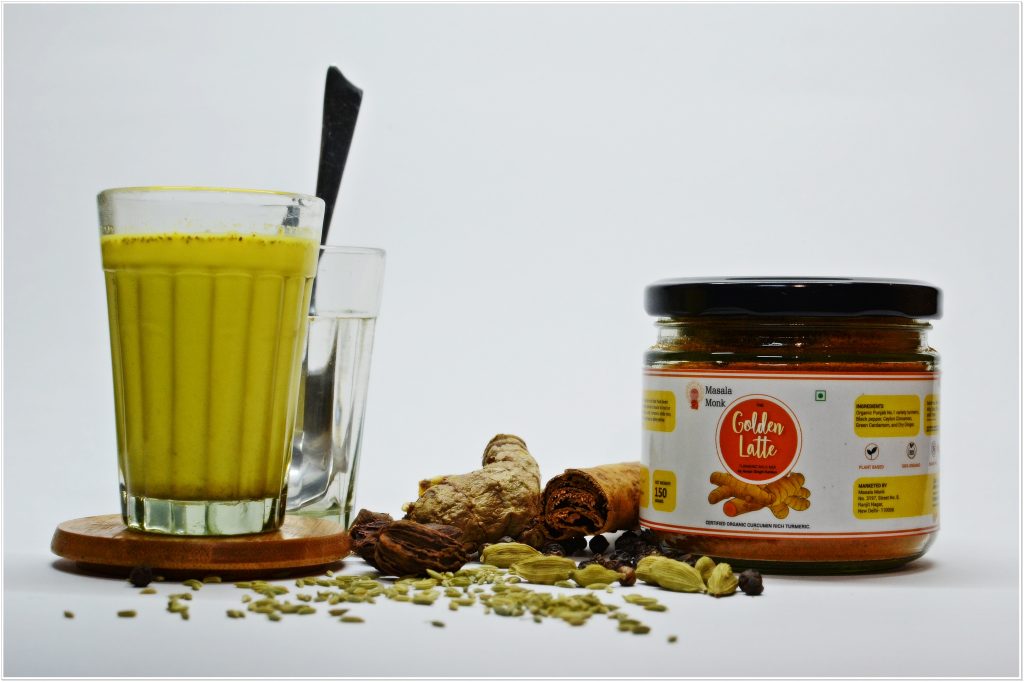
- Golden Milk: A warm beverage made with milk, turmeric, and other spices, it’s a comforting drink with health benefits.
- Topical Application: Turmeric paste can be applied to the skin for various benefits, but be cautious as it can stain.
Did You Know?: In India, turmeric is considered auspicious and is an integral part of many Hindu rituals. It’s also used in the famous ‘Haldi’ ceremony, a pre-wedding ritual where turmeric paste is applied to the bride and groom for good luck and glowing skin.
4. Ginger: The Root of Wellness
Origin and History: Ginger, believed to have originated from the tropical rainforests of the Indian subcontinent to Southern Asia, has been used for both culinary and medicinal purposes for over 5,000 years. Ancient texts and literature from various cultures, including Chinese, Indian, and Middle Eastern, have documented its myriad benefits.
What Ginger Looks Like: Ginger is a perennial plant that grows beautiful white or yellow flowers. Its most recognized part is the rhizome, a thick underground stem that’s knotted and ginger-brown, with a distinctive spicy aroma.
Ideal Growing Conditions:
- Climate: Ginger loves tropical climates where it can bask in warmth.
- Location: It requires well-draining soil, rich in nutrients. While it’s a common sight in tropical gardens, in temperate zones, it can be grown in containers and greenhouses.
- Weather: Ginger thrives in humid conditions but needs protection from strong winds and frost.
What Ginger is Good For:
- Digestive Aid: Ginger can alleviate gastrointestinal irritation, stimulate saliva, and suppress gastric contractions as food and fluids move through the GI tract.
- Anti-nausea: It’s a renowned remedy for seasickness, morning sickness, and chemotherapy-induced nausea.
- Anti-inflammatory: Gingerol, the main bioactive compound in ginger, has powerful anti-inflammatory and antioxidant effects.
Benefits of Ginger:
- Pain Reduction: Regular consumption can lead to reductions in muscle pain and soreness.
- Lowering Blood Sugars: It has been shown to lower blood sugar levels and improve heart disease risk factors in patients with type 2 diabetes.
- Cholesterol Levels: Ginger can lead to significant reductions in LDL cholesterol and blood triglyceride levels.
How to Use Ginger:
- Culinary Ingredient: Fresh, dried, or powdered, ginger adds a zing to dishes, especially in Asian and Indian cuisines.
- Tea: Ginger tea, made from fresh ginger slices, is a warming beverage known for its health benefits.
- Topical Application: Ginger oil or paste can be applied to the skin, though it’s essential to do a patch test first to avoid any adverse reactions.
Did You Know?: In the Middle Ages, ginger was extremely popular in Europe, so much so that one pound of ginger was equivalent to the cost of a sheep. Its value in the spice trade was immense, and it was often used as a form of currency.
5. Rosemary: The Memory Herb
Origin and History: Rosemary, native to the Mediterranean region, has been associated with memory, love, and loyalty for centuries. Ancient Greeks believed that placing rosemary sprigs beneath pillows could ward off evil spirits and prevent nightmares. The herb also holds a special place in culinary traditions, adding flavor to a plethora of dishes.
What Rosemary Looks Like: Rosemary is an evergreen shrub with needle-like leaves that are rich green on top and silver underneath. It produces small, blue, purple, white, or pink flowers, adding to its ornamental appeal.
Ideal Growing Conditions:
- Climate: Rosemary thrives in a Mediterranean climate, characterized by wet winters and hot, dry summers.
- Location: It prefers full sun and well-draining soil. It’s versatile enough to be grown in gardens, pots, or even as a hedge.
- Weather: While rosemary is drought-resistant, it appreciates occasional watering, especially during prolonged dry spells.
What Rosemary is Good For:
- Cognitive Boost: Traditionally, rosemary has been associated with improved memory and concentration.
- Digestive Health: It can help in alleviating digestive discomfort and reducing bloating.
- Mood Enhancer: The aroma of rosemary is believed to uplift spirits and reduce anxiety.
Benefits of Rosemary:
- Anti-inflammatory: Contains antioxidants like rosmarinic acid that have anti-inflammatory properties.
- Hair Growth: Rosemary oil is known to promote hair growth and reduce dandruff.
- Immune Booster: The antioxidants in rosemary support the immune system and combat free radicals.
How to Use Rosemary:
- Culinary Delight: Fresh or dried, rosemary leaves elevate the flavor of meats, bread, and vegetable dishes.
- Aromatic Oils: Rosemary essential oil can be used for massages, promoting relaxation and reducing muscle pain.
- Herbal Tea: A tea made from rosemary leaves can be both refreshing and beneficial for digestion.
Did You Know?: Shakespeare’s Ophelia mentions rosemary in Hamlet, saying, “There’s rosemary, that’s for remembrance.” This further cemented the herb’s association with memory and remembrance in popular culture.
6. Dandelion: Nature’s Detoxifier
Origin and History: Often dismissed as a mere weed, the dandelion has roots in Eurasia and was revered by ancient civilizations for its medicinal properties. Its name originates from the French term “dent de lion,” meaning “lion’s tooth,” a nod to its jagged leaves.
What Dandelion Looks Like: Dandelion is a hardy perennial that boasts bright yellow flowers atop long, hollow stems. Its leaves are deeply toothed, and its root system is thick and taprooted.
Ideal Growing Conditions:
- Climate: Dandelions are incredibly adaptable, thriving in a variety of climates, from the cold of temperate regions to the warmth of subtropical areas.
- Location: They aren’t picky about soil and can grow in a range of conditions, from well-draining gardens to compacted, less fertile grounds.
- Weather: Dandelions are resilient, tolerating both drought and frost.
What Dandelion is Good For:
- Liver Health: Traditionally, dandelion has been used to detoxify the liver and improve its function.
- Digestive Aid: It can help alleviate bloating and promote healthy digestion.
- Skin Health: Dandelion sap is known to treat skin conditions like acne and eczema.
Benefits of Dandelion:
- Rich in Nutrients: The entire plant, from root to flower, is packed with vitamins, minerals, and fiber.
- Bone Health: Contains calcium and vitamin K, essential for strong bones.
- Natural Diuretic: Helps in flushing out excess water and toxins from the body.
How to Use Dandelion:
- Culinary Ingredient: Young dandelion leaves can be added to salads or sautéed as greens. The roots can be roasted to make a coffee substitute.
- Herbal Tea: Dandelion tea, made from its leaves or roots, is both refreshing and beneficial for liver health.
- Topical Application: The milky sap can be applied directly to skin conditions, but a patch test is recommended first.
Did You Know?: Every part of the dandelion is usable. Its flowers can be used to make wine, its leaves are edible and nutritious, and its roots, when roasted, can serve as a caffeine-free coffee substitute.
7. Mint: The Refreshing Healer
Origin and History: Mint, with its invigorating aroma and flavor, traces its origins back to the Mediterranean but has spread globally over the centuries. Ancient Greeks and Romans used mint for its aromatic properties in baths and at feasts. It has also been a staple in traditional medicine across various cultures.
What Mint Looks Like: Mint is a perennial herb with a sprawling growth habit. It has dark green, serrated leaves and produces small, white to purple flowers. The plant is known for its characteristic fresh aroma.
Ideal Growing Conditions:
- Climate: Mint prefers a cooler climate but can adapt to various conditions.
- Location: It thrives in moist, well-draining soil. Given its invasive nature, many gardeners prefer to plant mint in containers.
- Weather: Mint is hardy and can tolerate a variety of weather conditions, though it prefers slightly cooler temperatures.
What Mint is Good For:
- Digestive Health: Mint has been used traditionally to soothe digestive troubles and alleviate symptoms of irritable bowel syndrome.
- Respiratory Relief: The menthol in mint acts as a natural decongestant, providing relief from colds and allergies.
- Natural Analgesic: Mint can help alleviate headaches and muscle pain.
Benefits of Mint:
- Oral Health: Mint is a natural anti-microbial agent and is commonly found in toothpaste and mouthwashes.
- Mood Enhancer: The aroma of mint is known to uplift spirits and combat fatigue.
- Skin Health: Mint oil has cooling properties and can soothe irritations and reduce acne.
How to Use Mint:
- Culinary Delight: Fresh mint leaves can be added to salads, drinks, and desserts for a refreshing twist.
- Herbal Tea: Mint tea, especially peppermint tea, is both invigorating and beneficial for digestion.
- Aromatherapy: Mint essential oil can be used in diffusers to energize a room and uplift moods.
Did You Know?: There are over 600 varieties of mint, with peppermint and spearmint being the most popular. In Greek mythology, Mint was originally a nymph named Minthe and was transformed into the plant we know today.
8. Chamomile: The Soothing Blossom
Origin and History: Chamomile, with its daisy-like flowers, has its roots in ancient Egypt, Greece, and Rome, where it was used primarily for its calming and anti-inflammatory properties. The name “chamomile” comes from the Greek words “khamai” (on the ground) and “melon” (apple), referencing its low growth and apple-like scent.
What Chamomile Looks Like: Chamomile is a low-growing perennial with feathery leaves and white flowers with yellow centers. There are two common types: Roman chamomile and German chamomile, with the latter being more widely used for medicinal purposes.
Ideal Growing Conditions:
- Climate: Chamomile is adaptable and can grow in both temperate and subtropical climates.
- Location: It prefers well-draining soil and can tolerate slightly acidic to neutral pH levels.
- Weather: Chamomile is drought-resistant once established and prefers full sun to light shade.
What Chamomile is Good For:
- Sleep Aid: Chamomile is renowned for its natural sedative properties, making it a popular choice for promoting sleep.
- Digestive Health: It can help soothe an upset stomach, reduce indigestion, and alleviate symptoms of irritable bowel syndrome.
- Skin Soother: Chamomile has anti-inflammatory properties that can help reduce skin irritations and redness.
Benefits of Chamomile:
- Immune Booster: Regular consumption can strengthen the immune system, helping ward off infections.
- Mental Health: Chamomile can help reduce symptoms of anxiety and depression.
- Heart Health: The antioxidants in chamomile may help reduce the risk of heart disease.
How to Use Chamomile:
- Herbal Tea: Chamomile tea is a soothing beverage, perfect for relaxation and promoting sleep.
- Topical Application: Chamomile-infused oils or creams can be applied to the skin to reduce irritations and inflammations.
- Aromatherapy: Chamomile essential oil can be used in diffusers or added to baths for a calming experience.
Did You Know?: In ancient Egyptian culture, chamomile was dedicated to the sun god Ra due to its healing properties. It was also used in cosmetic treatments and embalming oils for the deceased.
9. Goldenrod: The Vibrant Healer
Origin and History: Goldenrod, with its vibrant yellow blooms, is native to North America and parts of Europe. Contrary to popular belief, it’s not a major cause of hay fever; rather, its pollen is heavy and rarely airborne. Native Americans have long used goldenrod for its healing properties, valuing it as a medicinal plant.
What Goldenrod Looks Like: Goldenrod is a tall, perennial plant with clusters of bright yellow flowers that bloom in late summer and fall. It often grows in meadows, along roadsides, and in open fields. The plant can reach heights of up to three to seven feet, creating a stunning visual display when in full bloom.
Ideal Growing Conditions:
- Climate: Goldenrod is adaptable and can thrive in a variety of climates, from temperate to subtropical.
- Location: It prefers well-drained soil and can tolerate both sunny and partially shaded areas. However, it tends to produce more flowers in full sun.
- Weather: Goldenrod is hardy and can withstand drought conditions once established, making it a low-maintenance addition to your garden.
What Goldenrod is Good For:
- Urinary Health: Goldenrod has diuretic properties and may help support urinary tract health by promoting healthy urine flow. It has been traditionally used to address urinary discomfort.
- Anti-Inflammatory: The plant contains compounds with anti-inflammatory effects that can aid in reducing inflammation throughout the body, making it potentially useful for individuals dealing with joint discomfort or mild inflammation.
- Immune Support: Goldenrod is rich in antioxidants, which can boost the immune system and help the body combat oxidative stress.
Benefits of Goldenrod:
- Kidney Function: Goldenrod’s diuretic properties can help cleanse the kidneys, supporting their natural detoxification processes. By promoting urine production, it assists in flushing out waste and excess fluids from the body.
- Respiratory Health: It has been used traditionally to support respiratory wellness and soothe coughs. Its potential anti-inflammatory properties may contribute to easing respiratory discomfort.
- Skin Healing: Goldenrod ointments or salves may help with wound healing and skin irritations. The plant’s natural compounds could assist in soothing minor skin issues.
How to Use Goldenrod:
- Herbal Infusion: To enjoy its potential benefits, you can make a soothing herbal infusion by steeping goldenrod flowers in hot water. This infusion can be consumed as a tea.
- Topical Application: For external use, goldenrod-infused oil can be used for massages or added to bathwater for relaxation. Ensure a patch test before applying to larger areas of the skin.
- Traditional Remedies: Goldenrod has been used in traditional medicine for various ailments, and while its benefits are promising, it’s essential to consult a healthcare professional before incorporating it into your wellness routine.
Did You Know?: Goldenrod is often mistaken for ragweed, which is a common cause of hay fever. However, goldenrod’s pollen is not windborne and is primarily pollinated by insects. Its bright blooms also attract pollinators like bees and butterflies, contributing to your garden’s biodiversity.
10. Mimosa Pudica: The Sensitive Plant
Origin and History: Mimosa Pudica, commonly known as the Sensitive Plant, is a captivating botanical wonder hailing from the lush landscapes of South America. Its scientific name is derived from the Latin words “mimosa,” signifying “mimic,” and “pudica,” denoting “bashful.” This unique plant has captured the curiosity of plant enthusiasts worldwide due to its remarkable response to touch.
What Mimosa Pudica Looks Like: The delicate appearance of Mimosa Pudica belies its intriguing behavior. It boasts fern-like leaves comprised of small leaflets that fold inward when touched, resembling a shrinking act. Pink, spherical flowers emerge as if seeking to steal the spotlight, making it a true spectacle in any garden setting.
Ideal Growing Conditions:
- Climate: This sensitive plant thrives in tropical and subtropical climates where warmth and humidity abound.
- Location: Select a well-draining soil mix to foster healthy growth, and consider planting it in containers if your climate doesn’t mirror its preferred conditions.
- Weather: While it relishes warmth, Mimosa Pudica can endure occasional cooler spells, making it an adaptable addition to varying weather patterns.
What Mimosa Pudica is Good For:
- Touch-Me-Not Response: The rapid leaf folding response to touch isn’t just an entertaining feature; it’s also a survival strategy that deters potential herbivores.
- Traditional Wellness: In traditional medicine systems, Mimosa Pudica has been utilized for diverse wellness purposes.
Benefits of Mimosa Pudica:
- Skin Serenity: Extracts from Mimosa Pudica have been explored for their potential to promote skin health and address minor skin irritations.
- Gastrointestinal Balance: Traditional practices have employed Mimosa Pudica to promote gastrointestinal comfort, hinting at its possible role in fostering digestive harmony.
How to Use Mimosa Pudica:
- Topical Treasures: Consider incorporating infused oils or creams containing Mimosa Pudica extracts into your skincare regimen to harness its potential benefits for skin wellness.
- Herbal Heritage: In certain traditional practices, Mimosa Pudica finds its way into ingestible forms to support specific wellness goals. Always consult a healthcare expert before internal use.
Did You Know?: Mimosa Pudica’s show-stopping leaf-folding reaction is orchestrated by changes in turgor pressure within its cells. This mesmerizing display has transformed it into an educational marvel, captivating learners young and old alike.
11. Marshmallow Leaf: The Soothing Herb
Origin and History: Hailing from Europe and Western Asia, Marshmallow (Althaea officinalis) has held a place of esteem in herbal medicine for centuries. Don’t let its name fool you—this marshmallow has nothing to do with the sugary confection. Its botanical legacy is built on the soothing properties of its leaves and roots, which have been utilized to create remedies for various wellness concerns.
What Marshmallow Leaf Looks Like: Picture a perennial herb with leaves that sport a velvety texture, akin to nature’s own embrace. While its pale pink flowers are enchanting, it’s the leaves of marshmallow that steal the spotlight for their medicinal prowess. These leaves are harvested and dried to be transformed into potent herbal allies.
Ideal Growing Conditions:
- Climate: Marshmallow feels most at home in temperate climates, where it flourishes with grace.
- Location: Choosing well-draining soil for planting marshmallow is essential, while granting it access to ample sunlight supports its growth.
- Weather: From sunny days to chilly nights, marshmallow doesn’t shy away from embracing diverse weather patterns.
What Marshmallow Leaf is Good For:
- Embracing Soothing Comfort: The demulcent properties of marshmallow leaf make it a gentle, soothing presence in the world of herbal remedies.
Benefits of Marshmallow Leaf:
- Breathing Easier: Marshmallow leaf takes center stage in crafting teas or infusions that extend respiratory relief, particularly for those times when throats feel tender and irritated.
- Digestive Ease: For matters of the digestive tract, marshmallow’s demulcent nature offers a comforting touch to alleviate mild discomfort and promote tranquility.
How to Use Marshmallow Leaf:
- Brewed Bliss: Unleash the soothing power of marshmallow leaf by steeping dried leaves in hot water, creating an herbal infusion that’s a treat for both respiratory and digestive well-being.
- Nurturing the Skin: Marshmallow leaf steps into the limelight for topical applications too—used in poultices or compresses, it lends a soothing hand to address minor skin irritations.
Did You Know?: In marshy domains where water weaves its magic, marshmallow thrives. The plant’s affinity for such habitats is echoed in its name. Interestingly, marshmallow’s root is the original source of the confection we know today, a sweet evolution rooted in nature’s bountiful offerings.
12. Lemon Balm: The Zesty Herb
Origin and History: Lemon balm (Melissa officinalis) is a herbaceous delight that boasts a lineage that traverses continents and generations. Rooted in its Mediterranean origins, this member of the mint family has been esteemed for its vibrant fragrance and potential wellness benefits. Its journey from ancient civilizations to modern gardens is a testament to its enduring charm.
What Lemon Balm Looks Like: Lemon balm’s heart-shaped leaves and refreshing lemony aroma make it a standout in any herb garden. Delicate white or pale pink flowers emerge from its foliage, a reminder of its botanical kinship. Its growth habit often embraces a sprawling form, inviting gardeners to relish its beauty.
Ideal Growing Conditions:
- Climate: Lemon balm is in its element within temperate realms, where sun and shade engage in a harmonious dance.
- Location: Plant it in soil that drains well, offering a moisture-rich home that supports its vitality.
- Weather: Lemon balm’s resilient nature allows it to flourish through different weather scenarios, a testament to its adaptability.
What Lemon Balm is Good For:
- Unwinding Elegance: Lemon balm’s reputation as a calming and relaxing herb extends through the ages.
Benefits of Lemon Balm:
- Calm Oasis: The gentle embrace of lemon balm tea is cherished for its potential to soothe nerves and invite tranquility into daily routines.
- Digestive Serenity: As a supportive companion for the digestive system, lemon balm holds the promise of alleviating occasional discomfort and promoting a harmonious gut.
How to Use Lemon Balm:
- Tea Temptations: Crafting a cup of lemon balm tea is an art worth exploring—let dried leaves steep in hot water, releasing their aromatic essence and soothing attributes.
- Massage Magic: Infused oils featuring lemon balm can elevate self-care rituals, offering relaxation through the art of massage.
Did You Know?: Lemon balm’s historical association with the goddess Diana showcases its timeless allure. Known as a symbol of joy and healing, this herb’s legacy traverses time, capturing hearts with its aromatic embrace.
13. Ashwagandha: The Adaptogenic Wonder
Origin and History: Originating in the cradle of Ayurveda, ashwagandha (Withania somnifera) holds a storied history dating back centuries. Hailing from the arid landscapes of India, this adaptogenic powerhouse has been cherished for its potential to bestow vitality, resilience, and holistic well-being.
What Ashwagandha Looks Like: Ashwagandha’s presence is marked by its clusters of delicate greenish-yellow flowers and vibrant red berries that beckon attention. Its root, celebrated for its potency, is the crux of its remarkable properties.
Ideal Growing Conditions:
- Climate: Thriving under the sun’s embrace, ashwagandha finds its haven in warm and dry climates reminiscent of its Indian homeland.
- Location: A well-draining soil bed, coupled with ample sunlight, sets the stage for ashwagandha’s robust growth.
- Weather: Ashwagandha’s adaptability mirrors its adaptogenic nature, allowing it to flourish even in challenging weather conditions.
What Ashwagandha is Good For:
- Balancing Act: Ashwagandha emerges as a champion of equilibrium, aiding the body in adapting to stressors and maintaining internal harmony.
Benefits of Ashwagandha:
- Stress Resilience: Acknowledged for its potential to promote a balanced response to stress, ashwagandha offers a calming presence in the face of life’s demands.
- Revitalizing Energy: Harnessing the energy-boosting prowess of ashwagandha, traditional wisdom harnesses its potential to elevate vitality and overall well-being.
How to Use Ashwagandha:
- Powdered Potency: Easily incorporated into daily rituals, powdered ashwagandha supplements can be seamlessly blended into smoothies, teas, or other favored beverages.
- Traditional Tonic: Echoing the practices of Ayurveda, ashwagandha is often embraced in tonic formulations, harmonizing its attributes with other complementary ingredients.
Did You Know?: In Sanskrit, “ashwagandha” reflects its embodiment of strength and vigor, with “ashwa” meaning horse and “gandha” denoting smell—a nod to both its distinctive aroma and its revered association with imparting vitality akin to a horse’s vigor.
14. Achillea Millefolium: Healing Properties and Uses
Origin and History: Achillea millefolium, commonly known as yarrow, has etched its presence in history as a revered herb with a diverse range of applications. Its delicate, feathery leaves and clusters of small flowers lend themselves to both traditional and modern uses.
What Achillea Millefolium Looks Like: Yarrow’s botanical elegance is characterized by its fern-like leaves and clusters of small, tightly-packed flowers in shades ranging from white to various hues of pink.
Ideal Growing Conditions:
- Climate: Yarrow’s resilience allows it to flourish in a variety of climates, from temperate to subtropical.
- Location: Well-draining soil and abundant sunlight contribute to yarrow’s flourishing growth.
- Weather: Yarrow’s adaptability enables it to thrive in different weather conditions, making it a versatile addition to gardens.
What Achillea Millefolium is Good For:
- Holistic Wellness: Yarrow’s potential benefits span various aspects of well-being, from skin care to digestive support.
Benefits of Achillea Millefolium:
- Skin Soothe: Yarrow’s potential to support skin health has earned it a reputation as a soothing ingredient in topical applications.
- Digestive Aid: Yarrow’s properties make it a valuable component in digestive teas and infusions.
Traditional and Medicinal Uses:
- Wound Warrior: Yarrow’s historical use as a wound healer and styptic is reflected in its botanical name, “Achillea,” honoring the legendary warrior Achilles.
Did You Know?: Yarrow’s diverse uses extend beyond wellness; it’s also a favored plant for attracting pollinators to gardens.
15. Cardamom: Healing Properties and Culinary Magic
Origin and History: Cardamom, the aromatic jewel of spice cabinets, boasts a history steeped in ancient civilizations. Native to the lush landscapes of India, this fragrant pod has been cherished for its dual identity—bestowing both culinary delight and healing prowess.
What Cardamom Looks Like: The vibrant green pods of cardamom conceal tiny black seeds, harboring a symphony of flavors and aromas within their unassuming form.
Ideal Growing Conditions:
- Climate: Flourishing in subtropical climates, cardamom embraces the warmth and humidity of its native habitat.
- Location: Shaded spots with rich, well-draining soil provide the nurturing environment cardamom craves.
- Weather: Cardamom’s growth thrives under consistent humidity, making it well-suited for regions with ample moisture.
What Cardamom is Good For:
- Culinary Charm: Cardamom graces kitchens with its culinary magic, infusing dishes with its captivating essence.
Benefits of Cardamom:
- Digestive Delight: Known for its potential to soothe digestive discomfort, cardamom offers relief with its gentle yet effective properties.
- Aromatic Elixir: Cardamom’s enchanting aroma can alleviate stress and invigorate the senses, making it a treasured ingredient in aromatherapy.
Culinary and Medicinal Uses:
- Spice Infusion: Cardamom elevates both sweet and savory dishes, from fragrant curries to decadent desserts.
- Tea Time: Cardamom-infused teas offer a soothing and flavorful way to experience its potential benefits.
Did You Know?: Cardamom holds a special place in Ayurveda as a tridoshic spice, harmonizing all three doshas and promoting balance in the body.
16. Artemisia: Exploring Medicinal Uses and Benefits
Origin and History: Artemisia, a diverse genus of plants, boasts a rich history intertwined with both traditional medicine and cultural significance. From its role in ancient rituals to its value in herbalism, artemisia’s potential benefits have captured human intrigue for centuries.
What Artemisia Looks Like: Artemisia plants exhibit a wide range of appearances, from delicate fern-like leaves to intricate clusters of flowers. The variety within this genus reflects its vast potential applications.
Ideal Growing Conditions:
- Climate: Artemisia’s adaptability shines in climates ranging from temperate to arid, highlighting its resilience.
- Location: Selecting soil that matches the specific artemisia species’ preferences fosters successful growth.
- Weather: Artemisia’s ability to thrive in diverse weather conditions makes it a versatile addition to various landscapes.
What Artemisia is Good For:
- Nature’s Toolbox: Artemisia plants encompass a myriad of potential uses, from wellness to pest control.
Benefits of Artemisia:
- Immune Support: Certain artemisia species are believed to offer immune-boosting properties, contributing to overall well-being.
- Digestive Comfort: Artemisia’s potential to support digestive health has led to its use in traditional herbal formulations.
Exploring Medicinal Uses:
- Malaria Mythos: Artemisinin, derived from Artemisia annua, has been a breakthrough in malaria treatment, highlighting the plant’s potential in modern medicine.
- Traditional Remedies: Artemisia species have been incorporated into various traditional wellness practices across cultures.
Did You Know?: The name “Artemisia” pays homage to the ancient Greek goddess Artemis, who was revered as a protector of women and a symbol of strength and wellness.
17. Brahmi (Brahmi Vati): Unlocking Cognitive Benefits
Origin and History: Brahmi (Bacopa monnieri), also known as water hyssop, holds a storied past as a revered herb in Ayurvedic medicine. Its name “Brahmi” derives from the Sanskrit word “Brahma,” denoting supreme knowledge—a reflection of its potential cognitive benefits.
What Brahmi Looks Like: Brahmi’s leaves, resembling intricate fan blades, sprawl across water surfaces, creating a captivating visual. Its delicate white or pale blue flowers add to its allure.
Ideal Growing Conditions:
- Climate: Brahmi thrives in wetlands and aquatic environments, thriving under the nurturing embrace of water bodies.
- Location: Plant Brahmi in shallow water or containers with ample access to moisture.
- Weather: Embracing tropical and subtropical climates, Brahmi finds its home where water is abundant.
What Brahmi is Good For:
- Cognitive Nourishment: Brahmi is celebrated for its potential to support cognitive function and mental clarity.
Benefits of Brahmi (Brahmi Vati):
- Mindful Enhancement: Brahmi’s adaptogenic nature is believed to contribute to improved memory, focus, and overall cognitive well-being.
- Stress Response: This herb is often sought after for its potential to mitigate the effects of stress and promote a calm mind.
Culinary and Medicinal Uses:
- Traditional Tonics: Brahmi Vati, an Ayurvedic formulation, is cherished for its potential cognitive benefits and is often incorporated into wellness practices.
Did You Know?: Brahmi has earned its place as one of the most revered herbs in Ayurveda, with mentions in ancient texts like the “Charaka Samhita.”
18. Triphala (Triphala Guggulu): Digestive Aid and Advantages
Origin and History: Triphala, a blend of three potent fruits—amalaki, bibhitaki, and haritaki—has earned its stripes as a cornerstone of Ayurvedic wellness. Its name translates to “three fruits,” embodying the synergy of its constituents.
What Triphala Looks Like: Triphala combines the unique appearance of its three fruits, with amalaki resembling a small green fruit, bibhitaki boasting a more elongated shape, and haritaki showcasing a distinctive woody appearance.
Ideal Growing Conditions:
- Climate: Triphala’s constituents hail from different climatic regions, making it a harmonious embodiment of diverse environments.
- Location: While growing the individual fruits requires specific conditions, the blend’s availability highlights its inclusive nature.
- Weather: Triphala’s origins span climates ranging from tropical to subtropical, showcasing its adaptability.
What Triphala is Good For:
- Digestive Delight: Triphala holds a cherished place in promoting digestive wellness and harmony.
Benefits of Triphala (Triphala Guggulu):
- Gentle Detox: Triphala’s potential to support detoxification is revered, contributing to a holistic sense of well-being.
- Regular Elimination: Triphala’s role in promoting healthy bowel movements underscores its digestive benefits.
Traditional and Medicinal Uses:
- Triphala Guggulu: This formulation combines triphala with guggulu, adding another layer of potential benefits, including joint support.
Did You Know?: Triphala’s ability to balance the three doshas—vata, pitta, and kapha—makes it a highly regarded formulation in Ayurveda.
19. Chicory: Medicinal and Culinary Applications
Origin and History: Chicory (Cichorium intybus), known for its vibrant blue flowers and versatile nature, boasts a history entwined with culinary and medicinal use across cultures.
What Chicory Looks Like: Chicory’s distinctive blue flowers are a hallmark of its presence, accompanied by elongated leaves that contribute to its visual appeal.
Ideal Growing Conditions:
- Climate: Chicory thrives in cooler climates, displaying its resilience in the face of frost.
- Location: Well-draining soil and ample sunlight provide an environment conducive to chicory’s growth.
- Weather: Chicory’s preference for cooler weather aligns with its capacity to withstand lower temperatures.
What Chicory is Good For:
- Diverse Uses: Chicory bridges the gap between culinary enjoyment and potential wellness support.
Benefits of Chicory:
- Digestive Ease: Chicory’s role in supporting digestive health is noted, contributing to overall comfort.
- Liver Support: The potential benefits for liver health make chicory a valued ingredient in traditional herbal practices.
Culinary and Medicinal Uses:
- Coffee Alternative: Chicory’s roasted root has been embraced as a coffee substitute, offering a caffeine-free alternative.
- Herbal Elixir: Chicory’s leaves have been harnessed to create herbal infusions that tap into its potential wellness attributes.
Did You Know?: Chicory’s presence extends beyond its culinary and wellness applications—it has been used as a forage plant for livestock and contributes to biodiversity.
20. Urtica Dioica (Nettle): Nutritional Value and Benefits
Origin and History: Urtica dioica, commonly known as nettle, has traversed history as a cherished herb with diverse applications. Its leaves, when handled with care, reveal an array of potential benefits.
What Nettle Looks Like: Nettle leaves are adorned with tiny stinging hairs that hold potential benefits within their delicate structure.
Ideal Growing Conditions:
- Climate: Nettle finds its home in temperate climates, where it thrives in the embrace of changing seasons.
- Location: Rich, moist soil is a boon for nettle’s growth, supporting its vigor.
- Weather: Nettle’s hardiness shines in different weather conditions, making it a versatile addition to various landscapes.
What Nettle is Good For:
- Nutritional Boost: Nettle’s nutritional profile has earned it a reputation as a superfood with potential health benefits.
Benefits of Nettle:
- Joint Comfort: Nettle’s potential to support joint health has made it a staple in traditional wellness practices.
- Respiratory Wellness: Nettle’s attributes make it a sought-after ingredient in teas and herbal remedies for respiratory wellness.
Culinary and Medicinal Uses:
- Tea Time: Nettle tea is celebrated for its potential wellness attributes, offering a soothing and invigorating experience.
- Culinary Creativity: Nettle leaves can be incorporated into recipes, adding a unique nutritional boost to dishes.
Did You Know?: Nettle’s sting, caused by the tiny hairs on its leaves, is often used for its potential to stimulate circulation and provide temporary relief to certain discomforts.
Frequently Asked Questions (FAQ)
1. What are the health benefits of Rosemary? Rosemary offers a myriad of health benefits, including improved memory retention, enhanced cognitive function, and antioxidant properties. This aromatic herb is also known to support digestion and promote overall well-being.
2. Can Lavender help with stress and anxiety? Absolutely. Lavender’s soothing aroma and compounds like linalool and linalyl acetate have been shown to have anxiolytic effects, promoting relaxation, reducing stress, and aiding in sleep quality.
3. How can Brahmi Vati benefit cognitive health? Brahmi Vati, derived from the Brahmi plant, is believed to enhance cognitive abilities by improving memory, concentration, and mental clarity. It may also offer adaptogenic benefits to combat stress.
4. What digestive advantages does Triphala Guggulu offer? Triphala Guggulu combines the benefits of Triphala, known for its digestive properties, with Guggulu, which supports detoxification and healthy weight management. This Ayurvedic formulation aids digestion, relieves constipation, and promotes gut health.
5. Can Chicory be used to alleviate liver issues? Chicory root has long been recognized for its hepatoprotective properties, supporting liver health and stimulating bile production, which aids digestion and detoxification.
6. Are there any benefits to using Urtica Dioica (Nettle)? Certainly. Nettle is a nutritional powerhouse rich in vitamins, minerals, and antioxidants. It offers potential benefits such as supporting hair and skin health, boosting immune function, and promoting joint comfort.
7. How does Achillea Millefolium support wound healing? Achillea Millefolium, commonly known as Yarrow, contains anti-inflammatory and antiseptic compounds that promote wound healing and help prevent infection. Its astringent properties also aid in stopping bleeding.
8. Can Artemisia be used for digestive troubles? Artemisia, with its bitter components, can stimulate digestive enzymes, improve appetite, and alleviate indigestion. It may also offer anti-parasitic properties, contributing to gastrointestinal health.
9. How can Goldenrod benefit urinary tract health? Goldenrod has diuretic properties that promote healthy urine flow, aiding in flushing out toxins and supporting urinary tract health. It may also soothe discomfort associated with urinary issues.
10. What are the potential benefits of Mimosa Pudica? Mimosa Pudica, known as the “sensitive plant,” is believed to have adaptogenic, anti-inflammatory, and antioxidant properties. It’s commonly used to support gut health, ease digestive issues, and promote a balanced immune response.
11. Can Cardamom be used to aid digestion? Absolutely. Cardamom’s aromatic compounds, including essential oils, can stimulate saliva production, promoting efficient digestion. It may also alleviate gas, bloating, and stomach discomfort.
12. What are the uses of Artemisia in herbal medicine? Artemisia is a versatile herb with uses ranging from supporting respiratory health and immune function to promoting relaxation and overall well-being. It’s often used in traditional medicine systems for its diverse benefits.
13. How can Triphala Guggulu benefit digestive health? Triphala Guggulu combines the digestive benefits of Triphala with Guggulu’s detoxifying properties. It helps regulate bowel movements, cleanse the digestive tract, and maintain digestive harmony.
14. Are there any potential uses of Chicory beyond digestion? Indeed. Chicory’s bitter compounds not only aid digestion but also stimulate liver function, support detoxification, and offer antioxidant protection.
15. Can Nettle be used for more than its nutritional value? Absolutely. Nettle’s anti-inflammatory properties can benefit joint health, alleviate allergy symptoms, and promote hair and scalp health. Its diuretic nature also supports kidney function.
16. How can Achillea Millefolium be used for skin health? Achillea Millefolium’s anti-inflammatory and antiseptic properties make it valuable for skin health. It can soothe minor skin irritations, promote healing, and help prevent infections.
17. Can Artemisia support respiratory health? Yes, Artemisia’s volatile compounds can help clear respiratory passages, ease breathing discomfort, and promote lung health. It’s often used to address respiratory issues.
18. What are the potential benefits of Goldenrod for seasonal discomfort? Goldenrod’s anti-inflammatory and diuretic properties may provide relief from seasonal respiratory discomfort, sinus congestion, and allergy symptoms.
19. How can Mimosa Pudica support gut health? Mimosa Pudica’s unique properties, including its potential anti-parasitic and anti-inflammatory effects, make it a valuable herb for maintaining a healthy gut environment and digestive comfort.
20. Can Cardamom be used for more than its culinary uses? Indeed. Cardamom’s aromatic compounds support not only digestion but also respiratory health, immune function, and overall well-being.
21. Are there any other benefits to using Artemisia? Artemisia’s broad range of benefits includes supporting liver health, immune function, and relaxation. Its compounds contribute to its therapeutic versatility.
22. How can Brahmi Vati benefit cognitive health? Brahmi Vati’s adaptogenic and cognition-enhancing properties promote mental clarity, memory retention, and emotional balance. It’s commonly used to support cognitive function.
23. Can Triphala Guggulu offer benefits beyond digestion? Triphala Guggulu’s blend of herbs not only aids digestion and detoxification but also supports joint health, weight management, and overall wellness.
24. How can Chicory be used to support overall health? Chicory’s various compounds contribute to its liver-supporting, digestion-promoting, and antioxidant properties. Its potential benefits extend to supporting general well-being.
25. Can Urtica Dioica (Nettle) help with allergies? Absolutely. Nettle’s natural antihistamine effects can alleviate allergy symptoms, such as sneezing, runny nose, and itching, making it beneficial for seasonal discomfort.
26. How does Achillea Millefolium support wound healing? Achillea Millefolium’s anti-inflammatory, astringent, and antiseptic properties contribute to its wound-healing benefits. It aids in reducing inflammation, preventing infection, and promoting faster recovery.
27. Can Artemisia help with immune support? Indeed. Artemisia’s immune-modulating compounds can strengthen the body’s defense mechanisms, making it a valuable herb for promoting overall immune function.
28. What are the potential benefits of Goldenrod for urinary health? Goldenrod’s diuretic and anti-inflammatory properties may provide relief from urinary discomfort, promote healthy urinary function, and aid in flushing out toxins.
29. How can Mimosa Pudica be used for gut balance? Mimosa Pudica’s potential anti-parasitic effects and ability to support a balanced gut microbiome contribute to its role in promoting gut health and comfort.
30. Can Cardamom support overall well-being? Yes, Cardamom’s diverse compounds can positively impact digestion, respiratory health, and emotional well-being, contributing to an overall sense of vitality.
31. How does Artemisia support digestive health? Artemisia’s bitter compounds stimulate digestive enzymes, enhance appetite, and ease indigestion. It also offers potential anti-parasitic properties, contributing to gut health.
32. Can Brahmi Vati offer benefits beyond cognitive health? Brahmi Vati’s adaptogenic properties can help manage stress, support emotional well-being, and promote relaxation in addition to enhancing cognitive function.
33. How can Triphala Guggulu benefit joint health? Triphala Guggulu’s detoxifying effects, combined with its anti-inflammatory properties, may contribute to joint comfort, flexibility, and overall joint health.
34. Can Chicory be used for liver support? Yes, Chicory’s hepatoprotective compounds support liver health by promoting detoxification, stimulating bile production, and providing antioxidant benefits.
35. How does Urtica Dioica (Nettle) benefit hair health? Nettle’s nutrient-rich profile, including vitamins and minerals, supports hair health, promotes a healthy scalp, and may help prevent hair loss.
36. Can Achillea Millefolium be used for menstrual comfort? Achillea Millefolium’s anti-inflammatory and uterine-toning properties make it useful for easing menstrual discomfort, promoting women’s reproductive health.
37. How can Artemisia promote relaxation and sleep? Artemisia’s compounds, like chamazulene, contribute to its calming effects, supporting relaxation, restful sleep, and emotional balance.
38. Can Goldenrod be used for seasonal wellness? Goldenrod’s anti-inflammatory properties may offer relief from seasonal respiratory discomfort, sinus congestion, and allergy symptoms, promoting overall well-being.
39. How does Mimosa Pudica benefit gut health? Mimosa Pudica’s potential anti-parasitic properties, coupled with its ability to promote a balanced gut microbiome, contribute to its role in supporting digestive comfort.
40. Can Cardamom support overall well-being? Absolutely. Cardamom’s aromatic compounds, such as essential oils, promote not only digestion but also respiratory health, emotional balance, and a sense of vitality.
41. How does Artemisia support immune function? Artemisia’s immune-modulating compounds can bolster the body’s defenses, promoting a robust immune response and overall health.
42. Can Brahmi Vati be used for relaxation? Brahmi Vati’s adaptogenic and calming properties can help manage stress, promote relaxation, and support emotional well-being.
43. How does Triphala Guggulu aid in weight management? Triphala Guggulu’s combination of herbs supports detoxification, digestion, and metabolism, contributing to healthy weight management.
44. Can Chicory promote heart health? Yes, Chicory’s potential to lower LDL cholesterol levels, reduce inflammation, and promote healthy blood vessels contributes to heart health.
45. How can Urtica Dioica (Nettle) benefit joint comfort? Nettle’s anti-inflammatory and antioxidant properties can alleviate joint discomfort and promote overall joint health.
46. Can Achillea Millefolium be used for skin conditions? Achillea Millefolium’s anti-inflammatory properties can help soothe skin irritations, eczema, and minor wounds, supporting skin health.
47. How does Artemisia benefit respiratory wellness? Artemisia’s compounds can help clear airways, ease breathing discomfort, and provide relief from respiratory issues.
48. Can Goldenrod promote urinary tract health in men and women? Goldenrod’s diuretic and anti-inflammatory properties may benefit both men and women by promoting urinary tract health and comfort.
49. How does Mimosa Pudica support detoxification? Mimosa Pudica’s potential anti-parasitic effects and detoxifying properties may contribute to overall detoxification and gut health.
50. Can Cardamom be used for oral health? Absolutely. Cardamom’s antimicrobial properties can support oral health by combating bacteria, promoting fresh breath, and soothing oral discomfort.
Conclusion: Cultivate a Garden of Wellness with Medicinal Plants
Incorporating medicinal plants into your daily life can provide a wealth of benefits for your well-being. Whether you’re seeking natural remedies for common ailments, enhancing your culinary experiences, or simply enjoying the soothing presence of nature, these 20 medicinal plants offer a diverse array of healing properties and uses. Remember that each plant’s unique attributes make them valuable additions to your garden and lifestyle.
By harnessing the power of nature’s pharmacy, you can embark on a journey towards holistic health. From aromatic herbs that invigorate your senses to versatile plants that support various bodily systems, the possibilities are endless. Whether you’re a seasoned gardener or a novice, the rewards of nurturing these plants will undoubtedly enrich your life.
Embrace the Bounty of Nature’s Medicine Cabinet
As you explore the fascinating world of medicinal plants, keep in mind that your garden can be a source of nourishment, healing, and connection. Harness the potential of these botanical allies to create herbal remedies, flavorful dishes, and moments of tranquility. Cultivating a garden of wellness isn’t just about growing plants; it’s about cultivating a deeper connection with nature and harnessing the healing power it offers.
Unlock the secrets of ancient wisdom and modern science by integrating these plants into your daily routine. From enhancing your culinary creations to crafting your own herbal teas, these medicinal plants are your allies on the path to vibrant health and well-being.
Blog Tags:
medicinal plants, herbal remedies, gardening, wellness, natural healing, herbal medicine, holistic health, plant-based medicine, herbal teas, culinary herbs, plant care, herbal benefits, herbal gardening, health and wellness, natural remedies, gardening tips, holistic living, plant medicine, herb garden, herbalism, wellness journey