Posted on Leave a comment

Quick Strawberry and Apple Preserve- Healthy Kid Friendly Recipe

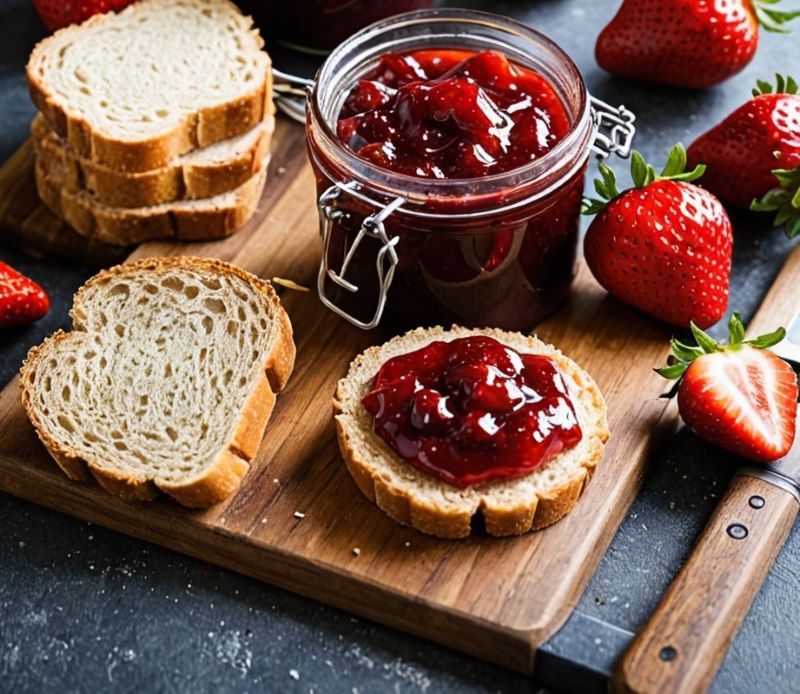
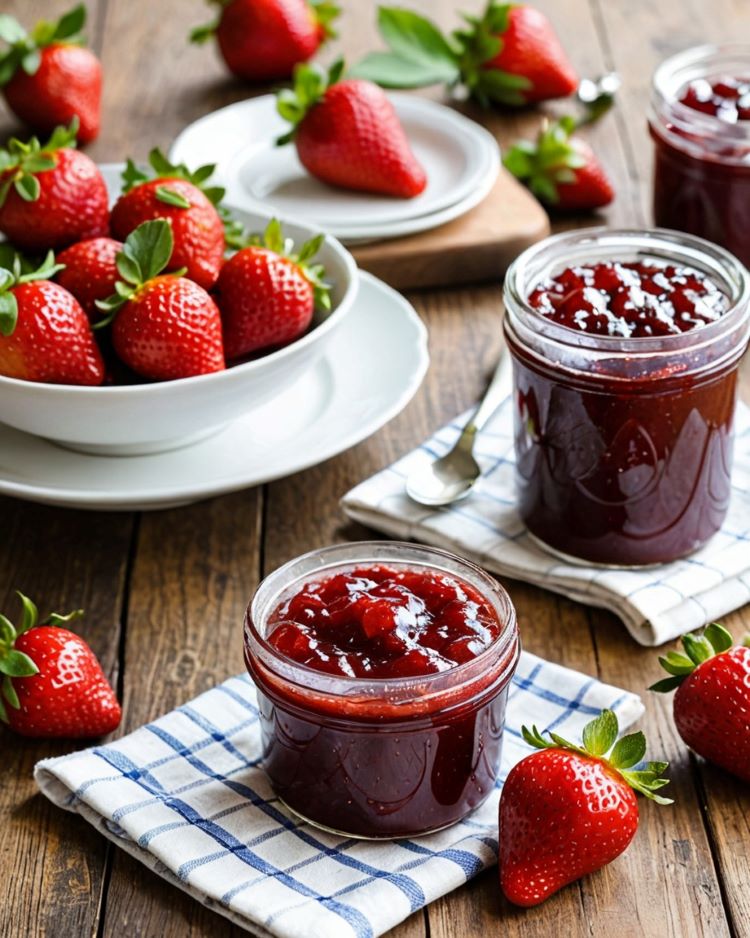
I love making fuss free healthy recipes for my little one. Strawberries have literally become synonymous to preserves and jams. With only a few ingredients, you can whip up homemade strawberry preserves in no time and it’ll keep so well in the fridge for weeks to come!

This delightful homemade preserve is one of my son’s favourite and it is super easy to make. He enjoys it with almost anything – pancake, on a toast, parantha. It takes only 5 ingredients and tastes so much better than the store bought ones which are laden with sugar, artificial colours and preservatives.

This preserve is made in smaller batch without the use of pectin. But this recipe can be doubled or tripled to make a larger batch of preserve. If you want the preserves to last longer than three weeks in the refrigerator, you’ll need to process the jars in a hot water canning bath.

Do make this strawberry preserve when berries are in season and I am sure you will love it.
It tastes delicious. It’s healthy and its is ready in flat 20 minutes. 

This preserve does not contain any processed sugar. It is not sickly sweet. This is something your child and your family can enjoy guilt free. I have added chia seeds to it for more nutrition and also it improves the texture of the preserve.

Ingredients

Prep time: 5 minsServing: makes 2 ounces
Cook time: 15 mins
  • 100 gms Strawberries
  • 1/2 cup Apple
  • 30 gms jaggery powder or unprocessed coconut sugar
  • 1.5 tbsps Chia seeds
  • 1 tbsp Lemon juice
  • 1 tsp Vanilla extract (optional but recommended)
  • 1/4th cup Water

Method

  1. Chop strawberries and apple finely. Add them in a pan. Keep the flame low. Cook for a minute. Now add coconut sugar or jaggery powder. 
  2. Stir till sugar melts. It should take a minute or two.
  3. Now add water. Cook till apple becomes mushy and the preserve thickens. It will roughly take 9-10 minutes. 
  4. Once it thickens, add lemon juice, vanilla extract and chia seeds. 
  5. Cook for a minute and Voila!!! It’s done 🙂

Notes:

  • You can skip apple here and add 1/2 cup more of strawberries or other berries of your choice.
  • Do not skip lemon juice. Lemon juice is required to set the preserve. The acid in it neutralizes the PH level of the mixture. 
  • Store in an airtight glass jar. Refrigerate for longer shelf life. Use within 3-4 weeks
  • Use a dash of cinnamon for a warm touch.

Enjoy good health! 🙂

Posted on Leave a comment

Sugar Coated Lies or Tasty Truths? You Decide!

In today’s health-conscious society, sugar has become more than just a sweet treat. It’s a topic of intense debate, wrapped in layers of scientific studies, dietary guidelines, and a dash of cultural nostalgia. But what’s the real story behind sugar’s impact on our health? Let’s sift through the facts, debunk the myths, and uncover practical ways to enjoy sugar without compromising our well-being.

Sugar Unveiled: More Than Just Sweetness

Sugar, in its many forms, is a fundamental component of our diet. It’s not just the granulated white substance we spoon into our morning coffee; it’s a complex category of carbohydrates that includes everything from the glucose that fuels our body to the fructose found in fruits. However, it’s the added sugars in processed foods that have raised alarm bells among health professionals.

The Heart of the Matter: Sugar and Your Health

Recent studies have shed light on the darker side of sugar, linking excessive consumption to an array of health issues. From heart disease to diabetes, and even to mental health concerns like depression, the evidence is stacking up against sugar. But it’s not just about the quantity; it’s the quality and source of sugar that matter.

Decoding Labels: The Hidden Sugars Among Us

One of the first steps to smarter sugar consumption is becoming a label detective. Added sugars lurk in many foods, often masquerading under names like corn syrup, dextrose, or sucrose. These added sugars contribute empty calories without nutritional benefits, tricking our bodies into craving more.

Sweet Alternatives: Finding Balance in Your Diet

So, how do we satisfy our sweet tooth without overloading on added sugars? Here are a few strategies:

  • Fruit First: Opt for natural sugars found in fruits. They come with fiber, vitamins, and minerals, offering a healthier energy boost.
  • Smarter Sweeteners: Explore natural sweeteners like honey or maple syrup in moderation. They offer more flavor, which means you might use less.
  • Savvy Substitutions: In recipes, reduce the amount of sugar and compensate with spices like cinnamon or vanilla for added sweetness without the sugar spike.

Beyond the Table: Sugar’s Cultural Sweet Spot

Sugar isn’t just a dietary component; it’s woven into the fabric of our celebrations and traditions. Understanding this cultural significance can help us make mindful choices, enjoying sugar in the context of tradition and moderation rather than daily excess.

A Spoonful of Reality: Embracing Moderation

The key to managing sugar intake isn’t about strict avoidance but about informed moderation. Here are some steps to start with:

  • Educate Yourself: Understanding the impact of sugar on the body empowers you to make healthier choices.
  • Mindful Eating: Savor your sweet treats without distraction, which can lead to more satisfaction with less.
  • Balance Your Diet: Ensure your meals are balanced with proteins, fats, and fibers that can help mitigate sugar’s impact on blood sugar levels.

The Sweet Conclusion

As we navigate the complex world of dietary sugars, the goal isn’t to demonize this essential carbohydrate but to understand its role in our diet and its effects on our health. By choosing our sugars wisely, seeking balance, and indulging in moderation, we can enjoy the sweet things in life without compromising our health.

This journey through the world of sugar aims to enlighten, empower, and encourage a balanced approach to dietary sweetness, ensuring that our choices lead to a healthier, happier life.

FAQs on “Sugar Coated Lies or Tasty Truths? You Decide!

1. What exactly is ‘added sugar’?

Added sugar refers to sugars and sweeteners added to foods and drinks during processing or preparation, unlike natural sugars found in fruits and milk. It’s these added sugars that you should watch out for in your diet.

2. How much added sugar is too much?

The American Heart Association recommends limiting added sugars to no more than 6 teaspoons (25 grams) per day for women and 9 teaspoons (38 grams) for men.

3. Can eating too much sugar really lead to health problems?

Yes, excessive consumption of added sugars has been linked to various health issues, including obesity, type 2 diabetes, heart disease, and tooth decay.

4. Are natural sugars better for you than added sugars?

Natural sugars, found in whole fruits and vegetables, come with essential nutrients, fiber, and water, making them a healthier choice than added sugars.

5. What are some common hidden sources of added sugar?

Added sugars can be found in unexpected places like bread, canned soups, pasta sauces, and salad dressings. Always read labels to identify hidden added sugars.

6. How can I reduce my added sugar intake?

Start by reading food labels, choosing products with no or low added sugars, reducing the sugar amount in recipes, and opting for fresh, whole foods over processed ones.

7. Are sugar substitutes a healthy alternative to sugar?

Sugar substitutes can be useful for reducing calorie intake and controlling blood sugar levels, but they should be used in moderation. Some people may experience digestive issues or other side effects.

8. Does cutting out sugar improve health?

Reducing excessive sugar intake, especially added sugars, can lead to better weight management, improved metabolic health, and reduced risk of chronic diseases.

9. Can I still enjoy sweets while reducing my sugar intake?

Absolutely! Opt for natural sweeteners like fruits in your desserts, use spices like cinnamon to add sweetness without sugar, and focus on portion control.

10. What’s the best way to start reducing sugar in my diet?

Begin by gradually reducing the amount of sugar you add to foods and drinks, and choose unsweetened or low-sugar versions of your favorite products. Over time, your taste buds will adjust to enjoy less sweet flavors.

Blog Tags

sugar intake, health risks, natural sugars, added sugars, sugar substitutes, dietary tips, nutrition facts, healthy eating, sugar reduction strategies, reading food labels

Posted on Leave a comment

Mastering the Art of Soft Serve Ice Cream

Diving into the world of soft serve ice cream is like embarking on a deliciously frosty adventure where science meets culinary art. For those of us who’ve always wondered why soft serve has that perfect creamy texture and how we can replicate it at home or in a professional setting, the answers lie in understanding the intricate balance of ingredients, temperature, and, surprisingly, physics. This post will explore the secrets behind crafting the perfect soft serve ice cream, combining expert insights and scientific studies to elevate your frozen dessert game.

The Role of Air: Soft Serve’s Secret Ingredient

One of the defining characteristics of soft serve is its light, airy texture, which is achieved by incorporating air into the ice cream mix during the freezing process. Unlike traditional ice cream, which contains less than 30% air, soft serve can consist of up to 60% air. This not only gives it a softer consistency but also makes it feel smoother on the palate. The trick is to keep the air bubbles small and evenly distributed, a feat achieved through the precise mechanics of soft serve machines.

The Science of Freezing: Temperature Precision

Soft serve’s texture is also a result of meticulous temperature control. The mix must be kept at a temperature just below the freezing point of water, allowing it to remain soft and pliable. This delicate balance is maintained by soft serve machines, which churn the mix while keeping it at the optimal temperature for serving. The freezing process is critical; too cold and the ice cream becomes hard, too warm and it turns into a liquid mess.

Crafting the Perfect Base: Milk Matters

The base of any ice cream, especially soft serve, starts with high-quality dairy. The choice of milk can dramatically affect the taste and texture of the final product. Jersey milk, known for its high fat and protein content, is often lauded for creating a richer, creamier ice cream. However, the fat content isn’t the only factor; the treatment of the milk, including pasteurization and homogenization, can also influence flavor. Non-homogenized, batch-pasteurized milk tends to retain a more complex flavor profile, adding depth to the ice cream.

Natural Ingredients for Flavorful Innovation

In the quest for the ultimate soft serve, the simplicity of ingredients cannot be overstated. A base made from fresh, natural ingredients not only offers a health advantage but also enhances the overall taste. Incorporating real vanilla bean, fresh fruit purees, or high-quality cocoa powder can transform your soft serve from a mere dessert to a gourmet experience. Moreover, experimenting with non-traditional flavors and ingredients, such as matcha or activated charcoal, can set your soft serve apart in a crowded market.

DIY Soft Serve: Tips for Home Enthusiasts

While professional soft serve machines are the gold standard for achieving that perfect texture, home enthusiasts aren’t out of luck. For those looking to try their hand at making soft serve at home, investing in a high-quality ice cream maker with an air incorporation feature is a good start. Remember, the key to success is maintaining the right temperature and incorporating air properly. Experiment with small batches, adjusting the air and temperature settings until you find the perfect balance for your taste.

Engaging with Your Audience

Soft serve ice cream isn’t just a treat; it’s an experience. Engaging with your audience by sharing behind-the-scenes looks at your process, experimenting with flavors based on customer feedback, and even hosting soft serve-making workshops can create a community around your brand. Encourage your readers or customers to share their own soft serve stories and preferences, fostering a sense of connection and community.

Conclusion: The Delightful Science of Soft Serve

Soft serve ice cream is more than just a summer staple; it’s a testament to the fascinating interplay of science and culinary skill. By understanding the principles behind air incorporation, temperature control, and ingredient selection, anyone from professional chefs to home cooks can master the art of making this beloved treat. So next time you enjoy a cone of soft serve, take a moment to appreciate the creamy science that makes it all possible. Whether you’re experimenting in your kitchen or dreaming up the next big flavor sensation, the world of soft serve is your oyster.

10 FAQs on Mastering Soft Serve Ice Cream

1. What makes soft serve different from regular ice cream?

Soft serve is lighter and softer due to its higher air content, sometimes up to 60% of its volume, compared to regular ice cream which contains less air.

2. Can I make soft serve at home without a professional machine?

Yes, while a professional machine can give you the best texture, high-quality home ice cream makers with air incorporation features can produce a close approximation.

3. Why is Jersey milk preferred for making soft serve?

Jersey milk has a higher fat and protein content, contributing to a creamier and richer tasting soft serve.

4. How important is the temperature in making soft serve?

Extremely important; maintaining the mix at a temperature just below freezing ensures it stays soft and doesn’t freeze solid.

5. Can I use plant-based milks for making soft serve?

Yes, plant-based milks can be used, but the texture and flavor might differ from dairy-based soft serve. Experiment with different types to find the best result.

6. What are some natural ingredients I can use to flavor soft serve?

Real vanilla bean, fresh fruit purees, high-quality cocoa powder, and even spices like cinnamon can add unique and natural flavors to your soft serve.

7. How do I achieve the perfect air incorporation at home?

Use an ice cream maker that allows for air to be mixed in as it freezes the soft serve, and follow the manufacturer’s instructions for the best results.

8. Is it safe to consume soft serve made from raw milk?

Consuming products made from raw milk carries a risk of foodborne illnesses. It’s advisable to use pasteurized milk for safety.

9. How can I prevent my soft serve from becoming too icy?

Ensure your mix is cold before churning, and if your machine allows, adjust settings to minimize ice crystal formation by churning at the correct speed and temperature.

10. What’s the best way to store homemade soft serve?

Soft serve is best enjoyed immediately after it’s made, but if you must store it, keep it in a tightly sealed container in the coldest part of your freezer for a few hours.

Blog Tags

soft serve, ice cream making, dairy science, Jersey milk, homemade ice cream, natural ingredients, dessert recipes, culinary science, kitchen gadgets, food safety

Posted on 1 Comment

7 Amazing Benefits of Amla for Diabetes

The Indian Gooseberry, or Amla, is a remarkable fruit that holds a venerable position in Ayurvedic medicine, renowned for its myriad health benefits, particularly in the context of diabetes management. This guide aims to delve deeper into the multifaceted benefits of amla for individuals with diabetes, underpinning the scientific rationale behind its efficacy, offering practical advice on its incorporation into daily life, and navigating its potential with a nuanced understanding.


Amla: A Cornerstone of Holistic Diabetes Care

Amla isn’t just another dietary supplement; it’s a holistic health enhancer with a rich history in traditional medicine. Its low glycemic index, high fiber content, and abundance of antioxidants make it a formidable ally against diabetes. Let’s unwrap the layers of benefits amla offers to those looking to manage their blood sugar levels more naturally.

Unpacking the Benefits of Amla in Diabetes Management

  1. Glycemic Control: Amla’s ability to modulate blood sugar levels stems from its low glycemic load, ensuring a minimal impact on your blood sugar spikes. Its active components, like gallic acid, ellagic acid, and corilagin, contribute to its antidiabetic properties.
  2. Antioxidant Haven: The extraordinary antioxidant capacity of amla, primarily due to vitamin C and other polyphenols, safeguards the body against oxidative stress, a key player in diabetes progression and its complications.
  3. Insulin Sensitivity Enhancer: Amla has shown promise in enhancing insulin sensitivity, thereby improving glucose uptake by the cells and aiding in effective blood sugar regulation. This is particularly beneficial for those struggling with insulin resistance.
  4. Lipid Metabolism: Regular intake of amla can lead to an improved lipid profile, reducing the risk of cardiovascular diseases that are often a concern for those with diabetes. It has a significant effect on reducing bad cholesterol levels while boosting the good ones.
  5. Immunity Booster: Diabetes can compromise the immune system, making individuals more susceptible to infections. Amla, with its high vitamin C content, strengthens the immune response, offering protection against common pathogens.
  6. Diabetic Complication Deterrent: By managing blood sugar levels and reducing oxidative stress, amla can play a crucial role in preventing or delaying the onset of diabetes-related complications, such as neuropathy, nephropathy, and retinopathy.
  7. Digestive Health Promoter: Amla aids in digestion and ensures smooth functioning of the gut. A healthy digestive system is pivotal in managing diabetes, as it directly impacts glucose metabolism and insulin sensitivity.

Strategies for Incorporating Amla into Your Diabetes Management Plan

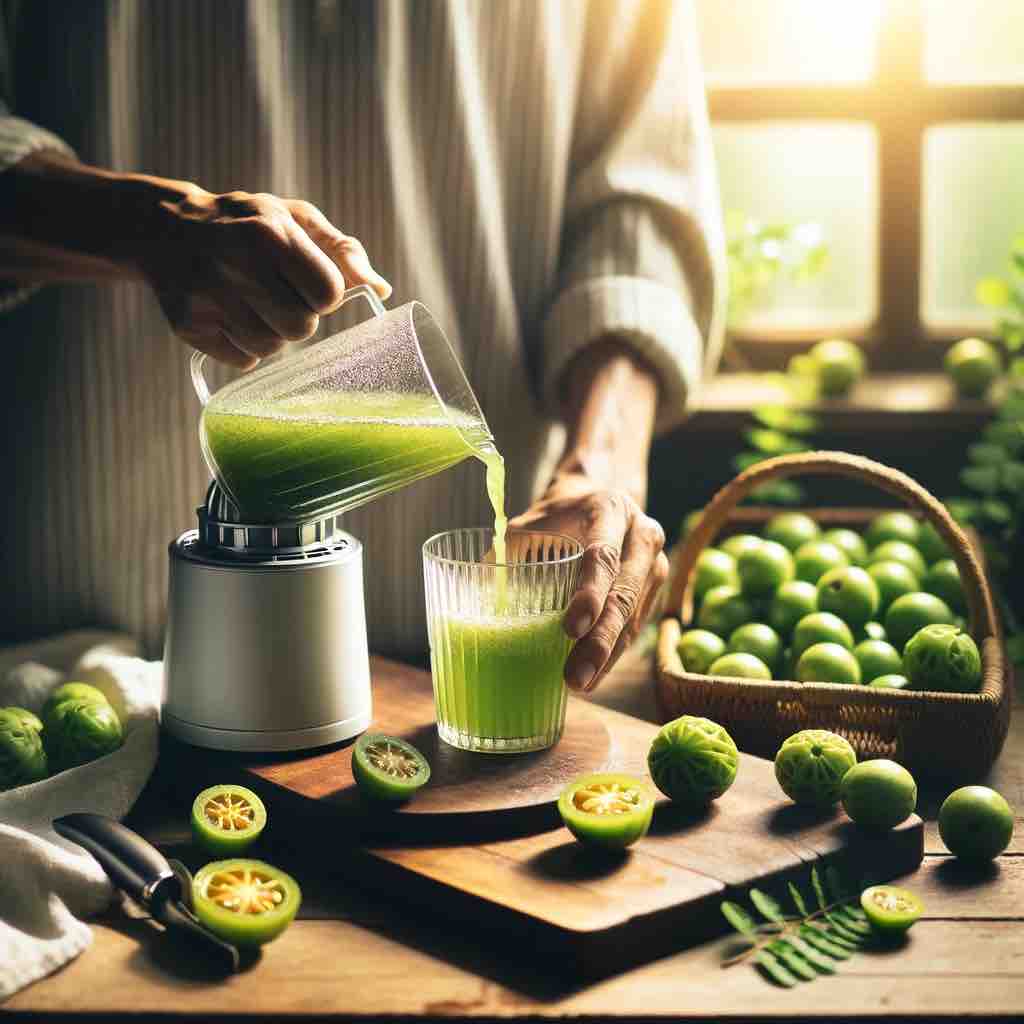
  • Start Your Day with Amla: Drinking amla juice first thing in the morning can kickstart your metabolism and stabilize your blood sugar levels from the get-go.
  • Amla Snacks: Fresh amla slices can be a refreshing midday snack. Its tangy flavor can be a delightful palate cleanser while offering all the metabolic benefits.
  • Creative Culinary Uses: Amla can be grated or powdered and added to dips, dressings, and even main dishes, enriching your meals with its nutritional profile.
  • Herbal Teas: Steep amla in hot water along with other herbs like ginger or cinnamon for a therapeutic herbal tea that aids in blood sugar control.
  • Supplemental Support: For those who find the taste challenging, amla is available in capsule or tablet form, providing a convenient way to get your daily dose.

Navigating Amla Consumption: Precautions and Recommendations

While amla is a potent natural remedy, its efficacy and safety can vary among individuals. It’s essential to:

  • Consult Healthcare Professionals: Before making amla a staple in your diabetes care regimen, consult with healthcare providers, especially if you are on other diabetes medications.
  • Moderation is Key: Excessive consumption can lead to digestive discomfort or interact with medications, underscoring the importance of moderation.
  • Quality Matters: Opt for organically grown amla to avoid exposure to pesticides and ensure the highest nutrient content.

Conclusion: Embracing Amla for a Healthier Tomorrow

Amla’s role in diabetes management is a testament to the power of nature in nurturing health. By integrating amla into your diet and lifestyle, you embrace a holistic approach to diabetes management that not only targets blood sugar levels but also fortifies your overall health.

10 FAQs for “7 Amazing Benefits of Amla for Diabetes”

1. How does amla help manage diabetes?
Amla helps in managing diabetes by enhancing insulin sensitivity, reducing blood sugar levels, and improving the body’s natural insulin response due to its rich antioxidant content and low glycemic index.

2. Can amla juice be consumed daily for diabetes control?
Yes, consuming amla juice daily, especially on an empty stomach, can help regulate blood sugar levels. However, moderation is key, and it’s best to start with small amounts to assess tolerance.

3. Is there a specific time to consume amla for it to be most effective in diabetes management?
Consuming amla juice in the morning on an empty stomach is considered most beneficial. However, amla can be incorporated into the diet at different times based on personal convenience and preference.

4. Can amla cure diabetes?
While amla cannot cure diabetes, it is a powerful adjunct in managing the condition. Its consumption should complement prescribed diabetes treatments and a healthy lifestyle.

5. How much amla should I consume daily?
It is recommended not to consume more than 1-2 amlas per day. In the case of amla juice, starting with 30-60 ml per day is advisable.

6. Are there any side effects of consuming amla?
Excessive consumption of amla can lead to dehydration and constipation due to its diuretic nature. It’s important to consume it within recommended limits.

7. Can I eat amla if I have gestational diabetes?
Amla can be beneficial for managing gestational diabetes, but it’s crucial to consult with a healthcare provider for personalized advice.

8. How can amla be included in a diabetic diet?
Amla can be consumed fresh, as juice, in powdered form, or as part of various dishes. Incorporating it into salads, smoothies, or even as a condiment can be beneficial.

9. Does amla interact with diabetes medications?
Amla may enhance the effects of diabetes medications by further lowering blood sugar levels. Monitoring blood sugar levels and consulting with a healthcare provider is recommended.

10. Can amla improve insulin resistance?
Yes, amla is known to enhance insulin sensitivity, thereby helping to improve insulin resistance, a common issue in type 2 diabetes.

Blog Tags

amla, diabetes management, blood sugar control, natural remedies, Ayurvedic medicine, antioxidants, insulin sensitivity, heart health, dietary fiber, holistic health

Posted on 1 Comment

Berry Blast: 5 Energizing Clove-Blueberry Drinks to Supercharge Your Morning

Introduction: A Symphony of Flavors to Start Your Day Awaken your senses each morning with our specially curated Berry Blast collection. These five clove-blueberry drink recipes are not just about tantalizing your taste buds; they’re a perfect blend of health, flavor, and energy to kickstart your day. Let’s dive into these delectable concoctions that blend the tangy sweetness of blueberries with the exotic spice of cloves.

1. Clove-Infused Blueberry Morning Zest

  • Ingredients: Fresh blueberries, ground cloves, natural honey, Greek yogurt, and a splash of almond milk.
  • Method: Blend the blueberries and yogurt, adding a pinch of ground cloves for a spicy twist. Sweeten with honey and thin with almond milk to your desired consistency. This smoothie is not just a drink; it’s a nutrient-packed breakfast in a glass, offering a perfect balance of antioxidants and probiotics.

2. Blueberry-Clove Energizing Iced Tea

  • Ingredients: Black tea leaves, fresh blueberries, ground cloves, lemon slices, and honey.
  • Method: Brew the tea and let it cool. Muddle blueberries and cloves together, adding them to the tea with a hint of lemon and honey. This iced tea is a refreshing way to stay hydrated, and the cloves add a surprising warmth to the cool blueberry flavor.

3. Sparkling Blueberry-Clove Morning Potion

  • Ingredients: Blueberry puree, ground cloves, sparkling water, lemon juice, and maple syrup.
  • Method: Blend blueberries into a smooth puree. Mix in a pinch of cloves, lemon juice, and maple syrup. Top off with sparkling water for a fizzy, light drink that dances on the palate, leaving you feeling refreshed and invigorated.

4. Blueberry-Clove Power Smoothie

  • Ingredients: Frozen blueberries, banana, a dash of ground cloves, spinach, chia seeds, and coconut water.
  • Method: Combine all ingredients in a blender until smooth. This power-packed smoothie is perfect for post-workout recovery or a quick energy boost, with the cloves providing a subtle yet invigorating kick.

5. Warm Blueberry-Clove Morning Elixir

  • Ingredients: Blueberries, whole cloves, cinnamon stick, apple cider, and a touch of agave syrup.
  • Method: Simmer blueberries, cloves, and cinnamon in apple cider, adding agave to taste. This warm beverage is ideal for chilly mornings, combining the soothing warmth of cloves with the comforting taste of spiced blueberries.

Conclusion: Unleashing the Power of Blueberries and Cloves Each of these drinks is a testament to the magic that happens when you pair the antioxidant-rich blueberry with the aromatic clove. Not only do these ingredients offer a burst of flavor, but they also bring a plethora of health benefits to your morning routine. Whether you’re seeking a cold, refreshing start or a warm, comforting wake-up call, this Berry Blast collection has something for everyone. So tomorrow morning, as you seek to energize your day, reach for a glass of clove-blueberry bliss and feel the difference in your step!

10 FAQs for “Berry Blast: 5 Energizing Clove-Blueberry Drinks to Supercharge Your Morning”

  1. What are the health benefits of combining cloves and blueberries in a drink? Blueberries are rich in antioxidants, while cloves offer anti-inflammatory properties. Together, they boost immunity, improve digestion, and provide a rich source of vitamins and minerals.
  2. Can these clove-blueberry drinks help with weight loss? Yes, these drinks can aid in weight loss. Blueberries are low in calories and high in fiber, while cloves help in metabolism regulation.
  3. Are these drinks suitable for diabetics? In moderation, yes. The natural sugars in blueberries are balanced with fiber, and cloves do not impact blood sugar levels significantly. However, always consult a healthcare provider for personalized advice.
  4. Can I use frozen blueberries for these recipes? Absolutely! Frozen blueberries are a great alternative to fresh ones and can be used directly in the recipes.
  5. Is there a non-dairy alternative I can use in these recipes? Yes, you can use any plant-based milk like soy, oat, or coconut milk as a non-dairy alternative in these recipes.
  6. How can I store these drinks? Most of these drinks are best enjoyed fresh, but you can store them in the refrigerator for up to 24 hours. The iced tea and lemonade may last a bit longer.
  7. Are these drinks kid-friendly? Yes, these drinks are healthy and delicious for kids. Just ensure the clove flavor is mild as it might be strong for young taste buds.
  8. Can I add protein powder to these drinks? Definitely! Adding protein powder, especially to the smoothies, can make them a more filling post-workout drink.
  9. How can I make these drinks sweeter without adding sugar? You can sweeten these drinks naturally with honey, agave syrup, or ripe bananas for added sweetness without refined sugar.
  10. Can I prepare these drinks in advance? The smoothies are best made fresh, but the iced tea and lemonade can be prepared in advance and refrigerated.

Blog Tags for the Post: blueberry recipes, clove benefits, healthy drinks, morning boost, antioxidant-rich, immune boosting, weight loss, diabetic-friendly, dairy-free options, kid-friendly drinks, natural sweeteners, make-ahead beverages