Posted on 5 Comments

Chia Pudding – Steel Cut Oats, Mango, Chia Seeds, Fox Nuts

Lately, I’ve developed a deep affection for steel-cut oats. It’s surprising how quickly they’ve become a comfort food for me—something I genuinely look forward to eating, unlike many so-called ‘healthy’ alternatives. Of course, ‘healthy’ is subjective and should be defined by individual needs and preferences. Here is something that my git finds to be extremely healthy maybe something you might want to try as well.

Why Steel-Cut Oats?

Steel-cut oats offer a wholesome bowl of nourishment, combining whole, natural foods with a delicious taste. Their texture, fiber, and smoothness are simply amazing. Steel-cut oats are a fantastic source of fiber and essential nutrients, which can support digestion and overall wellness. If you haven’t tried them yet, I highly recommend giving them a go.

My Go-To Recipe

Here’s a basic recipe that I follow:

  1. Roast the Oats: Start by roasting the steel-cut oats to enhance their flavor.
  2. Cook the Oats: Boil the roasted oats in a pressure cooker until they are tender.
  3. Add Milk: Once the oats are cooked, stir in some milk and refrigerate them to chill. I usually let them sit overnight to allow the milk and flavors to meld together.

Flavor Boost: Mango Magic

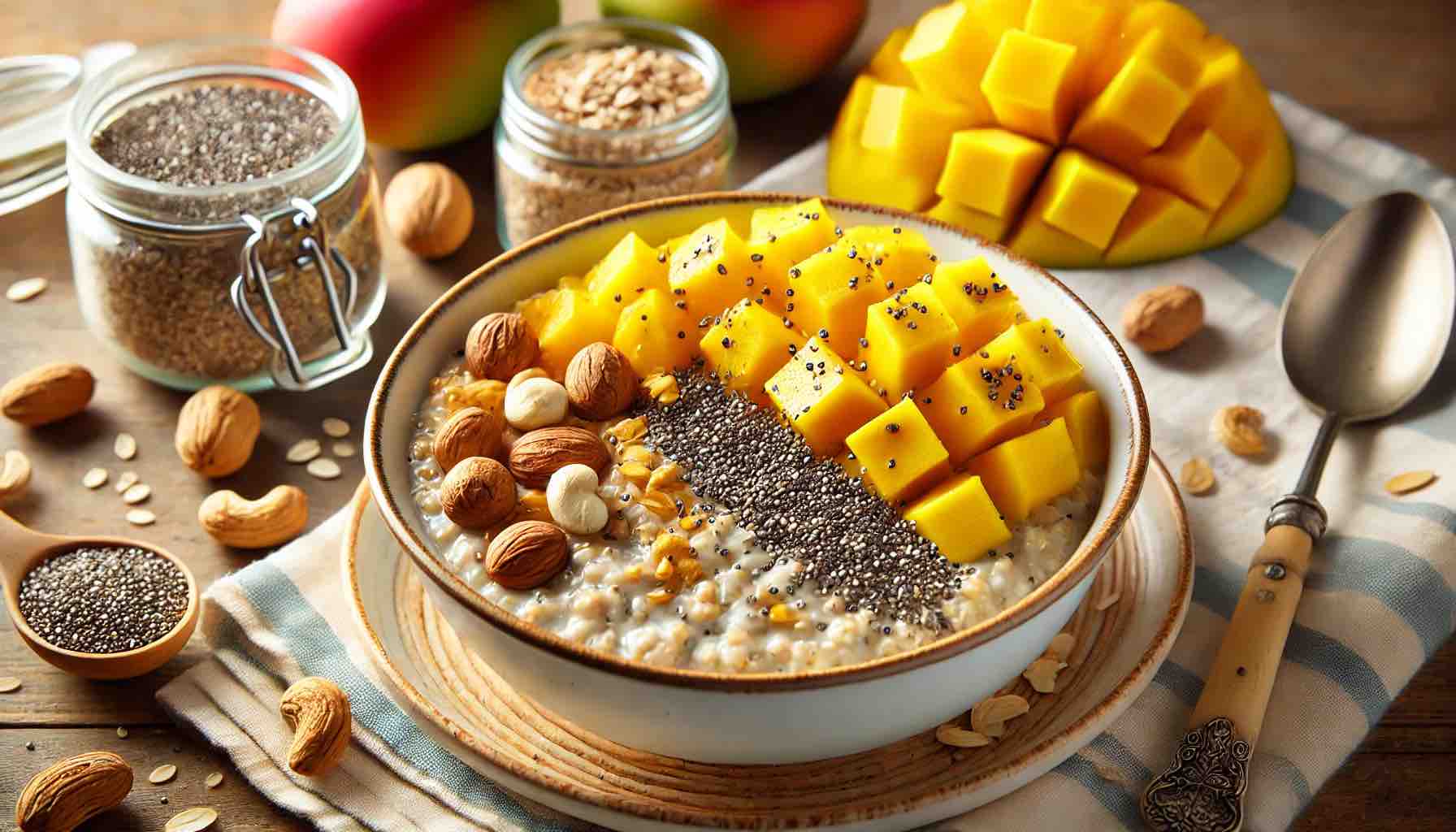
A major reason I’ve fallen for this dish is the mango season. I add a mango or two, chopped into bits. The natural sweetness of the mangoes is so satisfying that I skip any added sugar or sweeteners. Instead, I let the mangoes infuse their sweetness into the oats as they soak overnight.

Nutritional Enhancements

To add more texture and nutritional value, I also include:

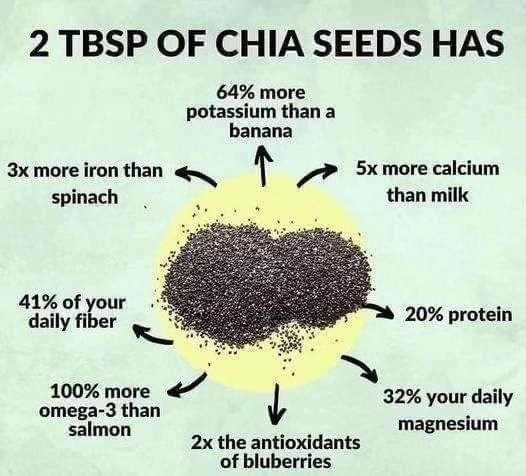
  • Chia Seeds: About a tablespoon or two.
  • Fox Nuts (Makhane): Or other nuts, berries, or seeds.

This combination works wonderfully and provides a super prebiotic boost for my system. After experimenting with different ingredients, I found that chia seeds and makhane made a significant difference, prompting me to share this recipe.
Serving Suggestions

For an extra touch of flavor, consider adding:

  • Roohafza: A splash on top.
  • Cinnamon: A sprinkle for added warmth.

Feel free to experiment with different fruits, like berries or apples, depending on the season.

Personal Note

When I mention the ‘result,’ I’m not only referring to the taste but also how it makes my stomach feel the next day. The combination of steel-cut oats, mangoes, chia seeds, and makhane seems to act as a super prebiotic for my system, which is probably complemented by a kombucha tasting session later in the day. This dish fits perfectly into my daily routine, providing a satisfying and nutritious start to my day.

Posted on 2 Comments

Spinach Chicken Curry| Palak Chicken| Murg Saagwala Recipe

If you are from Delhi, you must have eaten Palak Chicken from various outlets in the city. Whether it’s Connaught Place or Sadar Bazar area, the aroma and flavors of this curry are out of this world. Palak Chicken Curry, a delightful blend of tender chicken and vibrant spinach, is a dish that you surely going to love. The first thing that strikes you about Palak Chicken is its vibrant green color, a visual treat that promises a healthy, nutritious meal. The curry is made by blending spinach leaves into a smooth, luscious puree, which forms the base of the dish. Let’s see how you can make this.

Ingredients:

For Marinating Chicken:

1/2 kg Chicken
1/2 tsp Turmeric Powder
1 tsp Red Chili Powder
1 tsp Kashmiri Red Chili Powder
1 tsp Chat Masala
Juice of 1 Lemon

For Dry Roast Masala:

1 tsp Cumin Seeds
1 tsp Black Peppercorns
1 tsp Fennel Seeds
2-3 Whole Red Chilies
1 tbsp Coriander Seeds
2-3 Cashews

Other Ingredients:

200g Spinach (blanched)
2 tbsp Curd
Curry Leaves
2-3 Cloves
1 Cinnamon Stick
Green Cardamom
2-3 tbsp Oil
Ginger-Garlic Paste
1 Onion (paste)
1 cup Water
Fresh Coriander Leaves (for garnish)

Method:

Marinate the chicken: In a bowl, mix the chicken with turmeric powder, red chili powder, Kashmiri red chili powder, chat masala, and lemon juice. Allow it to marinate for at least 30 minutes.

Heat 1-2 tbsp of oil in a non-stick pan. Fry the marinated chicken pieces on medium flame for about 4-5 minutes on each side, ensuring the outer surface becomes crisp without releasing too much moisture. Set aside.

In a Kadhai or deep pan, heat some oil and add curry leaves, cloves, green cardamom, and cinnamon stick. Let them sizzle, then add ginger-garlic paste and onion paste. Fry for a few minutes until the onions turn golden brown.

Meanwhile, dry roast cashew nuts, dry red chilies, fennel seeds, cumin seeds, black peppercorns, and coriander seeds on low flame for about 3 minutes until fragrant. Add the blanched spinach leaves and 1 cup of curd. Blend everything together into a smooth paste.

Add this spinach and curd paste to the Kadhai with the fried onions and spices. Fry on medium-high heat for 4-5 minutes. Add 1 cup of water and close the lid, turning the flame to low for a minute. This helps to cook the spinach mixture. Now, add the fried chicken pieces to the Kadhai, giving them a mix to coat with the spinach curry. Close the lid and simmer on low flame for 10-12 minutes, allowing the flavors to meld together.

Garnish your Spinach and Chicken Curry with fresh coriander leaves and enjoy your homemade Spinach and Chicken Curry🍗🤩

I hope you enjoyed reading this recipe. Do give this recipe a shot. I am sure this recipe will bring you a lot of joy. If you try this recipe, do give us a shout out. Just click a picture and tag us on @masala.monk or use the hashtag #MasalaMonkRecipe and share on Instagram and Facebook. We would love to hear from you. Happy Cooking!

Posted on Leave a comment

Is Ice-Cream Helping You Beat the Summer Heat?

Yes, summers are here, and the scorching heat is unbearable. Our natural instinct is to grab something cold and what better way to beat the heat than an ice-cream. It’s cool, creamy, delicious and triggers dopamine rush. It gives a cooling sensation on the tongue; the flavour and overall sweetness contributes to the positive experience of enjoying this treat. It is hard to pass that feeling of instant pleasure. But before you grab that ice-cream, know the science behind what an ice-cream does to your body heat, so that next time when you require something to cool yourself, you’ll make a better choice.

How our body heat works?

To understand what ice-cream does to our body, we first need to know a bit about how our body controls temperature in different environments. The process of maintaining optimal body temperature by our body is called thermoregulation. Humans are warm blooded which means we can control our body temperature. Our body can constantly produce heat as a byproduct of internal chemical processes which is done by our metabolism. Our metabolism is responsible for correct functioning of our body. From breaking down food to absorbing nutrients to transporting them to different cells and then converting it into energy, metabolism makes it all possible. The heat this process generates is useful when outside temperature is cold but in summers, we need to avoid overheating.

How will Ice-Cream work once it gets digested?

It may seem logical to have something cold like an ice-cream in summers to cool yourself, however, once the components of the ice cream start to break down, the cooling effect is diminished. Its initial cooling effect is rapidly replaced by heat which is generated when the digestion process of ice cream starts. When the body needs to digest calorie rich foods, it produces a lot of heat to digest it which leads to increase in body temperature. Milk, sugar and all the cream added in an ice-cream are rich in calories. This will generate more heat in the body when outside temperature is already high. So, instead of having a cooling effect, it will have the opposite effect. The same goes for high calorie soft drinks- aerated drinks, packed juices. All of this will provide only a momentary respite from the heat but will not cool your body in the truest sense.

What can you actually do to keep your body cool in summers?

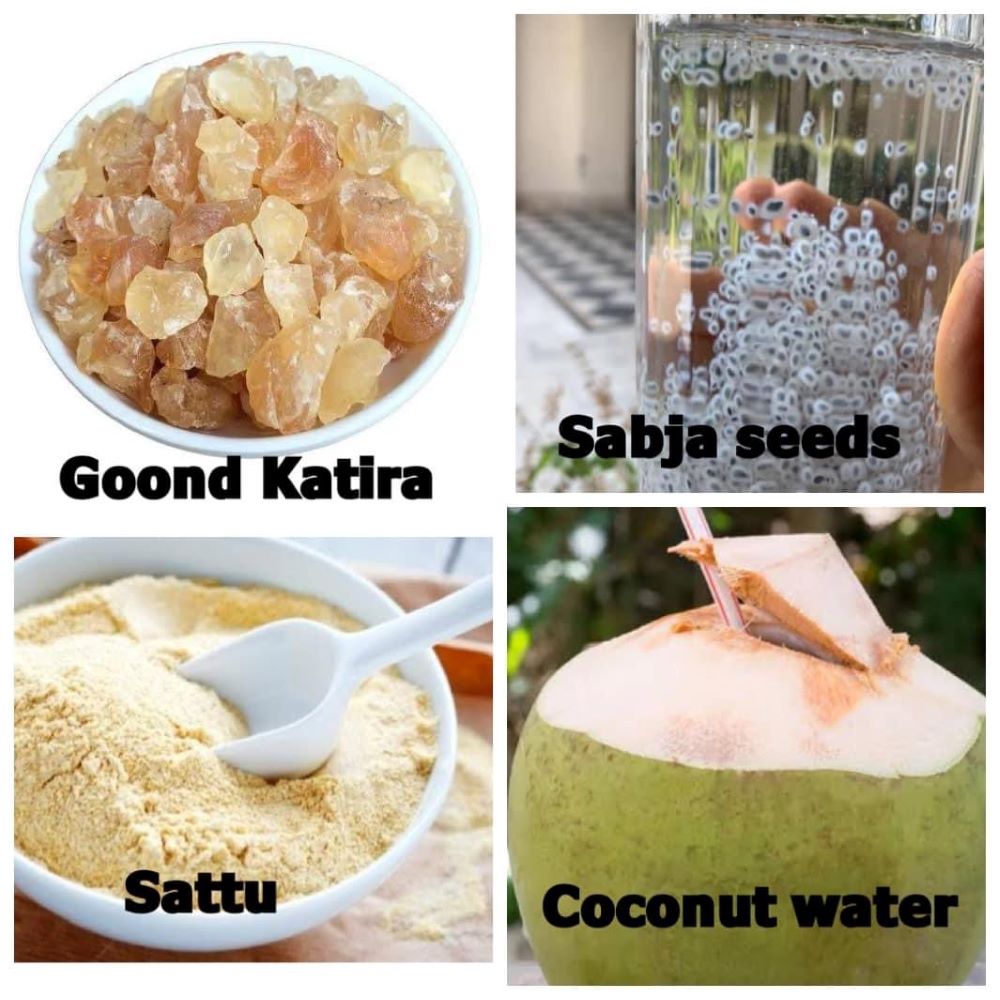
While it’s is ok to enjoy an ice-cream once in a while but as the mercury rises opt for a more balanced approach to beat the heat. Some of the best summer coolers are: 

Apart from this, warm beverages surprisingly are a good way to keep yourself cool. Drinking hot beverages cause your body to sweat which allows your body to cool down. Sweating is the most effective natural way for our body to lose heat. 

Eating spicy foods such as ginger, cayenne pepper and red chili peppers can cause you to perspire. When you eat spicy food, you might initially feel hot, but it triggers sweat response causing you to perspire and when the perspiration evaporates, it cools your body temperature. 

Lastly and most importantly, keep yourself hydrated. Drinking enough water is essential to maintain overall well-being and is one of the best ways to keep yourself cool.

Ayurvedic Perspective: 

According to Ayurveda, ice-cream has dampening qualities. It is cold, heavy, too sweet and lacks fire element. Fire or Agni in Ayurveda is referred to as digestive fire- energy that we all need for smooth digestion. Now imagine, pouring something cold and heavy on a blazing fire. Yes, exactly! The fire will diminish. Having too much of cold, sweet and heavy foods creates an imbalance in our body triggering conditions like excess mucus, lethargy, weight gain, allergies, indigestion, bloating and constipation. 

But if you really have a strong urge to grab that ice-cream cup, Ayurveda has some ways in which you can make this food little friendly for your body.

  • Consume your ice-cream around noon time, from 12:00 to 2:00 pm. This is the time when digestive fire is at its strongest. You will have plenty of time throughout the day to digest it. 
  • Go for ice-cream that has a bit of spice like cinnamon, nutmeg, ginger or even cayenne pepper. This gives your body some digestive support. 
  • Cardamom flavoured icecream is considered to be one of best antidotes to icecream. When cardamom is added to dairy products, it aids digestion and helps to reduce excess mucus production caused by dairy. 

Bottomline

Cold treats can be satisfying when the temperature is soaring however, it does have an opposite effect on your body. Instead of cooling your body, it will generate more heat. You can enjoy cold summer treats but remember moderation and maintaining a balance is the key to good health. Fix on better and natural summer coolants and remember to stay hydrated.

I hope this post helped you and next time when you get the craving, do remember this post. It will help you make informed choices. Stay happy and stay healthy! 🙂

Posted on Leave a comment

Know the right way of Consuming Turmeric Milk

We Indians are so well familiar with turmeric spice. Turmeric is so commonly used in India that you will find it in every spice box in a typical Indian household. Rarely you will find an Indian recipe prepared without a dash of turmeric, be it your vegetables or dal preparation. 

Growing up this spice used to be an answer to all our health and skin related issues in our grandmother’s book of wellness. Whenever you fell sick or got injured, your mother or grandmother was quick to force this liquid gold aka Haldi Dhood down your throat. Whether you had chronic cold, cough or stomach related problems, turmeric was antidote to everything. Now, as adults we do realize why our elders did what they did- the science behind their humble wisdom. What was once something our mothers and grandmothers coaxed us into gulping down, has become an international health phenomenon—and all the “golden milk” “turmeric latte” available in every cafe nowadays only reinforce the fact. 

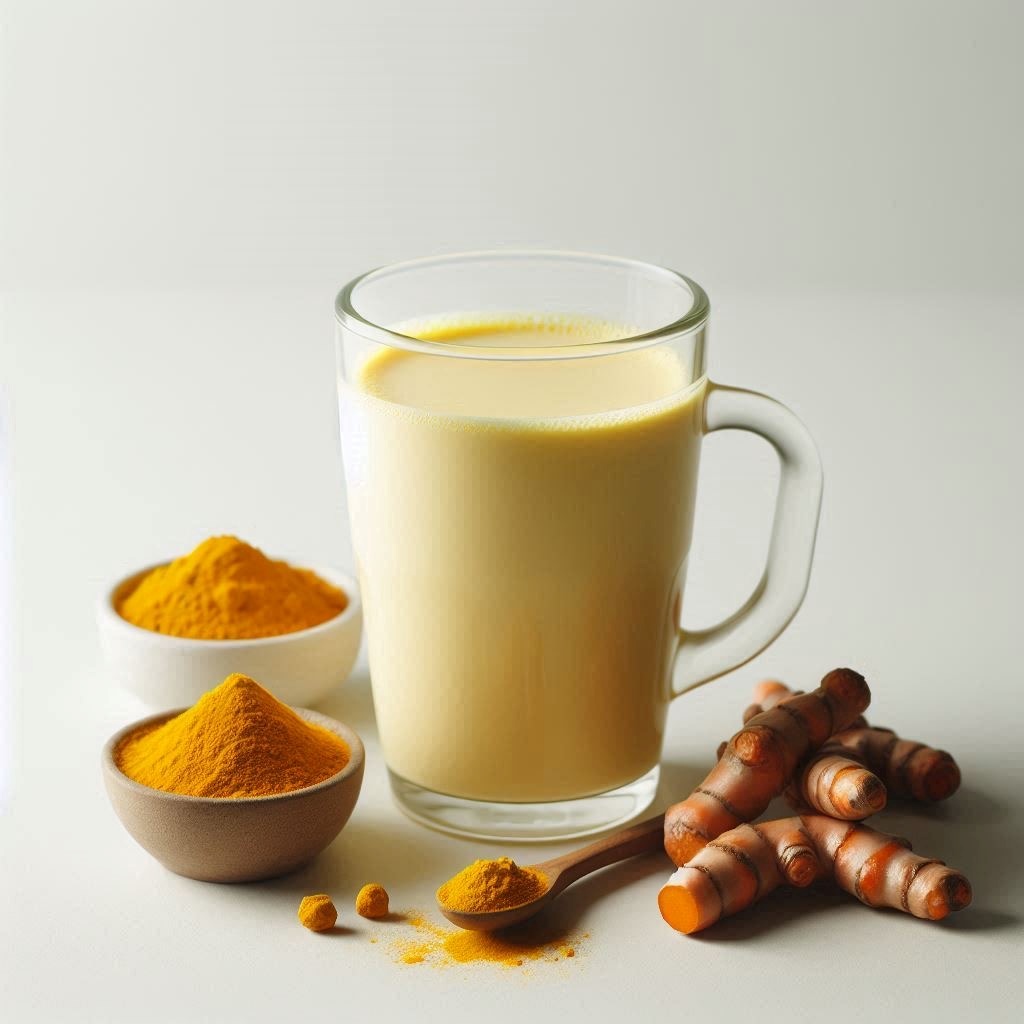
This spice provides innumerable benefits by itself but mix it with milk, and its benefits are doubled. Turmeric mixed with milk is a perfect bedtime drink that helps to reduce inflammation, poor immunity  and disturbed sleep patterns.

Below are all the reasons as to why turmeric milk should be part of your health depository. 

  1. May help fight cancer: Studies indicate that turmeric may offer some protection against cancer.
  2. Strong Bones: Nutrients in turmeric milk contribute to a strong skeleton, reducing your risk of bone diseases, such as osteopenia and osteoporosis.
  3. Reduces inflammation and joint pains: There hero component in turmeric in curcumin. It has strong antioxidants properties which helps to reduce inflammation in the body. Inflammation is a root cause of all the diseases. Having anti-inflammatory foods such as turmeric regularly can greatly reduce that risk. Also, it can help ease joint pains. Hence, it is extremely useful for people suffering from arthritis. 
  4. Helps in Cough and Cold: Consuming a glass of turmeric milk at night is the norm for most growing Indian kids, as this concoction not only provides relief from sniffles and coughs, but also protects against further infections. In fact, turmeric milk has an immediate effect on colds and coughs, as it removes excess phlegm from the body. If you are experiencing a sinus headache, a cup of turmeric milk might provide relief, as it eases mucus flow and promotes sinus drainage.
  5. Skin Benefits: Curcumin in turmeric has anti-bacterial and anti-inflammatory properties which will help in acne and clarifying the complexion. Traditionally, a glass of turmeric milk was given to brides-to-be to add glow to their complexion. For long, turmeric has been a key ingredient in skin care DIY routine for radiant and glowing skin. Turmeric mixed with fresh cream when applied as a mask on face gives an instant glow. 
  6. Induces better sleep: Turmeric milk when combined with saffron was granny’s one of the many remedies to treat insomnia. Dairy foods contain tryptophan, magnesium and zinc, which are essential for serotonin and melatonin production but its bioavailability is limited. When combined with curcumin, it is a game changer. 

Let’s see the correct way of making Turmeric Milk

The main compound in turmeric is curcumin. It makes up about 5% of turmeric. Our liver gets rid of foreign substances by making them water-soluble so that they can be excreted. That is where the role of black pepper comes. Black pepper contains piperine, which naturally helps inhibit drug metabolism. So, when the liver excretes curcumin, piperine can inhibit this process so that curcumin is not excreted. This explains how piperine can help to make curcumin more bioavailable. Research has found that consuming just 20mg of piperine per 2g of turmeric can increase curcumin absorption by up to 2000%. Hence, if you want all the benefits of turmeric milk, do not forget to add black pepper to it.

Recipe: For 1 cup

Ingredients

  1. A2 Cow’s Milk- 1 cup
  2. Turmeric Root: 1/2 inch
  3. Black pepper corns: 2
  4. Cardamom: 1
  5. Saffron: few strands
  6. Jaggery: 1 tsp or as per taste

Instructions

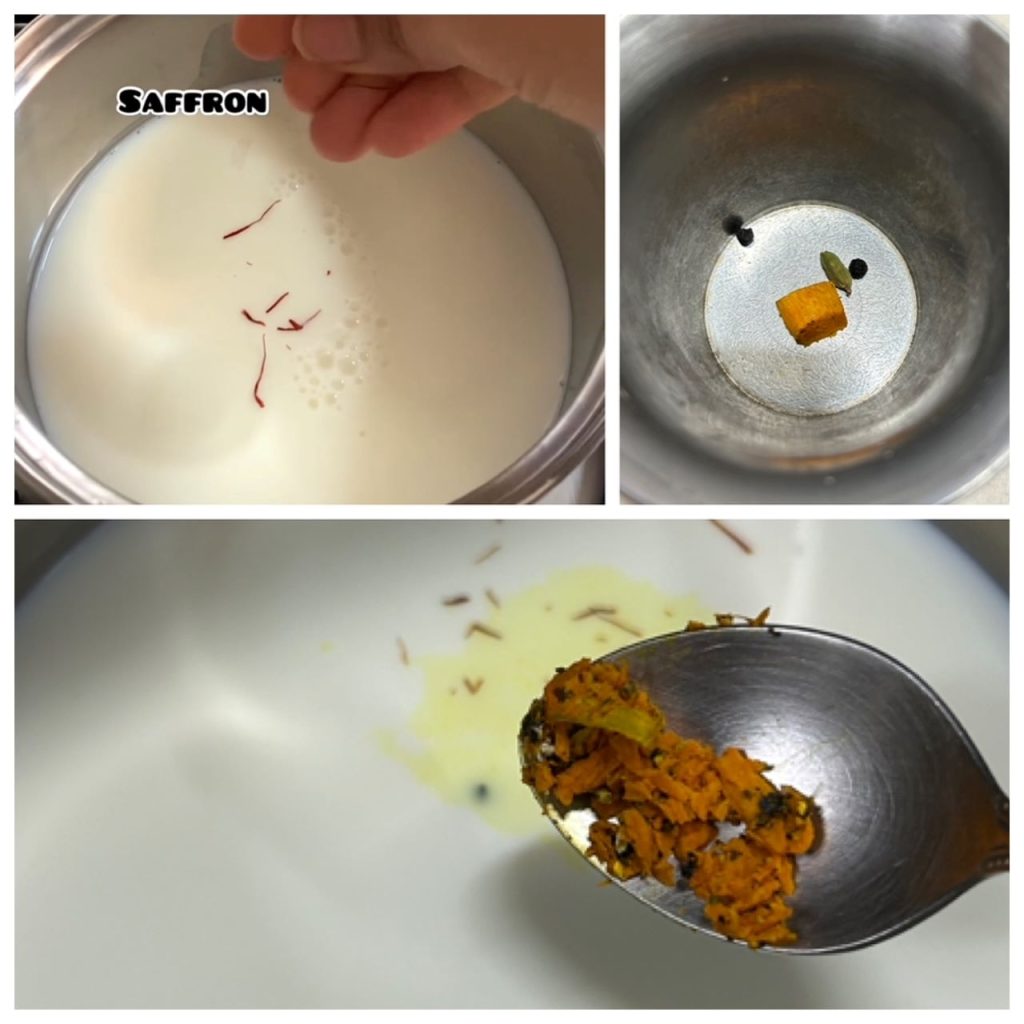
  • In a mortar pestle, add turmeric root, black peppercorns and cardamom. Bruise it a little. 
  • Now in a pan add milk, saffron strands and turmeric mix. Allow the milk to boil. 
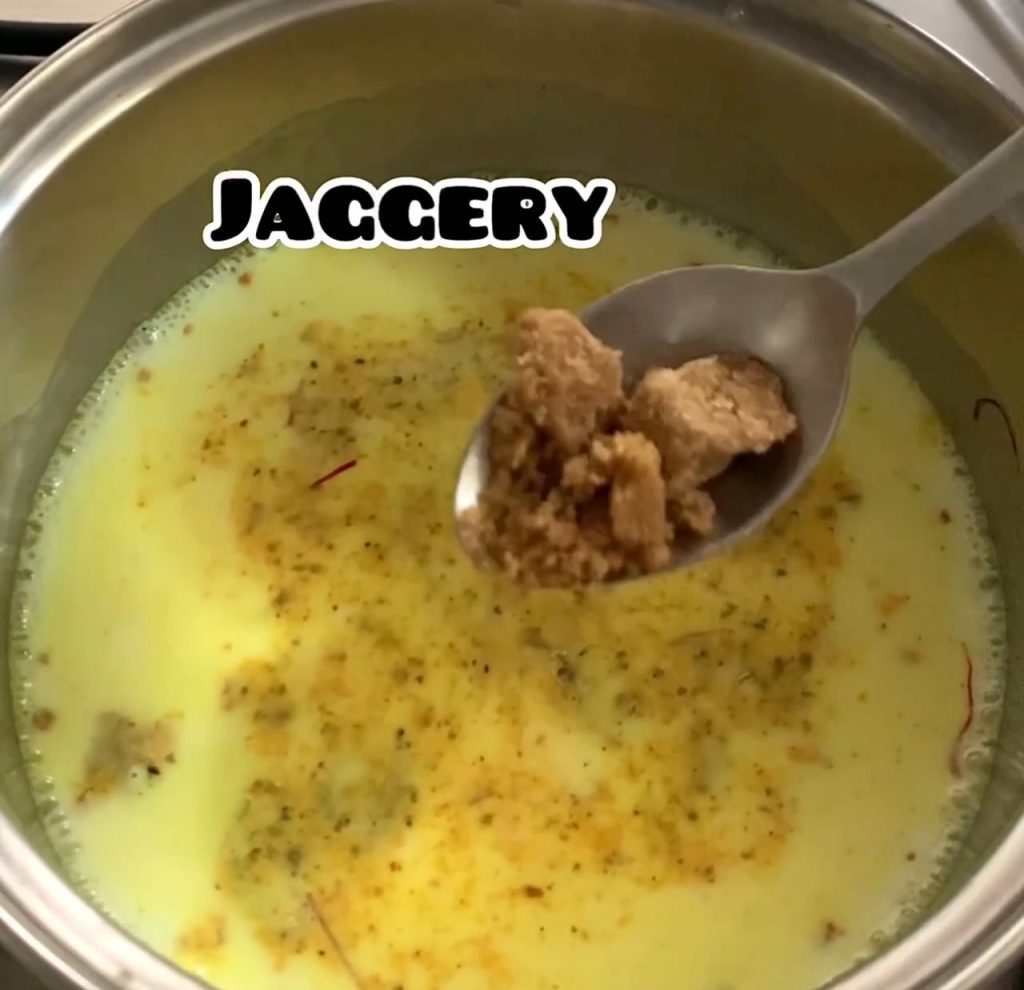
  • Then add jaggery powder and allow the milk to simmer for 2 minutes. Switch off the flame. 
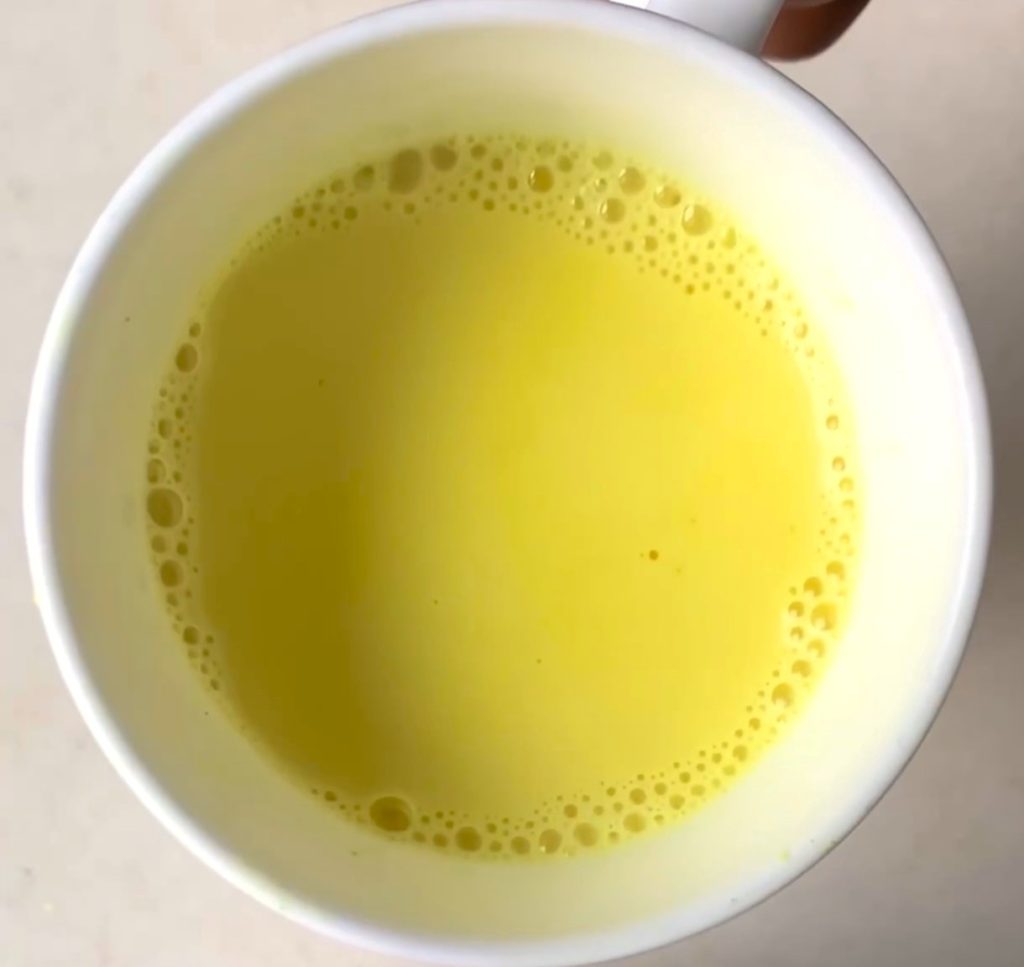
  • Cover and let the milk rest for 5 minutes. Sieve and serve warm. 

Notes: 

  1. Cardamom is added because it helps in digestion. It also helps to induce sleep and relieve stress or anxiety. 
  2. Saffron is added to help boost immunity and memory. It also helps to improve sleep quality and protects against flu. 
  3. You can use natural sweetener of your choice. Mishri (rock sugar) or coconut sugar works well too.
  4. Go for A 2 raw cow’s milk instead of pasteurized milk that comes in a packet or a carton. You can boil the raw milk before using it in turmeric milk.
  5. You can add other spices too like ceylon cinnamon or dry ginger powder.

I hope this recipe and information helped you. Do let us know how haldi dhood is prepared at your home. If you have any questions do let us know in the comments. We would love to hear from you. Stay happy and healthy! 🙂

Posted on 2 Comments

Savor the Flavors: Kerala Style Coconut Vegetable Stew

Few days back, when I visited my sister she made this delicious Kerala style vegetable stew with Malabar paratha. I couldn’t miss the opportunity to note down this recipe to share with you all.

This Extremely nourishing and comforting vegan curry stew with lots of vegetables subtly spiced and fragrant with coconut milk is something you should try.

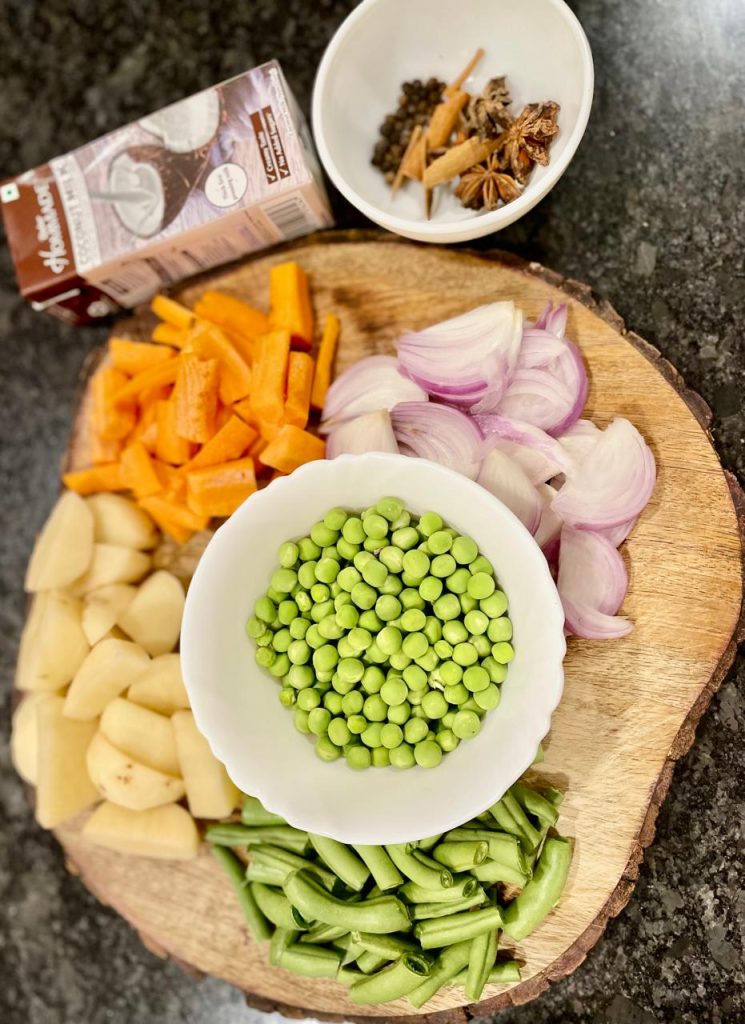
This simple vegetable stew is such an easy recipe that is wholesome and is loaded with vegetables. Potato, carrot, green beans and green peas are the most commonly added vegetables to this vegetable stew

Ingredients:

  • 250g Chopped Potatoes
  • 250g Chopped Beans
  • 250g Chopped Carrot
  • 250g Chopped Onion
  • 100g peas
  • 200ml Coconut Milk
  • 1 Star Anise
  • 1 Inch Cinnamon Stick
  • 6-7 Black Peppercorn
  • ½ tbsp pepper powder
  • 5-6 Curry Leaves
  • 2 tbsp Oil
  • Salt

Method:  

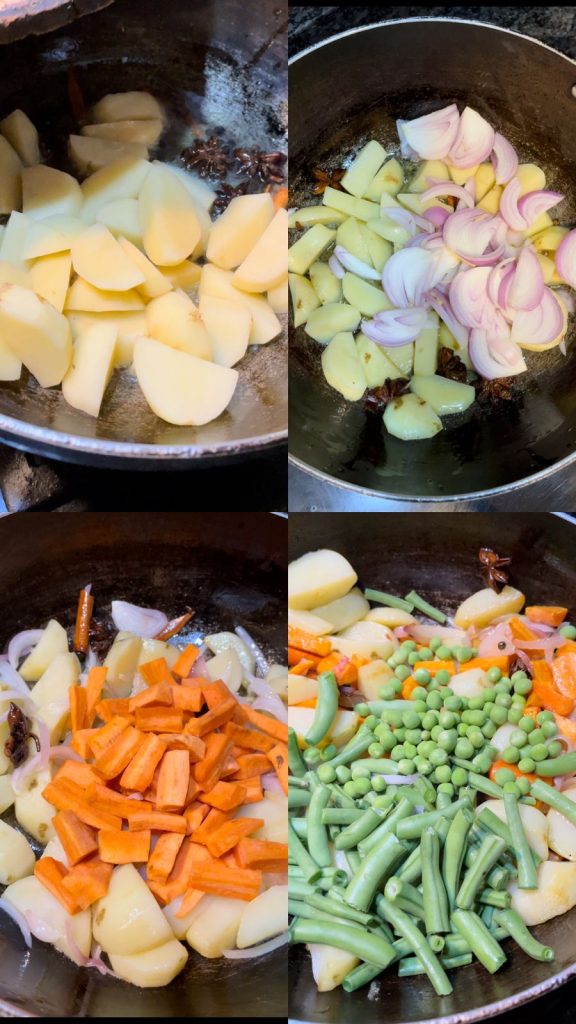
Wash, pat dry and cut all the vegetables into equal sized pieces .

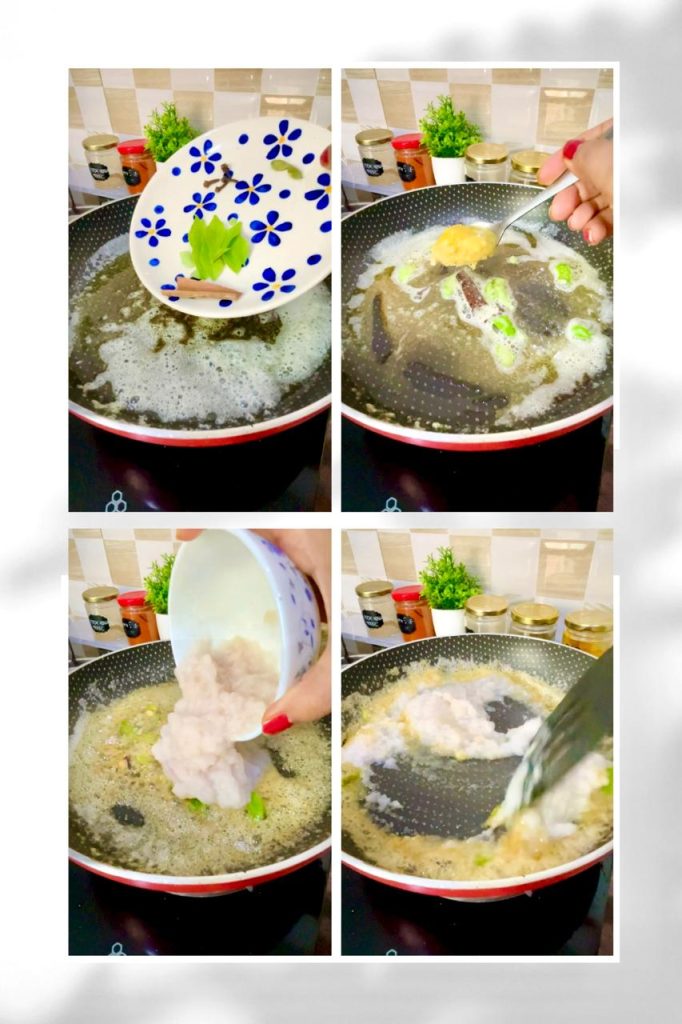
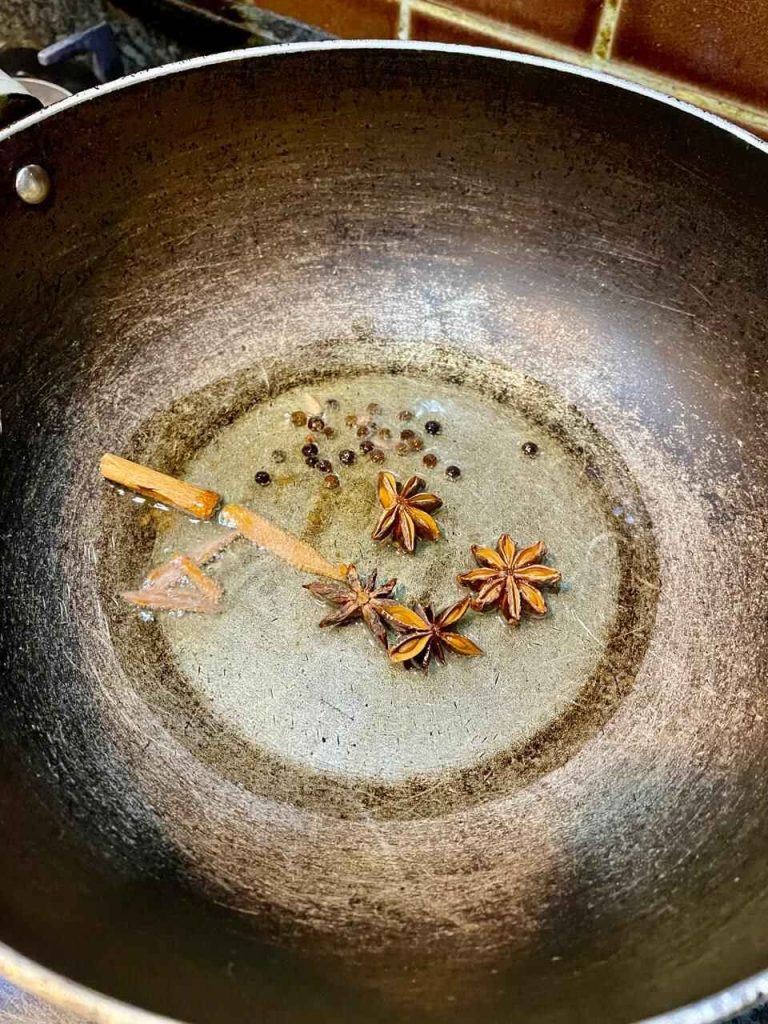
Heat a large pot or deep pan over medium heat. Add Oil if you want more coconut flavour add coconut oil and whole garam masala star anise, cinnamon stick and black peppercorns to the pot. Saute for a minute until fragrant.

Add the chopped potatoes, beans, carrots, onions and green peas to the pot. Stir well to combine with the onions and spices.

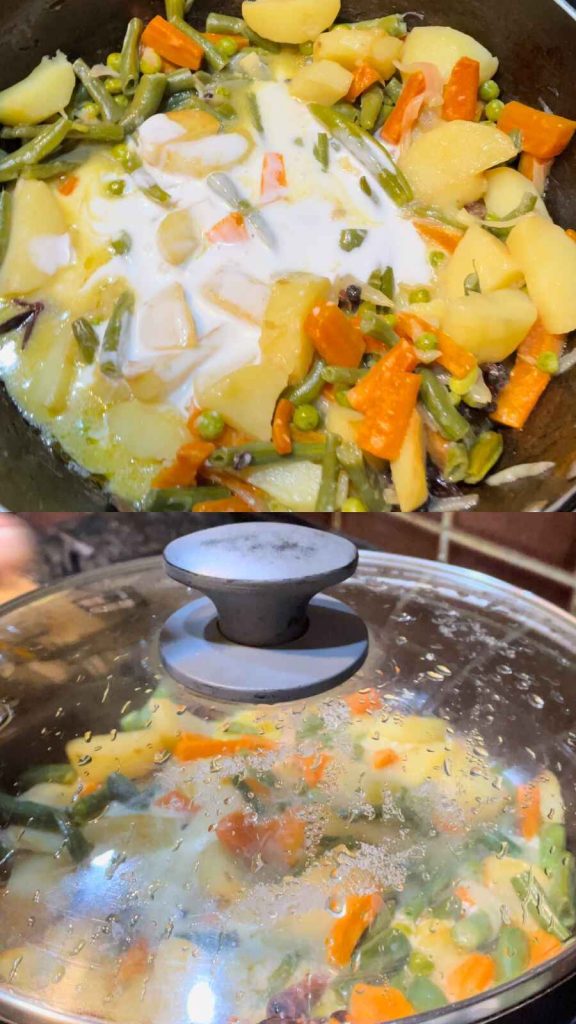
Now Pour in the coconut milk and mix thoroughly. Bring the mixture to a gentle simmer. Cover the pot with a lid and let the vegetables cook in the coconut milk for about 10-15 minutes or until they are tender and cooked through.

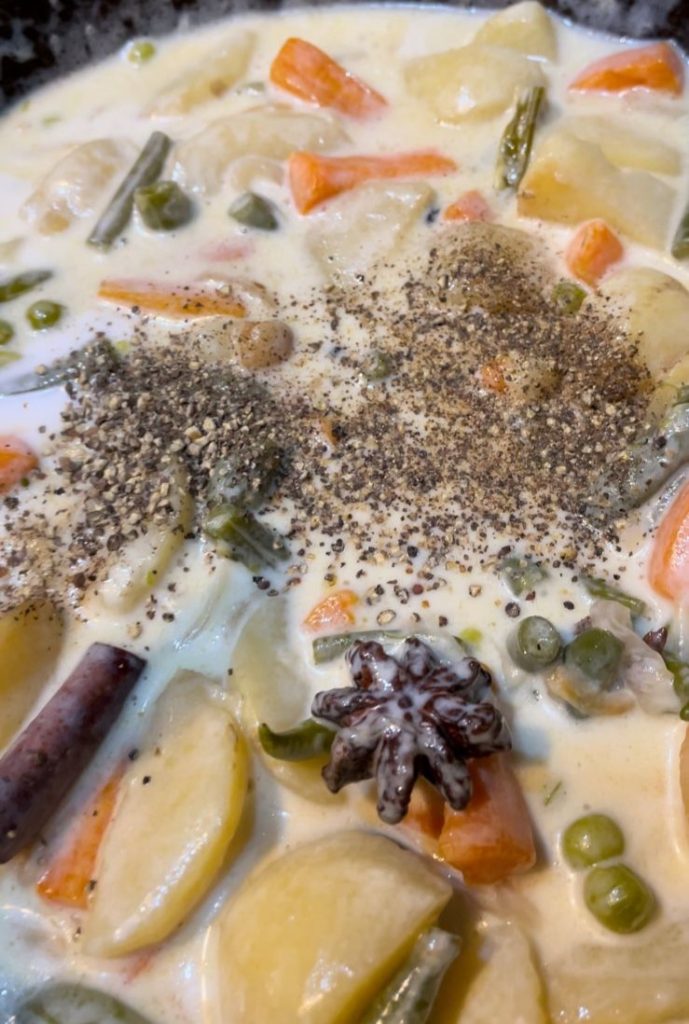
Season the stew with salt and pepper powder according to your taste preferences. Adjust the consistency of the stew by adding more coconut milk or water if needed.

Once the vegetables are cooked and the stew has thickened slightly, remove from heat. Serve the Kerala Style Coconut Vegetable Stew hot with Malabar Paratha or Appam. Also goes well with steaming hot rice and Idli.

Making Vegetable stew is great way to make your family eat their vegetables. you can add vegetables of your choice in this recipe and if you love non vegetarian foods you can add boiled eggs, chicken or meat of your choice in the same gravy. This vegan curry is so wholesome and comforting.

I would love to see your creations. If you tried this recipe , just click a pictures and tag us on @masala.monk or use the hashtag #MasalaMonkRecipe and share on Instagram and Facebook. Happy Cooking!