Posted on Leave a comment

Vegan Brain Food: Nourishing Your Mind with Plant-Powered Nutrition

white and black wooden blocks

Introduction: A plant-based lifestyle has gained immense popularity and for good reason. Not only is it beneficial for our overall health and the environment, but it can also provide excellent nourishment for our brains. In this blog post, we’ll explore the power of vegan brain food and how plant-powered nutrition can enhance cognitive function and support optimal brain health. Get ready to discover the vibrant world of vegan brain-boosting foods! ๐ŸŒฑ๐Ÿง 

1. Leafy Green Vegetables: Green Powerhouses for Brain Health ๐Ÿฅฌ Leafy green vegetables like spinach, kale, and Swiss chard are packed with essential nutrients that promote brain health. These greens are rich in antioxidants, including vitamin C and vitamin E, which help protect brain cells from oxidative stress. They are also a great source of B vitamins, which support neurotransmitter synthesis and aid in cognitive function. Incorporating leafy greens into your diet provides a nutritional foundation for a healthy brain.

2. Omega-3 Rich Seeds: Fueling Brain Function ๐ŸŒฐ While fatty fish is often touted as a source of omega-3 fatty acids, vegans can obtain these essential fats from plant-based sources. Flaxseeds, chia seeds, and hemp seeds are all excellent choices. Omega-3 fatty acids, especially alpha-linolenic acid (ALA), contribute to brain health by reducing inflammation and supporting the integrity of brain cell membranes. These seeds also provide fiber and other essential nutrients that promote overall brain function.

3. Nuts for Cognitive Wellness: Nature’s Brain-Boosting Snacks ๐Ÿฅœ Nuts, such as almonds, walnuts, and Brazil nuts, are a powerhouse of nutrients that benefit the brain. They are rich in healthy fats, including omega-3 fatty acids, which support brain health and cognitive function. Nuts also provide vitamin E, antioxidants, and minerals like magnesium, which play a role in enhancing memory, improving mood, and reducing the risk of cognitive decline. Snack on a handful of nuts to fuel your brain throughout the day.

4. Berries: Colorful Antioxidant Superstars for Cognitive Health ๐Ÿ“ Berries, including blueberries, strawberries, and raspberries, are vibrant and flavorful brain-boosting gems. These colorful fruits are packed with antioxidants that protect brain cells from damage caused by oxidative stress. Berries also contain flavonoids, which have been shown to improve memory and cognitive function. Incorporating a variety of berries into your diet provides a sweet and nourishing treat for your brain.

5. Plant-Based Protein: Building Blocks for Brain Health ๐ŸŒฟ Protein is essential for brain health as it provides the building blocks for neurotransmitters and helps maintain healthy brain function. Vegan sources of protein include legumes (beans, lentils, chickpeas), tofu, tempeh, and quinoa. These plant-based proteins also provide fiber and complex carbohydrates, ensuring a steady release of energy to support optimal brain function throughout the day.

6. Whole Grains: Fueling Brain Power ๐ŸŒพ Whole grains like oats, brown rice, quinoa, and whole wheat are excellent sources of complex carbohydrates that provide a steady supply of glucose to the brain. Glucose is the brain’s primary source of energy, supporting focus, memory, and cognitive performance. Whole grains also provide fiber, vitamins, and minerals that contribute to overall brain health and function.

Conclusion: A plant-based diet can provide a wealth of benefits for your brain health and cognitive function. By incorporating leafy green vegetables, omega-3-rich seeds, nuts, berries, plant-based protein, and whole grains into your diet, you provide your brain with essential nutrients, antioxidants, and healthy fats. Embrace the power of vegan brain food and nourish your mind with the vibrant flavors and nourishing qualities of plant-powered nutrition. Your brain will thank you! ๐ŸŒฑ

Posted on Leave a comment

The Science of Weight Loss: Can Eating Certain Foods Help?

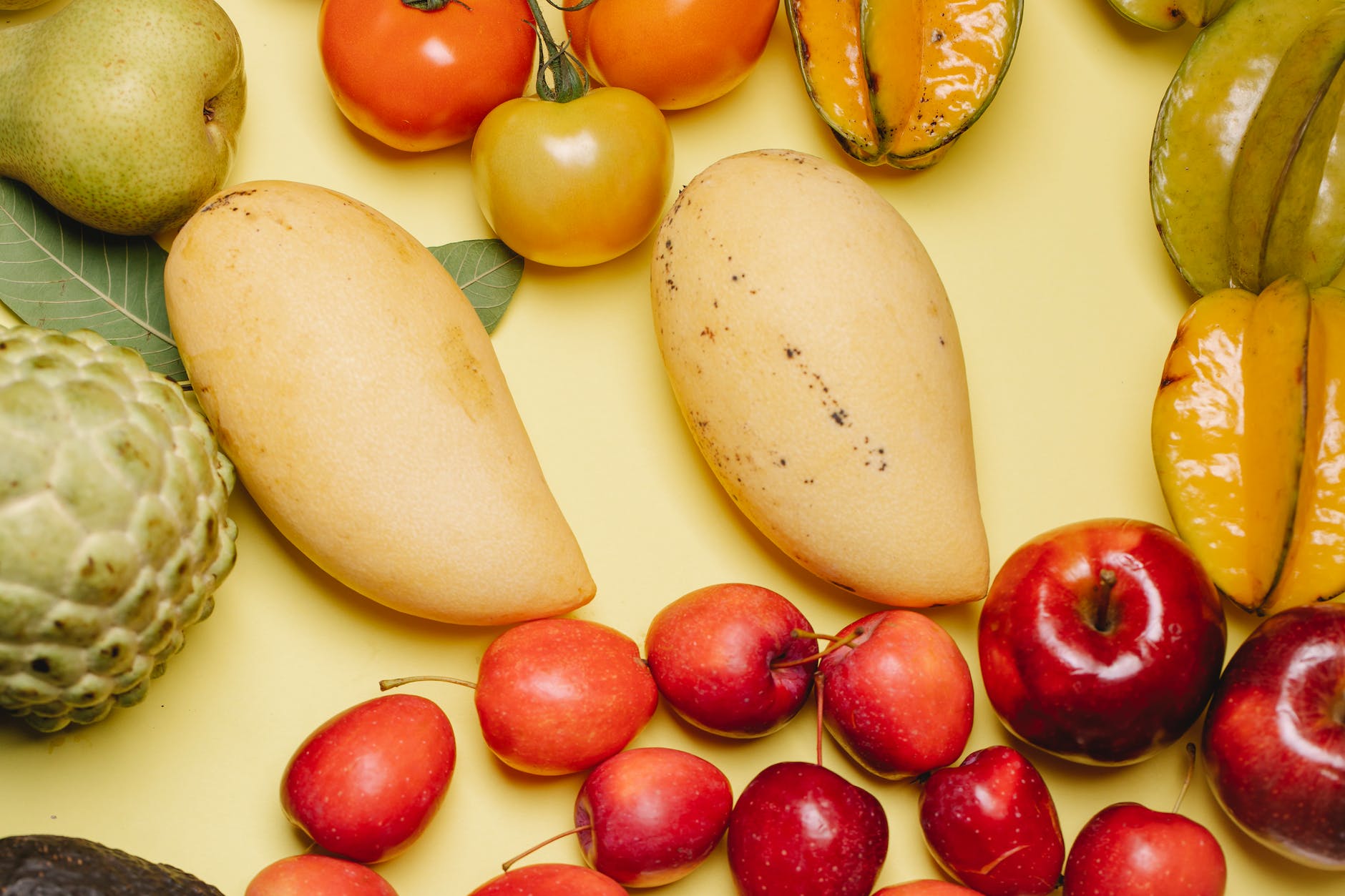
bunch of various exotic fruits

Greetings, dear readers! ๐Ÿ‘‹๐Ÿ˜ฎ๐ŸŽ๐Ÿฅฆ๐Ÿณ๐Ÿฅ‘

Whether you’re embarking on a weight loss journey, or simply invested in maintaining a healthy lifestyle, understanding the role of nutrition is key. ๐Ÿ’ช๐Ÿ‘Š In today’s comprehensive guide, we delve into the wonderful world of food and how it plays a critical part in weight loss and overall wellbeing. ๐Ÿฝ๏ธ๐Ÿฒ

Our bodies are intricate, beautifully designed systems where weight management is influenced by a variety of factors. These include our unique genetic makeup, levels of physical activity, quality of sleep, stress levels, and, unquestionably, our dietary choices. ๐Ÿงฌ๐Ÿ‹๏ธโ€โ™€๏ธ๐Ÿ’ค๐Ÿฅ— However, one question frequently arises: Can consuming (or avoiding) specific foods genuinely aid us in shedding pounds? Grab your notebooks, health enthusiasts, and let’s embark on this nutritional adventure together! ๐Ÿ‘€๐Ÿ”

Fruits and Weight Loss ๐Ÿ‡๐Ÿˆ๐Ÿ‰

In the realm of weight loss, fruits could be deemed as magical allies! Most fruits, such as apples, bananas, papayas, and plums, are packed with fiber, an essential nutrient known to promote feelings of fullness and satiety. This, combined with their relatively low-calorie content, makes them an excellent choice for weight management. Plus, they’re rich in a myriad of vitamins, antioxidants, and minerals that contribute to overall health. However, remember that fruits also contain natural sugars, so they should be consumed in moderation as part of a balanced diet. ๐Ÿ—๏ธ๐Ÿ”‘

Vegetables and Weight Loss ๐Ÿฅฆ๐Ÿฅฌ๐Ÿฅ•

The benefits of consuming vegetables are numerous. These nutrient powerhouses, particularly leafy greens and cruciferous vegetables, are low in calories and high in fiber, making them an ideal choice for weight loss. Regularly eating a rainbow of vegetables not only nourishes your body with essential vitamins, minerals, and antioxidants but can also significantly support your weight loss journey. Moreover, the variety of flavors, textures, and colors that vegetables bring to your plate can make healthy eating a delightful experience. ๐Ÿฅ—๐Ÿฅฆ

Nuts and Seeds for Weight Loss ๐Ÿฅœ๐ŸŒฐ

Despite their small size, nuts such as almonds, walnuts, and seeds like sunflower and flax seeds, are dense sources of protein and healthy fats. These nutrients can help keep hunger at bay, prevent overeating, and provide sustained energy. They also pack a wide range of nutrients like fiber, vitamin E, magnesium, and omega-3 fatty acids. However, given their high-calorie content, portion control is key when including them in your weight loss plan. ๐Ÿ™Œ๐Ÿฝ๏ธ

Beans, Legumes, and Weight Loss ๐ŸŒฑ๐Ÿฒ

Beans and legumes, including lentils, chickpeas, and peas, are often underrated in the context of weight loss. These are rich in protein and fiber, two nutrients known to foster feelings of fullness and control appetite. Additionally, they’re packed with essential nutrients like B vitamins, iron, magnesium, potassium, and antioxidants. Incorporating a variety of these in your diet could potentially enhance your weight loss progress and support overall health.

Whole Grains for Weight Loss ๐Ÿž๐ŸŒพ

Whole grains such as oats, brown rice, and whole wheat are rich in fiber, an essential nutrient for healthy digestion and sustained fullness. They also provide important B vitamins, iron, magnesium, selenium, and antioxidants. Consuming whole grains rather than refined grains can keep you feeling full for longer periods, regulate blood sugar levels, and prevent overeating, all of which are beneficial for weight management.

Fish, Lean Meats, and Weight Loss ๐Ÿ—๐Ÿฃ

Protein-rich foods, like fish, lean meats, and poultry, can significantly increase feelings of fullness, reduce hunger, and boost your metabolic rate. This can aid in weight loss by reducing overall calorie intake and enhancing calorie burning. However, they should be consumed as part of a balanced diet abundant in fruits, vegetables, and whole grains. Plus, the omega-3 fatty acids found in many types of fish can have numerous health benefits, including reducing inflammation and improving heart health.

We’ve just begun to unravel the intricate relationship between food and weight loss. While these food groups can indeed aid weight loss, it’s important to remember that a holistic approach involving balanced nutrition, regular physical activity, adequate sleep, and stress management often yields the best results. Always consult with a healthcare provider before making significant changes to your diet or exercise routine. ๐Ÿ‘ฉโ€โš•๏ธ๐Ÿ‘จโ€โš•๏ธ

Stay tuned for more detailed posts where we’ll dive deeper into specific foods and their role in weight loss, along with tips on how to incorporate them into your diet. Until then, keep pursuing your health goals, and remember, every small step counts! ๐Ÿ˜Šโœจ