Posted on Leave a comment

The Fig – Nutrition, Benefits, and 5 Practical Ways for Weight Loss

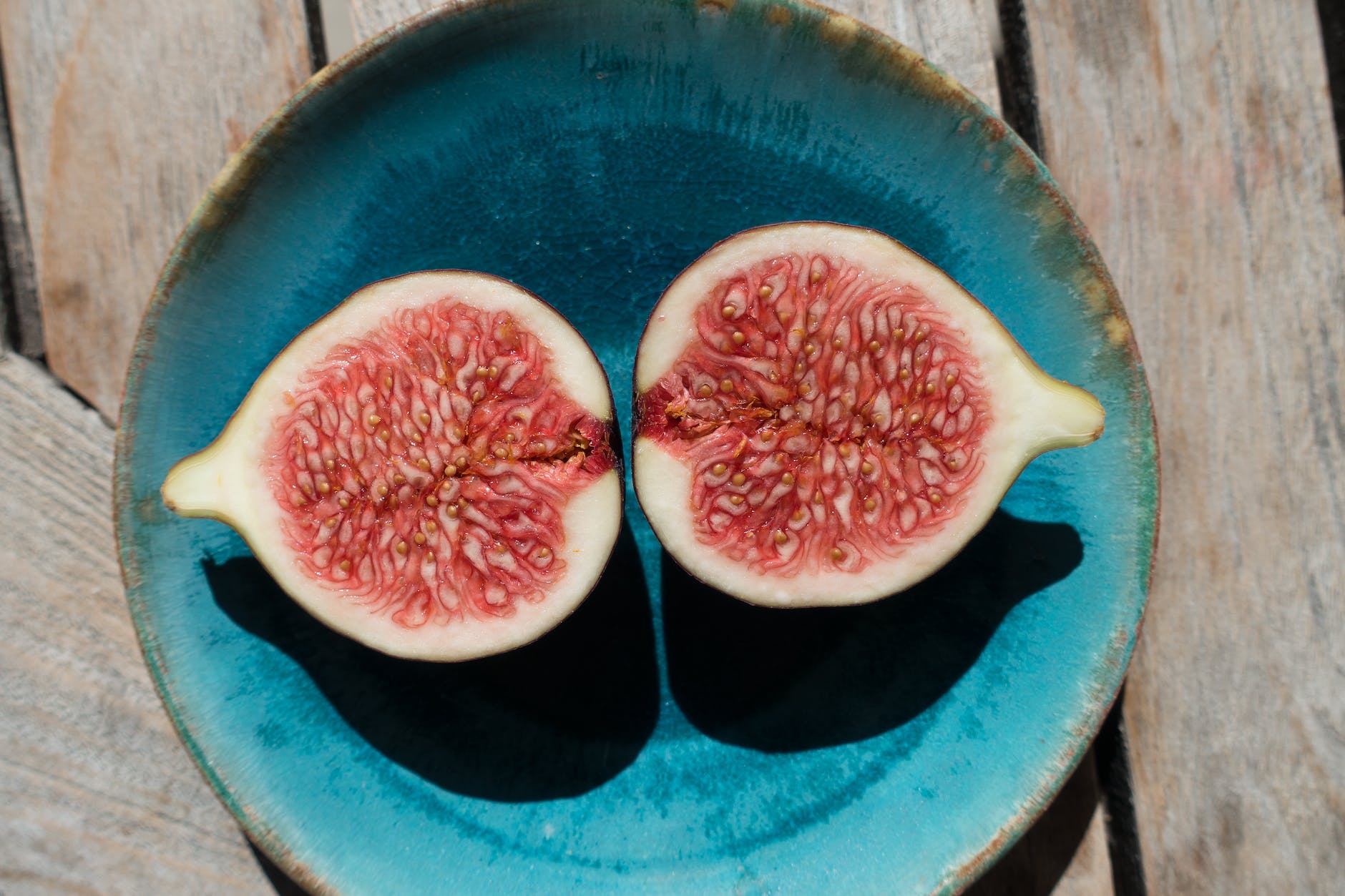
red and yellow fruit

Figs, the sweet, chewy, and slightly crunchy fruit that’s been a favorite for centuries, are more than just a delightful treat. They’re a treasure trove of nutrients and offer a plethora of health benefits. In this comprehensive guide, we’ll delve deeper into the nutritional content of figs, their health benefits, and how they can contribute to a balanced diet and a healthier lifestyle. šŸ½šŸŒæ

Fig Nutrition: What’s in a Fig? šŸˆ

Figs are a nutritional powerhouse. They are low in calories but high in fiber, making them an excellent choice for those watching their weight. A small raw fig, measuring about 1-1/2″ in diameter (40g), contains approximately 30 calories, 0.1g of fat, 0.4mg of sodium, 7.7g of carbohydrates, 1.2g of fiber, and 0.3g of protein. They also provide essential minerals like potassium and magnesium.

For those interested in the nutritional value per 100g, dried figs offer a different nutritional profile. They are higher in calories due to the concentrated sugars but also provide a higher amount of fiber and minerals.

The Health Benefits of Figs: A Fruit for Your Well-being 🌟

Weight Management šŸ‹ļøā€ā™€ļø

Figs can be a great addition to a weight loss diet. Their high fiber content can help you feel full, reducing the likelihood of overeating. They’re also low in calories, making them a guilt-free snack. So, if you’re wondering “does fig help in weight loss?” or “how to eat figs for weight loss?” the answer is a resounding yes!

Skin Health šŸ’†ā€ā™€ļø

Figs are rich in antioxidants, which can help fight the damaging effects of free radicals on the skin. Regular consumption of figs can contribute to healthy, glowing skin. So, if you’re looking for natural ways to enhance your skin health, figs could be your new best friend!

Digestive Health šŸ„—

The fiber in figs isn’t just good for weight loss; it’s also beneficial for your digestive system. It aids in healthy bowel movements and can help prevent constipation. So, if you’re looking for natural ways to improve your digestion, figs could be an excellent choice!

Bone Health šŸ’Ŗ

Figs are a good source of calcium, a mineral that’s essential for bone health. A diet rich in calcium can help prevent osteoporosis and other bone-related health issues. So, if you’re looking for a fruit that’s beneficial for your bones, don’t overlook figs!

Heart Health ā¤ļø

Figs are rich in potassium, a mineral that helps regulate blood pressure. A diet high in potassium can help lower high blood pressure, a major risk factor for heart disease. So, if you’re looking to keep your heart healthy, figs are a great choice!

Fig Diet: How to Incorporate Figs into Your Diet šŸ½

Figs are versatile and can be incorporated into your diet in various ways. You can enjoy them fresh or dried, add them to salads or yogurt, or use them in baking. They can also be made into a delicious fig pickle, a popular delicacy in Indian cuisine.

How to Eat Figs for Weight Loss? šŸ½šŸ‹ļøā€ā™€ļø

Figs, with their natural sweetness and high fiber content, can be a delightful addition to a weight loss diet. They are low in calories and high in fiber, making them an excellent choice for those looking to shed some pounds. Here are five practical ways to incorporate figs into your diet for weight loss:

1. As a Healthy Snack: One of the easiest ways to incorporate figs into your diet is to consume them as a snack. Fresh figs are deliciously sweet and can help to curb your sugar cravings without adding too many calories to your diet. They are also quite filling, thanks to their high fiber content, which can help to prevent overeating. If fresh figs are not available, dried figs can be a good alternative. They are easy to carry and can be a quick and convenient snack when you are on the go. However, remember that dried figs are more calorie-dense than fresh ones, so be mindful of your portion sizes.

2. In Your Breakfast: Figs can be a great addition to your breakfast. You can chop fresh or dried figs and add them to your morning cereal or yogurt. They will not only add a burst of sweetness to your breakfast but also provide a good dose of fiber that can keep you feeling full and satisfied until lunchtime. This can help to prevent mid-morning snacking, which can be beneficial for weight loss.

3. In Salads: Another great way to enjoy figs is to add them to your salads. Fresh figs can add a unique sweet twist to your salads. Try adding fresh figs to a salad with mixed greens, goat cheese, and a light vinaigrette. The sweetness of the figs pairs well with the tanginess of the goat cheese and the acidity of the vinaigrette, creating a balanced and flavorful salad that is also low in calories.

4. In Smoothies: Figs can also be used in smoothies. You can blend figs with some low-fat yogurt and a handful of your favorite fruits to create a nutritious and filling smoothie. This can make a great breakfast option or a post-workout snack. The natural sweetness of figs can help to sweeten your smoothie without the need for added sugars, making it a healthier choice.

5. As a Dessert: If you have a sweet tooth, figs can be a healthier alternative to high-sugar desserts. Try baking figs with a drizzle of honey and a sprinkle of cinnamon for a delicious and healthy dessert. The figs become soft and even sweeter when baked, and the honey and cinnamon add a touch of indulgence without loading up on calories.

While figs can aid in weight loss, it’s important to remember that they should be consumed as part of a balanced diet. Eating a variety of foods will ensure that you get a wide range of nutrients necessary for good health. Also, maintaining a regular exercise routine is crucial for weight loss and overall health. As always, before making any significant changes to your diet, it’s best to consult with a healthcare professional or a registered dietitian. They can provide personalized advice based on your individual nutritional needs and health goals.

Are Fig Bars Good for Weight Loss? šŸ«

Fig bars can be a healthy snack option, especially if they’re made with whole grains and real figs. However, it’s important to check the sugar content, as some fig bars can be high in added sugars.

🌟 Frequently Asked Questions (FAQs) 🌟

1. šŸ½ļø What are the nutritional benefits of figs?

Figs are packed with vitamins, minerals, and dietary fiber. They are rich in antioxidants, which help to fight off free radicals in the body. Figs are also a great source of calcium and potassium, which are essential for overall health.

2. šŸ‹ļøā€ā™€ļø How can figs aid in weight loss?

Figs are high in fiber, which can help to keep you feeling full and satisfied, reducing the likelihood of overeating. They also have a low energy density, meaning they provide fewer calories than the same weight of other higher-calorie foods.

3. šŸ‡ What is the calorie content in fresh and dried figs?

Fresh figs are quite low in calories. One small fig typically contains just 30 calories. On the other hand, dried figs are more calorie-dense. One small dried fig can contain around 20-30 calories.

4. šŸ„— How can figs be incorporated into a healthy diet for weight loss?

Figs can be enjoyed fresh or dried as a part of a balanced diet. They can be added to salads, yogurts, smoothies, or even used as a natural sweetener in baked goods.

5. šŸŖ Can figs be used as a healthy snack for weight loss?

Absolutely! Figs are a great snack option for those trying to lose weight. They are satisfying, delicious, and can help curb sugar cravings due to their natural sweetness.

6. šŸ³ How can figs be added to breakfast for a weight loss diet?

Figs can be a great addition to your breakfast. You can add them to your oatmeal, cereal, or yogurt. They can also be used in smoothies or eaten fresh on their own.

7. šŸ„™ What are some salad recipes that include figs for weight loss?

Figs can add a burst of sweetness to any salad. Try adding fresh figs to a salad with mixed greens, goat cheese, walnuts, and a balsamic vinaigrette for a delicious and healthy meal.

8. 🄤 Can figs be used in smoothies for weight loss?

Yes, figs can be a great addition to smoothies. They add a natural sweetness and a unique flavor, plus they blend well with many other fruits.

9. šŸØ How can figs be used as a dessert in a weight loss diet?

Figs can be used in a variety of desserts that can fit into a weight loss diet. For example, figs can be used to sweeten up a bowl of Greek yogurt, served with a sprinkle of cinnamon, or used in baking as a substitute for refined sugars.

10. šŸ­ Are figs a good choice for those with a sweet tooth trying to lose weight?

Definitely! Figs are naturally sweet and can help to satisfy sugar cravings. They are a much healthier alternative to high-sugar, processed desserts.

11. 🌾 How does the fiber content in figs help with weight loss?

The high fiber content in figs helps to keep you feeling full, which can prevent overeating and snacking between meals. This can be particularly beneficial for weight loss.

12. šŸ“ What are some practical ways to eat figs for weight loss?

Figs can be enjoyed in many ways. They can be eaten fresh, added to salads or smoothies, used in baking, or even enjoyed as a sweet treat with a drizzle of honey and a sprinkle of cinnamon.

13. šŸ« Are figs a good alternative to high-sugar desserts for those trying to lose weight?

Yes, figs can be a great alternative to high-sugar desserts. They are naturally sweet and can be used in a variety of ways to create delicious, healthy desserts.

14. šŸ¬ How does the natural sweetness of figs help in curbing sugar cravings?

The natural sweetness of figs can help to satisfy your sweet tooth without the need for added sugars. This can be particularly beneficial for those trying to cut down on their sugar intake for weight loss.

15. 🄦 Can figs be a part of a balanced diet for weight loss?

Absolutely! Figs are a nutritious and versatile fruit that can be a great addition to a balanced, weight loss diet.

16. šŸƒā€ā™€ļø What is the role of figs in a post-workout snack for weight loss?

Figs are a good source of carbohydrates, which can help to replenish glycogen stores after a workout. They also provide a quick source of energy and can aid in recovery.

17. šŸ½ļø How can figs help in preventing overeating?

The fiber in figs helps to keep you feeling full and satisfied, which can prevent overeating and help with weight loss.

18. šŸ’†ā€ā™€ļø What are the health benefits of figs for skin?

Figs are rich in antioxidants, which can help to fight off free radicals that can damage the skin. They also contain vitamins A and C, which are beneficial for skin health.

19. 🄩 What is the protein content in figs?

Figs are not a significant source of protein, but they do contain small amounts. One large fig contains about 0.5 grams of protein.

20. šŸŖ Are fig bars a good choice for weight loss?

Fig bars can be a good choice for a snack if they are made with whole, natural ingredients. However, it’s important to check the label for added sugars and other unhealthy ingredients.

21. šŸ½ļø How to use figs for weight loss?

Figs can be used in a variety of ways for weight loss. They can be added to salads, smoothies, and other dishes, or eaten on their own as a healthy snack.

22. šŸ’Ŗ What are the benefits of figs for males?

Figs are beneficial for everyone, including males. They are a good source of dietary fiber, which can aid in digestion and heart health. They also contain antioxidants and essential minerals like potassium and magnesium.

23. šŸµ What are the side effects of consuming dried figs?

While figs are generally safe to consume, eating too many can lead to diarrhea or other digestive issues due to their high fiber content. It’s also possible to have an allergic reaction to figs, although this is rare.

24. šŸŠ Can figs help in digestion?

Yes, the fiber in figs can help to promote healthy digestion by adding bulk to the stool and promoting regular bowel movements.

25. šŸ‹ What is the vitamin C content in figs?

While figs are not a significant source of vitamin C, they do contain small amounts. One large fig contains about 2% of the daily recommended intake of vitamin C.

The Bottom Line šŸ

Figs are a nutritious fruit that offers a host of health benefits. Whether you’re looking to manage your weight, improve your skin health, boost your digestion, strengthen your bones, or keep your heart healthy, figs can be a great addition to your diet. Remember, though, that balance is key. Enjoy figs as part of a varied and balanced diet for optimal health.

Remember to consult with a healthcare professional before making any major changes to your diet or nutrition plan.

Disclaimer: This blog post is for informational purposes only and should not be used as a replacement for professional medical advice.

Tags: Fig Nutrition, Fig Health Benefits, Weight Loss, Skin Health, Digestive Health, Bone Health, Heart Health, Fig Diet, Healthy Eating, Wellness, Nutrition Tips, Healthy Lifestyle

Posted on Leave a comment

Apple Cider Vinegar for Sore Throat

sick elderly man spraying throat

Apple cider vinegar (ACV) has been used as a home remedy for various health issues for centuries. One of the common uses of ACV is to help soothe a sore throat. But does it really work? Let’s delve into the research and find out! 🧐

What Makes Apple Cider Vinegar Effective? šŸŽ

Apple cider vinegar is made from fermented apple juice. It contains acetic acid, which gives it its distinctive sour taste and strong smell. ACV also has several vitamins and minerals, including potassium, magnesium, and some B vitamins.

The potential effectiveness of ACV for a sore throat comes from its antibacterial properties. These properties can help fight off the bacteria causing the throat infection. Additionally, the acidity of ACV can help break down mucus in the throat and soothe the irritation.

What Does the Research Say? šŸ“š

While there are many anecdotal reports of ACV’s effectiveness in treating a sore throat, scientific data on this topic is somewhat limited. However, some studies suggest that ACV does have anti-inflammatory properties, which could potentially help soothe a sore throat1.

According to an article on Healthline, one popular method of using ACV for a sore throat is to mix 1 tablespoon of ACV and 2 tablespoons of honey in a large mug of warm water2. The honey not only makes the mixture more palatable but also has its own throat-soothing properties.

Another article on Health Canal also supports the use of ACV for a sore throat, stating that the anti-inflammatory action of ACV is effective on its own1. However, they also recommend mixing it with honey for better taste.

Medical News Today also mentions the antibacterial properties of ACV, suggesting that it could help relieve a sore throat when mixed in small amounts with warm water3.

How to Use Apple Cider Vinegar for a Sore Throat? šŸ„„

Here are some ways you can use ACV to help soothe a sore throat:

  1. ACV and Honey Drink: Mix 1 tablespoon of ACV and 2 tablespoons of honey in a large mug of warm water. Sip on this mixture throughout the day.
  2. ACV Gargle: Mix 1 tablespoon of ACV with 1 cup of warm water. Gargle with this mixture for about 30 seconds, then spit it out. Repeat this several times a day.
  3. ACV Spray: Mix equal parts of ACV and water in a spray bottle. Spray this mixture into your throat whenever it feels sore.

Remember, while ACV can help soothe a sore throat, it should not replace medical treatment. If your sore throat persists for more than a few days, or if it’s accompanied by other severe symptoms, you should seek medical attention.

Conclusion šŸ

Apple cider vinegar is a versatile home remedy that can potentially help soothe a sore throat. While more research is needed to fully understand its effectiveness, the antibacterial and anti-inflammatory properties of ACV make it a promising natural remedy. Just remember to always dilute ACV before using it, as its high acidity can harm your tooth enamel and throat if used undiluted. And, as always, consult with a healthcare professional if your symptoms persist. 😊

FAQs

  1. What makes apple cider vinegar effective for a sore throat? Apple cider vinegar contains acetic acid, which has antibacterial properties that can help fight off the bacteria causing the throat infection. The acidity of apple cider vinegar can also help break down mucus in the throat and soothe the irritation.
  2. What does the research say about using apple cider vinegar for a sore throat? While scientific data on this topic is somewhat limited, some studies suggest that apple cider vinegar does have anti-inflammatory properties, which could potentially help soothe a sore throat.
  3. How can I use apple cider vinegar to soothe a sore throat? You can mix apple cider vinegar with honey and warm water to make a soothing drink, gargle with a mixture of apple cider vinegar and warm water, or mix equal parts of apple cider vinegar and water in a spray bottle and spray it into your throat.
  4. Can apple cider vinegar replace medical treatment for a sore throat? While apple cider vinegar can help soothe a sore throat, it should not replace medical treatment. If your sore throat persists for more than a few days, or if it’s accompanied by other severe symptoms, you should seek medical attention.

Blog Tags

Apple Cider Vinegar, Sore Throat, Natural Remedies, Home Remedies, Health, Wellness, Throat Health, ACV Benefits, ACV Uses, Sore Throat Relief.

Footnotes

  1. Health Canal ↩ ↩2
  2. Healthline ↩
  3. Medical News Today ↩

Posted on 1 Comment

What is Seabuckthorn? All Your Questions Answered

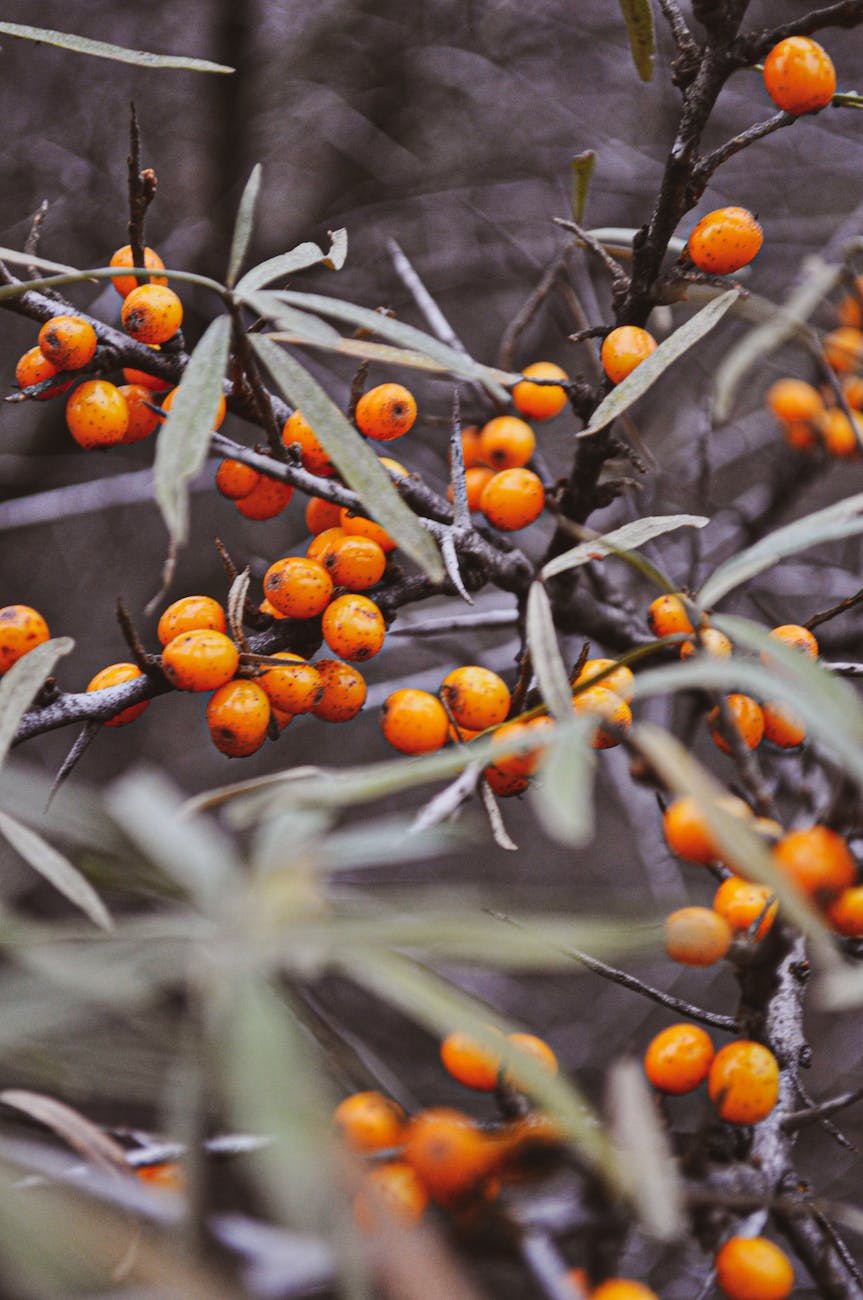
orange berries on tree branches

Seabuckthorn, a plant that has been cherished for centuries for its incredible health benefits, is making a comeback in the wellness world. From its nourishing oil to its nutrient-dense pulp, every part of the Seabuckthorn plant is a treasure trove of healing properties. In this comprehensive guide, we’ll explore the myriad benefits of Seabuckthorn, answering all your queries about this wonder plant. So, let’s dive in! šŸŠā€ā™€ļø

What is Seabuckthorn? 🌳

Seabuckthorn is a plant that grows in the mountainous regions of Asia and Europe. The plant produces bright orange berries, which are known for their high nutritional content. The berries, seeds, and leaves of the Seabuckthorn plant are used to produce various health products, including oils, powders, and teas.

Seabuckthorn for Skin: The Ultimate Skin Savior 🌿

Seabuckthorn has been hailed as a miracle worker for skin health. Here’s why:

  1. Nourishing: Seabuckthorn oil is rich in vitamins A, C, and E, which are essential for skin health. These vitamins nourish the skin, improve elasticity, and promote cell regeneration.
  2. Healing: The oil has anti-inflammatory and healing properties. It can help soothe irritated skin, heal burns, cuts, and wounds, and reduce acne and blemishes.
  3. Anti-Aging: The antioxidants in Seabuckthorn fight against free radicals that cause skin aging. Regular use of the oil can help reduce wrinkles and fine lines, giving your skin a youthful glow.

The Magic of Seabuckthorn Pulp šŸŠ

Seabuckthorn pulp is derived from the fruit of the plant and is a powerhouse of nutrients.

  1. Nutrient-Dense: The pulp is packed with vitamins, minerals, antioxidants, and essential fatty acids. It’s a great addition to smoothies, juices, and other recipes.
  2. Digestive Health: Consuming Seabuckthorn pulp can aid digestion and help maintain a healthy gut. It’s known to soothe gastrointestinal issues like ulcers.

Seabuckthorn Seed Oil vs Fruit Oil: What’s the Difference? šŸŒ°šŸ’

Seabuckthorn seed oil and fruit oil are derived from different parts of the plant and have slightly different nutrient profiles.

  1. Seed Oil: Seabuckthorn seed oil is extracted from the small dark seeds of the fruit. It’s rich in omega-3 and omega-6 fatty acids, and vitamin E. It’s known for its skin healing properties and is often used in skincare products.
  2. Fruit Oil: Seabuckthorn fruit oil, on the other hand, is extracted from the fleshy part of the fruit. It’s rich in omega-7 fatty acids and carotenoids, which give it a deep orange color. This oil is known for its nourishing and protective properties for skin and mucous membranes.

Seabuckthorn Tea: A Nutrient-Rich Beverage šŸµ

Seabuckthorn tea is a delicious and healthy beverage made from the leaves and berries of the Seabuckthorn plant. It’s packed with antioxidants and vitamins, making it a great choice for boosting your immune system and overall health. Plus, its tangy and refreshing taste is a delight for the taste buds!

Seabuckthorn Powder: A Versatile Superfood 🄣

Seabuckthorn powder is made from dried and ground Seabuckthorn berries. It’s a versatile superfood that can be added to smoothies, oatmeal, yogurt, and even skincare products. It’s a convenient way to enjoy the health benefits of Seabuckthorn, especially if fresh berries are hard to come by.

Seabuckthorn Extract: Concentrated Goodness šŸ’§

Seabuckthorn extract is a concentrated form of all the goodness found in the plant. It’s often used in dietary supplements and skincare products. The extract is rich in antioxidants, vitamins, and essential fatty acids, offering a range of health and beauty benefits.

Seabuckthorn Oil for Face: The Secret to Glowing Skin 🌟

Seabuckthorn oil is a popular ingredient in many face care products due to its nourishing and healing properties. It can help:

  1. Moisturize: The oil deeply hydrates the skin, leaving it soft and supple.
  2. Brighten: Regular use of Seabuckthorn oil can help lighten dark spots and pigmentation, giving your face a bright, even tone.
  3. Protect: The antioxidants in the oil protect your skin from environmental damage and harmful UV rays.

Seabuckthorn Berries: A Nutritional Powerhouse šŸ“

Seabuckthorn berries are small but mighty. They are packed with:

  1. Vitamins: The berries are rich in vitamins C and E, which are known for their antioxidant properties.
  2. Minerals: They contain essential minerals like potassium, iron, and calcium.
  3. Fatty Acids: Seabuckthorn berries are one of the few plant sources that contain omega-7 fatty acids, which are beneficial for skin and heart health.

Seabuckthorn Seed: A Hidden Gem šŸ’Ž

Seabuckthorn seeds, though tiny, are packed with nutrients. They are a good source of protein and fiber and contain omega-3 and omega-6 fatty acids. The seeds can be ground into a powder and added to your diet for an extra nutritional boost.

Health Benefits of Seabuckthorn: More Than Just Skin Deep šŸ’Ŗ

While Seabuckthorn is often associated with skin health, its benefits extend far beyond. It’s known to:

  1. Boost Immunity: The high vitamin C content in Seabuckthorn helps boost your immune system and fight off infections.
  2. Support Heart Health: The omega fatty acids in Seabuckthorn help maintain healthy cholesterol levels and support heart health.
  3. Aid Digestion: Seabuckthorn is known to soothe digestive issues and support gut health.

What is Sea Buckthorn Called in India? 🌳

Sea buckthorn is known by various names in different parts of India. In Hindi, it’s commonly referred to as “Daru” or “Chharma.” In the Ladakh region, where it grows abundantly, it’s known as “Tsetal.”

What is the Use of Sea Buckthorn Patanjali? šŸŠ

Patanjali, a renowned brand in India, offers a range of products made from sea buckthorn. These products are primarily used for their health and wellness benefits. For instance, Patanjali’s sea buckthorn juice is consumed for its high nutritional content and immune-boosting properties. Their sea buckthorn oil is used for skincare due to its nourishing and healing properties.

Is it Safe to Take Sea Buckthorn Everyday? 🄣

Generally, sea buckthorn is considered safe for most people when consumed in moderation as part of a balanced diet. However, the safety of long-term use is not well studied. It’s always best to consult a healthcare professional before starting any new supplement regimen.

What are the Side Effects of Seabuckthorn? šŸ’Š

While sea buckthorn is generally well-tolerated, some people may experience side effects such as diarrhea or skin rashes, especially with excessive consumption. If you experience any adverse effects, it’s recommended to stop using the product and consult a healthcare professional.

Who Should Not Take Sea Buckthorn? 🚫

People with certain medical conditions should exercise caution with sea buckthorn. For instance, those with bleeding disorders or those about to undergo surgery should avoid sea buckthorn as it may slow blood clotting. Pregnant and breastfeeding women should also consult a healthcare professional before using sea buckthorn.

Is Seabuckthorn Good for Fatty Liver? šŸ

Preliminary research suggests that sea buckthorn may have potential benefits for liver health, including fatty liver disease. Its high antioxidant content may help protect the liver from damage. However, more research is needed in this area.

Is Sea Buckthorn Good for Hair? šŸ’‡ā€ā™€ļø

Yes, sea buckthorn oil is often used in hair care products due to its nourishing properties. It’s rich in vitamins and essential fatty acids that can help strengthen hair, promote growth, and improve scalp health.

Is Sea Buckthorn Anti-Aging? šŸ•°ļø

Sea buckthorn is rich in antioxidants and vitamins that are known for their anti-aging properties. Regular use of sea buckthorn oil can help reduce wrinkles and fine lines, giving your skin a youthful glow.

Does Sea Buckthorn Brighten Skin? 🌟

Yes, sea buckthorn oil can help brighten the skin. It’s rich in vitamins A and C, which are known for their skin-brightening properties. Regular use can help lighten dark spots and pigmentation, giving your skin a bright, even tone.

Is Sea Buckthorn Good for Face? 🌸

Absolutely! Sea buckthorn oil is a popular ingredient in many face care products due to its nourishing and healing properties. It can help moisturize, brighten, and protect your skin, making it a great addition to your skincare routine.

Does Sea Buckthorn Increase Estrogen? šŸ’Š

There’s limited research on the effect of sea buckthorn on estrogen levels. Some studies suggest that it may have phytoestrogenic properties, but more research is needed to confirm these findings. If you have a condition that could be worsened by increased estrogen, it’s best to consult a healthcare professional before using sea buckthorn.

What is the Best Form of Sea Buckthorn? šŸ†

The “best” form of sea buckthorn really depends on your individual needs and preferences. Sea buckthorn oil is great for skin care, while sea buckthorn juice or tea can be a nutritious addition to your diet. Sea buckthorn supplements, such as capsules or powders, can be a convenient way to enjoy its health benefits.

Conclusion: Embrace the Power of Sea Buckthorn šŸŒ¼šŸ’•

Sea buckthorn is truly a gift from nature. Its myriad benefits make it a must-have in your wellness routine. Whether you’re looking to enhance your skin health, boost your nutrient intake, or soothe your digestive system, sea buckthorn has got you covered. So, why wait? Embrace the power of sea buckthorn today!

Remember, it’s always best to consult a healthcare professional before starting any new supplement regimen. Stay tuned for more health and wellness tips!

Posted on 1 Comment

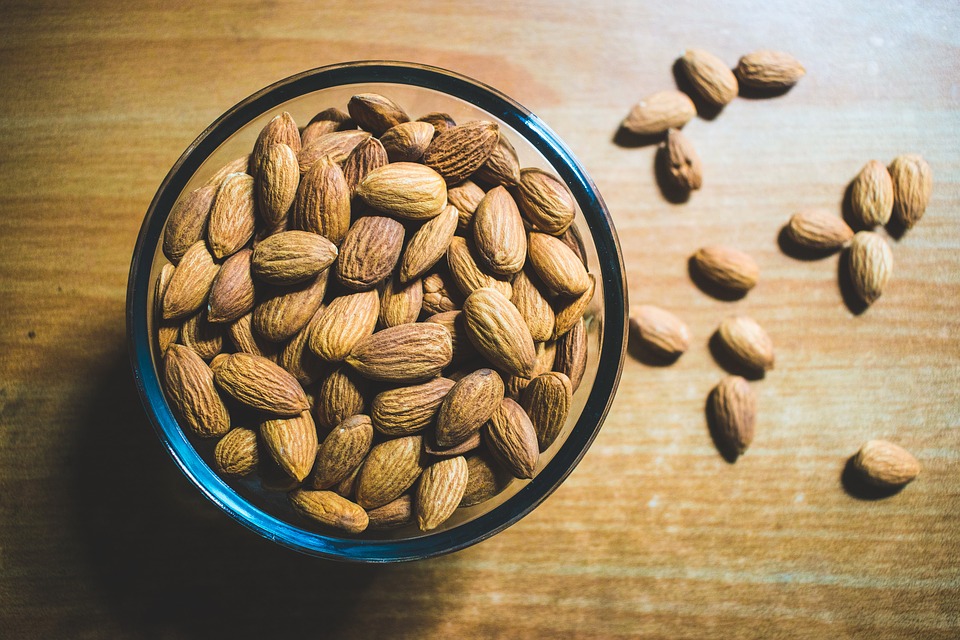
How to eat Almonds for weight loss?

Types of Almonds You Should Know About — And How Each Boosts Your Health Differently

Hello, health enthusiasts! šŸ™‹ā€ā™€ļøšŸ™‹ā€ā™‚ļø Today, we’re going to explore the amazing world of almonds and their incredible health benefits. So, buckle up and get ready to discover why almonds are the secret weapon you need in your health and weight loss journey. 🌰

šŸ‹ļøā€ā™€ļøšŸ‹ļøā€ā™‚ļø Almonds and Weight Loss: A Winning Combination

Almonds are not just tasty snacks. They are nutritional powerhouses that can play a significant role in weight loss. But how exactly do almonds contribute to weight loss? Let’s dive in. šŸ•µļøā€ā™€ļøšŸ•µļøā€ā™‚ļø

  • Packed with Protein: Almonds are a great source of protein. According to the USDA, a single ounce of almonds (approximately 22 nuts) contains 6 grams of protein. Foods rich in protein are known to increase feelings of fullness, which can help control your appetite and reduce overall calorie intake. This can be particularly beneficial if you’re trying to lose weight.
  • Backed by Science: The connection between almonds and weight loss is not just anecdotal. It’s backed by science. A study published in BMJ Nutrition, Prevention & Health found that replacing certain foods with nuts, including almonds, can lead to more successful weight loss. The study suggests that eating at least half an ounce of nuts each day can lower your risk of gaining 11 or more pounds. So, almonds can indeed be your weight loss superheroes! šŸ¦øā€ā™€ļøšŸ¦øā€ā™‚ļø

🌟 Beyond Weight Loss: The Health Benefits of Almonds

1. Boost Your Heart Health ā¤ļø: Almonds are rich in monounsaturated fats, the same type of health-promoting fats found in olive oil, which have been associated with reduced risk of heart disease. In fact, a study titled “Effects of Daily Almond Consumption on Cardiometabolic Risk and Abdominal Adiposity in Healthy Adults With Elevated LDL-Cholesterol: A Randomized Controlled Trial” found that daily almond consumption may be a simple dietary strategy to prevent the onset of heart-related diseases. šŸ„

2. Manage Your Weight āš–ļø: Struggling with hunger pangs when trying to lose weight? Almonds to the rescue! A study titled “Appetitive, dietary and health effects of almonds consumed with meals or as snacks: a randomized, controlled trial” found that almonds reduced hunger and desire to eat, making them a perfect snack for weight management. 🄊 For more insights on how almonds can aid in weight loss, check out this Masala Monk blog post.

3. Control Blood Sugar Levels 🩸: Almonds have a low glycemic index, meaning they’re less likely to spike your blood sugar levels. Plus, they’re rich in magnesium, a mineral involved in blood sugar control. So, if you’re watching your sugar, don’t forget to include almonds in your diet. šŸŽÆ

4. Promote Digestive Health 🦠: The fiber in almonds isn’t just good for keeping you full. It also aids in digestion and promotes gut health. So, munching on almonds can keep your digestive system running smoothly. šŸš‚

5. Improve Skin Health šŸŒž: Almonds are rich in vitamin E and antioxidants, which are beneficial for skin health. They can help combat the effects of aging and may even have a positive impact on acne management. For more on this, read this Masala Monk blog post.

6. Enhance Brain Health 🧠: Almonds contain riboflavin and L-carnitine, nutrients that can boost brain activity and may also reduce the risk of Alzheimer’s disease. For a deep dive into how almonds can benefit your brain, memory, and concentration, check out this Masala Monk blog post.

7. Support Pregnancy Health 🤰: Almonds are a good source of folic acid, which is crucial for the healthy development of the fetus. They can also help manage blood sugar levels and prevent gestational diabetes. For more on this, read this Masala Monk blog post.

8. Aid in Intermittent Fasting ā±ļø: While almonds do contain calories and technically break a fast, they can be a great inclusion during the eating window of intermittent fasting due to their high fiber and protein content. For more insights on this, check out this Masala Monk blog post.

šŸ“ How to Incorporate Almonds into Your Weight Loss Diet:

Adding almonds to your diet is easy-peasy! šŸ‹ Here are some delicious ways to enjoy almonds:

  • Snack on Them: A handful of raw or roasted almonds makes a perfect snack. They’re portable and non-perishable, making them a great on-the-go option.
  • Sprinkle Them: Add a crunch to your salads, yogurt, or oatmeal by sprinkling some chopped almonds on top.
  • Blend Them: Add a scoop of almond butter to your morning smoothie for a protein boost.
  • Bake with Them: Use almond flour in your baking for a nutritious twist. It’s a great way to make your favorite baked goods gluten-free!
  • Cook with Them: Almonds can be used in a variety of dishes, from chicken almondine to almond-crusted fish. They add a nice crunch and flavor to your meals.

Remember, almonds are versatile and delicious, making them easy to incorporate into your diet. 🌈

šŸ½ļø The Art of Consuming Almonds for Weight Loss

Knowing the benefits of almonds is one thing, but how should you incorporate them into your diet for maximum weight loss benefits? Here are some tips:

  • Mindful of Portions: While almonds are high in fat and calories (161 calories and 14 grams of fat per ounce), these fats are mostly healthy monounsaturated fats. However, consuming too many almonds can lead to a calorie surplus, which can hinder your weight loss efforts. So, it’s best to stick to a serving size of about 22 almonds.
  • Versatility is Key: Almonds are incredibly versatile. You can enjoy them in various ways – as a snack, added to your salads, or included in your breakfast cereals or yogurt. The key is to enjoy them in moderation. šŸ„—šŸ„£

šŸŽÆ In Conclusion: Almonds – A Superfood Worth Incorporating

Almonds are a fantastic addition to a balanced diet. Whether you’re trying to lose weight or just aiming for a healthier lifestyle, almonds can be your go-to snack. Remember, moderation is key. Enjoy your almonds, and here’s to a healthier you! šŸ„‚šŸŽ‰

Remember, Masala Monk has a treasure trove of blog posts dedicated to almonds and their incredible benefits. If you want to dive deeper into the topics we discussed, check out these relevant blog posts:

Explore these blog posts to discover more ways to infuse love and care into your family’s wellness journey. Together, let’s nurture and uplift one another, creating a legacy of health, happiness, and togetherness.

With almonds in our hands and love in our hearts, let’s celebrate the power of family and the joy of nourishing those we hold dear.

Cheers to a healthier, happier, and more connected family! 🌟✨

Stay tuned for more health and wellness tips. Until then, stay healthy, stay happy! šŸ˜ŠšŸ‘‹

Disclaimer: This blog post is for informational purposes only and should not be taken as medical advice. Always consult with a healthcare professional before making any changes to your diet or exercise routine.

Posted on Leave a comment

Refreshing Lemon Cucumber Water and its Detoxifying Benefits

sliced lemon and strawberries in water

Hello, health enthusiasts! Today, we’re going to delve deeper into the invigorating world of lemon and cucumber water. This simple, yet potent blend has been making a splash in the wellness community, and it’s time we uncover why! 🌊

Introduction to Lemon and Cucumber Water šŸ‹šŸ„’šŸ’§

Lemon and cucumber water is a type of infused water that marries the zesty flavor of lemon with the cool, refreshing taste of cucumber. But it’s not just a delicious thirst-quencher; it’s also brimming with health benefits that can enhance your well-being from the inside out.

The Multitude of Health Benefits of Lemon and Cucumber Water šŸ‹ļøā€ā™€ļøšŸ§˜ā€ā™€ļø

1. Hydration Powerhouse

Staying hydrated is crucial for overall health, and lemon and cucumber water makes it easy. The invigorating taste encourages you to drink more, keeping your hydration levels optimal. This is especially beneficial for those who struggle to drink plain water. šŸ’¦

2. Weight Loss Ally

Lemon and cucumber water can be a powerful ally in your weight loss journey. It’s low in calories and can help curb cravings, making it an ideal drink for those aiming to maintain a healthy weight or shed some pounds. šŸƒā€ā™€ļø

3. Detox Delight

This water combo is often referred to as a detox water. The lemon helps cleanse your body, flushing out toxins, while the cucumber provides essential hydration. This combination promotes better health and can leave you feeling revitalized. šŸµ

4. Skin Health Booster

The high water content in cucumber and the vitamin C in lemon can contribute to healthy, glowing skin. Regular consumption can help maintain skin hydration, reduce puffiness, and promote a natural glow. 🌟

5. Digestion Aid

Lemon can stimulate the production of bile, which aids in digestion. Cucumber, being high in water and fiber, can also promote healthy digestion. This makes lemon and cucumber water a great beverage to consume after meals. šŸ½ļø

6. Heart Health Supporter

Lemons are a good source of vitamin C, a nutrient known to support heart health. Regular consumption of lemon and cucumber water can contribute to maintaining a healthy heart. šŸ’“

How to Make Lemon and Cucumber Water at Home šŸ¹

Making this infused water is a breeze! Here’s a simple recipe:

  1. Slice one medium-sized lemon and half a cucumber.
  2. Add the slices to a jug of water.
  3. Let it infuse for a few hours or overnight in the refrigerator.
  4. Enjoy it chilled throughout the day. 🧊

For an extra twist, you can also add mint leaves or a dash of ginger.

Are There Any Side Effects? šŸ¤”

Lemon and cucumber water is generally safe to consume. However, if you have a citrus allergy or a sensitive stomach, the acidity from the lemon might cause some discomfort. Always listen to your body and adjust your intake accordingly.

FAQs ā“

1. What does lemon cucumber water do?

Lemon cucumber water promotes hydration, aids digestion, supports weight loss, detoxifies the body, and contributes to skin and heart health.

2. Can I drink lemon and cucumber water every day?

Yes, it’s generally safe to drink this water combo daily. However, if you have a citrus allergy or a sensitive stomach, you might want to limit your intake.

3. What are the benefits of adding mint to lemon and cucumber water?

Adding mint can enhance the flavor of the water and bring additional health benefits, such as improved digestion and relief from headaches.

4. Can lemon and cucumber water help with hydration?

Absolutely! The refreshing taste of lemon and cucumber water can encourage you to drink more, thus promoting better hydration.

5. Is lemon and cucumber water good for detox?

Yes, lemon and cucumber water is often referred to as a detox water due to its ability to cleanse the body and flush out toxins.

6. Can lemon and cucumber water help with weight loss?

Yes, this water combo can support weight loss by promoting hydration, curbing cravings, and aiding digestion.

In conclusion, lemon and cucumber water is a refreshing, health-packed beverage that’s easy to make and enjoyable to drink. So why not give it a try? Your body will thank you! šŸ„‚


Tags: Lemon, Cucumber, Infused Water, Detox, Hydration, Weight Loss, Heart Health, Skin Health, Digestion, Wellness, Health, Nutrition, Lemon and Cucumber Water Benefits, Lemon Cucumber Detox, Lemon Cucumber Mint Water, Lemon Cucumber Water for Weight Loss.