Posted on 1 Comment

Chia Seeds and the Ketogenic Diet

The ketogenic diet, known for its low-carbohydrate and high-fat approach, has gained popularity for its potential benefits in weight loss, blood sugar management, and increased energy levels. 🥑💪 As followers of the keto diet strive to minimize carb intake, it’s crucial to carefully select food options that align with the diet’s principles. One such food that often sparks curiosity among keto enthusiasts is chia seeds. In this comprehensive blog post, we will explore whether chia seeds are keto-friendly, their nutritional profile, and the potential benefits they offer within the context of a ketogenic diet. Let’s dive in! 🌟

Understanding the Ketogenic Diet: 🌾🍽️

Before we delve into the specifics of chia seeds, let’s briefly understand the ketogenic diet. The keto diet focuses on significantly reducing carbohydrate intake and replacing it with healthy fats. By limiting carbs, the body is forced to enter a state of ketosis, where it primarily burns fat for fuel instead of relying on glucose derived from carbohydrates. This metabolic shift can potentially lead to weight loss and increased ketone production. So, let’s see how chia seeds fit into this exciting dietary approach! 💥

Chia Seeds: A Nutritional Powerhouse: 🌱💪🌟

Chia seeds have gained a reputation as a superfood due to their impressive nutritional profile. These tiny black or white seeds, derived from the plant Salvia hispanica, are packed with essential nutrients that offer numerous health benefits. Let’s uncover their secrets! 🌟

  1. Low in Net Carbs: Chia seeds are low in net carbs, making them suitable for the ketogenic diet. A 1-ounce (28-gram) serving of chia seeds contains about 12 grams of carbohydrates. However, almost all of these carbs come from fiber, with very few digestible carbohydrates remaining. So, you can enjoy their goodness without worrying about derailing ketosis! 🙌🍃
  2. High in Dietary Fiber: Chia seeds are an excellent source of dietary fiber. A 1-ounce serving provides a whopping 10 grams of fiber. Fiber not only aids in digestion and supports gut health but also helps to promote a feeling of fullness, which can be beneficial for weight management. Feeling satisfied while on a keto journey? Yes, please! 😊🍃
  3. Rich in Healthy Fats: Chia seeds are a good source of healthy fats, including omega-3 fatty acids. These fats contribute to heart health, reduce inflammation, and support brain function. Omega-3s on a keto plate? Absolutely! 🐟💚
  4. Plant-Based Protein: Chia seeds offer a modest amount of plant-based protein. A 1-ounce serving contains around 4 grams of protein, which can contribute to meeting daily protein needs, especially for individuals following a vegetarian or vegan ketogenic diet. Plant-powered keto? It’s possible! 🌱🌿
  5. Packed with Micronutrients: Chia seeds are rich in various micronutrients, including calcium, magnesium, phosphorus, and antioxidants. These nutrients support bone health, energy metabolism, and overall well-being. The extra nutritional boost? Sign us up! 🌟💪

Chia Seeds and the Ketogenic Diet: 🥄🔥🌿

Now, let’s delve into the compatibility of chia seeds with the ketogenic diet:

  1. Low Net Carb Content: Chia seeds are considered keto-friendly due to their low net carb content. The majority of the carbohydrates in chia seeds come from fiber, which is not fully digested by the body and does not significantly impact blood sugar levels or interfere with ketosis. Chia seeds, the keto-approved warriors! 🌟🚀
  2. Promotes Satiety: The high fiber and healthy fat content in chia seeds can help promote feelings of fullness and satiety. This can be advantageous for individuals on a ketogenic diet, as it may reduce cravings and the temptation to consume carb-rich foods. Stay satisfied on the keto journey! 🙌😋
  3. Supports Nutritional Needs: Chia seeds provide a range of essential nutrients that can help meet nutritional requirements while following a ketogenic diet. They offer an excellent source of fiber, healthy fats, and micronutrients, making them a valuable addition to a well-rounded ketogenic eating plan. Nutritional completeness on keto? Absolutely achievable! 🌟💪🥗
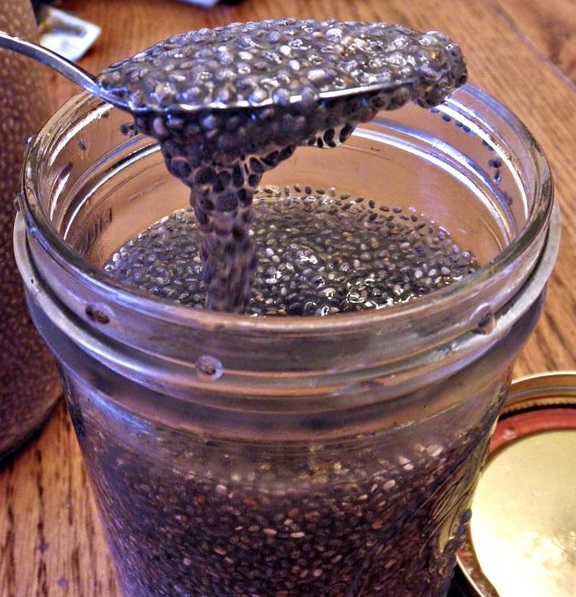
  4. Versatile and Easy to Incorporate: Chia seeds are incredibly versatile and can be easily incorporated into a ketogenic diet. They can be used as a topping for salads, added to smoothies, used as a thickening agent in recipes, or even enjoyed as a pudding when mixed with liquids like almond milk or coconut milk. Endless possibilities for a delicious keto experience! 🌈🍓🥤

Potential Benefits of Chia Seeds on a Ketogenic Diet: 🌟💚

Beyond their compatibility with the ketogenic diet, chia seeds offer several potential benefits:

  1. Improved Digestive Health: The high fiber content of chia seeds supports healthy digestion, prevents constipation, and fosters a thriving gut microbiome. Happy tummy, happy keto journey! 😊🍃💩
  2. Heart Health: Chia seeds’ omega-3 fatty acids contribute to heart health by reducing inflammation, improving lipid profiles, and supporting optimal cardiovascular function. A healthy heart on a keto plate! 💚🏥❤️
  3. Blood Sugar Control: Chia seeds’ fiber content aids in regulating blood sugar levels by slowing down the absorption of glucose into the bloodstream. This can be particularly beneficial for individuals with diabetes or those aiming to maintain stable blood sugar levels. Keeping those sugar spikes at bay on keto! 🚫🍭📉
  4. Weight Management: The combination of fiber, healthy fats, and protein in chia seeds can support weight management efforts by promoting satiety, reducing calorie intake, and enhancing overall dietary satisfaction. Shaping your keto success story! 🌟📏😃

Incorporating Chia Seeds into a Keto Diet: 🌿🥄💥

To reap the benefits of chia seeds while following a ketogenic diet, consider the following tips:

  1. Mindful Portion Control: While chia seeds are low in net carbs, it’s important to consume them in moderation, as the calories can add up. A serving size of 1-2 tablespoons per day is generally recommended. Balance is key! ⚖️🌱
  2. Hydration is Key: Chia seeds absorb liquids and expand, forming a gel-like consistency. When consuming chia seeds, ensure proper hydration by drinking sufficient water throughout the day. Keep those chia seeds well hydrated for optimal keto results! 💦🌿🌟
  3. Experiment with Recipes: Get creative with incorporating chia seeds into your keto recipes. From adding them to keto-friendly baked goods to making chia seed puddings or using them as a crunchy topping for salads, the possibilities are endless. Let your keto culinary adventures begin! 🍽️🌈🧪
  4. Consider Personal Tolerance: While chia seeds are well-tolerated by most people, some individuals may experience digestive discomfort or allergies. Listen to your body and adjust your intake accordingly. Every body is unique! 🙏🌿💚

Conclusion: 🌱🔑🌟

Chia seeds can be a valuable addition to a ketogenic diet due to their low net carb content, high fiber content, and nutritional profile. They offer a range of potential health benefits, including improved digestive health, heart health, blood sugar control, and weight management. By incorporating chia seeds into your keto meal plan, you can enjoy their versatility, satiety-promoting properties, and micronutrient richness. Remember, maintaining a well-rounded and balanced ketogenic diet is essential for overall health. Consult with a healthcare professional or a registered dietitian to personalize your keto approach based on your specific needs, goals, and dietary considerations. Embrace the power of chia seeds on your keto journey! 🌟🌿💪

Posted on Leave a comment

A Deep Dive into South Indian Cuisine: Dosas, Idli, and More with Master Chef Vijay Kumar

Homemade, nutritional and delicious

Greetings, food enthusiasts! 🥘🍴🍽️👨‍🍳

Today, we’re embarking on a culinary adventure to the vibrant and diverse world of South Indian cuisine. We’re going to explore the art of making some of the region’s most beloved dishes, including Dosas, Idli, and more. Our guide on this journey is none other than Vijay Kumar, the executive chef and partner at Semma in New York City.

This exploration is inspired by a fantastic video from Bon Appétit, titled “How an Indian Master Chef Makes Dosas, Idli & More | Handcrafted | Bon Appétit”. The video has garnered over 2.4 million views, a testament to the global love for Indian cuisine and the skill and passion of Chef Vijay Kumar. 🎥🍛

Meet the Maestro: Chef Vijay Kumar 👨‍🍳

Vijay Kumar is a culinary virtuoso who has dedicated his career to showcasing the authentic flavors of South India on the global stage. As the executive chef and partner at Semma, a celebrated South Indian restaurant in New York City, he has been instrumental in introducing the diverse and rich culinary traditions of South India to a wider audience.

His mission goes beyond serving delicious food. He aims to challenge the common perception of Indian cuisine being limited to dishes like chicken tikka masala and butter naan. Through his work, he brings to the fore the culinary treasures of South India, a region known for its unique flavors, diverse ingredients, and intricate cooking techniques. 🌍🍛

The Art and Science of South Indian Cuisine 🍽️

In the video, Chef Vijay takes viewers on a culinary journey, demonstrating the equipment, ingredients, and techniques that are integral to South Indian cooking. He showcases the creation of five rice and lentil-based dishes that are staples in South Indian households: Gunpowder Dosa, Uttappam, Idli, Paniyaram, and Idiyappam. 🍚🌶️

Each of these dishes is a testament to the culinary heritage of South India, reflecting the region’s agricultural abundance, historical influences, and cultural diversity. They are made from simple, locally sourced ingredients, yet their preparation involves a blend of science and art, precision and intuition, tradition and innovation.

Gunpowder Dosa 🍛

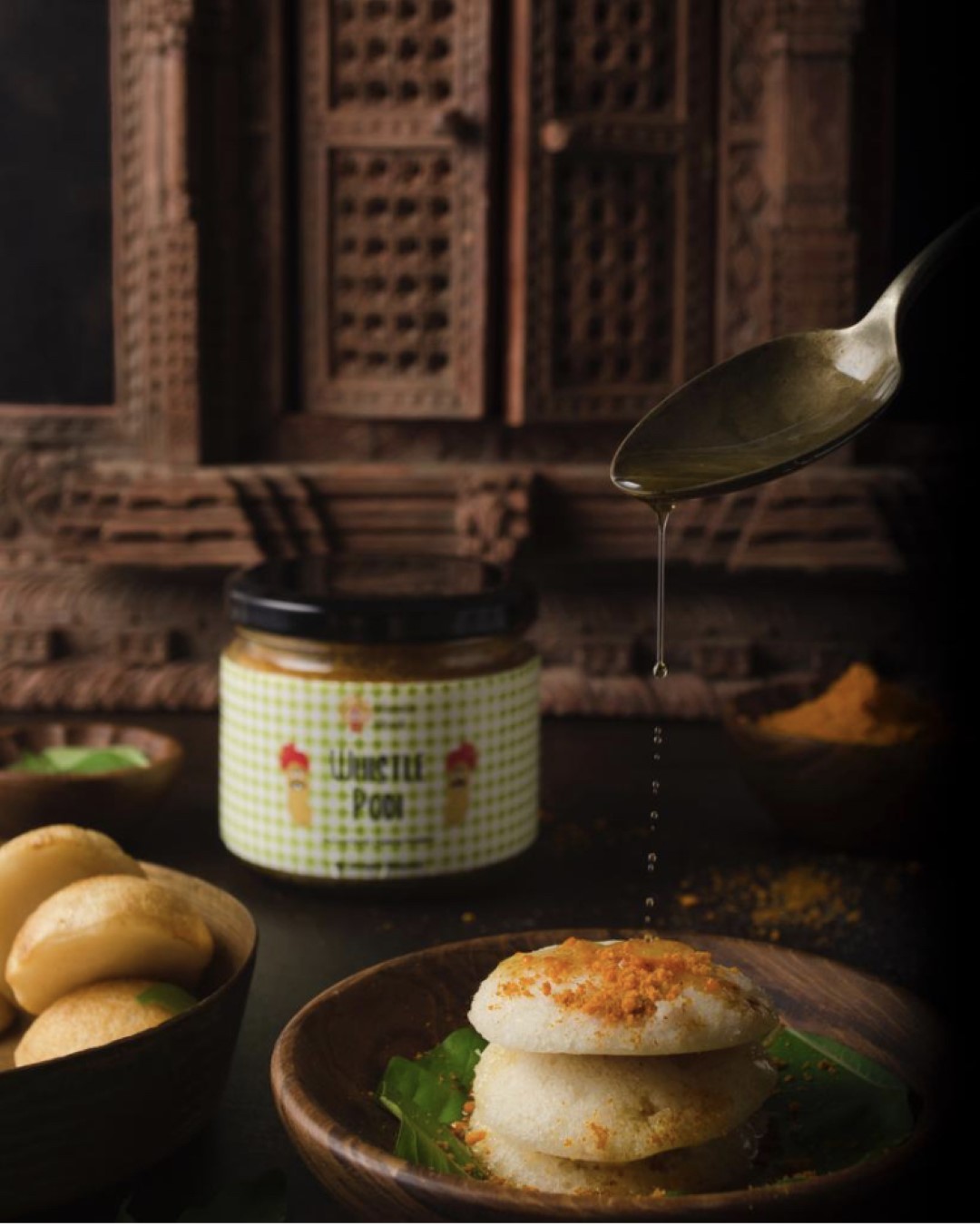
The journey begins with the Gunpowder Dosa, a thin, crispy crepe made from a fermented batter of rice and lentils. It’s served with a spicy ‘gunpowder’ mix and a flavorful potato masala. The dosa is a staple in South Indian cuisine, enjoyed hot and crispy, straight off the tawa (iron griddle). The ‘gunpowder’ mix, made from a blend of lentils and spices, adds a fiery kick to the dosa, making it a favorite among spice lovers.

Uttappam 🥞

Next up is the Uttappam, a thick, fluffy pancake also made from the fermented rice and lentil batter. It’s traditionally topped with a variety of fresh vegetables, including onions, tomatoes, chilies, and cilantro. The Uttappam is cooked evenly on both sides until it achieves a beautiful golden color. It’s a versatile dish that can be enjoyed for breakfast, lunch, or dinner, served with a side of sambar (lentil soup) and chutneys.

Idli🍚

The Idli, a steamed rice cake, is another popular dish in South India. It’s made from a different type of rice known as Idli rice, along with lentils and fenugreek seeds. The batter is fermented and then steamed in special Idli molds to create soft, fluffy cakes. The Idli is known for its mild flavor and soft texture, making it a perfect canvas for the flavorful sambar and chutneys it’s typically served with.

Paniyaram 🍘

Paniyaram is a popular South Indian snack or breakfast item made from either Idli batter or Dosa batter. It’s cooked in a special pan called a ‘paniyaram chatty’, which gives it a unique round shape. Chef Vijay shares his mother’s recipe in the video, revealing the love and nostalgia associated with this dish. The Paniyaram is served with a spicy coconut chutney, making it a delightful treat for the taste buds.

Idiyappam 🍝

Finally, there’s the Idiyappam, also known as string hopper. It’s essentially rice noodles served with a variety of gravies. The Idiyappam is made from a dough of rice flour, coconut milk, water, and salt, which is then pressed into noodles and steamed. This dish showcases the versatility of rice, a staple grain in South India, and the innovative ways in which it’s used in the region’s cuisine.

The Magic of Fermentation and Traditional Cookware 🍛🌶️

One of the key aspects of South Indian cuisine highlighted in the video is the use of fermentation. Fermentation not only adds a unique flavor to the dishes but also enhances their nutritional value. The process breaks down the starches in the rice and lentils, making them easier to digest and increasing the bioavailability of nutrients.

The video also underscores the importance of traditional cookware in South Indian cooking. From the ‘tawa’ (iron griddle) used for making dosas to the ‘paniyaram chatty’ (cast iron pan) used for making paniyaram, each piece of equipment contributes to the unique texture and flavor of the dishes.

Join the Foodie Community 🍽️👩‍🍳

If this exploration of South Indian cuisine has whetted your appetite for more, we invite you to join our Facebook community at Eatlo. It’s a space for food enthusiasts to share their love for all things culinary. From sharing recipes to discussing food trends, it’s a vibrant community for everyone who loves to eat and cook. 🍴👩‍🍳

Wrapping Up 🎬

The video by Bon Appétit is a treasure trove of culinary knowledge and inspiration. Chef Vijay’s expertise and passion shine through as he meticulously prepares each dish, explaining the nuances of South Indian cooking along the way. So, if you’re looking to expand your culinary horizons, be sure to check out the video and give these recipes a try. And remember, the best way to enjoy these dishes is when they’re hot and fresh, just like they’re served at Semma. 🍽️🔥

Posted on 1 Comment

Homemade Ice Cream Without A Machine

selective focus photography of person holding ice cream

Hello, Eatlo community! 🍽️👋 We’re back with another exciting video for all the dessert lovers out there. This time, we’re bringing you a fantastic recipe from America’s Test Kitchen, titled “How to Make Homemade Ice Cream Without A Machine”.🍨🥥

About America’s Test Kitchen 🎥🍴

America’s Test Kitchen is a renowned platform that features a plethora of recipes, cooking tips, and equipment reviews. Located in Boston’s Seaport District, it is the home of Cook’s Illustrated magazine and Cook’s Country magazine, and is the workday destination for more than 60 test cooks, editors, and cookware specialists. Their mission is to test recipes over and over again until they understand how and why they work and until they arrive at the best version.

The Magic of No-Churn Ice Cream 🍦✨

In this video, the hosts introduce us to the magic of making homemade ice cream without a machine. The recipe is based on a traditional method found in a grandmother’s recipe box, and it’s been updated with a modern twist. The result is a soft, scoopable ice cream that you can customize with your favorite flavors.

The Recipe 📝🍨

The recipe starts with whipping two cups of heavy cream in a blender until it forms stiff peaks. This process incorporates air into the mixture, similar to how an ice cream maker churns.

Next, they add a cup of sweetened condensed milk, which keeps the ice cream soft and scoopable in the freezer. A quarter cup of corn syrup (or caramel sauce for the salted caramel coconut flavor) is added, followed by a quarter cup of whole milk. The mixture is then flavored with extracts, such as vanilla or peppermint, and a bit of salt.

For the mint Oreo flavor, they stir in a half cup of chopped chocolate sandwich cookies. For the salted caramel coconut flavor, they add a quarter cup of toasted coconut and drizzle a third cup of caramel on top, lightly swirling it in with a fork.

The mixture is then poured into a loaf pan, covered with plastic wrap directly on the surface to prevent ice crystals, and frozen for about six hours until firm.

Join the Conversation! 🗣️👥

This video is a must-watch for anyone who loves ice cream and enjoys making homemade desserts. The recipe is simple, customizable, and doesn’t require any special equipment.

Don’t forget to join our Facebook community for more discussions on food, recipes, and well-being. We’d love to hear your thoughts on this video and any experiences you’ve had with making homemade ice cream. See you there! 😊

Posted on 2 Comments

The Perfect Pair: Harnessing the Power of Oatmeal and Peanut Butter for Effective Weight Loss and Enhanced Nutritional Value

Introduction 🚀

When it comes to supporting weight loss and maintaining a healthy lifestyle, incorporating nutrient-dense foods into your diet is key. Oatmeal and peanut butter are two versatile and nutritious ingredients that, when combined, can provide a powerhouse of benefits for your weight loss journey. In this comprehensive blog post, we will delve deeper into the numerous advantages of incorporating oatmeal and peanut butter into your diet, explore their individual nutritional profiles, discuss their impact on satiety and energy levels, highlight their role in nutrient balance, and provide practical tips on how to maximize their weight loss potential.

The Benefits of Oatmeal 🌾

  1. Rich in Fiber: Oatmeal is a fiber-rich grain, primarily known for its soluble fiber content, which forms a gel-like substance in the digestive tract. This soluble fiber helps slow down digestion, promotes feelings of fullness, and supports healthy bowel movements. By increasing satiety and aiding in digestion, oatmeal can be a valuable addition to your weight loss journey.
  2. Complex Carbohydrates: Oatmeal is an excellent source of complex carbohydrates, providing a sustained release of energy. The slow digestion of these complex carbs prevents blood sugar spikes, helping to regulate appetite and maintain steady energy levels throughout the day. Stable energy levels can prevent cravings and provide the necessary fuel for physical activity.
  3. Nutrient-Dense: Oatmeal is packed with essential vitamins and minerals, including manganese, phosphorus, magnesium, and B-vitamins. These nutrients support energy metabolism, contribute to a healthy nervous system, and play crucial roles in overall health and well-being.

The Benefits of Peanut Butter 🥜

  1. Healthy Fats: Peanut butter is a great source of healthy fats, particularly monounsaturated fats, which have been associated with heart health and improved satiety. The combination of healthy fats and protein in peanut butter can help you feel fuller for longer, reducing the likelihood of overeating or snacking on unhealthy foods.
  2. Protein Powerhouse: Peanut butter contains a significant amount of plant-based protein, making it a valuable addition to a weight loss diet. Protein helps promote feelings of fullness, supports muscle recovery and growth, and has a higher thermic effect, meaning your body burns more calories during digestion.
  3. Vitamin and Mineral Content: Peanut butter contains important vitamins and minerals such as vitamin E, magnesium, and potassium. Vitamin E is a potent antioxidant that helps protect cells from damage. Magnesium is involved in numerous enzymatic reactions in the body, contributing to energy production and metabolism. Potassium is essential for maintaining fluid balance and heart health.

Combining Oatmeal and Peanut Butter for Weight Loss Success 🥗💡

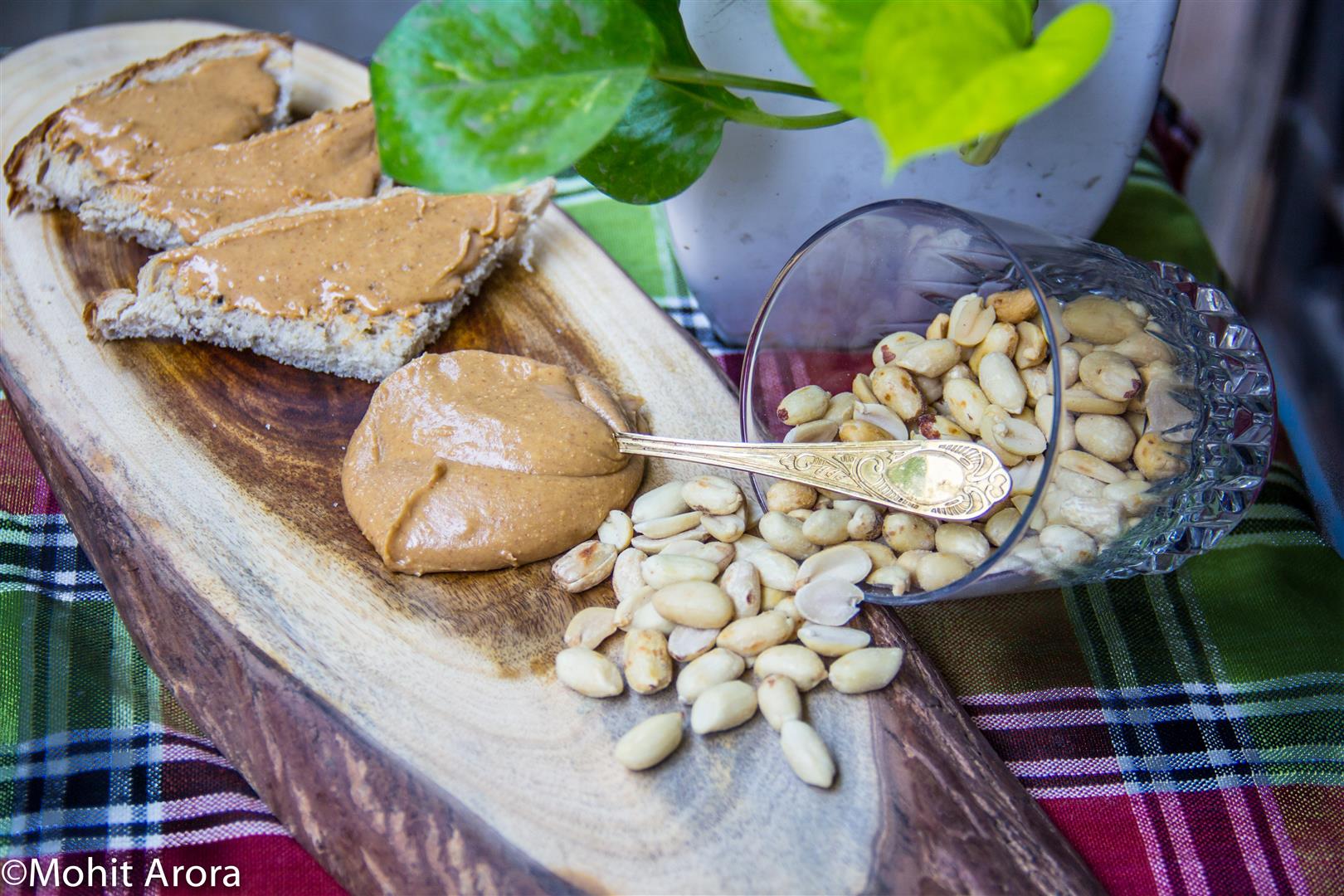
  1. Peanut Butter Banana Oatmeal: Start by cooking your oatmeal according to package instructions. Once cooked, stir in a tablespoon of peanut butter until it melts and combines with the oatmeal. Top it off with sliced bananas for added natural sweetness and a boost of potassium. This combination provides a balance of complex carbohydrates, healthy fats, protein, and essential nutrients to keep you satisfied and energized.
  2. Overnight Oats with Peanut Butter: Combine rolled oats, your choice of milk (dairy or plant-based), a tablespoon of peanut butter, and a sweetener like honey or maple syrup in a jar. Mix well, seal the jar, and refrigerate overnight. In the morning, give it a stir and enjoy creamy and ready-to-eat overnight oats that offer a delightful blend of flavors and textures.
  3. Peanut Butter Energy Bites with Oatmeal: In a mixing bowl, combine rolled oats, peanut butter, a touch of honey or agave syrup, and additional ingredients like chia seeds, flaxseeds, or dark chocolate chips. Form the mixture into bite-sized energy balls and refrigerate for a convenient and protein-packed snack. These energy bites provide a balanced combination of carbohydrates, healthy fats, and protein, keeping you satisfied between meals and supporting your weight loss efforts.

Conclusion 🏁

Incorporating oatmeal and peanut butter into your weight loss journey can provide a multitude of benefits. Oatmeal’s fiber content promotes feelings of fullness and aids in digestion, while peanut butter’s healthy fats and protein contribute to satiety and overall nutrition. By combining these two ingredients in creative ways, such as in oatmeal breakfast bowls or energy bites, you can enjoy a satisfying, nutrient-dense, and weight-loss-friendly diet. Experiment with different recipes and variations to find your favorite combinations and maximize the benefits of this powerful duo.

Disclaimer: This blog post is intended for informational purposes only and should not replace professional medical advice. Consult with a healthcare professional or registered dietitian for personalized dietary recommendations.

Posted on Leave a comment

Harnessing the Sweet Benefits: How Honey Can Support Your Weight Loss Journey with its Nutritional Profile, Satiety Effects, Metabolism Support, and Practical Application

honey on white bowl

Introduction 🚀

Honey, a natural and delicious sweetener, has gained recognition not only for its delightful taste but also for its potential benefits in weight management. In this detailed blog post, we will explore the nutritional profile of honey, discuss its impact on satiety and cravings, delve into its potential effects on metabolism, examine its role in gut health, and provide practical tips on incorporating honey into your weight loss regimen.

The Nutritional Profile of Honey 🍯⚖️

Honey is more than just a source of sweetness; it contains several valuable nutrients:

  1. Carbohydrates: Honey primarily consists of carbohydrates, including natural sugars such as fructose and glucose. These carbohydrates provide energy and can be utilized as a healthier alternative to refined sugars.
  2. Antioxidants: Honey contains various antioxidants, including phenolic compounds and flavonoids, which help combat oxidative stress and support overall health.
  3. Enzymes: Raw honey contains enzymes like amylase and invertase, which assist in the digestion and breakdown of carbohydrates, supporting optimal nutrient absorption.
  4. Minor Nutrients: Honey also contains trace amounts of vitamins and minerals, such as vitamin C, calcium, magnesium, potassium, and zinc, further contributing to its nutritional value.

The Role of Honey in Weight Management ⚖️🍯

  1. Satiety and Cravings: The natural sweetness and complex flavor profile of honey can satisfy cravings for sweets. Consuming a small amount of honey can provide a sense of satisfaction and reduce the desire for other high-calorie, processed sugary foods.
  2. Metabolism Support: Some studies suggest that honey may have a positive impact on metabolism. Its natural sugars can provide a quick source of energy, potentially supporting physical activity and overall metabolic function.
  3. Gut Health and Digestion: Honey, particularly raw and unfiltered varieties, contains prebiotics that nourish beneficial gut bacteria. A healthy gut microbiome supports proper digestion, nutrient absorption, and overall well-being, all of which are essential for weight management.
  4. Antioxidant Effects: The antioxidants present in honey help reduce inflammation and oxidative stress, which can be associated with weight gain and metabolic imbalances.

Practical Application of Honey for Weight Loss 🥗💡

Here are practical tips for incorporating honey into your weight loss regimen:

  1. Substitute for Refined Sugars: Replace refined sugars with honey in recipes to reduce the overall sugar content. Use honey in moderation and adjust the amount based on taste preferences.
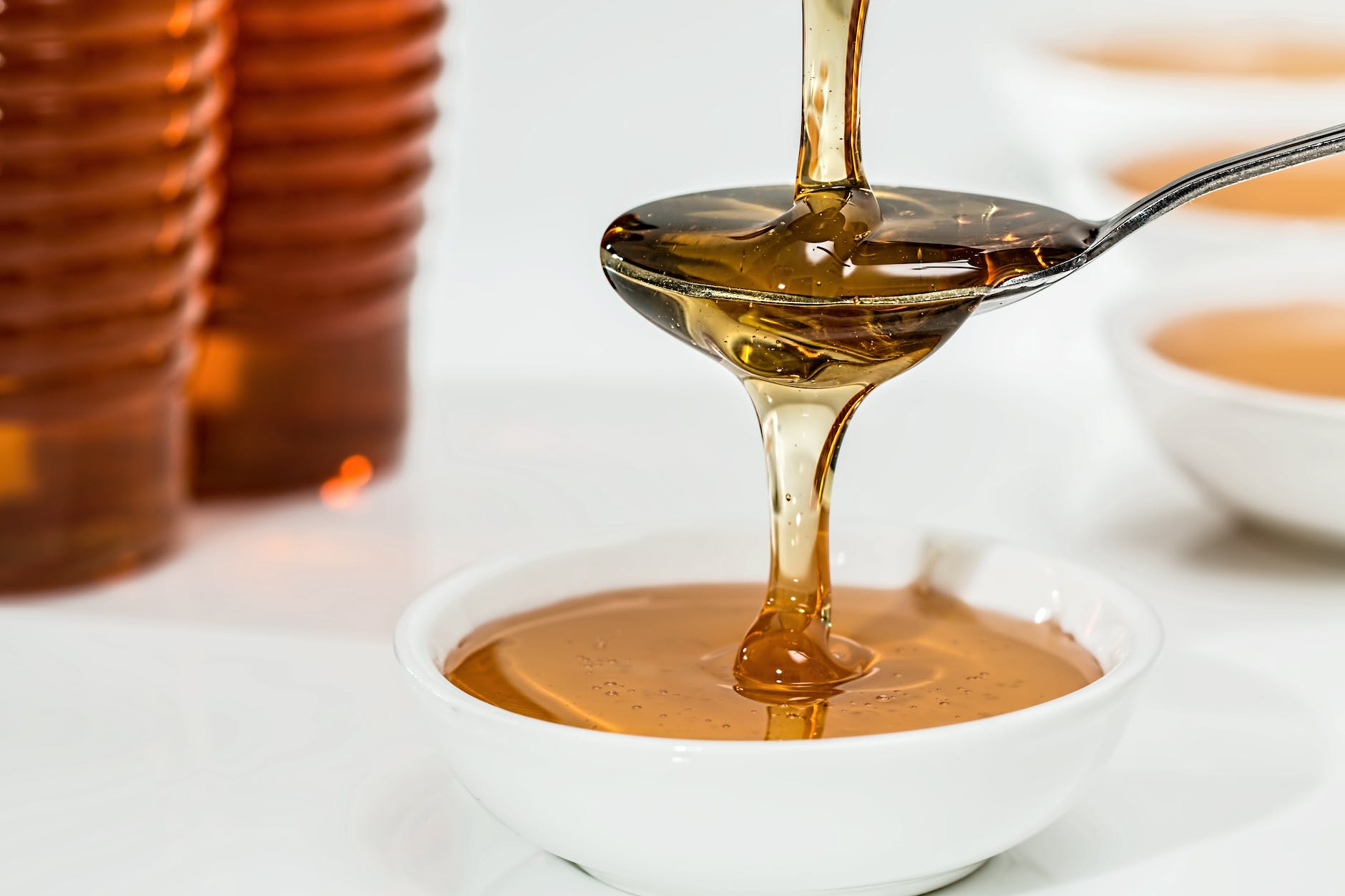
  2. Pair with Protein or Fiber: To minimize the impact on blood sugar levels, combine honey with protein-rich or fiber-rich foods. For example, drizzle honey over Greek yogurt, sprinkle it on a bowl of oatmeal with nuts and seeds, or use it in homemade energy bars with a balance of protein and healthy fats.
  3. Natural Sweetener in Beverages: Use honey as a natural sweetener in beverages like herbal tea, homemade lemonade, or smoothies. It adds a pleasant flavor and sweetness without relying on artificial sweeteners or excessive sugar.
  4. Mindful Consumption: Practice portion control and be mindful of overall calorie intake when using honey. Moderation is key, as honey is still a source of calories.
  5. Combine with Healthy Ingredients: Create nutritious and balanced recipes by combining honey with other wholesome ingredients. Use it in homemade salad dressings, marinades, or sauces with olive oil, vinegar, herbs, and spices for a burst of flavor.

Conclusion 🏁

Honey can be a valuable asset in your weight loss journey, offering a natural and nutrient-rich alternative to refined sugars. With its nutritional profile, potential effects on satiety, metabolism support, and contribution to gut health, honey can play a beneficial role in weight management. By incorporating honey mindfully into your diet and pairing it with protein or fiber-rich foods, you can enjoy its sweet benefits while pursuing your weight loss goals.

Disclaimer: This blog post is intended for informational purposes only and should not replace professional medical advice. Consult with a healthcare professional or registered dietitian for personalized dietary recommendations.