Posted on Leave a comment

The Ultimate Guide to Chia Seeds: Benefits, Uses, and Recipes

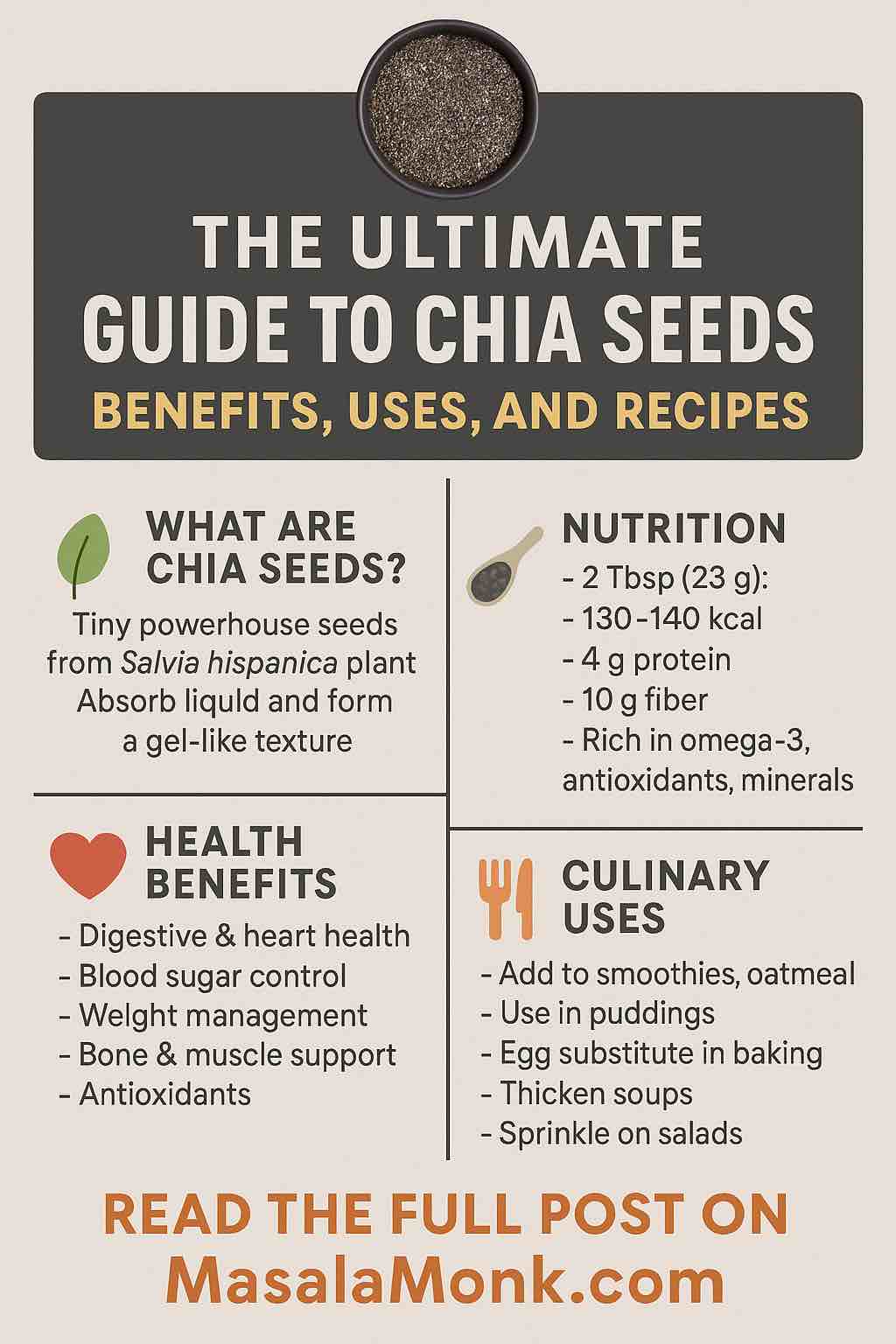
GUIDE TO CHIA SEEDS BENEFITS, USES, AND RECIPES

Whether you’re a wellness enthusiast, a curious foodie, or someone simply trying to eat healthier, chia seeds are a tiny superfood worth knowing. This guide explores everything you need to know about chia seeds: their origins, health benefits, practical uses, and easy-to-make recipes that fit into any lifestyle.


🌱 What Are Chia Seeds?

Chia seeds are the edible seeds of Salvia hispanica, a flowering plant native to Mexico and Guatemala. Historically consumed by Aztec and Mayan cultures, chia was prized for its energy-boosting properties. Today, it’s known for being rich in fiber, omega-3 fatty acids, protein, and essential minerals.


🧪 Nutritional Powerhouse

In just two tablespoons (28g), chia seeds offer:

  • Fiber: 10-11g
  • Protein: 4-5g (with all 9 essential amino acids)
  • Fat: 8-9g (mainly ALA omega-3s)
  • Calcium: 18% of RDI
  • Magnesium: 30% of RDI
  • Phosphorus: 27% of RDI
  • Antioxidants: Quercetin, chlorogenic acid, and caffeic acid

Chia seeds are naturally gluten-free and suitable for vegan, keto, and paleo diets.


❤️ Health Benefits

1. Supports Heart Health

The high content of omega-3 fatty acids (ALA) helps reduce inflammation, lower blood pressure, and improve cholesterol levels.

2. Improves Digestion

With 40% fiber by weight, chia seeds promote gut health, regular bowel movements, and help prevent constipation.

3. Regulates Blood Sugar

The soluble fiber in chia forms a gel-like consistency that slows digestion, helping to prevent blood sugar spikes.

4. Aids in Weight Management

The gel-like consistency when soaked provides a feeling of fullness, reducing overeating.

5. Boosts Bone Health

Rich in calcium, phosphorus, and magnesium—critical nutrients for maintaining strong bones.

6. Antioxidant Protection

Chia’s antioxidant compounds help combat oxidative stress and may support aging and chronic disease prevention.


⚠️ Potential Side Effects & Safety Tips

  • Choking hazard: Dry chia seeds expand in liquid. Always soak before consuming.
  • Digestive discomfort: Introduce gradually and drink plenty of fluids.
  • Drug interactions: Monitor if on blood pressure or diabetes meds.
  • Prostate/Kidney caution: High ALA and mineral levels may need moderation in sensitive individuals.

🍴 Practical Ways to Use Chia Seeds

💧 Hydration & Energy

  • Chia Fresca: Mix 1 tbsp chia seeds in a glass of water with lemon juice. Great for pre-workout hydration.
  • Fennel Chia Water: Soak chia with crushed fennel seeds overnight; drink in the morning for digestion.

🍽 Breakfasts

  • Overnight Oats: Mix oats, milk, chia seeds, and fruit; refrigerate overnight.
  • Smoothie Booster: Add a tablespoon of soaked chia to any smoothie.
  • Chia Yogurt Bowl: Mix with Greek yogurt, berries, and a drizzle of honey.

🍰 Baking & Cooking

  • Egg Substitute: Mix 1 tbsp chia + 3 tbsp water = 1 egg in baking recipes.
  • Breads & Muffins: Add a few tablespoons into batter for a nutrition upgrade.
  • Thickener: Use in soups or sauces instead of cornstarch.

🥗 Salads & Snacks

  • Granola Mix: Include in granola bars or homemade trail mix.
  • Salad Topper: Sprinkle raw over salads for crunch.

🍓 Easy & Delicious Recipes

1. Coconut Chia Pudding

Ingredients:

  • 1/2 cup chia seeds
  • 2 cups coconut milk
  • 1 tsp vanilla extract
  • 1 tbsp maple syrup
  • Fruit, nuts for topping

Instructions: Mix ingredients, refrigerate for 6+ hours. Top with fruits and nuts before serving.


2. Strawberry Banana Chia Smoothie

Ingredients:

  • 1 banana
  • 1/2 cup strawberries
  • 1 tbsp soaked chia seeds
  • 1 cup almond milk
  • Ice (optional)

Instructions: Blend until smooth and creamy. Serve immediately.


3. Savory Avocado Toast with Chia

Ingredients:

  • 2 slices of whole grain bread
  • 1 ripe avocado
  • Lemon juice, chili flakes, salt
  • 1 tsp chia seeds

Instructions: Mash avocado with seasoning, spread on toast, and sprinkle with chia.


4. Indian-Inspired Chia Bowl (Mango Turmeric)

Ingredients:

  • 1/2 cup chia seeds
  • 1.5 cups coconut milk
  • 1/4 tsp turmeric
  • 1/2 cup mango puree
  • Cardamom, jaggery to taste

Instructions: Soak chia in coconut milk overnight. Mix in turmeric, mango, and sweetener before serving.


✅ Final Tips for Everyday Use

  • Stick to 1-2 tablespoons/day.
  • Soak for at least 10–15 minutes before consuming.
  • Pair with foods rich in vitamin C or calcium to improve mineral absorption.
  • Store in a cool, dry place in an airtight container.

🧭 Conclusion

Chia seeds offer an easy, versatile, and nutrient-dense way to enhance your diet. From boosting heart health to supporting digestion, these tiny seeds are a worthy pantry staple. With countless ways to enjoy them—from puddings to smoothies to savory dishes—chia can be effortlessly integrated into any lifestyle.

Ready to give chia a try? Start small, stay hydrated, and get creative in your kitchen!

🔍 Frequently Asked Questions (FAQs)

1. Do chia seeds need to be soaked before eating?

Yes. Soaking chia seeds prevents potential choking and enhances digestibility. When dry, they absorb 10–12x their weight in liquid, which can cause discomfort if eaten without fluid. Soak for at least 10–15 minutes.


2. How much chia should I eat daily?

1 to 2 tablespoons (15–30 grams) per day is generally safe and effective for most people. Start with 1 tablespoon and increase gradually while ensuring good hydration.


3. Can chia seeds help with weight loss?

They may help indirectly. The fiber and gel-forming nature of soaked chia seeds promote satiety, which can reduce calorie intake. However, chia alone won’t cause weight loss—it should be part of a balanced diet and active lifestyle.


4. Are there any side effects of chia seeds?

In excess or without enough water, chia may cause bloating, gas, or constipation. Dry seeds can pose a choking risk. Also, people on blood pressure, blood sugar, or blood thinner medications should consult a doctor due to chia’s bioactive properties.


5. Can I cook chia seeds?

Yes. You can bake them into muffins, breads, and pancakes. Cooking won’t destroy most of their nutrients, but soaking or grinding preserves the omega-3 content better.


6. What’s the difference between black and white chia seeds?

Nutritionally, they are nearly identical. The main difference is cosmetic—white chia may be preferred in lighter-colored dishes like puddings or smoothies for visual appeal.


7. How do chia seeds support heart health?

Chia seeds are rich in ALA, a plant-based omega-3 fatty acid shown to reduce inflammation, lower blood pressure, and improve cholesterol levels—all beneficial for cardiovascular health.


8. Are chia seeds good for people with diabetes?

Yes. The soluble fiber slows carbohydrate absorption, helping to stabilize blood sugar. However, they may enhance the effects of diabetes medications, so monitor levels closely if adjusting your diet.


9. Can children or elderly people eat chia seeds?

Yes, but always ensure they are fully soaked to avoid choking. Start with small amounts and mix into soft foods like yogurt or porridge.


10. How should I store chia seeds?

Keep them in an airtight container in a cool, dark place. Properly stored, they can last up to 2 years. For maximum freshness, refrigerate after opening, especially in humid climates.

Posted on Leave a comment

Harnessing the Power of Cardamom for Weight Loss: Natural Support for Healthy and Sustainable Results

Cardamom, a spice revered for its intoxicating aroma and depth of flavor, has emerged as a natural ally in the journey towards weight loss and sustainable health management. This comprehensive exploration delves into cardamom’s potential as a multifaceted aid in weight loss, examining its metabolism-boosting capabilities, digestive support, and its role in enhancing satiety and overall well-being. Let’s delve into the secrets of cardamom and embrace its aromatic allure on the path to a healthier, more balanced lifestyle.


Understanding Cardamom’s Impact on Weight Loss

Cardamom’s journey from ancient spice cabinets to modern weight loss regimens is fascinating, attributed to its rich array of natural compounds. Here’s how cardamom stands out:

  • Metabolism-Boosting Potential: Discover cardamom’s ability to enhance metabolic rate through its active compounds like cineole and limonene, facilitating calorie burning and contributing to weight loss.
  • Digestive Support and Enhanced Nutrient Absorption: Cardamom’s essential oils, including alpha-pinene and terpinen-4-ol, stimulate the digestive system, improving nutrient absorption and preventing discomfort.
  • Blood Sugar Regulation: Cardamom may play a role in maintaining stable blood sugar levels, crucial for managing cravings and supporting weight loss.

Cardamom-Infused Recipes for Weight Management

Integrating cardamom into your diet can elevate not just the nutritional value but also the flavor profile of your meals:

  • Energizing Cardamom Green Smoothie: Kickstart your day with a blend of leafy greens, fruits, and a hint of cardamom.
  • Spiced Cardamom Roasted Vegetables: Roast your favorite veggies with a sprinkle of cardamom for a savory twist.
  • Creamy Cardamom Overnight Oats: Combine oats, almond milk, chia seeds, and cardamom for a ready-to-eat breakfast.
  • Cardamom-Infused Quinoa Salad: A light salad with quinoa, veggies, herbs, and a cardamom dressing, perfect for a nutritious meal.

Lifestyle Factors for Optimal Weight Management

While cardamom is a valuable tool in your weight loss arsenal, adopting a holistic approach that includes mindful eating, regular physical activity, and stress management is essential:

  • Mindful Eating Practices: Learn to enjoy cardamom-infused meals mindfully, paying attention to portion sizes and satiety cues.
  • Regular Physical Activity: Find enjoyable activities that complement your diet for overall wellbeing.
  • Stress Management and Sleep: Techniques like meditation or yoga can support a balanced weight by managing stress and ensuring quality sleep.

Conclusion

Cardamom’s journey from a beloved spice to a weight loss ally highlights its enduring appeal and multifunctional benefits. By incorporating cardamom into your diet and embracing a balanced lifestyle, you unlock nature’s power to support your weight loss goals. Let cardamom be more than just a flavor enhancer; let it be your partner in achieving a healthier, more vibrant self. Embrace the aromatic wonders of cardamom and enjoy its delightful flavors as you navigate your path to healthy and sustainable weight loss.

Posted on Leave a comment

Sweet Potatoes – Health, Nutrition and How to Use

Sweet potatoes, often overshadowed by their starchy counterparts, are finally having their moment in the nutritional spotlight. This vibrant root vegetable is not just a feast for the taste buds but also a cornucopia of health benefits, making it a must-have in your dietary arsenal. From their rich, earthy flavor to their impressive nutritional profile, sweet potatoes are the unsung heroes of the culinary world. Let’s dive deep into the world of sweet potatoes, exploring their health benefits, nutritional content, culinary versatility, and much more.


Sweet Potatoes: A Nutritional Powerhouse

Sweet potatoes are a nutritional powerhouse, packed with vitamins, minerals, fibers, and antioxidants. They are particularly rich in beta-carotene, which the body converts into vitamin A, crucial for maintaining healthy vision, skin, and immune function. But the goodness doesn’t stop there; these tubers are also loaded with vitamin C, potassium, and dietary fiber, all while being low in calories. This makes them an excellent ally in combating oxidative stress, supporting heart health, and promoting digestive wellness.

Unleashing the Health Benefits

  1. Immunity Booster: The high vitamin A content in sweet potatoes strengthens the immune system, making it more efficient at warding off infections.
  2. Heart Health Hero: With a significant amount of potassium, sweet potatoes help in regulating blood pressure levels, thus reducing the risk of heart disease.
  3. Weight Loss Wonder: High in fiber and water content, sweet potatoes keep you fuller for longer, aiding in weight management and appetite control.
  4. Glycemic Guardian: Despite their sweetness, sweet potatoes have a low glycemic index, making them a great choice for blood sugar regulation.
  5. Inflammation Inhibitor: The vibrant orange hue of sweet potatoes isn’t just for show; it’s a sign of the powerful antioxidants that help reduce inflammation throughout the body.

Culinary Creativity: Sweet Potatoes in the Kitchen

Sweet potatoes’ versatility makes them a star ingredient in any meal. From savory soups and salads to sweet desserts and smoothies, there’s no limit to how you can incorporate them into your diet. Here are a few ideas to get you started:

  • Morning Boost: Kickstart your day with a sweet potato breakfast hash, a perfect blend of savory flavors and nutritious goodness.
  • Lunch Delight: Toss roasted sweet potato cubes into your salads for a nutritious lunch that packs a punch.
  • Dinner Masterpiece: Sweet potato shepherd’s pie offers a comforting and healthy twist on a classic dish.
  • Snack Time: Sweet potato chips baked with a sprinkle of sea salt make for a crunchy, guilt-free snack.

Selecting, Storing, and Preparing

Choosing the perfect sweet potato is simple; look for smooth, firm skins and avoid any with soft spots or blemishes. Store them in a cool, dark place to preserve their freshness. When it comes to preparation, the possibilities are endless. Whether baked, boiled, steamed, or grilled, sweet potatoes retain their nutritional value and offer a delicious taste in every bite.


Sweet Potatoes in Folklore and Medicine

Sweet potatoes hold a place of honor in many cultures, not just as a food source but for their medicinal properties. They’ve been used to treat a variety of ailments, from inflammation to digestive issues, showcasing their importance in holistic health practices.

The Sweet Potato Challenge

In a world where diet trends come and go, the sweet potato stands the test of time. We challenge you to incorporate sweet potatoes into your meals for one week. Observe the changes in your health, energy levels, and overall well-being. We bet you’ll be pleasantly surprised!


Sweet potatoes are more than just a side dish; they’re a nutritional goldmine waiting to be explored. By incorporating these vibrant tubers into your diet, you’re not just enhancing your meals; you’re boosting your health, one delicious bite at a time. Embrace the sweetness and versatility of sweet potatoes and let them transform your culinary adventures and wellness journey.


Blog Tags: Sweet Potatoes, Superfood, Nutritional Benefits, Culinary Uses, Immune Boosting, Heart Health, Weight Loss, Blood Sugar Control, Anti-inflammatory, Healthy Recipes

Posted on 3 Comments

Energize Your Mornings: 5 Health-Boosting Turmeric and Moringa Tea Recipes

curcuma powder on tablespoon and spilled on black surface

Unlock the Power of Moringa and Turmeric

Hello, health enthusiasts and morning warriors! Today, we’re embarking on a flavorful journey to supercharge your mornings. Get ready to explore the vibrant world of healthful teas, starring two incredible superfoods – Moringa and Turmeric.

The Miracle of Moringa

Moringa, fondly known as the “miracle tree,” is a powerhouse of nutrients. Packed with vitamins A, C, and E, minerals, and protein, it’s no surprise that this green marvel has earned its place in the pantheon of superfoods. From boosting your energy levels to enhancing your skin health, Moringa is like a one-stop shop for your nutritional needs.

Turmeric: The Golden Spice of Life

Turmeric, or the “golden spice,” is famous for its potent anti-inflammatory properties and high antioxidant content. A staple in traditional medicine for centuries, modern research keeps unveiling more of its health benefits. Whether it’s fighting inflammation or providing an antioxidant boost, turmeric is a wonder spice that keeps on giving.

Why They Shine in the Morning

Starting your day with a tea infused with Moringa and Turmeric isn’t just about indulging in a warm, tasty beverage. It’s about setting a positive, health-conscious tone for the day. Imagine giving your body a gentle detox, an immune system boost, and a burst of energy first thing in the morning. That’s the power of these superfoods when consumed as your morning ritual.

5 Invigorating Morning Tea Recipes

Now, let’s dive into some tantalizing recipes that blend these two magical ingredients in a cup of wellness.

1. Basic Turmeric and Moringa Tea

Start your day with the basics. This easy recipe combines the goodness of Turmeric and Moringa. It’s like giving your body a warm, comforting hug. Don’t forget to add a pinch of black pepper – it’s not just for taste; it enhances the absorption of Turmeric!

2. Turmeric Moringa Tea with Ginger

Ready for a spicy twist? Introduce ginger into the mix. Known for its remarkable anti-inflammatory effects, ginger can aid digestion, soothe nausea, and bolster your defense against colds. This variant is your perfect ally on those days when you need an extra kick to get going.

3. Turmeric Moringa Tea with Lemon and Honey

For those who lean towards the sweet and tangy, this version is a dream. The refreshing zing of lemon coupled with the natural sweetness of honey makes this tea a delightful cup of sunshine. It’s not just delicious – it’s a vitamin C and throat-soothing powerhouse.

4. Turmeric Moringa Chai

Are you a chai aficionado? Infuse the aromatic charm of chai with Turmeric and Moringa. Adding these superfoods to a chai rich in spices like cinnamon, cardamom, and cloves creates a unique and nutritious morning brew. It’s especially comforting on chilly mornings and great for digestion.

5. Turmeric Moringa Green Tea

Lastly, for those who prefer a caffeinated start, mix Turmeric and Moringa with green tea. This trio creates an antioxidant-rich brew that provides a gentle yet effective energy boost. It’s the perfect option for those seeking a healthful caffeinated drink without the jitters.

Embracing the Ritual

Remember, embracing these teas as part of your morning routine is not just about taste. It’s about the profound effects they can have on your body and mind. From detoxification to immune boosting, these teas can transform your mornings into a powerful wellness ritual.

Conclusion: A Healthier, Happier You

Why wait any longer? Begin your journey to more energized, healthier mornings now. Brew these teas, relish their flavors, and bask in the healthful benefits they offer. Each sip is a step towards a happier, healthier you. Here’s to vibrant mornings and an invigorated you! 🎉☕🥂

Posted on 1 Comment

Turmeric Water: A Refreshing and Hydrating Drink for Weight Loss, Wellness, and Beyond

crop hands adding turmeric in glass of hot water in morning

How to Make Turmeric Water for Weight Loss

Welcome to the vibrant world of turmeric water, a simple yet potent drink that’s been making waves in the health and wellness community for its potential to aid in weight loss and overall well-being. At the heart of this golden elixir is turmeric, a spice revered for centuries in various cultures for its medicinal properties. In this post, we’ll dive deep into the art of making turmeric water, unravel its connection to weight loss, and explore the myriad of health benefits it offers.

[ez-toc]

Section 1: What is Turmeric Water?

Turmeric water is a concoction as simple as its name suggests – water infused with turmeric. But don’t let its simplicity fool you; this drink packs a punch. Originating from the ancient traditions of Ayurveda, turmeric water has transcended its cultural roots to become a global phenomenon.

Turmeric, the main ingredient, is a bright yellow spice known for its strong flavor and a plethora of health benefits. It’s a staple in South Asian cuisine and has been used in Ayurvedic medicine for thousands of years. The secret to its power lies in curcumin, the compound that gives turmeric its vibrant color and potent health properties.

Section 2: The Science Behind Turmeric and Weight Loss

Curcumin, the star component of turmeric, is not just a pretty face. It’s a bioactive compound with strong anti-inflammatory and antioxidant properties. But how does this relate to weight loss? Inflammation is often linked to obesity and metabolic diseases. By reducing inflammation, turmeric can play a role in weight management and overall health improvement.

Several studies have shown that curcumin can influence weight loss by regulating lipid metabolism, suppressing fat tissue growth, and reducing inflammation. However, it’s important to note that while promising, research is ongoing, and turmeric water should be seen as a supplement to a balanced diet and regular exercise, not a standalone solution.

Section 3: Benefits of Turmeric Water Beyond Weight Loss

The benefits of turmeric water extend far beyond weight loss. It’s a drink that truly caters to a holistic approach to health:

  • Anti-inflammatory Powerhouse: Chronic inflammation is a root cause of many health issues. Turmeric’s anti-inflammatory properties can help combat this, providing relief from conditions like arthritis and potentially reducing the risk of heart disease.
  • Antioxidant Rich: Curcumin is also a powerful antioxidant. Antioxidants neutralize harmful free radicals in the body, which can damage cells and lead to chronic diseases.
  • Digestive Aid: Turmeric stimulates the gallbladder to produce bile, which can improve digestion and reduce bloating and gas.
  • Brain Health: There’s growing evidence that curcumin can cross the blood-brain barrier and may help in improving neurodegenerative conditions like Alzheimer’s disease by reducing brain inflammation and plaque buildup.

Section 4: How to Make Turmeric Water – Step-by-Step Guide

Making turmeric water is easy and requires only a few simple ingredients. Here’s how you can prepare this healthful drink at home:

Ingredients:

  • 4 cups of water
  • 1-2 teaspoons of turmeric powder
  • 1/4 teaspoon of black pepper (to enhance curcumin absorption)
  • Optional: Honey or lemon for taste

Instructions:

  1. Boil the Water: Start by bringing the water to a boil in a pot.
  2. Add Turmeric and Black Pepper: Once boiling, reduce the heat and add the turmeric powder and black pepper. Stir well to ensure the spices are fully dissolved.
  3. Simmer: Allow the mixture to simmer for about 10-15 minutes. This process will infuse the water with turmeric and allow the curcumin to become more bioavailable.
  4. Strain and Serve: After simmering, remove the pot from the heat. Strain the turmeric water through a fine mesh strainer to remove any particles. Serve the turmeric water warm, or let it cool and store it in the refrigerator for a cold beverage. Add honey or lemon as per your taste preference.

Section 5: Customizing Your Turmeric Water

Turmeric water can be personalized to fit your taste and health needs. Here are some variations:

  • Ginger Turmeric Water: Add a slice of fresh ginger for an extra zing and digestive benefits.
  • Cinnamon Turmeric Water: Stir in a stick of cinnamon for added flavor and potential blood sugar regulation benefits.
  • Turmeric Tea: Replace water with green or herbal tea for an extra antioxidant boost.

Section 6: Best Practices for Consumption

Drinking turmeric water effectively is as important as making it correctly. Here are some best practices to enhance its benefits:

  • Timing Matters: The best time to drink turmeric water is in the morning on an empty stomach. This practice kick-starts your metabolism and aids in digestion throughout the day. However, if it doesn’t suit your stomach, try drinking it after meals.
  • Consistency is Key: For best results, make turmeric water a regular part of your daily routine. Consistent consumption maximizes the cumulative health benefits.
  • Mind the Dosage: Start with a lower quantity of turmeric (about 1/2 teaspoon) and gradually increase it to suit your palate and digestive tolerance.

Section 7: Potential Side Effects and Precautions

While turmeric water is generally safe for most people, there are a few potential side effects and precautions to be aware of:

  • Staining: Turmeric can stain teeth and clothes. Drink it with a straw or rinse your mouth afterward to avoid teeth discoloration.
  • Medication Interactions: Turmeric may interfere with certain medications, including blood thinners and diabetes medications. Consult your doctor if you’re on any prescription drugs.
  • Digestive Discomfort: In some cases, turmeric can cause digestive issues like acid reflux or an upset stomach, especially when consumed on an empty stomach.
  • Pregnancy and Breastfeeding: If you’re pregnant or breastfeeding, consult your healthcare provider before adding turmeric water to your diet.

Section 8: Conclusion

Turmeric water, with its delightful blend of flavor and health benefits, is more than just a weight loss drink. It’s a testament to the power of nature in supporting our well-being. By incorporating this simple yet powerful beverage into your daily routine, you’re not just working towards weight loss but also nurturing your body with a host of other health benefits.

Remember, while turmeric water is a wonderful supplement, it should accompany a balanced diet, adequate hydration, and regular exercise for optimal health and weight loss results.

FAQs

Q: Can turmeric water be consumed cold?
A: Absolutely! You can enjoy turmeric water either warm or cold, depending on your preference.

Q: How long can I store turmeric water?
A: You can store it in the refrigerator for up to 3-4 days. Ensure it’s in a sealed container to maintain freshness.

Q: Is there anyone who should avoid turmeric water?
A: Individuals with gallbladder problems, those on blood-thinning medications, or those who have a turmeric allergy should avoid turmeric water. When in doubt, consult a healthcare professional.

Q: Can I drink turmeric water before bed?
A: Yes, drinking turmeric water before bed can be beneficial. It may aid in digestion and provide anti-inflammatory benefits during sleep.


We hope this comprehensive guide helps you harness the benefits of turmeric water for weight loss and overall health. Cheers to your health journey!