Are you following a ketogenic diet but wondering what you can eat and what you can’t? Look no further! In this comprehensive guide, we’ll address all your burning questions about different foods and their compatibility with a keto lifestyle. From portion sizes to substitutes and everything in between, we’ve got you covered. Let’s dive in and explore the fascinating world of different foods in the context of a keto diet.
💫 How Much Sweet Potato is Keto?
Sweet potatoes are relatively high in carbohydrates, making them less suitable for a strict ketogenic diet. However, if you choose to include sweet potatoes in your keto diet, it’s important to consume them in moderation. A typical serving size of sweet potato on a keto diet is around ½ cup, which contains about 13-15 grams of net carbohydrates. It’s crucial to account for the carb content of sweet potatoes within your daily carb limit to maintain a state of ketosis.
💫 What is a Keto Substitute for Sweet Potatoes?
If you’re following a ketogenic diet and looking for a substitute for sweet potatoes, consider using lower-carb alternatives that provide similar flavors and textures. Some keto-friendly substitutes for sweet potatoes include:
- Rutabaga: With its slightly sweet taste and starchy texture, rutabaga can be cooked and seasoned to mimic the flavor of sweet potatoes.
- Turnips: Turnips offer a mild and slightly sweet flavor and can be roasted, mashed, or used in soups and stews as a substitute for sweet potatoes.
- Pumpkin: Pumpkin has a similar texture and can be used in both savory and sweet dishes as a low-carb alternative to sweet potatoes.
Remember to factor in the carbohydrate content of these substitutes to ensure they fit within your daily carb limit on a ketogenic diet.
💫 Can I Eat a Banana on Keto?
Bananas are relatively high in carbohydrates, primarily in the form of natural sugars, which makes them unsuitable for a standard ketogenic diet. A medium-sized banana contains about 27 grams of net carbohydrates, which can quickly add up and hinder ketosis. If you are following a strict keto diet, it is generally recommended to avoid or limit the consumption of bananas.
💫 Are Sweet Potatoes a Carb?
Yes, sweet potatoes are a source of carbohydrates. They contain starches and natural sugars that contribute to their sweet taste. A medium-sized sweet potato contains approximately 24-27 grams of net carbohydrates, depending on the specific type and size. Due to their carbohydrate content, sweet potatoes are not typically considered a keto-friendly food.
💫 Is Potato OK for Keto Diet?
Regular potatoes, including white potatoes, are relatively high in carbohydrates and are generally not recommended on a standard ketogenic diet. A medium-sized white potato can contain around 30 grams of net carbohydrates, which can easily exceed the daily carb limit for keto. Therefore, it’s best to avoid potatoes or consume them in very limited quantities if you are following a keto diet.
💫 Is Carrot Good for Keto?
Carrots, although nutritious, are moderately high in carbohydrates and natural sugars, making them less suitable for a strict ketogenic diet. A medium-sized carrot contains about 4-5 grams of net carbohydrates. While small amounts of carrots can be incorporated into a well-balanced keto diet, it’s important to consider their carb content and ensure they fit within your daily carb limit.
💫 Can I Drink Milk on Keto?
Dairy milk contains lactose, a natural sugar that contributes to its carbohydrate content. As a result, regular milk is relatively high in carbohydrates and is generally not recommended on a strict ketogenic diet. However, you can opt for unsweetened, low-carb alternatives such as almond milk, coconut milk, or cashew milk, which have lower carbohydrate content and can be enjoyed in moderation while following a keto diet.
💫 What Fruit is Keto?
When following a ketogenic diet, it’s important to choose fruits that are low in carbohydrates. Some keto-friendly fruits include:
- Berries: Berries such as strawberries, raspberries, and blackberries are relatively low in carbohydrates and can be enjoyed in moderation on a ketogenic diet.
- Avocado: Although technically a fruit, avocados are low in carbohydrates and high in healthy fats, making them an excellent choice for a keto diet.
- Lemons and Limes: Lemons and limes are low in carbohydrates and can be used to add flavor to dishes and beverages on a ketogenic diet.
- Tomatoes: While commonly considered a vegetable, tomatoes are botanically a fruit. They are relatively low in carbohydrates and can be included in small amounts in keto meals.
It’s important to note that while these fruits are suitable for a keto diet, portion control is key to ensure they fit within your daily carbohydrate limit.
💫 Can You Eat Dates on Keto?
Dates are naturally high in carbohydrates and sugars, making them unsuitable for a standard ketogenic diet. A single date can contain around 16 grams of net carbohydrates, primarily in the form of sugar. Due to their high carb content, it is generally recommended to avoid dates if you are following a strict ketogenic diet.
💫 Is Yogurt Allowed in a Keto Diet?
Yogurt can be consumed on a ketogenic diet, but it’s important to choose wisely and opt for yogurt varieties that are low in carbohydrates and added sugars. Full-fat, unsweetened Greek yogurt or plain yogurt without added fruits or sweeteners tend to be lower in carbohydrates and higher in fat, making them more suitable for a keto diet. However, it’s always best to check the nutritional information and choose yogurt options that align with your specific macronutrient goals for a ketogenic diet.
💫 Are Cucumbers Keto?
Yes, cucumbers are considered keto-friendly due to their low carbohydrate content. Cucumbers are primarily composed of water and fiber, making them a low-calorie and low-carb vegetable. A half-cup serving of sliced cucumbers typically contains only 2-3 grams of net carbohydrates, making them an excellent choice for adding crunch and hydration to your keto meals or as a refreshing snack.
💫 Is Kiwi Keto?
Kiwi is relatively high in carbohydrates compared to other fruits, which makes it less suitable for a strict ketogenic diet. A medium-sized kiwi can contain around 9-10 grams of net carbohydrates. While this amount can fit into some low-carb diets, it may be too high for a standard ketogenic diet. It’s important to monitor your carbohydrate intake and ensure that kiwi and other fruits fit within your daily carb limit if you choose to include them in your keto diet.
💫 Is Rice Good for Keto?
Rice, including both white and brown varieties, is relatively high in carbohydrates and is not recommended on a standard ketogenic diet. A single serving of rice can contain a significant amount of net carbohydrates, which can easily exceed the daily carb limit for ketosis. If you are following a strict keto diet, it’s best to avoid rice and opt for low-carb alternatives such as cauliflower rice or shirataki rice.
💫 Can You Eat Pumpkin on Keto?
Yes, pumpkin can be included in a ketogenic diet, but it’s important to moderate your portion size and consider its carbohydrate content. While pumpkin is relatively low in carbohydrates compared to other starchy vegetables, it still contains some carbs. A half-cup serving of cooked pumpkin typically contains around 6-8 grams of net carbohydrates. It’s best to incorporate pumpkin in moderation and account for its carb content within your daily limits to maintain ketosis.
💫 Is Corn Good for Keto?
Corn is relatively high in carbohydrates, making it unsuitable for a standard ketogenic diet. A small serving of corn can contain a significant amount of net carbohydrates, which can hinder ketosis. Corn is best avoided on a keto diet as there are other lower-carb vegetable options that can provide similar nutrients and flavors without the high carbohydrate content.
💫 Is Cauliflower Good for Keto?
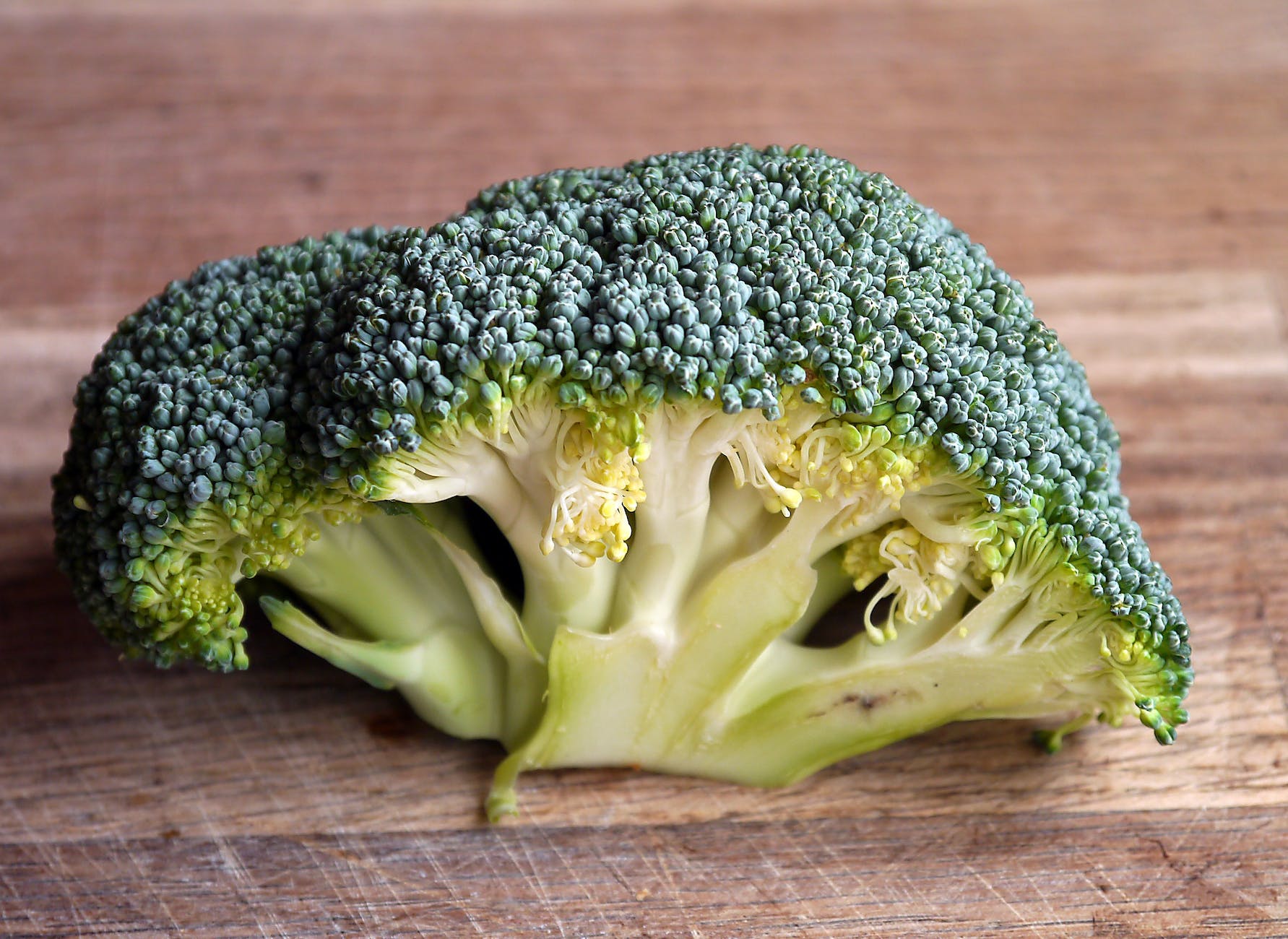
Yes, cauliflower is highly keto-friendly and often considered a staple in a ketogenic diet. It is low in carbohydrates and can be used as a versatile substitute for higher-carb ingredients in various dishes. Cauliflower can be used to make cauliflower rice, mashed cauliflower, cauliflower pizza crust, and more. It’s a great option for adding volume and texture to meals while keeping carbohydrate intake in check.
💫 Can I Eat Sweet Potato Everyday?
Eating sweet potatoes every day would likely exceed the carbohydrate limits of a standard ketogenic diet. Sweet potatoes are relatively high in carbohydrates compared to other low-carb vegetables, and consuming them in large quantities can inhibit the state of ketosis. If you are following a keto diet, it’s important to monitor your carbohydrate intake and prioritize low-carb vegetable options to ensure you stay within your desired carb limit.
💫 What are the Basic Rules for Keto?
The basic rules for a ketogenic diet involve reducing carbohydrate intake, increasing healthy fat consumption, and consuming a moderate amount of protein. Here are the key principles of a ketogenic diet:
- Limit Carbohydrates: Keep carbohydrate intake low, typically around 20-50 grams of net carbs per day, to induce a state of ketosis.
- Increase Healthy Fats: Consume adequate amounts of healthy fats, such as avocados, nuts and seeds, olive oil, coconut oil, and fatty fish, to provide energy and promote ketosis.
- Moderate Protein Intake: Consume a moderate amount of protein, typically around 0.6-1.0 grams per pound of body weight, to support muscle maintenance and repair.
- Stay Hydrated: Drink plenty of water to stay hydrated and support overall health.
- Prioritize Whole Foods: Focus on whole, unprocessed foods and avoid processed and sugary foods.
- Be Mindful of Portions: Pay attention to portion sizes and track your macronutrient intake to ensure you stay within your desired ranges.
It’s important to note that the specific macronutrient ratios and daily calorie intake may vary depending on individual goals, activity levels, and metabolic factors. Consulting with a healthcare professional or registered dietitian can provide personalized guidance for starting and maintaining a ketogenic diet.
💫 Are Oats Ketogenic?
Oats are relatively high in carbohydrates, especially when consumed in larger quantities, making them unsuitable for a strict ketogenic diet. A standard serving of oats can contain a significant amount of net carbohydrates, which can hinder ketosis. However, there are low-carb alternatives available, such as almond flour or coconut flour, which can be used in keto-friendly recipes to replicate the texture and taste of oats.
💫 Are Almonds Good for Keto?
Yes, almonds are an excellent choice for a ketogenic diet. They are low in carbohydrates and high in healthy fats and fiber, making them a satisfying and nutritious snack option. Almonds provide essential nutrients such as vitamin E, magnesium, and protein, while also contributing to a feeling of fullness. Just be mindful of portion sizes, as almonds are calorie-dense. A handful of almonds (around 1 ounce or 28 grams) is a suitable serving size for most individuals following a keto diet.
💫 Are Walnuts Keto?
Yes, walnuts are a keto-friendly nut option. They are low in carbohydrates and high in healthy fats, making them a nutritious addition to a ketogenic diet. Walnuts are also a good source of omega-3 fatty acids, which provide various health benefits. However, as with any nut, it’s important to consume them in moderation, as they are calorie-dense. A serving size of walnuts is typically around 1 ounce or 28 grams.
💫 Is Basmati Rice OK for Keto?
Basmati rice is a type of aromatic rice that is relatively lower in carbohydrates compared to some other varieties of rice. However, it is still relatively high in carbohydrates and is not generally recommended on a strict ketogenic diet. The carbohydrate content of basmati rice can vary depending on the brand and cooking method, but it is still important to consider portion sizes and overall carbohydrate intake when including basmati rice in a keto diet. It’s generally advisable to opt for lower-carb alternatives such as cauliflower rice or shirataki rice for those following a strict ketogenic diet.
💫 Is Popcorn Keto?
Popcorn is not typically recommended on a strict ketogenic diet due to its relatively high carbohydrate content. Traditional popcorn is made from corn kernels, which are relatively high in carbohydrates. Even in smaller portion sizes, popcorn can quickly add up in terms of carbohydrates, potentially hindering ketosis. However, there are some low-carb alternatives available, such as air-popped popcorn made from specific varieties of corn that have a lower carbohydrate content. It’s important to check nutritional labels and consider portion sizes to determine if a specific type of popcorn can fit into your keto diet.
💫 Which Grain is Keto-Friendly?
When following a ketogenic diet, grains are generally limited due to their high carbohydrate content. However, there are some low-carb grain alternatives that can be incorporated in moderation on a keto diet. These include:
- Quinoa: Although technically a seed, quinoa is often considered a grain and is relatively lower in carbohydrates compared to other grains. It can be enjoyed in small portions on a ketogenic diet.
- Chia Seeds: Chia seeds are nutrient-dense and low in net carbs. They can be used as a grain substitute in recipes and provide fiber, healthy fats, and other essential nutrients.
- Flaxseed: Ground flaxseed is low in carbohydrates and high in fiber, making it a suitable grain substitute on a ketogenic diet. It can be used in baking or added to various dishes for added nutritional value.
It’s important to note that portion control and overall carbohydrate intake should be considered when incorporating these grain alternatives into a ketogenic diet.
💫 Can We Boil Sweet Potato?
Yes, boiling sweet potatoes is a common cooking method that helps soften the texture and enhance their flavor. To boil sweet potatoes, start by peeling and chopping them into desired sizes. Place the sweet potato pieces in a pot of boiling water and cook until they are tender when pierced with a fork. The cooking time can vary depending on the size and thickness of the sweet potato pieces. Once boiled, the sweet potatoes can be enjoyed as a side dish, mashed, or used in various recipes.
💫 Is Eating 2 Sweet Potatoes Too Much?
Eating two sweet potatoes in a single sitting would likely exceed the carbohydrate limits of a standard ketogenic diet. As mentioned earlier, sweet potatoes are relatively high in carbohydrates compared to other low-carb vegetables. Consuming two sweet potatoes would provide a significant amount of net carbohydrates, which can hinder the state of ketosis. If you are following a ketogenic diet, it’s generally advisable to monitor your carbohydrate intake and prioritize lower-carb vegetable options to maintain ketosis.
💫 Can I Eat Sweet Potato at Night?
The timing of carbohydrate consumption, including sweet potatoes, is a personal preference and may vary depending on individual goals and dietary preferences. While some people prefer to limit their carbohydrate intake in the evening, others may include carbohydrates with their evening meal. If you choose to eat sweet potatoes at night, it’s important to consider portion sizes and overall carbohydrate intake to fit within your daily limits. Balancing your macronutrient intake and ensuring that it aligns with your individual goals and preferences is key.
💫 Is Wheat Rice Keto?
Wheat rice, commonly known as wheat berries or wheat kernels, is not typically considered keto-friendly due to its high carbohydrate content. Wheat is a grain that is relatively high in carbohydrates, particularly when consumed in larger quantities. It’s important to note that wheat rice is different from low-carb grain alternatives like cauliflower rice or shirataki rice, which are commonly used in keto diets. If you are following a strict ketogenic diet, it’s best to avoid wheat rice and opt for low-carb alternatives.
💫 Is Brown Rice Good for Keto?
Brown rice, while slightly higher in fiber and nutrients compared to white rice, is still relatively high in carbohydrates and is not recommended on a strict ketogenic diet. A standard serving of brown rice can contain a significant amount of net carbohydrates, which can hinder ketosis. If you are following a keto diet, it’s best to opt for lower-carb alternatives such as cauliflower rice or shirataki rice to minimize carbohydrate intake and maintain ketosis.
💫 Can I Eat Quinoa on Keto?
Quinoa, although considered a nutritious grain substitute, is relatively higher in carbohydrates compared to other low-carb options and is not typically recommended on a strict ketogenic diet. A standard serving of quinoa can contain a significant amount of net carbohydrates, which can hinder ketosis. If you are following a keto diet, it’s generally best to opt for low-carb alternatives such as cauliflower rice or shirataki rice, which have a much lower carbohydrate content.
💫 Can I Eat Carrots Every Day?
Carrots are nutritious and can be included in a well-balanced diet, but it’s important to moderate your portion size and consider your overall carbohydrate intake. Carrots are relatively higher in carbohydrates compared to other low-carb vegetables. A medium-sized carrot typically contains around 4-5 grams of net carbohydrates. If you are following a strict ketogenic diet, it’s advisable to monitor your carbohydrate intake and ensure that carrots, along with other food choices, fit within your daily carb limit.
💫 Is Sweet Potato Too Much Sugar?
Sweet potatoes naturally contain sugars, but they also provide various nutrients and fiber. While they are relatively higher in sugar compared to some other vegetables, they are not considered excessively high in sugar. The sugar content of sweet potatoes is naturally occurring and is accompanied by other beneficial nutrients. However, if you are following a specific dietary plan that requires limiting sugar intake, it’s important to consider the sugar content of sweet potatoes and factor it into your overall sugar consumption.
💫 Can I Replace Rice with Sweet Potato?
Replacing rice with sweet potato can be a viable option for individuals who are looking to reduce their carbohydrate intake or following specific dietary plans like the paleo diet. Sweet potatoes provide a different texture and flavor compared to rice but can serve as a satisfying substitute in various dishes. Keep in mind that sweet potatoes are still relatively high in carbohydrates, so if you are following a strict ketogenic diet, it’s best to opt for low-carb alternatives like cauliflower rice or shirataki rice instead.
Join the discussion!
For more tips, recipes, and support in your keto journey, join our vibrant community at https://www.facebook.com/groups/eatlo. Share your experiences, ask questions, and discover creative ways to include sweet potatoes and other keto-friendly foods in your diet. Let’s embark on this keto adventure together!