
Posted on — Leave a comment

Why Oatmeal Isn’t a Good Fit for the Keto Diet: Exploring Alternatives and the Impact on Ketosis

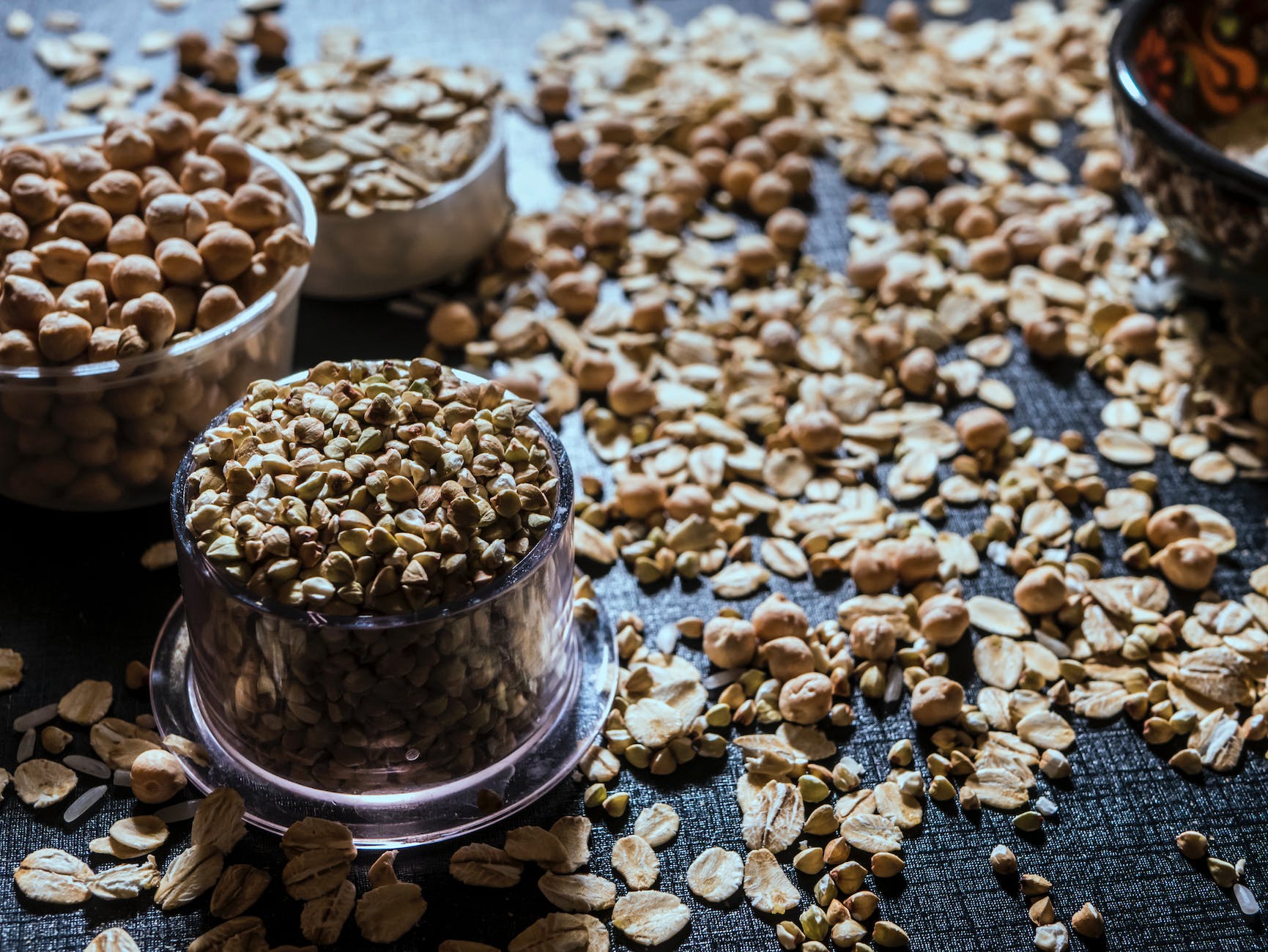
bunch of nuts served on bowls

Hello, keto enthusiasts! Are you considering adding oatmeal to your keto diet? While oatmeal is a popular breakfast choice for many, it may not be the best fit for a ketogenic lifestyle. In this informative and detailed post, we’ll explore the reasons why oatmeal isn’t compatible with the keto diet, delve into the impact it can have on ketosis, and provide you with a plethora of delicious and keto-friendly alternatives to satisfy your morning cravings. Let’s dive deep and discover why oatmeal and keto don’t mix well! 🌾🔥

Is Oatmeal Keto-Friendly?

  1. Oatmeal’s Carb Content: Traditional oatmeal is loaded with carbs – just half a cup contains around 15 grams of net carbs! This might exceed your daily keto carb limit.
  2. Keto Oatmeal Alternatives: Good news! You can enjoy keto-friendly oatmeal alternatives that mimic the taste and texture of oatmeal without the excess carbs. Try chia seed “oatmeal,” flaxseed “oatmeal,” or coconut flour “oatmeal” for a delicious low-carb option.
  3. Nourishing Benefits: Keto oatmeal substitutes are not only tasty but also packed with fiber, healthy fats, and essential nutrients. They promote ketosis and support your health and weight loss goals.
  4. Portion Control: If you occasionally crave traditional oatmeal, practice portion control and factor its carb content into your daily macros to maintain ketosis.

Understanding the Composition of Oatmeal 🌾📊

Oatmeal is a breakfast staple made from whole oats. It is often regarded as a healthy option due to its high fiber content. However, when it comes to the keto diet, oatmeal poses challenges due to its macronutrient composition:

  1. Carbohydrate Content: Oatmeal is relatively high in carbohydrates, particularly when consumed in larger quantities. A typical serving of oatmeal contains around 30 grams or more of net carbs, which can quickly surpass the daily carbohydrate limit for keto dieters aiming to stay in a state of ketosis.
  2. Fiber Content: While oatmeal does contain dietary fiber, which is beneficial for digestive health, it also contributes to the total carbohydrate content. While fiber is typically subtracted from the total carbohydrate count to calculate net carbs, the net carb count in oatmeal can still be significant and impact ketosis.
  3. Lack of Healthy Fats: Oatmeal is primarily composed of carbohydrates and lacks significant amounts of healthy fats—the cornerstone of the ketogenic diet. Healthy fats are essential for achieving and maintaining ketosis, as they provide a stable energy source and help keep you feeling satiated.

The Impact of Oatmeal on Ketosis 🔥🥣

Consuming oatmeal can have several implications for individuals following a ketogenic diet, including:

  1. Blood Sugar Spike: Oatmeal can cause a rapid increase in blood sugar levels due to its high carbohydrate content. This spike in blood sugar triggers the release of insulin, potentially inhibiting ketosis and making it challenging to maintain a state of fat-burning.
  2. Disruption of Ketosis: Oatmeal’s high carb content can lead to a temporary halt in ketosis as the body shifts from burning fat for fuel to utilizing the carbohydrates from oatmeal as its energy source. This interruption can make it more difficult to reach and sustain a state of ketosis, which is crucial for reaping the benefits of a ketogenic lifestyle.
  3. Increased Cravings and Hunger: The rapid rise in blood sugar followed by a subsequent drop can leave you feeling hungry and craving more carbohydrates. This can lead to a cycle of increased carbohydrate consumption, hindering your progress on the keto diet and potentially derailing your efforts.

Delicious and Keto-Friendly Oatmeal Recipe Ideas

Looking for tasty keto oatmeal ideas? Try these mouthwatering alternatives:

  • Chia Seed “Oatmeal”: Soak chia seeds in coconut or almond milk, and top with keto-friendly nuts and berries.
  • Flaxseed “Oatmeal”: Ground flaxseed cooked with coconut milk, cinnamon, and vanilla creates a warm and comforting oatmeal-like experience.
  • Coconut Flour “Oatmeal”: Whip up a delicious coconut flour “oatmeal” with almond milk and a touch of sweetener.

FAQs About Oatmeal and Keto

Q1: Can I have oatmeal on a keto diet? A: Traditional oatmeal is carb-heavy and may not be the best option for keto. However, you can enjoy keto-friendly oatmeal alternatives.

Q2: Is oatmeal good for a keto diet? A: While traditional oatmeal isn’t ideal for keto, low-carb oatmeal substitutes offer nourishing options with added health benefits.

Q3: How can I reduce oatmeal’s carb content? A: Opt for low-carb oatmeal alternatives made from chia seeds, flaxseed meal, coconut flour, or hemp hearts.

Q4: What are other low-carb breakfast options for keto? A: There are numerous delicious keto breakfast options, including eggs, avocado, bacon, and low-carb smoothies.

Q5: Can I occasionally have traditional oatmeal on keto? A: Occasional indulgence is fine, but control portions to stay within your daily carb limit and avoid disrupting ketosis.

Conclusion: Exploring Keto-Friendly Alternatives to Oatmeal 🌾🚫🔥

While oatmeal may be a beloved breakfast choice for many, it is not compatible with the ketogenic diet due to its high carbohydrate content and potential to disrupt ketosis. However, there’s no need to give up a warm and satisfying morning meal. By opting for delicious and keto-friendly alternatives like chia seed pudding, coconut flour porridge, flaxseed meal cereal, or nutrient-packed smoothie bowls, you can enjoy a breakfast that supports your keto journey while providing the comfort and nutrition you crave. Embrace these detailed and enticing keto-friendly options and start your day with a breakfast that keeps you in ketosis and satisfies your taste buds! 🌱🥣

Posted on — 2 Comments

Harnessing the Power of Oats and Chia Seeds for Weight Loss: Exploring Their Nutritional Benefits, Preparation Methods, Delicious Recipes, and Practical Tips

Introduction 🚀

Oats and chia seeds are two nutritional powerhouses that can support your weight loss journey in a delicious and satisfying way. In this detailed and comprehensive blog post, we will delve deeper into the nutritional benefits of oats and chia seeds, discuss how they aid in weight loss, explore various preparation methods to unlock their potential, provide you with mouthwatering recipes, and offer practical tips to incorporate these ingredients into your diet for effective weight management.

The Nutritional Benefits of Oats and Chia Seeds 🌾⚖️

  1. Oats:
    • Rich in Fiber: Oats are a fantastic source of soluble and insoluble fiber. Fiber promotes feelings of fullness, aids in digestion, regulates blood sugar levels, and supports a healthy gut, all of which are crucial for weight management.
    • Abundant in Complex Carbohydrates: Oats provide sustained energy due to their complex carbohydrate content. They release glucose slowly into the bloodstream, preventing spikes in blood sugar levels and keeping cravings at bay.
    • Packed with Nutrients: Oats are loaded with essential vitamins and minerals, including manganese, phosphorus, magnesium, and B vitamins. These nutrients support energy production, a healthy metabolism, and overall well-being.
  2. Chia Seeds:
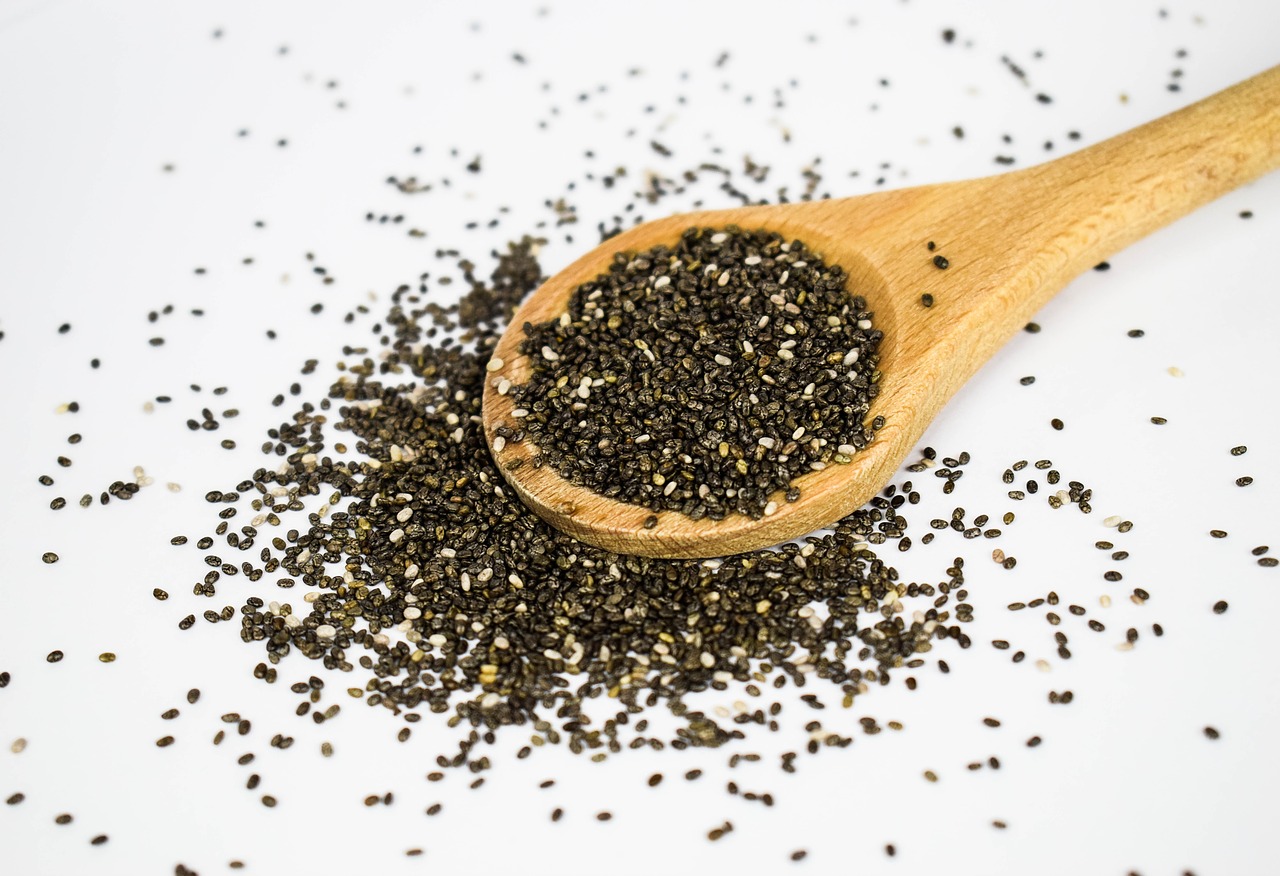
    • High in Fiber: Chia seeds are one of the richest plant-based sources of dietary fiber. When mixed with liquid, they form a gel-like substance that helps expand in the stomach, promoting a feeling of fullness and reducing overall calorie intake.
    • Omega-3 Fatty Acids: Chia seeds are an excellent source of omega-3 fatty acids, particularly alpha-linolenic acid (ALA). Omega-3s play a role in reducing inflammation, supporting heart health, and aiding weight management.
    • Nutrient Powerhouse: Chia seeds are packed with important nutrients like calcium, magnesium, phosphorus, and antioxidants. These nutrients contribute to overall health and help optimize bodily functions.

How Oats and Chia Seeds Aid in Weight Loss ⚖️🌾

  1. Promoting Satiety and Controlling Appetite: Both oats and chia seeds are high in fiber, which swells in the stomach and promotes feelings of fullness. This can help reduce overall calorie intake by curbing excessive snacking and preventing overeating.
  2. Regulating Blood Sugar Levels: The soluble fiber in oats and chia seeds slows down the absorption of glucose, preventing sudden spikes in blood sugar levels. By stabilizing blood sugar levels, these ingredients help manage cravings and promote balanced energy throughout the day.
  3. Supporting Digestive Health: The fiber content of oats and chia seeds supports a healthy digestive system by promoting regular bowel movements and preventing constipation. A well-functioning digestive system is essential for optimal nutrient absorption and overall well-being.

Preparation Methods to Unlock the Potential 🍽️🔓

  1. Overnight Oats: Combine rolled oats, chia seeds, and your choice of liquid (such as milk or yogurt) in a jar or container. Add flavorings like honey, vanilla extract, or spices. Mix well, cover, and refrigerate overnight. In the morning, you’ll have a ready-to-eat delicious and nutritious breakfast.
  2. Chia Seed Pudding: In a jar or bowl, mix chia seeds with your choice of liquid (such as almond milk or coconut milk), sweetener, and flavorings. Stir well and refrigerate for a few hours or overnight until it reaches a pudding-like consistency. Top with fresh fruits, nuts, or granola for added texture and flavor.
  3. Oatmeal with Chia Seeds: Cook oats on the stovetop or in the microwave with water or milk of your choice. Just before serving, stir in chia seeds for an extra nutritional boost. Add toppings like sliced fruits, nuts, or a drizzle of honey for a delightful breakfast or snack.

Incorporating Oats and Chia Seeds into Your Diet 🥗💡

  1. Breakfast Powerhouse: Start your day with a bowl of oatmeal topped with a sprinkling of chia seeds and a variety of fruits, such as berries, sliced bananas, or diced apples. This combination provides a filling and nutrient-packed breakfast to kickstart your day.
  2. Snack Attack: Create energy-boosting snacks by combining oats, chia seeds, nut butter, and natural sweeteners like honey or maple syrup. Shape the mixture into bite-sized balls or bars and refrigerate for a convenient and satisfying snack on-the-go.
  3. Smoothie Boost: Add a tablespoon of chia seeds and a small handful of oats to your favorite smoothie recipe. These additions will enhance the fiber and nutrient content of your smoothie, making it more filling and nourishing.
  4. Salad Crunch: Sprinkle chia seeds and toasted oats on top of salads to add a delightful crunch and boost the fiber content. Pair them with leafy greens, colorful vegetables, and a protein source for a well-rounded and satisfying meal.

Conclusion 🏁

Oats and chia seeds are nutrient-dense ingredients that can play a significant role in your weight loss journey. Their high fiber content, ability to promote satiety, and support for healthy digestion make them valuable additions to a balanced and nutritious diet. By incorporating oats and chia seeds into your meals through various preparation methods and recipes, you can enjoy their benefits while working towards your weight management goals.

Disclaimer: This blog post is intended for informational purposes only and should not replace professional medical advice. Consult with a healthcare professional or registered dietitian for personalized dietary recommendations.

Posted on — 1 Comment

The Versatility of Coconut Water: 5 Creative Recipes Beyond the Glass

photo of woman cracking coconut shells

Hello, coconut lovers! 🌴👋 Get ready to embark on a culinary adventure as we explore the incredible versatility of coconut water. In this guide, we’ll take you beyond the glass and share five unique and delicious recipes that showcase the diverse uses of coconut water. From savory dishes to sweet treats, we’ll unlock the full potential of coconut water in the kitchen. So, let’s dive in and discover the endless possibilities of this tropical elixir. 🥥🌿🍽️

1. Coconut Water Rice 🍚🥥

Transform plain rice into a flavorful delight by infusing it with the subtle sweetness and tropical aroma of coconut water. To make coconut water rice, rinse the rice thoroughly and replace a portion of the water in your usual rice recipe with coconut water. Cook the rice as usual, and you’ll be amazed at the delightful transformation. The coconut water lends a fragrant and slightly sweet taste to the rice, making it a perfect complement to your favorite curries, stir-fries, or grilled dishes.

2. Coconut Water Lime Marinade 🍗🌴

Elevate the flavors of your favorite proteins with a tangy and tropical marinade. In a bowl, combine coconut water, freshly squeezed lime juice, minced garlic, chopped cilantro, a pinch of salt and pepper, and a dash of your preferred spices. Mix well and use this marinade to marinate chicken, fish, or tofu for at least 30 minutes before grilling or baking. The coconut water not only adds a hint of sweetness but also helps tenderize the meat, resulting in juicy, flavorful, and mouthwatering dishes.

3. Coconut Water and Herb Salad Dressing 🥗🍃

Create a refreshing and vibrant dressing using coconut water as the base. In a blender, combine coconut water, a handful of fresh herbs like basil, cilantro, or mint, a squeeze of lemon or lime juice, a drizzle of extra-virgin olive oil, a touch of honey or maple syrup for sweetness, and a pinch of salt and pepper. Blend until smooth and creamy. This homemade coconut water and herb dressing will elevate your salads with its tangy, herbaceous flavors and provide a hydrating twist to your greens.

4. Coconut Water Smoothie Popsicles 🍦🥥🍓

Cool down and indulge in healthy frozen treats with coconut water smoothie popsicles. In a blender, combine coconut water, your choice of fruits like strawberries, mangoes, or pineapple, a handful of spinach or kale for added nutrients, and a touch of sweetener if desired. Blend until smooth and pour the mixture into popsicle molds. Insert popsicle sticks and freeze until solid. These coconut water smoothie popsicles are not only refreshing and delicious but also packed with vitamins, minerals, and antioxidants, making them a guilt-free way to satisfy your sweet tooth.

5. Coconut Water Chia Seed Pudding 🥥🍮

Experience the creamy and nutritious delight of coconut water chia seed pudding. In a jar, combine coconut water, chia seeds, a splash of vanilla extract, and a natural sweetener like honey or maple syrup. Stir well and refrigerate the mixture overnight or for at least a few hours until it thickens into a pudding-like consistency. Top it with fresh fruits, toasted coconut flakes, and a sprinkle of nuts or seeds for added texture and flavor. This wholesome and satisfying chia seed pudding makes a delightful breakfast, snack, or dessert option.

These creative recipes demonstrate the versatility of coconut water beyond being a standalone beverage. By incorporating it into your cooking, you can infuse dishes with tropical flavors, enhance the taste of marinades and dressings, and create delightful frozen treats and nutritious puddings.

Embrace the versatility of coconut water and let your culinary imagination run wild. Enjoy the unique flavors and refreshing benefits it brings to your kitchen creations. Cheers to the endless possibilities of coconut water! 🥥🌿🍽️








