Are you tired of the same old meal prep routine? Do you find yourself struggling to come up with nutritious and delicious meals that won’t leave you feeling bored by midweek? Look no further, because we’ve got some meal prep ideas that will make your taste buds dance with joy!
We all know that protein is an important nutrient that helps keep us feeling full and satisfied throughout the day. But finding high-protein recipes that are also vegan can be a challenge. That’s why we recommend turning to Indian cuisine for some seriously tasty and nutritious options.
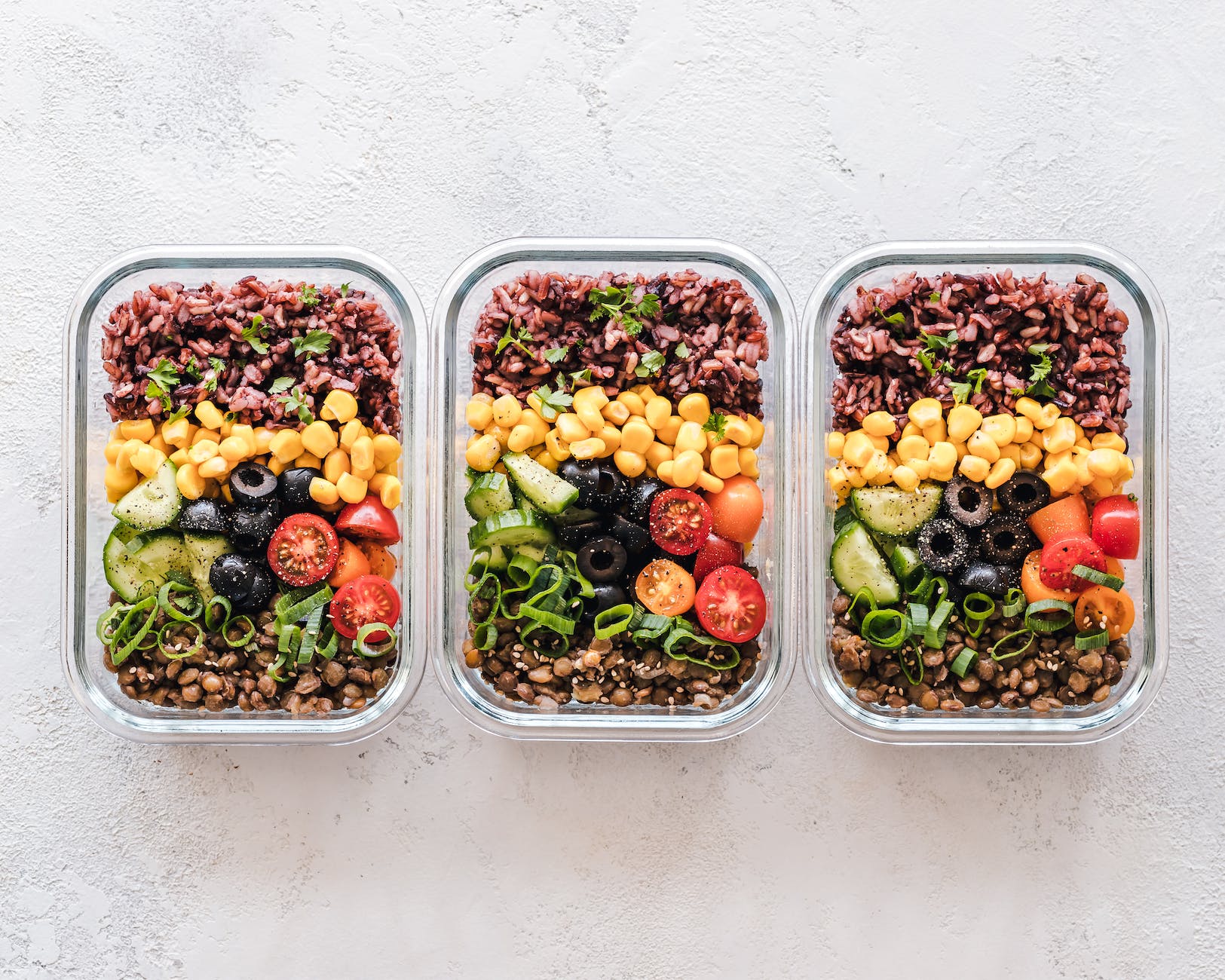
Chickpea curry, tofu saag, lentil soup, vegetable biryani, and masoor dal are just a few examples of high-protein lunch and dinner recipes for vegans that you can prepare in advance for the week. And the best part? These dishes are packed with flavor and spices that will make you forget you’re even meal prepping.
But don’t worry, you don’t need to be a master chef to pull off these recipes. With a little bit of prep and a lot of love, you can whip up these dishes in no time. And the best part? You’ll have coworkers drooling over your lunch and asking for the recipe.
So why not mix up your meal prep routine and give these high-protein vegan recipes a try? With a little bit of spice and a lot of flavors, you’ll never dread meal prep again.
Here are some meal prep ideas for Indian cuisine that have high-protein lunch and dinner recipes for vegans:
Chickpea Curry: Chickpeas are a great source of protein and make a delicious curry. You can prepare a large batch of chickpea curry with onions, tomatoes, and spices like cumin, coriander, and turmeric. Serve it with brown rice or quinoa for a filling meal.
Tofu Saag: Saag is a dish made with spinach and other greens, and it can be paired with tofu for a high-protein meal. You can sauté onions, garlic, and ginger in oil, add chopped spinach, and season with spices like garam masala and red chili powder. Add cubed tofu and cook until the flavors blend together.
Lentil Soup: Lentil soup is a nutritious and filling dish that can be prepared in large batches for meal prep. You can use any lentil variety such as red, green, or brown lentils, and season with spices like cumin, coriander, and turmeric. You can also add vegetables like carrots, potatoes, and tomatoes for added flavor.
Vegetable Biryani: Biryani is a rice dish that is flavored with spices like cinnamon, cardamom, and cloves. You can add vegetables like peas, carrots, and bell peppers to the rice for extra nutrition and flavor. Serve with a side of cucumber raita, which is made with yogurt and cucumber.
Masoor Dal: Masoor dal is made with red lentils and is a great source of protein and fiber. You can prepare it with onions, tomatoes, and spices like cumin, coriander, and turmeric. Serve it with brown rice or roti for a filling meal.
here’s a table including some additional nutrition information for the high protein vegan Indian cuisine meal prep ideas mentioned earlier:
Meal
Protein Source
Type of Protein
Amount per Serving
Calories
Carbohydrates
Fiber
Fat
Sodium
Chickpea Curry
Chickpeas
Plant-based
8 grams
250
36 grams
9 grams
8 grams
420 mg
Tofu Saag
Tofu
Plant-based
10 grams
220
15 grams
4 grams
15 grams
360 mg
Lentil Soup
Lentils
Plant-based
13 grams
270
39 grams
16 grams
4 grams
650 mg
Vegetable Biryani
Brown Rice
Plant-based
4 grams
320
52 grams
6 grams
8 grams
420 mg
Masoor Dal
Red Lentils
Plant-based
10 grams
200
29 grams
16 grams
2 grams
610 mg
here’s a table including some additional nutrition information for the high protein vegan Indian cuisine meal prep ideas mentioned earlier:
Note: Nutrition information is estimated and may vary depending on the recipe and serving size.
incorporating high-protein vegan Indian cuisine meal prep ideas into your weekly routine can offer numerous benefits. These meals are not only nutritious and delicious, but also easy to prepare in advance and perfect for those looking to maintain a healthy and balanced diet.
By incorporating a variety of plant-based protein sources such as chickpeas, tofu, lentils, and brown rice, you can ensure that you are getting the protein your body needs to feel full and satisfied throughout the day. Additionally, these meals are packed with fiber, vitamins, and minerals that are essential for overall health and well-being.
Meal prepping with these high-protein vegan Indian cuisine recipes also saves time and money, as you can prepare a week’s worth of meals in advance and avoid the need to dine out or order takeout. This not only helps you stay on track with your nutrition goals but also gives you more time to focus on other aspects of your life.
Hemp seeds have become increasingly popular in recent years and for good reason. They are a great source of protein, healthy fats, fiber, and various vitamins and minerals. One of the best ways to incorporate hemp seeds into your diet is by adding them to smoothies. Not only do they add a delicious nutty flavor, but they also provide a host of health benefits.
Nutrition in Hemp Seeds
Hemp seeds are a great source of plant-based protein, containing all nine essential amino acids. This makes them a fantastic option for vegetarians and vegans who may struggle to get enough protein in their diets. In addition, they are high in healthy fats, particularly omega-3 and omega-6 fatty acids, which are important for brain function and heart health. They also contain fiber, which can help to improve digestion and promote feelings of fullness.
Hemp seeds are also a good source of various vitamins and minerals, including vitamin E, potassium, magnesium, and iron. Vitamin E is a powerful antioxidant that can help to protect the body against damage from free radicals, while potassium is important for maintaining healthy blood pressure levels. Magnesium is essential for bone health, and iron is important for transporting oxygen throughout the body.
Macro Nutrient Table for Hemp Seeds (per 100g)
Nutrient
Amount
Calories
553
Protein
32g
Fat
49g
Carbohydrates
12g
Fiber
7g
Sugar
1.5g
Macro Nutrient Table for Hemp Seeds (per 100g)
Benefits of Adding Hemp Seeds to Smoothies
Adding hemp seeds to your smoothies can provide a range of health benefits. Research has shown that hemp seeds may help to reduce inflammation in the body, which is linked to various chronic diseases such as arthritis and heart disease. They may also help to improve heart health by reducing cholesterol levels and blood pressure.
In addition, the protein and fiber in hemp seeds can help to promote feelings of fullness, which may aid in weight loss efforts. One study found that people who consumed hemp protein for breakfast felt fuller and ate less at lunch compared to those who consumed a lower protein breakfast. Another study found that hemp seeds helped to reduce sugar cravings in people with a history of drug use.
How to Add Hemp Seeds to Your Smoothies
Adding hemp seeds to your smoothies is easy and can provide a range of health benefits. Here are some tips for incorporating them into your smoothie recipes:
Start with a small amount: If you’re new to hemp seeds, start with a small amount and gradually increase the amount as you get used to the flavor.
Blend well: Hemp seeds can be a bit gritty, so be sure to blend them well to ensure a smooth texture.
Pair with complementary flavors: Hemp seeds have a nutty flavor that pairs well with other flavors like berries, bananas, and chocolate.
Add to any smoothie recipe: Hemp seeds can be added to any smoothie recipe, so feel free to experiment with different combinations of fruits and vegetables.
10 Smoothie ideas with Hemp Seeds, along with their benefits:
Incorporating hemp seeds into your smoothies is an easy and delicious way to add a range of health benefits to your diet. They are a great source of plant-based protein, healthy fats, fiber, and various vitamins and minerals. Research has shown that hemp seeds may help to reduce inflammation, improve heart health, and aid in weight loss efforts. So why not give them a try in your next smoothie and enjoy the delicious taste and health benefits they provide?
Blueberry and hemp seed smoothie: Blend together frozen blueberries, Greek yogurt, hemp seeds, and honey for a delicious and nutritious smoothie. Blueberries are high in antioxidants, while hemp seeds provide protein, healthy fats, and omega-3s.
Peach and hemp seed smoothie: Combine frozen peaches, almond milk, hemp seeds, and a drizzle of honey in a blender for a sweet and refreshing smoothie. Peaches provide fiber and vitamin C, while hemp seeds add protein, healthy fats, and omega-3s.
Peanut butter and hemp seed smoothie: Blend together peanut butter, frozen banana, almond milk, hemp seeds, and a drizzle of honey for a creamy and delicious smoothie. Peanut butter provides protein and healthy fats, while the banana adds fiber and potassium.
Pineapple and hemp seed smoothie: Blend together frozen pineapple chunks, coconut milk, hemp seeds, and a splash of orange juice for a tropical treat. Pineapple is high in vitamin C and antioxidants, while hemp seeds provide protein, healthy fats, and omega-3s.
Mango and hemp seed smoothie: Blend together frozen mango chunks, Greek yogurt, hemp seeds, and honey for a sweet and tangy smoothie. Mango is high in vitamin C and fiber, while hemp seeds add protein, healthy fats, and omega-3s.
Chocolate and hemp seed smoothie: Blend together unsweetened almond milk, cocoa powder, frozen banana, hemp seeds, and a drizzle of honey for a decadent and healthy smoothie. Cocoa powder provides antioxidants and magnesium, while hemp seeds add protein, healthy fats, and omega-3s.
Green smoothie with hemp seeds: Blend together spinach, kale, frozen banana, almond milk, and hemp seeds for a nutrient-packed smoothie. Greens are high in vitamins, minerals, and antioxidants, while hemp seeds add protein, healthy fats, and omega-3s.
Strawberry and hemp seed smoothie: Blend together frozen strawberries, Greek yogurt, hemp seeds, and honey for a sweet and creamy smoothie. Strawberries are high in vitamin C and antioxidants, while hemp seeds provide protein, healthy fats, and omega-3s.
Cherry and hemp seed smoothie: Combine frozen cherries, almond milk, hemp seeds, and a drizzle of honey in a blender for a sweet and tangy smoothie. Cherries are high in antioxidants and fiber, while hemp seeds add protein, healthy fats, and omega-3s.
Apple and hemp seed smoothie: Blend together apple slices, almond milk, hemp seeds, cinnamon, and a drizzle of honey for a tasty and nutritious smoothie. Apples provide fiber and vitamin C, while hemp seeds add protein, healthy fats, and omega-3s.
Power up your day with these 10 delicious and nutritious smoothies featuring superfood hemp seeds! Find the perfect blend to suit your taste and benefit from their protein, healthy fats, fiber, and omega-3s. Check out our table for recipe ideas and the best times to enjoy them.
10 delicious and nutritious smoothies featuring superfood hemp seeds!
All of these smoothies can be enjoyed at any time of day, but some may be more beneficial at certain times:
Blueberry and hemp seed smoothie: A great way to start your day or enjoy it as a mid-day snack.
Peach and hemp seed smoothie: Best as a breakfast or mid-day snack.
Peanut butter and hemp seed smoothie: Perfect for a pre or post-workout boost.
Pineapple and hemp seed smoothie: Ideal for breakfast or as a refreshing afternoon snack.
Mango and hemp seed smoothie: A delicious breakfast or mid-day snack option.
Chocolate and hemp seed smoothie: Enjoy as a breakfast treat or satisfying snack.
Green smoothie with hemp seeds: A nutrient-packed breakfast or mid-day snack option.
Strawberry and hemp seed smoothie: Perfect for breakfast or a mid-day snack.
Cherry and hemp seed smoothie: A great way to start your day or enjoy as a mid-day snack.
Apple and hemp seed smoothie: A delicious breakfast or mid-day snack option.
By incorporating hemp seeds into your smoothies, you can boost the protein and nutrient content, which can help keep you feeling full and satisfied and support your weight loss goals.
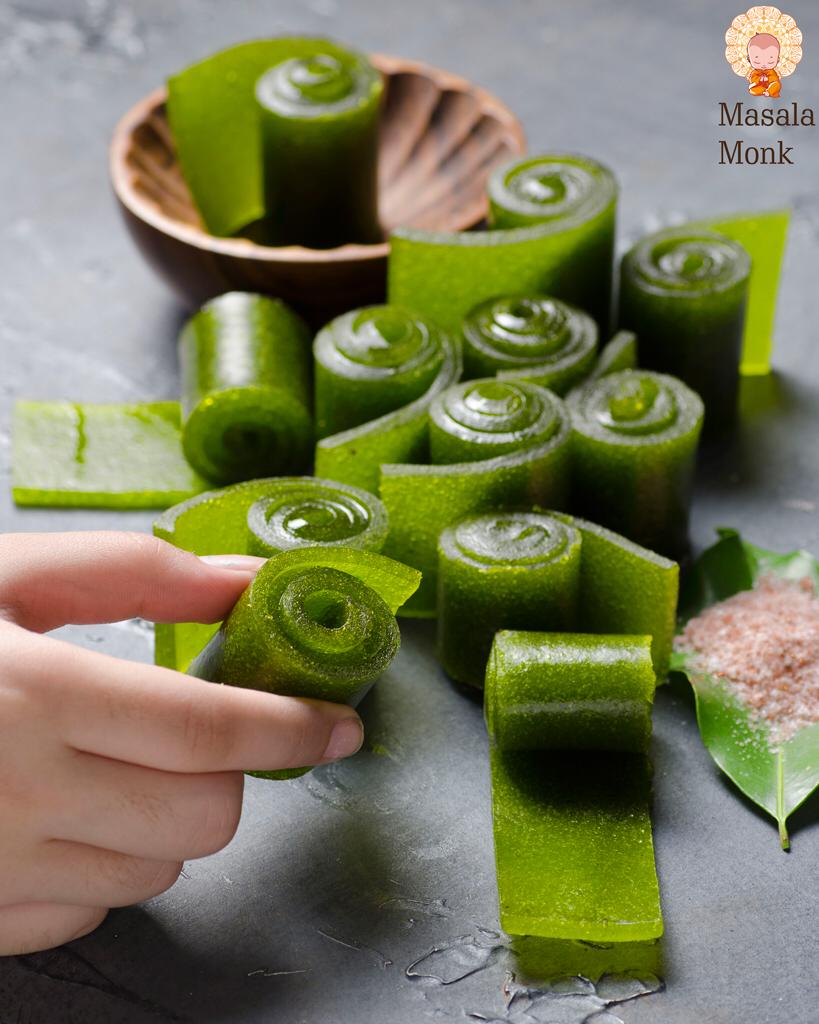
Aam Papad, a popular Indian delicacy, has been enjoyed for generations and holds a special place in the hearts of many. This tangy and sweet treat is made from pureed mangoes and is dried to form a thin, chewy sheet that is often cut into small pieces and savored as a snack. For many, Aam Papad is not just a candy, but a symbol of cherished childhood memories and traditional values.
In addition to its nostalgic value, Aam Papad also offers several health benefits. Rich in vitamins, minerals, and antioxidants, Aam Papad can help boost immunity, aid in digestion, and improve overall health. However, like any food, Aam Papad also has its disadvantages, such as a high sugar content that may not be suitable for some diets.
In this detailed post, we’ll explore the nutrition, benefits, and disadvantages of Aam Papad, as well as some lesser-known facts about this beloved snack. Whether you’re looking to relive childhood memories or simply curious about the nutritional value of Aam Papad, this post will provide you with all the information you need to know. So, sit back, relax, and let’s dive into the secrets of Aam Papad!
Aam Papad is a popular Indian sweet that is made from mango pulp, sugar, and sometimes spices. It is typically served as a dessert or snack and is enjoyed by people of all ages. Aam Papad has a chewy texture and a sweet and tangy flavor that is unique to mangoes.
Aam Papad has been a favorite sweet for generations in India and is especially popular during the summer months when mangoes are in season. It is known by different names in different parts of India, such as Aamta, Mamidi Tandra, and Amawat. It is also sometimes called mango leather because of its texture.
Aam Papad is made by boiling mango pulp with sugar and spices until it thickens and forms a paste-like consistency. The mixture is then spread out on a flat surface, usually a tray or a sheet of plastic, and left to dry in the sun for a few days. Once it is completely dry, it is cut into small pieces and served.
One of the reasons for the popularity of Aam Papad is its nutritional value. Mangoes are a rich source of vitamins A, C, and E, as well as antioxidants, which help to boost the immune system and protect against diseases. Aam Papad also contains fiber, which is essential for digestive health.
However, it is important to note that Aam Papad is also high in sugar and calories, which can be a concern for people with diabetes or those watching their weight. It is important to consume Aam Papad in moderation and as part of a balanced diet.
It is a delicious and nutritious Indian sweet that has been enjoyed for generations. It is made from mango pulp, sugar, and spices and has a chewy texture and sweet and tangy flavor. While it is high in sugar and calories, it also has many health benefits, such as being a rich source of vitamins and antioxidants. If consumed in moderation, Aam Papad can be a healthy and enjoyable snack.
[ez-toc]
How is Aam Papad made?
Aam Papad is a popular Indian sweet that is made from mango pulp, sugar, and spices. It is a traditional dessert that has been enjoyed in India for generations. The process of making Aam Papad is a time-honored tradition that has been passed down from one generation to another. Let us explore the traditional methods and processes of making Aam Papad.
The first step in making Aam Papad is to select the right kind of mangoes. The mangoes should be ripe and sweet, with a thick pulp that is easy to puree. The best mangoes for making Aam Papad are Alphonso, Kesar, and Dasheri. Once the mangoes are selected, they are washed, peeled, and pureed.
The next step is to add sugar to the mango pulp. The amount of sugar added depends on the sweetness of the mangoes and the desired level of sweetness in the final product. The mango pulp and sugar are mixed well and heated over low heat until the sugar dissolves.
Spices such as cardamom, cinnamon, or saffron can also be added to the mango pulp to enhance its flavor. The spices are added to the mixture and simmered until the mixture thickens and forms a paste-like consistency.
Once the mixture is ready, it is poured onto a flat surface, usually a tray or a sheet of plastic, and spread out evenly. This is done using a spatula or a ladle. The mixture is then left to dry in the sun for a few days until it becomes completely dry and leathery.
During the drying process, the Aam Papad is regularly checked and turned over to ensure that it dries evenly on both sides. The drying time can vary depending on the weather and humidity, but typically takes around 3-4 days.
Once the Aam Papad is completely dry, it is cut into small pieces using a sharp knife or scissors. The pieces are then stacked and stored in an airtight container to keep them fresh.
Making Aam Papad is a traditional process that has been passed down from one generation to another in India. The process involves selecting the right kind of mangoes, pureeing the mango pulp, adding sugar and spices, and drying the mixture in the sun for a few days. The traditional methods and processes of making Aam Papad ensure that it retains its unique flavor and texture, making it a popular sweet that is enjoyed by people of all ages.
[ez-toc]
Nutritional value of Aam Papad
One serving of Aam Papad, which is approximately 20 grams, contains around 67 calories, 0.3 grams of protein, 0.1 grams of fat, and 17.5 grams of carbohydrates. It also contains essential vitamins and minerals such as vitamin A, vitamin C, iron, and calcium.
Mangoes, which are the primary ingredient in Aam Papad, are a rich source of vitamin A and vitamin C. Vitamin A is essential for healthy eyesight, while vitamin C helps to boost the immune system and protect against diseases. Mangoes are also high in antioxidants, which help to protect against cell damage and reduce the risk of chronic diseases such as cancer and heart disease.
Aam Papad is also a good source of dietary fiber, which is important for digestive health. Fiber helps to regulate bowel movements, prevent constipation, and reduce the risk of digestive disorders such as irritable bowel syndrome (IBS) and colon cancer.
However, it is important to note that Aam Papad is also high in sugar and calories, which can be a concern for people with diabetes or those watching their weight. It is important to consume Aam Papad in moderation and as part of a balanced diet.
A delicious and nutritious snack that is enjoyed by people of all ages. It is a good source of vitamins, minerals, and dietary fiber, and is high in antioxidants, which help to protect against diseases. However, it is also high in sugar and calories, so it should be consumed in moderation as part of a balanced diet.
Aam Papad holds a significant role in family life and values across various regions in India. It is not just a dessert but a cultural symbol that has been a part of many family traditions for generations. In this sectionwe will explore the role of Aam Papad in family life and values across different regions of India.
In North India, Aam Papad is commonly consumed during festivals such as Holi and Diwali. It is often exchanged between friends and family as a token of love and affection. In some families, Aam Papad is also used as a remedy for stomach ailments, especially during the summer months.
In East India, Aam Papad is a popular snack that is enjoyed by people of all ages. It is often served as a dessert after meals or as a sweet treat during tea-time. In some regions, Aam Papad is also used as an offering to deities during religious ceremonies.
In South India, Aam Papad is known as “Aam Pachadi” and is an essential part of the traditional South Indian meal. It is often served as a side dish along with rice and other curries. In some families, Aam Papad is also used as a natural coolant during hot summer months.
In West India, Aam Papad is a staple snack that is enjoyed by people of all ages. It is often served as a dessert after meals or as a sweet treat during tea-time. In some regions, Aam Papad is also used as a remedy for sore throat and cough.
Aam Papad has not only played a significant role in family life and values but has also become a symbol of the cultural diversity of India. It is a unifying factor that brings people together, regardless of their region or religion. It is also an excellent way to introduce children to traditional Indian sweets and to pass down family recipes from one generation to another.
Aam Papad has a special place in the hearts and homes of many families in India. It is not just a dessert but a cultural symbol that has been a part of family traditions for generations. The role of Aam Papad in family life and values varies across different regions of India, but its importance and significance remain the same.
[ez-toc]
History and Origin of Aam Papad
The exact origins of Aam Papad are not clear, but it is believed to have originated in Northern India, particularly in the states of Uttar Pradesh and Bihar. It is said that Aam Papad was initially made by drying mango pulp in the sun, which was then cut into thin strips and rolled in sugar. The resulting sweet was called “Aam Murabba” and was a popular delicacy among the royals.
Over time, Aam Papad evolved into its present-day form. Instead of drying the mango pulp in the sun, it is now cooked on a low flame with sugar and spices, and then rolled into thin sheets. The sheets are then cut into small squares or rolled into cylinders and served as a sweet snack or dessert.
Aam Papad has since become a popular snack across different regions of India and is enjoyed by people of all ages. It is especially popular during the summer months when mangoes are in season. Many families make Aam Papad at home using traditional recipes that have been passed down from generation to generation.
In recent years, Aam Papad has gained popularity outside of India as well, particularly in countries such as the United States, Canada, and the United Kingdom. It is now available in many Indian stores and online shops, making it easy for people to enjoy this traditional sweet, no matter where they are.
Aam Papad, a popular Indian sweet made from mango pulp, sugar, and spices, has been found to be beneficial for digestion in several studies. Here, we will explore the research and studies that support the role of Aam Papad in improving digestive health.
A study published in the Journal of Food Science and Technology found that mango pulp, the primary ingredient in Aam Papad, contains digestive enzymes such as amylase, protease, and lipase. These enzymes can help to break down carbohydrates, proteins, and fats, respectively, and improve the digestion process.
Another study published in the Journal of Agricultural and Food Chemistry found that mango pulp also contains polyphenols, which are compounds that have anti-inflammatory properties. Inflammation in the gut can cause a range of digestive issues such as bloating, diarrhea, and abdominal pain. Consuming mango pulp, and therefore Aam Papad, can help to reduce inflammation and promote healthy gut function.
Moreover, Aam Papad is a good source of dietary fiber, which is essential for good digestive health. A study published in the Journal of Nutrition found that increasing fiber intake can help to reduce the risk of digestive disorders such as irritable bowel syndrome (IBS) and colon cancer. Eating fiber-rich foods like Aam Papad can also help to improve overall gut health by promoting the growth of good bacteria in the gut.
It is important to note that while Aam Papad can be beneficial for digestion, it should be consumed in moderation as it is also high in sugar and calories. Eating too much sugar can have a negative impact on digestive health and lead to issues like insulin resistance and obesity.
It has been found to be beneficial for digestion due to its high fiber content, digestive enzymes, and anti-inflammatory properties. Research and studies have shown that consuming Aam Papad can help to promote healthy gut function and prevent digestive issues. However, it should be consumed in moderation as part of a balanced diet.
[ez-toc]
Aam Papad for Skin and Hair health
It is not just a delicious treat but also has several benefits for skin and hair health. In this section, we will explore how Aam Papad can improve the health of your skin and hair.
Anti-aging benefits: Aam Papad contains a high amount of vitamin C, an antioxidant that can help to prevent and reduce the signs of aging. Vitamin C helps to stimulate collagen production, which can improve skin elasticity, reduce wrinkles and fine lines, and give the skin a more youthful appearance.
Skin hydration: Aam Papad also contains vitamin A, which helps to keep the skin hydrated and moisturized. Vitamin A helps to regulate the production of sebum, an oily substance produced by the skin that can cause acne and other skin issues when produced in excess.
Skin brightening: The high amount of vitamin C in Aam Papad can also help to brighten the skin and reduce dark spots and hyperpigmentation. Vitamin C inhibits the production of melanin, the pigment that gives the skin its color, and can lead to dark spots and uneven skin tone.
Hair health: Aam Papad is also beneficial for hair health. The high amount of vitamin A in Aam Papad helps to strengthen hair follicles and prevent hair fall. Vitamin A also helps to improve scalp health by reducing inflammation and promoting the growth of healthy hair.
Antioxidant properties: Aam Papad contains several antioxidants, including vitamin C, which help to protect the skin and hair from damage caused by free radicals. Free radicals are unstable molecules that can cause oxidative stress, which can lead to skin aging and hair damage.
It has several benefits for skin and hair health due to its high content of vitamins A and C, as well as antioxidants. Incorporating Aam Papad into your diet in moderation can help to improve the overall health and appearance of your skin and hair. However, it should be consumed in moderation as it is also high in sugar and calories, which can have negative impacts on skin and hair health.
[ez-toc]
Side effects of Aam Papad
While Aam Papad has several health benefits, it is important to consume it in moderation as it may have some potential side effects. Some of the side effects of Aam Papad are as follows:
High sugar content: Aam Papad is a sweet snack that is high in sugar content, which can lead to weight gain, tooth decay, and other health problems if consumed in excess.
Allergies: Some people may be allergic to mangoes or other ingredients in Aam Papad. Allergic reactions may include itching, hives, swelling, and difficulty breathing. If you experience any allergic symptoms after consuming Aam Papad, seek medical attention immediately.
Gastrointestinal problems: Aam Papad is high in fiber, which can cause gastrointestinal problems like bloating, gas, and diarrhea if consumed in excess. It is important to consume Aam Papad in moderation and drink plenty of water to avoid such problems.
Excess intake of Vitamin A: Aam Papad is rich in Vitamin A, which is good for skin and hair health, but consuming it in excess can lead to hypervitaminosis A, a condition where too much vitamin A accumulates in the body, causing various symptoms like headache, dizziness, and even liver damage.
Not suitable for people with certain health conditions: Aam Papad may not be suitable for people with certain health conditions like diabetes, as it is high in sugar content. People with digestive problems, such as irritable bowel syndrome, may also need to limit their intake of Aam Papad due to its high fiber content.
Aam Papad is a delicious and healthy snack that can provide several health benefits if consumed in moderation. However, it is important to be aware of its potential side effects, such as high sugar content, allergies, gastrointestinal problems, excess intake of Vitamin A, and unsuitability for certain health conditions. If you experience any adverse reactions after consuming Aam Papad, consult a healthcare professional.
[ez-toc]
is Aam Papad Good for kids?
Aam Papad can be a good snack option for kids, as it is a natural and healthy alternative to processed snacks that are high in sugar and preservatives. Here are some reasons why Aam Papad can be a good choice for kids:
Nutrient-rich: Aam Papad is made from mango pulp, which is a good source of several essential nutrients like vitamins A, C, and E, potassium, and dietary fiber. These nutrients are essential for the growth and development of children and can help to improve their overall health and well-being.
Low in calories: Aam Papad is a low-calorie snack, which means that kids can enjoy it without worrying about consuming too many calories. It is also a good option for kids who are trying to lose weight or maintain a healthy weight.
Natural and preservative-free: Unlike processed snacks that are high in sugar, salt, and preservatives, Aam Papad is a natural and healthy snack that does not contain any harmful additives. This makes it a safer and healthier option for kids.
Boosts digestion: Aam Papad is rich in dietary fiber, which can help to promote digestion and prevent constipation in kids. It can also help to improve their gut health and overall immunity.
However, it is important to note that Aam Papad is high in sugar content and should be consumed in moderation. Excessive consumption of Aam Papad can lead to dental caries, obesity, and other health problems in kids. It is also important to ensure that Aam Papad is prepared under hygienic conditions to avoid the risk of food contamination.
Aam Papad can be a good snack option for kids, as it is a natural, nutrient-rich, and preservative-free snack that can provide several health benefits. However, parents should ensure that their kids consume it in moderation and under hygienic conditions. It is also important to encourage kids to consume a variety of healthy foods as part of a balanced diet.
[ez-toc]
Black Aam Papad Benefits
Black Aam Papad, also known as black mango leather or black mango candy, is a traditional Indian sweet made from ripe mango pulp that is sun-dried and preserved. While it is primarily enjoyed as a delicious treat, it also offers some potential benefits. Here are a few:
Source of Vitamins and Minerals: Black Aam Papad is made from ripe mango pulp, which is rich in essential vitamins and minerals. It contains vitamins A, C, and E, as well as minerals like potassium and magnesium. These nutrients are beneficial for overall health and well-being.
Digestive Aid: Mangoes, from which black Aam Papad is made, contain dietary fiber. Fiber aids in digestion and can help prevent constipation. Consuming black Aam Papad in moderation can contribute to maintaining a healthy digestive system.
Antioxidant Properties: Mangoes are known to contain antioxidants such as polyphenols and flavonoids. These compounds help protect the body’s cells from damage caused by harmful free radicals. Antioxidants play a role in reducing the risk of chronic diseases and supporting overall health.
Energy Boost: Black Aam Papad is a source of natural sugars, which can provide a quick energy boost. It can be a convenient and tasty snack to satisfy cravings or provide an energy pick-me-up during the day.
Nutrient Absorption: The presence of vitamin C in black Aam Papad can enhance the absorption of iron from plant-based sources. Iron is essential for maintaining healthy blood cells and preventing iron deficiency anemia.
It’s important to note that while black Aam Papad can offer these potential benefits, it is still a sweet treat and should be consumed in moderation as part of a balanced diet. Additionally, individual results may vary, and it’s always a good idea to consult with a healthcare professional for personalized advice.
Aam Papad, also known as mango leather or mango fruit roll-up, is a traditional Indian sweet made from ripe mango pulp. It is a popular snack and dessert item enjoyed in many parts of India. Aam Papad is known for its sweet and tangy flavor and unique texture.
The process of making Aam Papad involves the following steps:
Preparation of Mango Pulp: Ripe mangoes are selected, peeled, and the pulp is extracted. The mango pulp is usually smooth and free from any fibrous or stringy parts.
Sweetening and Flavoring: The mango pulp is mixed with sugar or jaggery (a traditional unrefined sugar) to enhance the sweetness. Additional flavorings like cardamom, saffron, or rose water may be added to enhance the taste and aroma.
Cooking the Mixture: The sweetened mango pulp is cooked over low to medium heat in a thick-bottomed pan or kadai. The mixture is continuously stirred to prevent sticking or burning. The cooking process helps thicken the pulp and remove excess moisture.
Spreading and Drying: The cooked mango mixture is spread evenly in a thin layer onto greased trays or plates. It is then left to dry in the sun for several days. The sun-drying process helps remove the remaining moisture and solidify the mixture.
Cutting into Shapes: Once the mango mixture has dried and solidified, it is carefully cut into various shapes like squares, rectangles, or diamond patterns. These pieces of dried mango pulp are called Aam Papad.
Aam Papad is known for its chewy and slightly sticky texture. It can be enjoyed as a standalone snack or used as an ingredient in other recipes. It is particularly popular among children and is often packed in lunchboxes or served as a dessert during festive occasions.
Aam Papad comes in various flavors and variations, such as plain mango, spicy mango (with added spices like chili powder), or mixed fruit flavors. It is a delightful and flavorful treat that showcases the natural sweetness of mangoes.
Origins of Aam Papad
Aam Papad, or mango fruit leather, has its origins in India, where it is widely consumed and enjoyed as a traditional sweet. Mangoes, the primary ingredient in Aam Papad, have been cultivated in the Indian subcontinent for thousands of years, and their culinary uses have been an integral part of the region’s culture.
The practice of drying mango pulp to create a preserved form of fruit can be traced back to ancient times when people sought ways to enjoy mangoes even when they were out of season. By sun-drying the mango pulp, they were able to preserve its flavor and extend its shelf life.
The exact origin of Aam Papad is difficult to pinpoint, as mangoes have been cultivated and consumed in India for centuries, and the tradition of drying and preserving fruits is common in many cultures. However, it is safe to say that Aam Papad has been a part of Indian culinary heritage for a long time.
Today, Aam Papad is not only enjoyed within India but has also gained popularity in various other countries where Indian cuisine and culture are appreciated. It is cherished as a tasty and nostalgic treat that showcases the natural sweetness and flavor of mangoes.
Introduction: In the realm of weight management, the Indian kitchen offers a treasure trove of spices not only rich in flavor but also in health benefits. These spices are more than just culinary delights; they are potent allies in your weight loss journey. This comprehensive guide introduces you to 10 Indian spices that can be game-changers for your health and waistline.
1. Turmeric – The Golden Wonder: Turmeric, with its active compound curcumin, isn’t just a staple in Indian curries—it’s a powerhouse for boosting metabolism. Curcumin aids in fat burning and reducing inflammation linked to obesity.
2. Ginger – The Digestive Aid: Ginger isn’t just for soothing sore throats—it’s a digestive marvel. It enhances the thermic effect of food, helping you burn more calories and manage weight effectively.
3. Black Pepper – The Fat Fighter: Black pepper contains piperine, a compound that enhances metabolism and prevents the formation of new fat cells. It’s not just a seasoning—it’s a weight management hero.
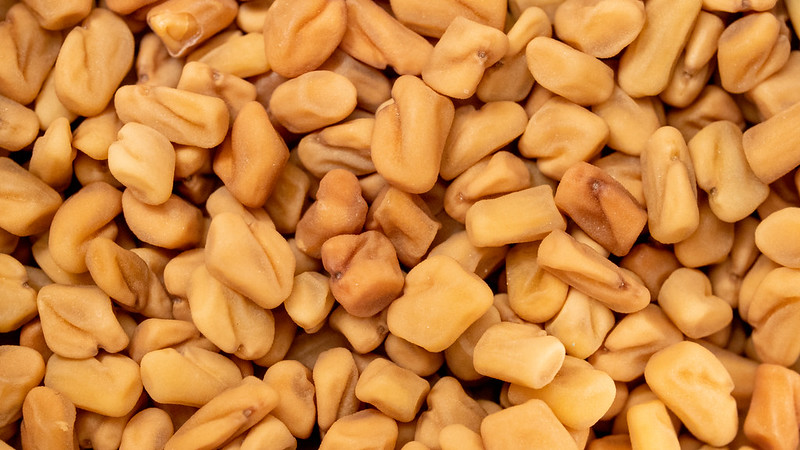
4. Fenugreek – The Appetite Controller: Fenugreek, with its earthy aroma, is known for increasing satiety and enhancing digestive efficiency. It’s a traditional remedy turned modern weight-loss aid.
5. Mustard Seeds – The Metabolic Booster: These tiny seeds are giants in boosting metabolism. Rich in glucosinolates, they enhance thermogenesis and fat burning.
6. Cinnamon – The Blood Sugar Regulator: Cinnamon is a sweet way to keep your blood sugar levels in check. It aids in controlling insulin spikes that can lead to weight gain.
7. Cardamom – The Thermogenic Spice: This aromatic spice isn’t just for flavor—it boosts metabolism and helps burn body fat more effectively.
8. Cumin – The Digestion Enhancer: Cumin is a miracle spice for digestion and absorption of nutrients, key factors in maintaining a healthy weight.
9. Coriander – The Detoxifier: Coriander, with its refreshing taste, aids in detoxifying the body and improving digestion, crucial for weight management.
10. Fennel Seeds – The Hunger Suppressant: Fennel seeds are great for curbing appetite and enhancing satiety, making them a great ally in your weight loss journey.
Incorporating These Spices: Including these spices in your daily diet isn’t just easy—it’s delicious! From sprinkling cinnamon in your morning oatmeal to brewing a ginger-turmeric tea, the possibilities are endless.
Precautions and Balance: While beneficial, it’s crucial to use these spices in moderation. Overconsumption can lead to adverse effects. Always balance their use with a healthy diet and exercise.
Conclusion: Embracing these spices is embracing a world of flavor and health benefits. They’re not just condiments; they’re potent tools in your journey towards a healthier, leaner you. Enjoy the journey of discovery in your kitchen and witness the transformation in your health!
10 FAQs on Indian Spices for Weight Management
1. How does turmeric aid in weight loss? Turmeric contains curcumin, which enhances fat burn and reduces inflammation related to obesity, thereby aiding in weight loss.
2. Can ginger help with weight management? Yes, ginger promotes digestion and increases the thermic effect of food, helping in weight management.
3. Is black pepper effective in weight loss? Black pepper contains piperine, which boosts metabolism and discourages the formation of new fat cells, aiding in weight loss.
4. How does fenugreek assist in controlling appetite? Fenugreek seeds increase feelings of fullness and help control appetite, making them beneficial for weight management.
5. Do mustard seeds help in burning fat? Yes, mustard seeds stimulate thermogenesis, the process of heat production in the body, which aids in fat burning.
6. How does cinnamon help in weight management? Cinnamon helps regulate blood sugar levels, reducing insulin spikes that can lead to weight gain.
7. Can cardamom aid in weight loss? Cardamom is a thermogenic spice that can boost metabolism and help burn body fat more effectively.
8. What role does cumin play in weight management? Cumin aids in digestion and nutrient absorption, which are essential for maintaining a healthy weight.
9. How does coriander contribute to weight loss? Coriander aids in detoxifying the body and improving digestion, which are important for weight management.
10. Are fennel seeds effective for weight loss? Fennel seeds help suppress hunger and enhance satiety, making them a helpful addition to a weight loss diet.
Blog Tags for the Post
Indian spices, weight loss, healthy eating, metabolism boosting, fat burning, natural remedies, dietary spices, turmeric benefits, ginger for weight management, black pepper and weight loss, fenugreek for appetite control, mustard seeds for thermogenesis, cinnamon and blood sugar, cardamom benefits, cumin for digestion, coriander detox, fennel seeds for satiety
Fenugreek aka Methi is a fool-proof way to step into your weight loss journey
Weight loss is no cakewalk. Calling it a herculean task wouldn’t be wrong either, especially if it’s obesity-related to diabetes, or undue weight gain due to PCOS. And, when the cravings are haunting you every day.
You may end up feeling frustrated, left out, or calling those sexy hour-glass bodies make-belief bodies.
We feel you.
And, for you, we found an amazing weight loss ‘natural pacer’, that is, fenugreek seeds for weight loss. Yes, the notorious seeds in your pantry.
Methi or fenugreek is a panacea for diabetics too. The magic lies in its fiber-packed constituents that slow down the process or carb-absorption. Moreover, it has vital amino acids that help in managing blood glucose levels.
Cutting it short, let’s understand how fenugreek seeds for weight loss are a game changer.
Fenugreek seeds are well-known weight loss agents for their incredible benefits:
Increases metabolic rate
Promotes satiety
Burn belly fat faster
Improves digestive health
Controls diabetes and blood pressure
A study found that fenugreek extract was given to healthy, obese participants who ended up consuming less dietary fat. However, no difference in weight was observed during the 6-week study.
The study confirms that fenugreek tea or water cannot help you lose weight magically. Rather, it can supplement your weight loss diet + workout by helping you stick to your new eating habits, improving digestion and metabolism-which quicken weight loss process.
Another study showed that participants with diabetes who eat fenugreek seeds for weight loss can see visible results within days.
How do Fenugreek Seeds for Weight Loss work?
Fenugreek is a potent natural weight loss seed that contains galactomannan, a water-soluble heteropolysaccharide. It works by curbing your appetite while making you feel fuller for longer. And this makes following your diet easier.
Fenugreek seeds are packed with fibers (75% water-soluble fibers) that ease constipation and boost the metabolism of your body. It leads to quicker fat burn in the belly and adipose tissues.
Above all, the fenugreek seeds do not contain any unhealthy carbs. It only contains adequate traces of a few healthy carbs instead. Thus, it surely makes a true weight loss drink.
Moreover, by preventing calorie intake and higher metabolic rate, weight loss is a sure-fire outcome.
Additionally, the seeds have numerous health benefits, including controlled blood pressure and sugar levels.
The fact is fenugreek seeds are the healthiest and most natural way to lose weight. All those expensive weight loss teas and medicines focus on the same aspect: curb your appetite and quicken metabolic rate. Then, why not pick a natural alternative?
The cherry on top? Fenugreek seeds for weight loss are a good source of minerals and vitamins such as calcium, potassium, folate, phosphorus, magnesium, and vitamin A.
So, next time you are planning on weight loss, start with fenugreek seeds to help you eat less and metabolize faster.
Here are fun ways you can have your daily dose of fenugreek seeds:
1. Fenugreek Tea:
Add a teaspoon of fenugreek seeds or powder in hot water. Let it boil for 10 minutes. Strain in a cup. Add in powdered cinnamon, lemon juice, ginger juice, and honey to taste. The vitality will keep you going the entire day without feeling tired. You can drink fenugreek tea a maximum of thrice a day.
Quick Tip: You can get fenugreek tea bags to brew a quick cup anytime and anywhere. The add-ons are optional.
2. Fenugreek Water
Soak a tablespoon of fenugreek seeds in water overnight. Strain the water and drink it on an empty stomach.
3. Boil Fenugreek Seeds
Add a teaspoon of fenugreek seeds to boiling water. Cook it for 4-5 minutes. Let it cool and have your detox drink. You can have it twice a day.
4. Fenugreek and Honey
You can also add a spoonful of honey to fenugreek water. Honey prevents inflammation and strengthens the immune system. You can also take soaked seeds mixed with honey on empty stomach.
5. Soaked Fenugreek Seeds
Fenugreeks seeds for weight loss work by strengthening the digestive system. To utilize its maximum antioxidants, it’s best to soak a teaspoon of fenugreek seeds in water overnight and chew them first thing in the morning.
Final Verdict
Fenugreek seeds for weight loss work similar to expensive weight loss teas and medicines. Simply stick to your weight loss routine and amp it up with fenugreek seeds to witness faster weight loss results.
—————————————- Also Check Out ————————————-
To know how Fenugreek seeds can be used and to see some examples of food products that are made using it, Click here