Posted on Leave a comment

Foods That Help You Debloat: Reduce Bloating Naturally

Bloating is a widespread issue characterized by an uncomfortable feeling of fullness, tightness, or swelling in the abdomen. This sensation can result from various factors, including dietary habits, digestive disorders, hormonal changes, and lifestyle choices. While occasional bloating is usually harmless and can be a normal part of digestion, frequent or severe bloating can significantly impact one’s quality of life, causing physical discomfort and emotional distress.

Understanding the underlying causes of bloating is crucial for managing and preventing it effectively. Common dietary triggers include:

  • Consuming large meals
  • Eating too quickly
  • Indulging in gas-producing foods such as beans, carbonated drinks, and certain vegetables like broccoli and cabbage.

Additionally, food intolerances and sensitivities, such as lactose intolerance and gluten sensitivity, can contribute to bloating. Beyond dietary causes, other factors such as stress, lack of physical activity, and the use of certain medications can also lead to bloating.

Fortunately, making mindful dietary choices and incorporating specific foods into your diet can help reduce bloating and promote a healthier digestive system. These foods often have properties that:

  • Aid in digestion
  • Reduce gas production
  • Prevent water retention

By understanding the benefits of these foods and how to incorporate them into your daily meals, you can take proactive steps towards managing and preventing bloating.

In this guide, we will explore a variety of foods that have been shown to help reduce bloating. From fruits and vegetables to herbs and beverages, these natural remedies can provide relief and support overall digestive health. By incorporating these foods into your diet, you can enjoy the benefits of a more comfortable and energized lifestyle.

Let’s dive into the list of debloating foods and discover how they can help you feel your best:
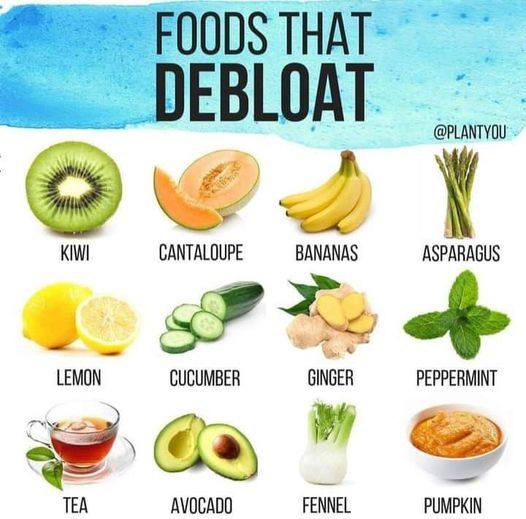
Foods That Help You Debloat: Detailed Information

1. Kiwi

Kiwi is not only delicious but also packed with digestive enzymes like actinidin, which help break down proteins and ease digestion. This tropical fruit is also high in fiber, aiding in regular bowel movements and reducing bloating. Additionally, kiwi is rich in vitamins C and E, antioxidants that help reduce inflammation and improve overall digestive health.

2. Cantaloupe

Cantaloupe is rich in antioxidants and has a high water content, making it a great choice for hydration and reducing water retention. Its natural diuretic properties help flush out excess fluids, which can contribute to bloating. The high levels of vitamins A and C in cantaloupe also support a healthy immune system and improve skin health, further enhancing your overall well-being.

3. Bananas

Bananas are a good source of potassium, which helps regulate sodium levels in the body and prevent water retention. They also contain resistant starch, a type of carbohydrate that promotes the growth of beneficial gut bacteria. This helps improve digestion and reduce bloating. Additionally, bananas provide a quick source of energy and are easy to digest, making them a perfect snack for those experiencing digestive discomfort.

4. Asparagus

Asparagus acts as a natural diuretic, helping to flush out excess water and reduce bloating. It also contains prebiotics, which support a healthy gut microbiome and improve digestion. Asparagus is high in fiber and antioxidants, which aid in detoxification and promote overall digestive health. Including asparagus in your meals can help regulate bowel movements and reduce bloating.

5. Lemon

Lemon juice can stimulate digestive enzymes and bile production, aiding in the breakdown of food and reducing bloating. Adding lemon to your water can help detoxify your system and keep you hydrated. Lemons are also rich in vitamin C, which supports immune function and skin health. Drinking warm lemon water in the morning can kickstart your digestion and help reduce bloating throughout the day.

6. Cucumber

Cucumbers are high in water content and low in calories, making them a refreshing choice for reducing bloating. They contain an antioxidant called quercetin, which has anti-inflammatory properties. Cucumbers also help to cool the body and reduce puffiness, particularly around the eyes. Including cucumbers in salads or as a snack can help keep you hydrated and reduce bloating.

7. Ginger

Ginger is well-known for its digestive benefits, including reducing inflammation in the gut and promoting the movement of food through the digestive tract. It can also help relieve gas and bloating. Ginger contains gingerol, a compound with powerful anti-inflammatory and antioxidant effects. Drinking ginger tea or adding fresh ginger to your meals can help soothe your digestive system and reduce bloating.

8. Peppermint

Peppermint has a calming effect on the digestive system and can help relax the muscles of the gastrointestinal tract, reducing bloating and discomfort. Peppermint tea is a soothing way to incorporate this herb into your diet. The menthol in peppermint also helps to alleviate gas and improve overall digestion. Sipping on peppermint tea after meals can help prevent bloating and promote a sense of relaxation.

9. Tea

Certain types of tea, such as green tea, peppermint tea, and ginger tea, can aid digestion and reduce bloating. These teas contain compounds that help relax the digestive muscles and promote the passage of gas. Green tea, in particular, contains catechins, which are antioxidants that can help reduce inflammation and improve digestion. Drinking a warm cup of tea can be a comforting way to alleviate bloating and improve digestive health.

10. Avocado

Avocados are rich in healthy fats and potassium, both of which help reduce bloating. The fiber in avocados also promotes healthy digestion and regular bowel movements. Additionally, avocados contain anti-inflammatory compounds that help soothe the digestive tract. Including avocados in your diet can provide a creamy, nutritious addition to meals that supports overall digestive health.

11. Fennel

Fennel has been used for centuries to relieve bloating and gas. Its compounds, such as anethole, help relax the gastrointestinal muscles and reduce gas buildup. Fennel seeds can be chewed after meals or brewed into tea to help alleviate bloating and improve digestion. Fennel also has a mild, licorice-like flavor that can enhance the taste of many dishes.

12. Pumpkin

Pumpkin is high in fiber and potassium, making it an excellent food for reducing bloating. The fiber helps keep your digestive system moving smoothly, while the potassium helps balance sodium levels. Pumpkin also contains beta-carotene, an antioxidant that supports overall health. Including pumpkin in your diet, whether in soups, stews, or as a roasted vegetable, can help maintain a healthy digestive system and reduce bloating.

Conclusion

Incorporating these foods into your diet can help alleviate bloating and promote a healthier digestive system. By understanding the unique benefits of each food, you can make informed choices that support better digestion and reduce discomfort. Remember to stay hydrated, eat slowly, and avoid overeating to further prevent bloating.

By making mindful food choices and incorporating natural debloating foods like kiwi, cantaloupe, bananas, asparagus, lemon, cucumber, ginger, peppermint, tea, avocado, fennel, and pumpkin, you can enjoy a more comfortable and energized day-to-day life.

Feel free to experiment with these foods and find the combinations that work best for you. Whether you enjoy them in smoothies, salads, teas, or as simple snacks, these foods can make a significant difference in how you feel.

Thank you for reading! We hope these tips help you achieve a happier, healthier digestive system. If you have any questions or additional tips, please share them in the comments below.

FAQs

  1. Q: How quickly can these foods reduce bloating? A: The effects can vary depending on the individual and the cause of bloating, but you may start to notice improvements within a few hours to a few days of incorporating these foods into your diet.
  2. Q: Can I consume these foods daily? A: Yes, most of these foods can be safely consumed daily as part of a balanced diet. However, it’s always best to listen to your body and consult with a healthcare professional if you have any concerns.
  3. Q: Are there any foods that can worsen bloating? A: Yes, certain foods like beans, carbonated drinks, and high-fat or fried foods can contribute to bloating. It’s important to identify your triggers and limit or avoid them if necessary.
  4. Q: How much water should I drink to help reduce bloating? A: Staying well-hydrated is crucial for reducing bloating. Aim to drink at least 8 glasses of water a day, but individual needs may vary based on activity level, climate, and overall health.
  5. Q: Are there any lifestyle changes that can help reduce bloating? A: Yes, regular physical activity, stress management, eating slowly, and avoiding large meals can help reduce bloating. Also, avoiding chewing gum and smoking can prevent swallowing excess air.
  6. Q: Can certain supplements help with bloating? A: Probiotics, digestive enzymes, and peppermint oil supplements are known to help some people with bloating. However, it’s best to consult with a healthcare professional before starting any new supplements.
  7. Q: How do I know if my bloating is caused by a food intolerance? A: If you suspect a food intolerance, try keeping a food diary to track what you eat and any symptoms you experience. An elimination diet or consulting with a healthcare professional can help identify specific intolerances.
  8. Q: Are there any specific ways to prepare these foods to enhance their debloating effects? A: Eating these foods raw, in smoothies, or lightly cooked can preserve their nutrients and enhance their debloating effects. For example, brewing ginger or peppermint tea can be particularly soothing for digestion.
  9. Q: Can stress cause bloating, and how can I manage it? A: Yes, stress can affect your digestive system and contribute to bloating. Practices like yoga, meditation, deep breathing exercises, and regular physical activity can help manage stress levels.
  10. Q: When should I see a doctor about my bloating? A: If your bloating is persistent, severe, or accompanied by other symptoms like pain, weight loss, or changes in bowel habits, it’s important to seek medical advice to rule out any underlying conditions.

Posted on Leave a comment

Seasonal Eating Guide for 12 Months in Indian Calendar

The Indian calendar is intricately linked with the country’s agricultural practices and climate variations. Each month, known by unique names in the Hindi calendar, signifies specific weather patterns and seasonal changes. These months are named after Sanskrit terms that have historical and cultural significance, reflecting ancient Indian traditions and knowledge systems.

The names of these months originate from ancient Sanskrit texts and are based on the lunar calendar. Each month aligns with specific climatic conditions and seasonal changes, influencing the human body’s needs and susceptibilities. For example, the heat of summer, the monsoon rains, and the onset of winter each require adjustments in diet to promote health and well-being.

Here is a brief overview of the months and their origins:

  1. Chaitra (March-April): Named after the star Chitra, this month marks the beginning of the new year in several regional calendars. It is a time of renewal and new beginnings.
  2. Vaishakh (April-May): This month is named after the star Vishakha. It signifies the onset of summer and the harvest of certain crops.
  3. Jyeshtha (May-June): Named after the star Jyeshtha, it is the hottest month of the year, requiring specific dietary adjustments to cope with the heat.
  4. Ashadha (June-July): This month derives its name from the star Purvashada. It marks the start of the monsoon season, bringing relief from the intense summer heat.
  5. Shravana (July-August): Named after the star Shravana, it is characterized by heavy rains and lush greenery.
  6. Bhadrapada (August-September): This month is named after the star Bhadrapada. It continues the monsoon season and is important for agricultural activities.
  7. Ashwin (September-October): Named after the Ashwini twins, who are considered to be divine healers in Hindu mythology, this month signals the transition from monsoon to autumn.
  8. Kartik (October-November): Named after Kartikeya, the god of war, this month is associated with festivals and rituals that prepare for the winter.
  9. Margashirsha (November-December): Named after the star Mrigashira, it is a month of spiritual practices and preparations for the cold weather.
  10. Pausha (December-January): This month derives its name from the star Pushya. It is the peak of winter, necessitating warm and nourishing foods.
  11. Magha (January-February): Named after the star Magha, this month continues the cold season, with dietary recommendations focusing on warmth and energy.
  12. Phalguna (February-March): Named after the star Phalguna, it marks the end of winter and the beginning of spring, with a diet transitioning to lighter foods.

These dietary guidelines draw on traditional Indian wisdom and Ayurveda, emphasizing the consumption of particular foods and herbs to harmonize with the environment. By following these practices, one can enhance digestion, boost immunity, and prevent seasonal ailments, maintaining overall health throughout the year. Here are some of them written in Hindi, followed by translation into English.

आहार के नियम भारतीय 12 महीनों अनुसार

चैत्र ( मार्च-अप्रैल) – इस महीने में गुड का सेवन करे क्योकि गुड आपके रक्त संचार और रक्त को शुद्ध करता है एवं कई बीमारियों से भी बचाता है। चैत्र के महीने में नित्य नीम की 4 – 5 कोमल पतियों का उपयोग भी करना चाहिए इससे आप इस महीने के सभी दोषों से बच सकते है। नीम की पतियों को चबाने से शरीर में स्थित दोष शरीर से हटते है।

वैशाख (अप्रैल – मई)- वैशाख महीने में गर्मी की शुरुआत हो जाती है। बेल पत्र का इस्तेमाल इस महीने में अवश्य करना चाहिए जो आपको स्वस्थ रखेगा। वैशाख के महीने में तेल का उपयोग बिल्कुल न करे क्योकि इससे आपका शरीर अस्वस्थ हो सकता है।

ज्येष्ठ (मई-जून) – भारत में इस महीने में सबसे अधिक गर्मी होती है। ज्येष्ठ के महीने में दोपहर में सोना स्वास्थ्य वर्द्धक होता है , ठंडी छाछ , लस्सी, ज्यूस और अधिक से अधिक पानी का सेवन करें। बासी खाना, गरिष्ठ भोजन एवं गर्म चीजो का सेवन न करे। इनके प्रयोग से आपका शरीर रोग ग्रस्त हो सकता है।

अषाढ़ (जून-जुलाई) – आषाढ़ के महीने में आम , पुराने गेंहू, सत्तु , जौ, भात, खीर, ठन्डे पदार्थ , ककड़ी, पलवल, करेला, बथुआ आदि का उपयोग करे व आषाढ़ के महीने में भी गर्म प्रकृति की चीजों का प्रयोग करना आपके स्वास्थ्य के लिए हानिकारक हो सकता है।

श्रावण (जूलाई-अगस्त) – श्रावण के महीने में हरड का इस्तेमाल करना चाहिए। श्रावण में हरी सब्जियों का त्याग करे एव दूध का इस्तेमाल भी कम करे। भोजन की मात्रा भी कम ले – पुराने चावल, पुराने गेंहू, खिचड़ी, दही एवं हलके सुपाच्य भोजन को अपनाएं।

भाद्रपद (अगस्त-सितम्बर) – इस महीने में हलके सुपाच्य भोजन का इस्तेमाल कर वर्षा का मौसम् होने के कारण आपकी जठराग्नि भी मंद होती है इसलिए भोजन सुपाच्य ग्रहण करे। इस महीने में चिता औषधि का सेवन करना चाहिए।

आश्विन (सितम्बर-अक्टूबर) – इस महीने में दूध , घी, गुड़ , नारियल, मुन्नका, गोभी आदि का सेवन कर सकते है। ये गरिष्ठ भोजन है लेकिन फिर भी इस महीने में पच जाते है क्योकि इस महीने में हमारी जठराग्नि तेज होती है।

कार्तिक (अक्टूबर-नवम्बर) – कार्तिक महीने में गरम दूध, गुड, घी, शक्कर, मुली आदि का उपयोग करे। ठंडे पेय पदार्थो का प्रयोग छोड़ दे। छाछ, लस्सी, ठंडा दही, ठंडा फ्रूट ज्यूस आदि का सेवन न करे…

Dietary Guidelines According to the Indian 12-Month Calendar

#Chaitra (March-April) – Consume jaggery this month as it helps in blood circulation, purifies the blood, and protects against various diseases. Additionally, take 4-5 tender neem leaves daily to avoid the common ailments of this month. Chewing neem leaves helps remove toxins from the body.

#Vaishakh (April-May) – With the onset of summer, it is essential to use bael leaves this month to stay healthy. Avoid using oil, as it can make the body unhealthy during this period.

#Jyeshtha (May-June) – This is the hottest month in India. Taking a nap in the afternoon is beneficial for health. Consume cold buttermilk, lassi, juice, and plenty of water. Avoid stale food, heavy meals, and hot items, as they can make you prone to diseases.

#Ashadha (June-July) – In this month, consume mangoes, aged wheat, sattu (roasted gram flour), barley, rice, kheer (sweet rice pudding), cool items, cucumber, pointed gourd, bitter gourd, and lamb’s quarters (bathua). Avoid hot-natured foods as they can harm your health.

#Shravana (July-August) – Use haritaki (Terminalia chebula) this month. Avoid green vegetables and reduce milk intake. Eat in smaller quantities, focusing on aged rice, aged wheat, khichdi (rice and lentils), yogurt, and light, easily digestible foods.

#Bhadrapada (August-September) – Since this is the rainy season, your digestive fire is weak. Eat light, easily digestible foods and consume medicinal herbs that enhance digestion.

#Ashwin (September-October) – This month, you can consume milk, ghee, jaggery, coconut, raisins, and cabbage. Though these are heavy foods, they are digestible due to the strong digestive fire in this period.

#Kartik (October-November) – In Kartik, consume warm milk, jaggery, ghee, sugar, and radish. Avoid cold beverages and foods such as buttermilk, lassi, cold yogurt, and cold fruit juices.

#Margashirsha (November-December) – Focus on consuming sesame seeds, jaggery, and warm foods. These help keep the body warm and maintain good health during the winter season.

#Pausha (December-January) – Eat foods that provide warmth and energy, such as sesame seeds, jaggery, and nuts. Avoid cold foods and drinks.

#Magha (January-February) – This is a cold month, so consume hot and spicy foods to maintain body heat. Include ginger, garlic, and warm soups in your diet.

#Phalguna (February-March) – As the weather starts to warm up, begin to include light and cool foods in your diet. Avoid heavy and oily foods to prepare your body for the upcoming summer season.

To sum and structure the above again.

Chaitra (March-April)

  • Recommended Foods:
    • Jaggery: Consuming jaggery (gud) during this month is beneficial as it aids in blood circulation, purifies the blood, and helps prevent various diseases.
    • Neem Leaves: Chew 4-5 tender neem leaves daily. Neem leaves help eliminate toxins from the body and protect against seasonal ailments.

Vaishakha (April-May)

  • Recommended Foods:
    • Bael (Wood Apple): Including bael in your diet during this month can help maintain good health.
  • Foods to Avoid:
    • Oily Foods: Avoid consuming oily foods as they can negatively impact your health in the rising temperatures.

Jyeshtha (May-June)

  • Recommended Foods:
    • Cool Beverages: Drink plenty of cold buttermilk, lassi (yogurt drink), fresh juices, and water.
    • Rest: Taking a nap in the afternoon can be beneficial in the extreme heat.
  • Foods to Avoid:
    • Stale and Heavy Foods: Avoid consuming stale food, heavy meals, and hot items as they can lead to health issues.

Ashadha (June-July)

  • Recommended Foods:
    • Seasonal Fruits and Grains: Include mangoes, old wheat, sattu (roasted gram flour), barley, rice, kheer (rice pudding), cooling foods like cucumber, bitter gourd, and bathua (Chenopodium album) in your diet.
  • Foods to Avoid:
    • Hot Natured Foods: Avoid foods that generate heat as they can be harmful to your health during this month.

Shravana (July-August)

  • Recommended Foods:
    • Haritaki (Chebulic Myrobalan): Using haritaki during this month is beneficial.
  • Foods to Avoid:
    • Green Vegetables: Reduce the intake of green vegetables.
    • Dairy: Minimize the consumption of milk.
    • Light and Digestible Foods: Consume older rice, old wheat, khichdi (rice and lentils dish), yogurt, and easily digestible foods.

Bhadrapada (August-September)

  • Recommended Foods:
    • Light and Digestible Foods: Due to the rainy season, digestive fire (jatharagni) becomes weak. Therefore, consume light and easily digestible foods.
    • Medicinal Herbs: Use herbs like Chita for maintaining health.

Ashwin (September-October)

  • Recommended Foods:
    • Rich Foods: Milk, ghee, jaggery, coconut, raisins, and cabbage can be consumed as the digestive fire is strong during this month, making it easier to digest heavier foods.

Kartika (October-November)

  • Recommended Foods:
    • Warm Foods: Include warm milk, jaggery, ghee, sugar, and radish in your diet.
  • Foods to Avoid:
    • Cold Beverages: Avoid cold beverages like buttermilk, lassi, cold yogurt, and cold fruit juices.

Margashirsha (November-December)

  • Recommended Foods:
    • Warm and Nutritious Foods: Consuming ghee, milk, and warm foods is beneficial during this month.
    • Sesame Seeds: Including sesame seeds in your diet can help keep the body warm and healthy.

Pausha (December-January)

  • Recommended Foods:
    • Warming Foods: Ghee, jaggery, and hot milk are recommended to keep the body warm in the cold weather.
    • Dry Fruits: Almonds, cashews, and dates provide the necessary energy and warmth.

Magha (January-February)

  • Recommended Foods:
    • Ghee and Nuts: Continue consuming ghee and dry fruits to maintain warmth and energy.
    • Warm Soups: Hot soups and stews are beneficial during this month.

Phalguna (February-March)

  • Recommended Foods:
    • Light Foods: As the weather starts warming up, transition to lighter foods.
    • Green Vegetables: Increase the intake of green vegetables to cleanse the body and prepare for the upcoming summer season.

By following these dietary guidelines according to the Indian 12-month calendar, you can align your diet with seasonal changes, promoting better health and well-being throughout the year.

Conclusion

Understanding the dietary guidelines according to the 12 months in the Indian calendar offers valuable insights into how our ancestors harmonized their lifestyles with nature. These guidelines are not merely traditional practices but are based on deep knowledge of seasonal changes, climatic conditions, and their impact on human health.

By following these monthly dietary recommendations, one can adapt to the natural rhythms of the year, ensuring optimal health and well-being. These practices encourage the consumption of seasonal foods that are best suited to the body’s needs during specific times of the year, enhancing digestion, immunity, and overall vitality.

Incorporating these ancient wisdoms into our modern lifestyles can help us stay connected to our cultural roots and promote a holistic approach to health. Embracing these practices allows us to experience the benefits of balanced living, as envisioned by our ancestors.

Posted on Leave a comment

The Powerful Indian Probiotic- Healthy Gut Food

They say you are what you eat!! But what I like to believe is that.. You are what you can digest!!! 

With this fast pacing life, environmental pollution, erratic working hours, sleep disorders, having foods with pesticides etc, most of us today lack the digestive enzymes necessary for gut health. The Father of medicine, Hippocrates once said- “All diseases begin in the gut.” Bad digestion is the root cause of all evil. You can have all the super-foods in the world but if your body is not assimilating it well, what’s the point!!

What are Probiotics?

Probiotics are live bacteria that are good for you, especially for your digestive system. Our body is full of bacteria, both good and bad. These good microbes help you to digest and absorb nutrients from food. The ratio of your bad bacteria needs to be smaller compared to your good ones. 

What causes bad bacteria to increase?

  • Excess sugar
  • Loading on junk processed foods
  • Excessive salt
  • Sedentary lifestyle
  • GMO foods

How can you increase good bacteria in your body?

Simply by popping probiotic pills or loading on probiotic drinks available in the market which are laden with sugar, artificial flavours, preservatives and come in a plastic bottle will definitely not help you. You need to address the root cause. Make small but consistent lifestyle changes to help recover your gut health. 

Here, what I am about to tell you is an age old practice which is being followed across different regions under different names for decades.

It’s a powerful natural probiotic which is inexpensive and so convenient to prepare.

What all you need?

  • A glass, ceramic or an earthen bowl (no plastic)
  • 3-4 tbsps leftover cooked rice (make sure the rice you use is unprocessed indigenous variety to get maximum benefit)
  • Enough water to soak the rice.

How to prepare?

Put cooked rice in a  bowl. Add water. The water level should just be 2 or 3″ above the rice. Cover the bowl with a lid and leave it overnight. The rice would ferment by morning. Consume it on an empty stomach. 

The fermentation breaks down the anti-nutritional factors in rice resulting in an improved bio-availability of micro-nutrients and minerals such as iron, potassium and calcium by several thousand percentage points.

Food scientists who researched on the food practices among  various regions in the world had concluded that, this old age practice is one of the healthiest

It has the rare B6 and B12 vitamins which are not otherwise easily available in other foods. This rice generates and harbors trillions of beneficial bacteria that help digestion and  many disease fighting and immunity developing agents. The bacteria that grows in the intestines due to this rice, safeguards the internal organs and keeps them fit and ready. Consuming this rice helps in quicker digestion and wards off ageing, bone related ailments and muscular pains. It’s one of the best foods for healthy gut. 

What you need to know before consuming Probiotics?

Ever wondered what’s keeping those helpful little bacteria alive? How can you get that bacteria to work better for you? The answer is prebiotics. Probiotics will do nothing for your body if it doesn’t get prebiotics. 

Simply put, prebiotics are like food source for your gut’s microorganisms. For probiotics to work, you need prebiotics in your system. 

Some rich sources of prebiotics are: raw garlic, raw onions, bananas, unsweetened cacao powder, almonds, flaxseeds, honey, whole grains etc

This is the reason why traditionally Fermented Rice or Rice Kanji is eaten with raw onion. Some prefer to add a bit of salt and curd to it. 

The Bottom Line

It’s time to bring these traditional healthy meal practices back into our lives. Introduce your children to this goodness. All the western superfoods are great. I am not against any. But our culture and our food habits are so rich and healthy. There’s a reason why our ancestors did what they did. Doing this for 1 or 2 times will not give you any results. Make it a part of your lifestyle. Be consistent. Eat your gut friendly food and keep taking natural pre and probiotics with regular exercise. This my friend is the only way to stay healthy. 😊


Posted on 3 Comments

147 Kgs to 90 Kgs: 3 Lentils for Fat Loss Win

As you search for information of lentils on google, you run into numerable articles by those media houses and health sites, all by so called professional, maybe marginally better than those AI bots we all use these days. None of those writes of so called big media houses would have actual experience of hacking their own health and understand how food impacts there system beyond what books tell you, or you can search for on internet.

And then comes the world of lentils, which is ever so confusing. Forget of you arte a westerner, chances are even if uou are an Indian born in India, you might not know beyond Kali Dal or Peeli dal. Or maybe sambhar waali daal, and prasade waali daal – thats how we call know our dals. And in my experience any attempt to write a comprehensive blog post about the same, falls flat on the face, as their so much information about each of those lentils that we end up losing the focus or ability to make decision on all the data provided.

In this post I will try to keep things simple and share with you 3 awesome lentils – why they are awesome, and how I am leveraging them in my weight loss journey. And being vegan and all, they I am sure they much lighter on the environment and hopefully some of our consciousness as well.

Getting down to business, here are the 3 Dals or Lentils that are part of my weight loss aresenal, and as the legend goes, traditionally the legends in India have been recommending them for legendary number of years. Different cultures in India appreciate them in different ways and different forms. I remember the saying in our baniya community which has been traditionally vegetarian culture that as people grow old and wise, they stop indulging in lot of things in life and move to one item which becomes stable for them Moong! yup – the legendary moong dal, for those not familiar – hospital wali dal. The Plane Jane dal as plane jane as plane jane it can get, the john doe of dals – the yellow Moong Dal. However here I am talking about the Sabut Moong – which is not your usual hospital waali yellow dal, which is super easy to digest, however I am talking about Whole Moong which is not served in hospitals is it is slow to digest compared to broken or yellow moong dal – which happens to add several steps of processing to the whole or sabut moong I am recommending here.

So yes, the first entry is the Sabut Moong Daal – the Whole Lentil itself – probably in its least processed form, the whole bean/seed itself – complete with all that fiber, all the fat, all the nutrition that nature builds in that bean – the one the legends in India would tell you has ‘Power’ compared to mean and a quick read of the modern nutritional information now verifying that it indeed is loaded with protein, and has a load of fiber as a scoring point over its meaty competitors like chicken, fish or beef.

Its vegan, its whole, its I think cheaper than mean, greener – not only in color, and its so bloofy versatile. Well I will come to that later, but yeah, what I have noticed it that a meal of Sabut Moong with rice or roti or anything – keeps me satiated and full for longer times, which means lesser hunger bangs, longer fasting cycles, and generally a happier and content me. I will soon add a post about how versatile it is in its uses here.

Coming to other two lentils that I want bring to your attention – Dal Makhani – well without the Makhan ofocurse. But you know what if you make it properly and follow classical recipes – making Dal Makhani out of Sabut Urad does not invlove any usage or added butter, cream or fat. If soaked and cooked properly, the lentil itself releases all that is inside it, make it rich and creamy. Yes ladies and gentlemen, the ubiquitous Kaali Dal, the one sold as Dal Makahni at every darned Indian restaurant in the world – when done at home – done right – is the food that would keep you happy and satiated for along time – like moong, this one is also loaded with protein, fiber and natural fats to help you control those GI and GL spikes.

Last but not the least – Moth Dal – I am actually drooling writing this as I am hungry and a Moth dal Chaat would be such a welcome respite in this heat of Delhi. What we call a Chaat – in this case specifically – turns out what a westerner would call a Salal. Yup you are right – sweet chilli tangy sour all in one go, loaded with protein, fiber, is probably sprouted, serves well as chakna, what else should I tell you? Ok ever heard Moth Chawal, Moth Kachori? Yup this one is versatile and with a little innovation – can be used for so many things and in so any ways. Probably another blog post about the same in future.

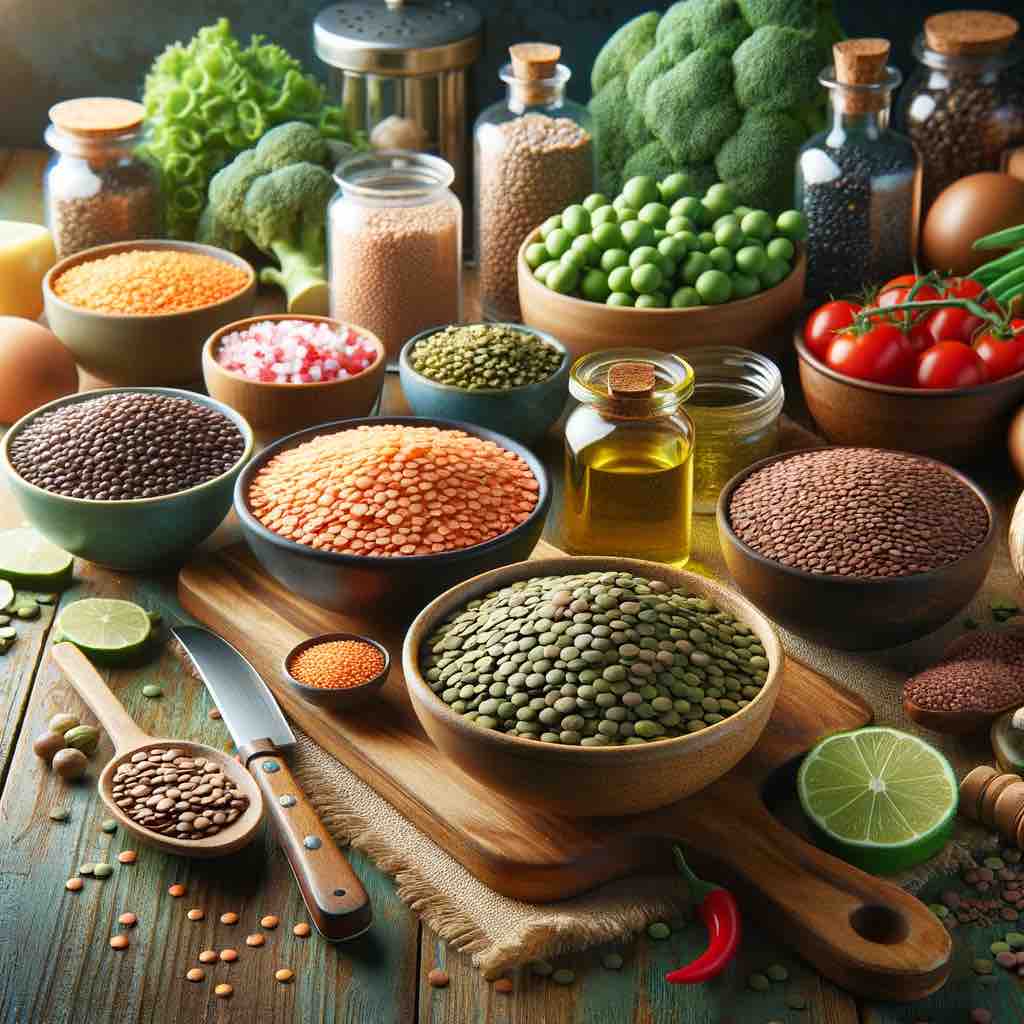
Phew now that I have written all of the above without AI, let me leverage some of it and at least ask it to generate some pictures so that you can understand how it looks like when you are looking for it. Otherwise if you buy it online I am sure the labels would guide you through.

But remember especially when buying Moon and Urad – you get them in 3 forms – fully processed which looks like Yellow or White – easiest to digest, then you have less processed which is broken, but still has the fiber on top – this would look green or black on outside and maybe lighter yellow inside. And then there is the whole one – which is least processed and not broken. You can choose one as per your needs and uses.

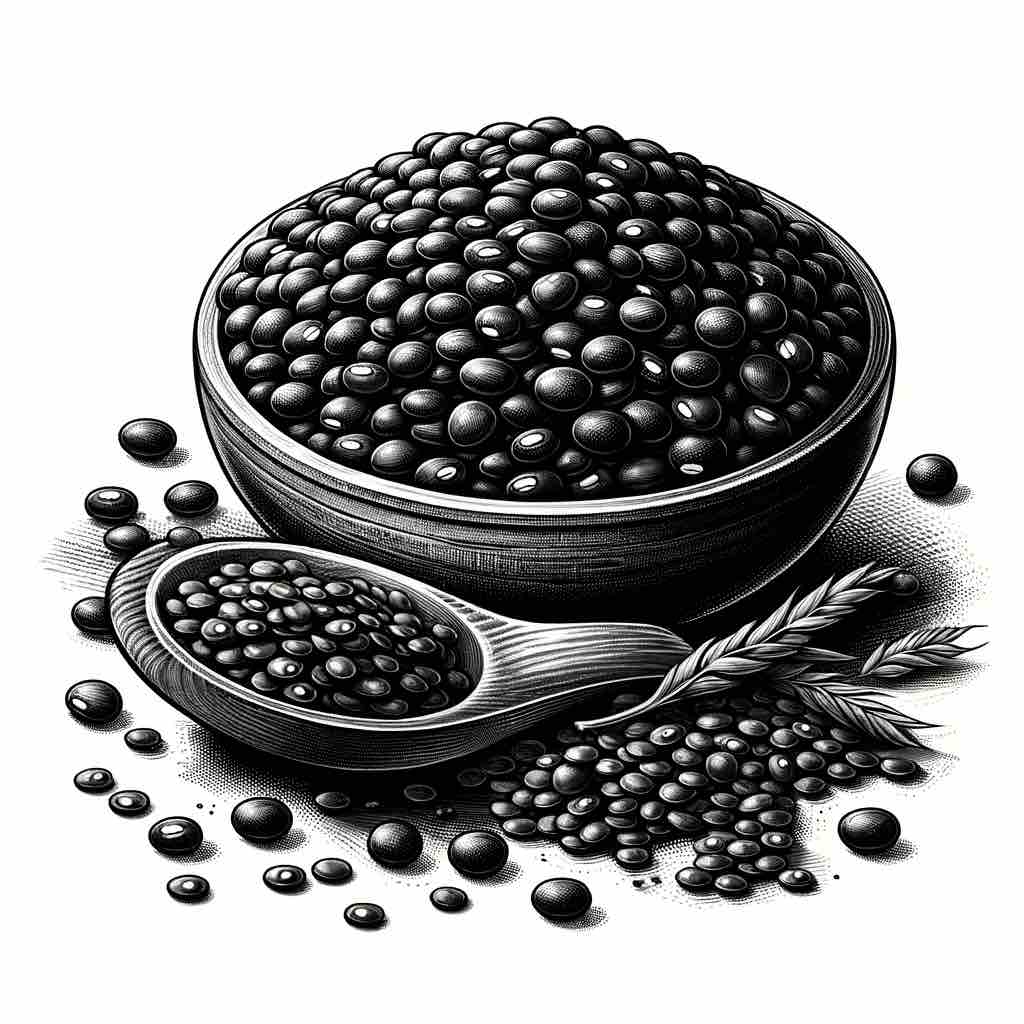
A representation of what Dall-E by OpenAi thinks Urad Dal looks like.
What AI thinks, moth looks like..
Posted on 3 Comments

Glycemic Index and Secrets of Weight Loss

blue tape measuring on clear glass square weighing scale

Introduction:

The Glycemic Index (GI) has been a buzzword in the health and nutrition world for years, but what does it truly signify? As more individuals seek effective and sustainable weight loss methods, understanding the role of GI becomes paramount. In this guide, we’ll delve deep into the Glycemic Index, demystify its science, and debunk common myths, providing you with actionable insights for a healthier lifestyle.

Confused between Glycemic Index versus Glycemic Load? Read: Glycemic Index (GI) VS Glycemic Load (GL)


1. What is the Glycemic Index?:

The Glycemic Index is a ranking system that measures how quickly and significantly a carbohydrate-containing food raises blood sugar levels. Foods are ranked on a scale from 0 to 100, with pure glucose (sugar) serving as the reference point with a GI of 100.

  • Low GI (55 or less): Foods that are digested, absorbed, and metabolized slowly, leading to a gradual rise in blood sugar. Examples include whole grains, legumes, and most fruits and vegetables.
  • Medium GI (56-69): Foods that have a moderate impact on blood sugar levels. This category includes some types of rice, raisins, and certain breads.
  • High GI (70 and above): These foods cause a rapid spike in blood sugar. Examples are white bread, most breakfast cereals, and sugary beverages.

Understanding the GI of foods can help individuals make informed dietary choices, especially those looking to manage their blood sugar levels or achieve weight loss.


2. The Science Behind GI and Weight Loss:

The relationship between the Glycemic Index and weight loss is rooted in the body’s insulin response. When we consume high-GI foods, our blood sugar levels rise rapidly, prompting the pancreas to release a surge of insulin. Insulin is a hormone responsible for transporting sugar from the bloodstream into cells. However, excessive insulin can lead to:

  • Fat storage: High insulin levels signal the body to store excess sugar as fat, particularly in the abdominal area.
  • Hunger pangs: A rapid spike in blood sugar followed by a sharp drop can lead to feelings of hunger shortly after eating, increasing the likelihood of overeating.
  • Energy crashes: The post-meal slump many people experience is often due to a rapid drop in blood sugar after consuming high-GI foods.

On the other hand, low-GI foods provide a steady release of energy, keeping hunger at bay and promoting satiety. This not only aids in weight management but also supports stable energy levels throughout the day.


3. Debunking Common Myths about GI:

With the popularity of the Glycemic Index, several myths have emerged. Let’s set the record straight:

  • Myth: “All carbs are bad.”
    • Truth: Not all carbohydrates are created equal. While refined carbs like white bread have a high GI, many whole foods like quinoa, barley, and legumes have a low GI and are packed with essential nutrients.
  • Myth: “A low-GI diet means avoiding all sugars.”
    • Truth: Natural sugars found in fruits, dairy, and some vegetables can be part of a low-GI diet. It’s the added sugars in processed foods that often have a high GI and should be consumed in moderation.
  • Myth: “Low-GI foods are always healthier.”
    • Truth: While many low-GI foods are nutritious, some can be high in unhealthy fats or sodium. It’s essential to consider the overall nutritional profile of a food, not just its GI.

By understanding the facts and dispelling the myths, individuals can make more informed dietary choices that align with their health goals.

However it is also important to understand the Glycemic Loads of the food you are eating as well, to help understand the concept we have made a list as well as calculator here: Glycemic Index (GI) VS Glycemic Load (GL).

4. Benefits of a Low-GI Diet:

Embracing a low-GI diet offers a myriad of health benefits beyond just weight management. Here’s a closer look at some of the advantages:

  • Stable Energy Levels: Low-GI foods provide a steady energy release, helping you avoid those mid-day slumps and maintain consistent energy throughout the day.
  • Reduced Risk of Chronic Diseases: Studies have shown that a low-GI diet can reduce the risk of type 2 diabetes, cardiovascular diseases, and certain types of cancers.
  • Improved Blood Sugar Control: For individuals with diabetes or those at risk, a low-GI diet can help maintain stable blood sugar levels, reducing the need for insulin and other medications.
  • Enhanced Satiety: Foods with a lower GI tend to be richer in fiber and protein, which can help you feel full longer, reducing the likelihood of overeating.
  • Better Digestive Health: Many low-GI foods, such as whole grains and legumes, are high in dietary fiber, promoting healthy digestion and regular bowel movements.

5. Practical Tips to Incorporate Low-GI Foods:

Transitioning to a low-GI diet doesn’t have to be challenging. Here are some practical tips to help you make the shift:

  • Start with Whole Grains: Replace white rice and bread with whole grain alternatives like brown rice, quinoa, and whole grain bread.
  • Snack Smart: Opt for low-GI snacks like nuts, seeds, and Greek yogurt instead of chips or sugary treats.
  • Incorporate Legumes: Beans, lentils, and chickpeas are not only low in GI but also packed with protein and fiber. Add them to salads, soups, or stews.
  • Limit Sugary Beverages: Instead of sodas or sugary juices, hydrate with water, herbal teas, or unsweetened beverages.
  • Read Labels: When shopping, check the labels for added sugars and high-GI ingredients. The fewer the ingredients, the better.
  • Cook at Home: Preparing meals at home allows you to control the ingredients and ensure you’re consuming low-GI foods.

7. FAQs about Glycemic Index and Weight Loss:

As the Glycemic Index gains traction in health and nutrition circles, several questions arise. Here are answers to some frequently asked questions:

  • Q: Can I eat high-GI foods in moderation?
    • A: Yes, it’s about balance. While the focus should be on low-GI foods, occasional indulgence in high-GI foods is okay, especially if combined with low-GI foods to balance the impact on blood sugar.
  • Q: Is the Glycemic Index the only factor to consider for weight loss?
    • A: No, while GI is a valuable tool, other factors like calorie intake, portion sizes, and overall diet quality also play crucial roles in weight management.
  • Q: How does protein and fat affect the GI of foods?
    • A: Protein and fat can lower the GI of a meal. For instance, adding avocado or nuts to a dish can reduce its overall GI.
  • Q: Are all fruits high in GI?
    • A: No, many fruits like berries, apples, and pears have a low to medium GI. However, tropical fruits like pineapples and mangoes tend to have a higher GI.

Conclusion and Takeaways:

The Glycemic Index offers a unique lens through which we can understand our food choices and their impact on our blood sugar and overall health. By incorporating low-GI foods, debunking myths, and adopting a holistic approach to well-being, individuals can pave the way for sustainable weight loss and optimal health. Remember, it’s not just about numbers but making informed and balanced choices that align with your health goals and lifestyle.

FAQs

  1. What exactly is the Glycemic Index (GI)?
  • The Glycemic Index is a ranking system that measures how quickly and significantly a carbohydrate-containing food raises blood sugar levels. Foods are ranked on a scale from 0 to 100, with pure glucose serving as the reference point with a GI of 100.
  1. How does the Glycemic Index impact weight loss?
  • Foods with a high GI can cause rapid spikes in blood sugar, leading to increased insulin production, which can promote fat storage. On the other hand, low-GI foods provide a steady energy release, helping to control appetite and support sustainable weight loss.
  1. Are all carbs bad when considering the Glycemic Index?
  • Not all carbohydrates are created equal. While refined carbs like white bread have a high GI, many whole foods like quinoa, barley, and legumes have a low GI and are packed with essential nutrients.
  1. How can I start incorporating low-GI foods into my diet?
  • Begin by choosing whole grains over refined grains, opt for fresh fruits and vegetables, and include legumes and lean proteins in your meals. Reading food labels and being aware of added sugars can also guide healthier choices.
  1. Is a low-GI diet suitable for everyone?
  • While many people can benefit from a low-GI diet, especially those looking to manage blood sugar or lose weight, individual needs may vary. It’s always best to consult with a nutritionist or healthcare provider to tailor a diet to your specific requirements.
  1. How does a low-GI diet compare to other popular diets like Keto or Paleo?
  • While the low-GI diet focuses on the blood sugar impact of foods, diets like Keto emphasize low carbohydrate intake, and Paleo prioritizes whole, unprocessed foods. Each diet has its merits, and the best choice often depends on individual health goals and preferences.
  1. Can I eat fruits on a low-GI diet?
  • Absolutely! Many fruits, such as berries, apples, and pears, have a low to medium GI. However, it’s essential to be mindful of portion sizes and opt for whole fruits over fruit juices or dried fruits.

Blog Tags for the Post:
Glycemic Index, Weight Loss, Low-GI Diet, Blood Sugar Management, Healthy Eating, Carbohydrates, Nutrition Tips, Whole Grains, Insulin Response, Sustainable Weight Loss, Dietary Choices, Low-GI Foods.