Posted on Leave a comment

Maca Root Benefits for Women

photo of women sitting on orange sofa

Introduction

Originating from the high plateaus of the Andes Mountains in Peru, the maca root has been cherished for its myriad health benefits for over 2,000 years. Especially for women, this root offers a plethora of advantages, from hormonal balance to enhanced vitality. Let’s delve deeper into the multifaceted benefits of maca root for women.


1. Hormonal Balance

  • Menopause and PMS Relief: Maca root’s adaptogenic properties help the body adapt to stressors, including hormonal imbalances. This can alleviate symptoms like hot flashes, mood swings, and night sweats.
  • Regulating Hormonal Fluctuations: Maca root aids in balancing the hormonal ups and downs, ensuring a smoother menstrual cycle and reduced PMS symptoms.

2. Fertility Enhancement

  • Natural Fertility Boost: Maca root may enhance fertility by improving egg health and increasing endometrial lining, crucial for successful implantation.
  • Increased Reproductive Health: Regular consumption can lead to a more regular menstrual cycle and potentially increase the number of viable eggs.

3. Libido Enhancement

  • Natural Aphrodisiac: Historically, maca has been consumed to boost libido. Modern studies suggest it can increase sexual desire and overall sexual well-being.
  • Improved Sexual Function: Beyond just desire, maca root can also enhance lubrication and alleviate post-menopausal sexual discomfort.

4. Mood and Mental Well-being

  • Mood Enhancement: Maca root contains flavonoids, which have been linked to reduced anxiety and improved mood, leading to increased mental clarity and focus.
  • Stress Reduction: Its adaptogenic properties help the body combat stress, leading to a more relaxed state of mind.

5. Energy and Stamina

  • Natural Energizer: Women who consume maca root often report a surge in energy levels, making it ideal for those with demanding schedules.
  • Enhanced Physical Performance: Athletes and fitness enthusiasts might find that maca root improves their stamina and endurance during workouts.

6. Skin Health

  • Radiant Skin: Maca root’s rich content of vitamins and minerals can lead to healthier, more radiant skin.
  • Combating Hormonal Acne: Hormonal imbalances can lead to acne breakouts. Maca root can help balance hormones, thus reducing acne related to menstrual cycles.

7. Bone Health

  • Strengthening Bones: Maca root is rich in calcium, magnesium, and zinc, essential minerals for maintaining bone density.
  • Reducing Risk of Osteoporosis: Regular consumption can potentially reduce the risk of osteoporosis, especially in post-menopausal women.

8. Types of Maca Root Beneficial for Women

  • Red Maca: This variant is often recommended for women due to its potential benefits in balancing female hormones and promoting bone health.
  • Yellow Maca: A versatile type known for its general health benefits, including boosting energy and improving mood.
  • Black Maca: While beneficial for both genders, black maca is often associated with improving memory and cognitive functions.

9. How to Consume Maca Root

  • Powder Form: Easily added to smoothies, oatmeal, or baked goods, it offers a nutritional boost.
  • Capsules: Ideal for those who might not prefer the taste of maca but want its benefits.
  • Liquid Extracts: A concentrated form that can be added to drinks or taken directly.

10. Precautions

While maca root is generally considered safe, it’s essential to start with a small dose and monitor your body’s response. Pregnant or breastfeeding women should consult with a healthcare professional before consumption. If you’re on hormone-related medications, it’s crucial to discuss with your doctor before adding maca to your diet.


Conclusion

Maca root stands as a testament to nature’s ability to provide solutions for various health concerns. For women, it offers a holistic approach to well-being, addressing both physical and mental health needs. As with any supplement, it’s crucial to be informed and consult with healthcare professionals for a personalized approach.

Blog Tags: Maca Root, Women’s Health, Hormonal Balance, Libido, Fertility, Menopause, Energy, Stamina, Skin Health, Bone Health, Red Maca, Yellow Maca, Black Maca.


Posted on Leave a comment

Eggs and Daily Consumption: Unscrambling the Facts

slice of eggs on cakes

1. Introduction

Eggs, cherished by cultures worldwide, are not just a breakfast staple but a nutritional powerhouse. Their versatility in culinary dishes is matched by their rich nutrient profile. But with so many opinions floating around, how often is it truly safe to indulge in them? Let’s dive deep into the world of eggs and daily consumption.


2. The Nutritional Profile of Eggs

– Protein Powerhouse

Each egg is a source of high-quality protein, essential for muscle building, tissue repair, and overall body function. An average egg contains about 6 grams of protein.

– Vitamins and Minerals Galore

Eggs are teeming with vitamins A, D, E, and B12. They’re also a source of essential minerals like iron, selenium, and zinc, crucial for immune function, DNA production, and maintaining healthy vision.

– Cholesterol Content: The Big Debate

Yes, eggs do contain cholesterol, but it’s essential to understand that dietary cholesterol has a minimal impact on blood cholesterol for most people. The liver produces cholesterol daily, and when we consume foods high in cholesterol, the liver adjusts its production.


3. The Daily Egg Dilemma: Is It Safe?

– For the Average Joe and Jane

For most individuals, consuming an egg a day fits comfortably within dietary guidelines and can be part of a balanced diet.

– Heart Health and Eggs

Contrary to past beliefs, recent studies suggest that moderate egg consumption doesn’t significantly increase the risk of heart disease in healthy individuals.

– Diabetes and Daily Eggs

While eggs offer numerous health benefits, some research indicates a potential link between daily egg consumption and an increased risk of type 2 diabetes. It’s always a good idea to consult with a healthcare professional if you’re at risk.


4. How Many Eggs Are Too Many?

– The Single Egg Theory

Most health organizations agree that one egg per day is safe for the average person, providing essential nutrients without overloading on cholesterol.

– Doubling Up: Two Eggs

Some people can safely consume two eggs daily, especially if they’re active or require more protein. However, it’s crucial to consider other dietary sources of cholesterol and saturated fat.

– Personal Factors to Consider

Your age, genetics, overall diet, and health status play a role in determining your ideal egg intake.


5. The Culinary World of Eggs

– Boiled to Perfection

Whether you prefer them hard or soft boiled, eggs make for a nutritious snack or meal addition.

– Scrambled, Fried, or Omelette

These methods are popular for breakfast. However, be mindful of the oils, butters, and toppings you add, as they can quickly increase calorie and fat content.

– Just the Whites

For those particularly concerned about cholesterol or calories, egg whites offer a lean protein option, devoid of cholesterol and with fewer calories than whole eggs.


6. Beyond the Expiry Date: Are Those Eggs Still Good?

– Best Before vs. Expiration Date

“Best before” is about optimal quality, while “expiration” suggests the last safe consumption date. Eggs can often be consumed a few days after the “best before” date if stored correctly.

– The Float Test for Freshness

A simple test: place an egg in water. Fresh eggs sink, while older ones float. If it floats, it’s best to discard it.

– Sensory Checks

Always trust your senses. If an egg has an off smell, unusual appearance, or odd texture, it’s best to err on the side of caution and not consume it.


7. Special Considerations

– Pregnancy and Eggs

Eggs are a beneficial protein source during pregnancy, but they should always be fully cooked to avoid potential bacteria.

– Egg Allergies

While rare, some individuals might be allergic to eggs. Symptoms can range from mild rashes to severe anaphylactic reactions.


8. Frequently Asked Questions (FAQs)

  • How do eggs impact cholesterol levels?
  • For most people, dietary cholesterol from eggs has minimal impact on blood cholesterol. However, it’s always best to monitor and consult with a healthcare professional.
  • Can I eat eggs if I’m trying to lose weight?
  • Absolutely! Eggs are a satiating source of protein that can help control appetite.
  • Do eggs increase the risk of heart disease?
  • Recent research suggests that moderate egg consumption does not significantly increase heart disease risk in healthy individuals.
  • Are brown eggs healthier than white eggs?
  • The color of the eggshell doesn’t determine its nutritional value. It’s more about the hen’s breed. Nutritionally, both types of eggs are similar.
  • Is it safe to eat raw eggs?
  • Consuming raw eggs carries a risk of salmonella infection. It’s always safer to eat cooked eggs.

Blog Tags: Eggs, Daily Consumption, Nutrition, Cholesterol, Heart Health, Diabetes, Boiled Eggs, Scrambled Eggs, Egg Whites, Expiry Date, Pregnancy, Allergies.

Posted on Leave a comment

The Brewed Truth: Coffee and Prostate Health


1. Introduction

The prostate, a small gland located below the bladder, plays a crucial role in male reproductive health. But did you know that your daily cup of joe might influence its well-being? Dive into the world of coffee and discover its potential effects on the prostate.


2. What the Research Says: Coffee’s Impact on Prostate Health

– Coffee and Prostate Cancer Risk

Recent studies have stirred the pot on this topic. The New York Times highlighted research suggesting that avid coffee drinkers might have a reduced risk of prostate cancer. However, an NIH study poured cold water on this, finding no significant link.

– Decaf vs. Regular Coffee

Is it the caffeine or the coffee? Some believe that decaffeinated coffee might offer similar benefits without the jitters.

– Caffeine and Prostate Enlargement (BPH)

Benign prostatic hyperplasia (BPH) is a common condition in older men. Healthline suggests that excessive caffeine might exacerbate symptoms.


3. The Science Behind Coffee and Prostate Health

– Antioxidants in Coffee

Coffee is rich in antioxidants, which combat inflammation. This could be the key to its potential benefits for the prostate.

– Hormonal Effects

Some researchers believe coffee influences hormone levels, which might impact prostate health.

– Metabolic Changes

Your metabolism gets a boost with every cup of coffee. This metabolic shift could play a role in prostate health.


4. Other Beneficial Components in Coffee

– Chlorogenic Acid

This compound, found in coffee, might have several health benefits, including for the prostate.

– Diterpenes

These compounds have a mixed reputation. While some studies praise their health benefits, others raise concerns about potential risks.

– Cafestol and Kahweol

These lesser-known coffee compounds are under the microscope for their potential effects on prostate health.


5. The Flip Side: Potential Concerns and Limitations

– Varied Research Outcomes

For every study praising coffee’s benefits, another finds no significant association. It’s essential to brew over the entirety of the research.

– Amount of Coffee Consumption

While a cup or two might be beneficial, excessive consumption could lead to other health issues.

– Other Lifestyle Factors

Coffee drinkers often have other habits, like a specific diet or exercise routine, which might influence the results.


6. How to Consume Coffee for Prostate Health

– Optimal Amount

Most research suggests 2-4 cups a day might offer the most benefits without significant risks.

– Considerations for Decaf

For those sensitive to caffeine, decaf might be a good option. However, ensure the decaffeination process doesn’t involve harmful chemicals.

– Brewing Methods

French press, espresso, or drip – does the method matter? Some believe that certain methods might retain more beneficial compounds.


7. Other Foods and Drinks Beneficial for Prostate Health

– Green Tea

Rich in antioxidants, green tea has been lauded for its potential prostate benefits.

– Tomatoes and Lycopene

This red fruit (yes, it’s a fruit!) contains lycopene, which might be beneficial for the prostate.

– Nuts and Seeds

Brazil nuts and pumpkin seeds are often recommended for those concerned about prostate health.


8. Conclusion and Recommendations

In the world of health and nutrition, few things are black and white. While coffee might offer some benefits for prostate health, it’s essential to consume it as part of a balanced diet and healthy lifestyle. As always, consult with a healthcare professional about any concerns.


9. Frequently Asked Questions (FAQs)

  • How much coffee is too much?
    • While individual tolerance varies, most research suggests sticking to 2-4 cups a day.
  • Are there other drinks beneficial for prostate health?
    • Green tea, pomegranate juice, and even red wine (in moderation) have been suggested.
  • What are the symptoms of prostate issues?
    • Difficulty urinating, frequent urination, and discomfort are common symptoms. Always consult a doctor for a proper diagnosis.

Blog Tags: Coffee, Prostate Health, Caffeine, BPH, Prostate Cancer, Decaf Coffee, Antioxidants, Prostate Diet, Prostate Research.

Posted on 6 Comments

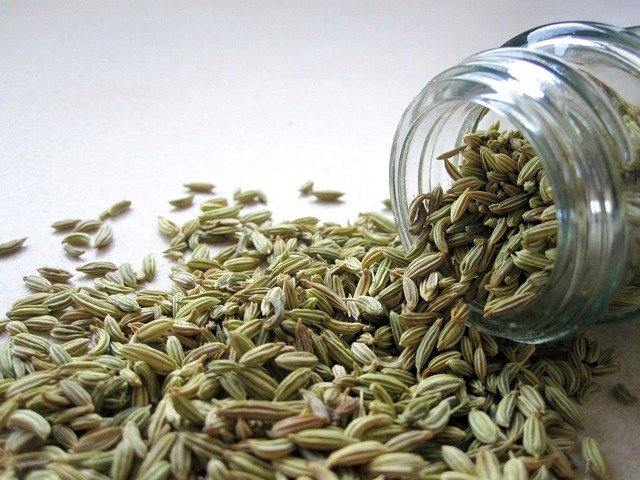
6 Benefits of Fennel Seeds (Saunf)

Fennel seeds, often referred to as saunf in some regions, have been a staple in traditional medicine and culinary arts for centuries. But what makes these tiny seeds so special? Let’s dive in!

1. Introduction: The Magic of Fennel Seeds

Fennel seeds, a common ingredient found in kitchens worldwide, are not just a flavor enhancer. They’re a powerhouse of health benefits, packed into tiny, fragrant seeds. Originally native to the Mediterranean, these seeds have found their way into various cuisines and traditional remedies across the globe.

What’s in a Name?

  • Fennel Seeds: The universal term recognized globally.
  • Saunf: A popular name in South Asia, especially in India and Pakistan.
  • Funcho: Used in some European regions.

Did you know? Fennel seeds have been used in traditional medicine for over a thousand years!

2. Nutritional Profile: What’s Inside These Tiny Seeds?

When you pop a fennel seed into your mouth, you’re not just getting a burst of flavor. You’re consuming a range of nutrients essential for your health.

  • Vitamins: Fennel seeds are a good source of Vitamin C, which is essential for immune function and skin health.
  • Minerals: Rich in Calcium for bone health and Potassium for heart health.
  • Fiber: Essential for digestive health and keeping you full.
  • Antioxidants: Helps combat free radicals in the body.

3. Top Health Benefits: More Than Just a Flavor Enhancer

Fennel seeds are not just about taste; they’re about health, wellness, and a holistic approach to well-being.

Digestive Health

  • Aiding Digestion: Consuming fennel seeds post meals can facilitate better digestion and prevent indigestion.
  • Reducing Gas and Bloating: Their carminative properties help in expelling gas from the digestive system, reducing stomach bloating.
  • Saunf Water on an Empty Stomach: Drinking water infused with fennel seeds on an empty stomach can help in detoxification and kickstart your metabolism.

Breastfeeding and Women’s Health

  • Boosting Milk Production: Nursing mothers have often turned to fennel seeds to enhance milk production, thanks to its galactagogue properties.
  • Women’s Health: Fennel seeds can help in alleviating menstrual pain and regulate menstrual cycles due to their estrogenic properties.

Tip: Try a warm cup of fennel seed tea during periods for relief from cramps.

4. Culinary Uses: From Kitchens to Gourmet Restaurants

Fennel seeds have been an integral part of culinary traditions worldwide, adding flavor and health benefits to dishes.

  • Cooking: Add them to your stews, curries, and soups for an aromatic flavor.
  • Beverages: Fennel seed tea is not just aromatic but packed with health benefits. It’s a perfect after-meal drink.
  • Saunf Masala: A popular mouth freshener in South Asia, it’s a mix of roasted fennel seeds with other aromatic herbs.
  • Desserts: Add them to your cakes, pies, and cookies for a unique flavor twist.

Chef’s Tip: Roast the fennel seeds slightly before adding them to your dishes to enhance their flavor.

5. Skin and Beauty Benefits: Radiate Naturally with Fennel Seeds

Fennel seeds aren’t just for your kitchen; they’re a beauty secret waiting to be unveiled. Their rich antioxidant profile makes them a favorite for skin health.

Natural Glow

  • Detoxifying Properties: Fennel seeds help in flushing out toxins from the body, leading to a clearer complexion.
  • Toning: A cool fennel seed water spray acts as a natural toner, tightening the pores.

Combat Acne

  • Anti-bacterial: The seeds have properties that combat harmful bacteria responsible for breakouts.
  • Anti-inflammatory: They help in reducing skin redness and irritation.

Anti-aging Benefits

  • Rich in Antioxidants: Fennel seeds combat free radicals, which are responsible for premature aging.
  • Fennel Seed Oil: This can be applied to the skin for reducing fine lines and wrinkles.

Beauty Tip: Try a face mask of fennel seed powder, yogurt, and honey for radiant skin.

6. Other Notable Benefits: The Lesser-Known Wonders of Fennel Seeds

While fennel seeds are renowned for their digestive and skin benefits, they have a plethora of other health advantages.

Weight Management

  • Boosting Metabolism: Regular consumption can help in increasing the metabolic rate.
  • Appetite Regulation: The fiber content can help in making you feel full, reducing overall food intake.

Respiratory Health

  • Clear Airways: Fennel seeds can help in clearing mucus, aiding in better respiration.
  • Cough Relief: Their anti-inflammatory properties can soothe a sore throat and reduce coughing.

Heart Health

  • Blood Pressure Regulation: The potassium content helps in maintaining a healthy blood pressure.
  • Cholesterol: They aid in reducing bad cholesterol levels, promoting heart health.

Health Fact: Ancient Chinese medicine used fennel seeds to combat snake and insect bites due to their detoxifying properties.

7. Potential Side Effects: Everything in Moderation

While fennel seeds are a boon, it’s essential to be aware of potential side effects when consumed in large quantities.

Pregnancy and Nursing

  • Estrogenic Effect: Excessive consumption might affect hormonal balance, so it’s advised for pregnant women to consult their doctors.
  • Nursing: While they boost milk production, overconsumption might not be suitable for all mothers.

Allergies

  • Some individuals might be allergic to fennel seeds, leading to skin rashes or respiratory issues.

Medicinal Interactions

  • If you’re on medication, especially blood thinners or hormonal treatments, consult your healthcare provider before making fennel seeds a regular part of your diet.

8. Fennel Seeds in Different Cultures: A Seed That Binds Us All

Fennel seeds have found their way into various cultures, each having its unique way of incorporating them.

India

  • Known as Saunf, they’re often consumed post meals as a mouth freshener and digestive aid.

Italy

  • Often used in sausages and meat dishes for an aromatic flavor.

Middle East

  • A key ingredient in spice mixes and often used in rice dishes.

China

  • Used in traditional medicine for its myriad of health benefits.

Culture Note: In many parts of India, a mixture of fennel seeds and mishri (sugar crystals) is given to guests after meals to aid digestion and freshen the breath.

9. How to Incorporate Fennel Seeds in Your Diet: Simple Yet Flavorful Ideas

The versatility of fennel seeds means they can be added to a variety of dishes, enhancing both flavor and health benefits.

Morning Ritual

  • Fennel Seed Tea: Start your day with a warm cup. Just boil a teaspoon of seeds in water, strain, and enjoy.
  • Smoothies: Add a pinch of fennel seed powder to your morning smoothies for a flavor twist.

Meal Enhancers

  • Salads: Roasted fennel seeds can be sprinkled over salads for an aromatic crunch.
  • Breads and Bakes: Incorporate them into your homemade bread or muffins.

Desserts

  • Fennel Seed Cookies: A delightful treat with the goodness of fennel.
  • Puddings and Custards: A hint of ground fennel seeds can elevate the flavor.

Beverages

  • Fennel Water: Soak fennel seeds overnight and drink the water in the morning for detox benefits.
  • Coolers: Add them to your lemonades or coolers for a refreshing twist.

Chef’s Secret: Toasting fennel seeds before use can amplify their flavor, making them even more aromatic.

10. Conclusion: Embracing the Magic of Fennel Seeds

From aiding digestion to promoting skin health, fennel seeds prove that good things indeed come in small packages. Whether you’re sipping on fennel tea or sprinkling them over your dishes, these tiny seeds pack a punch both in terms of flavor and health benefits. As with all things, moderation is key. So, embrace the magic of fennel seeds and let them work their wonders on your health and palate.

11. FAQs: Answering Your Burning Questions

What’s fennel good for?

Fennel is renowned for its digestive benefits, skin-enhancing properties, and its ability to boost women’s health, among other advantages.

Are fennel seeds good for health?

Absolutely! They aid digestion, promote skin health, assist in weight management, and offer many other health benefits.

What are the benefits of eating saunf after a meal?

Eating saunf or fennel seeds post-meal can aid digestion, freshen the breath, and provide a dose of antioxidants.

Can I consume fennel seeds daily?

Yes, in moderation. While they’re beneficial, excessive consumption might lead to potential side effects.


—————————————- Also Check Out ————————————-

To know how Fennel Seeds can be used and to see some examples of food products that are made using it,
Click here


For videos related to Health and Wellness, Subscribe to our YouTube Channel:
Masala Monk – The Gourmet Store

Posted on Leave a comment

Welcome to the Tropical Juice Paradise: Pineapple Juice for Weight Loss!

pineapple fruit on rock taken under white clouds

Title: “Harnessing the Power of Pineapple Juice for Weight Loss: Myths, Facts, and Recipes”


Introduction:

The journey to weight loss is paved with countless natural remedies, and pineapple juice has recently been thrust into the limelight. With its tropical allure and a plethora of nutrients, it’s no wonder many are turning to this fruity beverage. But how effective is it? Let’s dive deep into the world of pineapple juice and its potential role in weight loss.


1. The Nutritional Profile of Pineapple Juice:

Pineapple juice isn’t just a refreshing drink; it’s packed with essential vitamins and minerals. Rich in vitamin C, manganese, and bromelain, it offers anti-inflammatory properties and aids digestion. The presence of thiamine and B-vitamins also helps in energy production, making it a great pre-workout drink.


2. Pineapple Juice and Metabolism:

One of the key factors in weight loss is metabolism. Pineapple juice, with its bromelain content, aids in protein digestion. Efficient protein digestion can lead to increased muscle mass, which in turn can boost metabolism. A faster metabolism means more calories burned, even at rest.


3. The Role of Fiber:

While the juice itself might lack the fiber content of whole pineapples, combining it with other fibrous ingredients can make a difference. Fiber keeps you full, reduces overall calorie intake, and aids in digestion. Consider blending your pineapple juice with some pineapple chunks or other fibrous fruits for added benefits.


4. Hydration and Weight Loss:

Pineapple juice, being a liquid, contributes to your daily hydration needs. Proper hydration is crucial for weight loss as it aids in digestion, keeps the body’s metabolic processes running smoothly, and helps suppress appetite.


5. Debunking Myths:

While pineapple juice has its benefits, it’s not a magic potion. Drinking gallons won’t result in overnight weight loss. It should be incorporated as part of a balanced diet and exercise regimen. Moreover, store-bought pineapple juices might be laden with sugars, which can counteract any weight loss benefits. Always opt for fresh, unsweetened versions.


6. When to Drink Pineapple Juice for Optimal Benefits:

Timing can be everything. For best results, consider drinking pineapple juice:

  • Before meals: The enzymes can prep the digestive system.
  • Post-workout: To replenish lost vitamins and minerals.
  • As a mid-day snack: To curb sweet cravings with natural sugars.

7. DIY Pineapple Juice Recipes for Weight Loss:

While plain pineapple juice is great, you can amplify its benefits with some simple recipes:

  • Pineapple and Ginger Juice: Ginger boosts metabolism and aids digestion.
  • Pineapple and Cucumber Juice: Cucumber adds hydration without many calories.
  • Pineapple and Turmeric Juice: Turmeric has anti-inflammatory properties.

Conclusion:

Pineapple juice, with its myriad of benefits, can be a valuable addition to your weight loss journey. However, it’s essential to approach it with a balanced perspective, understanding that no single food or drink can be a weight loss panacea. Combine it with a healthy lifestyle, and you might just find that tropical boost you’ve been seeking.


FAQs:

  1. What makes pineapple juice beneficial for weight loss?
  • Pineapple juice is rich in bromelain, which aids in protein digestion, potentially boosting metabolism. Additionally, its vitamin C and manganese content offer anti-inflammatory properties that can support overall health during weight loss.
  1. Is store-bought pineapple juice as effective as fresh juice for weight loss?
  • While store-bought pineapple juice can offer some benefits, it’s essential to be wary of added sugars and preservatives. Fresh, unsweetened pineapple juice is always the best choice to reap the maximum benefits.
  1. How can I incorporate pineapple juice into my daily routine for weight loss?
  • Consider drinking pineapple juice before meals to prep the digestive system, post-workout to replenish lost nutrients, or as a mid-day snack to curb sweet cravings.
  1. Are there any side effects of consuming too much pineapple juice?
  • While pineapple juice is generally safe for most people, excessive consumption can lead to digestive discomfort due to its high bromelain content. It’s always best to consume in moderation.
  1. Can I mix pineapple juice with other ingredients to enhance its weight loss properties?
  • Absolutely! Combining pineapple juice with ingredients like ginger, cucumber, or turmeric can amplify its benefits. These mixtures can boost metabolism, provide hydration, and offer anti-inflammatory properties.
  1. Does pineapple juice only aid in weight loss when consumed on an empty stomach?
  • While consuming pineapple juice on an empty stomach can prep the digestive system, its benefits aren’t limited to this. It can be consumed at various times of the day, depending on individual preferences and goals.
  1. How does hydration play a role in pineapple juice’s weight loss benefits?
  • Proper hydration is crucial for weight loss as it aids in digestion, supports metabolic processes, and can help suppress appetite. Pineapple juice, being a liquid, contributes to daily hydration needs.

Blog Tags:
pineapple juice, weight loss, bromelain benefits, natural weight loss remedies, hydration, metabolism boost, DIY pineapple recipes, tropical weight loss, digestive health, anti-inflammatory foods.

Meta Description: “Explore the potential of pineapple juice in aiding weight loss. From its nutritional profile to DIY weight loss recipes, discover how this tropical beverage can be more than just a refreshing drink.”