Posted on Leave a comment

Magnesium in Weight Loss

crop kid weighing on scale

Magnesium and Weight Loss: A Comprehensive Guide

Magnesium, an essential mineral, plays a pivotal role in over 300 enzymatic reactions within the body. While it’s widely recognized for its benefits in muscle function, nerve function, and bone health, there’s growing interest in its potential role in weight management. Let’s explore the connection between magnesium and weight loss.

1. Magnesium’s Role in Weight Loss

While magnesium itself doesn’t directly cause weight loss, it can aid in processes that might enhance weight loss or prevent weight gain:

  • Energy Production: Magnesium is crucial for converting food into energy. A magnesium-rich diet can potentially boost metabolism and energy levels.
  • Blood Sugar Regulation: Magnesium helps regulate blood sugar levels, which can reduce sugar cravings and lower the risk of weight gain.
  • Reduction in Water Weight: Magnesium can help reduce water retention, leading to weight loss from fluid.

2. Best Magnesium Supplements for Weight Loss

There are various forms of magnesium supplements available, and some might be more effective for weight loss than others:

  • Magnesium Glycinate: Known for its high absorption rate and gentle effect on the stomach. It’s often recommended for those who want to increase their magnesium levels without digestive side effects.
  • Magnesium Oxide: While it contains more magnesium per dose, it’s not absorbed as efficiently as other forms.
  • Magnesium Citrate: Often used as a laxative, it can aid in temporary weight loss from water and waste.
  • Magnesium L-Threonate: This form is known to penetrate the mitochondrial membrane. While its direct effects on weight loss aren’t well-studied, it’s beneficial for brain health.

3. How Much Magnesium Do I Need?

The recommended daily allowance (RDA) for magnesium varies by age and gender. On average, adult men require about 400-420 mg/day, while adult women need about 310-320 mg/day. However, for weight loss, it’s essential to consult with a healthcare professional to determine the right dosage.

4. Natural Sources of Magnesium

While supplements can be beneficial, obtaining magnesium from natural food sources is always recommended:

  • Green Leafy Vegetables: Spinach, kale, and Swiss chard are rich in magnesium.
  • Nuts and Seeds: Almonds, cashews, and pumpkin seeds are excellent sources.
  • Whole Grains: Quinoa, brown rice, and oats contain significant amounts of magnesium.
  • Fish: Salmon, mackerel, and tuna are not only rich in omega-3 fatty acids but also magnesium.

5. Potential Side Effects

While magnesium is generally safe, excessive intake from supplements can lead to gastrointestinal issues like diarrhea. It’s crucial to stick to the recommended dosage and consult with a healthcare provider.

6. Conclusion

Magnesium can play a supportive role in weight loss and overall health. Whether you choose to take a supplement or rely on dietary sources, ensure you’re getting the right amount for your needs. Remember, while magnesium can aid in weight management, a balanced diet and regular exercise are the cornerstones of any effective weight loss strategy.


FAQs

  1. Can magnesium supplements help reduce sugar cravings?
    Yes, magnesium can help regulate blood sugar levels, potentially reducing sugar cravings.
  2. Is it safe to take magnesium daily?
    Yes, but it’s essential to stick to the recommended dosage and consult with a healthcare provider.
  3. Can magnesium help with weight loss results?
    While magnesium itself doesn’t cause weight loss, it can support processes that aid in weight management.
  4. Are there any foods I should avoid when taking magnesium?
    Foods high in calcium can hinder magnesium absorption. It’s best to space out the intake of calcium-rich foods and magnesium supplements.
  5. How long does it take to see weight loss results with magnesium?
    The effects of magnesium on weight loss can vary. It’s best to focus on overall health and let weight loss be a natural result of healthy habits.

Blog Tags:
Magnesium, Weight Loss, Supplements, Diet, Nutrition, Health Benefits, Metabolism, Blood Sugar Regulation, Natural Sources, Dosage.


Posted on Leave a comment

Zucchini – Nutrition, Benefits, and 5 Practical Ways for Weight Loss

pexels-photo-128420.jpeg

Zucchini: The Ultimate Guide to Weight Loss and Nutritional Benefits

Zucchini, often referred to as courgette in some parts of the world, is not just a simple summer squash. It’s a powerhouse of nutrition, offering a multitude of health benefits. Whether you’re on a weight loss journey or simply aiming to boost your overall health, zucchini might just be the vegetable you’ve been overlooking. Let’s dive deep into the world of zucchini and explore its potential.

1. Zucchini: A Weight Loss Ally

If you’re aiming to shed some extra pounds, zucchini should be on your plate. Here’s why:

  • Low in Calories: One cup of raw zucchini has a mere 20 calories. This means you can eat a good amount without consuming too many calories.
  • High Water Content: Zucchini is composed of about 95% water. This high water content can help you feel full and satisfied, reducing the chances of overeating.
  • Zoodles – A Pasta Alternative: Zucchini noodles, affectionately known as “zoodles”, are a fantastic low-carb, low-calorie alternative to traditional pasta. They can be paired with a variety of sauces, giving you the pasta experience without the added carbs.

2. Nutritional Goldmine

Zucchini is not just about weight loss; it’s packed with essential nutrients:

  • Vitamins: It’s a good source of Vitamin C, which is crucial for skin health and immunity. It also provides Vitamin B6, essential for brain health and the conversion of food into energy.
  • Minerals: Zucchini boasts minerals like potassium, which can help regulate blood pressure, and magnesium, known for its muscle and nerve functions.
  • Dietary Fiber: This vegetable is a good source of dietary fiber, promoting digestive health and aiding in cholesterol regulation.

3. Beyond Weight Loss: Health Benefits of Zucchini

Zucchini’s benefits extend beyond just weight loss:

  • Heart Health: The combination of fiber, potassium, and magnesium in zucchini can help reduce the risk of heart diseases.
  • Antioxidant Properties: Zucchini contains antioxidants like lutein and zeaxanthin, which can combat oxidative stress and reduce the risk of age-related diseases.
  • Blood Sugar Regulation: The fiber content in zucchini can help stabilize blood sugar levels, making it beneficial for diabetics.

4. Culinary Delights: How to Enjoy Zucchini

The versatility of zucchini is unmatched:

  • Raw Zucchini: Thinly sliced zucchini can be added to salads or used as a base for zucchini carpaccio.
  • Baked Goods: Zucchini bread and muffins are delicious ways to sneak in some veggies into your baked goods.
  • Stuffed Zucchini: Hollow out a zucchini and stuff it with a mixture of grains, veggies, and proteins for a wholesome meal.
  • Grilled Zucchini: Perfect for summer BBQs, grilled zucchini slices can be seasoned with herbs and spices for a smoky flavor.

5. Zucchini vs. Other Veggies

Compared to other vegetables, zucchini stands out due to its versatility in cooking and its rich nutrient profile. For instance, while cucumbers are hydrating, zucchinis offer a broader range of vitamins and minerals.

Conclusion

Zucchini is more than just a green vegetable; it’s a versatile, nutritional powerhouse that can support weight loss, heart health, and overall well-being. By incorporating zucchini into your diet, you’re not only treating your taste buds but also nourishing your body.


FAQs

  1. How does zucchini’s nutritional profile compare to other squashes?
    Zucchini, like other squashes, is rich in vitamins and minerals but tends to have fewer calories and carbs, making it a preferred choice for many.
  2. Is zucchini safe for pregnant women?
    Absolutely! Zucchini is not only safe but also beneficial for pregnant women due to its folate content, which supports fetal development.
  3. Can zucchini be juiced?
    Yes, zucchini can be juiced and combined with other vegetables and fruits for a refreshing drink.
  4. Why is zucchini sometimes called a “summer squash”?
    Zucchini is termed “summer squash” because it is harvested during the summer months when it’s tender and soft.
  5. How should zucchini be stored for freshness?
    It’s best to store zucchini in a plastic bag in the refrigerator’s crisper drawer. It can last for about a week.

Blog Tags:
Zucchini, Weight Loss, Nutritional Benefits, Zoodles, Heart Health, Dietary Fiber, Antioxidants, Cooking Tips, Summer Squash, Health and Wellness.

Posted on 1 Comment

Is Coffee Bad for Acid Reflux? Caffeine and Heartburn

Understanding the Sudden Discomfort: Coffee and Your Stomach

For many, coffee is a cherished morning ritual, a comforting routine that signals the start of a new day. But what happens when this beloved beverage suddenly turns against you, causing unexpected stomach discomfort? Let’s dive deep into the world of coffee and its relationship with our digestive system.

1. The Acidic Nature of Coffee

Coffee is inherently acidic, which can be problematic for some individuals. The natural acids in coffee, such as chlorogenic acid, can stimulate the stomach to produce more hydrochloric acid. This increased acid production can lead to symptoms like heartburn, indigestion, or even gastroesophageal reflux disease (GERD) in susceptible individuals.

Did You Know? Dark roasted coffee beans tend to be less acidic than light roasted beans. If acidity is a concern, you might want to opt for a darker roast.

2. The Role of Chicory Root

Chicory root, often added to coffee blends, especially in certain European traditions, is known for its slightly woody and caramelized flavor. While it offers numerous health benefits, including being a source of inulin (a prebiotic fiber), it can also lead to gas, bloating, and other digestive issues in some people.

3. Caffeine: A Double-Edged Sword

While caffeine is the reason many of us turn to coffee, it can also be the culprit behind stomach discomfort. Caffeine stimulates acid production in the stomach, and for those with a heightened sensitivity to caffeine, this can result in acid reflux or similar symptoms.

4. Other Contributing Factors

  • Artificial Additives: Flavored coffees might contain artificial sweeteners or syrups that can irritate the stomach lining.
  • Empty Stomach: Drinking coffee on an empty stomach can increase acid production, leading to discomfort. It’s often recommended to have a small snack before your coffee.
  • Grind Size & Brewing Method: The coarseness of the coffee grind and the brewing method can influence the coffee’s acidity. For instance, cold brew coffee is often less acidic than hot brewed coffee.

5. Exploring Solutions and Alternatives

  • Switch to Low-Acidity Coffee: Brands that offer low-acidity blends can be gentler on the stomach.
  • Milk Alternatives: Almond milk or oat milk can help neutralize coffee’s acidity. Some people also find that these milk alternatives are easier on the digestive system than traditional dairy.
  • Limit Intake: If you’re consuming multiple cups a day, consider cutting back or spacing out your coffee intake.
  • Consultation: Always consult with a healthcare professional if you experience persistent discomfort.

Conclusion

Coffee is a complex beverage with a range of compounds that can interact with our bodies in different ways. By understanding these interactions and making informed choices, you can continue to enjoy your coffee without the discomfort.


FAQs

  1. Why did I suddenly develop coffee sensitivity?
    Sensitivities can evolve over time due to changes in our digestive system, diet, or even stress levels. It’s not uncommon for someone to develop a sensitivity later in life.
  2. Is it the caffeine or the coffee causing the issue?
    While caffeine can be a significant factor, other compounds in coffee can also contribute to discomfort. It might be helpful to compare how you feel after consuming other caffeinated beverages.
  3. How does chicory coffee’s acidity compare to regular coffee?
    Chicory coffee is often considered a low-acid alternative. However, the actual acidity can vary based on the blend and preparation method.
  4. Are there any natural remedies for coffee-induced discomfort?
    Herbal teas like chamomile or ginger can help soothe the stomach. Additionally, drinking water can help dilute stomach acid and reduce symptoms.
  5. Can decaffeinated coffee be a good alternative?
    Decaffeinated coffee has reduced caffeine levels, which might alleviate symptoms for some. However, it still contains other compounds found in regular coffee, so individual reactions can vary.

Blog Tags:
Coffee Sensitivity, Acid Reflux, GERD, Chicory Root, Caffeine, Digestive Health, Low-Acidity Coffee, Coffee Alternatives, Heartburn, Stomach Discomfort.

Posted on Leave a comment

Navigating Dairy on a Keto Diet: Is Cow’s Milk Keto-Friendly?

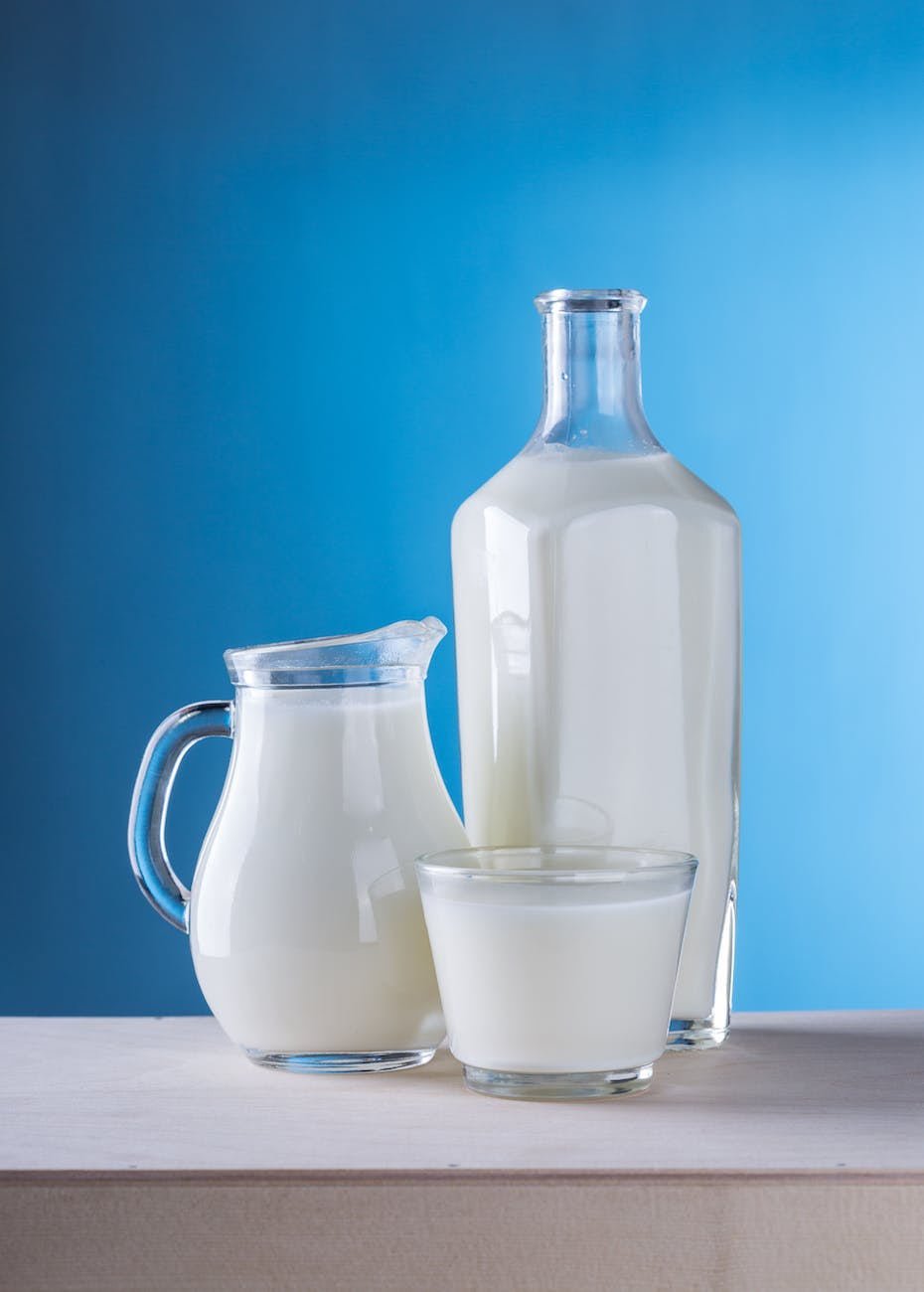
close up of milk against blue background

Is Cow Milk Keto? A Deep Dive into Milk Choices on a Ketogenic Diet

The ketogenic (keto) diet has become increasingly popular as a way to potentially lose weight, boost energy, and reap other health benefits. At its core, the keto diet emphasizes a low-carb, high-fat intake, prompting many to reconsider their consumption of everyday foods, including milk. This comprehensive guide will delve into whether cow’s milk is keto-friendly and explore other milk alternatives suitable for those on a ketogenic diet.

Understanding Cow’s Milk

Cow’s milk, a staple in many diets worldwide, is packed with essential nutrients like calcium, vitamin D, and protein. However, its carbohydrate content, primarily from lactose, often raises eyebrows among keto enthusiasts.

  • Carbohydrate Count: A standard cup of whole cow’s milk contains around 12 grams of carbohydrates. For those on a keto diet aiming for a daily intake of 20-50 grams of carbs, cow’s milk can quickly consume a significant portion of this allowance.
  • Keto Perspective: Due to its carb content, regular cow’s milk is often limited or even avoided on a strict keto diet. If you’re keen on including it, it’s advisable to opt for full-fat versions and consume in moderation.

Navigating Milk Alternatives on Keto

  1. Coconut Milk: A darling of the keto community, unsweetened coconut milk boasts a high fat and low carb profile. Its creamy texture and subtle sweetness make it a versatile addition to keto recipes.
  2. Almond Milk: Unsweetened almond milk is another low-carb, dairy-free alternative. It’s lighter in texture compared to coconut milk and can be used in a variety of dishes, from smoothies to keto-friendly desserts.
  3. Lactose-Free Milk: While it eliminates lactose, the carb content in lactose-free milk remains similar to regular cow’s milk, making it a less-than-ideal choice for strict keto followers.
  4. Macadamia and Cashew Milk: These newer entrants in the milk alternative scene are gaining traction for their creamy consistency and low carb content. As always, opt for unsweetened versions to stay within keto guidelines.
  5. Goat’s Milk: While not as popular as cow’s milk, goat’s milk is another option. However, it’s worth noting that its carbohydrate content is comparable to cow’s milk, so it should be consumed judiciously.
  6. Hemp Milk: Made from hemp seeds, this milk alternative is rich in omega-3 and omega-6 fatty acids. It’s also typically lower in carbs than cow’s milk, making it a potential keto option.

Factors to Consider When Choosing Milk on Keto

  • Carbohydrate Content: Always check the nutritional label. The lower the carbs, the better it aligns with keto principles.
  • Additives and Sweeteners: Some milk alternatives might contain added sugars or artificial sweeteners, which can impact ketosis.
  • Nutritional Benefits: Beyond carb content, consider other nutritional benefits like vitamins, minerals, and fatty acid profiles.

Conclusion

Navigating milk choices on a keto diet can seem daunting, but with a bit of knowledge and label-reading, it’s entirely manageable. While cow’s milk might be approached with caution due to its carbs, several alternatives can fit snugly into a keto lifestyle.


FAQs

  1. Why does cow’s milk have a higher carb content?
    The primary carbohydrate in cow’s milk is lactose, a natural sugar.
  2. Which milk alternative is the most keto-friendly?
    Unsweetened coconut milk and almond milk are among the top choices due to their low carb content.
  3. Can I use milk alternatives in cooking and baking?
    Absolutely! Many milk alternatives can be used in cooking and baking, just as you would with cow’s milk.
  4. How do milk alternatives compare in taste to cow’s milk?
    Taste can vary widely. For instance, almond milk has a nuttier profile, while coconut milk is creamier with a tropical hint.
  5. Is it more expensive to buy milk alternatives?
    Prices can vary based on brand and region. However, making your own nut milk at home can be cost-effective.

Blog Tags:
Keto Diet, Cow’s Milk, Milk Alternatives, Almond Milk, Coconut Milk, Lactose-Free Milk, Macadamia Milk, Cashew Milk, Goat’s Milk, Hemp Milk, Low-Carb Diet, Dairy on Keto.

Posted on Leave a comment

Guide to Milk on a Keto Diet

scrabble tiles surrounded by white flowers on a marbled surface

The ketogenic (keto) diet has gained immense popularity for its potential weight loss and health benefits. It’s a low-carb, high-fat, and moderate-protein diet that shifts the body’s metabolism from burning glucose to burning fats. With this shift, many wonder about the role of milk, a staple in many diets, in the keto framework. Let’s dive deep into understanding which types of milk are keto-friendly and which ones you might want to avoid.

1. Coconut Milk: A Keto Favorite

Coconut milk, especially the unsweetened variety, is a favorite among keto dieters. It’s rich in fats and low in carbs, making it an excellent choice for those on a strict carb limit.

  • Carb Content: Unsweetened coconut milk contains approximately 1-2 grams of carbs per cup.
  • Benefits: Apart from being keto-friendly, coconut milk is also dairy-free, making it suitable for those with lactose intolerance or dairy allergies.

2. Cow’s Milk: Tread with Caution

Traditional cow’s milk is higher in carbs due to its lactose content. While it’s rich in nutrients like calcium and vitamin D, its carb content can quickly add up on a keto diet.

  • Carb Content: An average cup of whole cow’s milk contains about 12 grams of carbs.
  • Keto Verdict: It’s best to limit or avoid cow’s milk on a keto diet. However, if you must, opt for full-fat versions and consume in moderation.

3. Almond Milk: A Low-Carb Alternative

Unsweetened almond milk is another excellent milk substitute for the keto diet. It’s low in carbs and calories, making it a popular choice among keto enthusiasts.

  • Carb Content: Unsweetened almond milk contains about 1-2 grams of carbs per cup.
  • Benefits: Almond milk is also dairy-free and is often fortified with vitamins and minerals.

4. Lactose-Free Milk: Not Necessarily Keto

While lactose-free milk is beneficial for those with lactose intolerance, it’s not necessarily low in carbs.

  • Carb Content: The carb content is similar to regular cow’s milk, with about 12 grams of carbs per cup.
  • Keto Verdict: Like cow’s milk, it’s best to limit or avoid lactose-free milk on a keto diet.

5. Other Keto-Friendly Milk Options

There are several other milk alternatives that keto dieters can enjoy:

  • Macadamia Milk: Low in carbs and has a creamy texture.
  • Flax Milk: Made from flax seeds, it’s low in carbs and often fortified with additional nutrients.
  • Cashew Milk: Ensure it’s unsweetened, as it’s naturally low in carbs.

Conclusion

While traditional cow’s milk might not be the best choice for those on a keto diet, several alternatives can fit into a low-carb lifestyle. Always check the nutritional label and opt for unsweetened versions to ensure you’re staying within your carb limits.


FAQs

  1. Why is unsweetened almond milk considered keto-friendly?
    Unsweetened almond milk is low in carbs, typically containing 1-2 grams per cup, making it a suitable choice for a keto diet.
  2. How does lactose-free milk compare to regular milk in terms of carbs?
    Lactose-free milk has a similar carb content to regular cow’s milk, averaging around 12 grams per cup.
  3. Can I consume dairy products on a keto diet?
    While some dairy products, like hard cheeses and heavy cream, are keto-friendly, others like milk can be high in carbs. It’s essential to check the nutritional information and consume dairy in moderation.
  4. Is there a specific amount of milk I can have on keto?
    The amount depends on the type of milk and its carb content. For instance, while you might want to limit cow’s milk, you can consume more generous amounts of unsweetened almond or coconut milk.
  5. Are there any benefits of consuming milk on a keto diet?
    Milk alternatives like almond and coconut milk can provide essential nutrients and are low in carbs, making them beneficial for those on a keto diet.

Blog Tags:
Keto Diet, Milk on Keto, Coconut Milk, Almond Milk, Lactose-Free, Dairy on Keto, Low-Carb Diet, Keto-Friendly Milk, Nut Milk, Dairy Alternatives.