Posted on 2 Comments

Tea Tree Oil for Scalp Eczema and Psoriasis

TEA TREE OIL FOR SCALP ECZEMA AND PSORIASIS

Scalp issues like eczema and psoriasis aren’t just skin-deep. They cause discomfort, affect self-confidence, and often require long-term management. Among the sea of treatments, both medical and natural, one name frequently pops up: Tea Tree Oil. But does it really work? Can this ancient essential oil be a reliable aid for chronic scalp conditions? In this blog, we dive deep into the science, the experiences, and the practical advice around using tea tree oil for scalp eczema and psoriasis.


What is Tea Tree Oil? Tea tree oil is an essential oil derived from the leaves of the Australian plant Melaleuca alternifolia. Known for its pungent scent and powerful properties, it has been used traditionally by Aboriginal communities for its healing abilities. Modern science has confirmed that tea tree oil possesses potent antimicrobial, anti-inflammatory, and antifungal properties, largely thanks to its main active component, terpinen-4-ol.


Understanding Scalp Eczema and Psoriasis Before we delve into tea tree oil, it’s important to understand the conditions it’s supposed to help with:

  • Scalp Eczema (Seborrheic Dermatitis): Often appears as greasy, scaly patches and can be triggered by stress, yeast overgrowth, or cold weather.
  • Scalp Psoriasis: An autoimmune condition characterized by red, raised patches covered in silvery scales. It’s chronic and often more stubborn than eczema.

Both conditions cause itching, flaking, and inflammation, and both can be exacerbated by microbial infections—something tea tree oil may be well-suited to address.


What Does the Research Say?

  • For Scalp Eczema: Several studies highlight tea tree oil’s antifungal action against Malassezia, a yeast commonly associated with seborrheic dermatitis. A 5% tea tree oil shampoo was found in a small trial to reduce dandruff symptoms significantly over four weeks.
  • For Psoriasis: Evidence is more anecdotal than clinical. Some users report relief from itchiness and inflammation, though large-scale, peer-reviewed studies are lacking. The National Psoriasis Foundation notes tea tree oil as a complementary option, not a standalone treatment.

While promising, it’s important to note that essential oils affect individuals differently. For some, tea tree oil is a game-changer. For others, it might cause irritation.


How Tea Tree Oil May Help

  1. Antifungal Action: Targets Malassezia, the yeast involved in dandruff and seborrheic dermatitis.
  2. Anti-Inflammatory: Reduces swelling and redness via terpinen-4-ol.
  3. Antimicrobial: May prevent secondary bacterial infections that worsen eczema or psoriasis.
  4. Cleansing Effects: Helps remove excess oil and dead skin from the scalp.

Risks and Side Effects While tea tree oil is natural, that doesn’t mean it’s risk-free. Potential side effects include:

  • Skin irritation or contact dermatitis
  • Allergic reactions (especially in sensitive skin)
  • Hormonal effects in rare cases (some studies link it to hormonal imbalances when used excessively)

To minimize risks, always do a patch test and never apply undiluted tea tree oil directly to the scalp.


How to Use Tea Tree Oil for Scalp Issues

  1. Diluted Topical Application: Mix a few drops with a carrier oil (like coconut or jojoba oil) and apply to the scalp. Leave it on for 15-20 minutes before rinsing.
  2. Tea Tree Oil Shampoo: Look for shampoos with 5% concentration. Use 2-3 times a week.
  3. Scalp Spritz: Mix diluted tea tree oil in a spray bottle with water and aloe vera gel for a soothing scalp mist.

Always consult your dermatologist before starting any new treatment regimen, especially if you’re already on prescribed medication.


Real User Experiences Online forums and reviews show a mixed bag:

  • Positive: Many users find it reduces itchiness and flaking significantly.
  • Negative: Some experience increased irritation or dryness, especially with undiluted use.

This variability underlines the need for cautious, individualized use.


Final Thoughts: Is Tea Tree Oil Worth Trying? Tea tree oil offers a natural alternative that may provide relief for scalp eczema and psoriasis, particularly when microbial factors are at play. It won’t work for everyone, and it isn’t a replacement for medical treatment, but when used properly, it can be a valuable part of a broader scalp care routine.

As with any treatment, personal experimentation, informed by research and guided by professional advice, is key.


Have You Tried Tea Tree Oil? We’d love to hear your experiences. Drop a comment below and share what’s worked (or not) for your scalp health journey!

FAQs

1. Can tea tree oil cure scalp eczema or psoriasis?
No, tea tree oil cannot cure these chronic conditions. However, it may help manage symptoms like itching, inflammation, and flaking when used as a complementary treatment.

2. How often should I use tea tree oil on my scalp?
If using a diluted oil blend, 2–3 times per week is generally safe. For shampoos containing tea tree oil, follow product instructions—typically 2–3 times weekly. Overuse can cause irritation.

3. Can I apply tea tree oil directly to my scalp?
No. Tea tree oil must always be diluted with a carrier oil (like coconut, jojoba, or olive oil). Direct application may cause burning, itching, or allergic reactions.

4. Is tea tree oil effective for dandruff caused by seborrheic dermatitis?
Yes, studies have shown that a 5% tea tree oil shampoo can significantly reduce dandruff symptoms caused by seborrheic dermatitis due to its antifungal properties.

5. Are there side effects of using tea tree oil on the scalp?
Possible side effects include irritation, allergic dermatitis, and in rare cases, hormonal disruption. Always do a patch test before applying more broadly.

6. Can I use tea tree oil with other medicated scalp treatments?
Yes, but consult your dermatologist first. Tea tree oil may complement treatments like salicylic acid or corticosteroids, but interactions vary by individual.

7. How do I know if I’m allergic to tea tree oil?
Perform a patch test: apply a diluted drop on your inner arm and wait 24 hours. Redness, itching, or swelling indicates sensitivity or an allergic reaction.

8. What concentration of tea tree oil is best for scalp use?
Products with a 5% concentration are most commonly studied and recommended for scalp-related issues. Always dilute if you’re mixing it yourself.

9. Does tea tree oil help with scalp buildup or clogged follicles?
Yes. Its antimicrobial and cleansing properties can help remove product buildup, excess oil, and dead skin, promoting healthier follicles.

10. Can I use tea tree oil on children’s scalps?
Use with extreme caution. Children are more sensitive to essential oils, and some sources suggest avoiding it altogether in children under 12 unless guided by a healthcare provider.

Posted on 6 Comments

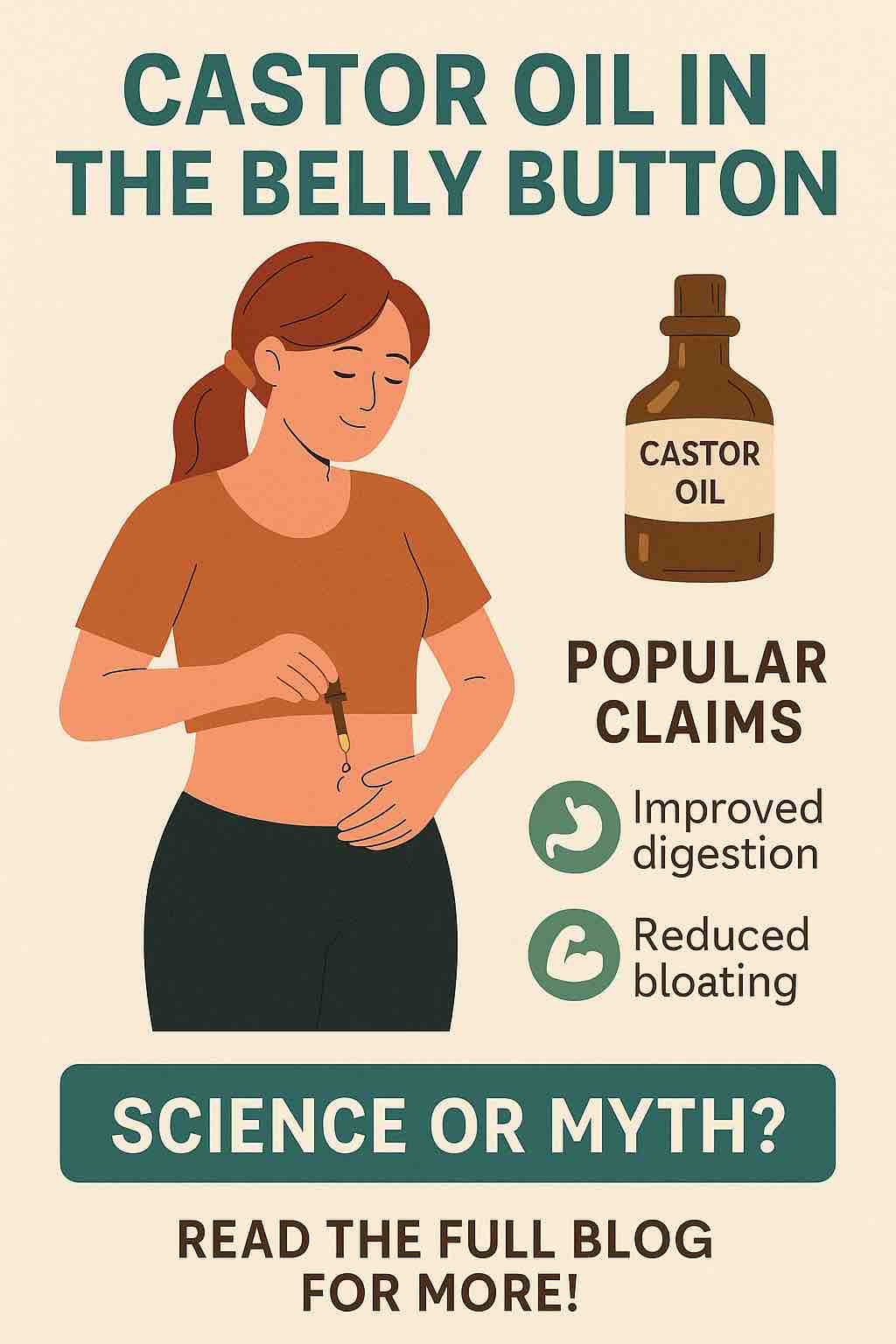
Castor Oil in the Belly Button

CASTOR OIL IN THE BELLY BUTTON SCIENCE OR MYTH?

In recent years, wellness trends have exploded across social media platforms, often blending ancient traditions with modern curiosity. Among the more intriguing practices to emerge is the application of castor oil to the belly button—a technique touted by influencers and wellness enthusiasts as a solution for everything from bloating to anxiety. But does this age-old Ayurvedic-inspired ritual hold any scientific water, or is it simply another wellness myth repackaged for the TikTok age?

Let’s explore the origins, claims, science, and safety of this trending practice in depth.


🌿 The Origins: Ancient Roots in Ayurvedic Practice

The practice of applying oils to the navel is deeply rooted in Ayurveda, a 5,000-year-old system of natural healing from India. In Ayurveda, the navel (nabhi) is believed to be a powerful energy and healing center. It’s considered the original point of nourishment via the umbilical cord and is seen as a vital location for balancing the body’s doshas (vital energies).

Practitioners of Ayurveda have long applied medicated oils to the belly button as a way to deliver therapeutic effects to the internal organs, improve digestion, and balance emotions. Castor oil, in particular, has been a favored medium due to its viscosity and potent anti-inflammatory, antimicrobial, and cleansing properties.


🎯 The Claims: What Social Media and Advocates Say

Across TikTok and Instagram, you’ll find countless users swearing by the results of applying castor oil to the belly button—a technique sometimes referred to as “navel pulling.”

Here are some of the most common claims:

  • 🌟 Improved digestion
  • 🔥 Reduced bloating and abdominal fat
  • 💧 Hormonal balance and fertility support
  • 🧠 Better sleep and reduced anxiety
  • 😌 Detoxification of internal organs
  • 💪 Pain relief, especially in the abdomen and lower back
  • 💅 Healthier skin, lips, and even clearer eyes

At first glance, these benefits sound almost too good to be true. And that leads us to an important question…


🧪 The Science: What Does the Research Say?

Despite the buzz, there’s very limited scientific evidence to support the idea that applying castor oil to the belly button can produce the systemic effects that proponents claim.

❌ The “Pechoti Gland” Myth

Many supporters of this practice reference something called the Pechoti gland, supposedly located behind the navel and said to absorb substances directly into the body. However, medical science does not recognize the existence of this gland. There is no anatomical structure in modern medicine that performs this function.

According to Dr. Lisa Ganjhu, a gastroenterologist at NYU Grossman School of Medicine, “there’s no direct connection between the skin on your belly and your digestive organs.” While the skin can absorb certain compounds, it’s generally a slow and limited process.

✅ What Castor Oil Can Do (Topically)

While the navel doesn’t function as a superhighway for absorption, castor oil itself has scientifically backed topical benefits:

  • Anti-inflammatory properties: Ricinoleic acid, the main fatty acid in castor oil, has been shown to reduce inflammation.
  • Antimicrobial action: Castor oil can inhibit bacterial and fungal growth, which makes it useful for skin conditions.
  • Laxative effects (when ingested): It’s FDA-approved as an oral stimulant laxative.

🤔 So Why Do Some People Feel Better?

There’s a possibility that the ritual of applying castor oil—a gentle, intentional act—helps reduce stress and encourages mindfulness. Additionally, massaging the oil around the navel can stimulate the vagus nerve, which plays a key role in the parasympathetic nervous system (the body’s “rest and digest” mode).


🧴 How to Try It Safely

If you’re curious and want to experiment with this practice, here’s how to do it safely and mindfully:

🌙 Step-by-Step Guide:

  1. Choose a high-quality castor oil: Look for cold-pressed, hexane-free, organic options.
  2. Clean your navel area: Ensure the area is free from dirt and moisture.
  3. Warm the oil (optional): Slightly warming the oil may enhance absorption and feel more soothing.
  4. Apply 1–2 drops directly into the belly button.
  5. Gently massage in a circular motion around the abdomen for 5–10 minutes.
  6. Leave overnight or for at least 30 minutes. Covering the area with a cotton pad or small towel can prevent staining.

🛑 Precautions:

  • Patch test first: Castor oil can cause allergic reactions in sensitive skin.
  • Avoid during pregnancy unless advised by a healthcare professional (castor oil can stimulate uterine contractions).
  • Don’t ingest unless under medical supervision.
  • Don’t rely on this method for serious medical conditions—it’s not a substitute for evidence-based treatment.

🔍 Bottom Line: Worth a Try?

Applying castor oil to the belly button is unlikely to hurt—and may indeed offer benefits like relaxation, skin hydration, and placebo-driven wellness—but it shouldn’t be seen as a miracle solution. The science doesn’t support the bolder health claims, and the “Pechoti gland” theory is anatomically unproven.

That said, if this ritual brings you a sense of calm, comfort, or connection to your body, it might still be worth incorporating into your self-care routine—just don’t ditch your doctor.


🧘 Final Thoughts: Embracing Ritual Without Losing Reason

Wellness trends can sometimes blur the line between healing and hype. The key is to stay informed, skeptical, and open-minded. Our bodies and minds are incredibly interconnected, and sometimes even symbolic gestures—like caring for your navel with oil—can have a tangible impact on how we feel.

So, if the idea of castor oil in the belly button intrigues you, go ahead and explore it as a wellness ritual, but keep your expectations grounded in reality.


💬 Have You Tried It?

We’d love to hear your experience. Has castor oil in the belly button worked for you? Drop your thoughts in the comments and join the conversation.

Frequently Asked Questions (FAQs) about Castor Oil in the Belly Button


1. Does putting castor oil in the belly button really work?
While many people report benefits such as reduced bloating or better sleep, there’s no scientific evidence that applying castor oil to the belly button has systemic health effects. Benefits are likely due to the oil’s natural properties, massage stimulation, and the placebo effect.


2. What exactly is the Pechoti gland, and is it real?
The “Pechoti gland” is often mentioned in Ayurvedic and holistic circles as a gland behind the belly button that absorbs substances into the body. However, no such gland exists according to modern medical anatomy or physiology.


3. Is castor oil safe to apply to the skin or belly button?
Yes, castor oil is generally safe for topical use. However, perform a patch test before use to avoid allergic reactions or skin irritation.


4. Can castor oil in the navel help with constipation?
Only when ingested orally as a stimulant laxative (and under medical guidance) can castor oil relieve constipation. Topical application to the belly button does not have the same laxative effect.


5. How often should I apply castor oil to my belly button?
You can apply it 2–3 times a week or nightly, depending on your comfort. There’s no clinical guideline, so it’s based on personal preference and skin tolerance.


6. Can pregnant or breastfeeding women use this method?
Pregnant women should avoid using castor oil, even topically, without medical consultation. Castor oil can stimulate uterine contractions if absorbed or ingested.


7. Will castor oil help me lose belly fat if applied to the navel?
There is no evidence that applying castor oil to the belly button reduces belly fat. Weight loss requires a combination of diet, exercise, and lifestyle changes.


8. Can I leave castor oil on my belly button overnight?
Yes, you can leave it overnight, especially if you cover the area with a cotton pad or old cloth to avoid staining sheets. Make sure your skin tolerates it well.


9. Is there a specific type of castor oil I should use?
Use organic, cold-pressed, hexane-free castor oil for best results. Avoid oils with synthetic additives, fragrances, or preservatives.


10. Does massaging the belly with castor oil have benefits on its own?
Yes, abdominal massage can stimulate blood flow, reduce tension, and help relax the nervous system—regardless of the oil used. Castor oil may enhance the soothing effect thanks to its rich texture and anti-inflammatory properties.

Posted on Leave a comment

Cranberry for Kidney Health

fresh cranberry juice in a glass mug

For centuries, cranberries have been cherished not only for their tart flavor and festive role in holiday dishes but also for their potential health benefits. Among these, their influence on kidney health has garnered significant interest in both the medical community and among health-conscious consumers. But how exactly do cranberries affect the kidneys? Are they a boon for urinary tract infections (UTIs) and kidney function, or do they come with hidden risks? Let’s explore the science, the myths, and the best practices around using cranberries for kidney health.


Understanding the Role of the Kidneys

Before we delve into cranberries, it’s crucial to understand what your kidneys do. These bean-shaped organs filter waste products from your blood, balance body fluids, regulate blood pressure, and produce hormones that influence red blood cell production and bone health. Any disruption in kidney function can lead to a cascade of health issues, so supporting kidney health is of paramount importance.


Cranberries and Urinary Tract Health: The Strongest Link

One of the most well-documented benefits of cranberries is their role in preventing urinary tract infections (UTIs). UTIs occur when harmful bacteria, primarily Escherichia coli (E. coli), attach to the lining of the urinary tract. Cranberries contain a type of polyphenol called proanthocyanidins (PACs), which prevent these bacteria from adhering to urinary tract walls.

By reducing the incidence of UTIs, especially in individuals prone to recurrent infections, cranberries may indirectly protect the kidneys. UTIs that travel upward from the bladder to the kidneys can cause more severe infections like pyelonephritis, which can damage kidney tissues over time. Hence, regular consumption of cranberry juice or supplements may serve as a preventative strategy.


Cranberries and Chronic Kidney Disease (CKD): An Anti-inflammatory Ally?

Chronic Kidney Disease (CKD) is often exacerbated by oxidative stress and systemic inflammation. Cranberries are rich in antioxidants, particularly flavonoids and other polyphenolic compounds, which have shown promise in reducing inflammation markers and neutralizing free radicals.

While research is still evolving, some animal and human studies suggest that incorporating antioxidant-rich foods like cranberries into the diet may help mitigate inflammation in CKD patients. However, more robust clinical trials are needed before definitive conclusions can be made.


The Flip Side: Risks of Cranberries for Kidney Health

Despite their benefits, cranberries aren’t universally safe for all kidney-related issues.

1. Oxalate Content and Kidney Stones: Cranberries contain oxalates, naturally occurring compounds that can contribute to the formation of kidney stones, particularly calcium oxalate stones. For individuals with a history of kidney stones or those prone to high urinary oxalate levels, excessive cranberry consumption could be problematic.

2. Drug Interactions: Cranberry juice and supplements can interact with medications, notably warfarin, a commonly prescribed blood thinner. Cranberries may enhance warfarin’s effects, increasing the risk of bleeding. Always consult a healthcare provider before adding cranberry products to your diet if you’re on medication.

3. Sugar Content in Processed Juices: Many commercial cranberry juices are loaded with added sugars, which can be harmful to people with diabetes or those managing CKD. High sugar intake can worsen metabolic conditions that already strain kidney function. Opt for unsweetened, 100% pure cranberry juice or capsules standardized for PAC content.


How to Safely Incorporate Cranberries into Your Diet

If you’re interested in leveraging cranberries for kidney or urinary health, consider these guidelines:

  • Choose Wisely: Opt for unsweetened, organic cranberry juice or high-quality cranberry supplements.
  • Mind the Dose: Limit juice intake to one cup per day unless otherwise advised by a healthcare provider.

  • Watch for Symptoms: If you have a history of kidney stones, monitor for any signs of recurrence and speak to your doctor before regular cranberry use.
  • Stay Hydrated: Drinking plenty of water helps flush the urinary system and supports overall kidney function.

Conclusion: A Balanced View on Cranberries and Kidney Health

Cranberries can be a powerful ally in promoting urinary tract health and potentially mitigating inflammation in kidney disease, but they are not a one-size-fits-all solution. Their high oxalate content and potential drug interactions mean they must be used thoughtfully, especially in individuals with existing kidney concerns.

As with many superfoods, the key is balance and personalization. Talk to your healthcare provider about your specific health needs and how cranberry products might fit into your wellness plan. When used wisely, cranberries can be a tart yet powerful ingredient in your journey to better kidney health.


Have you tried using cranberries for kidney health? Share your experiences or questions in the comments below!

Frequently Asked Questions (FAQs)

1. Can cranberries actually prevent kidney infections?
Cranberries can help prevent urinary tract infections (UTIs), which, if left untreated, may ascend and cause kidney infections like pyelonephritis. The proanthocyanidins (PACs) in cranberries prevent bacteria from sticking to the urinary tract walls, thereby reducing UTI risk.

2. Are cranberries good for people with chronic kidney disease (CKD)?
In moderation, cranberries may offer anti-inflammatory and antioxidant benefits that could support CKD management. However, they should be used with caution, especially due to their oxalate content, which could worsen certain conditions.

3. Is cranberry juice or cranberry supplements better for kidney health?
Both can be beneficial, but supplements standardized for PAC content often provide more consistent doses without added sugars. Choose what’s best based on dietary needs and doctor’s advice.

4. How much cranberry juice is safe to drink daily for kidney support?
Generally, one cup (8 oz or ~240 mL) of unsweetened cranberry juice per day is considered safe for most people. Always consult a healthcare provider for personalized recommendations.

5. Can cranberries help dissolve kidney stones?
No, cranberries cannot dissolve existing kidney stones. In fact, due to their oxalate content, they may contribute to the formation of calcium oxalate stones in susceptible individuals.

6. Are dried cranberries a good alternative for kidney health?
Dried cranberries can offer some benefits, but they often contain added sugars and are less effective for UTI prevention due to lower PAC content. Look for unsweetened versions if consumed regularly.

7. Should people with kidney stones avoid cranberries?
People with a history of calcium oxalate kidney stones should limit or avoid cranberries, as they are high in oxalates that can contribute to stone formation.

8. Can I take cranberry supplements while on medication?
Some cranberry products may interact with medications like warfarin (a blood thinner). Always speak with your doctor before starting supplements if you’re on any prescribed medications.

9. What type of cranberry juice is best for kidney health?
Choose 100% pure, unsweetened cranberry juice without added sugars or artificial ingredients. Organic options are ideal for minimizing exposure to pesticides.

10. Can children or pregnant women use cranberries for urinary health?
Cranberries are generally safe in moderate amounts, but dosage should be adjusted for children. Pregnant women should consult a healthcare provider before using cranberry supplements.

Posted on Leave a comment

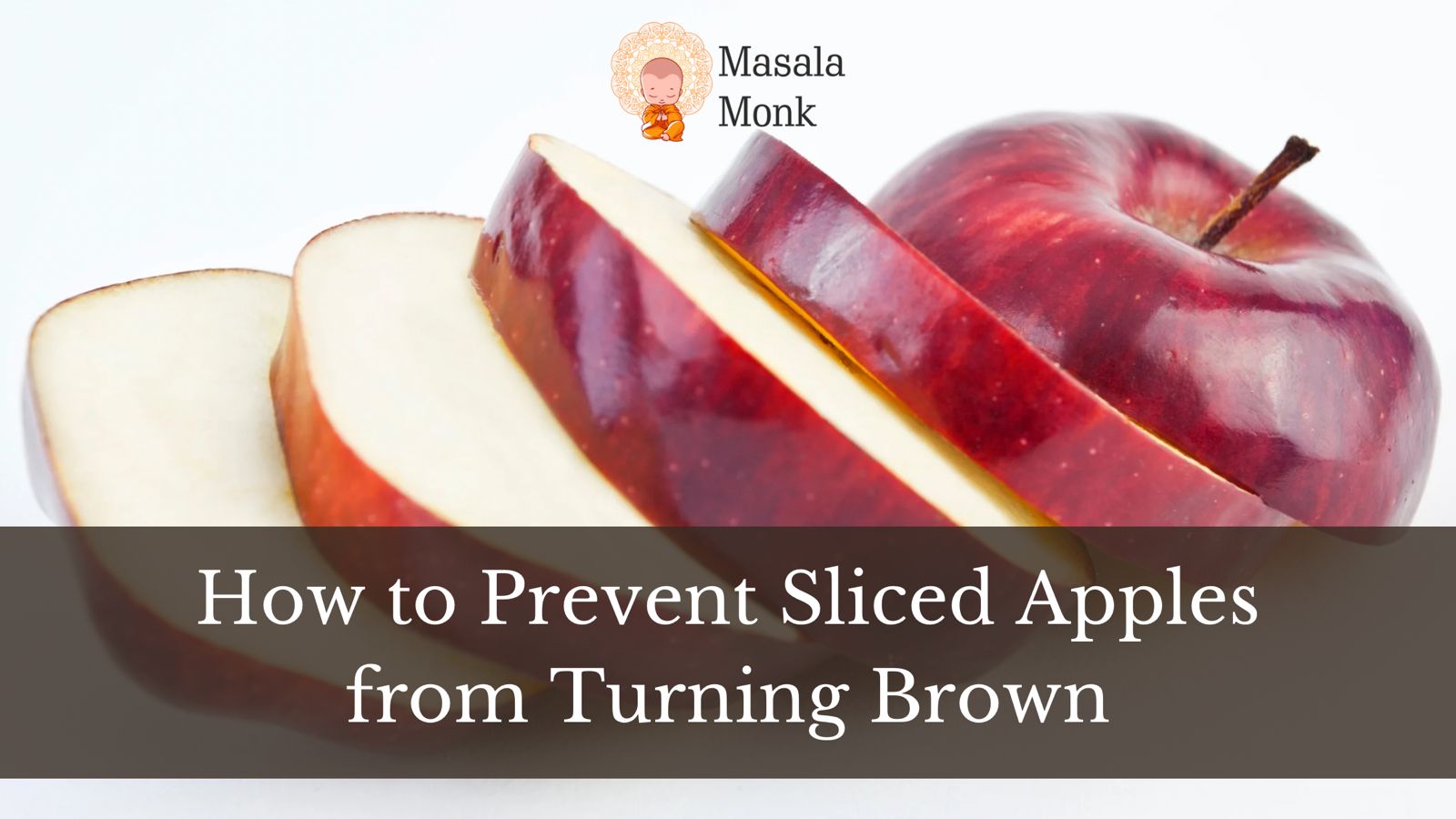
How to Prevent Sliced Apples from Turning Brown

Apples are a favorite snack crunchy, sweet, and full of nutrition. But as soon as you slice them, they start turning brown, which makes them look less appealing. Ever wondered why this happens and how to stop it?

Let’s break it down and learn simple tricks to keep those slices fresh and appetizing!

Why Do Apples Turn Brown?

When you slice or bite an apple, the oxygen in the air reacts with enzymes in the fruit, causing a chemical process called oxidation. This turns the exposed surface brown. While browning doesn’t make the apple unsafe to eat, it can be unappealing, especially in kids’ lunchboxes, party platters, or fruit salads

7 Easy Ways to Keep Apples From Browning

1. Lemon Juice (or Any Citrus Juice)

Citrus juices are rich in vitamin C (ascorbic acid), which slows oxidation.

  • Squeeze fresh lemon, lime, or orange juice over your apple slices.
  • Alternatively, toss slices in a bowl with diluted lemon juice (1 tbsp juice + 1 cup water).

2. Saltwater Soak

A quick soak in lightly salted water can do wonders.

  • Mix 1/2 tsp salt with 1 cup cold water.
  • Soak slices for 3–5 minutes, then rinse and store.

3. Honey Water Solution

Honey contains natural compounds that inhibit oxidation.

  • Mix 2 tbsp honey with 1 cup water.
  • Soak slices for 30 seconds to 1 minute.

4. Use an Airtight Container

Limiting exposure to air helps delay browning.

  • Store sliced apples in an airtight container or zip-lock bag.
  • Add a paper towel to absorb excess moisture.

5. Refrigeration

Cold slows the oxidation process.

  • Store prepared slices in the fridge right away for best results.

6. Pineapple Juice or Apple Juice

Sweet juices like pineapple or apple juice can also help by coating the surface with antioxidants.

  • Dip or drizzle slices with juice and refrigerate.

7. Ascorbic Acid Powder or Vitamin C Tablets

Found in the canning section, these are excellent for bulk prep.

  • Dissolve in water per packaging instructions and dip slices.

Pro Tip: If you’re prepping apples for a lunchbox or platter, combine two methods—like lemon juice and refrigeration—for best results!

10 Frequently Asked Questions

1. Is it safe to eat brown apples?
Yes, the browning is only visual. The apple is still safe unless it smells sour or is mushy.

2. How long can sliced apples last in the fridge?
With proper treatment (like lemon juice), they can stay fresh for up to 2–3 days.

3. Can I use vinegar to stop browning?
Yes, but use mild vinegar (like apple cider vinegar) and dilute well to avoid affecting taste.

4. Do all apples brown the same way?
No, some varieties like Honeycrisp and Fuji brown slower than others like Red Delicious.

5. Will saltwater make apples salty?
Not if you rinse them after soaking. A short soak in mild saltwater won’t affect the taste.

6. Can I freeze sliced apples to prevent browning?
Yes, blanch or dip them in ascorbic acid solution before freezing.

7. What’s the best method for kids’ lunchboxes?
Lemon juice and then airtight container or honey water soak. Tastes kid-friendly!

8. Do peeled apples brown faster than sliced ones?
Both brown at similar rates once the inner flesh is exposed.

9. How do restaurants keep fruit platters fresh?
They often use citrus juice, cold temperatures, and airtight wraps.

10. Can I mix apple slices with other fruits in a fruit salad?
Yes, but coat them first to avoid browning and sogginess.

Posted on 1 Comment

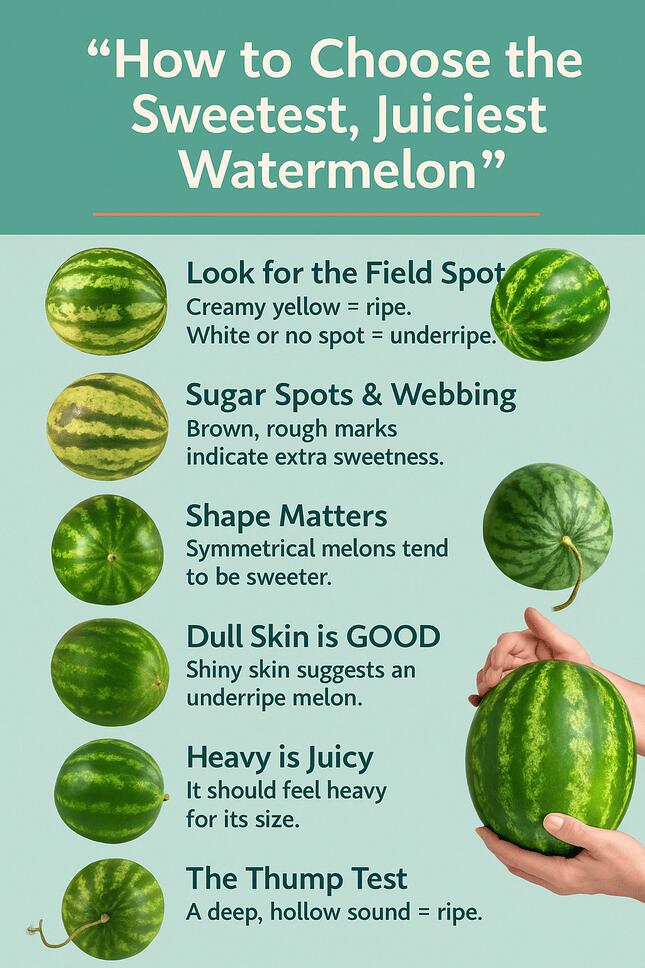
How to Choose the Sweetest, Juiciest Watermelon

Is there anything more satisfying than biting into a chilled, juicy, and sweet slice of watermelon on a hot day? But if you’ve ever picked a watermelon that turned out bland, watery, or just not ripe enough, you know how disappointing it can be.

The good news? Choosing the perfect watermelon is not just luck it’s a skill. Here’s a detailed guide to help you pick the sweetest, juiciest watermelon every single time.

1. Look for the Field Spot (The Yellow Patch)

The field spot is the area where the watermelon rested on the ground. A creamy yellow or golden field spot means it was left to ripen on the vine for a longer period, leading to more natural sugars and more sweetness!
👉 Avoid: White or no field spot it likely means the fruit was picked too early

2. Check for Sugar Spots & Webbing

Those rough brown web like markings or tiny sugar spots are a good thing!
They indicate where sugar has been seeping out of the fruit, meaning it’s extra sweet and ripe.
👉 Myth buster: Some people think they’re blemishes, but they’re actually a sign of ripeness and pollination.

3. Uniform Shape Consistent Taste

Whether round or oval, a symmetrical watermelon is more likely to be evenly ripened and juicy.
👉 Avoid: Irregular lumps or shapes, which can be a sign of poor growing conditions or inconsistent ripening

4. Dull Skin, Not Shiny

A watermelon with dull, matte skin is usually more mature and sweet.
👉 Shiny underripe. Don’t be fooled by the glossy glow it might look pretty, but the inside could be bland.

5. Pick it Up Heaviness Matters!

A good watermelon should feel heavy for its size.
This means it’s loaded with water and juice exactly what you want in a summer fruit!

6. Tap and Listen (The Thump Test)

Give it a tap with your knuckles. A deep, hollow sound usually means the fruit is ripe and full of juice.
👉 Flat or dull sound? It might be mushy or overripe inside.

7. Look at the Tail

If the watermelon still has its curly tail (or tendril), that can tell you a lot!

  • A brown and dry tail it ripened fully on the vine.
  • A green tail picked too early

Common Mistakes to Avoid

  • Choosing based on color alone.
  • Going for the biggest size thinking bigger is better.
  • Ignoring the field spot or webbing

Quick Summary: What to Look For

  • Golden/yellow field spot
  • Webbing or sugar spots
  • Uniform shape
  • Dull, matte skin
  • Feels heavy
  • Hollow sound when tapped
  • Dry, brown tail

Watermelons don’t ripen once they’re picked, so getting it right at the store or market is crucial. With these tips in your back pocket, you’ll never bring home a disappointing melon again.

So next time you’re at the fruit stall or supermarket, take a few extra moments to inspect and test your watermelon and get rewarded with that perfectly sweet, hydrating bite.