Posted on 1 Comment

Top 10 Natural Anti-Inflammatory Remedies Supported by Science

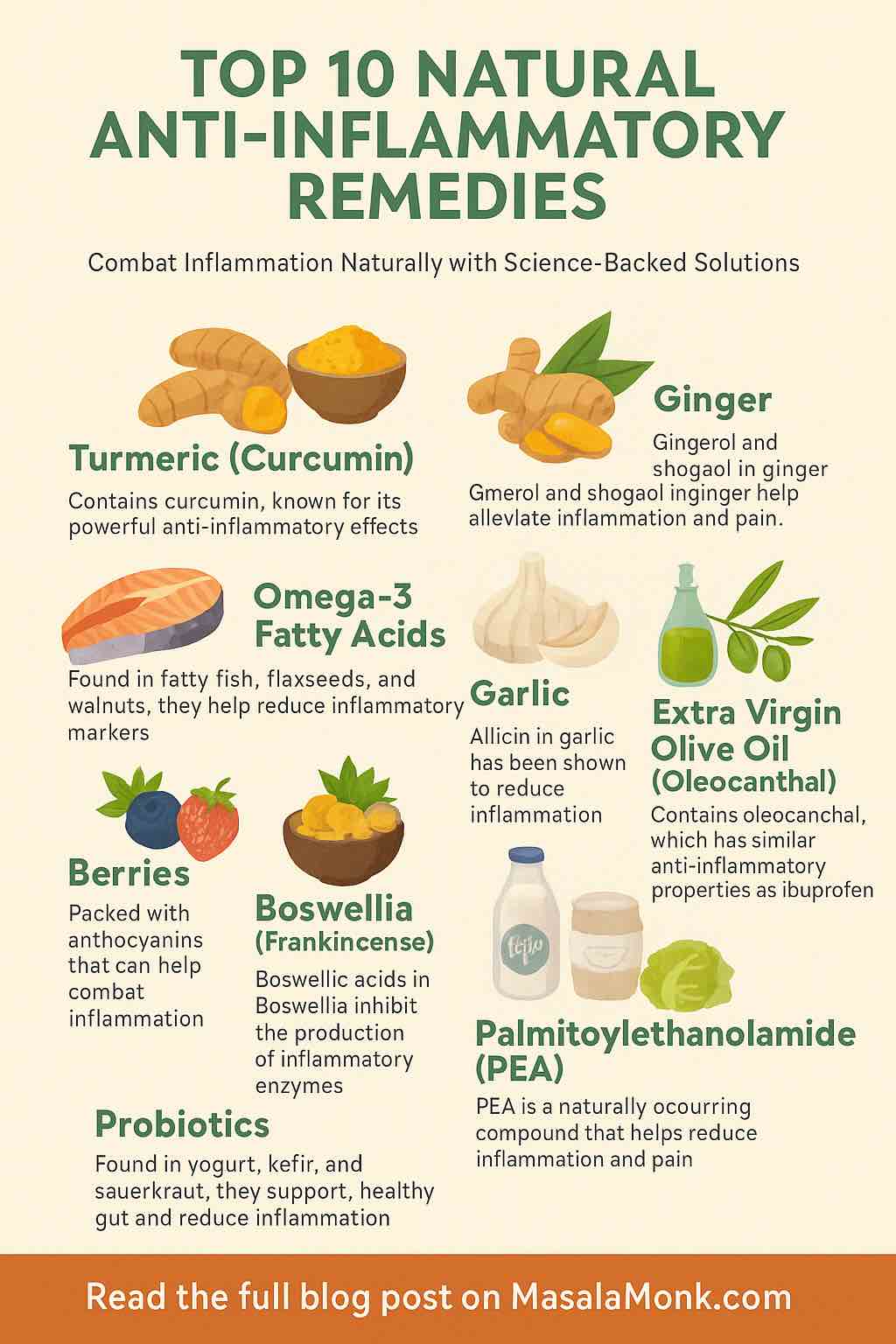
TOP 10 NATURAL ANTI-INFLAMMATORY REMEDIES

Inflammation is your body’s natural response to injury or infection—a vital part of healing. But when inflammation becomes chronic, it can quietly damage your tissues and organs, contributing to diseases such as arthritis, heart disease, diabetes, and even certain cancers.

Thankfully, nature provides an array of potent remedies that can help tame inflammation without the side effects often associated with pharmaceutical drugs. In this post, we explore the top 10 natural anti-inflammatory remedies supported by solid scientific research — foods, herbs, and supplements that you can incorporate into your daily routine to promote wellness and reduce inflammation.


What Is Inflammation and Why Should You Care?

Inflammation is your immune system’s alarm bell, signaling your body to heal and fight harmful invaders like bacteria and viruses. It manifests as redness, swelling, warmth, and pain. Acute inflammation is beneficial and short-lived. But chronic inflammation — lasting weeks, months, or years — can damage healthy cells and is linked to many chronic diseases.

Common signs of chronic inflammation include fatigue, body pain, digestive issues, and skin problems. Lifestyle factors such as poor diet, stress, lack of exercise, and environmental toxins can trigger or worsen chronic inflammation.

The good news? You have control over many of these factors. Incorporating natural anti-inflammatory remedies can be a powerful step toward better health.


Top 10 Natural Anti-Inflammatory Remedies

1. Turmeric (Curcumin)

Turmeric, the vibrant yellow spice commonly used in Indian cooking, contains the powerful compound curcumin. Curcumin has potent anti-inflammatory and antioxidant properties that can help suppress molecules that cause inflammation.

  • Scientific Evidence: Numerous studies show curcumin’s effectiveness in reducing symptoms of arthritis, inflammatory bowel disease, and psoriasis. Its impact is comparable to some anti-inflammatory drugs, without the side effects.
  • How to Use: Add turmeric powder to curries, soups, or smoothies. For better absorption, consume turmeric with black pepper or fats like olive oil.

2. Ginger

Ginger is a fragrant root with a long history of medicinal use. It contains gingerols and shogaols, which block inflammatory pathways and reduce oxidative stress.

  • Scientific Evidence: Research indicates ginger alleviates muscle pain, osteoarthritis symptoms, and may reduce inflammation in the digestive tract.
  • How to Use: Brew ginger tea, add fresh ginger to meals, or take ginger supplements.

3. Omega-3 Fatty Acids

Omega-3s are essential fats found in fatty fish (salmon, mackerel), flaxseeds, walnuts, and chia seeds. They balance pro-inflammatory omega-6 fats and reduce levels of inflammatory markers like C-reactive protein.

  • Scientific Evidence: Omega-3 supplementation is linked with lowered risk of cardiovascular disease, rheumatoid arthritis, and improved brain health.
  • How to Use: Eat fatty fish twice weekly or consider a high-quality fish oil supplement.

4. Green Tea (EGCG)

Green tea is rich in antioxidants, especially epigallocatechin gallate (EGCG), which helps reduce inflammation and protect cells from damage.

  • Scientific Evidence: Studies show green tea may reduce the risk of chronic diseases like heart disease, cancer, and neurodegenerative disorders.
  • How to Use: Drink 2–3 cups of green tea daily for sustained benefits.

5. Garlic (Allicin)

Garlic has sulfur compounds such as allicin that modulate immune responses and reduce inflammation.

  • Scientific Evidence: Garlic consumption is associated with lowered inflammatory markers and may support cardiovascular health.
  • How to Use: Add raw or cooked garlic to your meals regularly.

6. Extra Virgin Olive Oil (Oleocanthal)

Extra virgin olive oil contains oleocanthal, a compound with anti-inflammatory effects similar to ibuprofen.

  • Scientific Evidence: Studies demonstrate olive oil’s ability to reduce inflammatory markers and protect against heart disease.
  • How to Use: Use as your primary cooking oil or drizzle over salads and vegetables.

7. Berries (Anthocyanins)

Berries such as blueberries, strawberries, and blackberries are loaded with anthocyanins—antioxidants that reduce oxidative stress and inflammation.

  • Scientific Evidence: Regular berry consumption is linked to lower inflammation and improved heart and brain health.
  • How to Use: Add fresh or frozen berries to smoothies, yogurt, or oatmeal.

8. Boswellia (Frankincense)

Boswellia serrata, known as frankincense, has been used in traditional medicine for centuries. Its boswellic acids inhibit enzymes that promote inflammation.

  • Scientific Evidence: Clinical trials show boswellia helps reduce joint pain and improve mobility in arthritis patients.
  • How to Use: Available as capsules or extracts; follow dosing instructions on supplements.

9. Probiotics

Probiotics are beneficial bacteria that support a healthy gut microbiome, which in turn helps regulate systemic inflammation.

  • Scientific Evidence: Studies indicate probiotics can reduce gut inflammation and improve symptoms of inflammatory bowel diseases.
  • How to Use: Consume yogurt, kefir, sauerkraut, kimchi, or probiotic supplements regularly.

10. Palmitoylethanolamide (PEA)

PEA is a fatty acid naturally produced in the body that modulates pain and inflammation.

  • Scientific Evidence: PEA supplementation has been shown to reduce chronic pain and inflammatory skin conditions.
  • How to Use: Available as supplements; consult healthcare providers for appropriate use.

How to Incorporate These Remedies Into Your Daily Life

  • Start Your Day with a Turmeric Latte: Combine turmeric, black pepper, cinnamon, and your choice of milk for a soothing anti-inflammatory drink.
  • Snack on Berries: Swap out sugary snacks for a handful of fresh or frozen berries.
  • Cook with Olive Oil and Garlic: These kitchen staples boost flavor and provide anti-inflammatory benefits.
  • Sip Green Tea: Replace sugary beverages with green tea throughout the day.
  • Add Omega-3 Rich Foods: Include fatty fish in meals or take supplements if needed.
  • Enjoy Probiotic-Rich Foods: Try fermented foods like yogurt, kefir, or kimchi.
  • Consider Supplements: If appropriate, add turmeric extracts, boswellia, ginger, or PEA supplements after consulting your healthcare provider.

The Bottom Line: Embrace Nature’s Pharmacy

Chronic inflammation is a silent threat but can often be managed with lifestyle and dietary changes. The natural remedies listed here have stood the test of time and scientific scrutiny. By integrating them into your routine, you support your body’s innate ability to heal and thrive.

Remember, no single remedy is a magic bullet. A holistic approach combining a balanced diet, regular physical activity, stress management, and adequate sleep will provide the best results.


References

  • Healthline: Turmeric and its anti-inflammatory properties
  • National Institutes of Health: Omega-3 fatty acids and inflammation
  • PubMed Central: Effects of ginger on inflammation
  • Various clinical trials on Boswellia and PEA

FAQs

1. What causes chronic inflammation?
Chronic inflammation can be caused by persistent infections, autoimmune disorders, poor diet, stress, obesity, and exposure to environmental toxins. Unlike acute inflammation, which heals injuries, chronic inflammation can damage healthy tissues over time.

2. How quickly can natural remedies reduce inflammation?
The time varies depending on the individual and severity of inflammation. Some people may notice improvements within weeks, while others may require months of consistent use alongside lifestyle changes.

3. Can turmeric interact with medications?
Yes, turmeric may interact with blood thinners, diabetes medications, and stomach acid reducers. It’s important to consult your healthcare provider before starting turmeric supplements.

4. Are omega-3 supplements better than eating fish?
Whole foods like fatty fish provide additional nutrients beyond omega-3s, but supplements are useful if you don’t eat fish regularly. Choose high-quality fish oil supplements to avoid contaminants.

5. Is ginger safe for daily consumption?
Ginger is generally safe in culinary amounts. For medicinal doses, it’s best to consult a healthcare professional, especially if you’re pregnant or have bleeding disorders.

6. How much green tea should I drink for anti-inflammatory benefits?
Drinking 2 to 3 cups of green tea per day is typically enough to obtain its anti-inflammatory antioxidants.

7. What are the best probiotic foods for reducing inflammation?
Yogurt with live cultures, kefir, sauerkraut, kimchi, miso, and kombucha are excellent probiotic-rich foods that help support gut health and reduce inflammation.

8. Can extra virgin olive oil replace other cooking oils?
Yes, extra virgin olive oil is a heart-healthy choice with anti-inflammatory properties. Use it as your primary cooking oil or as a dressing for salads and vegetables.

9. Are boswellia supplements effective for arthritis?
Clinical studies have shown boswellia extracts can reduce joint pain and improve function in people with arthritis, making it a promising natural remedy.

10. Should I take multiple anti-inflammatory supplements at once?
It’s best to consult with a healthcare provider before combining supplements, as some may interact or have overlapping effects. A balanced diet with natural sources is usually preferable.
Posted on 1 Comment

What Is Inflammation? Body’s Double-Edged Sword

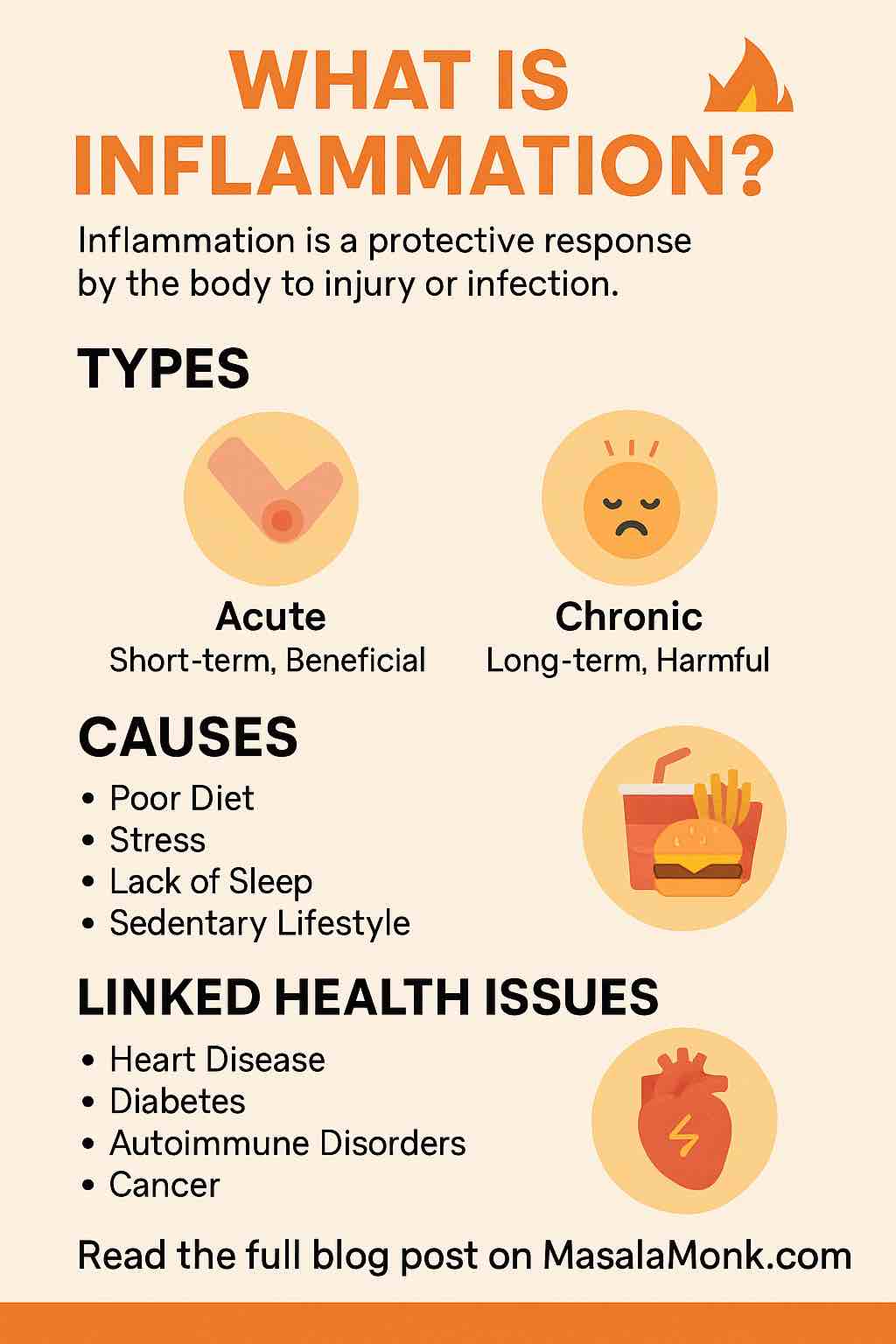
WHAT IS INFLAMMATION?

Inflammation — it’s a word that pops up frequently in health conversations. Sometimes it’s the culprit behind chronic diseases, and other times it’s the hero protecting us from harm. But what exactly is inflammation? How does it work? And why is it often described as a double-edged sword? In this post, we’ll unpack everything you need to know about inflammation, from the basics to the latest science, so you can understand how it impacts your health and what you can do to keep it balanced.


What Is Inflammation? The Body’s Natural Defense

At its core, inflammation is the body’s natural response to injury or harmful stimuli. Imagine you scrape your knee or catch a cold — your immune system springs into action, sending white blood cells to the affected area. This process causes redness, warmth, swelling, and pain, all classic signs of acute inflammation. It’s your body’s way of protecting itself by removing harmful agents and starting the healing process.

Acute vs. Chronic Inflammation: Two Sides of the Same Coin

  • Acute Inflammation
    This is short-term, localized, and beneficial. It helps the body fight infections, heal wounds, and protect tissues. Think of it as a temporary alarm system that goes off to alert and defend.
  • Chronic Inflammation
    When inflammation lingers beyond its usefulness, it becomes chronic. This low-grade, long-term inflammation can smolder quietly within your body, often without obvious symptoms, but it steadily damages tissues and organs over time. Chronic inflammation has been linked to a host of modern diseases like heart disease, diabetes, Alzheimer’s, and autoimmune disorders.

Why Chronic Inflammation Is a Growing Concern

The rise of chronic inflammation correlates with lifestyle changes and environmental factors in modern society. Here are some common contributors:

1. Diet

High consumption of processed foods, refined sugars, trans fats, and excessive saturated fats can fuel inflammation. A recent study from the Walter and Eliza Hall Institute showed that high-fat meals can negatively impact gut health in just 48 hours, reducing protective immune activity and compromising the gut barrier.

2. Stress and Sleep

Chronic psychological stress causes the prolonged release of cortisol, a hormone that can dysregulate immune function. Meanwhile, poor sleep disrupts the body’s natural repair and immune balance, worsening inflammatory responses.

3. Sedentary Lifestyle

Lack of physical activity reduces circulation and the flow of lymph, the body’s waste-removal system, making it easier for inflammatory compounds to build up.

4. Environmental Toxins

Pollutants, cigarette smoke, and alcohol introduce harmful substances that trigger inflammatory pathways.

5. Gut Health

Emerging research highlights the gut’s pivotal role in immune regulation. A “leaky gut” or imbalance in gut bacteria (dysbiosis) allows toxins to enter the bloodstream, triggering systemic inflammation.


The Science of “Inflammaging”: When Inflammation Meets Aging

As we grow older, our bodies enter a state known as inflammaging — chronic, low-level inflammation that contributes to the development of age-related diseases such as Alzheimer’s, cardiovascular disease, and cancer. This phenomenon occurs because the immune system loses its ability to regulate inflammation efficiently, leading to persistent immune activation.

Understanding inflammaging underscores why managing inflammation isn’t just about feeling good now, but also about healthy aging and longevity.


Natural Allies Against Inflammation

While chronic inflammation can seem daunting, nature offers many tools to help keep it in check.

Anti-Inflammatory Foods

Incorporate nutrient-rich, anti-inflammatory foods into your diet, such as:

  • Leafy greens (spinach, kale)
  • Fatty fish (salmon, mackerel) rich in omega-3 fatty acids
  • Nuts and seeds
  • Berries rich in antioxidants
  • Turmeric and ginger, known for their bioactive compounds (curcumin, gingerol) that inhibit inflammatory pathways
  • Whole grains and legumes

Phytosterols: Plant Compounds With Potent Benefits

Recent studies have shown that phytosterols, found in nuts, seeds, fruits, and vegetables, reduce inflammation and may lower risks of cardiovascular disease and type 2 diabetes.

Herbal Remedies: Ginger Tea

Ginger tea stands out as a potent, natural anti-inflammatory beverage. Its bioactive components not only combat inflammation but also offer antioxidant protection, supporting overall immune health.


Chronic Inflammation and Disease: The Hidden Connection

Chronic inflammation doesn’t just cause discomfort—it underpins many chronic illnesses:

  • Heart Disease: Inflammation contributes to plaque formation in arteries, leading to heart attacks and strokes.
  • Diabetes: Inflammatory markers can disrupt insulin function, increasing blood sugar levels.
  • Autoimmune Diseases: When the immune system attacks the body’s own tissues, inflammation plays a central role.
  • Neurodegenerative Diseases: Inflammation affects brain cells, contributing to cognitive decline and mood disorders.

How to Keep Inflammation in Check: Lifestyle Tips

  • Eat an Anti-Inflammatory Diet: Focus on whole foods, plenty of vegetables, and healthy fats.
  • Manage Stress: Practice mindfulness, meditation, or yoga to reduce stress hormone levels.
  • Prioritize Sleep: Aim for 7–9 hours of quality sleep per night.
  • Stay Active: Regular moderate exercise helps regulate immune function and reduce inflammation.
  • Avoid Toxins: Limit alcohol, quit smoking, and reduce exposure to environmental pollutants.

Final Thoughts: Inflammation Is Not the Enemy — It’s About Balance

Inflammation is a vital process — without it, we couldn’t heal or defend ourselves. But like fire, when uncontrolled, it can cause significant harm. By understanding how inflammation works, what fuels it, and how to tame it naturally, you empower yourself to live a healthier, longer, and more vibrant life.

FAQs

1. What exactly is inflammation?

Inflammation is the body’s natural immune response to injury, infection, or harmful stimuli. It helps protect and heal the body but can become harmful if it becomes chronic.

2. What’s the difference between acute and chronic inflammation?

Acute inflammation is short-term and helps heal injuries or fight infections. Chronic inflammation is long-lasting, low-grade, and can silently damage tissues, contributing to many chronic diseases.

3. What causes chronic inflammation?

Common causes include poor diet (high in processed foods and sugar), chronic stress, lack of sleep, sedentary lifestyle, environmental toxins, and gut health issues like leaky gut.

4. How does inflammation affect aging?

As people age, their immune system’s ability to control inflammation weakens, leading to “inflammaging,” a chronic low-grade inflammation that contributes to age-related diseases.

5. Can diet really influence inflammation levels?

Yes, diet plays a crucial role. Eating anti-inflammatory foods like leafy greens, fatty fish, nuts, berries, turmeric, and ginger helps reduce inflammation, while processed and sugary foods increase it.

6. What are some natural remedies to reduce inflammation?

Natural remedies include consuming turmeric, ginger tea, omega-3 fatty acids, and phytosterols. Lifestyle habits like stress management, regular exercise, and sufficient sleep also help.

7. Is chronic inflammation linked to specific diseases?

Yes. Chronic inflammation is associated with heart disease, type 2 diabetes, autoimmune disorders, Alzheimer’s disease, certain cancers, and more.

8. How can I tell if I have chronic inflammation?

Chronic inflammation symptoms are subtle and may include fatigue, joint pain, brain fog, digestive problems, weight changes, and skin issues like eczema.

9. Can exercise help with inflammation?

Absolutely. Regular moderate exercise improves circulation, boosts the immune system, and reduces inflammatory markers in the body.

10. Should I try to eliminate all inflammation?

No. Acute inflammation is essential for healing and defense. The goal is to prevent inflammation from becoming chronic and damaging, maintaining a healthy balance.


Posted on 3 Comments

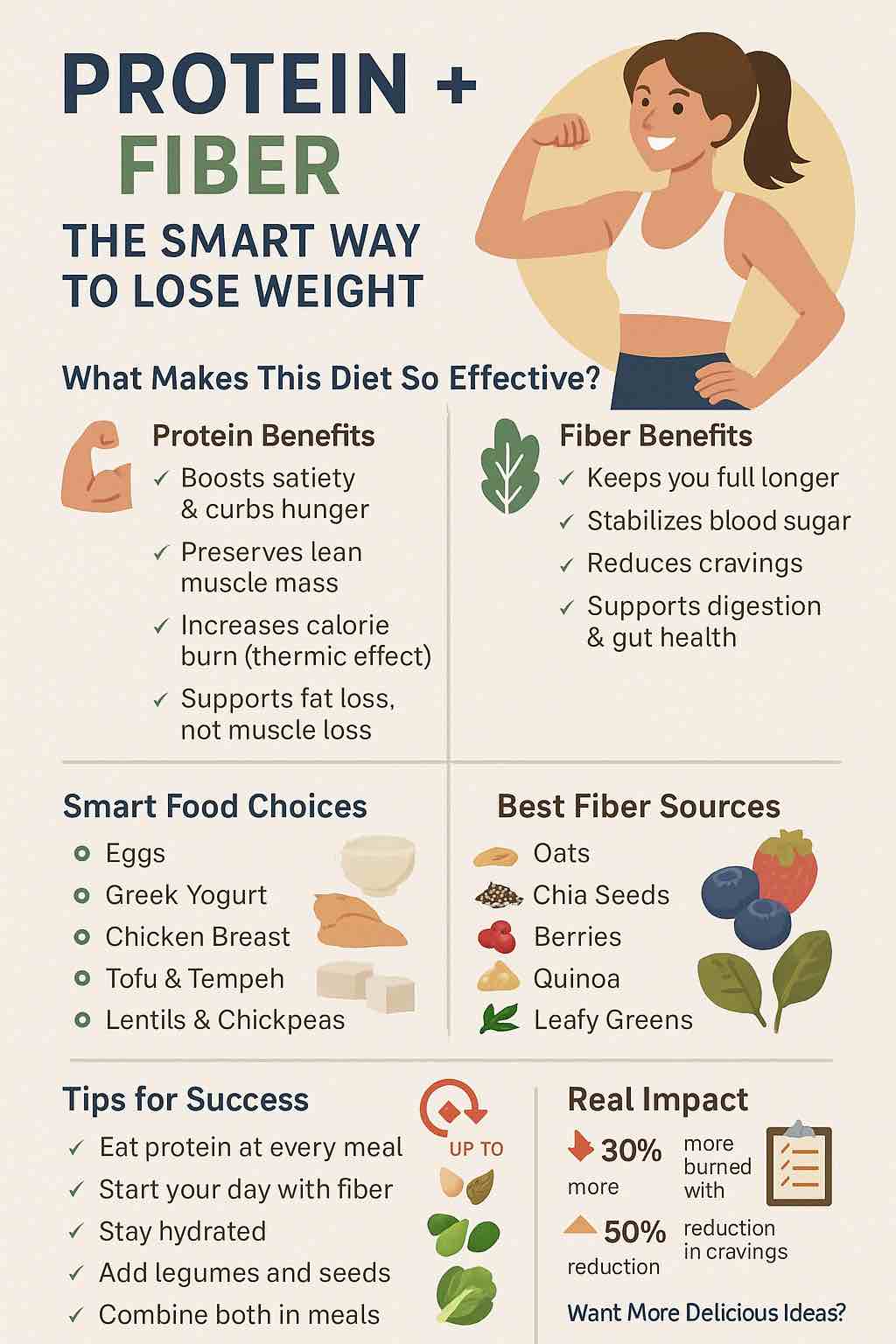
How Does a High Protein, High Fiber Diet Support Weight Loss?

How Does a High Protein, High Fiber Diet Support Weight Loss?

When it comes to sustainable weight loss, fad diets often promise quick results but leave us frustrated and rebounding. What actually works? Science points us to something beautifully simple: a high-protein, high-fiber diet.

This power duo not only helps shed pounds but also keeps you full, energized, and metabolically balanced. In this post, we dive deep into how these two nutrients work together to support healthy weight loss—backed by the latest research and practical tips to help you get started.


🧬 The Science of Satiety: Why Protein and Fiber Matter

At the heart of any weight loss strategy is one key factor: calories in vs. calories out. But what if you could naturally reduce your calorie intake without feeling starved? That’s where protein and fiber step in.

🥩 Protein: The Hunger-Suppressing Macronutrient

Protein plays multiple roles in weight management:

  • Reduces Appetite: It increases the release of satiety hormones (GLP-1, PYY) and decreases the hunger hormone ghrelin. As a result, you’re likely to eat fewer calories throughout the day.
  • Preserves Muscle Mass: During weight loss, we often lose both fat and muscle. Protein ensures your body burns fat rather than precious lean tissue.
  • Boosts Metabolism: Protein digestion has a high thermic effect, meaning it burns more calories during digestion than carbs or fats.

🔍 Clinical Insight: According to a study published by the University of Illinois, higher protein intake was significantly associated with better weight loss outcomes, especially when combined with calorie control.

🌾 Fiber: The Filling, Gut-Friendly Hero

Fiber, especially the soluble type, forms a gel-like substance in the gut. This slows digestion and keeps you fuller longer.

  • Increases Fullness: More fiber = fewer hunger pangs. You feel satisfied for hours without excess calories.
  • Regulates Blood Sugar: A stable blood sugar curve means fewer cravings and energy crashes.
  • Feeds Good Gut Bacteria: A balanced gut microbiome can influence weight management by improving digestion and reducing inflammation.

📚 Fun Fact: A Harvard study found that increasing dietary fiber was one of the simplest and most effective strategies for losing weight without drastically changing eating habits.


🥦 Why the Combo Works: Fiber + Protein = Weight Loss Synergy

You’ve heard of power couples—this is the dietary version.

When consumed together, protein and fiber:

  • Enhance meal satisfaction.
  • Stabilize blood sugar better than either alone.
  • Promote a calorie deficit naturally by reducing the desire to snack.
  • Encourage long-term adherence to healthy eating habits because you’re not battling constant hunger.

🧘‍♀️ Beyond Weight Loss: Additional Benefits

Adopting a high-protein, high-fiber diet doesn’t just help the scale move—it improves overall health:

BenefitHow It Helps
🔄 Balanced HormonesProtein and fiber regulate insulin and appetite hormones.
❤️ Heart HealthFiber helps lower LDL cholesterol levels.
💪 Muscle RetentionProtein protects muscle mass, especially during dieting.
🌿 Gut HealthFiber nourishes good gut bacteria, improving digestion.
⚡ Energy and FocusStable blood sugar = sustained energy and fewer crashes.

🍽️ Sample High-Protein, High-Fiber Foods

To get started, aim for meals that balance both nutrients. Here are some star performers:

🥜 Protein-Rich Choices:

  • Lentils, chickpeas, tofu
  • Eggs, Greek yogurt
  • Chicken, turkey, fish
  • Nuts, seeds (chia, flax, pumpkin)

🌽 Fiber-Packed Options:

  • Oats, quinoa, brown rice
  • Berries, apples (with skin), bananas
  • Broccoli, spinach, sweet potatoes
  • Beans, legumes, avocados

🗓️ A Day on a High-Protein, High-Fiber Diet

Breakfast: Greek yogurt with chia seeds, oats, and berries
Lunch: Grilled chicken salad with avocado, black beans, and quinoa
Snack: Handful of almonds and a pear
Dinner: Stir-fried tofu with broccoli, bell peppers, and brown rice
Hydration: At least 2 liters of water daily (fiber needs fluids!)


⚖️ Weight Loss Tips: Make It Work for You

  • Start Slow: Increase fiber gradually to avoid bloating and cramps.
  • Stay Hydrated: Water is essential when consuming high fiber.
  • Plan Meals: Prepping high-protein, high-fiber meals reduces impulse eating.
  • Mix and Match: Combine animal and plant proteins for variety and complete amino acid profiles.
  • Track Progress: Use a food journal or app to ensure you’re hitting your targets.

❌ Common Pitfalls to Avoid

  • Too Much Too Soon: A sudden fiber increase can backfire.
  • Ignoring Portion Sizes: Even healthy food has calories.
  • Low Water Intake: Can lead to constipation with a high-fiber diet.
  • Protein Overload Without Fiber: May cause sluggish digestion or poor satiety.

💬 Final Thoughts

A high-protein, high-fiber diet is more than a trend—it’s a lifestyle upgrade backed by science. By promoting satiety, stabilizing blood sugar, preserving muscle mass, and improving gut health, this diet helps you lose weight sustainably and feel fantastic while doing it.

You don’t need gimmicks or deprivation—just smart, nutrient-rich choices.


🧠 Want to Learn More?

We’ve only scratched the surface. Dive deeper into expert tips, meal plans, and delicious recipes tailored for weight loss success—only on MasalaMonk.com.

👉 Click here to explore more high-protein, high-fiber diet ideas

❓ 10 FAQs About High-Protein, High-Fiber Diets for Weight Loss

1. How much protein should I eat daily for weight loss?

Most experts recommend 1.2–2.0 grams of protein per kilogram of body weight. For someone weighing 70 kg (154 lbs), that’s about 84–140 grams daily, depending on activity level and goals.


2. How much fiber do I need each day?

Women should aim for at least 25 grams of fiber per day, while men should target 30–38 grams. Most people currently eat far less than this.


3. Can I lose weight just by increasing protein and fiber without counting calories?

Yes—many people naturally eat fewer calories when they feel fuller for longer. That said, tracking intake (even roughly) can enhance results.


4. Are plant-based sources of protein and fiber effective for weight loss?

Absolutely. Beans, lentils, tofu, seeds, and whole grains are excellent plant-based options that support weight loss just as effectively.


5. Will a high-protein, high-fiber diet affect digestion?

In the short term, increasing fiber too quickly can cause gas or bloating. Start slow and drink plenty of water. Long-term, fiber improves digestion and gut health.


6. Can I follow this diet if I’m vegetarian or vegan?

Yes. Lentils, chickpeas, quinoa, chia seeds, tofu, tempeh, and whole grains are great sources of both protein and fiber for plant-based eaters.


7. What’s the best time to eat protein and fiber for weight loss?

Distribute intake evenly throughout the day to maintain satiety, stable energy, and blood sugar. Don’t skip protein or fiber at breakfast!


8. How soon can I see weight loss results?

Results vary, but many people notice reduced cravings, better portion control, and initial fat loss within the first 2–4 weeks of consistent eating.


9. Can this diet help with belly fat?

Yes. Protein helps preserve muscle while burning fat, and fiber helps reduce insulin spikes—both key in targeting visceral (belly) fat.


10. Is this a sustainable, long-term approach?

Definitely. Unlike restrictive diets, a protein- and fiber-rich approach is sustainable, promotes real food, and supports overall wellness.

Posted on Leave a comment

Benefits and Risks of High Fat and Low Fat Diets: Striking the Right Balance for Optimal Health

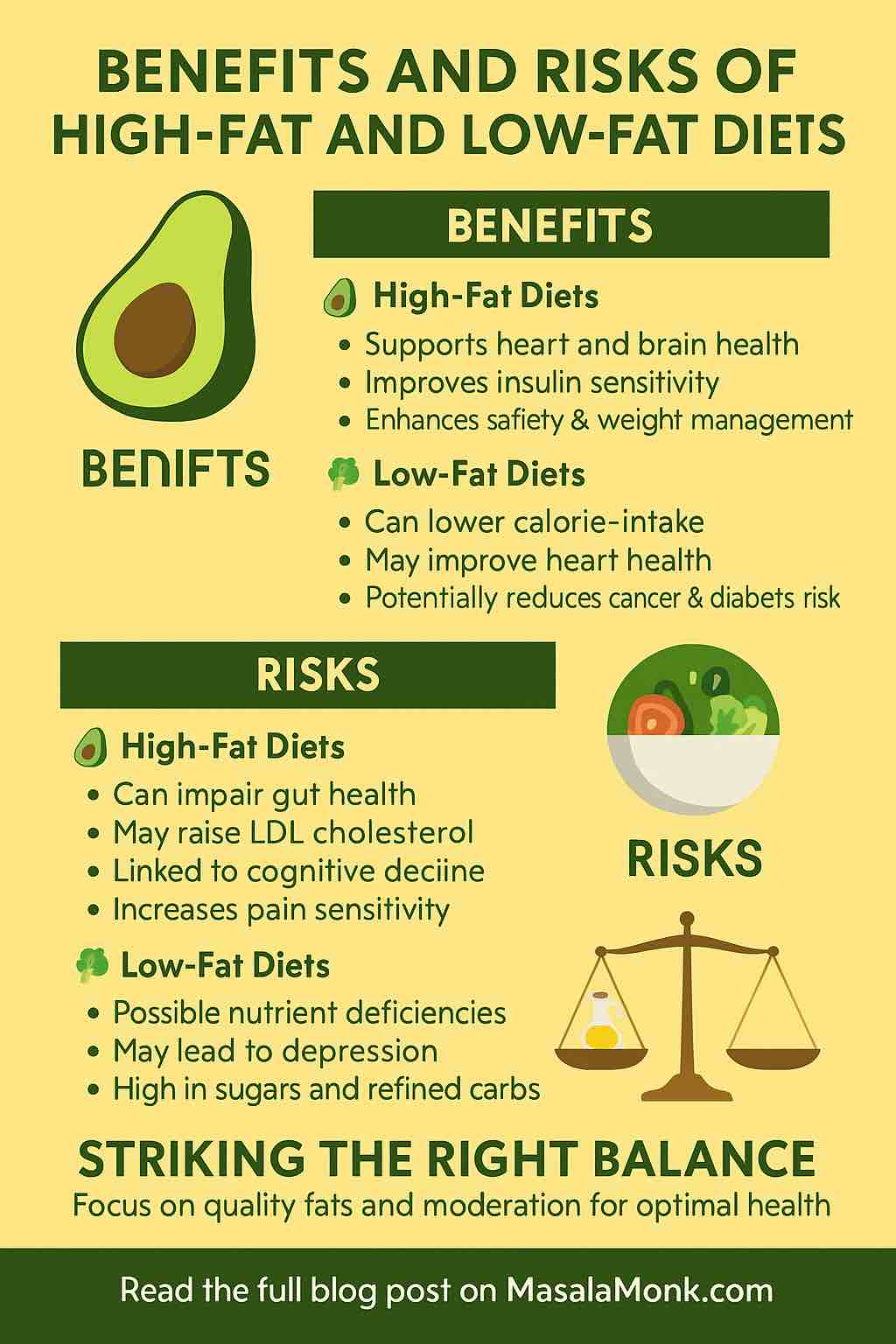
BENEFITS AND RISKS OF HIGH-FAT AND LOW-FAT DIETS

When it comes to diet and nutrition, fat is often at the center of controversy. For decades, fat was demonized, leading to the rise of low-fat products that flooded grocery store shelves. More recently, the pendulum has swung the other way, with high-fat diets like keto becoming mainstream. But what does science actually say about high-fat and low-fat diets? And how do we strike the right balance for long-term health?

In this post, we’ll explore the science-backed benefits and risks of both high-fat and low-fat diets and help you understand how to make fat work for your body—not against it.


🧠 What Is Fat and Why Does It Matter?

Fat is one of the three macronutrients essential to life, alongside carbohydrates and proteins. It provides energy, supports cell growth, protects organs, helps absorb nutrients (like vitamins A, D, E, and K), and produces important hormones.

But not all fats are created equal:

  • Healthy fats: Unsaturated fats (monounsaturated and polyunsaturated) found in avocados, olive oil, nuts, seeds, and fish.
  • Unhealthy fats: Saturated fats (in red meat, butter, cheese) and trans fats (in processed snacks and fried foods).

Understanding the type of fat you consume is more important than the amount.


🥓 High-Fat Diets: Benefits & Risks

✅ Benefits of High-Fat Diets

  1. Supports Brain & Hormonal Health
    • The brain is composed of nearly 60% fat.
    • Diets rich in omega-3 and omega-6 fatty acids help improve cognition, mood, and memory.
  2. Improved Insulin Sensitivity
    • Studies from Harvard and Vanderbilt found that low-carb, high-fat diets improve insulin response and reduce visceral fat, especially in older adults.
    • This can reduce the risk of type 2 diabetes and metabolic syndrome.
  3. Enhanced Satiety & Weight Management
    • Fats slow digestion, keeping you fuller for longer.
    • This can help reduce overall calorie intake and make dieting more sustainable.
  4. Better Lipid Profiles (with the right fats)
    • Replacing carbs with healthy fats can increase HDL (“good” cholesterol) and reduce triglycerides.

⚠️ Risks of High-Fat Diets

  1. Gut Health Disruption
    • A 2025 study revealed that high saturated fat intake can impair gut immunity and increase inflammation within 48 hours.
  2. Increased LDL Cholesterol
    • Diets high in saturated fats can raise LDL (“bad”) cholesterol, elevating cardiovascular risk.
  3. Cognitive & Physical Decline
    • Research from Cambridge University noted that a high-fat diet may impair memory and physical endurance—even after just a few days.
  4. Pain Sensitivity & Poor Recovery
    • Emerging studies indicate a link between high-fat intake and heightened pain perception or slower healing—even in the absence of weight gain.

🥗 Low-Fat Diets: Benefits & Risks

✅ Benefits of Low-Fat Diets

  1. Lower Caloric Intake
    • Fat contains 9 calories per gram, compared to 4 calories per gram for carbs or protein.
    • Reducing fat can help with weight loss through overall calorie control.
  2. Improved Heart Health (in some cases)
    • Lower fat intake—especially reduced saturated fat—can decrease LDL cholesterol and blood pressure.
  3. Potential Cancer & Diabetes Risk Reduction
    • Some studies have associated low-fat diets with lower risk of breast cancer, gallbladder disease, and type 2 diabetes.

⚠️ Risks of Low-Fat Diets

  1. Essential Nutrient Deficiencies
    • Low-fat diets may deprive you of fat-soluble vitamins (A, D, E, K) and essential fatty acids.
  2. Mental Health Effects
    • New research links overly restrictive low-fat diets to increased risk of depression, particularly in men and those with higher BMI.
  3. Increased Sugar & Refined Carbohydrate Intake
    • Many low-fat products compensate with added sugars or refined carbs—leading to blood sugar spikes and potential weight gain.
  4. Disrupted Hormone Production
    • Fats are essential for hormone synthesis. Long-term fat deficiency can impair fertility, libido, and menstrual health.

🥦 Striking the Right Balance: Practical Tips for Optimal Fat Intake

Rather than labeling fat as “good” or “bad,” a more nuanced approach focuses on moderation and quality:

✔️ Tips for a Balanced Fat Strategy:

  • Incorporate healthy fats daily: Avocados, nuts, seeds, olive oil, fatty fish.
  • Limit saturated fats: Choose lean meats, avoid heavy cream and butter in excess.
  • Eliminate trans fats: Check food labels for “partially hydrogenated oils.”
  • Don’t fear full-fat dairy (in moderation): It may offer more satiety and metabolic benefits compared to low-fat versions.
  • Mind your portions: Even healthy fats are calorie-dense.
  • Combine with whole foods: Balance your fat intake with fiber-rich vegetables, whole grains, and lean proteins.

🧬 The Best of Both Worlds: Diets That Blend Fat Intelligently

Several dietary patterns offer a healthy balance of fat intake without extremes:

🥙 Mediterranean Diet

  • High in monounsaturated fats (olive oil, nuts)
  • Emphasizes fish, whole grains, vegetables, and legumes
  • Linked with reduced risk of heart disease, cognitive decline, and cancer

🧠 MIND Diet

  • A hybrid of Mediterranean and DASH diets
  • Focuses on brain-protective foods: leafy greens, berries, nuts, and healthy fats

🧾 Final Thoughts

The debate isn’t really about high-fat vs. low-fat—it’s about smart fat choices and personalized nutrition. Whether you lean toward a high-fat keto style or a low-fat plant-based diet, the quality of fat, your individual health status, and your sustainability of the diet matter more than labels.

Ultimately, the healthiest diet is the one you can enjoy, stick to, and that keeps your body thriving—not just surviving.

🙋‍♂️ Frequently Asked Questions (FAQs)

1. Is fat bad for you?

No, fat is not inherently bad. Your body needs healthy fats to absorb vitamins, support brain function, and produce hormones. The key is to focus on unsaturated fats (like those in olive oil, avocados, and nuts) while limiting saturated fats and avoiding trans fats.


2. What are the best sources of healthy fats?

Top sources include:

  • Monounsaturated fats: Olive oil, avocados, almonds
  • Polyunsaturated fats: Walnuts, flaxseeds, fatty fish (like salmon)
    These fats help reduce inflammation and improve heart and brain health.

3. Can a high-fat diet help with weight loss?

Yes, high-fat diets like keto or low-carb/high-fat (LCHF) have been shown to promote fat loss, reduce hunger, and improve metabolic markers. However, long-term success depends on the quality of fats and overall calorie balance.


4. Are low-fat diets still recommended?

Low-fat diets can be effective for weight loss and cardiovascular health—especially when they focus on whole foods and reduce processed sugars. But extremely low-fat diets may lead to nutrient deficiencies and reduced satiety.


5. What’s the difference between saturated and unsaturated fats?

  • Saturated fats (found in red meat, butter, and cheese) can raise LDL cholesterol if consumed in excess.
  • Unsaturated fats (found in plant-based oils, nuts, and fish) support heart health and reduce inflammation.

6. How much fat should I eat daily?

According to dietary guidelines:

  • Fat should make up 20–35% of your total calories.
  • Focus on keeping saturated fat below 10% of your daily intake.
  • Avoid trans fats completely.

7. Can eating fat make me fat?

Not directly. Weight gain happens when you consume more calories than you burn, regardless of whether they come from fat, carbs, or protein. In fact, healthy fats can support weight management by making you feel full and reducing cravings.


8. Are all low-fat foods healthy?

No. Many low-fat packaged foods compensate by adding sugar, salt, or refined carbs, which can lead to blood sugar spikes, weight gain, and other health issues. Always check labels and prioritize whole, unprocessed foods.


9. Is it safe to follow a high-fat diet long-term?

Yes—if it’s balanced and based on healthy fat sources. Long-term high-fat diets like the Mediterranean or MIND diet have been linked to better heart and brain health. However, high saturated fat and animal fat intake may pose risks if not moderated.


10. How do I transition to a balanced fat intake?

Start by:

  • Swapping butter for olive oil
  • Snacking on nuts instead of chips
  • Choosing fatty fish twice a week
  • Reading labels to avoid trans fats
  • Limiting deep-fried or heavily processed foods

Balance is key—incorporate fats wisely, not fearfully.

Posted on Leave a comment

World of Pears: Exploring the Delightful Varieties of Pear Fruit

Exploring the Delicious World of Pear Varieties

When it comes to fruits that combine natural sweetness, juicy freshness, and subtle elegance, pears stand out as a favorite for many. Pears have been enjoyed for thousands of years across continents, prized not only for their delicious taste but also for their versatility in the kitchen. Whether you bite into a crisp Asian pear or savor the buttery softness of a Comice, pears offer a spectrum of flavors and textures that can elevate any meal or snack.

But did you know that pears come in a dazzling variety of types, each with its own unique characteristics, flavor profiles, and culinary uses? In this blog post, we’re taking a deep dive into the world of pears — their types, origins, flavors, and how to enjoy them at their best. If you’ve ever wondered about the differences between Bartlett and Bosc pears, or if you want to know which varieties grow in India, this post is for you!


What Makes Pears Special?

Before we jump into the types, it’s worth understanding what makes pears a remarkable fruit:

  • Nutritional powerhouse: Pears are rich in dietary fiber, vitamins C and K, antioxidants, and minerals like copper and potassium.
  • Digestive aid: The fiber in pears promotes healthy digestion and helps maintain a balanced gut.
  • Hydrating and refreshing: With about 84% water content, pears are a juicy treat that helps keep you hydrated.
  • Low in calories: Pears make a satisfying yet low-calorie snack.

With such benefits, including pears in your diet is an excellent choice. Now, let’s explore the varieties that can add both taste and nutrition to your table.


The Most Popular Types of Pears Around the World

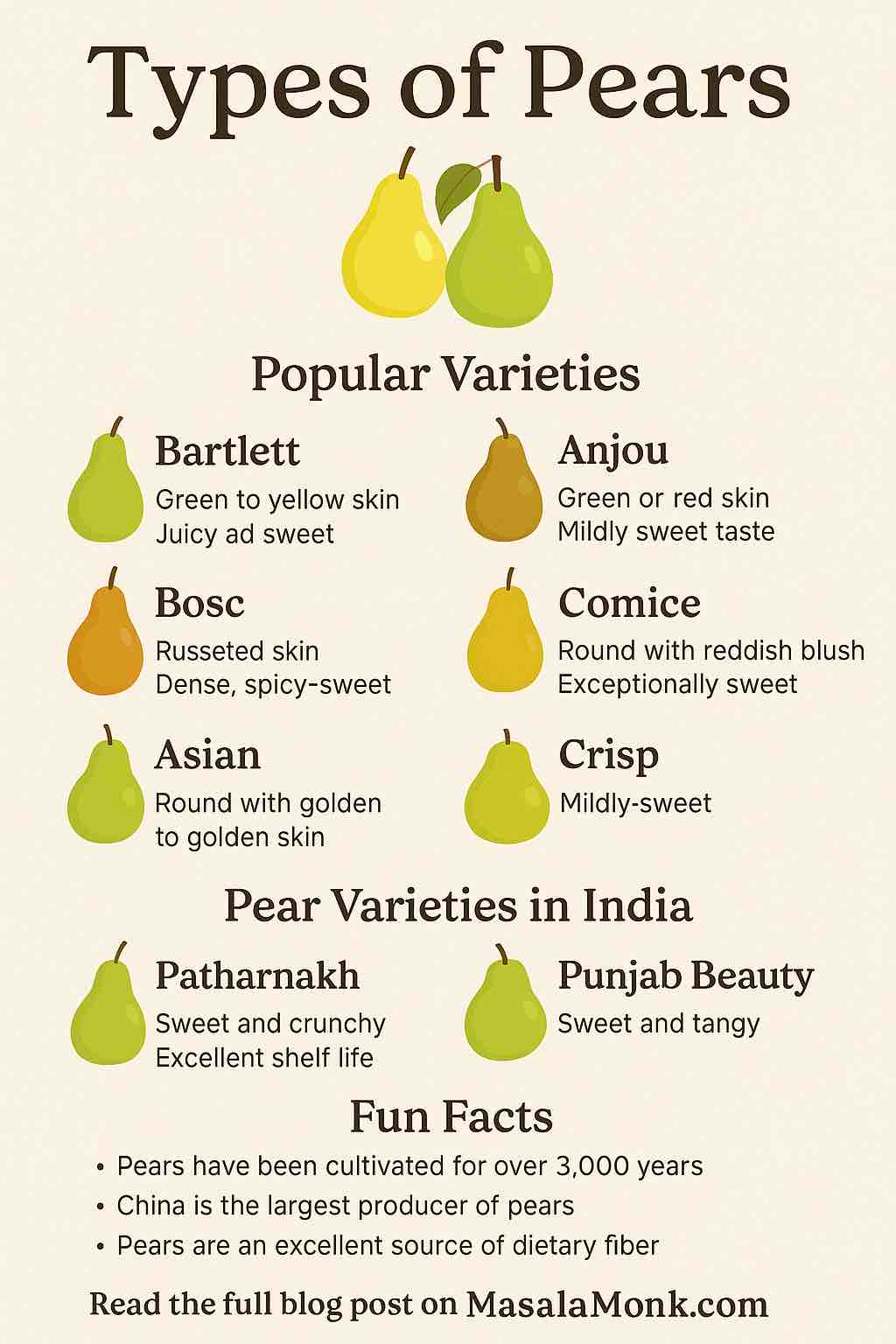
1. Bartlett Pear — The Classic Favorite

Often called the “standard pear,” Bartlett is probably the pear most people recognize. It has a classic bell shape, green skin that turns bright yellow as it ripens, and a juicy, sweet flavor. Bartlett pears are aromatic and soft when ripe, making them perfect for fresh eating, salads, or baking.

Best Uses: Fresh snacking, pear salads, poaching, and canning.

2. Anjou Pear — Firm and Versatile

The Anjou pear comes in green and red varieties and is known for its egg-like shape and firm texture. Unlike Bartlett, Anjou pears don’t change color significantly when ripe, making ripeness a bit trickier to judge. The flavor is mildly sweet and less juicy but holds up well for cooking.

Best Uses: Baking, roasting, grilling, or eating fresh.

3. Bosc Pear — The Spicy-Sweet Beauty

Recognizable by its long neck and russeted skin, the Bosc pear offers a dense, crisp texture and a honey-sweet, spicy flavor. It’s a favorite for poaching because it holds its shape well under heat.

Best Uses: Poaching, baking, roasting, or fresh eating.

4. Comice Pear — The Buttery Delight

Comice pears are round, with greenish-yellow skin and a reputation for being the sweetest and most buttery of all pear varieties. They’re a treat when paired with cheese or eaten fresh as dessert.

Best Uses: Cheese pairings, fresh eating, and desserts.

5. Seckel Pear — Small but Mighty Sweet

Seckel pears are petite, with olive green skin blushed with maroon. Despite their small size, they are intensely sweet and crunchy, earning the nickname “sugar pears.”

Best Uses: Snacking, pickling, or garnishing dishes.

6. Forelle Pear — The Speckled Snack

Forelle pears are small, with bright red speckles on yellow-green skin. They have a crisp texture and a sweet-tart flavor that adds interest to salads and snacks.

Best Uses: Salads, fresh eating, and garnishing.

7. Starkrimson Pear — A Red Treat

Starkrimson pears feature bright red skin and sweet, floral notes. Their striking color adds visual appeal to fruit bowls and platters.

Best Uses: Fresh consumption and decorative use.

8. Concorde Pear — The Elegant Performer

Developed in the UK, Concorde pears have an elongated shape and a sweet, firm flesh. They are excellent for both eating fresh and using in cooking.

Best Uses: Baking, poaching, or fresh snacking.

9. Asian Pears — The Apple-Shaped Crunch

Asian pears are unique for their round shape, crisp texture, and mild sweetness. Often called “apple pears,” they’re juicy and perfect for those who prefer a crunchier pear.

Best Uses: Fresh eating, salads, and desserts.


Pear Varieties in India: A Local Perspective

India also grows its own distinct varieties of pears, some native and others hybridized, thriving in the country’s diverse climate.

Patharnakh Pear

The Patharnakh pear is an indigenous Indian variety with round green to yellow skin. It’s sweet, crunchy, and known for its excellent shelf life, making it a popular choice locally.

Babugosha (Le Conte)

Babugosha is a hybrid pear variety with an oval shape and yellow-green skin. It has a juicy, sweet, and mildly aromatic flavor, ideal for fresh eating and juice production.

Punjab Beauty

This early-maturing variety boasts yellow-green skin with a reddish blush and a sweet yet tangy taste. It is resistant to diseases and favored by farmers.

Kieffer Pear

Kieffer pears are hybrids with yellow-green skin and mild russeting. Their texture is crisp but slightly coarse, suitable for fresh consumption and preserves.

Gola Pear

Known locally as Indian Pear, Gola is small to medium-sized with sweet, slightly crunchy flesh. It has consistent yields and is a favorite in local markets.


📊 Summary Table

VarietyOriginFlavor & TextureBest UseHarvest Season
BartlettEuropeJuicy, sweetFresh, salads, dessertsAug-Jan
AnjouBelgium/FranceMildly sweet, firmBaking, roasting, freshFall-Spring
BoscFrance/BelgiumDense, spicy-sweetPoaching, bakingSep-Apr
ComiceFranceExceptionally sweetCheese pairings, freshFall-Spring
SeckelUSAVery sweet, crunchySnacking, picklingFall
ForelleGermanyCrisp, sweet-tartSnacking, saladsFall
StarkrimsonUSASweet, floral notesFresh consumptionLate Summer
ConcordeUKSweet, firmBaking, fresh eatingLate Season
Asian PearsEast AsiaCrisp, mildly sweetFresh consumptionVaries
PatharnakhIndiaSweet, crunchyFresh consumptionJuly-August
BabugoshaIndiaSweet, juicyFresh eating, juicesAug-Sep
Punjab BeautyIndiaSweet, tangyFresh consumptionJuly-August
KiefferHybridMildly sweet, crispFresh, preservesAug-Sep
GolaIndiaSweet, slightly crunchyFresh consumptionJuly-August
Pear Varieties around the world.

How to Select, Store, and Enjoy Pears

Choosing Pears

  • Ripeness: For Bartlett pears, look for yellow skin indicating ripeness. For Anjou and Bosc, gently press near the stem; it should yield slightly.
  • Firmness: Pears ripen from the inside out, so firmness is key.
  • Color: Bright and consistent skin color with no bruises or blemishes.

Storing Pears

  • Store unripe pears at room temperature to ripen.
  • Once ripe, refrigerate to slow down further ripening.
  • Keep pears separate from other fruits like apples or bananas, which emit ethylene gas and can hasten ripening.

Enjoying Pears

  • Fresh: Eat as is or slice into salads.
  • Cooking: Roast, poach, or grill pears for desserts or savory dishes.
  • Baking: Pears work beautifully in tarts, cakes, and crisps.
  • Pairing: Match pears with cheeses like blue cheese, brie, or goat cheese for an elegant snack.

Pear Fun Facts You Might Not Know

  • Pears have been cultivated for over 3,000 years.
  • China is the largest producer of pears worldwide.
  • The pear tree is a symbol of immortality in some cultures.
  • Pear wood is prized in woodworking for its fine grain.

Conclusion

With so many pear varieties available worldwide and in India, there’s a pear to suit every palate and culinary need. From the classic juicy Bartlett to the crisp and crunchy Asian pear, the diversity is remarkable. Next time you visit the market, explore beyond the usual and try a new type — your taste buds will thank you!

FAQs About Pear Varieties

1. What are the most common types of pears?
The most common pear types include Bartlett, Anjou, Bosc, Comice, Seckel, Forelle, Starkrimson, Concorde, and Asian pears. Each variety differs in shape, flavor, texture, and best culinary use.

2. How can I tell when a pear is ripe?
For most pears like Bartlett, look for a color change from green to yellow and a slight softness near the stem when gently pressed. Some pears, like Anjou, do not change color much, so feel for slight softness to check ripeness.

3. What is the difference between European and Asian pears?
European pears tend to have a classic bell shape with soft, buttery flesh when ripe. Asian pears are rounder, crisp, and juicy with a texture more like an apple.

4. Which pears are best for baking and cooking?
Bosc and Anjou pears are excellent for baking and poaching because they hold their shape well under heat. Bartlett pears become soft quickly and are better for fresh eating or quick cooking.

5. Are pears nutritious?
Yes! Pears are rich in dietary fiber, vitamin C, potassium, and antioxidants. They support digestion, heart health, and hydration while being low in calories.

6. How should I store pears to prolong their freshness?
Store unripe pears at room temperature to allow them to ripen. Once ripe, refrigerate to slow down further ripening and keep them fresh longer.

7. What are some popular pear varieties grown in India?
Popular Indian pear varieties include Patharnakh, Babugosha (Le Conte), Punjab Beauty, Kieffer, and Gola. These are adapted to local climates and vary in taste and texture.

8. Can pears be eaten raw, or do they need cooking?
Most pears are delicious eaten raw. However, some varieties are also great when cooked, roasted, or poached, which enhances their sweetness and texture.

9. How can I include pears in my diet?
Pears can be eaten fresh, sliced into salads, blended into smoothies, baked into desserts, poached as a warm treat, or paired with cheese for an elegant snack.

10. Do pears have any unique health benefits?
Pears contain soluble fiber that promotes gut health and helps regulate blood sugar. Their antioxidants can reduce inflammation, and their high water content aids hydration.