Posted on Leave a comment

How to Monitor Blood Pressure Using iPhone and Apple Watch

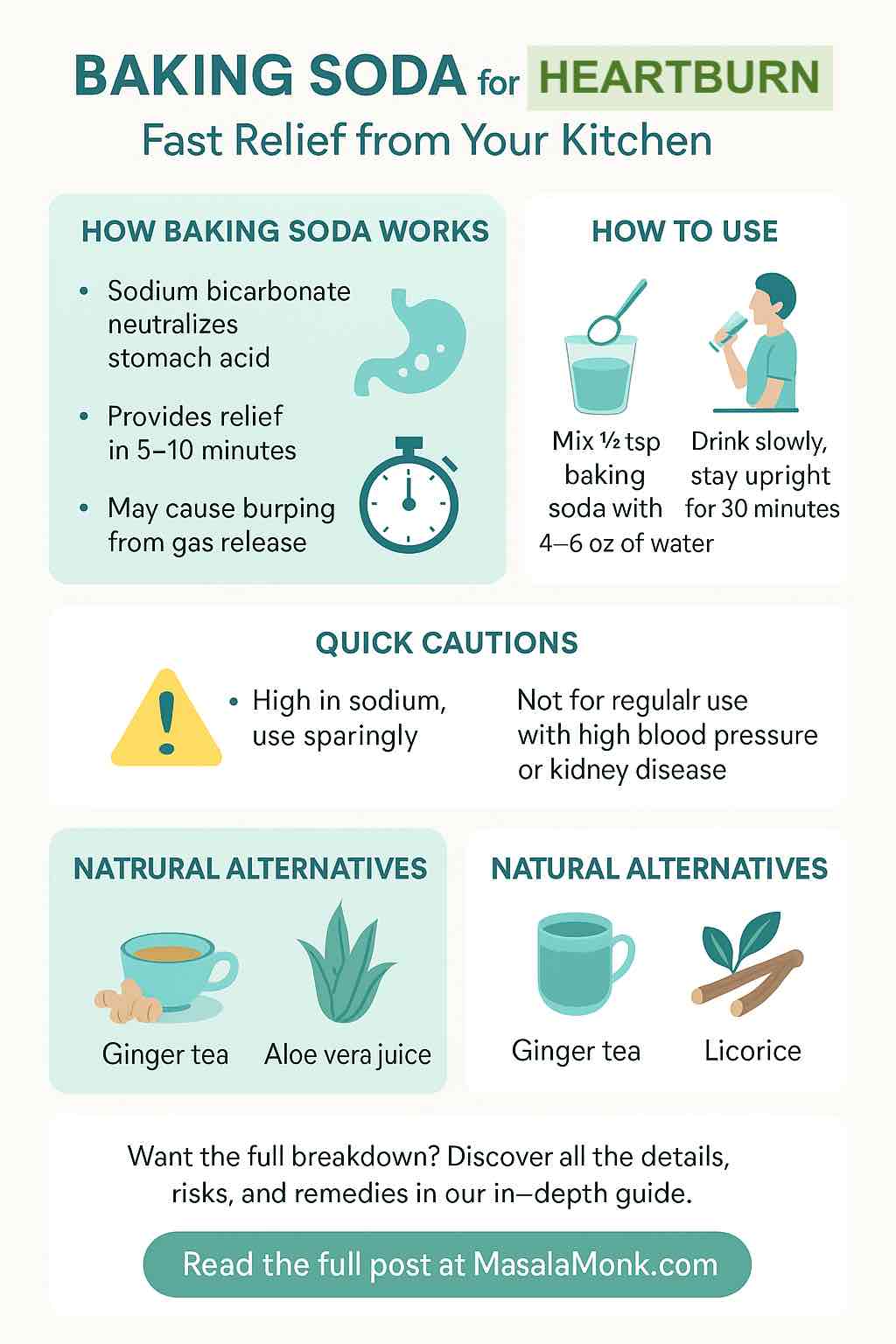
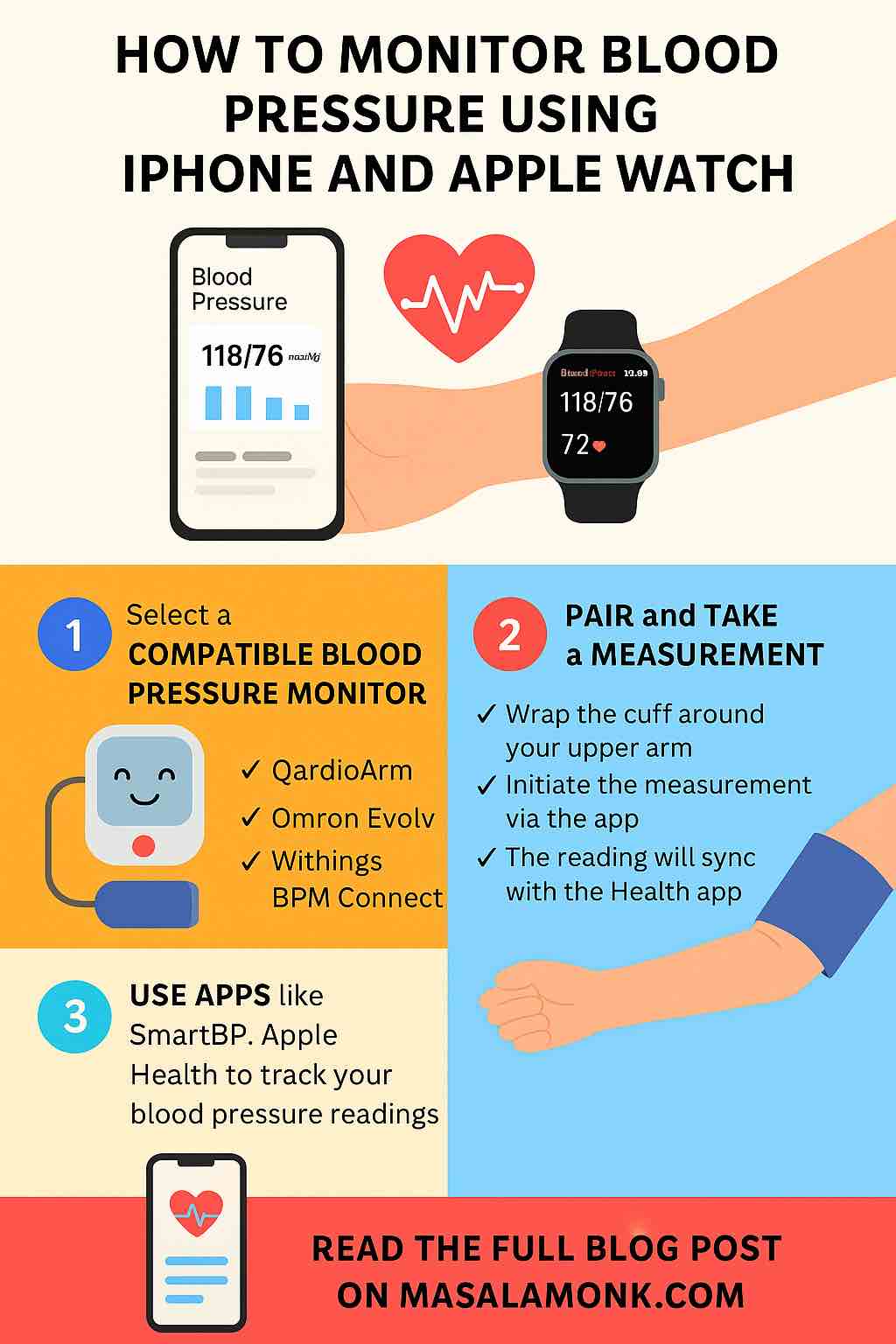
HOW TO MONITOR BLOOD PRESSURE USING IPHONE AND APPLE WATCH

In today’s fast-paced world, keeping track of your blood pressure is more important than ever—especially if you’re managing hypertension or looking to stay proactive about your heart health. But here’s the exciting part: you can now monitor your blood pressure using your iPhone and Apple Watch—right from the comfort of your home or even on the go.

While the Apple Watch doesn’t (yet) measure blood pressure directly, it acts as a powerful companion when paired with the right tools. In this blog post, we’ll explore how to set up blood pressure monitoring, which devices and apps work best, and how to use your iPhone and Apple Watch as your personal health dashboard.


šŸ“‰ Why Blood Pressure Monitoring Matters

Blood pressure is often called the ā€œsilent killerā€ because high blood pressure (hypertension) typically shows no symptoms until it’s too late. Regular monitoring helps:

  • Detect patterns and prevent complications
  • Track your progress with lifestyle changes
  • Share meaningful data with healthcare providers
  • Take control of your heart health with data-backed decisions

šŸ Can Your Apple Watch Measure Blood Pressure?

Short answer: Not directly.

As of now, no Apple Watch model—including Series 9 and Ultra—can measure blood pressure without an external device. Apple is reportedly working on this feature for future releases, but until then, you’ll need a Bluetooth-enabled blood pressure monitor that syncs with your iPhone (and optionally, Apple Watch).


šŸ› ļø What You Need to Get Started

āœ… A Bluetooth Blood Pressure Monitor Compatible with Apple Health

Choose a reliable, medically certified device. Top options include:

Blood Pressure MonitorKey FeaturesApp
QardioArmCompact, travel-friendly, irregular heartbeat detectionQardio App
Withings BPM ConnectWiFi/Bluetooth sync, LED display, long battery lifeHealth Mate
Omron EvolvClinically validated, sleek cuff designOmron Connect
iHealth FeelVisual alerts, silent inflation, family sharingiHealth MyVitals

These devices pair with your iPhone and sync data to Apple Health, making it accessible on your Apple Watch.


šŸ“² Step-by-Step: How to Monitor Blood Pressure Using iPhone and Apple Watch

1. Unbox and Charge Your Blood Pressure Monitor

Make sure it’s fully charged or has fresh batteries.

2. Download the Companion App

Install the device’s app on your iPhone (e.g., Qardio, Omron Connect, iHealth).

3. Pair the Monitor with Your iPhone

  • Open Bluetooth settings and turn it on.
  • Launch the app and follow pairing instructions.

4. Authorize Apple Health Access

When prompted, grant permission to sync data between the app and Apple Health.

5. Take a Blood Pressure Reading

  • Sit in a quiet room and relax for 5 minutes.
  • Place the cuff on your upper arm as instructed.
  • Use the app or your Apple Watch (if the companion app supports it) to start the reading.

6. View and Analyze Data

  • Open the Health app on your iPhone.
  • Tap Browse > Vitals > Blood Pressure to see historical data, charts, and trends.
  • Share this data directly with your doctor using the Health Sharing feature.

🧠 Pro Tips for Accurate Readings

  • šŸŖ‘ Sit upright with your back supported
  • šŸ’Ŗ Keep your arm at heart level
  • šŸ‘• Avoid taking readings over clothes
  • ā˜• Don’t consume caffeine, smoke, or exercise 30 minutes prior
  • šŸ•’ Measure at the same time daily for consistency

šŸ“¦ Recommended Apps for Blood Pressure Tracking

AppFeatures
SmartBPManual or automatic entry, graphs, reports for doctors
Apple HealthAggregates data from all health apps/devices
QardioLocation tagging, irregular heartbeat detection
Health MateInsights, goals, and family health tracking

šŸ§˜ā€ā™€ļø Enhance Your Heart Health with Apple Watch

While it can’t measure blood pressure directly, the Apple Watch offers features that support heart health:

  • Heart Rate Monitoring
  • Irregular Rhythm Notifications
  • ECG Function (Series 4 and later)
  • Mindfulness App for guided breathing
  • Activity Tracking to encourage movement

These features, combined with accurate BP readings, give you a more holistic view of your cardiovascular health.


šŸ”® What’s Next: Blood Pressure on Future Apple Watch Models?

Apple is reportedly working on adding non-cuff blood pressure monitoring as early as 2025. It may initially offer trend detection (e.g., rising or falling blood pressure) rather than exact systolic/diastolic values.

Stay tuned—future Apple Watches could soon become even more powerful tools in personal healthcare.


šŸ“˜ Summary: A Smarter Way to Track Blood Pressure

You don’t need a doctor’s visit to know your numbers anymore. With the right setup, your iPhone and Apple Watch combo can:

  • Seamlessly record blood pressure
  • Notify you of concerning patterns
  • Store and share data with your medical team
  • Empower you to live a heart-healthy life

šŸ Final Thoughts

Knowledge is power—and your iPhone and Apple Watch can put that power in your hands (literally). Whether you’re managing hypertension, supporting a loved one, or just being proactive, setting up a smart blood pressure monitor is one of the most impactful health upgrades you can make.

šŸ‘‰ Ready to take charge of your heart health? Invest in a compatible BP monitor, sync it with your devices, and start tracking today.

šŸ™‹ 10 FAQs on Monitoring Blood Pressure with iPhone and Apple Watch

1. Can Apple Watch measure blood pressure on its own?

No, the Apple Watch does not currently have the hardware to measure blood pressure independently. You need to use a third-party Bluetooth-enabled blood pressure monitor that syncs with your iPhone, and optionally, your Apple Watch through companion apps.


2. Which blood pressure monitors work best with iPhone and Apple Watch?

Top-rated, Apple Health-compatible monitors include:

  • QardioArm
  • Withings BPM Connect
  • Omron Evolv
  • iHealth Feel
    These devices come with their own apps, which sync seamlessly with Apple Health.

3. Do I need an Apple Watch to monitor blood pressure with my iPhone?

No, an Apple Watch is not necessary. You can monitor and track blood pressure using just your iPhone and a compatible Bluetooth blood pressure monitor. However, the Apple Watch can enhance the experience with on-wrist reminders, heart rate tracking, and app integration.


4. Which app should I use to track my blood pressure?

You can use:

  • The manufacturer’s app (e.g., Qardio, Omron Connect, iHealth)
  • Apple Health for centralized tracking
  • Third-party apps like SmartBP for detailed graphs and reports

5. How do I sync blood pressure data with Apple Health?

Once your BP monitor’s app is installed:

  1. Open the app on your iPhone.
  2. Grant permission to read/write blood pressure data to Apple Health.
  3. The data will automatically sync after each reading.

6. Can I start a blood pressure reading from my Apple Watch?

Some apps (like Qardio) allow you to initiate a reading directly from your Apple Watch, provided it’s already paired with your monitor and iPhone. However, the actual reading still happens through the external cuff, not the Watch.


7. Can I share my blood pressure data with my doctor?

Yes. In the Apple Health app:

  • Go to Sharing > Share with Your Doctor
  • You can also export data manually via third-party apps like SmartBP or email CSV reports from the monitor’s app.

8. How often should I check my blood pressure?

For most people:

  • Twice a day: Morning and evening readings provide a good baseline.
  • If managing a condition, follow your doctor’s recommendation.

9. Is there any Apple Watch model with built-in blood pressure sensor?

As of 2025, no Apple Watch model has a built-in blood pressure sensor. However, rumors suggest Apple may introduce trend-based blood pressure monitoring in future releases (possibly by late 2025 or 2026).


10. Are wrist blood pressure monitors accurate?

Upper-arm monitors are typically more accurate than wrist-based ones. However, some advanced wrist models (like Omron HeartGuide, FDA-cleared) provide decent accuracy when used correctly and consistently.
Posted on 3 Comments

Cloves: Uses, Benefits, and Side Effects for Women’s Health and Wellness

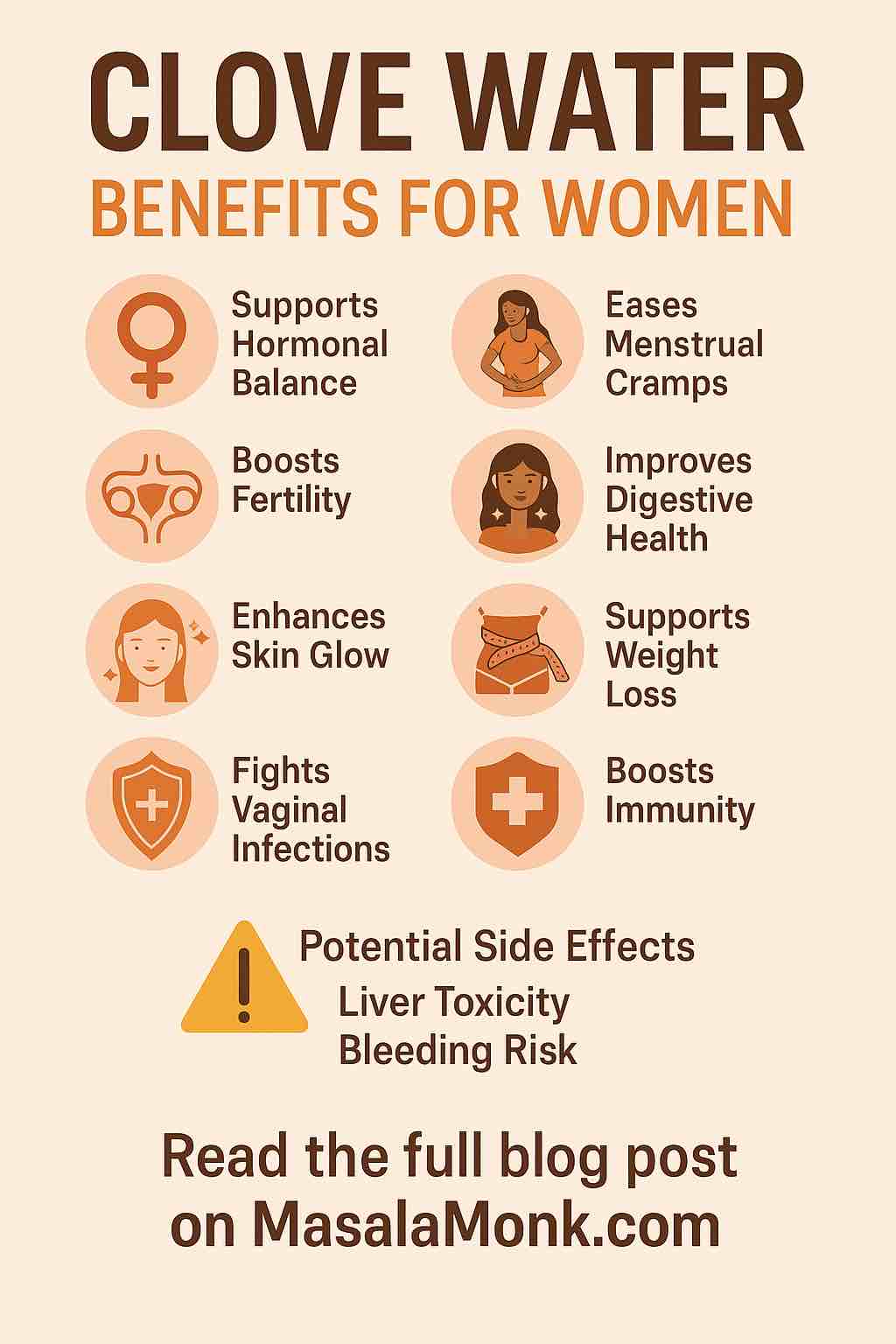
CLOVE WATER BENEFITS FOR WOMEN

Cloves have been a cherished spice for centuries, adding warmth to dishes and depth to remedies in traditional medicine. But what if we told you that something as simple as clove water—steeping this tiny, aromatic bud in hot water—could become a powerful addition to your daily wellness routine, especially as a woman?

In this post, we explore the science-backed benefits of clove water for women, its potential side effects, how to prepare it, and the best times to drink it. Let’s dive into this underrated elixir.


🌿 What is Clove Water?

Clove water is made by soaking or boiling dried cloves in water, allowing its essential oils—particularly eugenol—to infuse. The result is a warm, spicy, and mildly bitter tea packed with medicinal properties.


🌸 10 Incredible Benefits of Clove Water for Women

1. Supports Hormonal Balance

Hormonal imbalance can lead to irregular periods, PCOS symptoms, mood swings, and more. Cloves contain phytoestrogens—plant-based compounds that mimic estrogen. Drinking clove water regularly may help support hormonal regulation, especially in women facing menopause or menstrual irregularities.

2. Eases Menstrual Cramps

Thanks to its anti-inflammatory and analgesic properties, clove water can act as a natural painkiller, helping ease menstrual cramps. Sipping it warm can relax uterine muscles and reduce period discomfort.

3. Boosts Fertility Naturally

Traditional medicine has long used cloves to improve reproductive health. Clove water may boost ovulation and increase the thickness of cervical mucus—both essential for conception. However, this claim needs more scientific backing.

4. Improves Digestive Health

Indigestion, bloating, and constipation are common issues many women face. Clove water stimulates digestive enzymes and enhances gut motility. It helps reduce gas and soothes the stomach, especially when consumed on an empty stomach in the morning.

5. Enhances Skin Glow

Packed with antioxidants, clove water fights free radicals that cause premature aging. It helps detoxify the blood, which can result in clearer, radiant skin and fewer acne breakouts.

6. Supports Weight Loss

Drinking clove water may help boost metabolism and reduce body fat. It improves digestion and may help regulate blood sugar levels, reducing hunger pangs and preventing insulin spikes.

7. Fights Vaginal Infections

Cloves have powerful antifungal and antibacterial properties. Clove water may help in preventing or managing yeast infections and maintaining pH balance in intimate areas when used cautiously.

8. Boosts Immunity

The eugenol in cloves is a strong antiviral and antimicrobial agent. Regular consumption of clove water can strengthen the immune system, protecting against seasonal infections and inflammation.

9. Improves Hair Health

Clove water stimulates blood flow to the scalp, strengthening hair follicles and reducing hair fall. Some women use diluted clove water as a natural hair rinse for promoting thickness and shine.

10. Reduces Stress and Improves Sleep

Clove water’s calming properties can help relax the nervous system. Drinking it before bedtime may promote deeper, restful sleep, making it a natural night-time soother.


āš ļø Potential Side Effects of Clove Water for Women

While clove water is mostly safe, moderation is key. Overuse or sensitivity can cause side effects:

🚫 Liver Toxicity

Eugenol in high amounts can harm the liver. Stick to 1 cup per day unless advised otherwise by a healthcare provider.

🚫 Bleeding Risk

Cloves may increase the risk of bleeding. Women on blood thinners or with bleeding disorders should avoid clove water without medical approval.

🚫 Allergic Reactions

Some may experience skin irritation, shortness of breath, or rashes. Discontinue use if allergic symptoms occur.

🚫 Pregnancy & Breastfeeding Concerns

Pregnant or nursing women should consult their doctor before using clove water. Limited data is available on its safety during these stages.


šŸµ How to Make Clove Water

Making clove water at home is easy:

Ingredients:

  • 2–3 whole cloves
  • 1 cup of water

Instructions:

  1. Boil the water.
  2. Add cloves and let them steep for 10–15 minutes.
  3. Strain and drink warm or allow to cool.

Optional: Add a slice of lemon or a pinch of cinnamon for taste and added benefits.

Best time to drink:

  • Morning (empty stomach) for detox and metabolism boost.
  • Night for menstrual relief or improved sleep.

🧠 Pro Tip: Combine with Other Herbs

For added benefits, combine clove water with:

  • Fenugreek seeds (for hormonal balance)
  • Ginger (for digestion)
  • Cinnamon (for blood sugar control)

šŸ‘©ā€āš•ļø When to Avoid Clove Water

  • If you are on anticoagulants or blood thinners
  • If you have gastrointestinal ulcers or IBS
  • If you are pregnant or lactating
  • If you are allergic to cloves or eugenol

Always consult your physician before adding new herbal remedies to your routine.


šŸ·ļø Real Talk: Should You Drink Clove Water Daily?

If consumed in moderation (1 cup daily), clove water can be a powerful addition to your self-care ritual. It’s especially beneficial for women navigating hormonal changes, gut health issues, or skin concerns.

But like all good things, balance is key. Pay attention to how your body responds—and always listen to your body.


šŸ’¬ Final Thoughts

Nature has given us countless remedies, and cloves are a tiny powerhouse with massive potential. Whether you’re looking to relieve menstrual pain, balance hormones, or glow from within, clove water might just be your new best friend.

But remember—wellness is a journey, not a shortcut. Pair your clove water habit with a healthy lifestyle for best results.


šŸ”— Want to explore more natural remedies and daily health tips?

šŸ‘‰ Read the full blog post on MasalaMonk.com and discover how ancient spices are reclaiming their place in modern health.

āœ… 10 FAQs about Clove Water for Women

1. What happens if I drink clove water every day as a woman?
Drinking clove water daily in moderation (1 cup per day) may support hormonal balance, improve digestion, enhance skin health, and help with menstrual discomfort. However, overconsumption may cause side effects, so it’s important to listen to your body.

2. Can clove water help with periods or menstrual pain?
Yes, clove water’s natural anti-inflammatory and analgesic properties can relieve menstrual cramps and support smoother, less painful periods.

3. Is clove water good for fertility in women?
Traditionally, cloves have been used to support reproductive health. Clove water may aid ovulation and hormonal balance, but more clinical studies are needed. It should not replace professional fertility treatments.

4. Does clove water help with weight loss?
Clove water can support weight management by boosting metabolism and aiding digestion. It is not a magic solution but can complement a healthy diet and lifestyle.

5. Can I drink clove water while pregnant or breastfeeding?
Pregnant or breastfeeding women should consult a doctor before consuming clove water, as there is limited research on its safety during these stages.

6. What are the side effects of drinking clove water?
Side effects may include liver irritation, increased bleeding risk, allergic reactions, or digestive upset—especially if consumed in excess.

7. Can clove water clear acne or improve skin?
Yes, clove water is rich in antioxidants and may help detoxify the body and reduce breakouts, promoting clearer and more radiant skin.

8. How long should I drink clove water to see benefits?
Visible benefits vary from person to person, but many women report improvements in digestion and menstrual symptoms within 1–2 weeks of consistent use.

9. Can I drink clove water on an empty stomach?
Yes, drinking it in the morning on an empty stomach can enhance digestion, boost metabolism, and aid in detoxification.

10. Can I mix clove water with other ingredients for added benefits?
Absolutely! You can combine it with cinnamon, ginger, or lemon for enhanced taste and additional health benefits like improved metabolism and immune support.

Posted on 1 Comment

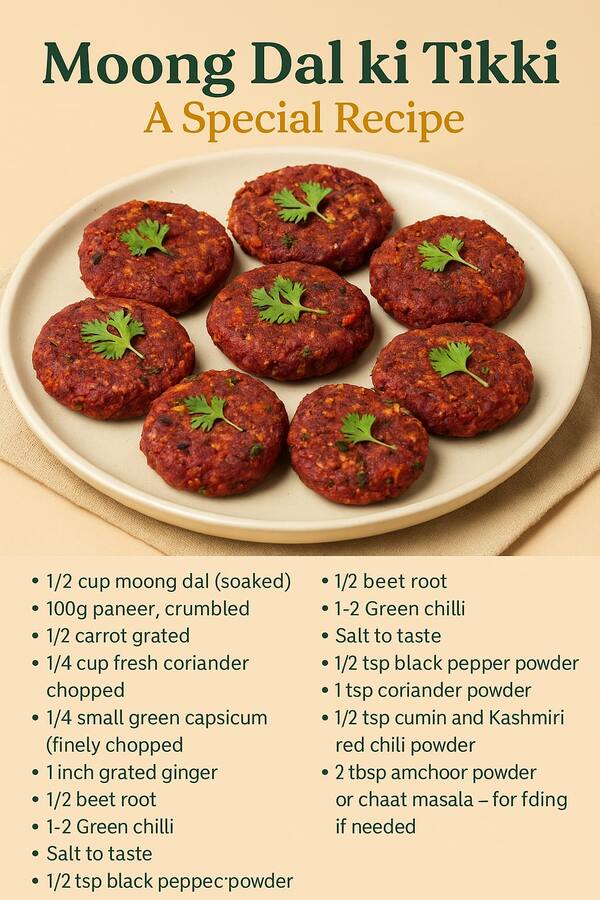
Moong Dal ki Tikki – A Special Recipe Full of Health & Flavor

If you’re looking for a delicious, wholesome, and protein-packed snack that also feels indulgent, then this Moong Dal ki Tikki is for you. Perfect for tea time, kids’ tiffins, or even a light dinner, these tikkis combine the goodness of lentils, paneer, and colorful veggies. Let’s jump right into the recipe!

Ingredients:

  • 1/2 cup moong dal (split yellow gram) – soaked for 2-3 hours
  • 100g paneer (cottage cheese) – crumbled
  • 1/2 carrot – grated
  • 1/4 cup fresh coriander – finely chopped
  • 1/4 green capsicum – finely chopped
  • 1-inch piece of ginger – grated
  • 1/2 beetroot – grated (for nutrition + a lovely color!)
  • 1-2 green chilies – finely chopped (adjust to taste)
  • Salt – to taste
  • 1/2 tsp black pepper powder
  • 1 tsp coriander powder
  • 1/2 tsp cumin powder
  • 1/2 tsp Kashmiri red chili powder – for color and mild heat
  • 1/2 tsp amchoor powder or chaat masala – for that tangy kick
  • 2 tbsp oats powder / besan (gram flour) / rice flour – for binding, as needed
  • Oil – for shallow frying or cooking on a nonstick pan

Method:

Soak the moong dal in water for at least 2–3 hours. Drain the water completely. Blend it into a coarse paste without adding too much water. It should be thick. In a mixing bowl, combine the moong dal paste, crumbled paneer, grated beetroot, carrot, capsicum, ginger, green chilies, and chopped coriander.

Add in all the spices – salt, black pepper, coriander powder, cumin powder, red chili powder, and amchoor/chat masala. If the mixture feels wet or sticky, add oats powder, besan, or rice flour little by little until you get a dough-like consistency.

Grease your hands and shape the mixture into small tikkis (patties). You can make round or oval shapes, depending on your preference. Heat a non-stick pan or tawa. Add 1-2 teaspoons of oil. Place the tikkis on the pan and cook on medium heat. Flip when one side is golden and crisp. Repeat on the other side. You can also air-fry or bake these at 180°C for about 15-18 minutes, flipping halfway through.

Tips & Tricks:

You can add a handful of boiled sweet corn or peas for extra crunch. These tikkis can be used in burgers, wraps, or served with chutneys. Make a batch, refrigerate, and shallow fry as needed for quick snacking. Use mint chutney, garlic yogurt dip, or imli chutney for serving.

Why You’ll Love It:

High in Protein: Moong dal and paneer double the protein!

Colorful & Nutritious: Beetroot, carrot, and capsicum bring in fiber, vitamins, and minerals.

Kid-Friendly: Mild spices, soft texture, and customizable.

Perfect for Summers: Light on the stomach, yet satisfying.

Moong Dal ki Tikki is the kind of feel-good food that doesn’t compromise on health or taste. Whether you’re looking for a lunchbox idea, a tea-time snack, or a healthy alternative to deep-fried patties this recipe checks all the boxes.

Try it out and let me know how it turned out for you. Tag us on Instagram @masala.mon if you shareĀ yourĀ plate!Ā šŸ’›

Posted on 2 Comments

Authentic Butter Chicken Recipe (Murgh Makhani) Creamy and Flavorful

If there’s one dish that defines North Indian comfort food, it’s Butter Chicken. Known locally as Murgh Makhani, this iconic dish is rich, creamy, mildly spiced, and loaded with flavor. Whether you’re making it for a dinner party or a cozy night in, this recipe will deliver restaurant style butter chicken right from your home kitchen.

Ingredients

For Chicken Marination:

  • 500g boneless chicken (thighs preferred), cut into bite-sized pieces
  • 1/2 cup thick yogurt (curd)
  • 1 tbsp lemon juice
  • 1 tbsp ginger-garlic paste
  • 1 tsp red chili powder (Kashmiri for color, regular for heat)
  • 1/2 tsp turmeric
  • 1 tsp garam masala
  • Salt to taste

For the Makhani (Butter) Gravy:

  • 2 tbsp butter (plus 1 tbsp for later)
  • 1 tbsp oil
  • 1 large onion, chopped
  • 2 cups tomatoes, roughly chopped or 4 medium ripe tomatoes
  • 8–10 cashews
  • 1 tbsp ginger-garlic paste
  • 1–2 green chilies (optional)
  • 1 tsp red chili powder (Kashmiri for color)
  • 1 tsp sugar (balances acidity)
  • Salt to taste
  • 1/2 tsp kasuri methi (dried fenugreek leaves)
  • 1/2 cup fresh cream
  • 1/4 cup water (as needed)

Method

In a bowl, mix all marinade ingredients with the chicken. Cover and refrigerate for at least 2 hours (overnight for best flavor).

Heat a grill pan or non-stick pan. Add a little oil. Cook the marinated chicken until it’s charred and cooked through. Set aside.

In a pan, heat 2 tbsp butter and 1 tbsp oil. Add onions and sautĆ© until translucent. Add ginger-garlic paste, green chilies, and cashews. SautĆ© for 2–3 mins. Add tomatoes and cook until mushy and oil begins to separate. Add chili powder and salt. Let the mixture cool slightly, then blend into a smooth puree.

In the same pan, add 1 tbsp butter. Pour in the blended gravy. Add sugar and a splash of water. Let it simmer for 5–7 mins. Add cooked chicken pieces and simmer for 5 more minutes. Crush kasuri methi between palms and add. Stir in the cream.

Optional: Add a small piece of charcoal in a bowl inside the curry, drop a little ghee on it, cover the pan for 5 minutes for a smoky dhaba-style flavor.

Serve hot with butter naan, tandoori roti, jeera rice, or lachha paratha. Don’t forget to garnish with a swirl of cream and fresh coriander!

Ā Tips & Tricks for Perfect Butter Chicken:

  • Balance the spice: Butter chicken is meant to be flavorful, not fiery. Use Kashmiri chili for color without too much heat.
  • Cream substitute: Use malai or even a mix of milk and cashew paste if you’re out of fresh cream.
  • Tomatoes: Use ripe red tomatoes for that classic tang. Avoid canned unless you’re in a pinch.
  • Make ahead: The curry tastes even better the next day as flavors deepen.

Butter Chicken FAQs

Q: Can I use pre-cooked tandoori chicken?
Yes! It’s a great shortcut and adds an extra smoky flavor.

Q: Is butter chicken sweet?
It has a mild sweetness to balance the acidity of the tomatoes, but it’s not a sugary dish.

Q: Can I make it dairy free?
Use coconut cream and oil instead of butter and dairy cream, though flavor will vary.

Butter Chicken is more than just a recipe it’s a warm, nostalgic experience in every bite. With these simple steps and tried-and-tested tips, you’ll be making the best Murgh Makhani of your life right at home.

Try it out and tag us with your creations!

Posted on 3 Comments

Baking Soda for Heartburn, Acid Reflux, & GERD

Baking soda for heartburn

Heartburn can strike when you least expect it—after a hearty meal, a late-night snack, or even just bending over. That familiar burning sensation behind the breastbone is not only uncomfortable but often disrupts daily life. If you’re looking for a simple, natural remedy, look no further than your kitchen cabinet. Baking soda, a humble household staple, has been used for generations to relieve heartburn and acid reflux.

But how exactly does it work? Is it safe? How do you use it effectively without risking side effects?

In this quick guide, we’ll dive deep into how baking soda relieves acid reflux, the science behind it, best practices for safe use, risks to watch for, and how it compares to other remedies—so you can make informed, confident choices for your digestive health.


Reading of this post- Baking Soda for Heartburn, Acid Reflux, & GERD – on YouTube

šŸ” Understanding Heartburn and Acid Reflux

Before reaching for a remedy, it’s essential to understand what’s happening in your body.

Heartburn is a symptom of acid reflux, a condition where stomach acid backs up into the esophagus. This happens when the lower esophageal sphincter (LES)—a ring of muscle that acts as a valve between the esophagus and stomach—doesn’t close properly or relaxes at the wrong time.

When acid escapes the stomach, it irritates the sensitive lining of the esophagus, causing that signature burning sensation, often accompanied by a sour taste in the mouth, bloating, or even coughing.

For many, acid reflux is occasional and triggered by certain foods, large meals, stress, or lying down too soon after eating. But for others, it’s more frequent and becomes GERD (gastroesophageal reflux disease)—a chronic, potentially damaging condition.


🧪 How Baking Soda Works to Relieve Heartburn

Baking soda, or sodium bicarbonate, is an alkaline compound that counteracts acid. When ingested, it neutralizes hydrochloric acid (HCl) in the stomach, helping to quickly reduce acidity and relieve discomfort.

Here’s what happens when baking soda hits stomach acid:

NaHCOā‚ƒ (baking soda) + HCl (stomach acid) → NaCl (salt) + Hā‚‚O (water) + COā‚‚ (carbon dioxide gas)

This reaction not only decreases stomach acidity but produces carbon dioxide gas, which may cause burping—often a sign the mixture is doing its job.

⚔ Rapid Relief

One of the biggest advantages of baking soda is speed. Unlike medications that may take 30–60 minutes to work, baking soda typically relieves heartburn within minutes. That’s why it remains a go-to home remedy, especially in urgent situations.


šŸ„„ How to Use Baking Soda for Heartburn Relief

āœ… Basic Heartburn Remedy Recipe

Ingredients:

  • ½ teaspoon of baking soda
  • 4 to 6 ounces of cool water

Instructions:

  1. Dissolve the baking soda completely in the water.
  2. Drink slowly. Sip, don’t gulp.
  3. Wait 15–30 minutes to feel relief.

šŸ’” Tips for Effective Use

  • Take it at least 1–2 hours after meals to avoid disrupting digestion.
  • Stay upright for at least 30 minutes after taking the solution.
  • Use only as an occasional remedy, not a daily treatment.

ā±ļø Dosing Guidelines

  • Adults can take ½ teaspoon every two hours, but do not exceed 7 doses (3½ teaspoons) in 24 hours.
  • If over 60 years old, limit to 3 doses per day.

Excessive use can cause serious health risks (more on that below).


āš–ļø Baking Soda vs Baking Powder: Know the Difference

Though their names are similar, baking soda and baking powder are not interchangeable when it comes to treating heartburn.

šŸ§‚ Baking Soda

  • Contains only sodium bicarbonate
  • Neutralizes stomach acid effectively
  • Safe for short-term internal use

šŸ° Baking Powder

  • A mix of sodium bicarbonate and acidic compounds
  • Intended for baking, not consumption on its own
  • Can worsen heartburn due to added acids

Many people mistakenly reach for baking powder, only to find their symptoms worsen. Always verify the label before using any white powder from the pantry.


šŸ’Š Sodium Bicarbonate in Over-the-Counter Antacids

Baking soda isn’t just a home remedy—it’s the active ingredient in several commercial antacids.

Products like:

  • Alka-Seltzer
  • Zegerid (omeprazole + sodium bicarbonate)
  • Some effervescent tablets

…use sodium bicarbonate to quickly lower stomach acid. However, commercial antacids are formulated for safety, taste, and consistency, and may include other agents to buffer the stomach lining or extend relief.

Still, baking soda’s pure form can be just as effective if used properly.


🧪 The Baking Soda Burp Test for Low Stomach Acid

A growing number of people believe they suffer from low stomach acid rather than too much. One popular DIY diagnostic tool is the baking soda burp test:

How to do it:

  1. Mix 1/4 teaspoon of baking soda in 4 ounces of cold water.
  2. Drink it on an empty stomach first thing in the morning.
  3. Time how long it takes to burp.

Theory: If you don’t burp within 3–5 minutes, it might indicate low acid levels.

However, this test is not medically validated. Many factors (like carbonation tolerance, digestion speed, or the presence of food) can skew results. If you suspect chronic digestive issues, consult a doctor for proper testing, such as a Heidelberg pH test.


āš ļø Risks, Side Effects, and When to Avoid Baking Soda

Though baking soda offers fast relief, it’s not without risks—especially with frequent use or high doses.

🚨 Possible Side Effects:

  • Bloating and gas (due to carbon dioxide buildup)
  • Nausea or stomach cramps
  • Increased thirst
  • Elevated blood pressure from high sodium content
  • Kidney strain

āš ļø Serious Risks of Overuse:

  • Metabolic alkalosis: a dangerous condition where the body becomes too alkaline
  • Electrolyte imbalances
  • Water retention and swelling
  • Heart rhythm disturbances

🚫 Who Should Avoid Baking Soda for Heartburn?

  • People with high blood pressure
  • Those with kidney disease or heart failure
  • Anyone on a low-sodium diet
  • Pregnant women, unless approved by a doctor
  • Children under 6 years old

Even occasional users should watch for recurring symptoms. Chronic acid reflux should never be self-managed with baking soda alone.


🌿 Natural Alternatives and Lifestyle Remedies

If you’re looking for gentler, more sustainable ways to manage acid reflux, consider these alternatives:

āœ… Diet and Lifestyle Tips

  • Eat smaller meals, more frequently
  • Avoid trigger foods: spicy dishes, citrus, tomatoes, garlic, onions, chocolate, caffeine
  • Stay upright for 2–3 hours after meals
  • Maintain a healthy weight
  • Elevate the head of your bed by 6–8 inches
  • Chew gum to stimulate saliva and neutralize acid

🌱 Herbal and Natural Remedies

  • Ginger tea – Soothes the digestive tract
  • Aloe vera juice – Calms esophageal inflammation
  • Licorice root (DGL) – Supports mucosal lining
  • Slippery elm – Forms a protective coating in the esophagus
  • Bicarbonate-rich mineral water – Backed by recent studies for gentle relief

🩺 When to Seek Medical Advice

If you’re experiencing heartburn more than twice a week, or symptoms like:

  • Chronic cough
  • Hoarseness
  • Difficulty swallowing
  • Sensation of a lump in the throat
  • Chest pain (especially if severe or radiating)

…then you may be dealing with GERD, ulcers, or another condition that requires medical evaluation. Untreated GERD can lead to complications such as esophagitis, Barrett’s esophagus, or even esophageal cancer.

Don’t let convenience replace care. Baking soda can help—but it’s not a cure.


šŸ“ Final Thoughts: Is Baking Soda a Good Remedy for Heartburn?

Baking soda is one of the most accessible and effective short-term solutions for occasional heartburn. It acts quickly, is inexpensive, and—when used properly—is generally safe for healthy adults.

But like any remedy, it comes with caveats. Its high sodium content and potential side effects mean it should be used sparingly and responsibly. Most importantly, if you’re experiencing frequent or severe symptoms, the underlying issue must be addressed.

āœ”ļø Use it for occasional relief
āŒ Avoid frequent or high doses
🩺 Always consult a doctor if symptoms persist

FAQs

1. How fast does baking soda work for heartburn relief?

Answer: Baking soda usually begins to relieve heartburn within 5 to 10 minutes. It neutralizes stomach acid quickly, making it a go-to remedy for fast-acting relief.


2. How much baking soda should I take for heartburn?

Answer: The recommended dose is ½ teaspoon dissolved in 4–6 ounces of water. Do not exceed 3½ teaspoons (7 doses) in 24 hours, and if you’re over 60, limit it to 3 doses daily.


3. Is it safe to use baking soda for heartburn every day?

Answer: No. Baking soda should only be used for occasional relief. Regular use can lead to alkalosis, high sodium levels, or kidney strain. Chronic heartburn requires medical evaluation.


4. Can baking soda make acid reflux worse?

Answer: If used in excess, baking soda can cause rebound acidity or bloating from gas buildup. Always use the proper dosage and avoid lying down immediately after taking it.


5. Is baking powder the same as baking soda for treating heartburn?

Answer: No. Baking powder contains acids and is not safe or effective for treating heartburn. Only pure baking soda (sodium bicarbonate) should be used for acid neutralization.


6. What are the side effects of using baking soda for heartburn?

Answer: Side effects may include gas, bloating, nausea, thirst, high blood pressure, and electrolyte imbalance, especially when overused. Serious issues like alkalosis can occur in rare cases.


7. Can pregnant women use baking soda for heartburn?

Answer: Consult your doctor first. While baking soda may provide quick relief, the high sodium content could affect blood pressure and fluid balance during pregnancy.


8. Does baking soda help with indigestion as well?

Answer: Yes, baking soda can relieve indigestion, especially when caused by excess stomach acid. It works by neutralizing acid and reducing gas that causes bloating or discomfort.


9. How often can I safely use baking soda for reflux?

Answer: Baking soda should be used no more than a few times per week, and only when truly needed. Frequent heartburn should be addressed with long-term dietary or medical solutions.


10. Are there safer long-term alternatives to baking soda for heartburn?

Answer: Yes. Options include lifestyle changes, avoiding trigger foods, losing weight, and using low-risk natural remedies like ginger, aloe vera, slippery elm, or chewable antacids formulated for regular use.