Posted on 2 Comments

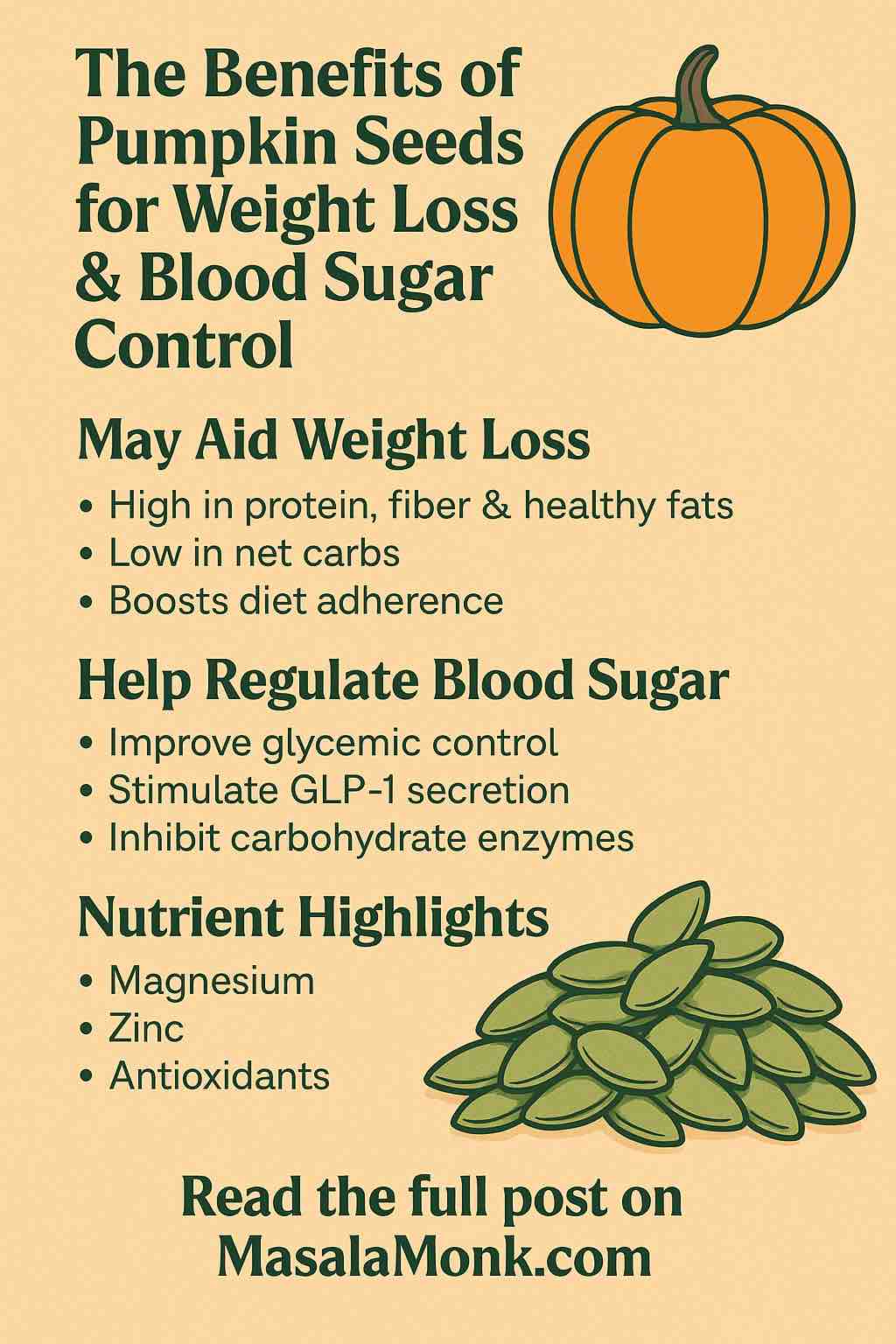
The Benefits of Pumpkin Seeds for Weight Loss and Blood Sugar Control

Benefits of Pumpkin Seeds for Weight Loss & Blood Sugar Control

When it comes to superfoods, pumpkin seeds—often called pepitas—deserve a top spot. These small, flat green seeds may not look like much, but they pack a potent punch of nutrients that support everything from satiety to insulin sensitivity.

Whether you’re managing diabetes, aiming to shed a few pounds, or simply looking for a smarter snack, pumpkin seeds could be the nutritional upgrade your diet needs.


🏋️‍♂️ Why Pumpkin Seeds for Weight Loss?

Weight loss isn’t just about cutting calories—it’s about managing hunger, regulating blood sugar, and staying nutritionally satisfied. Pumpkin seeds tick all these boxes:

🔹 High in Protein and Fiber

One ounce (about 28g) of pumpkin seeds contains:

  • 5g protein
  • 5g fiber
  • 13g healthy fats (mostly unsaturated)

This combo of macronutrients helps:

  • Control hunger: Fiber swells in your stomach and slows digestion, making you feel full longer.
  • Reduce cravings: Protein stabilizes blood sugar, helping avoid those afternoon sugar crashes.
  • Support metabolism: Healthy fats support hormone balance—including those that regulate appetite.

🔹 Low in Net Carbs

With a low glycemic index and only ~4g net carbs per ounce, pumpkin seeds are ideal for:

  • Low-carb or keto diets
  • Managing insulin spikes
  • Reducing fat-storing hormone triggers

🔹 Boosts Diet Adherence

Studies show that high-fiber, high-protein snacks increase the likelihood of sticking to a calorie-controlled diet. That means fewer cheat days and better long-term success.


🩸 Blood Sugar Benefits Backed by Research

Recent clinical and lab studies have highlighted multiple anti-diabetic effects of pumpkin seeds and their compounds.

🔸 Clinical Evidence (2024 RCT)

A randomized trial in adults with type 2 diabetes showed that:

  • A daily dose of pumpkin seed oil + fish liver oil reduced HbA1c, LDL, and triglycerides significantly over 12 weeks.
  • Patients also saw modest improvements in HDL cholesterol and insulin sensitivity.

🔸 Mechanism: GLP-1, Magnesium, and More

Pumpkin seeds are rich in:

  • Magnesium: Crucial for insulin sensitivity; 1 oz provides nearly 40% of daily needs.
  • Zinc: Linked to improved glycemic control and reduced insulin resistance.
  • Pumpkin polysaccharides: These natural fibers stimulate GLP‑1, a gut hormone that:
    • Boosts insulin response
    • Reduces appetite
    • Lowers post-meal blood glucose spikes

🔸 Lab Studies

  • Pumpkin compounds inhibit α-glucosidase, an enzyme responsible for breaking down carbohydrates.
  • In diabetic rats, pumpkin extract reduced fasting glucose and oxidative stress while protecting pancreatic beta cells.

🧠 Bonus Benefits: More Than Just Weight & Sugar

  • Heart Health: High in antioxidants, magnesium, and unsaturated fats that support healthy blood pressure and cholesterol.
  • Anti-inflammatory: Polyphenols and vitamin E reduce systemic inflammation—a driver of obesity and insulin resistance.
  • Sleep & Mood: Contain tryptophan and magnesium, both linked to better sleep quality and mood regulation.

🍽️ Practical Ways to Add Pumpkin Seeds to Your Diet

1. Snack Smart

  • Keep a small jar of dry-roasted, unsalted pumpkin seeds at your desk.
  • Mix with sunflower seeds, almonds, or walnuts for a homemade trail mix.
  • Eat ~1 oz per day (a small handful) to avoid overconsumption—remember, they’re calorie-dense.

2. Top Your Meals

  • Add to salads for crunch and nutrition.
  • Sprinkle over oatmeal, yogurt, or smoothie bowls.
  • Blend into chutneys, sauces, or dips like pesto.

3. Use Pumpkin Seed Oil

  • Drizzle cold-pressed pumpkin seed oil on roasted veggies or grain bowls.
  • Avoid heating—it’s best used raw to preserve nutrients.

4. Try Pumpkin Seed Powder

  • Available in supplement or smoothie-boosting form.
  • Choose unsweetened, organic varieties.

⚠️ Caution & Moderation

  • Portion control is key. One ounce (~28g) has ~150 calories.
  • Avoid heavily salted, sweetened, or chocolate-covered varieties.
  • If you’re diabetic or taking medications, consult your doctor—the hypoglycemic effect may require medication adjustments.

🧾 Quick Recap Table

FeatureBenefit
Protein + FiberEnhances satiety, reduces cravings
MagnesiumSupports insulin sensitivity
GLP-1 ActivationImproves insulin response, reduces hunger
Low GIStabilizes blood sugar
Healthy FatsSupports metabolism and hormonal health

🌟 Final Thoughts

Pumpkin seeds may be small, but their impact is anything but. From curbing cravings to stabilizing blood sugar, they’re a convenient, affordable, and delicious addition to any health-focused diet.

If you’re looking for one small change with big benefits, start here. Just a handful a day can move the needle toward your weight loss or blood sugar goals—one crunch at a time.

🙋 10 Frequently Asked Questions (FAQs)

1. How many pumpkin seeds should I eat per day for weight loss or blood sugar control?

A: A typical serving is 1 ounce (28 grams)—about 2 tablespoons or a small handful. This provides a good balance of protein, fiber, and healthy fats without overloading on calories.


2. Are raw or roasted pumpkin seeds better?

A: Raw pumpkin seeds retain more nutrients, especially heat-sensitive ones like vitamin E. However, lightly dry-roasted seeds (without oil or salt) are still very healthy and often easier to digest.


3. Can pumpkin seeds lower blood sugar levels quickly?

A: They are not a fast-acting treatment for high blood sugar, but regular consumption can improve glycemic control over time, especially in people with insulin resistance or type 2 diabetes.


4. Are pumpkin seeds keto-friendly?

A: Yes. They are low in net carbs (~4g per ounce), high in fat and protein, and do not spike blood sugar—making them an ideal snack for keto and low-carb diets.


5. Is pumpkin seed oil as effective as whole seeds?

A: Pumpkin seed oil contains healthy fats and antioxidants, but lacks fiber and protein. For blood sugar and weight loss, whole seeds are more comprehensive in nutrient profile, but oil can be a good supplement for heart and prostate health.


6. Can I eat pumpkin seeds on an empty stomach?

A: Yes. Eating them in the morning or between meals may help control appetite and reduce blood sugar spikes from your next meal due to their fiber and fat content.


7. Are there any side effects or risks?

A: Generally safe in moderation. Overeating can lead to:

  • Excess calorie intake
  • Mild digestive discomfort (due to high fiber)
  • Potential interactions with diabetes medication (due to blood sugar-lowering effects)

8. Can I give pumpkin seeds to kids or elderly people?

A: Yes, but serve in age-appropriate forms:

  • Kids: use powdered seeds or seed butters to avoid choking hazards.
  • Elderly: soaked or ground seeds are easier to chew and digest.

9. Do pumpkin seeds help with cholesterol or heart health?

A: Yes. They are rich in unsaturated fats, magnesium, and antioxidants, which contribute to lower LDL, improved HDL, and reduced inflammation—supporting overall cardiovascular health.


10. What’s the best way to store pumpkin seeds?

A: Store in an airtight container in a cool, dry place. Refrigeration or freezing extends shelf life and preserves healthy fats from going rancid.
Posted on 3 Comments

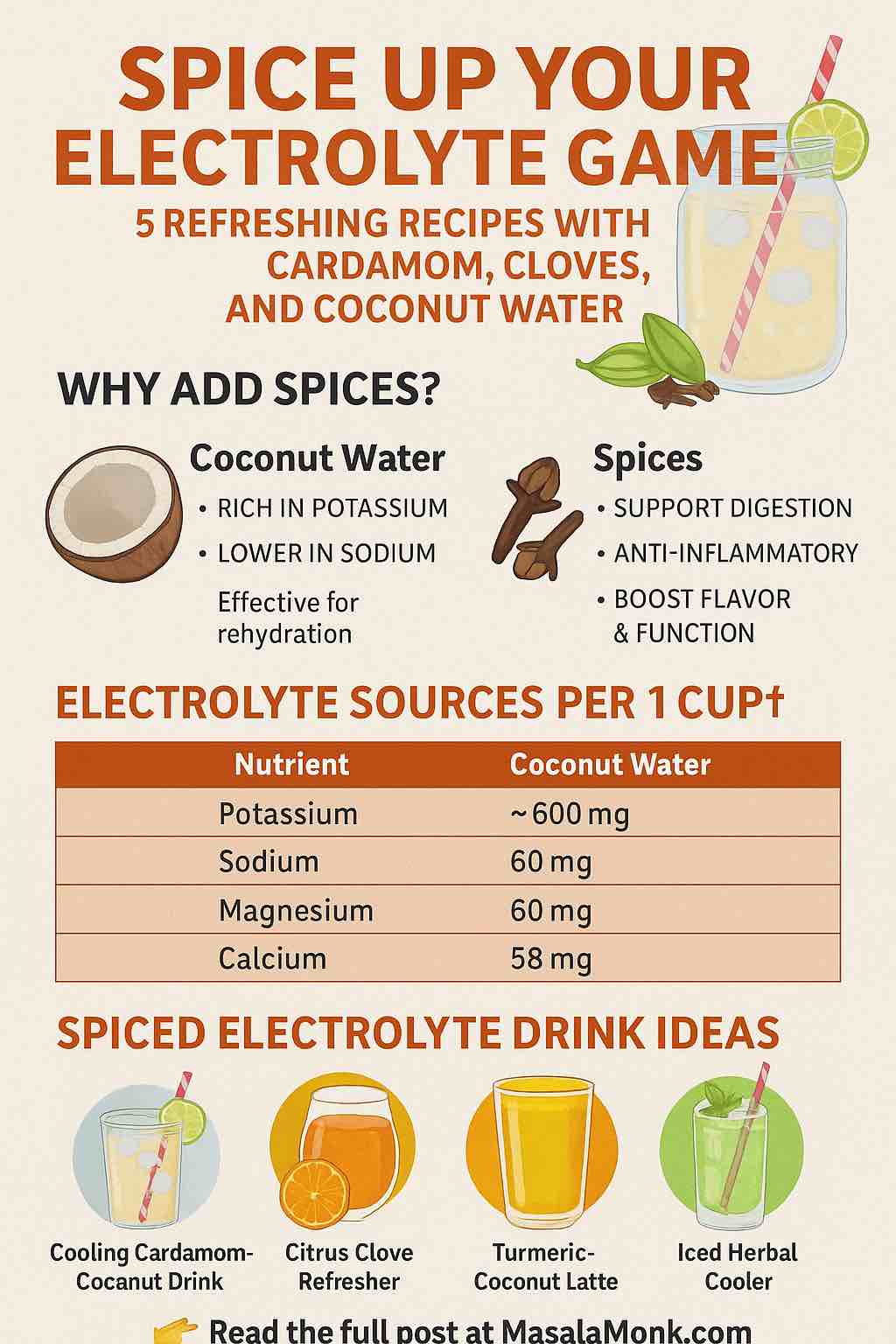
Spice Up Your Electrolyte Game: 5 Refreshing Recipes with Cardamom, Cloves, and Coconut Water

ELECTROLYTE GAME 5 REFRESHING RECIPES WITH CARDAMOM, CLOVES, AND COCONUT WATER

When summer heat strikes or you’re coming off an intense workout, your body craves more than just plain water. It needs electrolytes—essential minerals like potassium, sodium, magnesium, and calcium—to help regulate fluid balance, nerve function, and muscle contractions. But what if your hydration routine could be more than functional—what if it could also be flavorful, aromatic, and deeply rejuvenating?

Enter coconut water, cardamom, and cloves—a trio rooted in ancient wellness traditions and now validated by modern science. In this post, we explore why this combination makes so much sense for hydration, and we share 5 practical and delicious electrolyte drink recipes you can make at home.


🧪 Why These Ingredients?

🥥 Coconut Water: Nature’s Sports Drink

Coconut water is packed with potassium (over 600 mg per cup), magnesium, calcium, and a touch of natural sugar. It’s low in calories and naturally hydrating, making it ideal for:

  • Post-exercise recovery
  • Replenishing fluids after illness
  • Daily hydration with added benefits

📌 But note: Coconut water is low in sodium, which is the primary electrolyte lost in sweat. If you’re using it after a tough workout or in high-heat conditions, consider adding a pinch of sea salt.

🌿 Cardamom: The Digestive Hero

Used in Ayurveda for centuries, cardamom isn’t just about flavor. It’s also:

  • A carminative (reduces bloating and gas)
  • Anti-inflammatory and antioxidant
  • A natural breath freshener
  • Supportive of metabolic health and circulation

Cardamom gives your drink a complex, citrusy-mint aroma that balances well with coconut water’s sweetness.

🌰 Cloves: Tiny but Mighty

Cloves pack a strong, warming punch and are:

  • Antimicrobial and antifungal
  • Great for digestion and liver support
  • Rich in eugenol, a potent anti-inflammatory compound
  • Shown to regulate blood sugar in some small-scale studies

Used in small amounts, cloves offer a grounding counterbalance to the brightness of cardamom and the sweetness of coconut water.


⚖️ Getting the Balance Right

Electrolyte Targets

Here’s a rough guide to what your body needs per day (more during heat or exertion):

ElectrolyteDaily NeedCoconut Water (1 cup)
Potassium2,600–3,400 mg~600 mg
Sodium1,500–2,300 mg~60 mg
Magnesium300–420 mg~60 mg
Calcium1,000–1,200 mg~58 mg

To make coconut water a fully effective electrolyte beverage, consider adding:

  • ¼ tsp sea salt per 2 cups of coconut water
  • Citrus juice for flavor + vitamin C
  • Chia seeds for hydration and fiber

🍹 5 Spiced Electrolyte Drink Recipes

Each recipe is based on coconut water and includes spice elements to maximize both flavor and function.


1. Cooling Cardamom-Coconut Electrolyte Drink

Ingredients:

  • 2 cups coconut water
  • ¼ tsp sea salt
  • 4 green cardamom pods, lightly crushed
  • 1 tsp lime juice
  • 1 tsp honey or maple syrup (optional)
  • Ice

Instructions:

  1. Muddle the cardamom pods in a mortar to crack them open.
  2. Add them to the coconut water and let steep for 15–30 minutes in the fridge.
  3. Strain, then add sea salt, lime juice, and sweetener (if using).
  4. Serve over ice.

🟢 Why it works: Cardamom supports digestion, balances the sweetness of coconut water, and elevates the aroma.


2. Spiced Citrus Clove Electrolyte Refresher

Ingredients:

  • 2 cups coconut water
  • ¼ tsp sea salt
  • 3 whole cloves
  • Juice of ½ orange
  • Juice of ½ lemon
  • Optional: ½ tsp raw sugar or jaggery syrup

Instructions:

  1. Add cloves to a small amount of warm coconut water. Steep 10 minutes.
  2. Mix the infused water with the rest of the coconut water.
  3. Add citrus juices and salt, stir well.
  4. Chill and serve.

🟠 Why it works: Citrus enhances vitamin C and flavor; cloves add digestive and antioxidant benefits.


3. Golden Coconut Electrolyte Latte (Warm)

Ingredients:

  • 1½ cups coconut water
  • ½ cup almond or oat milk
  • 1 green cardamom pod
  • 1 clove
  • ¼ tsp turmeric
  • Pinch of sea salt
  • Optional: honey to taste

Instructions:

  1. Simmer everything together in a small pot (do not boil).
  2. Steep for 5 minutes, then strain.
  3. Sip warm as a post-yoga or evening hydrating tea.

🟡 Why it works: Combines warmth, spices, and electrolytes—perfect for cooler days or after intense workouts.


4. Electrolyte Chia Switchel

Ingredients:

  • 2 cups coconut water
  • 1 tbsp chia seeds
  • ¼ tsp ground cardamom
  • 1 tbsp apple cider vinegar
  • 1 tsp molasses or maple syrup
  • Pinch of salt
  • Optional: a single clove, steeped 5 min in hot water

Instructions:

  1. Bloom chia seeds in coconut water for 15–30 minutes.
  2. Mix in vinegar, syrup, spices, and salt.
  3. Serve chilled and shake before drinking.

Why it works: Chia seeds enhance hydration; vinegar aids gut health; molasses adds iron + flavor depth.


5. Iced Herbal Electrolyte Cooler

Ingredients:

  • 1 cup coconut water
  • 1 cup hibiscus tea (chilled)
  • 1 clove
  • 1 cardamom pod
  • ¼ tsp sea salt
  • Juice of ½ lime
  • Mint leaves for garnish

Instructions:

  1. Brew hibiscus tea with cardamom and clove; chill.
  2. Mix with coconut water, lime juice, and salt.
  3. Serve over ice with mint.

🔴 Why it works: Hibiscus is antioxidant-rich; this is a visually stunning and tangy summer drink.


🧠 Pro Tips for Usage

  • When to drink:
    • Pre/post workout
    • Midday hydration
    • Recovery from heat, illness, or travel
  • Storage: These drinks are best consumed within 24 hours. If making ahead, store in the fridge and stir/shake before use.
  • Spice handling: Use whole spices for infusions and strain before drinking. Ground versions work but may leave sediment.

🔚 Final Thoughts

Coconut water alone is a great hydration tool, but when you layer it with cardamom and cloves, you unlock both culinary pleasure and functional health benefits. Whether you’re a fitness enthusiast, an Ayurvedic wellness follower, or just someone who wants more from their beverages, these drinks are simple, customizable, and effective.

Instead of reaching for sugary sports drinks or bland electrolyte mixes, make your hydration ritual an experience.

📘 Frequently Asked Questions (FAQs)


1. Can I use bottled coconut water for these recipes?

Yes, but check the label. Choose unsweetened coconut water without added flavors or preservatives. Avoid anything labeled “from concentrate” if you want the purest electrolyte profile.


2. Do these drinks replace commercial sports drinks?

Yes—for light to moderate exercise, these recipes are excellent. But if you’re doing intense, prolonged workouts or sweating heavily, add extra sodium (¼–½ tsp sea salt per liter) to match what you lose through sweat.


3. Can I use ground cardamom and clove instead of whole?

You can, but whole spices provide a cleaner infusion and better flavor control. Ground spices may leave residue and overpower the drink. If using ground, start with a small pinch.


4. Are these drinks safe for people with high blood pressure or kidney issues?

Caution is advised. Coconut water is high in potassium, which is good for most people—but those with chronic kidney disease or on certain medications (like ACE inhibitors) should consult a doctor first.


5. Can I drink these every day?

Yes—1–2 cups per day is safe for most healthy adults. These drinks are great for regular hydration, but don’t rely on them as a sole source of electrolytes or nutrition.


6. Do I need to sweeten these recipes?

Not necessarily. Coconut water is slightly sweet on its own. But if you prefer a bit more flavor, use natural sweeteners like honey, maple syrup, or jaggery in small amounts.


7. Can I batch these drinks ahead of time?

Absolutely. You can make a 1–2 day batch and store it in a sealed container in the fridge. Just stir or shake before drinking to redistribute any spices or chia seeds.


8. Can I use warm coconut water for infusions?

Yes. Gently warming coconut water (without boiling) can help extract flavor from spices more effectively, especially for clove and cardamom. Let it cool before drinking.


9. What can I add for extra hydration or benefits?

Try:

  • Chia seeds (for hydration + fiber)
  • Lemon/lime juice (vitamin C + flavor)
  • Apple cider vinegar (gut health)
  • Mint or basil (cooling and refreshing)
  • Turmeric (anti-inflammatory)

10. How do these drinks help with digestion?

Cardamom and cloves are both carminative spices—they reduce gas, bloating, and support digestive enzyme activity. They’re especially helpful after meals or physical activity.

Posted on 1 Comment

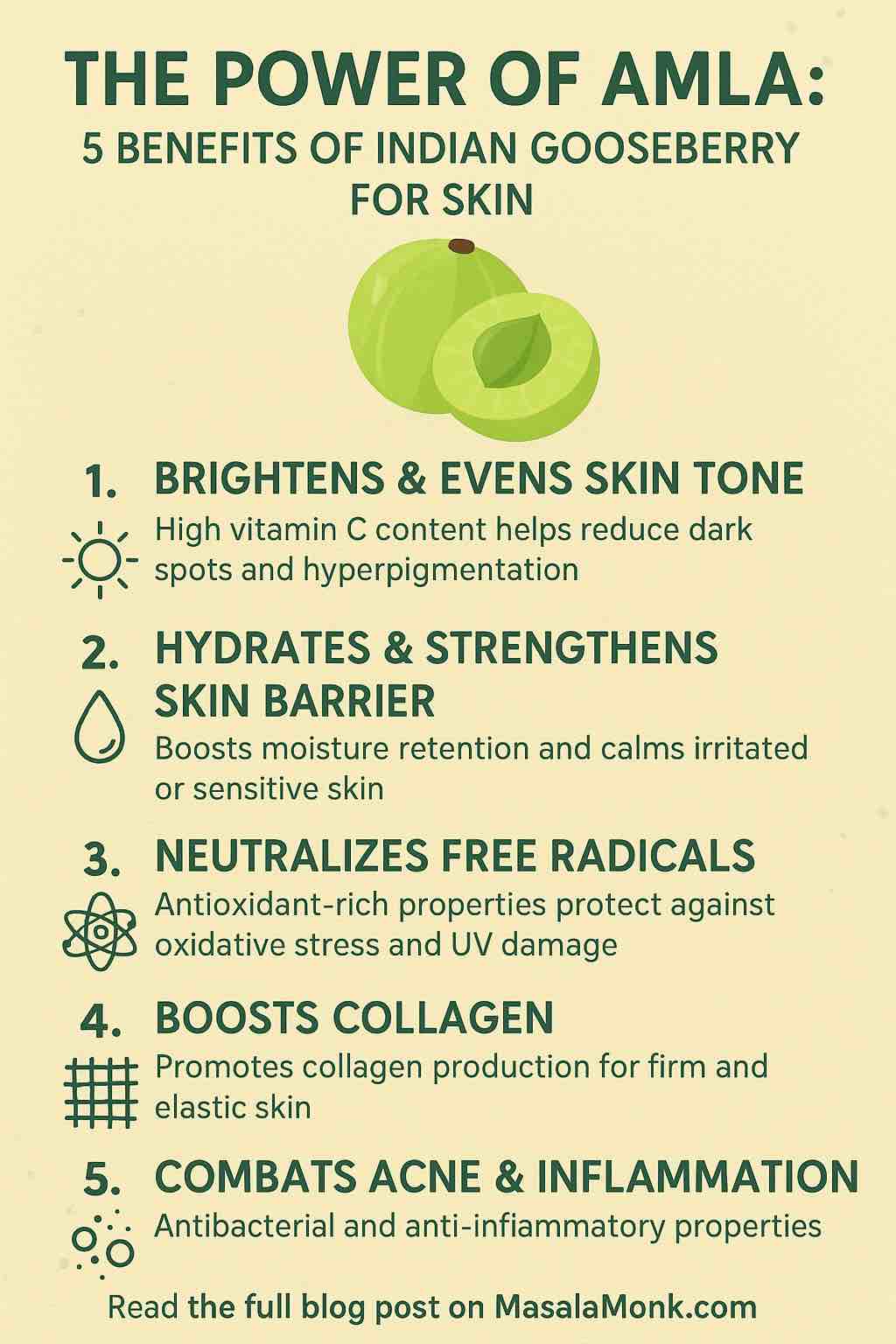
The Power of Amla: 5 Benefits of Indian Gooseberry for Skin

POWER OF AMLA: 5 BENEFITS OF INDIAN GOOSEBERRY FOR SKIN

In a world brimming with synthetic skincare solutions, nature quietly holds some of the most powerful remedies—and Amla, or Indian Gooseberry, is one such treasure. Used for centuries in Ayurvedic medicine, amla has recently gained global recognition in dermatology and skincare circles. But this isn’t just about ancient wisdom. Cutting-edge 2024–2025 research is now backing what Ayurveda has long known: amla is a skincare powerhouse.

This guide breaks down the top 5 science-backed benefits of amla for your skin, how to use it (DIY and commercial options), and what to expect when incorporating it into your skincare ritual.


🌿 What is Amla?

Amla (Phyllanthus emblica) is a small, green, sour fruit known for its exceptionally high vitamin C content—up to 20 times more than oranges. Beyond vitamin C, amla is rich in polyphenols, flavonoids, tannins, and ellagic acid, making it one of the most potent antioxidant-rich foods on the planet.


🧴 1. Brightens & Evens Skin Tone Naturally

Hyperpigmentation, dark spots, and dullness are some of the most common skincare concerns—and amla attacks them at the root.

💡 How it works:

  • Vitamin C inhibits tyrosinase, the enzyme that triggers melanin production.
  • Polyphenols help suppress oxidative stress that worsens pigmentation.
  • Recent studies (2024) show amla significantly inhibits the cAMP/CREB/MITF pathway, a key signal in melanogenesis (pigment formation).

✅ Practical Use:

  • DIY Brightening Mask: Mix 1 tsp amla powder + 1 tsp yogurt + ½ tsp lemon juice. Apply for 10–12 minutes, 2–3×/week.
  • Best paired with: Niacinamide or licorice root extract for a synergistic brightening effect.

💧 2. Deeply Hydrates & Strengthens Skin Barrier

Dry, flaky skin is often a sign of a compromised barrier. Amla’s bioactive compounds restore the skin’s natural defenses.

💡 How it works:

  • Amla increases ceramide and hyaluronic acid production (as shown in a 2024 IB complex study).
  • Restores skin’s stratum corneum, improving moisture retention.

✅ Practical Use:

  • Night Moisture Mask: Mix amla juice with aloe vera gel and apply as an overnight mask.
  • Commercial Tip: Look for serums with “stabilized amla extract” or combined with barley sprout for proven hydration support.

⚡ 3. Neutralizes Free Radicals & Prevents Premature Aging

Wrinkles and fine lines often start with oxidative damage. Amla’s antioxidant profile targets this effectively.

💡 How it works:

  • Neutralizes free radicals triggered by UV, blue light, and pollution.
  • Inhibits MMP-1 and MMP-3, enzymes that degrade collagen.
  • Stimulates SIRT1 and FOXO1, genes associated with longevity and skin health.

✅ Practical Use:

  • Drink 50 ml amla juice daily on an empty stomach.
  • Use amla-infused antioxidant serums before sunscreen for photoprotection.
  • Combine with green tea extract or resveratrol for maximal antioxidant synergy.

💪 4. Boosts Collagen Synthesis for Firmer Skin

As we age, collagen production slows, leading to sagging and wrinkles. Amla revs up your skin’s internal scaffolding.

💡 How it works:

  • Provides high doses of ascorbic acid (vitamin C) essential for collagen crosslinking.
  • Promotes collagen gene expression in fibroblasts (as shown in 2023 cellular studies).

✅ Practical Use:

  • Add amla powder to smoothies with turmeric and black pepper.
  • Use topical amla creams with peptides or retinol to enhance collagen remodeling.

🛡️ 5. Combats Acne & Inflammation

Amla’s anti-inflammatory and antimicrobial powers help calm breakouts and prevent future ones.

💡 How it works:

  • Reduces NF-κB and COX-2 inflammatory pathways.
  • Fights acne-causing bacteria like P. acnes.
  • Calms redness and soothes reactive skin.

✅ Practical Use:

  • Anti-Acne Spot Treatment: Dab diluted amla juice (1:2 with rose water) on pimples overnight.
  • Use in conjunction with tea tree oil or salicylic acid for more severe acne-prone skin.

✨ Bonus: Amla for Sun Protection

Recent research shows that amla extract can reduce UVB-induced skin damage, supporting its use alongside sunscreen. While it’s not a substitute for SPF, amla offers:

  • Reduced pigmentation
  • Lower UV-induced inflammation
  • Skin thickening and barrier support

🔬 Latest Research Highlights (2024–2025)

StudyKey Finding
e-NRP Journal (2024)IB complex (amla + barley sprout) improved skin hydration, reduced wrinkles, and blocked melanogenesis in UV-exposed mice
Nature.com (2023)Amla activates SIRT1 and FOXO1, promotes collagen biosynthesis, and lightens pigmentation
Healthshots (2025)Amla shown to reduce acne, hydrate skin, brighten complexion in consistent DIY use

🧪 What to Look for in Products

  • Standardized amla extract (not just raw juice)
  • Look for “Emblica officinalis extract” high in ascorbic acid
  • Products combining amla with barley sprout, hyaluronic acid, niacinamide, or retinol show synergistic effects

🧘‍♀️ Final Thoughts: From Ayurveda to Science, Amla Is the Real Deal

Amla isn’t just a trend—it’s a timeless ingredient backed by modern scientific validation. Whether you’re seeking brighter, firmer, or calmer skin, incorporating amla into your skincare and diet is a holistic step with powerful results.

🔄 Combine External + Internal Use:

  • Topically: Amla serums, masks, and creams
  • Internally: Amla juice, powder, or capsules

Just as importantly, consistency matters—visible improvements generally take 3–6 weeks of regular use.

Frequently Asked Questions (FAQs)


1. Can I use amla on my face every day?
Yes, but it depends on the form. Diluted amla juice or low-concentration serums can be used daily. For masks or powders, 2–3 times per week is ideal to avoid over-exfoliation or irritation, especially for sensitive skin.


2. Is amla suitable for all skin types?
Mostly yes. Amla is safe for oily, combination, and acne-prone skin due to its anti-inflammatory and astringent properties. Those with dry or sensitive skin should use it with hydrating agents like aloe vera or honey, and always do a patch test first.


3. How long does it take to see results from using amla?
Visible changes like brighter tone or reduced acne may appear within 2–3 weeks of consistent use. For collagen support and wrinkle reduction, expect 4–6 weeks or longer depending on your age and skin condition.


4. Can I mix amla with other natural ingredients in DIY skincare?
Absolutely. Amla pairs well with:

  • Honey (hydration)
  • Yogurt (lactic acid exfoliation)
  • Turmeric (anti-inflammatory)
  • Rose water (soothing)
  • Avoid combining with strong acids or retinol in DIY unless guided by a dermatologist.

5. Is drinking amla juice as effective as applying it topically?
Both approaches complement each other. Oral intake helps with internal collagen production, detox, and antioxidant effects, while topical use targets specific skin concerns like pigmentation and acne directly.


6. Can amla help reduce wrinkles?
Yes. Amla’s vitamin C content boosts collagen, and recent studies show it inhibits enzymes (MMPs) that break down skin structure. It also stimulates anti-aging genes like SIRT1 and FOXO1.


7. Are there any side effects of using amla on the skin?
Generally safe, but possible reactions include:

  • Mild stinging or dryness (especially with juice or lemon mixes)
  • Allergic reaction in rare cases
    Always dilute raw juice, avoid contact with eyes, and perform a patch test.

8. Can I use amla with my current skincare routine?
Yes, especially in the morning with sunscreen or at night with hydrating products. Be cautious when layering with:

  • Vitamin C serums (to avoid over-acidifying)
  • Exfoliating acids (AHA/BHA)
    Spacing them out (AM/PM) works well.

9. Which is better: amla powder or fresh amla juice for skin?

  • Fresh juice is potent and rich in active enzymes but may oxidize quickly.
  • Powder (especially freeze-dried or organic) is stable, travel-friendly, and easier for consistent DIY use.
    Choose based on convenience and shelf life.

10. Are there skincare products that already contain amla?
Yes. Look for:

  • Serums with “Emblica officinalis extract”
  • Masks and creams marketed as Ayurvedic or antioxidant-rich
    Brands like Tracie Martyn, Blue Nectar, and some K-beauty lines now feature amla-based formulas.
Posted on 1 Comment

Ajwain Benefits for Weight Loss: Unraveling the Secrets

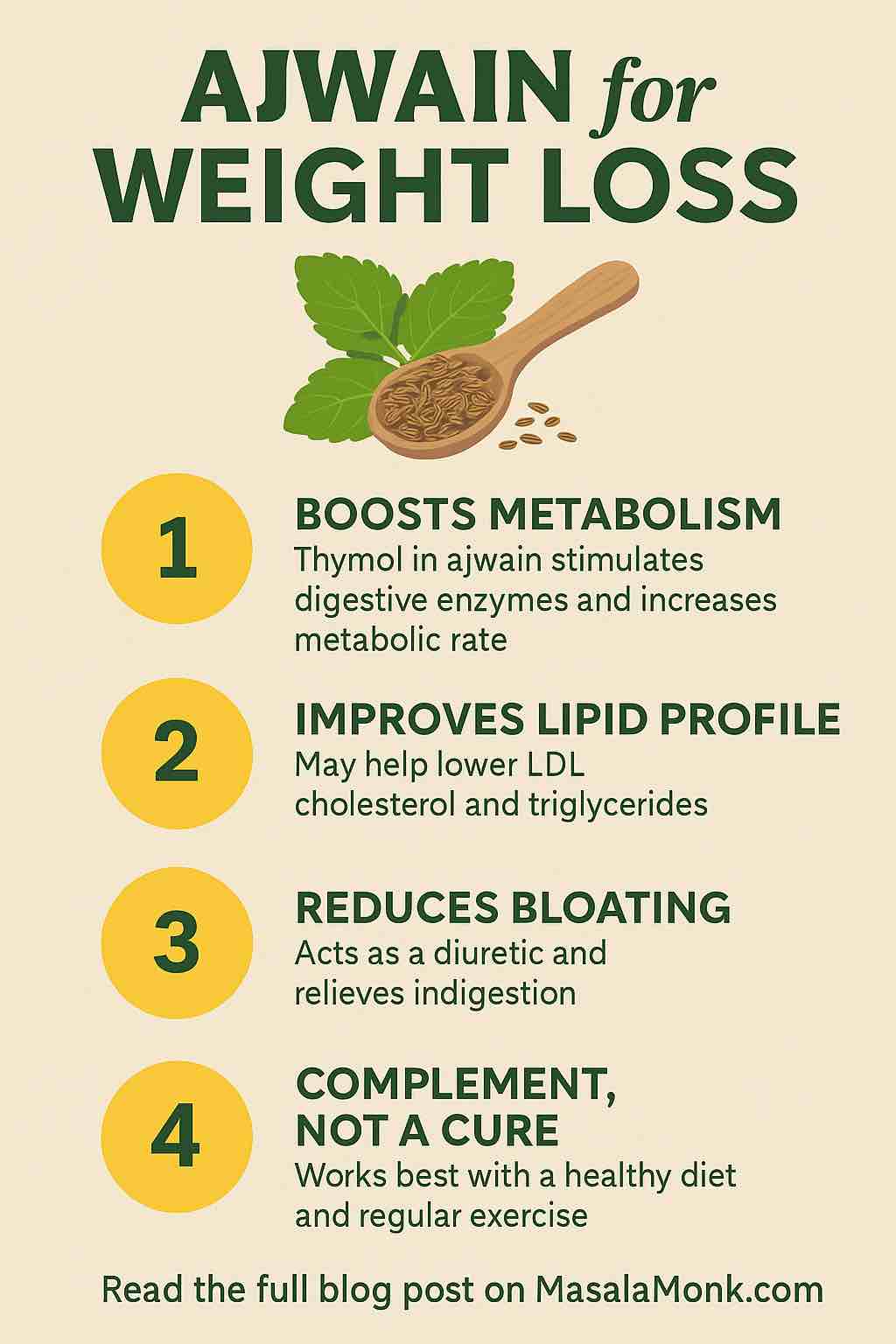
AJWAIN for WEIGHT LOSS

When it comes to natural remedies for weight loss, few ingredients are as overlooked yet as powerful as ajwain, also known as carom seeds. Packed with digestive enzymes and metabolism-boosting compounds, ajwain has been a staple in traditional Indian kitchens for centuries. But how does this tiny seed contribute to fat loss? And more importantly, how can you incorporate it effectively into your modern lifestyle?

In this detailed guide, we explore the science, the myths, the methods, and the practicality of using ajwain for weight loss in 2025.


✨ The Science Behind Ajwain

Ajwain (Trachyspermum ammi) is a pungent, aromatic seed loaded with active compounds like thymol, terpenes, and flavonoids. These compounds are known for their anti-inflammatory, antioxidant, and digestive properties. Here’s how they may help with weight loss:

1. Boosts Metabolism

Thymol in ajwain stimulates the production of gastric juices and digestive enzymes. This not only improves digestion but also enhances metabolic rate, helping your body burn calories more efficiently.

2. Improves Lipid Profile

Recent studies (2022-2025) show that regular consumption of ajwain tea (1 to 1.5 grams per day) can lower LDL cholesterol, triglycerides, and total cholesterol. Improved lipid metabolism is closely linked to better fat management and weight control.

3. Reduces Bloating and Water Retention

Ajwain acts as a mild diuretic and carminative. This can relieve bloating and water weight, which might otherwise mask true fat loss progress.

4. Suppresses Appetite and Cravings

Ajwain has appetite-suppressing properties, particularly when consumed in warm water before meals. This helps with portion control and reducing unnecessary snacking.


🌟 Latest Clinical Insights

A 2022 randomized controlled trial conducted in Pakistan showed that participants who consumed 1.5g of ajwain tea daily for 8 weeks had significantly lower BMI and cholesterol levels compared to the control group. Another recent anecdotal case from early 2025 featured a woman who credited ajwain-fenugreek water with helping her lose over 60 kg in a year, though this is best viewed as complementary to exercise and diet.

While these results are promising, experts caution that ajwain should be considered a supportive aid rather than a standalone solution.


🌮 How to Use Ajwain for Weight Loss

Here are some practical and safe ways to include ajwain in your routine:

1. Ajwain Water (Soaked Method)

  • Soak 1 tsp of ajwain seeds in a glass of water overnight.
  • Strain and drink it on an empty stomach in the morning.

2. Ajwain Tea (Boiled Method)

  • Boil 1 tsp of ajwain in 2 cups of water for 8-10 minutes.
  • Strain and sip warm before breakfast or lunch.

3. Ajwain with Lemon and Honey

  • Add a dash of lemon juice and half a teaspoon of honey to ajwain tea.
  • Enhances taste and provides additional detox benefits.

4. Ajwain Powder Mix

  • Dry roast ajwain and grind into powder.
  • Take ½ tsp with warm water before meals.

🔹 Combine with Other Seeds for Greater Effect

Ajwain works even better when combined with:

  • Cumin (Jeera): Enhances digestion and reduces bloating.
  • Fennel (Saunf): Acts as a mild appetite suppressant.
  • Fenugreek (Methi): Helps control blood sugar and curb hunger.

Try a mix of these seeds soaked overnight and consumed in the morning for a holistic metabolic boost.


⚠️ Precautions and Who Should Avoid It

While ajwain is generally safe, it should be consumed in moderation:

  • Limit to 1-1.5 grams per day.
  • Pregnant or breastfeeding women should consult a doctor.
  • People with ulcers, liver issues, or on anticoagulant medications should avoid high intake.
  • Excessive use may lead to nausea or headache.

🚀 90-Day Ajwain Protocol for Beginners

WeekMorning DrinkNotes
1-4Ajwain waterFocus on consistency and portion control
5-8Ajwain + Cumin/FennelAdd mild morning exercise
9-12Ajwain tea with lemonInclude clean eating and track progress

📈 Final Word

Ajwain offers a powerful, science-backed tool to support your weight loss journey. It enhances digestion, regulates lipids, and suppresses appetite, all with minimal effort. While not a miracle cure, when combined with a calorie-conscious diet and active lifestyle, it can make a noticeable difference.

Use it wisely, stay consistent, and always listen to your body. Let ancient wisdom meet modern health goals—one seed at a time.


Have you tried ajwain for weight loss? Share your experience or questions below!

1. Can ajwain alone help me lose weight?

Answer: No, ajwain is not a magic bullet. It supports weight loss by improving digestion, metabolism, and lipid profile—but it must be combined with a balanced diet and regular exercise for meaningful results.


2. How long does it take to see results with ajwain water?

Answer: Some users report feeling less bloated within a few days, but noticeable fat loss typically requires 4–8 weeks of consistent use alongside lifestyle changes.


3. What is the best time to drink ajwain water for weight loss?

Answer: The most effective time is first thing in the morning on an empty stomach. This maximizes its digestive and metabolic benefits.


4. Can I take ajwain at night instead of in the morning?

Answer: You can, especially if you’re experiencing indigestion or bloating after dinner. However, the morning is still considered most effective for metabolic activation.


5. Is it safe to take ajwain daily?

Answer: Yes, ajwain is safe when consumed in moderate amounts (1–1.5 grams per day). Long-term, overuse may lead to side effects like nausea or heartburn.


6. Can pregnant or breastfeeding women take ajwain?

Answer: It’s best to avoid ajwain during pregnancy or lactation unless advised by a healthcare provider. Ajwain is known to be strong and may stimulate uterine activity.


7. Can I combine ajwain with other herbs or seeds for better results?

Answer: Yes, ajwain works well with cumin (jeera), fennel (saunf), and fenugreek (methi). These combinations enhance digestion, reduce cravings, and support hormonal balance.


8. Can I eat ajwain seeds directly instead of drinking the water?

Answer: You can chew ½ tsp ajwain after meals, but water or tea preparations are better absorbed, especially when taken on an empty stomach.


9. Will ajwain help with belly fat specifically?

Answer: Ajwain helps reduce bloating and water retention, which can visually reduce belly size. True fat loss depends on overall calorie balance and activity.


10. Are there any interactions with medications I should be aware of?

Answer: Yes. Ajwain may interfere with anticoagulants, antacids, or liver medications. Consult your doctor if you’re on long-term medication.

Posted on Leave a comment

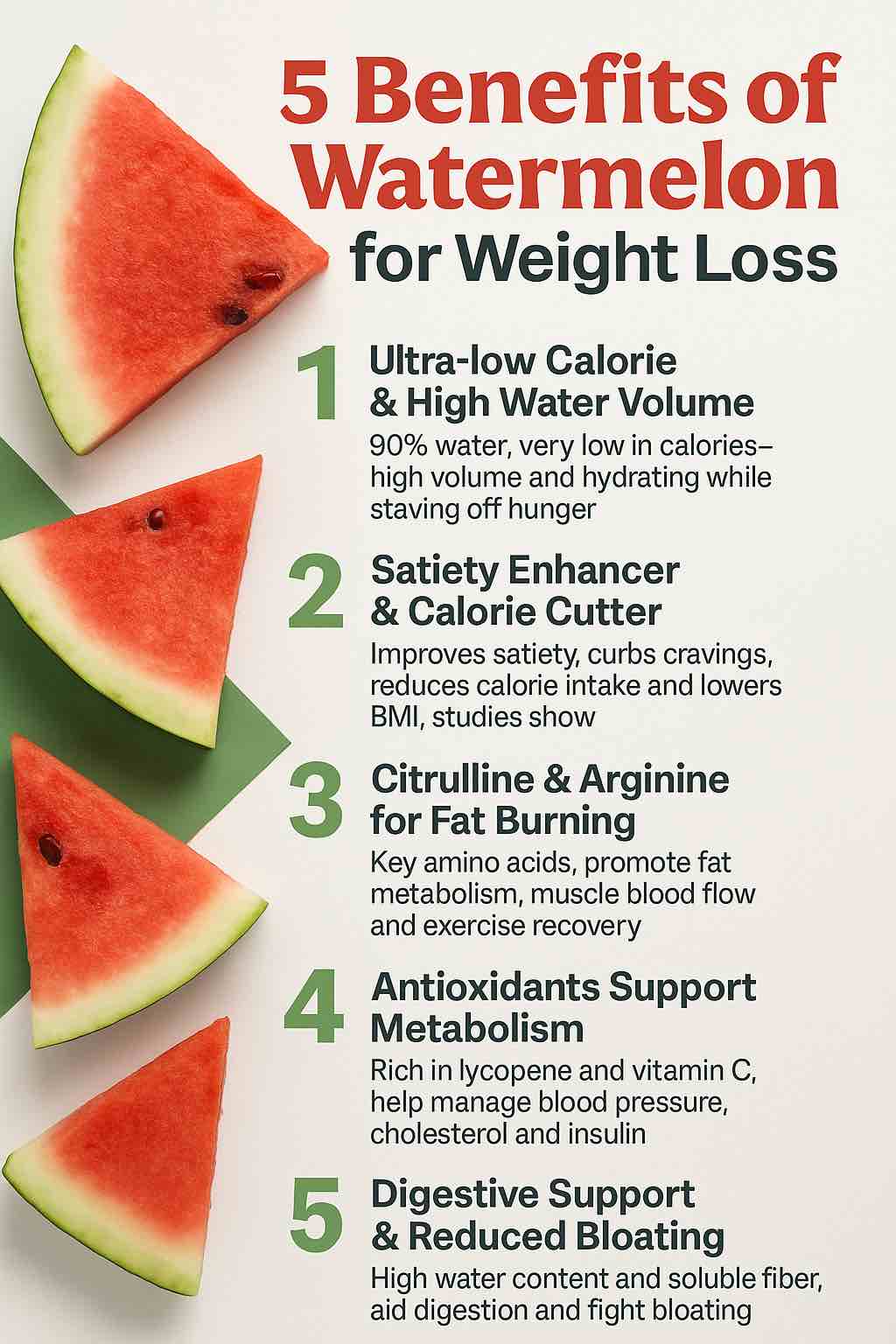
5 Benefits of Watermelon for Weight Loss: Stay Refreshed and Shed the Pounds! 🍉💪🌿

Benefits of Watermelon for Weight Loss

When it comes to weight loss, most people think of strict diets, boring meals, and endless calorie counting. But what if we told you that one of the most refreshing, juicy, and naturally sweet fruits could also be your best weight-loss ally? Yes, we’re talking about watermelon! 🍉

Beyond being a summer favorite, watermelon is packed with nutrients and bioactive compounds that support metabolism, hydration, satiety, and fat burning. Here’s a practical deep dive into how watermelon can help you shed pounds while staying refreshed and energized.


1. Ultra-Low in Calories, High in Hydration

Why it works: Watermelon is composed of over 92% water and contains only about 46 calories per cup. That means you can eat a satisfying portion without worrying about the calorie bomb.

How it helps:

  • Keeps you full without excess calories
  • Naturally suppresses appetite
  • Reduces the need for calorie-dense snacks

Practical tip: Eat a bowl of watermelon before meals to help reduce overall portion sizes.


2. Natural Satiety Booster

Recent studies show that people who consumed watermelon daily for 4 weeks experienced greater satiety, reduced hunger, and lower body weight and BMI compared to those who ate low-fat cookies.

What makes it work:

  • High volume of water and small amount of fiber
  • Stimulates fullness signals in the stomach
  • Helps regulate appetite hormones

Practical tip: Use watermelon as a mid-afternoon snack to curb sugar cravings without reaching for processed foods.


3. Rich in Citrulline: The Workout Recovery Ally

Citrulline, an amino acid abundant in watermelon, converts to arginine, which boosts nitric oxide production in the body. This supports better blood flow and helps muscles recover after exercise.

Why this matters for weight loss:

  • Enhances exercise recovery and performance
  • Reduces muscle soreness, keeping you more active
  • May increase fat oxidation and metabolism

Practical tip: Blend watermelon into a post-workout smoothie for recovery and rehydration.


4. Packed with Antioxidants That Fight Inflammation

Watermelon contains lycopene, vitamin C, and beta-carotene — antioxidants that combat oxidative stress and inflammation. These are often elevated in obesity and can hinder weight loss efforts.

Key benefits:

  • Supports a healthy metabolism
  • Improves cardiovascular markers (blood pressure, cholesterol)
  • Protects against insulin resistance

Practical tip: Pair watermelon with a few walnuts or chia seeds to create an antioxidant-rich, blood sugar-stabilizing snack.


5. Supports Digestion and Reduces Bloating

Because watermelon is hydrating and slightly fibrous, it gently supports digestion and helps flush excess sodium and toxins from the body.

Gut-related benefits:

  • Eases bowel movements
  • Reduces water retention and puffiness
  • Helps minimize bloating and abdominal discomfort

Practical tip: Add mint and lime to fresh watermelon cubes for a bloat-busting summer detox salad.


Bonus: Watermelon is Naturally Delicious & Versatile

Incorporating watermelon into your diet doesn’t require a major lifestyle overhaul. It’s easy, affordable, and can be used in everything from smoothies to salads to sorbets.

Ideas to try:

  • Watermelon cucumber salad with feta
  • Frozen watermelon popsicles
  • Watermelon basil smoothie
  • Grilled watermelon slices with lime

Final Thoughts

Watermelon isn’t just a juicy treat; it’s a scientifically supported, nutrient-packed powerhouse that can help you lose weight while staying hydrated and energized. By making watermelon a regular part of your diet, you can naturally support your body’s fat-burning efforts without deprivation.

Remember: Weight loss doesn’t have to be about restriction. Sometimes, it’s about making smarter, fresher choices that work with your body. 🍉💪

🧠 10 Frequently Asked Questions (FAQs)

1. Can I eat watermelon every day for weight loss?

Yes, watermelon can be safely eaten daily as part of a balanced diet. It’s low in calories and high in hydration, which helps control appetite and support weight loss. Just be mindful of portion size if you’re watching sugar intake.


2. How much watermelon should I eat per day to lose weight?

A practical serving is 1.5–2 cups (200–300g) per day. This provides fullness without excessive natural sugar. Use it to replace high-calorie snacks or as a pre-meal filler.


3. Is watermelon high in sugar?

Watermelon contains natural sugars (~9–10g per cup), but its glycemic load is low due to high water content. When eaten in moderation and paired with protein or fat, it won’t spike blood sugar dramatically for most people.


4. Can watermelon help reduce belly fat?

Indirectly, yes. Its ability to increase satiety, reduce overall calorie intake, and support digestion makes it effective in lowering abdominal bloating and promoting fat loss over time.


5. Is watermelon good before or after workouts?

Both. Pre-workout, it provides quick hydration and energy. Post-workout, it helps with electrolyte replenishment and muscle recovery thanks to citrulline and potassium.


6. Does watermelon help with bloating and digestion?

Yes. Its water and fiber content promote gentle digestion, and its potassium helps reduce water retention and bloating.


7. Can people with diabetes eat watermelon for weight loss?

In moderation, yes. Diabetics should limit portions (e.g., 1 cup) and pair it with protein or healthy fat to reduce blood sugar spikes. Consult a healthcare provider for personalized advice.


8. What are some healthy ways to eat watermelon for weight loss?

Try:

  • Watermelon salad with mint and feta
  • Blended watermelon with lemon and chia seeds
  • Watermelon cubes with cottage cheese
  • Watermelon popsicles with lime

9. Are watermelon seeds safe to eat during weight loss?

Yes! Roasted watermelon seeds are high in plant protein, healthy fats, and magnesium—all beneficial for weight management.


10. Is the watermelon-only diet safe?

No. Mono-diets like the “watermelon diet” are not sustainable or balanced. They may cause nutrient deficiencies and rebound weight gain. Use watermelon as part of a varied, nutritious plan.