Posted on Leave a comment

Chair Yoga: Challenges, Benefits, and YouTube Guides

person standing with yoga mat in studio

Introduction

In recent years, the world of yoga has seen a surge in popularity, with various forms emerging to cater to different needs. Among these, chair yoga stands out as a unique and accessible variant, making the ancient practice available to virtually everyone. Whether you’re a senior, someone with mobility issues, or just someone looking for a quick stretch during office hours, chair yoga has something to offer.


What is Chair Yoga?

Defining Chair Yoga

At its core, chair yoga is exactly what it sounds like: yoga performed while seated on a chair. But don’t let its simplicity fool you. This form of yoga retains all the essence and benefits of traditional yoga, adapted for those who might find standard poses challenging.

Origin and Evolution
Chair yoga has its roots in making yoga inclusive. Recognizing that not everyone can easily get down on a yoga mat, instructors sought ways to bring the practice to those who remain seated. Over time, it has evolved to cater not just to seniors or those with disabilities but also to office workers, travelers, and anyone looking to sneak in a quick session in a confined space.

Adaptability is Key

One of the hallmarks of chair yoga is its adaptability. Whether you’re in an office chair, on your couch, or even in a park with a bench, chair yoga can be your companion. The poses are modified to be performed while seated, ensuring that you can enjoy the benefits of yoga without the need for a mat or ample space.


The Benefits of Chair Yoga

Engaging in chair yoga isn’t just about convenience; it’s a potent practice with a plethora of benefits.

Physical Benefits

  • Flexibility: Regular practice can help increase flexibility in the joints and muscles.
  • Strength: Even seated poses can help in building muscle tone and strength.
  • Posture: Chair yoga encourages awareness of the spine, leading to improved posture.

Mental and Emotional Benefits

  • Stress Reduction: Like all yoga forms, chair yoga promotes relaxation, helping reduce stress and anxiety.
  • Improved Focus: The meditative aspect of yoga can lead to better concentration and clarity.
  • Sense of Well-being: Engaging in regular practice can boost mood and overall mental well-being.

For many, chair yoga isn’t just an alternative; it’s a preferred method. Whether it’s the ease, the inclusivity, or the unique challenges it offers, chair yoga has carved a niche for itself in the vast world of yoga.


The Structured Approach: 28-Day Challenges and More

Embarking on a chair yoga journey can be even more rewarding when there’s a structured approach to follow. Challenges offer a guided path, ensuring consistent practice and gradual progression.

The 28-Day Chair Yoga Challenge for Seniors

This challenge, led by Carol, is a comprehensive 28-day journey that requires nothing more than a chair. The series is beginner-friendly but also offers depth for those familiar with chair yoga. With a strong emphasis on community, participants are encouraged to practice together, fostering a sense of unity and shared purpose. Watch the introduction video here.

Chair Yoga 30-Day Challenge by Wellness By Degrees

Another structured approach, this challenge spans 30 days, focusing on improving calm, energy, flexibility, and balance. Each day brings a new lesson, a new pose, and a new opportunity to connect with oneself. Find out more about this challenge here.


Top Chair Yoga Videos to Get You Started

For those not ready to commit to a full challenge but eager to explore chair yoga, here are some top video recommendations:

  • Yoga For Neck, Shoulders, Upper Back | 10-Minute Yoga Quickie by Yoga With Adriene: A short session focusing on the upper body, perfect for a quick break. Watch it here.
  • Chair Yoga for Weight Loss | Reduce Belly Fat, Stretch and Feel Your Best by Pagoda Yoga: A 15-minute session that targets weight loss while promoting overall well-being. View the video here.

How to Make the Most of Your Chair Yoga Practice

Setting Up Your Space

  • Choose the Right Chair: Opt for a stable chair without arms or wheels. Placing it on a carpet or yoga mat can add stability.
  • Gather Optional Equipment: While not mandatory, having a yoga block or strap can enhance your practice. Household alternatives like books or scarves can also work.

Consistency is Key

Like all forms of exercise, consistency in chair yoga yields the best results. Whether you’re taking on a challenge or practicing independently, aim to incorporate it into your daily routine.

Adapting to Your Needs

Remember, chair yoga is all about adaptability. Listen to your body, modify poses as needed, and ensure your practice is comfortable and enjoyable.


Free Chair Yoga Guides for download in PDF

In the vast realm of yoga, resources are aplenty. However, finding comprehensive and user-friendly guides, especially for niche practices like chair yoga, can sometimes be a challenge. To aid your chair yoga journey, we’ve curated two invaluable resources that not only provide insights into this unique practice but also offer detailed illustrations and poses to guide you. The best part? They’re available for free download!

  1. Making Yoga Accessible for Everyone
    This PDF guide, titled “12 Chair Yoga Poses for Older Individuals”, is a gem for those looking to delve into chair yoga. It provides beautifully illustrated poses, ensuring clarity in execution. Whether you’re a senior or just someone looking to explore chair yoga’s nuances, this guide offers a structured approach to getting started.
  2. Chair Yoga by Yoga Circle Studio
    The Chair Yoga guide by Yoga Circle Studio is another fantastic resource in PDF. It delves deep into the practice, offering a blend of theory and practical poses. The guide is designed to be both informative and actionable, making it a perfect companion for those eager to incorporate chair yoga into their daily routines.

Suggestion for Readers:
Both these guides are available for free download. We recommend saving them on your device or even printing them out. Having a tangible guide can be incredibly handy, especially when you’re practicing away from the digital screen. It allows for a more immersive experience, letting you focus solely on your practice.

FAQ Section


1. What is chair yoga?
Chair yoga is a form of yoga practice adapted to be performed while seated on a chair. It incorporates traditional yoga poses and techniques, modified to be accessible for those who might find standard poses challenging. This makes it suitable for seniors, people with mobility issues, office workers, or anyone looking for a gentle yet effective yoga practice.

2. How does chair yoga differ from traditional yoga?
While chair yoga retains the essence and benefits of traditional yoga, the primary difference lies in its adaptability. Instead of using a yoga mat and performing poses on the floor, chair yoga utilizes a chair as the primary prop, allowing participants to remain seated or use the chair for support in standing poses.

3. Who can benefit from chair yoga?
Almost anyone can benefit from chair yoga. It’s especially beneficial for seniors, individuals with mobility challenges, office workers looking for a quick stretch, or those recovering from injuries. However, even seasoned yogis can enjoy and benefit from the unique challenges and perspectives chair yoga offers.

4. Do I need any special equipment for chair yoga?
The primary equipment you need is a stable chair, preferably without arms or wheels. Occasionally, some practices might incorporate yoga blocks or straps, but these are not mandatory. Common household items like books can replace blocks, and scarves or belts can replace straps.

5. How often should I practice chair yoga?
The frequency of your practice depends on your personal goals and availability. However, like all forms of exercise, consistency yields the best results. Whether it’s a daily 10-minute session or a longer practice a few times a week, the key is regularity.

6. Can chair yoga help with weight loss?
While chair yoga is primarily a low-impact form of exercise focusing on flexibility and relaxation, it can contribute to weight loss when combined with a balanced diet and other forms of physical activity. Certain chair yoga routines target muscle toning and calorie burning, making them a beneficial addition to a weight loss regimen.

7. Are there online resources or challenges for chair yoga?
Absolutely! There are numerous online resources, including video tutorials, challenges, and courses. For instance, the “28-Day Chair Yoga Challenge” by Bottoms Down and “Chair Yoga 30 Day Challenge” by Wellness By Degrees are structured programs available on YouTube to guide beginners and enthusiasts alike.


Conclusion

Chair yoga is more than just a subset of yoga; it’s a testament to the practice’s versatility and inclusivity. Whether you’re a seasoned yogi or someone looking to start, chair yoga offers a unique and rewarding experience. With the resources and challenges highlighted in this post, you’re well-equipped to begin or deepen your chair yoga journey. Embrace the practice, enjoy the journey, and discover the myriad benefits chair yoga has to offer.

Blog Tags:
chair yoga, yoga for seniors, adaptive yoga, seated yoga, yoga challenges, office yoga, yoga for mobility issues, yoga benefits, yoga tutorials, yoga for beginners, wellness, fitness, relaxation techniques, stress relief, muscle toning, weight loss yoga, online yoga resources, yoga practices, yoga modifications.


Posted on Leave a comment

Unlocking the Benefits of Mango Leaf Extract: Nature’s Hidden Gem!


Introduction:

The mango, often referred to as the ‘king of fruits’, is celebrated worldwide for its sweet, succulent taste. However, the mango tree hides another gem in its verdant canopy: the mango leaf. Extracted from the leaves of the Mangifera indica tree, mango leaf extract is a powerhouse of health benefits, many of which are just beginning to be fully understood by science.


The Science Behind Mango Leaf Extract:

Mango leaves are a treasure trove of bioactive compounds. Rich in terpenoids, flavonoids, and tannins, these leaves have been used in traditional medicine for centuries. Modern science is now validating many of these age-old uses, revealing the mechanisms behind the leaf’s therapeutic properties.


Health Benefits of Mango Leaf Extract:

  • Antioxidant Properties: Mango leaves are packed with flavonoids and terpenoids, which are potent antioxidants. These compounds help neutralize free radicals, reducing oxidative stress and potentially preventing cellular damage.
  • Anti-inflammatory Effects: Chronic inflammation is linked to numerous health issues. Mango leaf extract, with its anti-inflammatory properties, can help mitigate conditions like arthritis, asthma, and even certain skin disorders.
  • Digestive Health: Historically, mango leaves have been used to treat a plethora of digestive issues. They can alleviate symptoms of diarrhea, dysentery, and stomach ulcers, thanks to their antimicrobial properties.
  • Cardiovascular Health: Preliminary studies suggest that mango leaf extract can help regulate blood pressure and cholesterol levels, promoting overall heart health.
  • Boosts Immunity: The vitamin C and A content, along with other potent compounds in the leaves, can bolster the immune system, helping the body fend off infections.

Mango Leaf Extract vs. Zynamite®:

Zynamite® stands out as a patented and clinically-studied form of mango leaf extract. It’s been specifically developed to optimize the cognitive benefits of mango leaves. Research on Zynamite® has shown promising results in areas like attention span, memory enhancement, and even mood regulation.


Forms of Mango Leaf Supplements:

  • Mango Leaf Capsules: These are a concentrated form of the extract, making it easy to consume as part of a daily supplement routine.
  • Mango Leaf Tea: A soothing beverage, this tea is made by steeping dried mango leaves. It offers a gentler, more holistic way to enjoy the benefits.
  • Mango Leaf Tinctures: These potent liquid extracts can be added to water, tea, or taken directly, offering a versatile way to incorporate mango leaf benefits into your regimen.

Mango Leaf Extract and Diabetes:

Emerging research has spotlighted the potential of mango leaf extract in managing blood sugar levels. The tannins and other compounds present in the leaves are believed to stimulate the release of insulin, aiding in the regulation of blood sugar and potentially offering benefits for those with early-stage diabetes.


Incorporating Mango Leaf Extract: Tips and Precautions:

  • Consultation: Always consult with a healthcare provider before introducing any new supplement, especially if you’re already on medication.
  • Dosage: Adhere to the recommended dosage, either as indicated on the supplement or as advised by a health professional.
  • Consistency: For optimal benefits, it’s crucial to incorporate mango leaf extract consistently into your routine.

Frequently Asked Questions (FAQs) about Mango Leaf Extract


1. What is the primary difference between mango fruit and mango leaf extract?

While the mango fruit is primarily consumed for its taste and nutritional content, the mango leaf extract is valued for its medicinal properties, rich in terpenoids, flavonoids, and tannins.


2. How is Zynamite® different from regular mango leaf extract?

Zynamite® is a patented form of mango leaf extract, specifically developed to optimize cognitive benefits. It has undergone clinical studies that show its potential in enhancing attention span, memory, and mood regulation.


3. Can I make mango leaf tea at home?

Yes, you can make mango leaf tea by steeping dried mango leaves in hot water. It offers a milder way to enjoy the benefits of the extract.


4. Are there any side effects to consuming mango leaf extract?

While mango leaf extract is generally safe for consumption, some individuals might experience mild side effects like stomach discomfort. It’s always best to consult with a healthcare provider before starting any new supplement.


5. How does mango leaf extract aid in managing diabetes?

Mango leaf extract is believed to stimulate the release of insulin, helping regulate blood sugar levels. This makes it potentially beneficial for those with early-stage diabetes.


6. Can I take mango leaf extract capsules along with other medications?

While mango leaf extract is natural, it’s essential to consult with a healthcare provider before combining it with other medications to ensure there are no adverse interactions.


7. How long does it take to see the benefits of consuming mango leaf extract?

The duration can vary depending on the individual and the specific benefit in question. Some might experience digestive relief quickly, while others might take a few weeks to notice cognitive improvements.


8. Is mango leaf extract safe for pregnant or breastfeeding women?

While mango leaf extract is natural, pregnant or breastfeeding women should always consult with a healthcare provider before introducing any new supplement into their routine.


9. Can children consume mango leaf extract?

It’s advisable to consult with a pediatrician before giving mango leaf extract or any supplement to children.


10. How should I store my mango leaf supplements?

To retain their potency, mango leaf supplements should be stored in a cool, dry place, away from direct sunlight.


11. Can mango leaf extract help with weight loss?

While mango leaf extract has many health benefits, direct links to weight loss are not well-established. However, its potential benefits for digestion and blood sugar regulation might indirectly support weight management efforts.


12. Is there a difference in benefits between fresh and dried mango leaves?

Both fresh and dried mango leaves have therapeutic properties. However, dried leaves are often more concentrated and are commonly used in supplements and teas.

Conclusion:

While the mango fruit continues to reign supreme in the culinary world, its leaves are emerging as a potent health elixir. As research continues to unveil the myriad benefits of mango leaf extract, it’s clear that this natural remedy has a promising place in holistic health and wellness.


Blog Tags:
Mango Leaf Extract, Zynamite, Mangifera Indica, Natural Health, Antioxidants, Anti-inflammatory, Cardiovascular Health, Cognitive Benefits, Traditional Medicine, Diabetes Management, Holistic Wellness.

Posted on Leave a comment

Vitamin D Deficiency Self-Care Guide

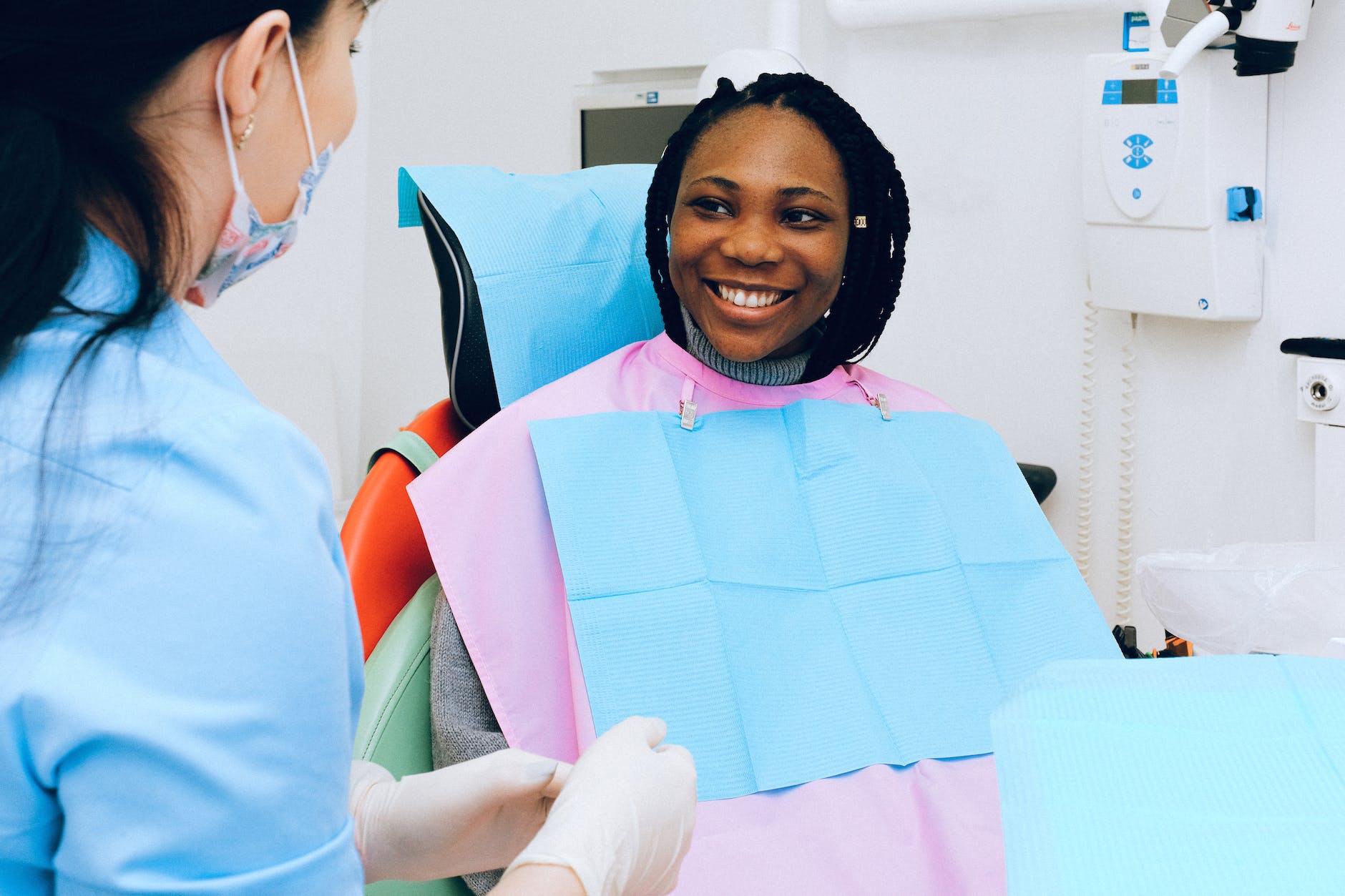
woman having a dental check up

Vitamin D is a cornerstone of our health, influencing everything from bone integrity to immune responses. A deficiency can lead to a myriad of health complications. Let’s delve into understanding this deficiency and the self-care measures you can adopt.


The Impact of Vitamin D Deficiency:

Beyond just weak bones, Vitamin D deficiency can affect various bodily functions. Reduced sun exposure, specific diets, certain medical conditions, and genetics can all contribute. Symptoms can range from fatigue to pronounced issues like skin problems, hair loss, or severe bone pain.

Vitamin D deficiency is not just about weak bones or rickets. It has a broader spectrum of implications:

  • Mood Fluctuations: A deficiency can lead to mood swings and even depression.
  • Fatigue and Tiredness: Feeling constantly tired can be a sign.
  • Bone and Back Pain: Lower back pain and aching bones can be direct results.
  • Hair Loss: Severe deficiency can lead to hair loss or thinning.
  • Muscle Pain: Unexplained muscle pain can be another symptom.

Your Self-Care Toolkit for Vitamin D Deficiency

Harness the Sun:

Sunlight is a natural source of Vitamin D. Aim for 15-30 minutes of sun exposure several times a week, especially during the early morning or late afternoon. This not only boosts Vitamin D synthesis but also elevates mood.

Nutrition is Key:

Diet plays a crucial role. Incorporate Vitamin D-rich foods such as fatty fish (salmon, mackerel), fortified cereals, dairy products, and egg yolks. For a detailed list and recipes, explore Food for Vitamin D.

Supplementation:

If you’re falling short on Vitamin D from natural sources, supplements can be a lifesaver. However, it’s essential to consult a healthcare professional to determine the right dosage.

Skin Health Matters:

Vitamin D deficiency can manifest as skin issues like eczema, psoriasis, or dry skin. Topical treatments enriched with Vitamin D can be beneficial. Delve deeper into this with our article on Vitamin D and Skin Health.

Regular Health Check-ups:

It’s essential to monitor your Vitamin D levels periodically. This proactive approach can help in early detection and management.

Stay Active:

Physical activity aids in calcium absorption, where Vitamin D plays a crucial role. Engage in exercises that you enjoy, be it brisk walking, yoga, or even dancing.

Continuous Learning:

The more you know, the better equipped you are. Our comprehensive guides on 14 Signs of Vitamin D Deficiency and its impact on bone health offer a wealth of information.


Frequently Asked Questions (FAQs)


1. What are the primary sources of Vitamin D?
Sunlight is a natural and primary source of Vitamin D. However, dietary sources like fatty fish, fortified cereals, and dairy products are also significant. For a deeper dive into dietary sources, check out our article on Food for Vitamin D.


2. How does a lack of Vitamin D influence my mood?
Vitamin D has a role in the brain’s serotonin production, which affects mood. Deficiency can lead to mood disturbances or even depression. Our article on 14 Signs of Vitamin D Deficiency touches upon this aspect.


3. Is hair loss connected to Vitamin D deficiency?
Yes, a severe deficiency in Vitamin D can contribute to hair loss. For a comprehensive understanding of this relationship, explore our guide on Vitamin D and Hair Loss.


4. How frequently should I monitor my Vitamin D levels?
An annual check is generally recommended. However, if you’re experiencing symptoms of deficiency or are at a higher risk, more frequent checks might be necessary. Our article on Vitamin D and Bone Health provides insights into the importance of monitoring.


5. Can Vitamin D deficiency manifest as skin issues?
Absolutely. Symptoms can range from dry skin to conditions like eczema. For a detailed look at how Vitamin D affects skin health, refer to Vitamin D and Skin Health.


6. Why is physical activity emphasized for those with Vitamin D deficiency?
Exercise aids in calcium absorption, a process where Vitamin D is vital. Engaging in physical activity can thus be beneficial for those deficient in Vitamin D.


7. Is diet alone sufficient to meet Vitamin D requirements?
While foods can provide Vitamin D, relying solely on diet might not meet daily requirements, especially with dietary restrictions. Sun exposure and supplements can complement dietary intake.


8. What distinguishes Vitamin D2 from D3?
D3 is the form produced by our skin upon sunlight exposure, while D2 is often derived from plant sources and fortified foods. D3 is more potent and stays longer in our system.


9. Are there side effects to Vitamin D supplements?
Overconsumption can lead to side effects. Always take supplements under a healthcare provider’s guidance. Our comprehensive guide on Vitamin D Deficiency Self-Care offers more insights.


10. How critical is Vitamin D for bone health?
Vitamin D is pivotal for calcium absorption, ensuring bone health. A deficiency can lead to conditions like osteoporosis. Dive deeper into this topic with our article on Vitamin D, Bone Health, and Osteoporosis.


Conclusion:

Vitamin D deficiency, if left unchecked, can impact your quality of life. With the right knowledge and self-care strategies, you can effectively manage and even reverse its effects. Remember, while these measures are beneficial, always prioritize professional medical advice for a personalized approach.


Blog Tags: Vitamin D, Health, Nutrition, Bone Health, Skin Health, Supplements, Physical Activity, Wellness, Mood Swings, Hair Loss, Muscle Pain.

Posted on 1 Comment

Vitamin D, Bone Health, and Osteoporosis

close up photo of a stethoscope

Introduction:

Vitamin D, often referred to as the “sunshine vitamin”, is indispensable for bone health. Its deficiency can lead to a spectrum of bone-related issues, including osteoporosis and osteomalacia. This article aims to shed light on the multifaceted relationship between Vitamin D and bone health.


1. The Role of Vitamin D in Bone Health:

Details: Vitamin D is essential for the absorption of calcium in the gut. Calcium is a vital mineral that ensures bone density and strength. A deficiency in Vitamin D can lead to decreased calcium absorption, resulting in brittle and weak bones. This intricate relationship between Vitamin D and calcium is further explored in our article on Vitamin D in milk.

Management: Regular exposure to sunlight and incorporating Vitamin D-rich foods can help in maintaining optimal bone health.


2. Osteoporosis: The Silent Bone Thief:

Details: Osteoporosis, characterized by porous and fragile bones, can be exacerbated by Vitamin D deficiency. Adequate Vitamin D levels are crucial for bone mineralization and preventing osteoporosis-related fractures. Our comprehensive guide on foods rich in Vitamin D offers dietary solutions to complement supplementation.

Management: Regular bone density tests, combined with Vitamin D supplementation, can aid in managing and potentially reversing osteoporosis.


3. Osteomalacia: Beyond Childhood Rickets:

Details: Osteomalacia, often seen as the adult counterpart of childhood rickets, is a condition where bones become soft due to a lack of mineralization. One of the primary causes of osteomalacia is Vitamin D deficiency. The difference between rickets and osteomalacia, and the role of Vitamin D in both, is detailed in our post on weird symptoms of Vitamin D deficiency.

Management: Addressing the underlying Vitamin D deficiency, combined with dietary and lifestyle changes, can help in managing osteomalacia.


4. Bone Pain: A Subtle Yet Significant Symptom:

Details: One of the lesser-known symptoms of Vitamin D deficiency is bone pain, especially in weight-bearing bones like the spine, pelvis, and legs. This pain can often be mistaken for arthritic pain but has its roots in Vitamin D levels, as discussed in our article on symptoms of long-term Vitamin D deficiency.

Management: Regular monitoring of Vitamin D levels, combined with targeted supplementation, can alleviate bone pain associated with the deficiency.


5. Bowed Legs and Vitamin D Deficiency:

Details: Bowed legs, especially in children, can be a manifestation of rickets, a condition directly linked to Vitamin D deficiency. In adults, it can be a sign of osteomalacia. The impact of Vitamin D on skeletal structure and its implications are further elaborated in our post on Vitamin D and its myriad benefits.

Management: Early detection and intervention, including Vitamin D supplementation and physiotherapy, can help in correcting the deformity.


6. Dental Health and Vitamin D: An Overlooked Connection:

Details: Vitamin D’s role isn’t limited to just the bones in our body; it also plays a crucial role in dental health. A deficiency can lead to dental deformities, increased cavities, and periodontal disease. The importance of Vitamin D in dental health is a topic we’ve touched upon in our guide on Vitamin D and hair loss, emphasizing the vitamin’s diverse roles.

Management: Regular dental check-ups, combined with Vitamin D-rich diets, can ensure optimal dental health.


7. Hungry Bone Syndrome: A Rare But Relevant Condition:

Details: Hungry bone syndrome refers to a rapid and profound decrease in blood calcium levels following the treatment of hyperparathyroidism. Vitamin D deficiency can exacerbate this condition due to its role in calcium absorption. This syndrome, while rare, underscores the importance of Vitamin D in bone metabolism, a topic further explored in our article on Vitamin D’s role in overall health.

Management: Close monitoring of calcium and Vitamin D levels post-surgery can help in preventing and managing hungry bone syndrome.


FAQs for Vitamin D, Bone Health, and Osteoporosis


1. How does Vitamin D influence overall bone health?

Vitamin D plays a pivotal role in calcium absorption in the gut, which is essential for bone mineralization. A deficiency can disrupt this process, leading to conditions like osteoporosis and osteomalacia. Dive deeper into the relationship between Vitamin D and bone health in our article on Vitamin D’s role in bone health.


2. What’s the difference between osteoporosis and osteomalacia?

While both are bone disorders linked to Vitamin D deficiency, osteoporosis is characterized by reduced bone density, making bones fragile. In contrast, osteomalacia involves the softening of bones due to inadequate mineralization. Our post on weird symptoms of Vitamin D deficiency offers insights into these conditions.


3. Can Vitamin D supplements help in managing bone pain?

Yes, Vitamin D supplements can alleviate bone pain associated with its deficiency. However, it’s crucial to consult with a healthcare professional to determine the right dosage and approach. Learn more about the symptoms and management of Vitamin D deficiency in our guide on long-term Vitamin D deficiency symptoms.


4. How is dental health connected to Vitamin D?

Vitamin D is vital for calcium absorption, which is crucial for tooth formation and dental health. A deficiency can lead to dental deformities and increased cavities. Explore the multifaceted roles of Vitamin D in our article on Vitamin D and its myriad benefits.


5. What is “Hungry Bone Syndrome”, and how is it related to Vitamin D?

Hungry bone syndrome refers to a rapid decrease in blood calcium levels after treating hyperparathyroidism. Vitamin D deficiency can exacerbate this condition due to its role in calcium absorption. Delve into the importance of Vitamin D in bone metabolism in our comprehensive guide on foods rich in Vitamin D.


6. Can osteoporosis be reversed with Vitamin D supplementation?

While Vitamin D supplementation can aid in halting the progression of osteoporosis, its reversal requires a holistic approach, including dietary changes and physical therapy. Our post on Vitamin D’s role in overall health provides a detailed overview.


7. Are children at risk of bone disorders due to Vitamin D deficiency?

Yes, children can develop conditions like rickets, characterized by bowed legs, due to Vitamin D deficiency. Early detection and intervention are crucial. Learn more about the implications of Vitamin D deficiency in children in our article on Vitamin D and bone health.


8. How often should I monitor my Vitamin D levels for optimal bone health?

If you’re at risk or have symptoms of Vitamin D deficiency, it’s advisable to get your levels checked immediately. Subsequently, annual monitoring can help ensure optimal bone health. For more insights, consider reading our guide on Vitamin D and hair loss.


9. Can a diet rich in Vitamin D alone prevent bone disorders?

While a Vitamin D-rich diet is essential, other factors like physical activity, overall nutrition, and genetics also play a role in bone health. Our comprehensive article on foods for Vitamin D offers dietary solutions to complement supplementation.


10. Are there any side effects of excessive Vitamin D supplementation?

Excessive Vitamin D intake can lead to hypercalcemia, causing a range of symptoms from nausea to kidney complications. It’s crucial to consult with a healthcare professional before starting supplementation. Dive deeper into the potential side effects in our post on Vitamin D’s role in overall health.


Conclusion:

The relationship between Vitamin D and bone health is profound and multifaceted. Recognizing the symptoms, understanding the underlying causes, and taking proactive measures can pave the way for robust bone health. For more insights into Vitamin D and its significance, consider exploring our other articles linked throughout this post.


Blog Tags: Vitamin D, Bone Health, Osteoporosis, Osteomalacia, Bone Pain, Nutrition, Wellness, Lifestyle.

Posted on 2 Comments

Vitamin D and Hair Loss


Introduction:

Hair loss, while often associated with aging or genetics, can also be a manifestation of underlying nutritional deficiencies, particularly Vitamin D. This article aims to shed light on the multifaceted relationship between Vitamin D levels and hair health, offering a holistic understanding of the subject.


1. The Underlying Mechanism: How Vitamin D Influences Hair Growth:

Details: Vitamin D receptors are present in hair follicles. These receptors, when activated, promote hair growth. A deficiency in Vitamin D can lead to the underactivity of these receptors, disrupting the hair growth cycle and leading to hair thinning and loss. Our article on symptoms of long-term Vitamin D deficiency touches upon this subtle yet significant symptom.

Management: Regular exposure to sunlight, especially during the morning hours, and incorporating Vitamin D-rich foods can help rejuvenate these receptors and promote hair health.


2. Alopecia Areata: The Autoimmune Connection:

Details: Alopecia areata is an autoimmune condition wherein the immune system mistakenly targets hair follicles. Studies have indicated a correlation between low Vitamin D levels and the severity of alopecia areata. The role of Vitamin D in modulating the immune response might be a key factor in this relationship.

Management: Regular dermatological consultations, combined with Vitamin D supplementation, can offer relief and even potential reversal of the condition.


3. The Promise of Regrowth: Vitamin D’s Role in Hair Revival:

Details: Emerging research suggests that optimal Vitamin D levels can stimulate dormant hair follicles, promoting hair regrowth. This is especially significant for individuals experiencing hair thinning or those diagnosed with conditions like alopecia areata.

Management: Apart from dietary and sunlight-derived Vitamin D, topical solutions containing Vitamin D analogs, as discussed in our post on foods rich in Vitamin D, can be considered under dermatological guidance.


4. Beyond Vitamin D: Other Nutritional Culprits of Hair Thinning:

Details: While Vitamin D plays a pivotal role in hair health, other nutrients like biotin, iron, and Vitamin B12 are also crucial. A deficiency in any of these can exacerbate hair thinning. It’s essential to recognize the interconnectedness of these nutrients and address deficiencies holistically.

Management: A comprehensive blood test can help identify multiple nutritional deficiencies. Based on the results, a balanced diet and targeted supplementation can be charted out.


5. Reversing the Damage: Is Hair Loss due to Vitamin D Deficiency Reversible?:

Details: A frequently posed question is the reversibility of hair loss caused by Vitamin D deficiency. The encouraging news is that with timely intervention, the hair loss process can not only be halted but often reversed. Our guide on Vitamin D and its myriad benefits provides deeper insights.

Management: Regular monitoring of Vitamin D levels, combined with dietary changes and potential supplementation, can lead to significant improvements in hair health.


6. Topical Solutions: A New Frontier in Hair Loss Management:

Details: Recent advancements in dermatology have introduced topical Vitamin D analogs that show promise in stimulating hair growth, especially in conditions like alopecia areata. These solutions can complement oral supplementation and dietary changes.

Management: A dermatological consultation is essential before starting any topical treatment to ensure its suitability and to understand the correct application method.


7. Dietary Interventions: Ensuring Optimal Vitamin D Levels:

Details: While sunlight remains a primary source of Vitamin D, certain foods can also bolster Vitamin D levels. Fatty fish, fortified dairy products, mushrooms, and eggs are some examples. Our comprehensive guide on foods rich in Vitamin D offers a detailed list.

Management: Regular dietary assessments and potential fortification can ensure that one’s Vitamin D intake remains optimal, supporting overall health and, by extension, hair health.


FAQs for Vitamin D and Hair Loss


1. How does Vitamin D deficiency directly impact hair growth?

Vitamin D plays a crucial role in stimulating hair follicles and maintaining the hair growth cycle. A deficiency can disrupt this cycle, leading to hair thinning and eventual loss. For a deeper understanding, our article on Vitamin D’s role in hair health provides comprehensive insights.


2. Can Vitamin D supplements help in reversing hair loss?

While Vitamin D supplements can aid in addressing the deficiency and potentially halting hair loss, it’s essential to consult with a healthcare professional to determine the right dosage and approach. Our guide on foods rich in Vitamin D offers dietary solutions to complement supplementation.


3. Are there any topical treatments containing Vitamin D for hair loss?

Yes, there are topical solutions containing Vitamin D analogs that have shown promise in stimulating hair growth, especially for conditions like alopecia areata. Before starting any topical treatment, it’s advisable to seek dermatological advice, as discussed in our post on Vitamin D and hair health.


4. How can I naturally boost my Vitamin D levels to support hair health?

Sunlight is the most natural source of Vitamin D. Regular morning sun exposure, combined with a diet rich in Vitamin D sources like fatty fish, fortified dairy, and eggs, can help. Dive into our comprehensive guide on foods rich in Vitamin D for more details.


5. Is hair loss due to Vitamin D deficiency different from other types of hair loss?

Hair loss due to Vitamin D deficiency often manifests as overall thinning rather than patchy loss. However, in cases of severe deficiency, one might experience conditions like alopecia areata. It’s essential to differentiate the causes, as highlighted in our article on weird symptoms of Vitamin D deficiency.


6. Can men also experience hair loss due to Vitamin D deficiency?

Absolutely. While our focus here is on females, Vitamin D deficiency-induced hair loss is not gender-specific. Men can also experience hair thinning and loss due to this deficiency, as discussed in our post on symptoms of long-term Vitamin D deficiency.


7. How long does it take to see hair regrowth after addressing Vitamin D deficiency?

The timeline can vary based on the severity of the deficiency and individual factors. However, with consistent efforts, one might start noticing improvements within a few months. Our guide on Vitamin D and hair regrowth offers a detailed timeline.


8. Are there any side effects of taking Vitamin D supplements for hair health?

While Vitamin D supplements can be beneficial, excessive intake can lead to side effects like hypercalcemia. It’s crucial to consult with a healthcare professional before starting supplementation, as emphasized in our article on Vitamin D’s myriad benefits.


9. Can other vitamin deficiencies also lead to hair loss?

Yes, deficiencies in vitamins like B12, iron, and biotin can also contribute to hair loss. A holistic approach to nutrition, as discussed in our post on Vitamin D and overall health, can help address multiple deficiencies.


10. How often should I get my Vitamin D levels checked if I’m experiencing hair loss?

If you suspect that Vitamin D deficiency is the cause of your hair loss, it’s advisable to get your levels checked immediately. Post that, annual monitoring can help ensure that your levels remain optimal and support hair health.


Conclusion:

The intricate relationship between Vitamin D and hair health underscores the importance of holistic health management. Recognizing the symptoms, understanding the underlying causes, and taking proactive measures can pave the way for lustrous, healthy hair. For a more in-depth exploration of Vitamin D and its myriad roles, consider perusing our articles on symptoms of long-term Vitamin D deficiency, weird symptoms of Vitamin D deficiency, and the general signs of Vitamin D deficiency.


Blog Tags: Vitamin D, Hair Loss, Hair Health, Alopecia Areata, Hair Regrowth, Hair Thinning, Vitamin Deficiency, Hair Care, Nutrition, Wellness, Lifestyle.