Posted on 1 Comment

Ajwain Benefits for Weight Loss: Unraveling the Secrets

AJWAIN for WEIGHT LOSS

When it comes to natural remedies for weight loss, few ingredients are as overlooked yet as powerful as ajwain, also known as carom seeds. Packed with digestive enzymes and metabolism-boosting compounds, ajwain has been a staple in traditional Indian kitchens for centuries. But how does this tiny seed contribute to fat loss? And more importantly, how can you incorporate it effectively into your modern lifestyle?

In this detailed guide, we explore the science, the myths, the methods, and the practicality of using ajwain for weight loss in 2025.


✨ The Science Behind Ajwain

Ajwain (Trachyspermum ammi) is a pungent, aromatic seed loaded with active compounds like thymol, terpenes, and flavonoids. These compounds are known for their anti-inflammatory, antioxidant, and digestive properties. Here’s how they may help with weight loss:

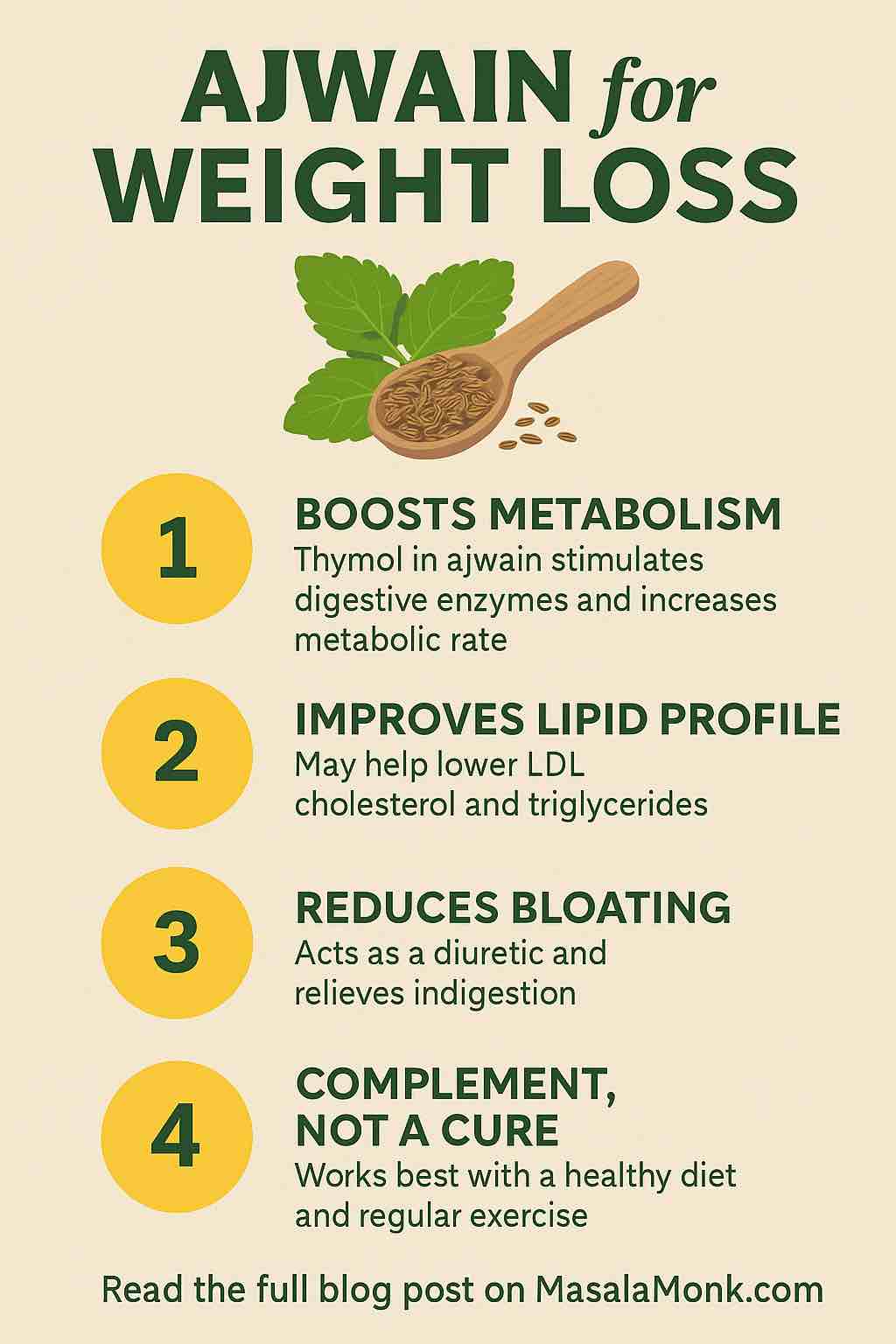
1. Boosts Metabolism

Thymol in ajwain stimulates the production of gastric juices and digestive enzymes. This not only improves digestion but also enhances metabolic rate, helping your body burn calories more efficiently.

2. Improves Lipid Profile

Recent studies (2022-2025) show that regular consumption of ajwain tea (1 to 1.5 grams per day) can lower LDL cholesterol, triglycerides, and total cholesterol. Improved lipid metabolism is closely linked to better fat management and weight control.

3. Reduces Bloating and Water Retention

Ajwain acts as a mild diuretic and carminative. This can relieve bloating and water weight, which might otherwise mask true fat loss progress.

4. Suppresses Appetite and Cravings

Ajwain has appetite-suppressing properties, particularly when consumed in warm water before meals. This helps with portion control and reducing unnecessary snacking.


🌟 Latest Clinical Insights

A 2022 randomized controlled trial conducted in Pakistan showed that participants who consumed 1.5g of ajwain tea daily for 8 weeks had significantly lower BMI and cholesterol levels compared to the control group. Another recent anecdotal case from early 2025 featured a woman who credited ajwain-fenugreek water with helping her lose over 60 kg in a year, though this is best viewed as complementary to exercise and diet.

While these results are promising, experts caution that ajwain should be considered a supportive aid rather than a standalone solution.


🌮 How to Use Ajwain for Weight Loss

Here are some practical and safe ways to include ajwain in your routine:

1. Ajwain Water (Soaked Method)

  • Soak 1 tsp of ajwain seeds in a glass of water overnight.
  • Strain and drink it on an empty stomach in the morning.

2. Ajwain Tea (Boiled Method)

  • Boil 1 tsp of ajwain in 2 cups of water for 8-10 minutes.
  • Strain and sip warm before breakfast or lunch.

3. Ajwain with Lemon and Honey

  • Add a dash of lemon juice and half a teaspoon of honey to ajwain tea.
  • Enhances taste and provides additional detox benefits.

4. Ajwain Powder Mix

  • Dry roast ajwain and grind into powder.
  • Take ½ tsp with warm water before meals.

🔹 Combine with Other Seeds for Greater Effect

Ajwain works even better when combined with:

  • Cumin (Jeera): Enhances digestion and reduces bloating.
  • Fennel (Saunf): Acts as a mild appetite suppressant.
  • Fenugreek (Methi): Helps control blood sugar and curb hunger.

Try a mix of these seeds soaked overnight and consumed in the morning for a holistic metabolic boost.


⚠️ Precautions and Who Should Avoid It

While ajwain is generally safe, it should be consumed in moderation:

  • Limit to 1-1.5 grams per day.
  • Pregnant or breastfeeding women should consult a doctor.
  • People with ulcers, liver issues, or on anticoagulant medications should avoid high intake.
  • Excessive use may lead to nausea or headache.

🚀 90-Day Ajwain Protocol for Beginners

WeekMorning DrinkNotes
1-4Ajwain waterFocus on consistency and portion control
5-8Ajwain + Cumin/FennelAdd mild morning exercise
9-12Ajwain tea with lemonInclude clean eating and track progress

📈 Final Word

Ajwain offers a powerful, science-backed tool to support your weight loss journey. It enhances digestion, regulates lipids, and suppresses appetite, all with minimal effort. While not a miracle cure, when combined with a calorie-conscious diet and active lifestyle, it can make a noticeable difference.

Use it wisely, stay consistent, and always listen to your body. Let ancient wisdom meet modern health goals—one seed at a time.


Have you tried ajwain for weight loss? Share your experience or questions below!

1. Can ajwain alone help me lose weight?

Answer: No, ajwain is not a magic bullet. It supports weight loss by improving digestion, metabolism, and lipid profile—but it must be combined with a balanced diet and regular exercise for meaningful results.


2. How long does it take to see results with ajwain water?

Answer: Some users report feeling less bloated within a few days, but noticeable fat loss typically requires 4–8 weeks of consistent use alongside lifestyle changes.


3. What is the best time to drink ajwain water for weight loss?

Answer: The most effective time is first thing in the morning on an empty stomach. This maximizes its digestive and metabolic benefits.


4. Can I take ajwain at night instead of in the morning?

Answer: You can, especially if you’re experiencing indigestion or bloating after dinner. However, the morning is still considered most effective for metabolic activation.


5. Is it safe to take ajwain daily?

Answer: Yes, ajwain is safe when consumed in moderate amounts (1–1.5 grams per day). Long-term, overuse may lead to side effects like nausea or heartburn.


6. Can pregnant or breastfeeding women take ajwain?

Answer: It’s best to avoid ajwain during pregnancy or lactation unless advised by a healthcare provider. Ajwain is known to be strong and may stimulate uterine activity.


7. Can I combine ajwain with other herbs or seeds for better results?

Answer: Yes, ajwain works well with cumin (jeera), fennel (saunf), and fenugreek (methi). These combinations enhance digestion, reduce cravings, and support hormonal balance.


8. Can I eat ajwain seeds directly instead of drinking the water?

Answer: You can chew ½ tsp ajwain after meals, but water or tea preparations are better absorbed, especially when taken on an empty stomach.


9. Will ajwain help with belly fat specifically?

Answer: Ajwain helps reduce bloating and water retention, which can visually reduce belly size. True fat loss depends on overall calorie balance and activity.


10. Are there any interactions with medications I should be aware of?

Answer: Yes. Ajwain may interfere with anticoagulants, antacids, or liver medications. Consult your doctor if you’re on long-term medication.
Posted on Leave a comment

Cutting Down on Sugar: Simple Strategies for Eating Less Sugar

Cutting Down on Sugar

“Sugar is sweet—but too much can sour your health.”
In today’s world, reducing sugar isn’t just about willpower—it’s about strategy, awareness, and smarter choices. This isn’t a call to cut sugar cold turkey, but rather a guide to eating less sugar in a realistic, sustainable way, based on the latest research and practical tips.


🍬 Why Cut Down on Sugar?

Added sugars—especially in beverages and ultra-processed foods—are a major driver of preventable disease. They contribute to:

  • Obesity and weight gain
  • Type 2 diabetes and insulin resistance
  • Cardiovascular disease
  • Liver dysfunction
  • Mood disorders, anxiety, and fatigue
  • Dental problems

📊 The Stats Don’t Lie:

  • Over 2.2 million diabetes cases and 1.2 million cardiovascular disease cases are attributed annually to sugary drinks alone (Tufts University, 2025).
  • People exposed to sugar restrictions in early childhood develop less hypertension and diabetes and live healthier for longer (Science, 2024).

🧭 Step-by-Step: How to Cut Sugar Practically

✅ 1. Know Where Sugar Hides

The first step to cutting down sugar is knowing where it lives. It’s not just in candy or soda.

🕵️‍♂️ Hidden Sources of Added Sugar:

  • Granola, breakfast cereals
  • Yogurt (especially fruit-flavored)
  • Sauces and dressings (e.g. ketchup, BBQ sauce)
  • Bread and crackers
  • “Healthy” snacks: protein bars, energy bites

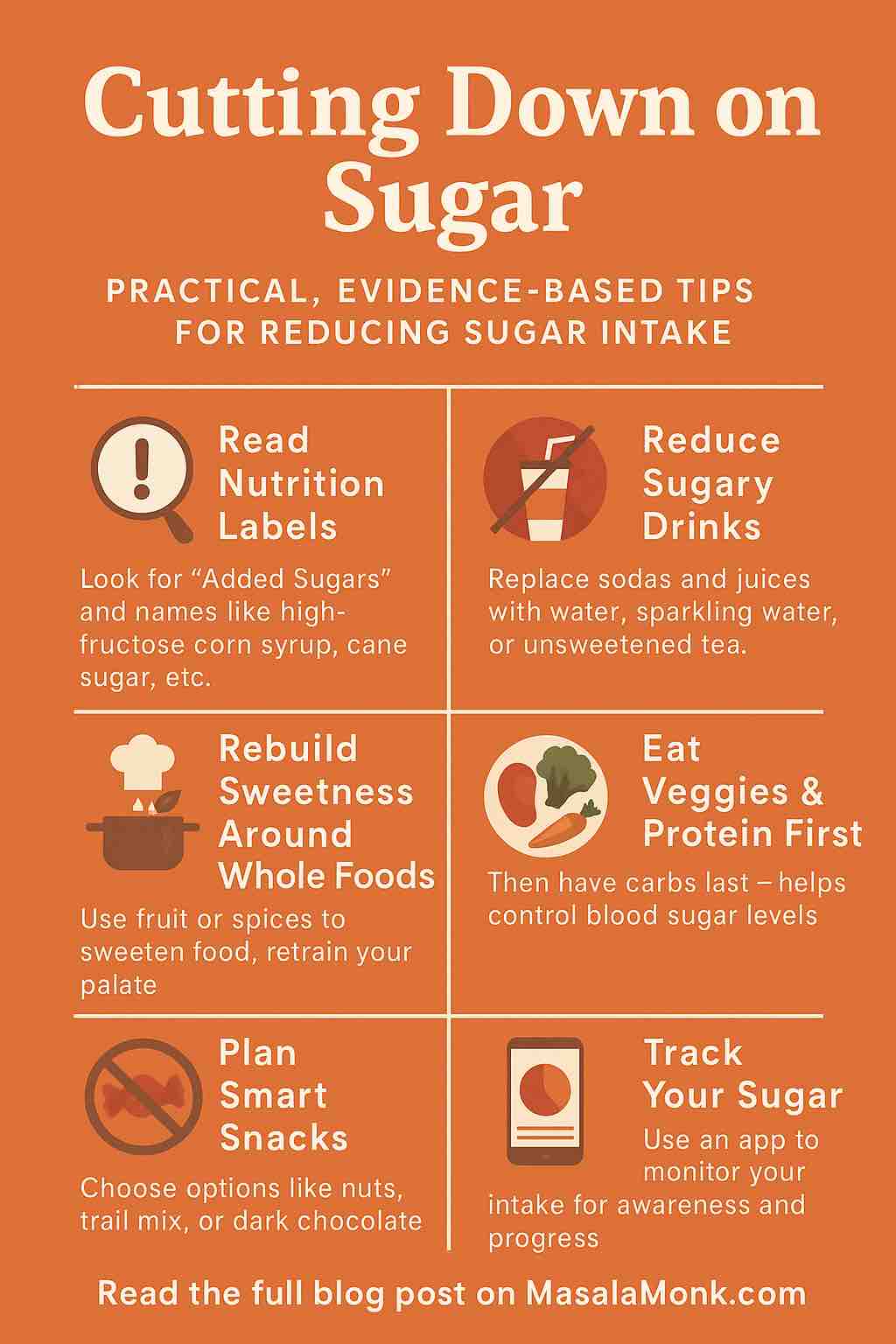
🔎 Action Tip: Read nutrition labels carefully. Look for “added sugars” and scan ingredient lists for:

High-fructose corn syrup, cane juice, dextrose, maltose, agave, rice syrup, molasses.


✅ 2. Tackle Sugary Drinks First

Liquid sugar is absorbed faster, spikes blood glucose harder, and does more damage per gram than solid sugar.

❌ Worst Offenders:

  • Sodas, fruit juices, energy drinks
  • Sweetened coffee, tea
  • “Vitamin” waters or sports drinks

✔️ Better Swaps:

Instead of…Try this…
ColaSparkling water with lime
Bottled iced teaBrew your own unsweetened tea
Flavored latteBlack coffee with cinnamon or nutmeg
Fruit juiceWhole fruit with water on the side

🔁 Gradual reduction is better than going cold turkey—start with 50/50 juice + water blends.


✅ 3. Rebuild Sweetness Around Whole Foods

You don’t need to give up sweet flavors. You just need better sources.

🍌 Naturally Sweet Ideas:

  • Oatmeal with mashed banana and cinnamon
  • Greek yogurt with berries and a drizzle of honey
  • Baked goods with applesauce or dates as sweetener

📉 Over time, your palate recalibrates—you’ll crave less sugar naturally.


✅ 4. Master the Art of “Meal Sequencing”

A 2025 study found that eating fiber and protein before carbs can reduce blood sugar spikes by up to 50%.

🥗 The Sequence:

  1. Vegetables (e.g., salad or cooked greens)
  2. Protein + healthy fat (chicken, eggs, beans, nuts)
  3. Carbs last (rice, pasta, bread, fruit)

This small habit makes a big metabolic difference.


✅ 5. Get Smart with Snacks

Constant snacking—especially on sweetened options—keeps insulin high and cravings alive.

🥜 Better Snacking Choices:

  • Nuts or trail mix (unsweetened)
  • Hard-boiled eggs
  • Hummus + veggie sticks
  • Dark chocolate (70%+ cocoa)

📅 Tip: Pre-plan snacks at the beginning of the week and don’t shop hungry.


🧠 The Psychology of Sugar: Break the Craving Loop

Sugar gives a quick dopamine hit, which leads to a cycle of reward-seeking and crash. Here’s how to break it:

💡 Practical Mindset Tips:

  • Don’t deprive—replace. Focus on what you can eat, not just what you’re cutting out.
  • Delay the craving: Set a 10-minute timer when a craving hits. Often, it fades.
  • Distract & hydrate: Thirst can masquerade as hunger. Drink water or herbal tea.

📱 Tools & Apps to Help

Tracking sugar helps build awareness. Here are apps to consider:

AppWhat it does
MyFitnessPalTracks total and added sugars
YazioClean interface, sugar tracking + goals
SenzaGreat for low-carb or keto lifestyles
Glucose Goddess hacksMeal sequencing & glucose flattening tips

🛡️ What About Sugar Substitutes?

Not all sweeteners are created equal.

⚖️ Smart Choices (in moderation):

  • Stevia, monk fruit, erythritol – low or no impact on blood sugar
  • Allulose – naturally occurring, low-calorie sugar mimic

🚫 Watch Out:

  • Artificial sweeteners (aspartame, saccharin) may disrupt gut microbiota
  • Some may maintain sweet cravings even without calories

🏛️ Beyond the Plate: Policies Shaping Sugar Reduction

Public health is catching up.

  • SNAP program updates (2025): Some states now restrict soda purchases via food assistance.
  • SSB taxes: Over 40 countries and cities have implemented taxes—consumption falls by 10–20% where enforced.
  • Food labeling laws: Added sugars now clearly listed in many countries, empowering consumers.

🔚 Final Thoughts: Progress Over Perfection

Cutting sugar isn’t about quitting dessert forever or obsessing over labels. It’s about:

  • Making smarter swaps
  • Understanding your triggers
  • Creating sustainable systems that support your goals

Even small reductions—one less soda per day, half as much sugar in your coffee, or reading one more label—compound over time.


✅ Quick Recap: Sugar Reduction Checklist

✔ Scan ingredient lists for added sugars
✔ Replace sugary drinks with flavored water or tea
✔ Use fruit and spices to naturally sweeten food
✔ Eat veggies/protein before carbs
✔ Prepare healthy snacks ahead of time
✔ Track your sugar intake using an app
✔ Gradually reset your palate

How These Strategies Work Together

StrategyEvidenceImpact
Cut sugary drinksSystematic reviews (SSBs → weight/BMI), soda swaps → ~20% mortality risk reductionLower calorie intake, reduced glucose spikes
Meal sequencingExpert-endorsed, small trialsSmoother glycemic control
Substitutes & label useAHA/Health orgs endorse low-cal sweeteners, replacements like applesauceGradual taste adaptation, less added sugar
Policy measuresTaxes & campaigns show measurable intake dropsBroad public health benefit

🔍 FAQs on Cutting Down Sugar

1. How much sugar is considered “too much”?

According to the World Health Organization and American Heart Association:

  • Men: No more than 36g (9 teaspoons) of added sugar per day
  • Women: No more than 25g (6 teaspoons)
    That’s about 5–10% of your daily calories from added sugars.

2. Is natural sugar in fruit bad for you?

No. Whole fruits contain fiber, water, vitamins, and antioxidants that slow sugar absorption and provide essential nutrients. Fruit juice, however, should be limited as it removes fiber and concentrates sugar.


3. Do I have to give up desserts completely?

Not at all. You can enjoy desserts in moderation or recreate them using healthier ingredients, like using dates, bananas, or applesauce for sweetness. Portion control and frequency are key.


4. What are the best sugar substitutes?

The most recommended are:

  • Stevia and monk fruit (plant-based, no calories)
  • Erythritol and allulose (low-calorie sugar alcohols)
    Avoid overuse of artificial sweeteners like aspartame or sucralose if you’re sensitive to them.

5. How can I tell if a food has added sugar?

Check the “Added Sugars” line on the Nutrition Facts label. Also scan the ingredient list for words like:

  • Corn syrup, cane juice, maltose, dextrose, agave, molasses.

6. Why are sugary drinks worse than sugary foods?

Liquid sugar is absorbed more quickly, leading to rapid blood sugar spikes, insulin surges, and fat storage. It’s also less satiating, so it adds calories without reducing hunger.


7. Will cutting sugar help me lose weight?

Yes—especially if you cut liquid sugar and processed snacks. This reduces empty calorie intake and improves insulin sensitivity, making it easier for your body to burn fat.


8. How long does it take to reduce sugar cravings?

Most people see reduced cravings within 7–14 days. Your taste buds adapt over time, and whole foods begin to taste sweeter naturally.


9. What should I eat when I crave sugar?

Try:

  • Fruit (like apple slices with peanut butter)
  • Nuts
  • Dark chocolate (70%+)
  • A glass of water and a walk—sometimes cravings stem from boredom or dehydration.

10. Is “zero sugar” the same as healthy?

Not always. “Zero sugar” products can contain artificial sweeteners, additives, or unhealthy fats. Always check the full nutrition label—not just marketing claims.

Posted on Leave a comment

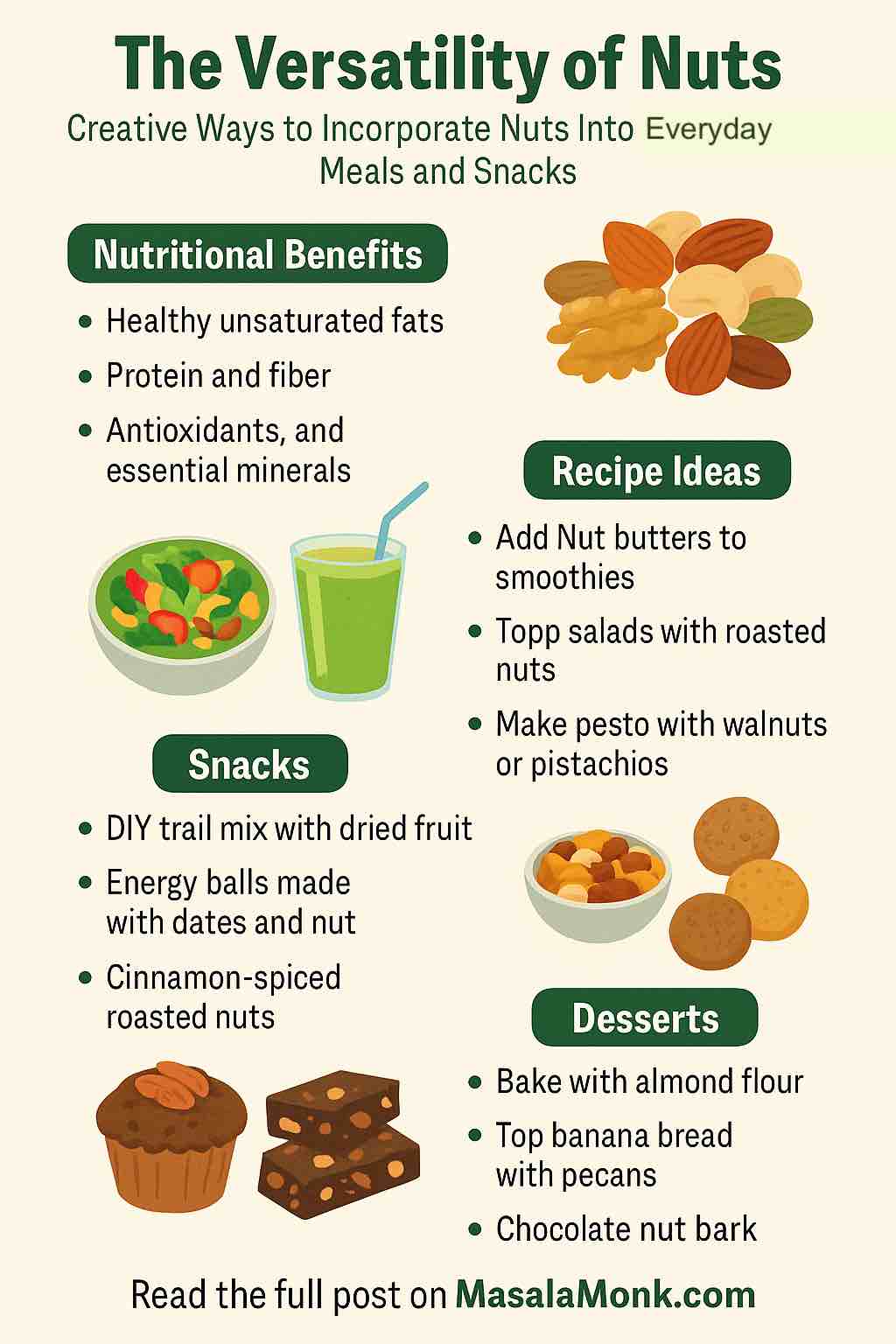
The Versatility of Nuts: Creative Ways to Incorporate Nuts into Your Everyday Meals and Snacks

Nuts-Into-Everyday-Meals-and-Snacks

Nuts are one of nature’s most powerful—and underutilized—ingredients. Packed with nutrients, flavor, and texture, they are a culinary multitool that can add health and depth to nearly any dish. From your morning smoothie to your evening dinner plate, and every snack in between, nuts can bring variety, satisfaction, and nourishment. Here’s a practical, creative, and engaging guide on how to make nuts a staple in your daily eating routine.


Why Nuts Matter: A Nutritional Powerhouse

Nuts like almonds, walnuts, pistachios, and cashews are rich in healthy fats, plant protein, fiber, and essential micronutrients including magnesium, vitamin E, selenium, and calcium. A single ounce (30g) of almonds, for example, contains about 6g of protein and 80mg of calcium. Regular consumption is linked to improved heart health, better weight management, and reduced inflammation. Despite their small size, they can make a big impact on your diet and overall well-being.


Morning Boosters: Start Your Day Right

1. Nut-Infused Smoothies
Blend nut butters like almond, peanut, or cashew into smoothies for added creaminess, protein, and richness. Combine with banana, spinach, dates, and a milk of your choice for a nutritious start.

2. Yogurt & Smoothie Bowls
Top bowls with chopped nuts, chia seeds, and a drizzle of nut butter. Try pistachios with strawberries or walnuts with apple slices and cinnamon.

3. Homemade Nut Granola
Bake a mix of rolled oats, honey, olive oil, and your favorite nuts for a crunchy, customizable granola.

4. Savory Nut Toasts
Spread cashew cream cheese or almond ricotta on whole grain toast. Add avocado, smoked paprika, or sliced tomatoes for a gourmet touch.


Midday & Main Meal Marvels

1. Nutty Salads with Texture
Toss roasted pecans, pine nuts, or almonds into salads. Combine with arugula, goat cheese, and citrus segments for a flavorful twist.

2. Stir-fries and Curries
Add cashews to Thai or Indian curries, or ground peanuts in Indonesian sauces. They soak up spices beautifully and offer hearty texture.

3. Nut-Crusted Proteins
Coat chicken, tofu, or salmon in crushed pistachios, almonds, or hazelnuts for a crunchy finish.

4. Innovative Pesto & Sauces
Swap traditional pine nuts for walnuts or pistachios in your pesto. Create creamy peanut or cashew sauces for noodles, wraps, or dipping.

5. Rice & Grain Upgrades
Sprinkle toasted slivered almonds or pine nuts over couscous, quinoa, or brown rice to add layers of flavor and crunch.


Snacks That Travel Well

1. DIY Trail Mix
Build your own mix with roasted nuts, dried fruits, dark chocolate chips, and seeds like pumpkin or sunflower.

2. Energy Balls and Bars
Blend dates, oats, and nut butters with extras like cocoa nibs, coconut, or protein powder. Roll into balls or press into bars for a grab-and-go option.

3. Spiced & Roasted Nuts
Roast nuts with bold flavors—sweet (cinnamon-honey), savory (rosemary-garlic), or spicy (chili-lime). Perfect for snacks, salads, or cocktails.

4. Portable Nut Dips
Make muhammara (roasted red pepper and walnut dip) or use almond butter as a dip for sliced apples, carrots, or celery.


Sweet but Smart: Nut-Based Desserts

1. Nut Flours for Baking
Use almond flour or hazelnut meal in gluten-free baking recipes for cookies, muffins, and cakes.

2. Nut Toppings
Sprinkle crushed nuts on banana bread, oatmeal cookies, or fruit crisps to elevate texture and flavor.

3. Chocolate Nut Barks & Clusters
Melt dark chocolate and mix with nuts and seeds. Spread into thin bark or form clusters for a simple, satisfying dessert.

4. Stuffed Dates
Fill Medjool dates with nut butter and dip in dark chocolate. Finish with a pinch of sea salt for a luxurious treat.


Global Inspirations for Everyday Variety

  • Middle Eastern: Add pine nuts to hummus, or make classic baklava with layers of phyllo and crushed walnuts or pistachios.
  • Asian: Use peanuts in satay sauce or sprinkle chopped cashews over Thai noodle bowls.
  • Mediterranean: Blend walnut pesto for pasta or spread almond dips on flatbread.
  • Western Vegetarian: Make a hearty nut roast for a meatless dinner centerpiece.

Tips for Storage, Substitutes & Safety

  • Storage: Keep nuts in airtight containers; refrigerate or freeze to prevent rancidity.
  • Portion Control: Stick to about 30g/day to balance calorie intake and health benefits.
  • Low-Sodium Option: Choose raw or unsalted nuts for heart-friendly snacking.
  • Allergy Alternatives: Try sunflower seed butter, pepitas, or coconut flakes as substitutes.

Final Thoughts: Small Changes, Big Impact

Whether you’re upgrading your breakfast, adding crunch to your salad, or experimenting with global flavors, nuts can play a delicious and meaningful role in your meals. They’re not just a snack—they’re an ingredient that bridges convenience, flavor, and wellness. Start small, mix and match, and you’ll soon discover that a handful of nuts can go a long way.

Ready to get nutty in the kitchen? Start today with a new recipe or a fresh twist on an old favorite.

✅ Summary Table

Use CaseNut ApplicationBenefit
Smoothies/BowlsNut powders, butters, chopped nutsCreaminess, protein, crunch
CookingNut‑based sauces, pestos, crusts, meat subFlavor, texture, plant protein
Snacks & BarsTrail mix, energy balls, spiced nutsOn‑the‑go nutrition
Baking/DessertsNut flours, toppings, barksHealthier indulgence
Gastro-cultureMuhammara, karedok, nut roast, sataysGlobal authenticity
Gifting/PartyJar mixes, charcuterie nutsPresentation, convenience

Posted on 2 Comments

Exploring the Weight Loss Benefits of Ginger and Honey

Exploring the Weight Loss Benefits of Ginger and Honey

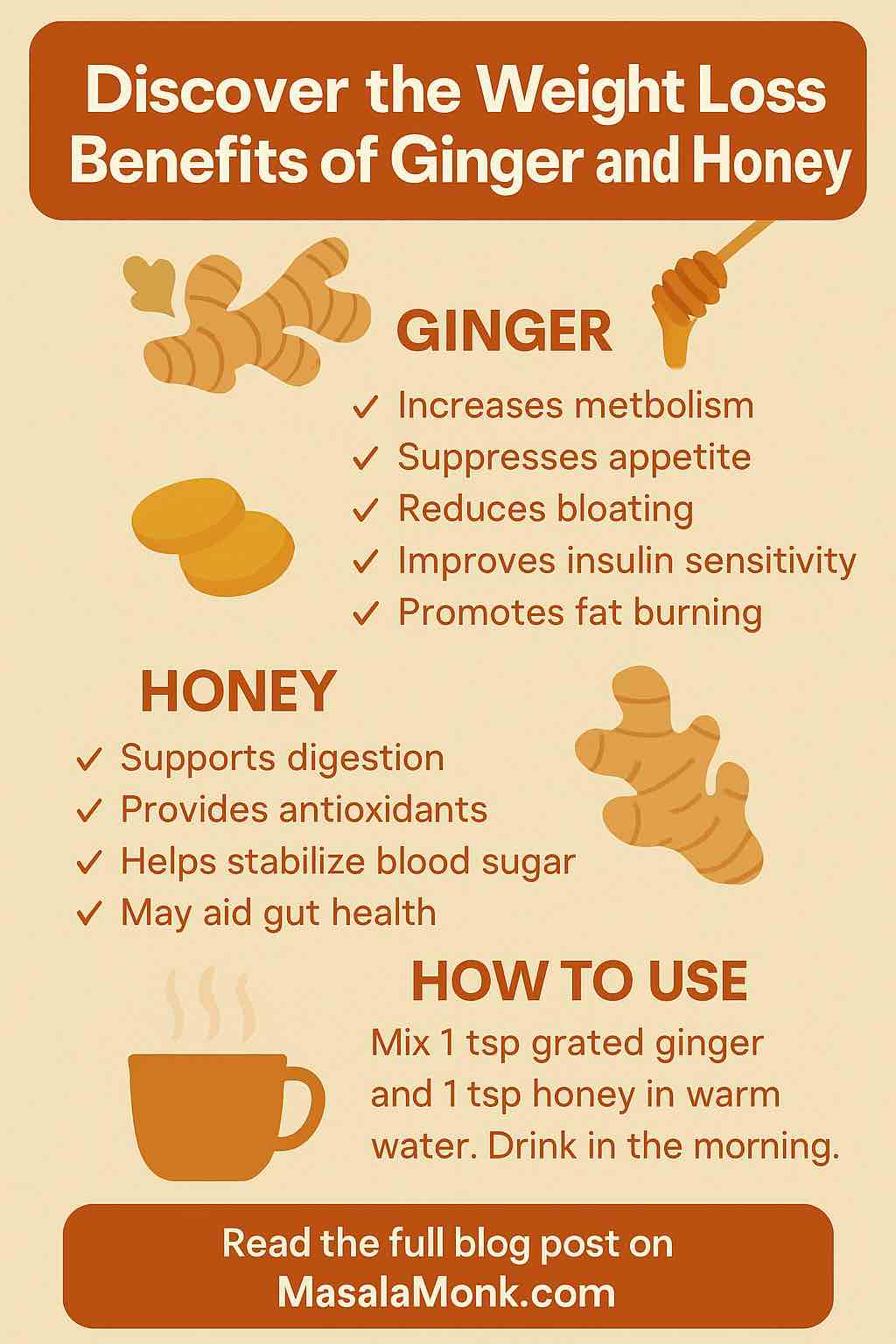
In the pursuit of effective and sustainable weight loss strategies, many are turning to natural remedies that offer more than just calorie burning. Among the most talked-about combinations in health and wellness circles is ginger and honey. Both ingredients have been used in traditional medicine for centuries, and modern science is now catching up to validate their potential benefits. This blog dives deep into how ginger and honey can support weight management, supported by the latest research and practical tips to incorporate them into your daily routine.


Section 1: Ginger – The Metabolic Activator

What Makes Ginger Effective?

Ginger (Zingiber officinale) is rich in bioactive compounds such as gingerol, shogaol, and paradol. These compounds have powerful antioxidant and anti-inflammatory properties that make ginger a potent natural remedy.

Scientific Evidence

Recent meta-analyses, including a 2024 study involving 27 randomized controlled trials, found that consuming around 2 grams of ginger daily for at least 8 weeks can lead to significant reductions in body weight, waist circumference, and body fat percentage. The mechanisms behind these results include:

  • Thermogenesis: Slightly increasing body temperature, thus boosting metabolic rate.
  • Appetite Suppression: Modulating serotonin and dopamine receptors to reduce hunger.
  • Improved Insulin Sensitivity: Supporting better glucose metabolism.
  • Fat Oxidation: Enhancing the breakdown of stored fat.

How to Use Ginger

  • Fresh grated ginger in teas or smoothies
  • Ginger powder in cooking or capsules
  • Ginger-infused water as a detox drink

Section 2: Honey – Nature’s Sweet Metabolic Support

Nutritional Profile

Honey is more than just a natural sweetener. It’s packed with antioxidants, flavonoids, and phenolic acids that provide anti-inflammatory and metabolic benefits. Unlike refined sugar, honey has a lower glycemic index and contributes to overall metabolic health when consumed in moderation.

Scientific Insights

A 2021 review noted that daily intake of around 70 grams of honey (about 3.5 tablespoons) resulted in a modest decrease in body weight and fat mass, especially when replacing refined sugar. However, it’s important to balance intake to avoid excessive sugar consumption.

Health Mechanisms

  • Antioxidant Support: Reduces oxidative stress associated with obesity.
  • Gut Health: Acts as a mild prebiotic to nourish good gut bacteria.
  • Blood Sugar Regulation: Modulates glycemic response when used wisely.

How to Use Honey

  • Mix into warm (not hot) water to preserve enzymes
  • Blend with herbal teas or ginger shots
  • Use in place of sugar for healthier baking

Section 3: Ginger + Honey – Better Together?

While studies on the combination of ginger and honey are limited, early evidence and traditional use suggest a synergistic effect. For instance, animal studies have shown that ginger-honey mixtures outperform either ingredient alone in reducing triglycerides and oxidative stress.

Practical Recipe: Morning Detox Elixir

Ingredients:

  • 1 cup warm water
  • 1 teaspoon freshly grated ginger (or 1/2 tsp ginger powder)
  • 1 teaspoon raw honey
  • Optional: juice of half a lemon

Instructions:

  1. Combine all ingredients in warm (not boiling) water.
  2. Stir well and drink on an empty stomach in the morning.

This simple elixir may support digestion, kickstart metabolism, and curb cravings throughout the day.


Section 4: Safety, Dosage & Best Practices

Safe Dosage

  • Ginger: Up to 4 grams per day is generally safe for most people.
  • Honey: Stick to 1-2 tablespoons daily, especially if watching caloric intake.

Cautions

  • Ginger may cause heartburn or interact with blood thinners.
  • Honey should be avoided by infants under 1 year due to botulism risk.
  • Diabetics should monitor blood sugar levels when incorporating honey.

Section 5: Final Thoughts – A Holistic Approach

Ginger and honey are not magic bullets, but when used as part of a balanced lifestyle, they can provide meaningful support in your weight loss journey. They offer a blend of science-backed metabolic benefits and centuries of traditional wisdom.

Tips to Maximize Benefits:

  • Combine with regular exercise and a whole-foods diet.
  • Stay consistent: benefits build over time.
  • Listen to your body and consult a healthcare provider for personalized advice.

In the world of natural remedies, few combinations are as simple, accessible, and effective as ginger and honey. Give it a try, and experience how nature’s duo can help you feel lighter, more energized, and better from the inside out.

✅ Quick Summary Table

IngredientDose/InterventionWeight Loss EffectMechanisms
Ginger2 g/day, ≥8 weeks~1.5 kg, ↓ waist & body fatThermogenesis, appetite control, inhibit fat cell formation
6‑Shogaol extractClinical SGE capsulesSignificant ↓ weight/BMISuppresses adipogenesis genes (PPARγ, etc.)
Honey70 g/day, 30 days~1.3% weight, 1.1% fat lossPolyphenols modulate fat metabolism, but sugar risk exists
Ginger + Honey— (no RCT yet)Anecdotal; no high‑quality trialsExpected synergy via combined metabolic & antioxidant effects

🔍 Key Takeaways

  1. Strongest evidence centers on ginger—2 g/day for ≥8 weeks reliably yields modest but meaningful weight and fat loss.
  2. Honey alone may help slightly but must be used judiciously due to its sugar content; moderate doses (~1–2 tbsp daily) recommended.
  3. The combo is popular traditionally and plausible mechanistically—but requires more human trials to verify its effectiveness and optimal dosing.

FAQs: Ginger and Honey for Weight Loss

1. Can I take ginger and honey together every day?
Yes, daily consumption is generally safe for most people. One cup of warm water with 1 tsp ginger and 1 tsp honey in the morning is a common and effective routine.

2. How long does it take to see weight loss results with ginger and honey?
Most studies report measurable effects after 8 weeks of consistent use, especially when combined with a healthy diet and exercise.

3. Is powdered ginger as effective as fresh ginger?
Powdered ginger retains many benefits and is effective, though fresh ginger may contain slightly more active compounds. Choose based on convenience and tolerance.

4. Can I add lemon to the ginger and honey drink?
Absolutely. Lemon adds vitamin C and supports digestion and detoxification. It pairs well with ginger and honey for added benefits.

5. Can diabetics use honey for weight loss?
Caution is advised. While honey has a lower glycemic index than refined sugar, it still impacts blood sugar. Diabetics should consult a healthcare provider before use.

6. Are there any side effects of consuming ginger daily?
Ginger is safe in moderate doses (up to 4 g/day) but may cause heartburn, gas, or interact with blood-thinners. Start small and monitor your body’s response.

7. What’s the best time to take ginger and honey for weight loss?
Morning, on an empty stomach, is ideal. This helps kickstart your metabolism and improve digestion for the day ahead.

8. Can I use honey in hot tea with ginger?
Yes, but let the tea cool slightly before adding honey. High heat can destroy honey’s enzymes and antioxidants.

9. Does this drink replace meals or snacks?
No, it’s not a meal replacement. It’s a supplement to your weight loss routine and should be combined with healthy eating habits.

10. Can I prepare ginger and honey drinks in advance?
Fresh is best for potency, but you can prep a batch for 2–3 days. Store it in the fridge and gently warm before use—don’t boil.

Posted on Leave a comment

What is a Fad Diet? 5 Diets Exposed

WHAT IS A FAD DIET?

In today’s fast-paced world, where everyone wants results yesterday, fad diets have become a tempting shortcut to weight loss and better health. They flood your feed with promises of glowing skin, fat loss, and detoxed organs—usually endorsed by celebrities or influencers.

But are these diets the solution to your health goals or just smoke and mirrors?

Let’s take a deep, no-nonsense look at what fad diets really are, how to spot them, and the truth behind five of the most popular ones today.


🔍 What Is a Fad Diet?

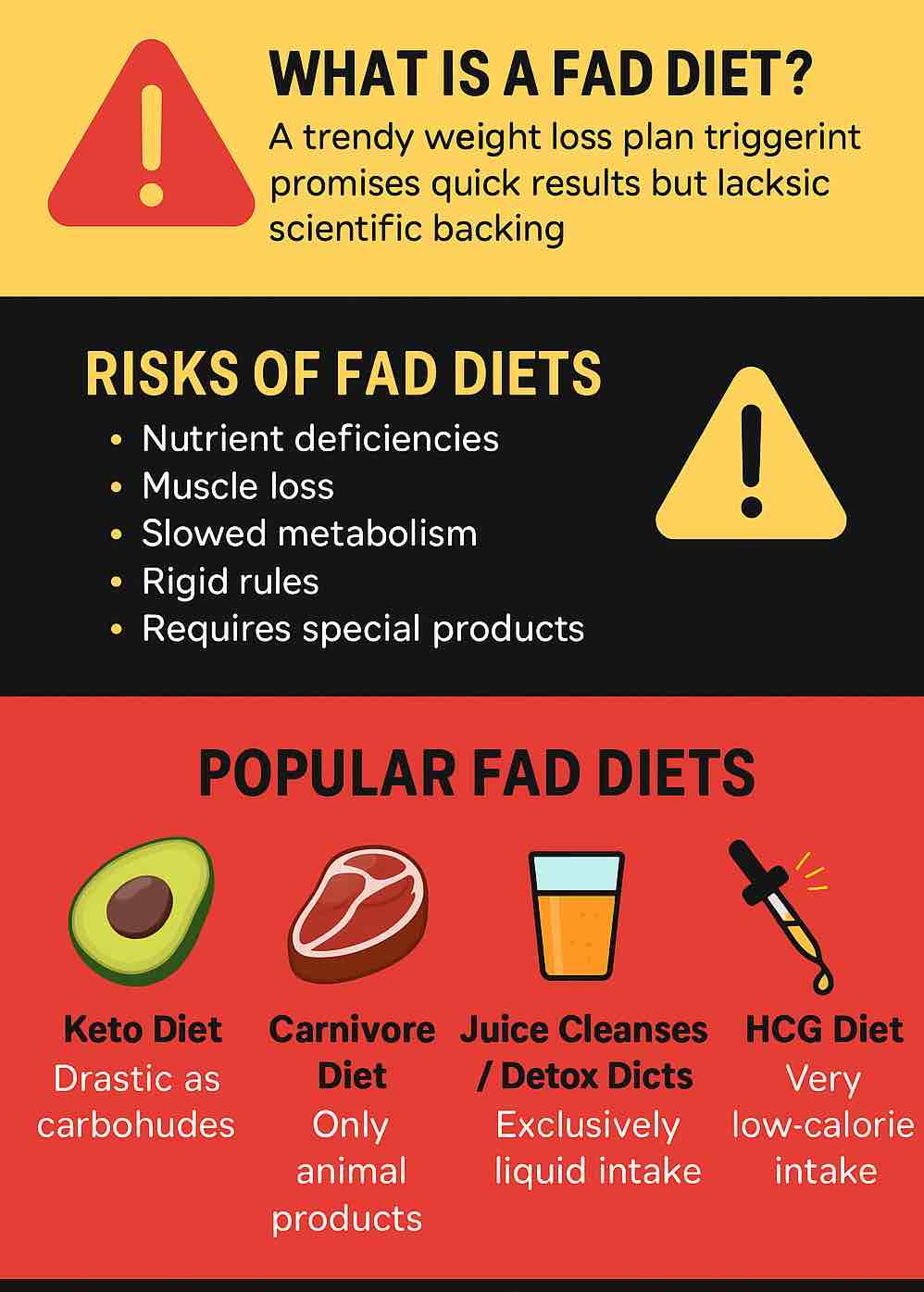
A fad diet is a trendy eating plan that promises dramatic results—especially weight loss—with little effort or time. These diets often go viral, thanks to slick marketing, celebrity endorsements, or sensational claims like “Lose 10 pounds in a week!”

But here’s the truth: most fad diets are nutritionally unbalanced, unsupported by science, and unsustainable in the long term.

Common Red Flags:

  • Quick-fix claims: “Drop 15 lbs in 10 days!”
  • Eliminates entire food groups: “No carbs, ever.”
  • No scientific backing: Relies on anecdotes or testimonials.
  • Rigid rules: No flexibility, no personalization.
  • Requires expensive products: Supplements, shakes, hormone drops.

If it sounds too good to be true—it probably is.


💣 The Real Risks Behind Fad Diets

Before jumping into the latest viral trend, consider the downsides:

  • Nutrient Deficiencies: Many fad diets cut out essential vitamins and minerals.
  • Muscle Loss: Rapid weight loss often means you’re losing muscle, not fat.
  • Slowed Metabolism: Severe calorie restriction can crash your metabolism.
  • Mental Stress: Strict rules may trigger anxiety or disordered eating patterns.
  • Yo-Yo Effect: Weight lost quickly often comes back—plus more.

🔍 5 Fad Diets — What They Claim vs. What Science Says

1. Keto Diet: The Carb Killer

What it promises: By slashing carbs, your body enters ketosis and burns fat fast.
Reality check:

  • Pros: Initial weight loss, may help with insulin sensitivity.
  • Cons: Constipation, nutrient gaps, hard to maintain, possible cholesterol issues.
  • Bottom line: May work short term, but not a magic bullet. Most people quit within a year.

2. Carnivore Diet: All Meat, All the Time

What it promises: Ditch carbs and plants—eat only meat for improved health.
Reality check:

  • Pros: Cuts out processed foods, may reduce inflammation temporarily.
  • Cons: Zero fiber, no antioxidants, gut issues, long-term unknowns.
  • Bottom line: Extremely restrictive and unsupported by large-scale studies.

3. Juice Cleanses & Detox Diets

What they promise: Flush out toxins, reset your body, and lose weight fast.
Reality check:

  • Pros: Increased veggie intake (briefly).
  • Cons: Low protein, low calories, no actual “detox” happening—your liver and kidneys already handle that.
  • Bottom line: Mostly hype, not health. Causes more harm than good over time.

4. HCG Diet: Starvation + Hormones

What it promises: Injecting HCG hormone and eating just 500–800 kcal/day melts fat.
Reality check:

  • Pros: Rapid weight loss (unsurprising at 500 kcal/day).
  • Cons: Dangerous. FDA warns against it. Hormonal imbalance, gallstones, nutrient deficits.
  • Bottom line: Unsafe, ineffective, and possibly illegal in many places.

5. Alkaline Diet: Change Your pH, Cure All Ills

What it promises: Alkaline foods raise your body pH and prevent disease.
Reality check:

  • Pros: Promotes plant-based eating.
  • Cons: Your body regulates pH tightly—your diet can’t change your blood’s pH.
  • Bottom line: Built on faulty science, but promotes healthy habits if not taken to extremes.

🧭 So What Actually Works?

If you’re tired of the quick-fix cycle, here’s the good news: science has consistently shown that sustainable lifestyle changes are the key to long-term health and weight control.

🔑 Evidence-Based Guidelines:

  • Eat Whole Foods: Focus on minimally processed fruits, vegetables, grains, legumes, lean proteins, and healthy fats.
  • Moderation > Elimination: No need to cut out carbs or fats entirely.
  • Personalized Plans: What works for your friend might not work for you. Tailor your diet to your lifestyle, culture, and preferences.
  • Movement Matters: Combine nutrition with regular physical activity.
  • Mindset Over Willpower: Build habits, not restrictions.

📣 Pro tip: Work with a registered dietitian or certified nutritionist to create a plan that’s science-backed and designed for you.


✅ Final Thoughts: Choose Sustainability Over Sensation

Fad diets will come and go—just like the weight they promise to shed.

While they may offer quick results, they almost always fall short when it comes to health, sustainability, and long-term success. The real secret? A balanced, personalized, and flexible approach that you can maintain for life.

Stop chasing trends. Start building habits. That’s the real transformation.

🔄 10 FAQs About Fad Diets

1. What is the main difference between a fad diet and a healthy diet?

Answer:
A fad diet is usually restrictive, short-term, and focused on rapid results without scientific support. A healthy diet is balanced, sustainable, and personalized, emphasizing long-term health and nutrient adequacy.


2. Are all low-carb diets considered fad diets?

Answer:
No. While some low-carb diets (like Keto or Carnivore) can be fad-like due to their rigidity and hype, others (like a moderate low-carb Mediterranean diet) can be balanced and evidence-based.


3. Can I lose weight without following a fad diet?

Answer:
Absolutely. Sustainable weight loss comes from consistent, small changes in eating and activity habits—without extreme rules or deprivation.


4. How do I know if a diet is a fad?

Answer:
Red flags include:

  • Promises of rapid weight loss
  • Elimination of entire food groups
  • “Magic” foods or supplements
  • Lack of scientific backing
  • Over-reliance on testimonials or influencers

5. Do fad diets really help “detox” the body?

Answer:
No. Your liver, kidneys, and lymphatic system naturally detoxify your body. There’s no credible scientific evidence that specific foods or juices detoxify better or faster.


6. What are the dangers of following a fad diet long-term?

Answer:
Risks include:

  • Nutrient deficiencies
  • Muscle loss
  • Fatigue
  • Hormonal imbalances
  • Poor relationship with food
  • Risk of eating disorders

7. Why do fad diets make me regain weight after stopping?

Answer:
Because they’re not sustainable. Most involve severe restrictions, so once you resume normal eating, the weight returns—often with interest. This is known as yo-yo dieting.


8. Are celebrity-endorsed diets trustworthy?

Answer:
Not usually. Celebrities may not be nutrition experts, and many endorsements are paid. Always verify claims with peer-reviewed research or consult a registered dietitian.


9. What should I look for in a sustainable diet?

Answer:
Look for:

  • Flexibility and variety
  • Inclusion of all major food groups
  • Personalization to your needs
  • Long-term habit formation, not quick fixes
  • Professional guidance if needed

10. How can I start eating healthier without falling into fad diet traps?

Answer:
Start small:

  • Add more vegetables and fiber
  • Reduce ultra-processed foods
  • Stay hydrated
  • Cook more at home
  • Don’t eliminate—moderate
  • Prioritize progress over perfection