Posted on Leave a comment

Harnessing the Healing Power of Turmeric for Urinary Tract Infections (UTIs)

Turmeric for Urinary Tract Infections (UTls)

Few things disrupt your day quite like a urinary tract infection (UTI): burning, urgency, pain, and that all-consuming discomfort. For many, especially women, UTIs are a recurring nuisance. While antibiotics are usually effective, concerns about antibiotic resistance and frequent recurrences are driving people to seek natural solutions. One age-old spice is increasingly in the spotlight: turmeric. But can it really help? Let’s dig into the science, the practicalities, and what it means for you.


What Exactly Is Turmeric?

Turmeric (Curcuma longa) is a bright yellow spice widely used in South Asian cuisine and traditional medicine. Its earthy, slightly bitter flavor is instantly recognizable in curries and golden milk lattes. But beyond its culinary appeal, turmeric has been revered for centuries as an herbal healer—touted for everything from wound care to chronic disease prevention.

The secret behind turmeric’s purported superpowers? A compound called curcumin. This natural polyphenol is responsible for turmeric’s anti-inflammatory, antioxidant, and (in lab studies) antimicrobial effects.


What Are Urinary Tract Infections?

A UTI is an infection in any part of your urinary system—kidneys, bladder, ureters, or urethra. The most common culprit is the bacterium Escherichia coli (E. coli), which sneaks into the urinary tract and triggers a cascade of inflammation and discomfort. Symptoms include:

  • Burning pain while urinating
  • Frequent urge to urinate
  • Cloudy or strong-smelling urine
  • Lower abdominal pain

UTIs are typically treated with antibiotics, but not everyone wants to reach for antibiotics at the first twinge of pain—especially those prone to recurring infections.


The Science: Turmeric and UTIs—What Do We Know?

1. Turmeric’s Antimicrobial Action

Laboratory studies show that curcumin, turmeric’s main active ingredient, can inhibit the growth of various bacteria, including some UTI-causing strains like E. coli and Staphylococcus saprophyticus. Curcumin appears to:

  • Disrupt bacterial cell membranes
  • Inhibit “quorum sensing” (bacterial communication that makes infections harder to treat)
  • Reduce the ability of bacteria to form biofilms (sticky layers that shield bacteria from antibiotics)

However, most of this evidence is from in vitro studies (test tubes and petri dishes), using concentrations of curcumin higher than what you get from food or typical supplements.

2. Anti-Inflammatory Effects

UTIs cause significant inflammation, which is responsible for much of the discomfort. Curcumin is a potent anti-inflammatory agent; it suppresses inflammatory chemicals (like TNF-alpha and IL-6) and may, at least in theory, reduce symptoms of burning and urgency. This property has been proven in animal models and in general human studies for inflammation, though direct proof for UTIs is still sparse.

3. Animal Studies and Early Human Evidence

  • In animal models, curcumin reduces bacterial counts and inflammation in the urinary tract and kidneys.
  • A few small pilot studies used curcumin instilled directly into the bladder (not by mouth) to treat certain bladder disorders and found it was safe and might reduce symptoms.
  • There are no large human clinical trials of oral turmeric or curcumin for treating or preventing UTIs yet. This is a crucial gap, so current recommendations are based on indirect evidence and “best guesses.”

4. The Synergy Angle

Recent research suggests curcumin may work in synergy with certain antibiotics—making them more effective or helping fight drug-resistant infections. Again, this is an exciting but still experimental area.


The Real-World Problem: Why Can’t We Just Take Turmeric Pills for UTIs?

The big catch is bioavailability. Curcumin is notoriously hard for your body to absorb when taken by mouth—it’s rapidly broken down and poorly absorbed into the bloodstream. Most of the turmeric you eat simply passes through your gut.

To get around this:

  • Pair turmeric with black pepper (piperine), which can boost absorption by up to 2000%.
  • Use specialized curcumin supplements designed for better absorption (such as “phytosome,” “liposomal,” or “nanocurcumin” formulas).
  • Take curcumin with a meal containing healthy fats, which can also help.

Turmeric for UTIs: What’s Practical, What’s Not?

Let’s be realistic. Turmeric is not a substitute for antibiotics if you have an acute UTI. Left untreated, UTIs can lead to serious complications, including kidney infections and sepsis.

However, turmeric may have a role in:

  • Prevention (for those with recurrent infections)
  • Adjunct therapy (alongside prescribed antibiotics)
  • Reducing inflammation and discomfort as part of a broader anti-inflammatory lifestyle

Always consult a healthcare provider before starting any supplement, especially if you are pregnant, have chronic health conditions, or are taking other medications.


How to Harness Turmeric in Everyday Life

Here’s how you can practically and safely incorporate turmeric into your anti-UTI wellness routine:

1. Diet

  • Golden Milk: Simmer a teaspoon of turmeric in milk (dairy or plant-based) with a pinch of black pepper and a drizzle of honey. Enjoy daily.
  • Curries and Soups: Add turmeric liberally to curries, stews, or rice.
  • Smoothies: Blend turmeric powder into your morning smoothie with ginger and a bit of black pepper.

2. Supplements

  • Choose a reputable brand offering standardized curcumin extract (look for 95% curcuminoids).
  • Look for formulas with piperine or “enhanced absorption.”
  • Typical doses range from 500–1000 mg of curcumin per day, but this is not a medical guideline for UTIs—just the dose shown safe in general studies.

3. Prevention Habits

  • Stay hydrated; water helps flush bacteria from the urinary tract.
  • Practice good personal hygiene.
  • Empty your bladder before and after sex (a common trigger for recurrent UTIs).
  • Avoid harsh soaps or douches.

What the Experts Say

Leading reviews highlight turmeric’s promise as an adjunct or preventive therapy, not as a replacement for standard care. The lack of human clinical trials means we don’t yet have solid, dose-specific recommendations for using turmeric to prevent or treat UTIs. If you want to use turmeric, do so as part of an overall healthy lifestyle and discuss it with your doctor.


Key Takeaways

  • Turmeric is a powerful anti-inflammatory and has shown anti-bacterial effects in lab studies.
  • It may help prevent UTIs or reduce symptoms, especially for those with recurrent issues.
  • Don’t use turmeric in place of antibiotics for an acute UTI.
  • Use high-quality, well-absorbed forms, and combine with black pepper or healthy fats.
  • More research—especially human clinical trials—is needed.

Final Word: The Smart, Balanced Approach

Harnessing the healing power of turmeric for UTIs is a promising, science-backed idea that’s not quite ready for “prime time” as a stand-alone therapy. But used wisely, turmeric can be a valuable tool in your anti-UTI arsenal—especially for prevention, inflammation reduction, and overall wellness. As always, stay alert to your body, stay connected with your healthcare provider, and make evidence-informed choices.


Have you tried turmeric for urinary tract health? Share your experiences or questions in the comments below!


Disclaimer: This blog post is for informational purposes only and does not constitute medical advice. Always consult a healthcare provider for diagnosis and treatment of UTIs or before starting any supplement regimen.

10 Frequently Asked Questions About Turmeric for UTIs

1. Can turmeric cure a UTI on its own?

No. While turmeric may help reduce inflammation and potentially slow bacterial growth, it should not replace antibiotics for treating an active UTI. Untreated UTIs can become serious. Always consult your doctor if you have symptoms.


2. Is turmeric effective for UTI prevention?

Possibly, but evidence is limited. Some research suggests turmeric’s anti-inflammatory and antibacterial effects could help lower UTI recurrence risk, but robust human trials are still lacking.


3. What is the best way to take turmeric for urinary health?

The most practical options are through diet (curries, golden milk) or high-quality curcumin supplements with black pepper (piperine) for absorption. Topical or bladder instillation methods should only be done under medical supervision.


4. How much turmeric or curcumin should I take for UTI support?

There is no established dose for UTIs. Many supplements offer 500–1000 mg of curcumin daily, which has been studied for general inflammation. Always follow product instructions and consult your healthcare provider.


5. Are there any side effects or risks from turmeric supplements?

Turmeric is generally safe in food amounts. High doses can cause gastrointestinal upset or interact with certain medications, such as blood thinners. Rarely, liver issues have been reported. Talk to your doctor before starting supplements.


6. Can turmeric be used together with antibiotics?

Yes, and some evidence suggests curcumin may work synergistically with antibiotics. However, turmeric should not be seen as a substitute. Always finish your prescribed antibiotic course.


7. Does turmeric help with UTI symptoms like burning and urgency?

Turmeric’s anti-inflammatory effects may help reduce discomfort, but it is not a direct pain reliever. It can be part of a holistic approach to symptom relief but does not act as quickly as conventional pain management.


8. How can I make turmeric more effective?

Combine turmeric with black pepper (piperine), healthy fats, or opt for specialized formulations (phytosome, liposomal, nano-curcumin) for better absorption.


9. Are there any people who should not take turmeric supplements?

Yes. Avoid turmeric supplements if you are pregnant, breastfeeding, have gallbladder disease, are scheduled for surgery, or take anticoagulants—unless approved by your doctor.


10. What should I do if I get recurrent UTIs despite using turmeric?

Consult a healthcare professional for a full evaluation. Frequent UTIs may need further medical testing, prescription therapies, or other preventive strategies beyond supplements.

Posted on 1 Comment

Mango with Coconut Milk: A Tropical Fusion of Flavors and Health Benefits!

MANGO WITH COCONUT MILK

Imagine a bowl of ripe, juicy mangoes draped in silky coconut milk—sweet, creamy, and impossibly fresh. This is more than a treat; it’s a centuries-old staple across the tropics, celebrated from the bustling markets of Bangkok to the vibrant kitchens of Mumbai. But mango with coconut milk isn’t just about flavor; it’s a dynamic duo delivering a range of health benefits, backed by both tradition and modern science.

Whether you’re looking for a healthy dessert, a quick breakfast, or simply a taste of summer all year round, this tropical combo is a must-try. Let’s explore its origins, nutritional power, creative recipes, and why it deserves a spot in your regular routine.


The Tropical Roots: More Than Just a Sweet Treat

The marriage of mango and coconut milk is woven through the food culture of Southeast Asia, South Asia, and beyond. In Thailand, mango sticky rice (Khao Niao Mamuang) reigns as a national dessert. Across the Philippines, coconut-based sweets like ginataang halo-halo often feature mango as a starring fruit. In India, mango and coconut milk unite in vegan smoothies, puddings, and festive treats.

This pairing isn’t accidental: both ingredients thrive in warm, humid climates, and both offer dense nutrition designed by nature for energy, hydration, and sustenance.


Flavor Profile: A Balancing Act

  • Mango: Sweet, floral, slightly tangy, and aromatic.
  • Coconut milk: Rich, creamy, with a hint of sweetness and tropical perfume.

Together, they create a flavor harmony—refreshing yet decadent. Mango’s acidity cuts through the richness of coconut milk, making each bite lively but balanced.


Latest Research: Health Benefits Unveiled

Recent studies have shone a spotlight on the unique health perks of each ingredient—and what happens when you bring them together.

Mango: More Than Vitamin C

  • Cardiometabolic Support: A 2025 study by UC Davis found that eating 1.5 cups of mango daily for just two weeks reduced blood pressure and improved cholesterol in postmenopausal women.
  • Blood Sugar Balance: Mango polyphenols (like mangiferin and quercetin) have been linked to improved insulin sensitivity and reduced blood sugar spikes—without the negative effects of refined sugars.
  • Digestive Health: High fiber content (2.6g/cup) supports regularity and a healthy gut microbiome.
  • Immunity & Skin: Rich in vitamins A and C, essential for skin glow and immune defense.

Coconut Milk: The Creamy Nutritional Booster

  • Medium-Chain Triglycerides (MCTs): Quick-burning fats that boost metabolism and provide lasting energy.
  • Electrolytes: Potassium, magnesium, and manganese for hydration, muscle, and nerve function.
  • Gut-Friendly Fats: MCTs and natural prebiotics may promote a diverse, healthy gut microbiome.
  • Plant-Based and Lactose-Free: A safe option for those with dairy allergies or vegan diets.

The Combo: Synergy in a Bowl

When you combine the two:

  • Heart Health: Mango’s cholesterol-lowering effects + coconut’s HDL-boosting MCTs.
  • Stable Energy: Fiber from mango + fats from coconut milk = slow, steady release of energy.
  • Hydration and Recovery: Electrolytes in coconut milk plus the water content of mangoes make this pairing excellent for rehydration after exercise or in hot weather.
  • Anti-Inflammatory: Both are rich in antioxidants that may help fight inflammation and oxidative stress.

Practical Ways to Enjoy Mango and Coconut Milk

Let’s get real: you don’t need fancy equipment or rare ingredients to make this at home. Here are some delicious, approachable ideas:

1. Classic Mango Coconut Bowl

Ingredients:

  • 1–1.5 cups ripe mango, cubed or sliced
  • ½–1 cup coconut milk (unsweetened)
  • Optional: 1 tsp honey or maple syrup, pinch of salt, lime zest

Directions:

  1. Arrange mango in a bowl.
  2. Pour coconut milk over mango. Drizzle with honey if using.
  3. Top with lime zest and a pinch of salt for brightness.
  4. Serve chilled, with toasted coconut flakes if desired.

2. Mango Coconut Chia Pudding

Ingredients:

  • 1 cup coconut milk
  • 2–3 tbsp chia seeds
  • 1 cup diced mango
  • 1 tsp vanilla (optional)

Directions:

  1. Mix chia seeds with coconut milk and vanilla. Chill overnight.
  2. Layer chia pudding with mango in a glass.
  3. Top with extra fruit or nuts for crunch.

3. Mango Coconut Smoothie

Ingredients:

  • 1 cup frozen mango
  • ¾ cup coconut milk
  • ½ banana (for extra creaminess)
  • Squeeze of lime

Directions:
Blend until smooth and enjoy as a refreshing snack or breakfast.

4. Thai-Inspired Mango Sticky Rice (Quick Version)

Ingredients:

  • 1 cup cooked sticky rice (or jasmine rice)
  • 1–2 ripe mangoes
  • 1 cup coconut milk
  • 2 tbsp sugar
  • Pinch of salt
  • Toasted sesame seeds (optional)

Directions:

  1. Warm coconut milk with sugar and salt. Pour half over the rice, let soak.
  2. Plate rice with sliced mango. Drizzle remaining coconut milk sauce on top.
  3. Garnish with sesame seeds.

Tips for Best Results

  • Choose ripe, fragrant mangoes. The sweetness matters!
  • Opt for full-fat, unsweetened coconut milk for maximum creaminess—shake or stir before use.
  • Control sugar: Both ingredients are naturally sweet; minimize added sweeteners.
  • Make it a meal: Add a scoop of protein powder, Greek yogurt (if not vegan), or chia seeds to turn this into a filling breakfast.
  • Seasonal swaps: When mango isn’t in season, try pineapple or papaya for a twist.

Potential Pitfalls & How to Avoid Them

  • Calories & Fat: Coconut milk is calorie-dense. Use smaller portions or dilute with water if you’re watching intake.
  • Canned vs. Fresh: Fresh coconut milk tastes better and has fewer additives, but canned is convenient. Always check labels for unnecessary ingredients.
  • Allergies: Though rare, coconut allergies do exist. Always check if serving guests.

Cultural Fun Facts

  • Mango is the national fruit of India, Pakistan, and the Philippines.
  • In Ayurveda, both mango and coconut are considered cooling foods—ideal for hot weather.
  • Mango sticky rice is traditionally eaten in Thailand at the end of the hot season, celebrating the mango harvest.

Conclusion: Savor the Tropics, Savor Your Health

Mango with coconut milk isn’t just a treat—it’s a celebration of sunshine, flavor, and health. Backed by new research and centuries of tradition, it offers something for everyone: athletes, foodies, vegans, kids, and anyone seeking joy in a bowl.

Next time you spot ripe mangoes, don’t just eat them plain. Pair them with coconut milk, try one of these recipes, and experience a fusion that’s as good for your body as it is for your soul.


Ready to Try?

If you’ve got questions, want more recipes, or need tips for special diets (like low-sugar or high-protein versions), let me know in the comments!
Or—share your own favorite ways to enjoy this tropical duo!


References:

FAQs: Mango with Coconut Milk

1. Is mango with coconut milk healthy for everyday consumption?

Answer: Yes, in moderation. Both mango and coconut milk offer beneficial nutrients (vitamins, antioxidants, healthy fats), but coconut milk is high in calories and saturated fat. Stick to appropriate portions and limit added sugars.


2. Can people with diabetes enjoy mango and coconut milk?

Answer: In controlled portions, yes. Recent research shows mango may help stabilize blood sugar, but it still contains natural sugars. Use unsweetened coconut milk and avoid adding extra sweeteners. Always consult your healthcare provider for personal recommendations.


3. Is this combination suitable for a vegan or dairy-free diet?

Answer: Absolutely! Both mango and coconut milk are plant-based and naturally free from dairy and animal products.


4. What type of coconut milk is best: canned, carton, or fresh?

Answer: Full-fat canned coconut milk offers the richest texture and flavor. Fresh coconut milk is ideal if available. Carton versions are usually more diluted and can contain additives—check ingredient labels for purity.


5. How can I make this dish lower in calories or fat?

Answer: Use light (reduced-fat) coconut milk, dilute regular coconut milk with water, and watch your portion size. Adding extra fruit or chia seeds can help increase volume and fiber without extra fat.


6. Can I prepare mango with coconut milk ahead of time?

Answer: Yes! Many recipes (like puddings or smoothie bowls) benefit from chilling and can be stored in the fridge for up to two days. Add fresh mango just before serving for best texture.


7. Are there any allergy concerns with coconut milk?

Answer: Coconut allergies are rare but possible. If you have a tree nut allergy, check with your doctor, as coconut is technically a fruit, not a nut, but cross-reactivity can occur.


8. What are good toppings or add-ins for more nutrition?

Answer: Try chia seeds, flaxseeds, sliced almonds, berries, toasted coconut flakes, or a sprinkle of cinnamon for extra flavor and nutrition.


9. Is it safe for kids and toddlers?

Answer: Yes, if there are no allergies. Use unsweetened coconut milk and limit added sugars. Mango is soft and easy to digest—just cut it into age-appropriate pieces.


10. Can I use frozen mango instead of fresh?

Answer: Definitely! Frozen mango works well in smoothies, puddings, and bowls, and offers nearly the same nutrition as fresh. Thaw or blend directly from frozen as needed.

Posted on Leave a comment

Cardamom in Coffee: A Delightful Fusion of Aromas

Cardamom Coffee

Coffee—that daily ritual, a comforting aroma that kickstarts mornings across the globe.
But what if you could take your cup further, adding a centuries-old spice that transforms the experience both sensorially and, possibly, for your health?
Enter cardamom, a jewel among spices, revered for its perfume-like flavor and myriad benefits.

In this in-depth post, we explore how and why you should try cardamom in your coffee, what the research says, how to brew it right, and practical tips for making it your own.


1. A Journey Through Time: Cardamom & Coffee in Culture

The marriage of cardamom and coffee isn’t new—it’s deeply rooted in tradition.

  • Middle Eastern Origins: In the Arabian Peninsula, serving “Qahwa” (Arabic coffee spiced with cardamom) is a centuries-old sign of hospitality. The blend has traveled from Bedouin tents to bustling modern cafes.
  • Ritual & Respect: In Saudi Arabia and neighboring Gulf countries, offering cardamom coffee to guests is a mark of honor.
  • Global Spread: Turkish and Persian coffee cultures also embrace cardamom. Even in parts of South India, cardamom adds an aromatic twist to filter coffee.

Why cardamom? Beyond flavor, it’s a symbol of warmth, generosity, and connection.


2. Science in Your Cup: What Happens When Cardamom Meets Coffee?

Flavor Chemistry

  • Aromatic Powerhouse: Cardamom’s essential oils (cineole, limonene, terpinene) mingle with coffee’s roasted notes, smoothing bitterness and lifting the cup with sweet, floral, and citrus hints.
  • Balanced Brew: Properly balanced, cardamom can mellow acidity and create a cup that’s simultaneously bold and soothing.

Health & Wellness: The Latest Research

Recent studies (2023–2025) illuminate intriguing benefits:

  • Synergistic Antioxidants: Combining cardamom with coffee may amplify antioxidant activity, helping reduce inflammation and cellular stress.
  • Heart & Metabolic Health: Cardamom has been shown to lower blood pressure and inflammation, though a few studies suggest high cardamom intake in coffee might modestly raise LDL cholesterol. Moderation is key.
  • Digestive Ease: Cardamom’s traditional use as a digestive aid can help counter coffee’s acidity, reducing bloating or discomfort for some.
  • Antimicrobial Boost: Cardamom’s natural compounds also display antimicrobial action, supporting overall health.
  • Energy & Appetite: Animal research shows cardamom may stimulate appetite while also boosting energy expenditure, suggesting a possible role in weight regulation.

Note: While the synergy is promising, individual responses vary—especially with underlying health conditions. When in doubt, consult your healthcare provider.


3. How to Make Cardamom Coffee: Practical Brewing Guide

Ready to try this ancient-modern fusion at home?
Here are practical methods, from traditional to quick hacks:

Classic Arabic Cardamom Coffee (Qahwa)

You’ll Need:

  • 2 cups water
  • 2 tbsp lightly roasted, coarsely ground Arabica coffee
  • 4–6 green cardamom pods, lightly crushed
  • Optional: pinch of saffron, rose water, or a few cloves

Method:

  1. Bring water to a boil.
  2. Add cardamom pods (and saffron, if using); simmer 2–3 minutes.
  3. Add coffee; bring just to a gentle boil, then reduce heat.
  4. Simmer (don’t boil hard) for 5–10 minutes.
  5. Let grounds settle. Pour carefully into a serving pot, leaving grounds behind.
  6. Serve in small cups, optionally sweetened or with dates on the side.

Turkish or Indian-Style Cardamom Coffee

  • Mix ¼–½ tsp ground cardamom with ground coffee before brewing in a cezve (Turkish pot) or stovetop moka pot.
  • For French press or drip, simply add ground or lightly crushed pods to the coffee grounds before brewing.

Espresso or Quick Add-In

  • Add a pinch (⅛ tsp) of ground cardamom to your portafilter before pulling a shot.
  • Or, stir a pinch into your finished cup—great for cold brew, too!

Pro Tip:
Start with less cardamom and increase to taste. Cardamom’s flavor is potent—too much can overwhelm!


4. Variations & Modern Twists

  • Iced Cardamom Coffee: Brew strong coffee with cardamom, cool, and serve over ice with a splash of milk.
  • Cardamom Coffee Syrup: Make a simple syrup with cardamom pods and sweeten your coffee or desserts.
  • Coffee Cocktails: Cardamom pairs brilliantly in espresso martinis or spiked coffee drinks.

5. Cardamom in Coffee: Buying, Storing, and Blending

  • Buying: Always choose fresh, green cardamom pods over pre-ground. Pods lock in oils and flavor.
  • Storing: Keep pods airtight, away from light and heat.
  • DIY Blend: Grind pods with your coffee beans just before brewing for the freshest taste.

6. FAQs & Practical Tips

Q: How much cardamom should I use?
A: For an 8 oz cup, 1–2 pods or a generous pinch (⅛–¼ tsp) of ground cardamom is a good starting point.

Q: Can I use pre-ground cardamom?
A: Yes, but flavor fades quickly. Whole pods, freshly crushed or ground, are best.

Q: Any health risks?
A: Cardamom is safe for most people in culinary amounts. High doses may not suit those with gallstone issues or certain allergies. Moderation is your friend.


7. The Future of Cardamom Coffee: Trends & Products

  • Resurgence: Specialty cafes and global coffee shops are rediscovering traditional recipes.
  • Ready-to-Drink: Look for bottled cardamom cold brews, instant blends, and even cardamom coffee pods.
  • DIY Movement: At-home baristas are blending spices into their morning routines, inspired by both nostalgia and novelty.

8. Conclusion: Why You Should Try It

Cardamom in coffee is more than just a flavor hack.
It’s a celebration of culture, a possible health booster, and a way to personalize your daily ritual with a touch of ancient wisdom. Whether you crave the classic or the creative, this fusion is an invitation to slow down, savor, and explore.

Have you tried cardamom in your coffee? Share your experience, recipes, or tips below!


Ready to take your coffee on a flavor adventure? Try cardamom—and taste history, science, and delight in every sip.

Posted on 3 Comments

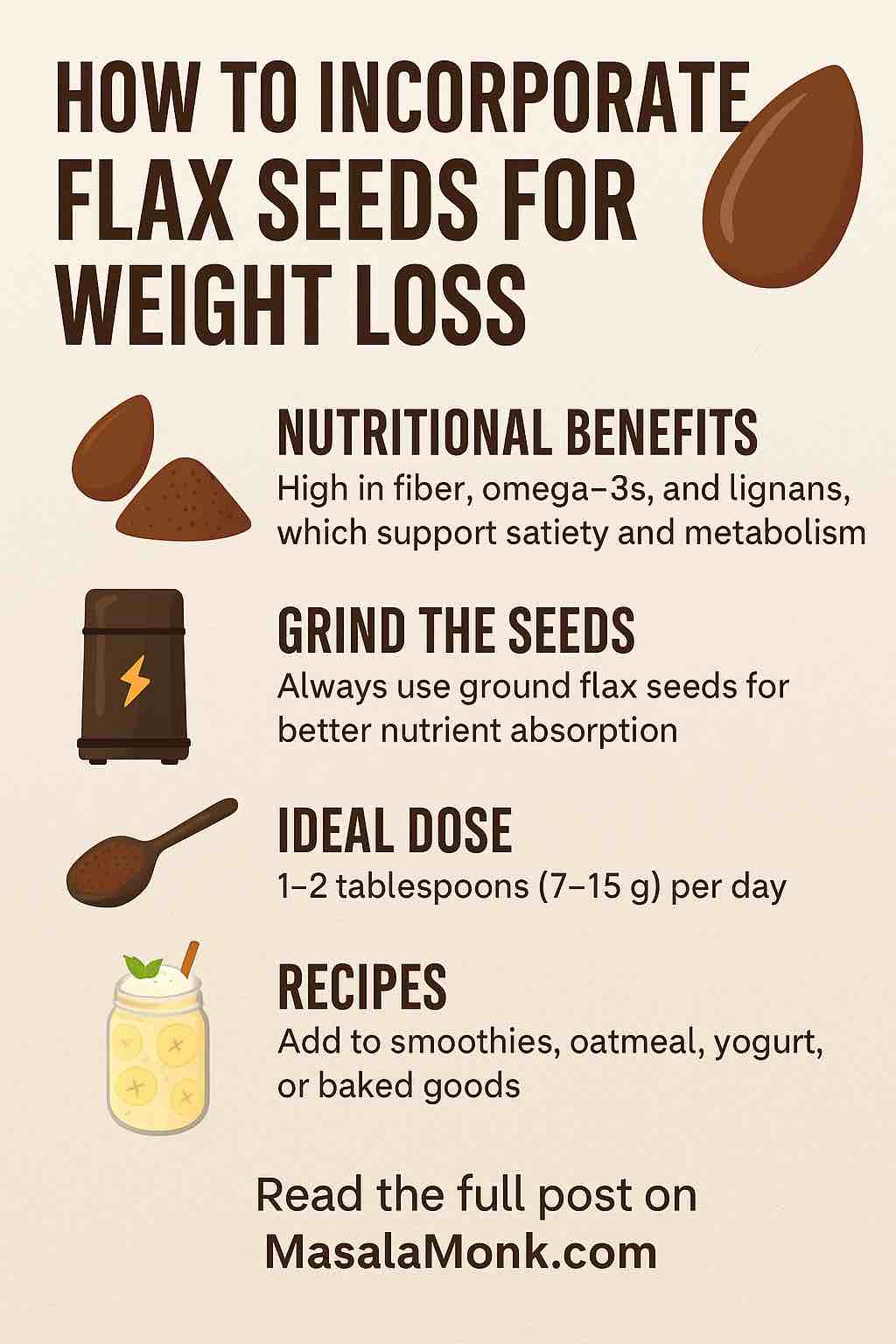
How to Incorporate Flax Seeds for Weight Loss: Tips, Recipes, and Nutritional Benefits

INCORPORATE FLAX SEEDS FOR WEIGHT LOSS

Flax seeds have become a popular addition to healthy diets worldwide, praised for their dense nutritional profile and impressive health benefits. But did you know they can also support your weight loss journey? In this guide, we go beyond the basics to explore how to effectively incorporate flax seeds for weight loss, supported by the latest research, expert tips, and delicious, easy-to-follow recipes.


Why Flax Seeds Work for Weight Loss

1. Rich in Dietary Fiber

Ground flax seeds are a powerhouse of both soluble and insoluble fiber. Just two tablespoons contain around 4 grams of fiber, which helps to:

  • Increase feelings of fullness
  • Reduce overall calorie intake
  • Improve digestive health

Soluble fiber, in particular, forms a gel-like substance in the gut, slowing digestion and making you feel satisfied for longer.

2. Packed with Omega-3 Fatty Acids

Flax seeds are the richest plant-based source of alpha-linolenic acid (ALA), a type of omega-3 that helps:

  • Reduce inflammation
  • Support fat metabolism
  • Improve cardiovascular health

These benefits indirectly support weight loss, especially in individuals with metabolic syndrome or obesity-related inflammation.

3. Lignans and Metabolism

Flax seeds contain plant lignans, which are phytoestrogens known to:

  • Help regulate hormonal balance
  • Reduce oxidative stress
  • Potentially improve fat metabolism

Research shows lignans may also help regulate blood sugar levels, curbing cravings and binge eating.


What Science Says: Latest 2024–2025 Research Findings

Recent studies have confirmed flax seeds’ effectiveness for weight loss:

  • Meta-analysis (2024): Showed that whole-ground flaxseed supplementation significantly improved BMI and body weight, especially in people with high cholesterol or metabolic disorders.
  • RCT on Fatty Liver Patients (2025): Found flax improved weight, liver fat, and inflammation markers in overweight individuals with NAFLD.
  • Blood Pressure Support: A 2024 review confirmed flax consumption helped reduce systolic and diastolic blood pressure, enhancing heart health during weight loss.

These findings suggest that a daily intake of 2 tablespoons (about 30g) of ground flaxseed for at least 12 weeks yields modest but real improvements in body weight, waist circumference, and metabolic health.


How to Incorporate Flax Seeds Into Your Daily Routine

1. Start Small and Build Up

Begin with 1 teaspoon per day and increase gradually to avoid bloating or gas. The goal is to reach about 1–2 tablespoons daily.

2. Always Use Ground Flax Seeds

Whole flax seeds often pass through your digestive system undigested. Ground flax seeds offer full nutrient absorption. Store them in an airtight container in the fridge or freezer.

3. Stay Hydrated

Because of their high fiber content, flax seeds require plenty of water to work effectively and to prevent constipation.

4. Time Your Intake

Some of the best times to consume flax seeds include:

  • Morning: Stir into warm water with lemon or add to oatmeal.
  • Afternoon: Sprinkle over a salad or yogurt.
  • Pre/Post Workout: Blend into a smoothie for a protein-fiber boost.

Sample Daily Plan for Weight Loss with Flax Seeds

TimeMeal/DrinkFlax Incorporation
8:00 AMWarm lemon water1 tsp ground flax mixed in
9:00 AMOatmeal + berries1 tbsp ground flax stirred in
12:30 PMSalad with grilled chickenFlaxseed oil in vinaigrette
4:00 PMGreek yogurt + honey1 tsp ground flax on top
7:00 PMVeggie stir-fry + brown riceFlax “egg” in the stir-fry

5 Easy and Delicious Flax Seed Recipes

1. Flaxseed Energy Balls

Ingredients:

  • 1 cup rolled oats
  • 1/2 cup ground flaxseed
  • 1/2 cup almond butter
  • 1/4 cup honey or maple syrup
  • 1/4 cup shredded coconut
  • 1 tsp vanilla

Mix all ingredients, roll into balls, refrigerate.

2. Banana Flax Smoothie

Blend:

  • 1 banana
  • 1 cup almond milk
  • 1 tbsp ground flaxseed
  • 1/2 cup spinach
  • Ice cubes

3. Flax Yogurt Parfait

Layer Greek yogurt, fresh berries, flaxseed, and a drizzle of honey.

4. Flax Oatmeal

Stir 1 tablespoon of ground flax into your morning oats with cinnamon, apple, or banana.

5. Flax Tea (for digestion & cravings)

Boil 1 tbsp whole flax seeds in 2 cups water for 5 minutes. Strain, sip warm.


Precautions and Who Should Avoid

  • Pregnancy/Breastfeeding: Consult a doctor due to phytoestrogen content.
  • Blood Thinners: May interact with flax’s mild anti-coagulant effect.
  • Digestive Issues: Start slow if you have IBS or diverticulitis.

Final Thoughts

Incorporating flax seeds into your diet is a simple, affordable, and research-backed strategy for supporting weight loss. With consistent daily use, especially in ground form, flax seeds not only help you manage weight but also improve heart health, digestion, and hormonal balance.

Start small, experiment with fun recipes, and combine flax with a holistic approach including whole foods, hydration, exercise, and rest. Over time, you’ll likely notice both subtle and meaningful improvements in your health and waistline.

Let food be your medicine—and flax be one of your daily allies.


10 FAQs About Using Flax Seeds for Weight Loss

1. Can flax seeds really help with weight loss?
Yes, multiple studies show that daily consumption of ground flax seeds (1–2 tablespoons) can modestly reduce weight, BMI, and waist circumference, especially when paired with a balanced diet and exercise.

2. Should I use whole or ground flax seeds?
Use ground flax seeds. Whole seeds often pass through the digestive tract undigested, meaning you miss out on most of their nutrients.

3. When is the best time to eat flax seeds for weight loss?
Morning is ideal—add ground flax to warm lemon water, oatmeal, or a smoothie. This helps control appetite and stabilize blood sugar throughout the day.

4. How much flaxseed should I consume daily for weight loss?
Start with 1 teaspoon and work up to 1–2 tablespoons (7–15g) per day. This amount is safe, effective, and used in most research studies.

5. Can I take flaxseed oil instead of ground seeds?
Flaxseed oil contains omega-3s but lacks fiber and lignans, which are critical for weight loss. For full benefits, use ground seeds—not just the oil.

6. Do flax seeds have any side effects?
Some people may experience gas, bloating, or loose stools if they increase fiber too quickly. Always start with a small amount and drink plenty of water.

7. Can I use flax seeds if I’m on medication?
Possibly—but consult your doctor if you’re on blood thinners, hormone therapies, or managing a hormone-sensitive condition. Flax has mild estrogen-like properties.

8. Can flax seeds replace a meal?
Not alone—but they’re a great supplement to meals. Combine flax with protein, healthy fats, and complex carbs for sustained energy and satiety.

9. Can pregnant or breastfeeding women take flax seeds?
There’s limited research on this. Some sources suggest caution due to phytoestrogens. Always consult a healthcare provider first.

10. How do I store flax seeds to keep them fresh?
Store ground flax seeds in an airtight container in the fridge or freezer. Whole seeds last longer but should still be kept cool and dry.

Posted on 1 Comment

Ajwain Benefits for Weight Loss: Unraveling the Secrets

AJWAIN for WEIGHT LOSS

When it comes to natural remedies for weight loss, few ingredients are as overlooked yet as powerful as ajwain, also known as carom seeds. Packed with digestive enzymes and metabolism-boosting compounds, ajwain has been a staple in traditional Indian kitchens for centuries. But how does this tiny seed contribute to fat loss? And more importantly, how can you incorporate it effectively into your modern lifestyle?

In this detailed guide, we explore the science, the myths, the methods, and the practicality of using ajwain for weight loss in 2025.


✨ The Science Behind Ajwain

Ajwain (Trachyspermum ammi) is a pungent, aromatic seed loaded with active compounds like thymol, terpenes, and flavonoids. These compounds are known for their anti-inflammatory, antioxidant, and digestive properties. Here’s how they may help with weight loss:

1. Boosts Metabolism

Thymol in ajwain stimulates the production of gastric juices and digestive enzymes. This not only improves digestion but also enhances metabolic rate, helping your body burn calories more efficiently.

2. Improves Lipid Profile

Recent studies (2022-2025) show that regular consumption of ajwain tea (1 to 1.5 grams per day) can lower LDL cholesterol, triglycerides, and total cholesterol. Improved lipid metabolism is closely linked to better fat management and weight control.

3. Reduces Bloating and Water Retention

Ajwain acts as a mild diuretic and carminative. This can relieve bloating and water weight, which might otherwise mask true fat loss progress.

4. Suppresses Appetite and Cravings

Ajwain has appetite-suppressing properties, particularly when consumed in warm water before meals. This helps with portion control and reducing unnecessary snacking.


🌟 Latest Clinical Insights

A 2022 randomized controlled trial conducted in Pakistan showed that participants who consumed 1.5g of ajwain tea daily for 8 weeks had significantly lower BMI and cholesterol levels compared to the control group. Another recent anecdotal case from early 2025 featured a woman who credited ajwain-fenugreek water with helping her lose over 60 kg in a year, though this is best viewed as complementary to exercise and diet.

While these results are promising, experts caution that ajwain should be considered a supportive aid rather than a standalone solution.


🌮 How to Use Ajwain for Weight Loss

Here are some practical and safe ways to include ajwain in your routine:

1. Ajwain Water (Soaked Method)

  • Soak 1 tsp of ajwain seeds in a glass of water overnight.
  • Strain and drink it on an empty stomach in the morning.

2. Ajwain Tea (Boiled Method)

  • Boil 1 tsp of ajwain in 2 cups of water for 8-10 minutes.
  • Strain and sip warm before breakfast or lunch.

3. Ajwain with Lemon and Honey

  • Add a dash of lemon juice and half a teaspoon of honey to ajwain tea.
  • Enhances taste and provides additional detox benefits.

4. Ajwain Powder Mix

  • Dry roast ajwain and grind into powder.
  • Take ½ tsp with warm water before meals.

🔹 Combine with Other Seeds for Greater Effect

Ajwain works even better when combined with:

  • Cumin (Jeera): Enhances digestion and reduces bloating.
  • Fennel (Saunf): Acts as a mild appetite suppressant.
  • Fenugreek (Methi): Helps control blood sugar and curb hunger.

Try a mix of these seeds soaked overnight and consumed in the morning for a holistic metabolic boost.


⚠️ Precautions and Who Should Avoid It

While ajwain is generally safe, it should be consumed in moderation:

  • Limit to 1-1.5 grams per day.
  • Pregnant or breastfeeding women should consult a doctor.
  • People with ulcers, liver issues, or on anticoagulant medications should avoid high intake.
  • Excessive use may lead to nausea or headache.

🚀 90-Day Ajwain Protocol for Beginners

WeekMorning DrinkNotes
1-4Ajwain waterFocus on consistency and portion control
5-8Ajwain + Cumin/FennelAdd mild morning exercise
9-12Ajwain tea with lemonInclude clean eating and track progress

📈 Final Word

Ajwain offers a powerful, science-backed tool to support your weight loss journey. It enhances digestion, regulates lipids, and suppresses appetite, all with minimal effort. While not a miracle cure, when combined with a calorie-conscious diet and active lifestyle, it can make a noticeable difference.

Use it wisely, stay consistent, and always listen to your body. Let ancient wisdom meet modern health goals—one seed at a time.


Have you tried ajwain for weight loss? Share your experience or questions below!

1. Can ajwain alone help me lose weight?

Answer: No, ajwain is not a magic bullet. It supports weight loss by improving digestion, metabolism, and lipid profile—but it must be combined with a balanced diet and regular exercise for meaningful results.


2. How long does it take to see results with ajwain water?

Answer: Some users report feeling less bloated within a few days, but noticeable fat loss typically requires 4–8 weeks of consistent use alongside lifestyle changes.


3. What is the best time to drink ajwain water for weight loss?

Answer: The most effective time is first thing in the morning on an empty stomach. This maximizes its digestive and metabolic benefits.


4. Can I take ajwain at night instead of in the morning?

Answer: You can, especially if you’re experiencing indigestion or bloating after dinner. However, the morning is still considered most effective for metabolic activation.


5. Is it safe to take ajwain daily?

Answer: Yes, ajwain is safe when consumed in moderate amounts (1–1.5 grams per day). Long-term, overuse may lead to side effects like nausea or heartburn.


6. Can pregnant or breastfeeding women take ajwain?

Answer: It’s best to avoid ajwain during pregnancy or lactation unless advised by a healthcare provider. Ajwain is known to be strong and may stimulate uterine activity.


7. Can I combine ajwain with other herbs or seeds for better results?

Answer: Yes, ajwain works well with cumin (jeera), fennel (saunf), and fenugreek (methi). These combinations enhance digestion, reduce cravings, and support hormonal balance.


8. Can I eat ajwain seeds directly instead of drinking the water?

Answer: You can chew ½ tsp ajwain after meals, but water or tea preparations are better absorbed, especially when taken on an empty stomach.


9. Will ajwain help with belly fat specifically?

Answer: Ajwain helps reduce bloating and water retention, which can visually reduce belly size. True fat loss depends on overall calorie balance and activity.


10. Are there any interactions with medications I should be aware of?

Answer: Yes. Ajwain may interfere with anticoagulants, antacids, or liver medications. Consult your doctor if you’re on long-term medication.