Posted on 4 Comments

6 Surprising Benefits of Gulkand for Skin

Introduction

In a world constantly seeking natural skincare solutions, Gulkand emerges as a timeless treasure. This ancient Ayurvedic remedy, revered for centuries, is making a remarkable comeback in modern skincare regimes. But what makes Gulkand a sought-after ingredient for radiant skin? Let’s unravel the mystery of this rose petal delicacy that promises more than just a sweet experience.

Historical Significance of Gulkand

Originating from the lush gardens of Indo-Persia, Gulkand (‘Gul’ meaning flower in Persian and ‘Kand’ meaning sweet in Arabic) has been a cornerstone in Ayurvedic medicine for over 4,000 years. Its journey from royal palaces to everyday homes is a testament to its enduring appeal. In ancient scripts, Gulkand was celebrated not only for its delightful taste but also for its healing and rejuvenating properties, particularly in skin care.

The Power of Rose Petals and Sugar

At its heart, Gulkand is a simple yet potent concoction of rose petals and sugar. The roses used in Gulkand are no ordinary blooms; they are carefully selected for their fragrance and therapeutic qualities. These petals are rich in antioxidants and essential vitamins that play a crucial role in skin rejuvenation and repair.

  • Antioxidant Abundance: Rose petals are packed with natural antioxidants. These vital compounds combat free radicals, reducing oxidative stress—a key factor in premature skin aging, dullness, and uneven tone.
  • Vitamin Richness: Roses are a natural source of vitamin C, a skin-loving nutrient known for its brightening and collagen-boosting properties. Vitamin E, another component, provides deep nourishment and protection against environmental stressors.

The addition of sugar in Gulkand isn’t just for sweetness; it serves a hydrating purpose. Sugar, a natural humectant, helps to retain moisture in the skin, ensuring it stays plump, hydrated, and glowing.


The Multifaceted Benefits of Gulkand for Radiant Skin

Unlocking Gulkand’s Skin Care Secrets

  1. Antibacterial Warrior Against Acne:
  • Nature’s Solution: Gulkand’s antibacterial properties make it an effective natural remedy for acne. Its ability to fight skin infections is rooted in the natural compounds found in rose petals.
  • Application: A homemade face pack blending crushed Gulkand, sandalwood powder, rose water, and honey can work wonders. This mixture targets acne-causing bacteria, soothes inflamed skin, and promotes healing.
  1. Dark Circle Eradicator:
  • Under-eye Reviver: The long-standing issue of dark circles can be addressed with Gulkand’s soothing and lightening properties. Rich in vitamins and antioxidants, it helps to rejuvenate the delicate under-eye area.
  • Usage: Soaking cotton pads in Gulkand-infused rose water and placing them under the eyes can significantly reduce dark circles and puffiness.
  1. Sun Protection Like No Other:
  • Natural Sunscreen: Gulkand acts as a barrier against harmful UV rays. Its antioxidant properties protect the skin from sun damage and prevent premature aging.
  • Creating a Sun Shield: Mix crushed rose petals with glycerin and cucumber juice to form a protective layer against the sun’s harsh effects.
  1. Astringent Properties for Skin Toning:
  • Balancing Act: Gulkand’s astringent qualities help in maintaining the skin’s pH balance, essential for a clear and even-toned complexion.
  • DIY Toner: A Gulkand-based facial mist can be prepared by infusing rose water with crushed rose petals. This refreshing spray detoxifies, unclogs, and tightens pores.
  1. Hydration and Moisturization:
  • Deep Nourishment: The natural oils present in Gulkand are excellent for moisturizing dry skin. They provide lasting hydration without clogging pores.
  • Moisturizer Enhancement: Adding Gulkand-infused rose water to your regular moisturizer can enhance its effectiveness, leaving the skin soft and supple.
  1. Fighting Skin Tan and Pigmentation:
  • Even Skin Tone: Gulkand’s ability to balance skin tone and reduce pigmentation is one of its most prized benefits. It helps in reversing the damage caused by sun exposure.
  • Detanning Remedy: Create a scrub using crushed rose petals, lemon juice, brown sugar, and honey to exfoliate and remove tan effectively.

Gulkand in Modern Skincare: A Renaissance

The integration of Gulkand into contemporary skincare products symbolizes a blend of ancient wisdom and modern science. From luxurious face creams to rejuvenating serums, Gulkand is making its presence felt on the global skincare stage. Its natural essence appeals to those seeking organic and effective skin solutions, making it a staple ingredient in many herbal and Ayurvedic formulations.

  • Commercial Products: The market today offers a range of Gulkand-based skincare products, catering to various needs – be it anti-aging, moisturizing, or sun protection.
  • Homemade Skincare: The trend of DIY beauty treatments has brought Gulkand back into the limelight. Its versatility and ease of use make it a favorite ingredient for homemade face packs, scrubs, and toners.

Embracing Gulkand in Daily Skincare and Debunking Myths

Practical Applications: Incorporating Gulkand in Your Skincare Routine

  1. DIY Gulkand Face Packs:
  • For Acne-Prone Skin: Mix Gulkand paste with neem powder and aloe vera gel to create a soothing anti-acne mask.
  • For Skin Brightening: Combine Gulkand with turmeric powder, yogurt, and a hint of lemon juice for a natural brightening face pack.
  1. Gulkand as a Daily Toner:
  • Soak rose petals in water overnight. Strain and add a teaspoon of Gulkand. Use this concoction as a daily toner for refreshing and revitalizing the skin.
  1. Gulkand Infused Lip Balm:
  • Melt beeswax and coconut oil. Add a bit of Gulkand and cool to form a hydrating lip balm. This balm keeps lips soft and adds a natural pink tint.
  1. Gulkand for Body Scrubs:
  • Mix Gulkand with oatmeal, honey, and a bit of milk to create an exfoliating body scrub. This not only removes dead skin but also leaves the skin feeling soft and smelling heavenly.

Addressing Common Concerns and Myths

  • Myth: Gulkand Can Cause Skin Darkening: There’s a misconception that Gulkand can darken the skin. In reality, Gulkand helps in reducing pigmentation and evens out the skin tone.
  • Concern: Allergic Reactions: While rare, some may have allergies to rose petals. It’s always advisable to do a patch test before applying Gulkand-based products to the skin.
  • Myth: Gulkand is Only for Dry Skin: Gulkand is suitable for all skin types. Its balancing nature makes it ideal for oily, dry, or combination skin.

The Science Behind Gulkand

While Gulkand’s benefits in Ayurveda have been long known, modern science also acknowledges its merits. Studies have shown that the antioxidants in rose petals can significantly improve skin health. The natural oils present in Gulkand are known for their hydrating properties, making it a valuable ingredient in skincare.

Beyond Skin Care: Gulkand’s Broader Health Benefits

Gulkand isn’t just limited to skincare. Its health benefits extend to improving digestive health, acting as a stress reliever, and even offering relief from menstrual discomfort. Its cooling properties make it an excellent remedy for internal heat and related ailments.

Conclusion

Gulkand is more than just a sweet delicacy; it’s a treasure trove of benefits for the skin and overall health. By incorporating Gulkand into your skincare regime, you’re not only indulging in an ancient practice but also giving your skin the natural care it deserves. Whether you opt for commercial Gulkand-based products or prefer homemade concoctions, the essence of Gulkand is sure to bring a touch of nature’s magic to your skin.


10 FAQs About Gulkand for Skin

  1. What is Gulkand and how is it beneficial for skin? Gulkand is a sweet preserve made from rose petals and sugar, known for its anti-inflammatory and antioxidant properties, making it beneficial for skin health.
  2. Can Gulkand help with acne? Yes, Gulkand has antibacterial properties that can help in treating acne.
  3. Is Gulkand effective against dark circles? Gulkand can help reduce dark circles due to its soothing properties and the antioxidants present in rose petals.
  4. How does Gulkand protect against sun damage? The antioxidants in Gulkand protect the skin from UV rays and prevent premature aging.
  5. Can Gulkand be used as a skin toner? Yes, Gulkand-infused rose water can be an excellent natural toner for balancing skin pH and tightening pores.
  6. Is Gulkand suitable for dry skin? Gulkand is great for dry skin due to the natural oils in rose petals that provide hydration.
  7. Can I use Gulkand for oily skin? Yes, Gulkand is suitable for all skin types, including oily skin, as it helps balance the skin’s natural oils.
  8. How can I incorporate Gulkand into my skincare routine? You can use Gulkand in DIY face packs, as a toner, or even mix it with your regular moisturizer.
  9. Are there any side effects of using Gulkand on the skin? Gulkand is generally safe for skin use, but it’s always best to do a patch test first, especially if you have sensitive skin.
  10. Can Gulkand help with skin aging? Yes, the antioxidants in Gulkand can help combat signs of aging like wrinkles and fine lines.

Blog Tags

Gulkand, natural skincare, rose petal benefits, Ayurvedic remedies, anti-acne, skin hydration, DIY beauty, herbal skincare, antioxidant skincare, traditional wellness

Posted on Leave a comment

5 Benefits of Fennel Seed for Weight Loss

Introduction: Unveiling the Magic of Fennel Seeds

Welcome to the definitive guide on fennel seeds, an ancient spice that’s making a revolutionary comeback in the world of health and fitness. Not just a culinary delight, these small seeds are a powerhouse of nutrients and health benefits, particularly effective in aiding weight loss. Let’s embark on a journey to discover how this humble spice can be a game-changer in your health regimen.


Nutritional Profile: A Treasure Trove in a Tiny Seed

Fennel seeds are a marvel of nature, densely packed with nutrients yet low in calories. Each seed is a mini-nutrient factory:

  • Fiber: Essential for digestive health, fiber in fennel seeds helps keep you full, reducing the urge to snack.
  • Vitamins: Rich in Vitamin C, essential for immunity and skin health, and a range of B-vitamins.
  • Minerals: Abundant in minerals like calcium, essential for bone health; iron, crucial for blood health; and magnesium, necessary for nerve and muscle function.

Digestive Health: The Cornerstone of Effective Weight Loss

Digestive health is crucial for weight loss, and fennel seeds excel in this aspect. They have been traditionally used to:

  • Alleviate Digestive Issues: Their carminative properties reduce bloating and gas, making your weight loss journey more comfortable.
  • Enhance Nutrient Absorption: Improved digestion means more efficient nutrient uptake, crucial for maintaining energy levels while losing weight.

Boosting Metabolism and Appetite Control

Fennel seeds are not just about aiding digestion; they are also potent metabolism boosters:

  • Metabolic Enhancement: The essential oils in fennel seeds, particularly anethole, are known to stimulate the metabolism, aiding in faster calorie burn.
  • Natural Appetite Suppression: The high fiber content in fennel seeds contributes to a feeling of fullness, helping you control portion sizes and reduce calorie intake.

Incorporating Fennel Seeds in Your Diet: A Culinary Adventure

Fennel seeds are versatile and can be included in your diet in various creative ways:

  1. In Breakfasts: Sprinkle toasted fennel seeds over oatmeal or mix them into your morning smoothie.
  2. In Main Courses: Add a flavorful twist to your dishes by incorporating fennel seeds into stews, soups, and curries.
  3. As a Refreshing Beverage: Fennel tea is a great way to digest and relax after meals. Boil water with a teaspoon of fennel seeds, steep, strain, and enjoy.

Cautions and Considerations

While fennel seeds are generally safe, there are some considerations:

  • Pregnancy and Hormonal Conditions: Due to their phytoestrogen content, pregnant women and those with hormone-sensitive conditions should consult their healthcare provider.
  • Allergies: If you have allergies to carrots or celery, exercise caution as fennel seeds belong to the same family.

Conclusion: Fennel Seeds – A Simple Step to a Healthier You

Fennel seeds offer a simple yet effective way to enhance your weight loss efforts. By incorporating these seeds into your daily diet, you can enjoy their flavor and reap their numerous health benefits. Remember, the key to successful weight loss is a balanced approach that includes a healthy diet, regular exercise, and the addition of beneficial spices like fennel seeds.

Embark on your journey to wellness with fennel seeds today and feel the difference! 🌿✨💪


FAQs

  1. What are the primary health benefits of fennel seeds?
    • Fennel seeds aid in digestion, boost metabolism, and help suppress appetite. They are also rich in fiber, vitamins, and minerals which contribute to overall health.
  2. Can fennel seeds help in weight loss?
    • Yes, their high fiber content and metabolism-boosting properties can assist in weight management by promoting satiety and increasing calorie burn.
  3. How can I incorporate fennel seeds into my diet?
    • Fennel seeds can be added to salads, soups, and baked goods. They can also be brewed as tea or used in smoothies.
  4. Are there any side effects of consuming fennel seeds?
    • Generally, fennel seeds are safe, but excessive consumption may lead to allergic reactions or interact with certain medications.
  5. Is it safe for pregnant women to consume fennel seeds?
    • Pregnant women should consult their healthcare provider before consuming fennel seeds, as they can have estrogen-like effects.
  6. How much fennel seed should I consume daily for health benefits?
    • About 1 tablespoon per day is generally considered safe, but individual needs may vary.
  7. Can fennel seeds be consumed raw?
    • Yes, fennel seeds can be consumed raw or toasted, depending on your preference.
  8. Do fennel seeds have anti-inflammatory properties?
    • Yes, fennel seeds have anti-inflammatory properties, making them beneficial for reducing inflammation-related discomfort.
  9. Are fennel seeds suitable for people with diabetes?
    • Yes, the fiber in fennel seeds can help regulate blood sugar, but it’s advisable to consult a healthcare professional for individual advice.
  10. Can fennel seeds improve digestion?
    • Yes, they are known to aid in digestion and can help alleviate bloating and gas.

Blog Tags for the Post: fennel seeds, weight loss, health benefits, natural remedies, wellness, healthy eating, nutrition, digestive health, metabolism booster, dietary fiber

Posted on Leave a comment

Is it safe to eat Chia seeds during Pregnancy?

Pregnancy is a time when every morsel of food counts towards the health and well-being of both the mother and the growing baby. One food item that often sparks curiosity among expecting mothers is chia seeds. Known for their nutritional value, chia seeds are considered a superfood. But are they safe to consume during pregnancy? Let’s delve into a detailed exploration of chia seeds in the context of pregnancy.

Understanding Chia Seeds

Chia seeds are tiny black seeds from the plant Salvia hispanica, native to Central America. They are renowned for their impressive nutrient profile – rich in omega-3 fatty acids, fiber, protein, antioxidants, and essential minerals like calcium, magnesium, and iron.

Nutritional Benefits of Chia Seeds for Pregnant Women

Omega-3 Fatty Acids for Fetal Development

Omega-3 fatty acids are crucial for the brain development of the fetus. Chia seeds are a plant-based source of these fatty acids, making them an excellent option for vegetarians and vegans.

High Fiber for Digestive Health

The high fiber content in chia seeds can help regulate bowel movements, a common concern during pregnancy. Adequate fiber intake can alleviate constipation, a frequent issue among pregnant women.

Protein for Growth

Protein is vital for the growth and development of the baby, and chia seeds are a good source of this essential nutrient.

Calcium, Magnesium, and Iron

These minerals play a crucial role in the development of the baby’s bones and overall health. Chia seeds can contribute to the necessary intake of these minerals.

Are Chia Seeds Safe During Pregnancy?

Generally, chia seeds are considered safe for consumption during pregnancy. However, it’s important to keep a few things in mind:

Moderation is Key

Like any food, chia seeds should be consumed in moderation. They are high in fiber, which can cause bloating or gas if overconsumed.

Potential Risks

While rare, some people may have allergies to chia seeds. It’s important to be aware of any allergic reactions.

Hydration

Chia seeds absorb water and expand. It’s crucial to stay well-hydrated when consuming them to avoid gastrointestinal discomfort.

Quality and Preparation

Ensure that the chia seeds are of good quality and properly cleaned. They can be consumed raw or added to foods like yogurt, smoothies, and salads.

Incorporating Chia Seeds into a Pregnancy Diet

Here are some ideas for including chia seeds in your diet:

  1. Chia Pudding: Soak chia seeds in milk or a dairy-free alternative overnight, add fruits and nuts for a nutritious breakfast.
  2. Smoothies: Blend chia seeds with fruits, vegetables, and milk for a quick and healthy snack.
  3. Yogurt Parfait: Layer yogurt with chia seeds, fruits, and granola for a delicious treat.
  4. Baking: Add chia seeds to muffins, bread, or pancakes for an extra nutrient boost.

Consultation with Healthcare Providers

Before making significant dietary changes or if you have any concerns about consuming chia seeds during pregnancy, it’s advisable to consult with a healthcare provider. They can offer personalized advice based on your individual health needs.

Conclusion

Chia seeds can be a nutritious and safe addition to a pregnancy diet, offering a range of essential nutrients beneficial for both the mother and the baby. However, like with all foods during pregnancy, they should be consumed in moderation and as part of a balanced diet. Always stay hydrated and be mindful of any potential allergic reactions. With these considerations in mind, chia seeds can be an excellent way to enhance the nutritional value of your pregnancy diet.

10 FAQs About Eating Chia Seeds During Pregnancy

  1. Can chia seeds benefit my baby’s development? Yes, chia seeds are rich in omega-3 fatty acids, crucial for fetal brain and eye development.
  2. How much chia seeds should I consume daily during pregnancy? It’s recommended to have about 1-2 tablespoons of chia seeds daily. However, consult your healthcare provider for personalized advice.
  3. Are chia seeds a good source of protein for vegetarians during pregnancy? Yes, they are an excellent plant-based protein source, making them ideal for vegetarians and vegans.
  4. Can chia seeds help with pregnancy constipation? Yes, the high fiber content in chia seeds can aid in alleviating constipation, a common issue during pregnancy.
  5. How do I include chia seeds in my pregnancy diet? Chia seeds can be added to smoothies, yogurts, oatmeal, or used in baking recipes.
  6. Are there any side effects of consuming chia seeds during pregnancy? Consuming chia seeds in moderation is generally safe. Overconsumption may lead to bloating or gas due to their high fiber content.
  7. Can chia seeds prevent gestational diabetes? While chia seeds can be part of a healthy diet, there’s no conclusive evidence they can prevent gestational diabetes. Consult a healthcare provider for advice on managing gestational diabetes.
  8. Do chia seeds need to be cooked before eating? No, chia seeds can be eaten raw or soaked in liquids like milk or water.
  9. Can chia seeds cause allergies? Chia seed allergies are rare but possible. If you experience any allergic reactions, stop consumption immediately and consult a doctor.
  10. Is it safe to eat chia seeds in the first trimester? Yes, chia seeds can be safely consumed during the first trimester as part of a balanced diet.

Blog Tags for the Post

chia seeds, pregnancy nutrition, omega-3 fatty acids, fiber-rich foods, plant-based proteins, healthy pregnancy diet, natural remedies, gestational health, maternal health, dietary supplements

Posted on Leave a comment

6 Health Benefits of Olive oil for Skin

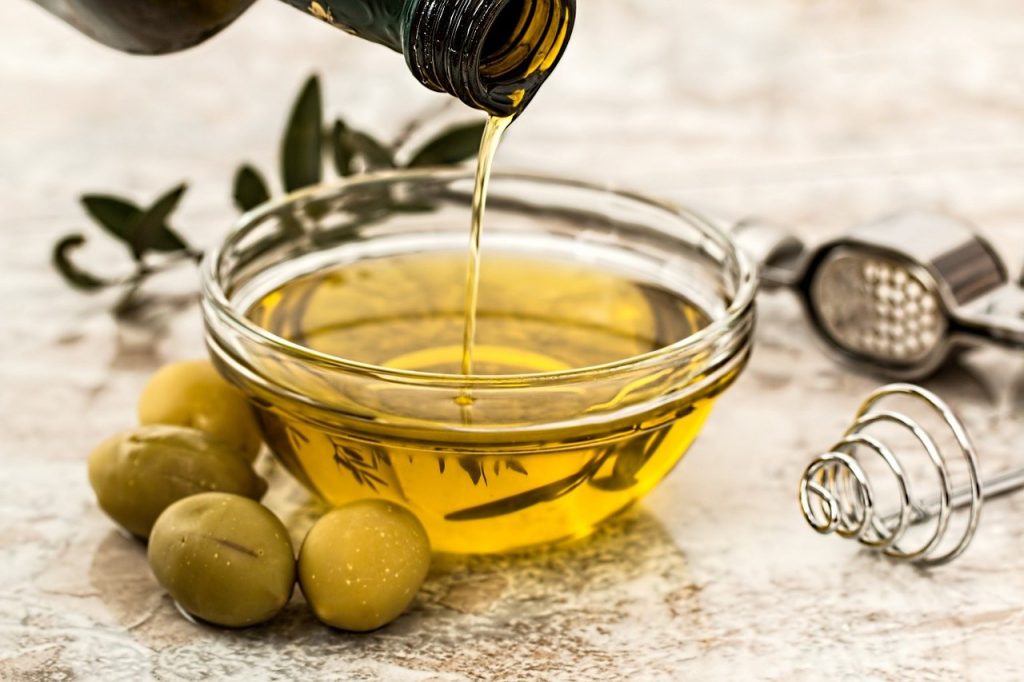
Olive oil, often dubbed as ‘liquid gold’, has been a staple in Mediterranean kitchens for centuries. But beyond its culinary charm, it holds a treasure trove of skincare benefits. From treating specific skin ailments to general nourishment, olive oil is a versatile and potent skincare ally. Let’s delve deep into the myriad ways olive oil can be a boon for your skin.

Olive oil

Olive Oil: A Natural Moisturizer

Olive oil is packed with fatty acids and vitamin E, making it an excellent moisturizer. Its composition closely mirrors our skin’s natural oils, allowing it to penetrate deeply without clogging pores.

  • For Dry Skin: Whether it’s parched facial skin or dry patches on legs, olive oil provides deep hydration, leaving skin soft and supple.
  • Sensitive Skin Soother: Its gentle nature makes olive oil suitable for sensitive skin, offering hydration without irritation.

Combatting Skin Conditions with Olive Oil

Olive oil’s therapeutic properties make it a sought-after remedy for various skin conditions.

  • Psoriasis & Eczema: The anti-inflammatory properties of olive oil can soothe the redness and scaling of psoriasis, especially on the scalp. Similarly, its hydrating nature offers relief from eczema’s itching and dryness.
  • Rosacea Relief: The redness and irritation caused by rosacea can be alleviated with regular olive oil application, thanks to its anti-inflammatory benefits.

Enhancing Skin Health: Beyond Moisturization

Olive oil’s benefits are multifaceted, addressing various skin concerns.

  • Dark Spots & Stretch Marks: Rich in vitamin E, regular application of olive oil can lighten dark spots and reduce stretch marks’ appearance.
  • Anti-Aging & Skin Tightening: Packed with antioxidants, olive oil combats signs of aging, enhancing skin elasticity and imparting a firm appearance.
  • Natural Cleanser: Its ability to dissolve dirt and makeup makes olive oil an effective and natural facial cleanser.

Special Uses: From Sun Protection to Allergy Relief

While olive oil’s primary benefits revolve around moisturization and treatment, it has some unique uses worth exploring.

  • Natural Sunscreen?: Olive oil does have SPF properties, but it’s essential to note that it can’t replace dedicated sunscreens. However, it can complement your sun protection routine by providing added hydration.
  • Allergy & Itch Relief: For those unexpected itchy moments, whether due to allergies or other irritants, olive oil can come to the rescue with its soothing properties.

Choosing the Right Olive Oil: EVOO & Beyond

When it comes to skincare, not all olive oils are created equal.

  • Extra Virgin Olive Oil (EVOO): Being the least processed form, EVOO retains the most nutrients, making it especially beneficial for face applications.
  • Ozonated Olive Oil: Especially beneficial for conditions like eczema, this variant offers enhanced therapeutic properties.

How to Incorporate Olive Oil into Your Skincare Routine

Harnessing the benefits of olive oil for your skin is both simple and versatile. Here’s a detailed guide to seamlessly integrate this natural elixir into your daily skincare regimen, focusing on the specific queries and keywords shared:


1. Olive Oil as a Deep Facial Cleanser and Makeup Remover

Why Use Olive Oil?
Olive oil can dissolve even the most stubborn waterproof makeup while nourishing the skin.

Step-by-Step Guide:

  • Step 1: Pour a generous amount of olive oil onto your palm.
  • Step 2: Rub your hands together to warm the oil slightly.
  • Step 3: Gently massage the oil onto your face in circular motions, ensuring you cover all areas, including the eyes and lips.
  • Step 4: Wipe off the oil using a soft, damp cloth, or rinse with lukewarm water. Your face should feel clean, soft, and hydrated.

2. Deep Moisturization and Treatment for Specific Skin Conditions

Why Use Olive Oil?
Its anti-inflammatory properties make olive oil an excellent remedy for conditions like psoriasis, eczema, and rosacea.

Step-by-Step Guide:

  • Step 1: After cleansing, take a few drops of olive oil.
  • Step 2: Apply it evenly across your face, neck, or any affected areas.
  • Step 3: Massage gently until it’s absorbed. For conditions like eczema or psoriasis, consider mixing olive oil with aloe vera for added soothing effects.

3. Olive Oil Exfoliation for Radiant Skin

Why Use Olive Oil?
When combined with natural exfoliants, olive oil can help slough off dead skin cells, revealing a brighter complexion.

Step-by-Step Guide:

  • Step 1: Mix olive oil with a natural exfoliant like sugar or sea salt in a bowl.
  • Step 2: Wet your face with lukewarm water.
  • Step 3: Gently scrub the mixture onto your face in circular motions for a few minutes.
  • Step 4: Rinse off with warm water and pat dry.

4. Olive Oil for Dark Spots and Stretch Marks

Why Use Olive Oil?
Rich in antioxidants and vitamin E, olive oil can help in reducing the appearance of dark spots and stretch marks.

Step-by-Step Guide:

  • Step 1: Before bedtime, pour a small amount of olive oil onto your palm.
  • Step 2: Dab the oil onto dark spots, stretch marks, or any areas of concern.
  • Step 3: Massage gently in circular motions until the oil is absorbed.
  • Step 4: Leave it on overnight for best results.

5. Storing and Choosing the Right Olive Oil for Skincare

Why is Storage Important?
Proper storage ensures the olive oil retains its beneficial properties and doesn’t turn rancid.

Step-by-Step Guide:

  • Step 1: Opt for Extra Virgin Olive Oil (EVOO) for skincare, as it’s the least processed and richest in nutrients.
  • Step 2: Transfer the oil to a dark glass bottle if it isn’t already in one.
  • Step 3: Store the bottle in a cool, dark place away from direct sunlight and heat sources.

With these detailed steps, you can make the most of olive oil’s myriad benefits for your skin. Whether you’re addressing specific skin concerns or seeking holistic skincare, olive oil stands as a testament to nature’s ability to nourish and heal.


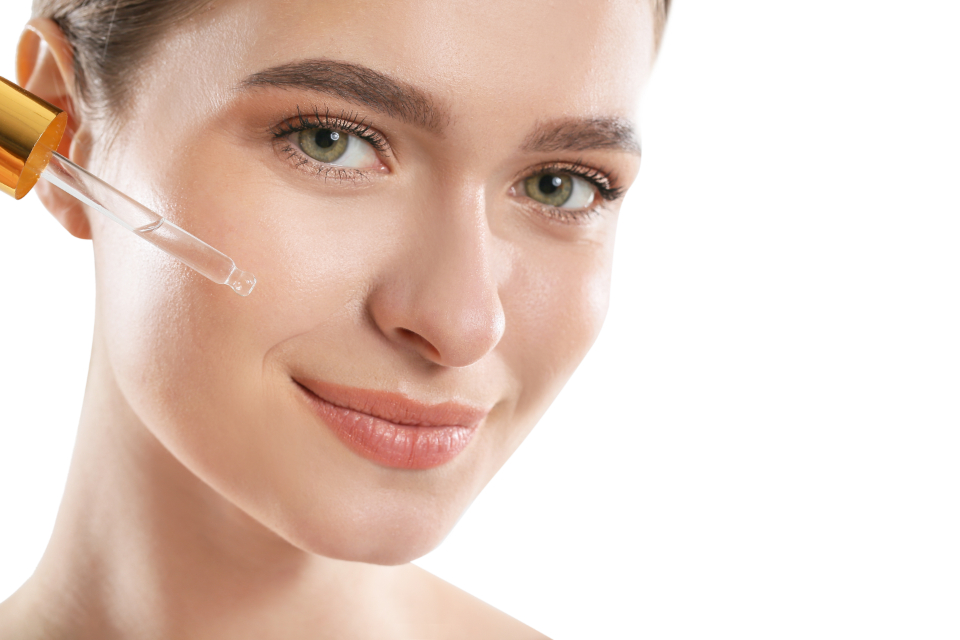
Olive oil for skin

Frequently Asked Questions (FAQs) about Olive Oil for Skin

1. How does olive oil benefit the skin?

Olive oil is a powerhouse of vitamins and fatty acids that deeply moisturize the skin, combat signs of aging, and offer therapeutic properties for various skin conditions.

2. Can I use olive oil as a daily moisturizer?

Absolutely! Olive oil can be used daily to hydrate the skin. Its composition closely mirrors our skin’s natural oils, allowing it to moisturize without clogging pores.

3. Is olive oil suitable for all skin types?

While olive oil is generally suitable for all skin types, those with extremely sensitive or acne-prone skin should do a patch test first or consult with a dermatologist.

4. How can olive oil help with conditions like psoriasis and eczema?

Olive oil’s anti-inflammatory properties can soothe the redness and scaling associated with psoriasis and provide relief from the itching and dryness of eczema.

5. Can olive oil reduce the appearance of dark spots and stretch marks?

Rich in vitamin E and antioxidants, regular application of olive oil may help in lightening dark spots and reducing the appearance of stretch marks.

6. Is it safe to use olive oil as a facial cleanser?

Yes, olive oil can effectively dissolve dirt and makeup, making it a natural and gentle facial cleanser.

7. I’ve heard about Extra Virgin Olive Oil (EVOO) for skin. How is it different?

EVOO is the least processed form of olive oil, retaining the most nutrients. It’s especially beneficial for skincare due to its high concentration of vitamins and antioxidants.

8. Can olive oil protect my skin from the sun?

While olive oil has some SPF properties, it shouldn’t replace a dedicated sunscreen. However, it can be used alongside your regular sunscreen for added hydration.

9. Are there any side effects of using olive oil on the skin?

Olive oil is generally safe for topical use. However, as with any natural product, it’s possible for some individuals to have an allergic reaction. It’s always a good idea to do a patch test before full application.

10. How should I store olive oil for skincare use?

Olive oil should be stored in a cool, dark place, preferably in a dark glass bottle, to preserve its nutrients and prevent it from turning rancid.


In Conclusion: Embrace the Olive

The humble olive, with its golden oil, offers a plethora of benefits for the skin. Whether addressing specific concerns or seeking holistic skincare, olive oil stands as a testament to nature’s ability to nourish and heal. Embrace its goodness, and let your skin bask in its radiant glow.


Blog Tags: Olive Oil Benefits, Natural Skincare, Psoriasis Relief, Eczema Treatment, Anti-Aging, Moisturization, Dark Spot Reduction, Stretch Mark Care, Sun Protection, Sensitive Skin Care.


Continue reading 6 Health Benefits of Olive oil for Skin
Posted on Leave a comment

Is Jaggery good for Diabetes?-Truth Revealed

Medical experts have mixed opinions about jaggery for diabetes, as a healthier alternative to sugar. Weighing both opinions, let’s find out if jaggery is good for diabetes?

In the race towards healthier lifestyle choices, we often seek natural alternatives in our diets. One such alternative is jaggery, a traditional, unrefined sugar consumed widely across the world. While jaggery is well-known for its distinctive taste and potential health benefits, its appropriateness for diabetics and pre-diabetics often comes under scrutiny. Let’s explore this topic in-depth to answer your pressing questions.

1. What is Jaggery? An Introduction

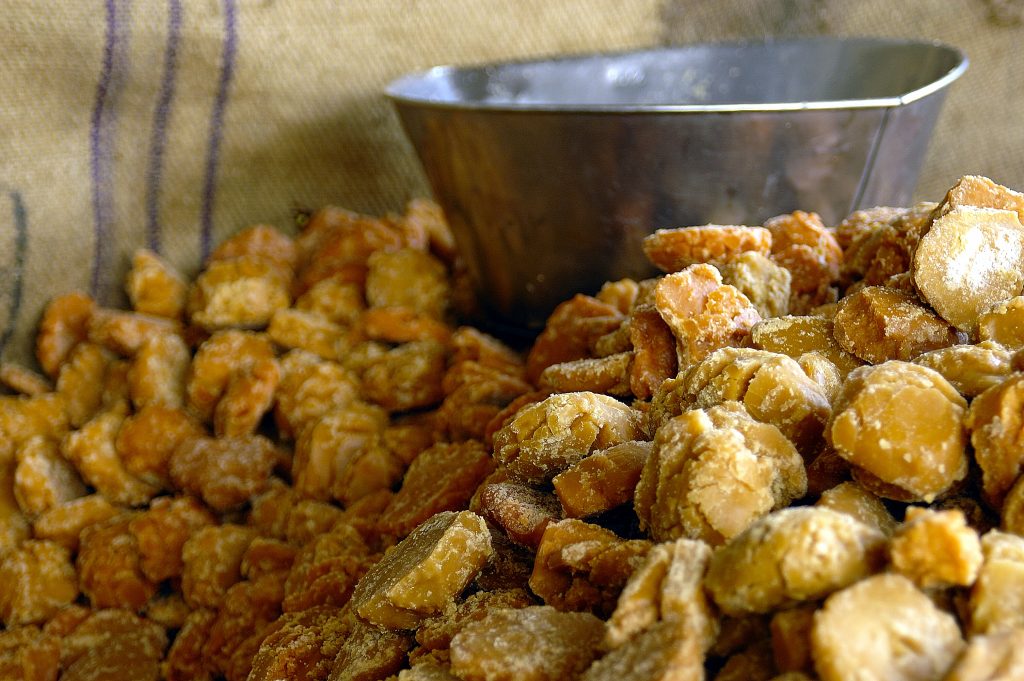
Jaggery, often referred to as ‘gur’ or ‘gud,’ is a type of unrefined sugar primarily derived from sugarcane or palm sap. It is a staple in Asian and African cuisines due to its unique, rich taste. Because it undergoes less refining than white sugar, jaggery retains more natural minerals and vitamins, which seemingly makes it a healthier choice.

Jaggery

2. Jaggery and Diabetes: Is It a Safe Bet?

One of the most frequently asked questions revolves around whether jaggery is good for diabetes. While it is less processed and nutrient-rich compared to white sugar, jaggery is still high in sucrose. This can significantly affect blood sugar levels, presenting potential risks to diabetics and pre-diabetics.

2.1. The Glycemic Index of Jaggery Explained

The Glycemic Index (GI) is a ranking system for carbohydrates, scaling from 0 to 100. It measures how different foods affect blood sugar levels after consumption. Foods with a high GI cause a considerable increase in blood sugar. Jaggery’s GI falls within the medium to high range, which suggests that it can significantly boost blood glucose levels.

2.2. Can Diabetics, Prediabetics, and Sugar Patients Consume Jaggery?

The idea of replacing refined white sugar with jaggery, although seemingly healthier, can lead to misunderstandings. Given jaggery’s potential to spike blood sugar levels, individuals with diabetes or prediabetes should exercise caution when consuming it. It’s essential not to regard it as a completely safe sugar substitute.

3. Jaggery Varieties: Is One Type Better for Diabetes?

Jaggery is available in various forms, including black jaggery and palm jaggery, each having slightly different nutritional properties. However, regardless of the type, all variants of jaggery are high in sugar and can similarly impact blood glucose levels.

Jaggery for Diabetes

4. Key Takeaways: Jaggery and Diabetes Management

Despite jaggery’s increased nutrient content compared to white sugar, it’s critical to remember that it remains a sweetener high in sugar. So, for those with diabetes, prediabetes, or those trying to manage their blood sugar levels, jaggery should be consumed sparingly and with caution.

5. Replacing Sugar with Jaggery: Is It a Healthy Choice?

For those not wrestling with blood sugar management, replacing white sugar with jaggery might be an effective way to add more minerals and vitamins to their diet. However, as with any sweetener, moderation is the mantra. Overconsumption of jaggery can lead to weight gain and other health concerns linked to high sugar intake.

As a final note, it’s always advisable for those dealing with diabetes or prediabetes to discuss any major dietary changes with their healthcare provider.

Disclaimer: This information is intended for general informational purposes only and is not a substitute for professional medical advice, diagnosis, or treatment. Always seek the advice of your healthcare provider with any questions you may have regarding a medical condition.


—————————————- Also Check Out ————————————-

To know how Jaggery can be used and to see some examples of food products that are made using it, Click here


For videos related to Health and Wellness, Subscribe to our YouTube Channel:
Masala Monk – The Gourmet Store