Posted on Leave a comment

Cantaloupe: Benefits and Potential Side Effects

CANTALOUPE BENEFITS, SIDE EFFECTS

When you bite into a ripe cantaloupe on a hot summer day, you’re probably thinking more about its sweet, refreshing flavor than its health impact. But beyond being a picnic staple or smoothie add-in, cantaloupe (Cucumis melo) is a nutritional powerhouse with a surprising range of benefits—alongside a few caveats you should know about.

This guide dives deep into the latest research, practical advice, and everyday tips to help you get the most out of this vibrant fruit—safely and deliciously.


🍈 What Is Cantaloupe?

Cantaloupe, also known as muskmelon or rockmelon in some regions, belongs to the Cucurbitaceae family—the same as cucumbers, pumpkins, and squash. Its juicy orange flesh and netted rind make it instantly recognizable, but there’s more to this fruit than meets the eye.

  • Season: May to September (peak: June–August)
  • Taste: Mildly sweet, aromatic, refreshing
  • Calories: ~60 kcal per cup (160g)

Top 7 Health Benefits of Cantaloupe

1. Ultra-Hydrating

Cantaloupe is over 90% water, making it a perfect snack to stay hydrated—especially in summer months. It’s also loaded with electrolytes like potassium and magnesium that support fluid balance and muscle function.

🧠 Fun fact: One cup of cantaloupe contains more water than a small glass of water.


2. Boosts Immunity & Skin Health

One serving provides 65 mg of vitamin C—about 72% of your daily value—which helps your body:

  • Fight off infections
  • Produce collagen for skin elasticity
  • Heal wounds faster

Combined with beta-carotene (a precursor to vitamin A), cantaloupe also protects your skin from UV damage and dryness.


3. Supports Eye Health

Cantaloupe is rich in carotenoids—beta-carotene, lutein, and zeaxanthin—all of which are vital for:

  • Preventing age-related macular degeneration (AMD)
  • Reducing risk of cataracts
  • Maintaining sharp, clear night vision

📊 One cup of cantaloupe offers roughly 30% of the daily vitamin A requirement.


4. Aids Digestion & Gut Health

Thanks to a combination of soluble fiber and water, cantaloupe:

  • Promotes regular bowel movements
  • Helps prevent constipation
  • Supports gut microbiome with prebiotic fiber

5. Heart and Blood Pressure Support

Cantaloupe contains around 10% of your daily potassium needs per cup. Potassium helps:

  • Lower blood pressure by counteracting sodium
  • Maintain healthy heart rhythms
  • Support kidney function

Paired with fiber and antioxidants, it’s a heart-healthy snack.


6. May Reduce Risk of Chronic Disease

Emerging research (2025) highlights cantaloupe’s rich polyphenol content, which may:

  • Inhibit oxidative stress and inflammation
  • Reduce risk of some cancers (e.g., prostate, colorectal)
  • Support healthy metabolic aging

7. Weight-Friendly Snack

At just 60 calories per cup, cantaloupe is:

  • Low in fat and sodium
  • Naturally sweet (without added sugar)
  • High in volume, helping you feel full

It’s a dieter’s dream—provided you watch your portion size.


⚠️ Side Effects & Safety Concerns

1. Bacterial Contamination Risks

The rough, netted rind of cantaloupe is notorious for harboring pathogens like Salmonella and Listeria, especially in pre-cut or unrefrigerated fruit.

🔒 Safe Handling Tips:

  • Wash thoroughly: Use a scrub brush under running water before cutting.
  • Clean knives and cutting boards.
  • Refrigerate immediately: Store sliced cantaloupe at ≤4°C (40°F), eat within 2–3 days.
  • Avoid pre-cut fruit if immunocompromised, elderly, or pregnant.

⚠️ Recent 2025 outbreaks underscore the need for vigilance with food safety.


2. Oral Allergy Syndrome (OAS)

People with pollen allergies (especially ragweed) may react to cantaloupe with:

  • Itchy mouth or throat
  • Swollen lips or tongue
  • Digestive upset

This cross-reaction is called oral allergy syndrome. Cooking the fruit can reduce the allergenicity.


3. Not Ideal for Everyone

  • People with kidney disease may need to monitor potassium intake.
  • Diabetics should be aware of natural sugar content (~13g per cup) and balance accordingly.

🧃 How to Enjoy Cantaloupe (Safely and Deliciously)

🔪 Buying & Storing Tips

  • Look for: Golden-beige rind, sweet aroma, slight softness at the blossom end
  • Avoid: Cracks, bruises, greenish hue
  • Storage: Whole melon—room temp; cut melon—fridge only

🍽️ Serving Ideas

  1. Breakfast: Mix with Greek yogurt, chia seeds, and mint.
  2. Smoothie: Blend with coconut water, lime, and a hint of ginger.
  3. Salad: Toss with cucumber, feta, arugula, and balsamic glaze.
  4. Frozen treats: Puree and freeze into refreshing popsicles.
  5. Grilled: Lightly char slices and top with chili-lime salt.

🧪 The Future of Cantaloupe: What’s Coming?

Researchers are exploring:

  • Antimicrobial surface treatments for longer shelf life
  • Safer packaging innovations for pre-cut melon
  • Nutrient-density breeding to boost antioxidant content naturally
  • QMRA modeling (Quantitative Microbial Risk Assessment) to manage supply chain safety more precisely

These advances could make cantaloupe even healthier—and safer—for mass consumption.


📝 Final Thoughts

Cantaloupe isn’t just a tasty side dish—it’s a versatile, nutrient-dense fruit that supports hydration, immunity, vision, and heart health. While it’s not without risks, safe handling, portion control, and awareness of allergies can help you enjoy this summer star to the fullest.

So next time you pass by the melon aisle, don’t just walk past. Grab a cantaloupe—and give your health a juicy little upgrade.


📚 Sources:

  • Cleveland Clinic (2025)
  • VeryWell Health (2025)
  • Healthline & Health.com
  • FDA & CDC Food Safety Bulletins (2024–2025)
  • Scientific journals via ScienceDirect & MedRxiv (2025)

Frequently Asked Questions (FAQs)

1. How much cantaloupe can I safely eat per day?

Answer: About 1 cup (160g) is a safe and healthy serving for most people. It provides essential vitamins without overloading sugar or potassium. People with kidney issues or diabetes should consult a doctor about portion size.


2. Should I wash cantaloupe before cutting it?

Answer: Absolutely. Even though you don’t eat the rind, bacteria can transfer from the surface to the flesh during cutting. Use a scrub brush and rinse under running water before slicing.


3. Can cantaloupe cause food poisoning?

Answer: Yes, especially if the rind is contaminated and not washed properly. Listeria and Salmonella outbreaks have been linked to cantaloupe, particularly pre-cut or unrefrigerated fruit.


4. Is cantaloupe good for hydration?

Answer: Yes. Cantaloupe is over 90% water and also contains electrolytes like potassium, making it excellent for staying hydrated during summer or after workouts.


5. Is cantaloupe safe for babies and toddlers?

Answer: Generally yes—once they’re old enough for solids (usually after 6 months). Cut into small, soft, manageable pieces and monitor closely. Avoid giving pre-cut store-bought melon due to food safety risks.


6. Can diabetics eat cantaloupe?

Answer: Yes, in moderation. Cantaloupe has natural sugars (~13g per cup) and a low glycemic load, but portion control is key. Pair it with protein or healthy fats to reduce blood sugar spikes.


7. Is cantaloupe better than watermelon nutritionally?

Answer: Both are hydrating and low in calories. Cantaloupe offers more vitamin A and C, while watermelon is higher in lycopene (an antioxidant). The best choice depends on your nutritional needs.


8. Why does cantaloupe make my mouth itch?

Answer: You may have oral allergy syndrome, especially if you’re allergic to ragweed or pollen. The proteins in cantaloupe mimic those in pollen, triggering an immune response.


9. How should I store cut cantaloupe?

Answer: Store it in an airtight container in the refrigerator at 4°C (40°F) or below. Eat within 2–3 days, and discard any pieces left at room temperature for over 2 hours.


10. Does cooking or freezing cantaloupe reduce its benefits?

Answer: Freezing retains most nutrients but may affect texture. Cooking can slightly reduce vitamin C but also helps reduce allergenic compounds, making it safer for people with OAS.

Posted on 3 Comments

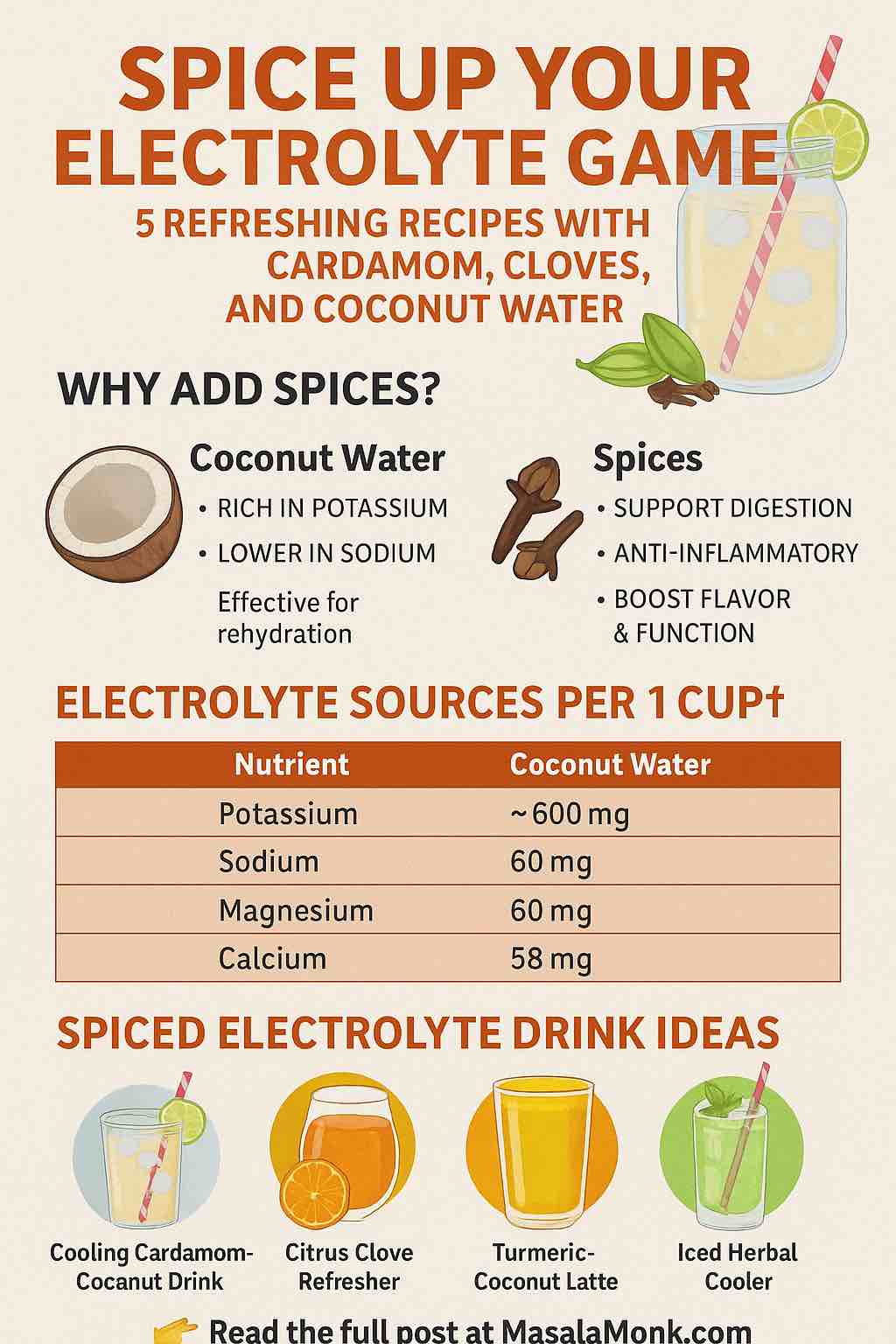
Spice Up Your Electrolyte Game: 5 Refreshing Recipes with Cardamom, Cloves, and Coconut Water

ELECTROLYTE GAME 5 REFRESHING RECIPES WITH CARDAMOM, CLOVES, AND COCONUT WATER

When summer heat strikes or you’re coming off an intense workout, your body craves more than just plain water. It needs electrolytes—essential minerals like potassium, sodium, magnesium, and calcium—to help regulate fluid balance, nerve function, and muscle contractions. But what if your hydration routine could be more than functional—what if it could also be flavorful, aromatic, and deeply rejuvenating?

Enter coconut water, cardamom, and cloves—a trio rooted in ancient wellness traditions and now validated by modern science. In this post, we explore why this combination makes so much sense for hydration, and we share 5 practical and delicious electrolyte drink recipes you can make at home.


🧪 Why These Ingredients?

🥥 Coconut Water: Nature’s Sports Drink

Coconut water is packed with potassium (over 600 mg per cup), magnesium, calcium, and a touch of natural sugar. It’s low in calories and naturally hydrating, making it ideal for:

  • Post-exercise recovery
  • Replenishing fluids after illness
  • Daily hydration with added benefits

📌 But note: Coconut water is low in sodium, which is the primary electrolyte lost in sweat. If you’re using it after a tough workout or in high-heat conditions, consider adding a pinch of sea salt.

🌿 Cardamom: The Digestive Hero

Used in Ayurveda for centuries, cardamom isn’t just about flavor. It’s also:

  • A carminative (reduces bloating and gas)
  • Anti-inflammatory and antioxidant
  • A natural breath freshener
  • Supportive of metabolic health and circulation

Cardamom gives your drink a complex, citrusy-mint aroma that balances well with coconut water’s sweetness.

🌰 Cloves: Tiny but Mighty

Cloves pack a strong, warming punch and are:

  • Antimicrobial and antifungal
  • Great for digestion and liver support
  • Rich in eugenol, a potent anti-inflammatory compound
  • Shown to regulate blood sugar in some small-scale studies

Used in small amounts, cloves offer a grounding counterbalance to the brightness of cardamom and the sweetness of coconut water.


⚖️ Getting the Balance Right

Electrolyte Targets

Here’s a rough guide to what your body needs per day (more during heat or exertion):

ElectrolyteDaily NeedCoconut Water (1 cup)
Potassium2,600–3,400 mg~600 mg
Sodium1,500–2,300 mg~60 mg
Magnesium300–420 mg~60 mg
Calcium1,000–1,200 mg~58 mg

To make coconut water a fully effective electrolyte beverage, consider adding:

  • ¼ tsp sea salt per 2 cups of coconut water
  • Citrus juice for flavor + vitamin C
  • Chia seeds for hydration and fiber

🍹 5 Spiced Electrolyte Drink Recipes

Each recipe is based on coconut water and includes spice elements to maximize both flavor and function.


1. Cooling Cardamom-Coconut Electrolyte Drink

Ingredients:

  • 2 cups coconut water
  • ¼ tsp sea salt
  • 4 green cardamom pods, lightly crushed
  • 1 tsp lime juice
  • 1 tsp honey or maple syrup (optional)
  • Ice

Instructions:

  1. Muddle the cardamom pods in a mortar to crack them open.
  2. Add them to the coconut water and let steep for 15–30 minutes in the fridge.
  3. Strain, then add sea salt, lime juice, and sweetener (if using).
  4. Serve over ice.

🟢 Why it works: Cardamom supports digestion, balances the sweetness of coconut water, and elevates the aroma.


2. Spiced Citrus Clove Electrolyte Refresher

Ingredients:

  • 2 cups coconut water
  • ¼ tsp sea salt
  • 3 whole cloves
  • Juice of ½ orange
  • Juice of ½ lemon
  • Optional: ½ tsp raw sugar or jaggery syrup

Instructions:

  1. Add cloves to a small amount of warm coconut water. Steep 10 minutes.
  2. Mix the infused water with the rest of the coconut water.
  3. Add citrus juices and salt, stir well.
  4. Chill and serve.

🟠 Why it works: Citrus enhances vitamin C and flavor; cloves add digestive and antioxidant benefits.


3. Golden Coconut Electrolyte Latte (Warm)

Ingredients:

  • 1½ cups coconut water
  • ½ cup almond or oat milk
  • 1 green cardamom pod
  • 1 clove
  • ¼ tsp turmeric
  • Pinch of sea salt
  • Optional: honey to taste

Instructions:

  1. Simmer everything together in a small pot (do not boil).
  2. Steep for 5 minutes, then strain.
  3. Sip warm as a post-yoga or evening hydrating tea.

🟡 Why it works: Combines warmth, spices, and electrolytes—perfect for cooler days or after intense workouts.


4. Electrolyte Chia Switchel

Ingredients:

  • 2 cups coconut water
  • 1 tbsp chia seeds
  • ¼ tsp ground cardamom
  • 1 tbsp apple cider vinegar
  • 1 tsp molasses or maple syrup
  • Pinch of salt
  • Optional: a single clove, steeped 5 min in hot water

Instructions:

  1. Bloom chia seeds in coconut water for 15–30 minutes.
  2. Mix in vinegar, syrup, spices, and salt.
  3. Serve chilled and shake before drinking.

Why it works: Chia seeds enhance hydration; vinegar aids gut health; molasses adds iron + flavor depth.


5. Iced Herbal Electrolyte Cooler

Ingredients:

  • 1 cup coconut water
  • 1 cup hibiscus tea (chilled)
  • 1 clove
  • 1 cardamom pod
  • ¼ tsp sea salt
  • Juice of ½ lime
  • Mint leaves for garnish

Instructions:

  1. Brew hibiscus tea with cardamom and clove; chill.
  2. Mix with coconut water, lime juice, and salt.
  3. Serve over ice with mint.

🔴 Why it works: Hibiscus is antioxidant-rich; this is a visually stunning and tangy summer drink.


🧠 Pro Tips for Usage

  • When to drink:
    • Pre/post workout
    • Midday hydration
    • Recovery from heat, illness, or travel
  • Storage: These drinks are best consumed within 24 hours. If making ahead, store in the fridge and stir/shake before use.
  • Spice handling: Use whole spices for infusions and strain before drinking. Ground versions work but may leave sediment.

🔚 Final Thoughts

Coconut water alone is a great hydration tool, but when you layer it with cardamom and cloves, you unlock both culinary pleasure and functional health benefits. Whether you’re a fitness enthusiast, an Ayurvedic wellness follower, or just someone who wants more from their beverages, these drinks are simple, customizable, and effective.

Instead of reaching for sugary sports drinks or bland electrolyte mixes, make your hydration ritual an experience.

📘 Frequently Asked Questions (FAQs)


1. Can I use bottled coconut water for these recipes?

Yes, but check the label. Choose unsweetened coconut water without added flavors or preservatives. Avoid anything labeled “from concentrate” if you want the purest electrolyte profile.


2. Do these drinks replace commercial sports drinks?

Yes—for light to moderate exercise, these recipes are excellent. But if you’re doing intense, prolonged workouts or sweating heavily, add extra sodium (¼–½ tsp sea salt per liter) to match what you lose through sweat.


3. Can I use ground cardamom and clove instead of whole?

You can, but whole spices provide a cleaner infusion and better flavor control. Ground spices may leave residue and overpower the drink. If using ground, start with a small pinch.


4. Are these drinks safe for people with high blood pressure or kidney issues?

Caution is advised. Coconut water is high in potassium, which is good for most people—but those with chronic kidney disease or on certain medications (like ACE inhibitors) should consult a doctor first.


5. Can I drink these every day?

Yes—1–2 cups per day is safe for most healthy adults. These drinks are great for regular hydration, but don’t rely on them as a sole source of electrolytes or nutrition.


6. Do I need to sweeten these recipes?

Not necessarily. Coconut water is slightly sweet on its own. But if you prefer a bit more flavor, use natural sweeteners like honey, maple syrup, or jaggery in small amounts.


7. Can I batch these drinks ahead of time?

Absolutely. You can make a 1–2 day batch and store it in a sealed container in the fridge. Just stir or shake before drinking to redistribute any spices or chia seeds.


8. Can I use warm coconut water for infusions?

Yes. Gently warming coconut water (without boiling) can help extract flavor from spices more effectively, especially for clove and cardamom. Let it cool before drinking.


9. What can I add for extra hydration or benefits?

Try:

  • Chia seeds (for hydration + fiber)
  • Lemon/lime juice (vitamin C + flavor)
  • Apple cider vinegar (gut health)
  • Mint or basil (cooling and refreshing)
  • Turmeric (anti-inflammatory)

10. How do these drinks help with digestion?

Cardamom and cloves are both carminative spices—they reduce gas, bloating, and support digestive enzyme activity. They’re especially helpful after meals or physical activity.

Posted on 1 Comment

Refresh and Recharge: DIY Non-Caffeinated Energy Drinks for Productive Afternoons

NON-CAFFEINATED ENERGY DRINKS

We’ve all hit that dreaded afternoon slump. It’s 2:37 PM. Your eyes blur, your focus drifts, and your energy seems to vanish. The go-to fix? For many, it’s a shot of espresso or another iced coffee. But what if there’s a smarter, gentler, and more nourishing way to recharge without caffeine?

Welcome to the world of DIY non-caffeinated energy drinks—hydrating, plant-powered, and surprisingly effective. This guide will not only give you easy-to-make recipes but also help you understand why they work, when to use them, and how to adapt them for your specific needs.


🌿 Why Go Caffeine-Free in the Afternoon?

While caffeine is a powerful stimulant, it has its drawbacks:

  • Disrupted sleep if consumed after 2–3 PM.
  • Energy crashes due to cortisol-spiking effects.
  • Tolerance buildup, requiring more to get the same effect.
  • Digestive strain (especially from acidic or dairy-laden drinks).

Instead of relying on that 3rd cup of coffee, you can support your body’s natural rhythm by turning to drinks that:

  • Hydrate
  • Replenish electrolytes
  • Offer natural glucose
  • Reduce inflammation
  • Support sustained energy

🧪 The Science of Energy Without Stimulants

Energy is more than a buzz—it’s about cellular efficiency. To maintain steady energy through your afternoon, your body needs:

NeedWhy It MattersWhat Solves It
HydrationPrevents fatigue, brain fogWater, electrolytes
GlucoseFuels brain + musclesHoney, fruit sugars, chia
ElectrolytesMaintain cellular hydration and nerve signalsSea salt, coconut water, citrus
Anti-inflammationReduces sluggishnessGinger, turmeric, cayenne
Adaptogenic balanceSupports cortisol regulationLemon balm, tulsi, ashwagandha

🥤 5 Proven DIY Non-Caffeinated Energy Drinks

Each of these recipes is designed to be:
Easy to make
Low-cost
Nutritionally effective
Flexible & customizable


1. Citrus Electrolyte Refresher

A light, crisp hydration drink that mimics natural sports drinks—minus the synthetic stuff.

Ingredients:

  • 1 liter cold water
  • Juice of 1 lemon
  • Juice of 1 lime
  • ¼ tsp sea salt (unrefined if possible)
  • 1 tbsp raw honey (or maple syrup)
  • Optional: ½ cup coconut water for potassium

Instructions:
Mix everything and shake well. Keep chilled. Sip slowly during afternoon work sessions or after walks.

Why It Works:
Combines hydration with sodium, potassium, and glucose. Keeps your cells happy and your brain alert.


2. Spicy Ginger-Turmeric Warm Tonic

For cooler days or post-lunch digestion aid. Think of this as a gentle fire to rekindle your inner energy.

Ingredients:

  • 2 cups hot water
  • 1 tsp freshly grated ginger
  • ¼ tsp turmeric powder (or 1 tsp fresh turmeric)
  • 1 tbsp lemon juice
  • 1 tsp honey
  • Pinch of cayenne pepper
  • Pinch of black pepper (enhances turmeric absorption)

Instructions:
Simmer ginger and turmeric for 5–10 minutes, then strain. Add lemon, honey, and spices. Sip warm.

Why It Works:
Boosts circulation, curbs inflammation, aids digestion, and lifts mood.


3. Chia Lemon Energy Gel Drink

A fiber-rich energy bomb for long working stretches.

Ingredients:

  • 1 cup water or coconut water
  • Juice of ½ lemon
  • 1 tbsp chia seeds
  • Optional: ½ tsp maple syrup or raw honey

Instructions:
Stir everything and let sit 10–15 minutes until chia swells. Shake before drinking.

Why It Works:
Chia offers protein, fiber, omega-3s, and stabilizes glucose for sustained energy release.


4. The Cocoa Calm Booster

Great for when you’re feeling mentally tired but overstimulated.

Ingredients:

  • 1 cup hot water or oat milk
  • 1 tbsp raw cacao powder (not Dutch-processed)
  • 1 tsp honey or date syrup
  • Optional: pinch cinnamon or maca powder

Instructions:
Whisk all ingredients until smooth. Drink slowly as a warm, calming ritual.

Why It Works:
Cacao contains theobromine, a gentler cousin of caffeine, which stimulates without jitters. It also supports dopamine production and mood.


5. Fruit & Herb Infused Water (Low-Glycemic Option)

Ideal for those watching sugar but still want a refreshing pick-me-up.

Ingredients:

  • 1 liter cold water
  • Slices of cucumber, orange, or strawberries
  • A few sprigs of mint, basil, or lemon balm
  • Optional: splash of apple cider vinegar

Instructions:
Let the ingredients infuse in the fridge for at least 2 hours. Drink as needed.

Why It Works:
Hydrating, refreshing, and rich in antioxidants. Mint and lemon balm promote mental clarity and calm.


🧠 When to Drink for Maximum Benefit

TimeIdeal DrinkWhy
1–2 PMCitrus electrolyte refresherReplaces post-lunch fluid loss
3–4 PMChia lemon or cocoa drinkBoosts energy without crash
Before workoutGinger-turmeric or citrusPreps muscles & focus
Post-work slumpFruit-herb infusionLight and uplifting

🔄 Customize Your Drink Like a Pro

  • Need more fuel? Add a teaspoon of nut butter to cacao drinks.
  • Keto-friendly? Skip honey/maple and use monk fruit or stevia.
  • Stressful afternoon ahead? Add a few drops of lemon balm or tulsi tincture.
  • Post-workout hydration? Prioritize coconut water and salt-based drinks.

⚠️ A Few Cautions

  • Sea salt dosage: Don’t exceed 1 tsp daily unless exercising heavily.
  • Allergies: Ginger and citrus can irritate some guts—adjust accordingly.
  • Blood sugar: Monitor effects if diabetic—use lower glycemic sweeteners.
  • Adaptogens/herbs: Check for interactions if on medication.

✅ Your Afternoon Energy Routine (5-Minute Prep)

  1. Morning: Mix your chosen tonic and store it in a glass bottle.
  2. Post-lunch: Sip slowly to prevent post-meal dip.
  3. 3:30 PM: Reach for chia or cacao blend to finish the day strong.
  4. Evening: Skip caffeine entirely—your sleep will thank you.

🌟 Final Thought

Reclaiming your energy doesn’t have to involve another coffee or sugary soda. With these simple, powerful DIY drinks, you can nourish your body, sharpen your mind, and sail through your afternoon with clarity and calm.

So next time you feel the slump coming on, ask yourself:
“Do I need a stimulant… or do I just need to hydrate, balance, and breathe?”

🔍 Frequently Asked Questions (FAQs)

1. Can non-caffeinated energy drinks really help fight afternoon fatigue?

Yes. Fatigue is often caused by dehydration, low blood sugar, or inflammation—not just lack of caffeine. The DIY drinks in this post target those root causes with water, electrolytes, and nutrient-dense ingredients to support natural energy.


2. What’s the best time to drink these energy tonics?

Typically between 1 PM and 4 PM, when natural energy dips occur. You can also have them before a workout, post-lunch, or whenever you’re tempted to reach for coffee.


3. Can I prep these drinks in advance?

Absolutely. Most recipes can be prepped in the morning or the night before. Store in a sealed glass bottle or mason jar in the fridge and give a quick shake before drinking.


4. Are these drinks safe for kids or teens?

Yes—especially options like the fruit-infused water, chia lemon drink, or citrus electrolyte blend. Just be mindful of added spices (like cayenne) and adjust for their palate.


5. Will these drinks spike my blood sugar?

Not significantly. They’re lightly sweetened with natural sugars (like honey or fruit) and balanced by fiber (chia), fat (if using nut milk), or protein. You can always adjust the sweetener or opt for low-glycemic options like stevia or monk fruit.


6. Can I substitute ingredients if I’m allergic or don’t have them on hand?

Yes. These recipes are flexible:

  • Lemon → lime or orange
  • Honey → maple syrup or agave
  • Coconut water → filtered water + extra pinch of salt
  • Ginger → omit or try mint for refreshment

7. What if I’m on a low-sodium diet?

Use less salt or omit entirely and focus on potassium-rich additions like coconut water, cucumber, or banana smoothies. Always consult with your doctor if you’re managing a medical condition.


8. How long will the drinks last in the fridge?

Most will stay fresh for 24–48 hours if sealed properly. Avoid letting chia-based drinks sit too long (beyond 2 days), as the texture can get overly gelatinous.


9. Can I use these drinks to replace my afternoon snack?

They’re great as a light, low-calorie alternative, but if you’re truly hungry, pair them with a small whole food snack like nuts, boiled eggs, or yogurt to stay satisfied and energized.


10. Do these drinks help with focus or just physical energy?

They support both. Ingredients like ginger, lemon, mint, and cacao enhance mental clarity and blood flow to the brain, while hydration and glucose help you maintain steady concentration.

Posted on 4 Comments

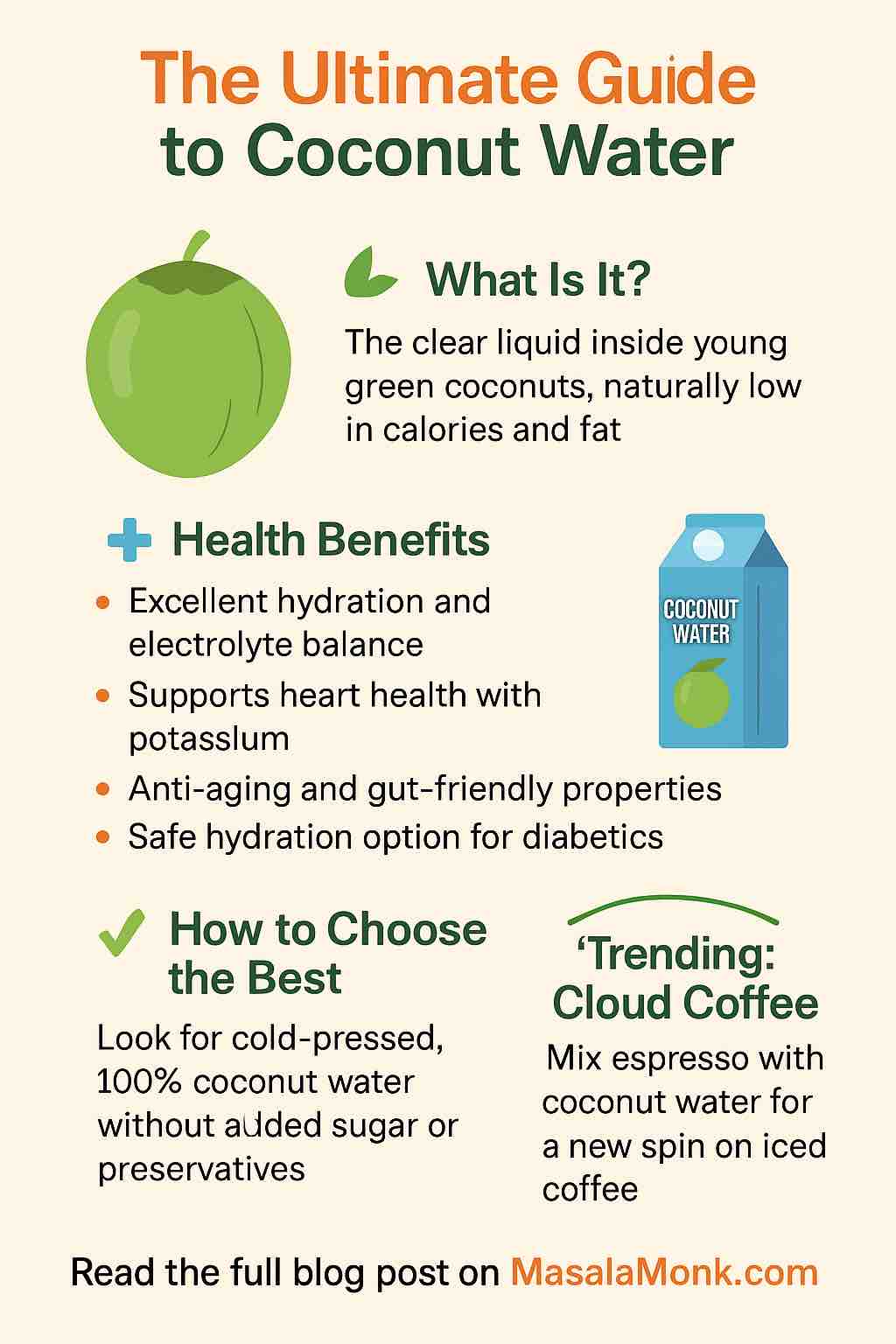
The Ultimate Guide to Coconut Water: Benefits, Nutrition, and How to Choose the Best One

Guide to Coconut Water

In a world flooded with artificial energy drinks, sugary sodas, and synthetic supplements, coconut water stands out as a pure, natural, and nutrient-packed hydration solution. Whether you’re looking to rehydrate post-workout, manage blood sugar, combat summer heat, or simply enjoy a refreshing, low-calorie beverage, coconut water may be the drink you’ve been missing.

In this guide, we’ll explore everything you need to know about coconut water: its health benefits, nutritional value, scientific insights, tips on choosing the best one, and even creative ways to enjoy it.


🧪 What Is Coconut Water?

Coconut water is the clear liquid found inside young green coconuts—usually harvested when they’re about 6–7 months old. It’s not the same as coconut milk, which is made by blending coconut meat with water. Coconut water is naturally low in calories, fat-free, and loaded with electrolytes.

It’s nature’s sports drink—minus the additives.


🧾 Nutritional Profile (Per 240 ml / 1 cup)

NutrientAmountKey Function
Calories44–60 kcalLow-calorie hydration
Carbohydrates9–12 gNatural sugars (glucose, fructose)
Potassium400–630 mgRegulates fluid balance, blood pressure
Magnesium~15–25 mgMuscle and nerve function
Calcium~40–60 mgBone support
Sodium~25–40 mgMaintains hydration
Vitamin C~10% DVImmunity, antioxidant defense

👉 Raw coconut water may appear pink over time due to polyphenol oxidation—this is natural and safe.


✅ Top Health Benefits of Coconut Water

1. Excellent Hydration & Electrolyte Balance

With a potent mix of potassium, sodium, magnesium, and carbohydrates, coconut water helps rehydrate the body efficiently—ideal for athletes, hangovers, hot climates, or after an illness.

💡 A 2012 study found coconut water rehydrated better than plain water and was as effective as commercial sports drinks.

2. Supports Heart Health

The high potassium content helps:

  • Regulate blood pressure
  • Counter sodium-induced hypertension
  • Improve circulation

Regular consumption may contribute to better cardiovascular health, especially when replacing sugary beverages.

3. Antioxidant & Anti-Aging Effects

Recent cell-based research (2024, ScienceDirect) found that coconut water helped reduce oxidative stress and extended fibroblast lifespan—suggesting anti-aging and cell-protective potential.

4. Gut-Friendly & Anti-Inflammatory

Emerging evidence links coconut water to improved gut health, particularly in managing ulcerative colitis symptoms. Its cooling, alkaline nature may also soothe stomach inflammation and aid digestion.

5. Diabetes-Safe Hydration

Unsweetened coconut water offers:

  • Low glycemic load
  • Fewer than 12 g carbs per cup
  • Electrolytes without added sugar

👉 It’s now endorsed by dietitians as a smart hydration choice for type 2 diabetics (2025, EatingWell).

6. Heatstroke & Sun Protection

In hot climates, coconut water helps replenish lost electrolytes, cool the body internally, and support thermoregulation—particularly effective for preventing sunstroke or heat exhaustion.


🛒 How to Choose the Best Coconut Water

Not all coconut waters are created equal. Here’s how to shop smart:

✅ Look for:

  • 100% coconut water on the label
  • No added sugar, flavors, or concentrates
  • Cold-pressed or minimally processed options (better nutrient retention)
  • BPA-free packaging—especially avoid canned varieties
  • Refrigerated brands (e.g., Harmless Harvest, raw pink coconut water)

⚠️ Avoid:

  • Products labeled as “from concentrate
  • Coconut water blends with fruit juice
  • Brands with preservatives like potassium metabisulfite

Pro tip: Pressed coconut water includes coconut flesh, which gives a creamier texture and a slightly higher calorie count.


🧃 Coconut Water Use Cases

Use CaseBenefit
Post-WorkoutReplenish electrolytes & carbs
After IllnessGentle hydration with minerals
In Hot WeatherPrevent heatstroke & fatigue
For Skin HealthSupports hydration + antioxidants
Morning RoutineTry “cloud coffee” trend (coconut water + espresso)
For DigestionAlkaline and cooling
Low-Cal CocktailsUse in mojitos, piña coladas, etc.
Plant WateringTrace minerals can benefit plants (diluted)

☁️ Trending: Cloud Coffee

A recent social media trend has people replacing water with coconut water in their morning iced coffee. Why?

  • Adds natural sweetness without sugar
  • Enhances electrolyte intake
  • Offers a unique, refreshing flavor twist

How to make:

  1. Fill a glass with ice
  2. Pour in ¾ cup coconut water
  3. Add 1–2 shots of espresso
  4. Stir and enjoy!

⚠️ Safety & Considerations

While coconut water is generally safe, keep in mind:

  • Potassium overload risk in kidney disease (limit intake)
  • Diabetics should choose unsweetened versions only
  • Not a complete electrolyte replacement during extreme dehydration—consult a healthcare provider for clinical rehydration

🧠 Summary Table

CategoryKey Insight
Best ForHydration, digestion, recovery
Avoid IfYou have kidney issues or potassium concerns
Best FormatCold-pressed, 100% natural, BPA-free
Daily Ideal Intake1–2 cups/day (≠ water replacement)
Bonus Trend“Cloud Coffee” for a healthy caffeine hit

📝 Final Thoughts

Coconut water is more than just a tropical drink—it’s a wellness powerhouse that bridges hydration, nutrition, and function. Whether you’re trying to recover from a tough workout, stay cool in the summer heat, or reduce your sugar intake, it’s a delicious, low-risk option worth keeping in your daily routine.

📘 Frequently Asked Questions (FAQs)

1. Is coconut water the same as coconut milk?

No. Coconut water is the clear liquid found inside young green coconuts, while coconut milk is made by blending coconut meat with water. They differ in texture, nutrition, and use.


2. Can I drink coconut water every day?

Yes, for most healthy individuals, 1–2 cups a day is safe and beneficial. However, if you have kidney disease or take potassium-altering medications, consult a doctor first.


3. Does coconut water have sugar?

Yes, it contains natural sugars (glucose and fructose), typically around 9–12 g per cup. Always choose varieties labeled “no added sugar.”


4. Is coconut water good for weight loss?

Coconut water is low in calories (~44–60 kcal per cup), fat-free, and hydrating, making it a good alternative to sugary drinks in weight management plans.


5. Can diabetics safely drink coconut water?

Yes, unsweetened coconut water is a smart hydration choice for people with diabetes. It has a low glycemic impact and provides electrolytes without added sugar.


6. What’s the best time to drink coconut water?

Any time, but ideal moments include:

  • Post-workout
  • After waking up
  • During hot weather
  • When feeling dehydrated or low on energy

7. Why does some coconut water turn pink?

That’s a natural oxidation process caused by phenolic compounds reacting with light and air. It’s safe to drink unless it smells or tastes off.


8. What brands of coconut water are best?

Look for:

  • Cold-pressed or raw varieties
  • 100% coconut water with no additives
    Popular brands: Harmless Harvest, Vita Coco Pure, C2O, Rebel Kitchen

9. Can kids drink coconut water?

Yes! Coconut water is a safe, healthy drink for children, especially in moderation and during hot weather or after physical activity.


10. How long does coconut water last after opening?

Refrigerate immediately and consume within 1–3 days. Fresh coconut water (from an actual coconut) should be consumed the same day.

Posted on Leave a comment

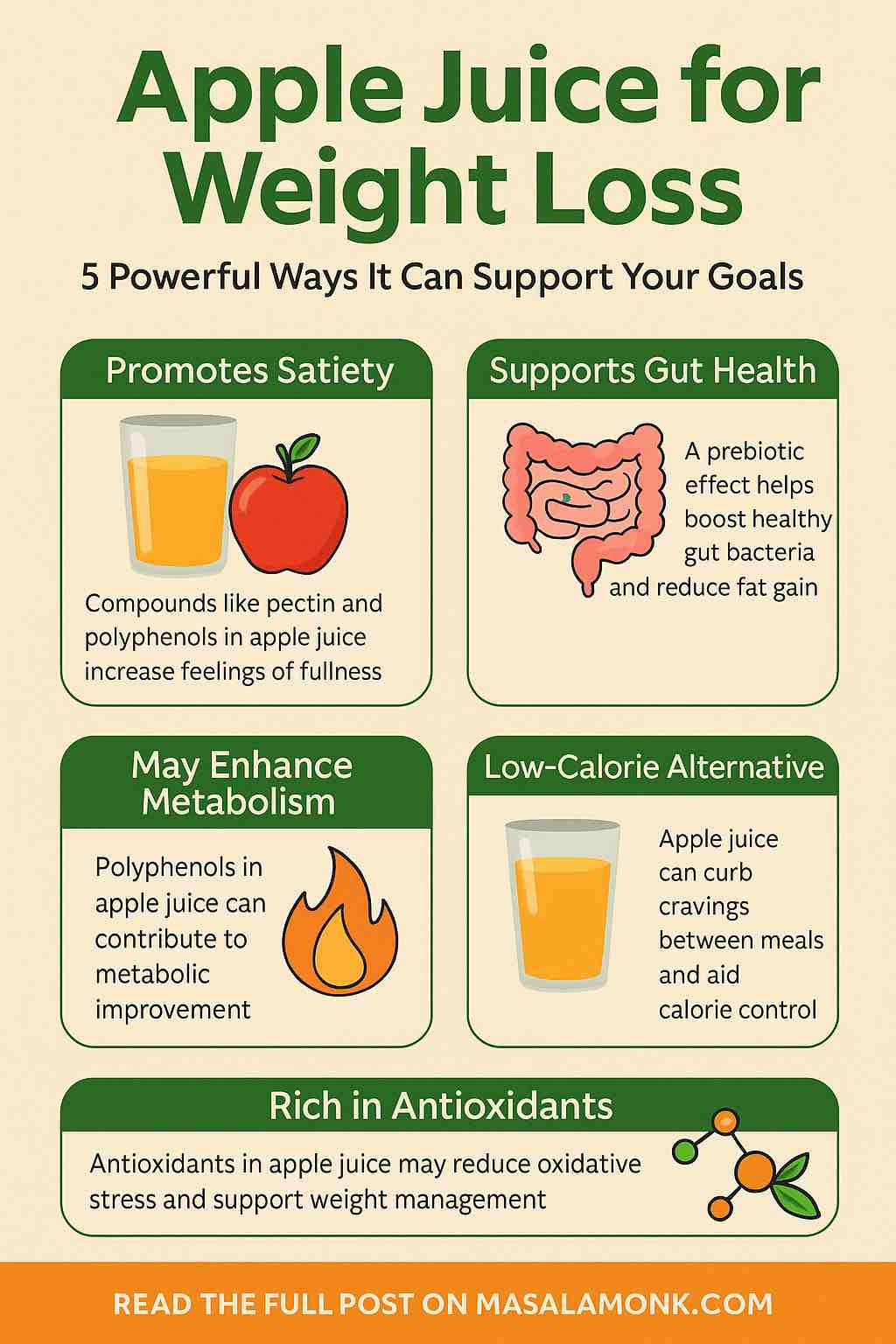
Apple Juice for Weight Loss: 5 Ways It Can Help You Shed Pounds

Apple Juice for Weight Loss

Apple juice isn’t usually the first thing that comes to mind when we talk about weight loss. More often than not, it’s the villain in conversations about sugar and empty calories. But is that the full story? Recent studies and a closer look at how apple juice interacts with our gut, metabolism, and cravings suggest there may be more to this fruit-based beverage than meets the eye. In this article, we explore five science-backed ways apple juice can support your weight loss journey—when used smartly.


1. Boosts Gut Health with Prebiotic Properties

Recent animal studies have revealed that unfiltered apple juice, especially from varieties like Fuji and Tsugaru, can dramatically alter the gut microbiota. In rats fed a high-fat diet, daily apple juice consumption led to:

  • A 3x increase in Lactobacillus species
  • A 10x increase in Bifidobacterium
  • Lower weight gain
  • Reduced fat accumulation in the liver

Why does this matter? A diverse and balanced gut microbiome has been directly linked to better weight regulation, improved digestion, and decreased inflammation. While human trials are still limited, this research is promising and suggests apple juice may help create a gut environment conducive to weight control.

Practical Tip: Choose cloudy or unfiltered apple juice—it retains more of the polyphenols and pectin that fuel gut-friendly bacteria.


2. Curbs Cravings and Can Be a Smart Snack Substitute

While apple juice lacks the fiber found in whole apples, it can still be a useful mid-meal snack if chosen wisely. A standard 240 mL (1 cup) serving contains roughly 114 calories—far fewer than many processed snack foods.

When consumed in moderation and paired with a protein or fat source, it may help stabilize blood sugar and prevent binge eating.

Practical Tip: Drink a small glass of apple juice with a boiled egg or a handful of almonds to stave off cravings between meals.


3. Contains Polyphenols That Enhance Metabolism

Apple juice is rich in antioxidants and polyphenols, such as quercetin and chlorogenic acid, which have been shown to:

  • Improve lipid metabolism
  • Increase fat oxidation
  • Reduce oxidative stress (which contributes to obesity)

Though whole apples contain more of these compounds—especially in the skin—cloudy apple juice still delivers a meaningful dose.

Practical Tip: Look for juices labeled “cloudy” or “not from concentrate.” These typically contain more polyphenols than clear, filtered juices.


4. Supports Heart Health and Inflammation Control

Weight loss isn’t just about shedding pounds—it’s about improving overall health. Apple juice has been linked in several studies to reduced markers of inflammation and improved cardiovascular health, both of which are often compromised in people struggling with obesity.

Lowering systemic inflammation may also improve insulin sensitivity and metabolic efficiency, making weight loss easier over time.

Practical Tip: Incorporate apple juice as part of a broader anti-inflammatory diet, rich in vegetables, whole grains, fatty fish, and healthy fats.


5. Encourages Better Hydration with Flavor Variety

Hydration plays a critical role in metabolism and appetite regulation. Sometimes, what feels like hunger is actually thirst. Apple juice can offer a flavorful alternative to plain water and can be particularly effective if you dislike drinking plain fluids.

Just don’t overdo it: excessive consumption can backfire due to the natural sugars. A small glass, especially when diluted with water or sparkling water, can be a refreshing way to stay hydrated.

Practical Tip: Mix 50% apple juice with 50% water or soda water for a light, hydrating drink with fewer calories and sugar.


A Word of Caution: Juice Isn’t a Magic Bullet

While the benefits of apple juice are intriguing, it’s important to keep things in perspective:

  • It lacks the fiber and chewing resistance of whole fruit, which are important for satiety.
  • Overconsumption can lead to excess calorie intake.
  • It may spike blood sugar in some individuals, especially those with insulin resistance.

Better Together: Use apple juice as a complement to, not a replacement for, a balanced, whole-food diet.


Conclusion: A Strategic Ally, Not a Shortcut

Apple juice can absolutely be part of a smart weight loss strategy—but only when used with intention. By choosing the right type (cloudy, no added sugar), keeping portions modest, and pairing it with protein or fiber-rich foods, you can tap into its gut-supportive, metabolism-enhancing, and craving-busting benefits.

As always, real results come from the sum of your habits. Let apple juice play a helpful, flavorful role in a sustainable approach to wellness.


Have you tried including apple juice in your weight loss journey? Share your experience below or ask questions—we’d love to hear from you!

10 FAQs about Apple Juice and Weight Loss

1. Can I drink apple juice every day and still lose weight?
Yes, but moderation is key. Stick to about 240 mL (1 cup) per day, preferably cloudy, no-added-sugar apple juice. Make sure it fits within your overall calorie goals.

2. What kind of apple juice is best for weight loss?
Choose cloudy or unfiltered apple juice. It contains more polyphenols and pectin, which support gut health and metabolism better than clear, filtered versions.

3. Is apple juice better than whole apples for weight loss?
No—whole apples are superior due to their fiber and satiety benefits. Juice can complement your diet but shouldn’t replace whole fruit.

4. Will apple juice raise my blood sugar levels?
It can, especially if consumed in large quantities or without balancing nutrients. Pairing it with protein or fat (like nuts or yogurt) can reduce the blood sugar spike.

5. Can I drink apple juice on an empty stomach in the morning?
You can, but for better energy and blood sugar stability, pair it with a protein- or fiber-rich food. This helps avoid insulin spikes and early hunger pangs.

6. What are some healthy ways to include apple juice in my diet?

  • Mix with sparkling water for a low-calorie beverage
  • Use in smoothies as a natural sweetener
  • Pair with boiled eggs or a small portion of nuts
  • Add to marinades or vinaigrettes

7. How does apple juice support gut health?
Unfiltered apple juice contains prebiotic compounds like pectin and polyphenols, which nourish beneficial gut bacteria linked to better weight management.

8. Are there any risks of drinking apple juice for weight loss?
Yes—overconsumption can lead to excess sugar and calories, potentially hindering weight loss. It may also affect dental health if consumed frequently without rinsing.

9. Is there a best time of day to drink apple juice for weight loss?
Mid-morning or mid-afternoon, between meals, is ideal. It can curb cravings and give a gentle energy boost without interfering with your main meals.

10. Can kids or people with diabetes use apple juice for weight control?
Kids should consume juice sparingly. People with diabetes should consult a doctor or dietitian before adding juice, as it can impact blood glucose levels.