Posted on Leave a comment

Beyond Chicken: 5 Tofu-Based Movie Night Dinner Meal Prep Ideas, Plant-Based Protein Instead of Chicken

person in black and white striped socks lying on bed

Bring the magic of the cinema to your dining table by creating flavorful, tofu-based meal preps that are perfect for movie nights. Tofu, a versatile soy-based protein, effortlessly absorbs the flavors of the ingredients it’s paired with, allowing you to create diverse and exciting meals. Plus, switching to tofu from chicken significantly reduces your carbon footprint, contributing to a more sustainable food system.

Here are five tofu-centric meal prep ideas that will make your movie nights a culinary adventure:


๐Ÿฟ Spicy Tofu Popcorn: Popcorn is synonymous with movie nights, but have you considered giving it a spicy, protein-packed twist? Begin by cutting firm tofu into small, popcorn-sized cubes. For the spicy batter, combine cornflour, smoked paprika, garlic powder, and a pinch of cayenne. Dredge the tofu cubes in this mix and bake until crispy. Prep the tofu and keep it refrigerated so that you can simply pop it in the oven just before the movie begins. Pair these crunchy nuggets with a homemade dip, perhaps a tangy barbecue or a cool vegan ranch, to heighten the flavors.


๐Ÿ• Tofu Pizza Bites: Recreate the joy of pizza bites using tofu as the star ingredient. Start with a whole-grain tortilla or flatbread as the base. Spread a rich tomato sauce, then scatter vegan cheese generously. Now, for the highlight – add crumbled tofu that’s been sautรฉed with Italian herbs and a splash of olive oil. Add additional toppings as per preference – bell peppers, olives, or even some pineapple for a sweet twist. Bake until the cheese is perfectly melted, and the edges of your mini pizza bites are golden and crispy. Prep these in advance and store in your refrigerator; they’ll be ready to bake whenever the movie time rolls around.


๐ŸŒฏ Tofu Wrap: For a handheld movie meal, wraps are convenient and satisfying. Grill tofu strips until they’ve developed a beautiful char and smoky flavor. Combine these with a bunch of fresh veggies – lettuce, thinly sliced cucumber, and ripe, juicy tomatoes. Spread a generous dollop of creamy vegan yogurt or hummus on a whole-grain wrap, pile your ingredients high, and roll it up tight. You can have the grilled tofu and chopped veggies prepped and ready in your refrigerator, ensuring a quick assembly just in time for your movie.


๐Ÿฅฃ Sweet and Sour Tofu with Brown Rice: For a comforting bowl of goodness, try sweet and sour tofu served over fluffy brown rice. Fry cubes of tofu until golden, then drench them in a homemade sweet and sour sauce made from pineapple juice, vinegar, brown sugar, and a dash of soy sauce. The harmony of tangy and sweet flavors, combined with the rich texture of tofu, makes for a divine pairing. Make the tofu and sauce ahead of time, and simply reheat it while your brown rice cooks just before the movie begins.


๐Ÿ” Tofu Burger: Who can resist a hearty burger during a movie night? Create a delicious tofu patty by combining mashed firm tofu with whole grain breadcrumbs, a blend of your favorite spices, and finely chopped veggies like bell peppers and onions for added crunch and flavor. Cook the patties in a skillet until they’ve developed a beautiful, brown crust, and serve them on toasted whole-grain buns. Add classic burger accompaniments like crisp lettuce, thick slices of ripe tomato, crunchy onions, and a smear of your favorite vegan sauce. The patties can be prepared and stored in your refrigerator in advance, ready to be cooked just before your movie night.


Elevating tofu from a humble plant-based protein to the star of your meal is not just a joy for your taste buds but also a great move for the planet. Get creative with these meal ideas, adapting and experimenting with flavors and ingredients as per your preference.

Snap a picture of your delightful movie night meal prep and share it with us on Instagram or Pinterest! ๐Ÿ“ธ Use #MasalaMonk and tag @Masala.Monk. We’re looking forward to your culinary creativity!

Bookmark this post to return to these meal ideas anytime you need some inspiration. Your journey could inspire others and build a community centered on healthier, more sustainable, and delicious eating practices.

Posted on Leave a comment

Why Wheat Germ Isn’t a Part of the Keto Diet?

woman standing at table with loaf of homemade bread

The ketogenic diet, also known as the keto diet, has gained considerable popularity in recent years due to its potential benefits for weight loss, blood sugar control, and improved cognitive function. The diet is characterized by its low-carbohydrate, high-fat approach, which aims to put the body in a state of ketosis, where it primarily burns fat for energy. However, the unique macronutrient requirements of the keto diet often lead to questions about the suitability of certain foods, including wheat germ.


Understanding the Keto Diet ๐Ÿฅ‘

Before delving into the specifics of wheat germ, let’s briefly revisit the fundamentals of the keto diet. The primary goal of the ketogenic diet is to shift the body’s metabolism from relying on carbohydrates for energy to utilizing fats as the primary fuel source. This is achieved by drastically reducing carbohydrate intake and increasing the consumption of healthy fats.

Typically, a keto diet involves consuming around 20-50 grams of carbohydrates per day, which is significantly lower than the standard Western diet. The majority of daily calories come from fats, accounting for approximately 70-75% of the total intake, while protein makes up around 20%, and carbohydrates comprise the remaining 5-10%.


A Closer Look at Wheat Germ ๐ŸŒพ

Wheat germ is the nutrient-rich innermost part of the wheat kernel. It is packed with essential nutrients, including vitamins, minerals, healthy fats, and fiber. Wheat germ is typically removed during the refining process of wheat to increase the shelf life of wheat products. However, it is often added back into certain foods or sold as a separate nutritional supplement due to its abundant nutritional benefits.

Wheat germ boasts an impressive array of nutrients, including vitamin E, folate, iron, zinc, and plant-based proteins. Additionally, it contains dietary fiber, which is essential for digestive health and can help promote feelings of fullness.


Wheat Germ’s Nutritional Profile ๐Ÿ“Š

Here’s a more detailed breakdown of the nutritional composition of wheat germ per 100 grams:

NutrientAmount
Calories360
Total Fat10g
Saturated Fat1.9g
Total Carbohydrates49g
Sugars15g
Dietary Fiber13g
Protein23g
Sodium12mg
Vitamin E2.33 mg
Folate282 ยตg
Iron6.31 mg
Zinc12.29 mg

While wheat germ offers an abundance of essential nutrients, including fiber and protein, its high carbohydrate content is what makes it less compatible with the keto diet.


Why Wheat Germ Is Not Suitable for the Keto Diet ๐Ÿšซ

The keto diet relies on drastically reducing carbohydrate intake to promote ketosis, a metabolic state where the body burns fat for fuel. As such, foods high in carbohydrates, particularly those with a high glycemic index, are typically avoided or limited on the diet.

Despite its nutritional benefits, wheat germ is relatively high in carbohydrates, with a total carbohydrate content of 49 grams per 100 grams. This carbohydrate load can significantly impact ketosis and make it challenging to stay within the desired range of daily carbohydrate intake on a keto diet.


Keto-Friendly Alternatives to Wheat Germ ๐Ÿ”„

If you’re following a keto diet and looking for nutrient-rich alternatives to wheat germ, here are some options that align better with the diet’s principles:

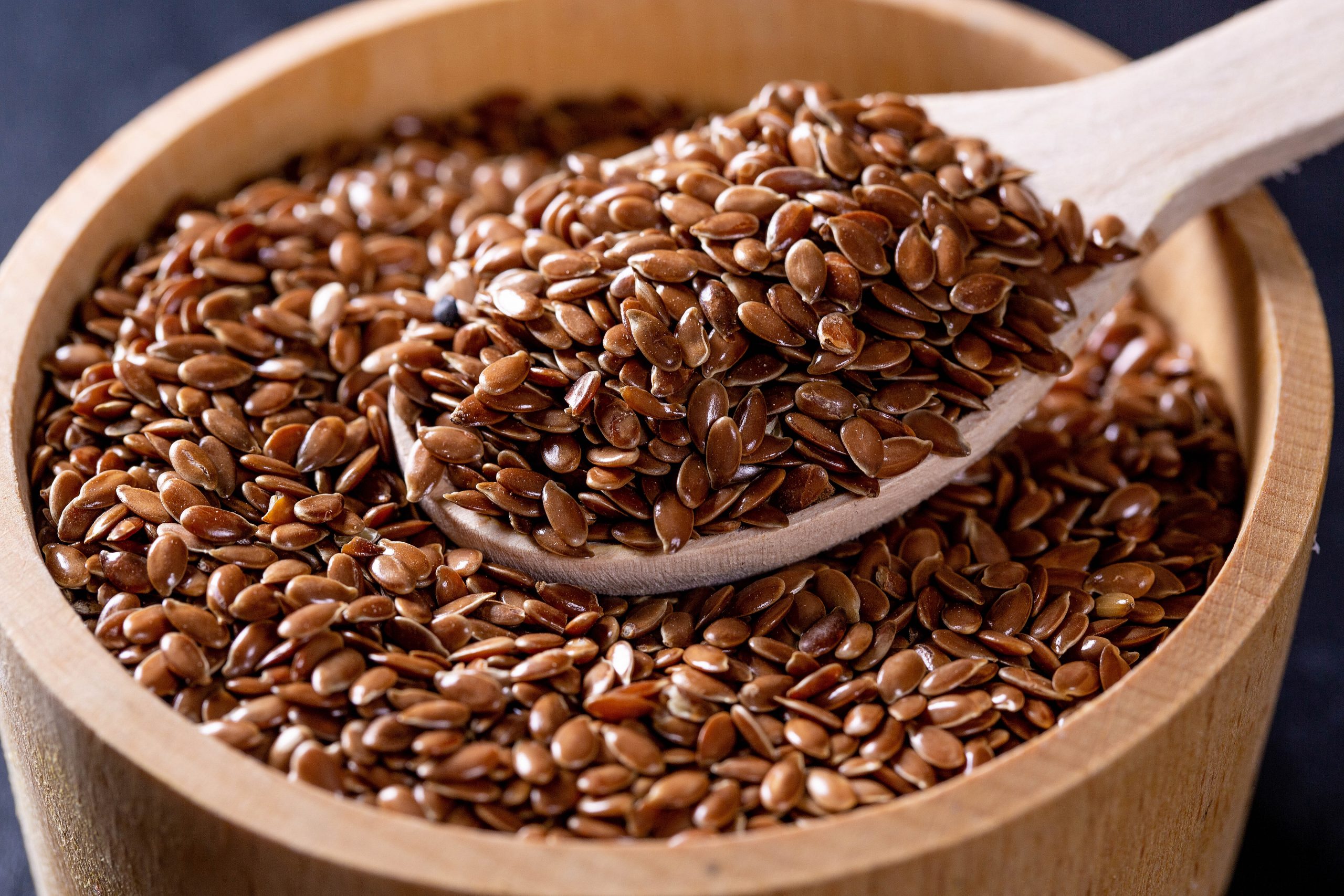
  1. Flaxseeds: Flaxseeds are an excellent source of omega-3 fatty acids, fiber, and lignans. They offer a low net carb content and can be incorporated into various keto recipes.
  2. Chia Seeds: Chia seeds are rich in fiber, omega-3 fatty acids, and plant-based protein. They can be added to smoothies, used as a topping for salads or yogurt, or used in keto-friendly baked goods.
  3. Hemp Seeds: Hemp seeds are rich in healthy fats, fiber, and protein, making them a valuable addition to a keto diet. They can be sprinkled on salads, blended into smoothies, or used in keto-friendly granola recipes.
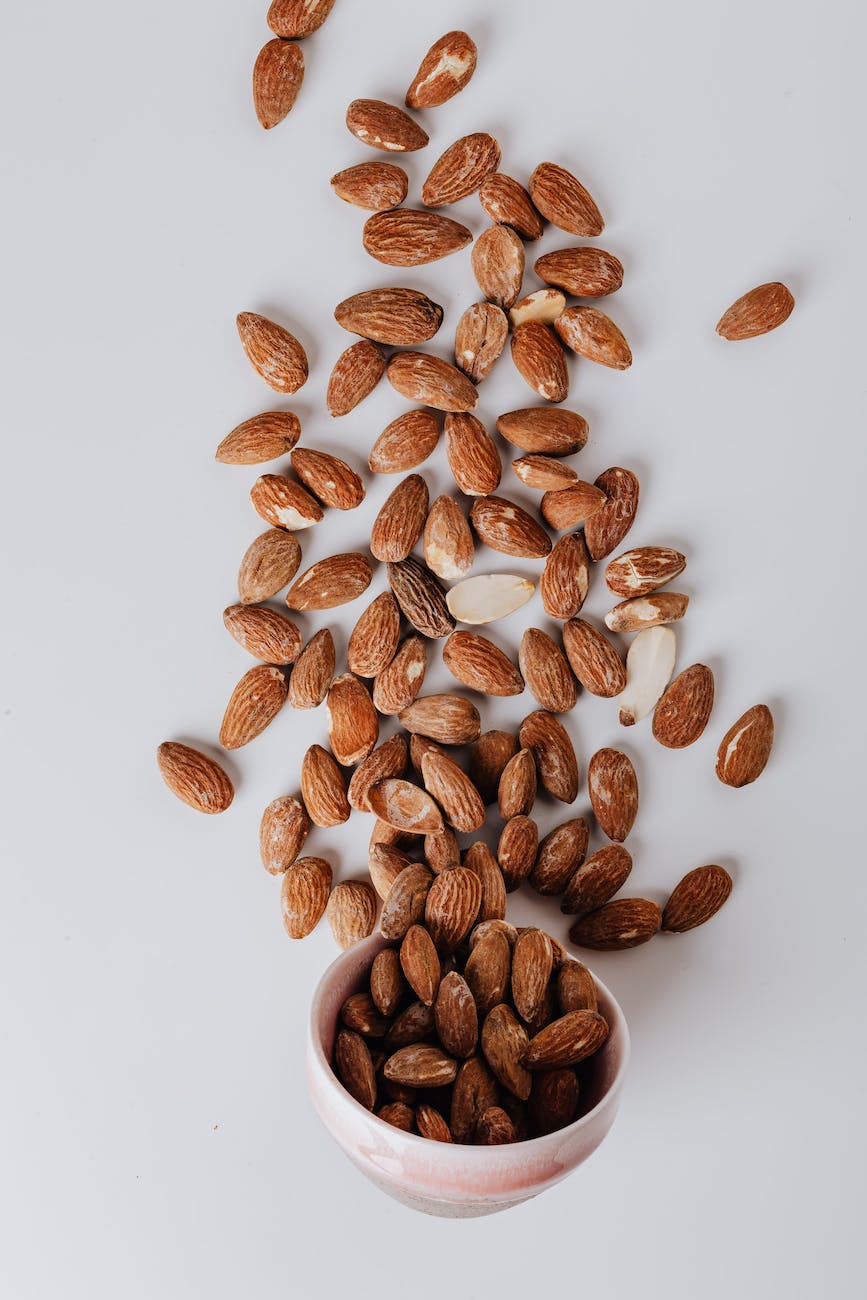
  4. Almonds: Almonds are a nutrient-dense nut that provides healthy fats, fiber, and a moderate amount of protein. They make a convenient and portable keto-friendly snack or can be used as a topping for salads or added to keto-friendly baked goods.
  5. Sunflower Seeds: Sunflower seeds are rich in vitamins, minerals, healthy fats, and fiber. They offer a lower carbohydrate content compared to wheat germ and can be enjoyed as a snack or used in keto-friendly recipes.

Conclusion ๐Ÿ’ก

While wheat germ is a nutrient-rich component of wheat, its relatively high carbohydrate content makes it incompatible with the keto diet’s strict carbohydrate restrictions. However, there are plenty of keto-friendly alternatives available that provide similar nutritional benefits without compromising ketosis. By opting for these alternatives, you can continue to enjoy a nutrient-dense diet while successfully adhering to the principles of the keto lifestyle.

Posted on Leave a comment

Exploring Liverwurst: Is It Suitable for a Keto Diet?

beef close up delicious diet

The ketogenic diet has swept across the globe, gaining popularity for its potential health benefits including weight loss, blood sugar control, and even improvement in certain neurological disorders. The strict macronutrient requirements, however, often leave followers wondering about the suitability of various foods for their diet. Today, we’ll delve deep into the world of liverwurst, shedding light on its compatibility with the keto diet.


Keto 101 ๐Ÿฅ‘

Before we explore liverwurst, it’s vital to understand the basic principles of the ketogenic diet. The ketogenic or “keto” diet is a low-carbohydrate, high-fat diet designed to push your body into a state of ketosis. This metabolic state encourages your body to burn fats instead of carbs for energy, resulting in potential weight loss.

A typical keto diet restricts carbs to 20-50 grams per day, aiming to get 70-75% of daily calories from fat, 20% from protein, and the rest from carbohydrates. These restrictions lead to a thorough examination of our everyday foods, including the traditional delicacy of liverwurst.


Getting to Know Liverwurst ๐ŸŒญ

Liverwurst, also known as liver sausage or Braunschweiger, is a type of German sausage. It’s typically made by grinding pig’s liver with other meats and adding a variety of spices for a unique flavor profile. The mixture is then encased, much like a traditional sausage, and cooked, often by boiling.

This delicacy is known for its rich, distinctive flavor and creamy texture. It’s often spread on bread or crackers, added to salads, or served as a component in appetizers.


Nutritional Breakdown of Liverwurst ๐Ÿ“Š

A look at the nutritional content of liverwurst reveals why it’s considered a nutrient powerhouse. Here’s a detailed nutritional profile per 100 grams:

NutrientAmount
Calories300
Total Fat25g
Saturated Fat9g
Cholesterol190 mg
Total Carbohydrates3g
Sugars0g
Dietary Fiber0g
Protein14g
Sodium800 mg
Vitamin A3300 IU
Vitamin B128.8 mcg
Iron5.4 mg
Zinc4.2 mg

Liverwurst is rich in essential nutrients like Vitamins A and B12, iron, and zinc, making it an excellent choice for nutritional density. It also contains a significant amount of fats and proteins, both of which are crucial for a keto diet.


Liverwurst on Keto: A Perfect Pair? ๐Ÿ‘ผ

Given its nutritional breakdown, liverwurst can fit comfortably into a keto diet. It is low in carbohydrates and high in fats and proteins, aligning well with the macronutrient requirements of a ketogenic lifestyle. Additionally, it offers a rich source of essential nutrients, which are key for overall health and well-being.

However, it’s important to consider potential variations in liverwurst recipes. While traditional liverwurst should be keto-friendly, some commercially prepared varieties may contain added sugars or other carb-rich fillers. Always check the nutrition label and ingredient list when buying liverwurst.


Incorporating Liverwurst into Your Keto Diet ๐Ÿฝ

With its bold flavor and creamy texture, liverwurst can be a versatile addition to your keto meals. Here are five keto-friendly ways to enjoy liverwurst:

  1. Liverwurst Dip: Blend liverwurst with cream cheese, garlic, and herbs for a rich, flavorful dip. Serve it with cucumber slices or bell pepper strips for a satisfying snack or appetizer.
  2. Liverwurst Salad: Chop liverwurst and mix it with hard-boiled eggs, mayonnaise, and pickles for a protein-rich salad.
  3. Stuffed Avocados: Stuff half an avocado with liverwurst for a high-fat, nutrient-dense lunch.
  4. Keto-friendly Liverwurst Pate: Blend liverwurst with cream cheese, butter, and herbs for a delicious keto-friendly pate. Serve it with raw vegetables or keto crackers.
  5. Liverwurst and Egg Breakfast: Sautรฉ liverwurst with eggs for a high-protein, low-carb breakfast.

In Conclusion ๐Ÿ‘

Liverwurst can indeed be suitable for a keto diet, provided you select types without added sugars or other high-carb ingredients. It offers a wealth of nutrients and can be incorporated into a variety of meals, making it a versatile and beneficial addition to your keto lifestyle. The keto diet need not be a monotonous one โ€“ by adding a diverse range of keto-friendly foods like liverwurst, you can ensure it is both nutritionally balanced and exciting.

Posted on Leave a comment

Discover the Weight Loss Benefits of Eating Fruits and Vegetables Daily

bowl of vegetable salad

Hello, fellow health enthusiasts! ๐Ÿ‘‹๐Ÿฅฆ๐ŸŠ๐ŸŽ

The magic of fruits and vegetables goes beyond their vibrant colors and fresh flavors. They are the nutritional superheroes of our diets, providing us with essential vitamins, minerals, and antioxidants while packing minimal calories. But can they actually help us lose weight? The answer is a resounding yes! In today’s deep dive, we’ll explore how these natural powerhouses can aid our weight loss journeys and how to incorporate them into our daily routines for maximum benefit. Ready to explore? Let’s get started! ๐Ÿฅ•๐Ÿ‡๐Ÿฅ’

A Closer Look at the Nutritional Power of Fruits and Vegetables ๐Ÿ“๐Ÿฅฆ

When we talk about the health benefits of fruits and vegetables, it’s more than just empty hype. These food groups are rich in essential nutrients that our bodies need to function optimally. Here are some highlights:

Vitamins and Minerals ๐ŸŠ๐Ÿฅฌ: Fruits and vegetables are the best sources of a wide range of vitamins and minerals, including but not limited to, Vitamin A (for eye health), Vitamin C (for immune function), and Potassium (for heart health). They also offer a variety of antioxidants that help combat oxidative stress, reducing our risk of chronic diseases.

Fiber ๐ŸŽ๐Ÿฅ•: Perhaps one of the most significant benefits of fruits and vegetables for weight loss is their high fiber content. Dietary fiber contributes to feelings of fullness, helps control blood sugar levels, aids in digestion, and can even assist in lowering cholesterol.

Hydration ๐Ÿ‰๐Ÿฅ’: Fruits and vegetables are rich in water, providing hydration and contributing to feelings of fullness with minimal calories.

Fruits, Vegetables, and Weight Loss: The Science โš–๏ธ๐Ÿฅ‘

So, how exactly can consuming fruits and vegetables aid in weight loss? Let’s break it down:

Low Energy Density ๐ŸŽ๐Ÿฅ•: Energy density refers to the number of calories (or energy) in a given volume of food. Foods with low energy density, like fruits and vegetables, provide fewer calories than the same volume of high energy-dense foods (like fried foods or desserts). Because they fill you up with fewer calories, they make it easier to create a calorie deficit and lose weight.

Satiety and Blood Sugar Control ๐Ÿฅ๐Ÿฅฆ: The dietary fiber in fruits and vegetables slows down digestion, leading to more sustained energy levels and longer-lasting satiety. Stable blood sugar levels can help prevent cravings and overeating.

Boosting Metabolism ๐ŸŠ๐ŸŒถ๏ธ: Certain fruits and vegetables are thought to have metabolism-boosting properties. Citrus fruits, for example, contain compounds that can increase fat burn, while capsaicin in spicy peppers can raise your metabolic rate.

Incorporating Fruits and Vegetables Into Your Daily Routine ๐Ÿฅ—๐Ÿ‡

Now that we understand how fruits and vegetables can support weight loss, let’s discuss how to incorporate them into our everyday lives. Here are a few ideas:

  1. Make Them a Part of Every Meal ๐Ÿฝ๏ธ: Try to include at least one serving of fruit or vegetable in every meal. You could add berries to your morning oatmeal, pack a salad for lunch, and serve steamed vegetables with dinner.
  2. Choose Whole Over Juiced ๐Ÿน: While fruit juice can be a part of a healthy diet, it lacks the fiber content found in whole fruit. Stick to whole fruits and vegetables whenever possible.
  3. Snack Smart ๐ŸŽ: Choose fresh fruits and vegetables for snacks. They are less calorie-dense than many traditional snack foods and will keep you feeling full and satisfied.
  4. Variety is Key ๐ŸŒˆ: Try to eat a variety of fruits and vegetables to get a broad range of nutrients. Plus, trying new foods can keep your meals interesting and enjoyable.

Caution: Avoiding High-Calorie Traps ๐Ÿšซ๐ŸŒ

While fruits and vegetables are naturally low in calories and high in nutrients, they can sometimes be served in ways that increase their calorie content substantially. For example, be aware of fruit served with sugary syrups or vegetables cooked in large amounts of oil. The key is to enjoy fruits and vegetables in their most natural state as often as possible.

Conclusion: Enjoy the Rainbow ๐Ÿ๐Ÿฅฆ

In conclusion, making fruits and vegetables a daily habit can bring a wealth of health benefits, including supporting your weight loss journey. Remember, the beauty of fruits and vegetables lies in their variety. Enjoy the rainbow of colors they offer. Each color represents a different set of phytonutrients, so mix and match to get a broad spectrum of nutrients.

And remember, as always, balance is key. Fruits and vegetables are a crucial part of a healthy diet, but they are just one part. Make sure you’re also getting enough protein, healthy fats, and whole grains.

So, here’s to filling our plates โ€“ and our lives โ€“ with more color! ๐Ÿ‰๐Ÿฅ•๐Ÿ‡

Posted on Leave a comment

The Science of Weight Loss: Can Eating Certain Foods Help?

bunch of various exotic fruits

Greetings, dear readers! ๐Ÿ‘‹๐Ÿ˜ฎ๐ŸŽ๐Ÿฅฆ๐Ÿณ๐Ÿฅ‘

Whether you’re embarking on a weight loss journey, or simply invested in maintaining a healthy lifestyle, understanding the role of nutrition is key. ๐Ÿ’ช๐Ÿ‘Š In today’s comprehensive guide, we delve into the wonderful world of food and how it plays a critical part in weight loss and overall wellbeing. ๐Ÿฝ๏ธ๐Ÿฒ

Our bodies are intricate, beautifully designed systems where weight management is influenced by a variety of factors. These include our unique genetic makeup, levels of physical activity, quality of sleep, stress levels, and, unquestionably, our dietary choices. ๐Ÿงฌ๐Ÿ‹๏ธโ€โ™€๏ธ๐Ÿ’ค๐Ÿฅ— However, one question frequently arises: Can consuming (or avoiding) specific foods genuinely aid us in shedding pounds? Grab your notebooks, health enthusiasts, and let’s embark on this nutritional adventure together! ๐Ÿ‘€๐Ÿ”

Fruits and Weight Loss ๐Ÿ‡๐Ÿˆ๐Ÿ‰

In the realm of weight loss, fruits could be deemed as magical allies! Most fruits, such as apples, bananas, papayas, and plums, are packed with fiber, an essential nutrient known to promote feelings of fullness and satiety. This, combined with their relatively low-calorie content, makes them an excellent choice for weight management. Plus, they’re rich in a myriad of vitamins, antioxidants, and minerals that contribute to overall health. However, remember that fruits also contain natural sugars, so they should be consumed in moderation as part of a balanced diet. ๐Ÿ—๏ธ๐Ÿ”‘

Vegetables and Weight Loss ๐Ÿฅฆ๐Ÿฅฌ๐Ÿฅ•

The benefits of consuming vegetables are numerous. These nutrient powerhouses, particularly leafy greens and cruciferous vegetables, are low in calories and high in fiber, making them an ideal choice for weight loss. Regularly eating a rainbow of vegetables not only nourishes your body with essential vitamins, minerals, and antioxidants but can also significantly support your weight loss journey. Moreover, the variety of flavors, textures, and colors that vegetables bring to your plate can make healthy eating a delightful experience. ๐Ÿฅ—๐Ÿฅฆ

Nuts and Seeds for Weight Loss ๐Ÿฅœ๐ŸŒฐ

Despite their small size, nuts such as almonds, walnuts, and seeds like sunflower and flax seeds, are dense sources of protein and healthy fats. These nutrients can help keep hunger at bay, prevent overeating, and provide sustained energy. They also pack a wide range of nutrients like fiber, vitamin E, magnesium, and omega-3 fatty acids. However, given their high-calorie content, portion control is key when including them in your weight loss plan. ๐Ÿ™Œ๐Ÿฝ๏ธ

Beans, Legumes, and Weight Loss ๐ŸŒฑ๐Ÿฒ

Beans and legumes, including lentils, chickpeas, and peas, are often underrated in the context of weight loss. These are rich in protein and fiber, two nutrients known to foster feelings of fullness and control appetite. Additionally, they’re packed with essential nutrients like B vitamins, iron, magnesium, potassium, and antioxidants. Incorporating a variety of these in your diet could potentially enhance your weight loss progress and support overall health.

Whole Grains for Weight Loss ๐Ÿž๐ŸŒพ

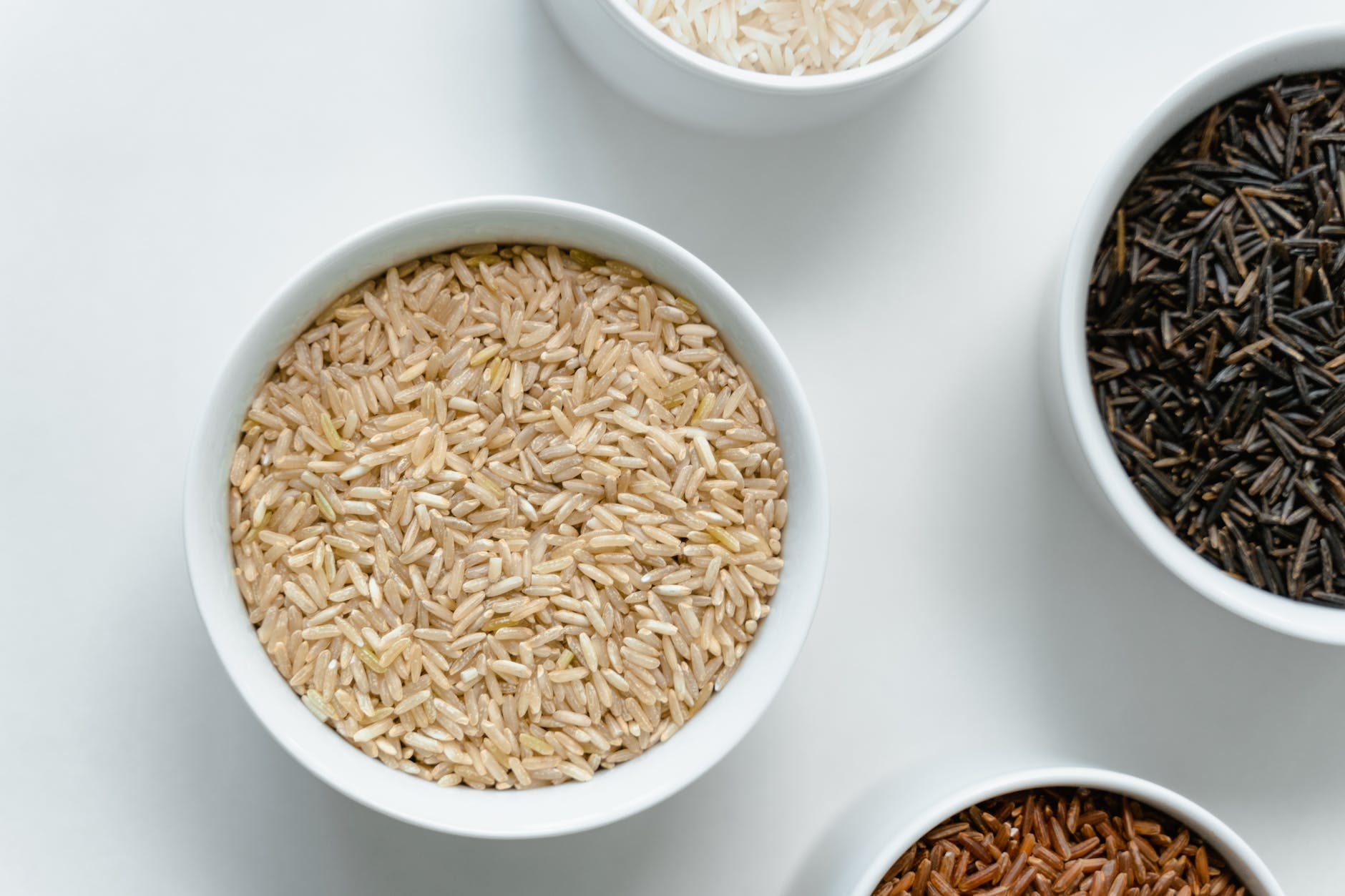
Whole grains such as oats, brown rice, and whole wheat are rich in fiber, an essential nutrient for healthy digestion and sustained fullness. They also provide important B vitamins, iron, magnesium, selenium, and antioxidants. Consuming whole grains rather than refined grains can keep you feeling full for longer periods, regulate blood sugar levels, and prevent overeating, all of which are beneficial for weight management.

Fish, Lean Meats, and Weight Loss ๐Ÿ—๐Ÿฃ

Protein-rich foods, like fish, lean meats, and poultry, can significantly increase feelings of fullness, reduce hunger, and boost your metabolic rate. This can aid in weight loss by reducing overall calorie intake and enhancing calorie burning. However, they should be consumed as part of a balanced diet abundant in fruits, vegetables, and whole grains. Plus, the omega-3 fatty acids found in many types of fish can have numerous health benefits, including reducing inflammation and improving heart health.

We’ve just begun to unravel the intricate relationship between food and weight loss. While these food groups can indeed aid weight loss, it’s important to remember that a holistic approach involving balanced nutrition, regular physical activity, adequate sleep, and stress management often yields the best results. Always consult with a healthcare provider before making significant changes to your diet or exercise routine. ๐Ÿ‘ฉโ€โš•๏ธ๐Ÿ‘จโ€โš•๏ธ

Stay tuned for more detailed posts where we’ll dive deeper into specific foods and their role in weight loss, along with tips on how to incorporate them into your diet. Until then, keep pursuing your health goals, and remember, every small step counts! ๐Ÿ˜Šโœจ