Posted on Leave a comment

Paella Recipe

Finished home-stovetop mixed paella in a wide pan with saffron rice, chicken, shrimp, shellfish, lemon wedges, and parsley.

A good paella recipe should feel generous before anyone takes a bite: golden rice, saffron and paprika in the air, shrimp tucked into the top, lemon wedges on the side, and that quiet hope that there are toasted bits hiding at the bottom of the pan.

This version is built for a regular home kitchen, not a restaurant burner. It gives you browned chicken, tender shrimp, optional shellfish, a deep tomato-and-paprika sofrito, and a clear no-stir method so the rice cooks tender and separate instead of mushy.

The rhythm is simple once you see it: build flavor first, add short-grain rice and hot stock, spread everything into a shallow layer, then leave it alone. This is a home-stovetop mixed paella with chicken, shrimp, optional shellfish, and saffron rice. It is inspired by paella mixta rather than strict Paella Valenciana, but it respects the principles that matter most: good rice, broad heat, careful seafood timing, and a proper rest.

Mixed paella with chicken, shrimp, shellfish, and saffron rice cooking in a wide pan on a regular home stovetop.
This home-stovetop mixed paella is built for a regular burner, so the real success cues are shallow rice, controlled heat, pan rotation, and seafood added near the end.

Quick Answer: How to Make Paella at Home

To make paella at home, cook a thick sofrito with onion, garlic, tomato, paprika, and saffron, then add short-grain rice and hot stock. Spread the rice into a shallow layer, simmer uncovered without stirring, add shrimp or shellfish near the end, and rest the pan before serving.

Four-step visual guide for making paella at home, showing sofrito, rice with hot stock, seafood added late, and rested paella.
Once the cooking rhythm is clear, paella feels much less intimidating: build a thick sofrito, add rice and hot stock, leave the pan alone, add seafood late, and rest before serving.

The best rice is Spanish short-grain rice such as bomba, Calasparra, or Valencia. Although a paella pan helps, a wide skillet or low-sided sauté pan can work if the rice stays shallow. Once the stock goes in, your job is mostly to watch the bubbles, rotate the pan if needed, and let the rice cook in place.

If you want the exact rice and pan details before cooking, jump to Best Rice for Paella or Do You Need a Paella Pan?.

If You Want More Seafood or a Chicken-and-Seafood Paella

Use the same rice method and adjust the proteins. A seafood-forward paella can lean more heavily on seafood stock, shrimp, mussels, clams, squid, scallops, or firm white fish. For chicken and seafood paella, follow the recipe as written: browned chicken gives the rice body, while shrimp and optional mussels or clams go in near the end so they stay tender instead of rubbery. To adjust the pan further, see Paella Variations.

Paella at a Glance

  • Style: Home-stovetop mixed paella with chicken, shrimp, and optional shellfish
  • Serves: 4–6
  • Total time: About 1 hour to 1 hour 10 minutes
  • Best rice: Bomba, Calasparra, Valencia, or Spanish short-grain rice
  • Rice amount: 1½ cups / about 300 g
  • Stock amount: 3½–3¾ cups / 830–900 ml hot stock
  • Best pan: Wide paella pan, skillet, or low-sided sauté pan
  • Main rule: Stop stirring once the stock goes in
  • Seafood timing: Add shrimp and shellfish near the end
Paella at-a-glance guide showing servings, cooking time, rice amount, stock amount, best rice, pan type, no-stir rule, and seafood timing.
Before cooking, check the three things that control paella texture most: the rice type, the stock amount, and whether the pan is wide enough for a shallow layer.

What This Method Helps You Avoid

Most disappointing paella comes down to the same few problems: rice that stays hard, rice that turns wet, a bottom that burns before the top is tender, or seafood that cooks too long. This method is designed to catch those problems early: the rice stays shallow, the stock is controlled, the seafood goes in late, and the pan is rotated instead of stirred.

Paella mistakes guide showing hard rice, wet rice, burnt bottom, and rubbery seafood as common problems to avoid.
Hard rice, wet rice, burnt bottoms, and rubbery shrimp usually start with liquid, heat, stirring, or timing. This method is built to catch those problems early.

If your main worry is fixing rice texture, heat, or seafood timing as you cook, keep the Paella Troubleshooting section nearby.

Why This Home Paella Works

This method works because it treats paella as a rice dish first. The chicken, shrimp, shellfish, saffron, paprika, and lemon all matter, but the rice texture decides whether the pan feels right. Keep the rice shallow, let it absorb the stock in place, and the grains have a much better chance of finishing tender, seasoned, and distinct instead of creamy.

  • Chicken thighs build a forgiving base, so the pan still feels hearty even if you keep the seafood simple.
  • A concentrated sofrito seasons the rice early, before the stock dilutes the pan.
  • Short-grain rice absorbs flavor without falling apart, which is why bomba, Calasparra, or Valencia rice works better than long-grain rice.
  • A shallow layer protects the texture, especially on a home stovetop with uneven heat.
  • Seafood goes in late, so shrimp stays juicy and shellfish opens without turning tough.
  • Socarrat stays optional, because tender, well-seasoned rice matters more than forcing a crust too early.
Home paella explainer with callouts for thick sofrito, shallow rice layer, late-added seafood, and optional socarrat.
This home paella works because flavor is concentrated first, the rice cooks in a shallow layer, and the seafood waits until the pan is nearly ready.

What This Paella Should Taste Like

Aim for paella that tastes savory, sunny, and deeply seasoned, not creamy or soupy. The rice should be tender but distinct, with saffron and paprika in the background, chicken giving the pan body, seafood adding a briny lift, and lemon cutting through at the end.

Close-up of paella rice with tender separate saffron grains, shrimp, chicken, and a moist but not soupy texture.
Look for paella rice that is tender, seasoned, and distinct. Creamy, soupy, or clumped grains mean the pan has moved away from classic paella texture.

When socarrat forms, the bottom layer should taste toasted and nutty rather than bitter. Even without it, the paella can still be excellent. Tender rice and balanced flavor matter more than forcing a crust.

Success cues

Look for tender, separate rice; shrimp that is pink and opaque; savory stock flavor; lemon brightness; and, if you chase it, a toasted bottom that tastes nutty rather than bitter.

What Is Paella?

Paella is a Spanish rice dish from Valencia, traditionally cooked in a wide, low pan. The word is often used for both the dish and the pan, but the heart of paella is the rice: separate grains cooked in flavorful stock, usually with saffron, paprika, vegetables, and proteins arranged across the top.

There are many versions now. Paella Valenciana is the classic Valencian version. Seafood paella focuses on shrimp, mussels, clams, squid, or fish. Mixed paella often combines meat and seafood. Home cooks also make chicken paella, vegetable paella, vegan paella, and Spanish-inspired chicken and chorizo paella.

In everyday recipe searching, “paella” often means the whole family of Spanish-style rice pans, while “Paella Valenciana” refers to a more specific traditional version. That distinction is helpful here because this pan is meant to be a practical mixed paella for a home stovetop, not a claim to be the one traditional version.

Comparison of Paella Valenciana ingredients and home-style mixed paella with chicken, seafood, saffron rice, and lemon.
Paella can refer to a broad family of Spanish-style rice pans, while Paella Valenciana is a more specific traditional version; this recipe stays honest as a home-style mixed paella.

This version is designed for a regular stovetop. It gives you the feel of a generous mixed paella without asking you to find every traditional Valencian ingredient or cook outdoors over a wide fire. The goal is a practical home method with good rice texture, clear timing, and enough guidance that you know what to do if the pan behaves differently from the recipe.

Is This Authentic Paella or Spanish-Style Paella?

This is a Spanish-style home paella, not a strict Paella Valenciana. That is not a disclaimer so much as a way to be clear and respectful.

Traditional Valencian paella has a specific identity. Spain’s official tourism site lists a Valencian-style paella built around rice, chicken, rabbit, tomato, green beans, garrofó, olive oil, saffron, paprika, water, and salt, with optional ingredients such as snails, garlic, rosemary, and peppers. It also notes mixed paella separately as another variety that may include seafood such as mussels, shrimp, prawns, and squid. You can read that official reference on Spain.info.

Think of this as home-style mixed paella: chicken, shrimp, optional shellfish, saffron rice, and a stovetop method that works without outdoor fire. It borrows from the spirit of Spanish mixed paella while being honest that it is not strict Paella Valenciana.

What about chorizo?

Chorizo is popular in many English-language paella recipes, especially chicken and chorizo paella, but it is not part of traditional Paella Valenciana. Here, chorizo is treated as an optional Spanish-inspired variation, not the base recipe.

Paella Ingredients

The ingredient list is not long, but paella rewards choosing each part with care. Rice gives the pan structure, stock carries the flavor, saffron brings aroma and color, paprika adds warmth, tomato and aromatics create the sofrito, and the chicken and seafood make the meal feel generous.

Paella ingredients including short-grain rice, chicken, shrimp, shellfish, tomatoes, onion, garlic, saffron, smoked paprika, stock, lemon, parsley, and olive oil.
Every paella ingredient has a job: rice gives structure, sofrito builds depth, stock seasons the grains, saffron and paprika bring aroma, and seafood adds the final lift.

Rice for Paella

Use Spanish short-grain rice if possible. Bomba, Calasparra, and Valencia rice are the best choices because they absorb stock while holding their shape. Aim for grains that are tender and distinct, not creamy, sticky, or wet.

If you cannot find Spanish paella rice, medium-grain rice can work in a pinch. Arborio is only an emergency substitute because it is designed for risotto. With arborio, the no-stir rule becomes even more important.

Saffron and Paprika

Saffron gives paella its classic golden color and floral aroma. You only need a pinch. Crush the threads lightly and soak them in a little hot stock or hot water before adding them to the pan so the color and fragrance spread more evenly.

Spanish smoked paprika adds warmth and depth. Sweet paprika also works if you want a softer flavor. Add paprika after the tomato and aromatics have softened, and do not let it burn because scorched paprika turns bitter quickly.

Saffron threads blooming in hot stock beside smoked paprika for adding color, aroma, and warmth to paella.
Saffron brings the golden aroma, and smoked paprika adds warmth and depth. Together, they season the rice before the seafood ever touches the pan.

Chicken, Shrimp, and Optional Shellfish

Boneless chicken thighs are forgiving, juicy, and easy for a home paella. Shrimp adds a clear seafood note without making the recipe complicated. Mussels or clams are optional, but they make the pan more dramatic and release flavorful juices into the rice as they open.

Timing is what keeps the pan generous instead of overcooked. Chicken can be browned early, but shrimp should go in near the end so it stays tender. Mussels and clams can be nestled into the rice during the final simmer, just long enough to steam open.

Chicken, shrimp, and optional shellfish prepared for paella with labels showing chicken browned early and seafood added late.
Chicken can brown early to build flavor. Shrimp and shellfish should wait until the end so they stay tender.

Paella Sofrito: Onion, Garlic, Tomato, and Pepper

The sofrito is the flavor base. Onion, garlic, tomato, and bell pepper cook down in olive oil until soft and concentrated. Do not rush this stage. A watery sofrito makes the paella taste thin, while a thick, glossy sofrito gives the rice a savory backbone.

Stock or Broth

Use hot chicken stock, seafood stock, or a mix of the two. Seafood stock gives a deeper seafood-paella flavor, while chicken stock makes the recipe easier and more pantry-friendly. The stock should be hot when it goes into the pan so the rice starts cooking evenly.

Lemon, Parsley, and Finishing Touches

Lemon wedges are not just decoration. A squeeze of lemon brightens the rice, chicken, and seafood right before serving. Parsley adds freshness. Peas are optional and common in many home-style mixed paellas, but they are not required.

Paella Ingredient Swaps That Work

If you do not have… Use this instead What changes
Spanish paella rice Medium-grain rice or arborio in a pinch Watch the liquid closely and do not stir after adding stock.
Seafood stock Chicken stock or chicken stock mixed with a little clam juice The flavor will be lighter but still good.
Fresh tomatoes Crushed tomatoes Cook them down until thick, not watery.
Mussels or clams Extra shrimp or chicken Use slightly more stock because shellfish will not release liquid.
Saffron Good stock, paprika, and a tiny pinch of turmeric for color You lose saffron aroma, but the dish can still taste good.
Paella ingredient swaps board showing alternatives for paella rice, seafood stock, fresh tomatoes, shellfish, and saffron.
Smart paella swaps protect the method: choose a rice that can hold its shape, use flavorful stock, cook tomatoes down well, and treat turmeric as color help rather than saffron flavor.

Once the ingredients are ready, the recipe becomes less about juggling and more about timing: build the base, give the rice space, and add the seafood only when the pan is nearly there.

Best Rice for Paella

Choose short-grain Spanish rice that can absorb flavorful stock without collapsing into a creamy texture. Paella should not eat like risotto. The grains should be tender, separate, and deeply seasoned from the broth.

Rice guide showing bomba, Calasparra, Valencia, medium-grain, arborio, basmati, and jasmine rice options for paella.
The best rice for paella absorbs stock without falling apart, which is why Spanish short-grain rice works better than fragrant long-grain rice.

Unless your rice package specifically instructs you to rinse, start with dry grains. They coat more evenly in the sofrito and absorb the seasoned stock more predictably in the pan.

Rice Use it? Notes
Bomba rice Best choice Classic paella rice that absorbs stock well and holds its shape.
Calasparra rice Excellent Another strong Spanish paella rice option.
Valencia rice Excellent Good short-grain Spanish rice for paella.
Medium-grain rice Acceptable Works if Spanish rice is unavailable; watch the liquid closely.
Arborio rice Emergency substitute Can work, but do not stir or it will turn creamy like risotto.
Basmati rice Avoid Too long and firm for classic paella texture.
Jasmine rice Avoid Too fragrant and soft for this method.
Brown rice Avoid here Needs a different liquid ratio and cooking time.

Paella Rice to Stock Ratio

For this version, use 1½ cups / about 300 g short-grain rice with 3½–3¾ cups / 830–900 ml hot stock. Use the lower amount if adding mussels or clams because shellfish releases liquid into the pan. Use the higher amount if making chicken and shrimp paella without shellfish.

Paella rice-to-stock ratio guide showing one and a half cups rice with three and a half to three and three-quarter cups hot stock.
This paella rice-to-stock ratio gives the grains enough liquid to cook through, while the wide pan keeps the layer shallow enough for classic texture.

If you are cooking for two or scaling up for guests, check Scaling Paella for Two or a Crowd before changing the rice and stock amounts.

Keep an extra ½ cup / 120 ml hot stock or water nearby. A small splash can rescue firm rice in a dry pan, but a late flood of liquid usually makes the outside of the grains soften before the centers catch up.

Do You Need a Paella Pan?

No. A paella pan is ideal, but you can make this recipe in a wide skillet, stainless-steel sauté pan, or cast iron skillet. The real requirement is not the pan name; it is a wide, shallow cooking surface that keeps the rice in a thin layer.

Cookware guide showing a paella pan, wide skillet, sauté pan, cast iron skillet, and deep pot for making paella.
The pan name matters less than the shape; if the rice can spread thinly across a low, wide surface, the method has a much better chance of working.

Keep the Rice Layer Shallow

Think surface area, not depth: the rice needs room to cook in a shallow layer. If it is piled too deep, the bottom can burn before the top grains are tender. If the pan is too wide for your burner, the center may boil hard while the edges barely simmer.

Comparison showing paella rice in a shallow wide pan versus rice piled too deep in a pot.
A shallow rice layer cooks more evenly and gives the bottom a better chance to toast. A deep pile of rice can turn uneven before the center finishes.

Manage Home-Stovetop Hot Spots

Serious Eats explains this stovetop problem well: large paella pans work beautifully over broad outdoor heat, but home burners create hot spots, so smaller stovetop paellas are often more reliable indoors. Their guide is worth reading if you want the deeper heat-management logic: Serious Eats’ stovetop paella guide.

Home stovetop paella heat guide showing the center bubbling harder, slower-cooking edges, and arrows for rotating the pan.
Home burners often heat the center harder than the edges. Rotating the pan helps the rice cook evenly without stirring through the grains.

Once you have the right pan, the next important move is technique: see How to Make Paella Step by Step for the no-stir cooking flow.

Choose the Right Pan Size

Servings Pan size Best use
2–3 10–12 inch wide skillet Best for a small stovetop batch with more even heat.
4 12–14 inch wide pan Most reliable size for regular home burners.
4–6 14–16 inch paella pan or skillet Good if your burner, grill, or stovetop gives enough heat coverage.
6+ Large paella pan over grill or outdoor burner Better than piling a double batch into a deep pot.
Paella pan size guide showing ten to twelve inch, twelve to fourteen inch, and fourteen to sixteen inch pans with serving ranges.
A pan that is too large for the burner can cook unevenly, while a smaller wide pan often gives better control on a home stove.

Pan depth matters more than pan name

A shallow rice layer cooks more evenly and has a better chance of forming socarrat. A deep pot may hold the ingredients, but it traps too much steam and makes the rice more likely to turn soft or uneven.

Before You Start: Avoid These Paella Mistakes

  • Start with dry rice unless your package specifically tells you to rinse.
  • Avoid deep pots if you want classic paella texture.
  • Stop stirring after adding stock, or the rice can turn creamy and heavy.
  • Add shrimp near the end, because it will overcook if it simmers from the beginning.
  • Save socarrat for the finish; cook the rice first, then toast the bottom briefly.

How to Make Paella Step by Step

Read the method once before you start. Paella behaves differently from a stir-fry, biryani, pulao, or risotto: after the rice and stock go in, you stop stirring and let the pan do its work.

On a home stove, the center may bubble harder than the edges. That is normal. Rotate the pan instead of dragging a spoon through the rice, and keep the simmer steady rather than violent.

Hands rotating a paella pan on a stovetop while the rice simmers without being stirred.
When one area bubbles harder than another, shift the pan instead of stirring; that protects the rice texture while evening out the heat.

Paella looks dramatic when it comes to the table, but most of the cooking is quiet: the pan bubbles, the saffron deepens, and the rice slowly changes from loose broth into something golden enough to serve.

If you want the short version beside you while cooking, use the Paella Recipe Card, then come back to these step cues if the pan behaves unevenly.

1. Season and Brown the Chicken

Cut the chicken thighs into bite-size pieces and season them with salt and pepper. Heat olive oil in a wide pan over medium-high heat, then brown the chicken for about 4–5 minutes, until it has color on the outside. It does not need to cook fully at this stage because it will finish with the rice.

Look for golden edges and a little browning on the bottom of the pan. Those browned bits will dissolve into the stock later and help the rice taste deeper.

Chicken thigh pieces browning in a wide pan with golden edges and browned bits for paella.
Browning the chicken first creates savory bits in the pan, and those browned flavors later dissolve into the stock and rice.

2. Build the Sofrito

Add onion and bell pepper to the pan and cook for 4–6 minutes, until softened. Stir in garlic, then add grated tomatoes or crushed tomatoes. Cook for another 5–7 minutes, until the mixture thickens and looks less watery.

This is one of the places where patience pays off. The pan should smell savory and sweet, not raw and watery. If the tomato still looks loose, give it another minute or two before adding the rice.

Thick tomato, onion, garlic, and red pepper sofrito cooking down in a wide pan for paella.
The sofrito should look thick and glossy before the rice goes in, because a watery base can leave the finished paella tasting flat.

3. Add Paprika, Saffron, Rice, and Stock

Stir in smoked paprika and the soaked saffron. Add the rice and stir briefly so the grains are coated in the tomato-flavored oil. Pour in hot stock, scrape the bottom once to release any stuck flavor, and spread the rice evenly across the pan.

Hot saffron stock being poured into short-grain rice and tomato-paprika sofrito in a wide pan.
Add hot stock after the rice is coated in sofrito so the grains begin absorbing seasoned liquid right away.

At this stage, the liquid should taste well-seasoned. If the stock tastes flat now, the rice will taste flat later. Add salt before the rice finishes cooking, not only at the table.

4. Spread the Rice and Stop Stirring

This is the turning point. Once the rice is spread into an even layer, stop stirring. Rotate the pan if one side is bubbling harder than the other, but do not drag a spoon through the rice.

Paella rice, stock, sofrito, and chicken spread into an even layer with a spoon lifted away to show no stirring.
This is the turning point: once the rice is level, stop moving it so the grains can absorb stock in place.

Stirring releases starch and makes the dish creamy. For paella, you want the grains to cook in place so they absorb the stock and stay separate.

5. Simmer Until the Rice Is Almost Done

Let the rice simmer uncovered for about 8–10 minutes before adding the seafood. The liquid should bubble steadily, not violently. If the center is boiling aggressively while the edges are quiet, rotate the pan every few minutes.

As the rice cooks, the surface will look less soupy and more defined. You should see grains peeking through the liquid, and the edges of the pan will start looking a little drier. If the pan looks dry but the rice is still firm, add a small splash of hot stock or water around the edges.

Close-up of paella rice simmering with gentle bubbles, grains peeking through, and slightly dry edges.
As paella cooks, the surface should shift from soupy to defined, with gentle bubbles, visible grains, and edges that begin to dry slightly.

6. Add Shrimp and Shellfish Near the End

When the rice is partly cooked and most of the liquid has been absorbed, nestle the shrimp and optional mussels or clams into the top. Cook for another 6–8 minutes, until the shrimp is pink and opaque, the shellfish has opened, and the rice is tender.

Keep the shrimp near the surface and add it only near the end. Seafood cooks quickly, and once shrimp turns tight and rubbery, the rice cannot fix it. Discard any mussels or clams that stay closed after cooking.

Shrimp being added near the end of cooking on top of saffron paella rice in a wide pan.
Add shrimp near the end because seafood cooks fast; once it turns tight and rubbery, the rice cannot fix it.

7. Rest the Paella Before Serving

When the rice is tender and the seafood is cooked, remove the pan from the heat and cover it loosely with foil or a clean towel. Rest for 5–10 minutes. This helps the top grains finish steaming and lets the last moisture settle into the rice.

Finished paella resting under a towel with lemon wedges and parsley nearby.
Resting paella for a few minutes helps the top grains finish steaming and lets the remaining moisture settle before serving.

After resting, the rice should look moist but not soupy. The chicken should be cooked through by the time the rice is tender. If you use a thermometer, the thickest pieces should reach 165°F / 74°C.

8. Finish with Lemon and Parsley

Scatter parsley over the pan and serve with lemon wedges. Bring the paella to the table in the pan if you can. It looks dramatic, but it also lets everyone scoop from the tender rice on top down to the toasted bits at the bottom.

Lemon being squeezed and parsley scattered over finished paella before serving.
Lemon and parsley brighten the saffron rice, chicken, and seafood, so the finished paella tastes lively instead of heavy.

How to Get Socarrat

Socarrat is the toasted layer of rice at the bottom of a well-made paella. It should taste nutty and savory, not burnt. Treat it as a bonus on your first attempt, not the only measure of success.

For the safest socarrat, wait until the rice is cooked and the liquid is mostly absorbed. Then raise the heat for 60–120 seconds. Listen for a gentle crackle and smell for toastiness. Stop as soon as the aroma turns sharp, smoky, or bitter.

Paella pan with cooked saffron rice and a toasted bottom cue showing how to get socarrat at the end.
Socarrat works best when the rice is already tender and most liquid has absorbed; only then should the bottom get a brief controlled toast.

Do not try to create socarrat while the rice is still hard. You will burn the bottom before the top finishes. Tender rice comes first; the crisp bottom comes last.

If the bottom burns or the rice is still hard before you try for socarrat, jump to Paella Troubleshooting before pushing the heat.

Socarrat cues

  • Good sign: faint crackling, toasted aroma, rice mostly dry on top.
  • Bad sign: sharp burning smell, smoke, or blackened bitterness.
  • Best pan: carbon steel, stainless steel, or cast iron gives better browning than nonstick.
  • Beginner move: skip socarrat the first time and focus on tender rice.
Comparison of good amber socarrat and burnt blackened paella rice to show the difference in toasted bottom texture.
Amber socarrat adds crisp, savory flavor, while blackened rice turns smoky and bitter. Let aroma guide you as much as timing.

When it works, the first scrape from the bottom should feel like a reward: golden rice on top, toasted grains underneath, and no bitterness in the pan.

Spoon scraping toasted socarrat from the bottom of a paella pan with golden rice and amber crisp grains.
Good socarrat should taste nutty and toasted, not burnt, and the first spoon scrape is the reward for patient heat control.

Use the visual card below as a quick save, then follow the full recipe card for exact ingredients, timing, and notes. The guide above is still your safety net if the pan bubbles unevenly, the rice dries out, or the seafood needs careful timing.

Paella Recipe Card

Saveable recipe card for golden home-stovetop paella with servings, timing, rice amount, stock amount, pan note, and method flow.
Keep this quick-save card nearby for the cooking flow, but use the visual cues in the post—bubbles, dry edges, tender rice, and late seafood—to guide the pan.

Golden Home-Stovetop Paella

A golden Spanish-style home paella with saffron rice, browned chicken, tender shrimp, optional shellfish, tomato, paprika, lemon, and parsley. Designed for a regular stovetop with a wide pan and a clear no-stir method.

Prep Time20 minutes
Cook Time35–40 minutes
Rest Time5–10 minutes
Servings4–6

Best pan: Use a 14–16 inch wide, shallow pan for the full batch, or a 10–12 inch skillet for a half batch. Avoid deep pots because the rice needs to cook in a shallow layer.

Ingredients

  • 2 tablespoons extra-virgin olive oil
  • 450 g / 1 lb boneless skinless chicken thighs, cut into 1-inch / 2.5 cm pieces
  • 250–300 g / 9–10 oz large shrimp, peeled and deveined
  • Optional: 300–500 g / 10 oz–1 lb mussels or clams, cleaned
  • 1 medium onion, finely chopped
  • 1 red bell pepper, diced
  • 3–4 garlic cloves, minced
  • 2 medium tomatoes, grated, or ¾–1 cup crushed tomatoes
  • 1 teaspoon smoked Spanish paprika or sweet paprika
  • Pinch of saffron threads, soaked in 2 tablespoons hot stock or hot water
  • 1½ cups / about 300 g Spanish short-grain rice, such as bomba, Calasparra, or Valencia rice
  • 3½–3¾ cups / 830–900 ml hot chicken stock, seafood stock, or a mix
  • ½ cup frozen peas, optional
  • Salt and black pepper, to taste
  • Lemon wedges, for serving
  • Chopped parsley, for serving

Instructions

  1. Season the chicken. Pat the chicken dry and season with salt and black pepper.
  2. Brown the chicken. Heat olive oil in a wide shallow pan over medium-high heat. Add the chicken and brown for 4–5 minutes, until golden on the outside. It does not need to be fully cooked yet. Transfer to a plate if the pan is crowded.
  3. Cook the vegetables. Add onion and bell pepper to the pan. Cook for 4–6 minutes, until softened, then stir in garlic.
  4. Build the sofrito. Add grated tomatoes or crushed tomatoes. Cook for 5–7 minutes, until the mixture thickens and the raw tomato smell fades.
  5. Add spices and rice. Stir in paprika and soaked saffron. Add the rice and stir briefly so the grains are coated.
  6. Add stock. Pour in the hot stock and scrape the bottom once. Return the chicken to the pan. Spread the rice into an even shallow layer.
  7. Simmer without stirring. Simmer uncovered for 8–10 minutes without stirring. Rotate the pan if one side bubbles harder than the other.
  8. Add seafood near the end. Nestle shrimp and optional mussels or clams into the top. Cook for another 6–8 minutes, until the shrimp is pink and opaque, shellfish has opened, and the rice is tender.
  9. Check the rice. If the rice is still firm and the pan is dry, add a small splash of hot stock or water around the edges and cook a few minutes more.
  10. Optional socarrat finish. If the rice is cooked and you want a toasted bottom, raise the heat briefly for 60–120 seconds. Listen for a light crackle and stop before anything smells burnt.
  11. Rest. Remove from heat, cover loosely with foil or a clean towel, and rest for 5–10 minutes.
  12. Serve. Top with parsley and serve with lemon wedges.

Notes

  • Use 3½ cups / 830 ml stock if adding mussels or clams because shellfish releases liquid.
  • Use closer to 3¾ cups / 900 ml stock for chicken and shrimp paella without shellfish.
  • Keep ½ cup / 120 ml hot stock or water nearby for a small rescue splash if the rice is firm and the pan is dry.
  • If your pan is smaller, reduce the batch instead of piling the rice deep.
  • Avoid basmati and jasmine rice for this method.
  • Chorizo is a Spanish-inspired variation here, not part of traditional Paella Valenciana.
  • Paella is best served fresh, but leftovers can be reheated gently with a splash of stock or water.

Paella Variations

Use these variations as directions, not entirely new recipes. The base method stays the same: build flavor, add rice and stock, leave the rice alone, add delicate ingredients near the end, and rest before serving.

Seafood Paella Variation

This is the most dramatic version for the table. Skip the chicken and use shrimp, mussels, clams, squid, scallops, or firm white fish. Seafood stock gives the rice a deeper briny flavor, and the same late-add timing keeps delicate seafood from turning rubbery.

Seafood paella variation with saffron rice, shrimp, mussels, clams, squid, scallops, lemon, and parsley in a wide pan.
For a seafood paella variation, lean on seafood stock and add delicate seafood late so the pan tastes briny without turning rubbery.

If that seafood lane is what you love, MasalaMonk’s fish and chips recipe gives another crisp, lemon-friendly fish dinner with detailed texture cues.

Chicken Paella Variation

This is the simplest version to shop for and the easiest choice for seafood-averse guests. Use extra chicken thighs, green beans, bell pepper, and chicken stock, and increase the stock slightly because shellfish will not release liquid into the pan.

Chicken paella variation with saffron rice, browned chicken, green beans, red pepper, lemon wedges, and parsley.
Chicken paella keeps the same rice method but skips seafood, making it easier to shop for and more flexible for guests who prefer a meat-only pan.

For another rice-friendly chicken dinner with a simple stovetop method, MasalaMonk’s chicken adobo recipe is a strong companion recipe.

Vegetarian Paella

For a meatless pan that still feels colorful and satisfying, use vegetable stock and build around artichokes, green beans, roasted peppers, peas, mushrooms, or chickpeas.

Vegan Paella

For vegan paella, keep the olive oil, saffron, paprika, tomatoes, and vegetable stock, then let the vegetables and legumes do the work. Chickpeas, white beans, artichokes, mushrooms, and roasted peppers can make the pan feel generous without changing the rice method.

Vegetarian and vegan paella variations with saffron rice, artichokes, mushrooms, peppers, peas, chickpeas, herbs, lemon, and vegetable stock.
Meatless paella still depends on the same rice method; vegetables, mushrooms, legumes, and good stock simply replace the flavor and substance that meat or seafood would bring.

Chicken and Chorizo Paella

For chicken and chorizo paella, brown 100–150 g / 3½–5 oz sliced Spanish chorizo before the sofrito, then continue with the recipe. The flavor will be smoky and rich, but chorizo is a popular Spanish-inspired addition rather than a traditional Valencian one.

Paella Without Saffron

You can make paella without saffron, but the flavor and aroma will be different. Use good stock, smoked paprika, tomato, garlic, and a tiny pinch of turmeric only if you want a warmer yellow color. Too much turmeric will make the dish taste more like turmeric rice than paella.

Paella Without Seafood

If you do not like seafood, make the chicken version with extra vegetables and chicken stock. The method stays the same, but use a little more stock because shrimp, mussels, and clams will not be releasing moisture into the pan.

Can You Scale Paella for Two or a Crowd?

Paella does not scale like soup, curry, or stew because the rice needs a shallow layer. If you simply double the ingredients in a deep pot, the texture will suffer. The top may stay firm while the bottom turns soft or burns.

For two people, use a 10–12 inch skillet and reduce the batch by about half. For a crowd, use a large paella pan over a grill or outdoor burner, or make two smaller pans instead of forcing one overloaded pan onto a regular stovetop burner.

Serving goal Best approach Why
Paella for two Make a half batch in a 10–12 inch skillet. The rice stays shallow and the burner can heat the pan more evenly.
Paella for 4–6 Use the recipe as written in a 14–16 inch wide pan. This is the best home-size balance of yield and control.
Paella for a crowd Use an outdoor burner, grill, or two separate pans. Large pans need broad heat; one small burner usually creates hot spots.
Paella scaling guide showing a smaller wide pan for two and a larger pan over broad heat for a crowd, with a note not to pile rice deep.
Paella scales by changing pan size and heat coverage, not by piling more rice into a deep pot.

What to Serve with Paella

Paella is a full meal, so the sides should be simple. Serve it with lemon wedges, a green salad, roasted peppers, olives, or something fresh and herb-heavy like this tabbouleh recipe. Crusty bread is optional, but it is useful if you want to catch the flavorful juices around the edge of the pan.

If you want a crisp make-ahead side instead of a green salad, this coleslaw recipe brings crunch and acidity without requiring oven or stovetop space.

For drinks, keep the flavors bright and not too heavy. Sparkling water with lemon, chilled white wine, or a fresh watermelon margarita can work well with saffron rice and seafood, especially for a warm-weather table.

How to Store and Reheat Paella

This paella is best fresh from the pan after a short rest. The rice texture is at its best before refrigeration, and shrimp or shellfish are usually softer and juicier before reheating.

Because paella contains rice and often seafood, refrigerate leftovers within 2 hours of cooking. Spread them into a shallow airtight container so the rice cools quickly, and eat within 1–2 days for the best texture and safety.

If your paella has a lot of shellfish, remove the shells before storing leftovers so reheating is easier and the rice cools more quickly.

Reheat gently in a skillet with a small splash of stock or water. First, cover the pan briefly so the rice steams; then uncover it so extra moisture can evaporate. Avoid blasting seafood in the microwave for too long because shrimp can turn rubbery.

If you want to prep ahead, make the sofrito, clean the seafood, cut the chicken, and measure the rice and stock in advance. Do not fully cook paella hours ahead and expect the rice to taste freshly made.

Paella Troubleshooting: Rice, Pan, and Seafood Fixes

Most paella problems come from the same few causes: the wrong rice, too much liquid, too much stirring, a pan that is too deep, or heat that is too aggressive for the pan size.

Problem Likely cause Quick fix
Mushy rice Too much liquid, too much stirring, or deep pan Stop adding liquid, cook uncovered briefly, and rest off heat.
Hard rice Liquid evaporated too fast Add a small splash of hot stock around the edges and lower the heat.
Burnt bottom Heat too high or socarrat attempted too early Use steadier heat and save the high-heat push for the final 60–120 seconds.
Rubbery seafood Shrimp or shellfish added too soon Add seafood only near the end of cooking.
Flat flavor Weak stock, rushed sofrito, or not enough salt Season the stock, cook the tomato base down, and finish with lemon.
One side undercooked Burner heat is uneven or pan is too wide Rotate and shift the pan instead of stirring through the rice.
Paella troubleshooting guide showing mushy rice, hard rice, burnt bottom, rubbery seafood, flat flavor, and uneven cooking fixes.
When paella goes wrong, look at the pattern first: wet rice, dry rice, scorching, rubbery seafood, or uneven bubbling usually points to the fix.

Why Is My Paella Mushy?

Mushy paella usually means too much liquid, the wrong rice, too much stirring, or a pan that is too deep. Use short-grain paella rice, keep the rice shallow, and stop stirring once the stock goes in.

If the rice already looks soft and wet, stop adding liquid. Cook uncovered over low heat for a few more minutes so excess moisture can evaporate, then rest the pan off heat.

Why Is the Rice Still Hard?

Hard rice usually means the liquid evaporated before the grains cooked through. Add a small splash of hot stock or water around the edges, lower the heat, and give the pan a few more minutes. A large pour of cold liquid can soften the outside of the grains before the centers catch up.

Why Did the Bottom Burn?

The heat was probably too high, the pan was too thin for the burner, or you tried to get socarrat before the rice was cooked. Next time, use steadier heat during the rice stage and save the final high-heat push for the last minute or two.

Why Did I Not Get Socarrat?

There may have been too much liquid left in the pan, the heat may have been too low at the end, or the pan may have been nonstick. Socarrat forms best when the rice is cooked, the liquid is absorbed, and the bottom gets a brief controlled burst of heat.

Why Is My Seafood Rubbery?

Rubbery seafood is almost always a timing problem. Shrimp, mussels, clams, and calamari should not simmer from the beginning with the rice; they only need the final stretch of cooking.

Can You Stir Paella?

You can stir before the stock goes in. After the rice is spread into the stock, do not stir. Rotate the pan if needed, but leave the rice layer alone so the grains stay separate and the bottom has a chance to toast.

Why Does My Paella Taste Flat?

Flat paella usually starts with weak stock or a rushed sofrito. Season the stock well, let the tomato base cook down, and finish with lemon so the rice tastes bright instead of dull.

Why Is One Side Cooking Faster Than the Other?

Your burner may not be heating the whole pan evenly. Rotate the pan every few minutes instead of stirring the rice. If one area is boiling hard while another is barely moving, lower the heat slightly and shift the pan so the cooler side gets more contact with the flame or burner.

FAQs

What is the best rice for paella?

The best rice for paella is Spanish short-grain rice such as bomba, Calasparra, or Valencia. Medium-grain rice can work in a pinch, but basmati and jasmine are too long, fragrant, or soft for this method.

Do you need a paella pan?

You do not need a paella pan, but you do need a wide, low-sided pan. The rice should sit in a shallow layer, so a wide skillet or sauté pan is more useful than a deep pot.

Can you make paella in a cast iron skillet?

Yes, you can make paella in a cast iron skillet if it is wide enough to keep the rice shallow. Cast iron holds heat well, so watch the bottom carefully and avoid pushing for socarrat before the rice is tender.

Is paella Spanish or Mexican?

Paella is Spanish. It comes from Valencia, Spain. Some people search for Mexican paella or confuse it with other rice dishes, but traditional paella is part of Spanish cuisine.

What gives paella its yellow color?

Saffron gives paella its classic golden color and floral aroma. Some home versions use a little turmeric for color when saffron is unavailable, but saffron gives the most traditional flavor.

Is saffron required for paella?

Saffron is strongly recommended, but you can make a good rice dish without it. If you skip saffron, rely on good stock, tomato, garlic, paprika, and careful seasoning. A tiny pinch of turmeric can help with color, but it will not replace saffron’s aroma.

Should paella be stirred?

Stir during the sofrito stage, then leave the rice alone once the stock goes in. That stillness helps the grains stay separate and gives the bottom a chance to toast.

What is the crispy rice at the bottom called?

The crispy toasted rice at the bottom of paella is called socarrat. It forms when the rice is cooked in a shallow layer and the bottom gets a brief controlled burst of heat near the end.

Is chorizo traditional in paella?

Chorizo is not traditional in Paella Valenciana. It is common in many Spanish-inspired home paella recipes, especially chicken and chorizo paella, but it should be treated as a variation rather than the classic version.

What is the difference between paella and risotto?

Paella is cooked mostly undisturbed so the rice grains stay separate and absorb stock without turning creamy. Risotto is stirred repeatedly to release starch and create a creamy texture.

What is the difference between paella and Paella Valenciana?

Paella is the broad name for the Spanish rice dish and its many versions. Paella Valenciana is the traditional Valencian version with a more specific ingredient identity, often including chicken, rabbit, green beans, garrofó, tomato, saffron, paprika, olive oil, water, salt, and rice.

Can paella be made ahead?

Paella is best cooked fresh, but you can prep the ingredients ahead. Chop the vegetables, clean the seafood, cut the chicken, soak the saffron, and measure the rice and stock before cooking. Fully cooked paella loses its best texture after sitting for a long time.

Serve it while the pan still smells of saffron, paprika, lemon, and toasted rice. Once you understand the rice, pan, and no-stir method, paella stops feeling like a risky project and starts feeling like a generous one-pan meal. Bring the whole pan to the table and let everyone find the spoonful they were hoping for.

Finished home-stovetop mixed paella served at the table with spoons, saffron rice, chicken, shrimp, shellfish, lemon wedges, parsley, and toasted rice texture.
A whole pan at the table lets everyone scoop from the tender top rice down to the toasted bits underneath, which is exactly how paella should feel: generous, shared, and a little dramatic.

Back to top

Posted on Leave a comment

Fish Cakes Recipe: Crispy Potato Fish Cakes with Cod or Any White Fish

Crispy cod and potato fish cakes on a plate with lemon wedges, herbs, sauce, and one cake cut open to show the flaky filling

Good fish cakes should give you three things at once: a crisp golden crust, soft but not mushy potato, and real flakes of fish inside. This fish cakes recipe starts with cod because it is easy to find, gentle in flavor, and perfect with lemon, herbs, mustard, and breadcrumbs. However, the same method also works with haddock, pollock, hake, tilapia, leftover cooked white fish, or carefully thawed frozen fish.

These little cakes are the kind of dinner that can feel old-fashioned in the best possible way: a little potato, a little fish, a hot pan, and suddenly the meal feels generous. Still, the texture matters. Too much potato and they taste flat. Too much wet fish and they collapse. This recipe keeps the middle soft and flaky while giving you the crisp edge everyone reaches for first.

The method is simple once you know what matters: dry potato, visible fish flakes, a firm chill, and a crust that sets before you flip. Even if the mixture feels a little soft at first, it is usually easy to save with a spoonful of breadcrumbs and a short rest in the fridge.

What Good Fish Cakes Should Look Like

Before you start cooking, it helps to know the texture you are aiming for: crisp outside, soft inside, and fish that stays visible instead of disappearing into the potato.

Close-up of a fish cake split open to show a crisp breadcrumb crust, soft potato, and flaky white fish inside
A good fish cake should not look smooth inside. Instead, the best texture shows tender potato, real fish flakes, and a crust that breaks cleanly.

Quick Answer: How to Make Crispy Fish Cakes

To make crispy fish cakes, cook cod or another firm white fish until it flakes, then mix it gently with dry mashed potato, egg, lemon, herbs, mustard, and seasoning. Shape the filling into patties, chill for at least 30 minutes, coat with flour, beaten egg, and breadcrumbs, then pan-fry until golden on both sides.

Four-step guide showing fish being cooked, folded with potato, chilled and coated, then pan-fried into crispy fish cakes
Once you understand the basic flow — cook, fold, chill, and fry — this fish cakes recipe becomes easier to adjust without guesswork.

For 8 medium cakes, use about 450g / 1 lb raw fish and 500g / 1.1 lb peeled potatoes. That ratio gives enough potato to bind the patties without hiding the fish. When you break one open, you should see soft potato, clear flakes of fish, and a crunchy golden edge rather than a smooth, heavy paste.

If your mixture already feels too wet, too soft, or likely to break, use the fixing section before shaping the whole batch.

These are especially good when you want something comforting without making a heavy meal. A few crisp cakes, a sharp salad, lemon wedges, and a cold creamy sauce can feel like a proper dinner without needing much else.

Reliable first batch

Use cod or haddock, dry mashed potato, one egg or yolk, lemon zest, parsley, panko, and a 30-minute chill. Pan-fry over medium heat and let the first side fully set before flipping. If this is your first time, use the pan-fried method before trying the baked or air fryer versions.

Ingredient guide for a reliable first batch of fish cakes with cod, dry mashed potato, egg or yolk, lemon, herbs, panko, and a finished cake
For the safest first batch, keep the formula simple: mild cod, dry potato, enough binder, bright lemon, fresh herbs, panko, and a proper chill.

At a Glance

Main fishCod, haddock, pollock, hake, or firm white fish
Best potatoesStarchy potatoes such as Russet, Maris Piper, King Edward, or Yukon Gold
Yield8 medium fish cakes
Serves4
Fish-to-potato ratioAbout 450g raw fish to 500g peeled potatoes
Chill time30 minutes
Pan-fry time4–5 minutes per side
Optional oven finish200°C / 400°F for 8–10 minutes
Air fryer190–200°C / 375–400°F for 10–14 minutes
Fish doneness145°F / 63°C, or opaque and flaking easily
Good saucesTartar sauce, lemon dill mayo, garlic mayo, green chutney mayo, sweet chili sauce

Why This Fish Cakes Recipe Works

The real secret is not a complicated ingredient. It is moisture control. Dry potato gives the cakes structure, gently flaked fish keeps the middle light, and a short chill gives each patty enough firmness to survive the pan.

That is why a fish cake that looks simple on the plate can feel so satisfying: the crust, filling, and flakes all do different jobs. The coating gives crunch, the potato keeps everything tender, and the fish stays present instead of disappearing into the mash.

Four texture cues for fish cakes showing dry potato, visible fish flakes, chilled patties, and fish cakes cooking on the first side
Think of these as the four control points: dry potato builds structure, visible flakes keep texture, chilling firms the patties, and patient frying protects the crust.

Flour helps the egg cling, egg helps the crumbs stick, and breadcrumbs give you that crisp outside. Panko makes the lightest crunch, while fresh breadcrumbs give a softer, more old-fashioned fishcake crust.

Just as importantly, the filling is folded instead of mashed into a paste. That small choice keeps the inside tender and textured, so every bite has a little potato, a little fish, and a clean lemony finish.

What They Should Taste Like

The finished fish cakes should taste clean, lemony, and savory, not heavy or fishy. The crust should give a quiet crunch when you cut in, while the middle stays warm and soft with visible flakes of fish and little pockets of potato. Add a squeeze of lemon and a spoonful of tartar sauce, dill mayo, or green chutney mayo, and the whole plate should feel bright rather than rich.

Forkful of fish cake with flaky cod and potato filling, crisp crust, lemon, and creamy sauce
The best bite should feel balanced: crunchy outside, soft inside, lightly lemony, and savory enough that the potato supports the fish instead of hiding it.

Texture checkpoint

Before chilling, the mixture should hold together when pressed but still show flakes of fish. If it looks smooth like paste, it has been overmixed. If it slumps on the tray, it needs breadcrumbs.

Fish cake mixture being pressed together by hand, with visible fish flakes, potato, herbs, and crumbs in a mixing bowl
Before shaping, the mixture should press together while still looking rustic. If it turns smooth or gluey, the finished patties will feel heavy.

Best Fish for Fish Cakes

For most home cooks, cod is the easiest place to start. It flakes cleanly, tastes gentle rather than strong, and pairs naturally with potato, lemon, herbs, mustard, and breadcrumbs. Haddock is just as classic and slightly sweeter. Pollock and hake are good budget-friendly white fish options, while tilapia works if you handle it gently and avoid overcooking.

If you are standing at the fish counter, do not overthink it. Choose a mild white fish that looks fresh, smells clean, and flakes easily when cooked. Cod and haddock are the safest choices, but pollock, hake, and other firm white fish can make excellent cakes too.

Fish choice board showing cod, haddock, pollock, hake, tilapia, and smoked haddock as options for homemade fish cakes
Mild white fish is the easiest starting point because it flakes cleanly and lets the lemon, herbs, potato, and crisp coating do their jobs.

If you would rather turn cod or haddock into a battered fillet dinner instead of patties, start with this fish and chips recipe.

Fish choice shortcut

First batch: cod or haddock. Budget batch: pollock or hake. Stronger flavor: half smoked haddock, half plain white fish. Leftover option: cooked cod, haddock, salmon, or trout, folded in large flakes.

Why Cod Works So Well for Fish Cakes

Cod is especially good in fish cakes because it stays clean-tasting even after poaching, folding, chilling, and frying. It gives you real flakes inside the cake without making the filling taste heavy or oily.

If using frozen cod, thaw it fully, drain away any liquid, and pat it dry before cooking. Wet fish is one of the quickest ways to make the filling soft, loose, or difficult to brown. For full make-ahead storage and cooking guidance, use the frozen fish cakes guide later in the post.

FishHow it behavesBest use
CodClean-tasting and flakyA clean, reliable choice for classic cod fish cakes.
HaddockFirm, classic, slightly sweeterExcellent for traditional fish and potato cakes.
PollockMild and budget-friendlyGood when you want an affordable white fish.
HakeSoft and delicateWorks well if folded gently.
TilapiaMild but more fragileUseful when cod or haddock is not available.
Smoked haddockBold and saltyUse partly with plain white fish or potato for a stronger flavor.
SalmonRicher and oilierUse a richer binder and brighter seasoning; canned salmon works especially well in croquettes.
TunaDrier and more compact when cannedUse mayo, mustard, egg, and breadcrumbs to keep canned tuna from tasting dry.
MackerelStrong and oilyBalance it with lemon, herbs, mustard, and a crisp coating.

Frozen Fish

Frozen fish works for this recipe, but it must be thawed and dried well. Thaw it in the refrigerator, drain off any liquid, then pat the fish dry before cooking. If frozen fish goes into the filling wet, the patties are more likely to break, taste watery, or refuse to brown.

Frozen fish fillet, thawed fish draining, and raw fish being patted dry before making fish cakes
Frozen fish works well once the extra moisture is handled. After thawing, drain and pat it dry so the mixture stays firm instead of watery.

For freezing shaped cakes, reheating leftovers, and choosing whether to thaw first or cook from frozen, use the full freezing guide below.

Leftover Cooked Fish

Leftover cooked cod, haddock, pollock, salmon, trout, or other flaky fish can work well. Keep the flakes fairly large and fold them in gently near the end. If the fish is already seasoned, taste the mixture before adding more salt.

Leftover cooked white fish flakes beside mashed potato, breadcrumbs, lemon, and herbs for making fish cakes
Leftover fish is easiest to use when the flakes stay large. That way, the finished fish cakes still taste like fish, not only potato.

If you are also starting with leftover mashed potato, use the leftover mash section for the better ratio before you shape the patties.

Using Salmon or Tuna

Both salmon and tuna can make good patties, but they behave differently from poached white fish. Because salmon is richer and canned tuna is drier and more compact, both usually need slightly different seasoning and binding. For a salmon-specific recipe, especially with canned salmon and Southern-style patties, use the salmon croquettes recipe.

Comparison of salmon and tuna for fish cakes, showing salmon as richer and tuna as drier with binder ingredients nearby
Salmon and tuna can both work, but they need different handling. Salmon benefits from bright seasoning, while tuna usually needs more moisture and binder.

Fish and Potato Cakes: The Ratio That Keeps Them Crisp

The best fish and potato cakes use enough potato to bind the filling, but not so much that the fish disappears. A reliable working ratio is:

Reliable starting ratio

450g / 1 lb raw cod or white fish + 500g / 1.1 lb peeled starchy potatoes

Raw white fish, peeled potatoes, and finished fish cakes showing a ratio of 450 grams raw fish to 500 grams peeled potatoes
This fish-to-potato ratio keeps the batch balanced. The potato gives structure, while the fish stays visible enough to make the cakes taste clean and flaky.

Think of the potato as the frame, not the main event. It should hold the fish together, soften the bite, and help the crust brown. It should not bury the fish so completely that the cakes taste like leftover mash with a little seafood mixed in.

You are not chasing a perfect formula so much as a filling that presses together without turning into paste. A wet filling usually needs breadcrumbs, added one tablespoon at a time, followed by a short chill. A dry, crumbly base needs a little more binder, such as egg yolk, Dijon, mayo, or a tiny splash of poaching liquid.

Adjust the Ratio by Texture

The table below is not meant to make the recipe fussy. It simply shows why some batches feel flaky and delicate while others feel soft, sturdy, and more potato-forward.

Three fish cakes showing fish-forward, balanced, and potato-heavy textures with different amounts of fish and potato
Changing the ratio changes the bite. Fish-forward cakes are flakier and more delicate, while potato-heavy cakes are softer, sturdier, and less fish-forward.

These weights follow the same basis as the main recipe: raw fish weight and peeled potato weight.

StyleRaw fishPeeled potatoesResult
Fish-forward500g400gFlakier, more delicate, and a little harder to handle.
Balanced classic450g500gThe most reliable first batch.
Potato-heavy350g600gSofter, cheaper, and less fish-forward.

Check the Mixture Before Shaping

The goal is not smooth mashed potato. The most satisfying cakes have a mixture of soft potato, a few small potato lumps, and visible flakes of fish. If you mash the potato until gluey or crush the fish into paste, the inside becomes heavy instead of light and flaky.

Avoid loose, creamy mashed potatoes for this recipe. Mash made with lots of milk, cream, or butter can make the filling soft. If you are using leftover mashed potato, start with a drier mash and add breadcrumbs until the patties keep their shape.

Fish cake mixture comparison showing a shapeable mixture, a wet slumping mixture, and an overmixed paste
Check the mixture before shaping, because this is where most fish cakes are saved. Shapeable and flaky is ready; wet or pasty needs crumbs, binder, or a chill.

If the mixture already looks wet, slumpy, or crumbly, the troubleshooting table gives faster fixes before you start coating.

Mixture textureWhat it meansWhat to do
Holds shape but feels moistRight where you want itChill, coat, and cook.
Slumps on the trayToo wetAdd breadcrumbs 1 tablespoon at a time.
Crumbles when pressedToo dryAdd egg yolk, Dijon, mayo, or a tiny splash of poaching liquid.
Looks smooth and pastyOvermixedStop mixing. If available, fold in a few extra fish flakes.
Sticky and glueyPotato was overworked or too wetAdd breadcrumbs and chill longer; avoid heavy stirring next time.

Ingredients for Cod and Potato Fish Cakes

The ingredient list is short, so the small choices matter: dry potato instead of creamy mash, enough lemon to wake up the fish, and a coating that protects the soft center while it fries.

Ingredients for cod and potato fish cakes including white fish, potatoes, egg, lemon, herbs, mustard, milk, flour, and breadcrumbs
Because the ingredient list is simple, each choice matters. Dry potatoes, mild fish, lemon, herbs, and breadcrumbs create the flavor, structure, and crust.

Fish

Use cod, haddock, pollock, hake, or another firm white fish. Cod is the easiest starting point because it flakes cleanly and has a gentle flavor that works with lemon, herbs, mustard, and breadcrumbs.

Fresh fish works well, but good frozen white fish is also a smart choice because it will be cooked, flaked, and folded into potato rather than served as a whole fillet. If sustainability labels matter where you shop, the Marine Stewardship Council haddock guide is a useful reference for certified haddock and related white fish choices.

Potatoes

Starchy potatoes are your friend here. Russet, Maris Piper, King Edward, or Yukon Gold mash into a dry, fluffy base that holds together well. Waxy potatoes can work, but they make the filling denser and a little stickier.

Dry fluffy mashed potatoes and starchy potatoes prepared for making fish cakes
Starchy potatoes give potato fish cakes better structure because they mash fluffy and dry instead of turning creamy, loose, or gluey.

Milk, Water, and Bay Leaf

A simple poaching liquid of milk, water, and bay leaf keeps the fish gentle and lightly seasoned. You can use all water if needed, but milk gives the cod a softer, rounder flavor.

White fish gently poaching in milk and water with bay leaf in a shallow pan
Gentle poaching keeps the fish tender enough to flake. However, boiling too hard can make it tight, dry, and harder to fold cleanly.

Egg

Use one small egg or one egg yolk in the filling. A whole egg gives more binding, while a yolk gives richness with slightly less wetness. If your mixture is already soft, use a yolk instead of a full egg.

Lemon, Mustard, and Herbs

Lemon zest, lemon juice, Dijon mustard, parsley, and chives or spring onion keep the filling bright. Fish cakes need more seasoning than plain fish because the potato and breadcrumb coating soften the flavor.

For the crispest finish, use a flour, egg, and breadcrumb coating. Panko gives a lighter crunch. Fresh breadcrumbs give a more traditional homemade fishcake crust. If you like crispy coatings, you may also enjoy the separate fish batter recipe for fried fish.

Breadcrumb coating station with flour, beaten egg, panko breadcrumbs, and a fish cake moving through the coating steps
The coating works in layers: flour dries the surface, egg helps crumbs cling, and breadcrumbs create the crisp shell that protects the soft center.

For the exact flour–egg–crumb sequence in the method, use the step-by-step coating section below.

Tools That Make Fish Cakes Easier

You do not need special equipment, but the right basic tools make the patties easier to handle. A wide skillet gives them room to brown, shallow bowls keep coating neat, and a fish spatula makes flipping less stressful.

Kitchen tools for making fish cakes including a skillet, spatula, masher, mixing bowl, coating bowls, tray, and thermometer
Simple tools make the recipe calmer. A wide skillet, shallow bowls, and a thin spatula help with coating, frying, and gentle flipping.
  • Saucepan: for boiling the potatoes.
  • Shallow pan or skillet: for gently poaching the fish.
  • Colander: for draining the potatoes well.
  • Fork or potato masher: for rough mashing.
  • Mixing bowl: for folding the filling.
  • Tray or large plate: for chilling shaped cakes.
  • Three shallow bowls: for flour, egg, and breadcrumbs.
  • Large skillet: for pan-frying.
  • Fish spatula: for easier flipping.
  • Instant-read thermometer: optional, but useful for checking fish and reheated leftovers.

How to Make Fish Cakes Step by Step

Step 1: Cook the Potatoes

Peel and cut the potatoes into even chunks. Simmer in salted water for 10–15 minutes, or until tender enough to crush with a fork. Drain well, then return the potatoes to the hot pan for 1–2 minutes so excess steam escapes. Mash roughly. Do not add milk, cream, or butter.

Cooked potatoes steam-drying in a pan before being mashed for fish cakes
Letting potatoes steam-dry removes extra moisture. As a result, the mash binds better and the patties are less likely to slump.

The potatoes are ready when they crush easily and look dry rather than glossy after steaming off. A rough mash is better than a perfectly smooth one because a little texture helps the cakes feel light.

Step 2: Poach the Fish

Place the cod or white fish in a shallow pan with milk, water, bay leaf, and a little black pepper. Bring just to a gentle simmer, then cook for about 4–6 minutes, depending on thickness. Turn off the heat, cover, and let the fish stand for 5 minutes. It should reach 145°F / 63°C, or be opaque and flake easily with a fork.

Step 3: Cool and Flake

Lift the fish out of the poaching liquid and let it cool slightly. Flake it into large pieces, removing any skin or bones. Do not mash the fish into the potato. Visible flakes are what make the cakes feel like fish cakes instead of plain potato patties.

Cooked cod being flaked into large pieces with a fork for fish cakes
Keep the cod in large flakes rather than shredding it finely. Those pieces give homemade fish cakes a lighter, more satisfying texture.

Step 4: Mix the Filling

In a large bowl, combine the mashed potato, lemon zest, lemon juice, Dijon mustard, parsley, chives or spring onion, salt, pepper, and egg or egg yolk. Fold in the fish gently. The mixture may feel softer than burger patties, and that is okay. Once chilled and coated, it firms up enough to handle.

Cod flakes, mashed potato, herbs, and seasoning being gently folded together in a bowl
Fold gently so the fish stays visible. Overmixing may seem tidy, but it can turn the filling dense and paste-like.

Step 5: Shape and Chill

Divide the filling into 8 cakes, about 75–90g each. Shape each one about 2cm / ¾ inch thick. Place on a tray and chill for at least 30 minutes. Chilling firms the patties and makes them easier to coat and fry. If you want to make the batch ahead instead of frying right away, use the make-ahead timeline.

Shaped fish cake patties arranged on a tray and chilled before coating
That short fridge rest makes the patties easier to coat and flip. Once chilled, the mixture behaves more like a cake and less like soft mash.

Do not worry if the shaped cakes look a little rustic. Neat edges are nice, but a chilled, well-coated patty matters more than a perfect circle.

Step 6: Coat

Set up three shallow bowls: flour, beaten egg, and breadcrumbs. Coat each round lightly in flour, dip in egg, then press into breadcrumbs. Make sure the sides are coated too.

Uncooked fish cake patty being pressed into panko breadcrumbs so the crumbs coat the sides
Press crumbs onto the sides as well as the top and bottom. This helps the crust protect the soft filling during frying.

Step 7: Fry

Heat oil in a large skillet over medium heat. Fry the cakes for 4–5 minutes per side, or until golden, crisp, and hot through. The first side is the patience side. Let it build a crust before you move it.

Fish cakes frying in a skillet with the first side setting before flipping
Wait until the first side forms a real crust before moving the patties. That small pause helps crispy fish cakes release cleanly instead of tearing.

For more detail on skillet heat, crust timing, and the oven finish, see the pan-fried fish cakes section.

Fish Cakes Recipe: Crispy Cod and Potato Fish Cakes

This fish cakes recipe makes crispy cod and potato patties with dry mashed potato, lemon, herbs, egg, and a golden breadcrumb coating. Pan-fry them for the crispiest crust, or use the baked and air fryer notes below.

Saveable recipe card for crispy cod and potato fish cakes with ratio, chill time, pan-fry time, and finished fish cakes
Keep the core numbers handy: 450g raw fish, 500g peeled potatoes, 30 minutes chilling, and 4–5 minutes per side.
Yield8 fish cakes
Serves4
Prep Time30 minutes
Chill Time30 minutes
Cook Time25 minutes
Total Time1 hour 25 minutes
Main MethodPan-fried
Best FishCod or haddock

Ingredients

Fish and Potatoes

  • 450g / 1 lb raw cod, haddock, pollock, hake, or firm white fish
  • 500g / 1.1 lb peeled starchy potatoes, cut into chunks
  • 150ml / ⅔ cup milk
  • 150ml / ⅔ cup water
  • 1 bay leaf
  • ¾ teaspoon fine salt, divided, plus more for potato water
  • ¼–½ teaspoon black pepper

Binder, Lemon, and Herbs

  • 1 small egg or 1 egg yolk
  • 1 teaspoon lemon zest
  • 1–2 teaspoons lemon juice
  • 1 teaspoon Dijon mustard
  • 2 tablespoons chopped parsley
  • 2 tablespoons chopped chives or spring onion

Coating and Frying

  • 50–60g / ½ cup flour
  • 1 large egg, beaten
  • 85–100g / 1½–2 cups panko or fresh breadcrumbs
  • 3–4 tablespoons neutral oil, or enough for a thin shallow-fry layer
  • Lemon wedges, for serving
  • Tartar sauce, lemon dill mayo, or green chutney mayo, for serving

Instructions

Cook and Mix

  1. Cook the potatoes. Put the potato chunks in a saucepan, cover with cold water, add salt, and simmer for 10–15 minutes until tender. Drain well, then return to the hot pan for 1–2 minutes to steam dry. Mash roughly and let cool slightly.
  2. Poach the fish. Place the fish in a shallow pan with the milk, water, bay leaf, and a little black pepper. Bring just to a gentle simmer. Cook for 4–6 minutes, depending on thickness, then turn off the heat, cover, and rest for 5 minutes. The fish should reach 145°F / 63°C, or be opaque and flake easily with a fork.
  3. Flake the fish. Lift the fish from the poaching liquid, cool slightly, then flake into large pieces. Remove any skin or bones.
  4. Mix the filling. In a bowl, combine the mashed potato, egg or yolk, lemon zest, lemon juice, Dijon mustard, parsley, chives or spring onion, remaining salt, and pepper. Fold in the fish gently, keeping visible flakes.
  5. Adjust texture. A wet mixture needs breadcrumbs, added 1 tablespoon at a time. For a dry or crumbly mixture, add 1 teaspoon of reserved poaching liquid, mayonnaise, or Dijon.

Shape, Coat, and Fry

  1. Shape. Divide into 8 cakes, about 75–90g each and about 2cm / ¾ inch thick. Place on a tray.
  2. Chill. Refrigerate for at least 30 minutes. This helps the patties keep their shape.
  3. Coat. Put flour, beaten egg, and breadcrumbs in three shallow bowls. Coat each cake in flour, dip in egg, then press into breadcrumbs.
  4. Pan-fry. Heat oil in a skillet over medium heat. Fry for 4–5 minutes per side until golden and crisp. Flip gently and only once if possible.
  5. Finish if needed. When the crust is ready before the center is hot, place the batch in a 200°C / 400°F oven for 8–10 minutes.
  6. Serve. Serve hot with lemon wedges, tartar sauce, lemon dill mayo, garlic mayo, green chutney mayo, or sweet chili sauce.

Recipe Notes

  • For the driest potato texture, bake the potatoes instead of boiling them, then scoop and mash the flesh.
  • If using frozen fish, thaw fully and pat dry before cooking.
  • If using leftover mashed potato, avoid very creamy mash or add breadcrumbs to firm it up. See the leftover mashed potato section for the better ratio.
  • Panko gives the lightest crunch. Fresh breadcrumbs give a softer, classic crust.

Pan-Fried Fish Cakes: How to Get a Golden Crust

For your first batch, pan-frying is the best teacher because you can see how the crust sets. Baking is calmer for a full tray, and the air fryer is useful when you want less oil and easier cleanup, but the skillet gives you the clearest feedback. If you already know you want a hands-off batch, use the baked method; if you want less oil, use the air fryer method.

Pan-fried fish cakes in a skillet with a golden breadcrumb crust, herbs, lemon, and a spatula
Pan-frying gives the strongest crust because the crumbs stay in direct contact with hot oil and steady heat.

Use a nonstick skillet, cast iron skillet, or heavy-bottom frying pan. Add enough neutral oil to coat the base generously, usually 3–4 tablespoons. For a deeper crust, use a shallow 1cm / 0.4 inch layer of oil.

You are looking for a steady sizzle, not aggressive frying. If the pan hisses hard or the crumbs darken within a minute, lower the heat. Fish cakes brown best when the crust has time to set before the inside overheats.

Add the patties in a single layer, leave space between them, and cook for 4–5 minutes on the first side before turning gently. The crust should sound gently crisp when you tap it with the spatula, not soft or oily.

When the crust is ready before the center is hot, the oven can finish the job without burning the crumbs. Transfer the batch to a 200°C / 400°F oven for 8–10 minutes, especially if the cakes are thick, very cold from the fridge, or made ahead.

Baked Fish Cakes

When you want the whole batch done at once, baking is the calmest route. The crust will not be quite as crackly as pan-fried, but a hot tray, a little oil, and a halfway flip still give you a golden finish. For a crisper but less hands-off result, use the pan-fried method instead.

Baked fish cakes on a parchment-lined tray with lemon, herbs, oil spray, and a golden breadcrumb crust
Baked fish cakes are useful when you want the whole batch done together. For better browning, oil the crumb coating and flip the tray halfway through.

This is the method to choose when you care more about an easy full tray than the loudest crunch.

  1. Heat the oven to 200°C / 400°F.
  2. Place breaded fish cakes on a parchment-lined or lightly oiled baking sheet.
  3. Brush or spray both sides with oil.
  4. Bake for 18–22 minutes, flipping halfway.
  5. For extra browning, broil or grill for 1–2 minutes at the end.

If the cakes are very thick, use a thermometer to check that the center is hot. Fish cooked from raw should reach 145°F / 63°C, or be opaque and flake easily with a fork. Leftovers should be reheated to 165°F / 74°C.

Air Fryer Fish Cakes

The air fryer is best when you want a neater, lighter version and do not want to babysit a skillet. The trade-off is texture: good crunch, but not the same shallow-fried crust.

Four fish cakes cooked in a single layer in an air fryer basket with oil spray nearby
Air fryer fish cakes crisp best when the basket is not crowded. A little oil helps the crumbs brown, while open space prevents steaming.

Think of the air fryer as a crisping tool, not a deep fryer. A little oil on the crumbs still matters.

For the best homemade air fryer fish cakes, chill them first, spray both sides with oil, and keep them in a single layer. Crowding traps steam and softens the crumb.

TypeAir fryer temperatureTimeNotes
Homemade chilled fish cakes190–200°C / 375–400°F10–14 minutesSpray with oil and flip halfway.
Homemade frozen fish cakes180–190°C / 360–375°F14–18 minutesThicker cakes need longer; check the center.
Store-bought frozen fish cakes180°C / 360°F8–11 minutesCook in a single layer and flip or shake halfway.
Reheating cooked leftovers190°C / 375°F4–6 minutesBest for restoring crispness. Reheat leftovers to 165°F / 74°C.

Air fryer models vary, so treat the times as a range. Smaller, flatter cakes brown faster. Larger or very cold patties may need a few extra minutes. The coating should look golden and crisp, and the center should be hot all the way through. If you are cooking a freezer batch, use the cook-from-frozen section for thaw-first versus frozen guidance.

Frozen Fish Cakes: How to Freeze, Cook, and Reheat

This is a recipe worth doubling. Once the cakes are shaped and coated, they freeze neatly and can become a quick dinner later with very little effort. Future-you will thank you for freezing them flat first; it keeps the coating neat and makes weeknight cooking much easier.

Fish cakes reward a little planning because chilling is not wasted time here. It is what makes the patties easier to coat, freeze, and fry without drama.

Make-Ahead Timeline

Make-ahead fish cakes timeline showing shaping, chilling overnight, freezing flat, and air frying or baking for a fast dinner
Make-ahead fish cakes work best when you plan around chilling. Shape tonight, cover for tomorrow, or freeze flat for a faster dinner later.
PlanWhat to do
Cook tonightShape, chill 30 minutes, coat, and fry.
Prep 1 day aheadShape and refrigerate covered; coat before frying.
Freeze for laterShape, coat, freeze on a tray, then bag.
Cleanest crust from frozenThaw overnight, then pan-fry.
Fastest frozen dinnerAir fry or bake from frozen, checking the center.

If the batch feels too soft before freezing, fix the mixture first so the patties do not break later.

How to Freeze Them

Breaded uncooked fish cakes spaced apart on a tray in the freezer before being stored
Freeze the breaded patties flat before storing them. That simple step protects the coating and makes it easier to cook only what you need later.
  1. Shape the fish cakes.
  2. Chill for 30 minutes.
  3. Coat with flour, egg, and breadcrumbs.
  4. Place on a tray and freeze until firm.
  5. Transfer to a freezer-safe container or bag.
  6. Label with the date and use within 2–3 months for best texture.

Should You Freeze Fish Cakes Before or After Cooking?

For this potato fish cakes recipe, the best texture usually comes from freezing the cakes after shaping and coating, but before frying. Freeze them on a tray until firm, then store with parchment between layers. Thaw overnight before pan-frying for the crispiest crust.

If your fish was previously frozen and you are worried about refreezing, cook the patties first, cool them quickly, then freeze the cooked cakes. Reheat from frozen in the oven or air fryer until hot through.

Cook From Frozen or Thaw First?

For the cleanest crust, thaw fish cakes overnight in the fridge, then pan-fry, bake, or air-fry. If cooking from frozen, use a gentler temperature and allow more time so the outside does not brown before the center heats through.

Comparison showing thawed fish cakes pan-fried for best crust and frozen fish cakes cooked in an air fryer for speed
For the cleanest crust, thaw first and pan-fry. However, baking or air frying from frozen is faster for weeknight dinners.
MethodTemperatureTime from frozen
Oven200°C / 400°F25–30 minutes, flipping once
Air fryer180–190°C / 360–375°F14–18 minutes
Skillet + oven finishMedium skillet, then 200°C / 400°F ovenBrown first, then bake 10–15 minutes

Leftover Mashed Potato Fish Cakes

Leftover mashed potato can be a gift here, as long as it is not too loose. Cold, dry mash gives the fish something sturdy to hold on to, which means the cakes are easier to shape and less likely to fall apart.

Leftover mashed potato, cooked fish flakes, breadcrumbs, herbs, lemon, and shaped fish cakes on parchment
Leftover mashed potato can save time, but it should be cold and fairly dry. If it is creamy, add breadcrumbs and chill longer.

Use about 2 cups cold mashed potato with 300–350g cooked flaked fish for a balanced leftover batch. If you have closer to 450g / 1 lb cooked fish, add another ½–1 cup mash or extra breadcrumbs until the mixture holds its shape.

Leftover mash rule

If the mashed potato tastes creamy enough to eat as a side dish, it may be too soft for fish cakes. Add breadcrumbs, chill longer, and shape smaller cakes.

Why Fish Cakes Fall Apart

Diagnose the Problem First

Fish cakes usually fall apart because the mixture is too wet, the patties were not chilled, the binder is weak, or the crust was moved before it had time to set. If the first cake breaks, do not panic. Most broken fish cakes are a moisture, binder, or timing problem, and the moment they break tells you what to fix.

Troubleshooting board showing wet fish cake mixture, a cracked patty, and a fish cake splitting in the pan
When fish cakes fall apart, notice when it happens. Slumping points to moisture, cracking points to binder or chilling, and splitting in the pan points to heat or early flipping.

Look at when they break. Slumping before frying points to too much moisture. Cracking during coating usually means the patties need more binder or more time in the fridge. Splitting in the pan usually means the crust was moved too early or the heat was too aggressive.

For extra insurance, fry one small test cake before shaping the whole batch. Cracks mean the rest needs a spoonful of breadcrumbs and more chilling. A flat-tasting test cake means you should adjust the salt, lemon, mustard, or herbs before coating the remaining patties.

Quick Fixes for Common Problems

Quick fixes board for fish cakes showing breadcrumbs for wet mixture, egg yolk for crumbly mixture, chilling for soft patties, and lower heat for tearing
A broken first cake does not ruin the batch. Instead, use it as a test and adjust moisture, binder, chill time, or heat before frying the rest.
ProblemLikely causeFix
Fish cakes fall apartMixture too wet, not chilled, or weak binderAdd breadcrumbs, chill 30–60 minutes, and use egg or egg yolk.
Cakes are mushyWet mashed potato or overmixed fillingSteam-dry potatoes, avoid creamy mash, and fold fish gently.
Cakes taste blandPotato diluted the seasoningAdd more salt, lemon zest, herbs, mustard, or a sharper sauce.
Outside browns too fastHeat too highLower heat and finish thick cakes in the oven.
Cakes absorb oilOil too cool or pan overcrowdedUse medium heat, wait for a steady sizzle, and fry in batches.
Coating falls offSurface too wet or coating not pressed inDust lightly with flour first, dip in egg, then press breadcrumbs firmly.
Center is coldCakes too thick or too cold from fridge/freezerFinish in a 200°C / 400°F oven for 8–10 minutes.

Panic fix

If the first cake breaks, stop and adjust the rest: breadcrumbs for wetness, egg yolk for crumbling, longer chilling for softness, and lower heat for tearing. Once the batch is holding together, go back to coating and frying.

How to Keep Fish Cakes from Falling Apart

Prevention guide showing dry mash, large fish flakes, chilled patties, and fish cakes frying without being moved too soon
Prevention starts before the pan: dry mash, large flakes, chilled patties, and a patient first side make the batch easier to handle.
  • Use dry mashed potato, not loose creamy mash.
  • Drain and pat fish dry before mixing.
  • Keep fish flakes visible instead of mashing everything smooth.
  • Use egg or egg yolk as a binder.
  • Chill shaped cakes for at least 30 minutes.
  • Make cakes about 2cm / ¾ inch thick, not huge and heavy.
  • Flip only after the first side is golden and set.

Sauces for Fish Cakes

A good sauce makes fish cakes feel complete. You want something bright, creamy, tangy, or a little spicy to cut through the fried crust and wake up the potato.

Fish cakes served with tartar sauce, dill mayo, garlic mayo, chutney mayo, sweet chili sauce, lemon, and herbs
Fish cakes need a sauce with contrast. Creamy, herby, tangy, or spicy sauces make the potato and fish taste brighter.

For tartar sauce, garlic mayo, or lemon dill mayo, the sauce tastes best when the base is rich but balanced. If you want to make the creamy base yourself, use this homemade mayonnaise recipe before adding pickles, herbs, lemon, capers, or mustard.

For the first batch, keep it simple: tartar sauce and lemon. Once you know you like the texture, try green chutney mayo for a sharper finish or mango mustard sauce when you want something brighter and more playful.

Sauce Ideas by Flavor

SauceUse it with
Tartar sauceClassic cod fish cakes, chips, peas, salad
Lemon dill mayoCod, haddock, and lighter fish cakes
Garlic mayoCrispy pan-fried fish cakes and fries
Green chutney mayoIndian-spiced or herb-heavy fish cakes
Sweet chili sauceThai-inspired or spicy fish cake variations
Caper yogurt sauceLighter plates with salad or roasted vegetables
Sriracha mayoSpicy fish patties, sandwiches, sliders

Need a full plate idea? The serving section below pairs these sauces with sides.

What to Serve with Fish Cakes

Fish cakes can be a light meal, a dinner plate, or part of a bigger seafood spread. Because they are crisp and savory, they pair best with something fresh, sharp, creamy, or crunchy. A simple green salad is enough, but coleslaw, cucumber salad, or fries can make the plate feel more complete.

Fish cakes served with coleslaw, cucumber salad, peas, fries, lemon, and creamy sauce
Pair crisp fish cakes with cool sides, lemon, sauce, and something crunchy. That contrast keeps the plate bright instead of heavy.

The best plate has contrast: hot crisp cakes, something cool or sharp, and enough sauce or lemon to keep each bite bright.

Easy Sides and Pairings

  • Green salad: Best for a lighter dinner.
  • Coleslaw: Crunchy, creamy, and great with tartar sauce.
  • Cucumber salad: Cool, crisp, and bright enough to cut through the fried crust.
  • Peas or mushy peas: Classic with cod and potato fish cakes.
  • Battered fries or chips: Makes the plate feel closer to fish and chips, especially with tartar sauce and lemon.
  • Roasted vegetables: Good for a simple dinner plate.
  • Rice: Useful if you are serving the fish cakes with chutney, curry-style sauce, or sweet chili sauce.
  • Soup: Pair one or two smaller fish cakes with tomato soup, vegetable soup, or chowder.

If you want a spiced version instead, the variations section has Indian-spiced and Thai-style directions.

Fish Cakes vs Fish Patties vs Croquettes

The names overlap because all three are built around the same idea: a soft filling shaped into something you can fry or bake. In everyday cooking, fish cakes usually include fish and potato, while fish patties often rely more on breadcrumbs, egg, mayo, or soaked bread instead of mash.

Comparison of a potato-based fish cake, binder-based fish patty, and breaded croquette with cut-open interiors
The names overlap, but the texture changes. Fish cakes usually lean on potato, patties use more binder, and croquettes have a breaded shell.

Croquettes are usually breaded and fried with a softer filling, so fish cakes can feel like a simpler, flatter cousin of croquettes. If you like the breaded-and-fried style, you may also enjoy this broader croquettes recipe guide.

Variations When You Want a Different Fish or Flavor

Once the basic texture is right, the fish and seasoning can change. Keep the same rules — dry base, visible flakes, enough binder, and a proper chill — then adjust the flavor around the fish you are using.

Fish cake variations showing cod, smoked haddock, tuna, salmon, spiced, and Thai-style fish cakes with different garnishes and sauces
Once the base texture is right, the flavor can change. Cod, smoked haddock, tuna, salmon, spiced, and Thai-style versions all need the same structure.

Cod Fish Cakes

Use cod as written in the main recipe for a clean, gentle, familiar version. It is the safest starting point if you want fish cakes that taste bright, flaky, and not too strong.

Smoked Haddock Fish Cakes

Replace half the cod with smoked haddock for a stronger flavor. Taste before adding salt because smoked fish is already seasoned.

Salt Cod Fish Cakes

Salt cod fish cakes are a separate regional style. Soak the salt cod properly first, then mix with potato, herbs, and binder. Do not use salt cod without soaking or the cakes will be far too salty.

Mackerel Fish Cakes

Mackerel gives a stronger, oilier fish cake. Use more lemon, herbs, mustard, or a sharp sauce to balance the richness.

Tuna Fish Cakes

Canned tuna can work, but tuna patties usually need a slightly different formula because canned tuna is drier and more compact than poached cod. Add mayo, mustard, egg, and breadcrumbs for structure.

Salmon Fish Cakes

Salmon patties and croquettes are close cousins of fish cakes, but they have their own binder, texture, and seasoning logic. Canned salmon usually needs a richer binder and a brighter seasoning profile than poached white fish.

Thai Fish Cakes

Thai fish cakes are a different style. They usually use fish paste or finely processed fish, red curry paste, fish sauce, makrut lime leaves, and green beans. The texture is springier and bouncier than potato fish cakes, so they deserve their own recipe rather than being treated as a small variation here.

Indian-Spiced Fish Cakes

For an Indian-style version, add a little ginger, green chili, cilantro, cumin, or garam masala to the mixture. Keep the spices modest so the fish still comes through. Serve with green chutney mayo or a spoonable mango mustard sauce for a tangy, sweet, mustard-forward finish. For more pairing ideas, go back to the sauces section.

Indian-spiced fish cakes with cilantro, green chili, chutney mayo, mango mustard sauce, and lime
Indian-spiced fish cakes work best when the spices brighten the fish rather than cover it. Cilantro, green chili, chutney mayo, and lime do that well.

Fish Tacos Instead of Fish Cakes

If you have thin fillets and want a fresher, tortilla-style dinner instead of potato fish cakes, make this fish tacos recipe with slaw, sauce, and quick-cooked fish.

Fish Cakes Without Potato

You can make fish cakes without potato, but the texture changes. Instead of mashed potato, use breadcrumbs, soaked bread, egg, mayo, or another binder. The cakes will be more like fish patties than classic potato fish cakes.

Gluten-Free, Dairy-Free, and Egg-Free Adjustments

These swaps work best when you keep the same texture goal: a filling that presses together, chills firm, and can be flipped without falling apart.

Fish cake swap guide showing gluten-free crumbs, water or stock, egg-free mayo, extra breadcrumbs, mashed potato, and shaped patties
Dietary swaps still need the same texture goal. Use gluten-free crumbs, water or stock, and egg-free mayo while keeping the patties firm enough to flip.
  • Gluten-free: Use gluten-free flour and gluten-free breadcrumbs or crushed gluten-free crackers.
  • Dairy-free: Poach the fish in water or light stock instead of milk. Use unsweetened dairy-free milk only if its flavor is neutral.
  • Egg-free: Use egg-free mayo, extra breadcrumbs, or a little extra mashed potato to help bind. Chill the cakes longer and flip gently because they will be more delicate.
  • No panko: Use fresh breadcrumbs, dry breadcrumbs, crushed crackers, or a light cornmeal coating.

How to Store and Reheat Without Losing the Crust

The main goal with leftovers is to bring back the crust without drying out the middle. The microwave is fastest, but the oven, skillet, or air fryer will give you a much better second-day fish cake. If you are freezing uncooked cakes instead of leftovers, use the freezing guide above.

Storage and reheating guide showing fish cakes cooling, stored in a container, reheated in air fryer, oven, or skillet, and served crisp
Let leftovers cool before storing, then reheat with dry heat. This brings back the crust while keeping the center soft and tender.

Refrigerator

Store cooked fish cakes in an airtight container in the refrigerator for up to 3 days. Let them cool before covering so trapped steam does not soften the crust too much.

Freezer

Freeze uncooked breaded fish cakes on a tray until firm, then transfer to a freezer bag or container. Use within 2–3 months for best texture.

How to Reheat Fish Cakes

  • Air fryer: 190°C / 375°F for 4–6 minutes.
  • Oven: 190–200°C / 375–400°F for 8–12 minutes.
  • Skillet: Medium heat with a thin film of oil until crisp and hot.
  • Microwave: Fast, but it softens the crust.

Reheated well, the outside should crisp back up while the center stays soft and flaky. Fish cooked from raw should reach 145°F / 63°C, or be opaque and flake easily with a fork. Leftovers should be reheated to 165°F / 74°C. You can check the official FoodSafety.gov internal temperature chart for current guidance.

Once you understand the texture cues, fish cakes become much less fussy. Keep the potato dry, leave the fish in flakes, chill before coating, and let the first side set in the pan. Those four habits matter more than the exact fish you choose.

FAQs

Best fish for a first batch

Cod is the easiest first choice because it flakes cleanly, tastes mild, and holds together well with potato. Haddock, pollock, hake, and tilapia also work. Smoked haddock gives a stronger flavor, while salmon and tuna need slightly different seasoning and binding.

Frozen fish: what matters most?

Thaw it fully, drain it well, and pat it dry before cooking. Frozen fish releases extra moisture, so drying it properly helps the cakes hold together and brown better.

Leftover fish works, but keep the flakes large

Leftover cooked fish is useful as long as it is not too wet. Fold it into the potato mixture near the end so the pieces stay visible instead of disappearing into the mash.

Leftover mashed potato: when it helps and when it hurts

Cold, dry mashed potato is helpful. Very creamy mash can make the mixture loose, especially if it contains lots of milk, cream, or butter. Add breadcrumbs until the mixture holds its shape.

Why the cakes break

Most broken fish cakes are not a disaster; they are a moisture or timing problem. Add breadcrumbs if the mixture is wet, chill longer if the patties feel soft, and wait until the first side is set before turning.

Egg, yolk, or no egg?

A whole egg gives more binding, while a yolk adds richness with slightly less wetness. Egg-free cakes can work with egg-free mayo, extra breadcrumbs, or a little more mashed potato, but they are more delicate.

Baking instead of frying

Bake breaded fish cakes at 200°C / 400°F for 18–22 minutes, flipping halfway. Brush or spray both sides with oil so the crumbs brown instead of drying out.

Air fryer timing for homemade cakes

Air fry chilled homemade fish cakes at 190–200°C / 375–400°F for 10–14 minutes, flipping halfway. Spray the coating lightly with oil and keep the cakes in a single layer.

Freezing before or after cooking?

For the cleanest crust, freeze shaped and breaded fish cakes before frying. If the fish was previously frozen and you prefer not to refreeze it uncooked, cook the cakes first, cool them quickly, then freeze.

Fish cakes, patties, and croquettes — the difference

The terms overlap. Classic versions usually include fish and potato, fish patties may use breadcrumbs, egg, mayo, or other binders instead of potato, and croquettes are usually breaded and fried with a softer filling.

Back to top

Posted on Leave a comment

Garlic Mashed Potatoes Recipe

Creamy garlic mashed potatoes in a ceramic bowl with melted butter, chives, and a spoon pulling through soft swirls.

These garlic mashed potatoes are the kind you want under a spoonful of gravy: soft buttery ridges, mellow garlic in every bite, and enough body to hold melted butter without turning stiff, sticky, or gluey.

The secret is simple. Start with good potatoes, cook them until they are truly tender, let the extra steam escape after draining, then fold in warm garlic butter and milk while the potatoes are still hot. That gives you creamy spoonfuls, fluffy edges, and garlic flavor that runs through the whole bowl instead of sitting in sharp little pockets.

The goal is not restaurant-perfect smoothness at any cost. Instead, it is a warm, spoonable bowl that tastes buttery, garlicky, and comforting from the first bite to the last — the kind of mashed potatoes that make gravy, roast chicken, steak, or mushrooms feel like a complete meal.

Serve them with roast chicken, steak, meatloaf, mushrooms, turkey, gravy, or a holiday table. They are especially good beside a slow cooker roast chicken because the soft potatoes catch all those garlic-herb juices.

Make the classic version first, then use the variations below for roasted garlic mashed potatoes, garlic parmesan mashed potatoes, red skin mashed potatoes, no-milk mashed potatoes, dairy-free mashed potatoes, or a richer sour cream and cream cheese version.

In This Garlic Mashed Potatoes Recipe

Start with the classic creamy method, then adjust the potato, garlic, dairy, batch size, and make-ahead details to fit your meal.

Quick Answer: How to Make Garlic Mashed Potatoes

To make creamy garlic mashed potatoes, boil 2½ lb / 1.1 kg Yukon Gold potatoes in salted water until very tender. Drain them well, return them to the warm pot for a minute so excess moisture can steam off, then mash gently with warm garlic butter and milk.

For the garlic butter mixture, warm 6 smashed garlic cloves with 6 tbsp / 85 g butter and ¾ cup / 180 ml whole milk or half-and-half. Strain the garlic out for a smooth, rounded flavor, or mash the softened cloves into the potatoes if you want a deeper garlic taste. Finish with salt, pepper, and optional sour cream.

The full recipe takes about 35 minutes. For the best texture, use hot potatoes, warm dairy, enough salt, and a masher or ricer instead of a blender or food processor.

Best basic formula: 2½ lb Yukon Gold potatoes + 6 garlic cloves + 6 tbsp butter + ¾ cup warm milk or half-and-half + salt + optional ¼ cup sour cream.
Close-up of garlic mashed potatoes with a spoon drag, melted butter in the ridges, and small chive flecks.
Look for soft ridges that hold butter without looking stiff or pasty. That is the visual cue for creamy mashed potatoes that are spoonable, not gluey.

Garlic Mashed Potatoes at a Glance

  • Best potato: Yukon Gold for creamy and buttery, russet for lighter and fluffier, red potatoes only for rustic skin-on mash.
  • Best garlic method: Warm smashed garlic in butter and milk for smooth everyday flavor.
  • Best texture rule: Drain well, steam-dry briefly, use warm dairy, and stop mixing once creamy.
  • Best tool: Potato masher for homestyle texture, ricer for smoother potatoes.
  • Make-ahead: Best within 2 days, with leftovers refrigerated for 3–4 days.

Which Version Should You Make?

The classic recipe is the best place to start, but different meals call for different mashed potatoes. Use this quick guide if you already know the flavor or texture you want.

Four small bowls of mashed potatoes showing classic, roasted garlic, parmesan, and red skin versions.
Choose the version by the meal: classic for gravy, roasted garlic for deeper flavor, parmesan for savory richness, and red skin mashed potatoes for rustic texture.
If You Want… Make This Version Best For
Classic creamy mashed potatoes Main recipe Weeknights, holidays, gravy
Sweeter, softer garlic flavor Roasted garlic version Turkey, roast beef, dinner parties
Bigger garlic flavor Mash in the softened garlic cloves, add roasted garlic, or finish with a little garlic powder Garlic lovers, steak dinners, bold savory sides
Steakhouse-style flavor Garlic parmesan version Steak, chicken, mushrooms
No peeling Red skin version Rustic weeknight dinners
Tangier, richer potatoes Sour cream or cream cheese version Make-ahead meals, holiday sides
No milk or dairy-free Broth, olive oil, or dairy-free butter version Dairy-free guests, lighter sides
A smaller dinner batch Small batch version Steak night, dinner for two or three
A bigger holiday bowl Double batch Thanksgiving, Christmas, Easter, potlucks

Why This Garlic Mashed Potatoes Recipe Works

Good mashed potatoes should feel generous before you even add gravy. They should be warm, soft, buttery, and seasoned all the way through. In this recipe, each step protects that texture.

The method works because it avoids the three things that ruin mashed potatoes: raw garlic, wet potatoes, and overmixing. The garlic is warmed so it tastes smooth instead of sharp. After draining, the potatoes are dried briefly so they do not water down the butter. Everything is folded together gently, so the mash stays silky instead of tightening into paste.

Cooking the potatoes until completely tender also matters. If the potatoes are still firm in the center, you will have to keep mashing to chase out lumps, and that extra work can make the potatoes heavy. When they are cooked properly, they mash easily and absorb the warm dairy without a fight.

A potato masher gives you a cozy homemade texture, while a ricer gives you a smoother, fluffier bowl. Either way, the goal is the same: stop once the potatoes are spoonable, soft, and able to hold gentle swirls.

Ingredients for Garlic Mashed Potatoes

You do not need many ingredients, but small choices make a big difference. Warm dairy blends better than cold milk, enough butter carries the garlic flavor, and the right potato keeps the mash creamy instead of pasty.

Yukon Gold potatoes, garlic, butter, milk, sour cream, salt, pepper, chives, and a potato masher arranged on a counter.
Even a simple garlic mashed potatoes recipe depends on balance: starchy potatoes for structure, butter for richness, and warm dairy so everything folds together smoothly.

Potatoes

Yukon Gold potatoes are the best default. They have a naturally creamy texture and a buttery flavor, so they make the recipe taste rich without needing a huge amount of cream.

Russets make a lighter, fluffier mash. Red potatoes work well when you want a rustic, skin-on version, but they should be mashed gently because they are waxier.

Garlic

Use 6 garlic cloves for the main batch. Smashed cloves warmed in butter and milk give the potatoes a mellow garlic flavor. If you love a stronger garlic note, mash the softened cloves into the potatoes instead of straining them out.

Butter

Use 6 tbsp / 85 g unsalted butter. Butter gives the potatoes richness and helps carry the garlic into every bite. If you use salted butter, season carefully at the end.

Milk or Half-and-Half

Use ¾ cup / 180 ml whole milk or half-and-half. Whole milk keeps the potatoes lighter. Half-and-half makes them richer and more holiday-worthy. Warm it before adding it to the potatoes.

Sour Cream

Sour cream is optional, but it adds a gentle tang and a fuller texture. Use ¼ cup / 60 g for balance, or up to ½ cup / 120 g if you want a tangier, richer mash.

Salt, Pepper, and Herbs

Salt the cooking water, then season again after mashing. Potatoes need salt in layers; otherwise, they can taste flat. Black pepper, white pepper, chives, parsley, and a little melted butter are all good finishing touches.

Salt reality: If the potatoes taste creamy but flat, they usually need more salt before they need more garlic. Add salt in small pinches, stir gently, and taste again.

Best Potatoes for Garlic Mashed Potatoes

Because texture is the goal, the best potato depends on whether you want creamy, fluffy, or rustic mashed potatoes. Yukon Gold is the easiest choice for a smooth, buttery bowl. Russet is better for a lighter texture. Red potatoes are best when you want skins and a little more bite.

Yukon Gold, russet, and red potatoes shown with different mashed potato textures.
Before choosing a potato, choose the texture. Yukon Gold leans creamy, russet leans fluffy, and red potatoes are best when you want a skin-on rustic mash.
Potato Best For Texture How to Use It
Yukon Gold Classic creamy mashed potatoes Buttery, smooth, rich Use as the default for this recipe.
Russet Fluffy mashed potatoes Light, airy, absorbent Use alone or mix with Yukon Gold.
Yukon + Russet Balanced texture Creamy with fluffy edges Use half and half for a very reliable batch.
Red Potatoes Red skin mashed potatoes Rustic, slightly chunky, skin-on Mash gently and avoid electric mixing.

Think of the potato choice as a texture choice, not a strict rule. Yukon Gold gives the creamiest, most buttery everyday mash. Russet gives you a lighter, fluffier bowl that absorbs butter and milk easily. Red potatoes work when you want skins and a rustic texture, but they are not the best choice for perfectly smooth garlic mashed potatoes.

Yukon Gold vs Russet: Creamy or Fluffy?

If you are choosing between Yukon Gold and russet potatoes, pick by texture first. Yukon Gold gives a creamier bowl, while russets make the mash lighter and more absorbent.

Side-by-side comparison of Yukon Gold mashed potatoes and russet mashed potatoes with cut potatoes nearby.
Yukon Gold gives a buttery, creamy mash, while russets absorb butter and milk more easily for a lighter, fluffier bowl.

For potato choice, higher-starch potatoes such as russets and Yukon Golds are usually better for a smooth, fluffy mash, while waxier red potatoes are better kept rustic. Better Homes & Gardens explains why chefs often prefer russets and Yukon Golds for creamy mashed potatoes.

Fresh Garlic vs Roasted Garlic vs Garlic Powder

Garlic can taste sweet, sharp, mellow, or bold depending on how it is added. That is why one garlic mashed potatoes recipe can taste completely different from another.

Fresh garlic warming in butter and milk beside roasted garlic being squeezed, with mashed potatoes between them.
For a weeknight bowl, fresh garlic in warm butter keeps the flavor rounded. For a deeper holiday-style side, roasted garlic adds sweetness and depth.
Garlic Method Flavor Best Use How Much to Use
Garlic warmed in butter and milk Smooth, rounded, balanced Best everyday method 6 cloves for 2½ lb potatoes
Garlic boiled with potatoes Soft and simple Quick shortcut 5–6 cloves
Roasted garlic Sweet, deep, mellow Holiday or special version 1 whole head garlic
Garlic powder Bold, familiar garlic flavor Flavor boost or backup ¼–½ tsp
Raw minced garlic Sharp and harsh Usually best avoided Sauté first if using

The main method uses garlic warmed in butter and milk because it gives the best balance of speed and flavor. Roasted garlic is deeper and sweeter, but it adds extra time. Garlic powder is useful when the finished potatoes taste good but need a little more punch.

How to Build More Garlic Flavor Without Raw Bite

If you want the garlic to stand out more, layer it instead of only adding more raw garlic. Warm smashed cloves in the butter and milk, mash in the softened cloves, and add a tiny pinch of garlic powder only if the finished potatoes still taste too mild. That gives you deeper garlic flavor without the harsh bite of raw minced garlic.

Garlic-infused butter, softened garlic cloves, garlic powder, and mashed potatoes arranged as a flavor-layering setup.
If the potatoes need more garlic, layer the flavor gradually instead of adding raw garlic. Infused butter, softened cloves, and a tiny pinch of garlic powder add depth without harshness.

Avoid stirring raw minced garlic straight into mashed potatoes. It can taste hot and harsh, especially if the potatoes are mild. If you want to use minced garlic, cook it gently in the butter first.

How to Make Garlic Mashed Potatoes

This method keeps the potatoes creamy and the garlic smooth. The steps are simple, but the little details make the bowl taste much better.

Step-by-step process showing cut potatoes, simmering, garlic butter, steam-drying, and gentle mashing.
The sequence matters because texture is built in stages: tender potatoes first, dry potatoes next, then warm garlic butter and gentle mashing.

Step 1: Cut the potatoes evenly

Peel the potatoes and cut them into 1 to 1½-inch chunks. Even pieces cook at the same pace, which helps you avoid hard centers and lumpy mashed potatoes.

Step 2: Start in cold salted water

Put the potatoes in a large pot and cover them with cold water by about 1 inch. Add a generous spoonful of salt. Starting cold helps the potatoes cook evenly from edge to center.

Step 3: Simmer until very tender

Bring the water to a boil, then reduce to a steady simmer. Cook for 15–20 minutes, or until a knife slides through the potatoes with no resistance. If the potatoes are undercooked, the mash will stay lumpy no matter how much you stir.

A fork testing a tender cooked potato chunk over a pot or colander.
A fork should slide through easily before you drain the pot; otherwise, firm centers can force extra mashing and make the texture heavier.

Step 4: Warm the garlic, butter, and milk

While the potatoes cook, add the butter, milk or half-and-half, and smashed garlic cloves to a small saucepan. Warm over low heat until the butter melts and the garlic smells mellow. Keep the mixture warm and fragrant, but do not let it boil hard or scorch.

Smashed garlic cloves warming gently in butter and milk in a small saucepan.
Keep the pan gentle here. Low heat lets the garlic perfume the butter and milk without turning sharp, bitter, or scorched.

Step 5: Drain and steam-dry

Drain the potatoes well, then return them to the warm empty pot for about 1 minute. Gently shake the pot or stir once so extra moisture can evaporate. This keeps the finished potatoes from tasting loose or watery.

Drained Yukon Gold potato chunks steaming in a warm pot before mashing.
Once drained, let the potatoes steam-dry briefly in the warm pot so the final mash tastes rich instead of watery.

Step 6: Mash gently

Mash the hot potatoes with a potato masher, or pass them through a ricer. Add the infused butter-milk mixture gradually, then strain out the garlic for a smoother background flavor or mash the softened cloves in for a deeper garlic taste.

Warm garlic butter being folded into hot potatoes with a masher or spoon.
Add the warm garlic butter gradually, then stop once the potatoes are creamy. Too much mixing can turn a soft mash tight and gluey.

Step 7: Finish and serve

Fold in sour cream if using, then season with salt and pepper. Taste before serving. The finished potatoes should hold soft swirls but still spoon easily. Transfer them to a warm bowl and finish with melted butter, chives, parsley, or extra pepper.

Common Garlic Mashed Potato Mistakes

Often, mashed potato problems happen before the bowl reaches the table. Avoid these mistakes and the final texture will be much easier to control.

Small scenes showing raw garlic, cold dairy, wet potatoes, undercooked potatoes, and overmixing.
Most mashed potato problems start early, so avoid raw garlic, cold dairy, wet potatoes, firm centers, and aggressive mixing before they ruin the texture.
  • Using raw garlic: It can taste sharp and harsh. Warm it gently in butter or roast it first.
  • Undercooking the potatoes: Firm centers lead to lumps and extra mashing.
  • Adding cold dairy: Cold milk or cream cools the potatoes and makes blending harder.
  • Skipping the steam-dry step: Wet potatoes can taste watery and loose.
  • Overmixing: Too much stirring, blending, or whipping can make potatoes gluey.

How to Make Them Creamy, Not Gluey

Because gluey mashed potatoes usually come from overmixing, aggressive blending, or wet potatoes, a silky bowl needs a gentler touch.

Three mashed potato textures compared: too tight, too loose, and just right.
The best texture sits between loose and tight: soft enough to spoon, thick enough to hold swirls, and never worked into paste.

Cook them all the way through

Potatoes should be tender enough to mash easily. If they are still firm in the center, you will have to work them too much, and that extra mixing can make the texture heavy.

Let extra moisture escape

After draining, return the potatoes to the warm pot for a minute. This tiny step makes the mash taste more concentrated and helps the butter and milk blend in properly.

Use warm dairy

Warm milk, cream, or half-and-half folds into hot potatoes more smoothly than cold dairy. It also keeps the potatoes from cooling too quickly while you mash.

Choose the right tool

A potato masher gives a cozy homemade texture. A ricer makes the smoothest, fluffiest potatoes. A blender or food processor can turn potatoes sticky, so leave those tools for soups and sauces.

Potato masher and ricer shown with homestyle mashed potatoes and smoother riced potatoes.
Use a masher for homestyle garlic mashed potatoes, or use a ricer when you want a smoother, fluffier texture.

Stop once they look right

When the potatoes are creamy and the dairy has disappeared into the mash, stop stirring. Extra mixing rarely makes mashed potatoes better; it usually makes them tighter.

Garlic Parmesan Mashed Potatoes

Garlic parmesan mashed potatoes are savory, salty, and a little more steakhouse-style. Make the main recipe, then fold in ½ to ¾ cup finely grated parmesan while the potatoes are still hot.

Garlic parmesan mashed potatoes with grated parmesan, black pepper, melted butter, and chives.
Parmesan adds salt, nuttiness, and a savory edge, so garlic parmesan mashed potatoes pair especially well with steak, mushrooms, roast chicken, or pan sauce.

Add the cheese after mashing so it melts smoothly into the potatoes. Since parmesan brings salt, season lightly at first and adjust after the cheese is fully mixed in. For a bolder garlic-parmesan flavor, add ¼ tsp garlic powder with the warm butter and milk.

This version is especially good with steak, roast chicken, meatballs, mushrooms, or a simple pan sauce. It gives the potatoes a deeper savory finish without making them feel like a completely different dish.

Roasted Garlic Mashed Potatoes

Roasted garlic mashed potatoes taste deeper, sweeter, and more holiday-worthy than the classic version. The garlic loses its sharp edge in the oven, turns soft and golden, then melts into the potatoes like a savory spread.

Roasted garlic being squeezed into hot mashed potatoes with a creamy finished bowl nearby.
Roast the garlic until the cloves turn soft and golden, then mash them in while the potatoes are hot so the flavor spreads evenly.

To make roasted garlic mashed potatoes, slice the top off 1 whole head of garlic, drizzle with a little olive oil, wrap in foil, and roast at 400°F / 200°C for 40–45 minutes, until the cloves are soft and golden. Squeeze the roasted cloves into the hot potatoes and mash them in with the warm butter and milk.

One whole head of roasted garlic sounds like a lot, but roasted garlic is much softer than fresh garlic. It melts into the potatoes and gives them a round, almost sweet savory flavor.

How Much Roasted Garlic Should You Use?

Use one roasted garlic head for a balanced batch. Go down to half a head for a gentler family-style bowl, or use two heads only when you want roasted garlic to be the main flavor.

Roasted Garlic Amount Flavor Level Best For
½ head Gentle and mellow Family dinners or lighter garlic flavor
1 whole head Balanced roasted garlic flavor Classic roasted garlic mashed potatoes
2 heads Deep garlic-lover flavor People who want roasted garlic to be the main flavor
Roasted garlic guide showing half a head, one head, and two heads for mashed potatoes.
Start with one roasted garlic head for balance. Use less for a gentle background flavor, or use more when you want roasted garlic to lead.

For the best flavor, mash the roasted cloves while the potatoes are still hot, then taste before adding garlic powder. Roasted garlic brings sweetness and depth, while garlic powder brings sharper garlic punch. Used together carefully, they make the potatoes taste fuller without turning harsh.

Red Skin Garlic Mashed Potatoes

Red skin garlic mashed potatoes are more rustic than the classic Yukon Gold version. They are slightly chunky, a little more textured, and lovely when you want a no-peel side dish.

Red potatoes are not wrong for mashed potatoes; they are just a different style. Use them when you want a skin-on, homestyle bowl, not when you want the smoothest, fluffiest mash.

Rustic red skin mashed potatoes with visible potato skins, melted butter, chives, and a hand masher nearby.
Red potatoes work best when the mash stays a little chunky and rustic because that texture makes the skins feel intentional instead of tough.

Use 2 lb / 900 g red potatoes, scrubbed well. Leave the skins on if they are thin and tender. Mash with 5–7 garlic cloves, 6 tbsp / 85 g butter, ½ cup / 120 ml milk or half-and-half, and optional ¼ cup / 60 g sour cream.

Keep this version gently mashed rather than perfectly smooth. Red potatoes can get sticky if they are overworked, so use a hand masher and stop while there is still a little texture.

Sour Cream, Cream Cheese, and Heavy Cream Versions

These add-ins change the mood of the bowl: sour cream makes it tangier, cream cheese makes it thicker and richer, and heavy cream gives it more of a holiday-table feel. Add them after the potatoes have been mashed with the warm garlic butter and milk.

Choose sour cream when you want brightness, cream cheese when you want a thicker make-ahead mash, and heavy cream when you want a richer holiday bowl. For everyday garlic mashed potatoes, half-and-half is usually the easiest middle ground.

Garlic mashed potatoes with sour cream, cream cheese, and heavy cream in small bowls around the main bowl.
Use sour cream when the mash needs brightness, cream cheese when it needs body, and heavy cream when you want a richer holiday-style bowl.
Add-In Amount for 2½ lb Potatoes What It Does
Sour Cream ¼–½ cup / 60–120 g Adds tang and creaminess
Cream Cheese 4 oz / 115 g, softened Makes the mash thicker and richer
Heavy Cream Use instead of milk Creates a denser holiday-style texture
Half-and-Half Use instead of milk Gives a balanced creamy finish
Garlic Herb Cheese 3–5 oz / 85–140 g Adds rich, herby flavor

If you are making the potatoes ahead, cream cheese is especially useful because it helps the mash reheat with a thicker, smoother body. If you want a lighter everyday version, stick with milk or half-and-half and use sour cream only as a small finishing touch.

Garlic Mashed Potatoes Without Milk

You can make garlic mashed potatoes without milk. They will not taste exactly the same, but they can still be rich, smooth, and flavorful if you use warm liquid and enough fat.

The important thing is not milk itself; it is moisture plus fat. Broth or potato water loosens the mash, while butter, olive oil, or dairy-free butter keeps it from tasting dry.

Garlic mashed potatoes with broth or potato water, butter or olive oil, and garlic for a no-milk version.
Without milk, the same rule still applies: add moisture to loosen the mash and fat to keep it rich.
No-Milk Option Use This Result
Butter + potato water 6 tbsp butter + ½ cup reserved cooking water Simple, rich, potato-forward
Broth + olive oil ½ cup warm broth + 3–4 tbsp olive oil Savory and lighter
Dairy-free butter + plant milk Dairy-free butter + unsweetened oat or almond milk Creamier vegan-style mash

For the best no-milk flavor, warm the garlic in butter, olive oil, or dairy-free butter before adding it to the potatoes. If you are using broth, add it gradually. You can always loosen thick potatoes, but it is harder to fix a watery bowl.

Dairy-Free or Vegan Garlic Mashed Potatoes

For a dairy-free version, use Yukon Gold potatoes, roasted or sautéed garlic, olive oil or dairy-free butter, warm vegetable broth, and optional unsweetened plant milk. Oat milk works well when it is plain and unsweetened. Almond milk can also work, but avoid anything sweetened or vanilla-flavored.

A good dairy-free formula for 2½ lb potatoes is 5–6 garlic cloves, 4 tbsp olive oil or dairy-free butter, and ½ to ¾ cup warm vegetable broth or unsweetened plant milk. Add the liquid slowly and stop when the potatoes are spoonable.

Dairy-free mashed potatoes with roasted garlic, olive oil, vegetable broth, plant milk, and herbs.
Roasted garlic and olive oil help dairy-free garlic mashed potatoes taste full and rounded, even without cream or butter.

Roasted garlic is especially good here because it adds sweetness and depth without needing cream. Finish with chives, parsley, black pepper, and a small drizzle of olive oil.

If you are looking for a lower-carb mash instead of a potato-based dairy-free version, you may also like MasalaMonk’s keto cauliflower mashed potatoes.

Small Batch and Holiday Scaling

The main recipe makes 6 servings, which works well for a family dinner or a modest holiday side. For a smaller dinner or a bigger table, scale the recipe with the same basic ratio and adjust the warm liquid at the end.

Small Batch Garlic Mashed Potatoes

For 2–3 servings, make a half batch. This is the right size for steak night, roast chicken for two, or a smaller dinner where you do not want a refrigerator full of leftovers.

Ingredient Small Batch Amount
Yukon Gold potatoes 1¼ lb / 565 g
Garlic cloves 3 cloves
Butter 3 tbsp / 42 g
Milk or half-and-half ⅓ cup / 80 ml, plus more if needed
Sour cream 2 tbsp, optional
Salt and pepper To taste

How to Scale for a Holiday Table

For 10–12 servings, double the main recipe: use 5 lb / 2.25 kg potatoes, 12 garlic cloves, 12 tbsp / 170 g butter, and 1½ cups / 360 ml milk or half-and-half. Start with slightly less liquid, then add more after mashing until the potatoes are soft enough to spoon but still hold gentle swirls.

Holiday mashed potato scaling guide with a large bowl and ingredients for 10 to 12 servings.
For a holiday batch, scale the ingredients carefully and make the potatoes slightly softer than usual so they stay spoonable as they sit.

When scaling up, use a large enough pot so the potato pieces cook evenly. If the pot is crowded, the potatoes may cook unevenly and the bottom pieces can soften before the top pieces are ready.

For a fuller holiday plate, these potatoes pair naturally with a creamy green vegetable side like MasalaMonk’s green bean casserole.

Make-Ahead Garlic Mashed Potatoes

Garlic mashed potatoes can be made ahead, which is helpful for holidays, dinner parties, and busy evenings. Since mashed potatoes firm up as they cool, make them slightly softer than you want them at serving time.

Garlic mashed potatoes stored in an airtight container with butter and milk nearby for reheating.
Make-ahead garlic mashed potatoes work best when you plan for reheating, so keep butter and warm dairy nearby to refresh the texture before serving.

How far ahead can you make them?

For the best texture, make them up to 2 days ahead. They can be refrigerated for 3–4 days, but they are creamiest when reheated within the first couple of days. For general leftover safety, the USDA recommends refrigerating leftovers for 3–4 days and reheating them to 165°F.

How to store them

Let the potatoes cool, then transfer them to an airtight container. If you want to reduce drying, press a piece of parchment or plastic wrap against the surface before covering.

How to reheat them

Reheat gently with extra butter and a splash of warm milk, cream, broth, or half-and-half. Stir slowly and avoid whipping. For oven reheating, place the potatoes in a covered baking dish and warm at 325°F / 160°C, stirring once or twice and adding more liquid as needed.

Garlic mashed potatoes being reheated gently with warm milk or cream and butter in a pot.
Reheat slowly and add moisture back gradually. Warm milk, cream, broth, or butter helps cold mashed potatoes become creamy again.

The gentlest way to revive cold mashed potatoes is to warm a little milk, cream, or broth first, then fold the chilled potatoes into it slowly. This loosens the mash without forcing you to whip it, which helps protect the texture.

How to keep them warm

For a holiday meal, transfer hot mashed potatoes to a buttered slow cooker and hold on the warm setting. Stir occasionally and add a splash of warm milk or broth if they thicken too much. Avoid holding them on high heat, because the edges can dry out.

Can you freeze garlic mashed potatoes?

You can freeze them, although the texture may change after thawing. Mashed potatoes with enough butter, cream, sour cream, or cream cheese freeze better than lean versions. Reheat slowly and stir in extra warm dairy or broth to bring back creaminess.

If you end up with extra mashed potatoes, turn them into something crisp the next day. MasalaMonk’s croquettes recipe includes a potato croquette method that works beautifully with leftover mash.

Slow Cooker and Instant Pot Garlic Mashed Potatoes

The stovetop method gives the most control, while slow cooker and Instant Pot notes are useful when the stove is full or you are cooking for a crowd.

Method Best Use Texture
Stovetop, then hold warm Best overall method for holidays and company Creamiest and easiest to control
Cook fully in slow cooker When the stove is full Useful, but usually denser
Instant Pot Fast cooking Soft and convenient, but less controlled than stovetop

Slow Cooker Method

The slow cooker is most useful for keeping finished mashed potatoes warm. For the best texture, make the potatoes on the stovetop first, then hold them warm in a buttered slow cooker.

Garlic mashed potatoes held warm in a slow cooker with butter, chives, and soft spoon marks.
Once the potatoes are finished, a buttered slow cooker keeps them warm without taking up burner space during a crowded meal.

Add the hot mash to the buttered insert, cover, and keep on warm. Stir gently before serving and add a splash of warm milk, cream, or broth if the potatoes thicken while they sit.

If you want to cook the potatoes fully in the slow cooker, use peeled potato chunks, garlic, salt, butter, and a small amount of broth or water. Cook until the potatoes are fully tender, then mash with warm dairy. The texture is usually denser than stovetop mashed potatoes, but the method is useful when the stove is full.

If the slow cooker is already out for dinner, these potatoes are a natural side for a saucy main like MasalaMonk’s slow cooker pork loin. Make the potatoes on the stovetop, then hold them warm while the rest of the meal finishes.

Instant Pot Method

For Instant Pot garlic mashed potatoes, use about 2 lb / 900 g potatoes, 5–6 garlic cloves, 1 cup water or broth, and salt. Cook on high pressure for about 8 minutes, then quick release. Drain if needed, or mash in the remaining liquid if only a small amount is left. Add butter and warm milk or half-and-half after cooking.

Cooked potato chunks and garlic in a pressure cooker insert with butter and warm milk nearby.
Pressure cooking saves time, but tenderness still matters; check the potatoes before mashing so you do not chase lumps later.

Pressure cooker timing can vary depending on potato size, so cut the potatoes evenly and check that they are fully tender before mashing.

Troubleshooting Garlic Mashed Potatoes

If the bowl is not perfect, do not panic and do not keep whipping. Most mashed potato problems get worse with more mixing. Instead, first decide what is wrong: texture, moisture, seasoning, or garlic strength. Then fix that one thing gently.

Check the Texture Before You Add More

Before adding anything, taste and check the texture separately. A bowl can be bland but perfectly creamy, or well-seasoned but too thick, so fix only the problem you actually have.

Troubleshooting guide for mashed potatoes with fixes for thick, thin, bland, and too-garlicky potatoes.
Start with texture before you change the flavor. A splash of warm dairy, extra potato, salt, or garlic should fix the specific problem you see.

Texture and Moisture Fixes

Problem Likely Cause How to Fix It
Gluey Overmixed, blended, or processed too hard Stop mixing. Then fold in warm butter or cream and serve as a rustic mash.
Lumpy Potatoes were undercooked Next time, cook until a knife slides through easily. For small lumps, a ricer can help.
Too thick Not enough warm liquid Add warm milk, cream, or broth 1–2 tbsp at a time. After each addition, stir gently and check again.
Too thin Too much liquid or potatoes were not dried Warm gently uncovered to evaporate moisture. If available, add more mashed potato to bring back body.
Watery Potatoes were not drained or steam-dried well Warm gently in the pot and stir carefully. Next time, steam-dry after draining.

Flavor and Garlic Fixes

Problem Likely Cause How to Fix It
Bland Not enough salt, butter, or garlic Add salt gradually first. Then add more butter, parmesan, garlic butter, or herbs if needed.
Too garlicky Garlic was raw or harsh Add more potato, butter, cream, sour cream, or parmesan to soften the flavor.
Not garlicky enough Garlic was too soft or strained out Add garlic powder, roasted garlic, or extra garlic butter in small amounts. However, taste after each addition because garlic powder gets strong quickly.
Bitter or harsh garlic Garlic scorched, was old, or was added raw Use fresh cloves, warm them gently over low heat, or switch to roasted garlic next time.

Once mashed potatoes turn gluey, there is no perfect way to reverse the texture. At that point, stop mixing, add flavor, and serve them as a thicker homestyle mash. Leftovers can also become potato cakes, mashed potato pancakes, or a casserole topping.

What to Serve with Garlic Mashed Potatoes

A bowl of garlic mashed potatoes can carry a simple dinner, so you do not need much else on the plate. They are soft enough for gravy, rich enough for steak, and comforting enough to sit beside roast chicken, mushrooms, or green beans.

They are especially good with anything rich enough to drag through the potatoes: roast chicken drippings, mushroom pan sauce, turkey gravy, steak juices, garlicky butter, or extra melted butter settling into the ridges.

Weeknight dinners

Holiday mains

  • Roast turkey
  • Roast beef
  • Baked ham
  • Turkey gravy
  • Green bean casserole
  • Roasted carrots or Brussels sprouts

Steakhouse-style dinner

  • Steak with pan sauce or chimichurri
  • Garlic butter mushrooms
  • Roasted asparagus
  • Creamed spinach
  • Red wine gravy

For a cozy everyday plate, serve them with roast chicken, a spoonful of pan juices, and something green. For a richer dinner, add steak, mushrooms, or gravy, then let the soft swirls catch the butter, sauce, and juices. That is where these garlic mashed potatoes do their best work.

Garlic mashed potatoes served with roast chicken, gravy or pan juices, green beans, and mushrooms.
The best pairings give the potatoes something rich to catch, whether that is gravy, roast chicken juices, mushroom sauce, or melted butter.

Garlic Mashed Potatoes Recipe

Creamy, buttery garlic mashed potatoes made with Yukon Gold potatoes, warm garlic butter, milk or half-and-half, and optional sour cream. The method keeps the potatoes smooth, flavorful, and not gluey.

Prep Time15 minutes
Cook Time20 minutes
Total Time35 minutes
Yield6 servings
CourseSide Dish
CuisineAmerican
MethodStovetop
Best ToolMasher or ricer

Equipment

  • Large pot or Dutch oven
  • Colander
  • Small saucepan
  • Potato masher or potato ricer
  • Spatula or wooden spoon

Ingredients

  • 2½ lb / 1.1 kg Yukon Gold potatoes, peeled and cut into 1 to 1½-inch chunks
  • 6 garlic cloves, smashed and peeled
  • 6 tbsp / 85 g unsalted butter
  • ¾ cup / 180 ml whole milk or half-and-half
  • ¼ cup / 60 g sour cream, optional
  • 1½–2 tsp fine salt, plus more for the cooking water
  • ¼ tsp black pepper or white pepper
  • Chives or parsley, optional
  • Extra melted butter, optional for serving

Instructions

  1. Cook the potatoes. Add the potato chunks to a large pot and cover with cold water by about 1 inch. Salt the water generously. Bring to a boil, then reduce to a steady simmer and cook for 15–20 minutes, until the potatoes are very tender. The potatoes are ready when a knife slides through the center with no resistance.
  2. Warm the garlic butter and milk. While the potatoes cook, combine the butter, milk or half-and-half, and smashed garlic cloves in a small saucepan. Warm over low heat until the butter melts and the garlic smells mellow. The mixture should smell fragrant and garlicky, not scorched or boiled.
  3. Drain and dry. Drain the potatoes well. Return them to the warm empty pot for about 1 minute so excess moisture can steam off.
  4. Mash. Mash the hot potatoes with a potato masher, or pass them through a ricer. Add the warm garlic butter and milk gradually. For a softer garlic flavor, strain out the garlic. For stronger flavor, mash the softened garlic into the potatoes.
  5. Finish. Fold in sour cream if using. Season with salt and pepper. Taste and adjust until the potatoes are creamy, buttery, and well seasoned. The finished potatoes should hold soft swirls but still spoon easily.
  6. Serve. Spoon into a warm bowl and finish with melted butter, chives, parsley, or extra black pepper.

Notes

  • Use Yukon Gold potatoes for the creamiest texture.
  • Use a ricer for smoother, fluffier mashed potatoes.
  • Avoid a blender, food processor, or aggressive electric mixing.
  • For garlic parmesan mashed potatoes, fold in ½–¾ cup finely grated parmesan after mashing.
  • For roasted garlic mashed potatoes, use 1 whole head roasted garlic for balanced flavor, or 2 heads only if you want roasted garlic to be the main flavor.
  • For red skin mashed potatoes, use red potatoes, leave the skins on, and keep the texture rustic rather than perfectly smooth.
  • Serve hot. Mashed potatoes thicken as they sit, so loosen with a splash of warm milk or broth before serving if needed.
  • For the most inviting bowl, make shallow swirls on top and let melted butter settle into the ridges before serving.
  • Store leftovers in an airtight container in the refrigerator for 3–4 days.
  • Reheat gently with extra butter and a splash of warm milk, cream, or broth.
  • Freezing is possible, but the texture may change after thawing.

FAQs About Garlic Mashed Potatoes

What is the best potato for garlic mashed potatoes?

Yukon Gold potatoes are the best default because they are creamy, buttery, and forgiving. Russets make a fluffier mash, while red potatoes are better for rustic red skin mashed potatoes.

Fresh garlic or roasted garlic: which tastes better?

Fresh garlic warmed in butter and milk gives a balanced everyday flavor. Roasted garlic tastes sweeter, deeper, and more mellow. Use fresh garlic when you want speed, and roasted garlic when you want a richer holiday-style side dish.

How much garlic should I use?

Use 6 garlic cloves for 2½ lb / 1.1 kg potatoes. If using roasted garlic, use 1 whole head because the flavor is softer. If the finished potatoes need more punch, add ¼–½ tsp garlic powder.

Are garlic mashed potatoes and garlic whipped potatoes the same?

People often use the names loosely, but garlic whipped potatoes are usually smoother and lighter. For a whipped-style texture, use a ricer or mash very well by hand, then fold in warm dairy. If you use a hand mixer, keep it on low and stop quickly so the potatoes do not become gummy.

Why did my mashed potatoes turn gluey?

They were probably overmixed or blended too aggressively. Potatoes release starch when worked too much. Use a masher or ricer, add warm dairy gradually, and stop once the potatoes are creamy.

How do you make garlic mashed potatoes creamier?

Use Yukon Gold potatoes, warm milk or half-and-half, enough butter, and optional sour cream. Also make sure the potatoes are fully cooked and steam-dried before mashing.

Do garlic mashed potatoes need sour cream?

Not necessarily. Butter and warm milk or half-and-half are enough for a creamy batch. Sour cream adds tang and body, so use it when you want a richer flavor.

Can I make garlic mashed potatoes with cream cheese?

For a thicker, richer batch, add 4 oz / 115 g softened cream cheese after mashing. It is especially useful for make-ahead garlic mashed potatoes because it helps the texture reheat with more body.

Can I boil garlic with the potatoes?

Boiling garlic with the potatoes gives a soft, simple garlic flavor. For a smoother and more rounded taste, warm smashed garlic in butter and milk. For a sweeter holiday-style version, use roasted garlic.

What should I do if my mashed potatoes are not garlicky enough?

Add garlic flavor gradually. Mash in the softened garlic cloves if you strained them out, add a little roasted garlic, or stir in ¼ tsp garlic powder. Taste before adding more because garlic powder gets strong quickly.

What can I use instead of milk?

You can use half-and-half, heavy cream, warm broth, reserved potato cooking water, unsweetened plant milk, or a mix of broth and olive oil. Add any liquid gradually so the potatoes do not become too loose.

Are red potatoes good for this recipe?

Red potatoes are good for rustic, skin-on mashed potatoes. They are not the best choice for an ultra-smooth mash because they are waxier. Mash them gently and avoid electric mixing.

How far ahead can I make them?

For the best texture, make them up to 2 days ahead. Store in an airtight container in the refrigerator, then reheat gently with extra butter and a splash of warm milk, cream, or broth.

How do I reheat garlic mashed potatoes without drying them out?

Reheat slowly and add moisture back in. Use a splash of warm milk, cream, broth, or half-and-half, plus a little butter. Stir gently and avoid whipping them aggressively.

Back to top
Posted on Leave a comment

Coleslaw Recipe

Creamy coleslaw in a bowl with shredded green cabbage, red cabbage, carrots, and a spoon lifting a serving.

This coleslaw recipe is the cold, crunchy side that makes a cookout plate feel complete. It is creamy without being heavy, lightly sweet without tasting sugary, and tangy enough to cut through BBQ, burgers, fried chicken, fried fish, hot dogs, tacos, and pulled pork sandwiches.

The best version gives you that cold snap of cabbage, a creamy-tangy coating, and just enough sweetness to make smoky, salty, fried, or saucy food taste even better.

Easy creamy coleslaw recipe served as a cold crunchy BBQ side with cabbage, carrots, and creamy dressing.
Because coleslaw brings cold crunch to smoky, fried, and saucy foods, it works especially well with BBQ plates, burgers, fried chicken, and pulled pork.

The recipe is simple — shredded cabbage, carrot, and a creamy dressing — but the little choices matter. Shred the cabbage fine enough, mix the dressing separately, chill the bowl, and hold back some dressing until the end. That is how you get homemade coleslaw that tastes fresh, not watery — and the full watery coleslaw fix is below if that is the problem you are trying to avoid.

You can make it with fresh cabbage when you want the strongest crunch, or with bagged coleslaw mix when you need a fast weeknight side. Either way, this is everyday creamy coleslaw: cool, crisp, bright, and sturdy enough to work as a side dish or a sandwich topping.

Coleslaw at a Glance

  • Best for: BBQ plates, burgers, fried chicken, fried fish, hot dogs, tacos, and pulled pork sandwiches
  • Texture: cold, crunchy, creamy, lightly sweet, and tangy
  • Prep time: 15 minutes
  • Chill time: 30–60 minutes
  • Servings: 8 side servings
  • Yield: about 8–9 cups
  • Shortcut: use bagged coleslaw mix; one 14–16 oz bag makes a smaller batch, while 20–24 oz gives the full recipe yield
  • Most important tip: start with part of the dressing, chill, toss again, then add more only if the slaw needs it

What You’ll Find in This Coleslaw Guide

This guide helps you make classic creamy coleslaw that tastes balanced, stays crisp, and works whether you are serving it in a bowl, beside grilled food, or inside a sandwich.

Quick Answer: The Best Easy Coleslaw Recipe

The best easy coleslaw recipe starts with finely shredded cabbage, grated carrot, and a creamy dressing made with mayonnaise, apple cider vinegar, a little lemon juice or mustard, sugar or honey, salt, pepper, and optional celery seed. The simple trick is to dress the cabbage lightly at first, let it chill, then add more dressing only if it needs it.

For a reliable balance, use about 8 cups of shredded cabbage and carrot mixture for every ⅔ cup of mayonnaise-based dressing. That gives you coleslaw that is glossy and lightly coated, not soupy at the bottom of the bowl. It should taste cool, crunchy, tangy, and just sweet enough. For the exact creamy-tangy balance, see the coleslaw dressing section before you adjust the mayo, vinegar, lemon, or mustard.

Close-up spoonful of creamy coleslaw with glossy dressing coating shredded cabbage and carrots.
The best easy coleslaw should show contrast in one bite: creamy dressing on the outside, crisp cabbage underneath, and no thin liquid collecting below.
Using bagged coleslaw mix? One 14–16 oz / 400–450 g bag makes a smaller batch than this full recipe. For one bag, start with about half to two-thirds of the dressing. If you are in a hurry, you can serve the slaw after 10–15 minutes, though the texture and flavor are better after 30–60 minutes in the fridge. For the full bagged-mix math, see the bagged coleslaw mix conversion below.

Coleslaw Recipe Card

Coleslaw Recipe

This easy coleslaw recipe is made with crisp cabbage, grated carrot, and a sweet-tangy dressing. It is the kind of cold, crunchy side that works on a cookout plate, inside a sandwich, or beside fried food.

Prep Time
15 minutes
Chill Time
30–60 minutes
Total Time
45–75 minutes
Servings
8 side servings
Yield
about 8–9 cups

Equipment

  • Large mixing bowl
  • Medium bowl
  • Whisk
  • Tongs
  • Sharp knife or mandoline
  • Box grater
  • Airtight container
  • Optional: colander or salad spinner for make-ahead cabbage

Ingredients

For the slaw:

  • 6 loosely packed cups finely shredded green cabbage, about 420–450 g
  • 2 loosely packed cups finely shredded red cabbage or more green cabbage, about 140–150 g
  • 1 large carrot, grated, about 75–100 g
  • 2–4 tablespoons thinly sliced scallion or red onion, optional

For the creamy coleslaw dressing:

  • ⅔ cup mayonnaise, about 150 g
  • 2 tablespoons apple cider vinegar, 30 ml
  • 1 tablespoon lemon juice, 15 ml, or 2 teaspoons Dijon mustard, 10 ml
  • 1 tablespoon sugar, about 12 g, or honey, about 20 g
  • ½ teaspoon celery seed, optional
  • ½ teaspoon fine salt, plus more to taste
  • ¼ teaspoon black pepper

Instructions

  1. Shred the cabbage. Slice the cabbage finely with a sharp knife or mandoline. Grate the carrot and add it to a large mixing bowl with the cabbage and optional scallion or red onion.
  2. Mix the dressing. In a medium bowl, whisk together the mayonnaise, apple cider vinegar, lemon juice or Dijon mustard, sugar or honey, celery seed, salt, and black pepper until smooth.
  3. Dress lightly first. Pour about two-thirds of the dressing over the cabbage mixture. Toss well until the cabbage is lightly coated.
  4. Chill. Cover and refrigerate for 30 to 60 minutes so the cabbage relaxes slightly and the flavors blend.
  5. Finish before serving. Toss again. If the slaw looks dry, add more dressing a spoonful at a time. A little salt will wake it up if the flavor feels flat. When it tastes too sweet or heavy, sharpen it with vinegar or lemon juice. If the cabbage tastes bitter or the dressing feels too sharp, balance it with a tiny pinch of sugar.

Notes

  • One 14–16 oz / 400–450 g bag of coleslaw mix makes a smaller batch. For the full 8–9 cup yield, use about 20–24 oz / 560–680 g mix, or add extra shredded cabbage and carrot.
  • If using one 14–16 oz bag, start with about half to two-thirds of the dressing. Chill, toss, then add more only if needed.
  • Do not add all the dressing at once. Cabbage releases moisture as it sits, so the slaw becomes creamier after chilling; the two-thirds dressing rule explains how to control that texture.
  • For make-ahead coleslaw, store the dressing and vegetables separately until a few hours before serving; see the make-ahead and storage tips for timing.
  • If you salt the cabbage first, reduce the dressing salt to ¼ teaspoon or leave it out until the final taste adjustment.
  • Serve cold or well chilled. Toss again and drain any excess liquid before serving if the slaw has been refrigerated for several hours.

If you make it, try it once as written, then adjust it sweeter, tangier, creamier, or crunchier for your table. Coleslaw is one of those recipes where small preferences matter.

Are you team creamy coleslaw or vinegar slaw? Share how you serve it — as a BBQ side, on pulled pork, with fried chicken, or piled onto hot dogs.

Why This Coleslaw Recipe Works

Good coleslaw is all about contrast. The cabbage should still crunch, the dressing should cling instead of pooling at the bottom, and the flavor should wake up the rest of the plate. When coleslaw is too wet, too sweet, or too mayo-heavy, it stops doing its job.

This is the version to make when you want classic creamy coleslaw that still tastes fresh after chilling. It is not overloaded with dressing, not sugary, and not watery at the bottom of the bowl.

Although this coleslaw recipe keeps the ingredient list classic, the method gives you more control. The cabbage is shredded finely enough to soften as it chills, but not so finely that it turns limp. The dressing has enough vinegar and lemon or mustard to balance the mayonnaise. Finally, the dressing is added in stages because cabbage changes as it sits.

That last part matters most. A bowl that looks slightly underdressed right after mixing can become perfectly creamy after 30 minutes in the fridge. Hold back some dressing at the beginning, let the slaw settle, then finish it right before serving.

The texture goal

The dressing should cling to the cabbage in a light, glossy coat. You want crunch in every bite, not a puddle of thin dressing at the bottom of the bowl.

Coleslaw Recipe Ingredients

A good bowl of coleslaw does not ask for much: crisp cabbage, sweet carrot, a creamy dressing, enough acidity to brighten it, and enough salt to make the vegetables taste like themselves. Once those pieces are balanced, the bowl tastes crisp and fresh instead of heavy.

Coleslaw ingredients including cabbage, carrot, mayonnaise, vinegar, lemon, mustard, sugar, celery seed, salt, and pepper.
Classic coleslaw ingredients are simple, yet the balance matters: cabbage gives crunch, carrot adds sweetness, and vinegar or lemon keeps the creamy dressing bright.

Best Cabbage for Coleslaw

Green cabbage is the most reliable everyday cabbage for coleslaw. It is crisp, sturdy, mild, and strong enough to hold a creamy dressing without collapsing. Red cabbage adds color and extra crunch, but it can tint the dressing pink as the slaw sits.

Green cabbage, red cabbage, carrots, and creamy dressing arranged for making coleslaw.
Green cabbage is the best base for classic creamy coleslaw because it stays crisp, while red cabbage adds color and a slightly sharper bite.

A classic bowl can be made with only green cabbage and carrot. If you want more color, use mostly green cabbage with a smaller amount of red cabbage. The flavor will still be familiar, and the bowl will look brighter on the table.

Ingredient What It Does Notes
Green cabbage Gives the slaw its main crunch Mild, classic, sturdy, and easy to dress.
Red cabbage Adds color and a peppery bite Use less than green cabbage if you want a pale creamy dressing.
Carrot Brings sweetness and color Grate it finely so it spreads through the bowl.
Scallion or red onion Adds optional sharpness Use a light hand because raw onion can take over quickly.

Fresh Cabbage vs Bagged Coleslaw Mix

For this coleslaw recipe, fresh cabbage gives you the strongest crunch and the most control over shred size. It is the better choice when coleslaw is one of the main sides at a cookout or when you want it to hold up on sandwiches.

Fresh cabbage being sliced next to bagged coleslaw mix poured into a bowl.
Fresh cabbage lets you choose the crunch and cut, while bagged coleslaw mix saves time as long as the dressing is added with a lighter hand.

However, bagged coleslaw mix is still worth using. It is fast and weeknight-friendly, though the cut and moisture level can vary from bag to bag. Because pre-cut cabbage can range from dry and sturdy to very fine and soft, dress it lightly first and give it a few minutes before deciding whether it needs more. If you are using a bag, the bagged coleslaw mix conversion will help you scale the dressing and yield correctly.

Bagged mix conversion: One 14–16 oz / 400–450 g bag of coleslaw mix makes a smaller batch, about 5–6 side servings. For the full 8–9 cup yield, use about 20–24 oz / 560–680 g coleslaw mix, or add extra shredded cabbage and carrot.
Two bowls showing a smaller batch from one bag of coleslaw mix and a larger full-yield batch.
One 14–16 oz bag of coleslaw mix makes a smaller batch, so use 20–24 oz or add extra cabbage and carrot when you want the full recipe yield.

Shredded vs Chopped Coleslaw

Thinly shredded cabbage gives you the classic creamy coleslaw texture: long, crisp strands that hold dressing and still crunch. This is the best cut when you are serving coleslaw as a side dish.

Long shredded coleslaw beside finer chopped coleslaw for comparing side-dish and sandwich textures.
Shredded coleslaw gives side dishes that classic forkful texture, while chopped slaw stays neater on burgers, hot dogs, and pulled pork sandwiches.

Burgers, hot dogs, pulled pork sandwiches, and slaw dogs need a neater slaw. A finer chop keeps the cabbage from sliding out of the bun. Grated cabbage is softer and wetter, so use it only if you want a very fine deli-style texture.

Cut Works Well With Texture Goal
Thin shreds Classic side dish coleslaw Crisp, creamy, and traditional
Fine chop Burgers, hot dogs, pulled pork sandwiches Compact and bun-friendly
Thicker shreds Crunchier slaw bowls and BBQ plates More bite, needs more chilling time
Grated cabbage Very soft deli-style slaw Softens quickly and releases more liquid

Carrots, Onion, and Optional Add-Ins

Carrot is almost always worth adding because it brings sweetness and color. Grate it on the large holes of a box grater or use the shredding blade on a food processor.

Onion is optional. Scallions are gentler and fresher. Red onion is sharper and works best when sliced very thinly. If you are making coleslaw for kids, a mixed crowd, or a long cookout table, keep the onion light or leave it out.

Parsley, celery seed, chopped apple, or a little extra mustard can be useful, but the main recipe should stay clean. Too many extras turn classic coleslaw into a different salad.

Creamy Coleslaw Dressing

The dressing should make the cabbage taste brighter, not bury it. Mayonnaise gives the slaw its creamy body, vinegar brings the snap, lemon juice or mustard sharpens the edges, and a little sugar or honey rounds out the raw cabbage bite.

Creamy coleslaw dressing being whisked with lemon, vinegar, mustard, pepper, and cabbage nearby.
A creamy coleslaw dressing should taste slightly bold before mixing because the cabbage will mellow the vinegar, lemon, salt, and sweetness.

If you make your own mayonnaise, this is a good place to use it. A thick homemade mayo gives the dressing a richer texture and a cleaner flavor. You can use this homemade mayonnaise recipe as the creamy base.

The Sweet-Tangy Dressing Ratio

For this coleslaw recipe, about 8 cups of shredded cabbage and carrot works well with ⅔ cup mayonnaise, 2 tablespoons apple cider vinegar, 1 tablespoon lemon juice or 2 teaspoons Dijon mustard, and 1 tablespoon sugar or honey. For example, use lemon juice when you want a brighter dressing, or Dijon mustard when you want a sharper, more savory one.

Ingredients for creamy coleslaw dressing arranged with mayonnaise, vinegar, lemon, Dijon mustard, sugar, celery seed, and pepper.
This coleslaw dressing ratio gives enough creaminess to coat the cabbage, while vinegar, lemon, or Dijon keeps the finished slaw from tasting flat.

This gives you a dressing that is creamy but not bland, tangy but not harsh, and sweet enough to taste classic without turning sugary. If your family likes a sweeter cookout-style slaw, use the sugar or honey. If you want something sharper for pulled pork, fried fish, or tacos, lean a little harder on vinegar and lemon.

Flavor Goal Adjustment Works Well With
More tangy Add 1–2 teaspoons extra vinegar or lemon juice Fried chicken, fish, BBQ, pulled pork
Sweeter Add 1–2 teaspoons sugar or honey Classic cookout slaw, hot dogs, kids’ plates
Creamier Add 1–2 tablespoons mayo Potlucks, side dish bowls, BBQ plates
Lighter Replace part of the mayo with Greek yogurt or buttermilk Weeknight sides, lighter sandwiches

The Two-Thirds Dressing Rule

Do not drown the cabbage right away. Start with about two-thirds of the dressing, toss well, chill, then add more only if the slaw still looks dry. Cabbage relaxes and releases moisture as it sits, so a bowl that seems slightly underdressed at first often becomes just right after a short rest.

Creamy dressing being poured over shredded cabbage with extra reserved dressing in a small bowl beside it.
The reserved dressing is the safety net: once the cabbage relaxes in the fridge, you can finish the bowl without making it soupy.

As a result, this one habit prevents the two most common coleslaw problems: dry cabbage right after mixing and watery coleslaw later.

How Much Dressing to Use

The right amount of dressing depends on how finely the cabbage is cut and how long the bowl will sit. Thin shreds need less dressing because they soften quickly. Thicker shreds need a little more time and may need a touch more dressing after chilling. If your bowl often turns loose after chilling, the watery coleslaw section explains when to drain, salt, or hold back dressing.

After that, toss thoroughly, let the bowl settle, then taste again. If the slaw looks glossy and lightly coated, stop there. If it still looks dry after chilling, add the remaining dressing a spoonful at a time.

Spoonful of creamy coleslaw showing glossy dressing coating cabbage without liquid pooling in the bowl.
A glossy coating is the goal; if liquid is pooling underneath, the slaw will taste heavier and lose its crunch faster.
Taste after chilling, not only before. Cold cabbage dulls flavor slightly, and the dressing loosens as the slaw rests.

Mayo, Buttermilk, Sour Cream, or Greek Yogurt?

Mayonnaise is the classic choice because it gives coleslaw body and a smooth coating. Buttermilk makes the dressing looser and tangier. Sour cream adds richness with a gentle tang. Greek yogurt makes the dressing lighter and sharper, although it can taste more tart than classic mayo-based slaw.

Four bowls of creamy dressing bases for coleslaw: mayonnaise, buttermilk, sour cream, and Greek yogurt.
Mayonnaise gives the most classic coleslaw texture, while buttermilk, sour cream, or Greek yogurt can make the dressing tangier, lighter, or richer.

The safest first version is mayonnaise. Once you understand the texture, you can replace 2–4 tablespoons of the mayo with buttermilk, sour cream, or Greek yogurt depending on the kind of slaw you want.

Need an egg-free version? Use a thick eggless mayo and keep the rest of the recipe the same. This eggless mayonnaise recipe works well when you want the same creamy texture without eggs.

How to Make Coleslaw

Coleslaw is easy, but the order helps. Shred the vegetables first, whisk the dressing separately, dress lightly, chill, then finish the bowl after it has had time to settle.

Step-by-step coleslaw process showing cabbage shredding, dressing whisking, tossing, and chilling.
Once the cabbage is shredded and the dressing is mixed separately, the key is to toss lightly, chill, and finish the coleslaw after the vegetables settle.

Shred the Cabbage

Cut the cabbage into quarters, remove the hard core, then slice it thinly with a sharp knife. A mandoline gives you very fine, even shreds. A food processor with a slicing blade is the fastest method when you are making a bigger batch.

Hands slicing green cabbage into thin shreds on a cutting board for homemade coleslaw.
Thin, even cabbage shreds soften evenly in the dressing, which helps homemade coleslaw stay creamy while keeping its crunch.

Side-dish coleslaw can handle longer shreds. Sandwich slaw should be finer or lightly chopped so it stays where you put it.

Mix the Dressing

Whisk the mayonnaise, apple cider vinegar, lemon juice or Dijon mustard, sugar or honey, celery seed, salt, and black pepper in a separate bowl. This gives you a smoother dressing and keeps one part of the slaw from getting too salty, too sweet, or too sharp.

Creamy coleslaw dressing being whisked in a bowl before it is added to shredded cabbage.
Mixing the coleslaw dressing separately prevents uneven flavor, so one bite does not taste too salty, too sweet, or too sharp.

Taste the dressing before adding it to the cabbage. It should taste a little stronger than you want the finished coleslaw to taste because the cabbage will soften and mellow it.

Toss, Chill, and Adjust

Add about two-thirds of the dressing to the cabbage and carrot mixture. Toss with tongs or clean hands until the vegetables are evenly coated. Cover and chill for 30 to 60 minutes.

Tongs lifting lightly dressed coleslaw from a bowl with extra dressing set aside.
Light tossing gives the cabbage room to settle; after resting, you can add more dressing only where the bowl actually needs it.

Before serving, toss again and taste. If the slaw looks dry, add more dressing a spoonful at a time. A little salt will wake it up if the flavor feels flat. When it tastes too sweet or heavy, sharpen it with vinegar or lemon juice. If the cabbage tastes bitter or the dressing feels too sharp, balance it with a tiny pinch of sugar.

Best flavor window: Coleslaw tastes best after 30 minutes to 2 hours in the fridge. It is still good the next day, but the cabbage will be softer and the dressing thinner.
Bowl of creamy coleslaw chilling before serving with a note about resting for 30 to 60 minutes.
After 30–60 minutes in the fridge, the dressing clings better and the cabbage softens slightly without losing the cold crunch that makes coleslaw refreshing.

How to Keep Coleslaw from Getting Watery

Watery coleslaw usually comes from cabbage releasing moisture after it is dressed. The bowl may look good when you mix it, then an hour later the dressing has thinned out and liquid has collected at the bottom. That does not mean you ruined it. It just means the cabbage did what cabbage does.

Two bowls comparing watery coleslaw with properly dressed coleslaw that is creamy and not soupy.
Watery coleslaw is usually a timing problem, not a ruined batch; draining, reserved dressing, and final seasoning can bring the bowl back.

Fortunately, the fix is not always “less dressing.” It is better timing. Start with part of the dressing, chill, toss again, then decide whether the bowl needs more dressing, more acid, a pinch of salt, or a quick drain.

Should You Salt the Cabbage?

Salting is optional, not mandatory. Skip it for quick same-day coleslaw. Use it when you need the slaw to hold longer, sit neatly on buns, or avoid watering down the dressing at a cookout.

Hand sprinkling salt over shredded cabbage in a colander set over a bowl to drain moisture.
Salting cabbage is optional for same-day coleslaw, but it helps make-ahead slaw stay crisper by drawing out extra moisture before dressing.

To salt cabbage for make-ahead coleslaw, toss the shredded cabbage with 1 teaspoon fine salt, or up to 1½ teaspoons if the cabbage is especially wet or you are using a larger head. Let it sit in a colander for 20 to 30 minutes. Rinse lightly if it tastes too salty, then dry it very well with a clean towel or salad spinner before adding the dressing. If you are prepping for tomorrow, pair this with the make-ahead storage method so the cabbage stays crisp.

If you salt the cabbage first, reduce the salt in the dressing to ¼ teaspoon or leave it out until the final taste adjustment.

Important: Dry the cabbage well after salting. Wet cabbage plus creamy dressing will still make watery coleslaw.
Shredded cabbage being dried with a clean towel before creamy dressing is added.
After salting or rinsing cabbage, dry it well before adding dressing; otherwise, even a thick creamy coleslaw dressing can turn watery.

Same-Day vs Make-Ahead Coleslaw

The best method depends on whether the slaw is for tonight’s dinner, tomorrow’s cookout, or a sandwich tray. A quick weeknight bowl does not need the same prep as a tray of sandwich slaw for a crowd.

Dressed coleslaw for same-day serving beside separate containers of cabbage and dressing for make-ahead prep.
Same-day slaw can be dressed early enough to relax, while tomorrow’s slaw stays crisper when the cabbage and dressing wait apart.
Situation Should You Salt? Best Move
Serving within 30–60 minutes No Dress lightly, chill, toss, and adjust
Making it tomorrow Yes, or store dressing separately Salt, drain, dry well, then dress later
Using bagged coleslaw mix Usually no Start with part of the dressing because bagged mix varies
Putting it on pulled pork, burgers, or hot dogs Optional Use a lighter hand with dressing and drain before adding to buns
Taking it to a cookout Optional, but helpful Salt only if prepping early; otherwise keep cold and dress close to serving

Coleslaw Troubleshooting

If the bowl tastes a little off, do not start over. Coleslaw is forgiving. Most problems need one small adjustment: a splash of vinegar, a pinch of salt, a spoonful of dressing, a few minutes of chilling, or a handful of fresh cabbage.

Four bowls showing watery, dry, flat, and too-sweet coleslaw with vinegar, salt, lemon, and dressing nearby.
Most coleslaw problems need a small correction, not a new batch; drain watery slaw, add dressing gradually to dry slaw, and use salt or acid for flat flavor.

Quick Fixes for Common Coleslaw Problems

Use the table below to fix the most common coleslaw texture and flavor problems without starting over.

Problem Likely Cause Quick Fix
Coleslaw is watery Too much dressing, cabbage released liquid, or cabbage was not dried Drain excess liquid, toss, and refresh with a small spoonful of mayo if needed
Coleslaw is dry Not enough dressing or very thick cabbage shreds Add more dressing 1 tablespoon at a time after chilling
Coleslaw tastes flat Not enough salt or acid Add a pinch of salt and a splash of vinegar or lemon juice
Coleslaw is too sweet Too much sugar, honey, or sweet mayo Add vinegar, lemon juice, or mustard to sharpen it
Coleslaw is too sharp Too much vinegar, lemon, or mustard Add a small spoonful of mayo or a pinch of sugar
Coleslaw tastes too much like mayo Dressing needs acid, salt, or sweetness Add vinegar or lemon juice first, then a small pinch of sugar if needed
Cabbage is too stiff Shreds are thick or slaw has not rested long enough Chill 30–60 minutes longer, or slice thinner next time
Cabbage is too soft Overdressed, over-salted, or stored too long Drain well and fold in a handful of fresh shredded cabbage
Red cabbage turned the dressing pink Red cabbage released color as it sat Use mostly green cabbage, or add red cabbage close to serving
Bagged mix tastes flat Pre-cut cabbage can taste dry or dull Add extra vinegar, lemon, salt, or a handful of fresh herbs

Make-Ahead and Storage Tips for Coleslaw

This coleslaw recipe can be made ahead, but there is a tradeoff. In general, a short chill makes it taste better because the dressing has time to settle into the cabbage. A long chill makes it softer. The trick is deciding whether you want maximum crunch or maximum convenience.

Shredded cabbage and carrots stored in a container with creamy dressing stored separately in a jar.
Separate containers protect the crunch; once the dressing touches the cabbage, the countdown to softer, wetter slaw begins.

Best Flavor Window

The sweet spot is 30 minutes to 2 hours before serving. The cabbage softens just enough, the dressing clings better, and the bowl still tastes fresh.

A fully dressed bowl can still taste good the next day, but it will be softer and the dressing will be thinner. When crunch matters, store the vegetables and dressing separately.

How Far Ahead to Make Coleslaw

Use this table as a practical planning guide, especially if the slaw is going to a party, sitting beside grilled food, or going inside sandwiches.

When You Need It Best Method Why
Serving in 30–60 minutes Dress now, chill, toss again Best balance of flavor and crunch
Serving in 2–3 hours Dress with two-thirds first, hold cold, adjust before serving Prevents watery slaw
Serving tomorrow Store vegetables and dressing separately Keeps cabbage crisper
Serving on sandwiches Use a lighter hand with dressing and drain before serving Prevents soggy buns
Taking to a cookout Chill well and keep over ice Protects texture and food safety

A Simple Make-Ahead Plan

  • 1 day ahead: shred cabbage and carrots; make the dressing separately.
  • 2–3 hours before serving: toss with two-thirds of the dressing.
  • Right before serving: toss again and adjust with more dressing, salt, or vinegar.

How Long Coleslaw Lasts in the Fridge

Dressed coleslaw is best within 2 to 3 days. Keep it refrigerated in an airtight container, and discard it if it smells off, has changed texture noticeably, or has been left out too long.

If liquid collects at the bottom, drain it before serving leftovers. A small spoonful of mayo or a splash of vinegar can refresh the texture and flavor.

Do not freeze creamy coleslaw. The cabbage turns watery after thawing, and mayonnaise-based dressing can split.

Cookout and Potluck Safety

Because creamy coleslaw is served cold, keep it chilled until serving. For outdoor cookouts, place the serving bowl inside a larger bowl filled with ice if it will sit out for a while.

As a general food-safety rule, cold perishable foods should not sit out for more than 2 hours, or more than 1 hour when the outdoor temperature is above 90°F / 32°C. You can read more about the cold food safety window from the USDA food safety guidance.

How Much Coleslaw Per Person?

Coleslaw is one of those sides that disappears fast when sandwiches are involved, but sits longer when the table is full of other BBQ sides. If you are planning a full menu, the serving ideas section shows where coleslaw works best.

Coleslaw portions shown as a side dish, a sandwich topping, and a taco topping with serving amounts.
Plan more coleslaw for sides and less for toppings; a sandwich usually needs about ⅓–½ cup, while tacos only need a few tablespoons.

For a side dish, plan on about ¾ to 1 cup per person. If coleslaw is one of several sides, ½ to ¾ cup per person is usually enough. For sandwiches, burgers, hot dogs, or pulled pork, plan on ⅓ to ½ cup per sandwich.

As written, this recipe makes about 8–9 cups, so it serves 8 people generously as a side dish or more if you are using it as a topping. These amounts are approximate because finely chopped slaw packs more tightly than long shredded cabbage.

Use Amount to Plan Texture Goal
Side dish ¾–1 cup per person Creamy, chilled, and lightly coated
Large BBQ spread ½–¾ cup per person Tangy and not too heavy
Pulled pork sandwich ⅓–½ cup per sandwich Finely shredded and not too wet
Burgers or hot dogs ¼–⅓ cup per bun Finely chopped or thinly shredded
Tacos or wraps 2–3 tablespoons per piece Lightly dressed and crunchy

What to Serve with Coleslaw

Coleslaw earns its place because it makes the rest of the meal easier to enjoy. A spoonful of cold crunch beside smoky meat, a bright layer inside a pulled pork sandwich, or a creamy bite next to fried fish can change the whole plate. For larger BBQ plates or sandwich trays, check the coleslaw per person guide before scaling the batch.

Bowl of creamy coleslaw served with pulled pork, fried chicken, tacos, and a hot dog.
Coleslaw earns its place on cookout plates because cold crunch and tangy creaminess balance rich foods like pulled pork, fried chicken, tacos, and hot dogs.

Coleslaw for BBQ Plates

On a BBQ plate, coleslaw should cool the palate between bites of smoky, saucy, or grilled food. Keep it creamy, crisp, and slightly tangy. A little extra vinegar or lemon juice helps the slaw cut through ribs, grilled chicken, brisket, pulled pork, sausages, or other cookout mains.

If the rest of the plate is already sweet or saucy, avoid making the slaw too sweet. A balanced sweet-tangy dressing tastes fresher.

Coleslaw for Pulled Pork Sandwiches

For pulled pork sandwiches, the slaw has one job: add crunch and brightness without soaking the bun. Keep it finely shredded, lightly dressed, and a little tangier than you would for a side dish.

Pulled pork sandwich topped with lightly dressed coleslaw on a soft bun.
For pulled pork sandwiches, keep the coleslaw finely shredded and lightly dressed so it adds crunch without making the bun soggy.

Long cabbage strands can pull out of the sandwich, and watery dressing can make the bread soggy. Chill the slaw, drain off any extra liquid, and add it right before serving.

This same logic works for chicken sandwiches too. A creamy, tangy slaw is especially good with BBQ chicken, crispy chicken, and grilled chicken sandwiches. For more sandwich ideas, see these chicken sandwich recipes.

Coleslaw for Burgers and Hot Dogs

For burgers and hot dogs, chop the slaw a little finer so it stays inside the bun and gives every bite some crunch. Hot dogs can handle a slightly sweeter dressing, while richer burgers usually taste better with a sharper, tangier slaw. Either way, drain off extra liquid before adding it to bread.

Coleslaw for Fried Chicken, Fish, Tacos, and Wraps

Fried chicken and fried fish need coleslaw that is bright and cold. If the main dish is already rich and crisp, the slaw should bring freshness. Add a little extra vinegar or lemon juice before serving.

Taco slaw should be lighter than a classic creamy BBQ side. Use this recipe as a starting point, then thin the dressing with extra lime or vinegar and use less mayo if you want a taco-style slaw.

For a lighter taco-style slaw, see the cabbage slaw approach in these fish tacos. The shrimp tacos use a similar fresher direction with creamy sauce and crunch.

Coleslaw also works beside fried fish and chips because the cool cabbage balances the hot, crisp batter. For that style of plate, keep the slaw cold and a little more acidic. You can pair it with this fish and chips recipe.

Easy Coleslaw Variations

Once the classic creamy version is working, you can adjust the dressing and vegetables to match the meal. Choose the version that fits the plate instead of loading one bowl with too many ideas.

No-Mayo Coleslaw

A no-mayo version works best when the dressing is sharp, glossy, and well-seasoned. Use apple cider vinegar, olive oil, a little Dijon mustard, honey or sugar, salt, pepper, and optional celery seed. This style is lighter, brighter, and especially good with pulled pork, tacos, fried food, and picnic plates where you want crunch more than creaminess. For a quick comparison, see the mayo vs vinegar coleslaw answer in the FAQs.

Two bowls comparing creamy mayo coleslaw with a brighter vinegar-style no-mayo coleslaw.
Choose mayo slaw when you want creamy comfort, and choose vinegar slaw when the plate needs a sharper, lighter bite.

Greek Yogurt Coleslaw

To make the dressing lighter, replace part of the mayonnaise with thick Greek yogurt. Start by replacing ¼ cup of the mayo, then taste before swapping more. Greek yogurt is tangier than mayo, so you may need a little more honey or sugar to balance it.

This version is useful for weeknight dinners, meal prep bowls, wraps, and lighter sandwiches.

Sweeter or Tangier Coleslaw

If you like a sweeter cookout-style slaw, add sugar or honey 1 teaspoon at a time. If you want it sharper, add apple cider vinegar, lemon juice, or mustard in small amounts.

Always adjust after the slaw has chilled. The flavor changes as the cabbage softens and the dressing loosens. If the bowl tastes bland, do not automatically add more mayo. Add a pinch of salt first, then a little acid.

Other Slaw Styles to Try Later

Apple slaw, broccoli slaw, red cabbage slaw, vegan coleslaw, keto coleslaw, and Asian slaw are all useful variations, but they each need their own balance. Apple needs enough acid so the bowl does not taste too sweet. Broccoli slaw needs a dressing that can soften firmer shreds. Red cabbage slaw often works better with a brighter vinaigrette. Asian slaw usually moves away from classic mayo dressing and toward sesame, ginger, soy, rice vinegar, lime, or herbs.

Keep this classic coleslaw recipe as the creamy base, then use those ideas when you want a different style of slaw.

Vegan or Egg-Free Coleslaw

Vegan coleslaw needs a thick vegan mayo and enough vinegar or lemon juice to keep the dressing bright. The dressing should taste slightly bold before it hits the cabbage because the vegetables will mellow it.

This vegan mayo recipe is a useful base for a plant-based version. For egg-free but not necessarily vegan coleslaw, use eggless mayo and keep the rest of the recipe the same.

How did you adjust it?

If you made this coleslaw sweeter, tangier, creamier, sharper, or more sandwich-friendly, share your version in the comments so other readers can try it too.

Once you understand the dressing balance, coleslaw becomes easy to adjust. Keep it creamier for cookouts, sharper for pulled pork, lighter for tacos, and colder than you think before serving. That is the difference between a bowl people ignore and a bowl that disappears.

Coleslaw FAQs

What is coleslaw made of?

Classic coleslaw is made with shredded cabbage, grated carrot, and a creamy or vinegar-based dressing. A creamy coleslaw dressing usually includes mayonnaise, vinegar, sugar or honey, salt, pepper, and sometimes mustard or celery seed.

What is the best cabbage for coleslaw?

Green cabbage is the most reliable choice because it is crisp, mild, and sturdy. Red cabbage adds color and crunch, but it can tint the dressing pink as it sits. Green cabbage alone is enough for a classic creamy slaw; red cabbage is mainly for color and extra crunch.

Can I use bagged coleslaw mix?

Bagged coleslaw mix works well, especially for weeknights. One 14–16 oz / 400–450 g bag makes a slightly smaller batch, so start with about half to two-thirds of the dressing. For the full 8–9 cup yield, use about 20–24 oz / 560–680 g mix or add extra shredded cabbage and carrot.

What is the difference between slaw and coleslaw?

Coleslaw usually means a cabbage-based slaw, often with carrots and a creamy or vinegar dressing. Slaw is broader and can include other shredded vegetables such as broccoli, Brussels sprouts, kale, apple, or red cabbage.

How do you keep coleslaw from getting watery?

Watery coleslaw usually happens when cabbage releases moisture after dressing. Start with part of the dressing, chill, toss again, and then decide whether the bowl needs more dressing, a quick drain, or a little extra seasoning. For make-ahead coleslaw, lightly salt the shredded cabbage, let it drain, dry it very well, and then dress it.

Should I salt cabbage before making coleslaw?

Quick same-day coleslaw does not need salted cabbage. Salting helps when you are making the slaw ahead, serving it outdoors, or using it on sandwiches where extra liquid can make the bread soggy. If you salt the cabbage, reduce the salt in the dressing and adjust at the end.

How long should coleslaw chill before serving?

For this coleslaw recipe, a 30 to 60 minute chill gives the cabbage time to soften slightly and lets the dressing flavor the vegetables. If you are in a hurry, even 10 to 15 minutes helps, but the texture is better with a longer rest.

Can I make coleslaw the night before?

You can, but the texture will be softer. For the best crunch, store the shredded vegetables and dressing separately, then combine them a few hours before serving.

How far ahead can I make coleslaw?

The freshest window is 30 minutes to 2 hours before serving. For parties, shred the vegetables and mix the dressing one day ahead, store them separately, and combine them on the day you plan to serve.

How long does coleslaw last in the fridge?

Dressed coleslaw is best within 2 to 3 days. It softens and releases liquid as it sits, so drain off excess liquid before serving leftovers.

Can you freeze coleslaw?

Creamy coleslaw does not freeze well. The cabbage turns watery after thawing, and mayonnaise-based dressing can separate. If you need to prep ahead, keep the shredded vegetables and dressing separate in the refrigerator.

Why does my coleslaw taste bland?

Bland coleslaw usually needs salt or acid, not more mayo. Add a pinch of salt and a small splash of vinegar or lemon juice, toss, and taste again.

Why did my red cabbage turn the dressing pink?

Red cabbage naturally releases color into creamy dressing as it sits. Use mostly green cabbage with a smaller amount of red cabbage if you want a classic pale dressing.

Is coleslaw better with mayo or vinegar?

Mayo coleslaw gives you the classic creamy cookout bowl. Vinegar slaw is sharper, lighter, and better when the main dish is rich, smoky, fried, or piled into a sandwich.

Is coleslaw gluten-free?

Most homemade coleslaw is naturally gluten-free if the mayonnaise, mustard, vinegar, and seasonings are gluten-free. Always check labels if you are cooking for someone with celiac disease or strict gluten sensitivity.

How much coleslaw do I need for pulled pork sandwiches?

Plan on ⅓ to ½ cup coleslaw per sandwich. Keep it finely shredded, lightly dressed, and well drained so it adds crunch without making the bun soggy.

What goes well with coleslaw?

Coleslaw goes well with BBQ, ribs, burgers, hot dogs, fried chicken, fried fish, fish tacos, shrimp tacos, wraps, and pulled pork sandwiches. It works especially well anywhere you want a cold, crunchy contrast to something smoky, sauy, fried, or spicy.

Posted on Leave a comment

Easy Apple Crisp Recipe with Oats

Baked apple crisp in a cream dish with golden oat topping, glossy cinnamon apples, and vanilla ice cream.

This easy apple crisp recipe is for the night when you want the house to smell like cinnamon, butter, and brown sugar without making pie crust. The apples bake down into glossy cinnamon juices, the oat topping turns craggy and golden, and the corners get just crisp enough that someone always tries to claim them first.

It gives you the cozy part of apple pie with much less work: no rolling dough, no chilling crust, and no worrying about perfect slices. Better still, this crisp is forgiving. An 8×8, 9×9, or 9×13 pan can all work with the right scaling, and you can slice the apples thin for a softer filling or chop them for more bite.

It is the kind of dessert that works on a random weeknight with apples you already have, but it also earns its place on a fall table, Thanksgiving spread, or potluck when pie feels like too much. And although it is good plain, it becomes the version people remember when vanilla ice cream melts into the cinnamon juices and catches in the oat topping.

The promise here is simple: the right apple amount, a generous brown sugar oat topping, clear doneness cues, and pan guidance for both small family desserts and bigger holiday-style bakes.

Most importantly, this version helps you avoid the usual apple crisp problems: watery filling, underbaked apples, sandy topping, or a pan that tastes like baked apples with a thin sprinkle of oats. The goal is warm fruit underneath, crisp topping on top, and enough structure that every scoop feels complete.

Serving tip: A good apple crisp should give you warm apples, oat crumble, and just enough glossy cinnamon juice for vanilla ice cream to melt into.

Warm apple crisp with oats served in a bowl with a spoonful of cinnamon apples and melting vanilla ice cream.
Apple crisp with oats gives you the comfort of apple pie without crust work, while the crumble topping keeps the method simple and forgiving.

Quick Answer: What Makes a Good Apple Crisp?

A good apple crisp recipe has tender apples, a buttery oat topping, and enough thickener to keep the filling spoonable instead of watery. For a standard 8×8 or 9×9-inch baking dish, use about 2 1/2 pounds / 1.1 kg apples, which is about 8 cups sliced or chopped apples. For a larger holiday pan, see the apple crisp pan guide. Toss the apples with lemon, brown sugar, cinnamon, vanilla, and a little flour or cornstarch.

Then cover the apples with a topping made from old-fashioned oats, flour, brown sugar, cold butter, cinnamon, and salt. Bake at 350°F / 175°C until the apple juices are bubbling and the topping is golden. Finally, let the crisp rest for 15–20 minutes before serving so the filling thickens instead of running across the bowl.

Apple Crisp at a Glance

Best pan8×8 or 9×9 inch
Apples2 1/2 lb / 1.1 kg
Oven350°F / 175°C
Bake time45–55 minutes

Texture cue: the crisp is done when the fruit is actively bubbling, the topping is golden and craggy, and a knife slides into the apples without resistance.

The no-guesswork formula: 8 cups apples, a generous oat topping, active bubbling, and a 15–20 minute rest. Those four details prevent most watery, underbaked, or thin-topped crisps.

No-guesswork apple crisp formula showing apples, oat topping, bubbling filling, and resting time.
For a no-guesswork apple crisp, start with enough apples, a generous oat layer, active bubbling, and a short rest before serving.

The two checks before you pull it from the oven: First, the apple juices should bubble at the edges and toward the center, not just around the sides. Second, the topping should look golden and craggy, with a few deeper brown-sugar edges. If the topping is brown but the middle still looks quiet, cover loosely with foil and keep baking a little longer.

Apple crisp doneness guide showing bubbling apple filling and golden brown oat topping.
A brown top is only half the cue; the apple filling also needs to bubble so the juices thicken properly.

Why This Apple Crisp Recipe Works

A good apple crisp is not just baked apples with crumbs on top. The filling has to bubble long enough for the juices to thicken, and the topping has to stay loose enough to brown instead of steaming against the fruit. This recipe is built around those two cues: glossy apple juices and a craggy, buttery oat topping.

Most disappointing apple crisps fail in the same few ways. The apples stay firm, the filling runs across the bowl, the topping turns sandy, or there simply is not enough crumble to make every scoop satisfying. So the goal here is simple: enough apples to feel generous, enough topping to cover every serving, and enough thickener to turn the cinnamon juices glossy instead of soupy.

Apple crisp mistakes board showing runny filling, sandy crumbs, firm apples, and too little crumble.
Runny filling, sandy crumbs, firm apples, and too little crumble usually trace back to prep, butter temperature, or bake time.

Cold butter is the key to the crumble. It helps the oats, flour, brown sugar, cinnamon, and salt bake into rough crumbs instead of melting into the apples. A small amount of flour or cornstarch in the filling catches the apple juices as they bubble, so the crisp sets up after a short rest.

It also gives you enough crumble. Apple crisp should not look like apples with a little dusting on top. The brown-sugar crumbs are part of the dessert, and the larger clumps are not mistakes; they are the pieces people go looking for.

Equipment You’ll Need

You do not need special equipment for this crisp, but the right dish makes the bake more predictable. The pan matters more than the tool list; a very deep dish bakes differently from a shallow metal pan, even with the same ingredients. A ceramic, glass, or light-colored metal baking dish works best for the main recipe because it gives the apples enough time to soften before the topping gets too dark.

  • 8×8 or 9×9-inch baking dish: best for the base recipe.
  • Large mixing bowl: for tossing the apples evenly with sugar, lemon, spice, and thickener.
  • Medium bowl: for the oat topping.
  • Pastry cutter, fork, or clean hands: for working cold butter into the topping.
  • Peeler, knife, and cutting board: for prepping the apples.
  • Rimmed baking sheet: useful under the dish in case the apple juices bubble over.
  • Foil: helpful if the surface browns before the apples are tender.

The rimmed baking sheet is optional, but it is one of those small things you are grateful for if the apple juices start bubbling over at the edges.

Dish note: Glass and ceramic dishes give a steady, even bake. Metal pans can brown the edges faster. Cast iron works too, although it holds heat aggressively, so watch the top near the end of baking.

Ingredients for Apple Crisp with Oats

You only need fresh apples, butter, oats, sugar, and pantry baking ingredients. The list is simple, but the small choices matter: cold butter instead of soft, old-fashioned oats instead of instant oats, and enough lemon and salt to keep the filling from tasting flat.

Apple crisp ingredients arranged on a baking surface, including apples, oats, brown sugar, butter, lemon, cinnamon, and flour.
Every ingredient has a job: apples bring body, oats add texture, lemon brightens the filling, and cold butter helps the crumble bake properly.

For the Apple Filling

Sliced apples being mixed with lemon juice, brown sugar, cinnamon, and thickener for apple crisp filling.
Coating the apples evenly helps the sugar, spice, lemon, and thickener work through the whole filling instead of settling in patches.
  • Apples: Use about 2 1/2 pounds / 1.1 kg apples before peeling and coring. This gives you about 8 cups sliced or chopped apples.
  • Lemon juice: Brightens the apples and keeps the filling from tasting flat.
  • Brown sugar: Adds caramel warmth. Use less if your apples are very sweet and a little more if they are very tart.
  • Flour or cornstarch: Use 2 tablespoons flour in the apple layer, or 1 tablespoon cornstarch for a glossier, slightly clearer filling.
  • Cinnamon: The main spice. It should be present but not dusty or overpowering.
  • Nutmeg: Optional, but a small pinch makes the filling taste warmer.
  • Vanilla: Softens the sharpness of the apples and sugar.
  • Salt: Makes the apples and topping taste more balanced.

Before it bakes, the filling should taste bright. If the apples taste flat in the bowl, they will taste flat after baking too, so do not skip the lemon juice and salt.

For the Brown Sugar Oat Topping

Hands mixing cold butter into oats, brown sugar, flour, and cinnamon for apple crisp topping.
Cold butter helps the oat topping bake into rough, buttery crumbs instead of melting into the apple layer.
  • Old-fashioned rolled oats: Best for a classic crisp texture.
  • All-purpose flour: Helps the topping hold together in buttery crumbs.
  • Brown sugar: Gives the topping its caramel flavor and golden color.
  • Cinnamon: Ties the topping to the apple filling.
  • Cold butter: The most important topping detail. Cold butter creates crumbly pieces instead of a greasy layer.
  • Salt: Keeps the topping from tasting only sweet.
  • Chopped nuts, optional: Pecans or walnuts add crunch, but the recipe works beautifully without them.

At this point, the topping should taste like a brown sugar oatmeal cookie before it ever goes into the oven. That is the flavor you want baking into the top layer.

No scale? Use about 8 cups of sliced or chopped apples for the base recipe. Very large apples may give you that amount with only 4–5 apples, while smaller apples may take 7–8.

Best Apples for Apple Crisp

The best apples for apple crisp hold their shape while baking and bring enough tartness to balance the brown sugar topping. In most cases, a mix is better than one apple variety because you get both structure and flavor.

Best apples for apple crisp guide with Granny Smith, Honeycrisp, Pink Lady, Braeburn, and Golden Delicious apples.
The best apples for apple crisp usually come from a mix: one firm tart apple for structure and one sweeter apple for aroma.

For an easy blend, use Granny Smith + Honeycrisp. Granny Smith apples bring tartness and structure, while Honeycrisp apples add sweetness and a juicy bite. Braeburn, Pink Lady, Golden Delicious, and Jonagold also work well.

Easy Apple Mixes for Apple Crisp

Apple mix guide for apple crisp showing different apple pairings for tart, sweet, deep, and soft fillings.
Choose the apple mix by texture and flavor: tarter, sweeter, deeper, or softer and more spoonable.
Apple Mix Best For Flavor and Texture
Granny Smith + Honeycrisp Best default mix Tart, sweet, juicy, and sturdy
Granny Smith + Pink Lady Tarter apple crisp Bright, firm, and less sweet
Honeycrisp + Golden Delicious Sweeter family-style crisp Softer, sweeter, and very cozy
Braeburn + Granny Smith Deeper baked flavor Warm, aromatic, and balanced
Golden Delicious + a firm tart apple Softer, saucier filling Good when you want a more spoonable dessert

If you use a local apple variety that bakes well, tell us which one. Apple crisp is one of those recipes where regional apples can completely change the flavor, and the underrated local ones are often the most interesting.

Once you choose the apples, the cut matters too; see the sliced vs chopped apple guide before you prep the fruit.

By contrast, very soft apples can break down quickly under a long bake. They still taste good, but they may create a saucier, almost applesauce-like filling and make the bottom of the crisp wetter.

Firm apple slices holding their shape beside softer apples breaking down into saucier apple crisp filling.
Firm apples help apple crisp hold its shape, while softer apples create a saucier filling; mixing varieties gives better balance.
Apple Best Use What to Expect
Granny Smith Best tart backbone Firm, bright, less sweet
Honeycrisp Best sweet-tart flavor Juicy, aromatic, holds well
Pink Lady Balanced crisp filling Tangy, firm, colorful
Braeburn Warm baked flavor Sweet-tart and sturdy
Golden Delicious Softer, sweeter filling Good when mixed with tart apples
Red Delicious Not recommended Often too soft and mild after baking

For a deeper apple breakdown, the best apples for apple pie guide is also useful for apple crisp because the same basic rule applies: choose apples that taste good after baking and do not collapse too quickly.

Should Apples Be Sliced or Chopped for Apple Crisp?

Hands preparing sliced and chopped apples for apple crisp with examples of softer and chunkier filling textures.
Sliced apples bake into a softer, layered filling, while chopped apples keep more bite in each spoonful.

Both work, but they give different textures. Thin slices bake into a softer, more layered filling. Chunks give more bite and make the dessert feel fruitier. Either way, even cutting matters because uneven apples can leave you with mushy small pieces and firm large pieces in the same pan.

Cut-size tip: Keep slices and chunks even so the apple crisp filling bakes at the same pace.

Apple slice and chunk size guide showing even pieces for apple crisp preparation.
Even apple pieces bake at the same pace, which helps prevent mushy bits and underbaked chunks in the same pan.
Cut Best Size Result
Slices 1/4–1/2 inch thick Softer, layered, classic spoon-dessert texture
Chunks 1/2–3/4 inch More apple bite and a chunkier filling
Very thick pieces Over 3/4 inch May stay firm unless baked longer

For the most classic texture, use mostly slices with a few slightly thicker pieces mixed in. As a result, some apples soften into the cinnamon juices, while others stay tender enough to bite.

Old-Fashioned Oats vs Quick Oats for Apple Crisp

Oat choice: Old-fashioned oats give the topping more visible texture, while quick oats make the crumble finer and softer.

Old-fashioned oats, quick oats, and instant oats compared for apple crisp topping texture.
Old-fashioned oats give apple crisp a chewy-crisp topping; quick oats make it finer and softer, while instant oats can turn powdery.

Old-fashioned rolled oats are the best oats for apple crisp. They hold their shape in the oven and give the topping the chunky, crisp texture people expect. Quick oats can work in an emergency, but they make a softer, finer topping. Instant oats are too powdery, and steel-cut oats are too hard for this kind of topping.

Oat Type Use in Apple Crisp? Result
Old-fashioned rolled oats Yes, best choice Classic crisp topping with good texture
Quick oats Yes, only if needed Softer, finer topping with less chew
Instant oats Not ideal Can become too soft or powdery
Steel-cut oats No Too hard and chewy for this topping

That little bit of chew is what makes apple crisp feel like apple crisp instead of baked apples with crumbs. Old-fashioned oats stay visible, toasty, and slightly chewy, so the topping has more texture than a plain crumble.

For a version without oats, make a flour-butter-brown-sugar crumble topping instead. That leans closer to apple crumble than classic apple crisp, and it needs slightly different handling because the topping does not have the same chewy oat structure. You can also jump to the apple crisp without oats variation below.

How to Make Apple Crisp

Method overview: The recipe is easiest when you follow the same order every time: prep, mix, crumble, scatter, bake, and rest.

Step-by-step apple crisp guide showing apple prep, filling, crumble topping, baking, and resting.
The method works best in order: prep the apples, coat the filling, make the crumble, scatter it loosely, bake until bubbling, and rest.

1. Prep the Apples

First, preheat the oven to 350°F / 175°C. Lightly butter an 8×8 or 9×9-inch baking dish, and place it on a rimmed baking sheet if the dish is quite full.

Next, peel the apples for a softer, more classic dessert texture. For a more rustic crisp with extra texture, leave the skins on. Core the apples, then cut them into even slices or chunks.

  • Thin slices: softer, more layered filling
  • 1/2-inch chunks: more apple bite and texture
  • Uneven pieces: some apples may turn mushy while others stay firm

2. Mix the Apple Filling

Add the apples to a large bowl with lemon juice, brown sugar, flour or cornstarch, cinnamon, nutmeg, vanilla, and salt. Then toss until the apples are evenly coated. The thickener should disappear into the juices and sugar instead of sitting in dry patches.

Apple crisp filling being mixed until apple pieces are coated with cinnamon, brown sugar, lemon, and thickener.
Mix until the thickener disappears into the apple juices so the filling bakes glossy instead of floury.

After mixing, spread the apples into the prepared baking dish. Do not worry if the dish looks full; the apples shrink as they bake.

3. Make the Oat Topping

In a separate bowl, mix the oats, flour, brown sugar, cinnamon, and salt. Add cold cubed butter. Then use your fingers, a fork, or a pastry cutter to rub the butter into the dry ingredients.

The mixture should look like uneven, buttery crumbs, not dry flour and not a smooth paste. When you squeeze a handful, it should hold together in rough clumps, then break apart easily. Leave some larger clumps on purpose; those become the crispest brown-sugar bites after baking.

Hand holding moist oat crumbs for apple crisp topping before baking.
The oat topping should form rough crumbs that hold together lightly, then break apart before baking.

If the mixture still looks dusty, keep working in the butter. Dry crumbs bake up floury. If it looks wet or greasy before baking, the butter has softened too much; chill the bowl for 10 minutes before sprinkling the oat mixture over the apples.

Warm kitchen tip: In a warm kitchen, cube the butter and chill or freeze it for 5–10 minutes before making the topping. Cold butter helps the oat topping bake into distinct crumbs instead of melting into the apples.

Cold butter cubes compared with softened butter for making apple crisp topping.
If the butter softens, chill the topping briefly; cold butter keeps the crumble distinct instead of greasy.

4. Add the Topping

Scatter the oat mixture evenly over the apples. Do not press it down firmly. A loose crumb layer allows heat to move through the apples while the surface browns.

Oat crumble topping being scattered loosely over apple filling in a baking dish.
Scatter the topping loosely rather than pressing it down, so heat reaches the apples while the surface browns.

5. Bake Until Bubbling

Bake for 45–55 minutes, or until the oat layer is golden and the apple juices are visibly active beneath the surface. That heat is what wakes up the flour or cornstarch and turns the juices glossy instead of loose.

Apple crisp bubbling in the oven with golden oat topping in a cream baking dish.
Active bubbling is the doneness cue that tells you the filling has enough heat for the thickener to work.
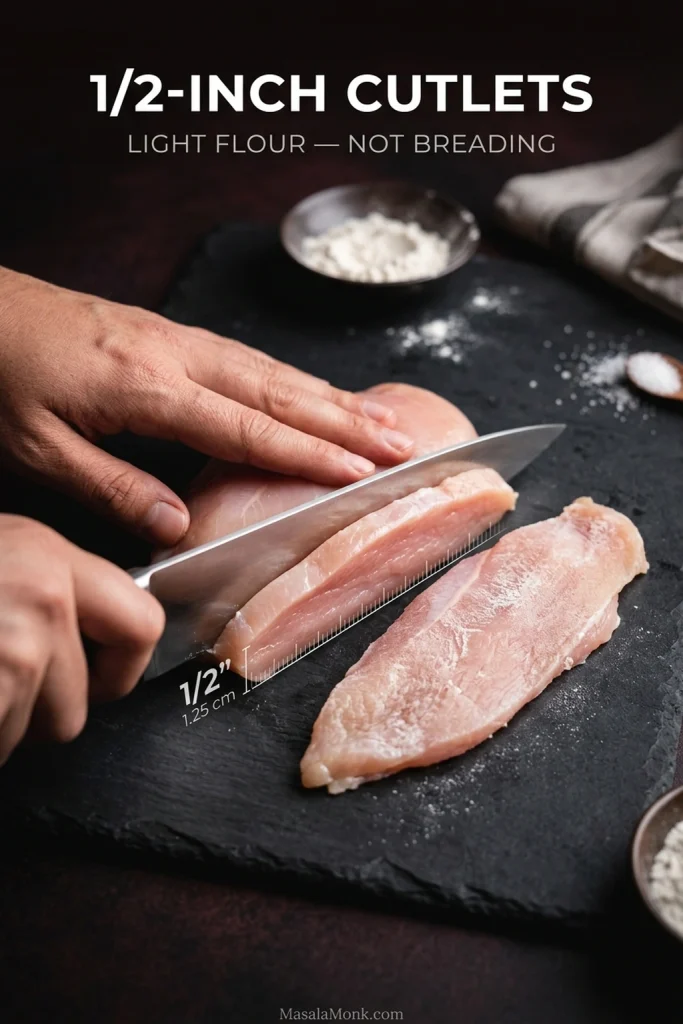
If the surface browns too quickly before the apples are tender, loosely cover the dish with foil and continue baking. Do not seal the foil tightly, because trapped steam can soften the crumb layer. If the crisp still looks off, use the troubleshooting chart before you pull it from the oven.

6. Let It Rest Before Serving

Once the crisp comes out of the oven, let it rest for at least 15–20 minutes before scooping. This short rest helps the juices settle so the filling is glossy and spoonable instead of runny.

Freshly baked apple crisp resting on a cooling rack with a 15 to 20 minute rest cue.
That short wait after baking is not wasted time; it helps the hot apple juices thicken so the first scoop does not collapse into the bowl.

Should Apple Crisp Be Baked Covered or Uncovered?

Bake apple crisp uncovered so the oat layer can brown and crisp. If the surface turns dark before the apples are tender, cover the dish loosely with foil for the last 10–15 minutes. Do not cover it from the beginning unless your oven runs very hot.

Once the apples are coated and the crumble is ready, the hardest part is already done. From here, the oven does most of the work: softening the apples, thickening the juices, and turning those rough oat clumps into the bites everyone wants first.

Easy Apple Crisp Recipe with Oats

Easy Apple Crisp Recipe with Oats

This easy apple crisp bakes tender cinnamon apples under a generous brown sugar oat topping, with clear doneness cues so the filling turns glossy instead of watery. Serve it warm with vanilla ice cream, especially if you want the corner pieces to disappear first.

Prep Time20 minutes
Cook Time45–55 minutes
Rest Time15 minutes
Servings6–8

Ingredients

For the apple filling

  • 2 1/2 lb / 1.1 kg apples, weighed before peeling and coring; about 8 cups sliced or chopped apples
  • 1 tablespoon / 15 ml lemon juice
  • 1/3 cup / 65 g packed light brown sugar, or up to 1/2 cup / 100 g for very tart apples
  • 2 tablespoons / 16 g all-purpose flour, or 1 tablespoon / 8 g cornstarch
  • 1 teaspoon ground cinnamon
  • 1/4 teaspoon ground nutmeg, optional
  • 1 teaspoon / 5 ml vanilla extract
  • 1/4 teaspoon fine salt

For the oat topping

  • 1 cup / 90 g old-fashioned rolled oats
  • 3/4 cup / 95 g all-purpose flour
  • 3/4 cup / 150 g packed light brown sugar
  • 1 teaspoon ground cinnamon
  • 1/4 teaspoon fine salt
  • 1/2 cup / 113 g cold unsalted butter, cut into small cubes
  • Optional: 1/2 cup / 55–60 g chopped pecans or walnuts

Instructions

  1. Preheat the oven to 350°F / 175°C. Lightly butter an 8×8 or 9×9-inch baking dish. Place the dish on a rimmed baking sheet if it is very full.
  2. Add the apples to a large bowl. Toss with lemon juice, brown sugar, flour or cornstarch, cinnamon, nutmeg, vanilla, and salt until evenly coated.
  3. Spread the apple mixture into the prepared baking dish.
  4. In another bowl, stir together the oats, flour, brown sugar, cinnamon, and salt.
  5. Add the cold cubed butter. Rub it into the oat mixture with your fingers, a fork, or a pastry cutter until the topping forms moist crumbs and rough clumps.
  6. Sprinkle the topping evenly over the apples. Do not press it down firmly.
  7. Bake for 45–55 minutes, until the topping is golden and the apple juices are bubbling at the edges and toward the center.
  8. If the topping browns before the apples are tender, cover loosely with foil and continue baking.
  9. Let the crisp rest for 15–20 minutes before serving. Serve warm, plain or with vanilla ice cream.

Notes

  • Use old-fashioned oats for the best topping texture.
  • The crisp is not done just because the topping is brown. Look for bubbling juices near the center too.
  • If the topping looks powdery before baking, work in the butter a little more or add 1–2 teaspoons extra cold butter.
  • If using a 9×9 pan, check a few minutes early because it is slightly shallower than an 8×8.
  • Use less sugar for sweet apples and more for very tart apples.
  • For a glossier filling, use cornstarch instead of flour.
  • For a thicker filling, let the crisp cool for at least 20 minutes before scooping.
Saveable apple crisp recipe card with baked apple crisp, vanilla ice cream, apples, oats, bake time, and rest time.
Keep the base formula simple: 2½ pounds of apples, 350°F, old-fashioned oats, and a proper rest before serving.

Finished texture: The best scoop holds glossy apples and crumble together without leaving a watery puddle behind.

Spoon lifting glossy apple crisp filling with golden oat crumble from a warm bowl.
The ideal spoonful holds tender apples, glossy cinnamon juices, and enough crumble to give every bite texture.

Apple Crisp Pan Guide: 8×8, 9×9, and 9×13

Pan size changes the depth of the apples, the bake time, and how much crumble you need. A deeper crisp feels softer and more spoonable, while a wider dish gives the oat layer more exposure and more golden edges.

Apple crisp pan size guide comparing 8x8, 9x9, and 9x13 baking dishes.
Use the pan guide before you bake, because a deeper dish needs more time while a wider dish exposes more crumble to direct heat.
Pan Size Apple Amount Topping Amount Bake Time Best For
8×8 inch 2–2 1/2 lb / 900 g–1.1 kg Use full recipe 45–55 minutes Deeper family-style crisp
9×9 inch 2 1/2 lb / 1.1 kg Use full recipe 45–55 minutes Best balanced default
9×13 inch 3 1/2–4 lb / 1.6–1.8 kg Use 1 1/2x topping 50–60 minutes Holidays, potlucks, larger families

How to Make a 9×13 Apple Crisp

A 9×13 apple crisp is the version to make for a holiday table, potluck, or family dinner where people will go back for seconds. The trick is not just adding more apples; the topping has to scale too, or the pan tastes like baked apples with a thin oat sprinkle.

Large 9x13 apple crisp in a glass baking dish with golden oat topping and spooned cinnamon apple filling.
For a 9×13 apple crisp, scaling the crumble matters as much as scaling the apples; otherwise, each serving can feel thin on top.

For a 9×13-inch apple crisp, increase the recipe so the pan still has enough fruit and topping. Otherwise, a thin layer of apples can dry out, while a thin topping makes the crisp feel unfinished.

Ingredient 9×13 Amount
Apples 3 1/2–4 lb / 1.6–1.8 kg, about 11–12 cups sliced or chopped
Lemon juice 1 1/2 tablespoons / 22 ml
Brown sugar for filling 1/2 cup / 100 g, or less for sweet apples
Flour for filling 3 tablespoons / 24 g, or 1 1/2 tablespoons cornstarch
Old-fashioned oats 1 1/2 cups / 135 g
Flour for topping 1 cup plus 2 tablespoons / about 140 g
Brown sugar for topping 1 cup plus 2 tablespoons / about 225 g
Cold butter 3/4 cup / 170 g
Bake time 50–60 minutes at 350°F / 175°C

For the 9×13 version, give the middle of the pan enough time to catch up with the edges, then rest it at least 20 minutes before serving. A larger pan holds more hot apple juice, so the short wait makes each scoop cleaner.

Pan texture tip: Think of dish size as a texture decision, not only a volume decision.

Deep pan and wide pan apple crisp comparison showing different apple depth and golden topping exposure.
Think of pan size as a texture choice: deeper dishes give a softer fruit layer, while wider dishes create more browned crumble and edges.

If you make this in a different dish size, share the pan and bake time. Someone else will absolutely be standing in their kitchen with a deep ceramic dish or shallow glass pan wondering if it will work.
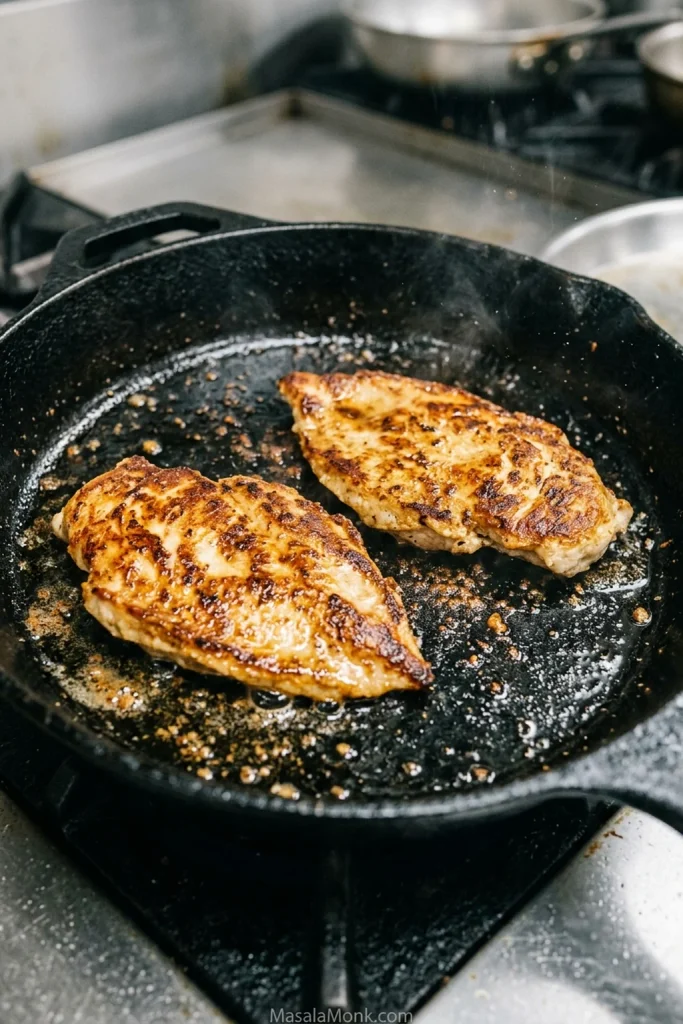
Popular Apple Crisp Variations

This apple crisp recipe uses fresh apples and oats, but the basic ratio is flexible. Once you understand the filling, topping, and doneness cues, you can adjust the crisp for prepared apple pie filling, no oats, gluten-free flour, cranberries, pears, caramel, nuts, or a dairy-free topping.

Apple crisp variations with caramel, cranberry, pear, nuts, maple, and no-oat crumble servings.
Start with the classic version, then choose the variation by purpose: caramel for richness, cranberry for tartness, nuts for crunch, or no oats for a softer crumble.

Start with the base apple crisp recipe, then choose the variation based on what you want the crisp to do: caramel makes it richer, cranberries make it sharper for a holiday table, pears make the fruit layer softer, nuts add crunch, and gluten-free or dairy-free swaps make the same base recipe work for more people.

Apple Crisp with Apple Pie Filling

Apple pie filling being spooned into a baking dish with oat topping nearby for shortcut apple crisp.
Apple pie filling makes a shortcut apple crisp possible, but fresh apples give you more control over sweetness and texture.

Use apple pie filling when you need a shortcut crisp with no peeling or slicing. Because the filling is already sweetened and thickened, skip the fresh-apple sugar, flour, lemon, and spice mixture. Spread 5–6 cups filling in the dish, add the oat topping, and bake until bubbling.

Homemade filling gives you more control over sweetness and texture. This apple pie filling recipe works for pies, crisps, hand pies, turnovers, and toppings, so it is useful to keep around when apples are in season.

Apple Crisp Without Oats

Brown sugar crumble being scattered over sliced apples for apple crisp without oats.
Choose the no-oat version when you want a finer brown-sugar crumble instead of the chewy texture that oats bring to classic apple crisp.

For a no-oat version, make a flour, brown sugar, butter, and cinnamon crumble topping. The texture is closer to apple crumble: buttery and tender rather than chewy-crisp. Keep the butter cold and work it in until the topping forms rough crumbs, not a smooth paste.

Caramel Apple Crisp

Caramel apple crisp served with vanilla ice cream and caramel sauce drizzled over the top.
Drizzle caramel over each serving instead of loading the filling with it, so the apples stay balanced.

For caramel apple crisp, use the base recipe and drizzle caramel over each serving instead of stirring a lot of caramel into the filling. That keeps the apples from becoming overly sweet or sticky while still giving you the caramel-apple flavor people expect.

Apple Cranberry Crisp

Apple cranberry crisp with ruby cranberries, sliced apples, and golden oat crumble in a cream baking dish.
Cranberries add tartness and color, making apple cranberry crisp especially useful for fall dinners and holiday menus.

Add 3/4 to 1 cup fresh or frozen cranberries to the apples for a sharper holiday-style crisp. Because cranberries are tart, taste the apple mixture before baking and add 1–2 extra tablespoons of sugar if needed.

Apple Pear Crisp

Apple pear crisp being assembled with chopped apples, pears, cinnamon, and oat crumble in a baking dish.
Apple pear crisp works best with firm pears and tart apples together, because the pears add softness while the apples keep the flavor bright.

Replace about one-third of the apples with firm pears. Keep some tart apples in the mix so the filling does not taste flat. Softer pears can work, but they will make the filling more delicate and saucy.

Apple Crisp with Nuts

Add 1/2 cup chopped pecans or walnuts to the topping for extra crunch. If the nuts start browning before the apples are tender, cover the dish loosely with foil near the end of baking.

Maple Apple Crisp

Replace 1–2 tablespoons of the filling sugar with maple syrup for a deeper fall flavor. Do not add too much extra liquid; maple should support the apples, not make the filling loose.

Individual Apple Crisps

Individual apple crisps baked in white ramekins with golden oat topping and one serving topped with vanilla ice cream.
Individual apple crisps bake faster than a full pan, so start checking early and serve while the topping still has texture.

Divide the filling and topping among small ramekins and bake until the fruit bubbles and the topping is golden. Start checking around 25–30 minutes because smaller portions bake faster.

No-Peel Apple Crisp

Leave the skins on if your apples have thin, pleasant skins and you like a more rustic texture. Peel thick-skinned or waxy apples for a softer, more classic filling.

Gluten-free and dairy-free tip: Keep the base method, but choose certified gluten-free oats and a firm plant-based butter stick so the crumble still works.

Gluten-free and dairy-free apple crisp swaps with oats, cornstarch or gluten-free flour, plant-based butter, apples, and a finished serving.
For gluten-free or dairy-free apple crisp, keep the method the same but choose certified gluten-free oats and a firm plant-based butter stick.

Gluten-Free Apple Crisp

For a gluten-free apple crisp, use certified gluten-free oats and replace the flour with a gluten-free blend or cornstarch in the filling. The topping can use gluten-free all-purpose flour, oat flour, or almond flour, depending on the texture you want.

Dairy-Free Apple Crisp

Use a good plant-based butter stick instead of a soft tub spread. A firmer vegan butter works better because it can be cut into the topping and form crumbs, while softer spreads can make the topping greasy.

Lower-Sugar Apple Crisp

To make a lower-sugar apple crisp, start with naturally sweet apples and reduce the sugar in the apple layer first. Still, keep some sugar in the topping because it helps with browning, flavor, and crisp texture.

Apple Crisp vs Apple Crumble vs Dutch Apple Pie

Apple crisp, apple crumble, and Dutch apple pie all live in the same cozy dessert family, but the topping and crust make them different.

Apple crisp, apple crumble, and Dutch apple pie compared with oat topping, crumb topping, and a pie slice with crust.
This comparison helps readers choose the dessert they actually want: chewy oat-topped crisp, softer crumble, or a sliceable Dutch apple pie with crust.
Dessert Has Oats? Has Crust? Texture
Apple crisp Usually yes No Chewy, crumbly, oat-topped
Apple crumble Usually no No Softer, buttery crumb topping
Dutch apple pie Usually no oats Yes, bottom crust Slices like pie with a crumb top

For the crumb-topped pie version, see this Dutch apple pie recipe. For the easiest spoon dessert, stay with apple crisp.

Troubleshooting Apple Crisp

Most apple crisp problems can be fixed or at least improved. If the apples are underbaked, the dish can go back in the oven. If the oat layer is pale, give it more uncovered time. A runny-looking filling may simply need time to rest; hot apple juices thicken as they cool.

Quick Fixes Before You Serve It

Trying to save it right now? If the topping is pale or powdery, put the crisp back in the oven uncovered. If the apples are still firm but the topping is already dark, cover loosely with foil and keep baking. If the filling looks runny, let it rest 20 minutes before deciding it failed; apple juices thicken as they cool.

Apple crisp troubleshooting guide showing fixes for watery filling, pale topping, powdery crumbs, firm apples, and fast browning.
When apple crisp goes wrong, match the fix to the texture: rest runny filling, bake pale topping longer, add cold butter to dry crumbs, or cover fast-browning topping loosely.

Apple Crisp Troubleshooting Chart

Problem Likely Cause How to Fix It
Apple crisp is watery Very juicy apples, too little thickener, underbaking, or not enough resting time Use flour or cornstarch, bake until bubbling, and rest 15–20 minutes before serving
Crumb layer is soggy Butter was too warm, crisp was covered while hot, or it was underbaked Use cold butter, bake until golden, and reheat uncovered
Crumb layer is dry or floury Not enough butter worked into the topping Rub butter in until the mixture forms moist crumbs and clumps
Crumb layer is greasy Butter was too soft or melted before baking Use cold cubed butter; chill the topping briefly in a warm kitchen
Apples are still firm Apple pieces were too thick or the crisp needed more time Slice apples thinner next time; cover loosely with foil and continue baking
Apple crisp is too sweet Sweet apples plus too much sugar Use more tart apples, reduce filling sugar, and add lemon juice
Apple crisp tastes flat Not enough salt, lemon, or spice Add enough salt to both layers and use lemon juice in the apples

If your crisp came out watery, too firm, or softer than expected, drop the apple variety and pan size in the comments. Those two clues usually explain what happened and make it much easier to adjust the next batch.

How Do You Keep Apple Crisp from Getting Watery?

Use a small amount of flour or cornstarch in the apple layer, cut the apples evenly, and bake until the juices are actively bubbling. The bubbling matters because the thickener needs heat to do its job. After baking, let the crisp rest before serving so the juices can settle.

How Do You Keep the Topping Crisp?

Use cold butter, do not overmix the topping into a paste, and do not cover the crisp while it is still hot. If the problem is leftover texture rather than fresh-baked texture, see storage and reheating.

Can You Put Apple Crisp Back in the Oven?

Yes. If the apples are still firm, the topping is pale, or the filling has not bubbled, return the dish to the oven at 350°F / 175°C. If the topping is already brown, cover it loosely with foil and keep baking until the apples are tender.

Make Ahead, Storage, Freezing, and Reheating

Leftover texture tip: Chill the extra crisp safely, then reheat single portions uncovered when you want the oat topping to recover some crunch.

Apple crisp leftovers stored in a covered glass container and reheated uncovered in an oven.
For better leftover texture, keep the extra crisp chilled and reheat single portions uncovered so the oat topping has a chance to crisp again.

Can You Make Apple Crisp Ahead?

Yes. For the best texture, prepare the apple filling and topping separately, refrigerate them, and assemble right before baking. This keeps the topping crumbly. If the whole dish is assembled ahead, the topping can absorb moisture from the apples and bake up softer.

How to Store Apple Crisp

Let the apple crisp cool after serving, then cover and refrigerate leftovers within 2 hours. Store in the refrigerator for 3–4 days. The topping softens as it sits, but the flavor stays good. For general leftover safety, the USDA recommends refrigerating leftovers promptly and using refrigerated leftovers within 3–4 days.

How to Reheat Apple Crisp

For the best topping texture, reheat apple crisp uncovered in a 325°F / 160°C oven until warm. Small portions can also be reheated in an air fryer. The microwave works for speed, but it softens the topping. For the best next-day texture, reheat only what you plan to eat and keep the rest covered in the fridge; repeated reheating softens the oat layer faster.

Can You Freeze Apple Crisp?

Yes, although the topping is best when baked fresh. You can freeze baked apple crisp tightly wrapped, then thaw overnight in the refrigerator and reheat uncovered. You can also freeze the apple filling and topping separately for a fresher result later.

What to Serve with Apple Crisp

Apple crisp is best warm, after a short rest, because the filling has time to settle while the topping still has texture. Vanilla ice cream is the classic pairing because the cold cream melts into the cinnamon apples. Whipped cream, caramel sauce, Greek yogurt, or a spoonful of custard also work.
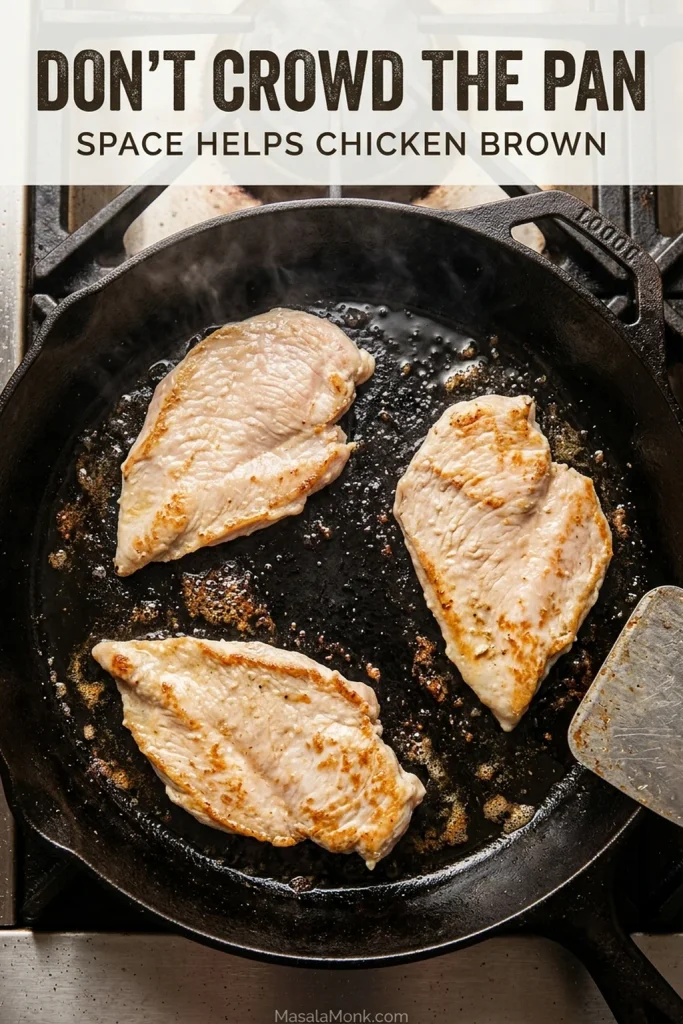
For a holiday dessert table, apple crisp is easier to serve than pie because it does not need neat slices. Spoon it into bowls, add ice cream, and let the topping do the work.
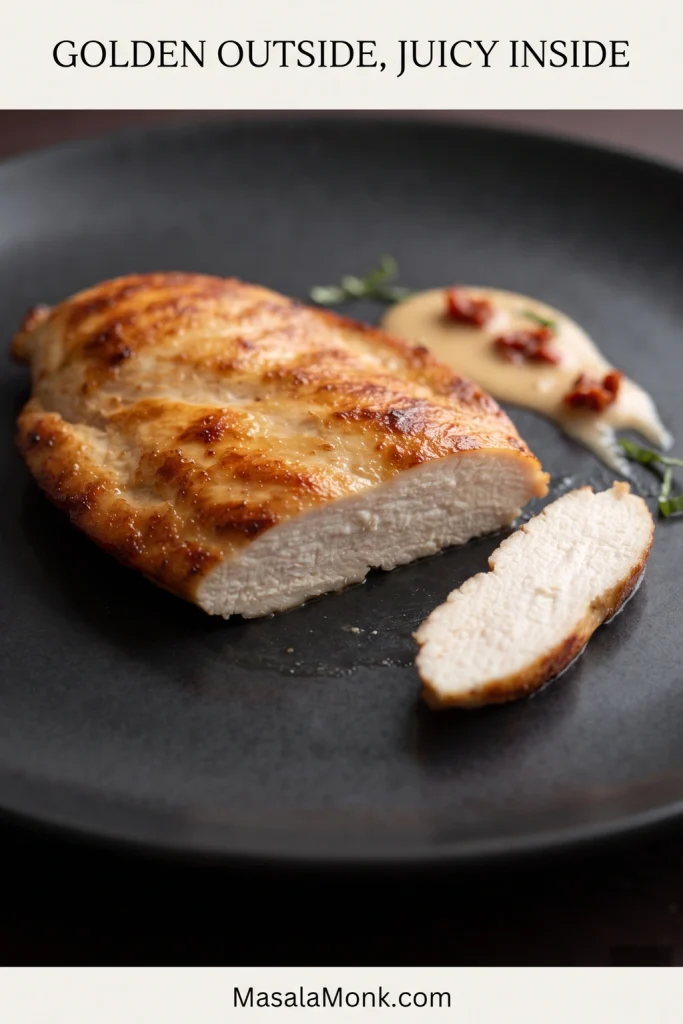
For another soft, cozy apple dessert that starts with prepared filling, this apple cinnamon roll bake with apple pie filling is closer to a brunch-style bake than a crisp, but it scratches the same cinnamon-apple craving.
FAQs About Apple Crisp

Do you have to peel apples for apple crisp?

No. Peeled apples give a softer, more classic dessert texture. Unpeeled apples add color and texture. If the apple skins are thick or waxy, peeling is usually better.

Is it better to slice or chop apples for apple crisp?

Slices give you a softer, more layered filling, almost like the inside of apple pie. Chunks give you more bite and make the crisp feel fruitier. The best middle ground is thin slices with a few thicker pieces mixed in, so the filling has both softness and texture.

Can quick oats be used instead of old-fashioned oats?

Quick oats work if that is what you have, but they make the topping finer and softer, more like an oatmeal crumble than a chunky crisp. For the best golden, craggy topping, old-fashioned rolled oats are still the better choice.

Why is my apple crisp runny?

Apple crisp is usually runny because the apples were very juicy, the filling did not have enough thickener, the center did not bake long enough, or the crisp was served too soon. Bake until the filling is visibly bubbling, then let it rest for 15–20 minutes so the juices can thicken.

Why is my apple crisp topping powdery?

Powdery topping usually means the butter was not worked in enough. The oat mixture should look like moist crumbs and rough clumps before it goes over the apples. If it still looks dusty, rub in a little more cold butter before baking.

Can apple crisp be made with canned apples?

Yes, but canned apples are softer than fresh apples, so the filling will be more tender and less structured. Drain canned apples well, reduce added sugar if they are packed in syrup, and expect a softer scoop. Apple pie filling also works, although it is already sweetened and thickened, so it needs a shortcut-style method.

For a true shortcut pie rather than a crisp, this apple pie with apple pie filling keeps the focus on prepared filling inside a crust.

What is the difference between apple crisp and apple crumble?

Apple crisp usually has oats in the topping, which gives it more chew and texture. Apple crumble usually leans on flour, butter, and sugar without oats, so the topping is softer and more crumbly. The names overlap in everyday baking, but oats are the easiest clue.

How do you know when apple crisp is done?

The topping should be golden, the filling should be visibly active beneath the surface, and the apples should be tender when pierced with a knife. If the topping is brown but the apples are still firm, cover loosely with foil and bake longer.

Should apple crisp be served warm or cold?

Apple crisp is best warm after a short rest, when the cinnamon juices have settled but the topping still has texture. Cold leftovers are still delicious, especially for breakfast-style snacking, but the topping will be softer.

Can you double apple crisp?

Yes. For a 9×13-inch pan, use 3 1/2–4 pounds / 1.6–1.8 kg apples and increase the topping by about 1 1/2 times. The pan is wider, not just bigger, so give the middle enough time to bake through before serving.

Final Thoughts

Apple crisp is one of those desserts that proves simple baking can still feel generous. You do not need a perfect crust, a fancy pan, or a long ingredient list. You just need apples that hold their shape, cold butter in the topping, enough salt and lemon to wake up the filling, and the patience to let the juices bubble before you pull the pan from the oven.

Serve it warm, give it a few minutes to settle, and add vanilla ice cream if that is the kind of night you want. Then watch what happens to the corner pieces.

What apple mix did you use: Granny Smith and Honeycrisp, Pink Lady and Braeburn, or something local? Leave your combination in the comments, especially if you found an underrated apple that bakes beautifully.

That is the difference between a loose, forgettable apple dessert and a warm, spoonable crisp with a topping people quietly chase around the pan.

Back to top ↑