Posted on Leave a comment

The World’s Most Dangerous Foods

In the vast of global cuisine, there lies a thrilling yet perilous frontier: the world of dangerous foods. From exotic delicacies to seemingly benign pantry staples, certain foods carry risks that can escalate from mild discomfort to lethal outcomes. This guide delves deep into the heart of culinary danger, offering you an enlightening journey through the world’s deadliest foods, alongside practical tips to enjoy the thrill without the threat.

The Hidden Dangers in Your Dinner

1. Fugu: The Russian Roulette of Sushi

Fugu, or pufferfish, tempts fate with its tetrodotoxin, a poison more potent than cyanide. Traditionally savored in Japan, this dish requires chefs to undergo years of training to serve it safely. The lesson here? Always trust a certified professional when dining on danger.

2. Cassava: The Double-Edged Root

A staple in Africa and South America, cassava can unleash cyanide if improperly processed. The key to safety lies in thorough cooking and preparation, transforming this root from deadly to delicious.

3. Raw Oysters: A Shell Game of Toxins

Raw oysters can harbor harmful bacteria and viruses, leading to severe foodborne illnesses. Enjoying them from reputable sources during colder months reduces the risk, ensuring you get the taste without the taint.

4. Rhubarb Leaves: The Garden’s Green Menace

While rhubarb pies are a delight, their leaves are a deceit, packed with oxalic acid capable of causing kidney stones or worse. Stick to the stalks for a safe, tart treat.

5. Red Kidney Beans: The Unassuming Assassin

Undercooked red kidney beans release lectin, a toxin that can induce nausea and vomiting. The antidote? A thorough boil to neutralize the danger, turning these beans from foe to friend in your culinary adventures.

Mastering the Art of Safe Consumption

Navigating the perilous waters of deadly foods requires a mix of knowledge, caution, and respect for culinary practices. Here are five golden rules to dine by:

1. Knowledge is Power

Understand the risks associated with exotic foods. A little research goes a long way in preventing a dining disaster.

2. Source Wisely

Always procure exotic and potentially dangerous foods from reputable suppliers. Your health is worth the extra penny.

3. Preparation is Key

Many dangerous foods can be rendered safe through correct preparation techniques.

4. When in Doubt, Throw it Out

If you’re unsure about the safety of a food item, the safest bet is to avoid it. No culinary experience is worth risking your health.

5. Respect Local Wisdom

When traveling, heed the advice of locals and experts on what to eat and how to eat it. Traditional knowledge is a treasure trove of safety tips.

The Thrill Without the Threat

Exploring the world’s most dangerous foods can be an exhilarating journey, offering unique flavors and experiences. However, it’s a path best navigated with caution and respect for the hidden dangers that lurk within culinary delights. By adhering to safety guidelines and embracing a spirit of informed adventure, you can savor the world’s most thrilling tastes without falling prey to their perils.

In the end, the world of dangerous foods is a testament to the beauty and complexity of global cuisines, a reminder of the fine line between danger and delight. So, arm yourself with knowledge, approach with caution, and dine with joy on the wild side of gastronomy.

10 FAQs for Navigating the World’s Most Dangerous Foods

  1. What makes Fugu dangerous?
    • Fugu, or pufferfish, contains tetrodotoxin, a potent neurotoxin that can be fatal if ingested. Only chefs with rigorous training and certification can safely prepare this delicacy.
  2. How can cassava be consumed safely?
    • Cassava must be properly processed by peeling, soaking, and cooking to eliminate cyanogenic glycosides, which can produce cyanide.
  3. Are raw oysters safe to eat?
    • Raw oysters can be enjoyed safely when sourced from reputable suppliers and consumed in colder months to minimize the risk of bacterial contamination.
  4. Why are rhubarb leaves toxic?
    • Rhubarb leaves contain high levels of oxalic acid, which can cause kidney problems and other health issues if ingested.
  5. What is the risk of eating undercooked red kidney beans?
    • They contain lectin, a toxin that causes gastrointestinal distress. Proper cooking by boiling for at least 10 minutes neutralizes this toxin.
  6. Can preparation methods make all dangerous foods safe?
    • While many dangerous foods can be made safe through proper preparation, some, like certain wild mushrooms, always carry a risk regardless of preparation.
  7. What should I do if I suspect food poisoning from a dangerous food?
    • Seek medical attention immediately, especially if experiencing severe symptoms such as difficulty breathing, paralysis, or persistent vomiting.
  8. How can I ensure exotic foods are sourced from reputable suppliers?
    • Research suppliers, read reviews, and choose those with a strong reputation for safety and quality. When traveling, seek local expert advice.
  9. Is it safe to try preparing these foods at home?
    • For most dangerous foods, especially those requiring specific knowledge for safe preparation (like Fugu), it’s best to rely on certified professionals.
  10. Where can I safely try these dangerous foods?
    • Seek out reputable restaurants with chefs trained and certified in preparing these foods, especially when traveling to countries where these delicacies originate.

Blog Tags

culinary adventures, food safety, exotic cuisine, dangerous foods, healthy eating, global cuisine, cooking tips

Posted on Leave a comment

Rediscovering Switchel: The 19th Century’s Energy Drink

In a delightful dive into culinary history, Tasting History with Max Miller uncovers the story of Switchel, a vinegar-based beverage that quenched the thirst of 18th and 19th-century farmers. Known as “The Farmer’s Gatorade,” this drink combined simple ingredients into a refreshing and energizing concoction. Let’s explore the origins, variations, and modern-day revival of Switchel, guided by Max Miller’s engaging narrative and expertise.

The Essence of Switchel

At its core, Switchel is a blend of water, vinegar (typically apple cider vinegar), a sweetening agent like molasses or maple syrup, and ginger. This concoction served as an essential refreshment for hardworking farmers, offering a much-needed boost during the labor-intensive harvest season. Its simplicity and effectiveness made it a staple in rural life, especially in New England, where it earned the moniker “Yankee beverage.”

A Historical Beverage with Many Names

Switchel’s history is as rich and varied as its list of ingredients. It went by many names, including Swizzle, Ginger Water, Haymaker’s Punch, and more, reflecting its widespread popularity and regional variations. Each name tells a story of its cultural significance and the communities that embraced it.

Ingredients and Variations:

  • Water: The base of the drink, providing hydration.
  • Vinegar: Typically apple cider vinegar, adding a tangy kick.
  • Sweetener: Molasses, maple syrup, or honey, lending sweetness to balance the vinegar’s acidity.
  • Ginger: A spicy addition, known for its digestive and invigorating properties.

Historical recipes varied widely, with some regions preferring different sweeteners or adding spices like nutmeg instead of ginger, showcasing the drink’s adaptability.

The Making of Switchel

Max Miller not only narrates the history of Switchel but also demonstrates how to make it, offering a simplified recipe that allows viewers to taste a piece of history. The process is straightforward, emphasizing the importance of chilling the mixture to enhance its refreshing quality—historically achieved by storing the jug in a cool stream or well.

Cultural Significance and Social Roles

Switchel transcended its role as a mere beverage to become a cultural symbol. It found its place in courtrooms, Congress, and among the temperance movement, illustrating its broad appeal across different facets of society. Despite its widespread popularity, Switchel gradually faded from public consciousness, becoming a historical footnote by the 20th century.

Revival and Tasting Experience

In his video, Max encourages a modern revival of Switchel, inviting viewers to explore its unique taste. He suggests experimenting with the recipe, including the optional addition of rum, reflecting historical practices of enhancing the drink for additional enjoyment. Max’s positive reaction upon tasting Switchel underscores its potential for rediscovery. He describes it as surprisingly pleasant, likening it to a “gingery apple pie,” devoid of the expected vinegar sharpness.

Conclusion: A Drink for the Ages

Tasting History with Max Miller not only educates but also inspires viewers to engage with culinary history in a hands-on manner. Switchel, with its rich heritage and simple recipe, offers a direct link to the past, allowing us to experience the flavors that fueled generations of workers and shaped community traditions.

By reintroducing Switchel, Max Miller not only preserves a piece of forgotten history but also challenges us to rethink our modern-day beverage choices. Perhaps, in this age of energy drinks and electrolyte solutions, we might find wisdom and refreshment in the simplicity of Switchel—a testament to the enduring power of historical recipes.

In exploring Switchel, we’re reminded of the timeless value of simplicity, the importance of cultural preservation, and the joy of culinary exploration. So, why not take a page out of history and whip up a batch of Switchel? It might just become your new favorite summer drink.

FAQs for “Rediscovering Switchel: The 19th Century’s Answer to Modern-Day Energy Drinks”

  1. What exactly is Switchel?
    • Switchel is a refreshing, vinegar-based beverage made from water, apple cider vinegar, a sweetener (like molasses, maple syrup, or honey), and ginger. It was popular in the 18th and 19th centuries, particularly among farmers.
  2. Why was Switchel so popular among farmers?
    • It was favored for its hydrating and energizing properties, making it an ideal drink for farmers during the hot, labor-intensive harvest season.
  3. Can I make Switchel without apple cider vinegar?
    • Yes, while apple cider vinegar is traditional, you can experiment with other types of vinegar for different flavor profiles, though the unique taste of apple cider vinegar is recommended for authenticity.
  4. What kind of sweetener works best in Switchel?
    • Historically, molasses, maple syrup, and honey have been used. The choice depends on your taste preference and the flavor profile you’re aiming for.
  5. Is it necessary to add ginger to Switchel?
    • Ginger adds a spicy kick and digestive benefits to Switchel, but you can adjust the amount to suit your taste or experiment with other spices like nutmeg.
  6. How long does homemade Switchel last?
    • When stored properly in the refrigerator, Switchel can last up to a week. Ensure it’s in a sealed container for best preservation.
  7. Can I add alcohol to Switchel?
    • Yes, adding rum to Switchel was a common variation, especially among sailors and whalers. It’s an optional addition for those who prefer a spiked version.
  8. How should I serve Switchel?
    • Switchel is best served cold. You can chill it in the refrigerator or serve it over ice for a refreshing summer drink.
  9. Is Switchel healthy?
    • Yes, Switchel is made from natural ingredients and can be a healthy alternative to sugary soft drinks, offering hydration and potential digestive benefits from the ginger and apple cider vinegar.
  10. Can Switchel be made in large batches?
    • Absolutely. Switchel is easy to scale up, making it perfect for large gatherings or for having a refreshing drink on hand throughout the week.

Blog Tags for the Post

Switchel, historical recipes, homemade drinks, apple cider vinegar, natural energy drinks, summer beverages, traditional cooking, culinary history, Tasting History, Max Miller

Posted on Leave a comment

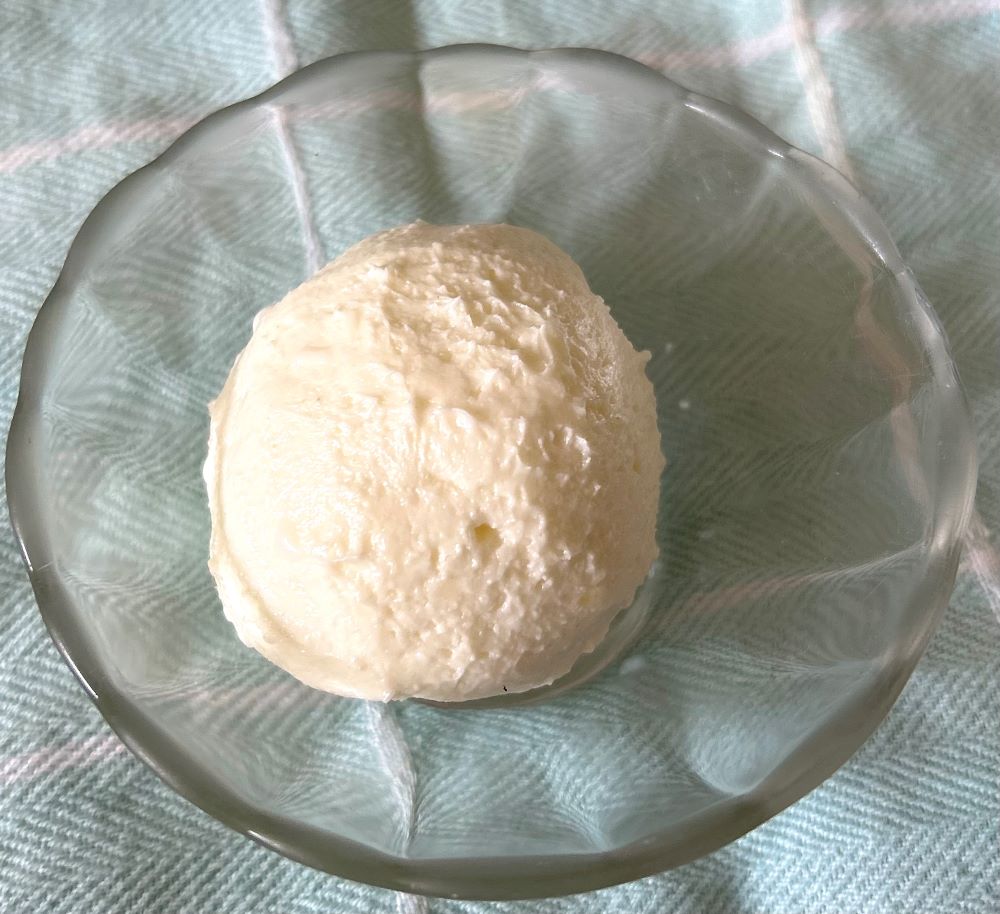
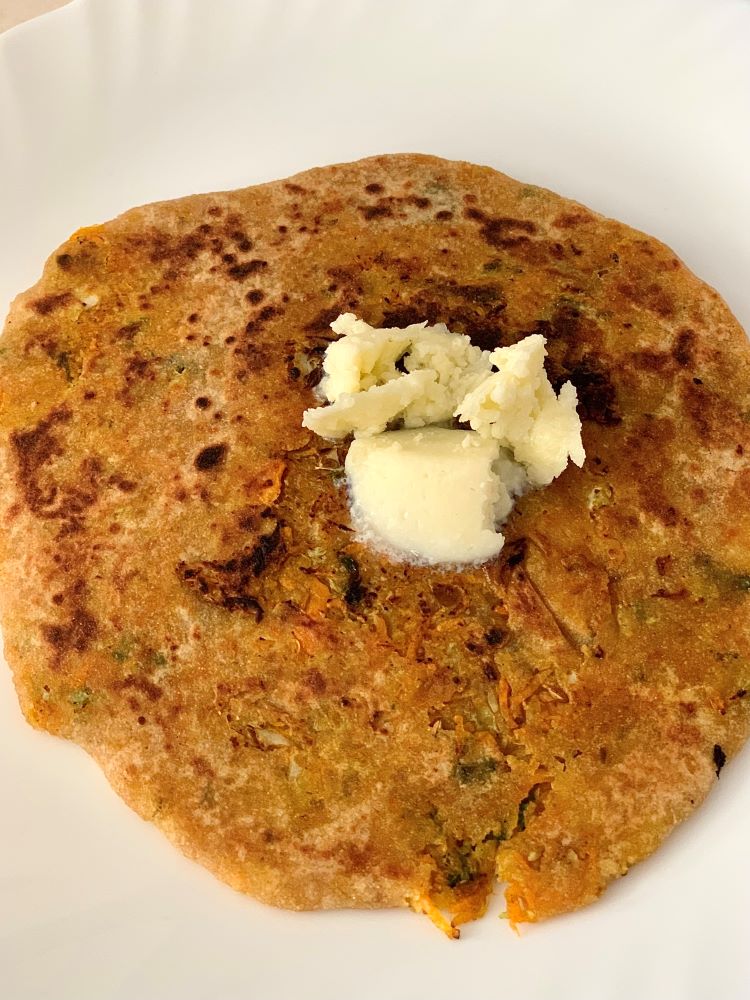
Homemade Butter in Less Than 10 Minutes

In an era where store-bought convenience often overshadows the art of homemade culinary creations, Chef Jean-Pierre brings back the charm of crafting your own kitchen staples from scratch. His video, “Make Butter in 10 Minutes or Less!”, is not just a cooking lesson; it’s an invitation to rediscover the simple pleasures of making homemade butter. This guide will walk you through the process, as detailed by Chef Jean-Pierre, turning a carton of heavy whipping cream into a batch of fresh, creamy butter.

Why Make Butter at Home?

Homemade butter has a charm that store-bought versions cannot replicate. It’s fresher, offers room for customization, and gives a sense of accomplishment. Plus, as Chef Jean-Pierre puts it, once you’ve tasted homemade butter, you might never want to go back to the commercial kind.

What You’ll Need

The beauty of this recipe lies in its simplicity:

  • Ingredients: All you need is heavy whipping cream. Chef Jean-Pierre recommends using cream with a fat content of at least 36%, but higher fat contents like 40% or 42% yield even better results.
  • Equipment: A stand mixer or food processor will do the trick. Ensure your tools and the cream are cold to facilitate the separation process.

The Process

Step 1: Preparing the Cream

Pour your cold heavy whipping cream into the cold bowl of your stand mixer or food processor. The cold temperature is crucial as it helps in the fat congealing process, making it easier for butter to form.

Step 2: Whipping the Cream

Start whipping the cream on a medium speed. You’re looking for the cream to go through several stages: liquid, whipped cream, and then over-whipped cream where it starts separating into butter and buttermilk.

  • Whipped Cream Stage: If you were making whipped cream, you would stop here. But since we’re on a quest for butter, we press on.
  • Over-Whipped Stage: The cream will start to look grainy and yellowish. This is when you need to pay close attention, as the butter is beginning to form.

Step 3: Separation

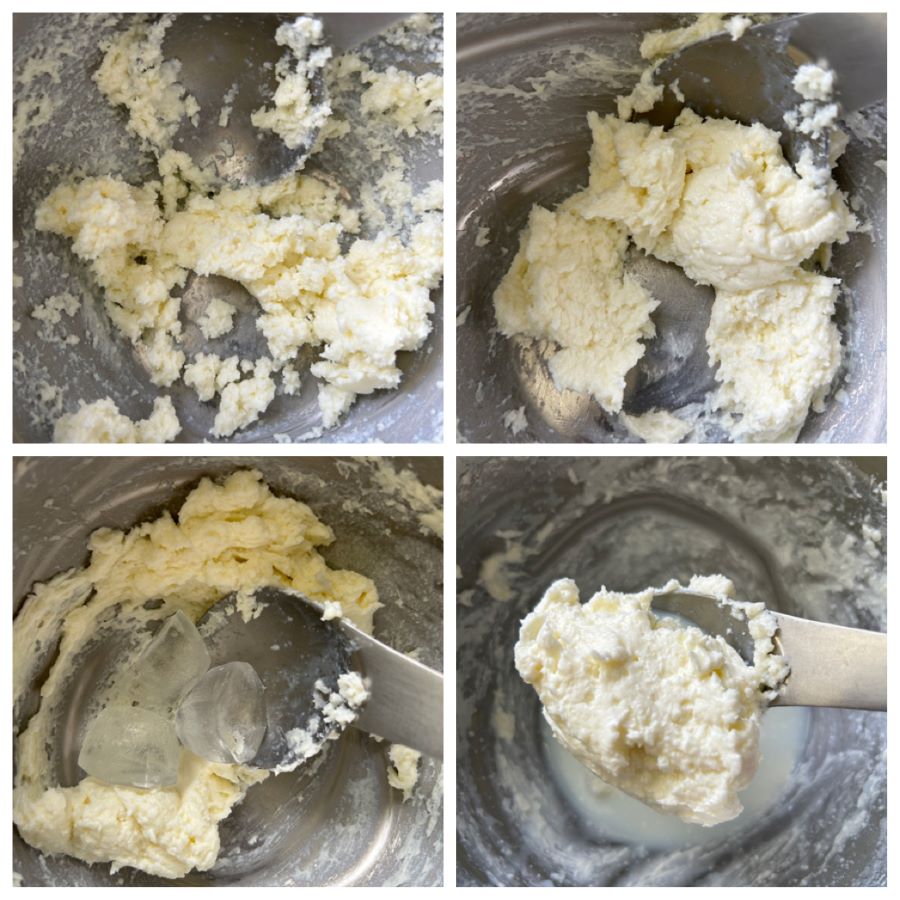
Continue whipping until you see the butter solidify and separate from the buttermilk. It will clump together, leaving a liquid (buttermilk) behind. This usually happens around the 5-6 minute mark.

Step 4: Rinsing the Butter

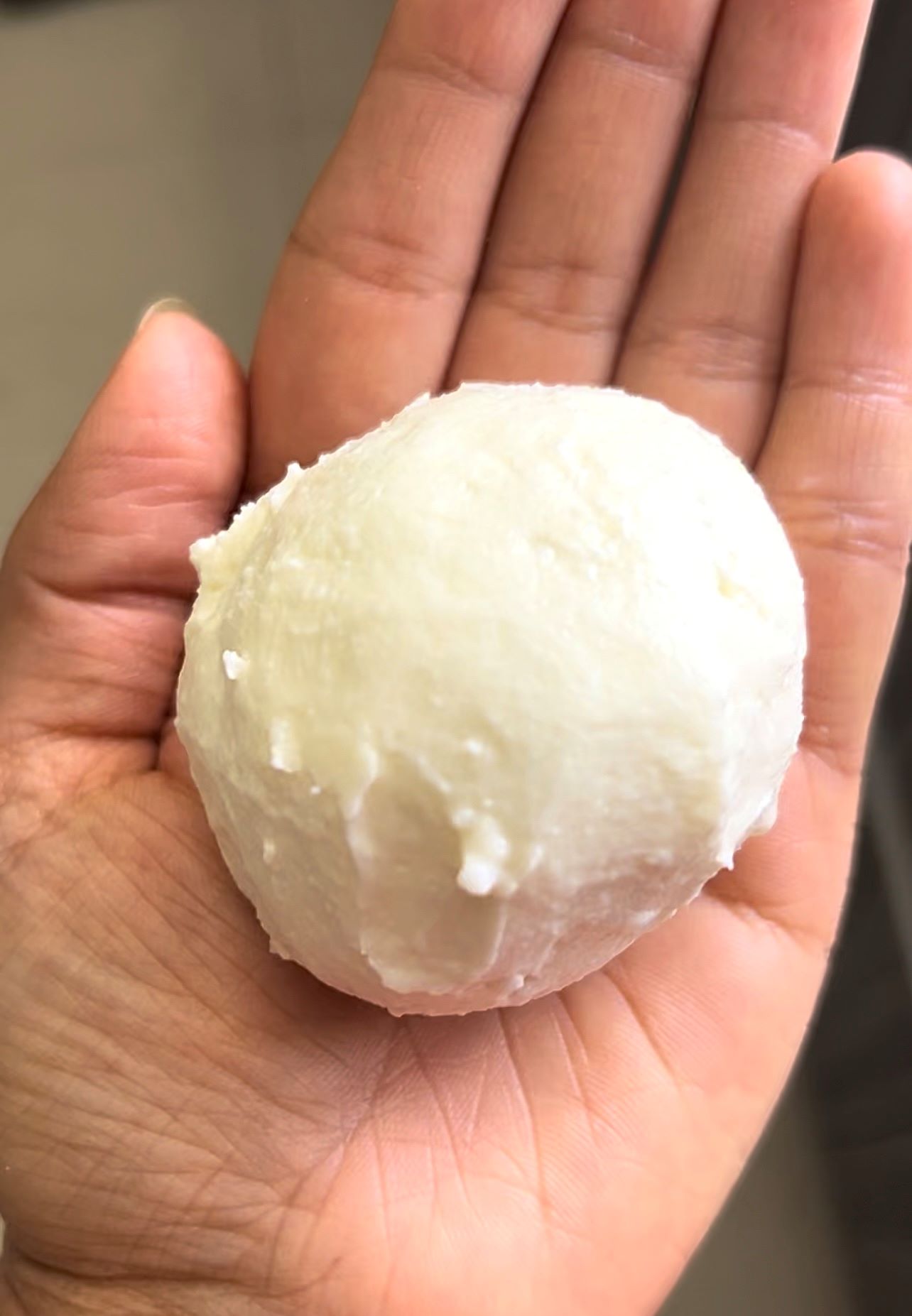
Once separated, transfer the butter to a bowl of cold water. Rinse the butter by kneading it gently to wash away any remaining buttermilk. This step is vital to increase the butter’s shelf life and prevent it from going rancid.

Customization and Storage

Flavoring Your Butter

At this point, you can flavor your butter with salt or other seasonings of your choice. Chef Jean-Pierre hints at the possibility of creating compound butters with herbs, spices, or even edible flowers for a gourmet touch.

Storing Your Butter

  • Short-Term Storage: Keep it in a container in the refrigerator if you plan to use it soon.
  • Long-Term Storage: Wrap the butter in parchment paper and freeze it. According to Chef Jean-Pierre, butter can be frozen for a very long time without losing its quality or flavor.

Final Thoughts

Chef Jean-Pierre’s method of making butter is a testament to the joy of cooking from scratch. It’s a simple process that yields delicious results and perhaps, more importantly, connects us to the very essence of food preparation. This homemade butter recipe is not just about the end product but about the journey—turning a basic ingredient into something extraordinary with just a bit of patience and a mixer.

By following these steps, you’re not just making butter; you’re embracing a piece of culinary tradition that has been passed down through generations. So, next time you find yourself reaching for that store-bought stick of butter, remember Chef Jean-Pierre’s words and consider making your own. It’s a small step that could transform your cooking and your appreciation for one of the kitchen’s most fundamental ingredients.

FAQs for Homemade Butter in Less Than 10 Minutes

  1. What type of cream should I use to make butter?
    • Use heavy whipping cream with at least 36% fat content. Higher fat percentages, such as 40% or 42%, yield richer butter.
  2. Can I make butter without a stand mixer or food processor?
    • Yes, you can use a hand mixer, though it might take a bit longer. Traditionally, butter was made by churning cream by hand, so this method also works if you’re up for the effort.
  3. How long does it take to turn cream into butter?
    • The process typically takes about 5 to 10 minutes, depending on the speed of your mixer and the fat content of the cream.
  4. How can I tell when the butter is ready?
    • You’ll know the butter is ready when it solidifies and separates from the buttermilk, turning into clumps surrounded by liquid.
  5. What should I do with the leftover buttermilk?
    • Buttermilk can be used in baking recipes, dressings, or mashed potatoes. It’s a versatile ingredient, so don’t throw it away!
  6. Can I make flavored butter using this method?
    • Absolutely! You can add salt, herbs, spices, or any flavorings you like to the butter after rinsing it.
  7. How should I store homemade butter?
    • Homemade butter can be stored in the refrigerator for immediate use or wrapped in parchment paper and frozen for long-term storage.
  8. How long does homemade butter last?
    • When stored properly in the refrigerator, homemade butter can last for about a month. If frozen, it can last for several months.
  9. Why do I need to rinse the butter after it’s made?
    • Rinsing the butter removes any remaining buttermilk, which helps to prolong its shelf life and prevent it from going rancid.
  10. Can I use low-fat or light cream to make butter?
    • No, low-fat or light creams do not have enough fat content to turn into butter. You need heavy whipping cream for this process.

Blog Tags for the Post

homemade butter, DIY kitchen staples, heavy whipping cream, culinary techniques, butter making, fresh butter recipe, kitchen hacks, food processor, stand mixer, flavored butter

Posted on Leave a comment

Benefits of Lion’s Mane Mushroom Supplements

bottles with dietary supplements

Are you on the hunt for a natural supplement that can enhance your brain health, improve your memory, and protect your brain against age-related decline? The answer might be found in nature’s very own nootropic – the Lion’s Mane mushroom.

What is Lion’s Mane Mushroom?

Lion’s Mane mushroom, or Hericium erinaceus, is a unique fungus that has been used for centuries in traditional Chinese medicine. Its distinctive appearance, resembling a lion’s mane, gives it its name. But it’s not just its looks that are impressive – this mushroom is packed with potent compounds that can enhance your brain health.

The Cognitive Powerhouse

One of the most exciting benefits of Lion’s Mane is its potential to boost cognitive function. Research suggests that this mushroom can improve memory, focus, and creativity. It’s even been shown to have neuroprotective properties, potentially slowing the progression of neurodegenerative diseases like Alzheimer’s.

Lion’s Mane Mushroom and Immune System

But the benefits of Lion’s Mane don’t stop at brain health. This mushroom is also known for its immune-boosting properties, thanks to its rich content of beta-glucan, a type of fiber known for its immune-enhancing effects.

Lion’s Mane Mushroom for Nervous System

Lion’s Mane mushroom is also known for its potential benefits to the nervous system. It’s believed to stimulate the growth of nerve cells, which can help with conditions like nerve damage or neurodegenerative diseases.

Lion’s Mane Mushroom and Mental Health

Lion’s Mane mushroom has also been found to have potential benefits for mental health. Studies suggest that it may help alleviate symptoms of anxiety and depression, making it a valuable addition to any mental health regimen.

Lion’s Mane Mushroom Supplement: A Convenient Health Booster

Lion’s Mane mushrooms are indeed a healthy addition to your diet. However, not everyone has the time or resources to prepare these mushrooms regularly. This is where Lion’s Mane supplements come in. They offer a convenient way to enjoy the health benefits of this mushroom without the need for cooking or preparation.

Forms of Lion’s Mane Supplements

Lion’s Mane supplements come in various forms, each offering its own advantages:

  • Pills/Capsules: These are easy to swallow and provide a measured dose of Lion’s Mane extract. They’re perfect for those who want a quick and easy way to take their supplements.
  • Extracts: Lion’s Mane extracts are highly concentrated and can be mixed into drinks or food. They’re a great option for those who want to incorporate Lion’s Mane into their meals or beverages.
  • Powders: Lion’s Mane powders can be added to smoothies, shakes, or even baked goods. They offer a versatile way to include this beneficial mushroom in your diet.

The Benefits of Lion’s Mane Supplements

Regardless of the form, Lion’s Mane supplements offer a concentrated dose of this mushroom’s beneficial compounds. They’re packed with bioactive substances that can enhance cognitive function, boost the immune system, and support overall health.

Dosage and Side Effects

When it comes to natural supplements, understanding the correct dosage and potential side effects is crucial. This is especially true for Lion’s Mane mushroom supplements, which have been gaining popularity for their impressive health benefits. Here’s what you need to know about the recommended dosage and possible side effects of Lion’s Mane mushroom supplement.

Recommended Dosage

The daily dosage of Lion’s Mane extract can vary depending on the specific health benefits you’re looking to achieve. For cognitive enhancement and nervous system support, a daily dosage of 1,000 to 3,000 mg is often recommended. If you’re looking to boost your immune system, a dose of 500 to 1,000 mg daily is typically suggested.

It’s important to note that these are general guidelines, and the optimal dosage for you may depend on various factors, including your age, health status, and individual needs. As with any supplement, it’s crucial to consult with a healthcare provider before starting a new regimen.

Potential Side Effects

Lion’s Mane is generally considered safe for most people. However, some individuals may experience mild side effects. These can include:

  • Upset stomach: Some people may experience digestive discomfort after taking Lion’s Mane supplements. This can usually be managed by taking the supplement with food.
  • Allergic reactions: Although rare, some individuals may have an allergic reaction to Lion’s Mane. Symptoms can include itching, rashes, difficulty breathing, and swelling of the face, lips, or throat. If you experience any of these symptoms, discontinue use and seek medical attention immediately.

FAQs

  1. What are the benefits of Lion’s Mane mushroom supplements? Lion’s Mane mushroom supplements are known for their cognitive enhancement properties. They can improve memory, focus, and creativity, and have neuroprotective properties that may slow the progression of neurodegenerative diseases like Alzheimer’s.
  2. How does Lion’s Mane mushroom support the immune system? Lion’s Mane mushroom is rich in beta-glucan, a type of fiber known for its immune-enhancing effects. This makes it a great supplement for boosting immune health.
  3. Can Lion’s Mane mushroom supplements support mental health? Yes, studies suggest that Lion’s Mane mushroom may help alleviate symptoms of anxiety and depression, making it a valuable addition to any mental health regimen.
  4. What forms do Lion’s Mane mushroom supplements come in? Lion’s Mane supplements come in various forms, including pills, extracts, and powders. This makes it easy to incorporate this beneficial mushroom into your daily routine.
  5. What is the recommended dosage for Lion’s Mane mushroom supplements? A daily dosage of 1,000 to 3,000 mg of Lion’s Mane extract is recommended for cognitive enhancement and nervous system support. For immune system benefits, a dose of 500 to 1,000 mg daily is often suggested.
  6. Are there any side effects of Lion’s Mane mushroom supplements? Lion’s Mane is generally considered safe, but some people may experience mild side effects such as upset stomach or allergic reactions. Always consult with a healthcare provider before starting any new supplement regimen.

The Bottom Line

In a world where cognitive decline and mental health issues are becoming increasingly common, natural solutions like Lion’s Mane mushroom are more important than ever. Whether you’re looking to boost your brain health, support your immune system, or simply improve your overall wellness, Lion’s Mane mushroom could be just what you need.

Discover the power of Lion’s Mane mushroom today – your brain will thank you!


If you found this article helpful, please share it with others who might benefit. And don’t forget to subscribe to our newsletter for more health and wellness tips!


Disclaimer: The information in this article is not intended or implied to be a substitute for professional medical advice, diagnosis, or treatment. All content, including text, graphics, images, and information, contained on or available through this article is for general information purposes only.

Posted on 3 Comments

KISS THE COOKIE! Peanut Butter Blossoms by Manjula Vijh

Traditionally called as “Peanut Butter Blossoms”, these are soft, chewy peanut butter cookies, rolled in sugar and then topped with a Hershey’s Kiss Chocolate!

Like the serving board? Check our range here : Good With Wood

It was during one lazy winter afternoon, while I was surfing the internet for some cookie recipes, that I came across these beauties. I had never worked with peanut butter as the main ingredient for cookies, but these looked so beautiful that I couldn’t resist giving them a try.

Like the serving board? Check our range here : Good With Wood

The recipe for these lovely looking cookies was first developed in 1957, by Mrs. Freda F. Smith of Gibsonburg, Ohio for the Ninth Grand National Pillsbury Bake-off competition. It’s an American classic recipe and many versions of this recipe are available online. My recipe is inspired from the one given on Hershey’s website, but since I am a vegetarian, I have modified the recipe to be an eggless one. These are chewy from the center and crisp from outside, and since these are topped with Hershey’s Kisses, I have named these cookies as, “Kiss the Cookie!”

Like the serving board? Check our range here : Good With Wood

When I first tried this recipe with one of my friends, I made them with store bought peanut butter. They came out nice but were little extra sweet. This time I tried them with the Natural Homemade Peanut Butter curated by Mr. Mohit Arora, which is available at Masala Monk. The peanut butter by Masala Monk has the right amount of salt and sugar unlike store bought peanut butter. The cookies came out to be perfect sweet and soft! They look lovely when presented and you can also gift them to your loved ones during festival time!

Like the serving board? Check our range here : Good With Wood

KISS THE COOKIE

Preparation time: 20 minutes

Cook time: 10 minutes

Serves:  40-45 cookies

Ingredients

  • Condensed Milk: 1 Can (400 gm.)
  • Peanut Butter: ¾ cup
  • All Purpose Flour: 1.5 cup
  • Baking Powder: 1tsp.
  • Butter(softened): ½ cup
  • Vanilla extract: 1tsp
  • Caster sugar for rolling the cookies: ½ cup
  • Hershey’s kisses: 40-45

Instructions

  1. In a medium bowl whisk together, flour and baking powder.
  2. In another bowl cream together, butter, peanut butter and vanilla to mix them well.
  3. Add the flour and make a dough. If, you are mixing with hands, and the dough sticks to your hand you can sprinkle some flour, apply butter to your hands and then again mix. You can taste the cookie dough too!! I did and it tastes great!
  4. Chill the dough to set. Cling wrap it and then keep it in the refrigerator for few hours.
  5. Preheat the oven at 190ºC.
  6. Shape dough into 1″-1.5″ balls, roll it in finely granulated caster sugar, and keep them into a baking tray.
  7. Bake the cookies at 190ºC for about 10-11 minutes, till cracks appear on sides. Do not over bake them. These cookies will not get brown in color.
  8. Meanwhile unwrap Hershey’s Kisses.
  9. After the cookies are baked, take out the baking tray, and gently press one kiss on each cookie. The warm cookies will melt the chocolate a little, but it will set after a while.
  10. Transfer the cookie onto a wire rack for cooling
  11. Store it in an airtight container.

Notes:

** Please check your oven temperature for baking.

** You can use a small ice-cream scoop, or a melon ball scoop to take out equally sized dough balls. I used one of my measuring spoons.

** You can keep the cookie dough cling wrapped for 2-3 days.

** If you want to cut down the recipe to half, you can do so. It works fine! I suggest to start with half the recipe if you are baking them for the first time.

** Use softened butter and not melted butter. I made this mistake and result was flat cookies.

** Chill the cookie dough before baking.

** If the chocolate falls of the cookie, you can dab little peanut butter on the bottom of the chocolate and press it back.

References:

http://www.post-gazette.com/life/food/2012/09/06/Cookies-Tracking-the-tale-of-a-favorite-the-Peanut-Blossom/stories/201209060264

https://abountifulkitchen.com/peanut-butter-blossoms/

http://americanheritagecooking.com/2014/12/peanut-butter-blossoms/

https://www.hersheys.com/kitchens/en_us/recipes/chewy-peanut-butter-blossoms.html