Posted on Leave a comment

Gout Diet: Foods to Embrace & Avoid with PDF

Are you or a loved one struggling with managing gout? Understanding the role of diet in controlling this condition can be a game-changer. We know how overwhelming it can be to sift through endless advice about what to eat and what to avoid. That’s why we’ve compiled a detailed yet easy-to-follow guide, complete with a FREE downloadable PDF, to help you navigate the dietary dos and don’ts for gout management. This guide is a basic tool to assist you in making informed choices about your diet and is in no way a substitute for professional medical advice. Let’s explore how simple dietary changes can make a significant difference in managing gout.

Chapter 1: 📖 Introduction


Understanding Gout: A Comprehensive Overview

What is Gout?

Gout is a form of arthritis that can cause extreme pain and discomfort, primarily affecting the joints. It arises due to elevated levels of uric acid in the bloodstream, leading to the formation of urate crystals around joints, particularly in the feet and toes. These sharp, needle-like crystals trigger intense inflammatory responses, manifesting as painful swelling, redness, and tenderness.

The Role of Uric Acid

Uric acid is a natural waste product generated from the breakdown of purines – substances found in various foods and cells in the body. Normally, uric acid dissolves in the blood, passes through the kidneys, and is excreted in urine. However, when the body produces excessive uric acid or the kidneys excrete too little, it can build up, forming these problematic crystals.

Why Focus on Diet?

Diet is a key factor in managing gout. Some foods are rich in purines, and consuming them can significantly increase the levels of uric acid in your body. Conversely, certain dietary choices can help maintain lower and healthier levels of uric acid, potentially reducing the frequency and severity of gout attacks.


Diet and Gout: Making the Connection

High-Purine Foods and Gout Flare-Ups

Consuming foods high in purines contributes to higher uric acid levels. When these levels become excessively high, the risk of forming urate crystals in the joints increases, leading to painful gout attacks.

The Benefit of a Gout-Friendly Diet

Adopting a diet that limits high-purine foods and promotes gout-friendly alternatives can be an effective way to manage gout. Alongside medication and other treatments, dietary adjustments can play a crucial role in controlling gout symptoms and improving quality of life.

Individual Variability in Gout Management

It’s important to remember that gout varies from person to person. Factors like genetics, overall health, lifestyle, and medication can influence how your body reacts to certain foods. Therefore, a one-size-fits-all approach to diet does not exist in gout management. Personalized dietary plans, ideally developed in consultation with healthcare professionals, are crucial for effective management.


The Path Ahead: Navigating Your Gout Diet

In the next chapters, we’ll dive deeper into the specific foods that are known to trigger gout attacks, as well as those that are considered safe and even beneficial for gout patients. We’ll provide detailed lists, practical advice, and tips to help you make informed dietary choices. Our goal is to empower you with knowledge and tools to effectively manage your gout through diet, enhancing your overall health and well-being.

Remember, while this guide aims to be a comprehensive resource, it’s essential to seek personalized advice from healthcare providers to cater to your unique needs and circumstances. Let’s move forward together on this journey towards a more comfortable and informed approach to living with gout.


This extended introduction provides a thorough overview of gout, its connection with diet, and sets the stage for the detailed dietary guidance to follow. The format is designed to be engaging and informative, effectively preparing the reader for the subsequent sections.

Chapter 2: 🚫 Foods to Avoid with Gout


The Impact of Diet on Gout

Understanding the types of foods that exacerbate gout symptoms is crucial for managing this condition. Foods high in purines can significantly increase uric acid levels in the blood, leading to the formation of urate crystals in the joints, which are responsible for the painful flare-ups associated with gout.


High-Purine Foods to Avoid

1. Red and Processed Meats:

  • Examples: Beef, lamb, pork, bacon, sausage, and other processed meats.
  • Why Avoid: These meats contain high levels of purines, which break down into uric acid, exacerbating gout symptoms.

2. Organ Meats:

  • Examples: Liver, kidneys, sweetbreads, and brain.
  • Why Avoid: Organ meats are among the highest in purine content, significantly increasing the risk of gout attacks.

3. Certain Seafoods:

  • Examples: Anchovies, sardines, mussels, scallops, trout, herring, mackerel, and tuna.
  • Why Avoid: These seafood varieties are high in purines. Regular consumption can lead to higher uric acid levels.

4. Alcoholic Beverages:

  • Specifically: Beer and spirits.
  • Why Avoid: Alcohol, especially beer, impairs the elimination of uric acid from the body, thus contributing to higher uric acid levels.

5. High-Fructose Foods:

  • Examples: Sugary sodas, certain fruits, and fruit juices.
  • Why Avoid: Fructose can increase uric acid production, triggering gout attacks.

6. Yeast:

  • Inclusion: Yeast extracts and supplements.
  • Why Avoid: Yeast is a potent source of purines and should be avoided, especially in concentrated forms like extracts.

Moderate-Purine Foods: Approach with Caution

While the focus is often on high-purine foods, some foods contain moderate amounts of purines and should be consumed in moderation. These include:

  • Certain types of vegetables (asparagus, spinach, cauliflower, mushrooms).
  • Whole grains.
  • Some legumes (lentils, beans).

It’s important to balance these foods with low-purine options and to monitor how your body reacts to them.


Additional Dietary Considerations

Hydration:

  • Drinking plenty of water helps the kidneys flush out excess uric acid, reducing the risk of crystal formation in the joints.

Portion Control:

  • Overeating, even low-purine foods, can lead to weight gain, which is a risk factor for gout. Practicing portion control is an essential aspect of gout management.

Closing Thoughts on Dietary Restrictions

Managing your diet to prevent gout flare-ups doesn’t mean you have to sacrifice all culinary pleasures. It’s about finding a balance, understanding your body’s responses, and making informed choices. In the following chapter, we’ll explore the foods you can enjoy and how they can not only prevent gout attacks but also contribute to a healthy, balanced diet.

Remember, individual responses to different foods can vary. Keeping a food diary and working closely with a healthcare professional can help identify specific triggers and tailor a diet plan that works best for you.


This chapter provides a detailed exploration of the foods to avoid for gout management, explaining the reasons behind each dietary restriction and offering practical tips for maintaining a balanced diet. The focus is on educating the reader to make informed decisions and manage their condition effectively.

Chapter 3: ✅ Recommended Foods for Gout Patients


Embracing a Gout-Friendly Diet

While managing gout involves avoiding certain foods, it’s equally important to know what you can eat. A gout-friendly diet includes foods that are low in purines and can help in maintaining healthy uric acid levels. This chapter focuses on these beneficial foods, offering a variety of choices to keep your diet diverse and enjoyable.


Low-Purine Foods to Include in Your Diet

1. Fruits and Vegetables:

  • Recommended Choices: Cherries, citrus fruits, bananas, and most vegetables like carrots, cucumbers, and squash.
  • Benefits: Many fruits and vegetables are not only low in purines but also have anti-inflammatory properties, which can help reduce gout symptoms.

2. Whole Grains:

  • Examples: Brown rice, oats, and whole wheat bread.
  • Benefits: Whole grains are low in purines and high in fiber, aiding in overall digestive health and weight management.

3. Low-Fat Dairy Products:

  • Options: Skim milk, low-fat yogurt, and cheese.
  • Benefits: Studies have shown that low-fat dairy products can lower the risk of gout attacks.

4. Plant-Based Proteins:

  • Examples: Tofu, legumes like lentils and chickpeas.
  • Benefits: These are good alternatives to high-purine meat sources and provide essential proteins without the added uric acid.

5. Nuts and Seeds:

  • Varieties: Almonds, flaxseeds, and walnuts.
  • Benefits: Nuts and seeds are nutritious, low in purines, and a great source of healthy fats.

6. Eggs:

  • Consumption: In moderation.
  • Benefits: Eggs are a good protein source with a low purine content.

7. Water and Other Healthy Beverages:

  • Suggestions: Green tea, herbal teas, and plenty of water.
  • Benefits: Proper hydration is key in reducing the risk of gout attacks and helping the body flush out excess uric acid.

Creating a Balanced Gout Diet

A well-rounded diet for gout doesn’t just focus on eliminating high-purine foods; it also involves incorporating a variety of low-purine foods that contribute to overall health. Here are some tips:

  • Diversity in Diet: Include a wide range of fruits, vegetables, and whole grains to ensure you’re getting all the necessary nutrients.
  • Portion Control: Be mindful of portion sizes to avoid weight gain, which can increase the risk of gout.
  • Regular Meals: Eating regular, balanced meals helps maintain stable uric acid levels.

Adopting a gout-friendly diet can be a positive and enjoyable experience. It’s about making healthier choices that not only aid in managing gout but also contribute to your overall well-being. Remember, moderation and variety are key, and it’s always recommended to consult with a healthcare professional to create a diet plan that’s tailored to your individual needs.

In the next chapter, we will provide practical tips and strategies to help you implement these dietary changes seamlessly into your daily life.


This chapter focuses on empowering the reader with knowledge about gout-friendly foods, offering practical advice on how to incorporate these foods into a balanced diet. The aim is to create a positive outlook on diet management for gout patients, emphasizing health and enjoyment.

Chapter 4: 📊 Foods High in Uric Acid: A Detailed Look


In-Depth Analysis of Uric Acid in Foods

Managing gout effectively requires a nuanced understanding of how different foods can influence uric acid levels in the body. This chapter presents a detailed chart that categorizes a wide range of foods based on their uric acid content. This information will guide you in making informed dietary choices to manage your gout symptoms.


Chart of Foods by Uric Acid Content

Food CategoryExamplesPurine ContentNotes
MeatsLiver, Kidneys, Beef, Lamb, Pork, VenisonVery HighRed and organ meats are particularly high in purines.
SeafoodAnchovies, Sardines, Mussels, Scallops, Trout, Tuna, Herring, MackerelHigh to Very HighSome seafoods are among the highest in purines.
VegetablesAsparagus, Spinach, Cauliflower, Mushrooms, PeasModerate to HighThese vegetables have higher purine content compared to others.
Alcoholic BeveragesBeer, Spirits, Some WinesVariesAlcohol impairs the elimination of uric acid.
Other FoodsYeast Extracts, High-Fructose Foods, Sugary SodasHighYeast and fructose-rich foods can increase uric acid levels.
Dairy ProductsFull-Fat Cheeses, Full-Cream MilkModerateFull-fat dairy products can contribute to higher purine intake.
Grains and CerealsWhite Bread, White Rice, Refined CerealsLow to ModerateRefined grains can contribute to increased uric acid.
FruitsDates, Figs, RaisinsLow to ModerateSome fruits are higher in fructose which can affect uric acid.
BeveragesSweetened Drinks, Caffeinated BeveragesLowSome beverages may exacerbate gout symptoms due to sugar or caffeine.

Your Key to Managing Gout – A Free, Downloadable Resource

Navigating through the complexities of a gout-friendly diet just got easier! We’ve created a comprehensive PDF guide, “Gout Diet: Foods to Embrace & Avoid,” which is available for free download. This guide is packed with information on foods that can help manage uric acid levels and reduce gout flare-ups. Whether you’re at home or on the go, this guide is a handy reference for making healthier food choices.

Download the FREE PDF Guide Here

Understanding and Utilizing the Chart

  • High-Purine Foods: Meats and seafood top the list for high purine content. Regular consumption of these foods can significantly elevate uric acid levels.
  • Vegetables and Purines: While most vegetables are beneficial, a few like asparagus and spinach contain moderate levels of purines and should be consumed in moderation.
  • Alcohol and Uric Acid: The relationship between alcohol and uric acid varies, with certain types like beer being more problematic.
  • Other Dietary Considerations: Beyond purines, it’s essential to consider the overall diet. For instance, full-fat dairy products, certain fruits, and some beverages can also influence uric acid levels and gout symptoms.

This chapter provides a comprehensive view of the purine content in various foods, aiding those with gout in making informed dietary decisions. By understanding and applying this knowledge, you can effectively manage your gout symptoms and reduce the frequency of flare-ups. The next chapter will delve into practical dietary tips to implement these guidelines in everyday life. ​

Chapter 5: 🍽️ Practical Dietary Tips for Gout


Successfully managing gout through diet involves more than avoiding high-purine foods; it requires a holistic approach to eating and lifestyle choices. This chapter provides comprehensive, actionable advice for incorporating gout-friendly habits into your daily life.


Hydration: Essential for Uric Acid Management

  • Adequate Water Intake: Aim to drink at least 8-10 glasses of water daily. Staying well-hydrated helps in diluting uric acid levels and facilitates its elimination through urine.
  • Limiting Diuretics: Beverages like coffee, tea, and alcohol can have a diuretic effect. While moderate coffee consumption can be part of a healthy diet, be mindful of alcohol, especially beer, which can increase uric acid levels.

Balanced Diet: Nutritional Considerations for Gout

  • Diversity in Food Selection: Ensure a mix of fruits, vegetables, whole grains, and lean proteins. Emphasize leafy greens, berries, whole grain cereals, and lean poultry or fish.
  • Mindful Eating and Portion Control: Overeating can lead to weight gain, a risk factor for gout. Practicing portion control and mindful eating can help maintain a healthy weight and reduce gout flare-ups.
  • Meal Planning and Preparation: Plan your meals to include a variety of low-purine options. Preparing meals at home allows you to control ingredients and avoid high-purine additives found in processed foods.

Managing Purine Intake in Daily Meals

  • Protein Choices: Opt for plant-based proteins like beans and lentils, and lean animal proteins like chicken or turkey. Limit intake of red and organ meats, and high-purine seafood like anchovies and mackerel.
  • Vegetable Intake: Most vegetables are low in purines and should form a significant part of your diet. However, be cautious with vegetables like asparagus and cauliflower, which have moderate purine levels. These can still be consumed in moderation.
  • Inclusion of Dairy and Whole Grains: Low-fat dairy products and whole grains are beneficial in a gout diet. They provide essential nutrients without contributing to uric acid levels.

Lifestyle Factors Influencing Gout

  • Weight Management: Maintaining a healthy weight reduces stress on joints and may decrease the frequency of gout attacks. Consider working with a healthcare provider to establish a healthy weight loss plan if necessary.
  • Physical Activity: Regular exercise, such as walking, swimming, or cycling, can aid in weight management and overall health. However, avoid high-impact activities that may stress the joints during gout flare-ups.
  • Identifying and Avoiding Trigger Foods: Keep a detailed food diary to help identify foods that trigger your gout attacks. Gradually reduce and eliminate these foods from your diet.

Consideration of Supplements and Cooking Methods

  • Natural Supplements: Some people find relief from gout symptoms with supplements like cherry extract or fish oil. Always consult with a healthcare provider before adding supplements to your routine.
  • Healthy Cooking Techniques: Opt for grilling, steaming, or baking rather than frying. Use herbs and spices for flavor instead of high-sodium seasonings, which can exacerbate gout symptoms.

By incorporating these practical dietary tips, you can effectively manage your gout symptoms and contribute positively to your overall health. This comprehensive approach addresses hydration, diet, lifestyle, and cooking methods, providing a holistic strategy for living well with gout. The upcoming chapter will present easy-to-use, printable quick-reference food lists to aid in your daily meal planning.


Chapter 6: 🖨️ Printable Quick-Reference Food Lists for Gout Management


Effectively managing gout through diet is greatly facilitated by having a clear, concise reference to the types of foods to avoid and include. This chapter provides comprehensive, yet simplified lists of such foods, designed to be easily printable for quick reference in your daily life.


Foods to Avoid with Gout

This table summarizes foods known to have high or moderate purine levels, as well as other types that can exacerbate gout symptoms.

CategoryExamples
High-Purine MeatsRed meats (beef, lamb), processed meats, organ meats (liver, kidneys)
SeafoodAnchovies, herring, mackerel, sardines, scallops, trout, tuna
Alcoholic BeveragesBeer, spirits, and excessive alcohol consumption
High-Fructose FoodsSugary sodas, certain fruits (like figs, raisins)
Certain VegetablesAsparagus, cauliflower, mushrooms, spinach

Note: These foods are known to increase uric acid levels or impair its elimination, and should be limited or avoided in a gout-friendly diet.


Foods to Include in a Gout-Friendly Diet

This table highlights foods that are low in purines and generally beneficial for individuals managing gout.

CategoryExamples
FruitsCherries, citrus fruits, apples, pears, berries
VegetablesMost green vegetables, bell peppers, carrots, zucchini
Whole GrainsBrown rice, oats, whole wheat bread
Low-Fat DairyLow-fat milk, yogurt, and cheese
Low-Purine ProteinsEggs, tofu, lean chicken, turkey, plant-based proteins
BeveragesWater, herbal teas, green tea

Note: These foods are recommended for their low purine content and overall nutritional benefits, contributing to a balanced gout management diet.

Sharing the Path to Wellness – Help Others by Sharing This Guide

If you find this guide helpful, please consider sharing it with friends, family, or anyone you know who might benefit from a clearer understanding of how diet impacts gout. Our goal is to provide quick and accessible help to as many people as possible. The journey to managing gout can be challenging, but with the right resources and community support, it’s a path we can navigate together.

Click Here to Download the Gout Diet PDF

Remember, while this guide offers valuable insights, it’s not a replacement for professional medical advice. Always consult with healthcare professionals for personalized dietary and medical guidance.


3. Cooking and Seasoning Tips

This section offers suggestions for preparing meals in a way that is conducive to a gout-friendly diet.

  • Cooking Methods: Prefer steaming, boiling, grilling, or baking over frying.
  • Seasonings: Use herbs, spices, and lemon juice for flavor instead of high-sodium sauces or marinades.

These printable lists serve as a straightforward tool for making informed dietary choices. They can be kept in your kitchen, carried while grocery shopping, or used when dining out to help you adhere to a gout-friendly diet. The final chapter of this guide will offer a summary and reminders for personalized healthcare guidance in managing gout.


By providing these practical, easy-to-print lists, the aim is to simplify the dietary management of gout, making it more approachable and manageable in everyday life.

Chapter 7: 🔍 Conclusion and Personalized Healthcare Guidance for Gout Management


Summarizing Gout Diet Management

This guide has provided a comprehensive overview of how diet influences gout, including detailed lists of foods to avoid and include, practical dietary tips, and easy-to-use printable guides. The key to managing gout effectively is understanding the impact of different foods on uric acid levels and making informed dietary choices accordingly.


Personalization is Key

While this guide serves as a general resource, it’s important to remember that gout management is highly individualized. Factors such as genetics, overall health, lifestyle, and concurrent medical conditions play a significant role in how your body responds to certain foods and treatments.


Consulting with Healthcare Professionals

  1. Seek Personalized Advice:
    • It is crucial to work with healthcare professionals, like a rheumatologist or a dietitian, to develop a diet plan tailored to your specific needs and health profile.
  2. Regular Health Check-ups:
    • Regular monitoring of uric acid levels and overall health can help in adjusting your diet and treatment plan as needed.
  3. Medication Management:
    • For some, dietary changes alone might not be sufficient to manage gout effectively. Medications may be necessary, and their interaction with diet should be discussed with a healthcare provider.
  4. Ongoing Education and Support:
    • Stay informed about new research and developments in gout treatment. Support groups and educational resources can also provide valuable insights and coping strategies.

Lifestyle Considerations Beyond Diet

  1. Weight Management:
    • Maintaining a healthy weight is crucial in reducing the risk of gout attacks. Seek professional advice for a weight management plan if needed.
  2. Physical Activity:
    • Regular exercise is beneficial, but during gout flare-ups, avoid activities that put stress on affected joints.
  3. Stress Reduction:
    • Stress can exacerbate gout symptoms. Practices like meditation, yoga, or other stress-relief techniques can be beneficial.

Final Thoughts

Managing gout is a continuous journey that involves careful attention to diet, lifestyle, and medical care. Through informed dietary choices, regular consultation with healthcare professionals, and mindful lifestyle adjustments, you can effectively manage gout and improve your quality of life. Remember, you are not alone in this journey, and there are many resources and support systems available to help you navigate the challenges of living with gout.


This concluding chapter emphasizes the importance of personalized care in gout management, highlighting the need for regular consultation with healthcare professionals and considering lifestyle factors beyond diet. It provides a holistic view of gout management, encouraging ongoing education and support.

10 FAQs on Managing Gout Through Diet

  1. What Foods Aggravate Gout the Most? Foods high in purines, such as red meats, organ meats, some seafoods like anchovies and mussels, and alcohol, especially beer, can significantly aggravate gout by increasing uric acid levels.
  2. Can Drinking More Water Help with Gout? Yes, increasing water intake can help manage gout. Water helps to dilute uric acid in the bloodstream and facilitates its elimination through the kidneys.
  3. Are There Any Benefits to a Low-Purine Diet for Non-Gout Sufferers? A low-purine diet, rich in fruits, vegetables, and whole grains, can benefit overall health by reducing the risk of kidney stones and supporting heart health.
  4. Can Lifestyle Changes Reduce the Need for Gout Medication? While lifestyle changes like diet and exercise can significantly manage gout symptoms, it’s crucial to consult a healthcare professional before making any changes to medication.
  5. How Does Weight Loss Impact Gout Management? Weight loss can reduce the strain on joints and lower the risk of gout attacks. However, it’s important to lose weight gradually and healthily.
  6. Are Cherries and Cherry Juice Effective for Gout? Cherries and cherry juice are often recommended for gout due to their anti-inflammatory properties and ability to reduce uric acid levels.
  7. Is Dairy Safe to Consume for Gout Patients? Low-fat dairy products are generally safe and can be beneficial for gout patients, as they are low in purines.
  8. Can a Vegetarian Diet Help in Managing Gout? A vegetarian diet, focusing on low-purine plant-based foods, can help in managing gout, but it’s important to ensure a balanced intake of all essential nutrients.
  9. How Often Should I Monitor My Uric Acid Levels? The frequency of uric acid monitoring should be based on the advice of your healthcare provider, usually depending on the severity of your gout and the effectiveness of your management plan.
  10. Can Gout Be Completely Cured Through Diet Alone? While diet plays a crucial role in managing gout, it’s often not enough to cure it. Gout management typically requires a combination of dietary changes, lifestyle adjustments, and possibly medication.
Posted on 1 Comment

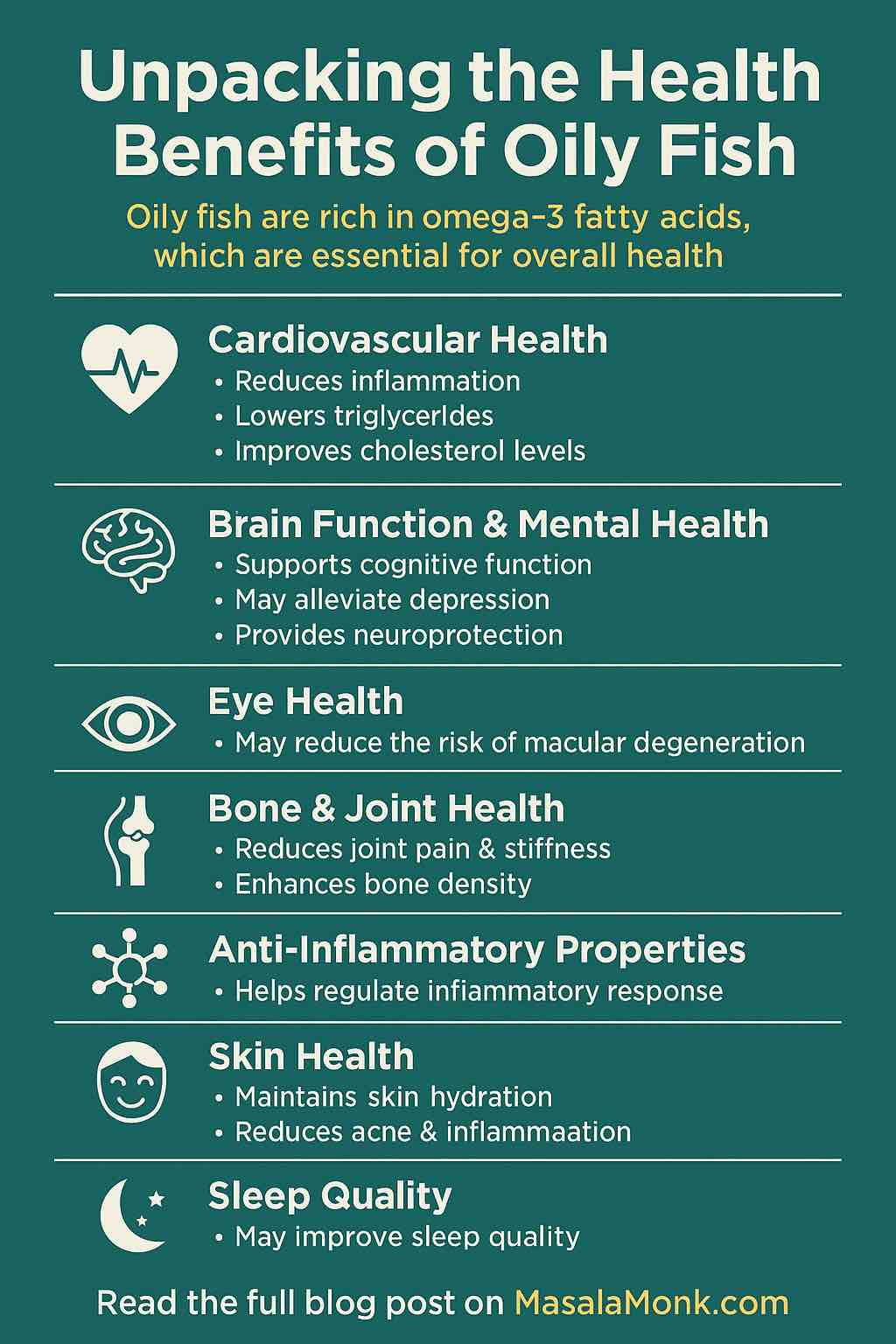
Unpacking the Health Benefits of Oily Fish: A Deep Dive into Omega-3s and More

Oily fish have long been celebrated as a nutritional powerhouse, but their true benefits go far beyond just being a rich source of protein. Bursting with essential fatty acids, vitamins, and minerals, oily fish like salmon, mackerel, sardines, and anchovies are a crucial part of a healthy diet. At the heart of their health-promoting properties lies omega-3 fatty acids — particularly EPA (eicosapentaenoic acid) and DHA (docosahexaenoic acid) — which are vital fats our bodies cannot produce on their own.

In this post, we’ll take a deep dive into the remarkable health benefits of oily fish, exploring how these nutrients support cardiovascular health, brain function, eye health, joint strength, skin vitality, sleep quality, and even prenatal development. By the end, you’ll understand why regular consumption of oily fish is one of the simplest and most effective ways to enhance your overall well-being.


What Makes Oily Fish So Special?

Unlike lean fish, oily fish have higher fat content distributed throughout their tissues. This fat is rich in omega-3 fatty acids, which have been extensively studied for their anti-inflammatory, heart-protective, and neuroprotective effects. These essential fats are critical for many physiological processes and have been linked to reduced risk of chronic diseases that are among the leading causes of death globally.

Beyond omega-3s, oily fish also provide:

  • Vitamin D — important for bone health and immune function.
  • High-quality protein — for muscle repair and enzyme production.
  • Minerals such as calcium, selenium, and iodine.
  • Antioxidants like astaxanthin (especially in salmon), which protect cells from oxidative damage.

1. Cardiovascular Health: The Heart of the Matter

Heart disease remains the number one killer worldwide. Luckily, consuming omega-3-rich oily fish can significantly reduce your risk by:

Lowering Triglycerides and Cholesterol

Omega-3 fatty acids help lower triglyceride levels — fats in the blood that, when elevated, increase heart disease risk. They also raise HDL (good cholesterol) while lowering LDL (bad cholesterol), promoting a healthier lipid profile.

Reducing Inflammation

Chronic inflammation contributes to plaque buildup in arteries. Omega-3s suppress inflammatory markers like C-reactive protein (CRP), reducing artery damage and improving overall cardiovascular function.

Supporting Heart Rhythm

Omega-3s help stabilize heart rhythms, reducing the risk of arrhythmias (irregular heartbeats) and sudden cardiac death.


2. Brain Function and Mental Health: Fuel for the Mind

The brain is nearly 60% fat, with DHA constituting a large portion of this fat. Omega-3s are essential for maintaining brain structure and function throughout life.

Cognitive Function and Development

Adequate DHA intake is crucial during fetal development and early childhood to support neuron growth and synapse formation. In adults, omega-3s help maintain memory, learning ability, and cognitive flexibility.

Mental Health Benefits

Numerous studies link omega-3 supplementation with reduced symptoms of depression and anxiety. The anti-inflammatory effects may help mitigate neuroinflammation implicated in mood disorders.

Neuroprotection and Aging

Omega-3s may slow age-related cognitive decline and reduce the risk of neurodegenerative diseases like Alzheimer’s by protecting neurons from oxidative stress and inflammation.


3. Eye Health: Visionary Benefits of Omega-3s

DHA is a primary structural component of the retina, the light-sensitive tissue at the back of the eye.

  • Age-Related Macular Degeneration (AMD): Research shows omega-3 intake may reduce the risk or slow progression of AMD, a leading cause of vision loss.
  • Dry Eye Syndrome: Omega-3s improve tear production and eye surface health, alleviating dryness and irritation.

4. Bone and Joint Health: Strength from Within

Inflammation is a significant driver of joint pain and bone loss.

  • Rheumatoid Arthritis: Omega-3 supplementation can reduce joint tenderness and stiffness by decreasing inflammatory cytokines.
  • Bone Density: Omega-3s improve calcium absorption and may stimulate bone formation, lowering osteoporosis risk.

5. Anti-Inflammatory Properties: Combating Chronic Disease

Chronic inflammation underpins many health conditions including heart disease, diabetes, arthritis, and some cancers. Omega-3 fatty acids regulate inflammatory pathways, balancing the immune response to prevent excessive tissue damage.


6. Skin Health: Glow from the Inside Out

Omega-3s help maintain the skin’s natural barrier by regulating oil production and retaining moisture.

  • Hydration: Improved skin hydration can reduce dryness and scaling.
  • Acne and Eczema: The anti-inflammatory properties may reduce redness and flare-ups.
  • Anti-Aging: Omega-3s protect against UV-induced damage, reducing wrinkles and improving elasticity.

7. Sleep Quality: Restoring Natural Rhythms

Emerging research suggests omega-3s, especially DHA, influence melatonin production—the hormone responsible for regulating sleep-wake cycles.

  • Better Sleep: Supplementing with omega-3s has been shown to improve sleep quality, duration, and reduce disturbances, which is vital for overall health and recovery.

8. Prenatal and Postnatal Health: Essential for New Life

Omega-3 fatty acids are indispensable during pregnancy and breastfeeding.

  • Fetal Brain and Eye Development: Maternal intake of DHA supports optimal neural and visual development.
  • Reduced Risk of Prematurity: Omega-3s may lower the chances of preterm birth.
  • Enhanced Cognitive Outcomes: Children born to mothers with sufficient omega-3 levels tend to perform better on cognitive tests.

9. Top Oily Fish to Incorporate Into Your Diet

To maximize these benefits, aim to consume oily fish at least two to three times per week. Here are the best options:

  • Salmon: Richest in DHA and EPA, widely available.
  • Mackerel: High in omega-3s and vitamin D, great grilled or smoked.
  • Sardines: Small but mighty, also packed with calcium and vitamin D.
  • Anchovies: Lower mercury levels, ideal for salads and sauces.
  • Herring and Trout: Other excellent sources.

Tips for Choosing and Preparing Oily Fish

  • Choose Wild-Caught When Possible: Often richer in omega-3s and less contaminated.
  • Avoid Overcooking: Grill, bake, or lightly pan-fry to preserve nutrients.
  • Beware of Mercury: Larger predatory fish like tuna and swordfish can have higher mercury — moderate consumption.
  • Consider Supplements: Fish oil or algal oil supplements are alternatives if you can’t eat fish regularly.

Final Thoughts

Oily fish are a nutritional gem packed with omega-3 fatty acids and a host of other essential nutrients that support heart, brain, joint, skin, and eye health — not to mention improving sleep and prenatal development. Regular consumption is an easy and delicious way to boost your health naturally.

If you’re looking to optimize your diet for longevity and vitality, adding oily fish to your meals a few times per week should be at the top of your list.

FAQs: Unpacking the Health Benefits of Oily Fish

1. Why are omega-3 fatty acids important for health?
Omega-3 fatty acids are essential fats that support heart, brain, and eye health. They help reduce inflammation, improve cholesterol levels, support cognitive function, and protect against chronic diseases.

2. Which oily fish have the highest omega-3 content?
Salmon, mackerel, sardines, anchovies, herring, and trout are among the richest sources of omega-3 fatty acids, particularly EPA and DHA.

3. How often should I eat oily fish to get health benefits?
Health experts generally recommend eating oily fish at least two to three times per week to obtain sufficient omega-3s and related nutrients.

4. Can omega-3 supplements replace eating oily fish?
Supplements like fish oil or algal oil can help if you don’t consume enough fish, but whole fish provide additional nutrients like protein, vitamins, and minerals that supplements alone don’t offer.

5. Are there any risks associated with eating oily fish?
While oily fish are very healthy, some species can accumulate mercury or other contaminants. It’s best to choose smaller fish like sardines or anchovies and limit consumption of large predatory fish.

6. Can oily fish consumption improve mental health conditions?
Studies show omega-3s can help reduce symptoms of depression and anxiety, thanks to their anti-inflammatory and neuroprotective effects, though they are not a substitute for medical treatment.

7. How do omega-3s benefit prenatal and postnatal development?
Omega-3s, especially DHA, are vital for fetal brain and eye development. Pregnant and breastfeeding women are encouraged to consume enough omega-3s to support their child’s cognitive and visual growth.

8. Does eating oily fish help with joint pain and arthritis?
Yes, omega-3 fatty acids have anti-inflammatory properties that can reduce joint pain, stiffness, and inflammation associated with rheumatoid arthritis and other inflammatory conditions.

9. What are some good ways to prepare oily fish to retain its nutrients?
Grilling, baking, steaming, or lightly pan-frying oily fish helps preserve omega-3 content. Avoid deep frying or overcooking to maintain nutritional benefits.

10. Are there vegetarian sources of omega-3 similar to those in oily fish?
While plant sources like flaxseeds, chia seeds, and walnuts contain ALA (a form of omega-3), the body converts it inefficiently to EPA and DHA. Algal oil supplements provide a direct vegetarian source of EPA and DHA.

Posted on 1 Comment

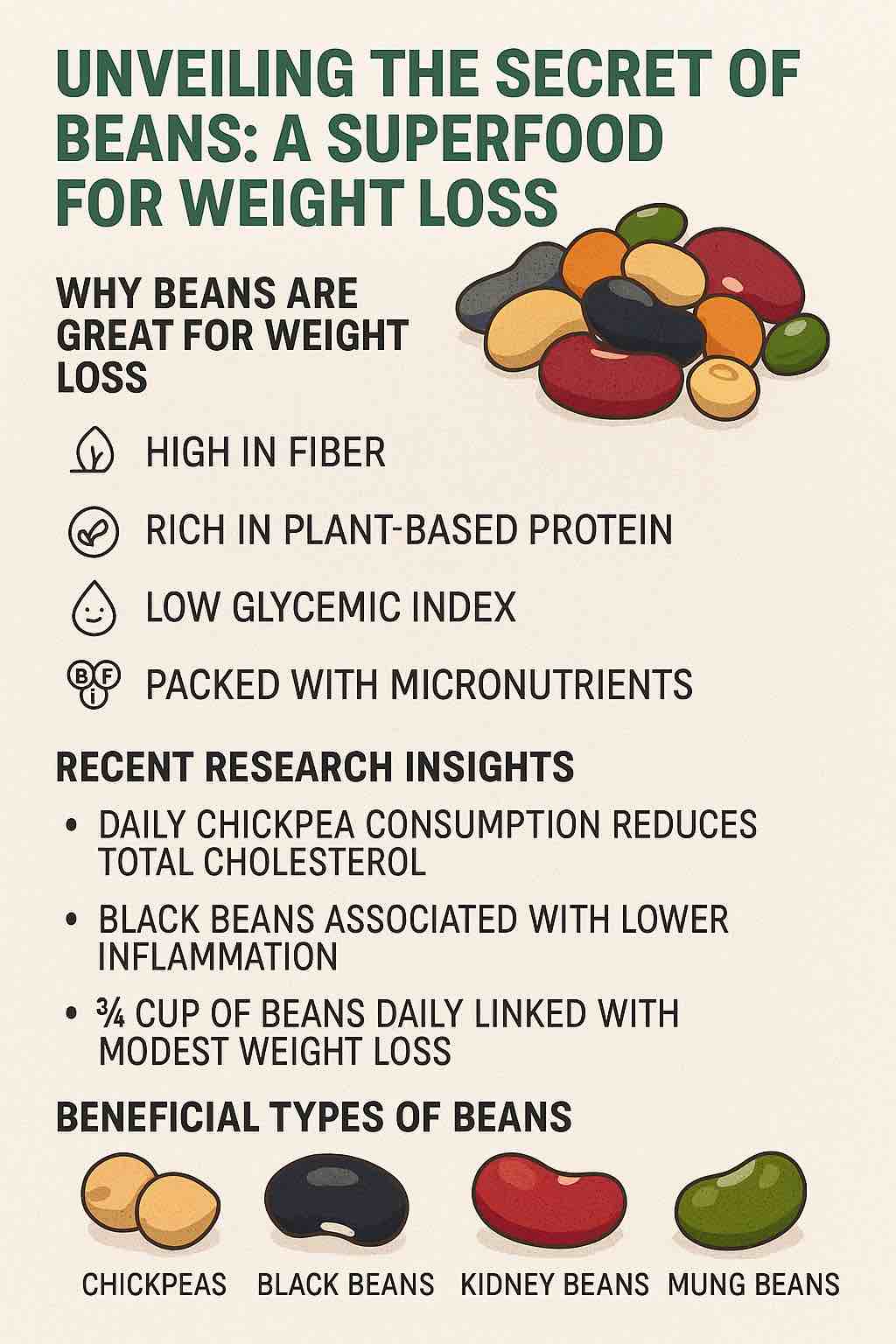
Unveiling the Secret of Beans: A Superfood for Weight Loss

SECRET OF BEANS: A SUPERFOOD FOR WEIGHT LOSS

When it comes to superfoods that support weight loss, beans might not be the first to come to mind. Yet, these humble legumes have quietly earned a reputation as nutritional powerhouses capable of transforming your health and slimming your waistline. From chickpeas to black beans, kidney beans to mung beans, incorporating these versatile foods into your daily diet can unlock a host of benefits — including sustainable weight loss.

In this post, we’ll explore why beans are a secret weapon in weight management, dive into the science behind their fat-burning potential, and share practical tips to include them deliciously in your meals.


Why Beans Deserve a Spot on Your Plate

Beans have been a staple in diets worldwide for centuries — and for good reason. Beyond their affordability and accessibility, they pack a powerful nutritional punch:

1. High Fiber Content — Your Ally for Fullness and Fat Loss

Beans are loaded with dietary fiber, especially soluble fiber, which slows digestion and helps keep you feeling full for longer. This satiety reduces hunger pangs and curbs overeating, a crucial factor in weight management.

Fiber also supports healthy digestion by feeding beneficial gut bacteria, which can indirectly influence metabolism and weight regulation. Research suggests that a fiber-rich diet correlates with reduced body weight and fat mass.

2. Plant-Based Protein — Building Blocks for Lean Muscle

Maintaining muscle mass is essential when losing weight, as muscles burn more calories at rest than fat. Beans provide a significant amount of plant-based protein, which supports muscle repair and growth while being lower in calories and saturated fat than animal proteins.

By combining beans with grains like rice or quinoa, you can obtain a complete protein profile with all essential amino acids.

3. Low Glycemic Index — Stable Blood Sugar for Appetite Control

The low glycemic index (GI) of beans means they release glucose slowly into the bloodstream, preventing the spikes and crashes that lead to cravings and overeating. Stable blood sugar levels are linked to better appetite control and reduced fat storage.

4. Micronutrient Powerhouse — Supporting Overall Health

Beans are rich in essential vitamins and minerals like magnesium, potassium, iron, and folate, all of which play roles in energy metabolism and fat burning. Magnesium, for instance, is critical for hundreds of enzymatic reactions, including those that regulate blood sugar and insulin sensitivity.


Scientific Insights: What Research Says About Beans and Weight Loss

Let’s examine some of the latest scientific findings that shed light on how beans support weight loss and metabolic health:

Chickpeas — Beyond Basic Nutrition

A study presented at the American Society for Nutrition conference revealed that adults with prediabetes who consumed chickpeas daily saw significant reductions in total cholesterol. This indicates improved cardiovascular health, which often accompanies weight loss efforts.

Moreover, chickpeas’ high fiber and protein content contributes to increased feelings of fullness, which helps reduce overall calorie intake.

Black Beans — Fighting Inflammation and Supporting Metabolism

Chronic inflammation is a known contributor to obesity and metabolic disorders. Research shows that black beans help reduce levels of inflammatory markers such as interleukin-6, potentially improving insulin sensitivity and fat metabolism.

The antioxidants and phytochemicals in black beans further promote metabolic health and may aid in reducing body fat.

Kidney Beans — Resistant Starch for Fat Burning

Kidney beans contain a type of carbohydrate called resistant starch, which resists digestion and reaches the colon intact. Here, it acts as a prebiotic, feeding good gut bacteria and producing beneficial short-chain fatty acids.

Resistant starch has been linked to increased fat oxidation (fat burning) and improved insulin sensitivity, both important for weight management.

Mung Beans — Easy on the Digestive System and Low-Calorie

Mung beans are low in calories but high in protein and fiber, making them excellent for weight-conscious individuals. Their easy digestibility makes them suitable for sensitive stomachs and supports consistent nutrient absorption.


How to Incorporate Beans into Your Weight Loss Plan

Eating beans regularly doesn’t have to be boring or complicated. Here are practical tips to include beans in your diet for maximum benefit:

Start Slowly and Build Up

Beans are rich in fiber, so if you’re not used to them, start with small portions and gradually increase. This helps your digestive system adjust and reduces the risk of bloating or gas.

Experiment with Varieties and Recipes

Don’t limit yourself to one type of bean. Rotate among chickpeas, black beans, kidney beans, and mung beans to enjoy diverse flavors and nutrients.

  • Add beans to salads for extra texture and protein.
  • Use mashed beans as a spread or dip.
  • Incorporate beans into soups, stews, chili, and casseroles.
  • Swap beans for meat in tacos, burgers, or pasta dishes.

Combine Beans with Whole Grains

Pair beans with whole grains like brown rice, quinoa, or barley to create complete proteins and balanced meals that keep you full and energized.

Opt for Fresh or Dried Beans

While canned beans are convenient, they often contain added sodium. Choose fresh or dried beans whenever possible and soak or cook them yourself to control salt levels.

Spice It Up

Beans absorb flavors well. Use herbs, spices, garlic, lemon, and vinegar to enhance taste without extra calories.


Debunking Common Myths About Beans and Weight Loss

Myth 1: Beans Cause Weight Gain Because They’re Carbs

Truth: The complex carbohydrates in beans digest slowly, promote satiety, and don’t spike blood sugar like refined carbs do. When eaten as part of a balanced diet, beans support weight loss.

Myth 2: Beans Are Just Filler Food

Truth: Beans are nutrient-dense and provide essential vitamins, minerals, fiber, and protein — making them much more than “filler.”

Myth 3: Beans Make You Bloated and Uncomfortable

Truth: While beans can cause gas initially, proper soaking, cooking, and gradual introduction reduce discomfort. Over time, your gut adapts.


The Sustainable Choice: Why Beans Are Good for You and the Planet

Beyond personal health, beans are an environmentally friendly protein source. They require less water and emit fewer greenhouse gases compared to animal proteins. Including beans in your diet is a win-win for your weight and the planet.


Final Thoughts: Unlock the Weight Loss Power of Beans Today

Beans truly deserve their superfood status. With their potent combination of fiber, protein, and micronutrients, they support appetite control, boost metabolism, and promote overall health. Incorporating a variety of beans into your meals can help you achieve sustainable weight loss while enjoying delicious, satisfying food.

Ready to start your bean journey? Try swapping one meat-based meal per week with a bean-based alternative and experience the difference.

FAQs: Beans and Weight Loss

1. Are beans really effective for weight loss?
Yes. Beans are rich in fiber and protein, which promote fullness and reduce overall calorie intake. Their low glycemic index also helps stabilize blood sugar, preventing cravings and supporting weight management.

2. Which type of beans is best for weight loss?
All beans offer benefits, but chickpeas, black beans, kidney beans, and mung beans are especially effective due to their high fiber, protein, and resistant starch content.

3. Can eating beans cause bloating or gas?
Beans contain fermentable fibers that can cause gas initially. To minimize this, start with small portions, soak dried beans well, rinse canned beans, and gradually increase intake to allow your digestive system to adjust.

4. How much beans should I eat daily to aid weight loss?
Studies suggest that about 3/4 cup (around 130 grams) of cooked beans daily can contribute to modest weight loss and improve diet quality.

5. Are canned beans as healthy as dried beans?
Canned beans are convenient and nutritious but often contain added sodium. Rinse them well before use or choose low-sodium versions. Dried beans cooked at home allow better control over salt content.

6. Can beans replace meat in a weight loss diet?
Absolutely. Beans are a great plant-based protein source that can replace or supplement meat, lowering calorie intake and saturated fat while still providing essential nutrients.

7. Will eating beans make me gain weight because of their carbohydrate content?
No. The carbohydrates in beans are complex and digest slowly, promoting fullness and stable blood sugar rather than fat storage, especially when eaten as part of a balanced diet.

8. How can I include beans in my meals without getting bored?
Try diverse recipes like bean salads, soups, stews, dips, or even bean-based burgers and tacos. Experimenting with different herbs and spices also keeps meals flavorful.

9. Are beans suitable for people with diabetes trying to lose weight?
Yes. Beans’ low glycemic index helps regulate blood sugar levels, making them an excellent food choice for people with diabetes aiming to lose weight.

10. How do beans support gut health?
Beans contain prebiotic fibers that feed beneficial gut bacteria, promoting a healthy microbiome, improving digestion, and supporting metabolism, which are all important for weight management.

Posted on 2 Comments

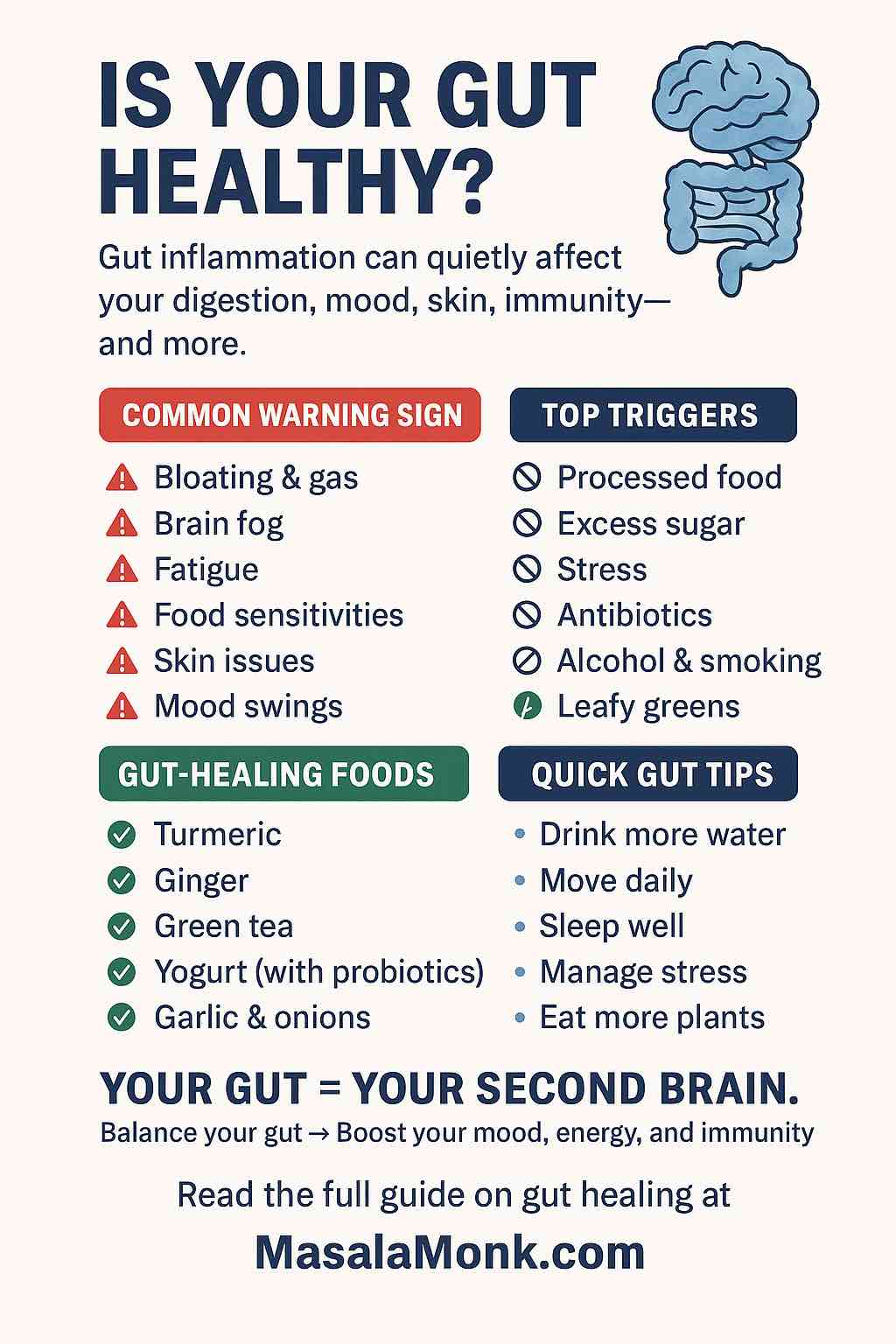
What You Need to Know About Gut Inflammation and Digestive Health

Gut Inflammation and Digestive Health

Gut health is more than just avoiding bloating or indigestion—it’s the cornerstone of overall wellness. New research continues to reveal how a balanced digestive system supports immunity, brain function, mental health, and even chronic disease prevention. But when inflammation takes over the gut, the consequences can ripple throughout the body.

In this post, we’ll dive deep into what gut inflammation is, what causes it, the symptoms to watch for, and how to support your digestive system through food, lifestyle, and cutting-edge nutritional science.


🌿 What Is Gut Inflammation?

Gut inflammation refers to an immune response within the gastrointestinal (GI) tract. It’s your body’s way of trying to fight off harmful triggers, whether from diet, bacteria, toxins, or chronic stress. While short-term inflammation can be protective, chronic inflammation can damage the intestinal lining, disrupt digestion, and lead to serious conditions like:

  • Inflammatory Bowel Disease (IBD)
  • Irritable Bowel Syndrome (IBS)
  • Leaky Gut Syndrome
  • Crohn’s Disease and Ulcerative Colitis

🚨 Common Symptoms of Gut Inflammation

Many people are unaware they’re dealing with gut inflammation because the symptoms often overlap with common digestive issues. Here’s what to watch out for:

  • Bloating and gas
  • Diarrhea or constipation
  • Abdominal pain or cramping
  • Food intolerances
  • Brain fog or fatigue
  • Skin issues (eczema, acne)
  • Joint pain
  • Frequent infections

If you’re experiencing a mix of these, your gut may be inflamed and in need of healing support.


🔬 What Causes Gut Inflammation?

1. Unhealthy Diet

  • High-fat, processed foods impair gut lining and trigger immune cells within 48 hours.
  • Low-fiber diets reduce microbial diversity, weakening gut resilience.
  • Excess sugar and artificial sweeteners fuel the growth of harmful bacteria.

2. Antibiotic Overuse

Antibiotics don’t just kill bad bacteria—they also wipe out beneficial microbes, leaving your gut vulnerable to imbalance (dysbiosis).

3. Chronic Stress

The gut-brain axis links emotional health with digestive function. Stress alters gut permeability and microbial composition, increasing inflammation.

4. Environmental Factors

Pollution, food additives, pesticides, and a sedentary lifestyle have all been linked to increased gut inflammation.

5. Alcohol and Smoking

Both irritate the gut lining and disrupt microbial balance, leading to chronic inflammation and increased disease risk.


🥦 Healing Your Gut: Diet First

✅ Anti-Inflammatory Superfoods

  • Turmeric: Contains curcumin, which actively reduces gut inflammation.
  • Ginger: Soothes the digestive tract and supports enzyme activity.
  • Fennel Seeds: Reduce gas and bloating.
  • Green Tea: High in antioxidants that calm gut tissue.
  • Yogurt (with live cultures): Boosts probiotics and immune support.

✅ Fiber-Rich Foods

Whole plant foods feed your gut microbes and strengthen your intestinal lining.

  • Oats, apples, flaxseeds
  • Beans, lentils, leafy greens
  • Bananas, onions, garlic (rich in prebiotics)

❌ Foods to Avoid

  • Refined sugar and white carbs
  • Trans fats and fried foods
  • Gluten (for those sensitive)
  • Dairy (for those intolerant)
  • Processed meats and alcohol

🧬 The Rise of Probiotics, Prebiotics, Synbiotics, and Postbiotics

🔹 Probiotics

Live bacteria found in yogurt, kefir, kimchi, sauerkraut, and supplements that help restore gut flora.

🔹 Prebiotics

Plant fibers (like in garlic, onions, leeks) that feed beneficial bacteria.

🔹 Synbiotics

Combining probiotics + prebiotics to maximize gut restoration.

🔹 Postbiotics

Bioactive compounds released by good bacteria that help repair the gut lining and lower inflammation.


🧠 Gut-Brain Connection: Mental Health Starts in the Gut

Emerging research confirms that your gut bacteria play a direct role in brain health. An inflamed or dysbiotic gut has been linked to:

  • Anxiety and depression
  • Mood swings
  • Sleep disorders
  • Brain fog

Balancing your microbiome can support neurotransmitter production (like serotonin) and reduce inflammation-driven mood issues.


🏃‍♂️ Lifestyle Tips for a Happy Gut

1. Exercise Regularly

Physical activity boosts microbial diversity and reduces stress-related inflammation.

2. Sleep Well

Aim for 7–9 hours of quality sleep to support circadian rhythms and gut healing.

3. Manage Stress

Try meditation, yoga, deep breathing, or time in nature to soothe your nervous system and gut.

4. Hydrate

Water helps flush out toxins and supports nutrient absorption.


🧪 Advanced Therapies and Personalized Nutrition

Science is heading toward microbiome-based personalized nutrition, where your gut bacteria determine what foods you should eat for optimal health. Companies are now offering gut microbiome testing kits to help guide these decisions.

In the future, expect to see:

  • Gut-specific AI nutrition plans
  • Targeted synbiotic supplements
  • Precision anti-inflammatory therapies

📌 Final Thoughts

Your gut is your body’s command center for immunity, metabolism, and even mental health. Inflammation in the gut isn’t just a digestive issue—it’s a systemic health concern. But the good news? It’s manageable and reversible with the right dietary and lifestyle changes.

If you’ve been feeling “off” lately, your gut may be trying to tell you something. Listen closely, eat wisely, and care for your inner ecosystem.


💬 10 Frequently Asked Questions

1. What foods quickly reduce gut inflammation?
Turmeric, ginger, green tea, yogurt, leafy greens, and omega-3 rich foods are among the best.

2. Can stress cause gut inflammation?
Yes. Chronic stress disrupts the gut-brain axis and alters microbial balance.

3. Is gut inflammation the same as IBS?
Not exactly. IBS is a functional disorder that can be influenced by inflammation, but they’re not identical.

4. How can I test for gut inflammation?
Stool tests, blood tests (CRP), and endoscopies can help diagnose inflammation.

5. Are probiotics enough to heal the gut?
They’re helpful, but best combined with prebiotics, anti-inflammatory foods, and lifestyle changes.

6. Does gluten cause gut inflammation?
It can for sensitive individuals or those with celiac disease or non-celiac gluten sensitivity.

7. Can gut inflammation lead to weight gain?
Yes. Inflammation impacts metabolism and insulin sensitivity, contributing to fat storage.

8. Are fermented foods good for gut health?
Yes. They provide beneficial bacteria that support microbiome diversity.

9. How long does it take to heal gut inflammation?
It varies, but with consistent changes, many see improvement in 4–8 weeks.

10. Can children have gut inflammation?
Yes, especially with poor diet, antibiotics, or allergies. Early intervention is key.


📌 Blog Tags

gut inflammation, digestive health, anti-inflammatory diet, probiotics, prebiotics, leaky gut, IBS, IBD, gut microbiome, fermented foods, gut brain axis, chronic inflammation, turmeric, healing the gut

Posted on 3 Comments

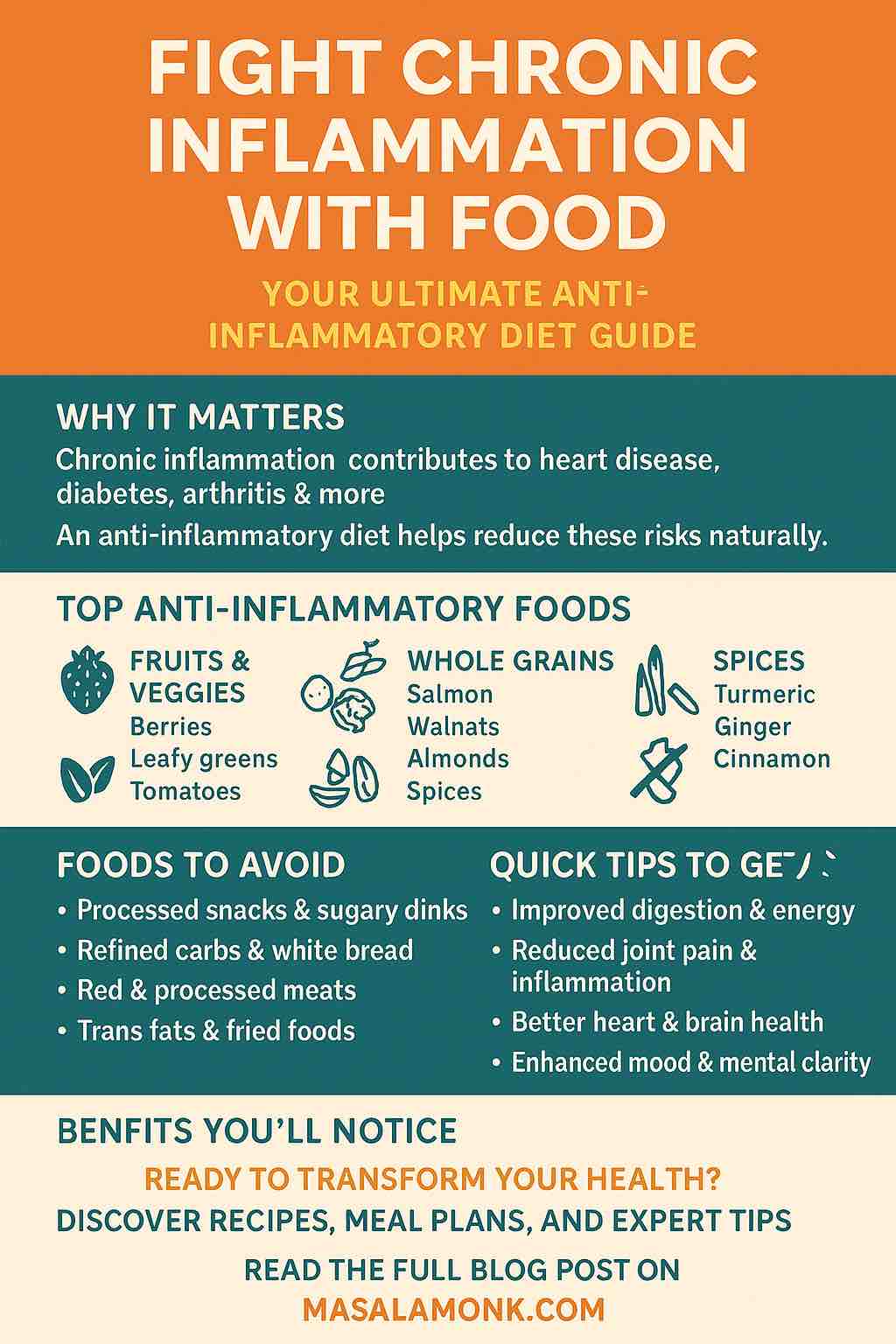
How to Follow an Anti-Inflammatory Diet for Optimal Health?

FIGHT CHRONIC INFLAMMATION WITH FOOD

Inflammation is a natural and essential process your body uses to heal injuries and fight infections. However, when inflammation becomes chronic, it can contribute to the development of numerous health problems such as heart disease, diabetes, arthritis, and even some cancers. This is where an anti-inflammatory diet comes in—a way of eating designed to reduce chronic inflammation and promote optimal health.

In this comprehensive guide, we’ll explore the science behind inflammation, the foods that can either fuel or fight it, practical strategies to follow an anti-inflammatory diet, and how this lifestyle choice can transform your health based on the latest research.


Understanding Inflammation: Friend and Foe

Inflammation is your body’s defense mechanism. When you get a cut or an infection, immune cells rush to the site, causing redness, swelling, and pain. This acute inflammation helps you heal. But when inflammation persists over weeks, months, or years, it becomes chronic and harmful.

Chronic inflammation has been linked to many diseases, including:

  • Heart disease
  • Type 2 diabetes
  • Alzheimer’s disease
  • Certain cancers
  • Autoimmune disorders (e.g., rheumatoid arthritis)

Reducing chronic inflammation through diet can lower your risk of these diseases and improve your overall well-being.


What is an Anti-Inflammatory Diet?

An anti-inflammatory diet focuses on consuming whole, minimally processed foods rich in antioxidants, fiber, and healthy fats while limiting foods that can promote inflammation.

Core Components of the Diet:

  • Fruits and Vegetables: Packed with antioxidants and phytochemicals that neutralize inflammation-causing free radicals.
  • Whole Grains: Provide fiber that supports gut health and reduces inflammation.
  • Healthy Fats: Omega-3 fatty acids from fatty fish and plant sources reduce inflammatory markers.
  • Legumes and Nuts: Provide fiber, protein, and beneficial micronutrients.
  • Herbs and Spices: Turmeric, ginger, garlic, and cinnamon offer natural anti-inflammatory effects.

Foods to Limit or Avoid:

  • Refined carbohydrates (white bread, pastries)
  • Sugary beverages and snacks
  • Processed and red meats
  • Trans fats and hydrogenated oils
  • Excessive alcohol

The Latest Research Backing the Anti-Inflammatory Diet

1. Flavonoid Diversity Lowers Disease Risk

Recent large-scale research shows that eating a variety of flavonoid-rich foods—think berries, apples, black tea, and dark chocolate—can reduce chronic disease risk by up to 8%. It’s not just how much you eat but the diversity that matters.

2. Legumes Lower Cholesterol and Inflammation

Studies have confirmed that adding a daily cup of black beans or chickpeas can significantly reduce cholesterol and inflammatory markers, especially in people with prediabetes.

3. Cinnamon Helps Manage Cholesterol and Blood Sugar

Cinnamon, long celebrated for its flavor, also has powerful effects in lowering LDL cholesterol and triglycerides, particularly beneficial for people with metabolic syndrome or type 2 diabetes.

4. Probiotic Yogurt Supports Gut and Immune Health

With 70% of immune cells residing in the gut, probiotic-rich yogurt helps maintain a balanced microbiome, reducing systemic inflammation and enhancing immune function.

5. Anti-Inflammatory Diets Reduce Cardiovascular Risk

Meta-analyses confirm that diets rich in anti-inflammatory foods significantly reduce blood pressure, cholesterol, and C-reactive protein (an inflammation marker), all key to heart health.

6. Diet and Mental Health: Burnout and Emotional Well-Being

The GAIA study highlights how an anti-inflammatory diet not only protects physical health but also reduces emotional exhaustion and cognitive fatigue, improving sleep and emotional well-being.


How to Start Following an Anti-Inflammatory Diet: Practical Steps

Step 1: Load Your Plate with Colorful Fruits and Vegetables

Aim to fill at least half your plate with a rainbow of fresh vegetables and fruits daily. Examples include:

  • Berries (blueberries, strawberries, raspberries)
  • Leafy greens (spinach, kale, swiss chard)
  • Cruciferous veggies (broccoli, cauliflower, Brussels sprouts)
  • Citrus fruits (oranges, lemons)
  • Tomatoes and bell peppers

These foods are rich in antioxidants like vitamin C, vitamin E, carotenoids, and flavonoids.

Step 2: Choose Whole Grains Over Refined

Replace white rice, bread, and pasta with whole-grain versions such as:

  • Quinoa
  • Brown rice
  • Oats
  • Barley
  • Whole wheat

Whole grains provide fiber to improve digestion and support beneficial gut bacteria.

Step 3: Incorporate Healthy Fats

Healthy fats help reduce inflammation and support heart and brain health. Include:

  • Fatty fish (salmon, mackerel, sardines) 2–3 times per week
  • Nuts and seeds (walnuts, flaxseeds, chia seeds)
  • Avocado
  • Extra virgin olive oil

Avoid trans fats found in many processed and fried foods.

Step 4: Add Legumes and Nuts for Protein and Fiber

Beans, lentils, and chickpeas are great plant-based protein sources that lower inflammation and improve blood sugar control.

Step 5: Spice It Up with Anti-Inflammatory Herbs

Add flavor and health benefits by cooking with:

  • Turmeric (contains curcumin)
  • Ginger
  • Garlic
  • Cinnamon (especially helpful for cholesterol and blood sugar)

Step 6: Limit Processed and Sugary Foods

Cut back on:

  • Sugary drinks (sodas, energy drinks)
  • Packaged snacks and baked goods
  • Processed meats (hot dogs, sausages, deli meats)
  • Fast food

These foods often contain added sugars, unhealthy fats, and preservatives that promote inflammation.

Step 7: Stay Hydrated and Mindful

Drink plenty of water and herbal teas. Practice mindful eating by paying attention to hunger cues and savoring your meals.


Sample Anti-Inflammatory Day Meal Plan

Breakfast

Option 1: Oatmeal topped with fresh berries, chia seeds, and a sprinkle of cinnamon (gluten-free oats for celiac or gluten sensitivity).
Option 2: Millet porridge with chopped dates, crushed almonds, and a dash of cardamom (gluten-free, traditional in many South Asian and African diets).
Option 3: Smoothie bowl made with spinach, mango, flaxseeds, and plant-based yogurt, topped with pumpkin seeds and sliced kiwi (vegan-friendly).


Morning Snack

Option 1: A handful of walnuts and a crisp apple.
Option 2: Roasted chickpeas with a sprinkle of smoked paprika (vegan, high protein).
Option 3: Fresh coconut chunks with a few raw cashews (tropical flavor and nutrient-dense).


Lunch

Option 1: Quinoa salad with mixed greens, chickpeas, cherry tomatoes, cucumber, olive oil, and lemon dressing.
Option 2: Brown rice bowl with sautéed spinach, roasted sweet potato, black beans, avocado, and a tahini drizzle (vegan, hearty).
Option 3: Lentil and vegetable stew with turmeric and garlic served with a side of whole grain flatbread or gluten-free millet roti.


Afternoon Snack

Option 1: Greek yogurt with flaxseeds and sliced peaches.
Option 2: Dairy-free coconut yogurt topped with pomegranate seeds and hemp seeds (vegan-friendly).
Option 3: Fresh vegetable sticks (carrots, cucumber, bell peppers) with hummus dip.


Dinner

Option 1: Baked salmon with roasted broccoli and sweet potatoes, seasoned with turmeric and garlic.
Option 2: Grilled tofu or tempeh marinated in ginger, garlic, and tamari with steamed bok choy and quinoa (plant-based).
Option 3: Chickpea and vegetable curry with turmeric, cumin, and coriander served with brown basmati rice or cauliflower rice (gluten-free).


Beverages (Throughout the Day)

  • Water infused with lemon, mint, or cucumber
  • Green tea or herbal teas like ginger, chamomile, or tulsi (holy basil)
  • Fresh coconut water or buttermilk (chaas) for hydration and gut health
  • Avoid sugary drinks, opt for naturally flavored drinks without added sugars

Notes:

  • Gluten-free alternatives: Use millet, quinoa, brown rice, or gluten-free oats instead of wheat-based grains.
  • Vegan substitutions: Replace animal products like yogurt and salmon with plant-based yogurts, legumes, tofu, tempeh, or nuts and seeds.
  • Spices: Use turmeric, ginger, garlic, cinnamon, cumin, coriander, and cardamom generously for flavor and anti-inflammatory benefits.
  • Cultural relevance: Incorporate local seasonal produce and grains to make the plan more accessible and enjoyable.

Long-Term Benefits of an Anti-Inflammatory Diet

Following this diet consistently can help you:

  • Reduce the risk of chronic diseases like heart disease and diabetes
  • Manage weight more effectively
  • Improve digestive health and gut microbiome diversity
  • Support mental well-being and reduce fatigue
  • Boost immune function
  • Promote healthier aging

Final Thoughts

The anti-inflammatory diet isn’t just a short-term fix; it’s a lifelong approach to eating that nourishes your body and protects you from chronic disease. The latest science continues to validate the powerful role that diverse, whole foods play in reducing inflammation and improving health on multiple levels.

Start small, experiment with new recipes, and enjoy the vibrant variety of foods that help your body thrive.

FAQs: How to Follow an Anti-Inflammatory Diet for Optimal Health

1. What is an anti-inflammatory diet?
An anti-inflammatory diet focuses on eating whole, minimally processed foods rich in antioxidants, fiber, and healthy fats to reduce chronic inflammation. It emphasizes fruits, vegetables, whole grains, healthy fats, legumes, nuts, and spices like turmeric and cinnamon while limiting processed foods, refined sugars, and unhealthy fats.

2. How does inflammation affect my health?
While acute inflammation is necessary for healing, chronic inflammation can contribute to various diseases, including heart disease, diabetes, arthritis, and some cancers. Managing inflammation through diet can lower these risks and improve overall health.

3. Which foods should I avoid to reduce inflammation?
Avoid or limit processed foods, sugary drinks, refined carbs, trans fats, excessive red and processed meats, and highly processed snacks. These foods can increase inflammatory markers and negatively affect your health.

4. Can an anti-inflammatory diet help with weight loss?
Yes. Because the diet focuses on nutrient-dense, whole foods and limits processed, calorie-dense items, it naturally supports healthy weight management, which also helps reduce inflammation.

5. Are there any specific spices that reduce inflammation?
Yes. Spices such as turmeric (curcumin), ginger, garlic, and cinnamon have strong anti-inflammatory properties and can be incorporated easily into daily meals.

6. Is this diet suitable for vegetarians and vegans?
Absolutely. The diet emphasizes plant-based foods like fruits, vegetables, legumes, nuts, seeds, and whole grains, making it naturally compatible with vegetarian and vegan lifestyles.

7. How soon can I expect to see benefits from following an anti-inflammatory diet?
Some benefits like improved digestion and energy can appear within days to weeks. Long-term reductions in inflammation-related disease risk usually take several months of consistent healthy eating.

8. Can an anti-inflammatory diet improve mental health?
Research indicates that anti-inflammatory diets may reduce symptoms of depression, anxiety, and burnout by lowering systemic inflammation and supporting gut health, which impacts brain function.

9. Do I need to avoid gluten on an anti-inflammatory diet?
Not necessarily. Gluten itself does not cause inflammation for most people. However, some individuals with celiac disease or gluten sensitivity should avoid gluten-containing grains and opt for gluten-free alternatives.

10. How can I make the anti-inflammatory diet sustainable?
Start gradually by adding more fruits, vegetables, and whole grains, and reducing processed foods. Experiment with spices and new recipes, plan meals ahead, and tailor the diet to your cultural preferences and lifestyle to maintain it long-term.