
Posted on — 1 Comment

Wall Pilates: Guide to Full-Body Strength and Flexibility


🌿 Introduction: Embrace the Wall Pilates Revolution

🌟 Redefining Home Workouts:
Welcome to the transformative world of Wall Pilates, a fitness phenomenon that’s reshaping home workouts into highly effective sessions of core strengthening, flexibility, and balance. If you’ve been browsing fitness trends online, you’ve likely come across this burgeoning sensation. It’s not just a workout; it’s a movement towards smarter, more efficient exercise.

🔍 What’s Wall Pilates?
Imagine merging the timeless elegance of Pilates with the practicality and support of a simple wall. That’s Wall Pilates for you – a novel approach to fitness that elevates traditional Pilates routines by incorporating the wall as a tool for resistance and support. It’s a full-body workout system that’s as effective as it is innovative.

🧘 Accessible, Effective, Transformative:
Whether you’re a dedicated fitness enthusiast or just starting your journey, Wall Pilates is remarkably inclusive. Requiring minimal equipment and space, it brings the studio experience into your home. It’s about making fitness accessible, enjoyable, and most importantly, effective.

🌈 Start Your Journey to Wellness:
Your journey to a stronger, more flexible, and balanced self begins right in the comfort of your home. With Wall Pilates, every session is an opportunity to explore new depths of strength and flexibility. So, roll out your mat, clear a spot near the wall, and step into a world where fitness meets simplicity and elegance.

🌟 Ready, Set, Transform:
In this guide, we’ll walk you through the incredible benefits of Wall Pilates, provide detailed instructions for core exercises, and share tips on integrating this practice into your daily routine. Get ready to reshape your approach to fitness, one wall-assisted movement at a time.
Section 1: Unraveling the Mystique of Wall Pilates


🔎 A Closer Look at Wall Pilates

Understanding the Concept:
Wall Pilates, at its core, is an innovative adaptation of traditional Pilates. It ingeniously uses a wall as a tool for support and resistance. This method not only brings a refreshing twist to familiar Pilates exercises but also opens up a myriad of new possibilities for enhancing your workout regimen.

The Evolution:
While traditional Pilates focuses on core strength, alignment, and mind-body connection, Wall Pilates takes these principles and amplifies them. The wall acts as a versatile prop, enabling a range of exercises that challenge your body in new and exciting ways.


🌟 Benefits of Integrating the Wall

Enhanced Muscle Activation:
With the wall providing resistance, exercises become more challenging, leading to increased muscle engagement and strength development, particularly in the core, glutes, and legs.

Improved Balance and Coordination:
The stability offered by the wall aids in developing better balance and coordination, an essential aspect of overall fitness and injury prevention.

Accessible and Adaptable:
Whether you’re a beginner or an experienced practitioner, Wall Pilates is highly adaptable. It offers support for newcomers while presenting opportunities for challenges as your skills progress.


🌈 The Wall Pilates Advantage

Innovative and Fun:
Wall Pilates brings an element of innovation and fun to your routine. It encourages creativity in workouts, making them more engaging and enjoyable.

Whole-Body Wellness:
It’s not just about physical strength; Wall Pilates enhances overall well-being. It aids in stress reduction, improves posture, and increases body awareness, contributing to a holistic approach to health.

Section 2: Mastering the Essentials of Wall Pilates


🌟 The Essence of Wall Pilates: A Deeper Dive

Understanding the Foundation:
Wall Pilates isn’t just a set of exercises; it’s a philosophy of movement that combines the core principles of traditional Pilates with the added dimension of a wall. It focuses on control, precision, breath, and fluidity, each enhanced by the stabilizing and resisting presence of the wall.

The Wall as Your Partner:
The wall in Wall Pilates isn’t merely a backdrop; it’s an active participant in your workout. As a multifaceted tool, the wall offers support, challenges your balance, and adds resistance, enabling a broader spectrum of movement and intensity in your exercises.


🔍 Delving into Core Wall Pilates Exercises

1. Wall Bridges for Lower Body Strength:
This exercise is a dynamic way to engage your glutes and lower back. With feet pressed against the wall, you elevate the traditional bridge, enhancing control and engagement.

2. Dynamic Wall Planks for Core Engagement:
Wall Planks are a comprehensive exercise targeting core strength and stability. The wall provides a stability challenge, allowing for numerous variations to target different core muscles.

3. Wall Squats for Leg and Glute Power:
These squats are ideal for building strength in your legs and glutes. The wall helps maintain proper alignment, allowing you to focus on form and depth, making the exercise effective for all fitness levels.

4. Graceful Leg Circles for Flexibility:
Leg circles are a testament to the control and precision that Wall Pilates promotes. Supported by the wall, you can concentrate on the fluidity and range of motion, enhancing leg flexibility and control.

5. Wall Push-Ups for Upper Body Conditioning:
Integrating push-ups with wall support can significantly improve upper body strength. The wall offers a unique resistance angle, engaging your arms, shoulders, and chest more effectively.

6. The Wall Roll-Down for Spinal Flexibility:
This exercise is fantastic for spinal health and flexibility. It involves a slow, controlled roll down against the wall, which helps in lengthening the spine and releasing tension.


🌈 Exploring the Benefits of Wall Pilates Exercises

Holistic Strength and Flexibility:
Each exercise in Wall Pilates is crafted to enhance both strength and flexibility. From core stability in planks to the spinal alignment in roll-downs, these exercises contribute to a holistic fitness experience.

Adaptability for Every Fitness Level:
One of the most appealing aspects of Wall Pilates is its adaptability. Exercises can be adjusted to cater to different strengths, making the practice inclusive for beginners, intermediate practitioners, and advanced enthusiasts.

Mind-Body Connection:
Wall Pilates emphasizes the Pilates principle of mind-body connection. It encourages mindfulness and concentration, making each session not just a physical workout but also a mental rejuvenation.

Section 3: Integrating Wall Pilates into Your Lifestyle


🌿 Embracing Wall Pilates as a Daily Practice

Seamless Integration into Daily Life:
Incorporating Wall Pilates into your daily routine is simpler than you might think. Its versatility allows for short sessions that can be easily fitted into busy schedules — whether it’s a morning routine to kickstart your day, a midday break for mental clarity, or an evening session to unwind.

Creating a Habit:
Consistency is key in reaping the full benefits of Wall Pilates. Establishing a regular practice, even if it’s just 10-15 minutes a day, can lead to significant improvements in strength, flexibility, and overall well-being.


🔍 Customizing Your Wall Pilates Routine

Tailoring to Your Needs:
Wall Pilates is highly customizable. Whether your focus is on strengthening, flexibility, or stress relief, you can tailor your routine to meet your specific goals and preferences.

Progressive Challenges:
As you grow more comfortable with the basics, gradually introduce new exercises or increase the duration and intensity of your sessions. This progression will help you continuously challenge and develop your body and mind.


🌟 Integrating Mindfulness and Relaxation

Beyond Physical Fitness:
Wall Pilates isn’t just a physical exercise; it’s a practice that fosters mindfulness and relaxation. Incorporating breathing techniques and mindfulness into your sessions can enhance mental clarity and reduce stress.

Creating a Mind-Body Connection:
Each session is an opportunity to deepen your connection with your body, listen to its cues, and move with intention. This mindful approach can lead to a more harmonious balance between physical fitness and mental well-being.


🌈 Making Wall Pilates a Part of Your Wellness Journey

Adaptable for All Ages and Fitness Levels:
Regardless of age or fitness level, Wall Pilates is an inclusive practice. It offers a safe and effective way for everyone to improve their health and fitness.

A Lifelong Companion:
Wall Pilates can be a lifelong companion in your wellness journey. Its adaptability and gentle nature make it a sustainable practice that can evolve with you over time.

Section 4: Overcoming Challenges and Maximizing Benefits


🌟 Identifying and Overcoming Common Challenges

1. Space Constraints:
Many assume that a large space is required for Wall Pilates. However, you only need enough room to extend your arms and legs. Creative use of space, like moving furniture temporarily, can make even small areas suitable for practice.

2. Maintaining Consistency:
Consistency can be challenging, especially for beginners. Setting a specific time for your practice or integrating it into existing routines, like after morning meditation or before evening relaxation, can help establish a regular habit.

3. Progress Plateaus:
If you feel your progress stalling, it might be time to vary your routine. Incorporating new exercises, adjusting the intensity, or even changing the time of day you practice can reinvigorate your Pilates journey.


🔍 Maximizing the Benefits of Wall Pilates

Enhanced Mind-Body Connection:
Focus on the mind-body connection in each session. Being mindful of your movements and breath can enhance the effectiveness of the exercises and provide a more holistic experience.

Integrating Complementary Practices:
Combine Wall Pilates with other fitness practices like yoga or light cardio. This not only keeps your routine fresh but also ensures a well-rounded approach to your overall health and fitness.

Listening to Your Body:
Pay attention to what your body tells you during your exercises. Adjusting movements to avoid discomfort and acknowledging when to push a bit further are key to a safe and beneficial Wall Pilates practice.


🌈 Sustaining Your Wall Pilates Journey

Building a Supportive Community:
Engage with online communities or local groups practicing Pilates. Sharing experiences, challenges, and successes can be motivating and enriching.

Tracking Your Progress:
Keep a journal or log of your Wall Pilates journey. Noticing improvements in strength, flexibility, or even mood can be incredibly rewarding and motivating.

Enjoying the Process:
Remember, the journey is as important as the destination. Enjoy each session, celebrate small victories, and embrace the ongoing process of learning and growing through Wall Pilates.


Section 5: Advancing Your Wall Pilates Practice


🌟 Evolving Beyond the Basics

Exploring Advanced Techniques:
As you grow more comfortable with basic Wall Pilates exercises, it’s time to explore advanced techniques. Incorporate challenging variations and new exercises that require more strength, balance, and flexibility.

Combining with Other Pilates Forms:
Expand your practice by integrating elements from mat or equipment-based Pilates. This fusion can provide a comprehensive Pilates experience, enhancing both your skills and enjoyment.


🔍 Developing a Personalized Pilates Routine

Customizing Your Sessions:
Tailor your Wall Pilates sessions to focus on areas you want to develop, whether it’s core strength, upper body toning, or flexibility. Design routines that align with your personal fitness goals.

Setting and Achieving Goals:
Set specific, achievable goals for your Wall Pilates practice. Whether it’s mastering a new pose, improving flexibility, or building core strength, having clear objectives can guide your progress.


🌈 Incorporating Props for Added Intensity

Using Pilates Accessories:
Introduce Pilates accessories like resistance bands, balls, or rings to add intensity and variety to your exercises. These props can help deepen stretches, add resistance, and challenge your stability.

Creative Use of Household Items:
Don’t have specialized equipment? No problem. Use common household items like towels or books to add a creative twist to your workouts. This approach keeps your practice both fun and cost-effective.


🌟 Exploring Group Classes and Online Resources

Joining a Community:
Participate in online classes or local Wall Pilates groups. Learning with others can provide valuable insights, inspiration, and a sense of community.

Leveraging Digital Resources:
Make use of online tutorials, apps, and virtual classes to explore new exercises and techniques. These resources can be a treasure trove of information for advancing your practice.

Section 6: Embracing Wall Pilates as a Lifestyle


🌿 Wall Pilates: More Than Just Exercise

Integrating Into Daily Life:
Wall Pilates is not just a fitness routine; it’s a lifestyle. Embrace its principles of balance, control, and mindfulness in everyday activities. Let the poise and alignment you learn in Pilates influence how you move through your day.

A Holistic Approach to Well-being:
Consider Wall Pilates as part of a broader approach to health. Combine it with a balanced diet, adequate sleep, and stress management techniques to enhance overall well-being.


🌟 Creating a Personal Pilates Space

Designing Your Pilates Sanctuary:
Create a dedicated space for your Pilates practice at home. It doesn’t need to be large; a quiet corner with your mat, a few props, and soothing decor can become your sanctuary.

Inspirational Environment:
Decorate your Pilates space with elements that inspire and motivate you. Plants, motivational posters, or calming colors can make your Pilates practice more enjoyable and rewarding.


🔍 Sharing the Joy of Pilates

Engaging With Family and Friends:
Introduce Wall Pilates to family and friends. Sharing your practice can be a fun way to spend time together and encourage each other’s fitness journeys.

Community Involvement:
Participate in community events or Pilates workshops. Engaging with the larger Pilates community can be a rewarding experience that deepens your appreciation for the practice.


🌈 Lifelong Learning and Growth

Continued Education:
There’s always more to learn in Pilates. Attend workshops, read books, or follow Pilates experts to continually expand your knowledge and skills.

Reflecting and Evolving:
Regularly reflect on your Pilates journey. Celebrate your progress, learn from challenges, and set new goals to keep evolving both physically and mentally.

Section 7: Looking Ahead – The Future of Your Wall Pilates Journey


🌟 Embracing Continuous Growth

Evolving with Experience:
As you progress in your Wall Pilates journey, your relationship with the practice will naturally evolve. Embrace this evolution as an opportunity to delve deeper into more advanced techniques and refine your understanding of Pilates principles.

Setting New Horizons:
Continually set new goals and challenges for yourself. Whether it’s perfecting a complex pose, increasing the duration of your practice, or exploring new variations of exercises, there’s always room for growth and improvement.


🔍 Staying Inspired and Motivated

Seeking New Inspirations:
Stay open to new sources of inspiration, whether from the Pilates community, fitness blogs, or social media. Inspiration can come from unexpected places and can reinvigorate your practice.

Maintaining Motivation:
Keep your motivation alive by celebrating small victories and acknowledging your progress. Remember why you started Wall Pilates and the benefits it brings to your life.


🌈 Adapting to Life’s Changes

Flexibility in Practice:
Life can be unpredictable, and your ability to adapt your Pilates practice to fit changing circumstances is crucial. Be flexible in how and when you practice, ensuring that Pilates remains a consistent and beneficial part of your life.

Incorporating Pilates Principles in Life:
Take the lessons learned from Wall Pilates – like balance, focus, and resilience – and apply them to other aspects of your life. This holistic approach can lead to a more balanced and fulfilling life experience.


🌟 A Lifelong Companion in Wellness

A Journey, Not a Destination:
Remember, Wall Pilates is a journey, not a destination. It’s a practice that can accompany you throughout your life, adapting to your needs and circumstances at every stage.

The Future of Your Practice:
Look forward to the future of your Wall Pilates journey with excitement and curiosity. With each practice, you’re not just strengthening your body but also enriching your life with greater health, balance, and well-being.

FAQs for Wall Pilates

1. What makes Wall Pilates different from traditional Pilates?
Wall Pilates enhances traditional Pilates by using a wall as a tool for support and resistance. This addition allows for a wider variety of exercises, targeting different muscle groups and offering both support and added challenge.

2. Can Wall Pilates help with weight loss?
While primarily focused on improving strength, flexibility, and posture, Wall Pilates can contribute to weight loss as part of an overall healthy lifestyle that includes a balanced diet and regular exercise.

3. Is Wall Pilates suitable for beginners?
Absolutely! Wall Pilates is adaptable to all fitness levels. Beginners can benefit from the wall’s support, making exercises more accessible and easier to learn.

4. How often should I practice Wall Pilates for the best results?
For noticeable results, aim for 2-3 sessions per week. Consistency is key, and even short, regular sessions can lead to significant improvements over time.

5. Do I need special equipment for Wall Pilates?
No special equipment is required. A yoga mat and a clear wall space are sufficient to start. As you progress, you might consider adding Pilates accessories like resistance bands or balls for variety.

6. How can Wall Pilates improve my overall fitness?
Wall Pilates offers a full-body workout that enhances core strength, flexibility, and posture. It also contributes to better balance and coordination, benefiting your overall fitness.

7. Can Wall Pilates be practiced during pregnancy?
While many find Wall Pilates beneficial during pregnancy, it’s crucial to consult with a healthcare provider and modify exercises as needed to ensure safety and comfort.

8. Are there any age restrictions for practicing Wall Pilates?
Wall Pilates is suitable for all ages. Its low-impact nature makes it particularly appealing to older adults seeking a safe form of exercise to maintain strength and flexibility.

9. How long does a typical Wall Pilates session last?
A typical session can vary from 20 to 60 minutes, depending on your schedule and fitness level. Even short sessions can be effective.

10. Can Wall Pilates help in rehabilitating injuries?
Wall Pilates can be an effective part of rehabilitation programs, especially for injuries related to muscle imbalances or poor posture. However, it’s important to seek advice from a medical professional and work with a qualified instructor.


Blog Tags for the Post

wall pilates, pilates exercises, home workout, fitness journey, core strength, flexibility training, mindful exercise, beginner pilates, advanced pilates, pilates lifestyle, health and wellness, body balance, pilates for all ages, injury rehabilitation, pilates tips, holistic health, pilates guide, fitness motivation, improving posture, low-impact workout

Posted on — 1 Comment

Mastering the Perfect Mashed Potatoes: Gordon Ramsay’s Signature Recipe

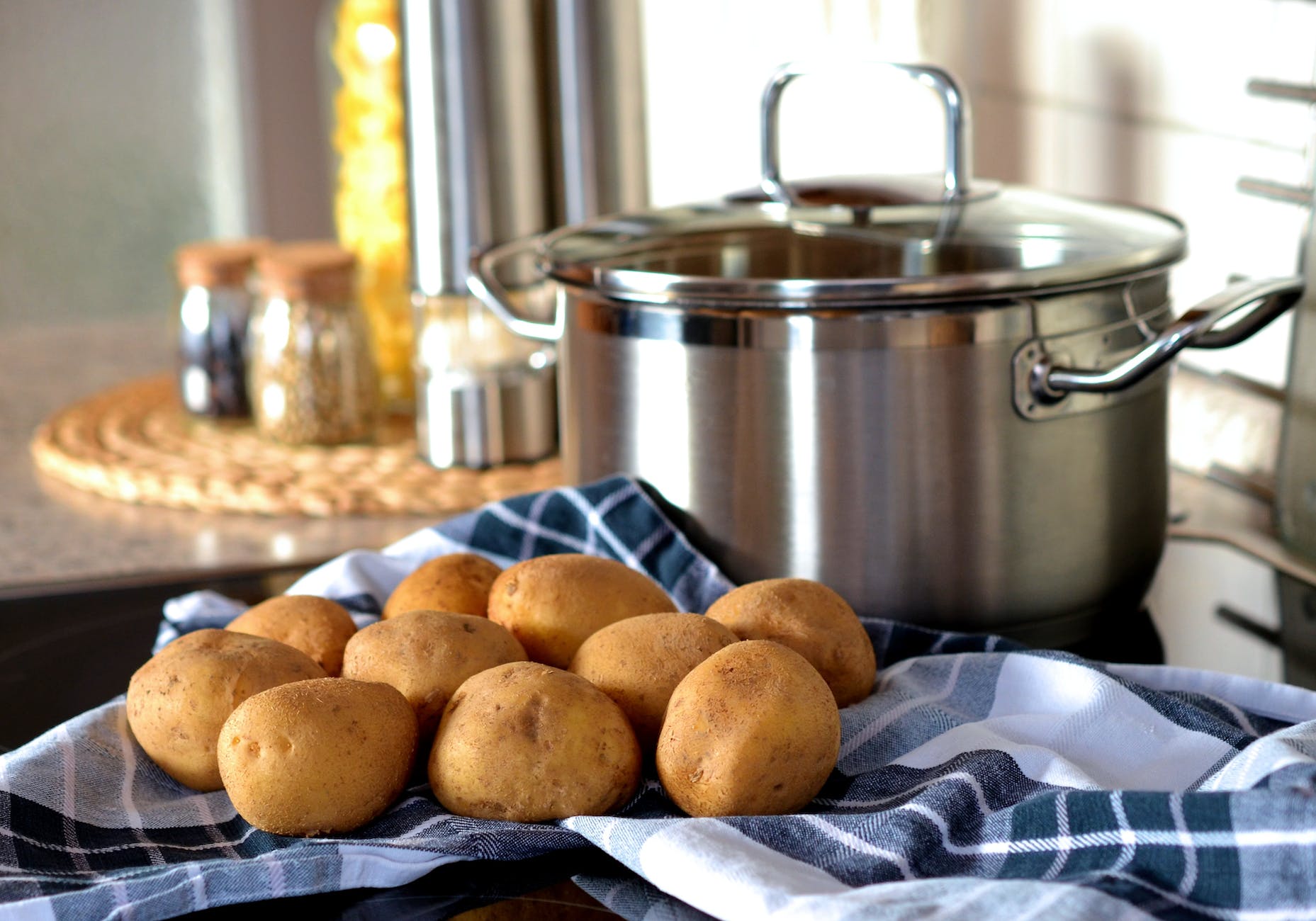
potatoes beside stainless steel cooking pot

When it comes to mashed potatoes, few chefs have mastered the art quite like the renowned Gordon Ramsay. Known for his culinary expertise and exceptional flavor combinations, Ramsay’s mashed potatoes are a true delight. In this tantalizing blog post, we’ll guide you through the steps to recreate Gordon Ramsay’s signature mashed potatoes, ensuring you achieve creamy, fluffy, and flavorful results that will elevate your dining experience. Get ready to impress your family and friends with this show-stopping side dish straight from the culinary genius himself! 🥔🍽️

🍟 Ingredients for Gordon Ramsay’s Mashed Potatoes To recreate Gordon Ramsay’s iconic mashed potatoes, you’ll need the following ingredients:

  • 2 pounds (900 grams) of Yukon Gold or Russet potatoes, peeled and cut into chunks
  • 1 cup (240 ml) of heavy cream
  • 1/2 cup (115 grams) of unsalted butter
  • 4 cloves of garlic, minced
  • Salt and freshly ground black pepper, to taste
  • Chopped fresh chives, for garnish (optional)

🍟 Step-by-Step Instructions Follow these steps to create Gordon Ramsay’s exquisite mashed potatoes:

1️⃣ Boil the Potatoes: Place the peeled and cut potatoes in a large pot of salted water. Bring the water to a boil and cook the potatoes until tender, about 15-20 minutes. Test for doneness by inserting a fork into the potatoes; they should be easily pierced.

2️⃣ Heat the Cream: While the potatoes are cooking, in a separate saucepan, heat the cream over low heat until warm. This will ensure that the cream incorporates smoothly into the mashed potatoes.

3️⃣ Prepare the Garlic Butter: In a small saucepan, melt the butter over low heat. Add the minced garlic and cook for a minute or two until fragrant. Be careful not to brown the garlic, as it can turn bitter.

4️⃣ Drain and Mash the Potatoes: Once the potatoes are cooked, drain them well and return them to the pot. Using a potato masher or a ricer, mash the potatoes until they are smooth and free of lumps. Take care not to over-mash, as this can result in a gluey texture.

5️⃣ Incorporate the Cream and Garlic Butter: Gradually pour the warm cream into the mashed potatoes, stirring gently with a wooden spoon or spatula. Continue adding the cream until the desired consistency is achieved. Next, pour the garlic butter into the mashed potatoes and mix well to distribute the flavors evenly.

6️⃣ Season to Perfection: Season the mashed potatoes with salt and freshly ground black pepper to taste. Give them a final stir to incorporate the seasoning throughout the dish. Taste and adjust the seasoning as needed.

7️⃣ Serve and Garnish: Transfer the mashed potatoes to a serving dish. For an extra touch of freshness and visual appeal, sprinkle chopped fresh chives over the top as a garnish.

See the YouTube video by Chef Gordon Ramsay’s Guide to Potatoes.

🍟 Join Our Foodie Community! We invite you to join our vibrant community of food lovers on our Facebook group. Share your creations, get inspired by others, and exchange ideas to take your culinary skills to new heights. There’s no better way to elevate your cooking game than by connecting with fellow foodies who share the same passion.

🥔💡 Now that you’ve learned the secrets behind Gordon Ramsay’s exquisite mashed potatoes, it’s time to put your skills to the test. Follow these steps, savor the creamy and flavorful results, and delight your taste buds with this culinary masterpiece. Remember, great mashed potatoes require patience, attention to detail, and quality ingredients. So gather your tools and ingredients, and let’s embark on a mashed potato adventure that would make Gordon Ramsay proud! 🍽️🥔

Posted on — 1 Comment

Calories in a Pork Chop: Understanding the Nutrition

Pork chops are a staple in many diets around the world, known for their versatility and rich flavor. However, when it comes to nutrition, especially calories, there can be a lot of variation depending on how the pork chop is prepared and served. In this post, we will explore the calorie content and nutritional profile of pork chops, considering various cooking methods and serving sizes. This information will help you make informed choices about including pork chops in your diet, whether you’re watching your calorie intake, tracking macros, or just trying to eat healthier.

Caloric Content of Pork Chops

Standard Serving Sizes

  • Raw Pork Chop: The calories in a raw pork chop can vary significantly based on the cut and size. On average, a raw 3-ounce (85 grams) serving has about 170-200 calories.
  • Cooked Pork Chop: Cooking methods can alter the caloric content. For example, a grilled 3-ounce pork chop might contain slightly fewer calories than a fried one due to less added fat.

Variations by Preparation

  • Fried Pork Chop: Adding breading and frying increases the calorie count. A breaded, fried pork chop can have upwards of 300 calories or more for a 3-ounce serving.
  • Baked or Grilled Pork Chop: These methods typically result in fewer calories compared to frying, especially if minimal oil or butter is used.

Macronutrient Breakdown

Protein Content

  • High in Protein: Pork chops are an excellent source of protein, with a 3-ounce serving providing about 22-25 grams of protein.

Fat Content

  • Varies with Cut: Leaner cuts like loin chops have less fat, whereas rib chops have more. The fat content can range from 5 to 20 grams per 3-ounce serving.

Carbohydrates

  • Carb-Free: Pork chops contain no carbohydrates unless they are breaded or glazed with sugary sauces.

Additional Nutritional Information

Vitamins and Minerals

Pork chops are a good source of B vitamins, particularly vitamin B12, niacin, and thiamine. They also provide important minerals like zinc and selenium.

Cholesterol and Sodium

  • Cholesterol: Pork chops contain cholesterol, with amounts varying based on the cut and preparation.
  • Sodium: The sodium content can be high, especially in processed or marinated pork chops.

Considerations for Dietary Needs

Weight Management

  • Calorie-Dense: While pork chops are protein-rich, they can also be calorie-dense, especially when fried or served with rich sauces.

Low-Carb and Keto Diets

  • Suitable for Low-Carb Diets: Pork chops can fit into low-carb and ketogenic diets when prepared without breading or sugary glazes.

Heart Health

  • Lean Cuts: Opting for lean cuts and avoiding excessive salt can make pork chops a healthier choice for those concerned about heart health.

Cooking Tips for Healthier Pork Chops

Healthier Cooking Methods

  • Grilling and Baking: These methods can reduce the calorie content compared to frying.
  • Trimming Fat: Trimming visible fat can lower the calorie and fat content.

Portion Control

  • Moderation is Key: Be mindful of serving sizes, especially if you’re watching your calorie intake.

Conclusion

Pork chops can be a nutritious part of your diet, offering high-quality protein and essential nutrients. By being aware of the calorie content and choosing healthier cooking methods, you can enjoy pork chops in a way that aligns with your dietary goals and preferences.


10 FAQs for “Calories in a Pork Chop”

  1. How many calories are in a typical pork chop? The calorie count in a pork chop varies based on its size and cooking method. A standard 3-ounce cooked pork chop has approximately 170-200 calories.
  2. Does the cooking method affect the calorie count in pork chops? Yes, cooking methods can significantly impact the calorie content. For example, grilled or baked pork chops usually contain fewer calories than fried ones due to less added fat.
  3. What is the protein content in a pork chop? Pork chops are rich in protein. A 3-ounce serving typically contains about 22-25 grams of protein, making them an excellent source for muscle building and repair.
  4. Are pork chops suitable for a low-carb diet? Absolutely! Pork chops are carb-free unless they are breaded or glazed with a carbohydrate-rich sauce, making them suitable for low-carb diets like keto.
  5. What amount of fat is in a pork chop? The fat content in pork chops can range from 5 to 20 grams per 3-ounce serving, depending on the cut and how it’s prepared.
  6. Can eating pork chops help with weight loss? Pork chops can be part of a weight loss diet if prepared healthily (like grilling or baking) and consumed in moderation due to their high protein and moderate calorie content.
  7. What are some healthy ways to cook pork chops? Grilling, baking, and sautéing with minimal oil are healthier cooking methods for pork chops. Trimming visible fat before cooking can also reduce calorie intake.
  8. Do pork chops contain any vitamins or minerals? Yes, pork chops are a good source of B vitamins, particularly B12, niacin, and thiamine, as well as minerals like zinc and selenium.
  9. How do bone-in and boneless pork chops differ nutritionally? Bone-in pork chops tend to have slightly more fat and calories compared to boneless ones, but the difference is not significant. The main variation comes from the cooking method used.
  10. What portion size of pork chop is recommended for a balanced diet? A balanced portion size is typically around 3 to 4 ounces of cooked pork chop, which provides a good balance of protein and calories.

Blog Tags

pork chops, calorie content, protein-rich food, low-carb diet, healthy cooking, nutritional facts, weight loss, balanced diet, cooking methods, dietary choices

Posted on — 1 Comment

What is the Mediterranean Diet? Free PDF Meal Plan Inside


Introduction:

Are you looking to transform your eating habits and embrace a lifestyle that’s not only healthy but also delicious and satisfying? Look no further than the Mediterranean Diet – a time-tested eating pattern celebrated for its numerous health benefits and culinary delights. In this post, we dive into the heart of the Mediterranean Diet and offer you a comprehensive Beginner’s Guide to the Mediterranean Diet, complete with a Printable Meal Plan, available for free download!


Discovering the Mediterranean Diet: A World of Flavor and Health

The Mediterranean Diet is more than just a list of foods; it’s a journey into a world where food is about freshness, flavor, balance, and enjoyment. Rooted in the eating habits of countries bordering the Mediterranean Sea, this diet is renowned for its ability to improve overall health, boost longevity, and provide a diverse palette of tasty options.

Key Highlights of the Mediterranean Diet:

  • Rich in Nutrients: Emphasizes fruits, vegetables, whole grains, and healthy fats, particularly olive oil.
  • Heart-Healthy: Linked to reduced risks of heart disease, high blood pressure, and unhealthy cholesterol levels.
  • Weight Management: Promotes a balanced approach to eating that naturally aligns with weight management goals.
  • Diverse and Delicious: Offers a variety of flavors and ingredients, making meals enjoyable and satisfying.

Your Guide to Starting the Mediterranean Diet – Free PDF Download

We understand that beginning a new diet can be daunting, which is why we’ve created the Beginner’s Guide to the Mediterranean Diet. This guide is your roadmap to understanding and implementing the diet, featuring:

  • A Detailed 7-Day Meal Plan: Enjoy a week of delicious and easy-to-prepare meals.
  • Tasty and Simple Recipes: Discover new favorites with our collection of Mediterranean recipes.
  • Shopping List: Make grocery shopping a breeze with our organized shopping list.
  • Practical Meal Prep Tips: Save time and maintain the freshness of your meals throughout the week.

Download the Free Mediterranean Diet Meal Plan PDF


Embracing the Mediterranean Lifestyle

Adopting the Mediterranean Diet goes beyond what you eat. It’s about embracing a lifestyle that prioritizes health, enjoyment, and balance. Here are some tips to fully embrace this lifestyle:

  1. Enjoy Meals with Others: Make mealtime a social activity – eat with family or friends to enhance the experience.
  2. Cook and Experiment: Have fun in the kitchen experimenting with new ingredients and recipes.
  3. Stay Active: Combine the diet with regular physical activity for maximum health benefits.
  4. Listen to Your Body: Pay attention to hunger cues and enjoy foods in moderation.

Conclusion: A Journey to Better Health

Embarking on the Mediterranean Diet is a journey to better health and more enjoyable meals. It’s about discovering a world of foods that are as good for your body as they are for your taste buds. With our free downloadable PDF, you’re well on your way to embracing a lifestyle that is both nourishing and delightful.

Don’t forget to download your Free Mediterranean Diet Meal Plan and start your journey today! And if you find this guide helpful, please feel free to share it with friends and family.

Get Your Free Mediterranean Diet Meal Plan Here

10 FAQs on the Mediterranean Diet

  1. What Makes the Mediterranean Diet Different from Other Diets? The Mediterranean Diet stands out for its focus on whole foods, healthy fats, and balanced meals, emphasizing enjoyment of a variety of flavors and social dining experiences. Unlike restrictive diets, it encourages a sustainable and pleasurable approach to eating.
  2. Can the Mediterranean Diet Help with Weight Loss? Yes, the Mediterranean Diet can support weight loss. It’s rich in fiber and healthy fats, which can help you feel full and satisfied, reducing the likelihood of overeating.
  3. Is the Mediterranean Diet Suitable for Vegetarians? Absolutely! The diet is naturally plant-forward, making it easily adaptable for vegetarians. It includes a variety of plant-based proteins, like legumes and nuts, that can replace meat.
  4. How Does the Mediterranean Diet Impact Heart Health? The diet’s emphasis on heart-healthy fats, like olive oil and fatty fish, along with its low intake of processed foods and red meat, contributes to improved heart health, lower cholesterol, and reduced risk of heart disease.
  5. Are Dairy Products Included in the Mediterranean Diet? Dairy is included, but typically in moderate amounts. Options like Greek yogurt and cheese are common, focusing on quality rather than quantity.
  6. What Are Some Essential Foods in the Mediterranean Diet? Key foods include olive oil, fresh fruits and vegetables, whole grains, seafood, nuts, and legumes. Herbs and spices for flavoring are also essential, reducing the need for salt.
  7. Can the Mediterranean Diet be Adopted on a Budget? Yes, it can be budget-friendly. Focus on seasonal produce, buy grains in bulk, and choose local products. Incorporating more plant-based proteins can also be cost-effective compared to meat.
  8. How Does the Mediterranean Diet Benefit Long-Term Health? Long-term benefits include a lower risk of chronic diseases like type 2 diabetes, Alzheimer’s, and certain cancers. It also promotes overall well-being and longevity.
  9. What Kind of Fats Are Emphasized in the Mediterranean Diet? The diet emphasizes unsaturated fats, particularly monounsaturated fats from olive oil, nuts, and seeds, as well as omega-3 fatty acids from fish.
  10. Is Wine Allowed in the Mediterranean Diet? Moderate consumption of wine, particularly red wine, is part of the diet. However, it’s not mandatory and should be consumed responsibly, considering individual health conditions.

Blog Tags for the Post:

mediterranean diet, healthy eating, heart health, weight loss, plant-based nutrition, olive oil benefits, seafood recipes, whole grains, dietary fiber, balanced diet, sustainable eating, social dining, long-term health, unsaturated fats, red wine, culinary diversity, vegetarian-friendly, budget-friendly meals, chronic disease prevention, lifestyle choices

Posted on — Leave a comment

Eosinophilic Esophagitis (EoE) Elimination Diet FREE PDF

Introduction:

Eosinophilic Esophagitis (EoE) is more than just a medical term; it’s a reality for many individuals, presenting unique challenges in daily life. This condition, characterized by an influx of eosinophils in the esophagus, can significantly impact your ability to enjoy meals and maintain a healthy lifestyle. Understanding EoE is the first step toward effective management. To assist in this journey, we are thrilled to offer a comprehensive and free PDF guide focused on EoE elimination diets. This resource is designed to provide valuable insights and practical tools for those navigating the complexities of EoE.


Understanding Eosinophilic Esophagitis (EoE)

What is EoE?

EoE might sound complex, but it’s a condition that’s increasingly understood. At its core, EoE is a chronic immune/antigen-mediated condition where eosinophils, a type of white blood cell, accumulate in the esophagus. This accumulation leads to inflammation and a range of symptoms that can disrupt your normal eating habits and comfort.

Why Does Diet Matter?

One of the most effective ways to manage EoE is through dietary changes. Food can often be a trigger for EoE symptoms, and identifying which foods exacerbate your condition is a critical step in controlling it. However, navigating what to eat and what to avoid can be daunting.


The Critical Role of Dietary Management in EoE

Managing EoE effectively often involves a meticulous look at your diet. The relationship between what you eat and EoE symptoms is significant. For many, certain foods can trigger inflammation in the esophagus, leading to discomfort, pain, and difficulty swallowing.

Symptoms and Diagnosis

The symptoms of EoE can vary but often include difficulty swallowing (dysphagia), food impaction, and even chest pain. Diagnosing EoE typically involves endoscopy and biopsy, where a specialist looks for signs of eosinophilic activity in the esophagus.


Introducing the EoE Elimination Diet PDF

We understand the challenges that come with managing EoE, especially when it comes to diet. That’s why we’ve created a comprehensive EoE Elimination Diet PDF, available for free download. This guide is packed with information, from understanding EoE and its dietary implications to step-by-step instructions on managing your diet.

What’s Inside the Guide?

  • Detailed Overview of EoE: A deeper look into what EoE is and how it affects your body.
  • Step-by-Step Elimination Diet Instructions: Clear guidelines on how to implement and maintain an elimination diet.
  • EoE-Friendly Recipes: Delicious and safe recipe ideas that cater to your dietary needs.
  • Tips for Long-Term Management: Strategies to make dietary management a sustainable part of your lifestyle.

Stay tuned as we delve deeper into the specifics of various elimination diets and share practical advice for incorporating these changes into your daily life. And don’t forget to download your free copy of the EoE Elimination Diet PDF for a comprehensive guide to managing EoE through diet.

The Importance of Elimination Diets in EoE Management

Navigating Dietary Changes for EoE

For those grappling with Eosinophilic Esophagitis, the path to relief often lies in the kitchen. An elimination diet is not just a dietary change; it’s a therapeutic tool, crucial in pinpointing which foods trigger your EoE symptoms.

What is an Elimination Diet?

An elimination diet involves removing certain foods or food groups from your diet that are known to commonly trigger EoE symptoms. The goal is to eliminate these potential triggers, observe any changes in symptoms, and then gradually reintroduce these foods one at a time to identify specific triggers.

Types of Elimination Diets

  1. Six-Food Elimination Diet (SFED): This is the most comprehensive approach, removing the six most common allergens: dairy, wheat, eggs, soy, nuts, and seafood.
  2. Modified Elimination Diets: These include the two-food or four-food elimination diets, which are less restrictive and tailored based on individual sensitivities and medical advice.

Practical Steps in Implementing an Elimination Diet

Starting the Diet

  1. Consult a Specialist: Before embarking on this diet, consult with a healthcare professional. They can provide guidance and ensure the diet suits your specific health needs.
  2. Plan Your Meals: Prepare a meal plan that excludes the identified allergens. Ensure you include a variety of other foods to maintain a balanced diet.

During the Diet

  • Keep a Food Diary: Document everything you eat and any symptoms you experience. This diary will be crucial when you start reintroducing foods.
  • Stay Informed: Educate yourself about food labels and hidden ingredients to avoid accidental consumption of trigger foods.

Reintroducing Foods

  • Slow and Steady: After the elimination phase, reintroduce one food group at a time, allowing a few weeks before introducing another. This helps in clearly identifying which foods cause your symptoms.
  • Monitor and Record: Keep track of any changes in symptoms as you reintroduce each food.

Download Our Basic EoE Diet Guide

Your Roadmap to Managing EoE Through Diet

We’ve packed our EoE Elimination Diet PDF with all the information you need to navigate your EoE dietary journey. From detailed explanations of different elimination diets to practical tips on implementing and maintaining these diets, our guide is designed to empower you with knowledge and confidence.

What You’ll Find Inside:

  • Detailed Diet Plans: Step-by-step guides on following different elimination diets.
  • Recipe Ideas: Delicious, EoE-friendly recipes that don’t trigger symptoms.
  • Lifestyle Tips: Advice on managing your diet in social settings and maintaining a balanced nutritional intake.

Empower Yourself Today

Embark on your journey to better managing EoE by downloading the free guide now. Equip yourself with the knowledge and tools to take control of your EoE through diet, and share this valuable resource with others who might benefit from it.


Explore More About Eosinophilic Esophagitis (EoE)

For a comprehensive exploration of EoE, consider reading our series of articles, each offering unique insights and practical advice:

  1. EoE Elimination Diet – Free PDF: Discover the essentials of an elimination diet tailored for EoE management, complete with a downloadable PDF guide for easy reference.
  2. EoE Diet and Treatment Strategies: Learn about effective dietary strategies and treatment options that can help manage EoE symptoms.
  3. EoE Symptoms, Treatment, and Diet: Gain a thorough understanding of the symptoms of EoE and how diet plays a crucial role in treatment.
  4. Symptoms of Eosinophilic Esophagitis (EoE): Delve into a detailed analysis of the symptoms of EoE, helping you to identify and understand the condition better.
  5. EoE and Elimination Diets: Explore the connection between EoE and elimination diets, offering insights into how dietary adjustments can alleviate symptoms.

Each article in our series offers unique perspectives and practical tips, ensuring you have a well-rounded understanding of Eosinophilic Esophagitis. Whether you’re looking for detailed dietary advice, symptom identification, or treatment strategies, our resources are here to guide you.


10 FAQs for the Blog Post

  1. What exactly is Eosinophilic Esophagitis (EoE) and how does it affect eating habits?
    • EoE is a chronic condition where the esophagus becomes inflamed due to an allergic reaction, often to certain foods. This inflammation can lead to symptoms like difficulty swallowing, food impaction, and chest pain, directly impacting eating habits and overall comfort.
  2. How effective are elimination diets in managing EoE?
    • Elimination diets are highly effective in managing EoE for many individuals. By removing potential food allergens and then gradually reintroducing them, it becomes possible to identify specific triggers and adjust the diet to alleviate symptoms.
  3. What foods are commonly eliminated in an EoE diet?
    • The most commonly eliminated foods in an EoE diet include dairy, wheat, eggs, soy, nuts, and seafood, as these are typical allergens that can trigger EoE symptoms.
  4. Can children and adults follow the same dietary guidelines for EoE?
    • Yes, both children and adults can follow similar dietary guidelines for EoE, but the dietary plans may need to be adjusted for age-specific nutritional needs, especially for children.
  5. Is it possible to reintroduce foods back into the diet after elimination?
    • Yes, foods can be reintroduced after the elimination phase. Each food group should be reintroduced separately while monitoring for any return of symptoms, to identify specific triggers.
  6. How long does the elimination phase of the diet typically last?
    • The elimination phase of the diet typically lasts 6-8 weeks, after which foods are gradually reintroduced one at a time to observe the body’s reaction.
  7. What are some EoE-friendly meal ideas?
    • EoE-friendly meal ideas include smoothie bowls with safe fruits and dairy-free milk, quinoa salads with grilled chicken and vegetables, and stir-fried tofu or chicken with gluten-free grains and vegetables.
  8. Are there any risks associated with following an elimination diet for EoE?
    • The primary risk associated with an elimination diet is the potential for nutritional deficiencies if the diet is not well-balanced. It’s important to work with a healthcare provider to ensure all nutritional needs are met.
  9. How can someone with EoE manage eating out or attending social events?
    • Managing eating out with EoE involves researching restaurants in advance, communicating dietary needs to staff, and choosing dishes that align with dietary restrictions. Bringing safe dishes to social events can also help.
  10. Where can I find more detailed information on managing EoE with diet?
  • For comprehensive information on managing EoE with diet, you can download our free EoE Elimination Diet PDF. It offers detailed guidance on elimination diets, meal planning, and recipes suited for EoE management.

Blog Tags for the Post

eosinophilic esophagitis, EoE diet, elimination diet, managing EoE, EoE-friendly recipes, EoE symptoms, dietary management of EoE, EoE meal planning, EoE triggers, allergy-friendly diet, EoE dietary guide, EoE nutrition, EoE elimination diet PDF, EoE in adults, EoE in children