Posted on 2 Comments

Eggs Benedict: Desi Twist Challenge


Welcome to a Flavorful Fusion!

Imagine a dish that combines the elegance of Western brunches with the vibrant zest of Indian cuisine. That’s what we’re diving into today! Welcome to our exploration of Eggs Benedict, a classic that has graced breakfast tables around the world, now ready to be infused with a delightful Indian twist.

Why Eggs Benedict?

Eggs Benedict, traditionally a symphony of English muffins, poached eggs, Canadian bacon, and Hollandaise sauce, has always been a symbol of indulgent mornings and leisurely brunches. But what if we add a dash of desi magic to it?

What’s in Store for You

In this post, we’re not just revisiting the classic recipe; we’re reinventing it! We’ll explore the top five Eggs Benedict recipes from renowned culinary sites and then, hold onto your taste buds, we’re going to Indianize them! Think tandoori chicken replacing Canadian bacon, naan instead of English muffins, and a Hollandaise sauce with a spicy twist. And then there is the contest, for those who enjoy cooking and sharing, read till the end!

Join the Culinary Adventure

So, whether you’re a seasoned chef or a curious foodie, this post is your ticket to creating a brunch that’s truly unforgettable. Let’s embark on this delicious journey together, blending the best of both worlds, one poached egg at a time!


Exploring the Classics: A Deep Dive into the Top 5 Eggs Benedict Recipes


1. The Quintessential Classic: Allrecipes’ Traditional Eggs Benedict

  • The Original Blueprint: Allrecipes’ traditional Eggs Benedict recipe is a homage to the classic version of this beloved brunch dish. It’s a comprehensive guide for those who value authenticity and want to recreate the timeless taste of Eggs Benedict.
  • What You’ll Learn: This recipe meticulously details each step, from toasting the English muffins to perfection, poaching eggs to just the right degree of runniness, layering the Canadian bacon, and finally, draping everything in a velvety Hollandaise sauce.
  • Why It’s a Must-Try: Perfect for culinary enthusiasts who appreciate the elegance of traditional cooking and are looking to master the foundational recipe of Eggs Benedict.

2. The Art of Precision: Simply Recipes’ Eggs Benedict

  • Culinary Choreography: The Simply Recipes version of Eggs Benedict focuses on the delicate balance and timing required to bring this dish to life. It’s a testament to the art of cooking, where every component must come together in perfect harmony.
  • Key Highlights: The recipe guides you through achieving crispy, yet not overdone bacon, butter-laden English muffins with just the right amount of crunch, eggs poached to a delicate tenderness, and a Hollandaise sauce that’s creamy and rich without being overpowering.
  • Ideal For: This recipe is a fantastic choice for those who love the intricacies of cooking and enjoy the challenge of juggling multiple elements to create a harmonious dish.

3. Mastering the Poached Egg: Allrecipes’ Detailed Guide

  • The Centerpiece of the Dish: The poached egg is arguably the star of Eggs Benedict, and the Allrecipes guide offers an in-depth tutorial on mastering this technique. It’s a deep dive into achieving that elusive perfect consistency.
  • What’s Inside: The guide covers everything from the right water temperature to the gentle swirling technique that ensures your eggs are beautifully encased in a delicate white cocoon, with yolks that are runny and rich.
  • For Whom: This guide is an invaluable resource for anyone who has struggled with poaching eggs or is keen to perfect this essential skill in their culinary repertoire.

4. The Homemade Touch: Tastes Better From Scratch’s Eggs Benedict

  • Bringing Brunch Home: Tastes Better From Scratch offers a recipe that brings the sophistication of a brunch restaurant into the comfort of your home. It’s about creating something extraordinary from everyday ingredients.
  • Recipe Highlights: The focus is on a homemade Hollandaise sauce that’s surprisingly simple yet incredibly flavorful, coupled with the classic components of Eggs Benedict, all prepared with a personal touch.
  • Why It’s Special: Ideal for home cooks who want to impress family and guests with a dish that looks as stunning as it tastes, this recipe is a testament to the joy of homemade culinary creations.

5. The Restaurant-Style Experience: NatashasKitchen’s Elegant Eggs Benedict

  • Elevating Breakfast to Fine Dining: NatashasKitchen’s Eggs Benedict recipe is all about recreating the finesse of a high-end brunch spot in your own kitchen. This recipe is a blend of visual appeal and exquisite taste.
  • What to Expect: The recipe walks you through creating a visually stunning and palate-pleasing dish, with tips on presentation and flavor enhancement that elevate the ordinary Eggs Benedict to something truly extraordinary.
  • Perfect For: Those who love to bring a touch of gourmet flair to their cooking, this recipe is a gateway to transforming a simple breakfast into a luxurious dining experience.

In this section, we’ve explored the top five Eggs Benedict recipes, each offering unique insights and techniques. These recipes provide a solid foundation for anyone looking to master this classic dish, setting the stage for creative adaptations and personal touches.

Eggs Benedict: A Diverse Indian Culinary Odyssey


Revolutionary Base Options:

  • Dhokla or Idli: Start with a light, airy dhokla or a soft, steamed idli. These traditional snacks offer a unique, spongy texture, perfect for soaking up flavors.
  • Ragi Dosa or Jowar Roti: For a healthier twist, consider a ragi (finger millet) dosa or a jowar (sorghum) roti. These grains are not only nutritious but also bring a nutty flavor to the base.
  • Bhatura or Puri: For a richer option, try a fluffy bhatura or a crispy puri. These deep-fried breads add a delightful crunch and indulgence to the dish.

also read 10 Examples of Egg Dishes, with 2 Eggs

Protein Variants Beyond the Ordinary:

  • Chettinad Chicken or Goan Prawn Balchão: Spice up the protein layer with a fiery Chettinad chicken or a tangy Goan prawn Balchão, both bursting with regional Indian flavors.
  • Masala Vada or Paneer Tikka: For vegetarians, a crunchy masala vada or a smoky paneer tikka can replace the traditional meat, adding a delightful texture and rich taste.
  • Amritsari Fish or Lamb Galouti Kebab: Experiment with Amritsari fish, known for its spicy batter, or a melt-in-the-mouth lamb Galouti kebab for a luxurious touch.

Eggs with an Indian Infusion:

  • Masala Poached Egg: Infuse the poaching liquid with a bouquet of Indian spices like star anise, cinnamon, and bay leaves for a subtly spiced egg.
  • Tandoori Egg: Marinate a soft-boiled egg in a tandoori masala and give it a quick char for a smoky, spiced exterior.
  • Egg Bhurji: Replace the poached egg with a spicy, scrambled egg bhurji, rich with onions, tomatoes, and a mix of Indian spices for a heartier option.

Innovative Sauces:

  • Mint-Coriander Hollandaise: Blend the classic Hollandaise with mint and coriander for a refreshing, herby twist.
  • Coconut-Tamarind Hollandaise: Combine coconut milk and tamarind paste for a sweet and sour version, adding a South Indian flair.
  • Tomato and Fenugreek Hollandaise: A tomato-based Hollandaise infused with dried fenugreek leaves can offer a tangy and aromatic alternative.

Also read Coconut Milk Nutrition Facts & Glycemic Index Impact

Garnishes with a Creative Edge:

  • Fried Curry Leaves and Sliced Almonds: Add a crunch with fried curry leaves and a nutty flavor with sliced almonds.
  • Pomegranate Seeds and Sev: Sprinkle pomegranate seeds for a burst of sweetness and sev (crispy chickpea flour noodles) for an extra crunch.
  • Pickled Vegetables and Microgreens: Top with tangy pickled vegetables and fresh microgreens for a burst of freshness and a contrast in textures.

This reimagined Eggs Benedict is a journey through the vast and varied landscape of Indian cuisine. Each component offers a chance to explore different regional flavors and textures, encouraging culinary experimentation and creativity. It’s a dish that not only tantalizes the taste buds but also tells a story of India’s rich and diverse culinary heritage.


Join the Culinary Adventure: Share Your Creations with #MasalaMonk


We’ve embarked on a flavorful journey, reimagining the classic Eggs Benedict with a vibrant Indian twist. Now, it’s your turn to bring these ideas to life in your kitchen. We encourage you to experiment, mix and match, and create your own unique versions of this iconic dish. Whether you stick to the traditional roots or venture into uncharted culinary territories, we want to see your creativity shine!

Here’s How You Can Participate:

  1. Create and Experiment: Use the ideas shared as a starting point and add your personal touch. Whether it’s a new base, a twist on the protein, an innovative sauce, or an unexpected garnish, let your culinary instincts lead the way.
  2. Capture and Share: Once you’ve created your masterpiece, take a beautiful photo and share it on Instagram. Use the hashtag #MasalaMonk so we can find your creations easily. Don’t forget to tag us in your post!
  3. Engage with the Community: After sharing your creation on Instagram, come back to this post and leave a comment. Share your experience, the recipe, or any tips you have for fellow food enthusiasts. This is a great way to connect with others who share your passion for cooking and Indian cuisine.

Exciting Rewards Await!

  • Get Featured: We’ll be keeping an eye out for the most interesting, innovative, and mouth-watering recipes. The best creations will be featured on our platform, showcasing your culinary talent to a wider audience.
  • Win MasalaMonk Goodies: As a token of appreciation, selected entries will receive special goodies worth Rs. 2100, from MasalaMonk.com. It’s our way of celebrating your culinary skills and encouraging you to keep experimenting.

This is more than just a cooking challenge; it’s a celebration of flavors, creativity, and community. So, put on your chef’s hat, get those spices ready, and start cooking! We can’t wait to see what amazing dishes you come up with. Happy cooking, and may the best Eggs Benedict win!


Further Reading: Exploring the Nutritional World of Eggs


For those of you who are as fascinated by the versatility and nutritional benefits of eggs as we are, we’ve compiled a list of insightful articles. These reads will not only deepen your understanding of the nutritional aspects of eggs but also inspire you with delicious egg-based recipes. Dive into these resources for a comprehensive look at eggs from various culinary and health perspectives:

  1. Protein Powerhouse: Discover the impressive protein content in boiled eggs and explore their comprehensive nutritional profile, including calories, fats, vitamins, and minerals. Read more about the protein in two boiled eggs.
  2. Yolk Wonders: Uncover the rich nutrient content of egg yolks, including proteins, vitamins, minerals, and fatty acids. This article is a must-read for understanding the health benefits and culinary uses of egg yolks. Explore the nutritional protein profile of egg yolks.
  3. Egg Whites Unveiled: Learn about the low-calorie and high-protein profile of egg whites, their role in various diets, and their versatility in cooking. This piece is particularly useful for those interested in weight management and muscle building. Delve into the calories and nutrition in egg whites.
  4. Scrambled Egg Nutrition: Gain insights into the protein-rich nature of scrambled eggs, including their caloric and fat content, along with tips for healthier preparation. Read about the protein in 3 scrambled eggs.
  5. Creative Egg Dishes: Get inspired by ten delightful egg dishes prepared with just two eggs. This article offers a creative culinary perspective, expanding your options for incorporating eggs into your meals. Explore 10 examples of egg dishes with 2 eggs.

These articles collectively offer a well-rounded perspective on eggs, catering to fitness enthusiasts, health-conscious individuals, and culinary aficionados alike. Whether you’re exploring the protein-packed world of boiled eggs, delving into the nutrient-rich yolk, opting for the lean protein of egg whites, or enjoying the wholesome goodness of scrambled eggs, these posts provide valuable information to enhance your dietary choices and cooking repertoire.


FAQs for “Indian Fusion Eggs Benedict: A Culinary Adventure”

  1. What makes Indian Fusion Eggs Benedict different from the traditional version?
  • Indian Fusion Eggs Benedict transforms the classic dish with bold Indian flavors. It incorporates elements like spiced kulcha or idli as the base, richly flavored proteins like lamb keema or paneer tikka, and innovative sauces such as mint-coriander hollandaise, offering a unique and vibrant culinary experience.
  1. Can I make a vegetarian version of Indian Fusion Eggs Benedict?
  • Absolutely! A vegetarian version can include paneer bhurji or masala vada as the protein. You can also experiment with various vegetarian toppings like spiced tofu or vegetable kebabs to add your personal touch.
  1. What are some healthy alternatives for the base in Indian Fusion Eggs Benedict?
  • For a healthier base, consider using ragi dosa, jowar roti, or a lightly toasted multigrain bread. These options provide a nutritious twist while maintaining the dish’s integrity and flavor.
  1. How can I infuse Indian flavors into the Hollandaise sauce?
  • Infuse the Hollandaise sauce with Indian herbs and spices like mint, coriander, or a hint of garam masala. You can also experiment with coconut milk or tamarind for a unique South Indian twist.
  1. What are some creative egg options for this dish?
  • Instead of the traditional poached egg, try a masala poached egg, a tandoori spiced soft-boiled egg, or even an egg bhurji for a heartier option. Each style adds a different texture and flavor to the dish.
  1. Can I prepare Indian Fusion Eggs Benedict for a large group?
  • Yes, this dish can be scaled up for larger groups. Prepare components like the base and protein in advance, and assemble with freshly poached eggs and sauce when ready to serve.
  1. Are there any quick and easy versions of this recipe?
  • For a quicker version, use pre-made components like store-bought naan or roti as the base, and simplify the toppings with readily available ingredients like pre-cooked meats or paneer.
  1. What are some garnishing ideas to enhance the dish?
  • Garnish with crispy fried onions, fresh herbs like cilantro, and pomegranate seeds for a sweet crunch, or a sprinkle of chaat masala for an extra zing.
  1. How can I make this dish vegan-friendly?
  • To make a vegan version, use a vegan bread base, tofu scramble or spiced chickpea mixture as the protein, and a cashew-based vegan hollandaise sauce. Replace the egg with a tomato or avocado slice for added freshness.
  1. Where can I share my version of Indian Fusion Eggs Benedict?
    • Share your creation on Instagram using the hashtag #MasalaMonk. Don’t forget to come back and comment on our post with your experience and recipe. The most interesting recipes might get featured and win goodies from MasalaMonk.com!

Blog Tags for the Post

Indian cuisine, fusion recipes, Eggs Benedict, vegetarian options, healthy cooking, Indian spices, culinary creativity, home cooking, food experimentation, brunch ideas, gourmet dishes, international cuisine, cooking tips, recipe sharing, food photography, Masala Monk, culinary adventure, Indian flavors, innovative cooking, food blogging

Posted on 1 Comment

Wall Pilates: Guide to Full-Body Strength and Flexibility


🌿 Introduction: Embrace the Wall Pilates Revolution

🌟 Redefining Home Workouts:
Welcome to the transformative world of Wall Pilates, a fitness phenomenon that’s reshaping home workouts into highly effective sessions of core strengthening, flexibility, and balance. If you’ve been browsing fitness trends online, you’ve likely come across this burgeoning sensation. It’s not just a workout; it’s a movement towards smarter, more efficient exercise.

🔍 What’s Wall Pilates?
Imagine merging the timeless elegance of Pilates with the practicality and support of a simple wall. That’s Wall Pilates for you – a novel approach to fitness that elevates traditional Pilates routines by incorporating the wall as a tool for resistance and support. It’s a full-body workout system that’s as effective as it is innovative.

🧘 Accessible, Effective, Transformative:
Whether you’re a dedicated fitness enthusiast or just starting your journey, Wall Pilates is remarkably inclusive. Requiring minimal equipment and space, it brings the studio experience into your home. It’s about making fitness accessible, enjoyable, and most importantly, effective.

🌈 Start Your Journey to Wellness:
Your journey to a stronger, more flexible, and balanced self begins right in the comfort of your home. With Wall Pilates, every session is an opportunity to explore new depths of strength and flexibility. So, roll out your mat, clear a spot near the wall, and step into a world where fitness meets simplicity and elegance.

🌟 Ready, Set, Transform:
In this guide, we’ll walk you through the incredible benefits of Wall Pilates, provide detailed instructions for core exercises, and share tips on integrating this practice into your daily routine. Get ready to reshape your approach to fitness, one wall-assisted movement at a time.

Section 1: Unraveling the Mystique of Wall Pilates


🔎 A Closer Look at Wall Pilates

Understanding the Concept:
Wall Pilates, at its core, is an innovative adaptation of traditional Pilates. It ingeniously uses a wall as a tool for support and resistance. This method not only brings a refreshing twist to familiar Pilates exercises but also opens up a myriad of new possibilities for enhancing your workout regimen.

The Evolution:
While traditional Pilates focuses on core strength, alignment, and mind-body connection, Wall Pilates takes these principles and amplifies them. The wall acts as a versatile prop, enabling a range of exercises that challenge your body in new and exciting ways.


🌟 Benefits of Integrating the Wall

Enhanced Muscle Activation:
With the wall providing resistance, exercises become more challenging, leading to increased muscle engagement and strength development, particularly in the core, glutes, and legs.

Improved Balance and Coordination:
The stability offered by the wall aids in developing better balance and coordination, an essential aspect of overall fitness and injury prevention.

Accessible and Adaptable:
Whether you’re a beginner or an experienced practitioner, Wall Pilates is highly adaptable. It offers support for newcomers while presenting opportunities for challenges as your skills progress.


🌈 The Wall Pilates Advantage

Innovative and Fun:
Wall Pilates brings an element of innovation and fun to your routine. It encourages creativity in workouts, making them more engaging and enjoyable.

Whole-Body Wellness:
It’s not just about physical strength; Wall Pilates enhances overall well-being. It aids in stress reduction, improves posture, and increases body awareness, contributing to a holistic approach to health.

Section 2: Mastering the Essentials of Wall Pilates


🌟 The Essence of Wall Pilates: A Deeper Dive

Understanding the Foundation:
Wall Pilates isn’t just a set of exercises; it’s a philosophy of movement that combines the core principles of traditional Pilates with the added dimension of a wall. It focuses on control, precision, breath, and fluidity, each enhanced by the stabilizing and resisting presence of the wall.

The Wall as Your Partner:
The wall in Wall Pilates isn’t merely a backdrop; it’s an active participant in your workout. As a multifaceted tool, the wall offers support, challenges your balance, and adds resistance, enabling a broader spectrum of movement and intensity in your exercises.


🔍 Delving into Core Wall Pilates Exercises

1. Wall Bridges for Lower Body Strength:
This exercise is a dynamic way to engage your glutes and lower back. With feet pressed against the wall, you elevate the traditional bridge, enhancing control and engagement.

2. Dynamic Wall Planks for Core Engagement:
Wall Planks are a comprehensive exercise targeting core strength and stability. The wall provides a stability challenge, allowing for numerous variations to target different core muscles.

3. Wall Squats for Leg and Glute Power:
These squats are ideal for building strength in your legs and glutes. The wall helps maintain proper alignment, allowing you to focus on form and depth, making the exercise effective for all fitness levels.

4. Graceful Leg Circles for Flexibility:
Leg circles are a testament to the control and precision that Wall Pilates promotes. Supported by the wall, you can concentrate on the fluidity and range of motion, enhancing leg flexibility and control.

5. Wall Push-Ups for Upper Body Conditioning:
Integrating push-ups with wall support can significantly improve upper body strength. The wall offers a unique resistance angle, engaging your arms, shoulders, and chest more effectively.

6. The Wall Roll-Down for Spinal Flexibility:
This exercise is fantastic for spinal health and flexibility. It involves a slow, controlled roll down against the wall, which helps in lengthening the spine and releasing tension.


🌈 Exploring the Benefits of Wall Pilates Exercises

Holistic Strength and Flexibility:
Each exercise in Wall Pilates is crafted to enhance both strength and flexibility. From core stability in planks to the spinal alignment in roll-downs, these exercises contribute to a holistic fitness experience.

Adaptability for Every Fitness Level:
One of the most appealing aspects of Wall Pilates is its adaptability. Exercises can be adjusted to cater to different strengths, making the practice inclusive for beginners, intermediate practitioners, and advanced enthusiasts.

Mind-Body Connection:
Wall Pilates emphasizes the Pilates principle of mind-body connection. It encourages mindfulness and concentration, making each session not just a physical workout but also a mental rejuvenation.

Section 3: Integrating Wall Pilates into Your Lifestyle


🌿 Embracing Wall Pilates as a Daily Practice

Seamless Integration into Daily Life:
Incorporating Wall Pilates into your daily routine is simpler than you might think. Its versatility allows for short sessions that can be easily fitted into busy schedules — whether it’s a morning routine to kickstart your day, a midday break for mental clarity, or an evening session to unwind.

Creating a Habit:
Consistency is key in reaping the full benefits of Wall Pilates. Establishing a regular practice, even if it’s just 10-15 minutes a day, can lead to significant improvements in strength, flexibility, and overall well-being.


🔍 Customizing Your Wall Pilates Routine

Tailoring to Your Needs:
Wall Pilates is highly customizable. Whether your focus is on strengthening, flexibility, or stress relief, you can tailor your routine to meet your specific goals and preferences.

Progressive Challenges:
As you grow more comfortable with the basics, gradually introduce new exercises or increase the duration and intensity of your sessions. This progression will help you continuously challenge and develop your body and mind.


🌟 Integrating Mindfulness and Relaxation

Beyond Physical Fitness:
Wall Pilates isn’t just a physical exercise; it’s a practice that fosters mindfulness and relaxation. Incorporating breathing techniques and mindfulness into your sessions can enhance mental clarity and reduce stress.

Creating a Mind-Body Connection:
Each session is an opportunity to deepen your connection with your body, listen to its cues, and move with intention. This mindful approach can lead to a more harmonious balance between physical fitness and mental well-being.


🌈 Making Wall Pilates a Part of Your Wellness Journey

Adaptable for All Ages and Fitness Levels:
Regardless of age or fitness level, Wall Pilates is an inclusive practice. It offers a safe and effective way for everyone to improve their health and fitness.

A Lifelong Companion:
Wall Pilates can be a lifelong companion in your wellness journey. Its adaptability and gentle nature make it a sustainable practice that can evolve with you over time.

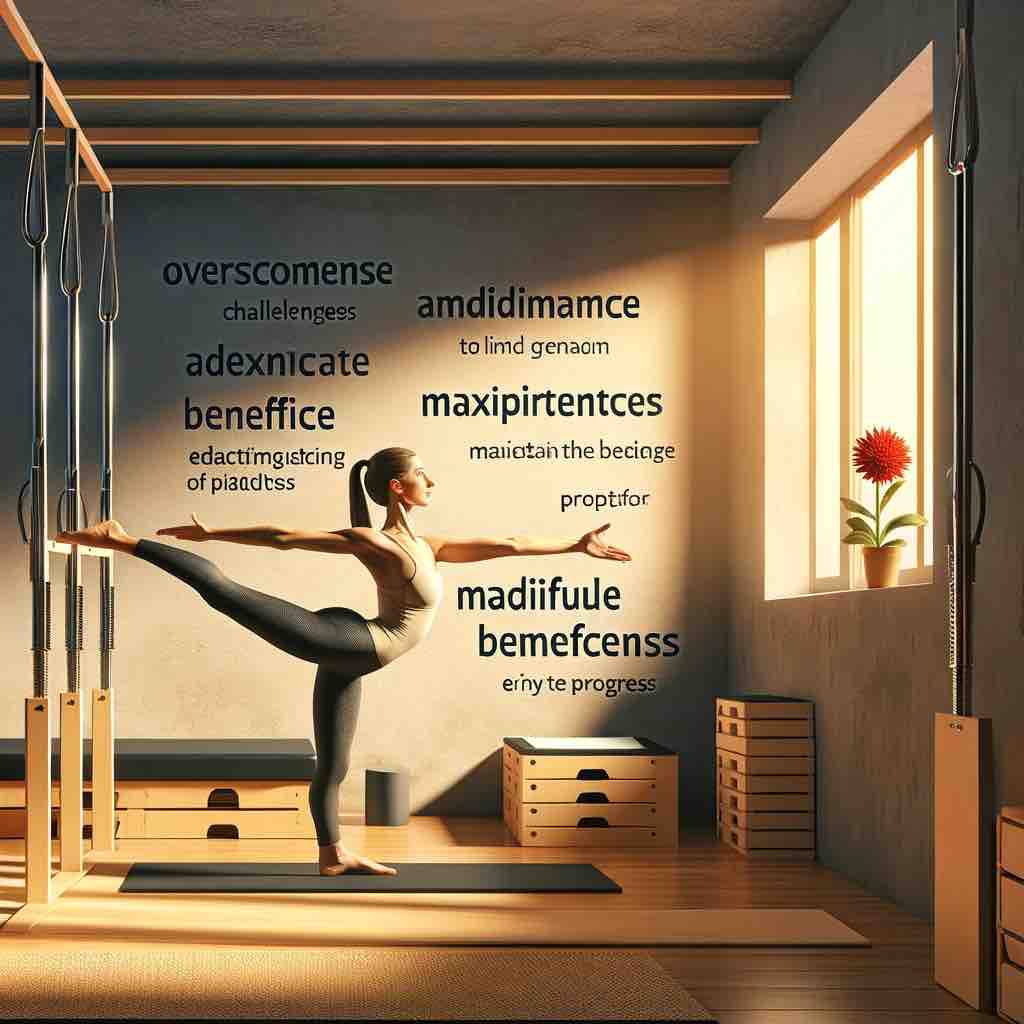
Section 4: Overcoming Challenges and Maximizing Benefits


🌟 Identifying and Overcoming Common Challenges

1. Space Constraints:
Many assume that a large space is required for Wall Pilates. However, you only need enough room to extend your arms and legs. Creative use of space, like moving furniture temporarily, can make even small areas suitable for practice.

2. Maintaining Consistency:
Consistency can be challenging, especially for beginners. Setting a specific time for your practice or integrating it into existing routines, like after morning meditation or before evening relaxation, can help establish a regular habit.

3. Progress Plateaus:
If you feel your progress stalling, it might be time to vary your routine. Incorporating new exercises, adjusting the intensity, or even changing the time of day you practice can reinvigorate your Pilates journey.


🔍 Maximizing the Benefits of Wall Pilates

Enhanced Mind-Body Connection:
Focus on the mind-body connection in each session. Being mindful of your movements and breath can enhance the effectiveness of the exercises and provide a more holistic experience.

Integrating Complementary Practices:
Combine Wall Pilates with other fitness practices like yoga or light cardio. This not only keeps your routine fresh but also ensures a well-rounded approach to your overall health and fitness.

Listening to Your Body:
Pay attention to what your body tells you during your exercises. Adjusting movements to avoid discomfort and acknowledging when to push a bit further are key to a safe and beneficial Wall Pilates practice.


🌈 Sustaining Your Wall Pilates Journey

Building a Supportive Community:
Engage with online communities or local groups practicing Pilates. Sharing experiences, challenges, and successes can be motivating and enriching.

Tracking Your Progress:
Keep a journal or log of your Wall Pilates journey. Noticing improvements in strength, flexibility, or even mood can be incredibly rewarding and motivating.

Enjoying the Process:
Remember, the journey is as important as the destination. Enjoy each session, celebrate small victories, and embrace the ongoing process of learning and growing through Wall Pilates.


Section 5: Advancing Your Wall Pilates Practice


🌟 Evolving Beyond the Basics

Exploring Advanced Techniques:
As you grow more comfortable with basic Wall Pilates exercises, it’s time to explore advanced techniques. Incorporate challenging variations and new exercises that require more strength, balance, and flexibility.

Combining with Other Pilates Forms:
Expand your practice by integrating elements from mat or equipment-based Pilates. This fusion can provide a comprehensive Pilates experience, enhancing both your skills and enjoyment.


🔍 Developing a Personalized Pilates Routine

Customizing Your Sessions:
Tailor your Wall Pilates sessions to focus on areas you want to develop, whether it’s core strength, upper body toning, or flexibility. Design routines that align with your personal fitness goals.

Setting and Achieving Goals:
Set specific, achievable goals for your Wall Pilates practice. Whether it’s mastering a new pose, improving flexibility, or building core strength, having clear objectives can guide your progress.


🌈 Incorporating Props for Added Intensity

Using Pilates Accessories:
Introduce Pilates accessories like resistance bands, balls, or rings to add intensity and variety to your exercises. These props can help deepen stretches, add resistance, and challenge your stability.

Creative Use of Household Items:
Don’t have specialized equipment? No problem. Use common household items like towels or books to add a creative twist to your workouts. This approach keeps your practice both fun and cost-effective.


🌟 Exploring Group Classes and Online Resources

Joining a Community:
Participate in online classes or local Wall Pilates groups. Learning with others can provide valuable insights, inspiration, and a sense of community.

Leveraging Digital Resources:
Make use of online tutorials, apps, and virtual classes to explore new exercises and techniques. These resources can be a treasure trove of information for advancing your practice.

Section 6: Embracing Wall Pilates as a Lifestyle


🌿 Wall Pilates: More Than Just Exercise

Integrating Into Daily Life:
Wall Pilates is not just a fitness routine; it’s a lifestyle. Embrace its principles of balance, control, and mindfulness in everyday activities. Let the poise and alignment you learn in Pilates influence how you move through your day.

A Holistic Approach to Well-being:
Consider Wall Pilates as part of a broader approach to health. Combine it with a balanced diet, adequate sleep, and stress management techniques to enhance overall well-being.


🌟 Creating a Personal Pilates Space

Designing Your Pilates Sanctuary:
Create a dedicated space for your Pilates practice at home. It doesn’t need to be large; a quiet corner with your mat, a few props, and soothing decor can become your sanctuary.

Inspirational Environment:
Decorate your Pilates space with elements that inspire and motivate you. Plants, motivational posters, or calming colors can make your Pilates practice more enjoyable and rewarding.


🔍 Sharing the Joy of Pilates

Engaging With Family and Friends:
Introduce Wall Pilates to family and friends. Sharing your practice can be a fun way to spend time together and encourage each other’s fitness journeys.

Community Involvement:
Participate in community events or Pilates workshops. Engaging with the larger Pilates community can be a rewarding experience that deepens your appreciation for the practice.


🌈 Lifelong Learning and Growth

Continued Education:
There’s always more to learn in Pilates. Attend workshops, read books, or follow Pilates experts to continually expand your knowledge and skills.

Reflecting and Evolving:
Regularly reflect on your Pilates journey. Celebrate your progress, learn from challenges, and set new goals to keep evolving both physically and mentally.

Section 7: Looking Ahead – The Future of Your Wall Pilates Journey


🌟 Embracing Continuous Growth

Evolving with Experience:
As you progress in your Wall Pilates journey, your relationship with the practice will naturally evolve. Embrace this evolution as an opportunity to delve deeper into more advanced techniques and refine your understanding of Pilates principles.

Setting New Horizons:
Continually set new goals and challenges for yourself. Whether it’s perfecting a complex pose, increasing the duration of your practice, or exploring new variations of exercises, there’s always room for growth and improvement.


🔍 Staying Inspired and Motivated

Seeking New Inspirations:
Stay open to new sources of inspiration, whether from the Pilates community, fitness blogs, or social media. Inspiration can come from unexpected places and can reinvigorate your practice.

Maintaining Motivation:
Keep your motivation alive by celebrating small victories and acknowledging your progress. Remember why you started Wall Pilates and the benefits it brings to your life.


🌈 Adapting to Life’s Changes

Flexibility in Practice:
Life can be unpredictable, and your ability to adapt your Pilates practice to fit changing circumstances is crucial. Be flexible in how and when you practice, ensuring that Pilates remains a consistent and beneficial part of your life.

Incorporating Pilates Principles in Life:
Take the lessons learned from Wall Pilates – like balance, focus, and resilience – and apply them to other aspects of your life. This holistic approach can lead to a more balanced and fulfilling life experience.


🌟 A Lifelong Companion in Wellness

A Journey, Not a Destination:
Remember, Wall Pilates is a journey, not a destination. It’s a practice that can accompany you throughout your life, adapting to your needs and circumstances at every stage.

The Future of Your Practice:
Look forward to the future of your Wall Pilates journey with excitement and curiosity. With each practice, you’re not just strengthening your body but also enriching your life with greater health, balance, and well-being.

FAQs for Wall Pilates

1. What makes Wall Pilates different from traditional Pilates?
Wall Pilates enhances traditional Pilates by using a wall as a tool for support and resistance. This addition allows for a wider variety of exercises, targeting different muscle groups and offering both support and added challenge.

2. Can Wall Pilates help with weight loss?
While primarily focused on improving strength, flexibility, and posture, Wall Pilates can contribute to weight loss as part of an overall healthy lifestyle that includes a balanced diet and regular exercise.

3. Is Wall Pilates suitable for beginners?
Absolutely! Wall Pilates is adaptable to all fitness levels. Beginners can benefit from the wall’s support, making exercises more accessible and easier to learn.

4. How often should I practice Wall Pilates for the best results?
For noticeable results, aim for 2-3 sessions per week. Consistency is key, and even short, regular sessions can lead to significant improvements over time.

5. Do I need special equipment for Wall Pilates?
No special equipment is required. A yoga mat and a clear wall space are sufficient to start. As you progress, you might consider adding Pilates accessories like resistance bands or balls for variety.

6. How can Wall Pilates improve my overall fitness?
Wall Pilates offers a full-body workout that enhances core strength, flexibility, and posture. It also contributes to better balance and coordination, benefiting your overall fitness.

7. Can Wall Pilates be practiced during pregnancy?
While many find Wall Pilates beneficial during pregnancy, it’s crucial to consult with a healthcare provider and modify exercises as needed to ensure safety and comfort.

8. Are there any age restrictions for practicing Wall Pilates?
Wall Pilates is suitable for all ages. Its low-impact nature makes it particularly appealing to older adults seeking a safe form of exercise to maintain strength and flexibility.

9. How long does a typical Wall Pilates session last?
A typical session can vary from 20 to 60 minutes, depending on your schedule and fitness level. Even short sessions can be effective.

10. Can Wall Pilates help in rehabilitating injuries?
Wall Pilates can be an effective part of rehabilitation programs, especially for injuries related to muscle imbalances or poor posture. However, it’s important to seek advice from a medical professional and work with a qualified instructor.


Blog Tags for the Post

wall pilates, pilates exercises, home workout, fitness journey, core strength, flexibility training, mindful exercise, beginner pilates, advanced pilates, pilates lifestyle, health and wellness, body balance, pilates for all ages, injury rehabilitation, pilates tips, holistic health, pilates guide, fitness motivation, improving posture, low-impact workout

Posted on 1 Comment

Mastering the Perfect Mashed Potatoes: Gordon Ramsay’s Signature Recipe

potatoes beside stainless steel cooking pot

When it comes to mashed potatoes, few chefs have mastered the art quite like the renowned Gordon Ramsay. Known for his culinary expertise and exceptional flavor combinations, Ramsay’s mashed potatoes are a true delight. In this tantalizing blog post, we’ll guide you through the steps to recreate Gordon Ramsay’s signature mashed potatoes, ensuring you achieve creamy, fluffy, and flavorful results that will elevate your dining experience. Get ready to impress your family and friends with this show-stopping side dish straight from the culinary genius himself! 🥔🍽️

🍟 Ingredients for Gordon Ramsay’s Mashed Potatoes To recreate Gordon Ramsay’s iconic mashed potatoes, you’ll need the following ingredients:

  • 2 pounds (900 grams) of Yukon Gold or Russet potatoes, peeled and cut into chunks
  • 1 cup (240 ml) of heavy cream
  • 1/2 cup (115 grams) of unsalted butter
  • 4 cloves of garlic, minced
  • Salt and freshly ground black pepper, to taste
  • Chopped fresh chives, for garnish (optional)

🍟 Step-by-Step Instructions Follow these steps to create Gordon Ramsay’s exquisite mashed potatoes:

1️⃣ Boil the Potatoes: Place the peeled and cut potatoes in a large pot of salted water. Bring the water to a boil and cook the potatoes until tender, about 15-20 minutes. Test for doneness by inserting a fork into the potatoes; they should be easily pierced.

2️⃣ Heat the Cream: While the potatoes are cooking, in a separate saucepan, heat the cream over low heat until warm. This will ensure that the cream incorporates smoothly into the mashed potatoes.

3️⃣ Prepare the Garlic Butter: In a small saucepan, melt the butter over low heat. Add the minced garlic and cook for a minute or two until fragrant. Be careful not to brown the garlic, as it can turn bitter.

4️⃣ Drain and Mash the Potatoes: Once the potatoes are cooked, drain them well and return them to the pot. Using a potato masher or a ricer, mash the potatoes until they are smooth and free of lumps. Take care not to over-mash, as this can result in a gluey texture.

5️⃣ Incorporate the Cream and Garlic Butter: Gradually pour the warm cream into the mashed potatoes, stirring gently with a wooden spoon or spatula. Continue adding the cream until the desired consistency is achieved. Next, pour the garlic butter into the mashed potatoes and mix well to distribute the flavors evenly.

6️⃣ Season to Perfection: Season the mashed potatoes with salt and freshly ground black pepper to taste. Give them a final stir to incorporate the seasoning throughout the dish. Taste and adjust the seasoning as needed.

7️⃣ Serve and Garnish: Transfer the mashed potatoes to a serving dish. For an extra touch of freshness and visual appeal, sprinkle chopped fresh chives over the top as a garnish.

See the YouTube video by Chef Gordon Ramsay’s Guide to Potatoes.

🍟 Join Our Foodie Community! We invite you to join our vibrant community of food lovers on our Facebook group. Share your creations, get inspired by others, and exchange ideas to take your culinary skills to new heights. There’s no better way to elevate your cooking game than by connecting with fellow foodies who share the same passion.

🥔💡 Now that you’ve learned the secrets behind Gordon Ramsay’s exquisite mashed potatoes, it’s time to put your skills to the test. Follow these steps, savor the creamy and flavorful results, and delight your taste buds with this culinary masterpiece. Remember, great mashed potatoes require patience, attention to detail, and quality ingredients. So gather your tools and ingredients, and let’s embark on a mashed potato adventure that would make Gordon Ramsay proud! 🍽️🥔

Posted on 1 Comment

Calories in a Pork Chop: Understanding the Nutrition

Pork chops are a staple in many diets around the world, known for their versatility and rich flavor. However, when it comes to nutrition, especially calories, there can be a lot of variation depending on how the pork chop is prepared and served. In this post, we will explore the calorie content and nutritional profile of pork chops, considering various cooking methods and serving sizes. This information will help you make informed choices about including pork chops in your diet, whether you’re watching your calorie intake, tracking macros, or just trying to eat healthier.

Caloric Content of Pork Chops

Standard Serving Sizes

  • Raw Pork Chop: The calories in a raw pork chop can vary significantly based on the cut and size. On average, a raw 3-ounce (85 grams) serving has about 170-200 calories.
  • Cooked Pork Chop: Cooking methods can alter the caloric content. For example, a grilled 3-ounce pork chop might contain slightly fewer calories than a fried one due to less added fat.

Variations by Preparation

  • Fried Pork Chop: Adding breading and frying increases the calorie count. A breaded, fried pork chop can have upwards of 300 calories or more for a 3-ounce serving.
  • Baked or Grilled Pork Chop: These methods typically result in fewer calories compared to frying, especially if minimal oil or butter is used.

Macronutrient Breakdown

Protein Content

  • High in Protein: Pork chops are an excellent source of protein, with a 3-ounce serving providing about 22-25 grams of protein.

Fat Content

  • Varies with Cut: Leaner cuts like loin chops have less fat, whereas rib chops have more. The fat content can range from 5 to 20 grams per 3-ounce serving.

Carbohydrates

  • Carb-Free: Pork chops contain no carbohydrates unless they are breaded or glazed with sugary sauces.

Additional Nutritional Information

Vitamins and Minerals

Pork chops are a good source of B vitamins, particularly vitamin B12, niacin, and thiamine. They also provide important minerals like zinc and selenium.

Cholesterol and Sodium

  • Cholesterol: Pork chops contain cholesterol, with amounts varying based on the cut and preparation.
  • Sodium: The sodium content can be high, especially in processed or marinated pork chops.

Considerations for Dietary Needs

Weight Management

  • Calorie-Dense: While pork chops are protein-rich, they can also be calorie-dense, especially when fried or served with rich sauces.

Low-Carb and Keto Diets

  • Suitable for Low-Carb Diets: Pork chops can fit into low-carb and ketogenic diets when prepared without breading or sugary glazes.

Heart Health

  • Lean Cuts: Opting for lean cuts and avoiding excessive salt can make pork chops a healthier choice for those concerned about heart health.

Cooking Tips for Healthier Pork Chops

Healthier Cooking Methods

  • Grilling and Baking: These methods can reduce the calorie content compared to frying.
  • Trimming Fat: Trimming visible fat can lower the calorie and fat content.

Portion Control

  • Moderation is Key: Be mindful of serving sizes, especially if you’re watching your calorie intake.

Conclusion

Pork chops can be a nutritious part of your diet, offering high-quality protein and essential nutrients. By being aware of the calorie content and choosing healthier cooking methods, you can enjoy pork chops in a way that aligns with your dietary goals and preferences.


10 FAQs for “Calories in a Pork Chop”

  1. How many calories are in a typical pork chop? The calorie count in a pork chop varies based on its size and cooking method. A standard 3-ounce cooked pork chop has approximately 170-200 calories.
  2. Does the cooking method affect the calorie count in pork chops? Yes, cooking methods can significantly impact the calorie content. For example, grilled or baked pork chops usually contain fewer calories than fried ones due to less added fat.
  3. What is the protein content in a pork chop? Pork chops are rich in protein. A 3-ounce serving typically contains about 22-25 grams of protein, making them an excellent source for muscle building and repair.
  4. Are pork chops suitable for a low-carb diet? Absolutely! Pork chops are carb-free unless they are breaded or glazed with a carbohydrate-rich sauce, making them suitable for low-carb diets like keto.
  5. What amount of fat is in a pork chop? The fat content in pork chops can range from 5 to 20 grams per 3-ounce serving, depending on the cut and how it’s prepared.
  6. Can eating pork chops help with weight loss? Pork chops can be part of a weight loss diet if prepared healthily (like grilling or baking) and consumed in moderation due to their high protein and moderate calorie content.
  7. What are some healthy ways to cook pork chops? Grilling, baking, and sautéing with minimal oil are healthier cooking methods for pork chops. Trimming visible fat before cooking can also reduce calorie intake.
  8. Do pork chops contain any vitamins or minerals? Yes, pork chops are a good source of B vitamins, particularly B12, niacin, and thiamine, as well as minerals like zinc and selenium.
  9. How do bone-in and boneless pork chops differ nutritionally? Bone-in pork chops tend to have slightly more fat and calories compared to boneless ones, but the difference is not significant. The main variation comes from the cooking method used.
  10. What portion size of pork chop is recommended for a balanced diet? A balanced portion size is typically around 3 to 4 ounces of cooked pork chop, which provides a good balance of protein and calories.

Blog Tags

pork chops, calorie content, protein-rich food, low-carb diet, healthy cooking, nutritional facts, weight loss, balanced diet, cooking methods, dietary choices

Posted on 1 Comment

What is the Mediterranean Diet? Free PDF Meal Plan Inside


Introduction:

Are you looking to transform your eating habits and embrace a lifestyle that’s not only healthy but also delicious and satisfying? Look no further than the Mediterranean Diet – a time-tested eating pattern celebrated for its numerous health benefits and culinary delights. In this post, we dive into the heart of the Mediterranean Diet and offer you a comprehensive Beginner’s Guide to the Mediterranean Diet, complete with a Printable Meal Plan, available for free download!


Discovering the Mediterranean Diet: A World of Flavor and Health

The Mediterranean Diet is more than just a list of foods; it’s a journey into a world where food is about freshness, flavor, balance, and enjoyment. Rooted in the eating habits of countries bordering the Mediterranean Sea, this diet is renowned for its ability to improve overall health, boost longevity, and provide a diverse palette of tasty options.

Key Highlights of the Mediterranean Diet:

  • Rich in Nutrients: Emphasizes fruits, vegetables, whole grains, and healthy fats, particularly olive oil.
  • Heart-Healthy: Linked to reduced risks of heart disease, high blood pressure, and unhealthy cholesterol levels.
  • Weight Management: Promotes a balanced approach to eating that naturally aligns with weight management goals.
  • Diverse and Delicious: Offers a variety of flavors and ingredients, making meals enjoyable and satisfying.

Your Guide to Starting the Mediterranean Diet – Free PDF Download

We understand that beginning a new diet can be daunting, which is why we’ve created the Beginner’s Guide to the Mediterranean Diet. This guide is your roadmap to understanding and implementing the diet, featuring:

  • A Detailed 7-Day Meal Plan: Enjoy a week of delicious and easy-to-prepare meals.
  • Tasty and Simple Recipes: Discover new favorites with our collection of Mediterranean recipes.
  • Shopping List: Make grocery shopping a breeze with our organized shopping list.
  • Practical Meal Prep Tips: Save time and maintain the freshness of your meals throughout the week.

Download the Free Mediterranean Diet Meal Plan PDF


Embracing the Mediterranean Lifestyle

Adopting the Mediterranean Diet goes beyond what you eat. It’s about embracing a lifestyle that prioritizes health, enjoyment, and balance. Here are some tips to fully embrace this lifestyle:

  1. Enjoy Meals with Others: Make mealtime a social activity – eat with family or friends to enhance the experience.
  2. Cook and Experiment: Have fun in the kitchen experimenting with new ingredients and recipes.
  3. Stay Active: Combine the diet with regular physical activity for maximum health benefits.
  4. Listen to Your Body: Pay attention to hunger cues and enjoy foods in moderation.

Conclusion: A Journey to Better Health

Embarking on the Mediterranean Diet is a journey to better health and more enjoyable meals. It’s about discovering a world of foods that are as good for your body as they are for your taste buds. With our free downloadable PDF, you’re well on your way to embracing a lifestyle that is both nourishing and delightful.

Don’t forget to download your Free Mediterranean Diet Meal Plan and start your journey today! And if you find this guide helpful, please feel free to share it with friends and family.

Get Your Free Mediterranean Diet Meal Plan Here

10 FAQs on the Mediterranean Diet

  1. What Makes the Mediterranean Diet Different from Other Diets? The Mediterranean Diet stands out for its focus on whole foods, healthy fats, and balanced meals, emphasizing enjoyment of a variety of flavors and social dining experiences. Unlike restrictive diets, it encourages a sustainable and pleasurable approach to eating.
  2. Can the Mediterranean Diet Help with Weight Loss? Yes, the Mediterranean Diet can support weight loss. It’s rich in fiber and healthy fats, which can help you feel full and satisfied, reducing the likelihood of overeating.
  3. Is the Mediterranean Diet Suitable for Vegetarians? Absolutely! The diet is naturally plant-forward, making it easily adaptable for vegetarians. It includes a variety of plant-based proteins, like legumes and nuts, that can replace meat.
  4. How Does the Mediterranean Diet Impact Heart Health? The diet’s emphasis on heart-healthy fats, like olive oil and fatty fish, along with its low intake of processed foods and red meat, contributes to improved heart health, lower cholesterol, and reduced risk of heart disease.
  5. Are Dairy Products Included in the Mediterranean Diet? Dairy is included, but typically in moderate amounts. Options like Greek yogurt and cheese are common, focusing on quality rather than quantity.
  6. What Are Some Essential Foods in the Mediterranean Diet? Key foods include olive oil, fresh fruits and vegetables, whole grains, seafood, nuts, and legumes. Herbs and spices for flavoring are also essential, reducing the need for salt.
  7. Can the Mediterranean Diet be Adopted on a Budget? Yes, it can be budget-friendly. Focus on seasonal produce, buy grains in bulk, and choose local products. Incorporating more plant-based proteins can also be cost-effective compared to meat.
  8. How Does the Mediterranean Diet Benefit Long-Term Health? Long-term benefits include a lower risk of chronic diseases like type 2 diabetes, Alzheimer’s, and certain cancers. It also promotes overall well-being and longevity.
  9. What Kind of Fats Are Emphasized in the Mediterranean Diet? The diet emphasizes unsaturated fats, particularly monounsaturated fats from olive oil, nuts, and seeds, as well as omega-3 fatty acids from fish.
  10. Is Wine Allowed in the Mediterranean Diet? Moderate consumption of wine, particularly red wine, is part of the diet. However, it’s not mandatory and should be consumed responsibly, considering individual health conditions.

Blog Tags for the Post:

mediterranean diet, healthy eating, heart health, weight loss, plant-based nutrition, olive oil benefits, seafood recipes, whole grains, dietary fiber, balanced diet, sustainable eating, social dining, long-term health, unsaturated fats, red wine, culinary diversity, vegetarian-friendly, budget-friendly meals, chronic disease prevention, lifestyle choices