Posted on Leave a comment

A Bowl of Hope: Helping Delhi’s Birds Survive the Summer Heat from Your Balcony

PUT WATER OUT FOR BIRDS THIS SUMMER!

Introduction

Delhi summers are infamous for their intensity. Scorching heatwaves, dry winds, and concrete landscapes combine to make the city almost unbearable—not just for people, but for the countless birds that share our urban environment. With temperatures soaring past 45°C and natural water sources drying up, birds in Delhi struggle to stay hydrated and cool.

But here’s the good news: you don’t need a big garden or a sprawling park to make a difference. Even a simple bowl of water on your balcony or terrace can become a lifesaving oasis for parched birds.


Why Urban Birds Are Struggling

Over the last decade, Delhi has witnessed rapid urbanization. As green spaces shrink and water bodies disappear, urban wildlife is left with fewer options to survive. Birds, in particular, suffer silently. Species like:

  • House Sparrows
  • Bulbuls
  • Koels
  • Sunbirds
  • Mynas
  • Pigeons

…are regular visitors to our homes, yet they often find nothing to drink during peak summer. These birds are more than just background music to our mornings; they are pollinators, pest controllers, and part of the delicate urban ecosystem.


The Power of a Bowl: Small Action, Big Impact

Setting out water is one of the easiest and most effective ways to support local bird populations. Birds don’t need elaborate birdbaths or feeders. A clean, shallow bowl of water is enough. Here’s why it matters:

  • Birds lose water quickly in extreme heat.
  • Many urban birds cannot fly long distances in search of water.
  • Dehydration weakens birds, making them vulnerable to disease and predators.

Your balcony could be the only source of water for birds in your area.


How to Set Up a Bird-Friendly Water Station on Your Balcony or Terrace

Here’s a simple step-by-step guide to setting up a water station for birds in Delhi:

  1. Choose the Right Container:
    • Use shallow bowls (2-3 inches deep) so that birds can safely perch and drink.
    • Clay or ceramic is best, as it stays cool and is eco-friendly.
  2. Pick the Right Spot:
    • Place the bowl in a shaded, quiet part of your balcony or terrace.
    • Avoid direct sunlight to keep the water cool and safe.
    • Make sure the spot is safe from cats and other predators.
  3. Keep It Clean:
    • Rinse and refill the bowl daily.
    • Scrub it once a week to prevent algae and mosquito breeding.
  4. Add Some Extras:
    • Drop in a few pebbles or a twig to let bees, butterflies, or very small birds perch without drowning.
    • You can place multiple bowls at different heights for different species.

Creating a Bird Oasis: Additional Tips

  • Plant Native Flora: Add plants like hibiscus, tulsi, lemongrass, or marigold in pots. They attract insects and provide shade, nectar, or seeds.
  • Avoid Processed Food: Don’t leave bread or salty snacks. If you want to offer food, opt for grains like bajra, rice, or millet.
  • Provide Shelter: A few leafy plants or hanging planters can create cool resting spots.
  • Observe Quietly: Try not to approach birds directly. Let them feel safe and return often.

Why This Matters: Beyond Kindness

Your actions do more than help a few birds. They ripple out:

  • Children learn empathy and connect with nature.
  • Communities unite around a small but powerful environmental effort.
  • Other species benefit too—bees, butterflies, and squirrels can also drink from these water stations.

In a time of climate crisis, these acts are not just kind—they are necessary.


Spread the Word: Inspire Others to Join

Use your social media or WhatsApp groups to share your setup. Encourage RWAs, schools, and neighbors to do the same. A collective effort across terraces can create a real impact.

  • Use hashtags like: #DelhiBirds #WaterForBirds #UrbanOasis #BalconyBirdStation
  • Share pictures, tips, and even short videos.

Conclusion: A Bowl of Hope

Delhi’s summer will not get cooler any time soon. But your balcony can become a refuge. A bowl of water, placed thoughtfully, filled regularly, and shared with care, can mean the difference between life and death for our feathered neighbors.

Let this summer be different. Let it be the season you chose to act.


Resources:

  • Local sources for clay water bowls: Dilli Haat, INA Market, online marketplaces like Amazon and Flipkart.
  • Follow organizations like the Wildlife Trust of India, Nature Forever Society, or Delhi Bird Foundation for more tips.

Have questions or want to share your bird stories? Drop them in the comments or tag us!

FAQs

1. What type of bowl is best for birds during summer?
Use shallow clay or ceramic bowls. These materials stay cool, are eco-friendly, and provide enough grip for birds to perch on safely. Avoid metal bowls as they heat up quickly.

2. How deep should the water bowl be?
Ideally, the bowl should be 2–3 inches deep. Birds prefer shallow water for drinking and bathing. If the bowl is too deep, add stones or pebbles for safe perching.

3. How often should I change the water?
Daily. Refill with clean, cool water every morning and rinse the bowl to prevent mosquito breeding or algae buildup.

4. Is it okay to add sugar or salt to the water?
No. Birds need plain, fresh water. Additives like sugar or salt can dehydrate them and cause harm.

5. What time of day do birds usually come to drink?
Early mornings and late afternoons are peak times. But during extreme heat, birds may visit throughout the day.

6. Can I put water out on a windowsill instead of a balcony?
Yes! As long as it’s safe, stable, and shaded, a windowsill can be a great alternative if you don’t have a balcony or terrace.

7. Should I also provide food for birds along with water?
You can, but it’s not necessary. If you do, avoid processed food. Offer grains like millet, rice, or bajra in small quantities.

8. How do I keep cats or predators away from the water station?
Place the bowl off the ground on a high ledge or railing, ideally in a corner with a good escape route for birds. Avoid low, open spaces.

9. What plants can I grow to support birds further?
Opt for native plants like tulsi, lemongrass, hibiscus, marigold, or curry leaves. These attract insects, provide shade, and enhance biodiversity.

10. Can one bowl really make a difference?
Absolutely. In a water-scarce urban setting, even one water source can support multiple birds daily—especially in areas where no other natural water is accessible.
Posted on 2 Comments

Lemon Varieties Around the World and Their Health Benefits

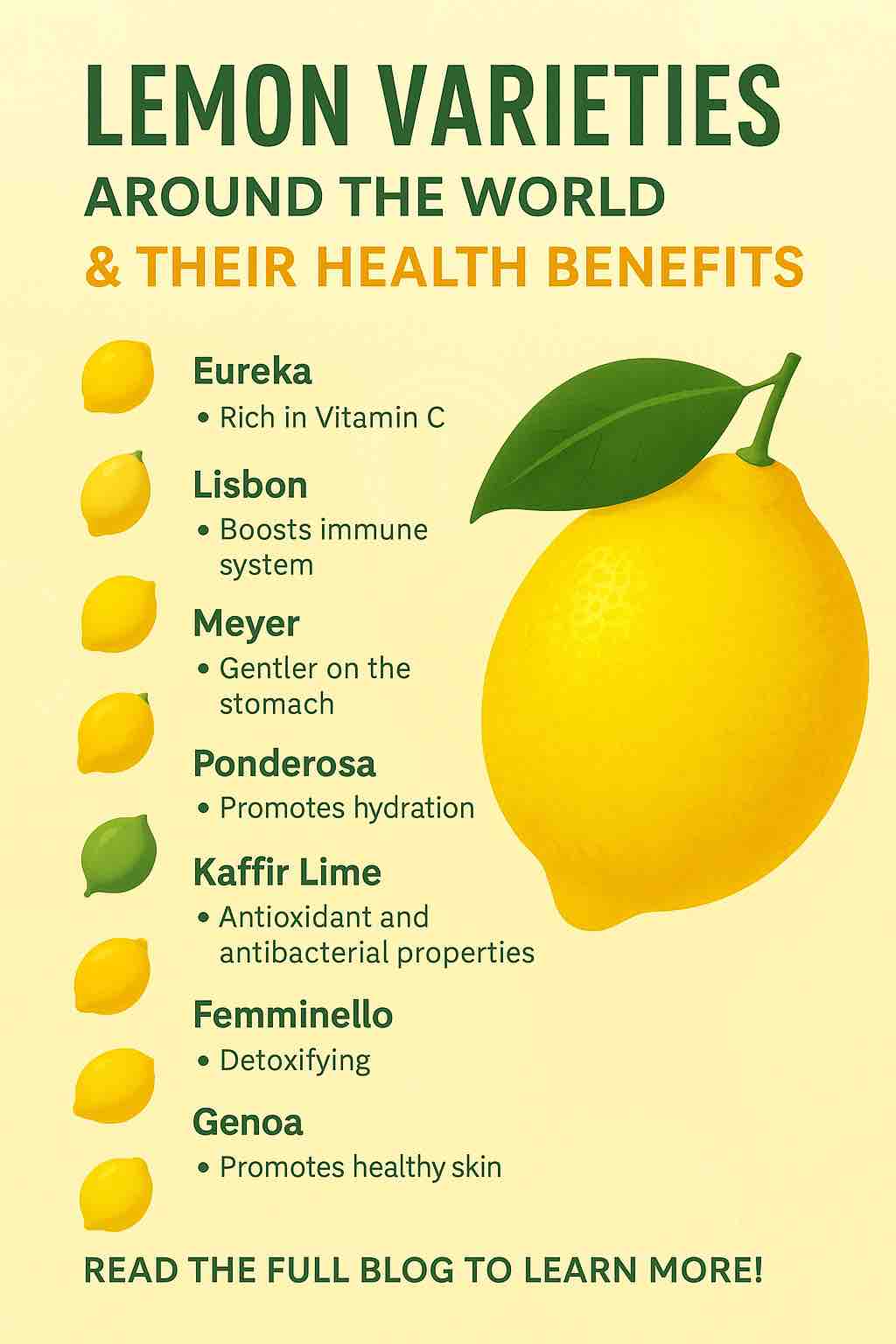
LEMON VARIETIES AROUND THE WORLD & THEIR HEALTH BENEFITS

Lemons are more than just a kitchen staple; they are a powerful fruit packed with flavor, nutrition, and versatility. From the tangy zest that elevates a dish to the bright, refreshing juice in a glass of lemonade, lemons play a significant role in cuisines and cultures across the globe. But not all lemons are the same! There are many different varieties, each with its own unique characteristics, flavors, and uses. Beyond their culinary versatility, lemons are also celebrated for their numerous health benefits, from boosting immunity to aiding digestion.

In this blog post, we’ll take a deep dive into the various types of lemons grown around the world, explore their distinct qualities, and highlight the many health benefits they offer.


Eureka Lemon – The Classic Lemon

Where It’s Found: United States, Mexico, Australia

Appearance: Eureka lemons are perhaps the most recognizable variety of lemon. They are medium to large in size with a thick, bumpy, bright yellow rind. They are often sold in grocery stores and are used in everyday cooking.

Flavor: This variety is known for its tartness and acidity. The flavor is sharp and tangy, making it the go-to lemon for a wide variety of dishes, from tangy lemon meringue pies to fresh lemonade.

Uses: Eureka lemons are incredibly versatile and are used for juicing, zesting, garnishing, and in dressings or marinades. Their juice is a staple in cooking and baking.

Health Benefits:

  • Rich in Vitamin C: Eureka lemons are packed with Vitamin C, which plays a vital role in supporting the immune system. Vitamin C also promotes collagen production, helping to keep skin healthy and youthful.
  • Supports Digestion: The natural acids in Eureka lemons help stimulate bile production, which improves digestion and supports liver function. Drinking warm lemon water in the morning is a popular remedy for easing indigestion and bloating.
  • Boosts Hydration: Lemons are high in water content, making them a great choice for keeping the body hydrated. Proper hydration is essential for maintaining energy, skin health, and even regulating body temperature.

Lisbon Lemon – A Close Cousin to the Eureka

Where It’s Found: Portugal, Spain, Australia

Appearance: Lisbon lemons are nearly identical to Eureka lemons, often with a smoother skin and a more uniform shape. They are medium to large in size and have a bright yellow, slightly glossy appearance.

Flavor: Lisbon lemons are known for being slightly sharper and more acidic compared to their Eureka cousins. They have a robust lemon flavor that adds a delightful punch to dishes.

Uses: Like Eureka lemons, Lisbon lemons are commonly used in juicing, baking, and garnishing. Their juice is favored for its intensity, making them ideal for adding that perfect tang to dishes like lemon chicken or pasta.

Health Benefits:

  • Immune System Support: Lisbon lemons provide a substantial amount of Vitamin C, which strengthens the immune system and helps protect the body from infections.
  • Antioxidant-Rich: They contain flavonoids, which act as powerful antioxidants that protect cells from damage caused by free radicals. Regular consumption can reduce oxidative stress and inflammation in the body.
  • Skin Health: The antioxidants and Vitamin C in Lisbon lemons contribute to healthier skin, promoting a radiant complexion and reducing the appearance of wrinkles.

Meyer Lemon – The Sweet and Fragrant Option

Where It’s Found: United States (California), China

Appearance: Meyer lemons are smaller and rounder than the typical lemon, with a thinner, smoother, and often orange-tinted skin. Their bright yellow color with a hint of orange gives them a more subdued, elegant look.

Flavor: This variety is much sweeter and less acidic than other lemons. Its flavor profile is often described as a cross between a lemon and an orange—refreshing and sweet with a mild tartness.

Uses: Meyer lemons are prized in desserts, marmalades, and salads. Their sweet flavor makes them perfect for adding to cakes, cookies, and even cocktails. Their zest is often used in gourmet dishes and as a garnish for a delicate touch.

Health Benefits:

  • Digestive Aid: Due to their lower acidity, Meyer lemons are gentler on the stomach compared to their more acidic cousins. They can help relieve indigestion and bloating without causing discomfort.
  • Rich in Phytochemicals: Meyer lemons contain phytochemicals, which have anti-inflammatory properties that help reduce the risk of chronic diseases like heart disease and diabetes.
  • Skin Care: The vitamin C in Meyer lemons helps in collagen production, promoting healthy, glowing skin. Their mild acidity can also help balance the skin’s natural oils, making them useful in natural skincare routines.

Ponderosa Lemon – The Giant of the Lemon World

Where It’s Found: United States, Europe

Appearance: Ponderosa lemons are massive, often weighing several pounds each. Their thick, rough rind gives them a distinct appearance that can be mistaken for a large grapefruit.

Flavor: Ponderosa lemons have an intense tartness and an exceptionally juicy interior. Their flavor is much stronger than typical lemons, making them ideal for juicing.

Uses: Due to their size, Ponderosa lemons are often juiced, and their zest is used in recipes requiring a more substantial lemon flavor. They are perfect for cocktails, marinades, or lemon-based desserts like lemon bars.

Health Benefits:

  • High Vitamin C Content: Like other lemon varieties, Ponderosa lemons are packed with Vitamin C, which supports the immune system and fights off free radicals.
  • Promotes Hydration: With high water content, Ponderosa lemons are excellent for keeping the body hydrated, which is key for maintaining healthy skin, digestion, and energy levels.
  • Supports Liver Health: The antioxidants in Ponderosa lemons help detoxify the liver and promote better overall liver function.

Kaffir Lime (Makrut Lime) – An Exotic Option

Where It’s Found: Southeast Asia (Thailand, Malaysia, Indonesia)

Appearance: Kaffir limes are small and bumpy with a distinctive double-lobed shape. Their skin is rough and deep green when fresh, turning yellow when ripe.

Flavor: The flavor of Kaffir lime is highly aromatic and intensely tangy. While its juice is less tart than other lemons, its zest is incredibly fragrant and adds a unique, vibrant flavor to dishes.

Uses: Kaffir limes are primarily used in Southeast Asian cuisines, where both the zest and leaves are utilized in cooking. The leaves are often used to flavor soups, curries, and stir-fries, while the fruit itself is used in some beverages and dishes requiring intense lime flavor.

Health Benefits:

  • Antibacterial Properties: Kaffir lime contains compounds that have antibacterial and antifungal properties. These can help fight infections and maintain overall health.
  • Aids Digestion: The essential oils found in Kaffir lime can help soothe digestive issues, such as nausea and bloating, making it an excellent remedy for digestive discomfort.
  • Skin Health: Kaffir lime is often used in skincare products due to its ability to fight acne, reduce oiliness, and promote a clearer complexion.

Femminello Lemon – The Italian Delight

Where It’s Found: Italy

Appearance: Femminello lemons are medium-sized with a smooth, bright yellow rind. They are famous for their thin skin, which contains a lot of juice.

Flavor: These lemons are milder and less acidic than many other varieties, with a subtly sweet and floral taste.

Uses: In Italy, Femminello lemons are often used to make traditional lemon-based products like limoncello, marmalade, and gelato. Their juice is also a key ingredient in Mediterranean salads and seafood dishes.

Health Benefits:

  • Detoxifying Properties: Femminello lemons are known for their detoxifying effects, helping to cleanse the liver and flush out toxins from the body.
  • Rich in Vitamin C: They provide a significant amount of Vitamin C, which promotes overall health and well-being by supporting immune function and improving skin health.
  • Improves Heart Health: The antioxidants and flavonoids in Femminello lemons have been shown to lower cholesterol levels and improve cardiovascular health.

Genoa Lemon – The Mediterranean Treasure

Where It’s Found: Italy

Appearance: Similar to Femminello, Genoa lemons are large, with a smooth yellow skin. They have a slightly thinner rind and a high juice yield.

Flavor: Genoa lemons are known for their sweet and less tangy flavor, making them perfect for a variety of recipes that call for a milder lemon taste.

Uses: Genoa lemons are commonly used in Mediterranean cuisine, particularly for dressings, salads, and lemon-based desserts. Their juice is often used in tangy sauces and to enhance the flavors of grilled fish.

Health Benefits:

  • Rich in Antioxidants: Genoa lemons contain antioxidants, which protect the body from oxidative stress and help prevent chronic diseases.
  • Boosts Immunity: Their high Vitamin C content is key in boosting the immune system, fighting off infections, and supporting the body’s natural defenses.
  • Promotes Healthy Skin: Like other lemons, Genoa lemons contribute to collagen production, promoting healthy skin and preventing premature aging.

The Universal Health Benefits of Lemons

Lemons, regardless of variety, offer a wide range of health benefits:

  1. Immune System Boost: High in Vitamin C, lemons are a natural immune booster that helps protect against colds, flu, and other infections.
  2. Digestive Aid: The acidity in lemons stimulates digestive enzymes, improving digestion and easing discomfort caused by bloating, indigestion, and nausea.
  3. Antioxidants: Lemons contain powerful antioxidants like flavonoids and limonene, which protect cells from oxidative stress and support overall health.
  4. Hydration: Rich in water and electrolytes, lemons help maintain proper hydration, which is essential for bodily functions, skin health, and energy levels.
  5. Skin Health: The Vitamin C in lemons is crucial for collagen production, which helps maintain youthful, glowing skin and reduces the appearance of fine lines and wrinkles.

Conclusion

Lemons are not just delicious; they are a treasure trove of health benefits. Whether you enjoy them as a tangy addition to a dish, in a refreshing glass of lemonade, or as part of your skincare routine, lemons are a fruit worth celebrating. From the sweet Meyer lemon to the intense Ponderosa, there is a variety for every taste and use. So, next time you reach for a lemon, remember it’s not just adding flavor to your meal—it’s also providing you with a multitude of health benefits that can enhance your overall well-being.

FAQs:

  1. What is the difference between Eureka and Lisbon lemons?
    • Answer: While both varieties are similar in appearance and flavor, Lisbon lemons tend to have a smoother skin and a slightly sharper, more acidic taste compared to Eureka lemons, which are often a bit milder and more commonly found in grocery stores.
  2. Are Meyer lemons less acidic than regular lemons?
    • Answer: Yes, Meyer lemons are sweeter and less acidic than traditional varieties like Eureka and Lisbon lemons. This makes them gentler on the stomach and ideal for those who prefer a milder lemon flavor.
  3. Can I use any lemon variety for making lemonade?
    • Answer: Yes, you can use any lemon variety for lemonade, but Eureka or Lisbon lemons are typically preferred due to their higher acidity, which gives lemonade its traditional tangy flavor. Meyer lemons can be used for a sweeter, milder version.
  4. Are Kaffir limes the same as regular lemons?
    • Answer: No, Kaffir limes are distinct from regular lemons. They have a bumpy, double-lobed shape, and their zest is highly aromatic and tangy. They are primarily used in Southeast Asian cuisines, where both the zest and leaves are used to add flavor to dishes like curries and soups.
  5. What are the health benefits of drinking lemon water?
    • Answer: Drinking lemon water helps boost your hydration levels, supports digestion, and provides Vitamin C, which strengthens the immune system. It also promotes detoxification and may help with skin health and weight management.
  6. Which lemon variety is best for making lemon bars?
    • Answer: Eureka lemons are ideal for making lemon bars due to their sharp, tangy flavor and high juice yield. Their acidity provides the perfect balance for the sweetness in lemon bars.
  7. How can I store lemons to make them last longer?
    • Answer: To store lemons, place them in the fridge in a plastic bag to keep them fresh for up to a month. If you want to store lemon juice, you can freeze it in ice cube trays for easy use later.
  8. What are the best lemon varieties for cooking and baking?
    • Answer: Eureka and Lisbon lemons are excellent choices for both cooking and baking due to their strong, tangy flavor and high juice content. Meyer lemons, with their sweeter flavor, are also perfect for desserts like lemon cakes and pies.
  9. Can I use lemon zest from any lemon variety?
    • Answer: Yes, you can use the zest from any lemon variety, but the flavor intensity may vary. Meyer lemons provide a milder, sweeter zest, while varieties like Eureka and Lisbon offer a more robust and tangy flavor.
  10. Is it safe to use lemon zest in skincare products?
  • Answer: Yes, lemon zest, which contains essential oils and Vitamin C, can be used in skincare for its brightening, antibacterial, and anti-aging properties. However, it’s important to test it on a small area first to ensure no skin irritation occurs.
Posted on Leave a comment

Coriander Seeds in Thyroid: Unveiling the Remarkable Benefits and Important Warnings

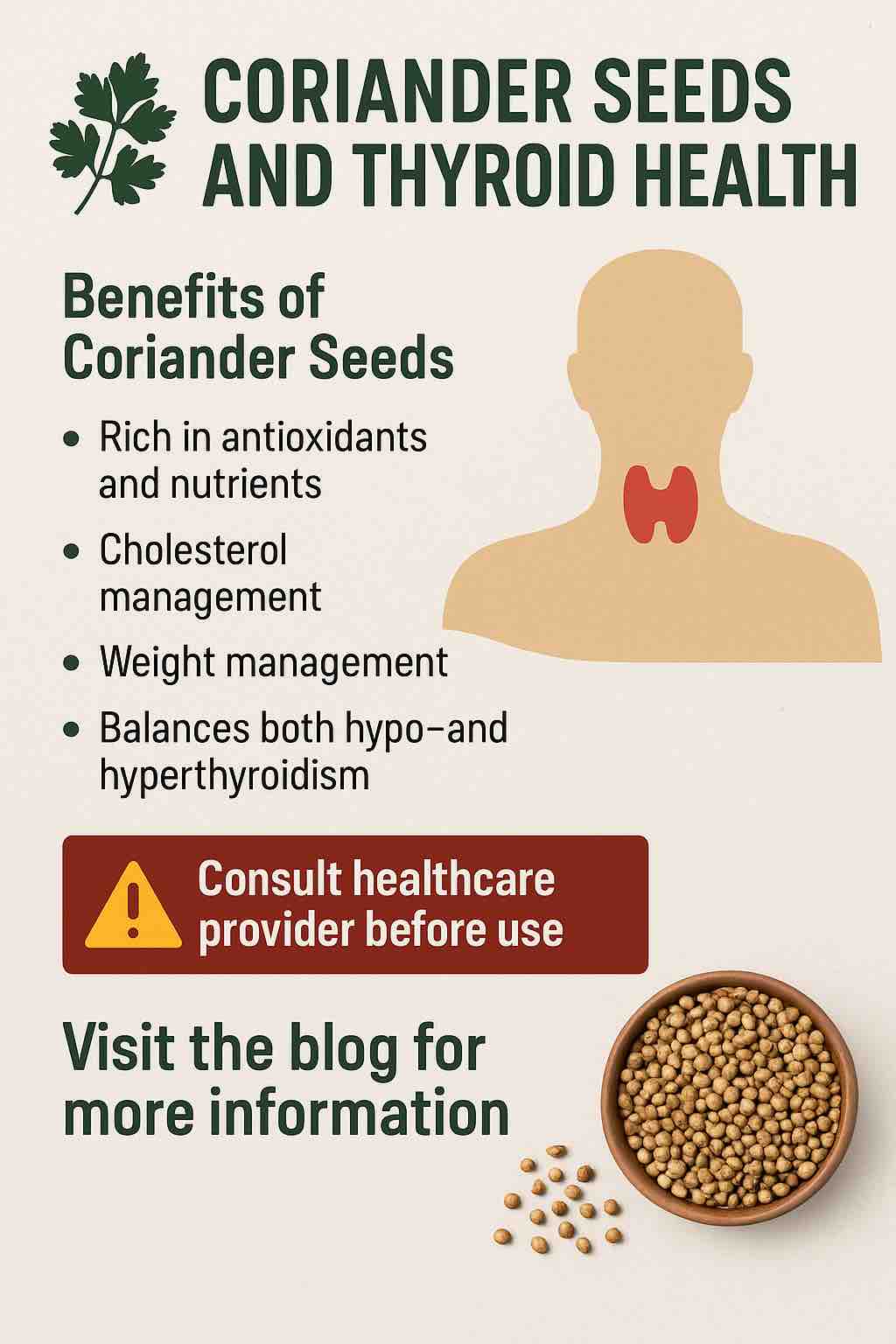
CORIANDER SEEDS AND THYROID HEALTH Benefits of Coriander Seeds

Coriander, often regarded as a staple in global cuisine, is more than just a flavorful herb. It has a long history in traditional medicine, particularly in Ayurveda, for its potential health benefits. While most of us are familiar with coriander leaves, the seeds of the plant, often referred to as coriander seeds or dhania, are an unsung hero in the world of herbal remedies. In recent years, these tiny seeds have been gaining attention for their potential role in supporting thyroid health.

The thyroid, a small butterfly-shaped gland located at the base of the neck, plays a crucial role in regulating metabolism, energy production, and overall hormonal balance in the body. Disruptions to thyroid function, whether from hypothyroidism (underactive thyroid) or hyperthyroidism (overactive thyroid), can have significant impacts on physical and emotional well-being. This has led many to explore natural ways to support thyroid health, with coriander seeds emerging as a promising option.

In this post, we’ll delve deep into the benefits of coriander seeds for thyroid health, their potential risks, and how to safely incorporate them into your diet.


The Surprising Benefits of Coriander Seeds for Thyroid Health

1. Rich in Antioxidants and Essential Nutrients

Coriander seeds are a powerhouse of essential vitamins, minerals, and antioxidants. They are an excellent source of vitamin C, which is crucial for maintaining a healthy immune system and reducing oxidative stress. The seeds are also rich in vitamin A, vitamin K, folate, and several essential minerals like iron, calcium, and magnesium.

When it comes to thyroid health, antioxidants play an important role. The thyroid gland, like many other organs, is susceptible to damage from free radicals. Coriander seeds, with their rich antioxidant content, can help reduce oxidative damage, supporting the thyroid’s ability to function optimally.

Additionally, coriander seeds contain phytochemicals that may help reduce inflammation in the body. Chronic inflammation is a known contributor to autoimmune thyroid conditions, such as Hashimoto’s thyroiditis (an autoimmune form of hypothyroidism), and managing inflammation can be a key step in supporting thyroid health.

2. Supporting Cholesterol Management

Thyroid dysfunction often impacts cholesterol levels. People with hypothyroidism may experience elevated cholesterol, which can increase the risk of heart disease. Interestingly, coriander seeds have been shown to help in managing cholesterol levels.

Coriander seeds contain compounds that may help lower bad cholesterol (LDL) while boosting good cholesterol (HDL) levels. This dual effect on cholesterol can be particularly beneficial for individuals dealing with thyroid imbalances, as it can help mitigate the cardiovascular risks associated with thyroid dysfunction.

3. Supporting Weight Management in Hypothyroidism

One of the most challenging symptoms of hypothyroidism is weight gain, often caused by a slow metabolism. As thyroid hormones regulate metabolism, an underactive thyroid can cause weight to accumulate, even with a relatively healthy diet.

Coriander seeds, when consumed in the form of coriander seed water, can help stimulate weight loss. The high fiber content of coriander seeds aids in digestion, supports gut health, and helps regulate blood sugar levels. Drinking coriander seed water regularly has been linked to improved metabolic function, which can support weight management in individuals with hypothyroidism.

4. Balances Both Hypo- and Hyperthyroidism

Traditional medicine, particularly Ayurveda, suggests that coriander seeds have a balancing effect on the thyroid. Whether the thyroid is underactive or overactive, coriander seeds are believed to have the ability to bring the thyroid hormones into balance. The seeds contain compounds that may support normal thyroid function, thus helping to manage both hypothyroidism and hyperthyroidism. However, it’s important to note that the exact mechanisms are still not fully understood, and individual responses can vary.


Potential Risks and Important Warnings

While coriander seeds can offer numerous benefits for thyroid health, there are some important precautions and risks to consider.

1. Coriander Seeds Are Not a Substitute for Medical Treatment

Coriander seeds, while beneficial, should never be considered a substitute for conventional medical treatment for thyroid disorders. Individuals with thyroid conditions, especially those on medications such as levothyroxine for hypothyroidism, should continue their prescribed treatment under the supervision of a healthcare provider.

Coriander seeds can support thyroid health as part of a broader, holistic approach, but they should not replace medical advice or prescribed treatments.

2. Possible Interference with Thyroid Function Tests

One surprising risk of consuming coriander seeds is their potential interference with thyroid function tests (TFTs). Certain compounds in coriander, when consumed in large quantities, have been reported to affect the results of these tests. This could lead to misleading diagnoses or delays in identifying thyroid dysfunction, particularly in individuals who are undergoing regular monitoring of their thyroid function.

If you are undergoing thyroid testing, it is advisable to consult your healthcare provider about the inclusion of coriander seeds in your diet, especially if you plan to consume them in larger quantities.

3. Allergic Reactions and Sensitivities

Like any food or herb, coriander seeds can cause allergic reactions in some individuals. Symptoms can range from mild irritation, such as skin rashes, to more serious reactions like digestive discomfort. If you are new to coriander seeds, it is a good idea to start with a small amount and observe how your body reacts.

Additionally, coriander seeds are part of the Apiaceae family, which includes other herbs like parsley, celery, and fennel. If you have an allergy to any of these foods, you may be more likely to experience an adverse reaction to coriander.

4. Interactions with Medications

Coriander seeds have hypoglycemic properties, meaning they may help lower blood sugar levels. While this can be beneficial for individuals with diabetes, it can pose a risk for people taking anti-diabetic medications like insulin. The combination of coriander and blood sugar-lowering drugs may cause blood sugar levels to drop too low, leading to hypoglycemia. If you are on medication for diabetes, it’s essential to consult your healthcare provider before adding coriander seeds to your diet.


How to Safely Incorporate Coriander Seeds into Your Diet

If you’re eager to experience the potential benefits of coriander seeds for thyroid health, here are a few simple ways to include them in your daily routine:

1. Coriander Seed Water

One of the easiest and most popular ways to consume coriander seeds is by making coriander seed water. Here’s how:

  • Soak 1-2 teaspoons of coriander seeds in water overnight.
  • In the morning, boil the water with the seeds.
  • Once boiled, strain the water and drink it on an empty stomach.

This practice is thought to support digestion, improve metabolic function, and provide the nutrients necessary for thyroid health.

2. Coriander Seed Tea

Another easy method is to make coriander seed tea:

  • Boil soaked coriander seeds in water for 10-15 minutes.
  • Strain the water and drink it warm.
  • You can add honey or a squeeze of lemon for added flavor.

Drinking this tea in the morning can help kickstart your metabolism and provide a gentle detox to start your day.


Conclusion

Coriander seeds offer an impressive array of health benefits, particularly for individuals managing thyroid conditions. From supporting antioxidant activity to helping regulate cholesterol and weight, these seeds can play a supportive role in thyroid health. However, it’s essential to approach their use with caution, recognizing that they should complement, not replace, conventional medical treatments.

Before incorporating coriander seeds into your diet, especially if you are managing a thyroid condition or taking medications, always consult with a healthcare provider to ensure safety and appropriateness.

With their rich nutritional profile and potential thyroid-supporting properties, coriander seeds could become a valuable part of your wellness routine. Just remember: moderation, awareness, and consultation with a healthcare provider are key to reaping the benefits while avoiding any risks.

FAQs About Coriander Seeds and Thyroid Health

1. Can coriander seeds help with hypothyroidism?

Yes, coriander seeds may support hypothyroidism by helping to balance thyroid hormone levels and improving metabolism. They are believed to aid in weight management, cholesterol control, and digestive health, which can be beneficial for individuals with an underactive thyroid.

2. Are coriander seeds effective for hyperthyroidism?

Coriander seeds may help in managing hyperthyroidism by balancing thyroid hormone levels. Their anti-inflammatory and antioxidant properties may support overall thyroid health, though their effectiveness can vary from person to person.

3. How do coriander seeds benefit thyroid function?

Coriander seeds are rich in antioxidants, essential vitamins, and minerals that support thyroid health. They help reduce oxidative stress and inflammation, which can aid in maintaining optimal thyroid function. They also help regulate cholesterol and weight, which can be impacted by thyroid imbalances.

4. What’s the best way to consume coriander seeds for thyroid health?

Coriander seed water and coriander seed tea are two popular methods. To make coriander seed water, soak 1-2 teaspoons of coriander seeds in water overnight, boil the water in the morning, strain, and drink. For tea, boil soaked seeds in water and drink after straining.

5. Are there any risks to consuming coriander seeds for thyroid health?

While coriander seeds are generally safe, they may interfere with thyroid function tests, cause allergic reactions in some individuals, or interact with certain medications, especially those for diabetes. Always consult your doctor before adding coriander seeds to your routine.

6. Can coriander seeds help with weight loss in people with thyroid issues?

Yes, coriander seeds may help stimulate weight loss by improving digestion, regulating blood sugar, and boosting metabolism. This can be especially beneficial for individuals with hypothyroidism, as weight gain is a common symptom of an underactive thyroid.

7. Can coriander seeds replace thyroid medications?

No, coriander seeds cannot replace thyroid medications such as levothyroxine. They should be used as a complementary approach, not a substitute for prescribed treatments. Always follow your healthcare provider’s recommendations for thyroid management.

8. How much coriander seed water should I drink daily for thyroid health?

It’s generally recommended to drink 1 cup (approximately 250 ml) of coriander seed water daily, preferably in the morning on an empty stomach. However, always start with small amounts to assess tolerance.

9. Can coriander seeds interfere with blood sugar medications?

Yes, coriander seeds have hypoglycemic effects and may lower blood sugar levels. If you are on anti-diabetic medications, consult your healthcare provider before consuming coriander seeds to avoid potential interactions or hypoglycemia.

10. Are there any side effects from consuming coriander seeds?

In most cases, coriander seeds are safe when consumed in moderation. However, some people may experience digestive discomfort or skin rashes, especially if they are allergic to the herb. Always start with a small quantity to monitor your body’s response.


Posted on 1 Comment

Unleashing the Power of Vitamin A: Enhance Your Vision and Immunity Naturally

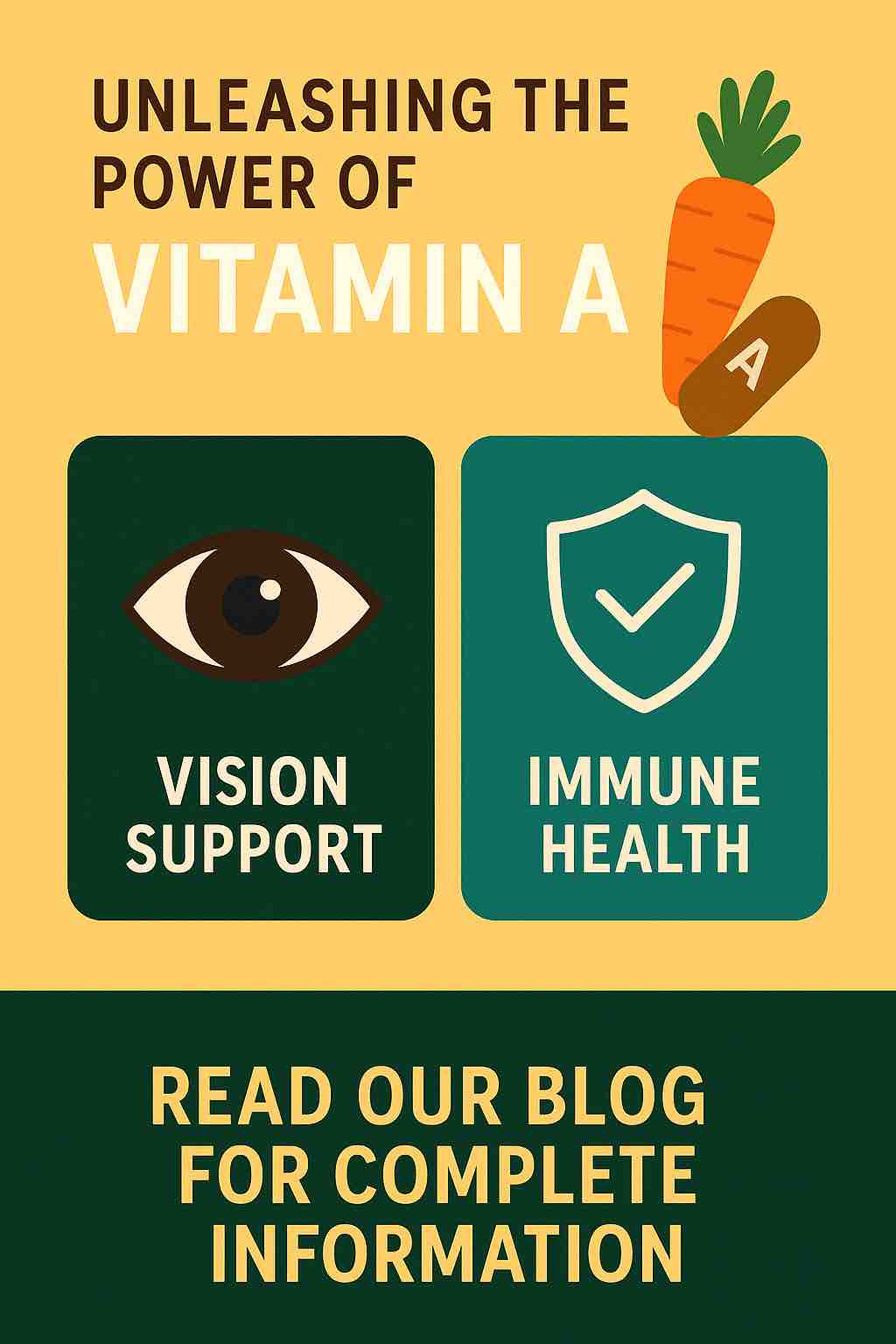
UNLEASHING THE POWER OF VITAMIN A

Vitamin A is a powerhouse nutrient, often overlooked but essential for our well-being. While many vitamins contribute to overall health, Vitamin A stands out with its dual role in supporting both our vision and immune system. By understanding how Vitamin A works, where to find it, and how it benefits the body, you can harness its full potential and enjoy a healthier, more vibrant life.

Let’s dive into the world of Vitamin A, exploring its many facets and why this vitamin is so vital for our health.

What is Vitamin A?

Vitamin A is a fat-soluble vitamin that comes in two primary forms:

  1. Preformed Vitamin A (Retinol): Found in animal products like liver, dairy, and fish, this form of Vitamin A is ready for the body to use immediately.
  2. Provitamin A (Carotenoids): Found in plant-based foods such as fruits and vegetables, carotenoids (like beta-carotene) must be converted into retinol by the body.

Both forms of Vitamin A serve important functions, but they work in slightly different ways depending on whether they come from animal or plant sources.

Vitamin A and Its Key Benefits

1. Enhancing Vision

One of the most well-known benefits of Vitamin A is its crucial role in maintaining good vision, particularly in low-light conditions. Here’s how it works:

  • Night Vision: Retinol is a key component of rhodopsin, a pigment found in the retina of the eye. Rhodopsin allows us to see in dim lighting. Without sufficient Vitamin A, rhodopsin cannot form properly, leading to night blindness. People with a deficiency may have trouble seeing in low-light environments, a condition that can be improved with proper Vitamin A intake.
  • General Eye Health: Vitamin A supports the overall health of the cornea (the eye’s surface), and it is essential for keeping the eye moist and protected. This helps prevent conditions like dry eye syndrome and protects against long-term eye diseases, including age-related macular degeneration (AMD), a leading cause of vision loss in older adults.
  • Prevention of Cataracts: Cataracts, which cause the clouding of the lens in the eye, can be slowed down or prevented with adequate Vitamin A. Studies show that the antioxidant properties of Vitamin A, especially when combined with other vitamins like Vitamin C and E, can help prevent or delay the development of cataracts.

2. Boosting Immunity

Vitamin A is indispensable when it comes to maintaining a strong immune system. Its impact on immunity is multi-faceted:

  • Barrier Protection: Vitamin A helps maintain the integrity of the skin and mucosal membranes (found in the respiratory, digestive, and urinary tracts). These barriers act as the first line of defense against infections, protecting the body from harmful pathogens.
  • Immune Cell Function: Retinol also plays a role in the production and activity of various immune cells, such as T-cells, B-cells, and macrophages. These cells are vital in identifying and eliminating foreign invaders, like bacteria and viruses, ensuring the immune system functions efficiently.
  • Fighting Infections: A deficiency in Vitamin A is associated with increased susceptibility to infections, particularly respiratory infections, diarrhea, and measles. People with low Vitamin A levels are at higher risk of severe illness or complications from these conditions. Studies have shown that supplementing Vitamin A in deficient populations significantly reduces mortality rates from infectious diseases.

3. Supporting Healthy Skin

Vitamin A is well-known for its benefits to skin health. Whether in the form of topical treatments or dietary intake, Vitamin A helps to:

  • Promote Skin Regeneration: Retinol stimulates the production of new skin cells, which helps to keep the skin healthy and vibrant. This regenerative property is why Vitamin A is often used in skincare products to combat acne, reduce fine lines, and improve skin texture.
  • Maintain Skin Integrity: Vitamin A also helps in the formation of collagen, a protein that supports the structure of the skin, helping to keep it firm and resilient.
  • Treatment of Skin Conditions: Topical Vitamin A derivatives like retinoids are commonly prescribed for treating conditions such as acne, psoriasis, and eczema, thanks to their ability to regulate skin cell turnover and reduce inflammation.

4. Supporting Reproductive Health

Vitamin A plays a significant role in both male and female reproductive health. It is involved in the development of sperm in men and the regulation of menstrual cycles and the formation of the placenta in women. Adequate Vitamin A levels are necessary for fertility and the health of a developing fetus, as it aids in cell differentiation and organ development during pregnancy.

5. Antioxidant Properties

Like other fat-soluble vitamins, Vitamin A also acts as an antioxidant, protecting cells from oxidative stress and free radicals. Free radicals are unstable molecules that can damage cell structures, contributing to aging and the development of chronic diseases, including cancer. By neutralizing these free radicals, Vitamin A helps protect cells and tissues throughout the body, contributing to overall health and longevity.

Sources of Vitamin A

Vitamin A can be found in a variety of foods, both from animal and plant sources. By incorporating these foods into your diet, you can ensure you’re getting a sufficient amount of this vital nutrient.

Animal Sources (Preformed Vitamin A):

  • Liver (beef, chicken, or fish liver) – One of the richest sources of Vitamin A.
  • Eggs – Particularly the yolks, which contain a good amount of Vitamin A.
  • Dairy products – Milk, cheese, and butter are all excellent sources.
  • Fish – Fish like salmon, tuna, and mackerel provide a good dose of Vitamin A.

Plant Sources (Provitamin A Carotenoids):

  • Carrots – Known for their high beta-carotene content, which the body can convert into Vitamin A.
  • Sweet Potatoes – Another powerhouse of beta-carotene.
  • Spinach and Kale – Dark leafy greens are rich in carotenoids.
  • Mangoes – A delicious tropical fruit that provides both Vitamin A and Vitamin C.
  • Red and Yellow Bell Peppers – High in beta-carotene and other antioxidants.
  • Cantaloupe and Apricots – These fruits offer a generous amount of Vitamin A.

How Much Vitamin A Do You Need?

The recommended daily intake of Vitamin A varies depending on age, sex, and life stage. For most adults, the recommendations are:

  • Men: 900 micrograms (mcg) of retinol activity equivalents (RAE) per day.
  • Women: 700 mcg RAE per day.

Pregnant and breastfeeding women may need more, while children and adolescents have lower requirements. It’s always important to check with a healthcare professional to understand your personal needs, particularly if you are considering supplementation.

The Risks of Vitamin A Deficiency

Vitamin A deficiency is surprisingly common in some parts of the world, particularly in developing countries. When the body doesn’t get enough Vitamin A, it can lead to:

  • Night Blindness: Difficulty seeing in low light or total darkness.
  • Increased Risk of Infections: A weakened immune system makes it easier for infections to take hold.
  • Skin Problems: Dry, flaky skin and an increased risk of acne.
  • Reproductive Issues: Infertility or complications during pregnancy.

In severe cases, prolonged deficiency can lead to blindness and death, particularly in children.

The Risks of Excessive Vitamin A

While Vitamin A is vital for health, it’s also possible to have too much of a good thing. Excessive intake of Vitamin A, especially from supplements, can lead to toxicity. Symptoms of Vitamin A toxicity include:

  • Nausea and vomiting
  • Dizziness and headaches
  • Blurred vision
  • Bone pain and weakness
  • Liver damage (in extreme cases)

The body’s tolerance for Vitamin A varies, so it’s essential to consume it in appropriate amounts.

Conclusion: A Key to Vitality

Vitamin A is more than just a nutrient for your eyes. It is a cornerstone of your immune system, skin health, and overall vitality. By understanding how this powerful vitamin works and ensuring you get enough from your diet, you can take proactive steps to protect and enhance your health naturally.

Remember, balance is key. Aim for a diet rich in both animal and plant-based sources of Vitamin A, and enjoy the numerous benefits that come with this remarkable nutrient.

10 Frequently Asked Questions (FAQs) about Vitamin A

1. What is Vitamin A and why is it important?

Vitamin A is a fat-soluble vitamin that plays a crucial role in maintaining healthy vision, boosting immunity, supporting skin health, and promoting cell growth. It is essential for various bodily functions, including the formation of rhodopsin for night vision and the regulation of immune responses.

2. What are the two types of Vitamin A?

Vitamin A comes in two forms: preformed Vitamin A (retinol), which is found in animal products like liver and dairy, and provitamin A carotenoids like beta-carotene, which are found in plant-based foods like carrots and sweet potatoes. The body can convert carotenoids into active Vitamin A.

3. How does Vitamin A help with vision?

Vitamin A is crucial for forming rhodopsin, a pigment in the retina that allows us to see in low-light conditions. A deficiency in Vitamin A can lead to night blindness and other vision problems, including dry eyes and age-related macular degeneration.

4. Can Vitamin A boost my immune system?

Yes, Vitamin A supports the immune system by maintaining the health of skin and mucosal membranes, which act as barriers to infections. It also enhances the function of white blood cells, which help fight off pathogens, reducing the risk of illness.

5. What are the best food sources of Vitamin A?

You can get Vitamin A from both animal and plant sources. Animal-based sources include liver, eggs, and dairy products, while plant-based sources include carrots, sweet potatoes, spinach, kale, and mangoes. Both forms are essential for overall health.

6. How much Vitamin A do I need daily?

The recommended daily intake of Vitamin A varies by age and sex. For adult men, it’s 900 mcg RAE (Retinol Activity Equivalents), and for adult women, it’s 700 mcg RAE. Pregnant and breastfeeding women may need more. It’s best to consult with a healthcare provider for personalized recommendations.

7. What happens if I don’t get enough Vitamin A?

Vitamin A deficiency can cause vision problems, especially night blindness, a weakened immune system, and skin issues like dryness. Severe deficiency can lead to life-threatening conditions, particularly in children, and may cause irreversible blindness.

8. Can I get too much Vitamin A?

Yes, it is possible to have too much Vitamin A, especially from supplements. Toxicity can cause symptoms like nausea, headaches, dizziness, and liver damage. It’s important to stay within the recommended daily limits and avoid excessive supplementation without medical supervision.

9. Are Vitamin A supplements necessary?

For most people with a balanced diet, Vitamin A supplements aren’t necessary. However, if you have a deficiency or specific health concerns, your doctor may recommend a supplement. Always consult with a healthcare provider before adding any supplements to your routine.

10. What are the signs of Vitamin A toxicity?

Excessive intake of Vitamin A can lead to symptoms like nausea, dizziness, blurred vision, skin irritation, and in extreme cases, liver damage. It is important to monitor your intake, especially if you are using supplements, and consult with a healthcare provider if you’re unsure.

Posted on Leave a comment

Nature’s Pharmacy: 5 Benefits of Neem for Skin Care

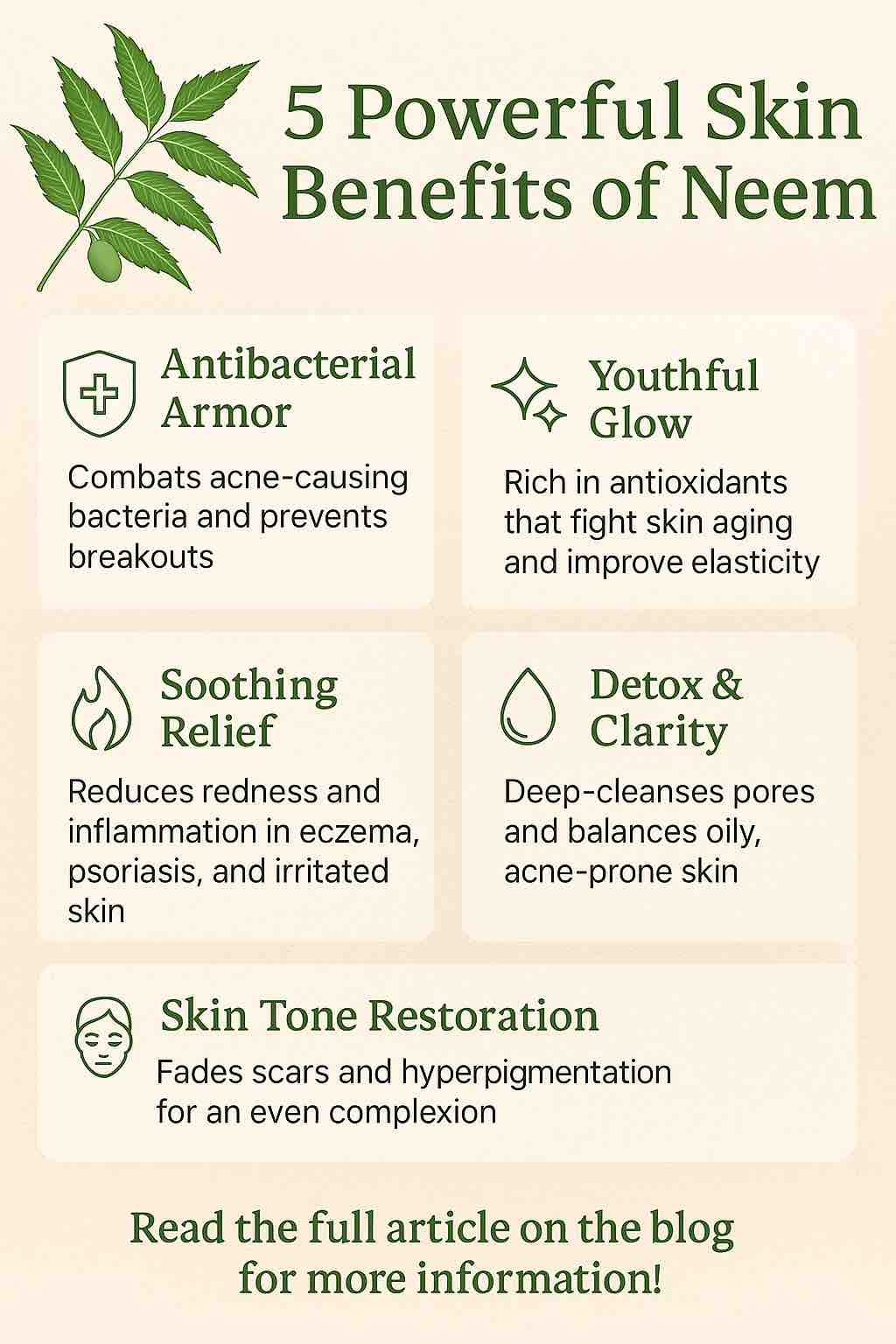
Powerful Skin Benefits of Neem

For centuries, the neem tree (Azadirachta indica) has stood as a silent guardian of health across the Indian subcontinent. Known in Ayurveda as “Sarva Roga Nivarini”—the healer of all ailments—every part of the neem tree, from its leaves and bark to its seeds and oil, is imbued with potent medicinal properties. Among its many health applications, neem is particularly revered for its profound benefits to the skin.

As modern dermatology increasingly acknowledges what ancient wisdom long understood, let’s delve deep into five powerful ways neem supports, protects, and revitalizes the skin, supported by both time-tested tradition and recent scientific findings.


1. 🛡️ Antibacterial Armor: Fights Acne at the Source

Breakouts occur when bacteria, oil, and dead skin cells clog pores. Neem is a natural antidote. Rich in compounds like azadirachtin, nimbidin, and quercetin, neem targets acne-causing bacteria while calming inflamed skin.

🔬 Scientific Backing:

  • A 2023 study published in Dermatologic Therapy highlighted neem’s ability to inhibit the growth of Propionibacterium acnes—a primary contributor to acne.
  • Unlike many synthetic treatments, neem is non-comedogenic and doesn’t strip skin of its natural oils.

🌱 Traditional Use:

Ayurvedic texts recommend neem leaf paste as a daily face mask for purifying the skin and preventing blemishes.

In short: Neem doesn’t just treat acne—it prevents it, naturally and gently.


2. 🔥 Soothing Relief: Anti-Inflammatory and Healing

Inflammatory skin disorders like eczema, psoriasis, and rosacea can cause persistent redness, itching, and discomfort. Neem offers multi-pronged relief.

Why it works:

  • Neem contains Nimbidin, an active compound with proven anti-inflammatory activity.
  • It reduces the production of histamines and prostaglandins—both of which cause redness and swelling in inflamed skin.

🌿 Clinical Insight:

A double-blind study (2022, Journal of Ethnopharmacology) found that topical neem extract significantly reduced itching and inflammation in patients with mild to moderate eczema.

Healing Bonus:

Its natural analgesic properties can relieve the stinging and burning sensations associated with chronic skin conditions.


3. ⏳ Youthful Glow: Antioxidants That Defy Aging

The skin’s aging process is accelerated by oxidative stress—damage caused by free radicals from UV radiation, pollution, and even stress. Neem is loaded with polyphenols, vitamin E, and carotenoids, which neutralize these harmful free radicals.

✨ What does that mean for your skin?

  • Reduced appearance of fine lines and wrinkles
  • Improved skin elasticity and firmness
  • Protection against photoaging (sun-induced aging)

A 2023 in-vitro study in Photochemistry and Photobiology confirmed that neem oil can boost collagen synthesis and reduce wrinkle depth with consistent application over four weeks.

In essence, neem serves as a natural shield against premature aging while supporting skin renewal.


4. 💧 Detox & Clarity: Natural Pore Cleanser and Oil Balancer

Neem acts like a magnet for impurities. Its astringent and purifying qualities help cleanse pores, remove excess sebum, and balance oily skin types.

Key Effects:

  • Tightens pores and reduces blackheads
  • Prevents buildup of dead skin cells and oil
  • Gently exfoliates without harsh abrasives

In fact, recent dermatological reviews suggest neem may assist in regulating sebum production at a cellular level—making it ideal for oily and combination skin types.

The result? Clearer, fresher skin that breathes.


5. 🌟 Skin Tone Restoration: Fades Scars and Pigmentation

One of neem’s most underappreciated talents is its role in scar healing and pigmentation correction. Whether it’s acne scars, sunspots, or uneven skin tone, neem’s regenerative properties can gradually restore clarity.

Here’s how:

  • Vitamin E and fatty acids in neem oil support cell regeneration and skin barrier repair.
  • Anti-inflammatory agents reduce the darkening of scars caused by post-inflammatory hyperpigmentation (PIH).
  • Antifungal properties help treat pigmentation caused by fungal infections like tinea versicolor.

In traditional beauty rituals, neem paste was often applied to areas of discoloration as part of multi-week skin rejuvenation routines.


🌐 The Modern Take: Ancient Wisdom Meets Modern Science

Today, dermatologists and researchers alike are taking neem seriously. It’s being studied not only for acne and aging but also for its potential in treating dermatitis, skin infections, and even UV damage. Its gentle yet effective action makes it a preferred choice for natural skincare enthusiasts seeking clean, plant-based alternatives to chemical-heavy products.


🧘🏽‍♀️ Final Thoughts: Skincare That’s Rooted in Nature

In an era where synthetic ingredients often do more harm than good, neem stands out as a holistic, bioactive skincare hero. Whether you’re looking to combat acne, slow aging, soothe irritation, or even out your skin tone, neem offers a versatile, well-rounded solution—backed by both ancestral practice and cutting-edge science.

Nature didn’t design neem to be a trend. It designed it to heal.

🔍 Frequently Asked Questions (FAQs)

1. Can neem be used on all skin types?

Yes, neem is suitable for all skin types, but especially beneficial for oily, acne-prone, or inflamed skin. However, those with very dry or sensitive skin should do a patch test first, as neem can be potent.


2. How often should neem be used in a skincare routine?

For masks or pastes, 2–3 times per week is sufficient. Neem oil (when diluted) can be used daily or every other day as a spot treatment. Overuse may cause dryness in some skin types.


3. Is neem safe to use during pregnancy or on children’s skin?

Topical neem (in diluted form) is generally safe for external use. However, pregnant or nursing women and parents of young children should consult a healthcare provider before consistent use.


4. Can neem help with fungal infections on the skin?

Yes. Neem has proven antifungal properties and is effective against conditions like athlete’s foot, ringworm, and candida-related rashes.


5. How long does it take to see results with neem?

For acne or inflammation, visible improvements may occur within 1–2 weeks of regular use. For scar reduction or pigmentation, it may take 4–6 weeks of consistent application.


6. Can neem oil be applied directly to the face?

Neem oil is very concentrated and should always be diluted with a carrier oil (like jojoba or coconut) before applying to the face. Direct application may irritate sensitive skin.


7. What’s the best form of neem for skincare: oil, powder, or fresh leaves?

All forms are beneficial:

  • Neem oil: Best for targeted treatments and moisturization.
  • Powder: Great for masks and scrubs.
  • Fresh leaves: Ideal for traditional pastes and tonics, but less accessible.

8. Does neem help with skin aging and wrinkles?

Yes. Neem contains antioxidants that fight oxidative stress, helping to reduce fine lines, improve elasticity, and prevent premature aging.


9. Can I use neem with other skincare ingredients like salicylic acid or retinol?

It’s best to avoid combining neem with strong actives like retinol or acids unless spaced apart (e.g., neem in the morning, retinol at night). Always patch test first to prevent irritation.


10. Is there a risk of allergic reaction to neem?

Although rare, allergic reactions can occur. Symptoms may include redness, itching, or mild burning. Always perform a patch test before using any neem product more broadly.