Posted on Leave a comment

Spice Up Your Culinary Adventures: Exploring Unique Uses of Saffron in Cooking!

Saffron in Cooking

Saffron, often dubbed “red gold,” is one of the most precious and celebrated spices in the culinary world. Derived from the stigmas of the Crocus sativus flower, it brings a distinctive aroma, brilliant golden hue, and subtle earthy flavor to countless dishes. But saffron is more than a luxurious seasoning for risottos and paellas—it’s a versatile ingredient with global influence and contemporary flair.

In this post, we dive deep into saffron’s culinary magic, exploring traditional and innovative uses, practical cooking techniques, and fresh ideas to make your dishes unforgettable.


1. The Essence of Saffron: What Makes It Special?

Saffron is prized for its:

  • Color: The golden-yellow tint it imparts to food
  • Aroma: Sweet, floral, and hay-like
  • Flavor: Complex and earthy, slightly bitter, subtly metallic

These qualities come from the compounds crocin (color), picrocrocin (flavor), and safranal (aroma). The highest quality saffron, often labeled as Super Negin, contains the most concentrated levels of these.


2. How to Use Saffron Properly: Practical Techniques

Saffron is powerful but delicate. To get the most out of it:

  • Bloom it: Steep threads in a few tablespoons of warm water, milk, or stock for 10-20 minutes before adding to recipes.
  • Grind it: For better distribution, grind the threads with a pinch of sugar or salt using a mortar and pestle.
  • Measure with care: A few strands go a long way—use about 2-3 threads per serving to avoid overpowering other flavors.

Storage Tip: Keep saffron in an airtight container away from light and moisture to preserve its potency.


3. Saffron Across the Globe: Traditional Inspirations

Saffron’s cultural reach spans continents. Some classic uses include:

  • Iranian/Persian Cuisine: Essential in tahdig, tahchin, and saffron rice, often paired with rosewater and pistachios.
  • Indian Cuisine: A key ingredient in biryani, kheer, and saffron milk (kesar doodh).
  • Spanish Cuisine: The soul of paella, giving it its signature color and aroma.
  • Italian Cuisine: Infuses Risotto alla Milanese with deep color and flavor.
  • Swedish Cuisine: Featured in Lussekatter (saffron buns) during St. Lucia’s Day.

4. Unique & Modern Uses of Saffron

Break away from tradition with these creative saffron applications:

• Saffron-Infused Pasta

Make fresh pasta dough using saffron-steeped water for vibrant, golden noodles that pair wonderfully with seafood or creamy sauces.

• Saffron Syrup

Create a simple syrup with sugar, water, and bloomed saffron. Drizzle it over pancakes, yogurt, or fruit salads. Also great in cocktails and mocktails.

• Saffron Butter

Blend bloomed saffron into softened butter with garlic or citrus zest. Use it to top grilled fish, roasted vegetables, or warm bread.

• Saffron Salt

Mix ground saffron with flaky sea salt to finish dishes like roast chicken, potatoes, or avocado toast.

• Saffron Desserts

Infuse custards, panna cottas, or ice cream bases with saffron for a luxurious twist. Pairs well with cardamom, pistachios, and honey.


5. Pairing Saffron with Other Ingredients

Saffron shines when paired thoughtfully. Consider combining it with:

  • Herbs & Spices: Cardamom, cinnamon, cumin, rose, turmeric
  • Proteins: Chicken, seafood, lamb, eggs
  • Grains: Basmati rice, arborio rice, couscous, bulgur
  • Dairy: Cream, yogurt, paneer, butter
  • Floral & Sweet: Rosewater, orange blossom, honey, citrus

6. Health Benefits Worth Noting

Saffron isn’t just delicious—it’s also linked to several health benefits:

  • Mood support: May reduce symptoms of anxiety and depression
  • Antioxidant properties: Rich in crocin and safranal
  • Anti-inflammatory: Supports immune and cardiovascular health
  • Digestive aid: Traditionally used to ease bloating and cramps

7. Buyer’s Guide: Choosing Quality Saffron

To avoid fakes and low-grade products:

  • Look for deep red threads with orange tips
  • Avoid powdered saffron (easier to adulterate)
  • Buy from reputable sources with transparency about origin (Iran, Spain, Kashmir)
  • If it’s cheap, it’s likely not real saffron

8. Quick Recipes to Try

Saffron Tea
Steep 3-5 threads in hot water with honey and lemon for a soothing drink.

Saffron Rice Pilaf
Sauté onion and garlic in butter, stir in rice and bloomed saffron, add stock, cook until fluffy. Garnish with almonds and parsley.

Saffron Yogurt Dip
Mix Greek yogurt with bloomed saffron, lemon juice, and garlic. Serve with flatbread or grilled veggies.


Final Thoughts

Saffron is more than a spice—it’s an experience. Whether you’re cooking an old family recipe or experimenting with new flavors, a few strands can transform a dish from simple to spectacular. So go ahead, embrace saffron in your kitchen, and let your culinary adventures shine bright gold.


Got a favorite saffron dish? Or want personalized ideas based on your favorite cuisines? Drop a comment or reach out—let’s keep the saffron inspiration flowing!

📚 Frequently Asked Questions (FAQs)

1. How much saffron should I use in a dish?
A little goes a long way. Use about 2–3 threads per serving, or roughly 15–20 threads for a dish serving 4–6 people. Overuse can lead to bitterness.


2. What’s the best way to extract flavor and color from saffron?
Bloom it in warm water, broth, or milk for 10–20 minutes. This releases crocin (color) and safranal (aroma), giving you the most depth of flavor and vibrant color.


3. Can I grind saffron instead of blooming it?
Yes. Grinding saffron (often with a pinch of sugar or salt) using a mortar and pestle is great for even distribution—ideal in dry rubs or baked goods.


4. How do I know if saffron is real or fake?
Real saffron has deep red threads with orange/yellow tips, a sweet hay-like smell, and turns water golden yellow (not red). Avoid powdered saffron unless it’s from a trusted source.


5. Is there a difference between Iranian, Spanish, and Kashmiri saffron?
Yes.

  • Iranian saffron is bold, intense, and widely available.
  • Spanish saffron (like Mancha) is milder and often used in paella.
  • Kashmiri saffron is highly aromatic, deep red, and prized for desserts.

6. What types of dishes can I add saffron to besides rice?
Beyond rice, use it in pasta, breads, seafood stews, sauces, desserts, syrups, teas, marinades, and compound butters. It pairs well with both savory and sweet elements.


7. Can I store bloomed saffron water for later use?
Yes, but for best potency, use it within 24–48 hours. Store in the fridge in an airtight container.


8. Is saffron safe to consume every day?
In culinary amounts, yes. It’s also used in supplements, but excessive intake (several grams daily) may cause side effects. Stick to moderate, food-level usage.


9. Is saffron gluten-free and vegan?
Absolutely. Pure saffron is naturally gluten-free, vegan, and non-GMO, making it suitable for nearly all dietary lifestyles.


10. Where can I buy authentic saffron online?
Look for certified suppliers from Iran, Spain, or Kashmir. Reputable retailers include specialty spice shops, Middle Eastern grocery stores, or websites like Saffron Store, Rumi Spice, or Saffron Ice. Ensure the origin and grading (e.g., Super Negin) are clearly listed.

Posted on Leave a comment

Cardamom: Unlocking the Aromatic Allure and Health Benefits of this Exquisite Spice

CARDAMOM AND HEALTH BENEFITS

A deep dive into the Queen of Spices, from ancient traditions to cutting-edge science—and how to make it part of your everyday life.


🌿 A Whiff of Wonder: What Makes Cardamom So Special?

Take a deep breath. That sharp, sweet, floral aroma you just imagined? That’s cardamom.

Often referred to as the Queen of Spices, cardamom is a tiny pod that packs a powerful punch. Known for its unique fragrance—a blend of mint, citrus, and warm spice—it’s been cherished for thousands of years, not only in the kitchens of India and the Middle East but also in ancient medical systems like Ayurveda and Traditional Chinese Medicine.

But what makes this small pod so intriguing is that it’s more than just flavor. Modern science is finally catching up with traditional wisdom, revealing cardamom’s impressive range of health-supporting benefits—from metabolic support to antimicrobial action.


🧭 A Journey Through Time: Cardamom’s Storied Past

Cardamom’s origin traces back to the lush rainforests of the Western Ghats in southern India, where wild varieties still grow today. It was a prized commodity in ancient Greek and Roman trade routes, and later became a mainstay of Arabian perfumery and Indian medicine.

By the 20th century, cardamom cultivation had spread to Guatemala, now the largest exporter globally. Yet it’s still Alleppey Green Cardamom, grown in Kerala, India, that holds Geographical Indication (GI) status for its quality and aroma.


🔬 The Science Behind the Spice: Health Benefits of Cardamom

Cardamom isn’t just delicious—it’s a phytochemical powerhouse. Let’s break down the research by benefit area:

1. ❤️ Cardiovascular and Metabolic Health

Recent trials show:

  • Improved lipid profiles – Lower triglycerides, higher HDL cholesterol
  • Inflammation reduction – Decreased CRP and IL-6 levels, especially in individuals with metabolic syndrome and PCOS
  • Possible blood pressure-lowering effects, though evidence is mixed

Tip: In studies, doses of 1.5–3g/day of cardamom powder showed the most benefits. That’s roughly 1 teaspoon.

2. 🧘 Digestive & Gut Health

Traditional use meets science here:

  • Stimulates bile production, aiding digestion
  • Reduces bloating, gas, and indigestion
  • Its essential oils (e.g., cineole) exhibit antimicrobial effects against common gut pathogens

Practical Use: Steep a few crushed pods in hot water after a meal for a calming digestive tea.

3. 🦷 Oral & Respiratory Health

Chewing cardamom pods isn’t just an old habit—it’s effective:

  • Fights oral bacteria, improves breath
  • Soothes the throat and respiratory tract
  • Used in traditional remedies for cough and congestion

Try This: Add cardamom to warm water with honey for sore throat relief.

4. 🧠 Mental Clarity & Emotional Balance

Cardamom is used in aromatherapy for:

  • Mood enhancement and stress relief
  • Mild anxiolytic effects in herbal preparations
  • Its aroma may stimulate dopaminergic pathways (still under study)

Use It Like This: Add 1 drop of cardamom essential oil to a diffuser, or mix with a carrier oil for calming massage.

5. ⚖️ Weight and Metabolic Regulation

Animal studies (2023) suggest:

  • Cardamom increases energy expenditure
  • Reduces fat accumulation
  • May modulate neuroendocrine metabolism

🚨 But: Human trials are early-stage and inconclusive. Think of cardamom as a supportive agent, not a miracle fix.


🍽️ How to Use Cardamom in Everyday Life

FormUses
Whole podsInfuse in rice, tea, stews, or desserts (crack before using)
Ground powderSprinkle into oatmeal, coffee, smoothies, or baking mixes
Essential oilUse in aromatherapy or dilute for skin application
Tinctures/CapsulesUsed in clinical settings or herbal protocols (consult a professional)

🔄 Easy Ways to Add It to Your Day

  • Add a pinch to your morning coffee or chai
  • Mix into granola or yogurt for a warm, spicy note
  • Include it in homemade spice blends (garam masala, pumpkin spice)
  • Brew cardamom tea with ginger and cinnamon

🛑 Safety and Side Notes

  • Safe in culinary amounts – Few side effects unless consumed in high doses
  • Pregnancy caution – Avoid therapeutic doses unless advised
  • Drug interaction – May interact with anticoagulants; check with your doctor if on medications

📚 Final Thoughts: Cardamom as a Daily Ally

Cardamom is a beautiful example of a spice that bridges pleasure and wellness. Whether you’re savoring its scent in Nordic pastries, its zing in Middle Eastern coffee, or its comforting hug in a cup of chai, you’re also receiving a bouquet of plant-based wellness compounds.

While modern medicine continues to explore its depths, cardamom remains a trusted favorite in kitchens and medicine cabinets alike.


💡 Want to Try? Start Here:

3-Day Cardamom Ritual Challenge:

  • Day 1: Add it to your tea or coffee
  • Day 2: Use it in your cooking (e.g., rice, lentils, or soup)
  • Day 3: Try it as a digestive tea after dinner

Let your senses lead the way—this spice is as healing to the spirit as it is to the body.

📘 Frequently Asked Questions (FAQs)

1. What is the difference between green and black cardamom?

Green cardamom (Elettaria cardamomum) has a sweet, floral, and citrusy flavor, ideal for desserts and drinks.
Black cardamom (Amomum subulatum) has a smoky, earthy flavor, used in savory dishes like curries and stews.


2. How much cardamom should I consume daily for health benefits?

Most clinical studies used 1.5–3 grams/day of ground cardamom (roughly ½–1 teaspoon). This is safe for most people when consumed as part of food.


3. Can cardamom help with weight loss?

Animal studies suggest that cardamom may increase fat metabolism and energy expenditure, but human studies are still early. It may support weight goals when combined with diet and exercise.


4. Is cardamom safe during pregnancy?

Yes, in culinary amounts. However, avoid concentrated extracts or supplements unless prescribed, as safety data is limited.


5. Can I chew cardamom pods directly?

Yes. Chewing cardamom pods freshens breath, supports digestion, and may help oral health due to its antibacterial compounds.


6. How do I store cardamom to preserve its aroma and potency?

Keep it in an airtight container in a cool, dark, dry place. Whole pods last longer than ground powder.


7. Does cardamom interact with medications?

Possibly. Cardamom may enhance blood-thinning effects or interfere with certain medications. Consult a healthcare provider if you’re on prescription drugs.


8. Can I use cardamom in coffee or smoothies?

Absolutely! Add a pinch of cardamom powder to coffee, lattes, or smoothies for a flavorful and healthful twist.


9. Are there any side effects of eating too much cardamom?

High doses (above 5g/day) may cause mild nausea, dry mouth, or allergic reactions in sensitive individuals. Stick to culinary or moderate therapeutic amounts.


10. Is there scientific proof that cardamom helps with inflammation or cholesterol?

Yes—multiple human trials have shown that cardamom reduces inflammatory markers and improves HDL/triglyceride ratios, especially in those with metabolic disorders.


Posted on Leave a comment

Elevate Your Afternoon with These 5 Unique Blends of Black Cumin and White Pepper Iced Tea

BLACK CUMIN AND WHITE PEPPER ICED TEA

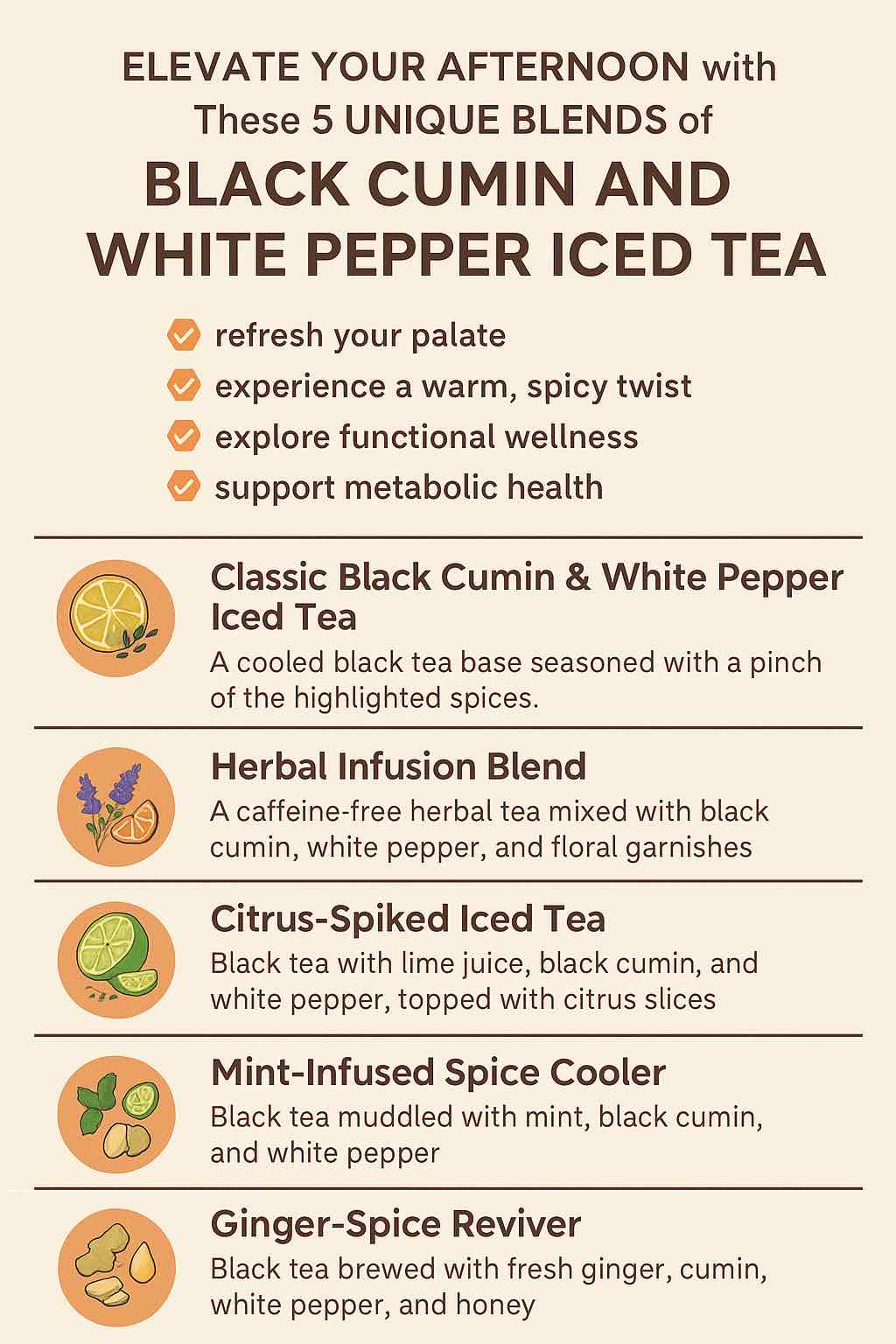
In a world where every sip counts, why settle for plain iced tea when you can invigorate your senses and support your health with bold, spice-infused blends? Welcome to a new wave of wellness beverages: Black Cumin and White Pepper Iced Teas. Drawing on the latest research and traditional wisdom, these drinks don’t just refresh — they rejuvenate, offering a rich interplay of flavor and function.

Why Black Cumin and White Pepper?

Black cumin (Nigella sativa) has been used in traditional medicine for centuries. Recent studies (2023-2025) have shown that black cumin seeds are packed with bioactive peptides, antioxidants, and anti-inflammatory compounds such as thymoquinone, which support immune function, glucose control, and stress management.

White pepper, on the other hand, contains piperine, a compound that boosts absorption of nutrients and enhances digestion, blood sugar regulation, and circulation. Together, these spices form a potent base for an energizing, functional iced tea.

Here are five unique and practical blends to spice up your afternoons while boosting your well-being.


1. Classic Black Cumin & White Pepper Iced Tea

Ingredients:

  • 2 cups of brewed black tea (cooled)
  • 1/2 tsp toasted and crushed black cumin seeds
  • 1/4 tsp ground white pepper
  • Lemon slice and mint for garnish
  • Optional: 1 tsp honey or jaggery syrup

Method:

  1. Brew black tea and allow it to cool.
  2. Toast cumin seeds lightly, then crush.
  3. Mix cumin and white pepper into the tea.
  4. Strain the mixture to remove solids.
  5. Serve over ice with lemon and mint.

Flavor Profile: Earthy, peppery, slightly citrusy. Perfect for a mid-day pick-me-up.


2. Herbal Tranquility Infusion

Ingredients:

  • 2 cups chamomile or hibiscus tea (cooled)
  • 1/4 tsp ground black cumin
  • A pinch of ground white pepper
  • 1 small sprig of lavender or orange peel

Method:

  1. Brew herbal tea and cool.
  2. Stir in the spices.
  3. Add lavender or orange peel for a soothing aroma.
  4. Strain and pour over ice.

Health Benefit: A stress-reducing, gut-soothing blend ideal for late afternoons.


3. Citrus Zest Refresher

Ingredients:

  • 2 cups brewed green or black tea
  • Juice of half a lime or grapefruit
  • 1/4 tsp ground black cumin
  • 1/4 tsp white pepper
  • Orange or lime slices

Method:

  1. Mix citrus juice with brewed tea.
  2. Stir in the spices.
  3. Strain and chill.
  4. Garnish with citrus slices.

Perfect For: Hot summer days when you need something zesty with a functional twist.


4. Minted Spice Cooler

Ingredients:

  • 2 cups black or green tea
  • 10 fresh mint leaves
  • 1/2 tsp crushed cumin seeds
  • 1/4 tsp white pepper
  • Cucumber slice (optional)

Method:

  1. Muddle mint with cumin and pepper.
  2. Add to brewed tea.
  3. Steep 10 mins, then strain.
  4. Chill and serve with cucumber garnish.

Flavor Note: Refreshing and cool with a hint of heat.


5. Ginger-Pepper Reviver

Ingredients:

  • 2 cups brewed black tea
  • 1 tsp fresh grated ginger
  • 1/4 tsp black cumin
  • 1/4 tsp white pepper
  • 1 tsp honey (optional)

Method:

  1. Infuse ginger in hot tea, let cool.
  2. Stir in cumin and white pepper.
  3. Strain, chill, and add honey if desired.

Best For: Mornings-after or when your energy dips mid-afternoon.


Research-Inspired Tips

  • Cold Brew Base: For a smoother, less bitter flavor, cold-brew your tea overnight.
  • Spice Balance: Start with small spice amounts, then adjust based on your taste tolerance.
  • Health Boost: Piperine from white pepper enhances the absorption of thymoquinone and other antioxidants in black cumin.
  • Functional Sweeteners: Use jaggery, agave, or stevia for added health benefits.

Final Thoughts

These five blends showcase the versatility and power of spice-infused iced teas. With the latest scientific validation supporting their health claims, black cumin and white pepper are more than just pantry staples — they are wellness allies. Try these combinations to elevate your afternoon, one delicious, rejuvenating sip at a time.

Frequently Asked Questions (FAQs)

1. What is the difference between black cumin and regular cumin?
Black cumin (Nigella sativa) is a different species from regular cumin (Cuminum cyminum). It has a more bitter, pungent taste and is known for its medicinal properties like thymoquinone content, while regular cumin is warmer and nuttier.

2. Can I use black pepper instead of white pepper in these recipes?
Yes, but white pepper has a more delicate heat and slightly fermented flavor that works better in cold infusions. Black pepper is stronger and more pungent, which may overpower subtle tea notes.

3. Is it safe to consume black cumin and white pepper daily?
In moderate amounts, both are safe for most people and have been used traditionally. If you’re pregnant, breastfeeding, or on medications (especially blood thinners or diabetes meds), consult your doctor before frequent use.

4. Where can I buy high-quality black cumin and white pepper?
Look for organic, whole-seed options from trusted spice suppliers. For black cumin, confirm it’s Nigella sativa and not Bunium bulbocastanum (which is sometimes sold under the same name).

5. How long can I store these iced tea blends?
These iced teas can be stored in a sealed container in the refrigerator for up to 3 days. Always shake before serving as spices may settle.

6. Can I sweeten the tea without affecting the health benefits?
Yes. Use natural sweeteners like honey, jaggery, or stevia. Avoid refined sugars to maintain the tea’s functional benefits.

7. Can I use these blends for detox or digestion support?
Absolutely. Black cumin supports liver health and digestion, while white pepper enhances nutrient absorption. Many people use these teas post-meal or as a gentle digestive.

8. What’s the best time of day to drink these teas?
Mid-morning to mid-afternoon is ideal. Avoid drinking spicy blends late at night if you’re sensitive to heat or have acid reflux issues.

9. Can I make a large batch for a party or gathering?
Yes. Multiply ingredients accordingly and strain well. Serve in a glass dispenser with ice and fresh garnishes like citrus or mint.

10. Are these blends caffeine-free?
Only the herbal blends (like those made with chamomile or hibiscus) are caffeine-free. Black and green tea bases contain moderate caffeine.

Posted on 4 Comments

The Ultimate Guide to Coconut Water: Benefits, Nutrition, and How to Choose the Best One

Guide to Coconut Water

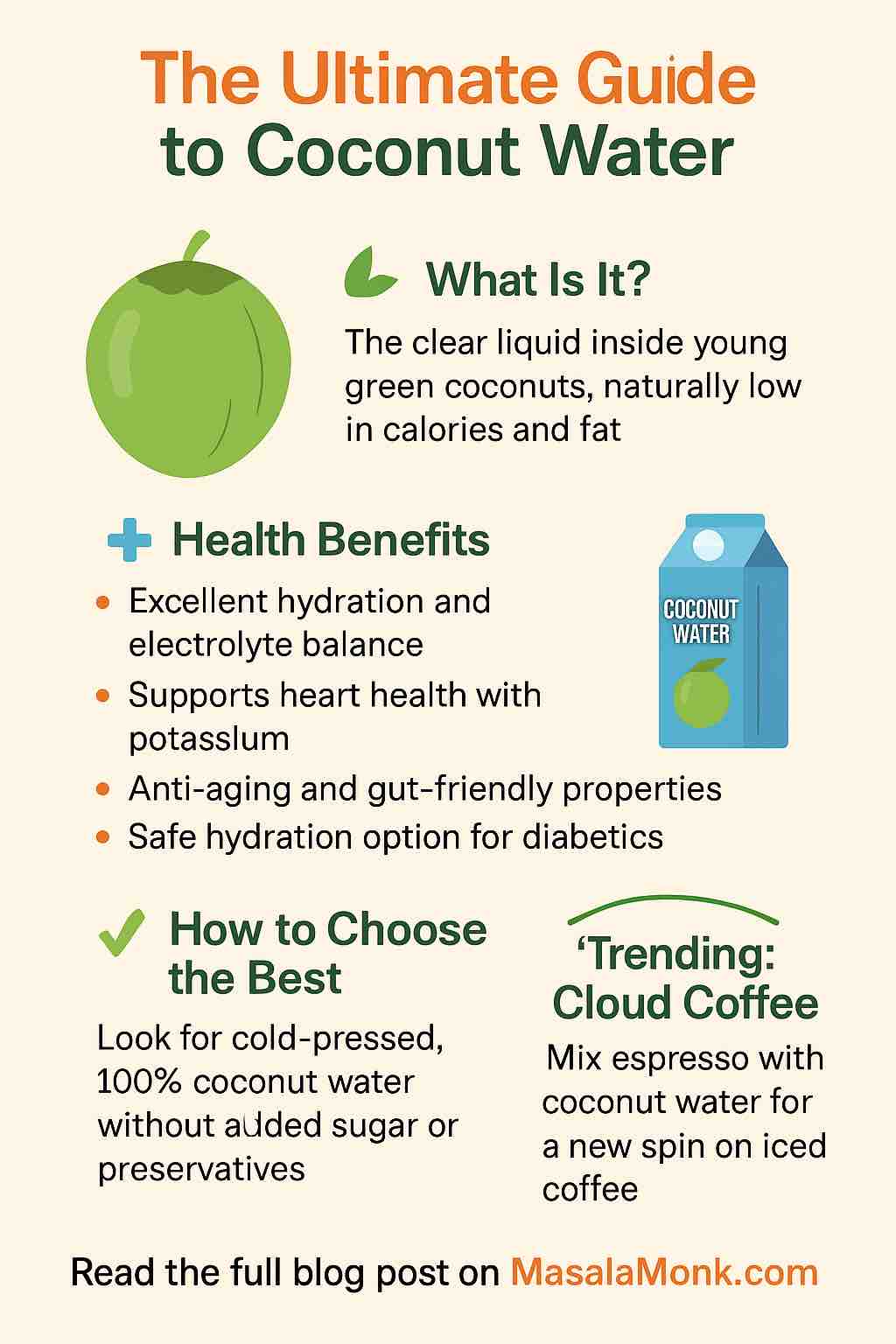
In a world flooded with artificial energy drinks, sugary sodas, and synthetic supplements, coconut water stands out as a pure, natural, and nutrient-packed hydration solution. Whether you’re looking to rehydrate post-workout, manage blood sugar, combat summer heat, or simply enjoy a refreshing, low-calorie beverage, coconut water may be the drink you’ve been missing.

In this guide, we’ll explore everything you need to know about coconut water: its health benefits, nutritional value, scientific insights, tips on choosing the best one, and even creative ways to enjoy it.


🧪 What Is Coconut Water?

Coconut water is the clear liquid found inside young green coconuts—usually harvested when they’re about 6–7 months old. It’s not the same as coconut milk, which is made by blending coconut meat with water. Coconut water is naturally low in calories, fat-free, and loaded with electrolytes.

It’s nature’s sports drink—minus the additives.


🧾 Nutritional Profile (Per 240 ml / 1 cup)

NutrientAmountKey Function
Calories44–60 kcalLow-calorie hydration
Carbohydrates9–12 gNatural sugars (glucose, fructose)
Potassium400–630 mgRegulates fluid balance, blood pressure
Magnesium~15–25 mgMuscle and nerve function
Calcium~40–60 mgBone support
Sodium~25–40 mgMaintains hydration
Vitamin C~10% DVImmunity, antioxidant defense

👉 Raw coconut water may appear pink over time due to polyphenol oxidation—this is natural and safe.


✅ Top Health Benefits of Coconut Water

1. Excellent Hydration & Electrolyte Balance

With a potent mix of potassium, sodium, magnesium, and carbohydrates, coconut water helps rehydrate the body efficiently—ideal for athletes, hangovers, hot climates, or after an illness.

💡 A 2012 study found coconut water rehydrated better than plain water and was as effective as commercial sports drinks.

2. Supports Heart Health

The high potassium content helps:

  • Regulate blood pressure
  • Counter sodium-induced hypertension
  • Improve circulation

Regular consumption may contribute to better cardiovascular health, especially when replacing sugary beverages.

3. Antioxidant & Anti-Aging Effects

Recent cell-based research (2024, ScienceDirect) found that coconut water helped reduce oxidative stress and extended fibroblast lifespan—suggesting anti-aging and cell-protective potential.

4. Gut-Friendly & Anti-Inflammatory

Emerging evidence links coconut water to improved gut health, particularly in managing ulcerative colitis symptoms. Its cooling, alkaline nature may also soothe stomach inflammation and aid digestion.

5. Diabetes-Safe Hydration

Unsweetened coconut water offers:

  • Low glycemic load
  • Fewer than 12 g carbs per cup
  • Electrolytes without added sugar

👉 It’s now endorsed by dietitians as a smart hydration choice for type 2 diabetics (2025, EatingWell).

6. Heatstroke & Sun Protection

In hot climates, coconut water helps replenish lost electrolytes, cool the body internally, and support thermoregulation—particularly effective for preventing sunstroke or heat exhaustion.


🛒 How to Choose the Best Coconut Water

Not all coconut waters are created equal. Here’s how to shop smart:

✅ Look for:

  • 100% coconut water on the label
  • No added sugar, flavors, or concentrates
  • Cold-pressed or minimally processed options (better nutrient retention)
  • BPA-free packaging—especially avoid canned varieties
  • Refrigerated brands (e.g., Harmless Harvest, raw pink coconut water)

⚠️ Avoid:

  • Products labeled as “from concentrate
  • Coconut water blends with fruit juice
  • Brands with preservatives like potassium metabisulfite

Pro tip: Pressed coconut water includes coconut flesh, which gives a creamier texture and a slightly higher calorie count.


🧃 Coconut Water Use Cases

Use CaseBenefit
Post-WorkoutReplenish electrolytes & carbs
After IllnessGentle hydration with minerals
In Hot WeatherPrevent heatstroke & fatigue
For Skin HealthSupports hydration + antioxidants
Morning RoutineTry “cloud coffee” trend (coconut water + espresso)
For DigestionAlkaline and cooling
Low-Cal CocktailsUse in mojitos, piña coladas, etc.
Plant WateringTrace minerals can benefit plants (diluted)

☁️ Trending: Cloud Coffee

A recent social media trend has people replacing water with coconut water in their morning iced coffee. Why?

  • Adds natural sweetness without sugar
  • Enhances electrolyte intake
  • Offers a unique, refreshing flavor twist

How to make:

  1. Fill a glass with ice
  2. Pour in ¾ cup coconut water
  3. Add 1–2 shots of espresso
  4. Stir and enjoy!

⚠️ Safety & Considerations

While coconut water is generally safe, keep in mind:

  • Potassium overload risk in kidney disease (limit intake)
  • Diabetics should choose unsweetened versions only
  • Not a complete electrolyte replacement during extreme dehydration—consult a healthcare provider for clinical rehydration

🧠 Summary Table

CategoryKey Insight
Best ForHydration, digestion, recovery
Avoid IfYou have kidney issues or potassium concerns
Best FormatCold-pressed, 100% natural, BPA-free
Daily Ideal Intake1–2 cups/day (≠ water replacement)
Bonus Trend“Cloud Coffee” for a healthy caffeine hit

📝 Final Thoughts

Coconut water is more than just a tropical drink—it’s a wellness powerhouse that bridges hydration, nutrition, and function. Whether you’re trying to recover from a tough workout, stay cool in the summer heat, or reduce your sugar intake, it’s a delicious, low-risk option worth keeping in your daily routine.

📘 Frequently Asked Questions (FAQs)

1. Is coconut water the same as coconut milk?

No. Coconut water is the clear liquid found inside young green coconuts, while coconut milk is made by blending coconut meat with water. They differ in texture, nutrition, and use.


2. Can I drink coconut water every day?

Yes, for most healthy individuals, 1–2 cups a day is safe and beneficial. However, if you have kidney disease or take potassium-altering medications, consult a doctor first.


3. Does coconut water have sugar?

Yes, it contains natural sugars (glucose and fructose), typically around 9–12 g per cup. Always choose varieties labeled “no added sugar.”


4. Is coconut water good for weight loss?

Coconut water is low in calories (~44–60 kcal per cup), fat-free, and hydrating, making it a good alternative to sugary drinks in weight management plans.


5. Can diabetics safely drink coconut water?

Yes, unsweetened coconut water is a smart hydration choice for people with diabetes. It has a low glycemic impact and provides electrolytes without added sugar.


6. What’s the best time to drink coconut water?

Any time, but ideal moments include:

  • Post-workout
  • After waking up
  • During hot weather
  • When feeling dehydrated or low on energy

7. Why does some coconut water turn pink?

That’s a natural oxidation process caused by phenolic compounds reacting with light and air. It’s safe to drink unless it smells or tastes off.


8. What brands of coconut water are best?

Look for:

  • Cold-pressed or raw varieties
  • 100% coconut water with no additives
    Popular brands: Harmless Harvest, Vita Coco Pure, C2O, Rebel Kitchen

9. Can kids drink coconut water?

Yes! Coconut water is a safe, healthy drink for children, especially in moderation and during hot weather or after physical activity.


10. How long does coconut water last after opening?

Refrigerate immediately and consume within 1–3 days. Fresh coconut water (from an actual coconut) should be consumed the same day.

Posted on Leave a comment

Apple Juice for Weight Loss: 5 Ways It Can Help You Shed Pounds

Apple Juice for Weight Loss

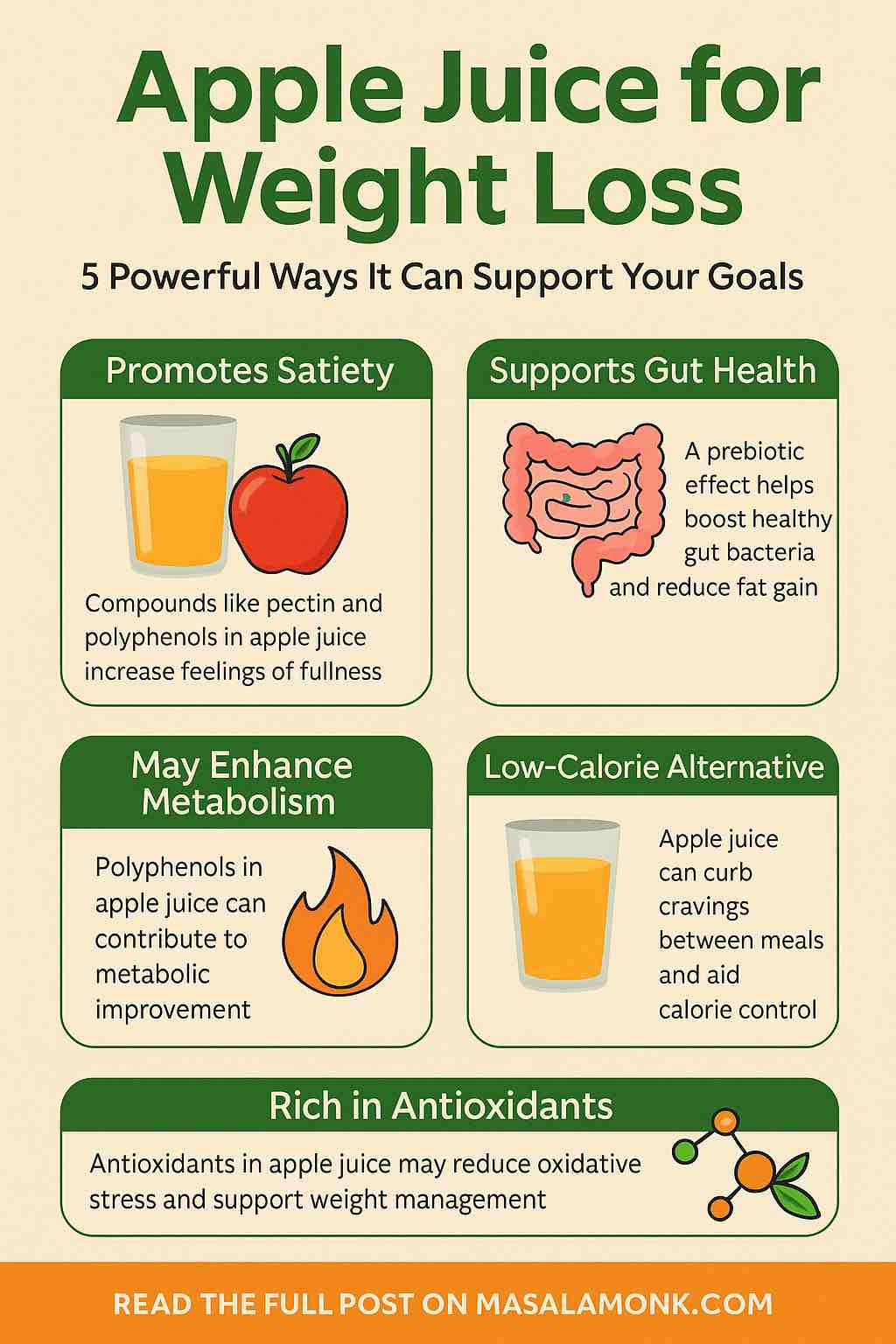
Apple juice isn’t usually the first thing that comes to mind when we talk about weight loss. More often than not, it’s the villain in conversations about sugar and empty calories. But is that the full story? Recent studies and a closer look at how apple juice interacts with our gut, metabolism, and cravings suggest there may be more to this fruit-based beverage than meets the eye. In this article, we explore five science-backed ways apple juice can support your weight loss journey—when used smartly.


1. Boosts Gut Health with Prebiotic Properties

Recent animal studies have revealed that unfiltered apple juice, especially from varieties like Fuji and Tsugaru, can dramatically alter the gut microbiota. In rats fed a high-fat diet, daily apple juice consumption led to:

  • A 3x increase in Lactobacillus species
  • A 10x increase in Bifidobacterium
  • Lower weight gain
  • Reduced fat accumulation in the liver

Why does this matter? A diverse and balanced gut microbiome has been directly linked to better weight regulation, improved digestion, and decreased inflammation. While human trials are still limited, this research is promising and suggests apple juice may help create a gut environment conducive to weight control.

Practical Tip: Choose cloudy or unfiltered apple juice—it retains more of the polyphenols and pectin that fuel gut-friendly bacteria.


2. Curbs Cravings and Can Be a Smart Snack Substitute

While apple juice lacks the fiber found in whole apples, it can still be a useful mid-meal snack if chosen wisely. A standard 240 mL (1 cup) serving contains roughly 114 calories—far fewer than many processed snack foods.

When consumed in moderation and paired with a protein or fat source, it may help stabilize blood sugar and prevent binge eating.

Practical Tip: Drink a small glass of apple juice with a boiled egg or a handful of almonds to stave off cravings between meals.


3. Contains Polyphenols That Enhance Metabolism

Apple juice is rich in antioxidants and polyphenols, such as quercetin and chlorogenic acid, which have been shown to:

  • Improve lipid metabolism
  • Increase fat oxidation
  • Reduce oxidative stress (which contributes to obesity)

Though whole apples contain more of these compounds—especially in the skin—cloudy apple juice still delivers a meaningful dose.

Practical Tip: Look for juices labeled “cloudy” or “not from concentrate.” These typically contain more polyphenols than clear, filtered juices.


4. Supports Heart Health and Inflammation Control

Weight loss isn’t just about shedding pounds—it’s about improving overall health. Apple juice has been linked in several studies to reduced markers of inflammation and improved cardiovascular health, both of which are often compromised in people struggling with obesity.

Lowering systemic inflammation may also improve insulin sensitivity and metabolic efficiency, making weight loss easier over time.

Practical Tip: Incorporate apple juice as part of a broader anti-inflammatory diet, rich in vegetables, whole grains, fatty fish, and healthy fats.


5. Encourages Better Hydration with Flavor Variety

Hydration plays a critical role in metabolism and appetite regulation. Sometimes, what feels like hunger is actually thirst. Apple juice can offer a flavorful alternative to plain water and can be particularly effective if you dislike drinking plain fluids.

Just don’t overdo it: excessive consumption can backfire due to the natural sugars. A small glass, especially when diluted with water or sparkling water, can be a refreshing way to stay hydrated.

Practical Tip: Mix 50% apple juice with 50% water or soda water for a light, hydrating drink with fewer calories and sugar.


A Word of Caution: Juice Isn’t a Magic Bullet

While the benefits of apple juice are intriguing, it’s important to keep things in perspective:

  • It lacks the fiber and chewing resistance of whole fruit, which are important for satiety.
  • Overconsumption can lead to excess calorie intake.
  • It may spike blood sugar in some individuals, especially those with insulin resistance.

Better Together: Use apple juice as a complement to, not a replacement for, a balanced, whole-food diet.


Conclusion: A Strategic Ally, Not a Shortcut

Apple juice can absolutely be part of a smart weight loss strategy—but only when used with intention. By choosing the right type (cloudy, no added sugar), keeping portions modest, and pairing it with protein or fiber-rich foods, you can tap into its gut-supportive, metabolism-enhancing, and craving-busting benefits.

As always, real results come from the sum of your habits. Let apple juice play a helpful, flavorful role in a sustainable approach to wellness.


Have you tried including apple juice in your weight loss journey? Share your experience below or ask questions—we’d love to hear from you!

10 FAQs about Apple Juice and Weight Loss

1. Can I drink apple juice every day and still lose weight?
Yes, but moderation is key. Stick to about 240 mL (1 cup) per day, preferably cloudy, no-added-sugar apple juice. Make sure it fits within your overall calorie goals.

2. What kind of apple juice is best for weight loss?
Choose cloudy or unfiltered apple juice. It contains more polyphenols and pectin, which support gut health and metabolism better than clear, filtered versions.

3. Is apple juice better than whole apples for weight loss?
No—whole apples are superior due to their fiber and satiety benefits. Juice can complement your diet but shouldn’t replace whole fruit.

4. Will apple juice raise my blood sugar levels?
It can, especially if consumed in large quantities or without balancing nutrients. Pairing it with protein or fat (like nuts or yogurt) can reduce the blood sugar spike.

5. Can I drink apple juice on an empty stomach in the morning?
You can, but for better energy and blood sugar stability, pair it with a protein- or fiber-rich food. This helps avoid insulin spikes and early hunger pangs.

6. What are some healthy ways to include apple juice in my diet?

  • Mix with sparkling water for a low-calorie beverage
  • Use in smoothies as a natural sweetener
  • Pair with boiled eggs or a small portion of nuts
  • Add to marinades or vinaigrettes

7. How does apple juice support gut health?
Unfiltered apple juice contains prebiotic compounds like pectin and polyphenols, which nourish beneficial gut bacteria linked to better weight management.

8. Are there any risks of drinking apple juice for weight loss?
Yes—overconsumption can lead to excess sugar and calories, potentially hindering weight loss. It may also affect dental health if consumed frequently without rinsing.

9. Is there a best time of day to drink apple juice for weight loss?
Mid-morning or mid-afternoon, between meals, is ideal. It can curb cravings and give a gentle energy boost without interfering with your main meals.

10. Can kids or people with diabetes use apple juice for weight control?
Kids should consume juice sparingly. People with diabetes should consult a doctor or dietitian before adding juice, as it can impact blood glucose levels.