Posted on 1 Comment

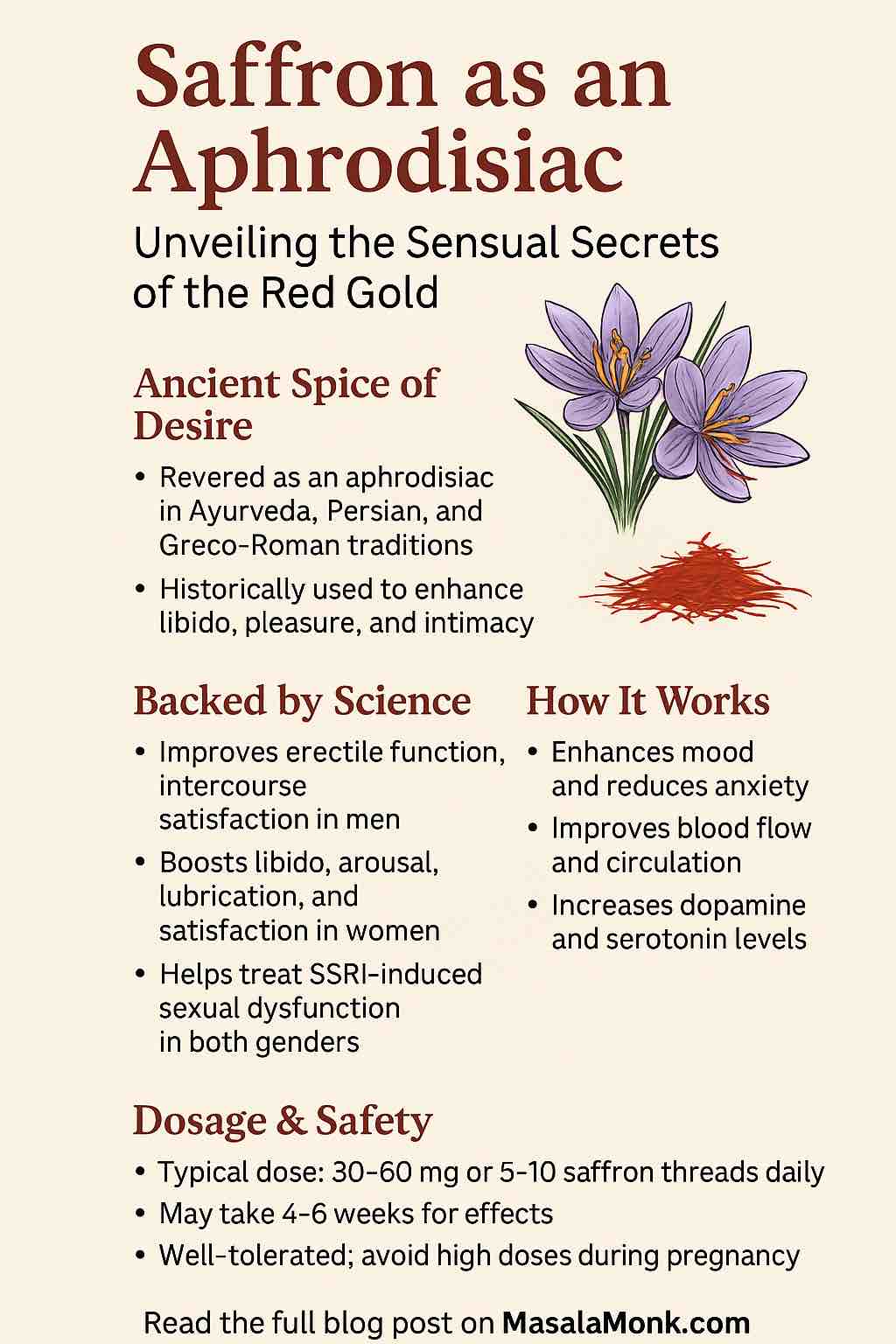
Saffron as an Aphrodisiac: Unveiling the Sensual Secrets of the Red Gold

Saffron as an Aphrodisiac

💫 The Spice of Desire

From royal palaces to sacred Ayurvedic texts, saffron has long held the reputation of being more than just a luxurious culinary ingredient. Known as “red gold”, saffron is revered not only for its rich color and intoxicating aroma but also for its sensual, mood-lifting, and aphrodisiac properties.

But is this legendary reputation backed by real science—or just poetic folklore?

In this post, we explore the sensual secrets of saffron, backed by both Ayurvedic wisdom and modern clinical evidence, and show you how to practically incorporate it into your life and love.


🧭 Saffron in History and Ayurveda

In Ayurvedic medicine, saffron (Kumkuma) is classified as tridoshic—it balances all three doshas (Vata, Pitta, and Kapha). It’s traditionally used to:

  • Increase vitality and stamina
  • Enhance mood and mental clarity
  • Deepen intimacy and emotional bonding
  • Improve sexual function and fertility

Ancient Persians and Greeks also used saffron in love potions, perfumes, and even in bath rituals to awaken the senses and prepare the body for intimacy.


🧪 What Modern Science Says About Saffron as an Aphrodisiac

❤️ 1. Saffron for Men: Improved Erectile Function

  • A 2023 meta-analysis of multiple RCTs concluded that saffron supplementation significantly improved erectile function and sexual satisfaction.
  • In one study, 200 mg/day for 10 days improved erection frequency, rigidity, and overall satisfaction (IIEF scores).
  • It didn’t raise testosterone—but it did improve how men felt and performed sexually.

Verdict: Saffron supports performance by enhancing blood flow, mood, and confidence—not hormones.


💃 2. Saffron for Women: Desire, Arousal & Satisfaction

  • A 6-week study on women taking 15 mg saffron twice daily showed notable improvements in:
    • Sexual desire
    • Arousal and lubrication
    • Satisfaction and pain reduction
  • Another RCT found saffron reduced symptoms of sexual dysfunction in women on antidepressants (SSRIs)—a notoriously hard-to-treat issue.

Verdict: Saffron is one of the few natural aphrodisiacs supported by science for both men and women.


💊 3. Saffron for SSRI-Induced Sexual Dysfunction

  • In men and women taking SSRIs, saffron helped improve:
    • Erectile strength (men)
    • Arousal, lubrication, and orgasm (women)
  • Results appeared within 4–6 weeks of consistent daily use.

This makes saffron a rare natural aid for medication-related intimacy issues, without the harsh side effects of synthetic drugs.


🧠 4. How Does Saffron Work as an Aphrodisiac?

Saffron isn’t a stimulant—it works more subtly by:

  • Enhancing neurotransmitters like serotonin, dopamine, and glutamate
  • Improving blood circulation (thanks to crocin and safranal antioxidants)
  • Reducing stress and anxiety, which often block libido
  • Lifting mood, improving emotional connection and pleasure response

In essence, it creates the perfect internal environment for intimacy to flourish.


📏 Dosage, Safety & How to Use It

FormRecommended DoseNotes
Threads (whole)5–10 threads per daySoak in warm water or milk before use
Extract/Capsule30–60 mg/dayStandardized supplements (e.g. 2% safranal)
Liquid tinctureFollow label directionsChoose alcohol-free options for bedtime use

Safety Tips:

  • Stick to < 1.5 g/day. Higher doses may cause nausea, dizziness, or uterine stimulation (avoid during pregnancy).
  • Look for high-quality, deep-red threads with no yellow styles or additives.
  • Pair with milk or healthy fat (like ghee or coconut oil) for better absorption.

🧘 How to Create a Saffron-Infused Bedroom Ritual

🌙 Bedtime Saffron Milk (Golden Love Latte)

Ingredients:

  • 1 cup warm milk (dairy or plant-based)
  • 5–7 threads saffron (soaked for 20 minutes)
  • A pinch of nutmeg
  • ½ tsp raw honey

Instructions:
Heat the milk with saffron and nutmeg. Sweeten with honey just before drinking. Sip slowly, preferably with soft lighting and relaxing music nearby.


💆 Saffron-Infused Massage Oil

DIY Blend:

  • 3 tbsp almond oil
  • 3–5 saffron threads
  • Optional: 1 drop cardamom or sandalwood essential oil

Let saffron infuse the oil for 48 hours in a sealed glass jar. Warm slightly before use. Use for sensual massages or aromatic self-care.


💑 Couple’s Ritual: Connection through the Senses

  1. Share a saffron drink together.
  2. Light saffron-infused incense or essential oil.
  3. Engage in eye contact and deep breathing for 2–3 minutes.
  4. Offer gentle touch or massage with warm oil.
  5. Let the spice do the rest. 🌿

⚖️ Final Word: Sensuality Backed by Science

Saffron isn’t just ancient romance—it’s modern, evidence-based sensual wellness. Its ability to increase pleasure, improve performance, and deepen emotional connection is backed by:

  • Clinical trials
  • Real user experiences
  • Time-tested traditional practices

Whether you’re struggling with stress-induced libido loss, seeking deeper intimacy, or just want to bring more joy into your relationship, saffron is a luxurious, safe, and meaningful place to start.

🔗 Related Reads:

🔍 FAQs: Saffron as an Aphrodisiac – The Sensual Secrets of Red Gold


1. What makes saffron an aphrodisiac?
Saffron contains compounds like crocin and safranal, which help enhance mood, reduce anxiety, and improve blood flow. These effects combine to create a more receptive state for intimacy and arousal.


2. Is saffron scientifically proven to boost libido?
Yes. Multiple clinical studies show saffron improves libido, sexual satisfaction, and even helps with antidepressant-induced sexual dysfunction in both men and women.


3. How much saffron should I take for sexual wellness?
The effective dose is typically 30–60 mg per day, often split into two doses (e.g. 15 mg morning and evening). For whole threads, this equates to around 5–10 threads daily.


4. How long does it take for saffron to work?
Most people see results in 4 to 6 weeks of consistent daily use. Some report subtle benefits (mood lift or energy) within the first two weeks.


5. Can both men and women use saffron for intimacy?
Absolutely. Saffron has shown benefits for erectile function in men and sexual desire, lubrication, and satisfaction in women, including those experiencing SSRI-related issues.


6. Is saffron safe to take daily?
Yes, saffron is considered safe for daily use at the recommended dosage (under 1.5 g/day). Higher doses may lead to side effects like nausea, dizziness, or uterine stimulation.


7. Can I use saffron during pregnancy or breastfeeding?
High doses should be avoided during pregnancy as saffron may stimulate the uterus. Always consult a healthcare provider if you’re pregnant, nursing, or trying to conceive.


8. How should I consume saffron for best results?

  • Soak 5–7 threads in warm milk or water for 15–30 minutes
  • Drink as saffron milk (optionally with nutmeg or cardamom)
  • Use in teas, tonics, or as part of bedtime rituals
  • Capsules or extracts are convenient for consistent dosing

9. Is there a difference between saffron threads and capsules?
Both can be effective. Threads offer a sensory and culinary experience, while capsules provide consistent, measurable dosages. Look for standardized saffron extracts in capsule form (e.g. 2% safranal).


10. Where can I buy high-quality saffron?
Choose saffron that is:

  • Deep red (no yellow or white parts)
  • From reputable sources like Iran, Kashmir, or Spain
  • Stored in airtight, dark glass containers
    Avoid cheap or mixed products—authentic saffron is costly but potent.
Posted on 3 Comments

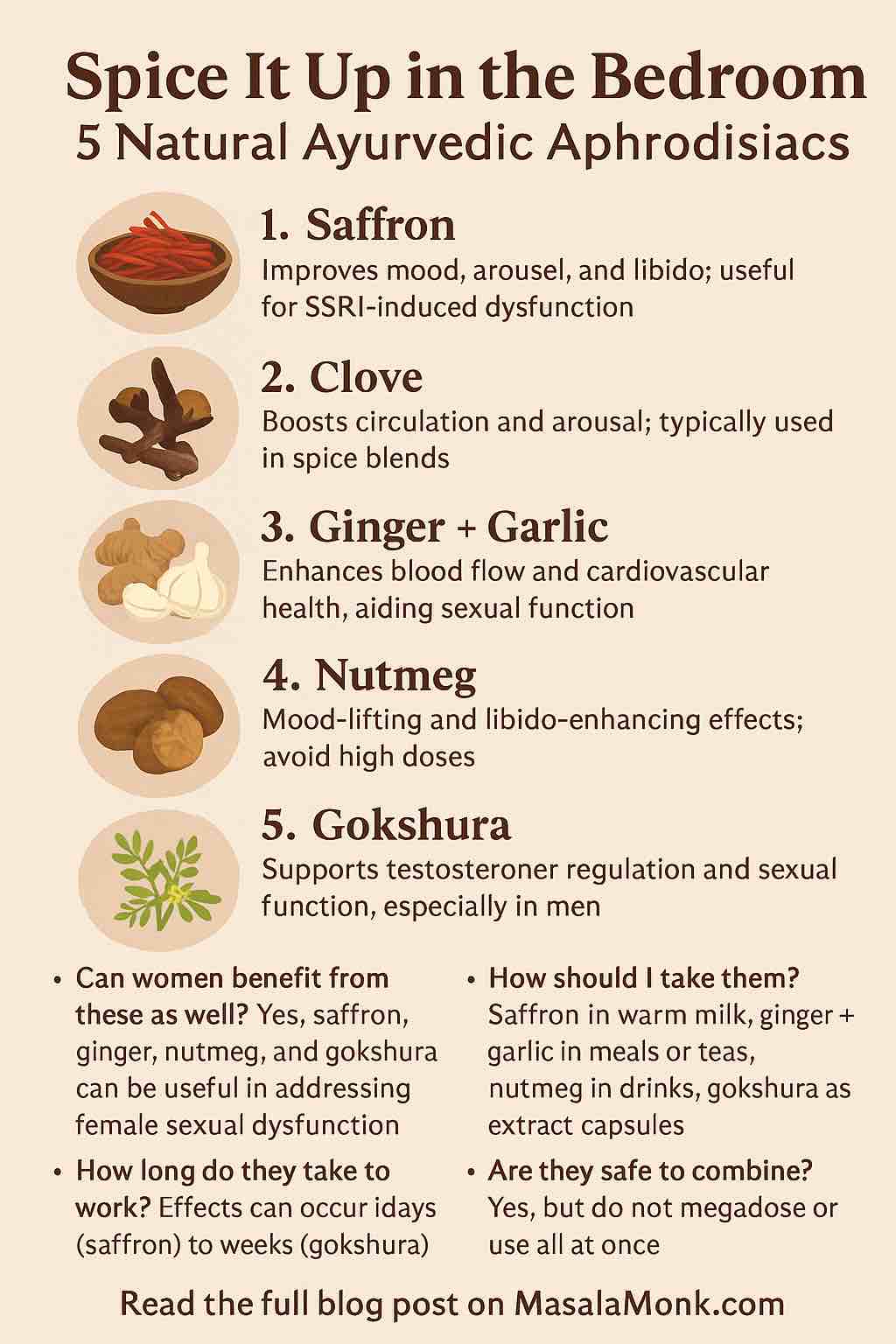
Spice It Up in Bedroom – 5 Natural Spices that work as Aphrodisiacs as per Ayurveda

Natural Ayurvedic Aphrodisiacs

When it comes to intimacy and desire, nature has had your back long before pharmaceutical solutions entered the picture. For centuries, Ayurveda—India’s traditional system of medicine—has offered powerful natural remedies to enhance vitality, increase libido, and restore balance in body and mind.

And what’s exciting is that many of these remedies are hiding right in your kitchen.

In this post, we’re diving into 5 natural spices from Ayurveda that are believed to act as aphrodisiacs—and we’ll explore not just the tradition, but also the modern science behind each. You’ll also find ways to use them, safety tips, and how to build your own “bedroom spice ritual” naturally.

Let’s spice things up. Literally.


🔥 1. Saffron – The Sensual Spice

In Ayurveda: Saffron (Kumkuma) is considered a tridoshic spice, meaning it balances all three doshas—Vata, Pitta, and Kapha. It’s used to lift mood, improve fertility, and increase “ojas” — the essence of vital life energy.

What Science Says:

  • A 2025 study found that saffron improved libido and arousal in both men and women, especially in those with antidepressant-related sexual dysfunction.
  • Women taking 30 mg/day saw improvements in desire, lubrication, and satisfaction scores within 6 weeks.
  • In men, saffron has been linked to improved erectile function and overall sexual satisfaction.

How to Use:

  • Soak 3–5 saffron threads in warm milk or ghee overnight and drink before bed.
  • Add to teas, rice, or bedtime lattes with nutmeg and cardamom.

Bonus: It smells and tastes divine—sensuality starts with the senses.

Also Read : Saffron as an Aphrodisiac: Unveiling the Sensual Secrets of the Red Gold


🌿 2. Clove – Circulation and Heat

In Ayurveda: Known as Lavanga, clove is used to warm the body, improve blood flow, and tone reproductive organs. It’s often added to aphrodisiac oils and formulas.

Science Snapshot:

  • Clove contains eugenol, which increases blood circulation and may aid arousal.
  • Animal studies suggest clove extracts improve mating behavior—but no human clinical trials yet.

How to Use:

  • Brew 1–2 cloves with ginger and cardamom into a spice tea.
  • Use clove-infused oil in sensual massage (diluted with a carrier oil like almond or sesame).

Also Read : Clove-Infused Tea for Erectile Dysfunction: Harnessing the Power of Aromatic Brews


🧄 3. Garlic + Ginger – The Power Couple

In Ayurveda: Garlic (Lahsun) and ginger (Adrak) are digestive, warming, and invigorating. They’re used to stoke “Agni”—the digestive fire—believed to fuel sexual vigor too.

What Research Says:

  • Ginger supports nitric oxide production, crucial for erections and blood flow.
  • Garlic may help with arterial elasticity and blood circulation, boosting cardiovascular health (key for sexual vitality).

How to Use:

  • Try “Garlic Ginger Milk”: simmer 1 crushed garlic clove and a few ginger slices in milk with saffron before bedtime.
  • Use garlic-ginger paste in your evening meals to warm the body before intimacy.

🌰 4. Nutmeg – The Mood-Lifting Spice

In Ayurveda: Called Jaiphal, nutmeg is used in very small doses to calm the mind, enhance desire, and promote restful sleep.

Science Says:

  • Animal research shows nutmeg can increase sexual behavior, possibly due to its calming, mood-enhancing effects.
  • It contains myristicin, a compound that may support dopamine balance and create mild euphoria when used correctly.

How to Use:

  • Stir ¼ tsp of freshly grated nutmeg into warm milk or a spiced bedtime drink.
  • Combine with cinnamon and cardamom for a romantic dessert or chai.

Caution: Too much nutmeg can cause nausea or hallucinations. Use no more than ½ tsp daily.

Also Read : Embracing Nutmeg for Restful Sleep: 5 Ideas to Use Nutmeg for sleep support


🌾 5. Gokshura (Tribulus Terrestris) – The Ayurvedic Stamina Booster

In Ayurveda: Gokshura is classified as a Vajikarana herb, which enhances male fertility, strength, and sexual potency. It’s often used in Ayurvedic formulations for erectile dysfunction and low libido.

Modern Research:

  • A 2024 RCT found that Gokshura combined with ginseng and L-arginine improved erectile function significantly.
  • May support testosterone regulation and sperm quality—especially in men with borderline hormone levels.

How to Use:

  • Best taken as a capsule or standardized extract (400–750 mg/day).
  • Often combined with Ashwagandha or Shilajit for stronger effect.

🛠️ How to Build Your Own Bedroom Spice Ritual

  1. Morning: Start with warm ginger tea to activate circulation.
  2. Evening meal: Add garlic, ginger, and clove to curries or soups.
  3. Before bed: Drink saffron milk with nutmeg and cardamom.
  4. Supplement: If using Gokshura, take it with breakfast for hormonal support.
  5. Mood setting: Use clove oil or saffron-infused oil in diffuser or massage oils.

⚠️ Safety First: Use With Awareness

SpiceDaily Safe AmountNotes
Saffron30 mg or 5–7 threadsAvoid in pregnancy in high doses
Clove1–2 cloves/dayExcess can cause GI irritation
Garlic/Ginger1 clove + 1-inch ginger rootAvoid raw garlic if on blood thinners
NutmegMax ½ tsp/dayHigh doses can be toxic
Gokshura400–750 mg/day (extract)Avoid if on hormone therapy; check quality source

🧘 Final Thoughts: Tradition Meets Intimacy

Spices in Ayurveda are more than just flavor enhancers—they’re healing tools. When combined with intentional practices, mindful eating, and loving presence, they can transform the way you experience intimacy.

You don’t need to chase complicated formulas or synthetic boosters. Just look to your kitchen—and your roots.

🔍 FAQs: Spice It Up in the Bedroom – 5 Natural Ayurvedic Aphrodisiacs


1. Can spices really act as aphrodisiacs?
Yes, in Ayurveda, several spices are considered vajikarana—agents that support sexual vitality, mood, and stamina. Some also have modern clinical support (e.g., saffron, gokshura) for enhancing libido and improving sexual function.


2. How does saffron work as an aphrodisiac?
Saffron improves mood, circulation, and arousal. Studies show it helps with SSRI-induced sexual dysfunction in women and improves erectile function in men. It may work by balancing neurotransmitters and reducing stress.


3. Is it safe to take saffron every day?
Yes, moderate daily intake (up to 30 mg or 5–7 threads) is safe for most people. High doses (>1.5 g) may be toxic and should be avoided, especially during pregnancy.


4. What is the best way to consume these aphrodisiac spices?

  • Saffron: Steeped in warm milk
  • Clove/Ginger/Garlic: In meals or teas
  • Nutmeg: As a pinch in bedtime drinks
  • Gokshura: As a standardized extract capsule (400–750 mg)

5. Can women benefit from these spices too?
Absolutely. Saffron, nutmeg, and ginger are especially useful for women to enhance mood, desire, and hormone balance. Gokshura has also shown some benefit in managing female sexual dysfunction.


6. Are these spices safe to combine together?
Yes, in culinary or low-dose therapeutic forms. Many Ayurvedic formulas combine these in precise ratios. Just avoid megadosing or using all at once without guidance.


7. How long do these spices take to show results?
Some (like saffron and ginger) may show subtle effects in a few days. Others, like gokshura, may require consistent use for 2–4 weeks for noticeable results.


8. Can I use clove or nutmeg topically?
Yes, diluted clove or nutmeg oil can be used in sensual massage oils. Always blend with a carrier oil like sesame or almond and test for skin sensitivity.


9. Who should avoid using these spices as aphrodisiacs?

  • Pregnant/breastfeeding individuals (especially saffron and nutmeg)
  • Those on blood thinners (garlic)
  • People with hormone-sensitive conditions (gokshura)
  • Individuals prone to allergies or digestive issues from spices

10. Are there any side effects of taking these spices for libido?
When used in moderation, side effects are rare. Overuse can cause:

  • Nutmeg: hallucinations, nausea
  • Garlic: digestive upset, bleeding risk
  • Clove: mucous membrane irritation
  • Gokshura: hormonal imbalances if overdosed
    Always follow dosage recommendations and consult a professional if unsure.

Posted on 1 Comment

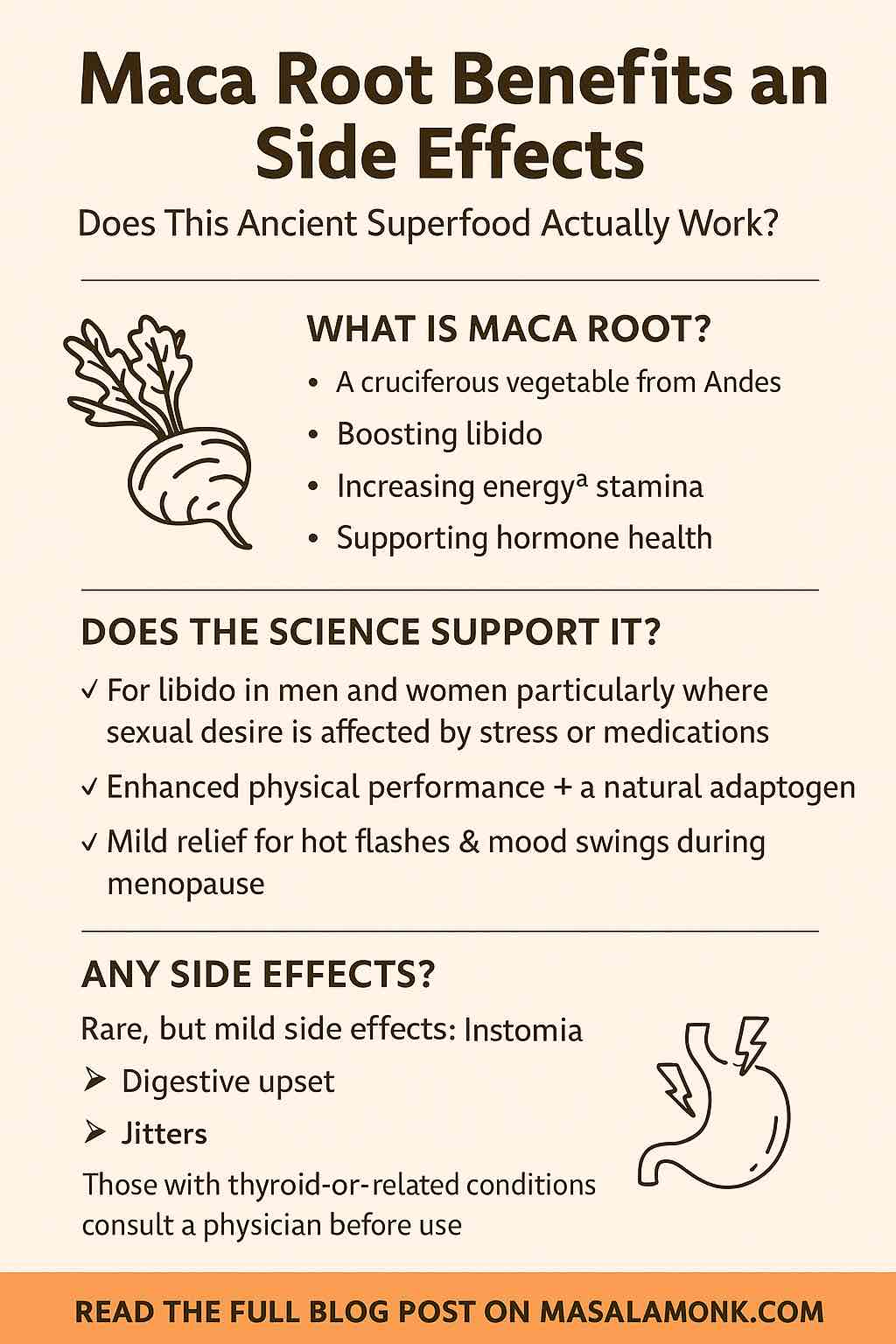
Maca Root Benefits and Side Effects

Maca Root Benefits an Side Effects

🌱 From Andes Legend to Superfood Aisles

Once an underground tuber cultivated high in the Peruvian Andes, maca root (Lepidium meyenii) is now a headline-making supplement promising everything from boosted libido to improved energy and mood. Found in powdered form, capsules, chocolates, and drinks, maca’s rise to fame has been swift — but is it deserved?

Is maca really a libido-boosting, hormone-balancing powerhouse? Or just another trendy adaptogen caught in a cycle of hype?

In this post, we cut through the noise and deliver everything you need to know about what maca does, what the science says, and whether it might be a fit for your wellness routine.


📖 What is Maca Root?

Maca is a cruciferous vegetable (like broccoli and kale) that grows in the harsh climate of the Peruvian Andes at altitudes above 13,000 feet. The part we eat or supplement is the root, which comes in different colors — black, red, yellow — each with slightly different profiles.

Traditionally, maca has been used for:

  • Boosting fertility and libido
  • Supporting energy and stamina
  • Reducing fatigue
  • Enhancing mood
  • Balancing hormones (especially around menopause)

🔬 How Does Maca Work?

While maca doesn’t contain plant hormones like estrogen or testosterone, it seems to influence the endocrine system — particularly the hypothalamus-pituitary-adrenal (HPA) axis — to help regulate hormone output.

Key Active Compounds:

  • Macamides & Macaenes: Unique to maca; believed to influence libido and energy
  • Glucosinolates: Antioxidant and potentially hormone-regulating
  • Alkaloids & Polysaccharides: May affect mood, immune health, and stress resilience

💡 The Evidence: What Science Says

1. Libido & Sexual Function

In Men:

A 2023 randomized clinical trial found that 3g/day of gelatinized maca improved erectile function, libido, and symptoms of testosterone deficiency in men with late-onset hypogonadism — without raising testosterone levels.
Takeaway: Benefits appear to be more about perception and function than direct hormone increase.

In Women:

A small trial found that 3g/day of maca improved sexual desire in women experiencing SSRI-induced sexual dysfunction. Libido gains were observed even when hormone levels remained unchanged.

➡️ Bottom Line: Maca may support sexual health in both men and women, especially where libido is stress- or hormone-related.


🏃 2. Energy, Endurance & Fatigue

Athletes and non-athletes alike have reported improved stamina and reduced fatigue. In one study, male cyclists who supplemented with maca saw improved endurance after two weeks. Another found that black maca reduced perceived fatigue in middle-aged men.

➡️ Bottom Line: There’s moderate support for maca as an adaptogen that may increase physical stamina and reduce burnout symptoms.


🌸 3. Mood, Stress & Mental Clarity

Several small studies suggest maca has mood-lifting properties, potentially useful for:

  • Anxiety
  • Mild depression
  • Stress relief

These effects may be due to maca’s ability to modulate the HPA axis and reduce cortisol, especially in perimenopausal women.

➡️ Bottom Line: Maca may act as a natural mood balancer—especially in hormonally sensitive periods.


🔁 4. Hormone Balance & Menopause

Some studies show that maca helps reduce:

  • Hot flashes
  • Night sweats
  • Mood swings
  • Sleep issues

…in perimenopausal or postmenopausal women. The interesting part? Maca works without being a phytoestrogen like soy — it seems to normalize hormonal rhythms rather than override them.

➡️ Bottom Line: An appealing option for women seeking non-hormonal support during menopause.


⚠️ Side Effects and Precautions

❗ Common (but rare) side effects:

  • Bloating or GI upset
  • Insomnia (if taken too late in the day)
  • Headache
  • Jitteriness

🚨 Possible concerns:

  • MTCA (Methyltetrahydro-β-carboline-3-carboxylic acid), a compound naturally in maca, has shown MAOI activity and possible mutagenic potential — though this is more theoretical and greatly reduced when maca is gelatinized (i.e., boiled and processed).

🔒 Who should use with caution?

  • People with thyroid conditions (due to goitrogen content)
  • Those with hormone-sensitive conditions
  • Pregnant or breastfeeding individuals (insufficient safety data)

➡️ Rule of thumb: Start low (1.5g/day), observe, and cycle off every 8–12 weeks if using regularly.


🥄 How to Use Maca

FormNotes
PowderMost affordable, earthy flavor; mix into smoothies, oatmeal, coffee
CapsulesConvenient, especially for consistent dosing
GelatinizedEasier to digest, reduced MTCA, better absorption
RawLess processed, but harder to digest for some

Best dose: 1.5g to 3g/day
🕒 Best time: Morning or midday (avoid at night if you’re sensitive to energy lifts)


⚖️ Is Maca Root Right for You?

You’re a good candidate if…
You want a libido/mood/energy boost without hormones
You’re looking for non-stimulant adaptogenic support
You’re going through perimenopause/menopause
Consider alternatives if…
You have thyroid issues or hormone-sensitive conditions
You need rapid results (maca works gradually)
You’re pregnant or on hormone therapy

🔗 Related Reads:


💬 Final Thought

Maca may not be magic, but it is meaningful for a lot of people. Whether you’re dealing with stress, low libido, or looking to smooth out hormonal turbulence, maca could be a smart, natural way to support your body’s balance.

But as with any supplement — be intentional. Start slow, stay informed, and listen to your body.

And this is not medical advice, as with any supplement, consult your healthcare provider before experimenting or trying it.

🔍 FAQs About Maca Root


1. What is maca root used for?
Maca root is traditionally used to support libido, energy, fertility, mood, and hormonal balance. It’s especially popular for sexual wellness and managing menopausal symptoms.


2. Does maca root really increase libido?
Yes, some studies support maca’s ability to improve libido in both men and women—particularly when stress, fatigue, or medications (like SSRIs) reduce desire. Effects are typically mild to moderate and may take 2–4 weeks to appear.


3. Can maca root help with erectile dysfunction?
A 2023 clinical trial found that 3 g/day of maca improved erectile function in men with low testosterone symptoms—without changing hormone levels. While not a substitute for ED medication, it may offer subtle support.


4. How long does it take for maca root to work?
Most users report effects in 2–6 weeks with daily use. Libido and mood improvements may be felt sooner, while hormonal and energy-related benefits might take longer.


5. What is the best time of day to take maca?
Morning or early afternoon is ideal. Maca can increase energy, so taking it too late in the day may interfere with sleep.


6. Is maca root safe to take every day?
Yes, in moderate doses (1.5–3 g/day), maca is generally safe for daily use. However, cycling (e.g., 8–12 weeks on, then a break) is often recommended to avoid potential hormonal overstimulation.


7. What are the side effects of maca root?
Side effects are rare and usually mild. They include digestive upset, headaches, jitteriness, and insomnia (especially if taken late in the day). Always start with a small dose and monitor how your body responds.


8. What’s the difference between raw and gelatinized maca?
Raw maca is minimally processed but harder to digest. Gelatinized maca is pre-cooked and easier on the stomach, with better absorption and reduced MTCA (a potentially risky compound).


9. Can women take maca root for menopause symptoms?
Yes. Maca has been shown to reduce hot flashes, night sweats, and mood swings in menopausal women—without affecting hormone levels directly. It may act by modulating the endocrine system.


10. Who should avoid maca root?
People with thyroid issues (due to goitrogens), hormone-sensitive conditions (like certain cancers), or those who are pregnant or breastfeeding should avoid maca or consult a doctor before use.


Posted on 1 Comment

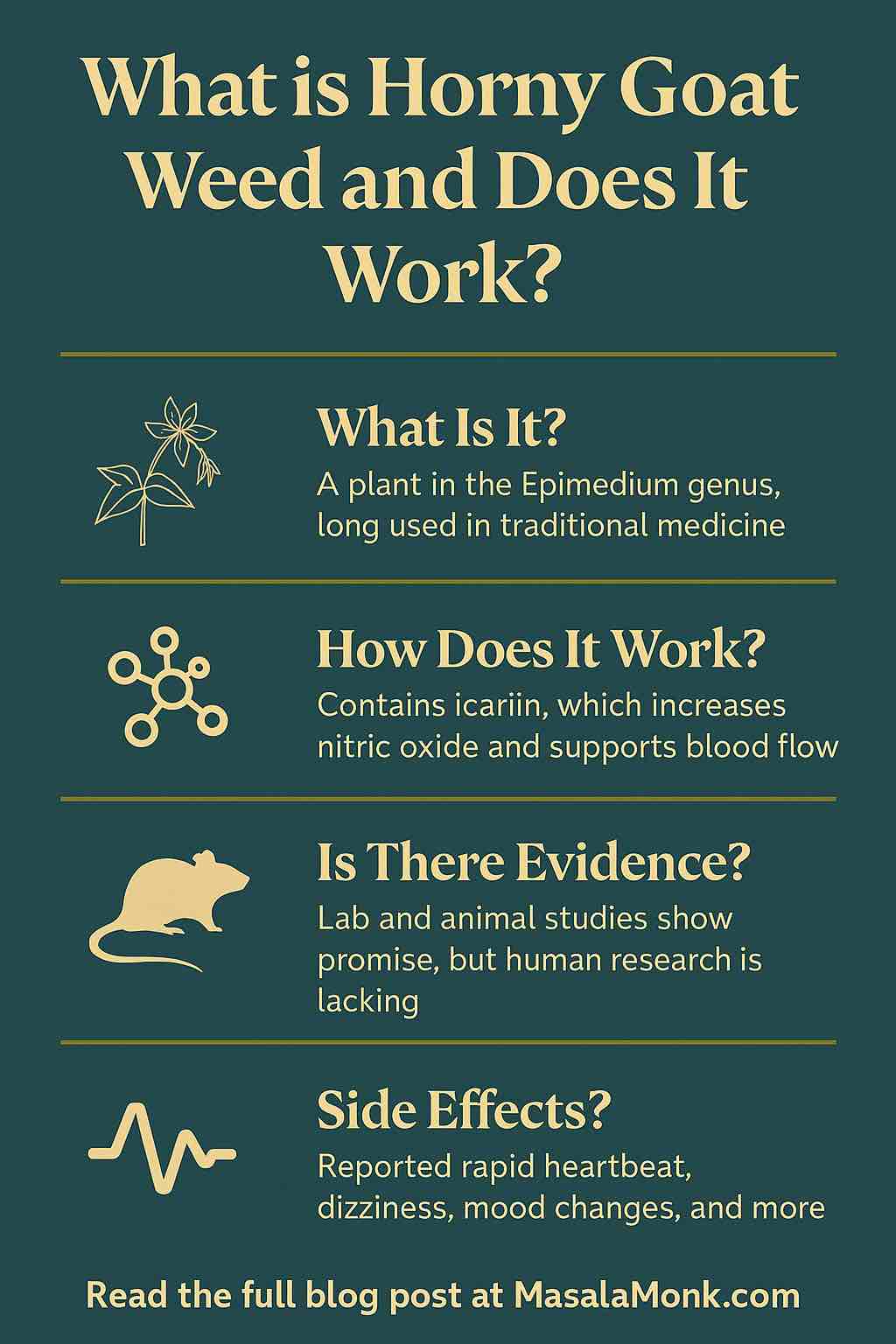
What Is Horny Goat Weed and Does It Work?

What is Horny Goat Weed and Does It Work?

🌿 A Strange Name for a Serious Supplement

You’ve probably seen the name before—Horny Goat Weed—and wondered: Is that a real thing? It sounds like a punchline from a bad infomercial. But behind the cheeky name lies centuries of use in traditional Chinese medicine and growing interest in modern wellness circles.

Touted as a natural libido booster, energy enhancer, and even a mood supporter, Horny Goat Weed has made its way into pills, teas, and functional foods—including trendy intimacy products like Tabs Chocolate.

But does it really work? Or is it just herbal hype?

Let’s dive into what this plant really is, what science says, how it works in the body, and whether it’s something you should actually try.


📖 What Is Horny Goat Weed?

Horny Goat Weed is a nickname for a group of plants in the Epimedium genus—most commonly Epimedium grandiflorum, Epimedium sagittatum, or Epimedium brevicornum. In Traditional Chinese Medicine (TCM), it’s called Yin Yang Huo, and it’s been used for thousands of years to treat fatigue, joint pain, and—yes—low libido.

The name? According to legend, a Chinese herder noticed his goats became frisky after grazing on the plant, and the rest is… botanical history.


🔬 How Does It (Supposedly) Work?

The magic in Horny Goat Weed lies in a compound called icariin. It’s a type of flavonoid that affects the body in a few key ways:

🧪 1. PDE5 Inhibition

  • Icariin mildly inhibits the same enzyme (PDE5) that medications like Viagra target.
  • By blocking this enzyme, it may help improve blood flow to sexual organs.

💓 2. Increased Nitric Oxide Production

  • Icariin has been shown to increase nitric oxide synthase in lab studies.
  • More nitric oxide = improved vascular function and circulation.

🧠 3. Neuroprotective and Hormonal Effects

  • Some studies suggest icariin may boost testosterone production and support nerve growth, which could indirectly enhance sexual performance and mood.

🧬 What Does the Science Actually Say?

Let’s break it down by type of evidence:

Animal & Lab Studies: Promising

  • Rodent studies show improved erectile function and libido after taking icariin.
  • One 2025 study found Epimedium improved blood flow through the PI3K/AKT/eNOS pathway.
  • Test-tube studies show benefits for nerve cells and anti-inflammatory effects.

Bottom line: In animals and cell models, icariin consistently improves sexual function and vascular health.


⚠️ Human Studies: Still Lacking

Despite all the buzz, the human data isn’t nearly as exciting.

  • Most studies involve multi-herb blends, so it’s hard to isolate Horny Goat Weed’s effects.
  • A few small trials show mild improvements in libido and mood, but results are inconsistent.
  • No high-quality, large-scale human studies exist to confirm that Epimedium alone can significantly enhance sexual function.

So: It may work—but don’t expect pharmaceutical-level results.


💊 How Do People Take It?

Horny Goat Weed is typically taken as:

  • Capsules or tablets
  • Powdered extract
  • Tea
  • Infused foods (e.g., aphrodisiac chocolates like Tabs)

📏 Dosage

Doses vary by product and icariin content. A typical extract might contain:

  • 250–500 mg/day of Epimedium extract
  • 10–40% icariin concentration (look for standardized extracts)

Pro Tip: The more icariin per dose, the stronger the potential effect—but also the higher the risk of side effects.


⚠️ Is It Safe?

This is where it gets tricky. While Horny Goat Weed is generally considered safe in moderate doses, there are some concerns—especially with long-term or high-dose use.

🩺 Common Side Effects

  • Rapid heart rate
  • Dizziness or lightheadedness
  • Nausea or vomiting
  • Headaches
  • Dry mouth
  • Sweating

🚨 Serious (Rare) Side Effects

  • Heart rhythm irregularities
  • Mood swings, anxiety
  • A 2024 case report documented muscle spasms and elevated creatine kinase levels—indicating possible toxicity at high doses

⚖️ Who Should Not Take It?

Avoid Horny Goat Weed if you:

  • Take blood pressure meds, SSRIs, nitrates, or blood thinners
  • Have cardiovascular disease, arrhythmias, or a history of stroke
  • Are pregnant or breastfeeding
  • Have hormone-sensitive cancers (like breast or prostate)

Always consult a healthcare provider before starting any new supplement—especially one with hormonal or cardiovascular effects.


🧭 Should You Try It?

👍 Might Be Worth Trying If:

  • You’re curious about herbal approaches to intimacy
  • You’re otherwise healthy and not on interacting meds
  • You want something milder than prescription ED drugs
  • You’re using it as part of a stack (e.g., in Tabs Chocolate or blends with maca, ginseng, etc.)

👎 Probably Not a Fit If:

  • You have heart conditions, anxiety, or sensitive digestion
  • You expect instant, dramatic results
  • You’re taking other medications that could interact

🧪 Verdict: Sexy Supplement or Herbal Hype?

Horny Goat Weed sits in a gray area—between folklore and pharmacology.

  • It may help improve blood flow and libido subtly, especially when paired with other ingredients like maca or DHEA.
  • It won’t perform miracles, especially if underlying issues are psychological, hormonal, or medical.
  • It can be risky if taken in high doses or combined with medications.

Use it like you’d approach any functional supplement: cautiously, informatively, and with realistic expectations.


💬 Have You Tried Horny Goat Weed?

We want to hear your experience—did it work for you, or feel like expensive placebo? Leave a comment below and let’s keep the conversation honest and useful.


🔗 Related Reads:


🔍 FAQs About Horny Goat Weed


1. What is Horny Goat Weed used for?
Horny Goat Weed is primarily used as a natural aphrodisiac. It’s also marketed to support erectile function, energy, mood, joint pain, and menopausal symptoms. Most products focus on sexual wellness and vitality.


2. Does Horny Goat Weed really work for ED or low libido?
It may help mildly, especially in cases related to blood flow or stress. Animal studies show promise, but human research is limited. It’s not as potent or fast-acting as prescription ED treatments like Viagra.


3. How long does it take for Horny Goat Weed to work?
Some users report effects within a few hours, while others may need several days of consistent use. It depends on the dose, extract potency (icariin %), and your individual metabolism.


4. How much Horny Goat Weed should I take?
Typical doses range from 250 mg to 1000 mg per day, depending on icariin concentration. Look for standardized extracts (e.g., 10%–40% icariin). Always start with the lowest dose to assess tolerance.


5. Can women take Horny Goat Weed?
Yes. Women may benefit from its potential libido and energy-enhancing effects. It’s also sometimes used to manage menopausal symptoms, but long-term safety hasn’t been well-studied in women.


6. Is Horny Goat Weed safe to take every day?
Occasional use is generally safe for healthy adults. However, long-term daily use may increase the risk of side effects like rapid heartbeat, mood changes, or hormonal disruption. Use in cycles or consult your doctor.


7. What are the side effects of Horny Goat Weed?
Common side effects include dizziness, dry mouth, nausea, and headaches. Rare but serious reactions include rapid heartbeat, mood swings, and in very rare cases, muscle toxicity. Always follow dosage instructions.


8. Can I take Horny Goat Weed with other supplements or medications?
Caution is advised. It may interact with blood pressure medications, SSRIs, PDE5 inhibitors (like Viagra), and hormone treatments. Talk to your healthcare provider if you’re on any regular meds.


9. Is Horny Goat Weed better as a standalone supplement or in blends?
Many users report better results when it’s combined with other ingredients like maca, ginseng, or DHEA. Standalone Horny Goat Weed can be effective, but synergistic blends may offer more noticeable benefits.


10. Where can I buy quality Horny Goat Weed supplements?
Look for reputable brands with third-party testing. Choose products that disclose icariin concentration and avoid exaggerated claims. Also check reviews for user-reported effectiveness and side effects.

Posted on 6 Comments

Clove-Infused Tea for Erectile Dysfunction: Harnessing the Power of Aromatic Brews

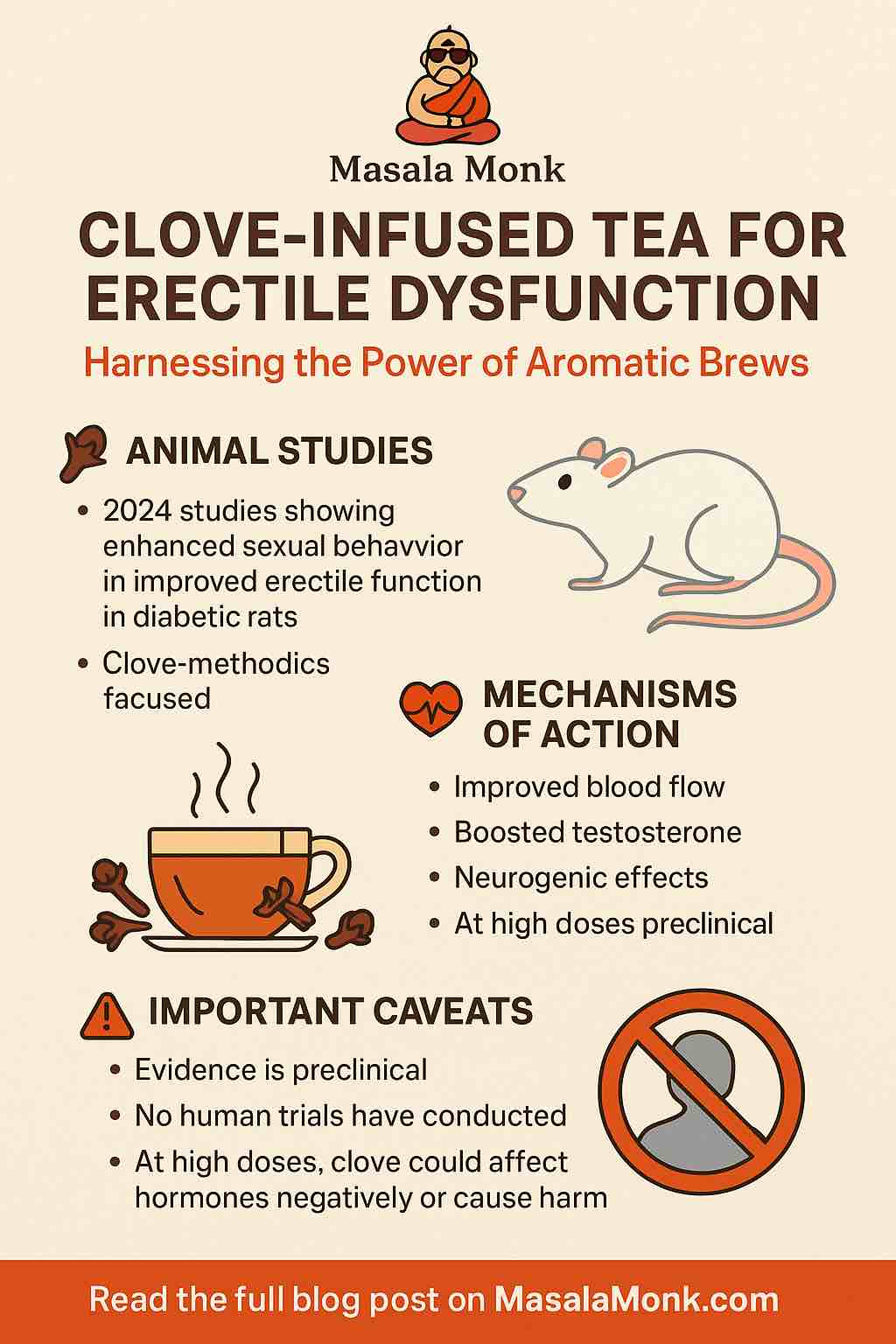
CLOVE-INFUSED TEA FOR ERECTILE DYSFUNCTION

In the pursuit of holistic health and natural wellness, many men are turning to herbal remedies to support vitality and reproductive health. Among the myriad of spices celebrated in traditional medicine, clove (Syzygium aromaticum) stands out not just for its rich aroma and warming flavor, but also for its potential benefits in enhancing sexual performance. This post dives deep into the science, tradition, and practicality of using clove-infused tea as a potential aid for erectile dysfunction (ED).


Understanding Erectile Dysfunction (ED)

Erectile dysfunction, defined as the persistent inability to achieve or maintain an erection sufficient for satisfactory sexual performance, affects millions of men worldwide. While pharmaceutical treatments like sildenafil (Viagra) offer reliable outcomes, they are not without side effects. As a result, there is growing interest in natural alternatives that offer gentler, long-term benefits.


Why Clove?

Clove is a spice derived from the flower buds of the Syzygium aromaticum tree. Traditionally used in Ayurvedic and Chinese medicine, clove has been valued for its:

  • Antioxidant and anti-inflammatory properties
  • Ability to enhance digestion and circulation
  • Local anesthetic effects (thanks to its main compound, eugenol)

But can clove influence sexual performance? Let’s explore.


The Science Behind Clove and Sexual Health

Recent animal studies provide promising evidence for clove’s aphrodisiac properties:

  • Increased Sexual Behavior in Rats (2024 Study): An ethanol extract of clove leaves and its active fractions (n-hexane and ethyl acetate) showed significant improvement in sexual behavior in male Wistar rats. These included reduced mounting latency and increased mounting frequency, suggesting improved libido and arousal.
  • Eugenol’s Role in Penile Blood Flow: Eugenol, the primary compound in clove, was shown to restore erectile function in diabetic rats by improving blood flow in the corpus cavernosum.
  • Neurohormonal and Circulatory Effects: Other studies suggest clove may slightly boost testosterone levels at low doses while enhancing blood vessel dilation and nerve sensitivity involved in arousal.

While these findings are encouraging, it is essential to note that all studies so far have been conducted on animals. No robust human clinical trials have been published to confirm clove’s effectiveness in treating ED.


Clove Tea: A Practical and Gentle Introduction

For those curious to explore clove’s potential benefits, clove-infused tea provides a safe and enjoyable entry point. It’s a traditional preparation that can easily be incorporated into your daily routine.

Ingredients:

  • 3 to 5 whole cloves
  • 1.5 cups of filtered water
  • Optional: cinnamon stick, grated ginger, or honey for flavor

Preparation:

  1. Boil the water in a small pot.
  2. Add the cloves (and optional spices), and reduce to a simmer.
  3. Let it steep for 5–10 minutes, covered.
  4. Strain and enjoy warm, preferably after meals.

Recommended Usage:

Start with one cup daily, 4–5 times per week. Monitor how your body responds, particularly in terms of digestion, energy, and overall well-being.


Safety and Considerations

Although clove is generally safe in culinary doses, there are some precautions to be aware of:

  • High doses may reduce testosterone levels and adversely affect sperm quality (seen in some rodent studies).
  • Essential oil of clove can cause irritation or toxicity if overused or applied undiluted.
  • Individuals with liver disorders, bleeding conditions, or on anticoagulants should consult a healthcare provider before consuming clove regularly.

Always start with small amounts and avoid concentrated clove oil or extracts unless supervised by a professional.


The Bottom Line

Clove-infused tea is a warming, aromatic brew with centuries of traditional use and emerging scientific support. While not a substitute for medical treatment, it may offer complementary benefits for men seeking to improve sexual health naturally. Its gentle effect on circulation, antioxidant support, and potential neurohormonal effects make it a worthy herbal ally in the broader strategy of managing erectile dysfunction.

As always, approach herbal remedies with patience, mindfulness, and consistency. And stay tuned: as science continues to explore clove’s full potential, this humble spice may yet earn a confirmed place in men’s sexual wellness.


Disclaimer: This blog post is for informational purposes only. It does not substitute professional medical advice, diagnosis, or treatment. Always consult with a healthcare provider before beginning any herbal or alternative remedy, especially if you have underlying conditions or are on medication.

Frequently Asked Questions (FAQs)

  1. Can clove tea really help with erectile dysfunction?
    While animal studies suggest that clove extract may enhance sexual behavior and blood flow, there is currently no clinical evidence in humans. Clove tea may offer mild supportive benefits but should not be seen as a cure for ED.
  2. How often should I drink clove tea for potential benefits?
    Start with one cup daily, 4–5 times per week. This allows your body to gradually adjust and gives time to observe any subtle changes in energy, mood, or libido.
  3. Can I combine clove tea with other herbs for ED?
    Yes, some men combine clove with ginger, cinnamon, or ginseng for synergistic effects. However, avoid combining multiple strong herbs without understanding potential interactions.
  4. Is it safe to use clove tea long-term?
    In moderate amounts, clove tea is generally safe for most people. Long-term, high-dose use (especially in extract or essential oil form) should be avoided unless guided by a healthcare professional.
  5. Are there any side effects of drinking clove tea?
    Possible side effects include stomach upset, oral irritation, or increased bleeding risk if consumed in excess or in sensitive individuals. Discontinue if any discomfort arises.
  6. Can women drink clove tea too?
    Absolutely. Clove tea supports digestion, blood circulation, and immunity, making it beneficial for all genders. However, the sexual health benefits discussed here are specific to male physiology.
  7. What’s the difference between using whole cloves and clove oil?
    Whole cloves are milder and safer for regular use. Clove oil is far more concentrated and can cause side effects if misused. For ED, start with tea from whole cloves, not essential oils.
  8. Can clove tea interact with medications?
    Yes. Clove may interact with anticoagulants, diabetes medications, and drugs processed by the liver. Always consult a healthcare provider if you are on medications.
  9. How long does it take to notice any effects?
    Herbal remedies like clove typically work slowly. If benefits are to appear, it may take 2–4 weeks of consistent use, and effects may be subtle rather than dramatic.
  10. Should I stop taking ED medication if I start clove tea?
    No. Clove tea is not a replacement for prescribed ED treatments. It may be used as a complementary approach but always under medical guidance.