

Posted on Leave a comment

Teas for Sleeping

photo of sleeping tabby cat

In our fast-paced world, achieving a good night’s sleep can sometimes feel like an elusive goal. If you’re one of the many people seeking natural remedies to improve your sleep quality, you might want to consider exploring the world of teas. Certain teas are known for their sleep-inducing properties. In this comprehensive guide, we’ll delve into the best teas for sleep, how they work, and how to incorporate them into your bedtime routine. We’ll also discuss the teas you should avoid before bedtime to ensure a restful night’s sleep.

The Science Behind Tea and Sleep

Tea isn’t just a comforting and warm beverage. Many types of tea contain compounds that can help induce sleep. These compounds include antioxidants, amino acids, and herbs that have sedative effects. But not all teas are created equal. Some teas can actually hinder sleep.

Best Teas for Sleeping and How They Work

Chamomile Tea: The Sleep Inducer

Chamomile tea is a popular choice for those seeking a good night’s sleep. It contains apigenin, an antioxidant that binds to certain receptors in your brain that may promote sleepiness and reduce insomnia. The calming effects of chamomile tea make it a perfect bedtime tea. To enjoy, steep a chamomile tea bag in hot water for 5-10 minutes before drinking.

Valerian Root Tea: The Ancient Sleep Aid

Valerian root tea has been used as a medicinal herb since ancient times due to its sedative and anti-anxiety effects. Studies suggest that valerian can help you fall asleep quicker and improve the quality of your sleep. To prepare, steep dried valerian root in hot water for about 10 minutes.

Lavender Tea: The Calming Potion

The scent of lavender is known for its calming properties. Drinking lavender tea can have similar effects. It’s believed to affect the neurotransmitter GABA in the brain, reducing insomnia and promoting a restful night’s sleep. To make lavender tea, steep dried lavender flowers in hot water for about 5 minutes.

Lemon Balm Tea: The Stress Reliever

Lemon balm tea, a member of the mint family, has been used for centuries to promote sleep and reduce stress and anxiety. It’s a great choice for those who enjoy a citrusy flavor in their tea. To prepare, steep lemon balm leaves in hot water for 5-10 minutes.

Passionflower Tea: The Sleep Quality Booster

Passionflower tea is made from the dried leaves, flowers, and stems of the passionflower plant. It’s been shown to improve sleep quality, and it’s often recommended for people who have trouble falling asleep. To make passionflower tea, steep a teaspoon of dried passionflower in hot water for about 10 minutes.

Tulsi Sleep Tea: The Adaptogenic Brew

Tulsi, also known as holy basil, is an adaptogenic herb that helps your body adapt to stress and promotes mental balance. A cup of tulsi tea before bed can help you relax and prepare for a good night’s sleep. To prepare, steep tulsi leaves in hot water for about 5 minutes.

Peppermint Tea: The Digestive Aid

Peppermint tea is not only delicious but also has properties that can aid in digestion and relieve tension, making it a great choice for a pre-bedtime drink. To enjoy, steep a peppermint tea bag or leaves in hot water for about 5 minutes.

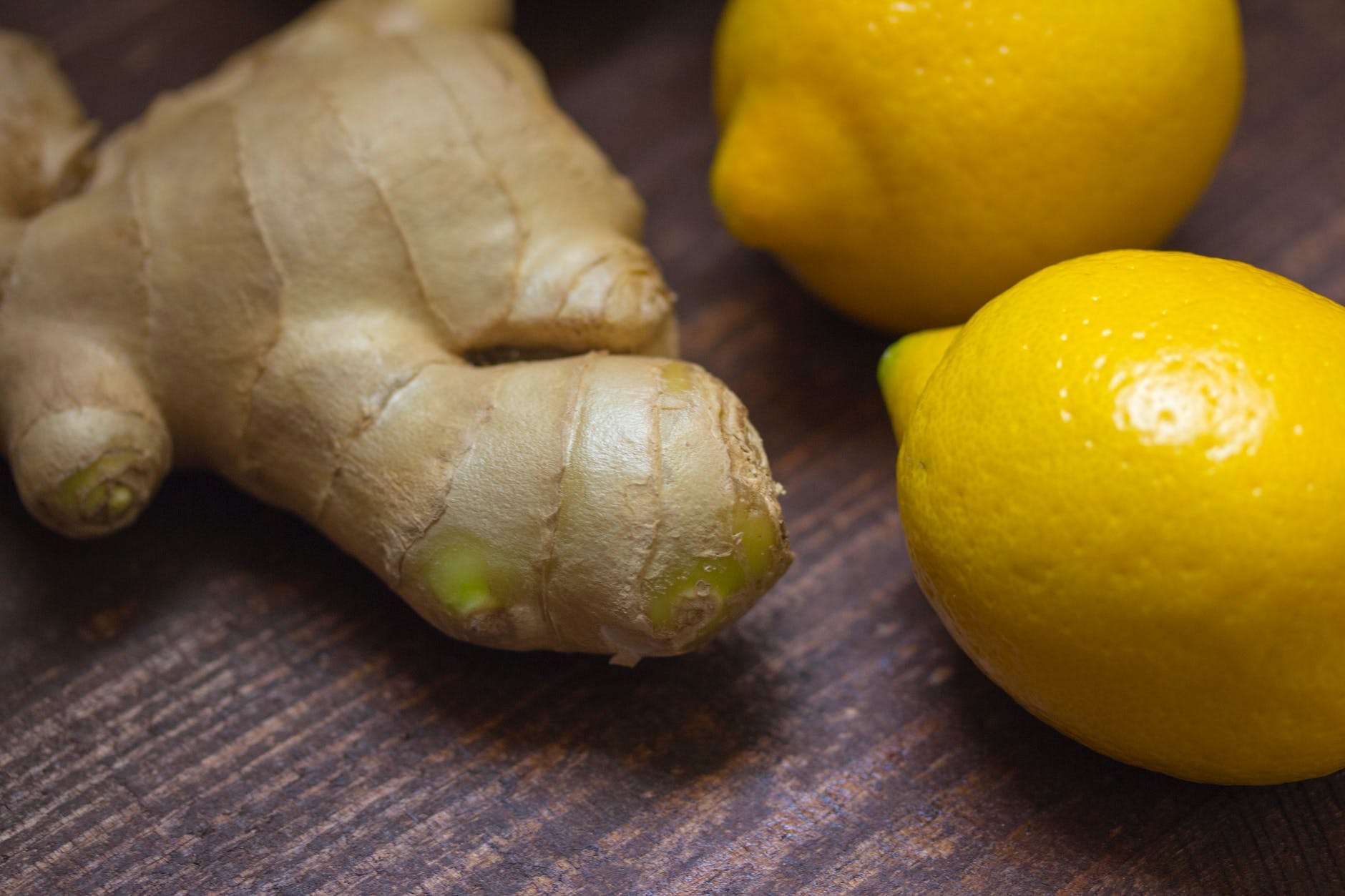
Ginger Tea: The Soothing Cup

Ginger tea is known for its warming and soothing properties. It can help calm your mind and body, preparing you for a restful night’s sleep. To make ginger tea, steep fresh ginger in hot water for about 10 minutes.

Teas to Avoid Before Bed

While many teas can help promote sleep, others can have the opposite effect. Here are a few to avoid:

Green Tea: The Energizer

Green tea is a healthy beverage full of antioxidants. However, it also contains caffeine, which can keep you awake if consumed before bed. Drinking green tea before bed might disrupt your sleep cycle.

Black Tea: The Morning Brew

Like green tea, black tea is high in caffeine and can interfere with your sleep cycle if consumed too close to bedtime. It’s best to save this invigorating brew for the morning.

Chai Tea: The Flavorful Alertness Booster

Chai tea, a flavorful blend of tea, herbs, and spices, often contains black tea and its accompanying caffeine content. It’s best to avoid this tea in the evening.

Conclusion

Incorporating sleep-inducing teas into your nighttime routine can be a natural way to improve your sleep quality. Remember, though, that everyone is different. What works for one person may not work for another. It’s all about finding what works best for you. Sweet dreams!

FAQs

  1. What are the best teas for sleep? Some of the best teas for sleep include chamomile, valerian root, lavender, lemon balm, passionflower, tulsi, peppermint, and ginger tea.
  2. How do teas help promote sleep? Many teas contain compounds like antioxidants, amino acids, and herbs that have sedative effects. These compounds can help induce sleep and improve its quality.
  3. Are there any teas I should avoid before bed? Yes, teas that contain caffeine, like green tea, black tea, and chai tea, should be avoided before bed as they can disrupt your sleep cycle.
  4. How can I incorporate tea into my bedtime routine? You can incorporate tea into your bedtime routine by enjoying a warm cup of your chosen sleep-inducing tea about 30 minutes to an hour before you plan to sleep.

Blog Tags

Tea, Sleep, Chamomile, Valerian Root, Lavender, Lemon Balm, Passionflower, Tulsi, Peppermint, Ginger, Green Tea, Black Tea, Chai Tea, Sleep Quality, Bedtime Routine

Posted on 3 Comments

Ginger for Your Lungs: 5 Benefits and Practical Uses

pexels-photo-128403.jpeg

Ginger, a common spice found in many kitchens, is not just a flavor enhancer. It’s a powerhouse of health benefits, particularly for the lungs. From eliminating air pollutants to improving circulation, ginger is a natural remedy that can help maintain lung health and alleviate symptoms of various respiratory conditions. Let’s dive into the details!

Ginger and Lung Health: The Connection 🌬️

Ginger is known for its anti-inflammatory properties, which can help soothe inflamed airways and improve breathing. It’s especially beneficial for those suffering from chronic lung diseases like bronchitis and asthma. Ginger works by eliminating air pollutants, tobacco smoke, and perfumes out of the air passages before they have time to irritate the lungs. It also relieves congestion and improves circulation to the lungs, thus reducing the severity of many chronic lung diseases.

Ginger and Asthma: A Natural Relief πŸƒ

Asthma, a condition that inflames and narrows the airways, can cause wheezing, shortness of breath, chest tightness, and coughing. Ginger, with its anti-inflammatory properties, can help alleviate these symptoms. It can also improve circulation to the lungs, making it easier for asthma patients to breathe.

Ginger and Bronchitis: Soothing the Airways 🌬️

Bronchitis, an inflammation of the lining of the bronchial tubes, can cause coughing, production of mucus, fatigue, shortness of breath, and minor chest pain. Ginger can help relieve these symptoms by improving circulation and reducing inflammation in the airways.

Ginger and Lung Infections: A Natural Antidote 🌿

Ginger’s anti-inflammatory and antioxidant properties can also help fight lung infections. It can help soothe the inflamed airways, making it easier for the body to expel the mucus and fight off the infection.

Ginger and Respiratory Health: A Daily Dose 🍡

Including ginger in your daily diet can help maintain your respiratory health. You can add it to your meals, brew it into a tea, or even consume it raw. However, it’s important to remember that while ginger can help alleviate symptoms of respiratory conditions, it should not replace any prescribed medications or treatments.

FAQs πŸ™‹β€β™€οΈ

  1. Is ginger good for shortness of breath? Yes, ginger can help alleviate shortness of breath by improving circulation and reducing inflammation in the airways. 🌬️
  2. Does ginger help with chest congestion? Yes, ginger can help relieve chest congestion by improving circulation and helping to expel mucus from the lungs. 🌬️
  3. Is ginger good for lung infection? Ginger’s anti-inflammatory and antioxidant properties can help fight lung infections and soothe inflamed airways. 🌿
  4. Can I use ginger essential oil for respiratory health? Yes, ginger essential oil can be used for respiratory health. However, it should be used with caution and under the guidance of a healthcare professional. 🍢
  5. Is ginger tea good for your lungs? Yes, ginger tea can be beneficial for your lungs. It can help soothe inflamed airways, improve circulation, and help alleviate symptoms of respiratory conditions. 🍡
  6. Can ginger help with cough and phlegm? Yes, ginger can help alleviate cough and expel phlegm from the lungs due to its anti-inflammatory properties and its ability to stimulate mucus secretion. 🍡
  7. Is ginger good for respiratory infections? Yes, ginger can help fight respiratory infections due to its anti-inflammatory, antibacterial, and antiviral properties. 🌿
  8. Can I use ginger for lung detoxification? Yes, ginger can help detoxify the lungs. It helps to break down and expel mucus, allowing your body to clear out any toxins trapped in the respiratory tract. 🌬️

Remember, while ginger is a powerful natural remedy, it should not replace any prescribed medications or treatments. Always consult with a healthcare professional before starting any new health regimen.

Stay healthy and breathe easy with the power of ginger! πŸŒΏπŸ‹πŸ΅

Sources: Healthfully, Johns Hopkins Medicine, Cleveland Clinic, WebMD

Disclaimer: This blog post is for informational purposes only and should not be used as a replacement for professional medical advice.

Posted on Leave a comment

Top 10 Best Juicers of 2023 – Based on YouTube

pouring of fruit smoothie on glass

Hello, juice enthusiasts! πŸ™Œ We’ve done the legwork to bring you the top 10 juicers of 2023, perfect for anyone looking to boost their health with fresh, homemade juices. 🍎πŸ₯•πŸŠπŸ₯¬ We’ve analyzed these juicers specifically for ginger, oranges, and celery to give you the best recommendations. Let’s dive in! πŸŠβ€β™€οΈ

πŸ”Ÿ KOIOS Juicer, Masticating Juicer Machine

This juicer is known for its high juice yield and quiet operation. It’s great for juicing a variety of produce, including ginger, oranges, and celery. However, some users have reported that it’s a bit difficult to clean.

  • Great for a variety of produce 🍏πŸ₯•πŸŠ
  • High juice yield πŸ₯€
  • Quiet operation 🀫
  • Cleaning can be a bit difficult 🧽

Also Read: Best Juicers in 2023? Comparing the Nama J2 and Kuvings Revo 830 Juicers

9️⃣ Hamilton Beach 67601A Big Mouth Juice Extractor

This is a great budget-friendly juicer that’s easy to use and clean. It works well with oranges and other soft fruits, but may not be the best for juicing ginger and celery.

  • Budget-friendly πŸ’Έ
  • Easy to use and clean 🧼
  • Works well with oranges and soft fruits 🍊
  • May struggle with ginger and celery πŸ₯¬

8️⃣ Tribest GSE-5050 Greenstar Elite Cold Press Complete Masticating Juicer

This juicer is a high-end model that’s excellent for juicing a wide range of produce, including ginger, oranges, and celery. However, it’s quite expensive and may be more than what casual juicers are willing to spend.

  • High-end model 🌟
  • Excellent for a wide range of produce 🍏πŸ₯•πŸŠ
  • Quite expensive πŸ’°

7️⃣ Aicok Slow Masticating Juicer

This juicer is a great budget option that doesn’t compromise on performance. It’s particularly good at juicing celery, but some users have reported that it struggles with harder produce like ginger.

  • Budget-friendly πŸ’Έ
  • Good at juicing celery πŸ₯¬
  • May struggle with harder produce like ginger πŸ₯•

6️⃣ Kuvings Whole Slow Juicer B6000S

This juicer is known for its wide feed chute and slow masticating process, which is great for extracting juice from ginger and celery. However, it’s a bit on the pricey side.

  • Wide feed chute 🍏
  • Slow masticating process πŸ₯€
  • Great for ginger and celery πŸ₯•πŸ₯¬
  • A bit pricey πŸ’°

5️⃣ Hurom H-AA Slow Juicer

This stylish juicer is not just about looks. It’s quiet, easy to clean, and does an excellent job with harder produce like ginger and celery. However, it’s a bit pricey and the cleaning process can be a bit intricate.

  • Stylish design 🌟
  • Quiet and easy to clean 🧼
  • Excellent for ginger and celery πŸ₯•πŸ₯¬
  • A bit pricey πŸ’°
  • Cleaning process can be intricate 🧽

Also Read: Hurom H310: Is this the best Juicer of 2023?

4️⃣ Breville 800JEXL Juice Fountain Elite

This juicer is a powerhouse that’s great for juicing a variety of produce, including ginger, oranges, and celery. It’s easy to use and clean, but it’s a bit noisy and may not be the best for those looking for a quiet juicer.

  • Powerhouse juicer πŸ’ͺ
  • Great for a variety of produce 🍏πŸ₯•πŸŠ
  • Easy to use and clean 🧼
  • A bit noisy πŸ“’

3️⃣ Omega NC900HDC Juicer Extractor

This juicer is a versatile machine that’s not only great for juicing but also for making nut butter, baby food, and grinding coffee beans. It’s excellent for juicing ginger, oranges, and celery, but it’s a bit pricey.

  • Versatile machine πŸ”„
  • Great for a variety of produce and other uses 🍏πŸ₯•πŸŠπŸ₯œβ˜•
  • Excellent for ginger, oranges, and celery πŸ₯•πŸŠπŸ₯¬
  • A bit pricey πŸ’°

Also Read: Cold Press Juicers vs Centrifugal Juicers: Which is Best?

2️⃣ SKG A10 Cold Press Slow Masticating Juicer

This juicer is known for its high juice yield and slow masticating process, which is great for extracting juice from ginger, oranges, and celery. However, it’s a bit on the pricey side.

  • High juice yield πŸ₯€
  • Slow masticating process πŸ”„
  • Great for ginger, oranges, and celery πŸ₯•πŸŠπŸ₯¬
  • A bit pricey πŸ’°

And finally, drumroll please… πŸ₯πŸ₯πŸ₯

1️⃣ Kuvings EVO820 Whole Slow Juicer

Our top pick for the best juicer of 2023 is the Kuvings EVO820. This juicer is a powerhouse that’s great for juicing a variety of produce, including ginger, oranges, and celery. It’s easy to use and clean, but it’s a bit pricey.

  • Powerhouse juicer πŸ’ͺ
  • Great for a variety of produce 🍏πŸ₯•πŸŠ
  • Easy to use and clean 🧼
  • A bit pricey πŸ’°

Also Read: Kuvings REVO830: Is It Still the Best Juicer in 2023?

Remember, the best juicer for you depends on your personal needs and preferences. Consider factors such as ease of use, cleaning, noise level, and price when choosing your juicer. πŸ€”πŸ’‘

We hope this guide helps you on your journey to fresh, homemade juices! πŸΉπŸ’š And remember, we’re all in this together. Join our Facebook group at Eatlo to connect with fellow juice enthusiasts and share your juicing experiences. πŸ€—πŸΉ

Stay healthy, stay fresh, and keep juicing! πŸ₯•πŸŠπŸ₯¬πŸΉ

Also Read: Best Juicers in 2023 for Celery πŸ₯’πŸ₯¦

Tags: Juicers, Healthy Living, Fresh Juice, Homemade Juice, Juice Recipes, Juicing for Health, Best Juicers 2023, Ginger, Oranges, Celery, Juice Enthusiasts, Eatlo

Posted on 1 Comment

Golden Milk Recipe: The Best Bedtime Detox Drink!

Hello, health enthusiasts! 🌞πŸ₯› Today, we’re going to talk about a potent anti-inflammatory drink that you can enjoy before bedtime – Golden Milk. This recipe is inspired by a video from the YouTube channel “Stephi Nguyen,” titled “My Golden Milk Recipe: The Best Bedtime Detox Drink!”

The video, hosted by Stephi Nguyen, a trusted source for health and wellness information, offers a comprehensive guide to making this nutritious drink. Let’s dive into the details!

Ingredients πŸ“

For two servings of Golden Milk, you will need:

  • 2 cups of unsweetened almond milk (or any milk that fits your dietary preference)
  • 1/4 teaspoon of vanilla extract
  • 1 tablespoon of coconut oil (this helps the body absorb turmeric)
  • About 1 inch of fresh chopped ginger or 1 teaspoon of ground ginger
  • 1 teaspoon of ground turmeric
  • 1 teaspoon of ground cinnamon
  • About 1/4 teaspoon of ground pepper (this helps activate the turmeric)
  • 1 tablespoon of raw honey or maple syrup (for sweetening)

Preparation 🍳

  1. In a pan, boil your almond milk. This will take about five minutes on high heat.
  2. Add all of your ingredients to the pan.
  3. Whisk this on low heat for about two to three minutes.
  4. Let the Golden Milk cool down a little bit before you add raw honey if that is the sweetener you’re using. The reason why is that the heat will kill the antioxidant properties of the raw honey.
  5. Once it’s all done, transfer it into a mug and enjoy!

This Golden Milk recipe is not only easy to make but also quite delicious. It’s a perfect drink to have before bedtime, offering a range of health benefits. Turmeric, the star ingredient, is a potent anti-inflammatory agent. Studies have shown it can reduce depression, reverse liver damage, and even treat Alzheimer’s. Ginger, another key ingredient, is also anti-inflammatory and can help fight off bacterial infections, especially those found in the mouth.

So, why not give this recipe a try and enjoy a warm, comforting, and healthy drink before bedtime?

Posted on Leave a comment

The Best Way to Take Turmeric: Health Benefits and Side Effects

Hello, food lovers! 🍽️ Today, we’re diving into the world of turmeric, a spice that’s been hailed for its powerful health benefits. We’re featuring a video from the Happy Bellyfish YouTube channel, where Srikant Singh shares the best way to consume turmeric and how to avoid its potential side effects. This video has garnered over 1.5 million views, making it a popular resource for those interested in natural health remedies.

In the video, Srikant prepares a traditional Indonesian drink known as JAMU, an herbal concoction made primarily from turmeric. This drink has been used by healers for thousands of years and is known for its healing properties. The recipe also includes fresh ginger, tamarind pulp, salt, and jaggery (unprocessed sugar).

Here’s a brief rundown of the health benefits of each ingredient:

  • Turmeric: Known for its anti-inflammatory, antimicrobial, anti-mutagenic, and anti-cancer properties. Its antioxidants fight free radicals, help in cell repair, and grow new ones.
  • Ginger: Helps reduce nausea, which may be induced by high doses of turmeric.
  • Tamarind: Helps with detoxification by eliminating waste from the body.
  • Jaggery: Sweetens the JAMU and helps prevent potential acidity in the stomach caused by high concentrations of turmeric and ginger.

The video also provides a detailed explanation of how to prepare the JAMU, from peeling and grating the turmeric and ginger to boiling the ingredients and straining the juice.

However, Srikant emphasizes that while turmeric is beneficial, it should not be consumed in high doses. Overdosing on turmeric or curcumin supplements can lead to iron deficiency, kidney stones, and hypoglycemia, especially in diabetics. Therefore, it’s important to consume turmeric in moderation.

If you’re interested in trying out this recipe, you can find the written version on the Happy Bellyfish website.

We hope you found this post informative and inspiring. If you’re passionate about food and health, we invite you to join our community at EatLo. We’re a group of food lovers who share recipes, cooking tips, and health advice. We’d love to have you! πŸ₯—πŸ΄

Don’t forget to give the video a thumbs up if you enjoyed it, and feel free to share your experiences with turmeric in the comments below. Until next time, stay healthy and happy! 😊








