

Posted on Leave a comment

What to Eat After Wisdom Teeth Removed

business care clean clinic

Whether you’re a teenager or a full-grown adult, the removal of wisdom teeth is a rite of passage that most of us go through. With the process comes a brief period of recovery which requires careful management of your diet. If you’ve just undergone wisdom tooth extraction and are wondering what to eat, this comprehensive guide will address all your queries and provide detailed insights on a post-extraction diet, including what to eat after wisdom teeth removal on day 1 and beyond.

Understanding Wisdom Teeth Removal

Also known as third molars, wisdom teeth are the last to erupt, usually during late teens or early twenties. Owing to their late arrival and limited space in the mouth, these teeth often cause complications such as crowding or impaction, making their removal necessary. After the surgical procedure, it is crucial to follow your oral surgeon’s advice on diet and oral care to ensure a smooth and speedy recovery.

What to Eat After Wisdom Teeth Surgery?

After wisdom tooth extraction, the soft tissue and bone exposed by the surgery need time to heal. Therefore, it is recommended to consume soft or liquid foods that don’t require much chewing and won’t disturb the surgical site. Here are some of the best food types you can have after wisdom teeth removal:

  1. Smoothies: A fruit or veggie smoothie is a great option after your surgery, as it packs nutrition while being gentle on your healing mouth. Avoid using straws as the suction can dislodge the blood clot at the surgery site, leading to a painful condition known as ‘dry socket.’
  2. Pureed Soups: Pureed or broth-based soups like tomato soup, pumpkin soup, or chicken noodle soup are soft, easy to consume, and can help keep you hydrated.
  3. Mashed Potatoes: Mashed potatoes are soft, easy to chew, and a comfort food staple that can be easily swallowed without much effort.
  4. Yogurt: Creamy and smooth, yogurt is a great source of protein. Opt for the plain variant to avoid sugar, or choose the ones with soft fruits if you want a bit of flavor.
  5. Applesauce: Applesauce offers a sweet taste and a smooth consistency, which is perfect for your healing mouth.
  6. Scrambled Eggs: These are soft, easy to chew, and packed with protein, making them an excellent choice for a post-surgery breakfast.

What to Eat After Wisdom Teeth Removal on Day 1?

On the first day after the surgery, it’s best to stick to a liquid diet, as your mouth may still be numb from anesthesia and the wounds are fresh. Here are some options:

  1. Water and Ice Chips: Hydration is key to your recovery. Keep drinking water throughout the day, and suck on some ice chips to soothe your mouth.
  2. Broths and Soups: Warm (not hot) broths are nutritious and easy on the mouth.
  3. Juices and Smoothies: Freshly squeezed or blended fruits and vegetables offer necessary vitamins and minerals. Again, remember to avoid straws.
  4. Puddings and Gelatins: Soft, smooth, and cool, they are easy to eat and can be quite soothing.

As the days progress, you can gradually introduce more solid foods into your diet as your comfort level increases. Always remember, everyone’s healing process is unique, so listen to your body and proceed accordingly.

Foods to Avoid After Wisdom Teeth Removal

While knowing what to eat is important, being aware of the foods to avoid is equally crucial for a successful recovery. In the days following your wisdom teeth surgery, steer clear of:

  1. Crunchy Foods: Foods like chips or hard fruits can irritate or harm the surgical site.
  2. Sticky Foods: Chocolates, candies, or anything sticky can stick to the surgical site and disrupt the healing process.
  3. Spicy Foods: Spicy foods can cause discomfort and irritation in the healing area.
  4. Alcohol: It can dehydrate you and slow down the healing process.
  5. Hot Foods and Beverages: High-temperature foods and drinks can dissolve the blood clots that aid healing.

The journey after getting your wisdom teeth out can be a bit challenging, but with the right diet and proper oral care, you can ensure a comfortable and quick recovery. Always remember to follow your dentist’s instructions and take prescribed medications on time. Regular check-ups post-surgery will help monitor your recovery process.

We hope this guide has provided you with a comprehensive understanding of what to eat after wisdom teeth removal. Here’s to a speedy recovery!

Posted on Leave a comment

Keratin Treatment at Home: DIY Keratin For Smooth, Shiny Hair 💇‍♀️✨

Hello, everyone! 👋

Today, we’re going to explore a fantastic home remedy for a DIY Keratin treatment that will leave your hair soft, shiny, and fizz-free. This remedy is perfect for those who want to avoid chemicals and prefer a natural approach to hair care.

This information comes from Dr. Vivek Joshi, a YouTube channel dedicated to sharing knowledge about health and beauty. You can watch the full video here.

The Ingredients 🌿

The main ingredient for this DIY Keratin treatment is Ladyfinger, also known as Okra. This vegetable is rich in phyto keratins and Vitamin A, both of which are beneficial for hair health.

Here’s what you’ll need:

  • 5 Ladyfingers (Okra)
  • 1 tablespoon of Rice Flour or Cornstarch
  • 1-2 tablespoons of Oil (Coconut, Jojoba, Almond, or Olive Oil)

The Procedure 📝

  1. Prepare the Ladyfinger: Wash and chop the Ladyfinger into small pieces. Boil these pieces in a glass of water for about 10 minutes. After boiling, let it cool down.
  2. Blend and Strain: Blend the boiled Ladyfinger and strain it using a cloth. This will give you a slimy mixture.
  3. Prepare the Rice Flour Mixture: In another bowl, mix 1 tablespoon of Rice Flour with a quarter cup of water.
  4. Combine the Mixtures: Start heating the Ladyfinger mixture on low heat. As it heats, add the Rice Flour mixture and keep stirring until both mixtures are well combined.
  5. Filter Again: Filter the mixture again to ensure a smooth consistency.
  6. Add the Oil: Depending on the condition of your hair, add 1-2 tablespoons of your chosen oil. If you have oily hair, use less oil. If your hair is dry or has split ends, use more oil.

Application and Results 💁‍♀️

To apply this DIY Keratin treatment, divide your hair into sections and apply the mixture from the roots to the tips. Cover your hair with a shower cap and leave it on for 1.5 to 2 hours. After this, rinse your hair with water and let it dry naturally.

This treatment can be used 1-2 times a week. It’s important to note that while this treatment can help with dry, fizzy, and dull hair, it’s not a permanent fix. Hair health comes from the inside out, so maintaining a balanced diet and a healthy lifestyle is crucial for hair growth and preventing hair fall.

For more health and beauty tips from Dr. Vivek Joshi, make sure to subscribe to his YouTube channel.

Posted on Leave a comment

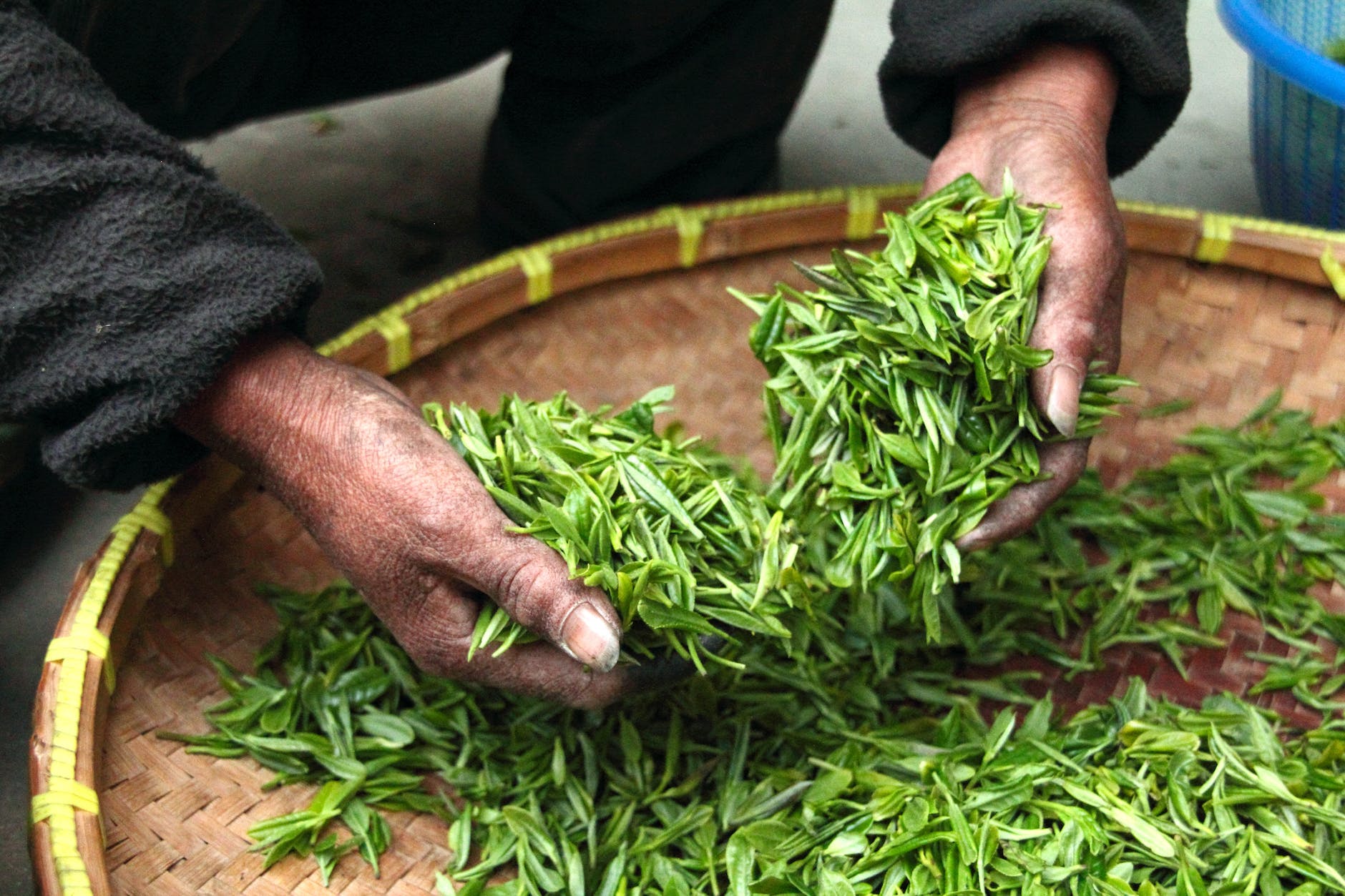
The Power of Green Tea: A Natural Ally in Cancer Prevention 🍵

person holding sliced vegetables on basket

Hello, foodies and health enthusiasts! Today, we’re diving deep into the world of green tea, exploring its potential benefits in cancer prevention and overall health. This post is inspired by a video from the Moss Reports channel on YouTube, hosted by Ralph W. Moss, Ph.D., a renowned author and cancer researcher. You can watch the full video here.

The Magic of EGCG

Green tea is packed with antioxidants, but one in particular stands out: EGCG (epigallocatechin gallate). This compound is a type of catechin, a natural antioxidant that helps prevent cell damage. EGCG is believed to be one of the main reasons green tea has such powerful medicinal properties.

A Personal Journey with Green Tea

Dr. Moss shares his personal journey with green tea. After being diagnosed with prostate cancer, he embarked on an alternative treatment plan that included taking green tea capsules every four hours for six months. He believes this regimen played a significant role in his successful recovery.

The Science Behind Green Tea and Cancer Prevention

The video delves into the science behind EGCG’s potential cancer-fighting properties. Dr. Moss references a test called Oncoblot, which was used to detect the presence of a substance called ENOX2, a protein often found in cancer cells. Interestingly, green tea, specifically EGCG, was found to counteract ENOX2.

The Synergy of Green Tea Compounds

While EGCG is a star player, green tea contains other beneficial compounds that work in concert with EGCG. Dr. Moss emphasizes the importance of consuming green tea in its whole form to benefit from these compounds. He also mentions an interesting finding that adding a bit of red pepper can enhance the effectiveness of green tea.

Green Tea: A Part of a Balanced Lifestyle

While the video focuses on the potential benefits of green tea in cancer prevention and treatment, it’s important to note that green tea is not a cure-all. It should be used as part of a balanced diet and healthy lifestyle. If you’re considering using green tea as a supplement, especially if you’re undergoing cancer treatment, it’s crucial to discuss this with your healthcare provider.

Conclusion

Dr. Moss’s discussion is a fascinating exploration of the potential health benefits of green tea. It’s a reminder that sometimes, the most potent medicines can be found in nature. So, why not enjoy a cup of green tea today? It’s a simple, enjoyable habit that could have significant health benefits. 🍵💚

Join our community on Facebook to continue the conversation and share your favorite green tea recipes!

Posted on 1 Comment

4 Ways to Take Care of Your Hair: From Thin to Thick

Hello, hair care enthusiasts! 💇‍♀️💇‍♂️ Today, we’re diving into the world of hair care, inspired by an insightful video from the YouTube channel “The Yoga Institute.” The video, titled “4 Ways to Take Care of Your Hair | How to make Thin to Thick Hairs? Hair Growth Tips,” is a comprehensive guide on transforming thin hair to thick hair naturally.

The host of the video is a representative from The Yoga Institute, a renowned institution dedicated to the holistic practice of yoga. In this video, they share a holistic approach that not only prevents hair fall but also promotes new hair growth.

Homemade Packs for Hair Fall Control

Homemade packs are an effective way to improve hair texture, strengthen follicles, and attain gorgeous thick hair. The video shares two hair packs that are easy to make and use:

  1. Avocado and Banana Pack: This pack moisturizes and nourishes frizzy hair. Avocados are high in vitamin E, and bananas are loaded with potassium, natural oils, carbohydrates, and vitamins. All these ingredients help prevent hair breakage.
  2. Amla, Shikakai, and Coconut Oil Pack: This pack helps prevent hair fall and promotes thick hair growth. Amla and Shikakai are widely used in Indian home remedies and Ayurveda. Amla is rich in vitamin C, antioxidants, and flavonoids, which promote hair growth. Shikakai strengthens hair roots, and coconut oil nourishes each hair follicle, preventing breakage.

Best Oil for Strong Hair

A warm hair oil massage is a common tradition followed for centuries. Bhringraj oil is one of the best oils to prevent hair fall. It improves blood flow to the roots, stimulates hair growth by activating hair follicles, and has a relaxing effect that helps to de-stress.

Hair Fall Reduction Concoction

The food we eat impacts our entire system, including hair follicles. The video shares a nutritious concoction that can help reduce hair fall and promote thick hair growth. This concoction includes beetroot, carrot, apples, cucumber, and ginger. This juice supplies essential nutrients that improve hair health.

Yoga Asanas for Hair Growth

Yoga asanas, especially forward bending and inversion asanas, enhance blood circulation in the head region. This nourishes and strengthens hair follicles, preventing hair fall and promoting new hair growth. Regular practice of asanas like Adho Mukha Svanasana and Sarvangasana can help prevent premature graying of hair.

The video concludes with a reminder to manage stress effectively, as it is a major cause of hair fall and thinning. Learning to work without stress can significantly improve hair health.

This video is a must-watch for anyone interested in hair care. It’s packed with valuable information and practical tips that can help you take complete care of your hair. So, why not give it a watch and learn more about these amazing hair care tips?

Posted on Leave a comment

Olive Oil and Cancer: A Deep Dive with Ralph Moss

Hello, food enthusiasts! 🍽️ Today, we’re going to take a deep dive into the world of olive oil, inspired by an enlightening video from the YouTube channel “Moss Reports.” The video, titled “The Healing Power of Olive Oil: A Deep Dive with Ralph Moss,” is a treasure trove of information about the health benefits of olive oil, particularly its anti-cancer properties.

Ralph Moss, the host of the video, is a renowned author and researcher who has dedicated his career to exploring alternative cancer treatments. In this video, he delves into the science behind the health benefits of olive oil, discussing its rich content of polyphenols, antioxidants that have been linked to a range of health benefits, including reduced risk of heart disease and cancer.

The video begins with Moss discussing a study conducted by the University of Louisiana, which found that oleocanthal, a type of polyphenol found in olive oil, has the ability to rupture cancer cells while leaving healthy cells unharmed. This discovery has significant implications for the development of new cancer treatments and highlights the importance of including olive oil in our diets.

Moss then moves on to discuss the history of olive oil, tracing its origins back to the ancient civilizations of the Mediterranean. He talks about how olive oil was traded alongside wine, and how the two products have many similarities. However, unlike wine, olive oil is best when it’s fresh. Moss emphasizes the importance of checking the harvest date on the bottle to ensure you’re getting the freshest product.

The video also provides practical advice on how to choose a high-quality olive oil. Moss recommends looking for oils that provide a certificate of analysis, which indicates the amount of polyphenols in the product. He also suggests looking for oils that are stored in dark bottles or metal cans to protect them from light and oxygen, which can degrade the antioxidants.

Moss introduces several brands of olive oil that he personally recommends, including Life Extension, a brand that boasts over 600 milligrams of polyphenols per kilogram. He also mentions Olive from the Raw, a brand that provides a certificate of authenticity and a high polyphenol content of 1400 milligrams per kilogram.

The video concludes with Moss discussing the taste of olive oil, which can range from mild to robust, depending on the variety of olives used and the time of harvest. He even shares his personal habit of drinking olive oil straight to ensure he gets the full benefits of its antioxidants.

This video is a must-watch for anyone interested in the health benefits of olive oil. It’s packed with valuable information and practical tips that can help you make informed choices when buying olive oil. So, why not give it a watch and learn more about this amazing superfood?

If you found this blog post helpful and want to learn more about healthy eating, join our Facebook community at EatLo. We’re a group of food enthusiasts who love to share recipes, cooking tips, and information about the health benefits of food. We’d love to have you join us!








